Interviews are opportunities to demonstrate your expertise, and this guide is here to help you shine. Explore the essential Joint and Seam Treatment interview questions that employers frequently ask, paired with strategies for crafting responses that set you apart from the competition.
Questions Asked in Joint and Seam Treatment Interview
Q 1. Describe the different types of seams used in garment construction.
Garment construction utilizes a variety of seam types, each chosen based on the garment’s style, fabric weight, and desired aesthetic. The choice impacts both the garment’s durability and its final appearance.
- Plain Seam: This is the most basic seam, formed by simply stitching two fabric edges together. It’s simple, fast, and suitable for lightweight fabrics. However, it tends to fray easily and isn’t suitable for heavier fabrics.
- French Seam: This seam is enclosed, providing a clean, professional finish, particularly suitable for sheer or delicate fabrics. It involves stitching the raw edges together inside out, then turning it right side out and stitching again, fully enclosing the raw edges. It’s more time-consuming but offers excellent durability.
- Seam with Overlock Stitch: An overlock stitch, also known as a serger stitch, is a simultaneous stitching and edge finishing method, offering both seam construction and raw edge prevention. It’s excellent for many fabrics but requires a serger machine.
- Double-Stitched Seam: This enhances durability by stitching the seam twice, commonly used for stress points like seams on trousers or handbags. A second line of stitching helps provide extra strength.
- Flat-Felled Seam: This durable and neat seam is commonly used in menswear and where a very strong and flat seam is needed. It involves encasing one seam allowance entirely within the other.
- Lapped Seam: One fabric edge is lapped over the other and stitched down. This is a less durable option but good for creating clean lines, particularly on lightweight materials like silk.
Understanding these different seam types allows for tailoring the construction process to the specific needs of the garment.
Q 2. Explain the importance of proper seam finishing techniques.
Proper seam finishing is crucial for garment longevity and appearance. An unfinished seam is prone to fraying, which can lead to unraveling and a less professional look. It also compromises the structural integrity of the garment. Think of it like the foundation of a house; a weak foundation will inevitably cause problems later.
Seam finishing techniques prevent fraying, improve the garment’s drape and feel, and add to its overall aesthetic appeal. Techniques like serging, zigzag stitching, pinking, and binding help achieve a professional finish.
For instance, a poorly finished seam on a dress might unravel after just a few washes, ruining the garment. A properly finished seam, on the other hand, will maintain its integrity and appearance for much longer.
Q 3. What are the common defects found in seams and how are they corrected?
Common seam defects include puckering, uneven stitching, skipped stitches, open seams, and improper seam allowances. These can stem from various causes like incorrect stitch tension, improper fabric handling, faulty machine needles, or inadequate seam finishing.
- Puckering: Usually caused by inconsistent tension or the stretching of one fabric during sewing. Correction: Adjust stitch tension, ease fabric before sewing, or use a walking foot.
- Uneven Stitching: Often due to inconsistent speed or hand movement. Correction: Practice consistent speed and even hand movement, use a guide, or consider using a machine with a speed control.
- Skipped Stitches: This points to problems like dull needles, incorrect threading, or low tension. Correction: Change the needle, check threading, adjust tension.
- Open Seams: Indicates weak stitching or improper pressing. Correction: Restitch the seam with the appropriate stitch, ensure good tension, and press the seam open or closed as needed.
- Improper Seam Allowances: Inconsistent seam allowances are problematic for pattern matching and garment fit. Correction: Use a seam gauge to maintain consistent seam allowances.
Careful attention to detail throughout the sewing process is key to preventing these defects.
Q 4. How do you select the appropriate seam type for a specific fabric?
Fabric selection significantly impacts seam choice. Lightweight fabrics like silk or chiffon require delicate seams like French seams or serged seams to prevent bulk and maintain drape. Heavier fabrics like denim or canvas often necessitate stronger seams like flat-felled or double-stitched seams for durability. Consider the fabric’s weave, weight, and tendency to fray.
For example, a delicate lace fabric would be best sewn with a French seam to conceal the raw edges and maintain the fabric’s elegance. Conversely, a heavy canvas would benefit from a flat-felled seam for its superior strength and neat appearance.
Always pre-test a seam on a scrap of fabric before working on the main garment to ensure compatibility.
Q 5. Describe your experience with various sewing machine types and their applications.
My experience encompasses a range of sewing machines, from basic single-needle machines to advanced industrial sergers and computerized machines. I’m proficient in using different types of machines depending on the project requirements and fabric type.
- Single-Needle Machines: Excellent for various sewing tasks, from simple seams to more complex decorative stitches. Ideal for home sewing or smaller-scale production.
- Industrial Machines: Designed for high-volume production, offering increased speed and durability. These are essential for large-scale garment manufacturing.
- Sergers (Overlock Machines): Crucial for finishing raw edges and creating professional-looking seams. They significantly reduce fraying.
- Computerized Machines: These offer programmable stitch patterns and advanced features, useful for specialized applications or precise control.
Choosing the right machine for a particular job is critical for efficiency and quality. For instance, using a single-needle machine to sew hundreds of jeans would be inefficient, whereas an industrial machine is perfectly suited for this task.
Q 6. What are the key factors to consider when choosing thread for seam construction?
Thread selection is paramount for seam strength and appearance. Key factors include fiber content, thread weight (denier), and color. The thread must be compatible with the fabric to ensure appropriate strength and prevent breakage.
- Fiber Content: Polyester threads offer excellent strength and resilience, while cotton threads provide a softer feel. Choosing a thread with appropriate fiber content for the fabric is critical.
- Thread Weight: Thicker threads (higher denier) are better suited for heavier fabrics, while finer threads are appropriate for delicate fabrics. Mismatching thread weight can lead to a weaker seam or distort the fabric.
- Color: The thread color should blend seamlessly with the fabric or create a deliberate contrast for decorative purposes.
- Compatibility: Ensure that the thread is compatible with the fabric and the type of sewing machine needle being used. For example, using a polyester thread on a delicate silk fabric may cause damage or puckering.
In my experience, testing thread combinations on scraps before beginning the actual sewing ensures that the thread and fabric work well together and the right visual effect is achieved.
Q 7. How do you ensure consistent seam quality throughout a production run?
Consistent seam quality throughout a production run requires meticulous attention to detail and a structured approach.
- Pre-Production Checks: Thoroughly inspect fabric, needles, thread, and machine settings before starting production. This will prevent errors from being replicated across many garments.
- Regular Machine Maintenance: Keep the sewing machine well-maintained and cleaned to ensure smooth operation and prevent skipped stitches or breakage.
- Operator Training: Proper operator training is crucial for maintaining consistent stitch quality and seam allowance. Standardized procedures can eliminate variation.
- Quality Control Checks: Implement regular quality control checks throughout the production process, including random garment checks and end-of-line inspections, to identify and correct errors early.
- Standardized Procedures: Establish clear, written procedures for each step of the seam construction process to reduce variability between operators and maintain consistency.
Employing these practices allows for achieving consistent, high-quality seams across all units. Think of it as a manufacturing process with carefully defined parameters and quality control checkpoints. If any parameter shifts, the quality control mechanisms will quickly detect it.
Q 8. Explain your experience with quality control procedures for seams.
Quality control for seams is paramount in ensuring the durability and aesthetic appeal of a garment or product. My approach involves a multi-stage process, beginning with pre-sewing checks – verifying fabric quality, pattern accuracy, and correct thread selection. During sewing, I meticulously monitor stitch length, tension, and seam alignment, making adjustments as needed. After sewing, a thorough inspection follows. This involves checking for skipped stitches, broken threads, puckering, or any inconsistencies in the seam allowance. I utilize tools such as magnifying glasses to catch minor imperfections. For critical seams, I employ seam strength testing devices to objectively assess the seam’s robustness. Finally, I meticulously document all findings and corrective actions in a detailed report, ensuring traceability and continuous improvement. For example, in a recent project involving heavy-duty canvas bags, I implemented a double-stitching technique on stress points to enhance durability, and regularly tested samples to meet the client’s specified strength requirements.
Q 9. How do you troubleshoot common sewing machine problems?
Troubleshooting sewing machine problems requires a systematic approach. I first identify the nature of the issue – is it a skipped stitch, inconsistent tension, or a broken needle? Then, I perform a series of checks. This often starts with the simplest solutions: ensuring correct threading, proper needle insertion (right type and size for the fabric), and a clean bobbin case. I’ll then assess the tension settings; often, slight adjustments can resolve issues. If the problem persists, I investigate the machine’s feed dogs for obstructions, clean the shuttle race, and lubricate moving parts as per the manufacturer’s instructions. For more advanced problems, such as motor malfunctions or electrical issues, I consult the machine’s manual or seek professional service. I always prioritize safety; disconnecting the machine from the power source before any internal inspection or repair is crucial. For instance, I once encountered a skipped stitch problem that turned out to be caused by a bent needle; replacing it immediately resolved the issue.
Q 10. Describe your experience with different seam allowances and their purpose.
Seam allowances are the amount of fabric extending beyond the stitching line. The choice of seam allowance is crucial, impacting garment fit, durability, and the final aesthetic. A 5/8-inch seam allowance is a standard in many garment constructions, providing ample space for finishing and preventing seams from becoming too bulky. Narrower allowances (¼ inch) are common in delicate fabrics or when minimizing bulk is essential, such as in fine lingerie. Wider allowances (1 inch or more) are often used in heavy fabrics or for seams requiring added strength. The purpose of the allowance depends on the project and desired outcome. For example, a wide seam allowance in a denim jacket allows for reinforcement techniques like topstitching, while a narrow allowance in a silk blouse maintains drape and avoids stiffness.
Q 11. What are the safety precautions you take when operating sewing machines?
Safety is my top priority when operating sewing machines. Before starting, I always ensure the work area is well-lit, clutter-free, and free from tripping hazards. I keep my fingers clear of the needle and presser foot, utilizing the finger guards available on many machines. Long hair is always tied back, and loose clothing is avoided. I regularly check the power cord for any damage and always disconnect the machine from the power source when changing needles, bobbins, or performing any maintenance. I also maintain a sharp, correctly sized needle appropriate for the fabric type to minimize the risk of breakage. Furthermore, I always use the machine’s safety features, such as the speed control and reverse stitching options, appropriately. Think of it like driving a car – you wouldn’t drive recklessly; you follow the rules and utilize safety features to prevent accidents.
Q 12. How do you handle difficult or unusual fabric types when sewing?
Working with challenging fabrics, such as leather, silk, or stretchy knits, requires specialized techniques. Leather often needs a specialized needle and possibly a walking foot to ensure even feeding. Silk needs delicate handling, slower speeds, and often requires a very fine needle to avoid snagging. Stretchy fabrics require a needle suited for stretch fabrics, and a special stitch such as a serger stitch or a zigzag stitch. I adjust my sewing machine settings accordingly, opting for different needle types, thread weights, stitch lengths, and even using specialty sewing machine feet (walking foot, roller foot) to minimize issues. For example, when working with delicate lace, I use a fine needle, lower speed, and a silk-specific thread to prevent damage. Understanding the fabric’s characteristics – its weight, drape, and tendency to stretch or fray – allows me to select the most appropriate tools and techniques.
Q 13. Explain your experience with different types of seam finishes (e.g., serging, overlocking).
Seam finishes are crucial for preventing fraying, adding durability, and enhancing the professional look of a garment. Serging, or overlocking, is a common finish where a specialized machine trims and encloses the raw edges of a seam in one step, creating a neat, professional finish and preventing unraveling. This is particularly useful for knit fabrics. Zigzag stitching is another widely used method, providing a basic edge finish that’s simple and effective for many woven fabrics. Pinked edges are created with pinking shears, and while quick, they are less effective for preventing fraying than other finishes. Other techniques like French seams (enclosing all raw edges within the seam itself) are more complex but yield incredibly clean, high-quality finishes. The choice of finish depends on the fabric type, intended use, and desired level of professional finish. For example, a French seam is ideal for a fine linen shirt, while serging is better suited for a stretchy jersey t-shirt.
Q 14. How do you maintain and clean sewing machines?
Regular maintenance is key to extending the life and performance of a sewing machine. I always start by unplugging the machine and removing any lint or dust from the bobbin case and feed dogs with a soft brush. I then use a lint-free cloth to clean around the needle area and other moving parts. I carefully lubricate the moving parts according to the manufacturer’s instructions, using a high-quality sewing machine oil. I also replace the needle regularly – usually after every project or every few hours of sewing – to ensure smooth stitching and prevent skipped stitches or thread breakage. I pay close attention to bobbin tension and adjustment screws, making necessary tweaks. A yearly professional servicing is recommended to address any complex internal maintenance or calibration issues. It’s important to think of regular cleaning and maintenance as preventative medicine for your sewing machine, ensuring its long life and reliable operation.
Q 15. Describe your experience with industrial sewing equipment.
My experience with industrial sewing equipment spans over 15 years, encompassing a wide range of machines from single-needle to multi-needle lockstitch machines, overlock machines (sergers), coverstitch machines, and even specialized machines like blind stitch machines. I’m proficient in their operation, maintenance, and troubleshooting. For example, I’ve extensively used Juki industrial sewing machines for high-volume production runs, mastering their intricate settings to achieve precise stitch lengths and tensions for diverse fabrics. I’m also familiar with preventative maintenance procedures, including lubrication, needle and bobbin changes, and tension adjustments, ensuring optimal machine performance and minimizing downtime. I understand the importance of proper needle selection based on fabric type and stitch requirements, something I’ll elaborate on in a later answer.
Career Expert Tips:
- Ace those interviews! Prepare effectively by reviewing the Top 50 Most Common Interview Questions on ResumeGemini.
- Navigate your job search with confidence! Explore a wide range of Career Tips on ResumeGemini. Learn about common challenges and recommendations to overcome them.
- Craft the perfect resume! Master the Art of Resume Writing with ResumeGemini’s guide. Showcase your unique qualifications and achievements effectively.
- Don’t miss out on holiday savings! Build your dream resume with ResumeGemini’s ATS optimized templates.
Q 16. What is your experience with pattern making and its relation to seam construction?
Pattern making is fundamental to successful seam construction. A well-drafted pattern dictates the placement and type of seams, influencing both the garment’s aesthetics and its structural integrity. For instance, a poorly drafted pattern might result in uneven seams, puckering, or gaps, ultimately compromising the garment’s fit and appearance. My experience includes creating patterns from scratch using both manual drafting techniques and CAD software. I understand how different seam allowances affect the final garment and how seam finishes impact durability and overall quality. I’ve worked with various pattern grading methods to adapt designs for different sizes, always paying close attention to how these changes impact seam construction. A classic example is understanding how to adjust seam allowances when working with stretch fabrics compared to woven fabrics to avoid distortion.
Q 17. How do you handle production deadlines and maintain high-quality seam work?
Meeting production deadlines while maintaining high-quality seam work requires meticulous planning and efficient execution. I employ several strategies, including careful pre-production planning, precise time estimation for each task, and proactive communication with the team. For instance, before starting a project, I break down the production process into smaller, manageable tasks with assigned deadlines for each step. This allows for effective monitoring of progress and early identification of potential delays. I also prioritize quality control at every stage, implementing regular checks to identify and correct errors early on, avoiding costly rework later. I’ve successfully managed multiple high-volume projects with tight deadlines, consistently delivering high-quality garments on time by implementing this proactive approach. Think of it as an orchestra; each player (seamstress) needs their part ready, and the conductor (me) ensures everyone is in sync to meet the concert (deadline).
Q 18. Explain your experience with different types of needles and their appropriate uses.
Selecting the correct needle is crucial for achieving high-quality seams and preventing damage to the fabric. Different needles are designed for various fabric types and stitch types. For instance:
- Sharps: General-purpose needles suitable for most woven fabrics.
- Ballpoint: Designed for knit fabrics to prevent skipped stitches and fabric damage.
- Stretch needles: Specifically designed for highly elastic fabrics, preventing broken needles and fabric damage.
- Jeans needles: Stronger needles with a reinforced point ideal for heavy-duty fabrics like denim.
- Microtex needles: Fine needles for delicate fabrics that allow for very fine stitching.
My experience encompasses using all these needle types and understanding their optimal application based on fabric characteristics. Improper needle selection can lead to broken needles, skipped stitches, or even damage to the fabric. Choosing the correct needle, like choosing the right tool for a job, is fundamental.
Q 19. How do you manage a team of seamstresses or sewing machine operators?
Managing a team of seamstresses requires strong leadership, effective communication, and a focus on fostering a collaborative environment. My approach centers on clear instructions, open communication, and consistent quality control. I start by providing thorough training and ensuring everyone understands the project’s specifications. Regular feedback sessions and open dialogue ensure clarity and address any issues promptly. I also delegate tasks based on individual strengths and experience, optimizing team efficiency. Motivating the team and creating a positive work environment is key. I believe in recognizing good work and providing constructive feedback, fostering both skill improvement and team morale. A well-managed team, like a well-oiled machine, produces consistent high-quality output.
Q 20. Describe your experience with various fabrics and their properties (e.g., stretch, drape).
My experience working with various fabrics is extensive. Understanding fabric properties like drape, stretch, and weight is essential for selecting appropriate seam finishes and constructing durable garments. For example:
- Woven fabrics (cotton, linen, silk): Tend to fray easily, requiring finishes like serging or French seams.
- Knit fabrics (jersey, rib knit): Stretch and can easily distort with improper seam construction; requiring specific stitches and seam allowances.
- Stretch fabrics (lycra, spandex blends): Require specialized needles and seams to maintain elasticity.
- Leather and suede: Require specialized needles and techniques to avoid tearing or puckering.
I’ve worked with numerous fabric blends and weights, adapting my techniques to achieve the best results. Understanding fabric behavior is critical in creating garments that are both aesthetically pleasing and durable.
Q 21. How do you identify and prevent common seam-related production issues?
Identifying and preventing common seam-related issues requires a proactive approach. Common problems include skipped stitches, puckering, uneven seams, and broken needles. To address these:
- Regular machine maintenance: This includes proper lubrication, needle and bobbin changes, and tension adjustments.
- Proper needle selection: Using the correct needle for the fabric type prevents skipped stitches and needle breakage.
- Accurate tension adjustment: Ensuring balanced tension between the upper and lower threads creates even seams.
- Appropriate seam finishes: Using appropriate seam finishes prevents fraying and improves durability.
By systematically addressing these aspects, I’ve minimized production issues, leading to higher-quality outputs and reduced waste. It’s all about anticipating potential problems before they arise and acting proactively to maintain the highest standards.
Q 22. What is your understanding of different stitching techniques (e.g., straight stitch, zigzag stitch)?
Stitching techniques are fundamental to seam construction. The choice of stitch depends on the fabric type, garment style, and desired durability. Let’s explore a few common techniques:
- Straight Stitch: This is the most basic stitch, creating a simple line of stitches. It’s suitable for lightweight fabrics and areas where strength isn’t paramount. Think of a basic hem on a cotton shirt.
- Zigzag Stitch: This stitch creates a series of zigzags, providing greater elasticity and preventing raveling (the unraveling of fabric edges). It’s ideal for stretchy fabrics like knits and for finishing raw edges. Think of the stitching you see on stretch jeans.
- Overlock Stitch (Serger): An overlock stitch uses multiple threads to create a finished seam and simultaneously trims the raw edges. It’s very efficient and prevents fraying, often used on more durable items. It’s a common choice for sportswear.
- Blind Stitch: This creates nearly invisible seams, often used for hems. The stitch is partially concealed, making it ideal for delicate fabrics or when a clean finish is required.
Selecting the correct stitch type is crucial for both aesthetic appeal and garment longevity.
Q 23. How do you ensure the durability of seams in different types of garments?
Ensuring seam durability involves a multi-faceted approach. It starts with the selection of appropriate thread, needle size, and stitch type, all tailored to the fabric. For example, heavier fabrics require stronger threads and larger needles. The type of seam itself is also crucial.
- Reinforced Seams: For areas under stress, such as shoulder seams or pant inseams, double stitching or bar tacking (reinforcing stitches) can dramatically improve durability.
- Seam Finishes: Preventing fraying is key. Techniques like pinking (using pinking shears), serging, or zigzag stitching on raw edges provide crucial protection against unraveling.
- Appropriate Seam Allowances: Sufficient seam allowance (the extra fabric beyond the stitching line) is essential for strength and prevents strain on the stitching. This also enables altering the garment if necessary.
- Fabric Choice: The inherent strength and structure of the fabric play a significant role. Certain fabrics are inherently more durable than others.
Consider a heavy-duty canvas tote bag. To ensure longevity, you’d use heavy-duty thread, reinforce seams with bar tacking, and perhaps use a double-stitched seam. Conversely, a delicate silk blouse would need lighter thread and a serged or hand-stitched seam to avoid damaging the fabric.
Q 24. Describe your experience with different types of seam pressing techniques.
Seam pressing is a critical step to creating professional-looking garments. Proper pressing creates clean, crisp seams and prevents puckering or distortion.
- Basic Pressing: Pressing with a hot iron from the wrong side of the fabric, usually with a pressing cloth to protect delicate fabrics, is fundamental. This sets the seams and creates a flat, smooth appearance.
- Seam Opening: Pressing the seams open distributes the bulk, reducing thickness. It’s particularly useful for seams visible on the exterior of the garment.
- Seam Rolling: This technique involves rolling one seam allowance over the other and pressing flat. This creates a nice, clean finish, often used for narrower seams.
- Tailor’s Ham/Sleeve Board: Using specialized tools like tailor’s hams and sleeve boards allows for precise pressing of curved seams and areas with difficult-to-manage fabric.
For example, pressing open the seams of a tailored jacket is crucial for achieving a crisp, professional look. Conversely, rolling the seams on a tailored skirt can help create a subtle, elegant finish.
Q 25. How do you adapt your sewing techniques to different garment styles and designs?
Adaptability is key in garment construction. Different styles demand different techniques. A structured blazer requires strong, precise seams, potentially using techniques like French seams or bound seams for a clean finish. A flowing maxi dress might use simpler seams, maybe even relying on a serger for efficiency.
- Seam Selection: Different seam types are appropriate for different styles. French seams offer high durability and a polished interior, while flat-felled seams are incredibly strong and are used frequently in denim construction.
- Stitch Length: Adjusting stitch length for different fabrics and areas within a garment is crucial. A tighter stitch is often preferred for areas of stress, while a looser stitch might be suitable for draping fabrics.
- Fabric Handling: Different fabrics behave differently. Lightweight fabrics require a gentler touch, while heavier fabrics may require more force when sewing. This includes the use of appropriate needles.
For instance, while a fitted bodice might call for narrow, precisely pressed seams, a gathered skirt might use a more forgiving seam with ease of movement.
Q 26. What software or technology are you familiar with in relation to seam construction?
While my expertise is primarily hands-on, I’m familiar with several software and technologies relevant to seam construction. These aren’t directly involved in the sewing process but assist in design and pattern making.
- CAD (Computer-Aided Design) Software: Programs like Gerber Technology and Lectra are used for creating patterns, grading sizes, and generating marker layouts for efficient fabric cutting.
- Pattern Making Software: These tools assist in creating and modifying patterns digitally, streamlining the design process.
- 3D Design Software: These programs allow for virtual prototyping, helping designers visualize the final garment and identify potential seam issues before production.
These technologies help reduce errors, improve efficiency, and increase precision in garment production.
Q 27. Explain your understanding of quality control standards within the apparel industry.
Quality control in the apparel industry is rigorous and essential. It ensures consistent quality and meets consumer expectations.
- Inspection Stages: Quality checks are performed at various stages of production, from fabric inspection to final garment review.
- Sampling and Prototyping: Creating samples allows testing of different construction techniques and materials before mass production.
- Standard Operating Procedures (SOPs): Clearly defined procedures ensure consistent quality across all production runs.
- Statistical Process Control (SPC): Data analysis techniques to identify and address quality issues proactively.
- Industry Standards: Adherence to industry standards (e.g., AATCC, ISO) provides a benchmark for quality.
Failing to meet quality standards can lead to costly returns, reputational damage, and ultimately, loss of business.
Q 28. Describe your experience with resolving customer complaints related to seam quality.
Resolving customer complaints related to seam quality requires a systematic approach. I would first thoroughly investigate the complaint, examining the garment for flaws like broken stitches, uneven seams, or fabric damage.
- Reproducibility Analysis: If the issue seems widespread, I’d analyze the production process to pinpoint the root cause, whether it’s a faulty machine, incorrect stitch settings, or a material deficiency.
- Communication and Empathy: Maintaining open communication with the customer is crucial. I would acknowledge their concern and strive to offer a solution, possibly through repair, replacement, or refund.
- Documentation: Maintaining detailed records of each complaint and the steps taken to resolve it is essential for continuous improvement of quality control measures.
One memorable situation involved a batch of shirts where the shoulder seams were failing prematurely. By analyzing the production process, we identified a faulty needle that wasn’t creating sufficient stitch penetration. Replacing the needle and implementing regular needle checks prevented recurrence.
Key Topics to Learn for Joint and Seam Treatment Interview
- Material Selection: Understanding the properties of various materials used in joint and seam treatments (e.g., metals, polymers, composites) and their suitability for different applications. Consider factors like strength, flexibility, and resistance to wear and tear.
- Joint Design Principles: Explore the fundamental principles of designing strong and reliable joints, including considerations for stress concentration, fatigue resistance, and corrosion prevention. Think about different joint types (e.g., welded, bolted, adhesive) and their respective advantages and disadvantages.
- Seam Preparation Techniques: Master the techniques involved in preparing surfaces for effective joint and seam treatment. This includes cleaning, surface finishing, and the use of primers and other surface treatments.
- Joining Methods: Gain a thorough understanding of various joining methods, including welding (different types like MIG, TIG, spot welding), adhesive bonding, mechanical fastening (bolting, riveting), and other relevant techniques. Be prepared to discuss the pros and cons of each method.
- Quality Control and Inspection: Learn about the importance of quality control and inspection methods used to ensure the integrity of joints and seams. This includes non-destructive testing (NDT) techniques and their applications.
- Troubleshooting and Problem-Solving: Develop your ability to identify and troubleshoot common problems encountered in joint and seam treatment, such as defects, leaks, or failures. Be ready to discuss problem-solving methodologies.
- Industry Standards and Regulations: Familiarize yourself with relevant industry standards and regulations related to joint and seam treatment, ensuring compliance and safety.
- Advanced Techniques: Explore advanced techniques in joint and seam treatment, such as laser welding, ultrasonic welding, or specialized adhesive systems. This demonstrates a willingness to learn and stay current with industry trends.
Next Steps
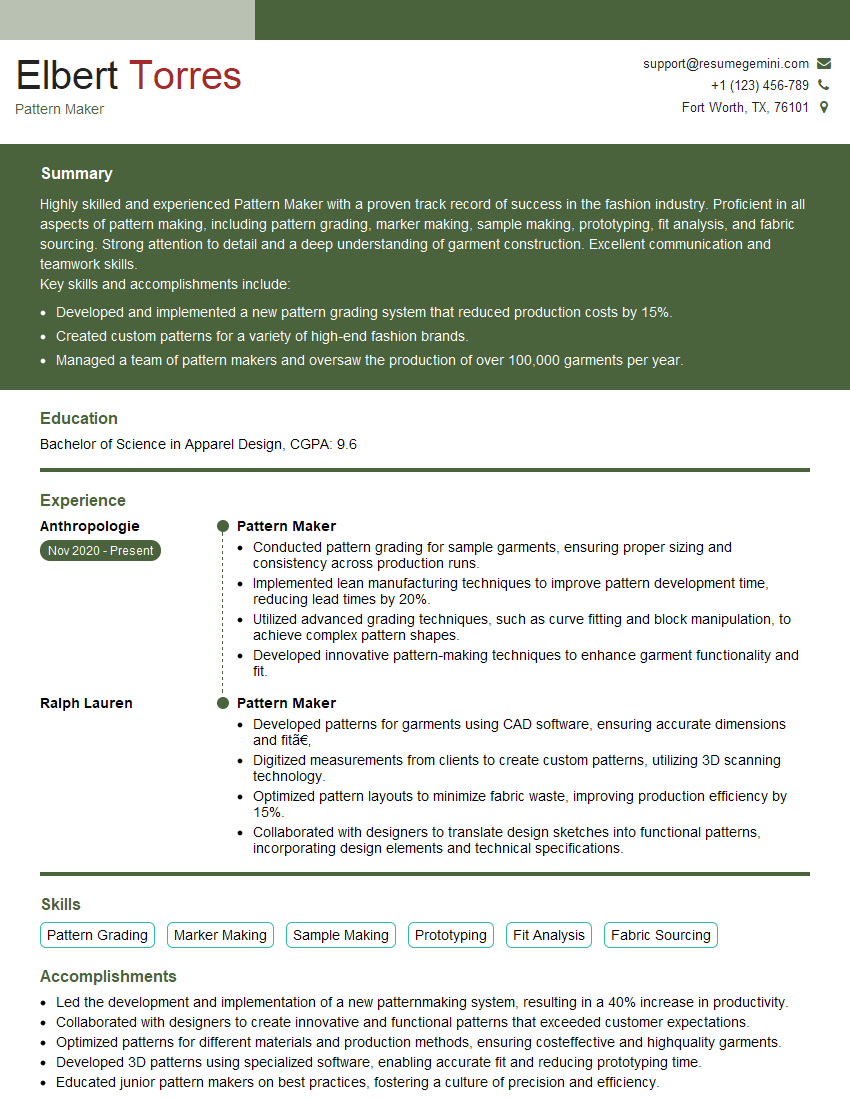
Mastering Joint and Seam Treatment opens doors to exciting career opportunities in various manufacturing and engineering sectors. A strong understanding of these principles is crucial for securing your ideal role. To significantly boost your job prospects, focus on creating an ATS-friendly resume that highlights your skills and experience effectively. ResumeGemini is a trusted resource that can help you build a professional and impactful resume tailored to the specific requirements of Joint and Seam Treatment roles. Examples of resumes specifically designed for this field are available within the ResumeGemini platform.


Explore more articles
Users Rating of Our Blogs
Share Your Experience
We value your feedback! Please rate our content and share your thoughts (optional).
What Readers Say About Our Blog
To the interviewgemini.com Webmaster.
Very helpful and content specific questions to help prepare me for my interview!
Thank you
To the interviewgemini.com Webmaster.
This was kind of a unique content I found around the specialized skills. Very helpful questions and good detailed answers.
Very Helpful blog, thank you Interviewgemini team.