Cracking a skill-specific interview, like one for Administration of Anesthesia, requires understanding the nuances of the role. In this blog, we present the questions you’re most likely to encounter, along with insights into how to answer them effectively. Let’s ensure you’re ready to make a strong impression.
Questions Asked in Administration of Anesthesia Interview
Q 1. Describe your experience with different types of anesthesia.
My experience encompasses a wide range of anesthetic techniques, tailored to individual patient needs and surgical requirements. I’m proficient in administering general anesthesia, which involves rendering the patient unconscious and suppressing reflexes. This often involves a combination of intravenous and inhaled agents. I also have extensive experience with regional anesthesia, where a specific nerve or nerve plexus is blocked, resulting in numbness and pain relief in a particular area of the body without affecting consciousness. This can include techniques like epidurals, spinal anesthesia, and peripheral nerve blocks. Finally, I’m skilled in administering monitored anesthesia care (MAC), a lighter form of anesthesia where the patient remains conscious but experiences reduced pain and anxiety, often used for procedures like colonoscopies or dental work. Each technique presents unique challenges and necessitates careful monitoring and management.
For example, in a recent case involving a complex spinal surgery, I employed combined spinal-epidural anesthesia to provide both immediate pain relief and prolonged post-operative analgesia. Conversely, for a patient undergoing a short outpatient procedure, MAC was the most suitable and safe option.
Q 2. Explain the process of pre-operative patient assessment.
Pre-operative patient assessment is crucial for ensuring a safe and successful anesthetic experience. It’s a systematic process that begins with a detailed review of the patient’s medical history, including past surgeries, allergies, medications, and any existing medical conditions like heart disease, lung disease, or diabetes. This history helps identify potential risks and guide anesthetic choices. The next step is a thorough physical examination, focusing on the cardiovascular, respiratory, and neurological systems. Essential vital signs like blood pressure, heart rate, respiratory rate, and oxygen saturation are recorded. Laboratory tests, such as a complete blood count and blood chemistry panel, are often ordered to assess overall health. Finally, the patient’s psychological state is evaluated to manage anxiety and ensure their cooperation. This holistic approach allows us to create a personalized anesthetic plan and address any potential complications before surgery.
For instance, a patient with a history of severe asthma might require specific pre-operative medications and careful airway management during anesthesia. Likewise, a patient with a bleeding disorder might need adjustments to the surgical plan and the use of specific medications to mitigate risks.
Q 3. How do you manage a patient’s airway during anesthesia?
Airway management is a critical aspect of anesthesia, and a skilled anesthetist must be adept at securing and maintaining a patent airway. This involves selecting the appropriate airway technique based on the patient’s condition and the type of surgery. For many procedures, a facemask is sufficient to deliver oxygen and anesthetic gases. However, more complex cases may necessitate endotracheal intubation, where a tube is passed through the mouth or nose into the trachea to secure the airway and ensure optimal ventilation. In certain scenarios, a laryngeal mask airway (LMA) might be utilized, offering a less invasive alternative to endotracheal intubation. Throughout the procedure, constant monitoring of the airway and ventilation is vital. This includes observing chest rise and fall, listening to breath sounds, checking oxygen saturation, and monitoring carbon dioxide levels. The anesthetist must be prepared to address any airway complications promptly and effectively, such as laryngospasm or difficult intubation. We constantly assess the patient’s oxygen saturation using pulse oximetry, and end-tidal CO2 (ETCO2) monitoring to ensure adequate ventilation. Regular assessment of breath sounds through auscultation is also key.
For example, a patient with a history of difficult intubations might necessitate the use of a fiberoptic bronchoscope to visualize the airway and facilitate intubation.
Q 4. What are the common complications of anesthesia and how do you address them?
Anesthesia, while generally safe, carries the potential for various complications. Hypotension (low blood pressure) is a common occurrence and is usually managed with intravenous fluids and vasopressors. Bradycardia (slow heart rate) can be addressed with atropine or pacing. Respiratory depression, characterized by slowed or shallow breathing, may necessitate assisted ventilation. Nausea and vomiting are frequent post-operative side effects that are typically managed with antiemetics. Malignant hyperthermia, a rare but potentially life-threatening condition, requires immediate recognition and treatment with dantrolene. Allergic reactions to anesthetic agents are also possible and necessitate prompt intervention. Post-operative cognitive dysfunction (POCD), characterized by impaired cognitive function after surgery, is being increasingly recognized, and efforts are made to mitigate risk through careful anesthetic management and optimizing perioperative care.
A practical example: If a patient develops hypotension during surgery, I would first assess the cause (e.g., blood loss, anesthetic effect) and then administer fluids or vasopressors as needed, constantly monitoring blood pressure and other vital signs.
Q 5. Describe your experience with regional anesthesia techniques.
My experience with regional anesthesia techniques is extensive. I regularly perform epidural anesthesia, a method of injecting anesthetic medication into the epidural space of the spine to block nerve signals, providing pain relief in the lower body. Spinal anesthesia, involving injection of anesthetic into the subarachnoid space, is another technique I utilize, particularly for lower abdominal and leg surgeries. I’m also skilled in peripheral nerve blocks, where anesthetic is injected directly near a specific nerve to numb a particular region. For example, I regularly perform brachial plexus blocks for shoulder and arm surgery, and femoral nerve blocks for knee or hip procedures. The choice of technique depends on the surgical site, the patient’s medical condition, and the duration of analgesia required. Careful attention is paid to patient positioning, needle placement, and the careful assessment of neurological function post-block to ensure the procedure’s success and safety. Accurate anatomical knowledge is paramount to minimize the risk of complications, such as nerve damage or accidental intravascular injection.
For example, a patient undergoing a knee replacement might benefit from a femoral nerve block, providing excellent post-operative pain control and reducing the need for opioid analgesics. The patient remains awake and alert, allowing early mobilization and reduces post-operative complications.
Q 6. Explain your understanding of various anesthetic agents and their mechanisms of action.
My understanding of anesthetic agents encompasses a broad range of inhalational and intravenous medications. Inhalational agents like sevoflurane and desflurane are volatile liquids that are vaporized and delivered to the lungs, producing a state of general anesthesia through their effects on the central nervous system. Intravenous agents such as propofol, etomidate, and ketamine are administered directly into the bloodstream, acting quickly to induce unconsciousness. Opioids like fentanyl and remifentanil are used to provide analgesia (pain relief) and enhance the effects of other anesthetic agents. Muscle relaxants, such as rocuronium and vecuronium, facilitate intubation and surgical procedures by paralyzing skeletal muscles. Each agent possesses a unique mechanism of action and pharmacological profile, requiring careful consideration of the patient’s individual characteristics, such as age, medical history, and the specific surgical requirements. The selection of appropriate drugs requires attention to their potency, onset of action, and duration of effect to optimize patient safety and surgical conditions.
For instance, propofol is commonly used for induction of anesthesia due to its rapid onset and short duration of action, making it ideal for short procedures. Meanwhile, longer-acting agents may be necessary for extensive surgeries.
Q 7. How do you monitor a patient’s vital signs during anesthesia?
Continuous and meticulous monitoring of a patient’s vital signs is paramount throughout the entire anesthetic period. This involves the use of several sophisticated devices and techniques. Heart rate and rhythm are monitored using electrocardiography (ECG). Blood pressure is continuously monitored using an invasive arterial line or non-invasive oscillometric blood pressure cuff. Respiratory rate and depth are observed visually and confirmed using capnography (measuring end-tidal carbon dioxide). Oxygen saturation is monitored using pulse oximetry. Temperature is tracked to detect any signs of hypothermia or hyperthermia. Invasive hemodynamic monitoring, such as central venous pressure (CVP) or pulmonary artery pressure (PAP), might be utilized in more complex cases. Neuromuscular monitoring, employing devices like nerve stimulators, is employed to assess the effects of muscle relaxants. Urine output is often measured to assess kidney function. Continuous observation and adjustment of the anesthetic plan based on these parameters ensure the patient’s safety and well-being.
For example, a sudden drop in blood pressure might indicate hypovolemia (low blood volume) and necessitate fluid resuscitation. Changes in heart rate and rhythm could suggest cardiac issues requiring intervention.
Q 8. What is your approach to managing a difficult airway?
Managing a difficult airway is a critical skill in anesthesia. My approach is based on a structured, systematic algorithm prioritizing patient safety and minimizing complications. It begins with careful pre-operative assessment, including a thorough review of the patient’s medical history, physical examination (paying close attention to the head and neck), and potentially using tools like the Mallampati score (explained later).
If difficulty is anticipated, I would assemble a difficult airway cart with all necessary equipment readily available. This includes alternative airway devices like laryngeal masks, supraglottic airways, and various endotracheal tubes. I also ensure that experienced colleagues are present for assistance and potential rescue maneuvers.
During the procedure itself, I employ a variety of techniques depending on the specific challenges encountered. These may include using different laryngoscope blades (e.g., Macintosh, Miller), applying cricoid pressure judiciously, utilizing external laryngeal manipulation, or employing fiberoptic bronchoscopy if needed. If intubation remains impossible, I’m prepared to use a surgical airway as a last resort. Throughout the process, I continually monitor the patient’s oxygen saturation, heart rate, and blood pressure, making adjustments to the plan as necessary. Regular communication with the surgical team is essential, ensuring they’re aware of any airway-related challenges and the management strategy.
Post-procedure, thorough documentation of the airway management, including any difficulties encountered and the methods used, is crucial for learning and preventing similar situations in the future. This documentation serves as a valuable record for the patient’s care and future reference, potentially preventing complications in subsequent procedures.
Q 9. Describe your experience with post-anesthesia care.
Post-anesthesia care unit (PACU) management is a vital part of the anesthetic process, ensuring a smooth transition from the operating room to recovery. My experience encompasses a wide range of patient conditions and post-surgical scenarios. My focus is always on providing comfortable and safe recovery for each patient.
I prioritize close monitoring of vital signs (heart rate, blood pressure, respiratory rate, oxygen saturation, temperature), level of consciousness, pain management, and assessing the patient for any potential complications like nausea, vomiting, hypothermia, or bleeding. I adjust pain medication and provide anti-emetics as needed. Early detection of problems allows for timely intervention and improved patient outcomes.
I also work closely with the surgical team to ensure effective communication and collaboration in the management of post-operative care. For instance, I would communicate with the surgeon regarding any significant observations or concerns about the patient’s condition, potentially leading to more proactive management strategies. Patient education and support are also key aspects of my approach. I explain the recovery process to the patients and their families, answering their questions and providing reassurance.
Q 10. How do you handle emergency situations during anesthesia?
Handling emergency situations during anesthesia requires rapid assessment, decisive action, and teamwork. My training emphasizes a systematic approach: First, recognize and assess the nature of the emergency (e.g., hypotension, cardiac arrest, malignant hyperthermia). Second, immediately call for help and initiate basic life support (BLS) or advanced cardiac life support (ACLS) as appropriate. Third, communicate clearly and effectively with the surgical team and other healthcare professionals.
For example, if a patient experiences a sudden drop in blood pressure, my immediate actions would include checking the airway, breathing, and circulation (ABCs), administering oxygen, adjusting intravenous fluids, and considering the need for vasopressors or inotropes depending on the underlying cause. If cardiac arrest occurs, ACLS protocols are implemented immediately while simultaneously communicating with the team to prepare for potential interventions like defibrillation or emergency surgery. Regular drills and simulations keep my skills sharp and ensure coordinated teamwork in high-pressure scenarios.
Thorough documentation is paramount. This detailed account of the emergency, interventions undertaken, and patient response is essential for both patient safety and learning from the experience. It allows for analysis and improvement of our emergency response plans, furthering our capability to manage similar events in the future.
Q 11. Explain your understanding of Mallampati classification.
The Mallampati classification is a simple clinical assessment used to predict the difficulty of intubation. It assesses the visibility of the posterior pharynx and is categorized into four classes based on the structures visible with the mouth open and the tongue protruding.
- Class I: Soft palate, fauces, uvula, and anterior and posterior pillars are visible.
- Class II: Soft palate, fauces, and uvula are visible.
- Class III: Only the soft palate is visible.
- Class IV: Only the hard palate is visible.
A higher Mallampati score (III or IV) suggests a higher likelihood of a difficult intubation due to reduced visibility of the airway structures. However, it’s important to remember that the Mallampati classification is just one factor in predicting difficult airways; other factors like thyromental distance and neck mobility should also be considered. While useful, it’s not a definitive predictor, and other tools and clinical judgment are still essential.
Q 12. What are the key considerations for administering anesthesia to elderly patients?
Administering anesthesia to elderly patients requires careful consideration of their age-related physiological changes. These changes increase their vulnerability to complications. For instance, decreased cardiac reserve means that they may respond poorly to changes in blood pressure or heart rate.
My approach involves a comprehensive pre-operative assessment that goes beyond standard evaluation, including a detailed review of their medical history, medication list, and functional status. I pay particular attention to assessing their cardiovascular and respiratory systems, renal function, and cognitive status. Age-related changes in drug metabolism and distribution also require adjustments to anesthetic agent selection and dosages to minimize adverse effects.
Techniques such as regional anesthesia or monitored anesthesia care (MAC) might be preferred over general anesthesia whenever feasible, reducing the risks associated with general anesthesia, especially in fragile elderly patients. Close intraoperative monitoring and meticulous post-operative care are essential for optimizing their recovery and minimizing post-operative complications. This includes careful hydration and temperature management to prevent hypothermia, a common problem in the elderly. Post-operative cognitive dysfunction is another concern, and preventive strategies to reduce its risk are implemented.
Q 13. How do you manage a patient with a history of cardiovascular disease during anesthesia?
Managing a patient with cardiovascular disease during anesthesia necessitates a multi-faceted strategy prioritizing myocardial protection and hemodynamic stability. A thorough pre-operative assessment is crucial, including an ECG, echocardiogram (if indicated), and evaluation of cardiac function. This helps determine the severity of the disease and any associated risk factors.
During the procedure, my approach focuses on maintaining hemodynamic stability. I carefully choose anesthetic agents known to have a less negative impact on the cardiovascular system. Intravenous fluids are carefully managed to avoid fluid overload or dehydration. Invasive monitoring, such as an arterial line and central venous catheter, might be necessary to closely monitor hemodynamic parameters and guide fluid and medication management. I’m prepared to adjust the anesthetic plan in response to any changes in heart rate, blood pressure, or rhythm. Post-operative care also requires close observation and management of any cardiac complications.
For example, patients with coronary artery disease may require meticulous monitoring for ischemic changes, and those with heart failure might need optimization of fluid balance and support of their cardiac output. Close collaboration with cardiologists is essential in these cases, optimizing their surgical outcome and safety.
Q 14. What are the risks associated with general anesthesia?
General anesthesia, while generally safe, carries inherent risks. These risks vary depending on the patient’s overall health, the type and duration of the surgery, and the specific anesthetic agents used. Some potential risks include:
- Respiratory complications: Pneumonia, airway obstruction, aspiration of stomach contents.
- Cardiovascular complications: Hypotension, hypertension, arrhythmias, myocardial infarction.
- Neurological complications: Awareness during surgery, post-operative cognitive dysfunction, stroke.
- Allergic reactions: Rare but potentially life-threatening reactions to anesthetic drugs.
- Malignant hyperthermia: A rare but potentially fatal genetic disorder triggered by certain anesthetic agents.
- Nausea and vomiting: Common post-operative side effects.
- Pain: Despite post-operative analgesia.
Mitigating these risks involves meticulous pre-operative assessment, careful selection of anesthetic agents, close monitoring during and after the procedure, and effective post-operative pain management. Informed consent and thorough patient education are essential aspects of managing these risks and ensuring patient safety.
Q 15. How do you calculate anesthetic drug dosages?
Anesthetic drug dosages are calculated based on a variety of factors, ensuring patient safety and efficacy. It’s not a simple formula but rather a clinical judgment integrating several parameters. We consider the patient’s weight, age, height, overall health status (including liver and kidney function), the specific surgical procedure, and the desired level of anesthesia. The calculation often involves understanding the drug’s pharmacokinetic and pharmacodynamic properties, meaning how the body processes the drug and how the drug affects the body. For example, we might use a patient’s lean body mass instead of total weight for certain drugs, as obese patients can have a larger proportion of body fat that doesn’t readily distribute the drug.
For example, calculating the dose of Propofol for induction of general anesthesia involves considering the patient’s weight. A typical starting dose might be 1-2.5 mg/kg, but this can be adjusted based on individual factors. A patient with liver dysfunction might require a reduced dose to avoid adverse effects. These calculations aren’t just simple math; they also involve clinical experience and the ability to adjust the dose based on the patient’s response to the medication, which is continuously monitored.
We also leverage established guidelines and clinical practice recommendations. Pharmacologic resources and institutional protocols provide essential references for determining safe and effective dosages. Remember that it is a dynamic process; adjustments are made based on the patient’s response during the procedure.
Career Expert Tips:
- Ace those interviews! Prepare effectively by reviewing the Top 50 Most Common Interview Questions on ResumeGemini.
- Navigate your job search with confidence! Explore a wide range of Career Tips on ResumeGemini. Learn about common challenges and recommendations to overcome them.
- Craft the perfect resume! Master the Art of Resume Writing with ResumeGemini’s guide. Showcase your unique qualifications and achievements effectively.
- Don’t miss out on holiday savings! Build your dream resume with ResumeGemini’s ATS optimized templates.
Q 16. Explain your understanding of the different types of monitoring equipment used in anesthesia.
Monitoring equipment in anesthesia is crucial for ensuring patient safety and optimizing anesthetic management. A comprehensive monitoring system usually includes several key components.
- Electrocardiogram (ECG): Continuously monitors the heart’s electrical activity, detecting arrhythmias and other cardiac issues.
- Pulse oximetry: Measures the oxygen saturation (SpO2) in the blood, indicating how well the lungs are oxygenating the blood. A dropping SpO2 is a critical alarm.
- Blood pressure monitoring (invasive or non-invasive): Tracks blood pressure, providing vital information about cardiovascular function. Invasive monitoring (arterial line) provides more continuous and precise data.
- Capnography: Measures the end-tidal carbon dioxide (EtCO2), reflecting ventilation and confirming proper placement of the endotracheal tube. This is essential for confirming the patient is breathing properly.
- Bispectral Index (BIS) monitoring: Measures the depth of anesthesia, aiming for a targeted level to minimize intraoperative awareness and maximize patient safety.
- Temperature monitoring: Tracks core body temperature, helping to prevent hypothermia, a common complication of anesthesia.
- Neuromuscular monitoring: Assesses the level of muscle relaxation during surgery, particularly when using neuromuscular blocking agents. Ensures adequate relaxation for the surgeon while minimizing residual paralysis post-operatively.
The specific equipment used will vary depending on the type of surgery and the patient’s condition. The information gathered from these monitors is constantly assessed and guides the anesthesiologist’s decisions throughout the procedure.
Q 17. How do you ensure patient safety during anesthesia?
Ensuring patient safety during anesthesia is paramount and involves a multi-faceted approach that starts before the patient even enters the operating room. It’s a process of meticulous preparation and continuous vigilance throughout the procedure and recovery.
- Preoperative assessment: A thorough evaluation of the patient’s medical history, physical examination, and current medications identifies potential risks and allows for personalized anesthetic planning.
- Appropriate patient selection for anesthetic techniques: Choosing the right type of anesthesia (general, regional, local) based on the patient’s medical status and the nature of the surgery is crucial. Understanding potential contraindications is vital.
- Careful medication administration and monitoring: This involves precise calculation of dosages, continuous monitoring of vital signs, and prompt response to any changes or alarms. Careful titration of medications is crucial to maintain a safe level of anesthesia.
- Maintaining airway patency and oxygenation: Securing a patent airway is critical and may involve intubation. Continuous monitoring of oxygen saturation is a cornerstone of safety.
- Fluid management and hemodynamic stability: Maintaining adequate blood volume and blood pressure is essential. Fluids may be administered intravenously to ensure adequate perfusion.
- Postoperative care planning and communication: Thorough postoperative care instructions and clear communication with the surgical team and other healthcare providers ensure smooth transition to the recovery room and minimize complications.
In addition to these measures, adherence to strict infection control protocols and standardized procedures minimize risks associated with anesthesia. A strong emphasis on teamwork and communication among all members of the surgical team is also central to patient safety.
Q 18. Describe your experience with different types of monitoring equipment.
My experience with various monitoring equipment is extensive. I’m proficient in using all the equipment mentioned previously, including ECG machines, pulse oximeters, blood pressure monitors (both invasive and non-invasive), capnographs, BIS monitors, and temperature probes. I have significant experience interpreting the data provided by these devices and using it to guide my anesthetic management decisions.
For example, I’ve used arterial lines to closely monitor hemodynamics in patients undergoing high-risk surgeries, enabling rapid adjustments to fluid and medication administration. I’ve also relied heavily on BIS monitoring to optimize the depth of anesthesia and minimize the risk of intraoperative awareness. I’m familiar with the nuances of different manufacturers’ equipment and have troubleshooting skills to address any technical issues.
Beyond routine monitoring, I have experience with more specialized equipment used in certain situations, such as transesophageal echocardiography (TEE) for cardiac surgeries and nerve stimulators for regional anesthesia. This breadth of experience allows me to adapt my approach based on the specific requirements of each patient and procedure.
Q 19. What is your experience with managing postoperative pain?
Managing postoperative pain is a significant aspect of patient care that impacts recovery time, patient satisfaction, and the potential for long-term complications. My approach to postoperative pain management is multimodal, utilizing a combination of techniques tailored to the individual patient’s needs and the type of surgery performed.
This often involves a combination of:
- Analgesics: Opioids, NSAIDs, and acetaminophen are commonly used, with careful consideration of potential side effects. The choice and dosage depend on the severity of pain and the patient’s risk factors.
- Regional anesthesia techniques: Epidural or peripheral nerve blocks can provide effective and prolonged pain relief with fewer opioid-related side effects. These techniques are employed postoperatively based on the surgical procedure.
- Adjuvant analgesics: These medications enhance the effectiveness of primary analgesics and help to treat specific symptoms, like neuropathic pain. Examples include gabapentinoids or antidepressants.
- Non-pharmacological approaches: Methods like patient-controlled analgesia (PCA), physical therapy, and cognitive behavioral therapy (CBT) can play a significant role in pain management. Education on pain management strategies is also an important component.
I work collaboratively with surgeons and other healthcare providers to develop a comprehensive pain management plan that ensures optimal patient comfort and facilitates a timely recovery. Regular pain assessments and adjustments to the plan based on patient feedback are crucial for effective management.
Q 20. Explain your experience with spinal and epidural anesthesia.
I have extensive experience with both spinal and epidural anesthesia, two common regional anesthesia techniques that provide excellent postoperative pain control and hemodynamic stability. Spinal anesthesia involves injecting local anesthetic into the subarachnoid space, while epidural anesthesia involves injecting the anesthetic into the epidural space. Both techniques block nerve impulses, leading to numbness and pain relief in the designated area.
My experience includes performing and managing both types of blocks. This includes proper needle placement techniques, careful selection of anesthetic agents and adjuvants, monitoring for potential complications (such as hypotension, respiratory depression, or neurological deficits), and managing post-block pain. I’m proficient in different approaches to needle placement and familiar with various anesthetic combinations that cater to specific surgical requirements.
I have a deep understanding of the anatomy involved and can identify potential contraindications for each technique. My experience includes managing various complications associated with spinal and epidural anesthesia, including headaches, back pain, and infection. I am confident in addressing these issues and ensuring optimal patient outcomes.
Q 21. What are your strategies for communicating effectively with surgeons and other members of the surgical team?
Effective communication is fundamental in the operating room. Clear and concise communication with surgeons and the surgical team ensures patient safety and optimal surgical outcomes. My strategy emphasizes active listening, clear articulation, and a collaborative approach.
Before the procedure, I engage in a detailed discussion with the surgeon regarding the patient’s medical history, potential anesthetic risks, and the surgical plan. This establishes a shared understanding and helps to identify any potential challenges or concerns. During the procedure, I provide continuous updates on the patient’s vital signs and anesthetic status, ensuring the surgeon is informed of any significant changes. I actively participate in the decision-making process, providing my expertise on anesthetic management and responding appropriately to changes in the surgical plan.
After the procedure, I provide a detailed postoperative report to the surgeon and other relevant healthcare professionals, ensuring clear communication about the anesthesia management, any potential complications, and recommendations for postoperative care. This includes detailing the medications administered, dosages, and the patient’s response. This collaborative communication ensures continuity of care and contributes to successful patient recovery. I actively promote open and respectful communication to foster a positive team environment and prevent errors.
Q 22. How do you handle challenging or uncooperative patients?
Managing challenging or uncooperative patients requires a multifaceted approach prioritizing patient safety and a calm, professional demeanor. It starts with thorough pre-operative assessment, including identifying potential behavioral issues and addressing any anxieties or fears. Open communication is key; I explain the procedure clearly and answer questions patiently, using simple language to avoid medical jargon.
For patients who remain uncooperative, I involve the surgical team and, if necessary, family members to build trust and support. In some cases, gentle persuasion and reassurance are sufficient. However, if the patient poses a risk to themselves or the surgical team, we may need to consider alternative strategies, such as postponing the procedure until the patient’s condition improves or consulting with a psychiatrist or behavioral health specialist. Ultimately, the goal is to create a safe environment where the procedure can be performed effectively while respecting the patient’s autonomy as much as possible.
For example, I once had a patient with severe claustrophobia scheduled for a bronchoscopy. Instead of forcing the procedure, we spent extra time discussing their fears, explaining the process step-by-step, and offering options like sedation to minimize anxiety. This collaborative approach resulted in a successful procedure and a positive patient experience.
Q 23. Explain your understanding of the ethical considerations in anesthesia practice.
Ethical considerations in anesthesia are paramount and revolve around patient autonomy, beneficence, non-maleficence, and justice. Patient autonomy means respecting their right to make informed decisions about their care, including the choice to refuse anesthesia. Beneficence involves acting in the patient’s best interest, aiming to maximize benefits and minimize risks. Non-maleficence means avoiding harm, and this requires meticulous attention to detail and adherence to safety protocols. Justice implies fair and equitable distribution of resources and care, ensuring all patients receive the highest standard of anesthesia regardless of their background or circumstances.
In practice, these principles translate into obtaining informed consent before administering any anesthetic agents, carefully monitoring the patient’s vital signs and response to treatment, and promptly addressing any adverse events. We also need to be mindful of resource allocation, prioritizing patients based on their medical urgency and needs. Maintaining confidentiality and respecting patient privacy are also crucial ethical considerations.
A challenging ethical dilemma might involve a patient with limited decision-making capacity. In such situations, we work collaboratively with family members, guardians, and other healthcare professionals to make decisions that are in the patient’s best interest, always prioritizing their well-being and upholding their rights.
Q 24. Describe your experience with managing adverse events during anesthesia.
Managing adverse events during anesthesia requires rapid assessment, decisive action, and effective teamwork. My experience encompasses a range of adverse events, including hypotension, hypertension, bradycardia, tachycardia, and allergic reactions. The immediate response follows a structured approach: (1) Recognizing the event; (2) Assessing the patient’s condition; (3) Initiating appropriate treatment (e.g., administering fluids, medications, or adjusting ventilation); (4) Monitoring the patient’s response to treatment; (5) Documenting the event and subsequent interventions thoroughly; and (6) Debriefing with the team to learn from the experience.
For example, I once encountered a patient who developed severe hypotension during surgery. We immediately administered intravenous fluids, vasopressors, and adjusted the anesthetic regimen. Continuous monitoring of vital signs and careful assessment allowed us to stabilize the patient’s condition and prevent further complications. Following the incident, we conducted a thorough review of the case to identify contributing factors and implement strategies to prevent similar events in the future. Effective communication and collaboration among the anesthesia team are critical to mitigating risks and improving patient outcomes.
Q 25. What are your skills in managing a patient with a difficult intubation?
Managing a difficult intubation requires a systematic approach combining skilled technique, appropriate equipment, and teamwork. My approach involves a thorough pre-operative assessment to identify potential airway challenges, such as limited mouth opening, anticipated difficult mask ventilation, or known anatomical abnormalities. I’m proficient in various intubation techniques, including conventional laryngoscopy, fiberoptic bronchoscopy, and video laryngoscopy. I also have experience with difficult airway algorithms and emergency airway management strategies, including cricothyroidotomy.
In cases of anticipated difficult intubation, I involve the entire surgical team to create a plan B in advance. We may prepare for alternative airway access methods and gather specialized equipment. If intubation proves challenging, the use of appropriate medications like muscle relaxants is crucial to facilitate the procedure. This should be balanced with ensuring adequate oxygenation and ventilation. The team should be ready to assist with maneuvers such as external laryngeal manipulation to optimize the view. Post-intubation confirmation of proper tube placement is imperative through capnography and chest auscultation.
I regularly participate in airway management simulations to hone my skills and stay updated on the latest techniques and technologies in managing challenging airways.
Q 26. How do you stay up-to-date with the latest advancements in anesthesia?
Staying current in the rapidly evolving field of anesthesia requires a commitment to continuous learning. I actively participate in professional organizations such as the American Society of Anesthesiologists (ASA), attending their annual meetings and engaging in continuing medical education (CME) activities. I regularly read peer-reviewed journals and subscribe to relevant online resources to stay abreast of the latest research, guidelines, and best practices. I also participate in case reviews and morbidity and mortality conferences within my institution to learn from colleagues’ experiences and enhance my clinical judgment.
Furthermore, I actively seek out opportunities for advanced training and workshops focusing on specific areas of interest, such as regional anesthesia or critical care. Staying connected with colleagues through professional networks and attending seminars helps to foster a collaborative learning environment and exchange insights and best practices. This ongoing commitment to self-improvement ensures that I provide my patients with the safest and most effective anesthesia care available.
Q 27. Describe your understanding of different types of nerve blocks.
Nerve blocks are regional anesthetic techniques that involve injecting local anesthetic around specific nerves to produce analgesia and/or anesthesia in a particular area of the body. They offer several advantages over general anesthesia, including reduced risk of respiratory or cardiovascular complications, decreased postoperative pain, and faster recovery times. There are numerous types of nerve blocks, categorized by the nerve targeted and the injection technique.
- Peripheral Nerve Blocks: These target individual peripheral nerves, such as the femoral nerve block (for knee surgery), brachial plexus block (for arm surgery), or sciatic nerve block (for leg surgery).
- Central Nerve Blocks: These involve injecting anesthetic near the central nervous system, such as epidural blocks (for labor analgesia or postoperative pain management) or spinal blocks (for lower extremity surgeries).
- Sympathetic Blocks: These target sympathetic nerve fibers, often used for managing chronic pain conditions.
The choice of nerve block depends on several factors, including the surgical site, patient anatomy, and potential complications. Ultrasound guidance is increasingly used to enhance the accuracy and safety of nerve block placement. Understanding the anatomy of the targeted nerves and potential complications, like nerve injury or hematoma formation, is crucial for safe and effective administration.
Q 28. How do you manage a patient experiencing malignant hyperthermia?
Malignant hyperthermia (MH) is a rare but life-threatening genetic disorder triggered by certain anesthetic agents, most notably volatile anesthetic gases (like halothane, sevoflurane, desflurane) and the depolarizing muscle relaxant succinylcholine. It’s characterized by a rapid rise in body temperature, muscle rigidity, and metabolic acidosis. Immediate recognition and treatment are crucial to prevent mortality.
The management of MH follows a standardized protocol: (1) Immediately discontinue the triggering anesthetic agents; (2) Administer dantrolene sodium, the only specific treatment for MH, intravenously; (3) Provide active cooling measures, such as ice packs, cooling blankets, and possibly even extracorporeal cooling techniques; (4) Support respiratory and cardiovascular function, often requiring mechanical ventilation and circulatory support; (5) Monitor blood gases, electrolytes, and other vital parameters to guide treatment; and (6) Document the entire episode thoroughly, including patient demographics, triggering agents, treatment administered, and response to treatment.
A key aspect of managing MH is the rapid response of the entire anesthesia team, recognizing the early signs and symptoms. This often involves a well-rehearsed protocol and efficient communication to minimize delay in treatment. Post-event genetic testing may be offered to confirm MH diagnosis and guide future anesthetic management for the patient and their family members.
Key Topics to Learn for Administration of Anesthesia Interview
- Anesthesia Pharmacology: Understanding the mechanism of action, indications, contraindications, side effects, and interactions of various anesthetic agents (inhalational, intravenous, local). Consider practical application in selecting appropriate agents for different surgical procedures and patient populations.
- Anesthesia Techniques: Mastering the principles of general, regional, and local anesthesia. Be prepared to discuss the advantages and disadvantages of each technique, and their application in diverse surgical settings. Explore common complications and their management.
- Patient Monitoring and Management: Thorough understanding of vital sign monitoring (ECG, blood pressure, pulse oximetry, capnography), airway management, and the recognition and treatment of anesthetic emergencies (hypotension, hypertension, arrhythmias, malignant hyperthermia). Practice problem-solving scenarios related to these areas.
- Preoperative and Postoperative Care: Knowledge of pre-operative assessment, patient preparation, and post-operative pain management strategies. Discuss the importance of patient education and communication in optimizing patient outcomes.
- Safety and Quality in Anesthesia Care: Familiarity with standard operating procedures, infection control protocols, and risk management strategies. Be ready to discuss your approach to minimizing complications and ensuring patient safety. Explore the role of checklists and teamwork in anesthesia delivery.
- Ethical and Legal Considerations: Understanding informed consent, patient autonomy, and the legal implications of anesthesia practice. Prepare to discuss ethical dilemmas and appropriate responses in challenging situations.
Next Steps
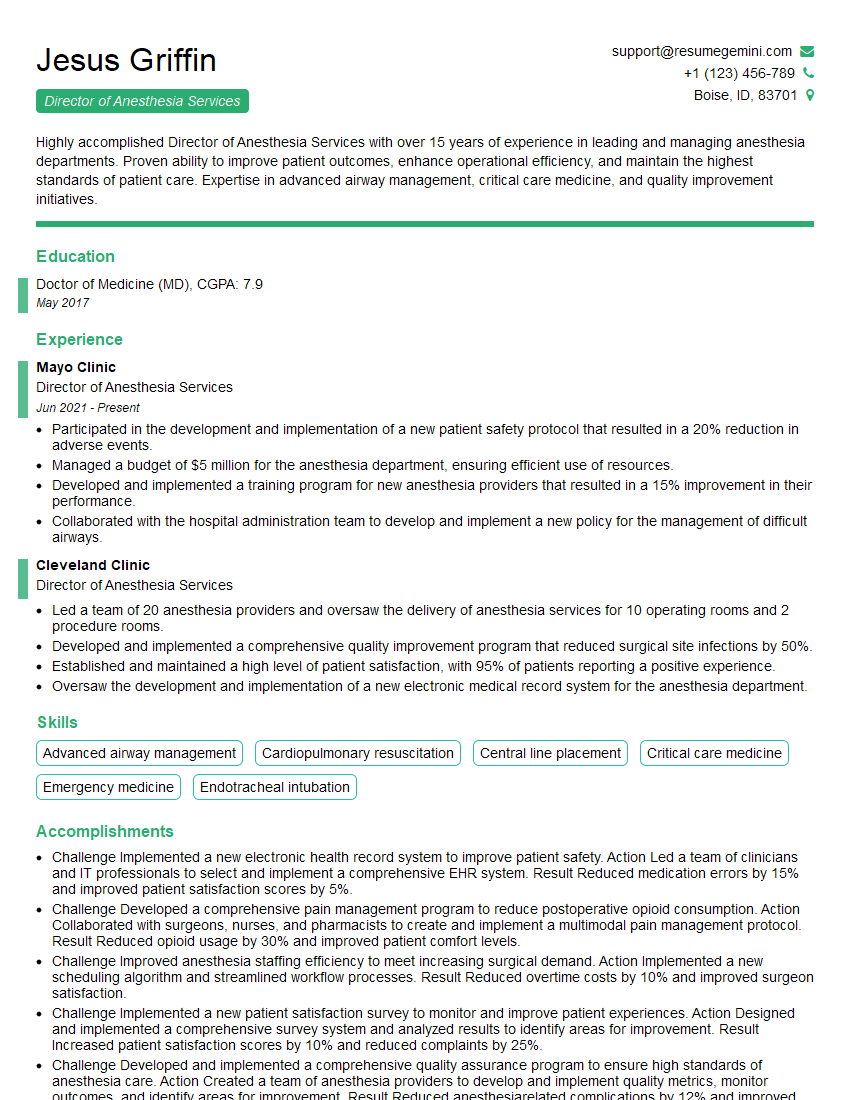
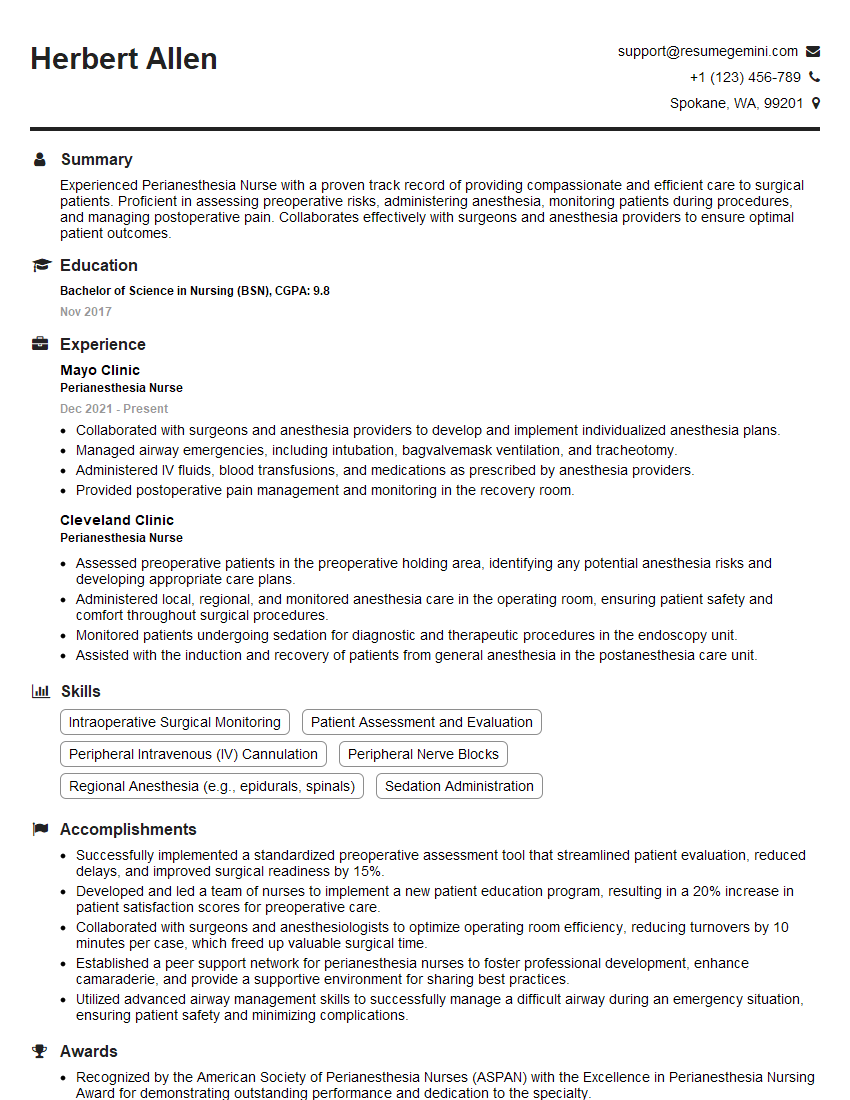
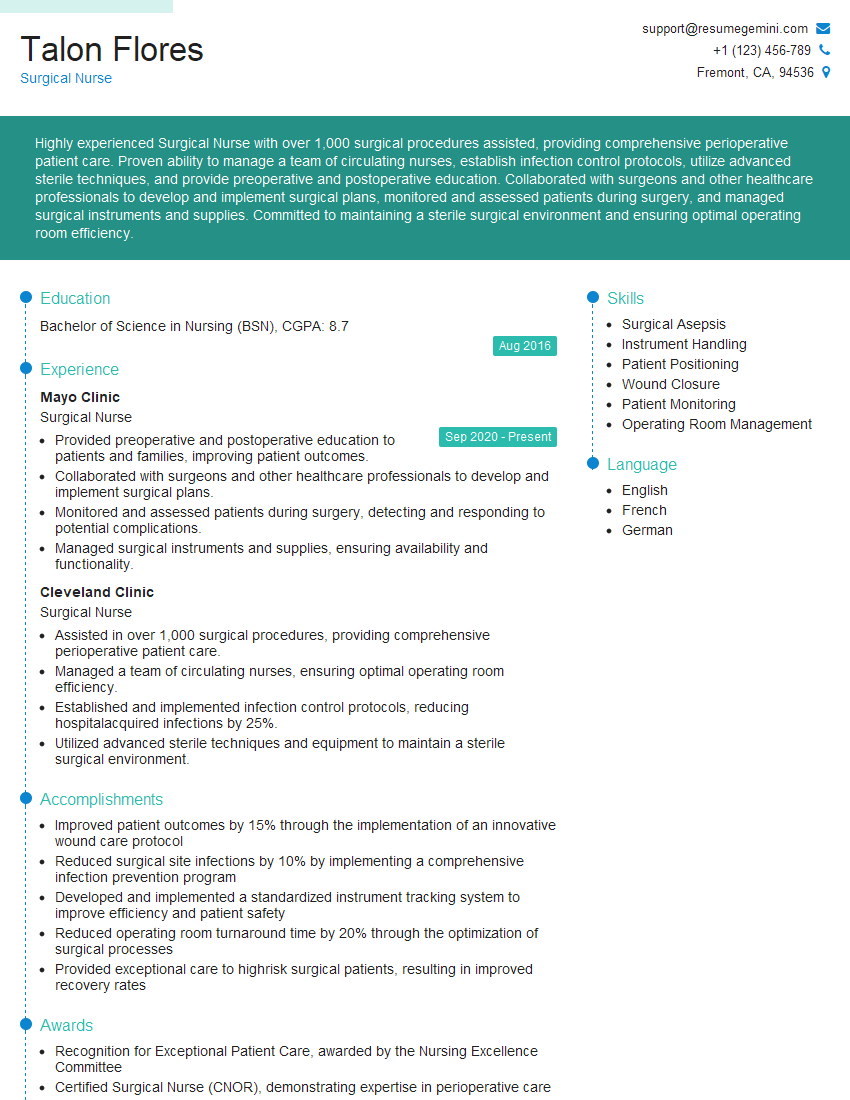
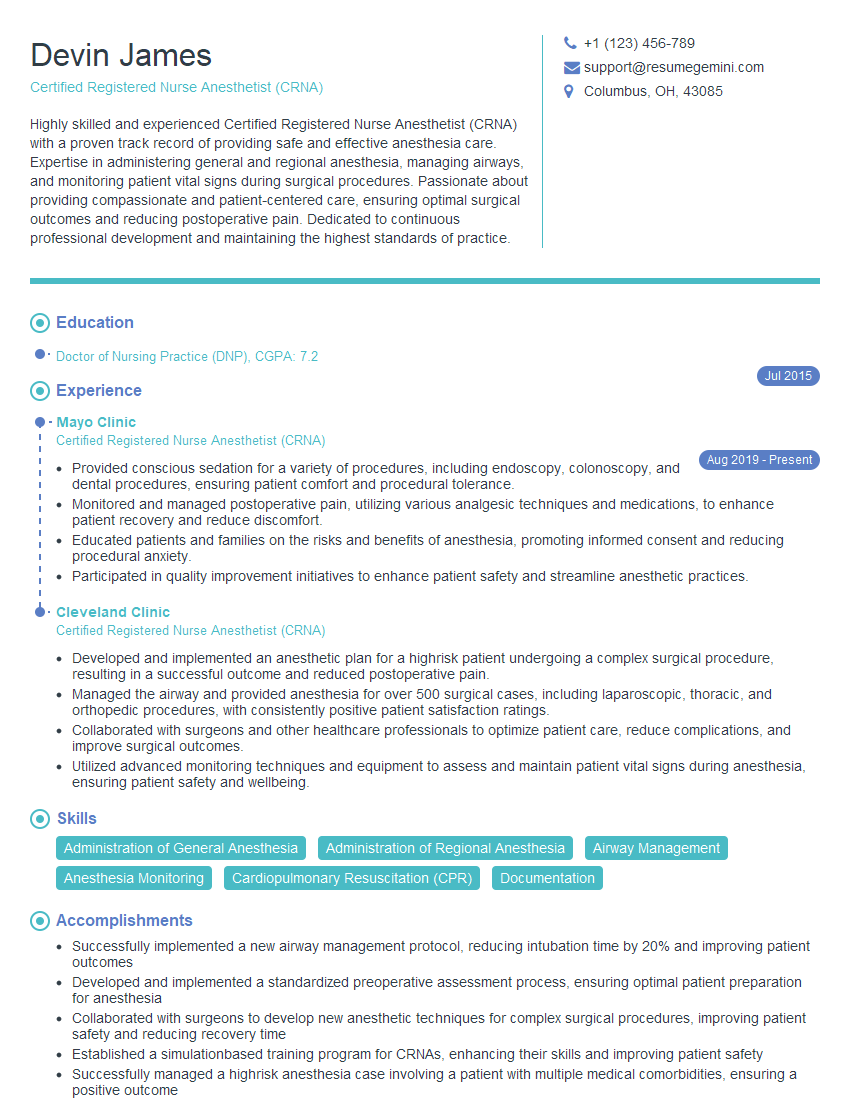
Mastering the administration of anesthesia opens doors to a rewarding career with significant growth potential, offering opportunities for specialization and leadership roles within the healthcare field. To maximize your job prospects, create an ATS-friendly resume that effectively highlights your skills and experience. We strongly recommend using ResumeGemini to build a professional and impactful resume. ResumeGemini offers a streamlined process and provides examples of resumes tailored to Administration of Anesthesia, helping you present yourself as the ideal candidate. Invest time in crafting a compelling resume – it’s your first impression!
Explore more articles
Users Rating of Our Blogs
Share Your Experience
We value your feedback! Please rate our content and share your thoughts (optional).
What Readers Say About Our Blog
To the interviewgemini.com Webmaster.
Very helpful and content specific questions to help prepare me for my interview!
Thank you
To the interviewgemini.com Webmaster.
This was kind of a unique content I found around the specialized skills. Very helpful questions and good detailed answers.
Very Helpful blog, thank you Interviewgemini team.