Are you ready to stand out in your next interview? Understanding and preparing for Collaboration with other professionals, such as teachers, administrators, and parents interview questions is a game-changer. In this blog, we’ve compiled key questions and expert advice to help you showcase your skills with confidence and precision. Let’s get started on your journey to acing the interview.
Questions Asked in Collaboration with other professionals, such as teachers, administrators, and parents Interview
Q 1. Describe your experience fostering positive communication between teachers and parents.
Fostering positive communication between teachers and parents is crucial for student success. My approach centers around proactive, transparent communication and building strong relationships based on mutual respect and trust.
Regular Communication Channels: I establish multiple communication channels, such as weekly newsletters, parent-teacher conferences, and readily available online platforms (e.g., a class website or app) for sharing updates, assignments, and concerns. This ensures that parents feel informed and connected to their child’s learning journey.
Positive Language and Framing: I emphasize positive reinforcement and focus on students’ strengths and progress, even when addressing challenges. For example, instead of saying “John is struggling with math,” I might say, “John is showing potential in math, and we’re working together to help him build his foundational skills.” This approach encourages collaborative problem-solving rather than placing blame.
Active Listening and Empathy: I make a conscious effort to actively listen to parents’ concerns and perspectives, validating their feelings and showing empathy. I believe in creating a safe space where parents feel comfortable sharing their thoughts and ideas without judgment. This often involves asking open-ended questions to fully understand their viewpoint.
Collaboration and Partnership: I frame the parent-teacher relationship as a partnership, where we’re working together towards the child’s best interests. I actively seek parents’ input on their child’s learning and encourage their participation in school activities.
For instance, in a previous role, I implemented a weekly email update system with positive student highlights and action items for parents, significantly improving communication and parental involvement.
Q 2. How have you resolved conflicts between teachers with differing teaching styles?
Resolving conflicts between teachers with differing teaching styles requires a delicate balance of diplomacy, understanding, and a focus on student outcomes. The key is to facilitate open dialogue and find common ground, emphasizing shared goals rather than individual approaches.
Understanding Perspectives: I begin by facilitating a private meeting with each teacher individually to understand their perspectives and concerns. This involves active listening to identify the root causes of the conflict and avoid jumping to conclusions.
Identifying Shared Goals: I work with the teachers to re-focus on their shared goal: student learning and success. By reminding them of this common objective, it becomes easier to find areas of collaboration.
Finding Common Ground: I help them identify areas where their teaching styles can complement each other. For example, one teacher might excel at differentiated instruction, while the other is strong at project-based learning. Encouraging them to collaborate on lesson planning can create a synergistic approach.
Mediation and Compromise: If direct discussion isn’t enough, I act as a mediator, guiding them toward a compromise that respects individual teaching styles while maintaining consistency and clarity for students. This may involve a structured approach to lesson delivery or outlining clear expectations for student assignments.
Ongoing Support and Professional Development: I provide ongoing support and access to professional development opportunities to help the teachers further develop their skills and adapt their styles for better collaboration.
In one case, two teachers with drastically different teaching philosophies – one very structured and the other highly student-led – were experiencing friction. By highlighting the strengths of each approach and facilitating a collaborative lesson plan, I helped them create a learning environment that met the needs of all students and resolved their conflict.
Q 3. Explain a time you successfully collaborated with administrators to improve student outcomes.
Collaborating with administrators to improve student outcomes often involves data-driven decision-making and a shared commitment to student success. In one instance, I worked with the principal to address declining reading scores in the 4th grade.
Data Analysis: We began by analyzing student performance data to pinpoint the areas where students were struggling. This involved reviewing standardized test scores, classroom assessments, and teacher feedback.
Identifying Root Causes: Based on the data, we identified a lack of consistent reading intervention strategies as a key contributor to the declining scores.
Developing Solutions: We collaborated to develop a comprehensive reading intervention program, securing funding for additional resources and professional development for teachers. This included implementing a new, research-based reading curriculum, providing teachers with specialized training, and establishing consistent assessment protocols.
Implementing and Monitoring: We implemented the program and regularly monitored its effectiveness through data analysis and teacher feedback. We made adjustments as needed, ensuring the program remained aligned with student needs and achieved its intended goals.
The result was a significant improvement in 4th-grade reading scores within a year. This success demonstrated the power of collaborative leadership and data-driven decision making in enhancing student achievement.
Q 4. How do you build trust and rapport with parents from diverse backgrounds?
Building trust and rapport with parents from diverse backgrounds requires cultural sensitivity, understanding, and a willingness to adapt your communication style. It’s about demonstrating respect and building relationships based on mutual understanding.
Cultural Awareness: I make a conscious effort to learn about the cultural backgrounds and values of the parents I work with. This includes understanding different communication styles, family structures, and expectations.
Language Accessibility: I ensure clear and accessible communication, utilizing translation services or bilingual staff when necessary. I also strive to use simple, straightforward language to avoid misunderstandings.
Community Engagement: I engage with the broader community through school events and community partnerships to foster a sense of belonging and inclusion.
Personalized Communication: I prioritize personalized communication tailored to individual parent needs and preferences. This can involve phone calls, home visits, or even informal chats to build trust and establish a personal connection.
Open Communication and Active Listening: I create a safe and welcoming environment for parents to share their thoughts and concerns without judgment. Active listening and demonstrating empathy are key to building trust and rapport.
For example, in a previous school, I built strong relationships with many Spanish-speaking families by inviting them to school events with Spanish-language interpretation and holding parent-teacher conferences in Spanish. This built trust and increased their participation in their child’s education.
Q 5. Describe your approach to conflict resolution in a collaborative team setting.
My approach to conflict resolution in a collaborative team setting emphasizes collaboration, clear communication, and a focus on finding mutually acceptable solutions. I utilize a structured approach to ensure fairness and efficiency.
Identify the Conflict: I clearly define the issue at hand, ensuring all stakeholders understand the problem before attempting resolution. This often involves separate conversations to gather individual perspectives.
Active Listening: I facilitate open communication where each team member has the opportunity to express their views without interruption. Active listening ensures everyone feels heard and understood.
Identify Common Ground: I work towards identifying shared goals and common ground. This helps shift the focus from individual differences to shared objectives.
Brainstorm Solutions: I guide the team through a collaborative brainstorming process, encouraging creative problem-solving and exploring various options.
Reach a Consensus: I work towards reaching a consensus that is acceptable to all team members, ensuring everyone feels their input has been considered. This may involve compromise and negotiation.
Follow-up and Monitoring: I follow up to ensure the agreed-upon solution is implemented effectively and monitor its effectiveness, making any necessary adjustments along the way.
I find that focusing on shared goals and building mutual respect is often more effective than imposing solutions. The process should always be collaborative and empowering to all team members.
Q 6. How do you ensure all stakeholders (teachers, parents, students) feel heard and valued?
Ensuring all stakeholders feel heard and valued requires a multifaceted approach that prioritizes open communication, active listening, and equitable participation.
Establish Regular Communication Channels: Creating multiple platforms for communication – regular meetings, surveys, suggestion boxes, online forums – ensures accessibility for all stakeholders to share their thoughts and concerns.
Active Listening and Feedback Mechanisms: Creating opportunities for all stakeholders to actively participate and provide feedback is critical. This can involve formal feedback mechanisms (e.g., surveys) and informal channels (e.g., open forums).
Valuing Diverse Perspectives: Recognizing and valuing the diverse experiences and perspectives of all stakeholders fosters a sense of inclusion and belonging. It’s important to actively listen to differing viewpoints and encourage open discussions.
Transparency and Accountability: Maintaining transparency about decision-making processes and demonstrating accountability for actions builds trust and fosters a sense of ownership among stakeholders.
Celebrate Successes: Publicly acknowledging and celebrating successes, both large and small, helps to build morale and reinforces the importance of collaboration.
For instance, in one school, we implemented a monthly forum where teachers, parents, and students could discuss school issues and share suggestions. This platform empowered everyone to feel heard and valued, resulting in a more collaborative and supportive school environment.
Q 7. Share an example where you had to adapt your communication style to effectively collaborate with someone.
Adapting my communication style is essential for effective collaboration. I once worked with a highly detail-oriented administrator who preferred formal written communication and meticulously documented procedures. My natural style is more conversational and spontaneous.
To effectively collaborate, I consciously shifted to a more structured approach. I began by providing detailed written reports and agendas before meetings. I carefully documented all decisions and action items, ensuring they were precisely recorded and distributed in writing.
Initially, I found this adjustment challenging, as it slowed down my communication process. However, by adapting to his preferred style, I significantly improved our working relationship. The structured communication ensured there was no ambiguity and fostered mutual understanding and trust. The administrator appreciated the meticulous approach, and our collaboration became highly productive. This experience taught me the value of adapting one’s communication style to meet the needs of others and ultimately achieve a shared goal.
Q 8. How do you incorporate parent feedback into your curriculum or teaching strategies?
Incorporating parent feedback is crucial for creating a supportive and effective learning environment. I actively solicit feedback through various channels, including parent-teacher conferences, surveys, informal conversations, and online platforms. This feedback informs my curriculum and teaching strategies in several ways:
- Curriculum Adjustments: If parents consistently express concerns about a specific topic’s difficulty or relevance, I analyze the feedback and adjust my lesson plans accordingly. For instance, if parents indicate their children are struggling with a particular math concept, I might incorporate more hands-on activities or break down the material into smaller, more manageable chunks.
- Differentiation Strategies: Parent feedback helps me understand individual student needs and learning styles. If a parent shares that their child learns best through visual aids, I incorporate more visual learning tools into my lessons. Similarly, I might adjust pacing or assignments based on feedback indicating a child needs more or less challenge.
- Classroom Management: Feedback related to classroom environment or behavior management helps me refine my classroom procedures. For example, if parents suggest modifications to homework assignments or classroom rules, I consider these suggestions to improve overall learning and student well-being.
I ensure parents understand the process and the impact their feedback has. I always acknowledge and respond to their input, explaining how I’ve incorporated it into my teaching practices. This open communication fosters a strong partnership between home and school.
Q 9. Describe a situation where you had to negotiate competing priorities among stakeholders.
One situation involved a school-wide initiative to implement a new technology platform for student assessment. Administrators prioritized rapid implementation to meet a district deadline, while teachers expressed concerns about adequate training and the platform’s compatibility with our existing curriculum. Parents, meanwhile, were worried about the increased screen time for their children.
To navigate these competing priorities, I facilitated a series of meetings involving teachers, administrators, parents, and technology support staff. We used a collaborative problem-solving approach, brainstorming potential solutions and weighing the pros and cons of each option. We ultimately agreed on a phased rollout of the platform, with extensive teacher training provided prior to implementation in each grade level. We also established a parent communication strategy addressing screen time concerns and offering alternative methods for assessment if needed. The process required compromise from all stakeholders, but the collaborative effort resulted in a smoother implementation that addressed everyone’s key concerns.
Q 10. How do you use technology to facilitate collaboration and communication?
Technology plays a vital role in facilitating collaboration and communication. I use various tools to connect with colleagues, administrators, and parents:
- Learning Management Systems (LMS): Platforms like Google Classroom or Canvas are essential for sharing lesson plans, assignments, grades, and announcements with students and parents. They also allow for seamless communication through announcements and direct messaging.
- Video Conferencing: Tools like Zoom or Google Meet enable virtual meetings for parent-teacher conferences, team planning sessions, and professional development activities. This is especially useful for remote or hybrid learning environments.
- Collaborative Document Editing: Google Docs and Microsoft Word Online allow for real-time collaborative work on documents, lesson plans, or projects. Multiple individuals can work simultaneously, making revisions and providing feedback efficiently.
- Email and Messaging Apps: While seemingly simple, email and messaging apps remain crucial for quick communication of important updates, reminders, and urgent information.
The key is choosing the appropriate technology for the task and ensuring everyone is comfortable using it. Providing sufficient training and support is essential for successful technology integration.
Q 11. What strategies do you use to ensure effective teamwork and shared responsibility?
Effective teamwork and shared responsibility hinge on clear communication, defined roles, mutual respect, and a shared vision. I employ several strategies:
- Establish Clear Goals and Expectations: Before starting a project, I ensure everyone understands the goals, timelines, and individual responsibilities. This clarity minimizes misunderstandings and ensures everyone is working towards the same objective.
- Regular Communication: I maintain open and frequent communication through meetings, email, and informal check-ins. This allows for quick problem-solving, feedback sharing, and adjustments as needed.
- Shared Leadership: I encourage a collaborative leadership style, empowering team members to take ownership of their tasks and contribute their expertise. This fosters a sense of shared responsibility and ownership.
- Constructive Feedback: I prioritize providing and receiving constructive feedback regularly. This ensures everyone stays on track and identifies areas for improvement.
- Celebrate Successes: Recognizing and celebrating achievements, both big and small, boosts team morale and reinforces positive collaboration.
By fostering a culture of trust and mutual respect, I encourage team members to support each other and work effectively together.
Q 12. How do you address resistance to collaboration from a team member or parent?
Addressing resistance to collaboration requires patience, understanding, and a proactive approach. First, I attempt to understand the root cause of the resistance. This might involve individual conversations to identify concerns, anxieties, or misunderstandings.
If the resistance stems from a lack of understanding, I provide additional information, training, or support. If it’s due to personality clashes, I facilitate conflict resolution strategies, promoting open communication and active listening. For instance, I might suggest using structured communication techniques like the ‘I’ statement method to help parties express their concerns effectively without blaming.
In cases of persistent resistance, I may need to involve administration or other support personnel to mediate. It’s crucial to focus on the shared goals and the benefits of collaboration. Sometimes, adjusting responsibilities or working styles can help alleviate resistance and encourage participation.
Q 13. Explain your understanding of shared decision-making in a collaborative environment.
Shared decision-making in a collaborative environment is a process where all stakeholders have a voice in making decisions that affect them. It’s not about majority rule, but rather a thoughtful and inclusive approach to finding solutions that meet the needs of all involved. It requires:
- Open Communication: Everyone has the opportunity to express their opinions, concerns, and ideas.
- Respectful Dialogue: Participants listen actively to each other and engage in respectful discussion, even when disagreements arise.
- Transparency: The decision-making process is transparent and all stakeholders are aware of the rationale behind decisions.
- Consensus-Building: The goal is to reach a consensus, a solution that everyone can support, even if it requires compromise.
- Accountability: Once a decision is made, everyone shares responsibility for its implementation and success.
Shared decision-making promotes ownership, engagement, and buy-in from all stakeholders, leading to better outcomes and stronger relationships.
Q 14. How do you manage expectations when collaborating on a complex project?
Managing expectations in a complex project requires proactive communication and planning. I start by setting clear goals, timelines, and deliverables with all stakeholders, ensuring everyone understands what’s expected and when. Regular progress updates, using tools such as project management software or regular meetings, keep everyone informed and allow for early identification and resolution of potential issues.
I also build in flexibility and contingency plans, acknowledging that unforeseen challenges are inevitable. This prevents unrealistic expectations and allows for adjustments as the project unfolds. Open and honest communication about potential delays or setbacks builds trust and avoids misunderstandings. Finally, celebrating milestones along the way helps maintain motivation and reinforces the shared commitment to achieving the overall project goals.
Q 15. How do you measure the success of collaborative efforts?
Measuring the success of collaborative efforts isn’t about a single metric; it’s a multifaceted assessment. We need to consider both the process and the outcome.
- Process Measures: These focus on how the collaboration unfolded. Did team members communicate effectively? Were deadlines met? Was there a sense of shared ownership and mutual respect? We can track participation rates in meetings, the frequency and quality of communication (e.g., through surveys or informal feedback), and the level of conflict resolution.
- Outcome Measures: These focus on the results of the collaboration. Did the team achieve its goals? Did the product or project meet the required standards? Did it have a positive impact on students, parents, or the school community? We might use metrics like student achievement scores, parental satisfaction surveys, or the successful implementation of a new program.
For example, in developing a new literacy program, process measures might include regular team meetings with documented action items and consistent participation. Outcome measures might include improved student reading scores and positive teacher feedback on program usability.
Career Expert Tips:
- Ace those interviews! Prepare effectively by reviewing the Top 50 Most Common Interview Questions on ResumeGemini.
- Navigate your job search with confidence! Explore a wide range of Career Tips on ResumeGemini. Learn about common challenges and recommendations to overcome them.
- Craft the perfect resume! Master the Art of Resume Writing with ResumeGemini’s guide. Showcase your unique qualifications and achievements effectively.
- Don’t miss out on holiday savings! Build your dream resume with ResumeGemini’s ATS optimized templates.
Q 16. Describe your process for delegating tasks and responsibilities within a team.
My delegation process prioritizes both the individual’s strengths and the project’s needs. I start by clearly defining tasks, outlining expectations, and establishing deadlines. Then, I assess each team member’s skills and experience, matching tasks to individual capabilities. This ensures that everyone feels a sense of ownership and can contribute meaningfully.
For instance, if a teacher excels at curriculum design, they might lead that aspect of a project, while another, skilled in technology, handles the digital component. I also ensure clear communication channels and regular check-ins to provide support and address challenges. This process fosters a sense of shared responsibility and accountability.
Furthermore, I believe in empowering team members. Delegation isn’t just about assigning tasks; it’s about fostering growth and development. I offer opportunities for professional learning and mentorship, encouraging team members to take on increasing levels of responsibility as they gain experience.
Q 17. How do you provide constructive feedback to colleagues in a collaborative setting?
Constructive feedback is crucial for collaborative success. I focus on being specific, timely, and solution-oriented. Instead of criticizing the person, I address the behavior or outcome. My approach is based on the ‘sandwich’ method: starting with a positive comment, followed by specific suggestions for improvement, and concluding with another positive reinforcement.
For example, instead of saying ‘Your lesson plan was disorganized,’ I might say, ‘I appreciated your creativity in the lesson plan. However, a clearer sequencing of activities might enhance student engagement. Overall, it’s evident you put considerable thought into the design.’ I also encourage open dialogue and actively listen to the colleague’s perspective.
I believe feedback should be a two-way street, encouraging a culture of mutual learning and improvement. I make sure to frame my feedback as a helpful suggestion, not a criticism, and create a safe space for team members to share their feedback without fear of judgment.
Q 18. How do you handle disagreements or differing opinions within a collaborative team?
Disagreements are inevitable in collaboration. My approach focuses on respectful communication and finding common ground. I encourage open discussion, allowing each person to express their perspective without interruption. I act as a facilitator, guiding the discussion towards a shared understanding and identifying the underlying interests and concerns.
Techniques like brainstorming and collaborative problem-solving can help the team find mutually acceptable solutions. I might use visual aids like mind maps or flow charts to clarify the issue and generate ideas. Ultimately, the goal is to reach a consensus that respects everyone’s input and aligns with the overall objectives.
In some cases, mediation may be necessary. I will help the team identify the core conflict and encourage them to find areas of agreement. If a compromise can’t be reached, we collaboratively define a way forward that addresses the needs of all stakeholders as much as possible.
Q 19. Describe your experience with collaborative curriculum development or planning.
I have extensive experience in collaborative curriculum development, particularly in designing project-based learning experiences. In one project, our team – comprised of teachers, administrators, and curriculum specialists – collaborated to create a new science curriculum focused on environmental sustainability.
Our process involved several stages: initial brainstorming sessions to define learning objectives and assess student needs, followed by individual task assignments (researching resources, designing activities, creating assessments) and regular meetings for feedback and revisions. We used online collaboration tools like Google Docs and shared calendars to streamline the process. We also incorporated regular formative assessments during the curriculum implementation phase to track student learning and make adjustments.
The success of this collaborative effort is evident in the positive student outcomes and the teachers’ increased confidence in their teaching practices. This experience reinforced the importance of shared vision, effective communication, and continuous evaluation in collaborative curriculum design.
Q 20. How do you ensure confidentiality when sharing information among stakeholders?
Confidentiality is paramount, especially when dealing with sensitive student or personal information. We establish clear guidelines at the outset of any collaboration, outlining what information can be shared, with whom, and under what circumstances.
We use secure communication channels, avoid sharing information in public settings, and ensure that all team members understand and adhere to relevant privacy policies (e.g., FERPA). We also use anonymized data whenever possible in reports or presentations. For example, instead of using student names, we might use student IDs or pseudonyms.
Furthermore, access to sensitive information is restricted to those who have a legitimate need to know. We utilize password-protected documents and secure file-sharing platforms to safeguard confidential data. Regularly reviewing and updating our confidentiality protocols ensures everyone remains aware of best practices.
Q 21. How do you facilitate meetings that are productive and inclusive of all stakeholders?
Facilitating productive and inclusive meetings requires careful planning and execution. I begin by setting a clear agenda and sharing it with all stakeholders in advance. This ensures everyone knows the purpose of the meeting and can come prepared.
During the meeting, I actively encourage participation from all stakeholders, ensuring that everyone has a chance to contribute. I use strategies like round-robin discussions or small group activities to encourage engagement from quieter individuals. I also ensure that the meeting environment is physically and psychologically safe, fostering a culture of mutual respect and open communication.
I use time management techniques to stay on track and summarize key decisions and action items at the end of the meeting. Following up with meeting minutes and action item assignments helps ensure that tasks are completed and everyone remains accountable. Regular feedback sessions allow us to evaluate the effectiveness of our meeting processes and make improvements over time.
Q 22. How do you identify and address potential barriers to effective collaboration?
Identifying and addressing barriers to effective collaboration requires a proactive and reflective approach. It’s like building a bridge – you need to assess the terrain before construction begins. I start by actively listening to all stakeholders, understanding their perspectives, and identifying potential roadblocks.
Communication Barriers: Misunderstandings, lack of clarity, or infrequent communication can hinder progress. Addressing this involves establishing clear communication channels (regular meetings, shared platforms like Google Workspace, etc.), using consistent terminology, and ensuring everyone understands their roles and responsibilities.
Time Constraints: Scheduling conflicts are common. To overcome this, I facilitate collaborative scheduling using tools like Doodle Polls or simply agreeing on designated meeting times that work for most participants.
Conflicting Priorities: Individuals or departments may have competing goals. Addressing this necessitates clear goal setting and prioritization during the initial stages of collaboration, ensuring everyone is aligned on the overall objectives and the relative importance of sub-goals. This often involves using techniques like SWOT analysis to assess shared strengths and challenges.
Power Dynamics: Imbalances in power can lead to unequal participation and influence. I actively foster an inclusive environment where all voices are heard and valued. This can involve techniques like ensuring equitable representation in decision-making processes and consciously giving space to quieter participants.
Lack of Trust: Collaboration flourishes on mutual trust. If trust is lacking, I facilitate team-building activities and ensure transparency in decision-making to build rapport and foster trust among colleagues. Open and honest communication about concerns is key.
Essentially, addressing barriers is an iterative process involving open communication, active listening, and a willingness to adapt strategies as needed.
Q 23. What strategies do you employ to build a strong, supportive collaborative culture?
Building a strong collaborative culture is like cultivating a garden – it requires consistent effort and nurturing. My strategies center around fostering trust, respect, and shared responsibility.
Establishing Shared Values and Norms: I work with the team to define common goals and expectations, creating a shared understanding of how we will work together. This includes establishing clear communication protocols, agreed-upon decision-making processes (e.g., consensus-based, voting), and methods for conflict resolution.
Promoting Open Communication and Feedback: I encourage regular check-ins, brainstorming sessions, and opportunities for constructive feedback. Creating a ‘safe space’ where people feel comfortable expressing their ideas, even if they differ from the majority, is essential. I actively model open communication and actively solicit feedback from all stakeholders.
Recognizing and Celebrating Successes: Acknowledging team achievements and individual contributions is critical for maintaining motivation and reinforcing positive behavior. This can include formal recognition programs or informal expressions of appreciation.
Providing Professional Development: Investing in the professional development of team members strengthens their skills and fosters a commitment to collaborative excellence. Training on specific collaborative tools or techniques can greatly improve efficiency and effectiveness.
This holistic approach helps create a collaborative environment where everyone feels valued, respected, and empowered to contribute their best work. It’s about fostering a ‘we’ mentality rather than an ‘I’ mentality.
Q 24. Describe your experience using data to inform collaborative decision-making.
Data-driven decision-making is crucial for effective collaboration. It allows us to move beyond assumptions and make informed choices based on evidence. In my experience, I’ve used data in several ways to enhance collaborative decision-making.
Student Achievement Data: Analyzing student performance data (e.g., test scores, attendance rates) helps teachers identify areas where students need additional support. This informs collaborative planning sessions to develop targeted interventions or differentiated instruction strategies.
Budget Allocation: When deciding how to allocate resources, we use data on student needs, program effectiveness, and community demographics to make informed decisions. For example, if the data shows a significant increase in students requiring ESL support, we can advocate for increased funding in that area.
Program Evaluation: We regularly collect data on the impact of various programs and initiatives. This data informs decisions about which programs are most effective, which need improvement, and which should be discontinued or revised. We might use surveys, focus groups, and observational data to build a comprehensive picture.
By using data as a common language, we ensure that our decisions are evidence-based and transparent, enhancing trust and building consensus among stakeholders.
Q 25. How do you ensure equity and inclusion in your collaborative practices?
Ensuring equity and inclusion in collaborative practices is paramount. It requires conscious effort and a commitment to dismantling systemic barriers.
Culturally Responsive Practices: I make sure that our collaboration strategies are culturally responsive and inclusive of diverse perspectives and learning styles. This includes incorporating diverse voices into planning and decision-making processes.
Accessibility: I prioritize accessibility in all our collaborative efforts. This involves ensuring that materials and communication channels are accessible to individuals with disabilities, such as providing alternative formats for documents or using captioning for online meetings.
Equitable Participation: I actively work to create opportunities for all stakeholders to participate equally in discussions and decision-making. This might include employing strategies like round-robin discussions or using anonymous feedback mechanisms to encourage participation from those who may be hesitant to speak up in a larger group.
Addressing Bias: I actively monitor for and address any implicit or explicit biases that might affect our collaborative work. This requires ongoing reflection and a willingness to learn and adapt. We actively seek out diverse voices and perspectives in our discussions.
Equity and inclusion aren’t simply buzzwords; they are essential elements of successful and ethical collaboration. Creating an environment where everyone feels valued, respected, and empowered to contribute their unique perspectives is crucial for positive outcomes.
Q 26. How do you navigate differences in communication styles among diverse stakeholders?
Navigating differences in communication styles among diverse stakeholders requires empathy, understanding, and flexibility. It’s like learning to speak different languages – the more languages you know, the more people you can connect with.
Active Listening: Paying careful attention to both verbal and nonverbal cues is essential to understand different communication styles. I try to actively listen and understand each stakeholder’s perspective.
Clear and Concise Communication: Using clear, concise language and avoiding jargon ensures that everyone can easily understand the message. This also helps to avoid misinterpretations.
Multiple Communication Channels: Utilizing a variety of communication channels (email, phone calls, face-to-face meetings) caters to different preferences and learning styles.
Cultural Sensitivity: Understanding the cultural contexts of different stakeholders is important. Communication styles vary across cultures, and awareness of these differences is key to respectful and effective communication.
Feedback and Clarification: Regularly soliciting feedback and clarifying misunderstandings prevents issues from escalating. Creating a space where asking questions is encouraged and considered normal helps avoid miscommunication.
By demonstrating respect for diverse communication styles and proactively addressing potential misunderstandings, I ensure that all stakeholders feel heard and understood, fostering a more productive and inclusive collaborative environment.
Q 27. Describe a time you had to compromise to achieve a collaborative goal.
In a recent project involving the development of a new school-wide literacy program, teachers had differing opinions on the best approach – some favored a phonics-based approach, while others preferred a whole-language approach. A compromise was crucial for program success.
Initially, there was significant tension and disagreement. I facilitated a series of meetings where each group presented their rationale, supporting their arguments with research and data. Open discussion and active listening were essential. We finally reached a compromise by integrating aspects of both approaches, creating a balanced program that incorporated both phonics instruction and opportunities for whole-language learning. This meant acknowledging the strengths of each approach and finding a way to combine them. While neither side got exactly what they wanted, the resulting program was significantly more effective and well-received than either approach alone would have been. The key was mutual respect, clear communication, and a willingness to understand each other’s perspectives.
Q 28. How do you maintain momentum and engagement in long-term collaborative projects?
Maintaining momentum and engagement in long-term collaborative projects requires a multifaceted approach focusing on consistent communication, clear milestones, and ongoing celebration of successes.
Regular Check-ins: I schedule regular check-in meetings to track progress, address challenges, and ensure everyone is on track. These meetings aren’t just progress reports; they are opportunities for collaborative problem-solving.
Clear Milestones and Deadlines: Setting realistic, achievable milestones with clear deadlines helps keep the project moving forward. This provides a sense of accomplishment and motivation as each goal is achieved.
Regular Recognition and Celebration: Recognizing and celebrating both large and small achievements throughout the project keeps the team motivated and engaged. This reinforces positive behavior and team spirit.
Flexibility and Adaptability: Long-term projects often require adjustments along the way. Remaining flexible and adaptable to changing circumstances is key to maintaining momentum. Regular review and adjustment of plans are essential.
Open Communication Channels: Maintaining open communication channels encourages ongoing dialogue and allows for the timely resolution of conflicts or challenges. This helps ensure everyone feels heard and involved.
By consistently prioritizing communication, recognizing achievements, and adapting to changes, I help maintain the team’s engagement and drive the project towards its ultimate goal.
Key Topics to Learn for Collaboration with other professionals, such as teachers, administrators, and parents Interview
- Effective Communication Strategies: Understanding and utilizing various communication methods (verbal, written, electronic) to build rapport and convey information clearly and respectfully to diverse audiences (teachers, administrators, parents, students).
- Building Consensus and Resolving Conflicts: Practical application of conflict resolution techniques, negotiation skills, and collaborative problem-solving to navigate differing perspectives and achieve shared goals within a team environment.
- Active Listening and Empathy: Developing strong listening skills to understand diverse viewpoints and demonstrating empathy to foster trust and understanding amongst stakeholders.
- Shared Decision-Making and Goal Setting: Participating in collaborative planning processes, contributing to the development of shared goals, and effectively implementing strategies to achieve those goals.
- Utilizing Technology for Collaboration: Proficiency in using various platforms and tools (email, shared calendars, project management software) to facilitate efficient communication and collaboration.
- Understanding Diverse Perspectives and Needs: Recognizing and valuing the unique contributions of teachers, administrators, and parents, and adapting communication and collaboration styles accordingly. Considering the perspectives of students as well.
- Documenting Collaboration and Progress: Maintaining accurate records of meetings, decisions, and progress to ensure accountability and transparency.
- Ethical Considerations in Collaboration: Understanding and adhering to ethical guidelines and professional boundaries when collaborating with different groups.
Next Steps
Mastering collaboration skills is crucial for career advancement in education and related fields. Effective teamwork and communication are highly valued attributes, significantly enhancing your ability to lead, influence, and contribute positively to any team. To increase your job prospects, building an ATS-friendly resume that showcases your collaborative achievements is essential. ResumeGemini is a trusted resource to help you create a compelling and effective resume that highlights your skills and experience. Examples of resumes tailored to showcasing expertise in collaborating with teachers, administrators, and parents are available to help guide your resume development.
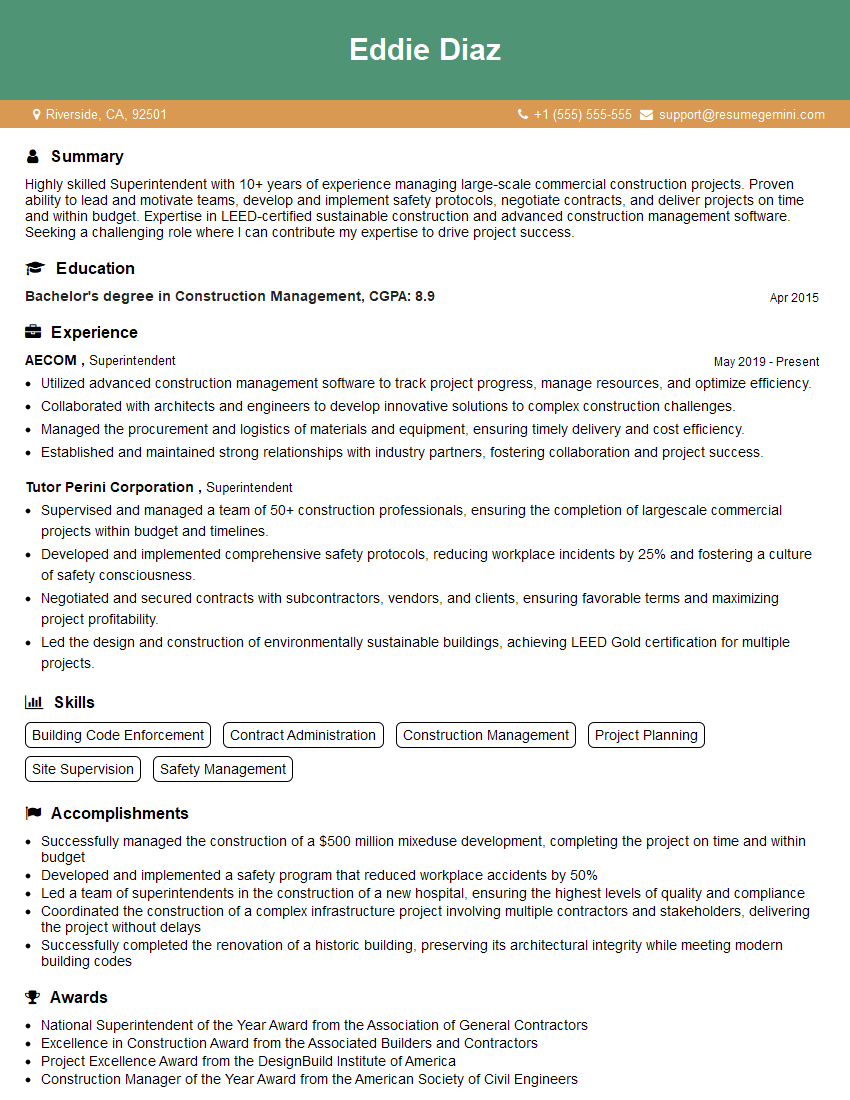
Superintendent Resume Sample
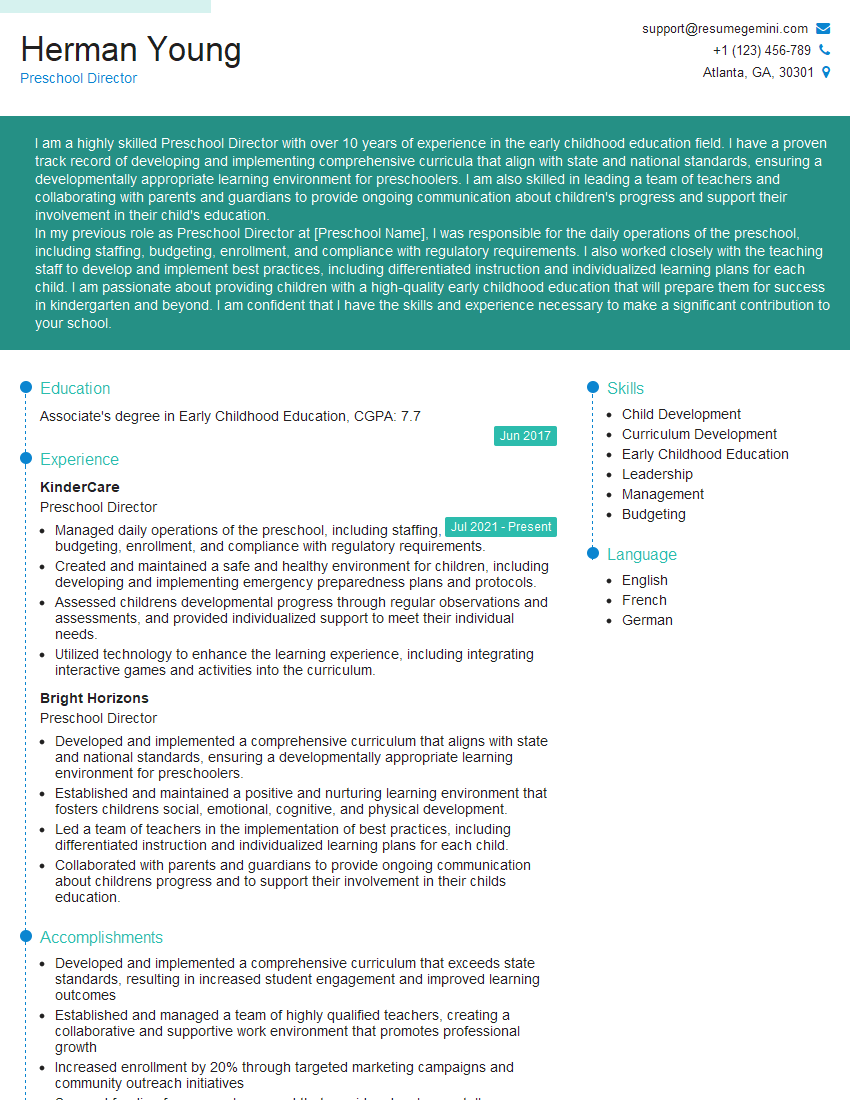
Preschool Director Resume Sample
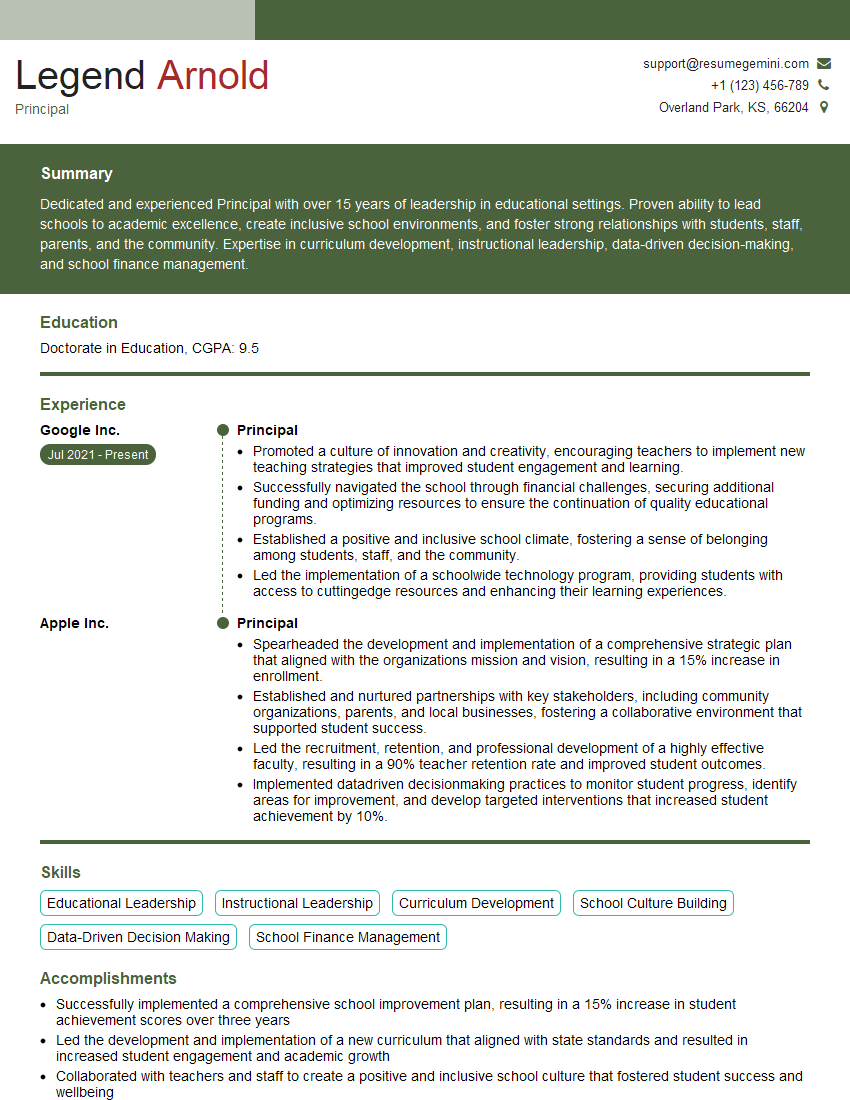
Principal Resume Sample

Special Education Director Resume Sample
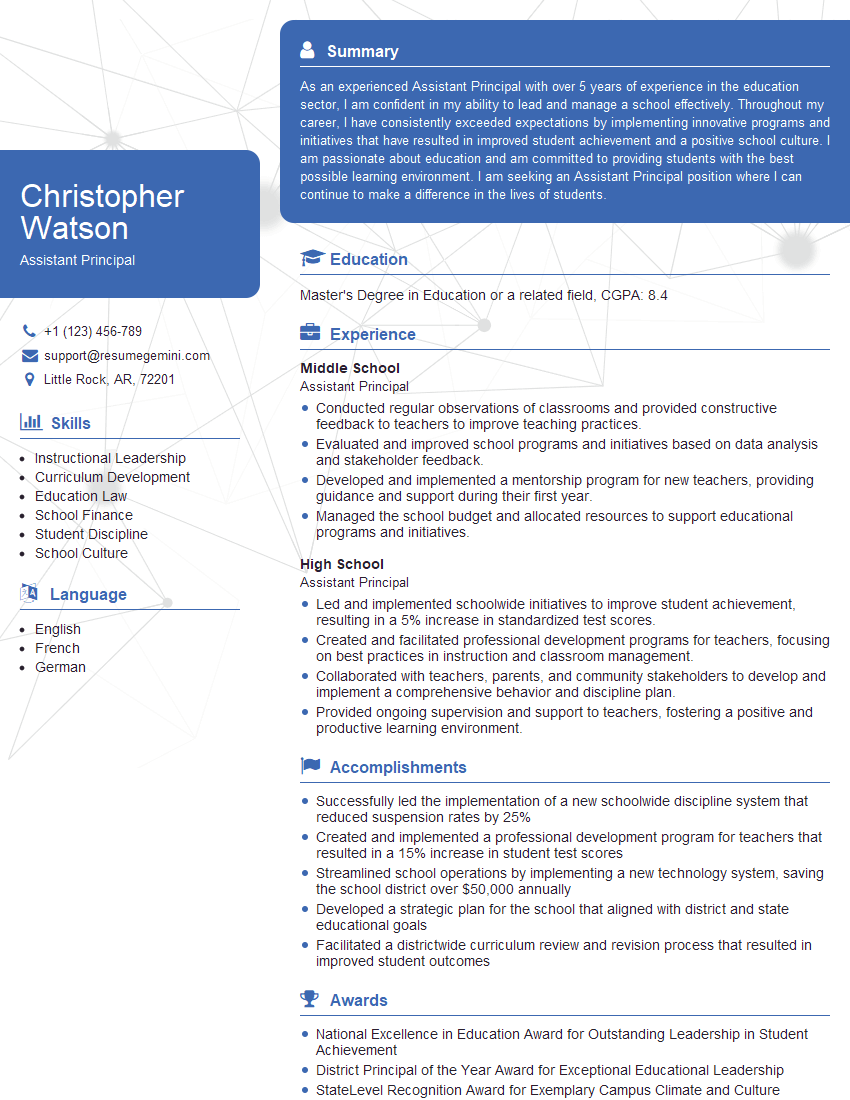
Assistant Principal Resume Sample
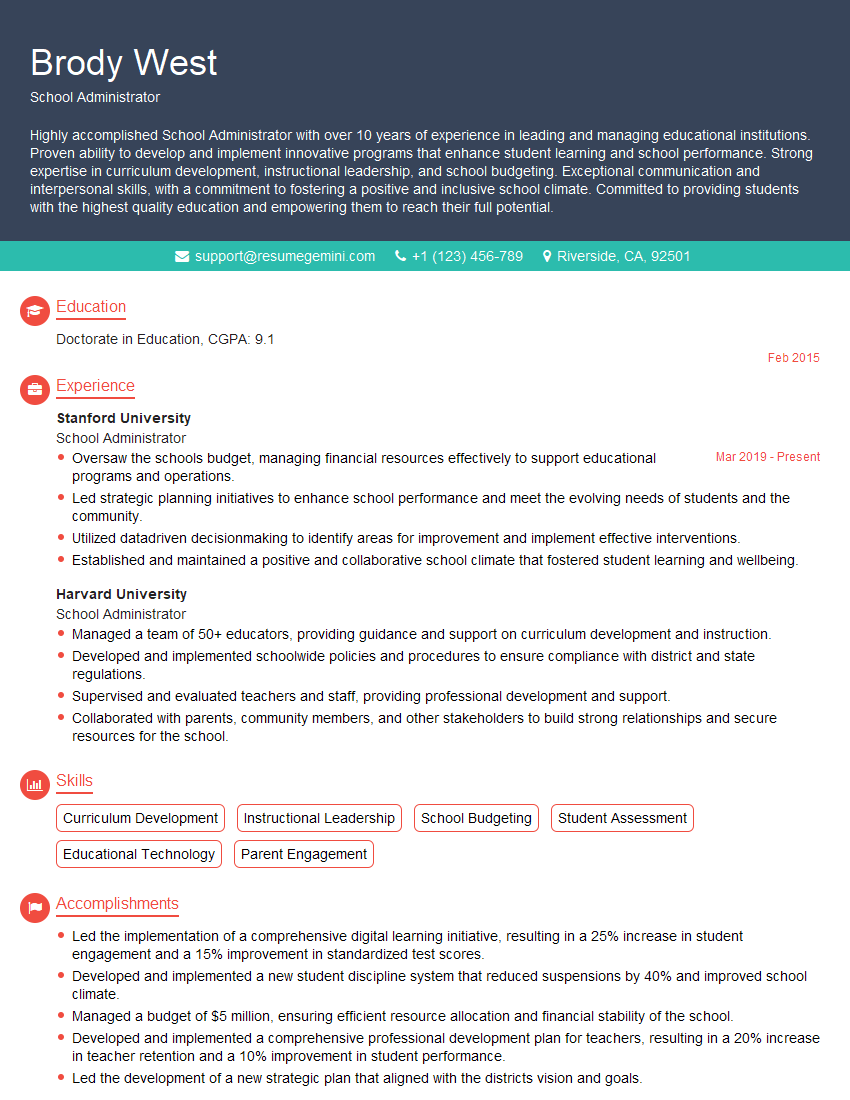
School Administrator Resume Sample
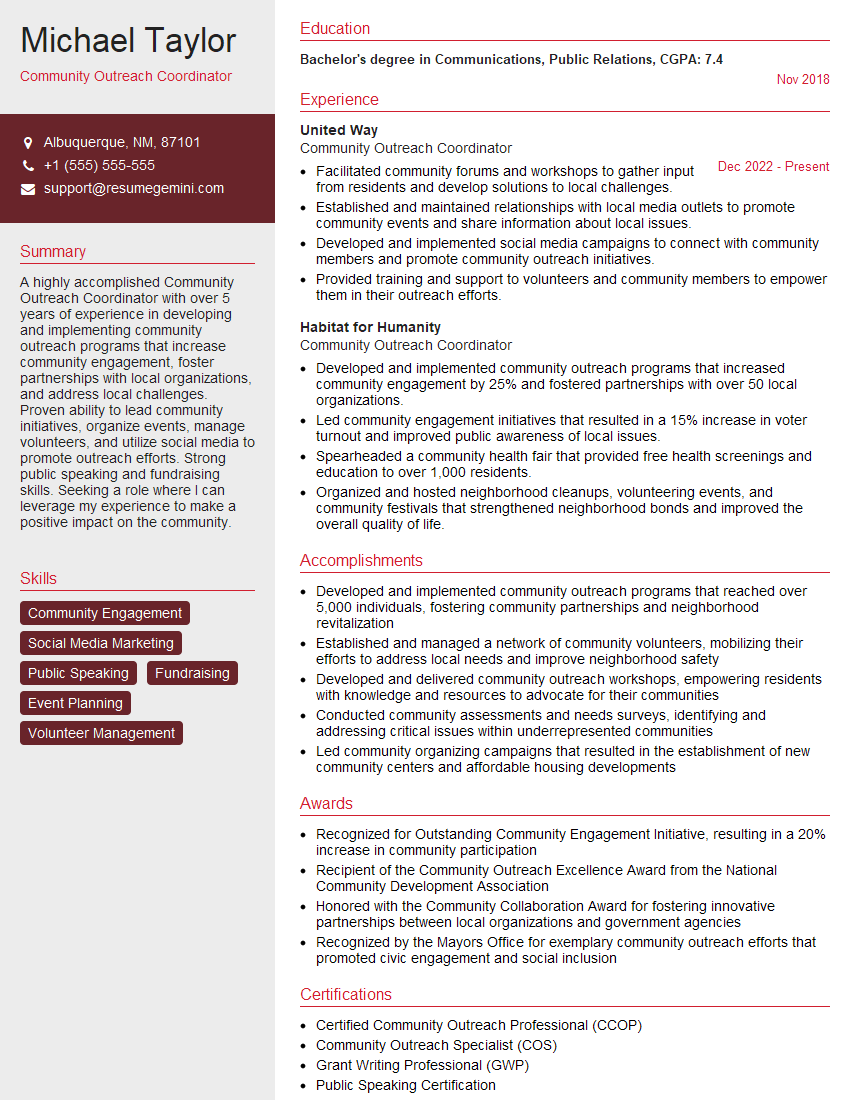
Community Outreach Coordinator Resume Sample
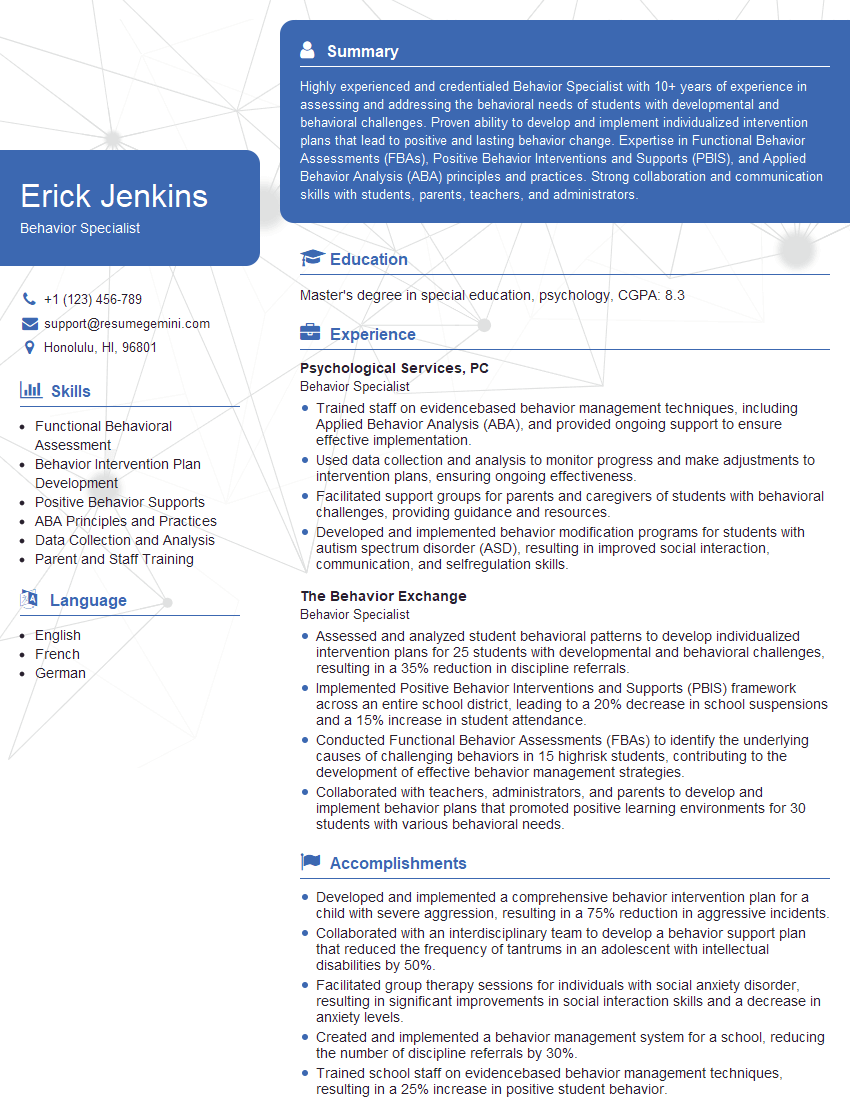
Behavior Specialist Resume Sample
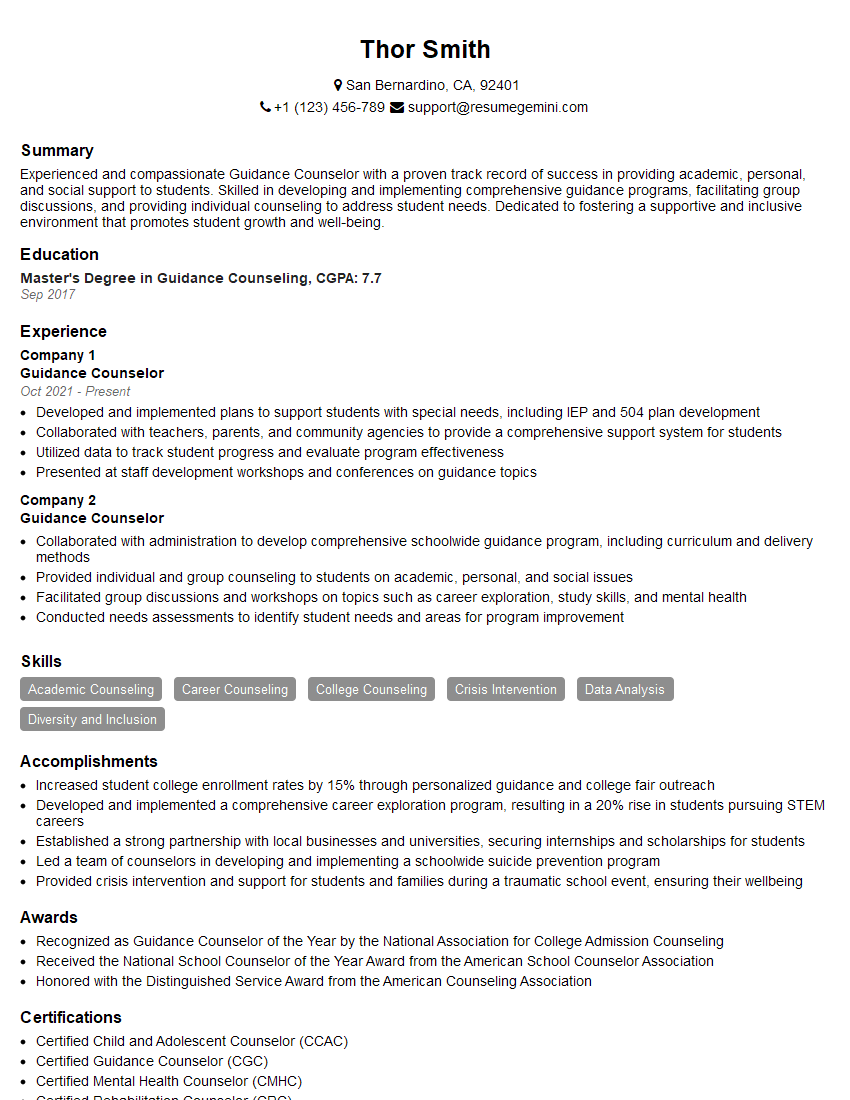
Guidance Counselor Resume Sample
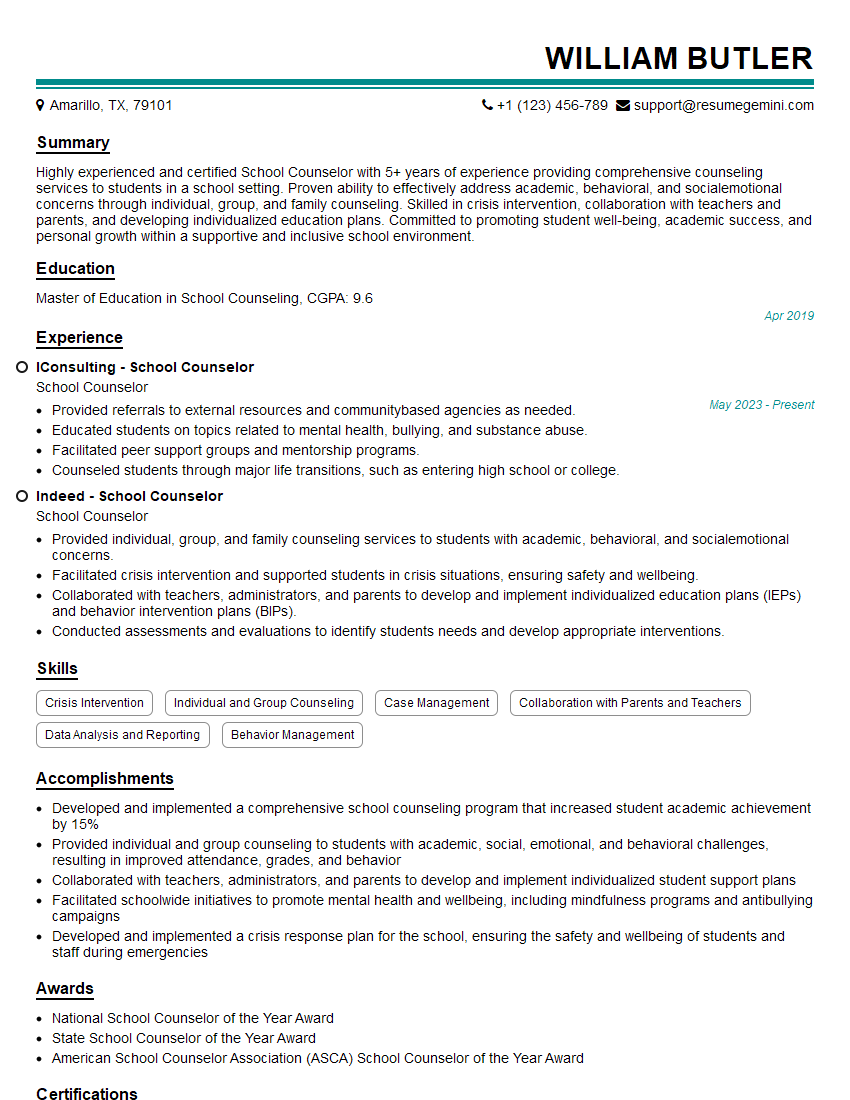
School Counselor Resume Sample
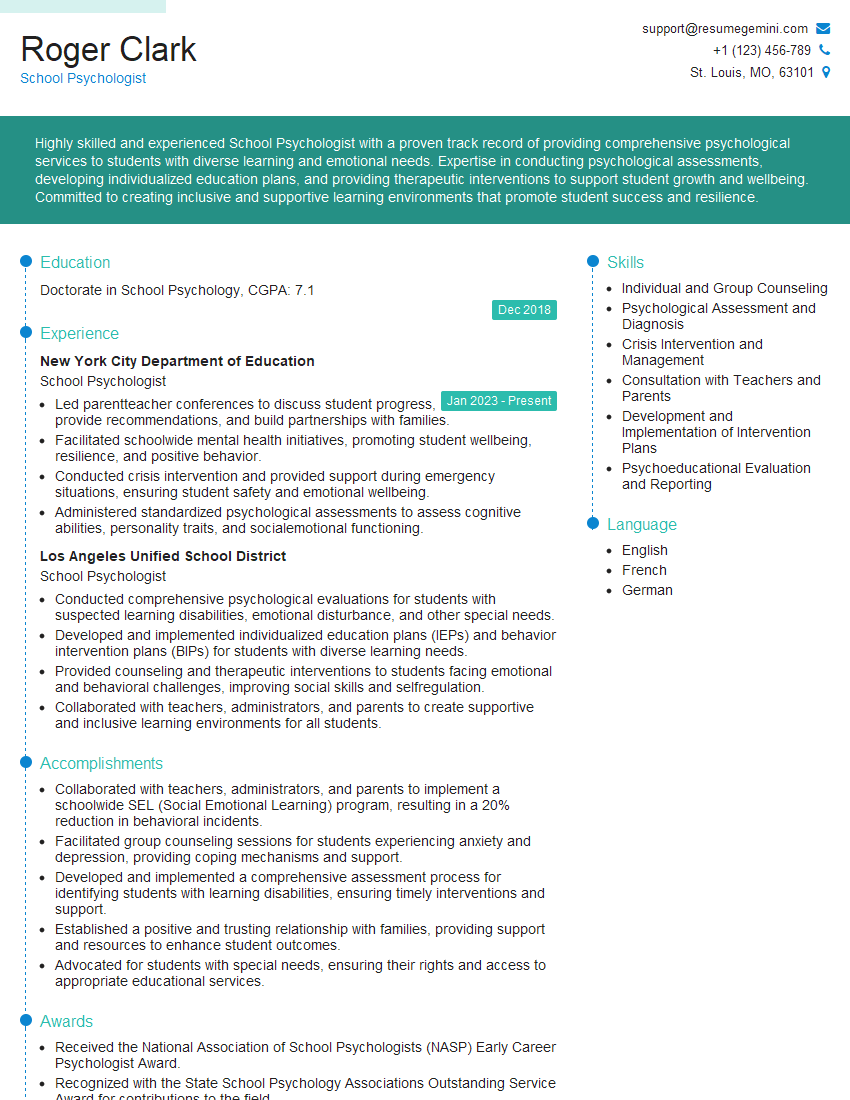
School Psychologist Resume Sample
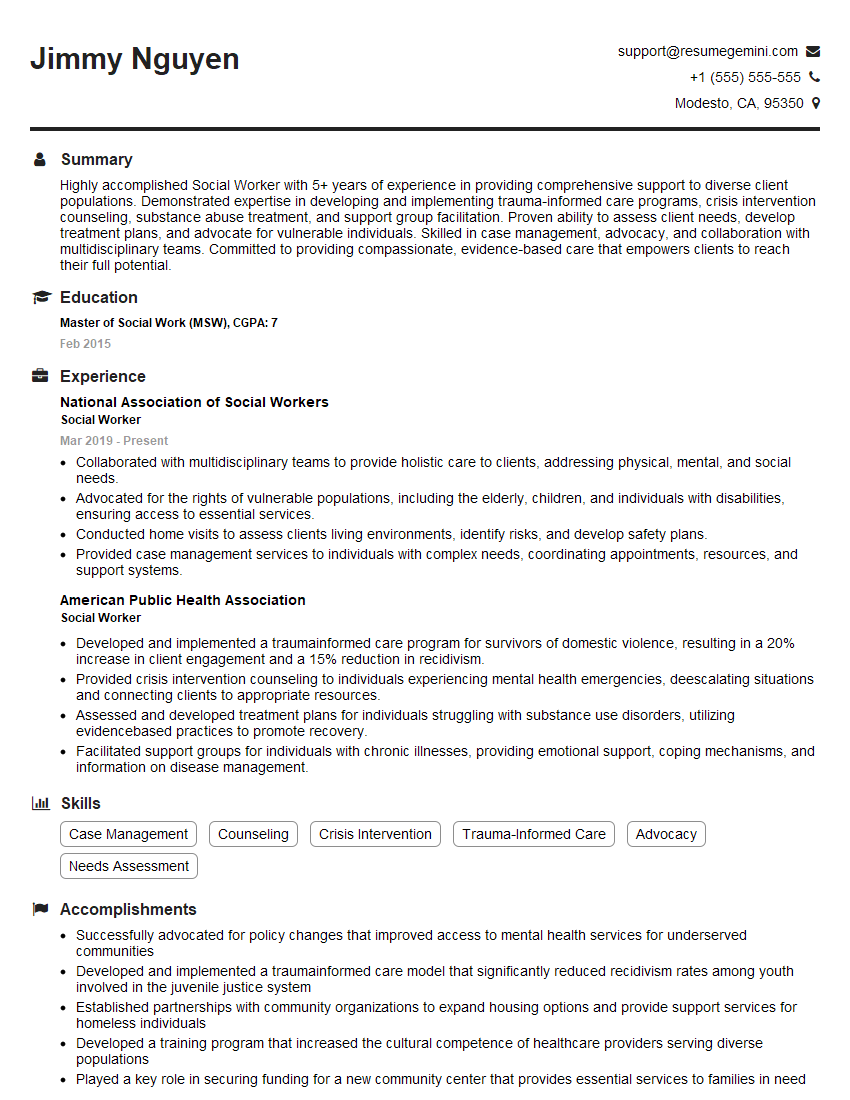
Social Worker Resume Sample
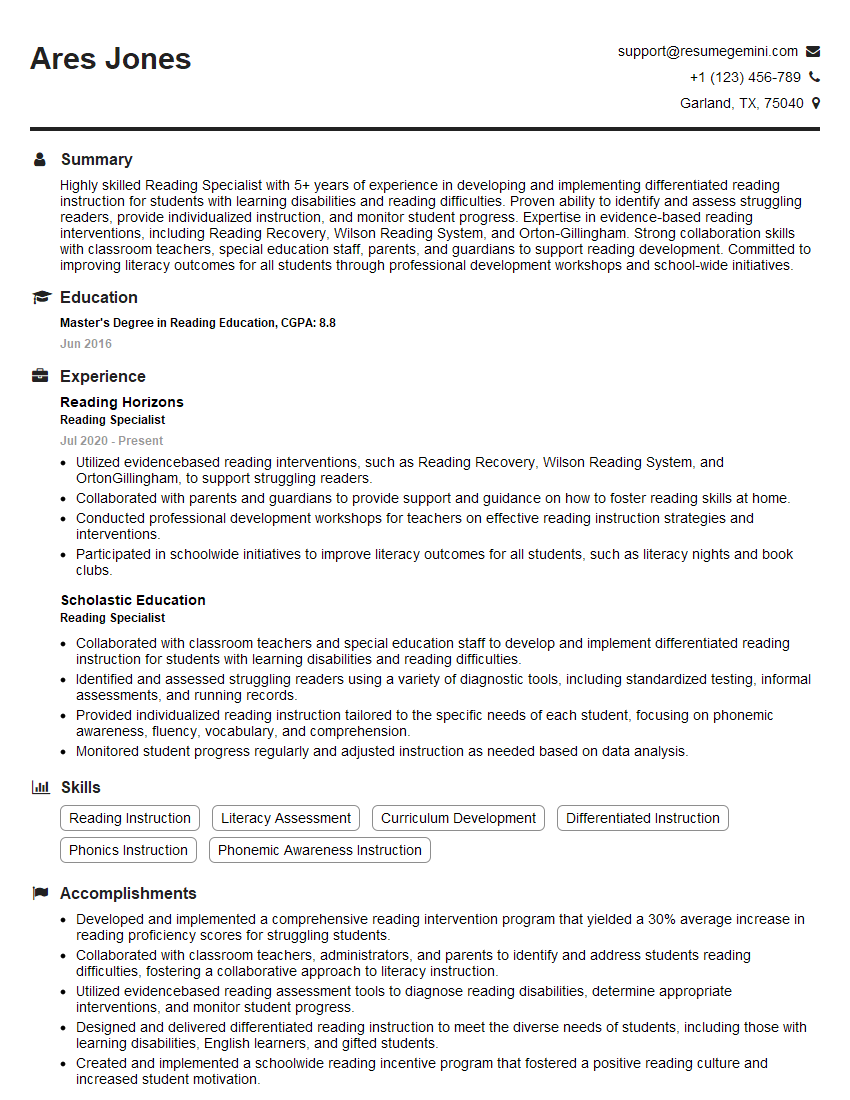
Reading Specialist Resume Sample
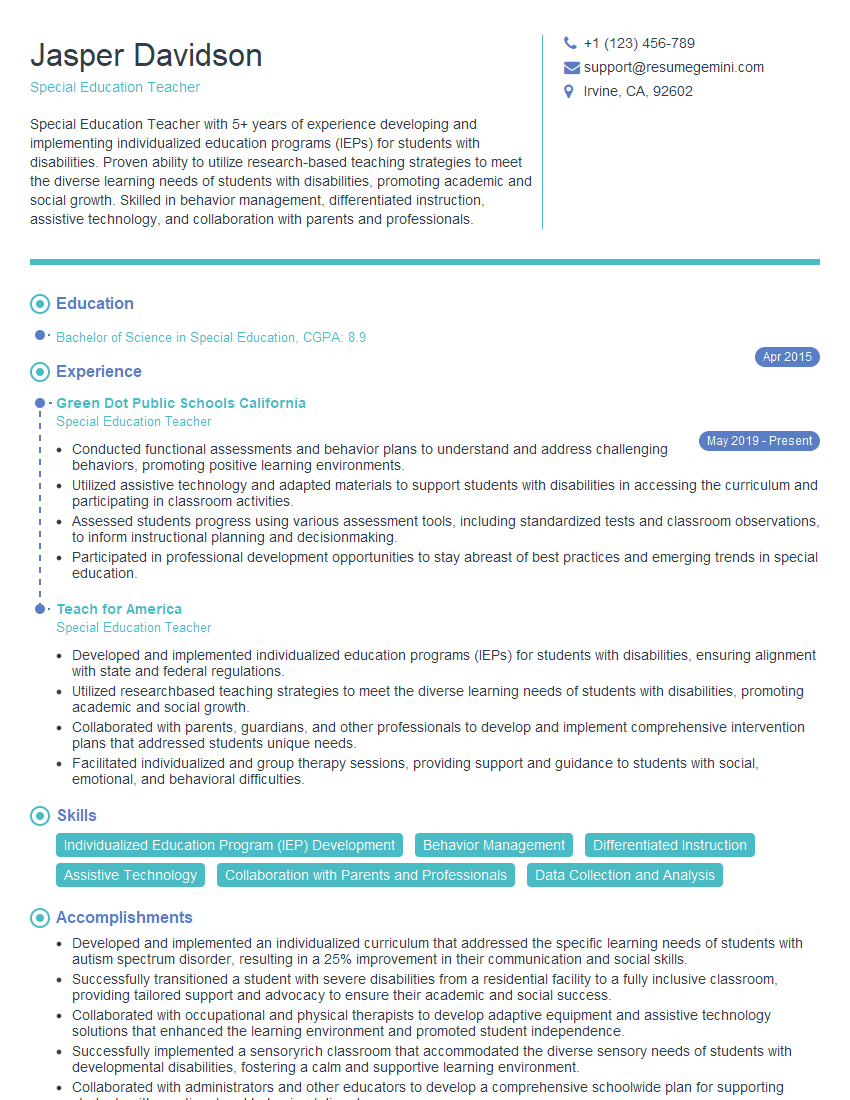
Special Education Teacher Resume Sample
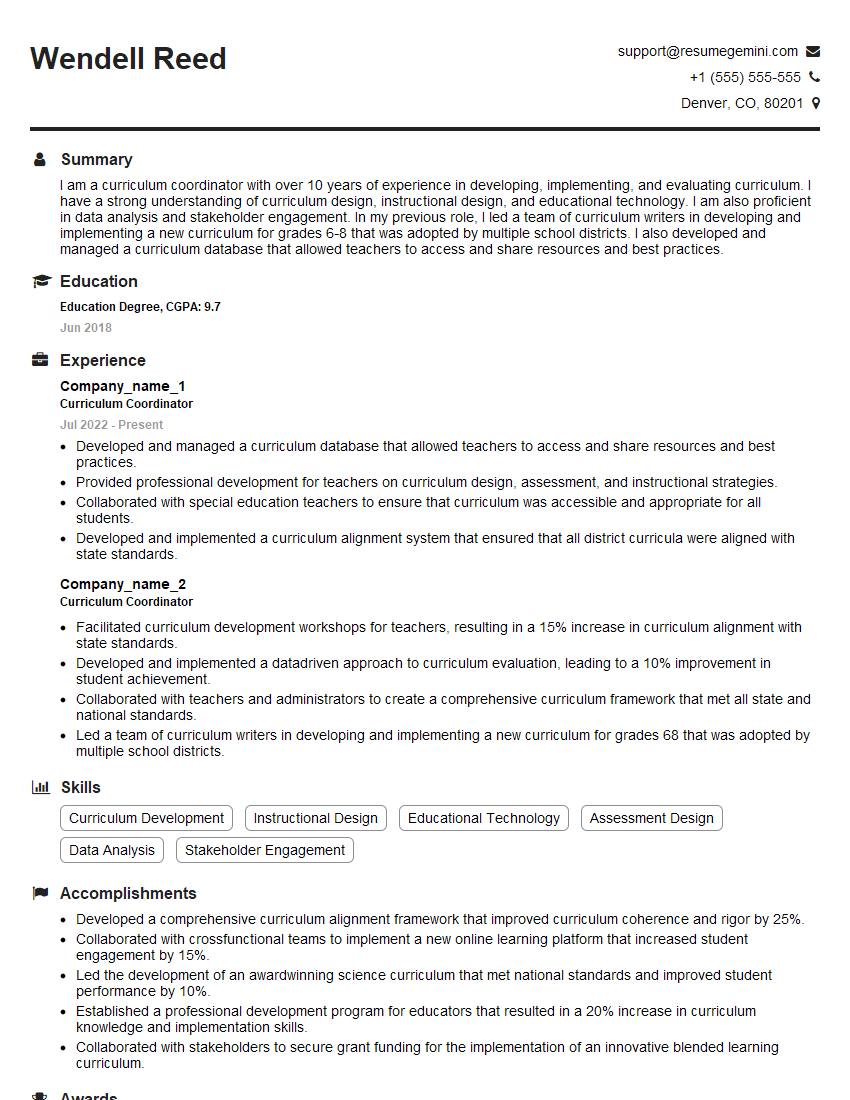
Curriculum Coordinator Resume Sample
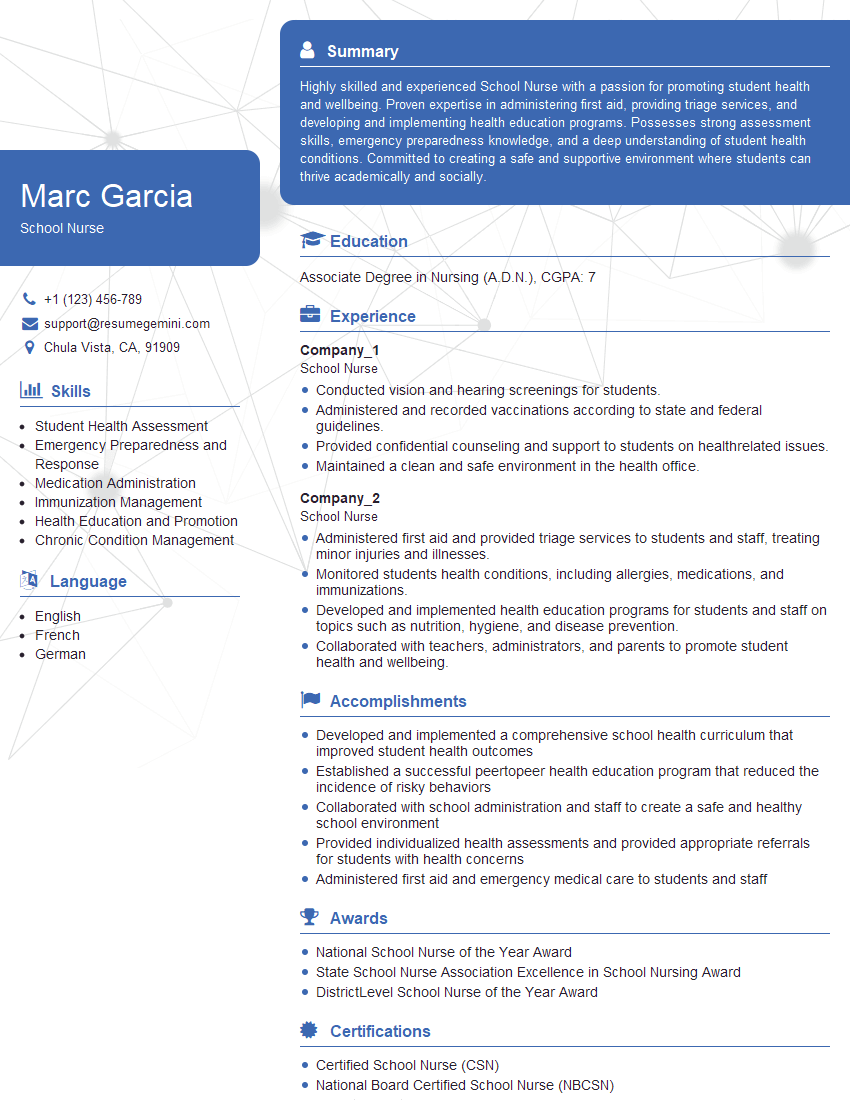
School Nurse Resume Sample
- Superintendent
- Preschool Director
- Principal
- Special Education Director
- Assistant Principal
- School Administrator
- Community Outreach Coordinator
- Behavior Specialist
- Guidance Counselor
- School Counselor
- School Psychologist
- Social Worker
- Reading Specialist
- Special Education Teacher
- Curriculum Coordinator
- School Nurse
Explore more articles
Users Rating of Our Blogs
Share Your Experience
We value your feedback! Please rate our content and share your thoughts (optional).
What Readers Say About Our Blog
To the interviewgemini.com Webmaster.
Very helpful and content specific questions to help prepare me for my interview!
Thank you
To the interviewgemini.com Webmaster.
This was kind of a unique content I found around the specialized skills. Very helpful questions and good detailed answers.
Very Helpful blog, thank you Interviewgemini team.