The thought of an interview can be nerve-wracking, but the right preparation can make all the difference. Explore this comprehensive guide to Conducting Physical Examinations interview questions and gain the confidence you need to showcase your abilities and secure the role.
Questions Asked in Conducting Physical Examinations Interview
Q 1. Describe your process for performing a comprehensive neurological examination.
A comprehensive neurological exam systematically assesses the nervous system’s function. It’s crucial to remember that the order might be adjusted based on the patient’s presentation and clinical suspicion.
Mental Status: I begin by assessing level of consciousness, orientation (person, place, time), attention, memory, and cognitive function using simple questions and tasks. For example, I might ask them to recall three objects after a few minutes.
Cranial Nerves (CN): I systematically test each of the twelve cranial nerves, checking for symmetry and appropriate responses. This involves tasks like assessing visual fields (CN II), pupillary reflexes (CN II, III), facial strength (CN VII), hearing (CN VIII), and tongue movement (CN XII).
Motor System: This assesses muscle strength, tone, bulk, and coordination. I’d observe for any tremors or involuntary movements. Testing muscle strength involves having the patient push or pull against my resistance.
Sensory System: This part focuses on evaluating the patient’s ability to feel light touch, pain, temperature, vibration, and proprioception (awareness of body position). I use various tools, like a cotton swab or tuning fork.
Reflexes: I assess deep tendon reflexes (e.g., patellar, biceps, triceps reflexes) using a reflex hammer, grading their intensity. I also check superficial reflexes like the plantar reflex (Babinski sign).
Coordination and Gait: I evaluate balance, coordination through finger-to-nose testing, heel-to-shin testing, and observation of their gait (walking pattern).
For instance, a patient presenting with weakness on one side of the body might trigger a more focused neurological exam, focusing on the relevant cranial nerves and motor pathways. Each step allows for precise identification of neurological deficits, helping guide diagnosis and treatment.
Q 2. Explain the steps involved in assessing cardiovascular health during a physical examination.
Assessing cardiovascular health during a physical exam involves several key steps, all aiming to evaluate the heart’s structure and function, along with the overall vascular system.
Inspection: I begin by visually inspecting the patient’s neck for jugular venous distension (JVD), which can indicate heart failure. I also look at the skin for signs of cyanosis (bluish discoloration) or pallor (paleness).
Palpation: I palpate the carotid arteries for strength and rhythm and the apical impulse (point of maximal impulse or PMI) for location and strength. A displaced PMI can indicate cardiac enlargement.
Auscultation: This is crucial. Using a stethoscope, I listen to heart sounds at various locations on the chest. I identify the S1 and S2 heart sounds and assess for any extra heart sounds (S3, S4 murmurs), which might indicate valvular disease or other cardiac issues. I also note the rate and rhythm of the heartbeat.
Blood Pressure: Blood pressure measurement is essential for assessing the health of the cardiovascular system. Hypertension (high blood pressure) and hypotension (low blood pressure) are both significant concerns.
Peripheral Pulses: I assess the strength and regularity of peripheral pulses in the radial, brachial, femoral, popliteal, posterior tibial, and dorsalis pedis arteries to assess for peripheral vascular disease.
For example, detecting a systolic murmur at the left sternal border might raise suspicion of aortic stenosis. This systematic approach provides valuable information about cardiac function and vascular health.
Q 3. How do you document your findings from a physical examination?
Accurate and detailed documentation is paramount in medical practice. My documentation process for physical examination findings follows a standardized format, typically using a structured template for consistency and completeness.
Subjective Data: I begin by documenting the patient’s chief complaint and history of presenting illness (HPI), including their symptoms, onset, and duration. This section is largely based on the patient’s own description.
Objective Data: This section includes all findings from the physical exam, recorded systematically by body system. I use precise and quantifiable language, avoiding vague terms. For example, instead of ‘heart murmur,’ I describe its location, timing, grade, and character.
Assessment: This section represents my interpretation of the findings, where I formulate a differential diagnosis – a list of possible diagnoses that fit the data.
Plan: This includes diagnostic tests ordered, treatment plans, patient education provided, and follow-up plans.
I use clear terminology and avoid ambiguous phrases. For instance, instead of writing ‘abnormal lung sounds,’ I would specify the type of sound heard (e.g., ‘wheezes’ or ‘rales’) and their location. The electronic medical record (EMR) used by our clinic ensures efficient storage and retrieval of the information.
Q 4. What are the key components of a respiratory system assessment?
A thorough respiratory assessment covers several key areas, all aiming to evaluate the efficiency and function of the respiratory system.
Inspection: I start with visual observation, assessing the patient’s respiratory rate, rhythm, and effort. I look for use of accessory muscles (e.g., intercostal retractions), which can indicate respiratory distress. I also observe for cyanosis.
Palpation: I assess for chest expansion, symmetry, and tactile fremitus (vibrations felt on the chest wall during speech). Asymmetry might indicate underlying pathology.
Percussion: By tapping on the chest wall, I assess lung resonance. Dullness might suggest consolidation (e.g., pneumonia), while hyperresonance can indicate pneumothorax (collapsed lung).
Auscultation: Listening to the lungs with a stethoscope is crucial. I assess for breath sounds (vesicular, bronchial, bronchovesicular), adventitious sounds (wheezes, crackles, rhonchi), and vocal resonance. Presence of abnormal sounds often indicates an airway obstruction or lung pathology.
For instance, diminished breath sounds in a particular area combined with dullness on percussion would suggest a possible consolidation.
Q 5. How do you differentiate between normal and abnormal findings during abdominal palpation?
Abdominal palpation requires a gentle and systematic approach, starting with light palpation to assess for tenderness and muscle guarding, followed by deeper palpation to identify organomegaly or masses.
Normal Findings: During light palpation, the abdomen should feel soft, non-tender, and without masses. Deeper palpation should reveal the normal position and size of organs like the liver and spleen, with no significant tenderness.
Abnormal Findings: Tenderness on palpation suggests inflammation or injury. Guarding (involuntary muscle contraction) often indicates peritoneal irritation. A palpable mass could represent a tumor, abscess, or enlarged organ. Organomegaly (enlarged organs) might indicate various conditions.
For example, a patient with appendicitis often presents with tenderness in the right lower quadrant (McBurney’s point), sometimes associated with rebound tenderness (pain elicited by releasing pressure after palpation). Careful observation and palpation technique allows for differentiation between normal and abnormal findings.
Q 6. Describe your approach to examining a patient with suspected musculoskeletal injury.
Examining a patient with a suspected musculoskeletal injury involves a structured approach, ensuring a comprehensive evaluation of the affected area.
History: I begin by understanding the mechanism of injury, including the exact time, place, and how the injury occurred. This helps in determining the likely type of injury.
Inspection: I visually assess the affected area for swelling, bruising, deformity, and any obvious signs of injury.
Palpation: Gentle palpation helps identify areas of tenderness, swelling, crepitus (grating sound), and muscle spasm. I assess for any step-offs or instability.
Range of Motion (ROM): I carefully assess the active and passive range of motion of the affected joint or limb. Limitation or pain with movement suggests underlying damage.
Neurovascular Assessment: This is crucial and assesses distal pulses, sensation, and motor function to ensure no nerve or blood vessel damage is present.
Special Tests: Depending on the suspected injury, I perform relevant special tests. For example, a Lachman test for anterior cruciate ligament (ACL) injury of the knee.
For instance, a patient with suspected ankle sprain would undergo assessment of ankle ROM, palpation for tenderness along ligaments, and testing for stability. The findings direct the choice of appropriate imaging and treatment strategy.
Q 7. Explain how you would assess a patient’s skin integrity and identify potential issues.
Assessing skin integrity involves a systematic evaluation of the skin’s appearance, texture, and any lesions. It is vital for identifying potential issues early on.
Inspection: I observe the skin’s color, moisture, and turgor (elasticity). Changes in color (jaundice, pallor, cyanosis), excessive dryness or moisture, and poor turgor (indicating dehydration) are all significant.
Palpation: I palpate the skin’s temperature and texture. Areas of increased warmth might suggest infection, while coolness may indicate decreased blood flow.
Lesion Assessment: If any lesions are present, I describe their location, size, shape, color, texture, and any associated features (e.g., drainage, crusting). I use standardized terminology to document lesion characteristics (e.g., macule, papule, vesicle).
Hair and Nails: I also examine hair distribution, texture, and quality. Nail changes such as clubbing or discoloration can be indicators of systemic diseases.
For example, a patient with a suspicious mole might require a detailed description of its size, shape, and color to determine the need for further evaluation or biopsy. A comprehensive skin exam helps identify problems such as skin cancer, infections, or systemic diseases.
Q 8. What are the vital signs and how do you interpret them?
Vital signs are objective measurements that reflect a patient’s basic physiological functions. They provide crucial insights into their overall health and can indicate the presence of underlying conditions. The primary vital signs include:
- Temperature: Measured orally, rectally, axially or tympanically, reflecting the body’s heat production and dissipation. A fever (above 37°C or 98.6°F) suggests infection or inflammation. Hypothermia (below 35°C or 95°F) indicates a serious problem like exposure to cold.
- Pulse (Heart Rate): Represents the number of heartbeats per minute. It’s assessed by palpating an artery (e.g., radial, carotid). A rapid pulse (tachycardia) could signify fever, anxiety, or heart problems. A slow pulse (bradycardia) can indicate hypothermia or certain heart conditions.
- Respirations (Breathing Rate): The number of breaths per minute, reflecting the efficiency of gas exchange. An elevated respiratory rate (tachypnea) may indicate respiratory distress or infection. Slow breathing (bradypnea) could indicate drug overdose or neurological issues.
- Blood Pressure: Measured using a sphygmomanometer, it indicates the force of blood against arterial walls. It has two components: systolic (pressure during heart contraction) and diastolic (pressure during heart relaxation). Hypertension (high blood pressure) increases the risk of heart disease and stroke. Hypotension (low blood pressure) can lead to dizziness and fainting.
- Oxygen Saturation (SpO2): Measured using a pulse oximeter, it indicates the percentage of hemoglobin saturated with oxygen. Low SpO2 (hypoxemia) suggests poor oxygenation and could indicate respiratory problems or heart failure.
Interpreting vital signs requires considering the patient’s age, medical history, and presenting symptoms. Abnormal values warrant further investigation and may necessitate adjustments to the treatment plan. For example, a patient with pneumonia might present with fever, elevated heart rate, increased respiratory rate, and low oxygen saturation.
Q 9. How do you perform a proper lymph node assessment?
A lymph node assessment involves systematically palpating lymph nodes in various regions of the body to check for size, consistency, tenderness, and mobility. Always use a gentle, systematic approach to avoid causing discomfort or missing abnormalities.
- Head and Neck: Palpate preauricular, postauricular, occipital, tonsilar, submandibular, and submental nodes.
- Anterior Cervical Chain: Locate along the sternocleidomastoid muscle.
- Posterior Cervical Chain: Palpate in the posterior triangle of the neck.
- Supraclavicular Nodes: Located above the clavicles (often significant if enlarged).
- Infraclavicular Nodes: Below the clavicles.
- Axillary Nodes: Palpate the axilla (armpit) in various regions.
- Inguinal Nodes: Located in the groin region.
Normal lymph nodes are usually small, non-tender, mobile, and not palpable. Enlarged, tender, fixed, or hard nodes warrant further investigation and could indicate infection, inflammation, or malignancy. For example, a patient with a throat infection might present with enlarged and tender cervical lymph nodes.
Q 10. How would you assess for peripheral vascular disease during a physical exam?
Assessing for peripheral vascular disease (PVD) involves evaluating the arterial and venous systems in the extremities. Key elements of the examination include:
- Inspect the skin: Look for changes in skin color (pallor, cyanosis, redness), temperature (coolness or warmth), hair distribution (thinning), and ulcerations.
- Palpate pulses: Assess the femoral, popliteal, posterior tibial, and dorsalis pedis pulses, noting their strength (absent, diminished, normal, bounding). Weak or absent pulses suggest arterial insufficiency.
- Assess capillary refill: Compress a nail bed and observe the time it takes for color to return (normally less than 2 seconds). Prolonged refill time indicates impaired peripheral circulation.
- Check for edema: Assess for swelling in the lower extremities by pressing firmly with your fingers; an indentation suggests edema (often associated with venous insufficiency).
- Evaluate for varicose veins: Observe for dilated, tortuous veins.
- Assess for dependent rubor: Elevating the legs and observing the return of color to the feet. Delayed return suggests arterial insufficiency.
For instance, a patient with claudication (pain in the legs during exercise) might have diminished pulses in their lower extremities, pallor on elevation, and rubor on dependency, indicative of peripheral arterial disease.
Q 11. Explain the technique for performing a breast examination.
Breast examination involves a systematic assessment of the breasts and axillary lymph nodes, utilizing inspection and palpation. It’s crucial to ensure the patient is comfortable and understands the procedure.
- Inspection: Observe the breasts for size, symmetry, skin changes (erythema, dimpling, ulceration), nipple discharge, and any masses.
- Palpation: Perform palpation while the patient is in a supine position with one arm raised above her head. Use the pads of your fingers to systematically palpate the entire breast tissue, including the tail of Spence (upper outer quadrant) and the axilla, assessing for lumps, masses, or any areas of tenderness.
- Different Palpation Techniques: Circular, vertical strip, and wedge patterns are commonly used to ensure thorough examination.
- Axillary Lymph Nodes: Palpate the axillary lymph nodes for size, consistency, and tenderness.
Findings should be documented meticulously, including location, size, shape, consistency, and mobility of any detected masses. This is essential for early detection of breast cancer or other abnormalities. A patient with a palpable lump should be referred for further imaging studies.
Q 12. Describe your approach to examining a patient’s ears, nose, and throat.
Examining the ears, nose, and throat (ENT) requires a systematic approach with specialized instruments.
- Ears: Inspect the auricle (outer ear) for deformities or lesions. Otoscopic examination (using an otoscope) is performed to visualize the tympanic membrane (eardrum) assessing its color, light reflex, and integrity. Note any cerumen (earwax) impaction or foreign bodies.
- Nose: Inspect the external nose for symmetry, deformities, and discharge. Rhinoscopy (using a nasal speculum) allows visualization of the nasal mucosa, assessing for inflammation, bleeding, or masses. Assess patency of the nasal passages.
- Throat: Inspect the oral cavity (mouth), noting the condition of the teeth, gums, tongue, and palate. Assess for lesions, inflammation, or masses. Use a tongue depressor and penlight to visualize the pharynx (back of the throat) and tonsils, assessing for erythema, exudates, or enlargement.
Abnormal findings such as a perforated tympanic membrane, nasal polyps, or tonsillitis should be documented carefully. For example, a patient complaining of a sore throat would necessitate a thorough inspection of the throat for erythema, exudates, and enlarged tonsils.
Q 13. How do you identify and document abnormal breath sounds?
Auscultation of the lungs is crucial for identifying abnormal breath sounds. These sounds provide valuable information about the condition of the airways and lungs. Abnormal breath sounds can indicate airway obstruction, fluid in the lungs, or lung tissue consolidation.
- Crackles (rales): Discontinuous, popping sounds heard during inspiration. They suggest fluid in the alveoli (tiny air sacs in the lungs) and are often associated with pneumonia, pulmonary edema, or fibrosis.
- Wheezes: Continuous, whistling sounds heard during inspiration or expiration. They indicate airway narrowing, as seen in asthma, bronchitis, or emphysema.
- Rhonchi: Continuous, low-pitched, snoring or rattling sounds. They are caused by secretions in the larger airways, and are often present in bronchitis or pneumonia.
- Stridor: A high-pitched, crowing sound heard during inspiration, often indicating an upper airway obstruction.
- Absent breath sounds: Absence of breath sounds in a specific area suggests airless lung, possibly due to pneumothorax (collapsed lung), pleural effusion, or lobar pneumonia.
Documentation should include the location, timing (inspiration or expiration), pitch, intensity, and character of the abnormal sounds. For instance, “crackles heard in the bases of both lungs during inspiration” provides essential clinical information for diagnosis and management.
Q 14. What are the different types of heart murmurs and how do you assess them?
Heart murmurs are extra sounds heard during auscultation of the heart. They result from turbulent blood flow through the heart valves or chambers. They can be innocent (benign) or pathological (indicating underlying heart disease).
- Systolic murmurs: Occur during ventricular contraction (systole).
- Diastolic murmurs: Occur during ventricular relaxation (diastole). Diastolic murmurs are generally more serious than systolic murmurs.
- Grading murmurs: Murmurs are graded on a scale of I-VI based on their intensity. Grade I being barely audible, and Grade VI being loud enough to be heard without a stethoscope.
- Location: The location of the murmur is noted according to the auscultatory area (e.g., aortic, pulmonic, tricuspid, mitral).
- Radiation: A murmur might radiate to other areas of the chest.
- Quality: Described as harsh, blowing, rumbling, etc.
Identifying the type of murmur requires considering its timing, location, radiation, quality, and intensity. A detailed description helps determine the underlying cause and necessitates further investigations like echocardiography. For example, a diastolic murmur at the apex of the heart might suggest mitral stenosis (narrowing of the mitral valve), requiring prompt medical attention.
Q 15. How do you assess cranial nerves?
Assessing cranial nerves involves systematically testing each of the twelve pairs to identify any deficits. Think of it like checking each wire in a complex electrical system – one faulty wire can disrupt the whole system. We test them in order, observing for symmetry and comparing sides.
- Cranial Nerve I (Olfactory): Assess the sense of smell by having the patient identify familiar scents with each nostril separately (while occluding the other).
- Cranial Nerve II (Optic): Test visual acuity using a Snellen chart, assess visual fields by confrontation, and examine the optic fundi with an ophthalmoscope.
- Cranial Nerves III, IV, and VI (Oculomotor, Trochlear, and Abducens): Assess pupil size and reactivity to light and accommodation, and test extraocular movements in all six cardinal directions of gaze. Nystagmus (involuntary eye movements) is also noted here.
- Cranial Nerve V (Trigeminal): Assess sensory function by testing light touch and pain sensation in the three branches of the trigeminal nerve (ophthalmic, maxillary, and mandibular). Motor function is assessed by palpating the masseter and temporalis muscles while the patient clenches their teeth.
- Cranial Nerve VII (Facial): Assess facial symmetry by having the patient raise eyebrows, smile, frown, and puff out their cheeks. Taste sensation on the anterior two-thirds of the tongue can also be evaluated.
- Cranial Nerve VIII (Vestibulocochlear): Assess hearing acuity with a whispered voice test or tuning fork tests (Rinne and Weber). Balance can be assessed by observing gait and Romberg test.
- Cranial Nerve IX (Glossopharyngeal) and X (Vagus): Assess the gag reflex, check for symmetrical palatal elevation, and assess the quality of voice. Note any swallowing difficulties.
- Cranial Nerve XI (Accessory): Assess shoulder shrug strength and resistance against pressure.
- Cranial Nerve XII (Hypoglossal): Assess tongue strength and movement by having the patient stick out their tongue and move it side to side. Look for any atrophy or deviation.
Any asymmetry or impairment in function indicates potential pathology requiring further investigation.
Career Expert Tips:
- Ace those interviews! Prepare effectively by reviewing the Top 50 Most Common Interview Questions on ResumeGemini.
- Navigate your job search with confidence! Explore a wide range of Career Tips on ResumeGemini. Learn about common challenges and recommendations to overcome them.
- Craft the perfect resume! Master the Art of Resume Writing with ResumeGemini’s guide. Showcase your unique qualifications and achievements effectively.
- Don’t miss out on holiday savings! Build your dream resume with ResumeGemini’s ATS optimized templates.
Q 16. How do you assess deep tendon reflexes?
Assessing deep tendon reflexes (DTRs) involves tapping a tendon with a reflex hammer to elicit a muscle contraction. This assesses the integrity of the reflex arc, which includes sensory neurons, motor neurons, and the spinal cord. Think of it as a simple check of the wiring between your muscle and your brain.
The grading system typically ranges from 0 (absent) to 4+ (hyperreflexia). We use a standardized scale to ensure consistent assessment.
- Biceps: Flex the patient’s elbow slightly and place your thumb on the biceps tendon. Strike your thumb with the reflex hammer.
- Brachioradialis: Support the forearm in a neutral position and strike the radius about 2 inches above the wrist.
- Triceps: Let the patient’s arm hang loosely at their side, strike the triceps tendon just above the elbow.
- Patellar: With the patient’s knee slightly flexed, strike the patellar tendon just below the patella.
- Achilles: Flex the patient’s knee and dorsiflex the foot. Strike the Achilles tendon.
Asymmetry in reflexes warrants further evaluation. For instance, an absent reflex on one side but present on the other might indicate a nerve root compression or lesion.
Q 17. Describe your approach to examining a patient with suspected neurological deficits.
Examining a patient with suspected neurological deficits requires a systematic approach, prioritizing safety and comfort. I start with a comprehensive history, including onset, duration, and character of symptoms. The examination itself would then proceed in a ‘head-to-toe’ fashion, focusing on areas potentially affected.
- Mental Status: Assess level of consciousness, orientation, and cognitive function.
- Cranial Nerves: Evaluate all 12 cranial nerves as previously described.
- Motor System: Assess muscle bulk, tone, strength, and coordination. Look for any involuntary movements.
- Sensory System: Assess light touch, pain, temperature, vibration, and proprioception. Compare both sides.
- Reflexes: Assess deep tendon reflexes and superficial reflexes (e.g., plantar reflex).
- Cerebellar Function: Assess coordination, balance, and gait.
I will document my findings meticulously, using a standardized neurological examination format. This detailed documentation allows for careful comparison over time and is essential for tracking the progression or resolution of the neurological issue. Any abnormalities will guide further investigations, such as neuroimaging or electrodiagnostic studies.
Q 18. Explain how you would assess a patient’s mental status.
Assessing a patient’s mental status is crucial in evaluating overall health. It’s not just about asking if they know their name and location. We need to delve deeper to get a complete picture.
A comprehensive mental status examination involves several key areas:
- Level of Consciousness (LOC): Is the patient alert, drowsy, lethargic, stuporous, or comatose?
- Orientation: Assess the patient’s orientation to person, place, and time.
- Attention and Concentration: Assess using simple tasks like serial 7s subtraction or spelling ‘WORLD’ backward.
- Memory: Assess short-term and long-term memory using recall tasks (immediate and delayed recall).
- Language: Assess fluency, comprehension, and repetition.
- Higher Cognitive Function: Assess abstract thought, judgment, and insight.
- Mood and Affect: Assess the patient’s emotional state and expression.
For instance, if a patient struggles with serial 7s subtraction, it might indicate cognitive impairment. Changes in mood or affect can indicate depression, anxiety, or other psychiatric conditions. The findings are documented and can be compared against a baseline for tracking mental status changes.
Q 19. What are the signs and symptoms of dehydration, and how do you assess for it?
Dehydration occurs when the body loses more fluid than it takes in. The severity varies greatly, and early recognition is key.
Signs and Symptoms:
- Mild Dehydration: Thirst, dry mouth, fatigue, headache, dizziness, decreased urine output.
- Moderate Dehydration: Sunken eyes, decreased skin turgor (skin doesn’t snap back quickly after being pinched), low blood pressure, rapid heart rate, confusion.
- Severe Dehydration: Very dry mouth and mucous membranes, very sunken eyes, severe thirst, no urine output, rapid and weak pulse, altered mental status, shock.
Assessment:
- History: Ask about fluid intake, diarrhea, vomiting, sweating, fever.
- Physical Exam: Assess skin turgor (pinch the skin on the forearm or abdomen), mucous membranes (check for dryness), assess capillary refill (press on a fingernail and observe how quickly color returns), check heart rate and blood pressure.
- Urine Output: Assess the amount and concentration of urine produced. Dark, concentrated urine suggests dehydration.
In severe cases, intravenous fluids are required. Early intervention is crucial to prevent complications.
Q 20. How do you assess for signs of infection during a physical examination?
Assessing for signs of infection during a physical examination involves a thorough review of systems and a careful physical assessment. The classic signs of inflammation – redness, swelling, heat, and pain (rubor, tumor, calor, dolor) – are key indicators, along with systemic signs like fever.
My approach involves:
- Vital Signs: Elevated temperature (fever) is a common sign. Tachycardia (rapid heart rate) can also be present.
- General Appearance: Look for signs of distress such as lethargy, malaise, or altered mental status.
- Skin Assessment: Examine for redness, warmth, swelling, or purulent drainage (pus). Check for lymphadenopathy (swollen lymph nodes) – tender, enlarged lymph nodes can indicate nearby infection.
- Respiratory Assessment: Listen to the lungs for crackles, wheezes, or diminished breath sounds (indicative of pneumonia or bronchitis).
- Cardiovascular Assessment: Assess heart rate and rhythm. Murmurs can indicate endocarditis.
- Abdominal Assessment: Palpate the abdomen for tenderness or rigidity – signs of peritonitis or other abdominal infections.
Any suggestive findings will guide further investigation with laboratory tests, imaging, or consultation with specialists as needed. For example, a patient with a painful, erythematous (red) area of skin and regional lymphadenopathy would raise suspicion for cellulitis and require further examination.
Q 21. How do you handle a situation where a patient is uncomfortable during a physical examination?
Patient comfort is paramount. A good physical exam is a collaborative process, not an interrogation. If a patient expresses discomfort, I immediately address their concerns and adapt my approach.
My strategies include:
- Explain the procedure: Clearly explaining each step of the exam, using simple terms, can reduce anxiety.
- Respect boundaries: Obtain informed consent before performing any procedure. Ensure proper draping to maintain privacy and dignity.
- Adjust the pace: If a patient is feeling overwhelmed, slow down the examination pace. Provide breaks as needed.
- Use appropriate touch: Use gentle and deliberate touch, avoiding sudden or unexpected movements. Ensure consent is given for each area of examination.
- Reassure the patient: Offer words of reassurance and empathy, acknowledging the patient’s feelings.
- Modify the exam: In some cases, parts of the examination might be modified or omitted based on the patient’s comfort level, always prioritizing safety and the collection of essential clinical data.
- Seek assistance: If the patient is particularly anxious or if I’m struggling to proceed comfortably, I will seek assistance from a colleague or nurse.
Ultimately, building trust and rapport is essential to ensuring a successful and comfortable examination for both the patient and the examiner.
Q 22. Explain your understanding of patient privacy and confidentiality during physical examinations.
Patient privacy and confidentiality are paramount during physical examinations. It’s governed by legal frameworks like HIPAA in the US and similar regulations globally. This means I treat all patient information – medical history, examination findings, and even the fact that they were seen – as strictly confidential. I only share this information with other members of the healthcare team directly involved in their care and only with their explicit consent, except in cases mandated by law, such as suspected abuse or imminent harm.
In practice, this means ensuring the examination room is private, closing the door, and avoiding conversations about the patient in public areas. I carefully manage electronic health records, using strong passwords and adhering to all data security protocols. I always introduce myself and explain the purpose of each step of the exam, actively seeking the patient’s consent throughout the process. This fosters trust and ensures the patient feels comfortable and in control.
Q 23. Describe a time you had to adapt your physical examination technique due to a patient’s limitations.
I once examined an elderly patient with severe osteoarthritis, limiting her range of motion. My usual approach to examining her back, which involves asking her to bend and touch her toes, was impossible. Instead, I carefully assessed her spine for curvature and tenderness by gently palpating along the vertebral column while she remained seated. I also observed her posture and gait to assess musculoskeletal issues. For her hip examination, I adapted by performing passive range-of-motion tests, gently moving her legs within their tolerated limits to identify any pain or limitations. This adaptation ensured a thorough examination while minimizing her discomfort and respecting her physical limitations.
Q 24. What are the legal and ethical considerations related to conducting physical examinations?
Legal and ethical considerations in conducting physical examinations are multifaceted. Legally, obtaining informed consent is crucial. This means explaining the procedure, its purpose, potential risks and benefits, and ensuring the patient understands and agrees to proceed. Any deviation from standard procedures must be well-documented and justified. Maintaining proper documentation, adhering to patient privacy laws (like HIPAA), and ensuring the patient’s autonomy are non-negotiable. Ethically, we must maintain professional boundaries, respecting patient dignity and autonomy throughout the examination. Maintaining objectivity and avoiding bias are equally important for ensuring accurate and fair assessment.
A breach of confidentiality or failure to obtain consent could lead to legal repercussions. Misinterpreting findings due to bias can lead to a misdiagnosis or delayed treatment, which highlights the importance of adhering to the highest ethical and legal standards.
Q 25. How do you ensure accurate and complete documentation of your findings?
Accurate and complete documentation is vital for ensuring continuity of care and avoiding legal issues. My documentation follows a standardized format, including the date, time, patient identifiers, and a detailed description of my findings. For each body system examined, I note the findings using clear and concise language, avoiding medical jargon where possible. I record both objective findings (e.g., ‘heart rate 80 bpm, regular rhythm’) and subjective findings (e.g., ‘patient reports chest pain on exertion’). Any significant deviations from normal are emphasized. Any interventions performed during the exam are also documented meticulously. Digital record keeping allows for easy storage, retrieval and sharing within the healthcare team.
Q 26. Explain how you would explain your findings to a patient in a clear and understandable way.
Explaining findings to a patient requires clear, simple language, avoiding medical jargon. I would start by summarizing the main findings in a way that’s easy to understand. For example, instead of saying ‘auscultation revealed bilateral crackles,’ I might say, ‘I heard some extra sounds in your lungs, which might suggest some fluid buildup.’ I use visual aids like diagrams or models if helpful. I encourage the patient to ask questions and address their concerns with patience and empathy. The goal is to empower the patient with understanding and to collaboratively determine the next steps in their care. It’s crucial to frame the information in a positive and reassuring manner, fostering a sense of partnership and collaboration.
Q 27. What resources do you utilize to stay current on best practices in physical examinations?
Staying current is crucial. I utilize several resources: professional medical journals (like the Journal of the American Medical Association and specialty-specific journals), continuing medical education (CME) courses offered by professional organizations, and reputable online medical resources. I actively participate in professional workshops and conferences to learn about new techniques and updated guidelines. Staying connected with colleagues and engaging in peer-to-peer learning are also valuable ways to remain informed about best practices and emerging trends in physical examination techniques.
Q 28. Describe a challenging physical examination you performed and how you overcame the challenges.
A challenging examination involved a patient with severe anxiety who became increasingly distressed during the abdominal examination. The usual gentle approach wasn’t working. I recognized the need to adapt my technique to address her emotional state first. I slowed the pace, paused frequently, and used reassuring language. I explained each step clearly and answered her questions patiently. I gave her control by offering choices whenever possible (e.g., ‘Would you prefer I examine this area first or second?’). I also involved a trusted family member to provide support and reassurance. By focusing on her comfort and building trust, I was able to complete the examination thoroughly and efficiently, while prioritizing her well-being.
Key Topics to Learn for Conducting Physical Examinations Interview
- Patient History Taking: Mastering the art of effective communication to gather comprehensive patient history, including chief complaint, present illness, past medical history, family history, and social history. This forms the crucial foundation for accurate diagnosis.
- Vital Signs Assessment: Thorough understanding of normal ranges and variations in temperature, pulse, respiration, blood pressure, and pain assessment. Practice interpreting these readings and recognizing potential abnormalities.
- Systematic Physical Examination Techniques: Learn the proper techniques for examining each body system (e.g., cardiovascular, respiratory, neurological, abdominal). This includes understanding the relevant anatomical landmarks and the correct order of examination.
- Interpreting Physical Examination Findings: Develop the ability to analyze the collected data, identify significant findings, and correlate them with the patient’s history to form a preliminary diagnosis. This requires strong clinical reasoning skills.
- Documentation and Reporting: Learn the importance of clear, concise, and accurate documentation of physical examination findings. Understand medical terminology and the appropriate format for recording observations.
- Ethical Considerations and Professionalism: Understand patient confidentiality, informed consent, and professional boundaries. Practice maintaining a professional demeanor and demonstrating empathy during the examination.
- Common Clinical Scenarios and Problem-Solving: Prepare for common scenarios encountered during physical examinations and practice formulating differential diagnoses. Develop your problem-solving skills by considering various possibilities and their implications.
- Use of Instruments and Equipment: Familiarize yourself with the proper use and maintenance of common examination instruments like stethoscopes, ophthalmoscopes, and otoscopes. Understand their limitations and potential sources of error.
Next Steps
Mastering the art of conducting physical examinations is paramount for a successful career in healthcare. It directly impacts your diagnostic accuracy, patient care, and overall professional competence. To significantly boost your job prospects, it’s crucial to create a compelling and ATS-friendly resume that highlights your skills and experience. ResumeGemini is a trusted resource that can help you build a professional resume tailored to the demands of this competitive field. We provide examples of resumes specifically designed for candidates specializing in Conducting Physical Examinations to help guide you through the process. Invest time in crafting a strong resume – it’s your first impression on potential employers.
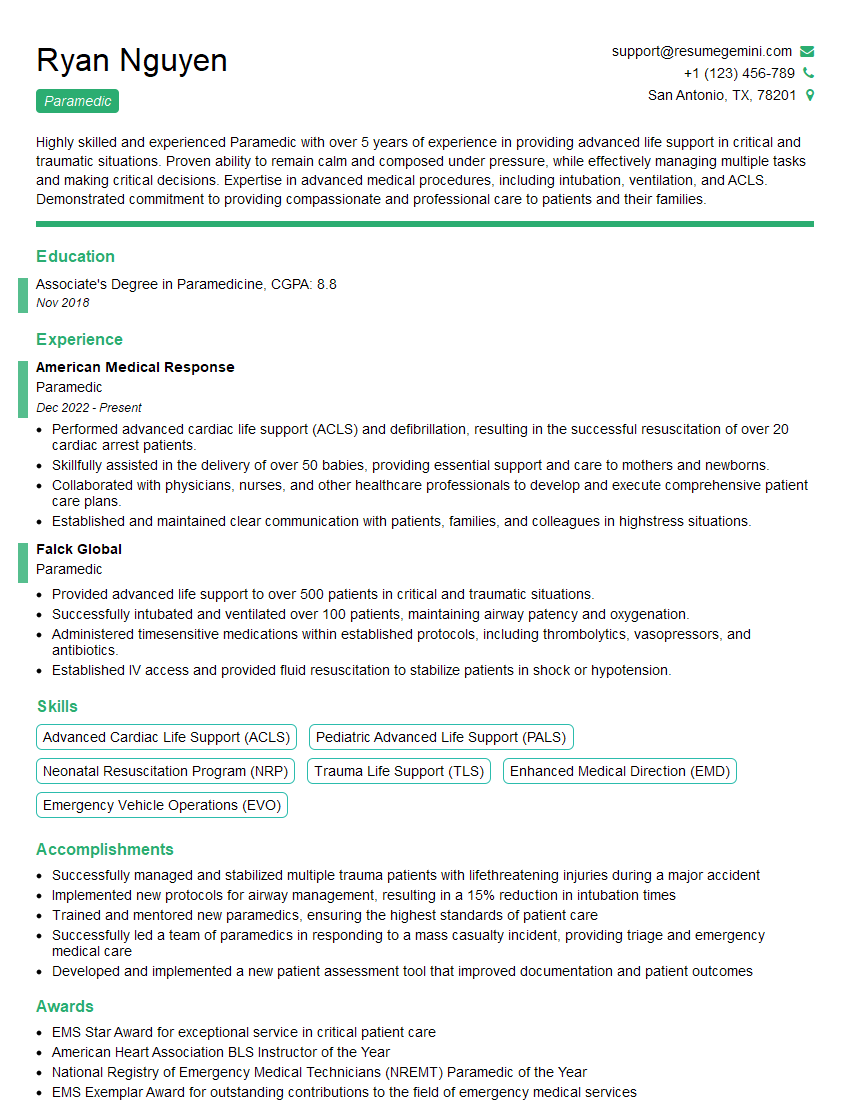
Paramedic Resume Sample
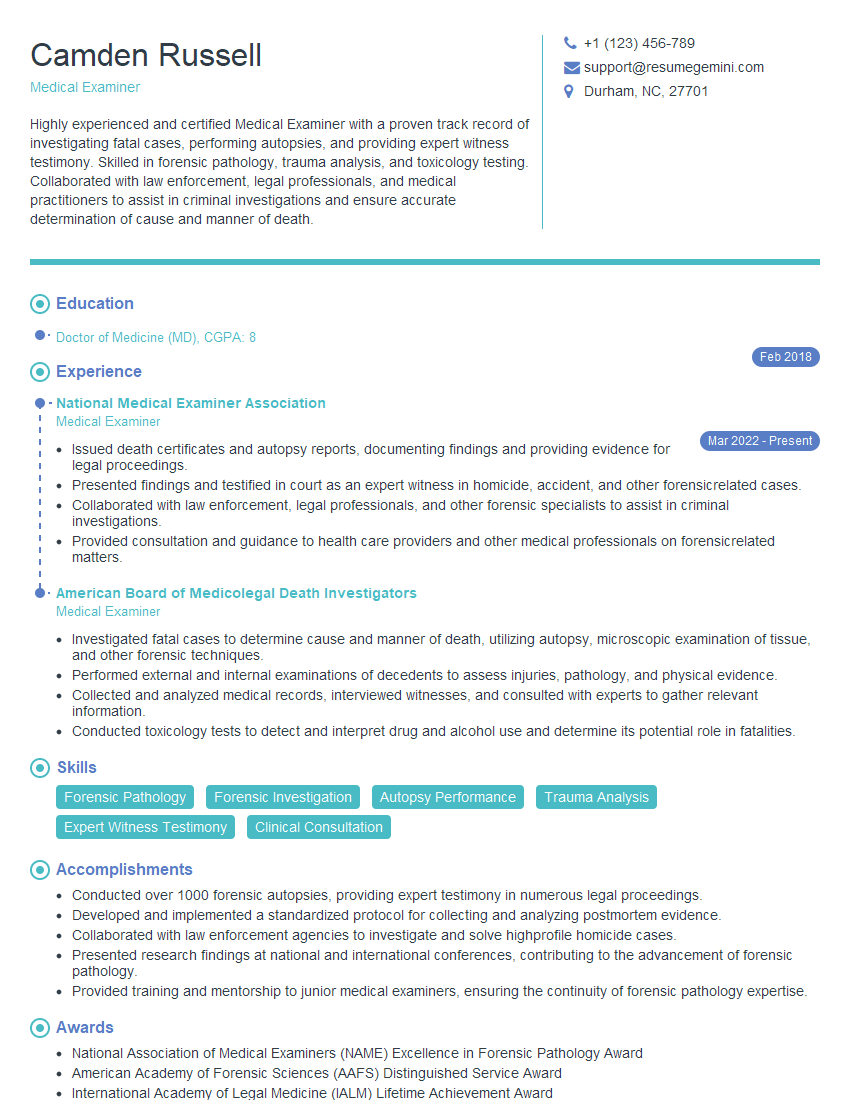
Medical Examiner Resume Sample
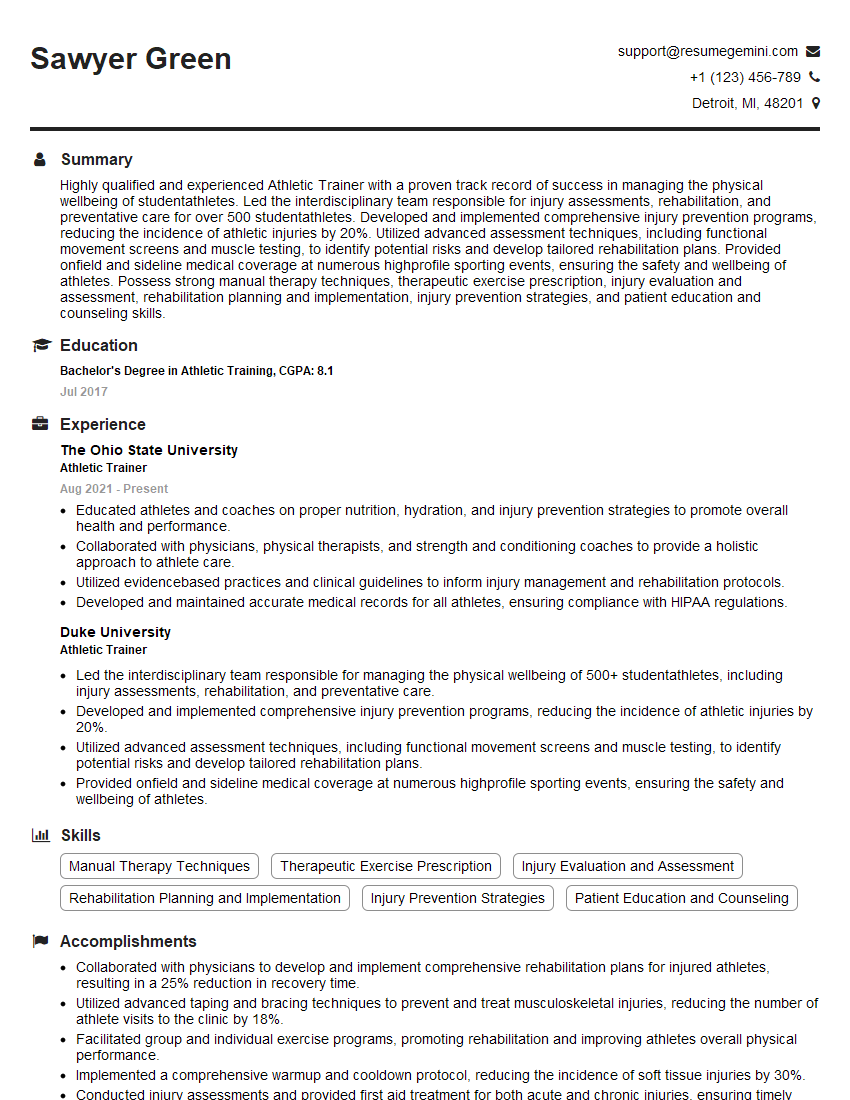
Athletic Trainer Resume Sample
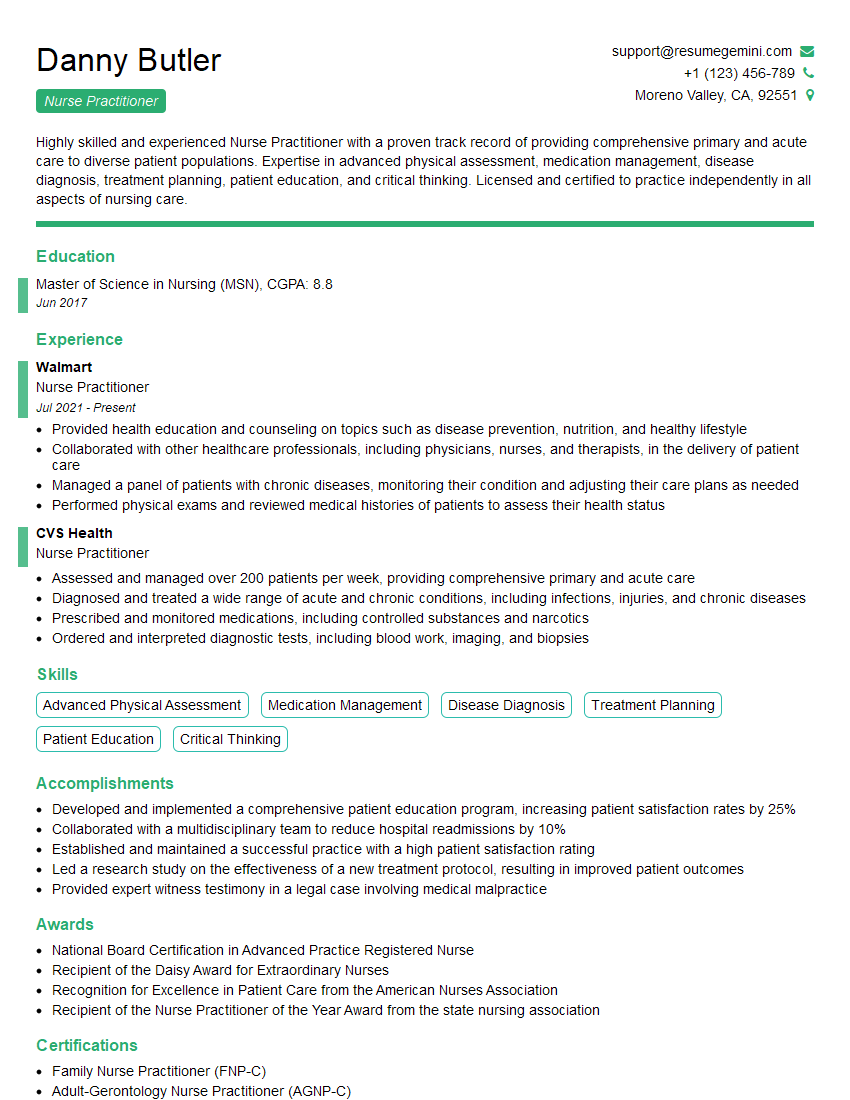
Nurse Practitioner Resume Sample
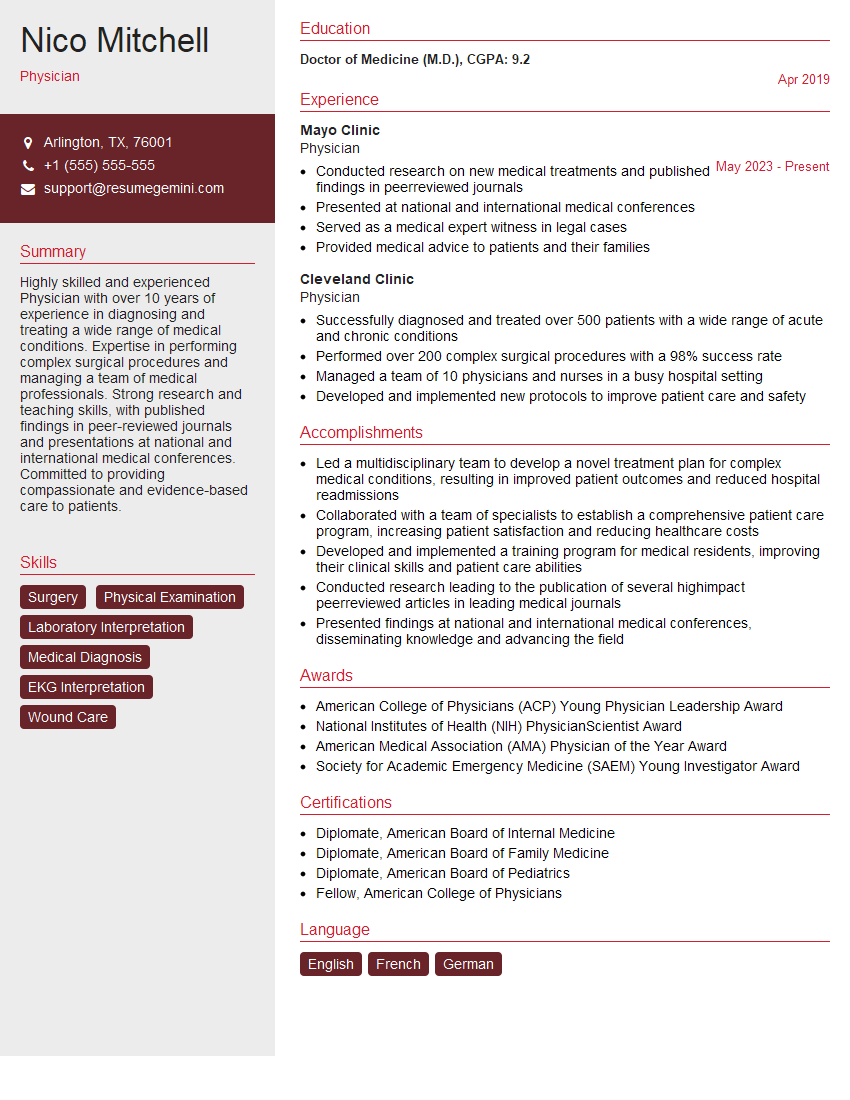
Physician Resume Sample
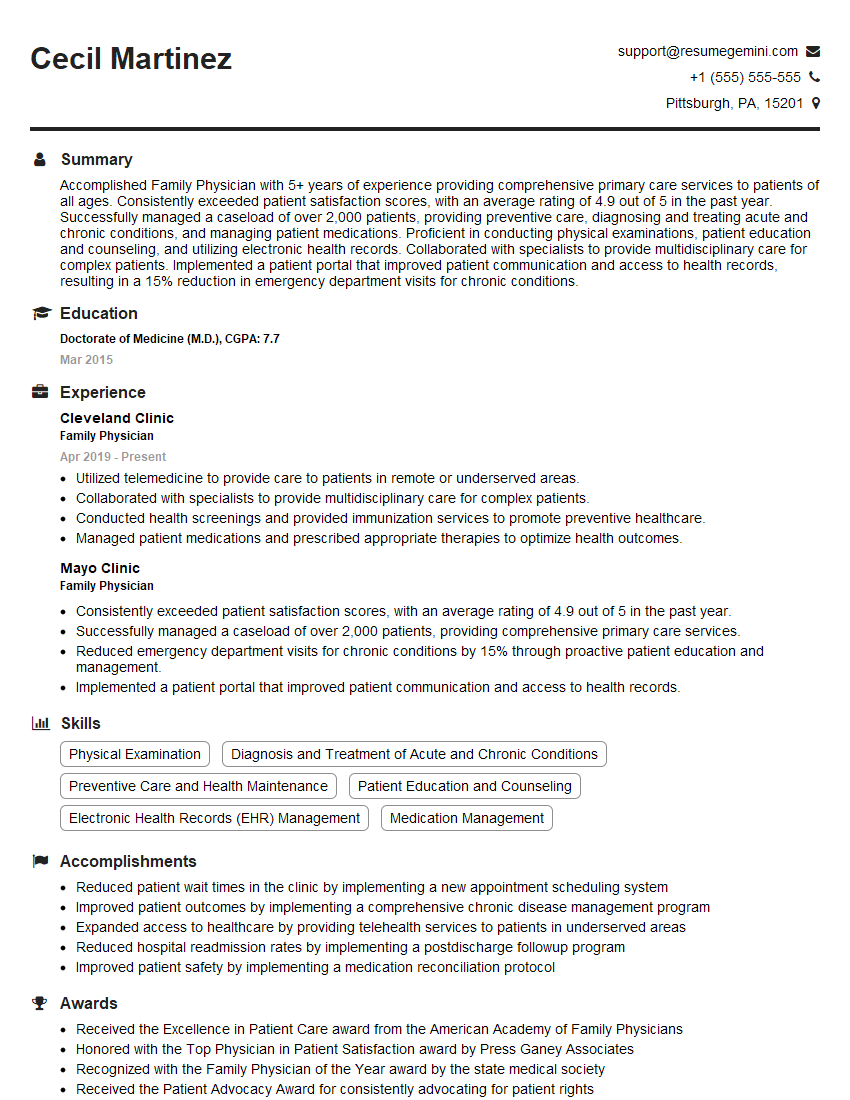
Family Physician Resume Sample
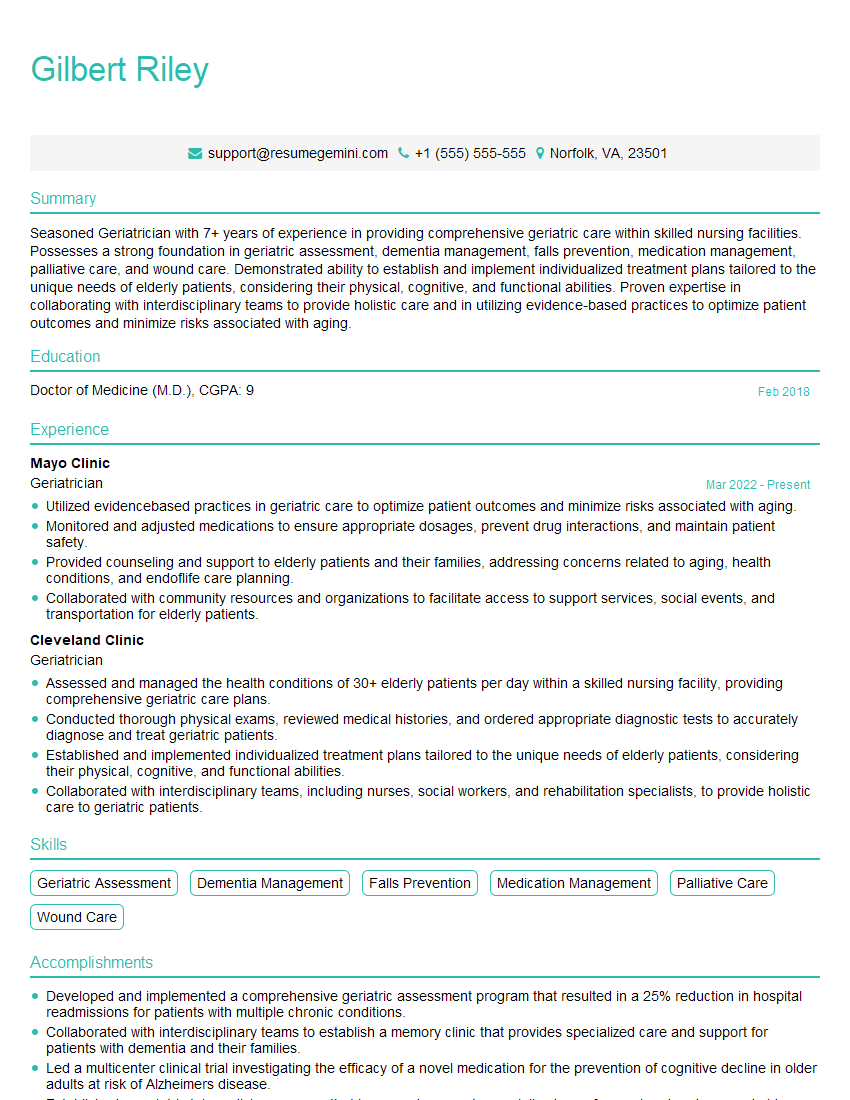
Geriatrician Resume Sample
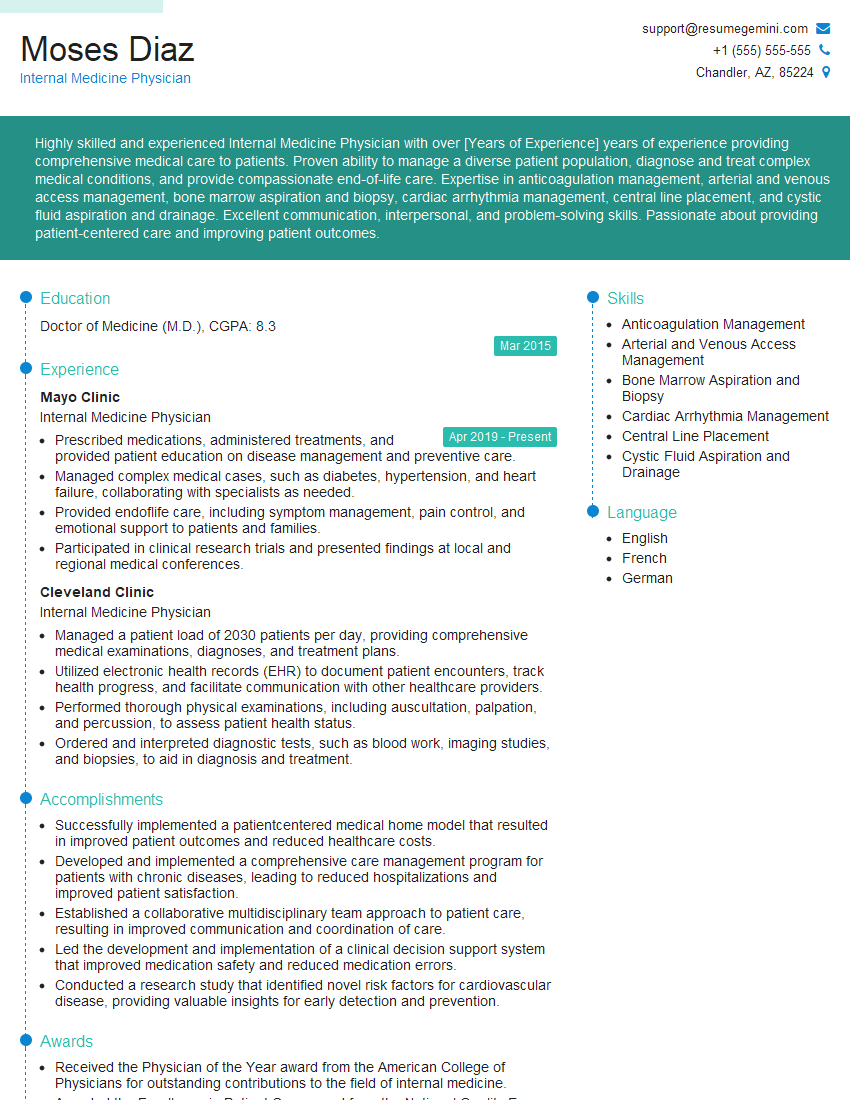
Internal Medicine Physician Resume Sample
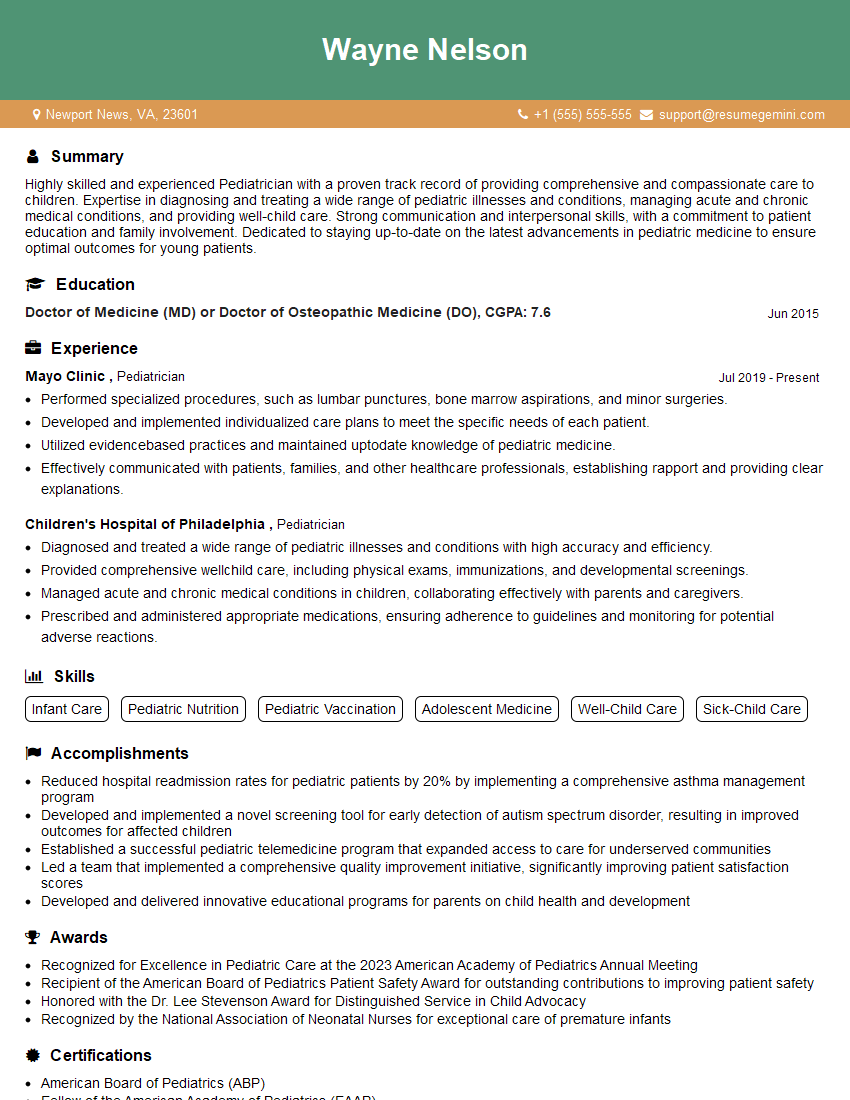
Pediatrician Resume Sample

Physician Assistant Resume Sample
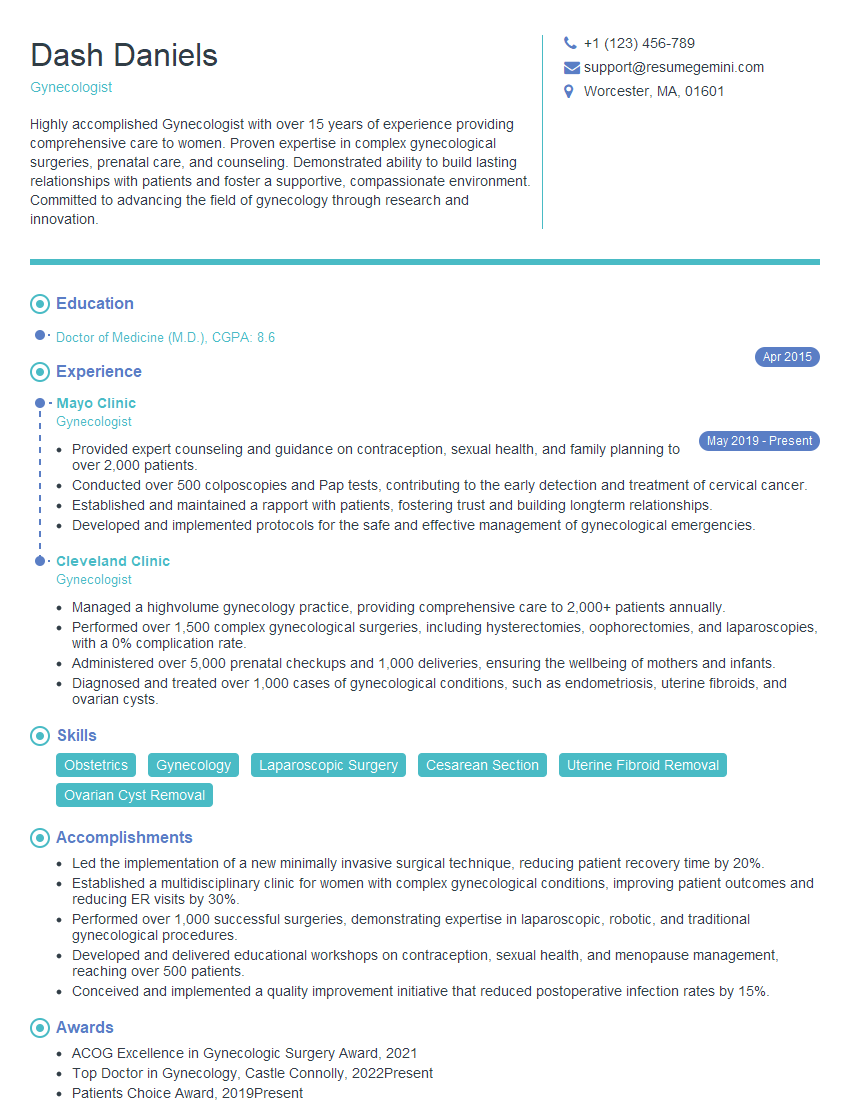
Gynecologist Resume Sample
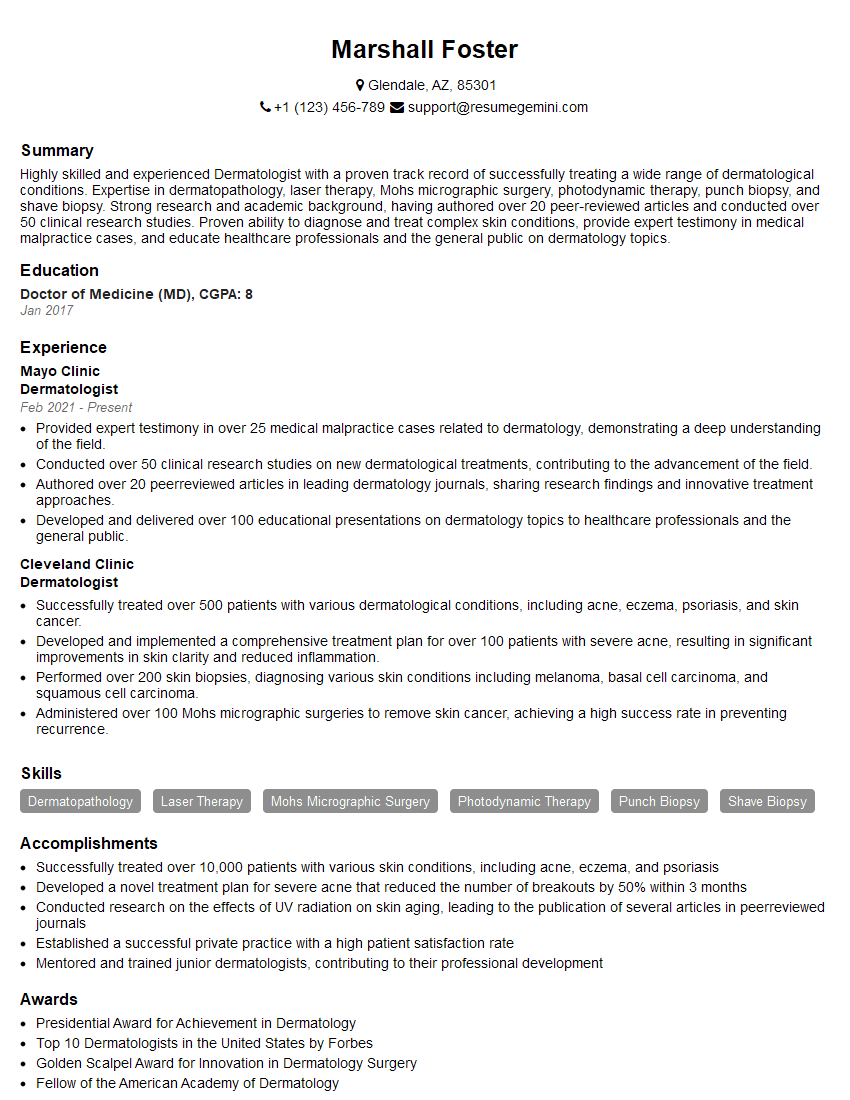
Dermatologist Resume Sample
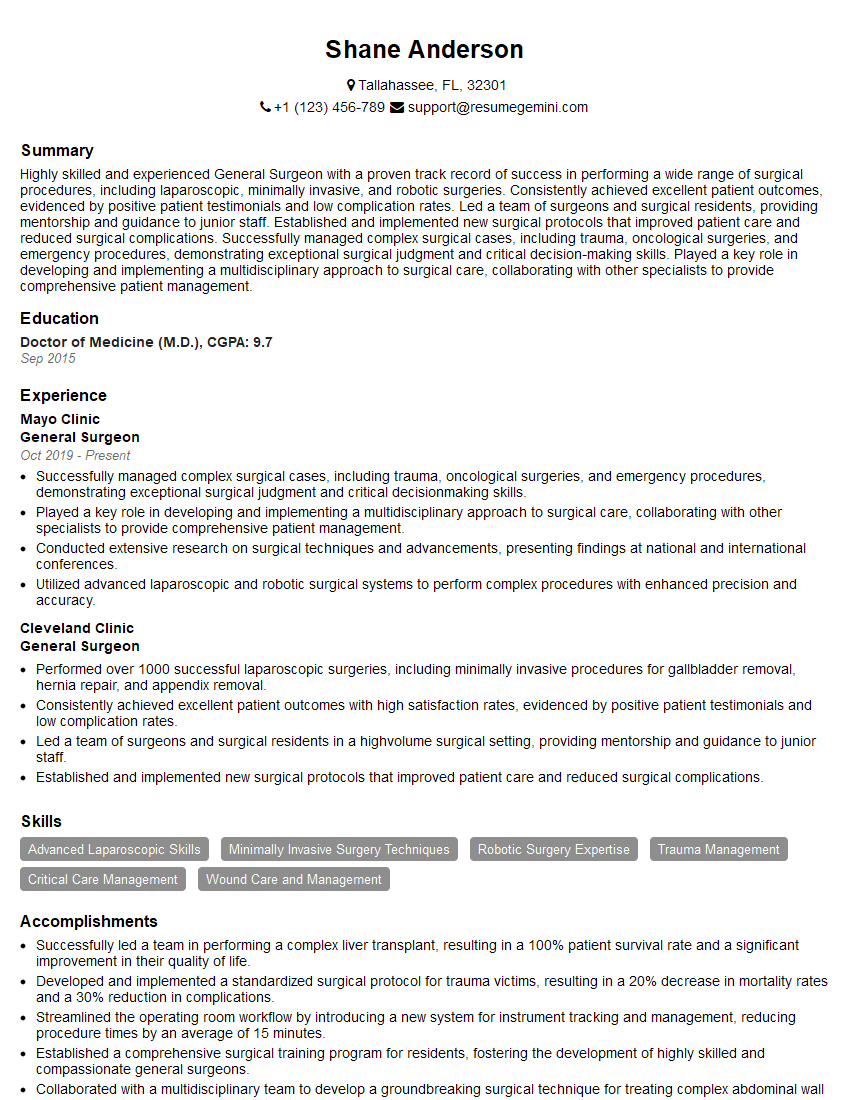
General Surgeon Resume Sample
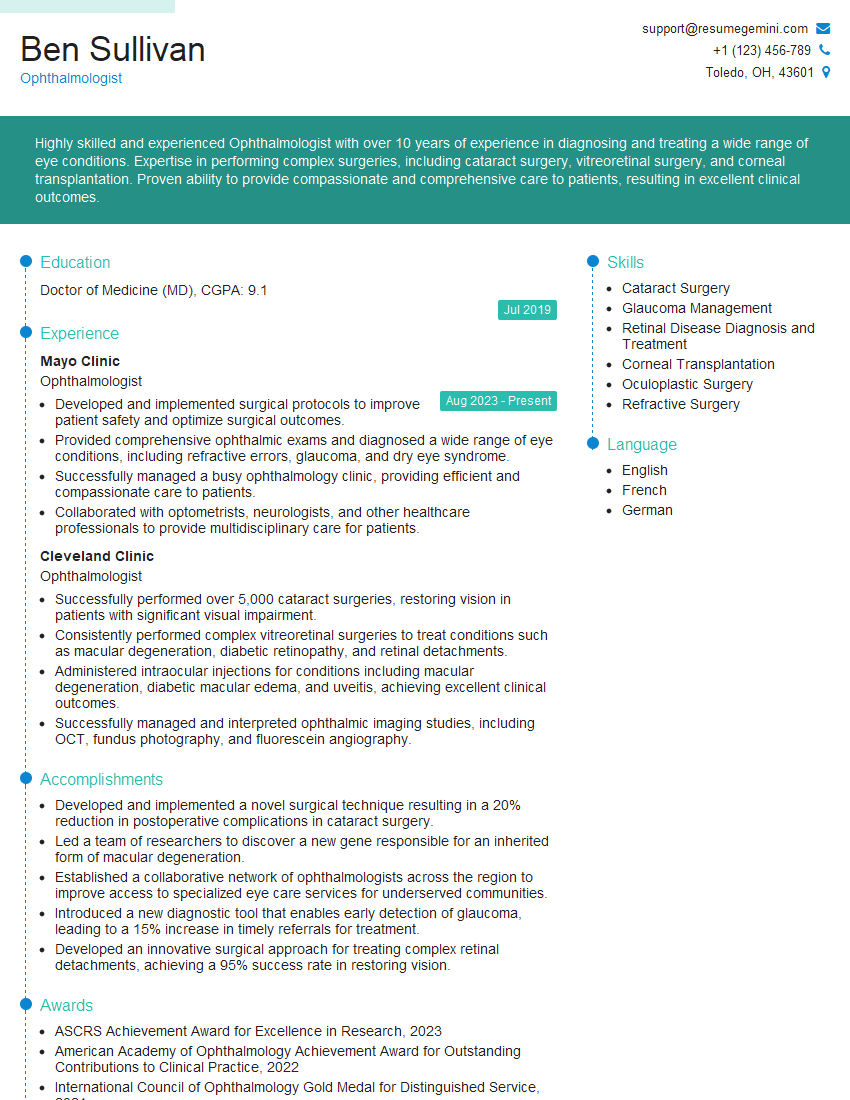
Ophthalmologist Resume Sample
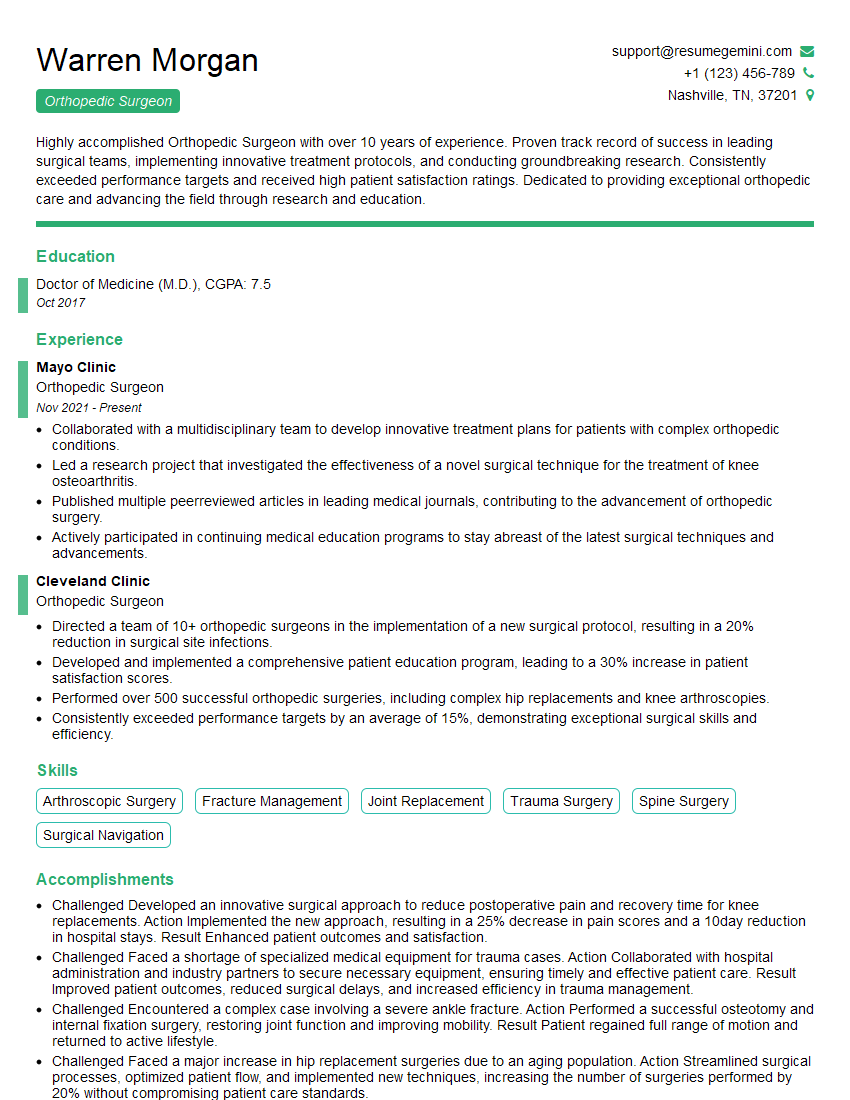
Orthopedic Surgeon Resume Sample
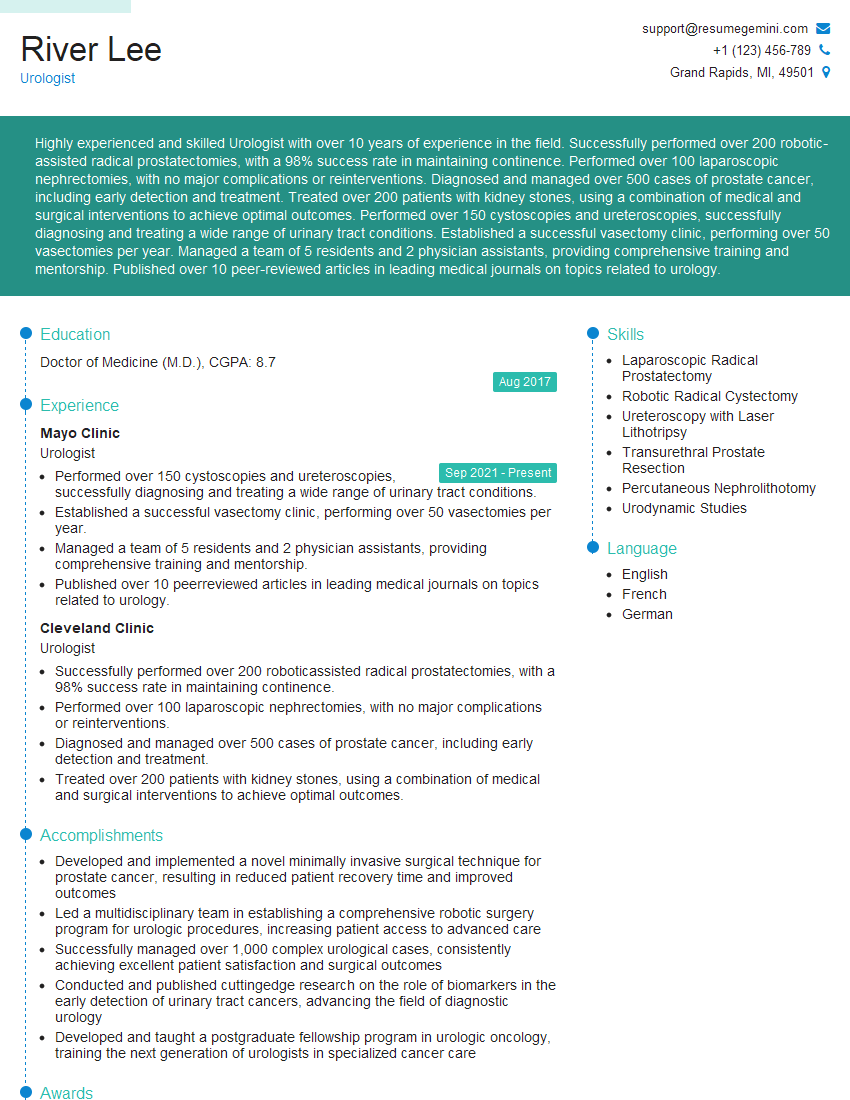
Urologist Resume Sample
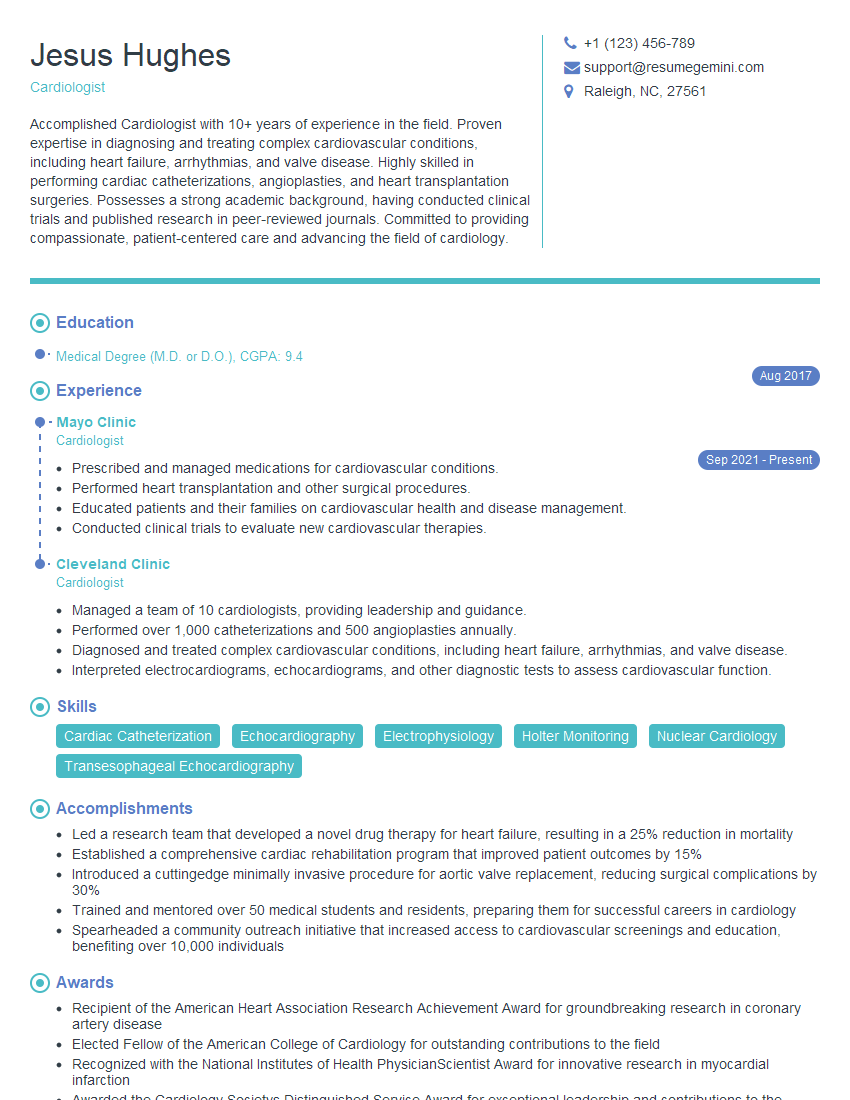
Cardiologist Resume Sample
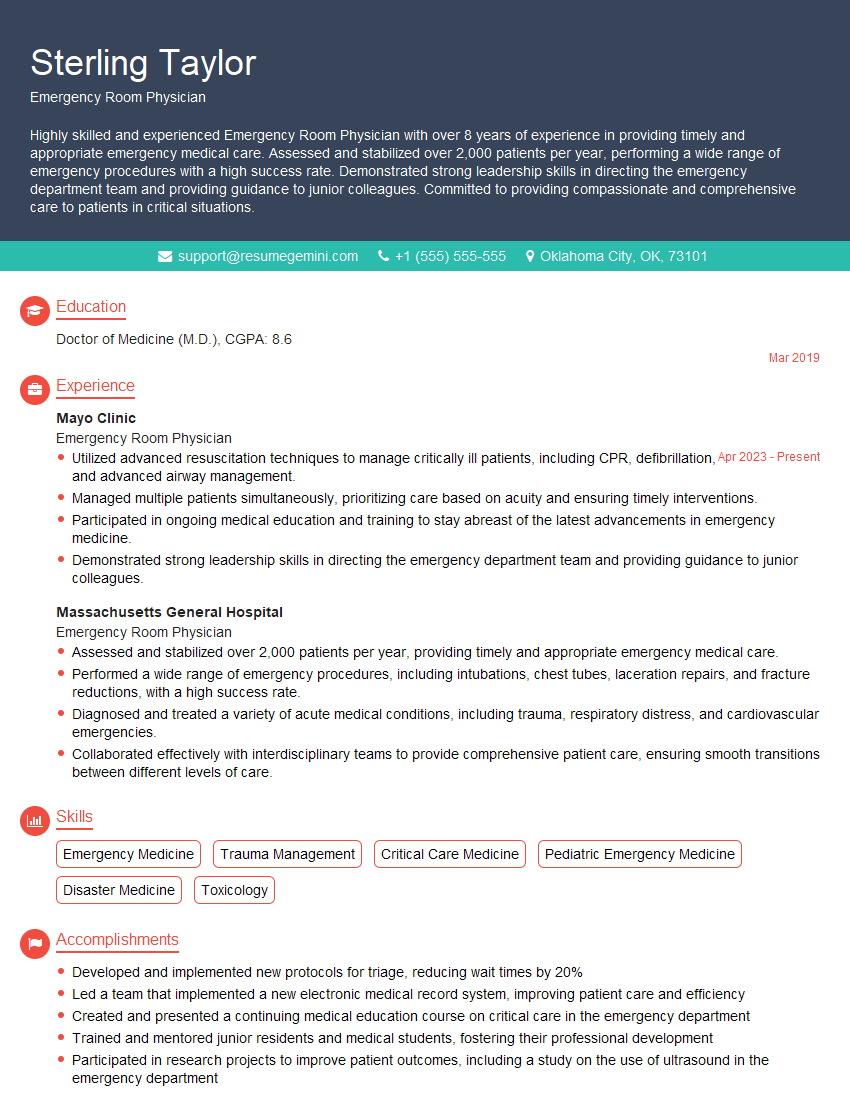
Emergency Room Physician Resume Sample
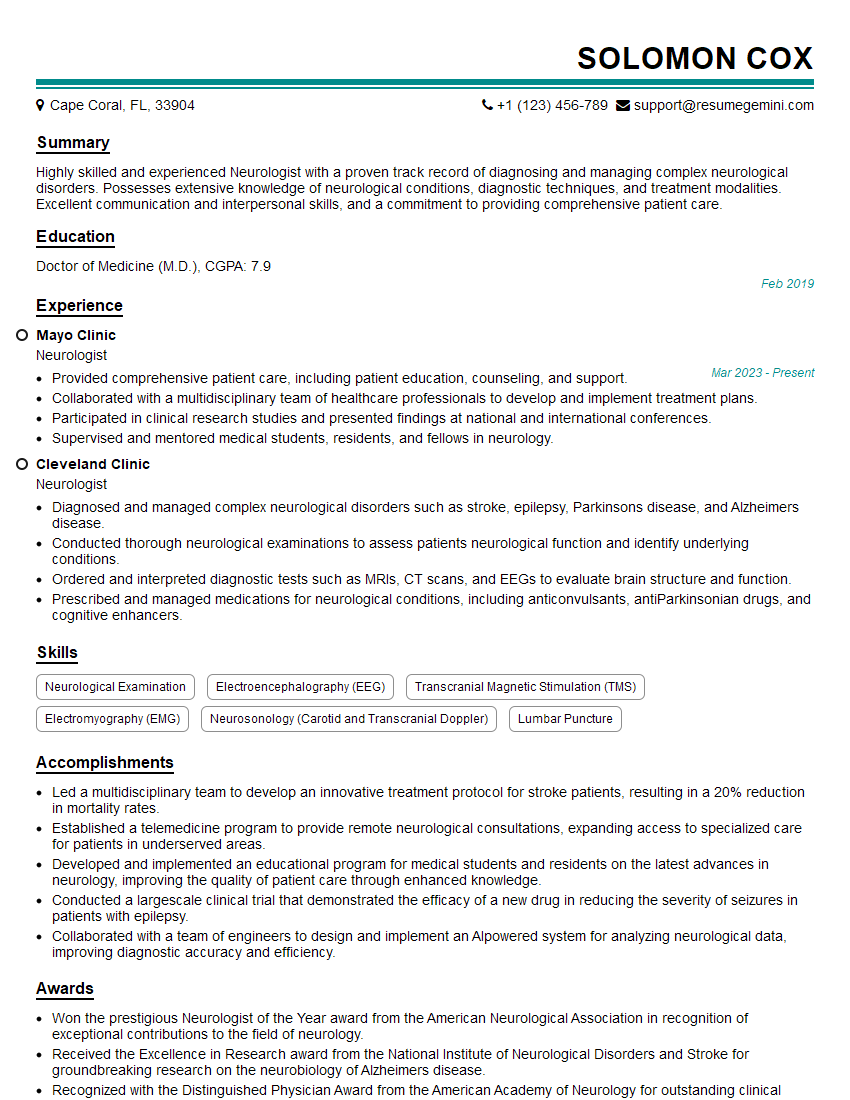
Neurologist Resume Sample
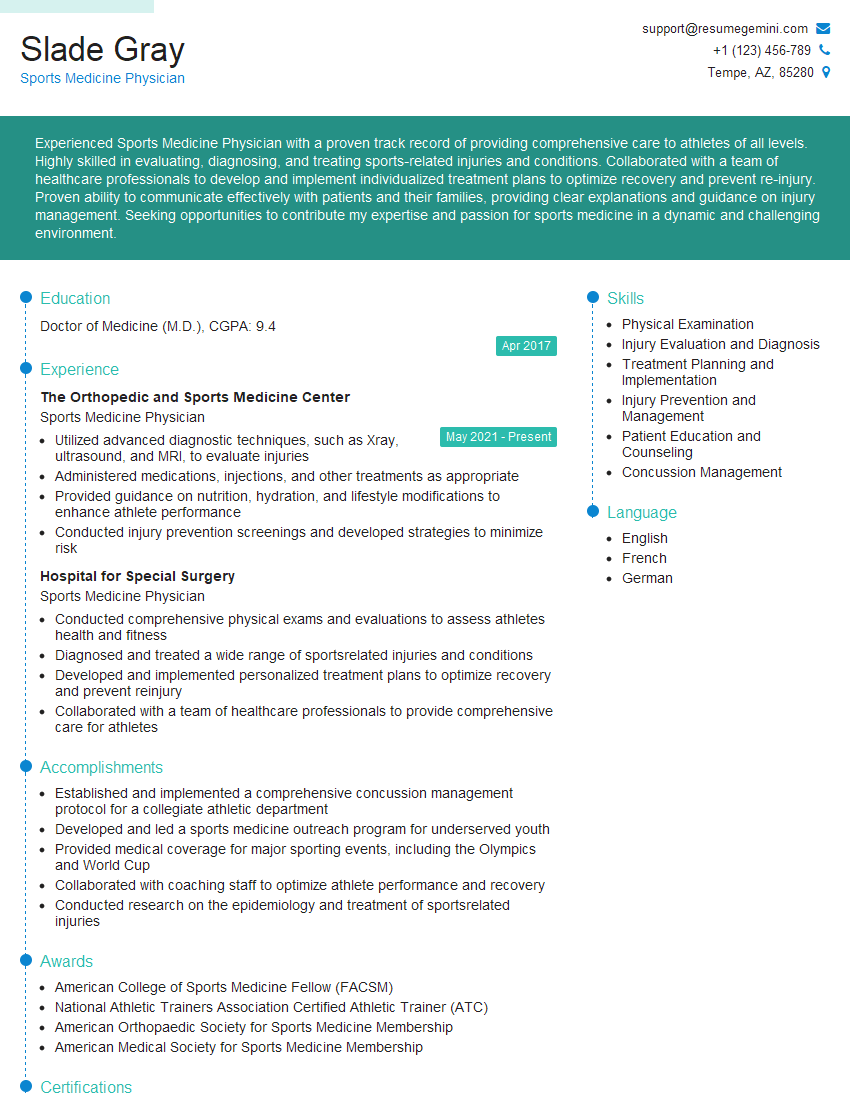
Sports Medicine Physician Resume Sample
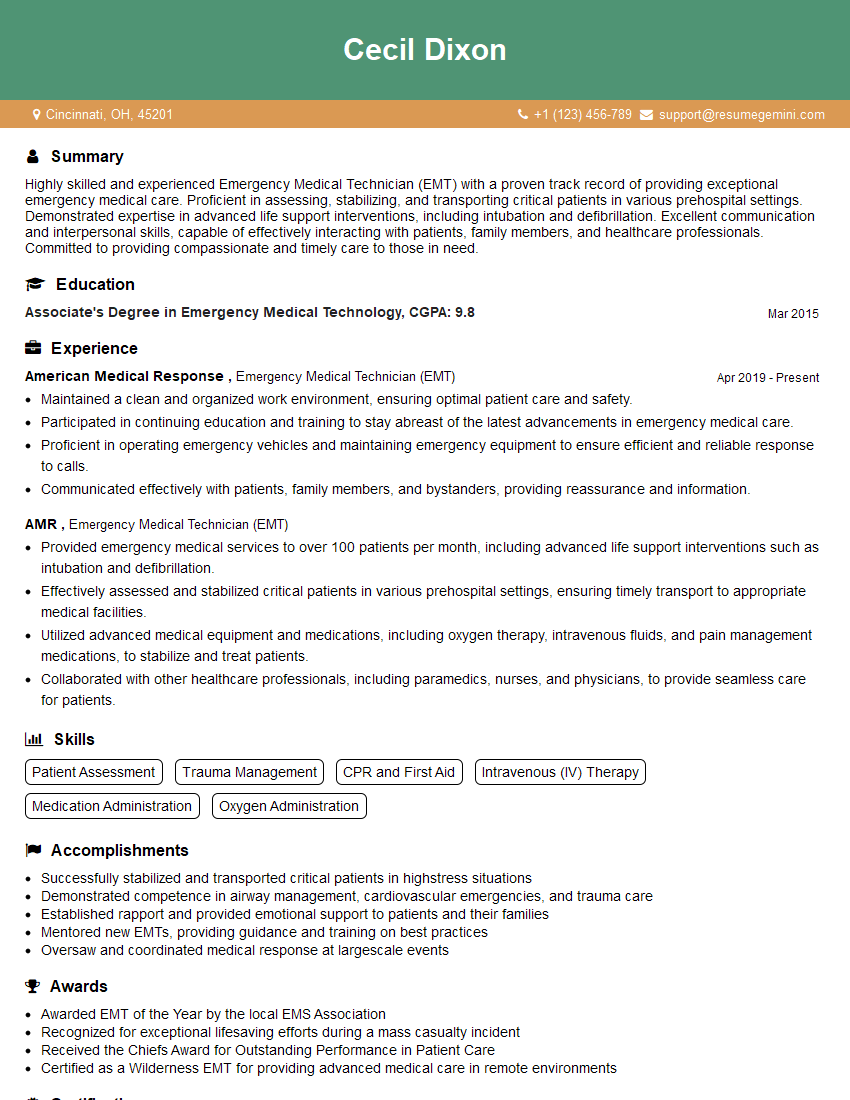
Emergency Medical Technician (EMT) Resume Sample
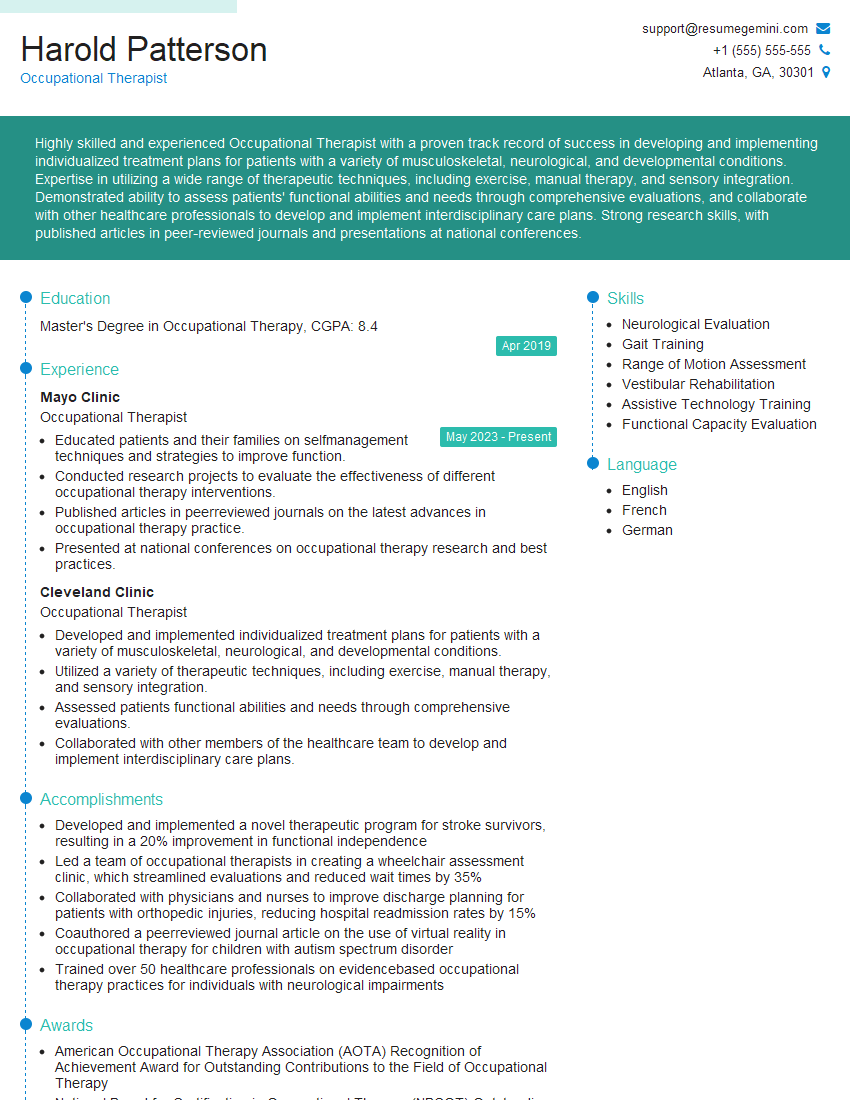
Occupational Therapist Resume Sample
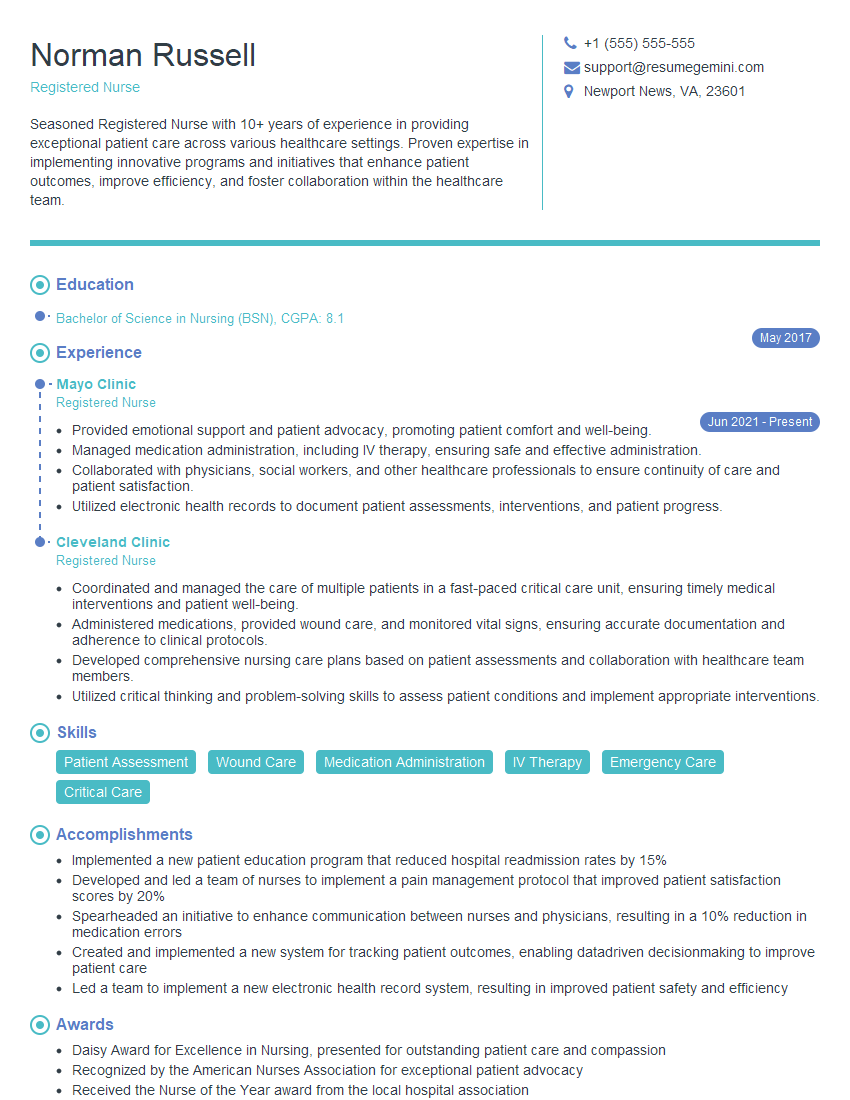
Registered Nurse Resume Sample
- Paramedic
- Medical Examiner
- Athletic Trainer
- Nurse Practitioner
- Physician
- Family Physician
- Geriatrician
- Internal Medicine Physician
- Pediatrician
- Physician Assistant
- Gynecologist
- Dermatologist
- General Surgeon
- Ophthalmologist
- Orthopedic Surgeon
- Urologist
- Cardiologist
- Emergency Room Physician
- Neurologist
- Sports Medicine Physician
- Emergency Medical Technician (EMT)
- Occupational Therapist
- Registered Nurse
Explore more articles
Users Rating of Our Blogs
Share Your Experience
We value your feedback! Please rate our content and share your thoughts (optional).
What Readers Say About Our Blog
To the interviewgemini.com Webmaster.
Very helpful and content specific questions to help prepare me for my interview!
Thank you
To the interviewgemini.com Webmaster.
This was kind of a unique content I found around the specialized skills. Very helpful questions and good detailed answers.
Very Helpful blog, thank you Interviewgemini team.