Unlock your full potential by mastering the most common Forecasting and Projection interview questions. This blog offers a deep dive into the critical topics, ensuring you’re not only prepared to answer but to excel. With these insights, you’ll approach your interview with clarity and confidence.
Questions Asked in Forecasting and Projection Interview
Q 1. Explain the difference between forecasting and projection.
While both forecasting and projection estimate future values, they differ significantly in their approach and underlying assumptions. Forecasting uses historical data and statistical methods to predict future outcomes. It aims to be quantitative and provides a range of possible scenarios with associated probabilities. Think of it like predicting the weather – we use past weather patterns to estimate tomorrow’s conditions. Projection, on the other hand, is a more qualitative and often deterministic estimation based on assumptions about future trends. It doesn’t necessarily rely on historical data, but rather on expert opinions, planned initiatives, or hypothetical scenarios. For example, a company might project its sales based on a planned marketing campaign, assuming a certain level of campaign success, without directly relying on past sales figures.
In essence, forecasting is about predicting what *will likely* happen, while projection is about estimating what *could* happen under specific assumptions.
Q 2. Describe three common forecasting methods and their applications.
Three common forecasting methods are:
- Simple Moving Average (SMA): This method calculates the average of a specified number of past data points to predict the next value. It’s easy to understand and implement, making it suitable for situations with relatively stable trends and minimal seasonality. For instance, a bakery might use SMA to predict daily bread sales based on the average sales over the past week.
- Exponential Smoothing: Unlike SMA, exponential smoothing assigns exponentially decreasing weights to older data points, giving more importance to recent observations. This makes it more responsive to changes in trends. A stock trader might use exponential smoothing to predict future stock prices, placing more weight on recent price movements.
- ARIMA (Autoregressive Integrated Moving Average): This is a more sophisticated method suitable for time series data with complex patterns, including trends and seasonality. It models the data’s autocorrelations to make predictions. A meteorologist might use ARIMA to predict rainfall patterns, accounting for seasonal variations and long-term trends.
The choice of method depends on the nature of the data, the desired level of accuracy, and the complexity of the underlying patterns.
Q 3. What are the limitations of extrapolative forecasting?
Extrapolative forecasting methods, which extend past trends into the future, have several limitations:
- Assumption of Trend Continuation: They assume that past trends will continue indefinitely, which is often unrealistic. Economic shifts, technological disruptions, or unexpected events can drastically alter trends.
- Sensitivity to Outliers: Outliers in the historical data can significantly distort the forecast, especially with simple methods like linear extrapolation.
- Inaccurate for Cyclical Data: Extrapolation struggles with data exhibiting cyclical patterns (e.g., seasonal sales). Simply extending a past cycle might not accurately reflect future behavior.
- Ignoring External Factors: They typically don’t account for external factors that might influence future outcomes. For example, a sales forecast based solely on past sales might not accurately reflect the impact of a new competitor entering the market.
Therefore, it’s crucial to use extrapolative methods cautiously and consider their limitations, often combining them with other qualitative methods for a more robust forecast.
Q 4. How do you handle outliers in your forecasting data?
Handling outliers is critical in forecasting. Ignoring them can lead to inaccurate predictions. Here’s a step-by-step approach:
- Identify Outliers: Use visualization techniques (e.g., box plots, scatter plots) and statistical methods (e.g., z-scores) to identify data points that deviate significantly from the rest of the data.
- Investigate the Cause: Understanding the reason for the outlier is crucial. Was it a data entry error, a one-time event (e.g., a natural disaster impacting sales), or a genuine structural change?
- Decide on a Treatment Strategy:
- Removal: If the outlier is due to an error, it can be removed.
- Transformation: Transforming the data (e.g., using logarithmic transformation) can sometimes reduce the impact of outliers.
- Winsorization/Trimming: Replace extreme values with less extreme ones (Winsorization) or remove a certain percentage of the most extreme values (Trimming).
- Robust Methods: Use forecasting methods less sensitive to outliers, such as robust regression or median-based methods.
- Re-evaluate the Forecast: After implementing the chosen strategy, re-evaluate the forecast to ensure its accuracy and reliability.
The best approach depends on the specific context and the nature of the outliers.
Q 5. What is a time series analysis and how is it used in forecasting?
Time series analysis is a statistical technique used to analyze data points collected over time. It identifies patterns and trends in the data, such as seasonality, trends, and cycles. In forecasting, time series analysis is fundamental because it allows us to model the temporal dependencies within the data and predict future values based on those dependencies.
For example, we might use time series analysis on monthly sales data to identify seasonal peaks and troughs, and then use this information to build a model predicting sales for the upcoming months. Common techniques include decomposition (separating trend, seasonality, and residuals), autoregressive models (AR), moving average models (MA), and their combinations (ARIMA, SARIMA).
Q 6. Explain the concept of forecast error and its significance.
Forecast error represents the difference between the actual value and the forecasted value. It’s a crucial measure of forecast accuracy. A smaller error indicates a more accurate forecast.
The significance of forecast error lies in its ability to help us understand the limitations of our forecasting model and improve its performance. By analyzing the error, we can identify potential biases, model inadequacies, or unexpected events that impacted the accuracy of the forecast. For instance, consistently overestimating sales might suggest a flaw in the model’s assumptions or the need for additional data.
Q 7. What metrics do you use to evaluate forecast accuracy?
Several metrics are used to evaluate forecast accuracy. The choice depends on the specific context and the goals of the forecasting exercise.
- Mean Absolute Error (MAE): The average absolute difference between actual and forecasted values. It’s easy to interpret but doesn’t penalize large errors disproportionately.
- Mean Squared Error (MSE): The average of the squared differences between actual and forecasted values. It penalizes larger errors more heavily than MAE.
- Root Mean Squared Error (RMSE): The square root of MSE. It’s in the same units as the data, making it easier to interpret than MSE.
- Mean Absolute Percentage Error (MAPE): The average of the absolute percentage differences between actual and forecasted values. It’s useful for comparing forecasts across different scales.
- Symmetric Mean Absolute Percentage Error (sMAPE): A modified version of MAPE that addresses issues with zero or near-zero values.
In practice, we often use a combination of these metrics to gain a comprehensive understanding of the forecast’s accuracy and reliability.
Q 8. How do you choose the appropriate forecasting method for a given dataset?
Choosing the right forecasting method depends heavily on the characteristics of your dataset and your forecasting goals. It’s not a one-size-fits-all situation. I typically start by considering these factors:
- Data characteristics: Is the data time series (ordered over time)? Is it stationary (mean and variance constant over time)? Does it exhibit trends, seasonality, or cyclical patterns? Is the data noisy (lots of random fluctuations)? The presence of these features influences the appropriate method.
- Forecast horizon: Are you forecasting a few days into the future, or several years? Short-term forecasts might use simpler methods like moving averages, while long-term forecasts may need more sophisticated techniques like ARIMA or exponential smoothing with trend and seasonal components.
- Data volume: Do you have a large or small dataset? More data generally allows for the use of more complex models. However, too much noisy data might lead to overfitting.
- Forecast accuracy requirements: What level of accuracy is needed? Higher accuracy demands often require more complex and computationally intensive methods.
- Computational resources: Some methods, like neural networks, are computationally intensive and require significant processing power.
For example, if I have a stationary time series with a clear trend, I might start with simple exponential smoothing or a linear regression model. If I have a non-stationary time series with seasonality, ARIMA or SARIMA models might be more appropriate. If I have a very large dataset with complex patterns, I might explore machine learning techniques like neural networks or boosted regression trees. It’s often an iterative process; I might start with a simpler model and progressively incorporate more complexity as needed.
Q 9. What is seasonality and how do you account for it in your forecasts?
Seasonality refers to repeating patterns in a time series that occur at fixed intervals, typically within a year (e.g., monthly or quarterly). Think of ice cream sales—higher in summer, lower in winter. Ignoring seasonality can lead to inaccurate forecasts.
To account for seasonality, I use several techniques:
- Seasonal decomposition: This method separates the time series into its trend, seasonal, and residual components. I can then model these components separately and recombine them to create a forecast incorporating the seasonal effect.
- Dummy variables in regression: For regression models, I can create dummy variables representing the different seasons (e.g., 1 for summer, 0 otherwise). This allows the model to capture seasonal differences in the data.
- Seasonal ARIMA (SARIMA) models: These are extensions of ARIMA models that explicitly account for seasonality through additional parameters that capture seasonal autocorrelations.
- Exponential smoothing with seasonal components (e.g., Holt-Winters): This method incorporates a seasonal component into the smoothing process, allowing for the prediction of seasonal fluctuations.
For instance, if forecasting monthly retail sales, I’d use a method that explicitly models the yearly seasonal peaks and troughs, preventing an overestimation during the off-season or an underestimation during peak seasons.
Q 10. Describe your experience with ARIMA models.
I have extensive experience working with ARIMA (Autoregressive Integrated Moving Average) models. ARIMA models are powerful tools for forecasting time series data, particularly those exhibiting autocorrelation (where past values influence future values).
An ARIMA model is defined by three parameters: p (autoregressive order), d (degree of differencing), and q (moving average order). The p and q parameters capture the short-term dependencies, while d addresses non-stationarity by differencing the time series. The model fits a linear regression model to the data after the necessary differencing to make the data stationary. For example, an ARIMA(1,1,1) model indicates one autoregressive term, one level of differencing, and one moving average term.
I use ARIMA models in conjunction with tools like ACF (Autocorrelation Function) and PACF (Partial Autocorrelation Function) plots to identify appropriate values for p, d, and q. Model diagnostics, including residual analysis, are crucial to ensure the model is adequate and not overfitting. I’ve successfully used ARIMA models in various applications, including forecasting sales, stock prices, and production output. My experience includes both manual model selection and using automated model selection techniques to optimize model parameters.
Q 11. Explain the concept of exponential smoothing.
Exponential smoothing is a family of forecasting methods that assign exponentially decreasing weights to older observations. This means that more recent data points have a greater influence on the forecast than older data points. It’s intuitive: what happened more recently is more likely to be relevant to what will happen next.
There are several types of exponential smoothing, including:
- Simple exponential smoothing: Suitable for forecasting data without trend or seasonality.
- Holt’s linear exponential smoothing: Accounts for trend.
- Holt-Winters exponential smoothing: Accounts for both trend and seasonality.
The basic formula for simple exponential smoothing is: Forecastt+1 = αYt + (1-α)Forecastt, where Yt is the actual value at time t, Forecastt is the forecast at time t, and α is the smoothing factor (0 ≤ α ≤ 1). A higher α gives more weight to recent data, while a lower α gives more weight to older data.
I’ve utilized exponential smoothing extensively due to its simplicity, computational efficiency, and adaptability to different data characteristics. It’s particularly useful when dealing with noisy data or when computational resources are limited.
Q 12. How do you handle data with missing values in forecasting?
Missing values in forecasting pose a significant challenge. Ignoring them can lead to biased and inaccurate forecasts. My approach involves a combination of strategies:
- Imputation: Replacing missing values with estimated values. Methods include simple imputation (mean, median, or last observation carried forward), more sophisticated imputation using regression or k-nearest neighbors, and multiple imputation to account for uncertainty in the imputed values.
- Model selection: Choosing a forecasting method that can handle missing values robustly. Some machine learning algorithms are designed to handle missing data directly.
- Data augmentation: Creating synthetic data points to fill in the gaps, using techniques like generative adversarial networks (GANs) for more complex datasets.
- Exclude incomplete periods or periods with extensive missing data: A sometimes necessary approach for very incomplete datasets, particularly if the number of missing values is significant. This requires careful consideration to ensure the remaining data is still representative.
The best approach depends on the nature and extent of the missing data, the dataset size, and the chosen forecasting model. I would carefully consider the potential biases introduced by each method and choose the one that minimizes the impact on forecast accuracy.
Q 13. What is the difference between qualitative and quantitative forecasting methods?
Qualitative and quantitative forecasting methods differ fundamentally in their approach to forecasting:
- Quantitative forecasting uses numerical data and statistical techniques to generate forecasts. Examples include time series analysis (ARIMA, exponential smoothing), regression analysis, and machine learning algorithms. These methods are data-driven and objective.
- Qualitative forecasting relies on expert judgment, opinions, and intuition to generate forecasts. Methods include Delphi method, market research surveys, and sales force composite. These methods are less data-driven and subjective, often used when historical data is limited or unreliable.
The choice between the two depends on the availability of data, the nature of the problem, and the desired level of accuracy. Quantitative methods are often preferred when sufficient historical data is available, while qualitative methods are useful in situations with high uncertainty or limited historical data. Sometimes, a hybrid approach, combining both qualitative and quantitative methods, is the most effective.
For example, predicting next quarter’s sales using historical sales data would be a quantitative approach. Predicting the market share of a new product based on expert opinions would be a qualitative approach.
Q 14. Describe your experience with regression analysis for forecasting.
Regression analysis is a powerful technique for forecasting when you have predictor variables that are believed to influence the variable you’re trying to predict. It models the relationship between a dependent variable (what you’re forecasting) and one or more independent variables (predictors).
I have significant experience applying various regression techniques, including:
- Linear regression: Models a linear relationship between the dependent and independent variables. Simple but effective for linearly related data.
- Multiple linear regression: Extends linear regression to handle multiple independent variables.
- Polynomial regression: Models non-linear relationships using polynomial terms.
When using regression for forecasting, it’s crucial to select relevant predictor variables, assess the model’s fit (e.g., R-squared, adjusted R-squared), and check for assumptions like linearity, independence of errors, and homoscedasticity. I use techniques like cross-validation to evaluate the model’s out-of-sample performance and prevent overfitting.
For instance, I might use multiple linear regression to forecast energy consumption, with independent variables such as temperature, economic activity, and population growth. Careful feature engineering and model selection are critical to ensure the robustness and accuracy of the forecast.
Q 15. How do you communicate complex forecasting results to non-technical audiences?
Communicating complex forecasting results to non-technical audiences requires translating technical jargon into plain language and focusing on the implications of the forecast, rather than the intricate methodology. Think of it like explaining a complex recipe – you wouldn’t bore your friend with the intricate chemical reactions behind baking, you’d simply tell them the end result and how delicious it is.
I use several techniques:
- Visualizations: Charts and graphs are crucial. Instead of presenting a table of numbers, I use bar charts to show trends, line graphs to illustrate growth, and pie charts to show proportions. Keeping it visually appealing is key.
- Storytelling: I frame the forecast within a narrative. For example, instead of saying ‘the model predicts a 15% increase in sales,’ I might say, ‘Based on our analysis, we anticipate a significant boost in sales, driven primarily by increased marketing efforts and positive customer reviews, resulting in a 15% growth.’ This makes the information more engaging and memorable.
- Focus on Key Insights: I avoid overwhelming the audience with granular details. I identify the most important findings and their practical implications for decision-making. For instance, instead of detailing every single variable influencing the forecast, I’ll focus on the top three factors and their expected impact.
- Analogies and Metaphors: Using relatable analogies helps simplify complex concepts. For example, to explain the concept of uncertainty in a forecast, I might compare it to weather forecasting; we can predict rain with a degree of accuracy, but there’s always a chance of being wrong.
- Interactive Presentations: Using interactive tools or dashboards can allow non-technical stakeholders to explore the data themselves, encouraging understanding and engagement.
Career Expert Tips:
- Ace those interviews! Prepare effectively by reviewing the Top 50 Most Common Interview Questions on ResumeGemini.
- Navigate your job search with confidence! Explore a wide range of Career Tips on ResumeGemini. Learn about common challenges and recommendations to overcome them.
- Craft the perfect resume! Master the Art of Resume Writing with ResumeGemini’s guide. Showcase your unique qualifications and achievements effectively.
- Don’t miss out on holiday savings! Build your dream resume with ResumeGemini’s ATS optimized templates.
Q 16. What software or tools do you use for forecasting and data analysis?
My toolkit for forecasting and data analysis is quite comprehensive. I leverage a combination of software and tools, depending on the specific needs of the project. This ensures I can handle diverse data sets and forecasting challenges effectively.
- Statistical Software: SAS, R, and Python are my core statistical packages. I use them for data cleaning, exploratory data analysis, model building, and validation.
- Spreadsheet Software: Microsoft Excel and Google Sheets are invaluable for data manipulation, creating initial visualizations, and performing simpler forecasting techniques.
- Database Management Systems: I use SQL and NoSQL databases to manage and retrieve large datasets efficiently.
- Data Visualization Tools: Tableau and Power BI are excellent for creating interactive dashboards and presentations that communicate insights effectively to both technical and non-technical audiences.
- Cloud Computing Platforms: I utilize cloud platforms like AWS and Azure for data storage, processing, and model deployment, especially for large-scale projects.
Q 17. Explain your experience with forecasting software such as SAS, R, or Python.
I have extensive experience with SAS, R, and Python for forecasting. Each offers unique strengths:
- SAS: I utilize SAS primarily for its robust statistical procedures, particularly for time series analysis (ARIMA models, exponential smoothing) and its powerful data management capabilities. Its enterprise-level features are crucial for large-scale deployments and integrations with existing business systems. For example, I’ve used SAS to build a forecasting model for a major retailer, predicting demand for seasonal products over a 12-month horizon with high accuracy.
- R: R is my go-to for more exploratory analysis and model prototyping. Its rich ecosystem of packages (like
forecast,tseries, andprophet) offers incredible flexibility. I frequently use R for developing customized forecasting models or testing new techniques, especially when dealing with complex, non-linear data. For example, I leveraged R’s flexibility to develop a custom model predicting customer churn for a telecommunications company. - Python: Python’s strength lies in its versatility and its ease of integration with other tools and technologies. Libraries like
statsmodelsandscikit-learnenable powerful statistical modeling, while libraries likepandasandNumPyprovide efficient data manipulation. I often use Python for data preprocessing, feature engineering, and deploying models into production environments. A recent project involved using Python to build a real-time demand forecasting system that integrates with a company’s e-commerce platform.
Q 18. How do you incorporate external factors into your forecasts?
Incorporating external factors is crucial for creating accurate and reliable forecasts. Ignoring external influences can lead to significant errors. I use a variety of methods:
- Qualitative Data Integration: I incorporate expert opinions, market research, and economic indicators (e.g., GDP growth, inflation rates) to refine quantitative forecasts. This is especially useful when historical data is limited or unreliable.
- Regression Models: I often use regression techniques (linear, logistic, or others) to incorporate external variables into the forecasting model. For example, I might include factors like advertising spend, competitor actions, or seasonal effects as independent variables to predict sales.
- Scenario Planning: I develop multiple scenarios based on different assumptions about external factors (e.g., best-case, worst-case, and most likely scenarios). This helps assess the robustness of the forecast under various conditions.
- Time Series Decomposition: This method helps separate trend, seasonality, and cyclical components from the time series data, allowing for better understanding and incorporation of external factors that may influence these components.
- Data Mining and External Data Sources: I leverage various data sources such as news sentiment analysis, social media trends, and macroeconomic indices to gain a comprehensive understanding of the market environment and its impact on my forecasts.
For instance, in a recent project forecasting agricultural yields, I incorporated weather patterns, soil conditions, and government policies as external factors within a regression model to improve predictive accuracy.
Q 19. Describe a situation where your forecast was significantly inaccurate. What did you learn?
One instance where my forecast was significantly inaccurate involved predicting demand for a new tech gadget. My initial model relied heavily on historical data from similar products, but it failed to account for a rapid shift in consumer preferences driven by a competitor’s innovative product launch. My forecast overestimated demand considerably, resulting in substantial inventory surplus.
The key learning was the importance of incorporating qualitative information and anticipating disruptive events. My improved forecasting approach now includes:
- Competitive Analysis: Thorough market research to identify potential disruptions from competitors.
- Early Warning Signals: Monitoring social media, news, and market trends for early indicators of shifts in consumer preferences.
- Scenario Planning: Developing multiple scenarios, including those involving unforeseen events.
- Model Validation: Rigorous testing and validation of the model under diverse conditions.
- Adaptive Forecasting: Regularly updating the model to incorporate new data and insights to improve its accuracy.
Q 20. How do you validate your forecasting model?
Validating a forecasting model is a critical step that ensures its reliability and accuracy. I use several techniques:
- Backtesting: Applying the model to historical data to assess its performance against actual results. This involves measuring metrics like Mean Absolute Error (MAE), Root Mean Squared Error (RMSE), and Mean Absolute Percentage Error (MAPE).
- Out-of-Sample Testing: Testing the model on data that was not used for training to assess its predictive power on unseen data.
- Cross-Validation: Partitioning the data into multiple subsets and training the model on some subsets and testing on others to reduce overfitting and improve generalization.
- Goodness-of-Fit Tests: Assessing the statistical significance of the model’s parameters and its overall fit to the data using tests like the Chi-squared test or the F-test.
- Residual Analysis: Examining the residuals (the differences between actual and predicted values) to detect patterns or anomalies that indicate model inadequacy. For instance, if the residuals show a pattern, it could indicate that a significant factor is missing from the model.
- Stress Testing: Evaluating the model’s performance under extreme scenarios to assess its robustness.
For example, I recently validated a financial forecasting model by backtesting it on five years of historical data and then comparing its predictions on the subsequent year’s data to the actual outcomes. This allowed me to quantify its accuracy and identify areas for improvement.
Q 21. What is your experience with Monte Carlo simulation for forecasting?
Monte Carlo simulation is a powerful technique for incorporating uncertainty into forecasting. It involves running the forecasting model many times, each time using slightly different inputs, based on probability distributions reflecting the uncertainty in those inputs. This produces a range of possible outcomes, giving a more realistic picture than a single point forecast.
My experience with Monte Carlo simulations includes applications in:
- Financial Forecasting: Simulating potential returns on investments under various market conditions, considering the volatility of assets.
- Project Management: Assessing the likelihood of project completion within a given timeframe, considering uncertainties in task durations and resource availability.
- Risk Assessment: Quantifying the potential impact of various risks on business operations or investment decisions.
For instance, I used Monte Carlo simulation to forecast the potential impact of currency fluctuations on a multinational company’s revenue. The simulation considered various possible exchange rates, each with an assigned probability, generating a probability distribution of potential revenue outcomes, enabling more informed decision-making.
Software tools like R and Python with libraries like numpy and scipy are commonly used for implementing Monte Carlo simulations.
Q 22. How do you manage forecast revisions and updates?
Forecast revisions are inevitable; the world is dynamic. Managing them effectively involves a structured process. First, I establish a clear revision policy – defining triggers (e.g., significant data discrepancies, unexpected events, changes in underlying assumptions). Then, I utilize a system for tracking changes and their justifications, often employing version control in a spreadsheet or dedicated forecasting software. This ensures transparency and accountability. Each revision is documented, highlighting the updated data, adjusted models, and the rationale behind the changes. Finally, I communicate these revisions clearly and promptly to stakeholders, explaining the impact and implications. For instance, if a sales forecast for a new product is revised downwards due to slower-than-expected initial adoption, I wouldn’t just state the new number; I’d explain the reasons (e.g., competitor activity, supply chain delays), quantify the impact on projected revenue, and propose mitigation strategies. This fosters trust and helps stakeholders make informed decisions.
Q 23. What is the role of judgment in forecasting?
Judgment plays a crucial, often underestimated, role in forecasting. While quantitative methods provide valuable insights, they don’t capture everything. Judgment incorporates qualitative factors – expert opinions, market sentiment, unforeseen events – which quantitative models often miss. Imagine predicting the sales of a new revolutionary technology. Statistical models may be limited by the absence of historical data, making expert intuition invaluable. However, judgment must be applied judiciously. It should complement, not replace, rigorous quantitative analysis. A structured approach is vital: clearly define the areas where judgment is necessary, document the reasoning behind judgments, and use sensitivity analysis to assess the impact of varying judgments on the overall forecast. It’s about finding the right balance between data-driven insights and human expertise.
Q 24. Describe your experience with causal forecasting methods.
I have extensive experience with causal forecasting methods, which focus on identifying and quantifying the relationships between variables to predict future outcomes. I’ve worked extensively with regression analysis (linear and non-linear), including techniques like time series regression, where time is a key independent variable, and multiple regression where multiple factors influence the dependent variable. For example, in a retail setting, I used regression analysis to forecast sales based on factors such as advertising spend, price changes, seasonality, and competitor promotions. Furthermore, I’ve leveraged econometric modeling to understand and forecast economic indicators’ impact on business performance. A project involving forecasting consumer spending involved incorporating macroeconomic factors like inflation, interest rates, and unemployment. I’m also familiar with more advanced techniques like Vector Autoregression (VAR) for analyzing the interdependencies between multiple time series.
Q 25. How do you handle uncertainty and risk in your forecasts?
Uncertainty and risk are inherent in forecasting. Addressing them involves several steps. First, I quantify uncertainty using methods like confidence intervals or prediction intervals around point forecasts. These intervals represent the range within which the actual outcome is likely to fall. For example, instead of saying ‘sales will be $1 million’, I might say ‘sales are projected to be $1 million, with a 95% confidence interval of $0.9 million to $1.1 million’. Second, I conduct scenario planning, exploring different possible outcomes based on various assumptions about key variables. This helps stakeholders understand the potential impact of different scenarios, allowing for proactive risk management. Third, I use sensitivity analysis to examine how changes in key input variables affect the forecast. This helps identify the most critical variables and their potential impact on the forecast’s accuracy. Finally, I clearly communicate uncertainty and risk to stakeholders, ensuring they understand the limitations and potential implications of the forecast.
Q 26. What are the key challenges in forecasting?
Forecasting faces many challenges. Data quality is a major hurdle; inaccurate, incomplete, or inconsistent data can lead to unreliable forecasts. Another challenge is model selection; choosing the right forecasting method depends on data characteristics and the forecasting horizon. For example, a simple moving average might suffice for short-term forecasts of stable data, while more sophisticated methods like ARIMA or exponential smoothing are needed for complex time series. External factors beyond our control, like economic downturns or unexpected events (pandemics, natural disasters), can significantly impact forecast accuracy. Finally, communicating forecast uncertainty and limitations effectively to stakeholders can be challenging. People often want definitive answers, making it crucial to frame forecasts realistically and transparently.
Q 27. Explain the concept of forecast bias and how to mitigate it.
Forecast bias refers to systematic errors in forecasts, consistently overestimating or underestimating the actual values. For example, consistently overestimating sales may lead to overstocking and increased inventory costs. Mitigation strategies involve several steps: First, regularly assess forecast accuracy using metrics like Mean Absolute Error (MAE), Mean Squared Error (MSE), and Root Mean Squared Error (RMSE). These metrics help identify biases. Second, diagnose the sources of bias. This might involve examining the forecasting methodology, data quality, or underlying assumptions. Third, adjust the forecasting model or data to reduce bias. This might involve using more appropriate statistical methods, improving data collection processes, or incorporating expert judgment to account for systematic biases. Finally, implement robust monitoring and evaluation mechanisms to detect and address bias consistently. Regular reviews, including feedback from stakeholders who use the forecasts, can help refine the forecasting process and identify potential biases.
Q 28. How do you ensure the ethical implications of forecasting are considered?
Ethical considerations in forecasting are paramount. Forecasts should be presented transparently and without misleading claims. This includes clearly communicating the limitations and uncertainty associated with the forecast. For example, highlighting assumptions and potential biases is crucial. Avoiding conflicts of interest is also critical. Forecasts should not be manipulated to serve a specific agenda or benefit certain parties. It’s also essential to consider the social impact of forecasts. For instance, a forecast about job losses should be handled sensitively, considering potential consequences and mitigation strategies. Finally, maintaining data privacy and security is crucial, especially when dealing with sensitive information. The entire process should follow a strict ethical code, ensuring responsible and unbiased forecasting practices.
Key Topics to Learn for Forecasting and Projection Interview
- Time Series Analysis: Understanding different time series models (ARIMA, Exponential Smoothing, etc.) and their applications in forecasting sales, demand, or other business metrics. Practical application: Choosing the appropriate model based on data characteristics and forecasting accuracy requirements.
- Regression Analysis: Utilizing regression techniques (linear, multiple, logistic) to identify key drivers of the variable being forecasted. Practical application: Building a model to predict customer churn based on factors like usage patterns and demographics.
- Qualitative Forecasting Methods: Exploring Delphi method, market research, and expert opinions for incorporating qualitative insights into quantitative forecasts. Practical application: Combining sales data with market intelligence to refine a sales forecast.
- Forecasting Accuracy Metrics: Understanding and calculating metrics like Mean Absolute Error (MAE), Root Mean Squared Error (RMSE), and Mean Absolute Percentage Error (MAPE) to evaluate forecast performance. Practical application: Comparing the accuracy of different forecasting models and selecting the best one.
- Data Cleaning and Preprocessing: Mastering data handling techniques for outliers, missing values, and seasonality to ensure accurate and reliable forecasts. Practical application: Identifying and addressing seasonal patterns in sales data before applying a forecasting model.
- Scenario Planning: Developing multiple forecasts based on different assumptions and potential future scenarios. Practical application: Creating “best-case,” “base-case,” and “worst-case” scenarios for financial planning.
- Software Proficiency: Demonstrating familiarity with forecasting software (e.g., Excel, R, Python with relevant libraries) and your ability to use them effectively. Practical application: Using statistical software to build and evaluate forecasting models.
Next Steps
Mastering forecasting and projection techniques is crucial for career advancement in numerous fields, opening doors to roles with increased responsibility and higher earning potential. A strong resume is your first step to showcasing your skills. Creating an ATS-friendly resume is vital for maximizing your job prospects. We strongly encourage you to utilize ResumeGemini to build a professional and impactful resume that highlights your forecasting and projection expertise. ResumeGemini provides examples of resumes tailored specifically to this field to guide you through the process.
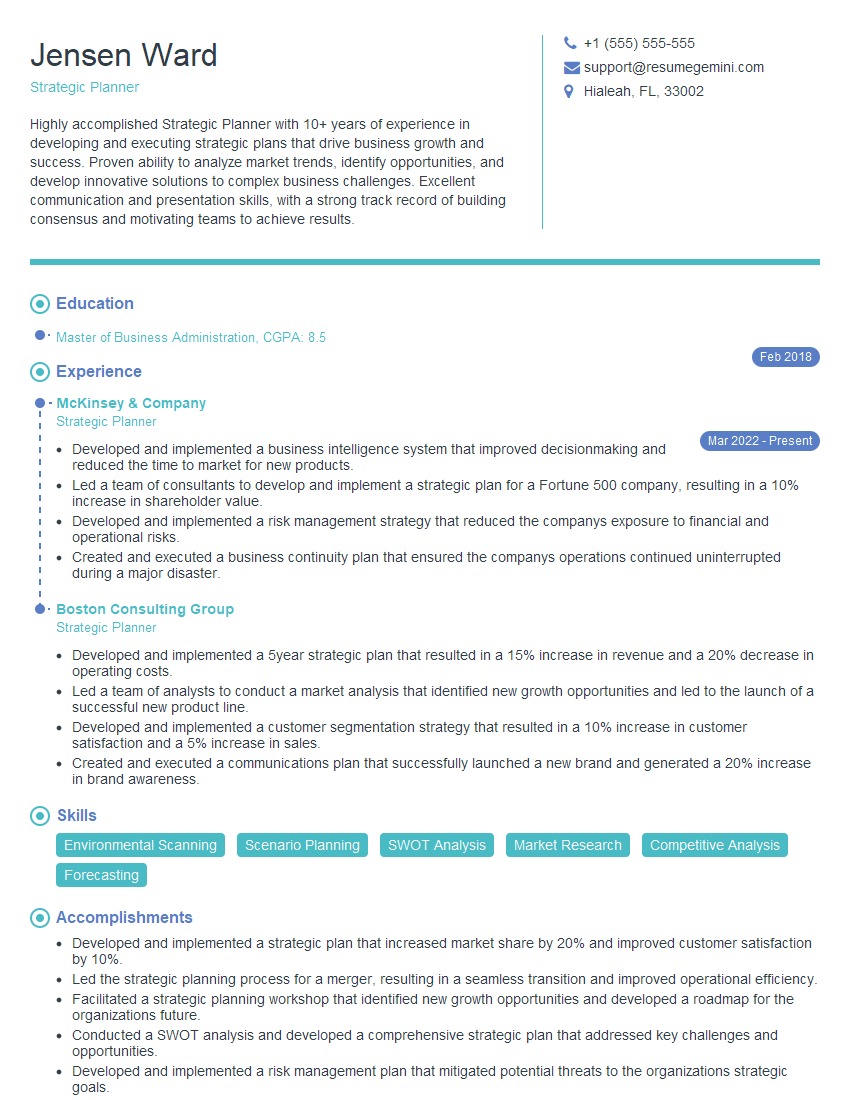
Strategic Planner Resume Sample
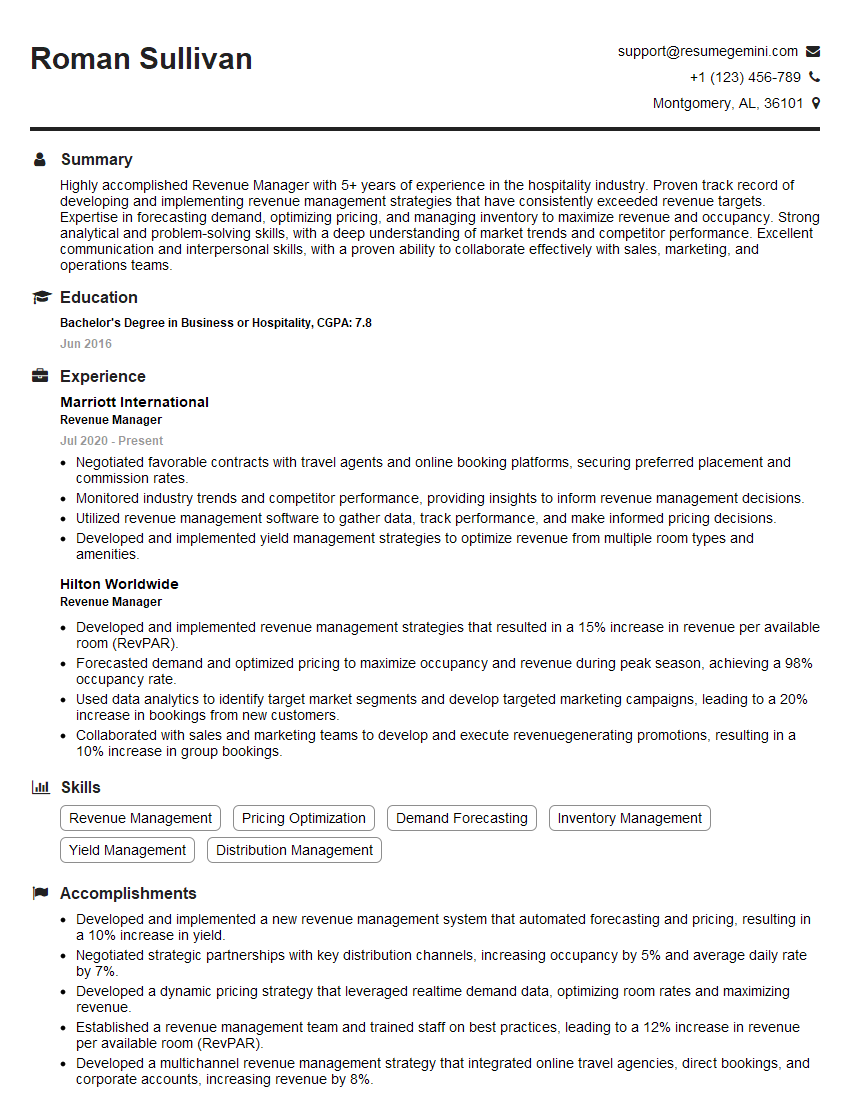
Revenue Manager Resume Sample
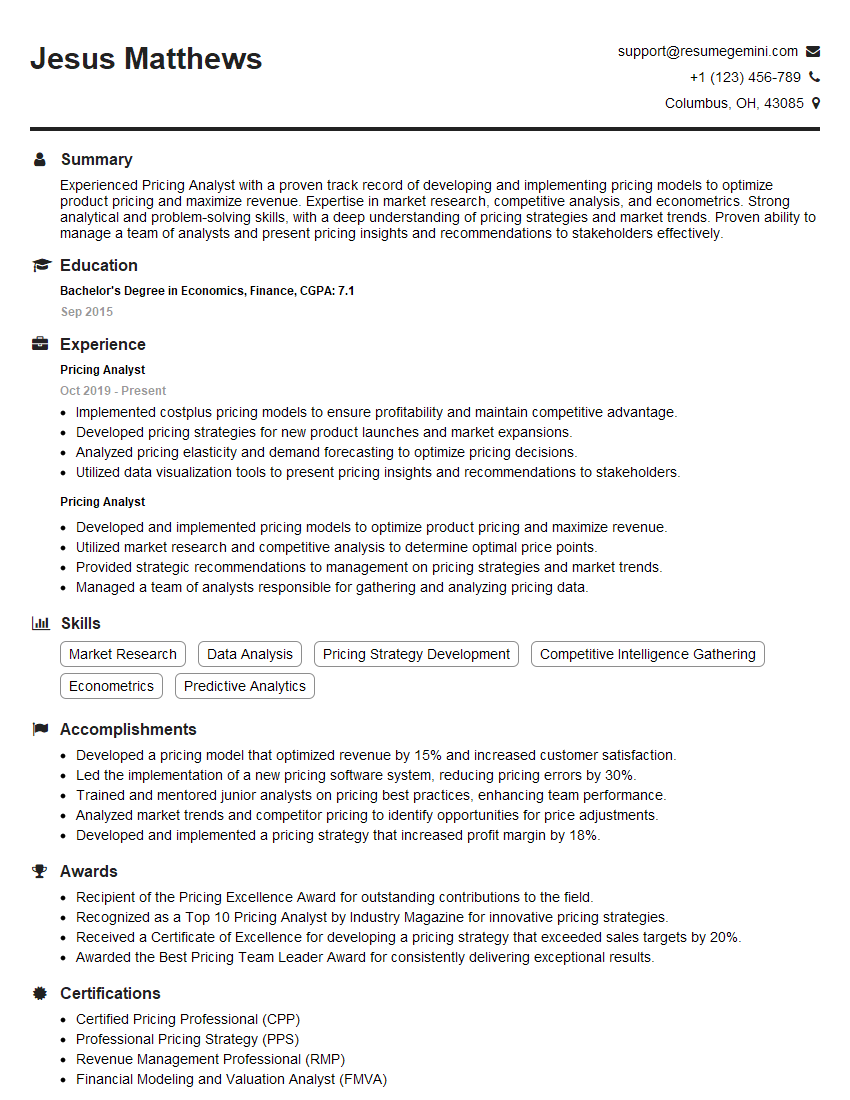
Pricing Analyst Resume Sample
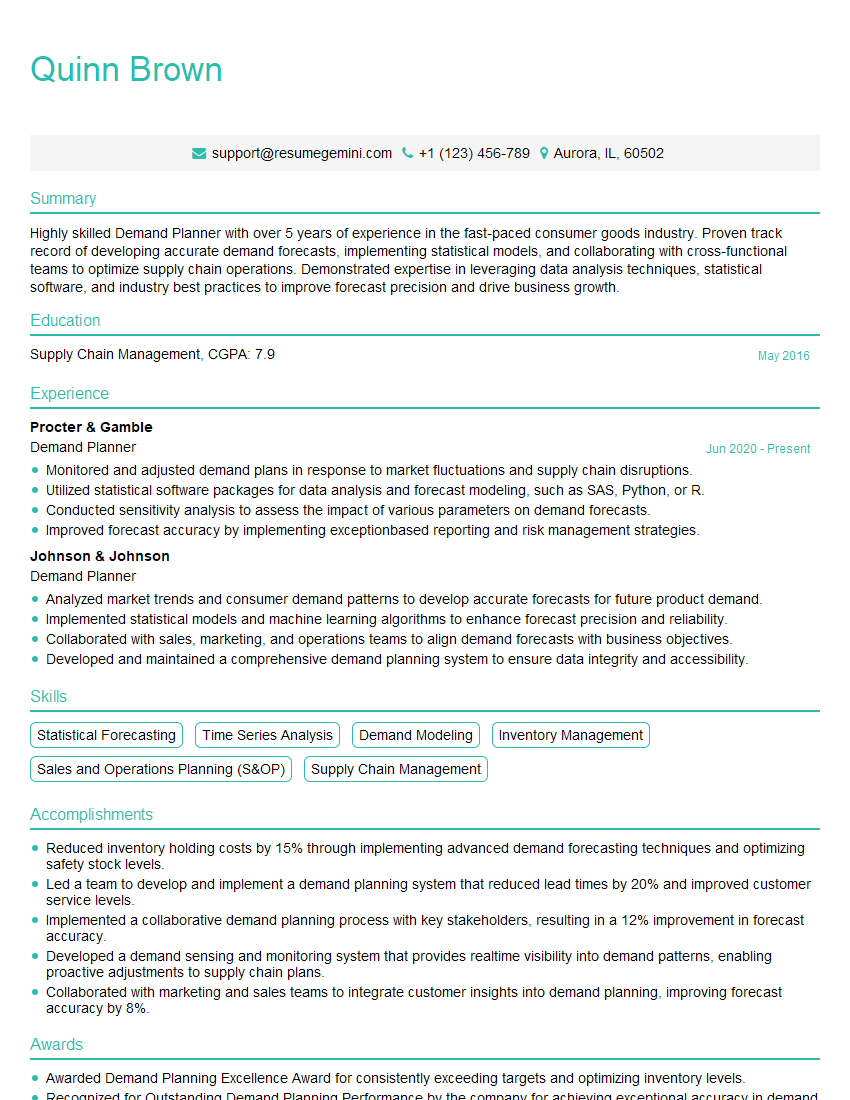
Demand Planner Resume Sample

Project Manager Resume Sample
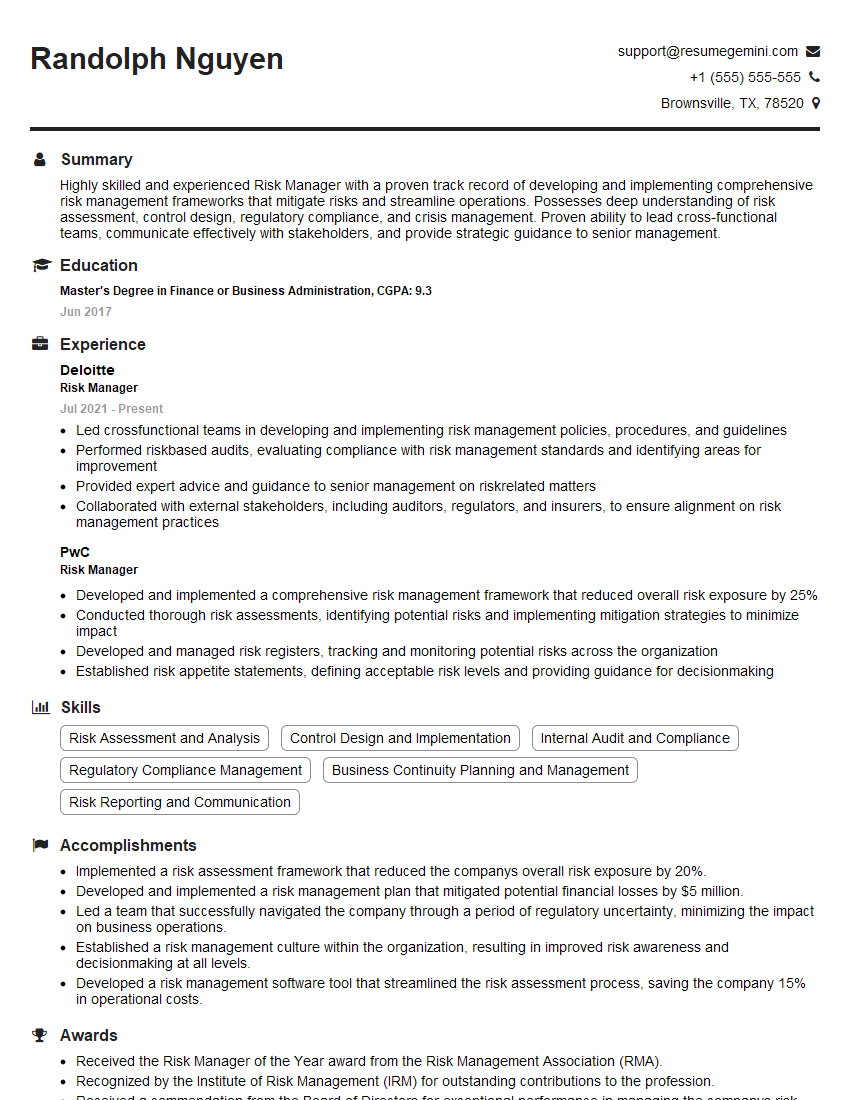
Risk Manager Resume Sample
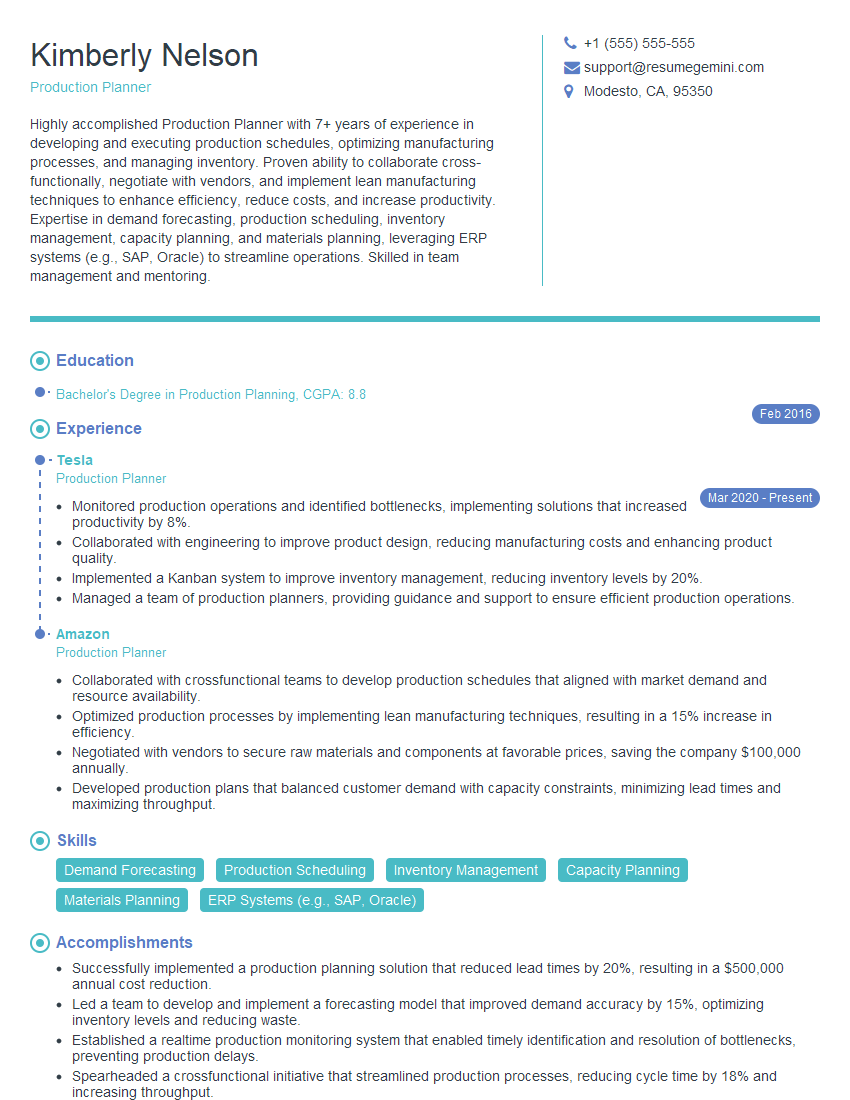
Production Planner Resume Sample
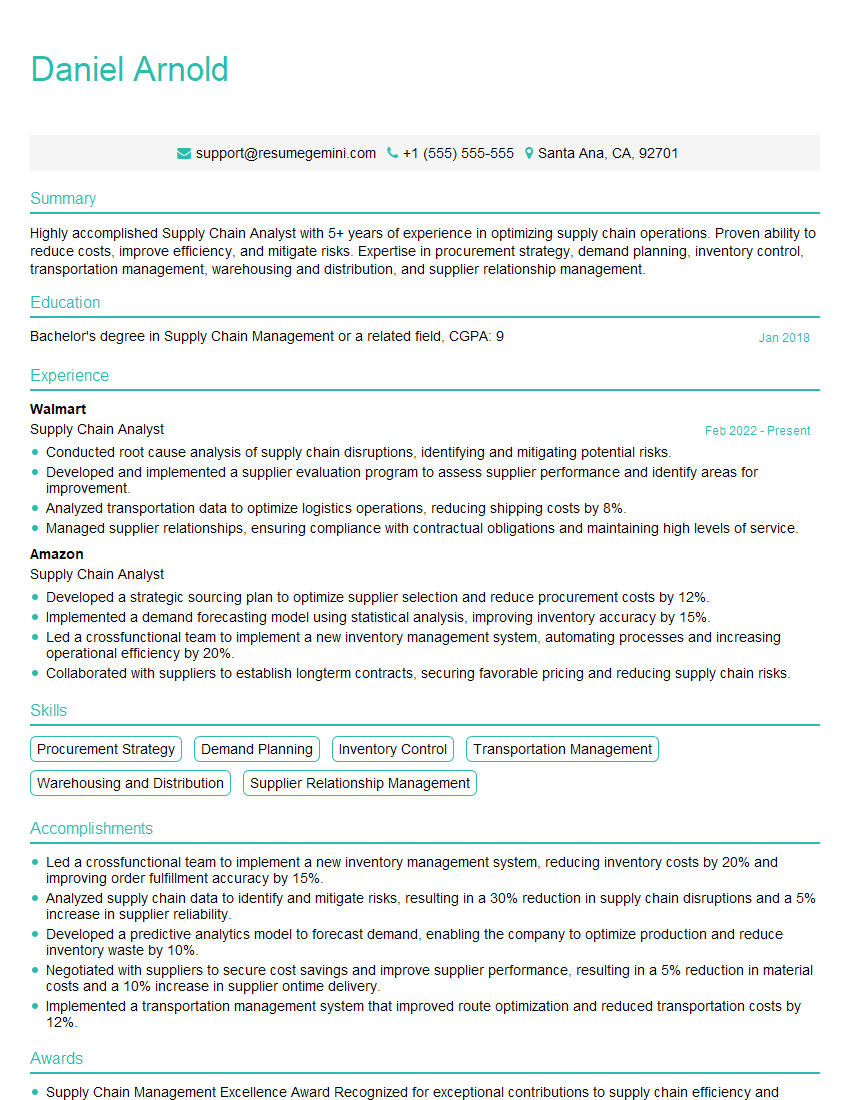
Supply Chain Analyst Resume Sample

Business Analyst Resume Sample
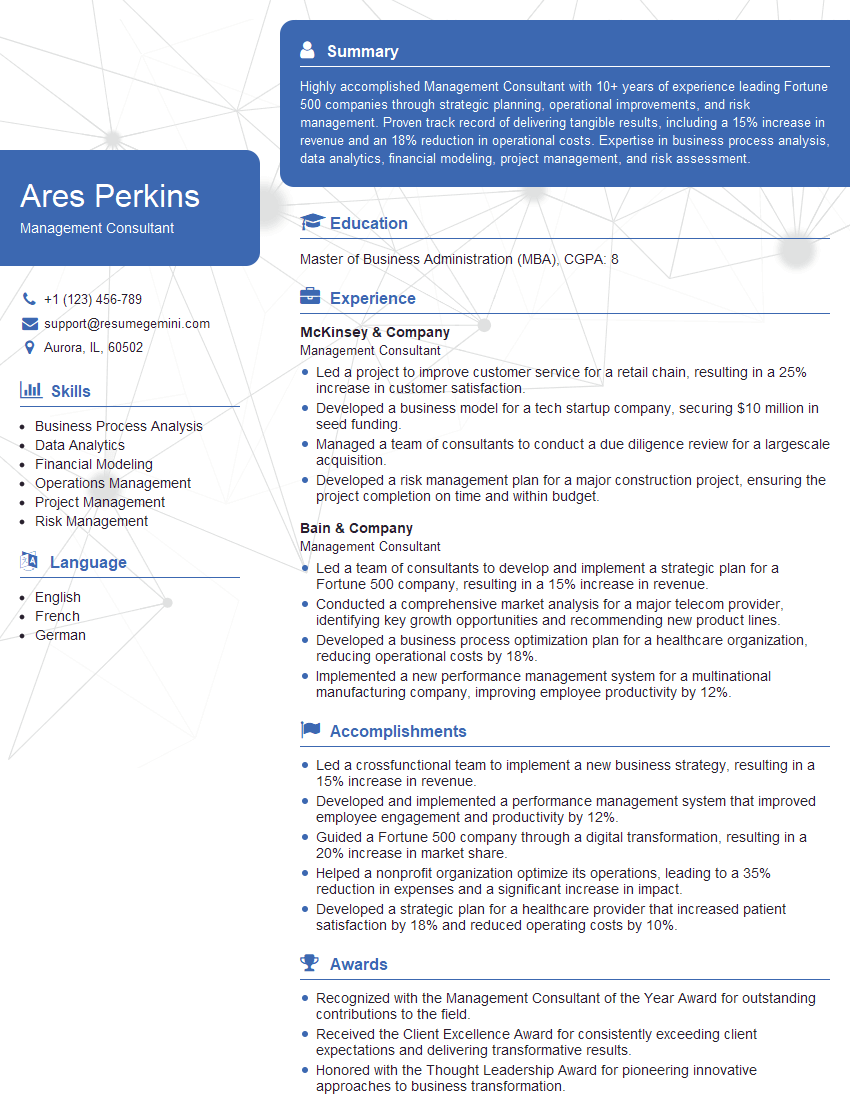
Management Consultant Resume Sample
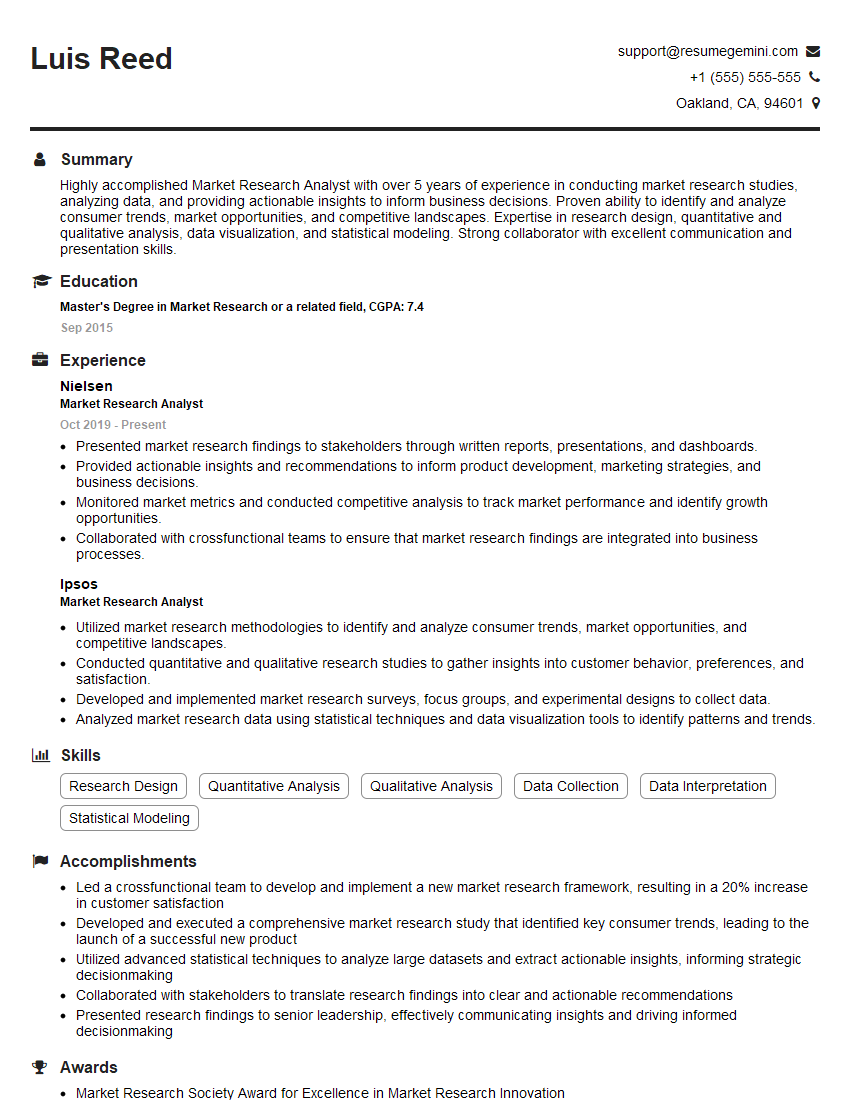
Market Research Analyst Resume Sample
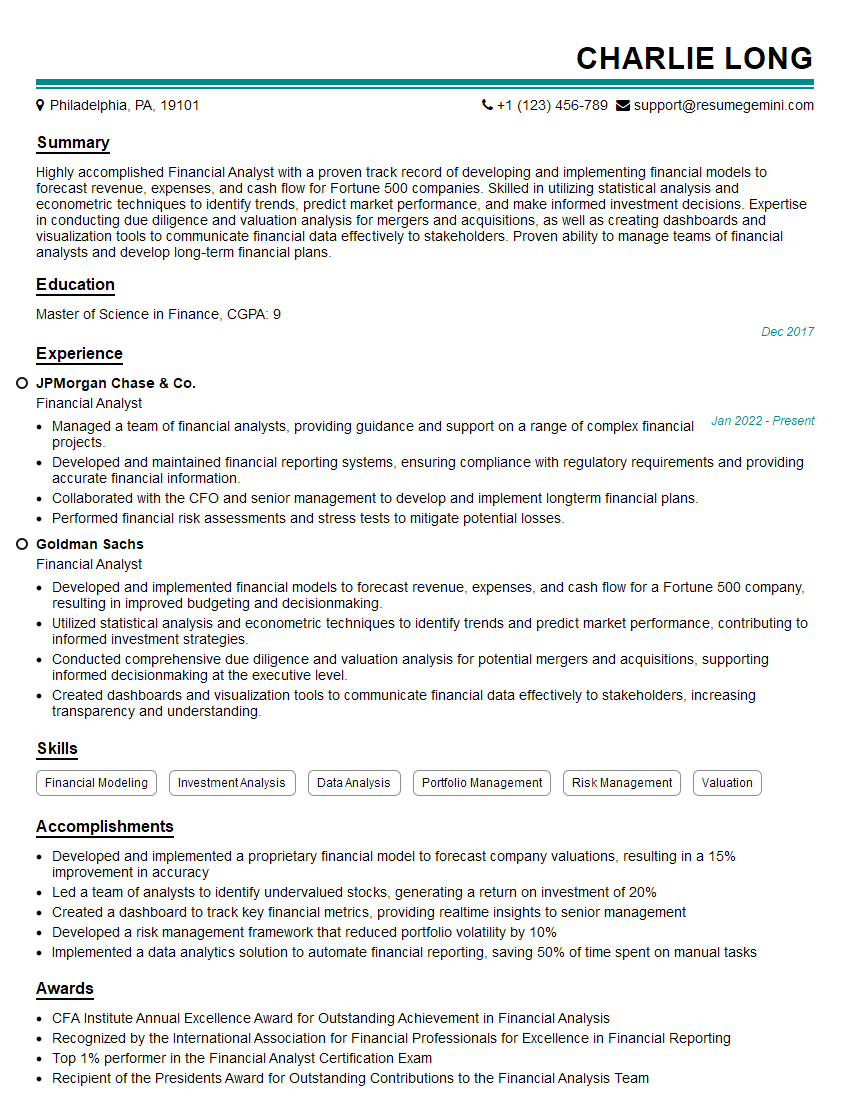
Financial Analyst Resume Sample
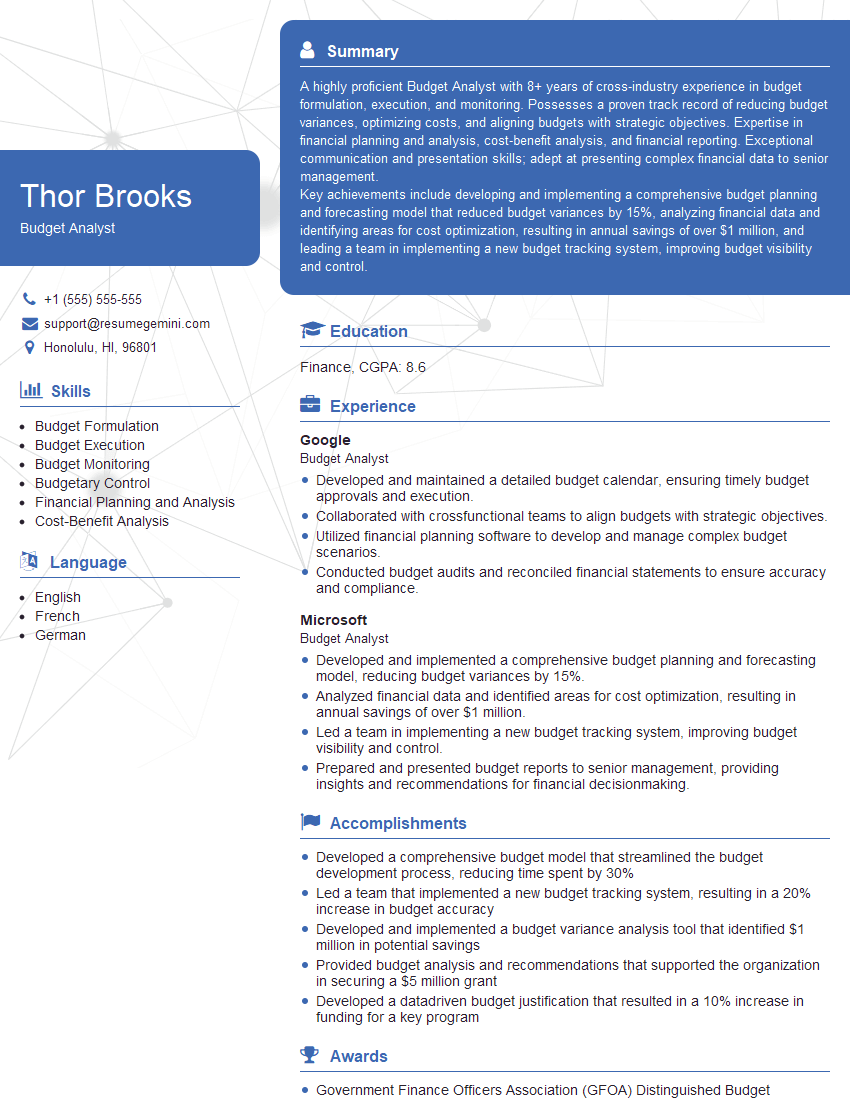
Budget Analyst Resume Sample
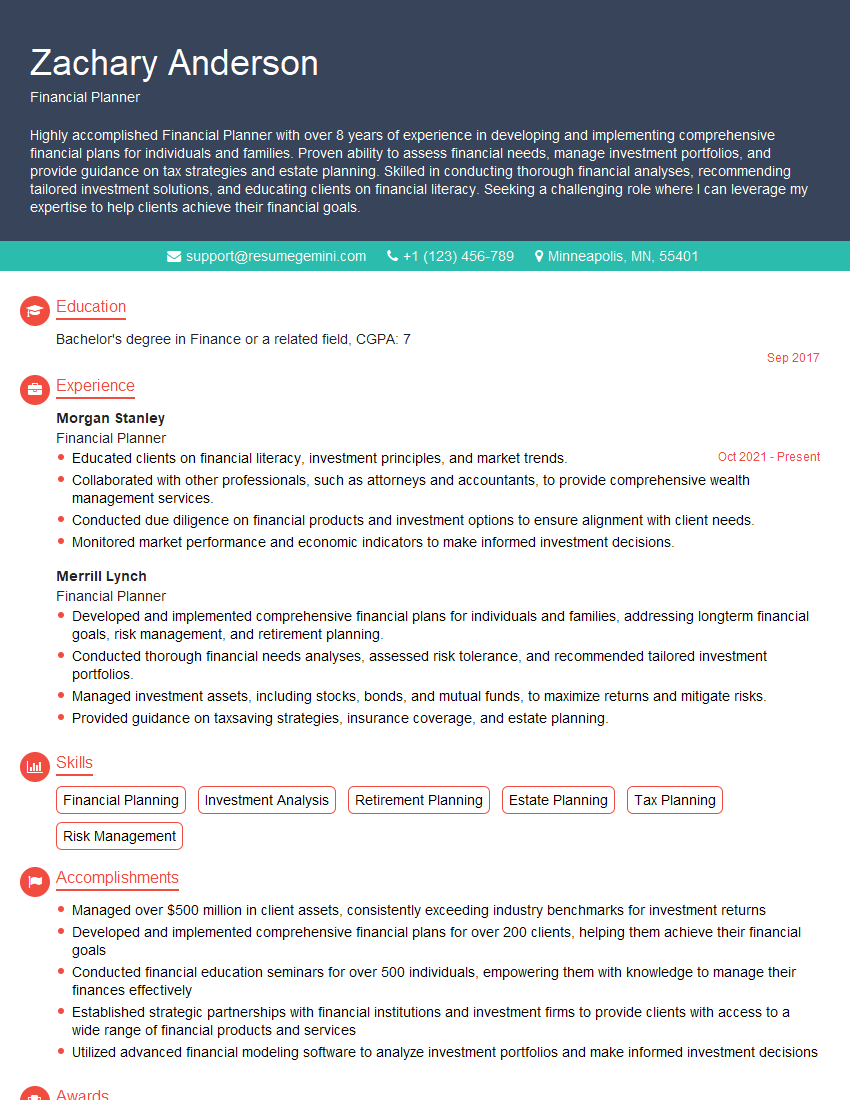
Financial Planner Resume Sample
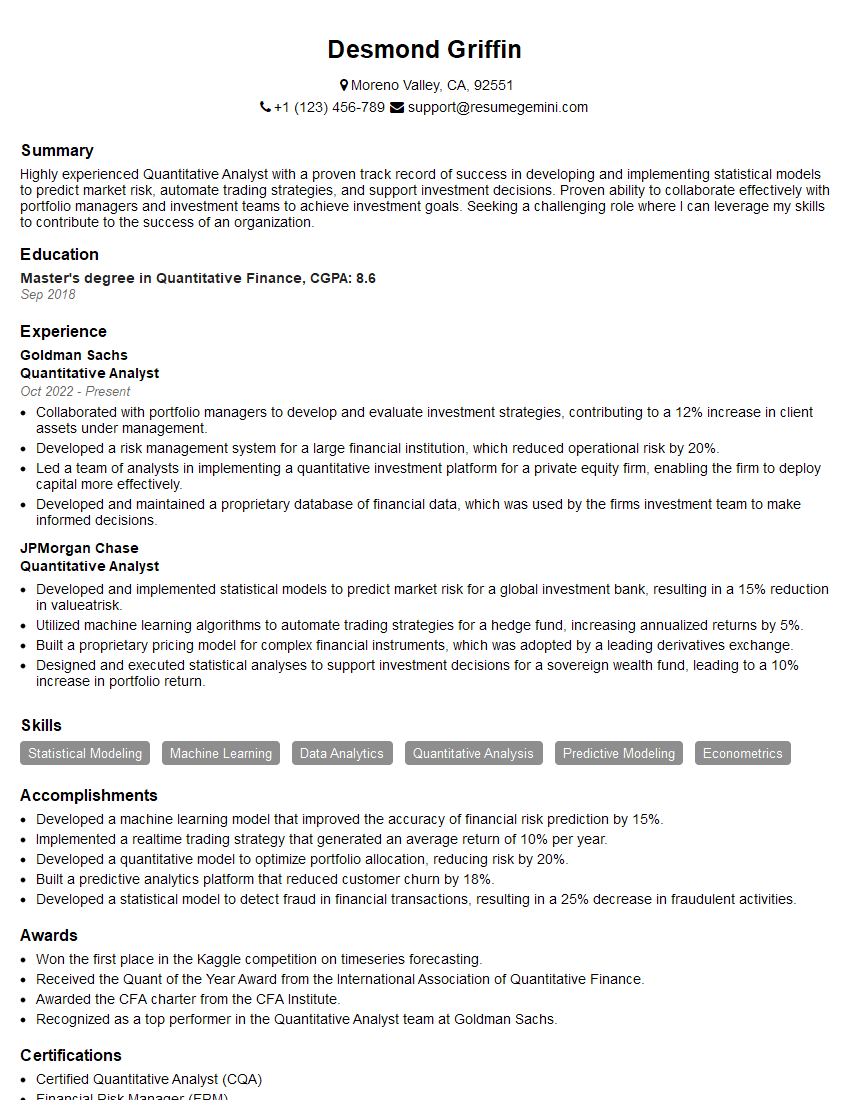
Quantitative Analyst Resume Sample
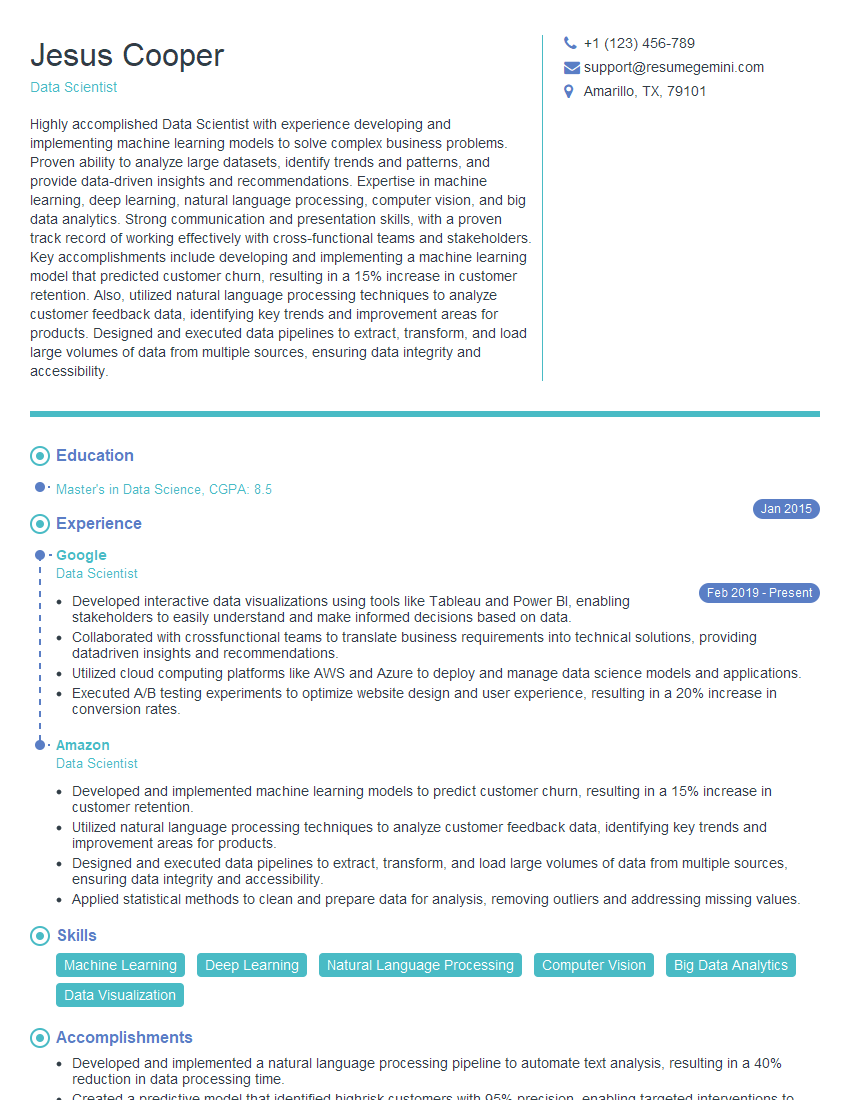
Data Scientist Resume Sample
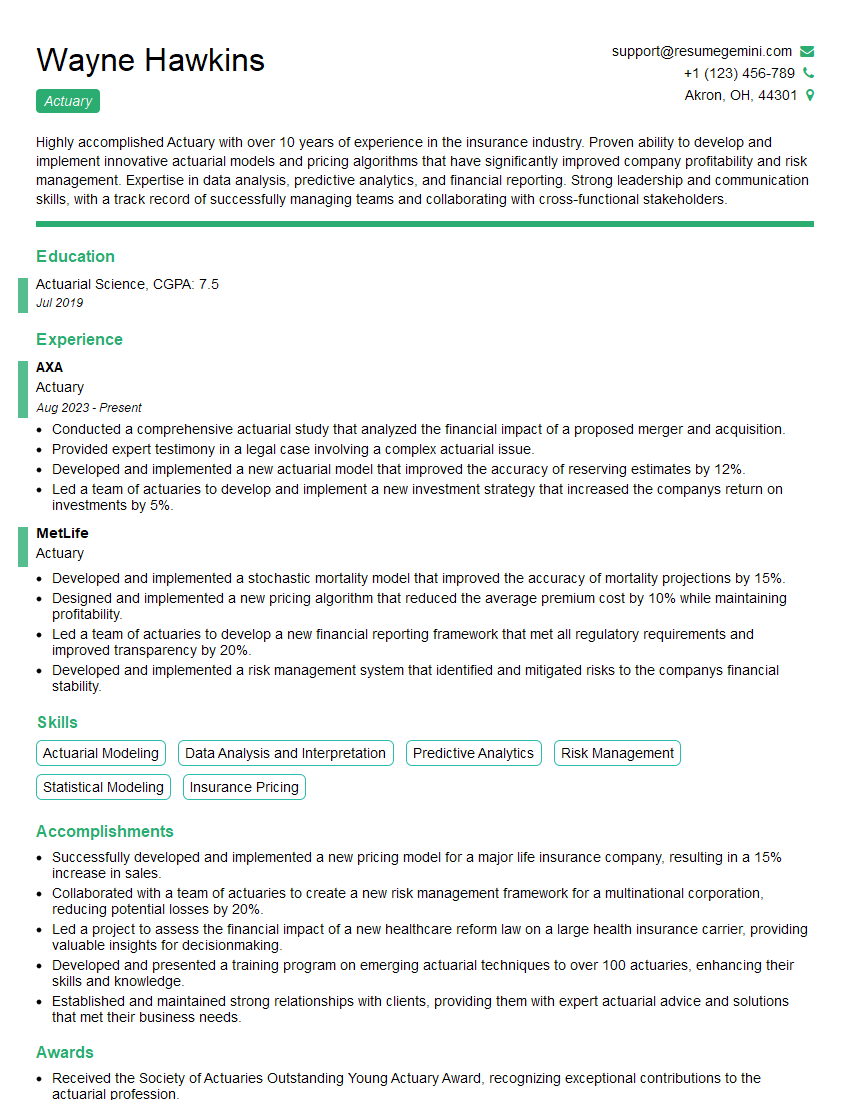
Actuary Resume Sample

Operations Research Analyst Resume Sample
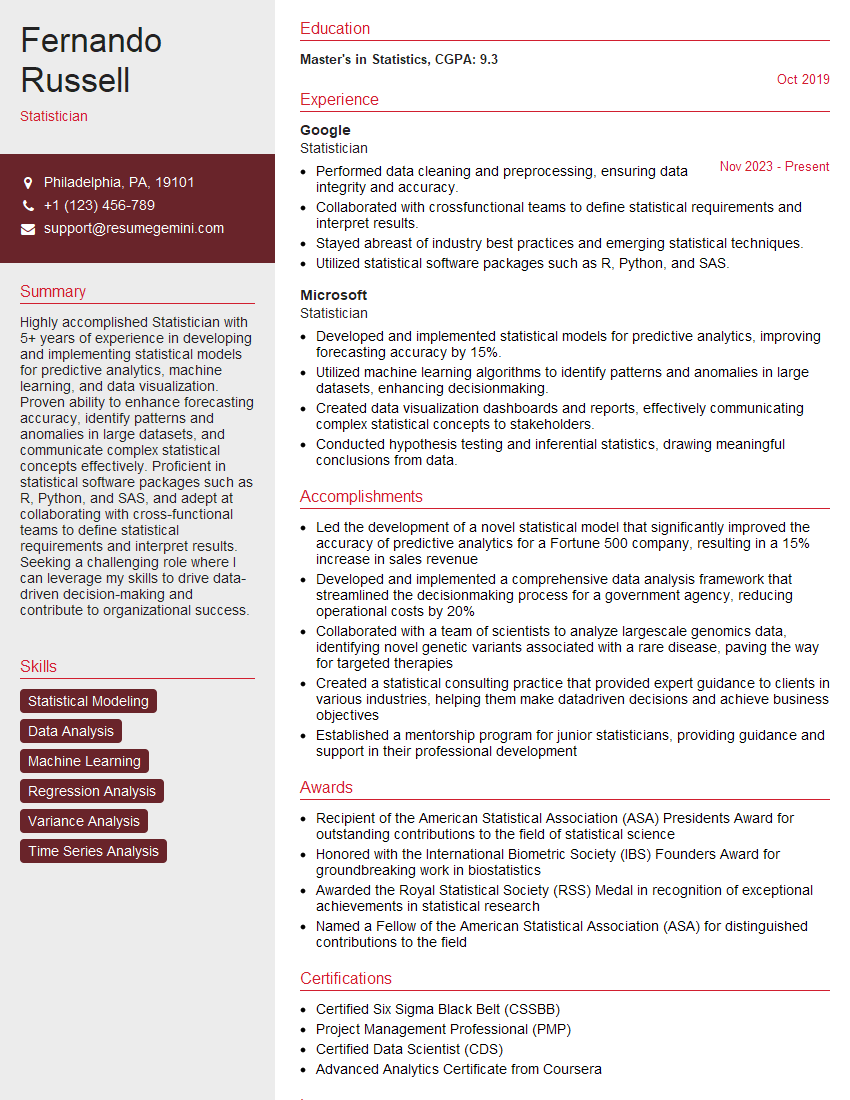
Statistician Resume Sample
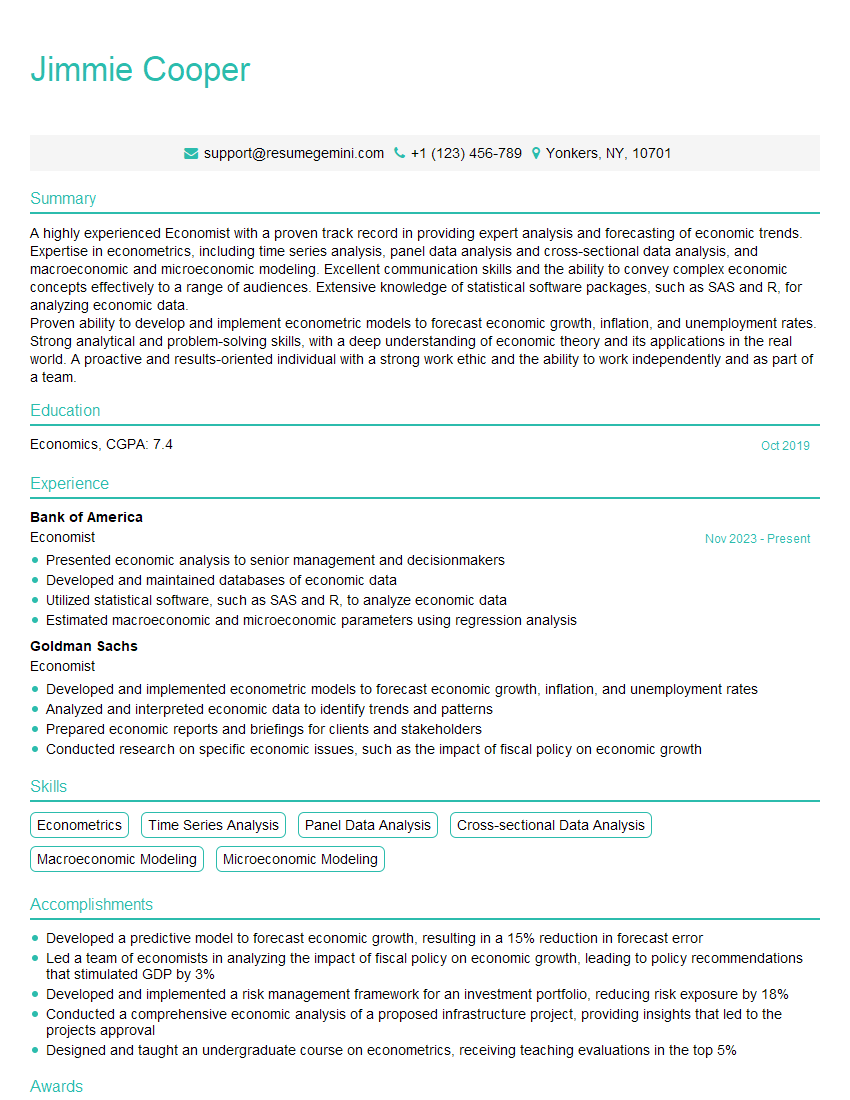
Economist Resume Sample
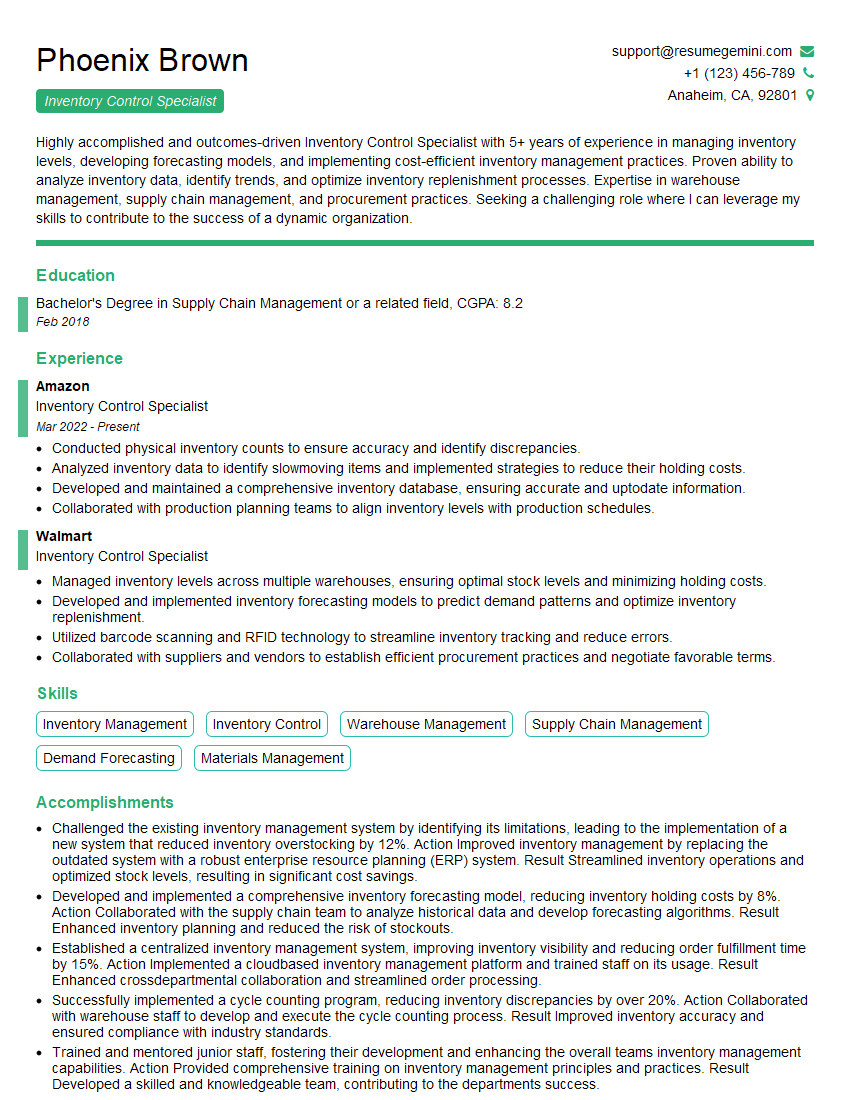
Inventory Control Specialist Resume Sample
- Strategic Planner
- Revenue Manager
- Pricing Analyst
- Demand Planner
- Project Manager
- Risk Manager
- Production Planner
- Supply Chain Analyst
- Business Analyst
- Management Consultant
- Market Research Analyst
- Financial Analyst
- Budget Analyst
- Financial Planner
- Quantitative Analyst
- Data Scientist
- Actuary
- Operations Research Analyst
- Statistician
- Economist
- Inventory Control Specialist
Explore more articles
Users Rating of Our Blogs
Share Your Experience
We value your feedback! Please rate our content and share your thoughts (optional).
What Readers Say About Our Blog
To the interviewgemini.com Webmaster.
Very helpful and content specific questions to help prepare me for my interview!
Thank you
To the interviewgemini.com Webmaster.
This was kind of a unique content I found around the specialized skills. Very helpful questions and good detailed answers.
Very Helpful blog, thank you Interviewgemini team.