Feeling uncertain about what to expect in your upcoming interview? We’ve got you covered! This blog highlights the most important Good physical condition and ability to work in various environments interview questions and provides actionable advice to help you stand out as the ideal candidate. Let’s pave the way for your success.
Questions Asked in Good physical condition and ability to work in various environments Interview
Q 1. Describe your current fitness regimen and how it supports your work.
My fitness regimen is a crucial part of my professional life. It’s built around a balanced approach combining cardiovascular exercise, strength training, and flexibility work. I typically engage in 3-4 hours of exercise per week. This includes things like running, hiking, or cycling for cardio, weight training focusing on compound exercises to build overall strength and endurance, and regular stretching and yoga to maintain flexibility and prevent injuries. This regimen directly supports my work by enhancing my stamina, strength, and overall physical resilience, allowing me to handle physically demanding tasks efficiently and safely.
For example, my recent hiking trip, though challenging, improved my lower body strength, directly translating to less fatigue during prolonged fieldwork. My regular weight training ensures I can lift and carry heavy equipment with ease, minimizing the risk of strain injuries.
Q 2. How do you maintain your physical fitness while working in demanding conditions?
Maintaining fitness in demanding conditions requires a proactive and adaptable approach. I prioritize proper hydration and nutrition, adjusting my intake depending on the environment and workload. For instance, in hot climates, I increase my water and electrolyte intake. I also incorporate shorter, more frequent exercise sessions when possible, rather than attempting longer workouts. Focusing on functional fitness exercises relevant to the work environment can be especially beneficial. For example, if my work involves a lot of climbing, I’ll add exercises that improve my grip strength and leg power.
Rest and recovery are also critical. I ensure I get adequate sleep, prioritize short breaks throughout the workday, and incorporate active recovery methods like light stretching or walking. Regular self-assessment allows me to adjust my fitness plan based on my body’s response to the demanding conditions.
Q 3. Detail a time you had to work in adverse weather conditions. What strategies did you employ?
During a recent project involving outdoor surveying in a blizzard, I had to adapt quickly to the challenging conditions. Safety was paramount. We implemented several strategies: Firstly, we meticulously checked the weather forecast and adjusted our work schedule to avoid the worst of the storm. We utilized layered clothing to regulate body temperature effectively. We frequently took short breaks in a heated vehicle to prevent hypothermia. We also used specialized equipment designed for cold weather, such as insulated gloves and waterproof boots. Good communication within the team was crucial – we constantly checked on each other’s well-being.
Ultimately, we successfully completed the project without any injury, demonstrating the importance of planning, proper equipment, and teamwork in adverse conditions.
Q 4. Describe your experience working in various environments (e.g., indoors, outdoors, hot, cold).
My professional experience spans a wide range of environments. I’ve worked extensively indoors in climate-controlled offices, performing tasks that require precision and focus. I’ve also spent considerable time outdoors in diverse conditions, including extreme heat and cold, often conducting fieldwork in varied terrains. I’ve worked in cramped spaces and open fields, adapting my approach and physical strategies based on the specific demands of the setting.
In hot environments, I focus on hydration, wearing appropriate clothing, and planning work during cooler parts of the day. In cold climates, I use layered clothing, maintain core body temperature, and take frequent breaks. In confined spaces, I’m mindful of maintaining posture and preventing strain injuries.
Q 5. How do you manage stress and fatigue in physically demanding roles?
Managing stress and fatigue in physically demanding roles is crucial for both productivity and well-being. I utilize a multi-faceted strategy. Prioritization of tasks and effective time management reduce unnecessary pressure. Maintaining open communication with my team helps to address challenges proactively. Regular exercise, a balanced diet, and sufficient sleep are all integral. Mindfulness techniques, such as deep breathing exercises, can help manage immediate stress levels.
When fatigue sets in, I ensure I listen to my body and take appropriate breaks. This may include shorter work periods, increased hydration, or simply changing my work posture to alleviate pressure on specific muscle groups. Regular check-ins with my physical and mental well-being are essential to prevent burnout.
Q 6. How do you adapt your work strategies to different physical environments?
Adapting work strategies to different physical environments involves a combination of planning, preparation, and on-the-spot adjustments. Before starting any task, I consider the specific environmental factors, like temperature, terrain, and potential hazards. This leads to choosing the appropriate clothing, equipment, and work methods. For example, I’d use different tools and techniques for working on uneven terrain compared to a flat, stable surface.
During the work itself, I remain flexible and adapt my strategies based on real-time conditions. This could involve taking more frequent breaks in extreme heat or adjusting my pace based on the difficulty of the terrain. Constant awareness of my physical state and the environmental changes helps me optimize my performance and prevent injury.
Q 7. Have you ever experienced a workplace injury? How did you handle it?
Yes, I once suffered a minor muscle strain while lifting heavy equipment. I immediately stopped working, reported the incident to my supervisor, and followed the company’s safety protocols. I sought first aid, which included ice application and rest. I also followed the recommended recovery plan, including physical therapy to strengthen the affected muscle group and prevent future occurrences. This experience underscored the importance of proper lifting techniques, using supportive equipment, and adhering to safety regulations. Throughout the recovery process, I maintained open communication with my supervisor to manage workload and ensure a smooth return to full-time work. The incident reinforced my commitment to maintaining a safe working environment for myself and my colleagues.
Q 8. Describe your experience working with safety equipment and procedures in different environments.
My experience with safety equipment and procedures spans diverse environments, from construction sites to industrial plants and even remote fieldwork. I’m proficient in using a wide range of personal protective equipment (PPE), including hard hats, safety glasses, high-visibility clothing, respirators, and specialized gear depending on the task. For instance, while working on a construction site, I consistently wore a hard hat, safety boots, and high-visibility vest, strictly adhering to fall protection protocols when working at heights. In an industrial setting, respirator use was mandatory in areas with airborne particulate matter, and I underwent thorough training on its proper fit and usage. My approach always prioritizes a thorough risk assessment before commencing any task, ensuring I understand the potential hazards and select the appropriate PPE and follow established safety procedures. I’m also familiar with emergency response procedures and have participated in regular safety training and drills.
I’ve worked with various safety systems, including lockout/tagout procedures for machinery maintenance and confined space entry protocols. For example, I’ve worked with gas detection equipment to monitor atmospheric conditions in enclosed areas, preventing exposure to hazardous gases like methane or carbon monoxide.
Q 9. What is your approach to ensuring your physical well-being during prolonged work shifts?
Maintaining physical well-being during prolonged shifts is crucial for both productivity and long-term health. My approach is multifaceted and focuses on proactive measures rather than reactive solutions. This involves a balanced diet rich in fruits, vegetables, and lean protein to provide sustained energy. I prioritize adequate sleep, aiming for 7-8 hours of uninterrupted rest nightly. Regular hydration is key; I carry a water bottle and consistently sip throughout the day. Furthermore, incorporating regular physical activity, even short bursts of exercise during breaks, helps combat fatigue and improves circulation. I avoid prolonged periods of inactivity, standing up and moving around at regular intervals. For instance, during long shifts in a warehouse, I always take short walking breaks between tasks to boost energy levels.
Listening to my body is equally important. If I feel any discomfort, I address it immediately, be it stretching to alleviate muscle tension or taking a short rest to prevent burnout. This preventative approach prevents minor issues from escalating into major problems.
Q 10. How do you stay focused and productive despite physical discomfort or fatigue?
Staying focused and productive despite physical discomfort or fatigue involves a combination of mental strategies and physical adjustments. I use mindfulness techniques like deep breathing to center myself and manage stress. Breaking down large tasks into smaller, more manageable chunks helps prevent feelings of overwhelm. Setting realistic goals and prioritizing those goals prevents burnout. Small rewards after completing tasks also provide positive reinforcement, keeping motivation levels high. If fatigue is excessive, I prioritize rest and recovery, understanding that pushing myself too hard can be counterproductive. It’s a balance between pushing through minor discomfort and recognizing when to take a break to avoid making mistakes or suffering injuries.
For example, during a physically demanding project, I might consciously take a short break every hour to stretch or hydrate, maintaining focus and efficiency throughout the day instead of burning myself out.
Q 11. How do you prioritize tasks effectively in demanding physical environments?
Prioritizing tasks in demanding physical environments requires a structured approach. I use a combination of techniques, starting with a clear understanding of deadlines and dependencies. I’ll often use a visual task management system, such as a whiteboard or digital Kanban board, to organize tasks by urgency and importance. This allows me to see the bigger picture and prioritize those tasks that have the most immediate impact or are critical to project completion. I also factor in the physical demands of each task, ensuring I schedule physically intensive tasks when my energy levels are highest. For instance, if I have a task involving heavy lifting and a task involving paperwork, I’d always start with the lifting task while my energy levels are good.
Flexibility is key. Unforeseen circumstances can arise, so I build in buffer time to account for delays and unexpected challenges. Regular communication with team members ensures everyone is on the same page and any adjustments can be made efficiently. This allows for quick responses to changing priorities in a demanding environment.
Q 12. Describe your experience working independently and as part of a team in varied conditions.
I have extensive experience working both independently and as part of a team across various challenging conditions. Working independently demands self-discipline, strong problem-solving abilities, and the ability to manage time effectively. For example, during fieldwork, I was solely responsible for setting up and operating survey equipment, ensuring accurate data collection while adhering to strict safety protocols. This involved carefully planning each day’s work, troubleshooting equipment problems, and maintaining a consistent workflow. In contrast, team-based work demands excellent communication and collaboration skills. I thrive in team environments, ensuring shared understanding of tasks and responsibilities. On construction sites, I’ve worked closely with other tradespeople to complete projects safely and efficiently, always fostering a culture of respect and mutual support. I’m adaptable to different team dynamics and roles, always willing to assist colleagues and proactively contribute to a positive work environment.
Adaptability is crucial, allowing me to adjust my work style depending on the situation and the team or individual involved.
Q 13. Have you worked in confined spaces? Describe any safety precautions you took.
Yes, I have experience working in confined spaces. Safety is paramount in such environments, and I always adhere to strict protocols. Before entering, a thorough risk assessment is mandatory, identifying potential hazards such as oxygen deficiency, toxic gases, and confined space entry hazards. A permit-to-work system is usually in place, detailing the required precautions and emergency procedures. I’m trained in the use of atmospheric monitoring equipment to check for hazardous gases before and during entry. This includes using gas detectors to measure oxygen levels and the presence of any harmful gases. A safety harness and lifeline are always used, with a designated attendant monitoring my position and readiness to provide immediate assistance if needed. Communication with the attendant is key, ensuring continuous awareness of my status within the confined space. Emergency procedures are reviewed, and escape routes are identified beforehand. Regular breaks are also planned to ensure the job gets done safely.
My experience working in confined spaces is always governed by strict adherence to all relevant standards and regulations to ensure safety.
Q 14. How do you ensure your personal safety in hazardous environments?
Ensuring personal safety in hazardous environments involves a multi-layered approach. Firstly, it starts with comprehensive risk assessment and understanding the specific hazards present. This is followed by the selection and proper use of appropriate personal protective equipment (PPE), ensuring a correct fit and regular inspection. I always follow established safety procedures diligently and report any unsafe conditions or practices immediately. I’m adept at identifying potential hazards and proactively mitigating risks. This includes paying close attention to my surroundings and anticipating potential issues before they arise. For example, I always maintain situational awareness when working around heavy machinery, keeping a safe distance and avoiding distractions. Training and continuous learning play a significant role. Staying updated on safety regulations, new technologies, and best practices is critical to maintaining the highest safety standards. Finally, effective communication with colleagues and supervisors is also essential, reporting any concerns promptly and coordinating efforts to ensure the safety of the entire team.
Personal safety is a priority, never compromised.
Q 15. Explain your understanding of ergonomics and how you apply it in your work.
Ergonomics is the science of designing the workplace to fit the worker, not the other way around. It’s about optimizing the interaction between people and their work environment to promote safety, efficiency, and well-being. I apply ergonomic principles in my work by focusing on posture, movement, and tool usage. For example, when working on a computer, I ensure my monitor is at eye level to prevent neck strain, and I take regular breaks to stretch and move around. When lifting heavy objects, I always bend my knees and lift with my legs to avoid back injuries. I’m also proactive in identifying and reporting any ergonomic hazards in my workspace, such as poorly designed workstations or inadequate lighting.
Career Expert Tips:
- Ace those interviews! Prepare effectively by reviewing the Top 50 Most Common Interview Questions on ResumeGemini.
- Navigate your job search with confidence! Explore a wide range of Career Tips on ResumeGemini. Learn about common challenges and recommendations to overcome them.
- Craft the perfect resume! Master the Art of Resume Writing with ResumeGemini’s guide. Showcase your unique qualifications and achievements effectively.
- Don’t miss out on holiday savings! Build your dream resume with ResumeGemini’s ATS optimized templates.
Q 16. Describe a time you had to overcome a significant physical challenge at work.
During a particularly challenging project involving the installation of heavy equipment in a confined space, we encountered unforeseen structural issues. The original plan required lifting the equipment over a fragile section of the building. Recognizing the significant risk of structural damage and potential injury, I proposed an alternative method: a phased approach utilizing smaller, more manageable components, and employing a temporary support system. This meticulous approach took longer than the original plan but ensured the safety of the team and the integrity of the building. It required careful planning, teamwork, and a willingness to adapt to the unexpected. The successful completion of the project without incident underscored the importance of risk assessment and proactive problem-solving in physically demanding situations.
Q 17. How do you maintain a positive attitude while working in demanding or uncomfortable conditions?
Maintaining a positive attitude in demanding conditions is crucial for both safety and efficiency. I find that focusing on the goal and breaking down large tasks into smaller, manageable steps helps. Celebrating small victories along the way boosts morale. Furthermore, effective communication with my team members is essential; sharing challenges and successes fosters a sense of camaraderie and shared purpose. I also prioritize self-care – ensuring adequate rest, hydration, and healthy nutrition to maintain my physical and mental stamina. Finally, remembering the overall purpose and the positive impact of the work contributes significantly to maintaining a positive outlook.
Q 18. Describe your experience with lifting, carrying, or moving heavy objects.
I have extensive experience lifting, carrying, and moving heavy objects, ranging from equipment in construction to materials in warehousing. My approach always prioritizes safety. This involves using proper lifting techniques – bending at the knees, keeping the back straight, and lifting with the legs. I utilize appropriate equipment, like hand trucks, dollies, and hoists, whenever feasible. I always assess the weight and stability of the object before attempting to move it, and I never hesitate to ask for assistance if the load is too heavy or awkward. I’m also familiar with safe lifting limits and regulations, ensuring all operations comply with established safety protocols.
Q 19. How do you manage risk in physically challenging situations?
Risk management in physically challenging situations is a multi-step process. First, I thoroughly assess the situation, identifying potential hazards like unstable ground, heavy equipment, or environmental factors. Then, I develop a plan that mitigates those risks. This might involve using personal protective equipment (PPE), employing proper lifting techniques, and coordinating with team members to ensure everyone understands their role and responsibilities. Regular communication and a system for reporting near misses are key to continuous improvement. Furthermore, I adhere strictly to safety guidelines and regulations, and I’m always willing to stop work if conditions become unsafe.
Q 20. Describe your ability to work at heights, in deep water, or other demanding locations.
I possess experience working at heights, adhering strictly to safety regulations and utilizing appropriate equipment such as harnesses and fall protection systems. Similarly, I have experience working in potentially hazardous aquatic environments; this includes having obtained relevant certifications and understanding safety protocols for underwater operations. In all demanding locations, preparedness is paramount, including appropriate training, equipment, and a thorough understanding of the potential risks involved. My experience working in various locations has equipped me with the necessary skills and awareness to work safely and effectively in such conditions.
Q 21. What are some physical limitations you possess and how do you compensate?
While I am generally in excellent physical condition, I do have a minor limitation in my left knee from a previous sports injury. However, I’ve effectively compensated for this through regular physical therapy and by utilizing appropriate ergonomic practices to minimize strain on the knee. This includes using supportive footwear, avoiding prolonged periods of standing or kneeling, and using assistive devices when necessary. Open communication with supervisors about any physical limitations is crucial for ensuring safety and preventing further injury. I always prioritize my safety and the safety of my colleagues.
Q 22. What safety procedures are you familiar with in your industry or previous roles?
Safety is paramount in any physically demanding role. My familiarity with safety procedures stems from years of experience, encompassing both formal training and on-the-job learning. I’m proficient in a wide range of safety protocols, adapting them to specific environmental conditions.
- Hazard Identification and Risk Assessment (HIRA): I’m trained to identify potential hazards – from slips, trips, and falls to exposure to chemicals or equipment malfunctions – and implement appropriate control measures. For instance, in a construction setting, this involves using proper PPE (Personal Protective Equipment) like hard hats, safety glasses, and steel-toed boots, and following lock-out/tag-out procedures for machinery.
- Emergency Response Procedures: I’m familiar with emergency evacuation plans, first aid procedures, and the use of emergency equipment such as fire extinguishers. I understand the importance of reporting all incidents and near misses.
- Working at Heights and Confined Spaces: My experience includes working safely at heights, utilizing harnesses and fall protection systems. Similarly, I am knowledgeable about the precautions required for working in confined spaces, ensuring proper ventilation and atmospheric monitoring.
- Lifting Techniques and Ergonomics: To prevent musculoskeletal injuries, I apply proper lifting techniques, using my legs and avoiding twisting motions. I’m mindful of ergonomic principles to reduce strain on my body throughout the workday.
My commitment to safety extends beyond adhering to regulations; it’s a proactive approach focused on preventing accidents before they happen.
Q 23. Describe a time your physical fitness significantly contributed to your success at work.
During a challenging project involving the installation of heavy equipment, my physical fitness played a crucial role. We were under a tight deadline, and the task demanded long hours of heavy lifting and maneuvering bulky components in a confined space. While others struggled with fatigue, my endurance and strength allowed me to maintain a consistent pace and high level of precision. This not only ensured we met the deadline but also prevented potential injuries from rushed or improper lifting techniques. My stamina enabled me to actively support my colleagues and troubleshoot equipment issues throughout the process. The project’s success can be directly attributed to the physical stamina and efficiency I brought to the team.
Q 24. How do you stay hydrated and maintain proper nutrition during prolonged physical work?
Maintaining hydration and proper nutrition is crucial for optimal performance during prolonged physical work. It’s not simply about avoiding dehydration and fatigue; it’s about preventing heatstroke and maintaining energy levels for peak productivity and safety.
- Hydration: I carry a reusable water bottle and sip water regularly throughout the day, even before I feel thirsty. In hot or humid conditions, I increase my water intake and may consider electrolyte drinks to replenish lost salts. I avoid sugary drinks, as they can lead to a sugar crash.
- Nutrition: I focus on consuming a balanced diet rich in complex carbohydrates, lean protein, and healthy fats. This provides sustained energy and helps repair muscles. I avoid heavy, greasy meals before and during work, opting for easily digestible snacks like fruits, nuts, or energy bars. Prioritizing a healthy diet helps avoid energy slumps and keeps my immune system strong.
Planning ahead is key. For instance, I’ll pack a lunchbox with healthy, filling options that I can easily eat on-site to avoid relying on unhealthy fast food. This proactive approach to hydration and nutrition contributes significantly to my overall health and performance at work.
Q 25. How do you prepare yourself physically and mentally for demanding workdays?
Preparing for demanding workdays is a two-pronged approach focusing on both physical and mental readiness. This is about more than just showing up; it’s about optimizing my performance and well-being.
- Physical Preparation: I prioritize regular exercise, focusing on strength training and cardiovascular fitness. This builds endurance and helps prevent injuries. Getting enough sleep (7-8 hours) is crucial for physical recovery and cognitive function. I also stretch before and after work to improve flexibility and prevent muscle soreness.
- Mental Preparation: A positive mental attitude is crucial. I plan my day to prioritize tasks and use visualization techniques to anticipate challenges and develop solutions. Mindfulness exercises and stress-reducing techniques like deep breathing help me approach the day calmly and effectively. I try to avoid distractions and focus on the tasks at hand.
For example, on days with particularly strenuous tasks, I’ll focus on a pre-work workout to prime my body and do a light stretch session to improve my posture for prolonged work.
Q 26. What measures do you take to prevent injuries while performing physically demanding tasks?
Preventing injuries during physically demanding tasks requires a multi-faceted approach focused on preparation, technique, and awareness.
- Proper Technique: I meticulously follow proper lifting techniques, always using my legs and keeping my back straight. I avoid twisting or reaching. I use appropriate tools and equipment to minimize strain.
- Protective Gear: I consistently wear appropriate Personal Protective Equipment (PPE), including safety glasses, gloves, and any other gear required for the specific task. This can range from steel-toed boots for construction to specialized gloves for handling chemicals.
- Regular Breaks: I take regular breaks throughout the day to rest and stretch, avoiding prolonged periods of strenuous activity. This helps prevent muscle fatigue and reduces the risk of injury.
- Body Awareness: I pay close attention to my body and stop if I experience any pain or discomfort. I don’t ignore warning signs; I address them immediately to avoid more significant injuries.
- Seeking Assistance: I never hesitate to ask for help with heavy or awkward loads, ensuring proper teamwork and safety.
By consistently applying these preventative measures, I aim to minimize the risk of workplace injuries.
Q 27. Describe your experience handling emergency situations requiring physical strength and agility.
During a storm, a large tree branch fell near a construction site, creating a hazardous situation. My quick reaction and physical agility were essential in mitigating the risk. I immediately moved construction workers to safety, ensuring everyone was clear of any potential further damage. Then, working with a colleague, we secured the area using appropriate barriers and contacted the emergency services to remove the obstruction. My strength and coordination enabled me to swiftly implement immediate safety measures, preventing potential injuries or worse. This incident highlights the importance of being prepared for unexpected situations.
Q 28. How would you react if a colleague was injured while working in a challenging environment?
My immediate response to a colleague’s injury would prioritize their safety and well-being. My actions would be guided by the situation’s urgency and severity.
- Assess the Situation: I would first assess the extent of the injury and the surrounding environment to ensure the scene is safe for both myself and the injured colleague. If the situation is life-threatening, I would immediately call for emergency medical services.
- First Aid: If trained in first aid, I would provide immediate assistance while waiting for paramedics. This includes stabilizing the injured person, controlling bleeding if necessary, and offering comfort.
- Secure the Area: If appropriate and safe to do so, I would secure the area preventing further injuries. This could include directing other workers or putting up warning signs.
- Report the Incident: I would thoroughly report the incident to the supervisor and follow company protocols for accident reporting, providing detailed information.
My actions would always be guided by safety and the well-being of my colleague. I understand that prompt and effective response can drastically improve the outcome of an accident.
Key Topics to Learn for Good Physical Condition & Varied Environment Work Interview
- Understanding Physical Demands: Analyze job descriptions to identify specific physical requirements (lifting, carrying, standing, walking, etc.) and articulate your capacity to meet them. Consider the duration and intensity of these demands.
- Adaptability to Different Environments: Discuss your experience working in diverse settings (indoors/outdoors, hot/cold, wet/dry). Provide examples showcasing your resilience and ability to adjust to changing conditions and maintain productivity.
- Maintaining Physical Fitness & Safety: Explain your commitment to maintaining good physical health and following safety protocols. Highlight any relevant certifications (e.g., First Aid, CPR) or experience with safety equipment.
- Problem-Solving in Challenging Conditions: Describe situations where you faced physical challenges or worked in difficult environments. Explain how you overcame obstacles, prioritized safety, and maintained efficiency.
- Communication & Teamwork in Physical Settings: Illustrate your ability to effectively communicate and collaborate with colleagues while working in physically demanding situations. Emphasize your teamwork skills and ability to follow instructions.
- Injury Prevention & Recovery: Discuss strategies you employ to prevent injuries and your approach to recovery if an injury does occur. Show your awareness of ergonomic principles and safe work practices.
Next Steps
Mastering the ability to work in various environments and maintaining good physical condition are essential for career advancement across many industries. These skills demonstrate reliability, resilience, and a commitment to safety – all highly valued by employers. To significantly boost your job prospects, create an ATS-friendly resume that clearly highlights these capabilities. ResumeGemini is a trusted resource to help you build a professional and effective resume that showcases your skills and experience. Examples of resumes tailored to highlight “Good physical condition and ability to work in various environments” are available to guide you.
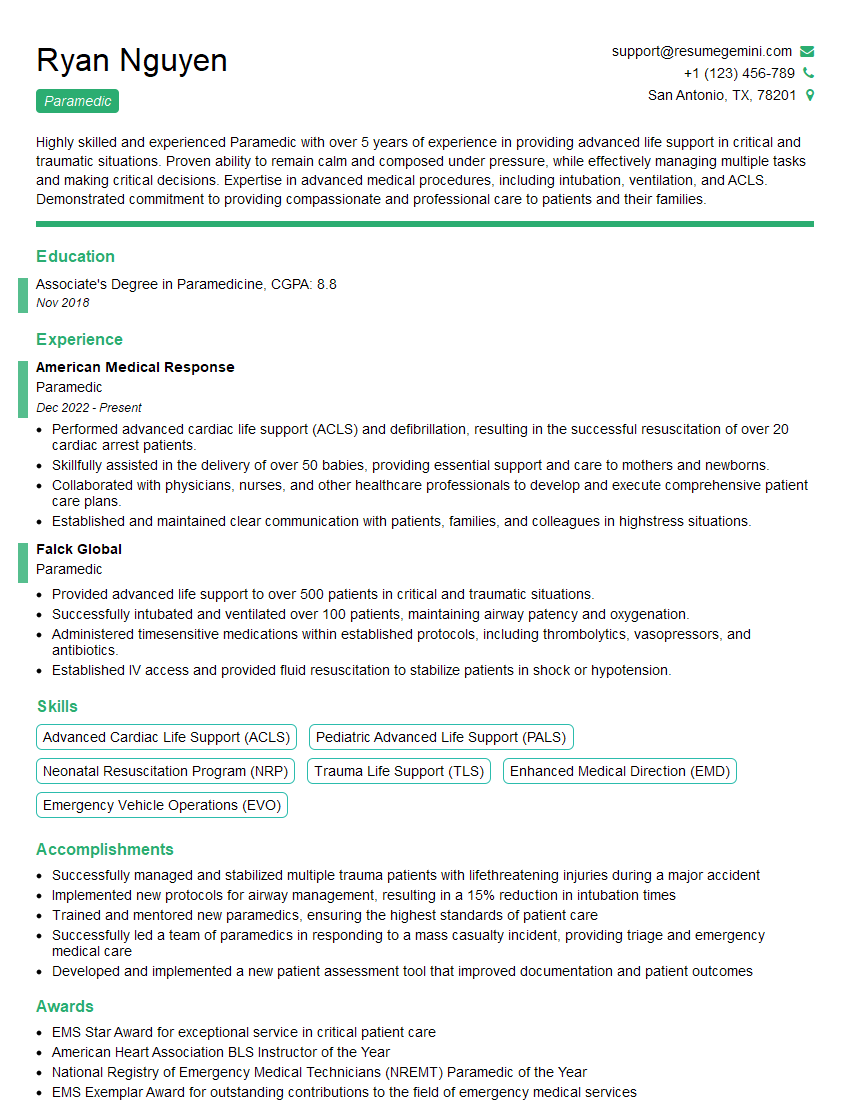
Paramedic Resume Sample
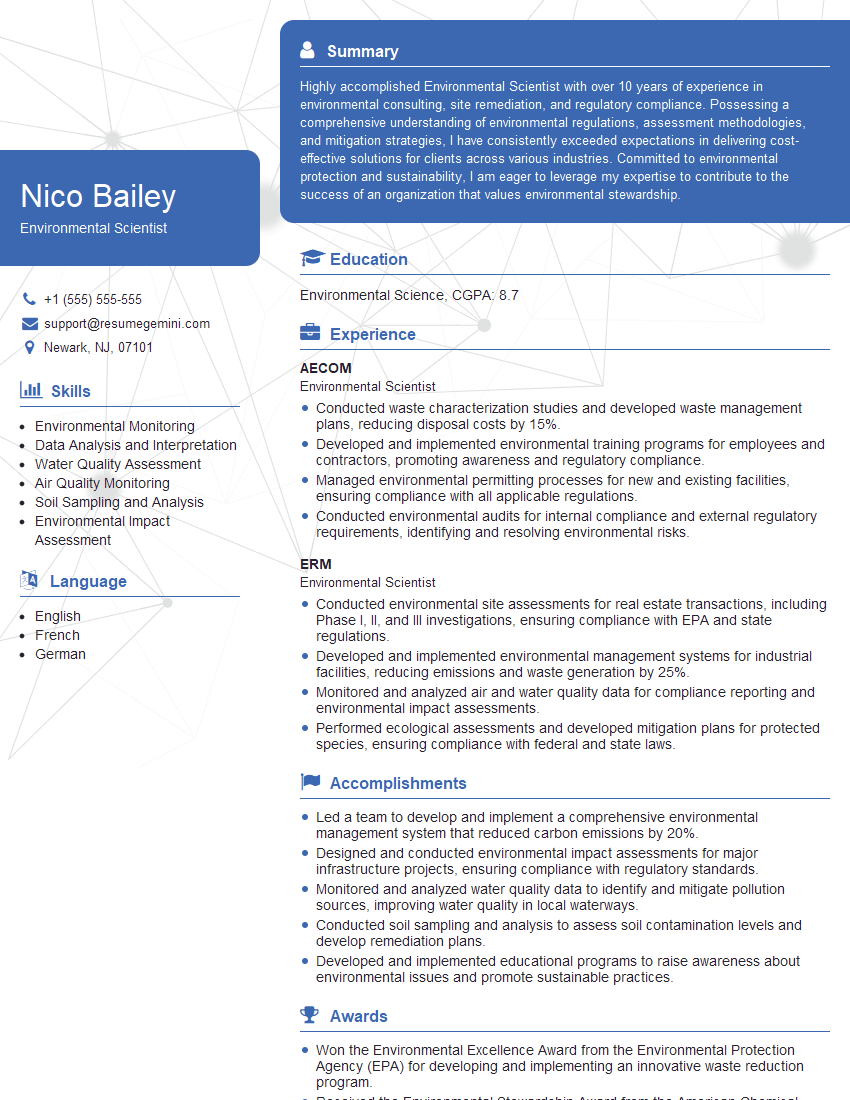
Environmental Scientist Resume Sample
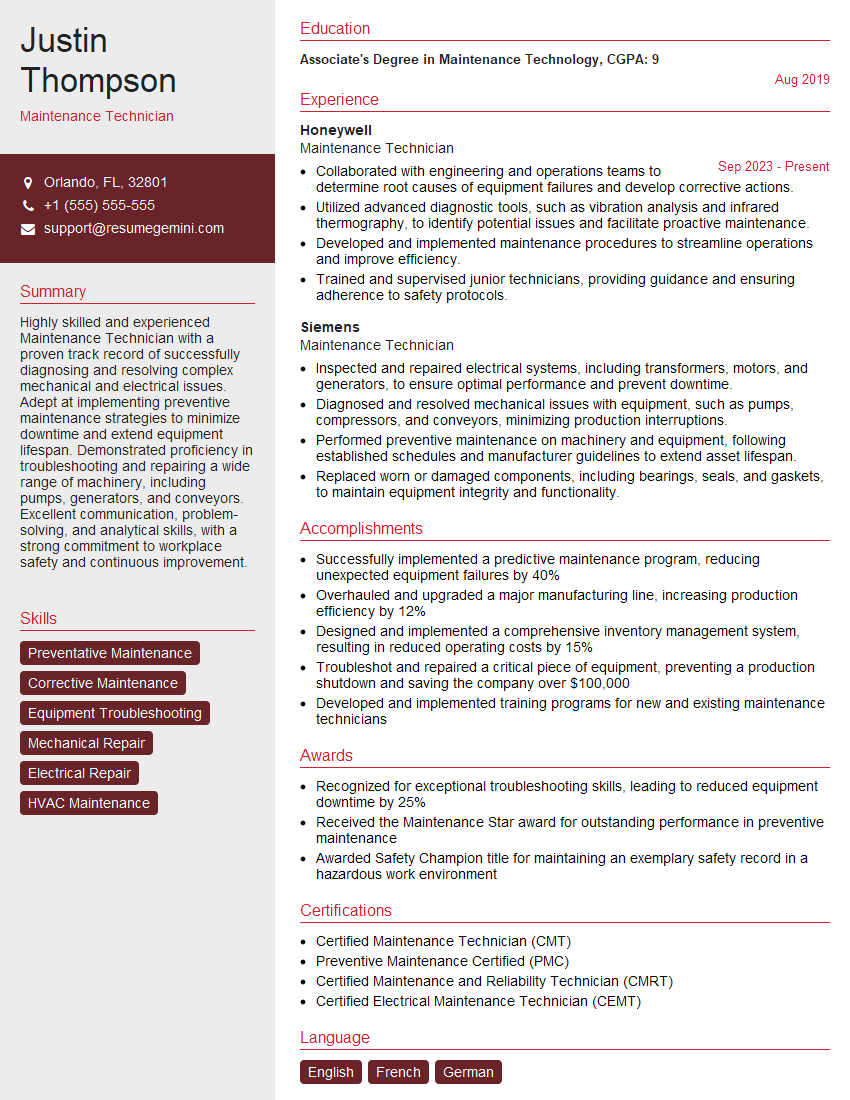
Maintenance Technician Resume Sample
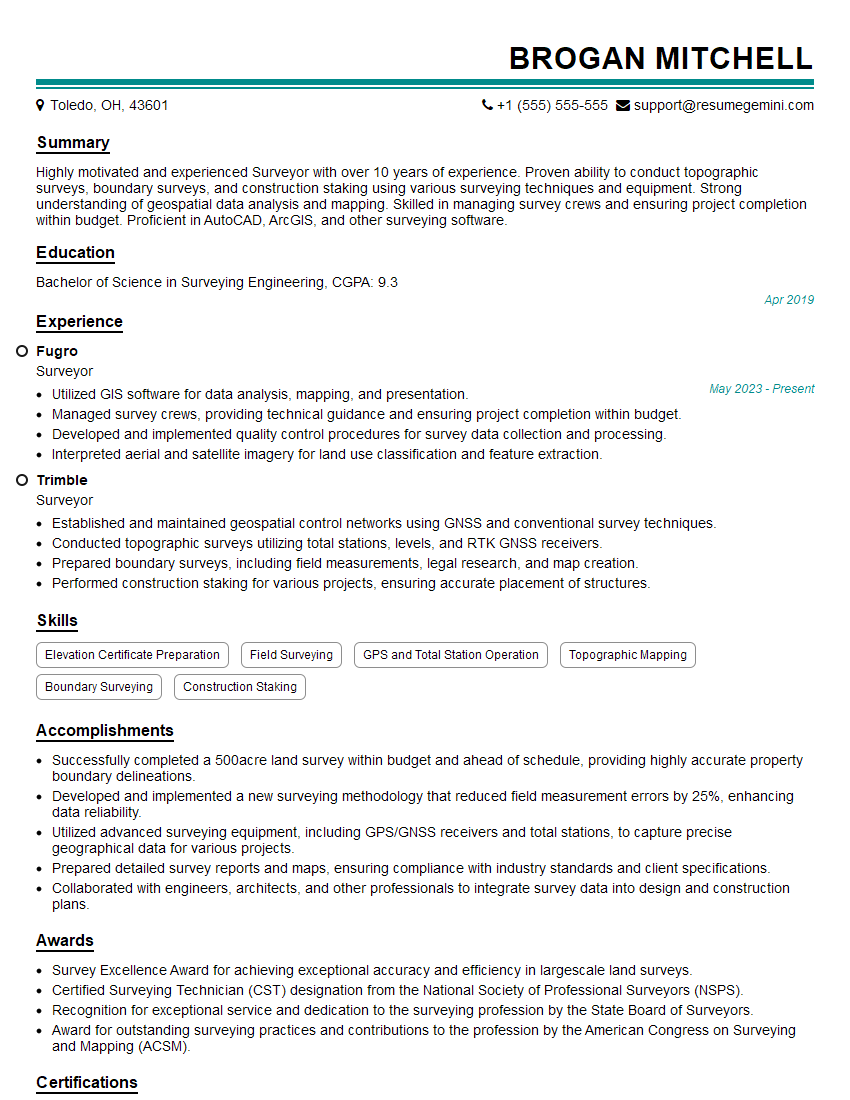
Surveyor Resume Sample
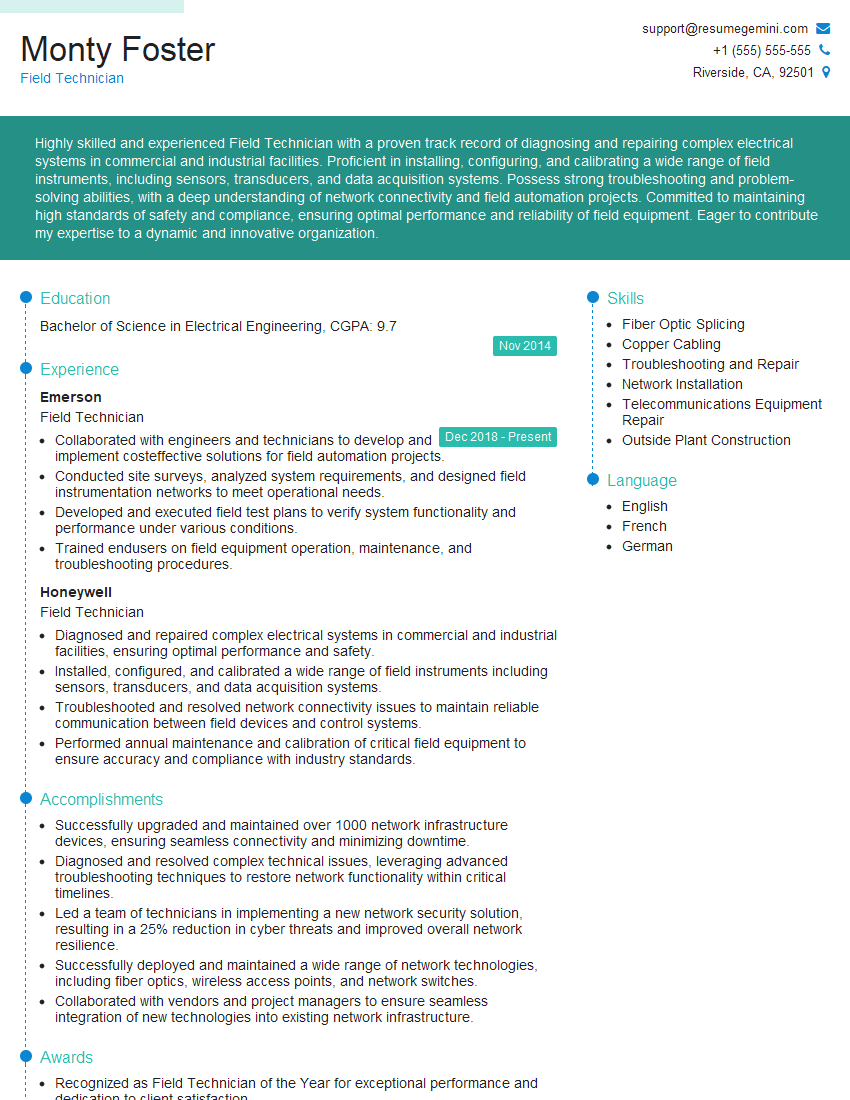
Field Technician Resume Sample
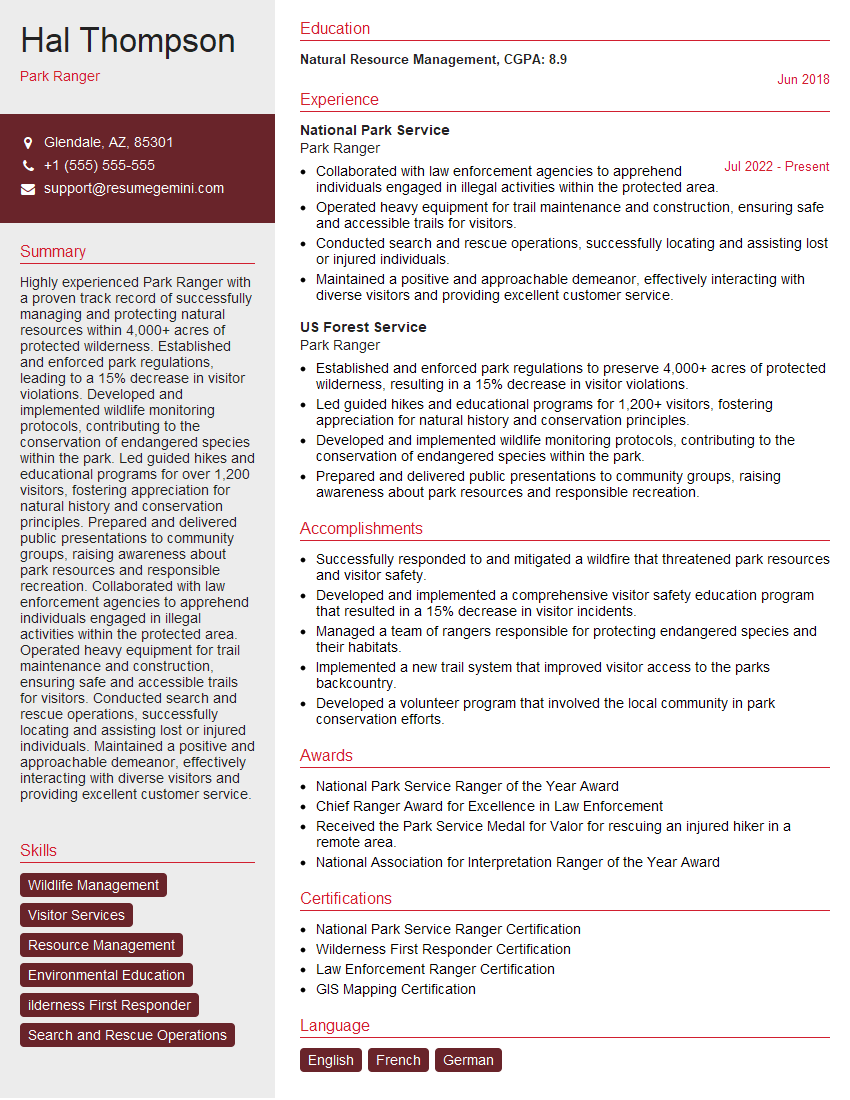
Park Ranger Resume Sample
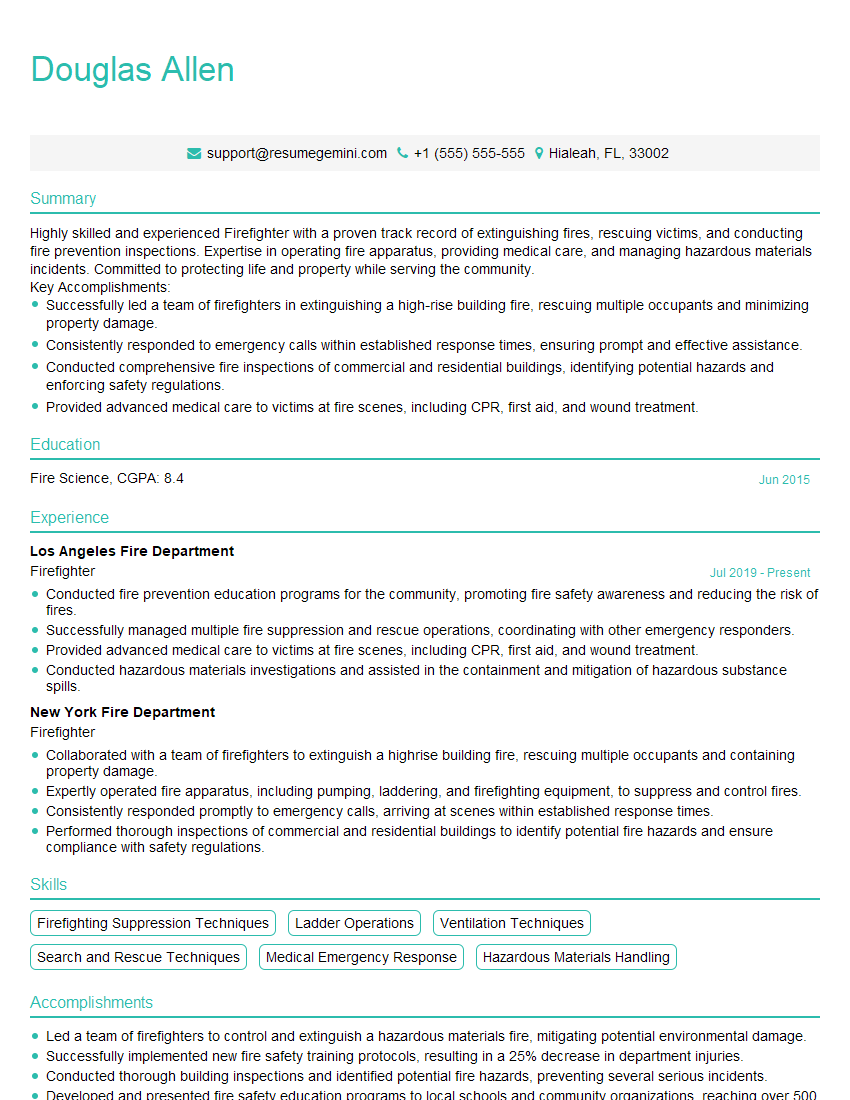
Firefighter Resume Sample
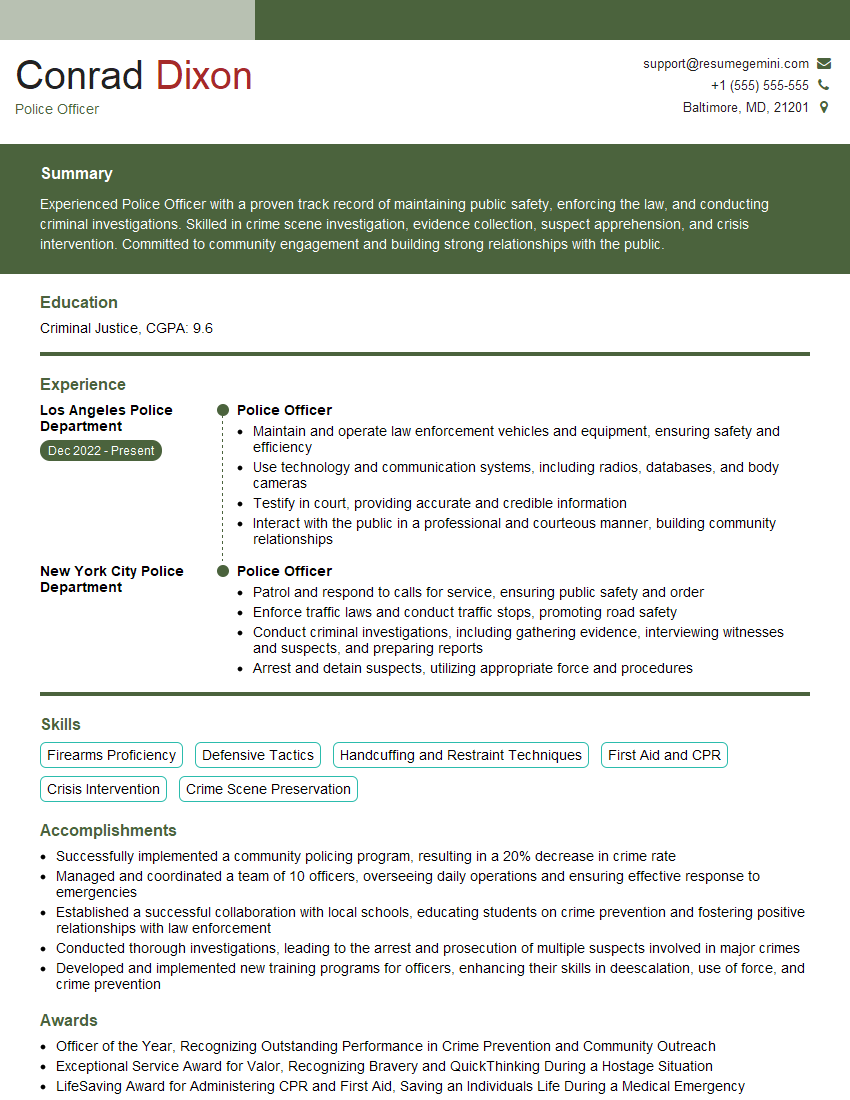
Police Officer Resume Sample
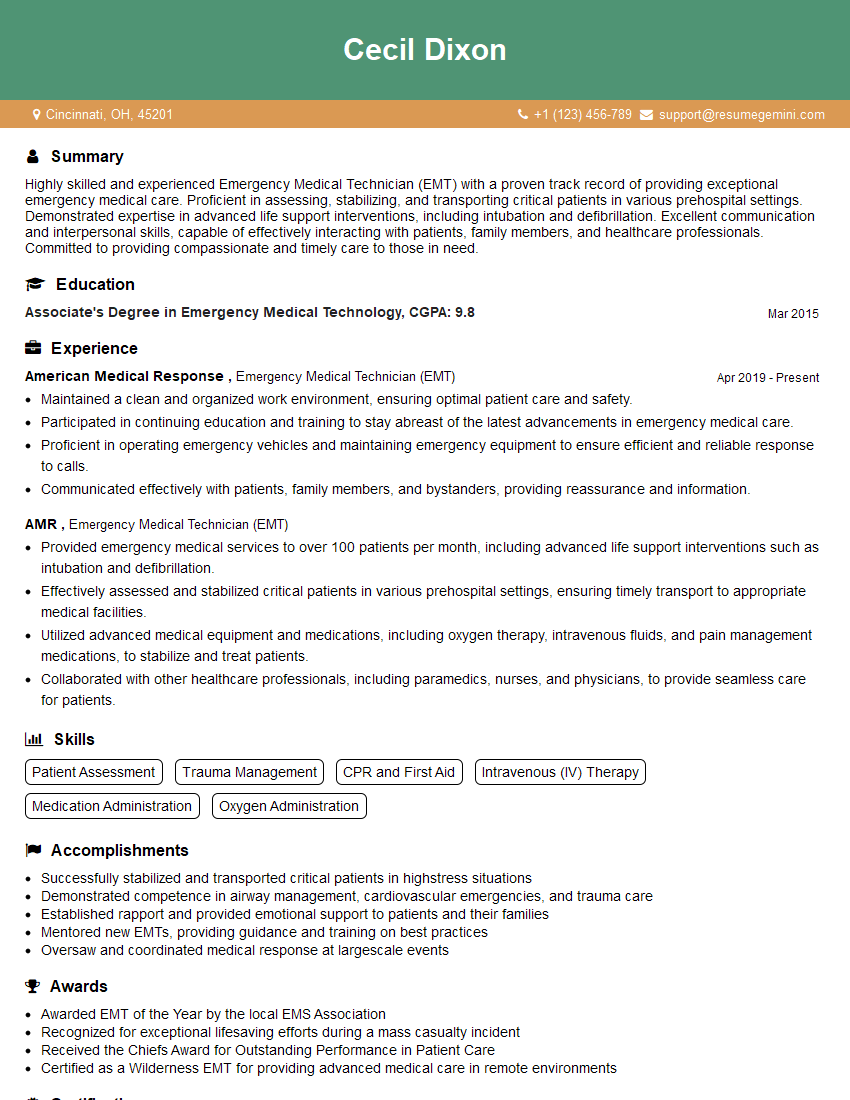
Emergency Medical Technician (EMT) Resume Sample
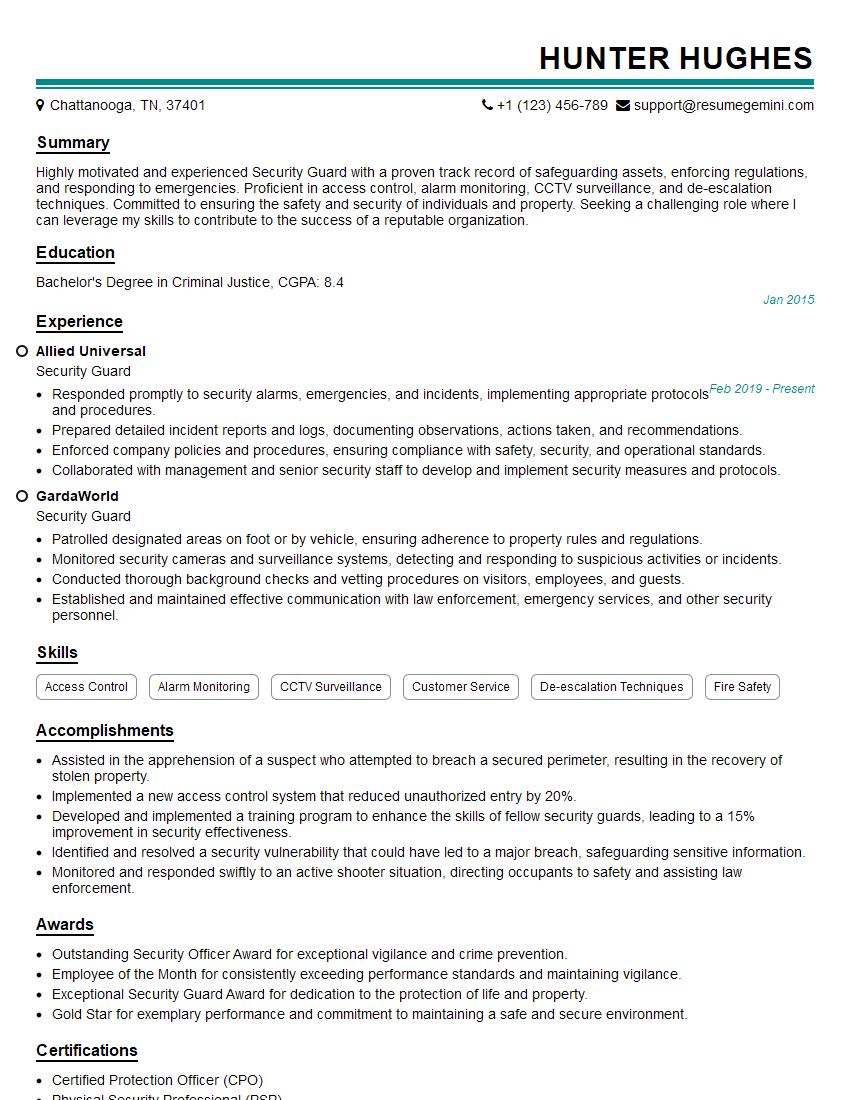
Security Guard Resume Sample
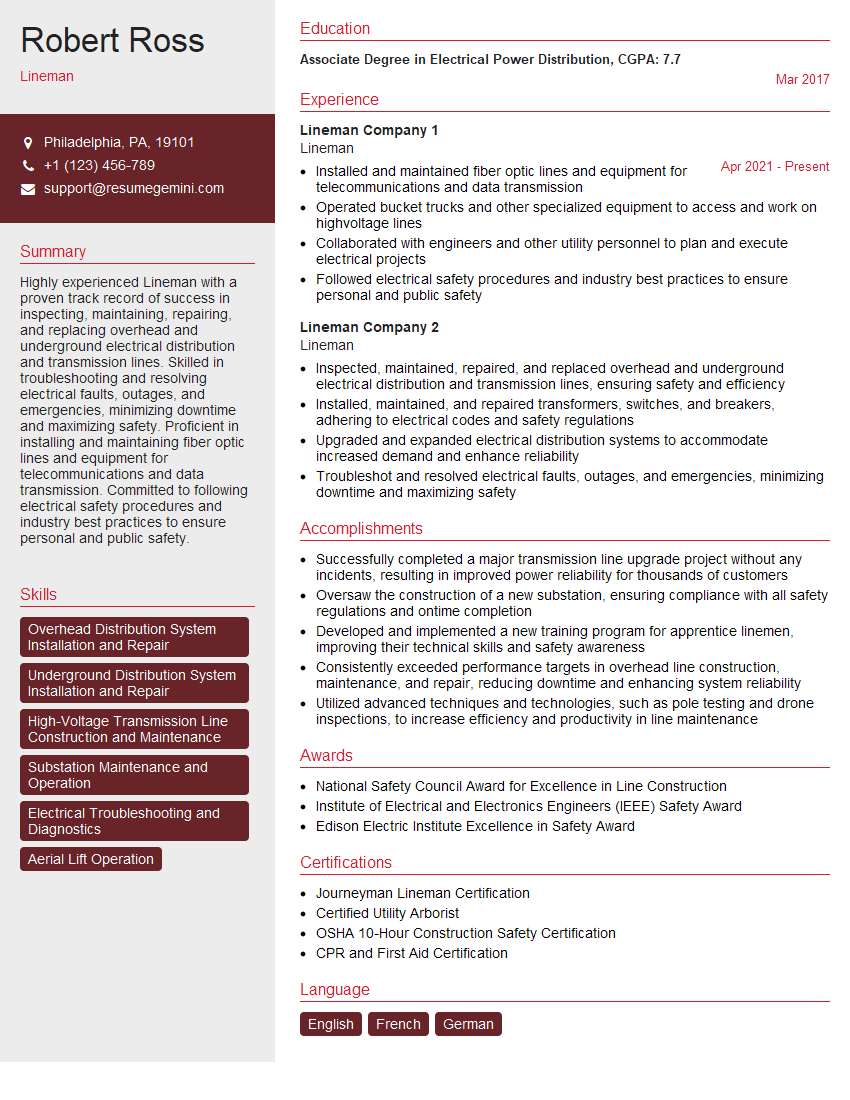
Lineman Resume Sample
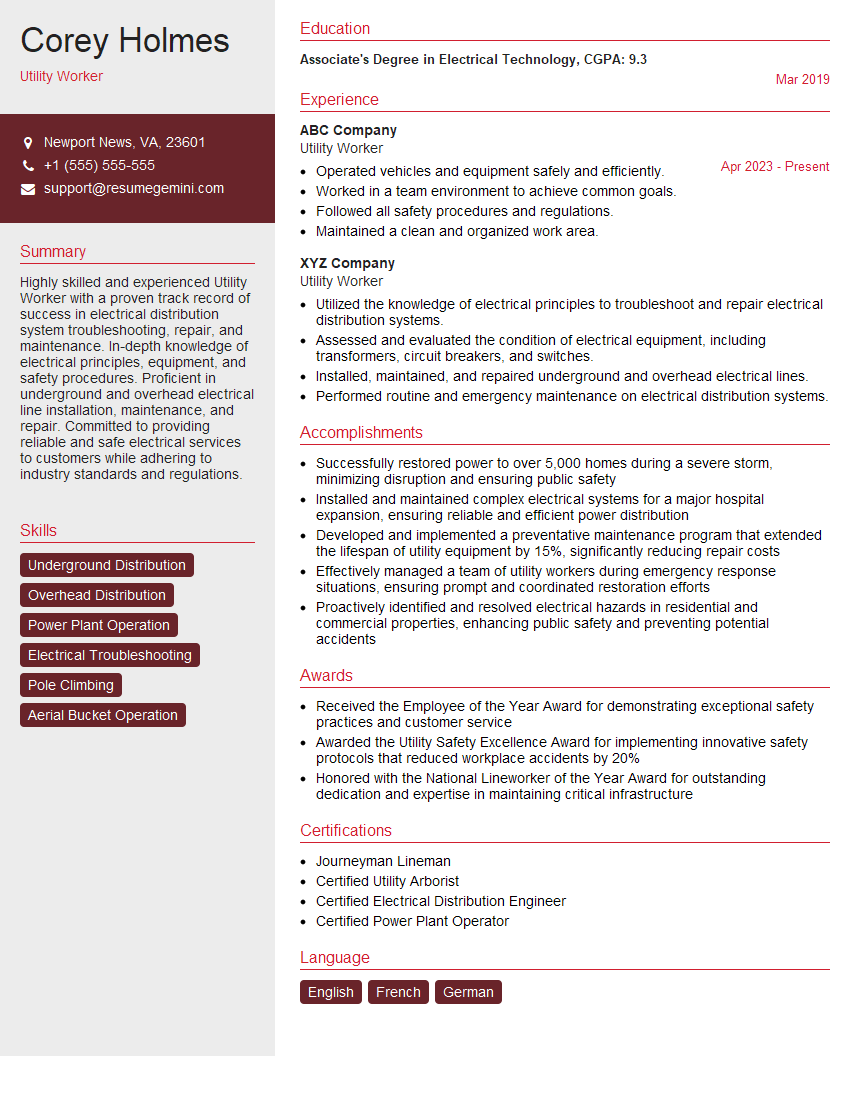
Utility Worker Resume Sample
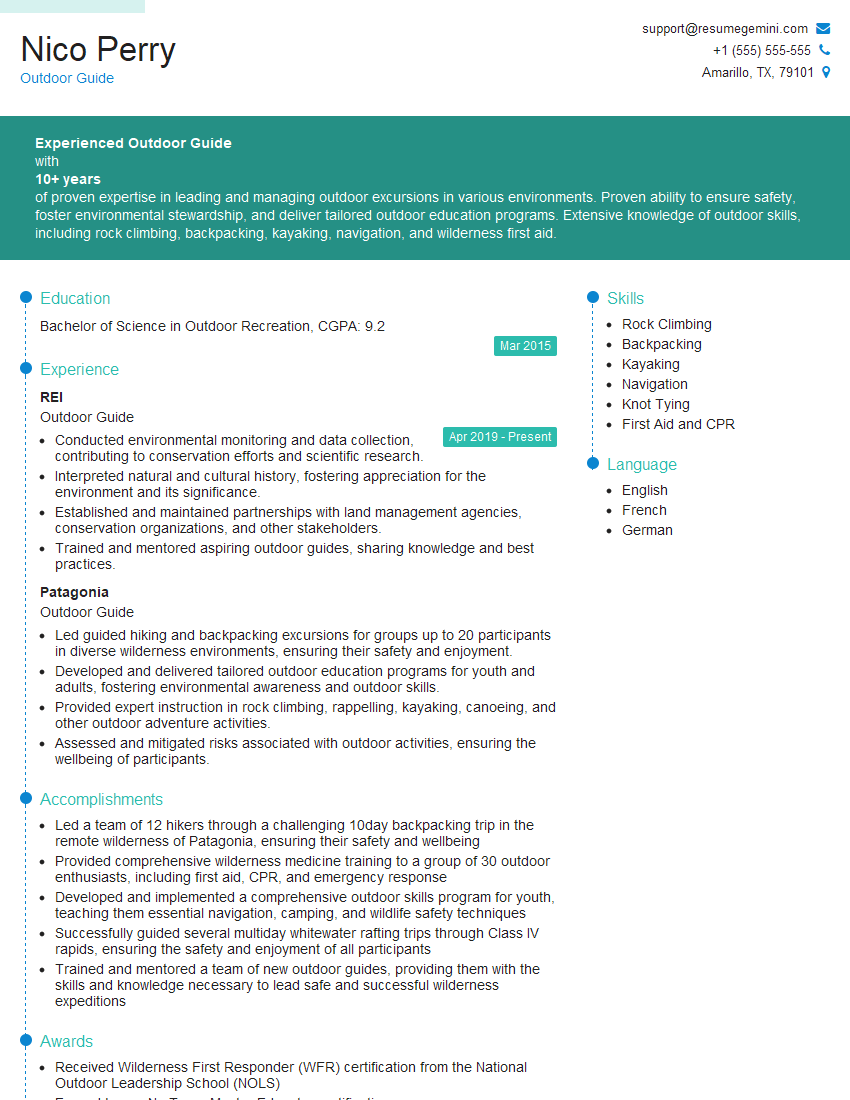
Outdoor Guide Resume Sample
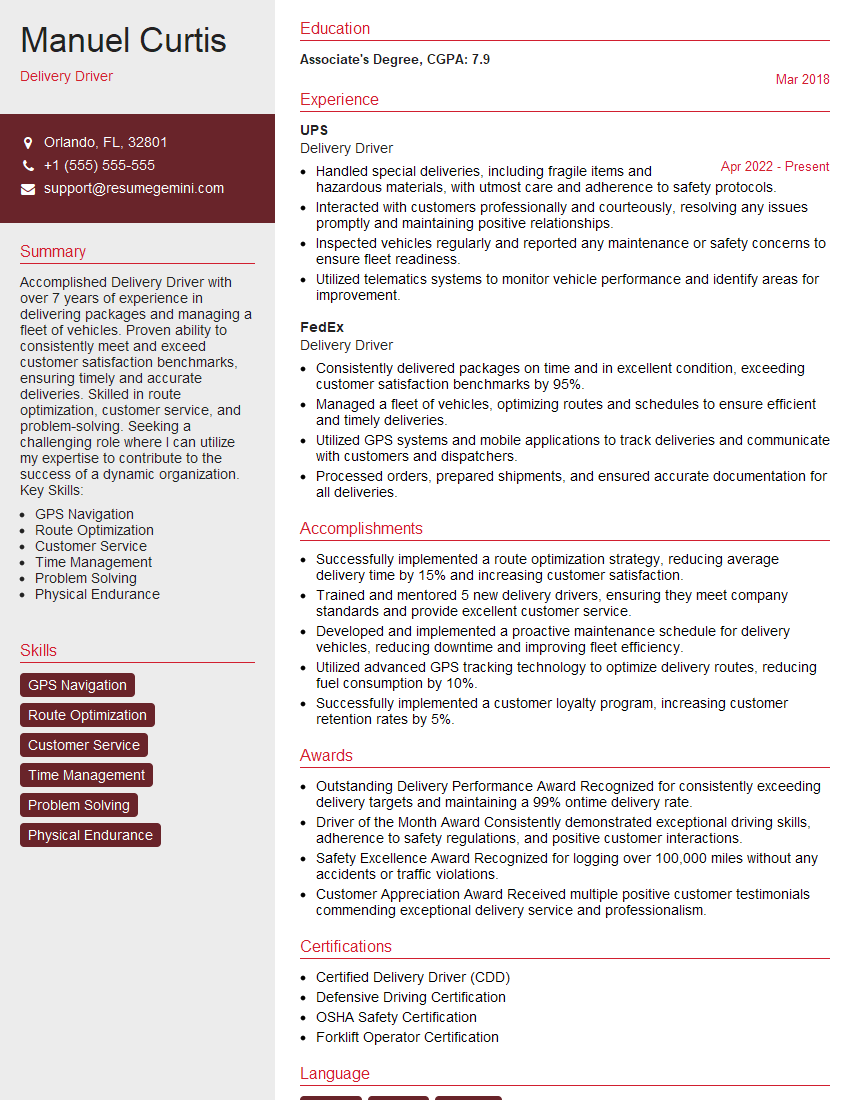
Delivery Driver Resume Sample
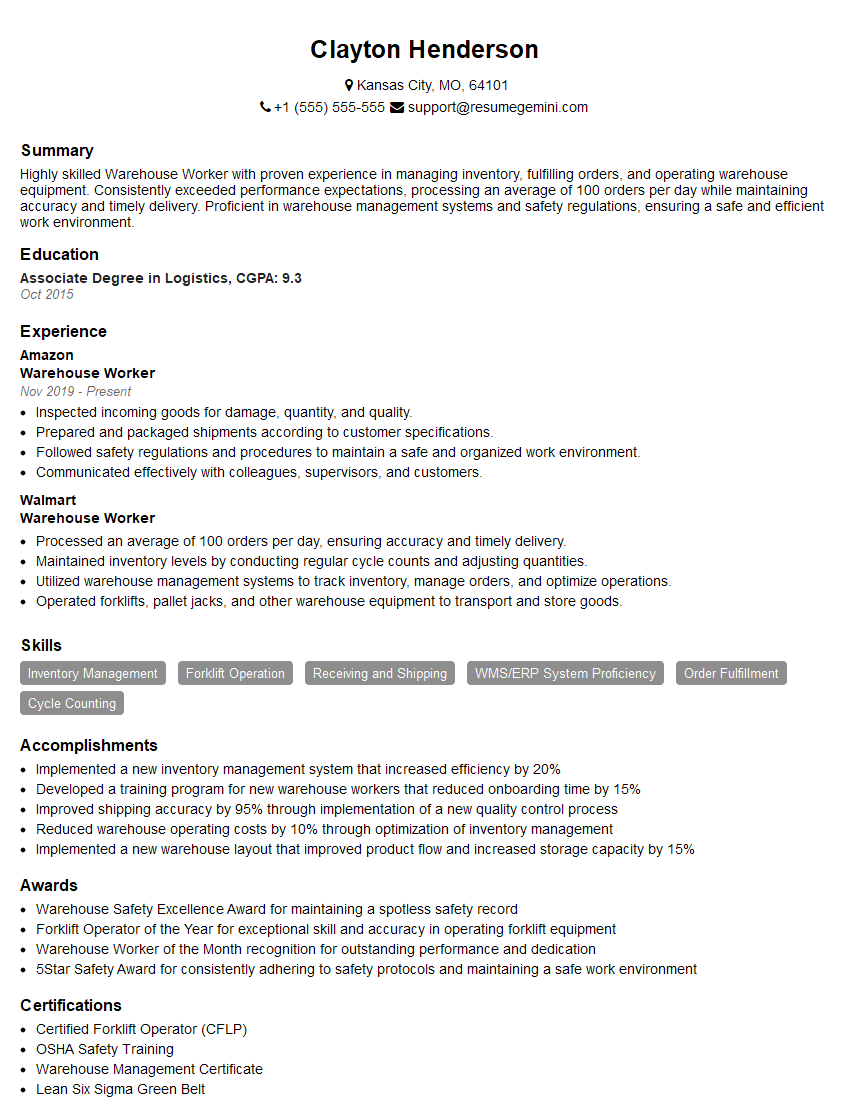
Warehouse Worker Resume Sample
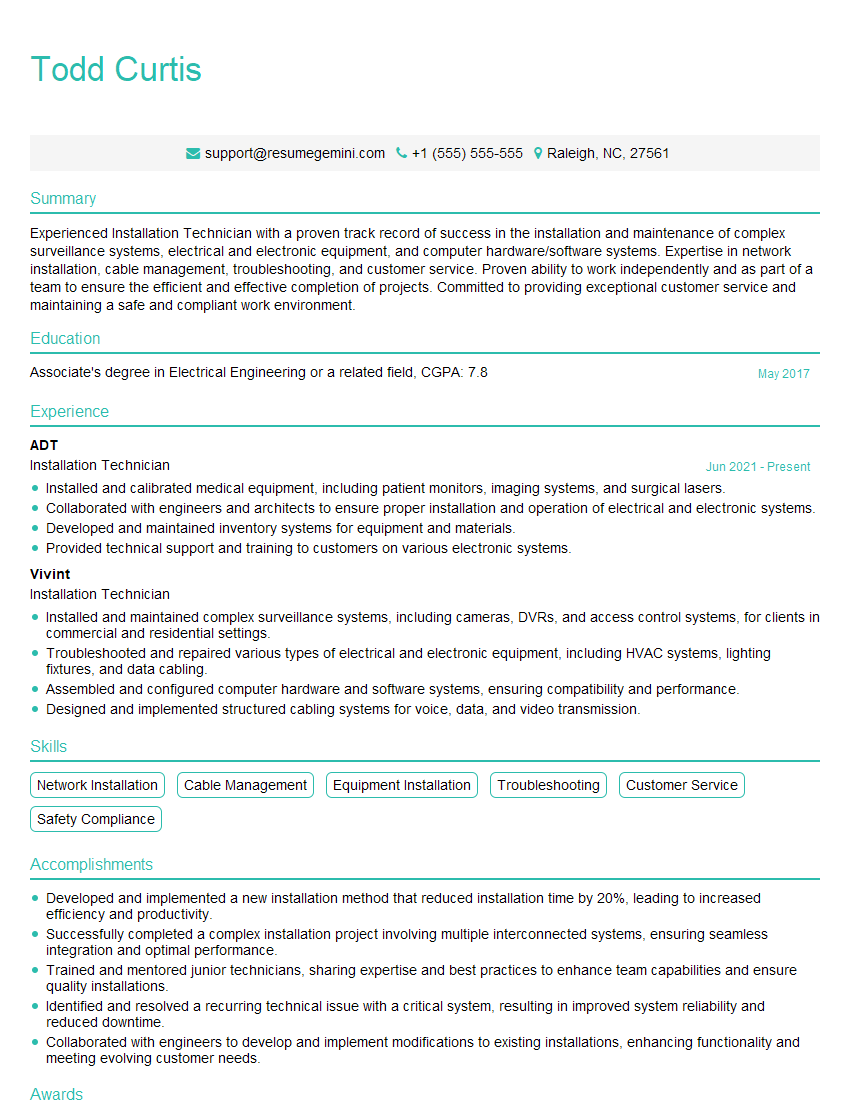
Installation Technician Resume Sample
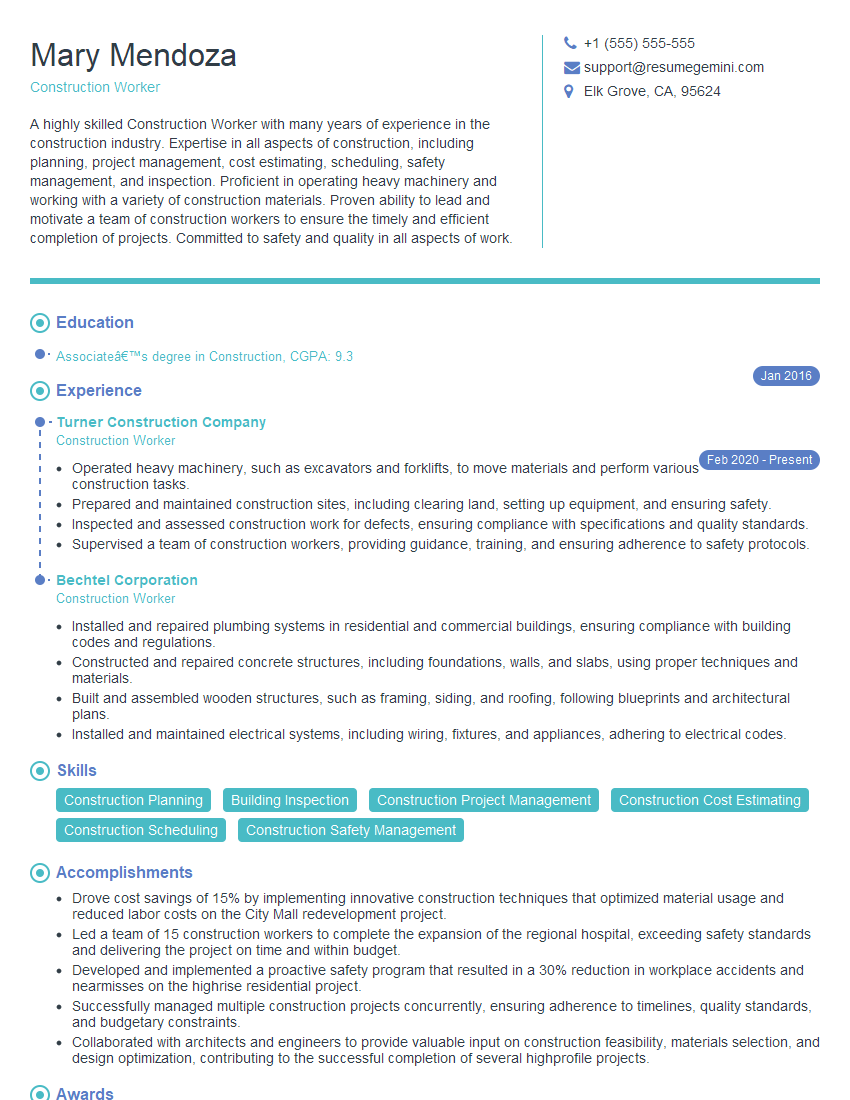
Construction Worker Resume Sample
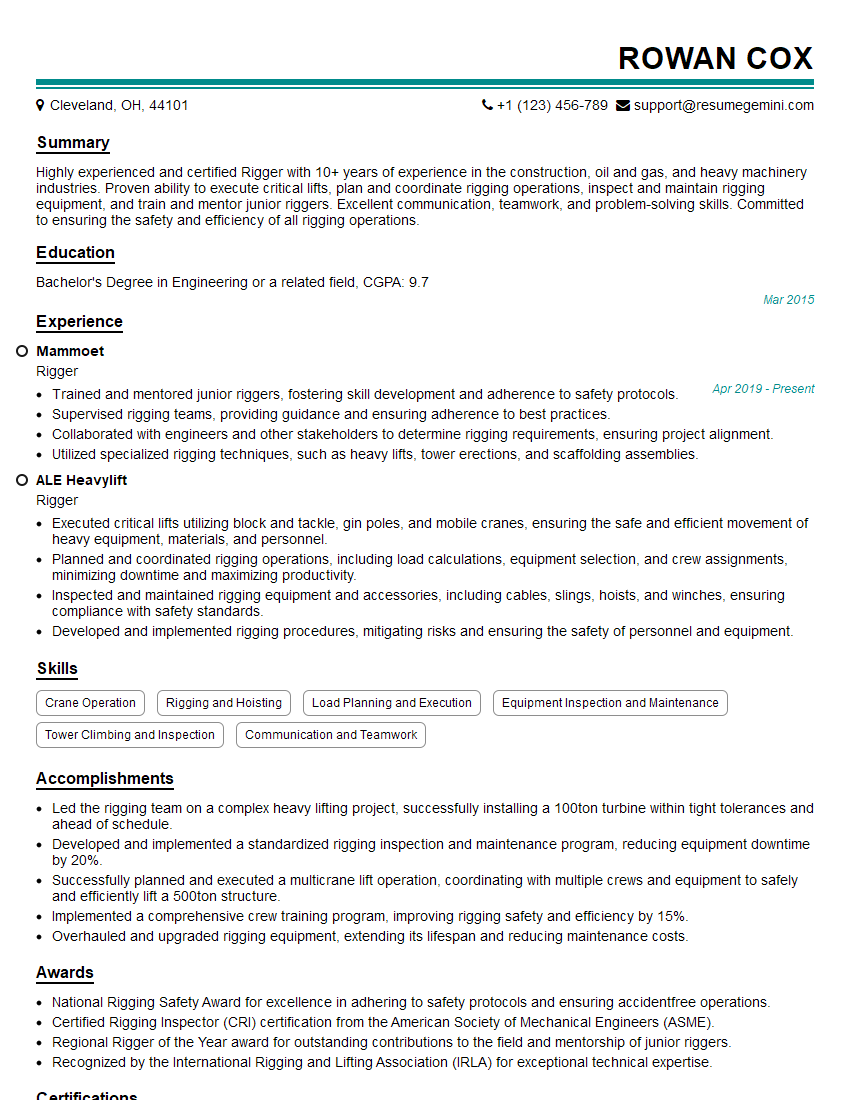
Rigger Resume Sample
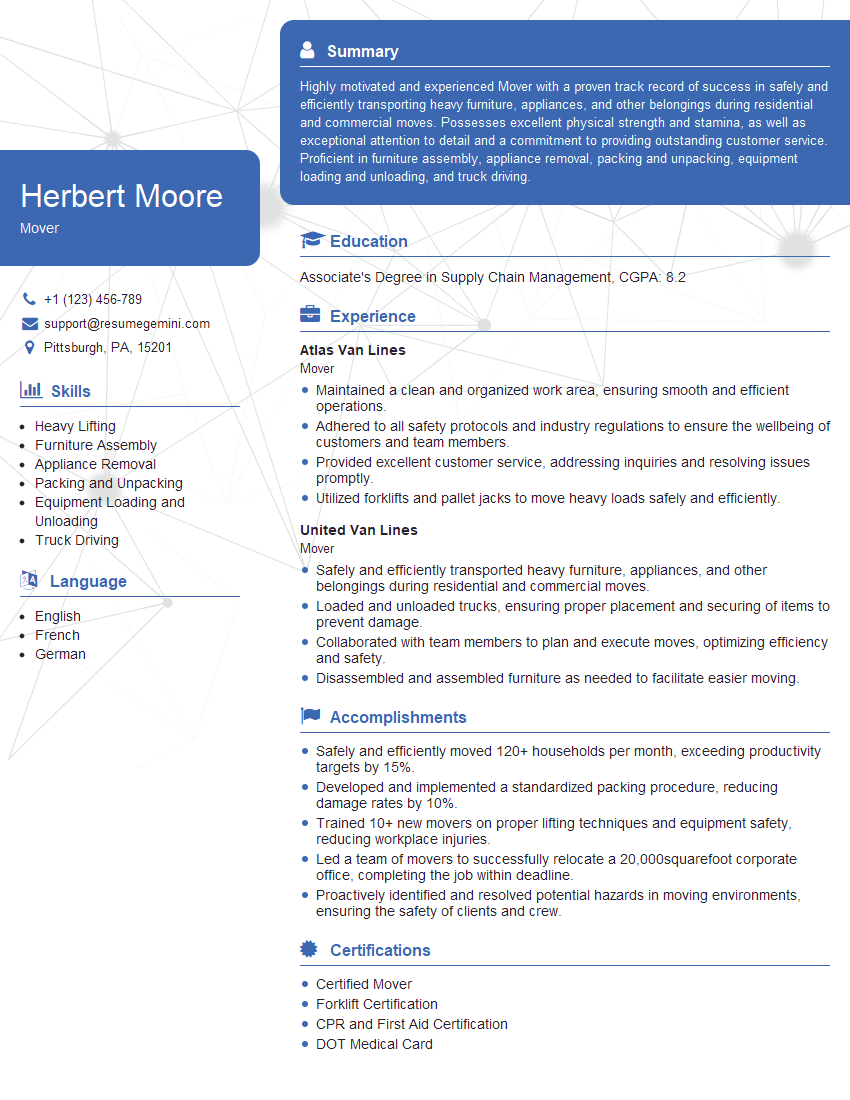
Mover Resume Sample
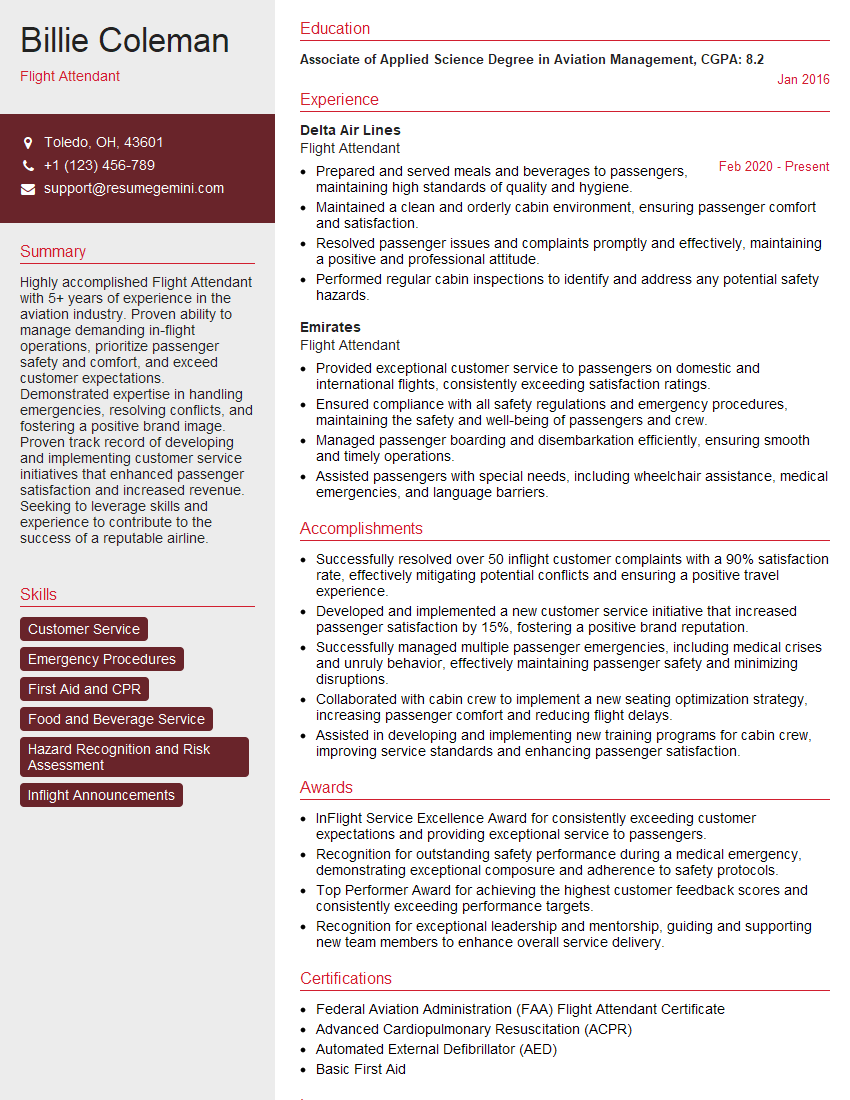
Flight Attendant Resume Sample
- Paramedic
- Environmental Scientist
- Maintenance Technician
- Surveyor
- Field Technician
- Park Ranger
- Firefighter
- Police Officer
- Emergency Medical Technician (EMT)
- Security Guard
- Lineman
- Utility Worker
- Outdoor Guide
- Delivery Driver
- Warehouse Worker
- Installation Technician
- Construction Worker
- Rigger
- Mover
- Flight Attendant
Explore more articles
Users Rating of Our Blogs
Share Your Experience
We value your feedback! Please rate our content and share your thoughts (optional).
What Readers Say About Our Blog
To the interviewgemini.com Webmaster.
Very helpful and content specific questions to help prepare me for my interview!
Thank you
To the interviewgemini.com Webmaster.
This was kind of a unique content I found around the specialized skills. Very helpful questions and good detailed answers.
Very Helpful blog, thank you Interviewgemini team.