Interviews are more than just a Q&A session—they’re a chance to prove your worth. This blog dives into essential Human Intelligence Collection and Analysis interview questions and expert tips to help you align your answers with what hiring managers are looking for. Start preparing to shine!
Questions Asked in Human Intelligence Collection and Analysis Interview
Q 1. Describe the HUMINT collection cycle.
The HUMINT collection cycle is a systematic process for gathering intelligence from human sources. It’s iterative and adaptable, but generally follows these key phases:
- Planning and Targeting: Identifying the intelligence requirement, defining the target, and selecting appropriate collection methods.
- Source Recruitment and Development: Identifying, assessing, recruiting, and developing relationships with potential sources. This is crucial and often the most challenging part, requiring trust-building and careful handling.
- Collection: Gathering the intelligence itself, which could involve interviews, surveillance, document exploitation, or other methods. This stage requires meticulous planning and execution to avoid compromising sources or operations.
- Processing: Organizing and preparing the collected information for analysis. This involves reviewing the raw data, identifying key pieces of information, and verifying its accuracy.
- Analysis: Evaluating the information’s reliability, relevance, and significance to the initial intelligence requirement. This requires critical thinking and an understanding of the source’s biases and motivations.
- Dissemination: Sharing the analyzed intelligence with relevant stakeholders in a timely and secure manner. This is crucial for ensuring the intelligence is used to inform decisions.
- Feedback and Evaluation: Assessing the effectiveness of the entire process, identifying areas for improvement, and adjusting future operations based on lessons learned.
For example, if we needed intelligence on a specific terrorist cell, the planning phase would involve identifying key members, their activities, and potential communication channels. Source recruitment might involve cultivating relationships with individuals within the cell or their social circles. The collection phase might involve clandestine meetings or surveillance, while the analysis would focus on corroborating information from multiple sources.
Q 2. What are the different types of HUMINT sources?
HUMINT sources are broadly categorized, with some sources overlapping:
- Walk-ins: Individuals who voluntarily approach intelligence agencies with information.
- Agents: Individuals recruited and managed by intelligence agencies to provide information on a regular basis. These range from highly trained spies to more casual informants.
- Captured Personnel: Individuals captured during military operations or other activities, who may be questioned for intelligence.
- Defectors: Individuals who voluntarily leave their organization or country to provide information to another entity. This often involves high-stakes risks for the defector.
- Open Sources: Publicly available information, such as news reports, social media, or academic publications, which can provide valuable context and corroboration for intelligence gathered from human sources.
- Double Agents: Individuals who work for multiple intelligence agencies simultaneously, feeding information to all involved. This is a high-risk, high-reward strategy.
Each source type presents unique challenges and opportunities. Walk-ins, for instance, may require careful vetting to determine the veracity of their information. Agents, on the other hand, require sustained management and security.
Q 3. Explain the concept of ‘source reliability’ and how it’s assessed.
Source reliability refers to the trustworthiness and accuracy of information provided by a human source. Assessing reliability is crucial to avoid making decisions based on faulty information. We use a multi-faceted approach:
- Past Performance: Has the source provided accurate information in the past? A track record of accuracy significantly boosts reliability.
- Motivation: What are the source’s motives for providing information? Are they seeking money, protection, revenge, or genuine patriotism? Understanding their motivation helps assess potential biases.
- Source Corroboration: Does the information align with information from other independent sources? Corroboration strengthens the credibility of the intelligence.
- Method of Collection: How was the information obtained? Was it a direct observation, overheard conversation, or secondhand information? The method influences the reliability.
- Behavioral Analysis: Observing the source’s demeanor and behavior during interviews or interactions can reveal inconsistencies or deception.
For example, a source who consistently provides accurate information and has no apparent reason to lie would be considered highly reliable. Conversely, a source offering information that conflicts with other intel and displays nervous behavior would be viewed with skepticism.
Q 4. How do you handle compromised sources?
Handling compromised sources is critical to protect ongoing operations and sources. The immediate response involves:
- Damage Assessment: Determining the extent of the compromise—what information was revealed, and who has access to it.
- Source Reclassification: Reclassifying the source to reflect their compromised status and changing operational protocols.
- Debriefing: Conducting a thorough debriefing with the compromised source to understand how the compromise occurred, what information was revealed, and the source’s intentions.
- Operational Adjustments: Adjusting ongoing operations to mitigate the risks posed by the compromise, possibly terminating operations or changing tactics.
- Legal and Security Review: Assessing any legal ramifications and reviewing existing security protocols to prevent future compromises.
In some cases, a compromised source might be used to gather information on the entity that compromised them, turning a negative situation into a strategic advantage. This requires careful planning and risk assessment.
Q 5. What are the ethical considerations in HUMINT collection?
Ethical considerations are paramount in HUMINT. They include:
- Respect for Human Rights: HUMINT operations must adhere to all relevant human rights laws and standards. Coercion, torture, or other inhumane treatment are strictly prohibited.
- Informed Consent: Sources should be fully informed about the nature of their involvement and the risks involved. Their participation must be voluntary.
- Data Privacy and Security: Collected information must be handled securely and confidentially, protecting the privacy of sources and the security of sensitive intelligence.
- Transparency and Accountability: HUMINT activities should be subject to appropriate oversight and accountability mechanisms to prevent abuse.
- Minimizing Harm: HUMINT operations should be conducted in a way that minimizes harm to innocent individuals and avoids unnecessary risk.
For instance, if a source is providing information about illegal activities, it’s crucial to weigh the need for information against the potential risks to the source and others. The goal is to gather essential intel while upholding ethical standards.
Q 6. Describe your experience in conducting interviews and interrogations.
My experience in conducting interviews and interrogations spans over [Number] years, involving a range of sources and situations. I’ve developed a strong understanding of rapport-building techniques, effective questioning strategies, and methods for detecting deception.
Interviews often involve establishing a trusting relationship with the source, while interrogations require more controlled and structured approaches. In both scenarios, careful preparation is key: researching the source, developing a detailed interview plan, and anticipating potential responses are critical.
I’ve successfully conducted interviews with various individuals—from low-level informants to high-ranking officials—using techniques such as active listening, empathy, and clear communication. In more challenging situations, I’ve adapted my approach to meet the specific circumstances, ensuring the safety and wellbeing of all involved. I am proficient in various interview techniques, including rapport-building, cognitive interviewing, and Reid Technique (with ethical considerations prioritized). Maintaining a professional and objective demeanor while adapting the approach based on the individual and the situation is crucial.
Q 7. How do you assess the credibility of information obtained from human sources?
Assessing the credibility of information from human sources is a crucial aspect of HUMINT analysis. I employ a multi-pronged approach:
- Source Reliability Assessment: As previously discussed, evaluating the source’s past performance, motivation, and potential biases is paramount.
- Information Corroboration: Comparing the information with data from other independent sources—open sources, signals intelligence, or other HUMINT sources—significantly enhances credibility.
- Logical Consistency: Evaluating the internal consistency of the information provided. Are there contradictions or inconsistencies within the source’s account?
- Plausibility Assessment: Does the information align with known facts and existing intelligence? Implausible claims are more likely to be inaccurate.
- Bias Identification: Recognizing and accounting for potential biases in the information provided, understanding the source’s worldview and any personal interests or prejudices.
For instance, if a source claims to have witnessed a specific event, but the claim contradicts physical evidence or other independent accounts, the credibility of the information is significantly diminished. It’s essential to remain skeptical, critically evaluate the information, and seek corroborating evidence before reaching conclusions.
Q 8. Explain different techniques for building rapport with human sources.
Building rapport with human sources is crucial for successful HUMINT. It’s about establishing trust and creating a relationship where the source feels comfortable sharing information. This isn’t about manipulation; it’s about genuine connection. Effective rapport-building involves several techniques:
- Active Listening: Truly hearing and understanding the source’s perspective. This shows respect and encourages open communication. For example, I once worked with a source who was hesitant at first. By actively listening to their concerns and validating their feelings, I built trust and eventually they provided crucial information.
- Empathy and Understanding: Placing yourself in the source’s shoes and demonstrating compassion for their situation. Understanding their motivations and anxieties is key. If a source is worried about repercussions, acknowledging their fears and addressing them directly can significantly improve trust.
- Mutual Respect: Treating the source as an equal partner in the information exchange. This involves valuing their time and knowledge, and respecting their boundaries. I always ensure sources know they can withdraw at any time and their cooperation is voluntary.
- Establishing Common Ground: Finding shared interests or experiences to create a connection. This could be anything from hobbies to shared cultural backgrounds. A shared experience can instantly build trust and encourage a more open atmosphere.
- Patience and Persistence: Rapport building takes time and effort. It’s not a quick fix. You may have to meet several times before the source feels comfortable sharing sensitive information. This requires patience and the ability to build a long-term relationship.
Q 9. How do you manage sensitive information obtained through HUMINT?
Managing sensitive HUMINT information requires strict adherence to security protocols. This involves:
- Classification and Handling: All information is classified according to its sensitivity, and handling procedures are strictly followed. This includes secure storage, access control, and transmission methods. For instance, highly classified information would require encrypted communication and storage in a secure facility.
- Need-to-Know Basis: Information is shared only with individuals who have a legitimate need to know, based on their roles and responsibilities. This minimizes the risk of unauthorized disclosure.
- Data Encryption: Sensitive data is encrypted both at rest and in transit to prevent unauthorized access. This is critical for protecting the information from cyber threats and physical theft.
- Secure Communication Channels: Using secure communication channels for transmitting sensitive information, such as encrypted email or secure messaging applications.
- Regular Audits and Reviews: Conducting regular audits and reviews of security protocols to ensure they are effective and updated to counter emerging threats. These include checks on access logs and security procedures.
- Compartmentalization: Dividing information into compartments to limit the exposure and damage should a breach occur. This ensures that the compromise of one piece of information doesn’t compromise the entire operation.
Q 10. How do you handle conflicting information from multiple sources?
Conflicting information from multiple sources is a common challenge in HUMINT. Resolving these discrepancies requires a systematic approach:
- Source Evaluation: Assessing the reliability and credibility of each source. This includes considering their motivations, biases, and past track record. For example, a source with a history of providing accurate information carries more weight than a source with a history of misinformation.
- Triangulation: Corroborating information from multiple independent sources. If several sources provide the same information, it increases the likelihood of accuracy. Conversely, conflicting information necessitates further investigation.
- Contextual Analysis: Examining the information within its broader context. This involves considering geopolitical factors, historical trends, and other relevant intelligence to help determine which information is more likely to be accurate.
- Open-Source Intelligence (OSINT): Using publicly available information to verify or refute information obtained from human sources. OSINT can provide additional context and help to corroborate or contradict source claims.
- Further Investigation: If discrepancies remain unresolved, further investigation is necessary to gather additional evidence and clarify the inconsistencies. This could involve additional interviews, surveillance, or technical intelligence gathering.
Ultimately, the goal is to arrive at the most likely interpretation of the available evidence, acknowledging any remaining uncertainties.
Q 11. Describe your experience with report writing and intelligence product development.
My experience in report writing and intelligence product development spans several years, encompassing various formats and target audiences. I’ve produced everything from concise, single-page briefings for senior leadership to detailed analytical reports for operational teams. My reports consistently follow a structured format:
- Executive Summary: A brief overview of the key findings.
- Background: Contextual information setting the stage for the analysis.
- Analysis: A detailed assessment of the available information, considering different perspectives and potential biases.
- Findings/Conclusions: Clear and concise statements summarizing the main conclusions drawn from the analysis.
- Recommendations: Specific suggestions based on the findings (if applicable).
- Appendices (if necessary): Supporting data, raw intelligence, or other relevant materials.
I’m proficient in using various analytical techniques, including trend analysis, scenario planning, and link analysis, to develop insightful intelligence products. A recent project involved producing a weekly assessment of an evolving geopolitical situation that influenced decision-making at the highest levels.
Q 12. Explain the importance of tradecraft in HUMINT.
Treadcraft in HUMINT refers to the methods and techniques used to collect and analyze human intelligence while minimizing risks. It’s the art and science of covert operations and relationship-building. Its importance cannot be overstated.
- Source Recruitment and Management: Safe and effective recruitment, management, and handling of sources, including cultivating trust and maintaining operational security.
- Covert Communication: Secure methods for communication with sources to avoid detection and ensure information privacy.
- Surveillance and Reconnaissance: Gathering information through observation and monitoring.
- Debriefing Techniques: Effective strategies to elicit information during interviews or debriefings with sources, minimizing bias and promoting honesty.
- Counterintelligence: Safeguarding intelligence operations from enemy detection and sabotage.
- Operational Security (OPSEC): Protecting sources and operations by mitigating potential risks.
Without proper tradecraft, operations could be compromised, sources exposed, and valuable information lost. It’s a critical component ensuring both mission success and the safety of those involved.
Q 13. How do you identify and mitigate risks associated with HUMINT operations?
HUMINT operations inherently involve significant risks, including exposure, compromise, legal ramifications, and even physical harm. Risk mitigation is paramount and involves several steps:
- Thorough Planning and Risk Assessment: Identifying potential risks before initiating any operation. This involves considering all possible scenarios and developing mitigation strategies.
- Compartmentalization: Limiting access to sensitive information on a need-to-know basis to minimize potential damage from compromise.
- Security Measures: Implementing appropriate security measures to protect sources, communication channels, and collected information (encryption, secure locations).
- Source Vetting and Management: Rigorously vetting potential sources to assess their reliability and trustworthiness, managing sources carefully to avoid detection.
- Contingency Planning: Developing plans for various contingencies, such as source defection, betrayal, or operational compromise.
- Legal and Ethical Considerations: Ensuring all operations adhere to applicable laws and ethical guidelines. This includes respecting human rights and avoiding illegal activities.
Each risk is unique and requires a tailored approach. For example, the risks associated with a clandestine meeting in a high-risk environment are vastly different from those involving a long-term relationship with a source.
Q 14. What are some common challenges in HUMINT collection and analysis?
HUMINT faces several significant challenges:
- Source Recruitment and Reliability: Finding and recruiting trustworthy sources who are willing to provide reliable information can be difficult and time-consuming. Sources may have ulterior motives, be unreliable or only partially truthful, or may be compromised.
- Operational Security: Protecting sources and operations from detection and compromise is crucial, requiring careful planning and execution.
- Information Accuracy and Verification: Verifying the accuracy of information from human sources is crucial, but can be challenging, demanding thorough investigation and cross-referencing.
- Maintaining Confidentiality: Protecting the identities of sources and the details of operations is vital, requiring strict adherence to security protocols.
- Ethical Considerations: Balancing the need for information gathering with ethical considerations is critical. This necessitates thoughtful consideration of human rights and the potential consequences of actions.
- Technological Advancements: Technological advancements such as sophisticated surveillance technologies impact HUMINT operations, demanding adaptation and innovation in countermeasures.
Overcoming these challenges requires meticulous planning, strong operational security, and a commitment to ethical and legal standards.
Q 15. How do you prioritize competing intelligence requirements?
Prioritizing competing intelligence requirements is a critical skill, akin to a conductor managing an orchestra. Each instrument (requirement) has its own melody (urgency and importance), and the conductor must ensure a harmonious performance (effective intelligence gathering). We use a multi-faceted approach. First, we assess the urgency and importance of each requirement. Urgency considers the time sensitivity – is this needed now, or can it wait? Importance assesses the potential impact on the overall mission or objective. A simple matrix can help visualize this – high urgency/high importance gets top priority. Second, we consider resource constraints. Do we have enough analysts, budget, or access to sources to handle all requirements simultaneously? This might require prioritizing requirements that leverage existing resources or offer the greatest return on investment (ROI). Finally, we consider the potential consequences of not addressing a requirement – this includes potential risks and opportunities that could be missed. For example, if intelligence suggests an imminent threat, that would supersede a requirement with a longer timeframe, even if the latter had higher overall importance.
In practice, this often involves iterative prioritization. As new information comes in, priorities may shift. For example, a seemingly low-priority requirement might suddenly become crucial if new events unfold. Constant reassessment and communication with stakeholders are key to effective prioritization.
Career Expert Tips:
- Ace those interviews! Prepare effectively by reviewing the Top 50 Most Common Interview Questions on ResumeGemini.
- Navigate your job search with confidence! Explore a wide range of Career Tips on ResumeGemini. Learn about common challenges and recommendations to overcome them.
- Craft the perfect resume! Master the Art of Resume Writing with ResumeGemini’s guide. Showcase your unique qualifications and achievements effectively.
- Don’t miss out on holiday savings! Build your dream resume with ResumeGemini’s ATS optimized templates.
Q 16. Explain your understanding of different intelligence methodologies.
Human intelligence (HUMINT) methodologies encompass a range of techniques for collecting and analyzing information from human sources. These methodologies are not mutually exclusive; often, a combination is employed. Think of it as a toolbox, and the skilled HUMINT professional chooses the right tool for the job.
- Open Source Intelligence (OSINT): This involves gathering information from publicly available sources like news articles, social media, and government websites. It’s the first step, providing context and identifying potential leads.
- Direct HUMINT: This involves direct interaction with sources, such as interviews, debriefings, and interrogations. Building rapport and trust is vital for eliciting accurate information. Techniques vary from casual conversations to more structured interviews, depending on the source and information required.
- Indirect HUMINT: This involves gathering information from sources who have information about the target but are not directly involved. This often relies on developing a network of contacts and using trusted intermediaries.
- Measurement and Signatures Intelligence (MASINT): Although often considered a separate intelligence discipline, MASINT can significantly inform HUMINT operations. For example, analyzing communications patterns gleaned from MASINT can reveal patterns that help target sources for HUMINT collection.
Each methodology requires a unique approach. For example, while OSINT is relatively low-risk, direct HUMINT requires careful planning and risk mitigation, ensuring operational security and source protection. Ethical considerations are paramount in all methodologies.
Q 17. Describe your experience using analytic tools and techniques.
I have extensive experience utilizing a variety of analytic tools and techniques. These include:
- Data visualization tools: Tools like Tableau and Power BI allow me to represent complex datasets in easily understandable charts and graphs, facilitating pattern recognition and insightful communication.
- Link analysis software: Applications like Gephi help map relationships between individuals, organizations, and events, identifying key players and potential connections within a network.
- Text mining and natural language processing (NLP): Tools like Python libraries (NLTK, spaCy) help sift through large volumes of textual data, extracting key themes, entities, and sentiments, ultimately providing concise summaries of large document sets.
- Geospatial analysis software: ArcGIS and QGIS allow integration of geographic data with other intelligence to create visual representations, such as mapping activity patterns or visualizing the geographic dispersion of a network.
I’m proficient in using these tools to analyze diverse data types, including text, images, and geospatial data, often integrating them for a holistic view. For example, during a recent investigation, using link analysis software coupled with geospatial analysis allowed us to expose the network of a criminal organization, visualizing their operational activities and key players.
Q 18. How do you ensure the accuracy and validity of your analysis?
Ensuring accuracy and validity is paramount. It’s like building a strong house – a shaky foundation will lead to collapse. My approach is multi-pronged:
- Source validation: We rigorously assess the credibility and reliability of sources by cross-referencing information, evaluating their motivation, and considering their past performance. Triangulation, confirming information from multiple independent sources, is crucial.
- Data corroboration: We compare information from different sources and methods to identify discrepancies and build a comprehensive picture. Inconsistencies require further investigation to resolve ambiguities.
- Bias awareness: We acknowledge and mitigate biases, both cognitive and those inherent in the data itself. This includes understanding our own biases and those of our sources. Techniques like structured analytic techniques help reduce these biases.
- Peer review and quality control: My analyses undergo rigorous peer review by experienced colleagues to detect flaws and refine conclusions. This collaborative review helps eliminate individual biases and improves the overall quality and robustness of the work.
Documentation is essential – maintaining a clear audit trail of all sources, methodologies, and assumptions allows for transparency, reproducibility, and accountability.
Q 19. How do you present your findings to different audiences?
Presenting findings effectively to diverse audiences requires tailoring the message to their specific needs and understanding. Imagine explaining quantum physics to a five-year-old versus a physicist – the approach differs drastically. I adapt my presentation style to the audience:
- Technical audiences: For colleagues, I provide detailed analyses, including methodologies, sources, and uncertainties. I use technical jargon appropriately, expecting a high level of understanding.
- Policymakers: I focus on the key findings, implications, and policy recommendations, using clear and concise language, avoiding jargon. Visual aids such as charts and graphs are invaluable.
- Public audiences: I use plain language, analogies, and relatable examples to convey complex information. Clarity, accuracy, and brevity are crucial.
The format also varies – briefings, reports, presentations, and even informal conversations are used depending on the audience and context. In every instance, transparency and honesty about the limitations of the analysis are crucial for maintaining credibility.
Q 20. Describe your experience working in a team environment.
Teamwork is the cornerstone of effective intelligence analysis. It’s akin to a sports team where each player has a specific role, but the ultimate goal is a collective victory. My experience working in team environments emphasizes collaboration, communication, and mutual respect:
- Collaboration: I actively contribute to brainstorming sessions, sharing my expertise, and integrating diverse perspectives to build a more comprehensive understanding.
- Communication: I effectively communicate my ideas, both verbally and in writing, ensuring clarity and open discussion. This includes active listening and constructive feedback to team members.
- Mutual respect: I value and respect the diverse skills and perspectives of my colleagues, recognizing that different backgrounds and experiences contribute to a richer analysis.
- Conflict resolution: In instances of disagreement, I engage in constructive dialogue, seeking common ground and solutions that benefit the overall team objective.
In my past role, our team effectively leveraged each member’s unique strengths. We had analysts specializing in different areas (OSINT, HUMINT, SIGINT), and by combining our expertise, we solved complex cases that would have been insurmountable for a single analyst.
Q 21. How do you adapt your approach to different types of human sources?
Adapting to different human sources requires a nuanced understanding of human psychology and communication styles. It’s like adapting your approach when fishing – you wouldn’t use the same bait for every fish. The methodology and approach need to be tailored to the specific source:
- High-value sources: These require building strong rapport, trust, and potentially long-term relationships. This often involves cultivating personal connections, ensuring their safety and anonymity, and providing appropriate incentives (if ethical and legal).
- Unreliable sources: These require careful verification and corroboration of information. Multiple sources are crucial to ensure accuracy. Understanding their motivations, biases, and limitations is crucial for assessing the validity of the information.
- Reluctant sources: These require a more delicate approach, potentially employing indirect questioning techniques and building trust gradually. Patience and empathy are vital.
- Hostile sources: These require strategic planning and potentially deception, carefully considered within legal and ethical frameworks. Security and safety are paramount.
For example, when dealing with a reluctant source, I might start with open-ended questions, allowing them to share information at their own pace. With a hostile source, a more structured approach, potentially using approved interrogation techniques, might be necessary.
Q 22. How do you maintain operational security during HUMINT collection?
Maintaining operational security (OPSEC) in HUMINT is paramount. It’s about minimizing the risk of exposure to our assets, methods, and sources. Think of it like a military operation – every action needs to be planned and controlled to prevent compromise.
- Compartmentalization: Information is shared on a strict need-to-know basis. Only those directly involved in a specific operation receive access to relevant details.
- Secure Communications: We use encrypted channels for all sensitive communications, avoiding easily intercepted methods like unencrypted email or phone calls.
- Source Protection: Protecting the identity and security of human sources is crucial. This includes using aliases, secure meeting locations, and robust communication protocols that minimize the risk of compromise.
- Tradecraft Training: Our agents receive extensive training in OPSEC, covering everything from counter-surveillance techniques to the secure handling of sensitive documents.
- Regular Reviews: We constantly assess our operations for potential weaknesses in OPSEC and adapt our procedures accordingly. This includes looking at both our technology and human processes.
For example, imagine a scenario where we’re trying to recruit a source within a foreign government. We wouldn’t use the agent’s personal phone or email to communicate. Instead, we’d rely on encrypted messaging apps and dead drops, limiting the chances of our communication being intercepted.
Q 23. What are some common deception techniques used against intelligence collectors?
Deception is a constant threat in HUMINT. Sources might intentionally mislead us to protect themselves, their organizations, or to manipulate our actions. Here are some common techniques:
- Disinformation: Deliberately providing false information to mislead the collector.
- Misdirection: Leading the collector to focus on irrelevant information while concealing the truth.
- Evasion: Avoiding direct answers or refusing to cooperate.
- Double Agents: Agents who secretly work for multiple intelligence services, feeding disinformation to one while providing valuable information to the other.
- Decoy Operations: Creating fake information or assets to draw attention away from the real target.
Think of it like a poker game – opponents might bluff, or subtly mislead you about the strength of their hand. We need to learn to identify these telltale signs and evaluate information critically. For instance, a source might provide an unusually detailed account, hinting that the information has been carefully constructed, perhaps even rehearsed. We’d check the credibility of that account by verifying it through other means before acting upon it.
Q 24. How do you deal with incomplete or ambiguous information?
Incomplete or ambiguous information is the norm, not the exception, in HUMINT. We use a combination of techniques to address this challenge:
- Multiple Sources: Corroborating information from several independent sources strengthens its validity. If multiple sources confirm the same details, our confidence in the information improves.
- Open Source Intelligence (OSINT): We cross-reference information with publicly available data, such as news reports, social media, and academic research, to look for patterns and context.
- Analytical Techniques: We employ analytical frameworks, such as the Structured Analytic Techniques (SAT), to help assess the credibility of incomplete or ambiguous information. For example, using hypothesis generation and testing allows us to build a more comprehensive picture.
- Gap Analysis: Identifying information gaps is crucial. We document these gaps, prioritizing which need to be filled and determining the most efficient methods for filling them.
- Assumptions and Caveats: We clearly state any assumptions we have made and explicitly outline the limitations of the intelligence in our reports.
Imagine we’re investigating a potential terrorist cell. We might have only snippets of information – a name, a location, and a possible connection to a known extremist group. We’d use OSINT to learn more about the individuals, use mapping and network analysis to establish relationships, and look for other sources to corroborate the initial findings. Our analysis might conclude that there is a possibility of a connection but that additional intelligence is required before definite conclusions can be drawn.
Q 25. Explain your understanding of different types of intelligence reporting formats.
Intelligence reporting formats vary depending on the audience, the urgency, and the nature of the intelligence. Common formats include:
- Executive Summaries: Concise overviews designed for high-level decision-makers, focusing on key findings and recommendations.
- Situation Reports (SITREPs): Time-sensitive reports providing updates on ongoing events.
- Analytical Reports: In-depth analyses of specific topics, often including detailed methodology and supporting evidence.
- Finished Intelligence Products: Comprehensive reports presenting all-source intelligence analysis for a specific target.
- Intelligence Assessments: Judgments regarding a topic’s probability of occurrence or severity of impact.
Each format has a specific structure and style. Executive summaries are usually very short and focus on the ‘so what’ of the information. Analytical reports, on the other hand, require detailed explanation and supporting evidence. The choice of format depends on the context and the intended audience. We tailor our reports to ensure the information is accessible and understandable to the recipient.
Q 26. How do you use technology to support HUMINT collection and analysis?
Technology plays a crucial role in modern HUMINT. It enhances our ability to collect, analyze, and disseminate information more efficiently and securely.
- Encrypted Communication Tools: Secure messaging apps and encrypted email systems are essential for maintaining confidentiality.
- Geospatial Intelligence (GEOINT) Integration: Combining HUMINT with satellite imagery, maps, and other GEOINT data provides a richer context for analysis.
- Data Analytics and Machine Learning: Algorithms can help identify patterns and connections within large datasets, improving the efficiency of our analysis.
- Social Media Monitoring: Tracking social media activity can provide valuable insights into the targets’ behaviour, networks, and intentions.
- Database Management Systems: Secure databases store and manage vast amounts of intelligence data, facilitating effective searching and retrieval.
For instance, we might use social media monitoring tools to track a suspected terrorist’s online activities, identifying potential associates and planning details. We then cross-reference this information with GEOINT data, such as satellite images of known locations mentioned in the online activity. Combining both sources gives us a more reliable understanding of the threat.
Q 27. Describe a situation where you had to make a critical decision based on incomplete intelligence.
During a counter-narcotics operation, we received incomplete intelligence about a drug shipment. We knew the approximate time of arrival and the general area but lacked precise details on the location or the mode of transport. Based on partial information from a compromised source, we had to decide whether to launch a raid. A wrong decision could result in a missed opportunity or a dangerous confrontation.
We weighed the risks and benefits carefully, considering the reliability of the source (which was assessed as low to medium) and the potential consequences. We opted for a surveillance operation rather than a direct raid, allowing us to gather more information before committing to action. This allowed us to collect enough evidence to confirm the location and transport method of the shipment, which resulted in a successful interception of the shipment with minimal risk to our personnel. The decision highlighted the importance of risk assessment and careful consideration when dealing with incomplete information – sometimes, gathering more information is better than risking a premature intervention based on potentially flawed intelligence.
Q 28. How do you stay current on developments in HUMINT best practices?
Staying current in HUMINT requires continuous learning and engagement. We do this through a variety of methods:
- Professional Development Courses: Attending specialized training courses and workshops keeps us updated on the latest techniques and technologies.
- Conferences and Seminars: Participating in industry conferences and seminars allows us to network with other professionals and learn about new developments.
- Peer Reviews and Mentoring: Internal peer reviews and mentorship programs facilitate knowledge sharing and continuous improvement within the team.
- Academic Research: Studying academic journals and publications provides valuable insights into the latest research and theoretical advancements.
- Professional Associations: Membership in professional organizations such as intelligence and security associations provides access to resources, publications, and networking opportunities.
For example, I regularly attend workshops on advanced interrogation techniques and new technologies used for secure communications. These courses help us enhance our capabilities and stay ahead of evolving threats and challenges in the field. Continuous learning is fundamental to maintaining high professional standards and operational effectiveness in this constantly evolving field.
Key Topics to Learn for Human Intelligence Collection and Analysis Interview
- Source Development & Management: Cultivating and managing human intelligence sources; understanding different source types and motivations; techniques for building rapport and trust.
- Information Gathering & Elicitation: Employing effective questioning techniques; recognizing deception and bias; analyzing verbal and non-verbal cues; adapting approaches based on source characteristics.
- Information Analysis & Assessment: Critical evaluation of information; identifying credibility gaps and inconsistencies; synthesizing information from multiple sources; developing analytical reports and presentations.
- Data Analysis & Visualization: Utilizing analytical tools and techniques to identify patterns and trends; transforming raw data into actionable intelligence; presenting findings clearly and concisely using appropriate visualizations.
- Threat Assessment & Risk Management: Evaluating potential threats and risks; developing mitigation strategies; understanding the implications of intelligence failures.
- Ethical Considerations & Legal Frameworks: Adhering to ethical guidelines and legal regulations; ensuring the legality and integrity of intelligence collection and analysis processes.
- Technology & Tools: Familiarity with relevant technologies and software used in intelligence analysis, such as data mining tools and analytical platforms.
- Communication & Collaboration: Effectively communicating intelligence findings to diverse audiences; collaborating effectively within a team environment; presenting information clearly and persuasively.
- Problem Solving & Critical Thinking: Applying critical thinking skills to solve complex problems; identifying key assumptions and biases; developing creative solutions to intelligence challenges.
Next Steps
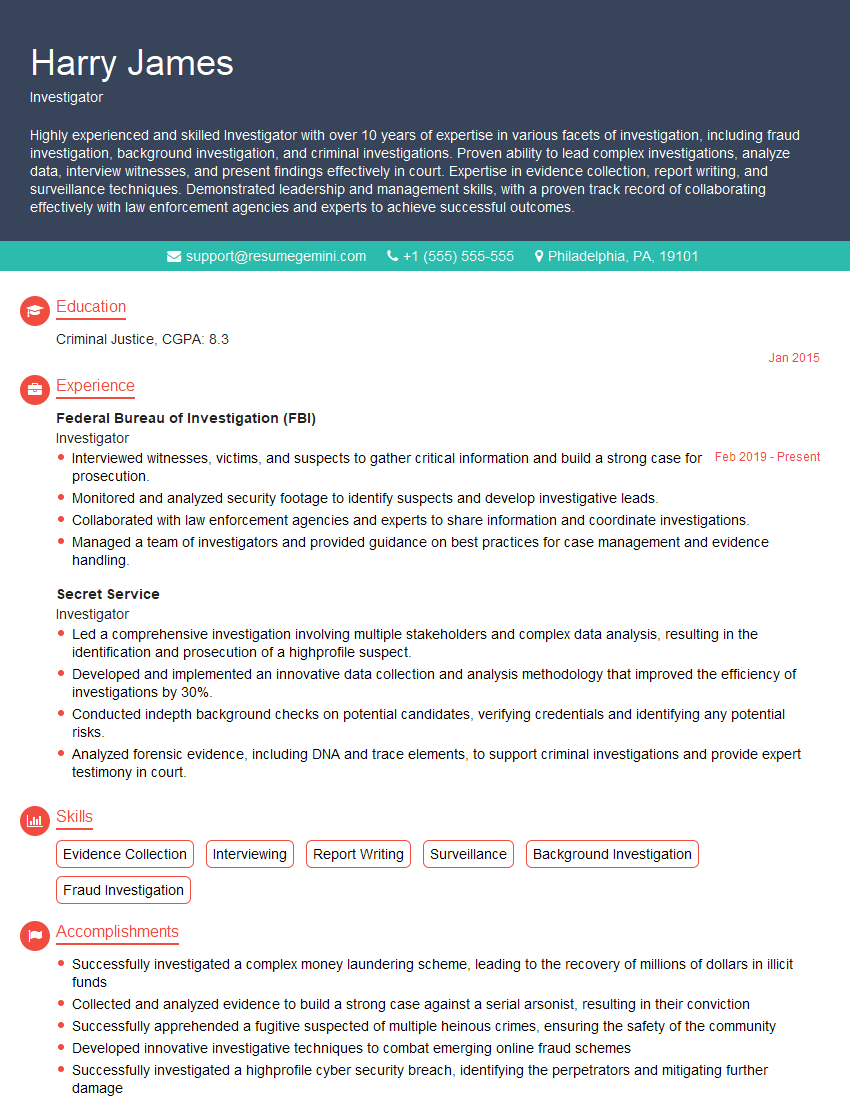
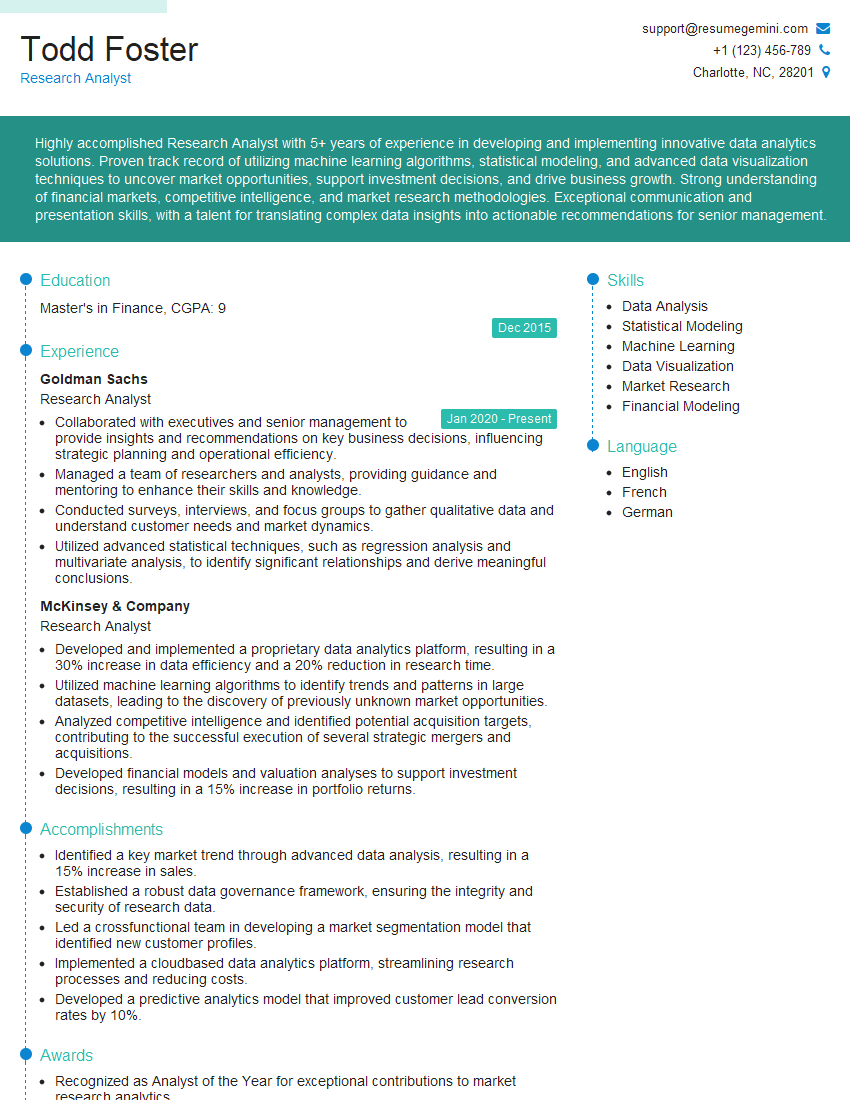
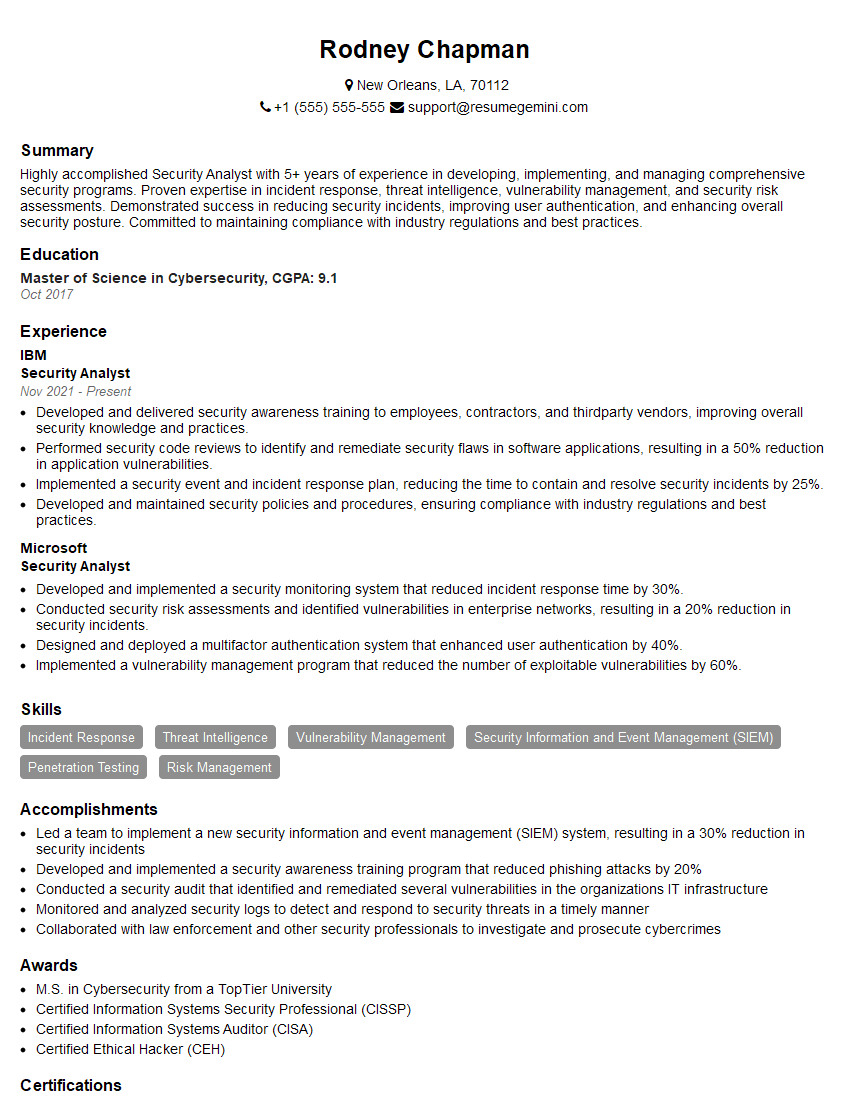
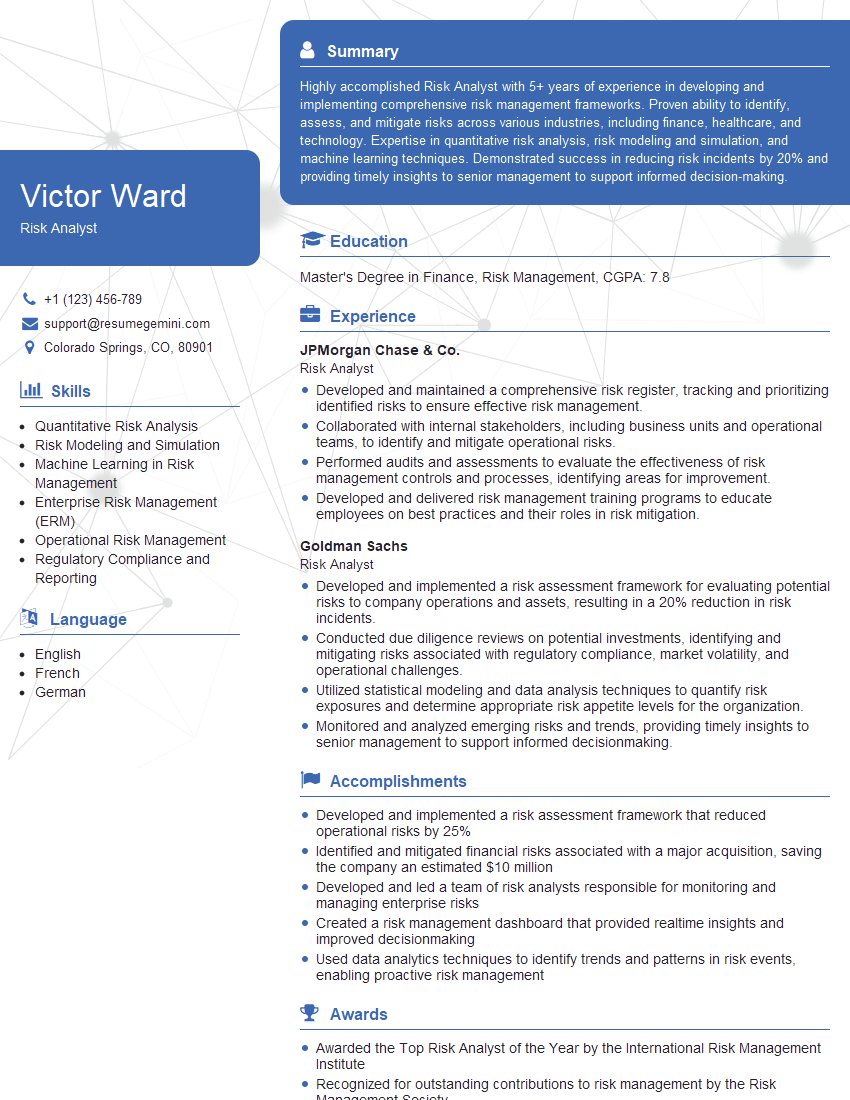
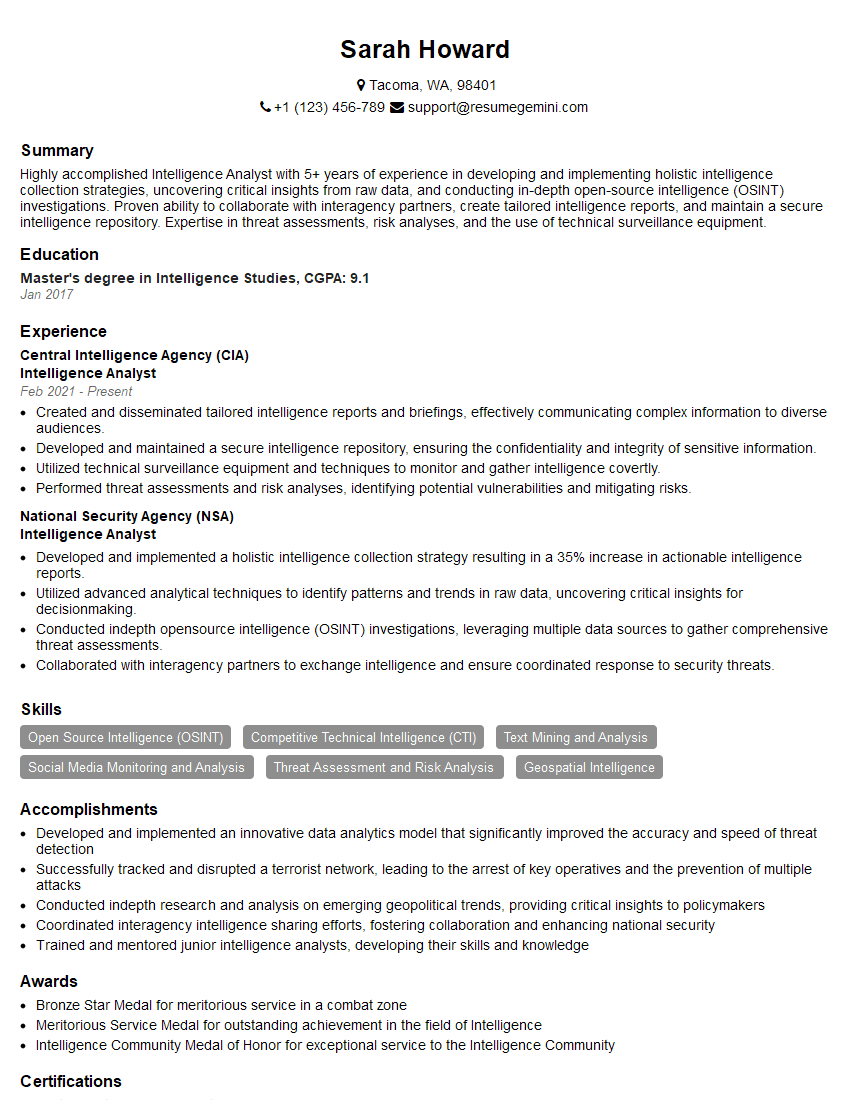
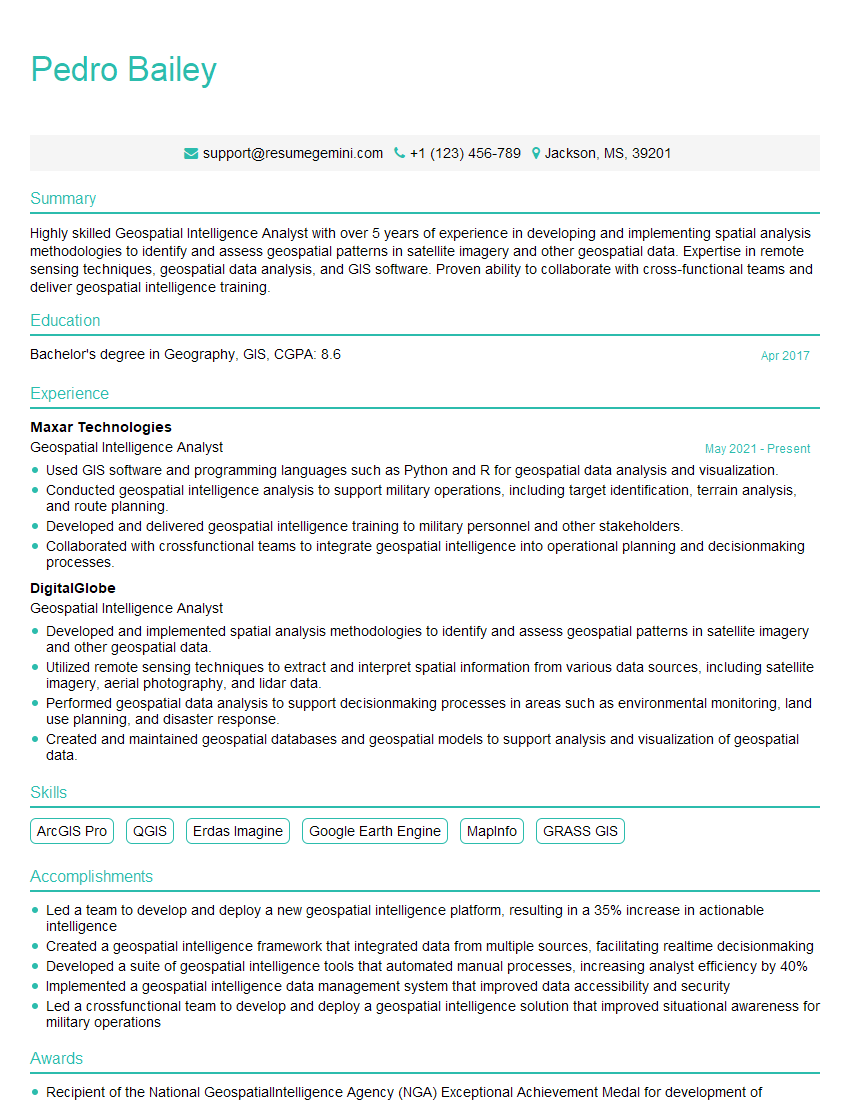
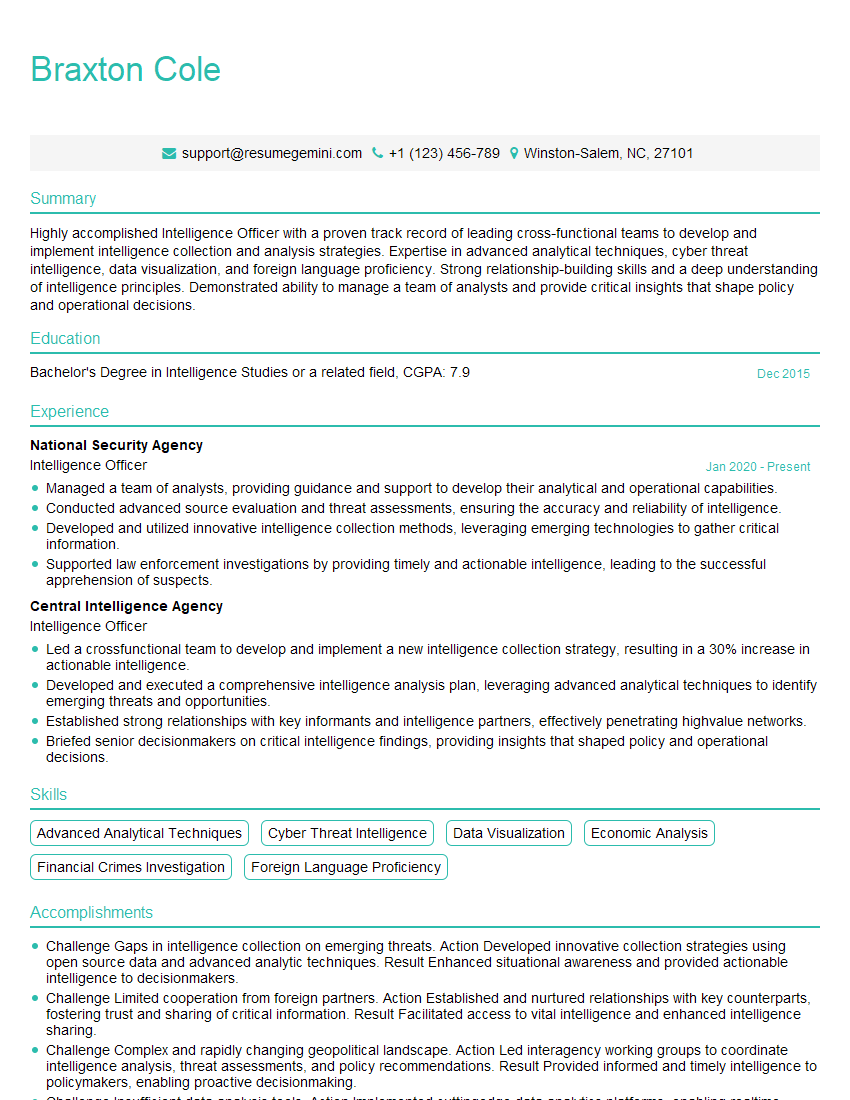
Mastering Human Intelligence Collection and Analysis opens doors to exciting and impactful careers, offering opportunities for growth and significant contributions. A strong resume is crucial for showcasing your skills and experience to potential employers. Creating an ATS-friendly resume is essential to ensure your application gets noticed. We highly recommend using ResumeGemini to build a professional and effective resume that highlights your unique qualifications. ResumeGemini provides valuable tools and resources, including examples of resumes tailored to Human Intelligence Collection and Analysis, to help you present yourself in the best possible light. Take the next step towards your dream career – build your best resume with ResumeGemini today!
Explore more articles
Users Rating of Our Blogs
Share Your Experience
We value your feedback! Please rate our content and share your thoughts (optional).
What Readers Say About Our Blog
To the interviewgemini.com Webmaster.
Very helpful and content specific questions to help prepare me for my interview!
Thank you
To the interviewgemini.com Webmaster.
This was kind of a unique content I found around the specialized skills. Very helpful questions and good detailed answers.
Very Helpful blog, thank you Interviewgemini team.