The right preparation can turn an interview into an opportunity to showcase your expertise. This guide to Knowledge of NEC and local electrical codes interview questions is your ultimate resource, providing key insights and tips to help you ace your responses and stand out as a top candidate.
Questions Asked in Knowledge of NEC and local electrical codes Interview
Q 1. Explain the purpose of Article 100 in the NEC.
Article 100 of the National Electrical Code (NEC) defines terms used throughout the code. Think of it as the code’s dictionary. It’s crucial because consistent terminology prevents misinterpretations and ensures everyone involved in electrical work is on the same page. Without a clear definition of terms like ‘conductor,’ ‘circuit,’ or ‘grounding electrode,’ the rest of the code would be ambiguous and difficult to apply correctly. For example, the definition of ‘outlet’ clarifies that it’s a point on the wiring system at which current is taken to supply utilization equipment; this distinction is crucial for proper circuit design and safety.
- Importance: Ensures uniform interpretation of the NEC.
- Impact: Prevents confusion and ensures safety by establishing clear definitions.
Q 2. Describe the difference between grounding and bonding.
Grounding and bonding are often confused, but they serve distinct purposes in electrical safety. Imagine a tree – grounding is like planting the tree’s roots deep in the earth, providing a path for fault current to safely dissipate. Bonding, on the other hand, is like connecting the branches of the tree together, ensuring that all parts of the electrical system are at the same electrical potential. This prevents voltage differences that could lead to shocks or equipment damage.
- Grounding: Connecting non-current-carrying metal parts of an electrical system to the earth. This provides a low-impedance path for fault currents, preventing dangerous voltages from appearing on exposed metal parts.
- Bonding: Connecting non-current-carrying metal parts within an electrical system to each other. This equalizes the electrical potential of these parts, eliminating voltage differences that could cause electrical shock hazards. Bonding is essential in preventing dangerous voltage differentials between metal enclosures in different parts of a system, especially in wet locations.
Example: A metal electrical enclosure is grounded to a grounding electrode system (GES) – this is grounding. The metal enclosure is also bonded to other metal enclosures – this is bonding. Both are vital for safety.
Q 3. What are the requirements for grounding electrodes?
Grounding electrodes are crucial for providing a reliable path to earth for fault currents. The NEC specifies various acceptable types of electrodes, and the requirements often depend on the specific soil conditions and the size of the electrical system. Generally, the goal is to create a low-impedance path to the earth, minimizing the voltage rise during a fault. Multiple electrodes can be used for redundancy and improved reliability. The resistance of the entire grounding electrode system should meet the requirements specified in the NEC.
- Types: Metal underground water pipes, grounding rods, and concrete-encased electrodes are common options.
- Requirements: The NEC specifies minimum sizes, depths, and spacing for electrodes, as well as the maximum allowable resistance of the grounding electrode system (GES). These values vary based on soil conditions and local codes.
- Testing: The resistance of the GES needs to be measured and documented to ensure it meets code requirements.
Real-world example: A building might use a combination of grounding rods driven into the earth and a connection to a metal underground water pipe to form its GES. This approach provides redundancy and reduces the overall resistance of the system.
Q 4. Explain the requirements for GFCI protection.
Ground Fault Circuit Interrupters (GFCIs) are life-saving devices designed to protect people from electric shock. They monitor the current flowing in a circuit and instantly trip, cutting off power, if a ground fault occurs (e.g., if someone touches a live wire). Think of them as sensitive tripwires for electricity. The NEC mandates their use in specific locations to minimize the risk of electrocution.
- Locations: Bathrooms, kitchens, garages, outdoors, and other damp or wet areas typically require GFCI protection.
- Sensitivity: GFCIs are typically rated for 5 mA or 6 mA of ground fault current. This means they will trip if a current imbalance of that magnitude is detected.
- Testing: Regular testing of GFCIs is crucial to ensure they are functioning correctly. They usually have a test button that simulates a ground fault.
Practical Application: A GFCI outlet installed in a bathroom immediately cuts off the power if a person touches a live wire, drastically reducing the risk of a potentially fatal electric shock.
Q 5. What are the ampacity requirements for various wire types and sizes?
Ampacity, or the current-carrying capacity of a conductor, depends on several factors, including the wire’s size (gauge), material (copper or aluminum), insulation type, installation method (e.g., in conduit, in free air), and ambient temperature. The NEC tables provide ampacity ratings for various wire types and sizes under different conditions. It’s crucial to select wires with sufficient ampacity to prevent overheating and potential fire hazards.
- Wire Size: Larger wire gauges (e.g., 8 AWG) have higher ampacity than smaller gauges (e.g., 14 AWG).
- Material: Copper has higher ampacity than aluminum for the same gauge.
- Insulation: Different insulation types have different temperature ratings, affecting ampacity.
Example: A 12 AWG copper wire with THHN insulation might have an ampacity of 20 amps in free air, but that could decrease if it’s installed in conduit with other wires, which affects the ambient temperature.
Always consult the NEC tables to determine the correct ampacity for your specific application. Never exceed the rated ampacity of a conductor.
Q 6. Describe the different types of overcurrent protection devices.
Overcurrent protection devices prevent damage to circuits and equipment and reduce the risk of fire by interrupting excessive current flow. They’re essential for electrical system safety. The most common types include fuses and circuit breakers.
- Fuses: A fuse contains a wire that melts and breaks the circuit if the current exceeds a predetermined value. They are one-time use devices.
- Circuit Breakers: Circuit breakers use a thermal or magnetic mechanism to trip and interrupt current flow when an overload or short circuit occurs. They can be reset and reused.
Different Types of Circuit Breakers:
- Molded-case circuit breakers (MCCBs): Common in larger commercial and industrial settings.
- Thermal magnetic circuit breakers: Used extensively in residential and light commercial applications.
- Ground Fault Circuit Interrupters (GFCIs) and Arc-Fault Circuit Interrupters (AFCIs): Special types of circuit breakers that provide additional protection against specific types of hazards.
Choosing the right overcurrent protection device depends on the specific application and load requirements. Always choose a device with a rating equal to or greater than the expected load current. Improper selection can result in equipment failure or fire hazards.
Q 7. Explain the requirements for arc-fault circuit interrupters (AFCIs).
Arc-fault circuit interrupters (AFCIs) are designed to detect and interrupt arcing faults in branch circuits. Arcing faults are dangerous because they produce high temperatures that can ignite nearby combustible materials. Unlike GFCIs which detect ground faults, AFCIs are sensitive to the characteristics of an arc fault – the rapid and often unpredictable changes in the circuit current and voltage.
- Purpose: To protect against electrical fires caused by arcing faults in branch circuits.
- Types: There are two types of AFCIs: those that use continuous monitoring technology and those that use a combination of continuous monitoring and sensing technology.
- Locations: The NEC mandates AFCI protection in specific locations, such as bedrooms and hallways in residential dwellings. The exact requirements vary based on the year of the NEC and local codes.
Sensitivity and Nuances: AFCIs are sensitive and can sometimes trip due to normal electrical events in the circuit. Understanding their operation and testing them regularly is essential for proper functioning and minimal nuisance tripping.
Example: An AFCI installed in a bedroom will help prevent fires caused by arcing in the circuit wiring or at an outlet due to loose connections or worn-out wiring.
Q 8. What are the requirements for installing lighting fixtures in damp or wet locations?
Installing lighting fixtures in damp or wet locations requires careful consideration to prevent electrical shock and ensure longevity. The NEC (National Electrical Code) specifies that fixtures must be listed for the specific location – damp or wet. This listing ensures the fixture’s construction can withstand the environmental conditions.
- Damp Locations: Areas subject to moisture condensation, such as bathrooms without a shower or near sinks. Fixtures must be marked ‘damp location’ and typically have a higher degree of protection against moisture ingress.
- Wet Locations: Areas subject to water spray, such as showers, pools, or outdoor locations exposed to rain. Fixtures must be marked ‘wet location’ and have significantly higher ingress protection. They often feature sealed housings and gaskets.
Think of it like this: a damp location fixture is like a raincoat – it protects from light rain or mist, whereas a wet location fixture is more like a diving suit – fully sealed against submersion. Always check the fixture’s labeling to ensure it meets the code requirements for the specific location.
Q 9. Explain the requirements for installing electrical equipment in hazardous locations.
Installing electrical equipment in hazardous locations demands stringent safety measures to prevent fire or explosions. The NEC Article 500 covers this, classifying hazardous locations based on the type and presence of flammable materials (gases, liquids, dusts). The classification dictates the type of equipment permitted.
- Class I: Flammable gases or vapors.
- Class II: Combustible dusts.
- Class III: Easily ignitable fibers or flyings.
Each class further has divisions (Divisions 1 and 2) indicating the likelihood of flammable materials being present. Division 1 is more hazardous than Division 2. Equipment must be specifically listed for the hazardous location class and division. This often involves explosion-proof enclosures, intrinsic safety, or other specialized designs. Improper installation in a hazardous location can have catastrophic consequences, so accurate classification and the use of appropriate equipment are paramount.
For example, a gas station’s fueling area would require Class I, Division 1 equipment due to the high concentration of flammable vapors, while a grain storage facility might require Class II equipment.
Q 10. What are the requirements for working with energized equipment?
Working with energized equipment is inherently dangerous and requires strict adherence to safety protocols. The most crucial step is de-energizing the equipment whenever possible. If de-energizing isn’t feasible (e.g., during live-line work), then strict safety procedures must be followed, including:
- Lockout/Tagout (LOTO): A crucial process to prevent accidental re-energization. This involves physically locking out the power source and affixing a tag clearly indicating who has locked it out and why.
- Personal Protective Equipment (PPE): Utilizing appropriate PPE like insulated gloves, safety glasses, and arc flash protection is essential to minimize the risk of electrical shock or injury.
- Trained Personnel: Only qualified and trained personnel should work with energized equipment. Proper training is paramount for understanding potential hazards and implementing necessary safety measures.
- Voltage Testing: Verifying that the equipment is truly de-energized before commencing work is crucial, often using non-contact voltage detectors.
Imagine working on a live wire without proper PPE – the consequences could be fatal. Always prioritize safety when dealing with electricity.
Q 11. Describe the process for calculating voltage drop.
Voltage drop is the reduction in voltage along a conductor due to its resistance. It’s crucial to keep voltage drop within acceptable limits to ensure equipment operates efficiently and safely. The calculation involves several factors.
The formula for voltage drop is:
VD = 2 x K x I x L / CMWhere:
VD= Voltage Drop (volts)K= Constant (resistance of the conductor material – usually copper or aluminum)I= Current (amperes)L= Length of conductor (feet, one-way)CM= Circular Mils (cross-sectional area of the conductor)
To calculate, you’ll need to determine the current draw of the equipment, the length of the conductor run, and the desired voltage at the load. Then, you choose an appropriate conductor size (CM) to ensure the voltage drop remains within the acceptable limits (usually 3% to 5% for most circuits). Using larger conductors with higher CM reduces resistance and, therefore, voltage drop.
For example, let’s say you have a 100-foot run to a motor drawing 20 amps, and you want to limit voltage drop to 3%. Using the formula with the correct constant for copper, you can determine the appropriate conductor size. Software and online calculators greatly simplify this process.
Q 12. Explain the requirements for installing raceways and conduits.
Installing raceways and conduits involves several considerations to ensure safety and code compliance. Raceways provide physical protection for conductors and support cable routing. Conduit is a type of raceway, often metallic. Key requirements include:
- Proper Support: Raceways must be securely fastened at regular intervals to prevent sagging and damage.
- Bends and Radius: Minimum bend radii are specified in the NEC to prevent conductor damage during bending.
- Fill: The percentage of conduit filled with conductors shouldn’t exceed the NEC’s allowed limits to ensure proper heat dissipation and pulling capabilities.
- Grounding: Metallic conduits must be properly grounded to provide a path for fault currents.
- Material: Conduits are available in various materials (steel, PVC, aluminum) selected based on environmental conditions and application.
Imagine a conduit filled beyond its capacity – pulling new wires could damage existing ones, leading to potential hazards. Proper installation ensures easy maintenance and a safe system.
Q 13. What are the requirements for installing service equipment?
Installing service equipment, which includes the meter, main disconnect, and service entrance conductors, requires careful planning and compliance with NEC Article 230. Key requirements involve:
- Service Drop Clearance: Minimum clearances above ground and from other structures must be maintained for safety.
- Ampacity and Sizing: The service conductors must be appropriately sized to handle the expected load, preventing overloading and potential fire hazards.
- Grounding: A robust grounding system is crucial to ensure safety in the event of a fault. This typically involves grounding the service equipment to a ground rod.
- Overcurrent Protection: Overcurrent protection devices (fuses or circuit breakers) in the main panel must be properly sized to protect the service conductors and equipment.
Think of the service entrance as the heart of your electrical system. Proper installation ensures a reliable and safe power supply.
Q 14. Explain the requirements for installing and maintaining electrical panels.
Installing and maintaining electrical panels are crucial for a safe and reliable electrical system. Key aspects include:
- Proper Location: Panels should be installed in easily accessible, dry locations.
- Clearance: Sufficient clearance around the panel is necessary for safe access and maintenance.
- Overcurrent Protection: Circuit breakers or fuses must be appropriately sized for each circuit to prevent overloads and short circuits.
- Grounding: The panel must be properly grounded to provide a path for fault currents.
- Regular Inspection: Regular inspection and maintenance are crucial to ensure panel components are functioning correctly and that there are no loose connections or signs of damage.
- Labeling: Clear and accurate labeling of circuit breakers is essential for quick identification during troubleshooting.
Ignoring panel maintenance is like neglecting a vital part of your car’s engine. Regular inspection prevents issues before they escalate into major problems and ensures system safety.
Q 15. What are the common causes of electrical fires?
Electrical fires are devastating and often stem from a combination of factors. The most common causes can be categorized as follows:
- Overloaded Circuits: When too many appliances or devices draw power from a single circuit, the wires overheat, potentially igniting nearby combustible materials. Think of it like a water pipe – if you try to force too much water through a small pipe, it’ll burst. Similarly, overloaded circuits can lead to fires.
- Faulty Wiring: Damaged or improperly installed wiring is a major culprit. Worn insulation, loose connections, and incorrect wire gauge can all generate excessive heat and spark fires. Imagine frayed wires as exposed nerves – they’re vulnerable and prone to short circuits.
- Appliance Malfunctions: Defective appliances, especially older ones, can create sparks and overheat, posing a significant fire hazard. Regular appliance maintenance is crucial.
- Heating Equipment: Space heaters, furnaces, and other heating systems need regular cleaning and inspection. Accumulated dust and debris can ignite, leading to disastrous consequences.
- Arcing: This occurs when electricity jumps across a gap, often due to loose connections or damaged insulation. The intense heat generated by arcing can easily start a fire. Think of a lightning bolt – that’s arcing on a grand scale.
Preventing electrical fires requires diligent adherence to safety standards, regular inspections, and proper maintenance of electrical systems and appliances.
Career Expert Tips:
- Ace those interviews! Prepare effectively by reviewing the Top 50 Most Common Interview Questions on ResumeGemini.
- Navigate your job search with confidence! Explore a wide range of Career Tips on ResumeGemini. Learn about common challenges and recommendations to overcome them.
- Craft the perfect resume! Master the Art of Resume Writing with ResumeGemini’s guide. Showcase your unique qualifications and achievements effectively.
- Don’t miss out on holiday savings! Build your dream resume with ResumeGemini’s ATS optimized templates.
Q 16. Describe the safety measures to prevent electrical shocks.
Preventing electrical shocks involves a multi-faceted approach emphasizing safety precautions and proper handling of electrical equipment:
- Never touch exposed wires or electrical components while the power is on. Always turn off the power at the breaker box before working with any electrical system. Think of electricity as an invisible, powerful force – treat it with respect.
- Use Ground Fault Circuit Interrupters (GFCIs): These devices detect imbalances in current and quickly shut off power, preventing shocks, especially in wet areas like bathrooms and kitchens. GFCIs are your electrical safety net.
- Ensure proper insulation and grounding: Properly insulated wires prevent accidental contact with live conductors. Grounding provides a safe path for fault currents to the earth, minimizing shock hazards.
- Avoid using damaged electrical equipment or cords. Frayed or cracked insulation is a major hazard. Replace damaged cords immediately. Think of them like cracked pipes – they’re vulnerable and leak (electricity) easily.
- Keep electrical equipment away from water. Moisture conducts electricity, increasing the risk of shocks. Never use electrical devices in a wet environment without proper protection.
- Don’t overload circuits. Distribute the load evenly across different circuits to avoid overheating.
- Follow safe work practices. When dealing with electrical work, always use appropriate safety equipment like insulated gloves and tools.
Remember, prevention is key. Regular inspections and prompt repair of any electrical faults are vital for preventing potentially fatal electrical shocks.
Q 17. How do you interpret electrical drawings and schematics?
Interpreting electrical drawings and schematics requires understanding standard symbols and conventions. These diagrams visually represent the wiring layout and components of an electrical system. Here’s a breakdown:
- Symbol Recognition: Familiarize yourself with the standard symbols used to represent different components like switches, outlets, breakers, lights, and various types of wiring. Resources like the NEC (National Electrical Code) handbook provide comprehensive symbol guides.
- Circuit Tracing: Follow the lines and connections to trace the path of electricity through the circuit. Identify the source of power, the load (appliances or devices), and the protective devices like circuit breakers or fuses.
- Reference Designations: Understand the numbering and lettering systems used to identify specific components and wires. These designations are crucial for referencing parts in the drawing and corresponding documentation.
- Panel Schedules: Panel schedules list the breakers and their corresponding circuits. This is vital for understanding the overall distribution of power within the system.
- One-Line Diagrams: These simplified schematics represent the system with a single line for each phase, ideal for high-level overviews.
Practice is key. Start with simple diagrams and gradually progress to more complex ones. Using software designed for electrical design can significantly help to aid your understanding and improve your proficiency.
Q 18. What are the different types of electrical distribution systems?
Electrical distribution systems vary depending on the scale and needs of the application. Common types include:
- Radial System: Power flows from a single source to various loads along branching lines. This is the simplest and most common system for residential applications. Think of it like the branches of a tree, all stemming from a single trunk.
- Ring Main System: Power flows in a closed loop, providing redundancy and increased reliability. If one section fails, the rest of the system can continue to operate. This offers enhanced resilience and is commonly seen in commercial applications.
- Network System: A more complex arrangement with multiple sources of power interconnected. This design offers superior fault tolerance and reliability, often seen in large industrial or municipal settings.
- Parallel System: Similar loads are connected to the same source, distributing the load among several feeders. This setup improves efficiency and is well suited for applications with high power demands. Think of a group of people sharing the load of pushing a heavy box.
- Three-phase systems: These systems use three separate phases of alternating current. They are commonly used in high-power applications to provide more power and better efficiency compared to single-phase systems.
The choice of system depends on several factors, including cost, reliability requirements, and the size and nature of the load.
Q 19. Explain the role of a lockout/tagout procedure.
Lockout/Tagout (LOTO) procedures are crucial safety protocols designed to prevent accidental energization or startup of equipment during maintenance or repair. They ensure the isolation of hazardous energy sources, preventing injuries or fatalities.
The process typically involves the following steps:
- Preparation: Plan the work, identify all energy sources, and gather necessary LOTO devices (locks and tags).
- Notification: Inform others of the planned work and the lockout period.
- Lockout: Isolate energy sources by turning off breakers, disconnecting switches, or using other appropriate methods. Attach a lockout device to prevent unauthorized operation.
- Tagout: Clearly label the equipment with a tag indicating that work is in progress and warning against energizing.
- Verification: Verify that the equipment is de-energized by checking with appropriate tools or testing methods.
- Work Performance: Carry out the maintenance or repair tasks.
- Tag Removal: Once the work is complete, only the person who applied the LOTO device removes it, after confirming the equipment is safe.
- Equipment Restart: The equipment is restarted only after all LOTO devices have been removed and the safety of the process has been verified.
LOTO procedures are not just a set of rules; they are a life-saving practice, significantly reducing the risk of accidents in high-risk electrical work environments.
Q 20. What are your experiences working with local electrical codes?
Throughout my career, I’ve consistently worked with local electrical codes, understanding that they often supplement the NEC. I’ve encountered several situations needing careful consideration of these codes. For instance, I once worked on a project in a historic district where the local codes had specific requirements for preserving the original building’s aesthetic, influencing the placement and design of electrical installations. In another instance, I needed to comply with updated local regulations regarding solar panel installation and grid connection. My experience involves:
- Code Interpretation: I’m proficient in interpreting both the NEC and local amendments, identifying relevant sections that apply to specific projects.
- Code Compliance: I ensure that all electrical installations strictly adhere to both NEC and local regulations.
- Permitting Process: I have experience navigating the local permitting process, ensuring all paperwork is accurately completed.
- Inspections: I’m familiar with local inspection procedures and effectively address any inspector concerns.
Staying current with local code changes is crucial; I regularly review updates issued by local authorities and attend relevant workshops and training sessions to maintain my expertise.
Q 21. How do you stay up-to-date with changes in the NEC?
Keeping up with the NEC’s changes is essential for any practicing electrician. I employ several strategies:
- Subscription to NFPA Publications: I maintain a subscription to the NFPA (National Fire Protection Association), receiving updates and revisions to the NEC as soon as they’re released. This ensures I’m immediately aware of any critical changes.
- Professional Development Courses: I regularly participate in continuing education courses and workshops focusing on the NEC and related electrical safety standards. This provides in-depth insights into changes and their practical applications.
- Networking with Other Professionals: I actively participate in industry events and network with fellow electricians and engineers. Sharing information and discussing the latest code updates helps maintain a broad perspective.
- Online Resources: I utilize reputable online platforms and resources that offer summaries and analysis of NEC updates.
- Review of Relevant Publications: Staying abreast of industry publications and journals that feature articles about NEC changes and interpretations enhances my understanding of the code.
Staying current with the NEC isn’t simply about complying with regulations; it’s a commitment to ensuring public safety and employing best practices in the electrical field.
Q 22. Explain the process of conducting a proper electrical inspection.
A proper electrical inspection is a systematic process ensuring compliance with the National Electrical Code (NEC) and all applicable local codes. It involves a thorough examination of all electrical systems, components, and installations to identify potential hazards and code violations. Think of it like a comprehensive health check for your building’s electrical system.
- Visual Inspection: This begins with a visual survey of all wiring, panels, outlets, switches, and fixtures. I check for damage, corrosion, loose connections, improper grounding, and any signs of overheating.
- Testing: This involves using specialized equipment like multimeters and insulation resistance testers to verify proper voltage levels, grounding continuity, insulation integrity, and circuit breaker functionality. For example, I’d check the insulation resistance of wiring to make sure it’s above the minimum required value, preventing shorts and electrical shock.
- Documentation: All findings, both positive and negative, are meticulously documented with photos and detailed descriptions. This documentation serves as a record of the inspection and a guide for any necessary repairs or modifications. I use standardized reporting forms to ensure clarity and completeness.
- Code Compliance Check: Throughout the process, I constantly cross-reference the findings against the relevant NEC and local code requirements. This ensures that all installations adhere to the latest safety regulations.
For instance, during an inspection of a commercial kitchen, I might find a circuit overloaded with too many appliances connected to a single circuit. This would be a violation needing immediate attention to prevent overheating and potential fires.
Q 23. How do you troubleshoot electrical problems?
Troubleshooting electrical problems requires a methodical approach combining systematic investigation, careful testing, and a strong understanding of electrical principles. Think of it as detective work for your electrical system.
- Identify the Problem: Begin by precisely defining the issue. Is it a tripped breaker? A flickering light? A complete power outage? Gathering detailed information from the client is crucial.
- Visual Inspection: Check for obvious issues such as damaged wiring, loose connections, or tripped circuit breakers. Look for signs of overheating (scorching, discoloration).
- Testing: Use appropriate testing equipment, such as a multimeter, to measure voltage, current, and resistance at different points in the circuit. This will pinpoint the location of the fault.
- Systematic Elimination: By isolating sections of the circuit and testing, we can systematically eliminate possible causes. For instance, if a specific outlet isn’t working, I can test the wiring from the panel to the outlet, gradually narrowing down the problem area.
- Safety First: Always disconnect power before working on any electrical component. If unsure, consult with a qualified electrician to ensure your safety.
For example, if a light fixture isn’t working, I’d first check the breaker. If it’s not tripped, I’d use a multimeter to test the voltage at the fixture. If no voltage is present, the problem lies in the wiring or the breaker. If voltage is present, the issue is with the light fixture itself.
Q 24. Describe your experience with electrical calculations and design.
I have extensive experience in electrical calculations and design, including load calculations, voltage drop calculations, and sizing of conductors and protective devices. This includes both residential and commercial projects. My proficiency spans various software applications, such as AutoCAD and specialized electrical design software.
For instance, during a recent project involving a new commercial building, I calculated the total load for each circuit, ensuring that all breakers and wiring are appropriately sized to handle the anticipated load. I also performed voltage drop calculations to ensure adequate voltage at all outlets and fixtures, minimizing efficiency losses and avoiding equipment damage. These calculations are not just theoretical – they are critical to ensure the safety and reliability of the electrical system.
I also have experience in designing electrical systems for various applications, such as lighting, power distribution, and grounding systems. My approach always prioritizes efficiency, safety, and compliance with NEC and local codes. This includes using energy-efficient lighting and equipment where possible and selecting components for longevity and reliability.
Q 25. How would you handle a situation where a code violation is found?
When a code violation is discovered during an inspection, I follow a clear protocol to address the issue responsibly and safely. My primary concern is ensuring that any potential hazards are mitigated immediately.
- Documentation: The violation is meticulously documented, including photographs, precise location, and a detailed description of the problem. This documentation becomes part of the official inspection report.
- Notification: I clearly communicate the findings to the owner or responsible party, explaining the nature of the violation and the potential risks it poses. I emphasize the urgency of the correction, especially for critical safety issues.
- Corrective Actions: I provide recommendations for the necessary corrective actions, adhering to the relevant NEC and local code requirements. This might involve repair, replacement, or modifications to the electrical system.
- Follow-up: I follow up to ensure that the corrective actions have been implemented correctly and that the system now complies with all applicable codes. A reinspection might be necessary to verify the resolution of the violation.
For instance, if I found an improperly grounded outlet, I wouldn’t simply note it; I’d clearly explain the fire and shock hazards it poses, recommend immediate correction by a qualified electrician, and follow up to ensure the repair is completed to code.
Q 26. Describe your experience with different types of electrical equipment.
My experience encompasses a wide range of electrical equipment, including but not limited to:
- Switchgear and Panelboards: I’m proficient in inspecting, testing, and troubleshooting various types of switchgear and panelboards, ensuring they are correctly sized, installed, and maintained to provide adequate protection for the electrical system.
- Wiring and Cabling: My experience includes working with various types of conductors, including copper, aluminum, and fiber optic cables. I’m knowledgeable about proper sizing, installation methods, and safety precautions for each.
- Motors and Motor Control Centers: I have experience inspecting and testing various motor control centers (MCCs) and individual motors, ensuring proper sizing, protection, and overload protection are in place.
- Lighting Systems: I’m familiar with different types of lighting fixtures and systems, including LED, fluorescent, and incandescent lighting, and understand energy-efficient design practices.
- Grounding and Bonding Systems: I’m experienced in evaluating and testing grounding and bonding systems to ensure they meet safety standards and provide effective protection against electrical shocks and equipment damage.
This broad experience allows me to effectively assess and address any electrical equipment-related issues during inspections and troubleshooting.
Q 27. Explain your understanding of electrical safety standards.
My understanding of electrical safety standards is comprehensive and encompasses various codes, regulations, and best practices. The foundation is the National Electrical Code (NEC), which provides the minimum standards for safe electrical installations. I also stay updated on local codes and regulations which often include specific requirements in addition to the NEC.
Beyond the codes, I’m familiar with standards set by organizations like OSHA (Occupational Safety and Health Administration) and NFPA (National Fire Protection Association). These organizations provide guidelines for workplace safety and fire protection, which are crucial for the safe execution of electrical work. I understand the importance of using appropriate Personal Protective Equipment (PPE) including safety glasses, gloves, and insulated tools to prevent electrical shock and injury.
My knowledge also extends to understanding the potential hazards associated with electricity, such as electrical shock, arc flash, and electrical fires. I know how to mitigate these hazards through proper design, installation, maintenance, and inspection practices.
Q 28. How do you prioritize safety in your work?
Safety is paramount in my work, and it’s integrated into every aspect of my process. My approach is proactive rather than reactive. It’s not just about following rules; it’s about a mindset.
- Risk Assessment: Before beginning any task, I conduct a thorough risk assessment identifying potential hazards and developing strategies to mitigate those hazards. This includes considering factors like the environment, the equipment being used, and the personnel involved.
- Lockout/Tagout Procedures: I strictly adhere to lockout/tagout procedures to prevent accidental energization of equipment during maintenance or repair. This is crucial for preventing injuries from unexpected electrical shock.
- Personal Protective Equipment (PPE): I always wear appropriate PPE, including insulated tools, safety glasses, and arc flash protective clothing when necessary. Safety is not optional.
- Training and Continuing Education: I consistently engage in ongoing training to stay updated on the latest safety standards and best practices. The field is constantly evolving, and it is my responsibility to stay current.
- Compliance: I ensure all work adheres strictly to the NEC, local codes, and relevant safety regulations.
For me, safety isn’t just a checklist; it’s a commitment to protecting myself and others from the potential dangers of working with electricity. A safe workplace is a productive workplace.
Key Topics to Learn for Knowledge of NEC and local electrical codes Interview
- NEC Article 100 Definitions: Understanding key terminology is fundamental. Practice defining terms like “qualified person,” “grounding,” and “overcurrent protection.” This forms the basis for interpreting code requirements.
- Wiring Methods and Materials (NEC Chapters 3 & 4): Be prepared to discuss various cable types (e.g., NM, BX, MC), their applications, and limitations. Understand conduit sizing and bending radius requirements. This is a highly practical area frequently tested.
- Overcurrent Protection (NEC Article 240): Master the concepts of circuit breakers, fuses, and their proper sizing based on load calculations. Explain the role of overcurrent protection in preventing fires and ensuring safety. Problem-solving scenarios involving overcurrent protection are common.
- Grounding and Bonding (NEC Article 250): Thoroughly understand the importance of grounding and bonding for safety. Be ready to explain different grounding methods and their applications in various electrical systems. This is a critical safety topic.
- Branch Circuits and Feeders (NEC Articles 210 & 215): Understand the differences between branch circuits and feeders, their sizing requirements, and the implications of exceeding load limits. This is a core concept for practical electrical design.
- Local Electrical Codes: Research and familiarize yourself with the specific requirements of your local jurisdiction’s electrical code. Understand how local codes may supplement or modify the NEC.
- Troubleshooting and Problem-Solving: Practice identifying common electrical problems and applying your knowledge of the NEC and local codes to develop effective solutions. Be ready to explain your thought process during troubleshooting.
- Safety Practices: Demonstrate a strong understanding of safety procedures and regulations when working with electrical systems. This shows responsibility and professionalism.
Next Steps
Mastering the NEC and local electrical codes is crucial for career advancement in the electrical field, opening doors to more senior roles and higher earning potential. A strong understanding of these codes demonstrates your commitment to safety and professionalism, vital qualities employers seek. To significantly boost your job prospects, create an ATS-friendly resume that highlights your expertise. ResumeGemini is a trusted resource to help you build a professional and effective resume that showcases your skills and experience. Examples of resumes tailored to showcasing Knowledge of NEC and local electrical codes are available – leverage them to create your best application!

Electrical Superintendent Resume Sample
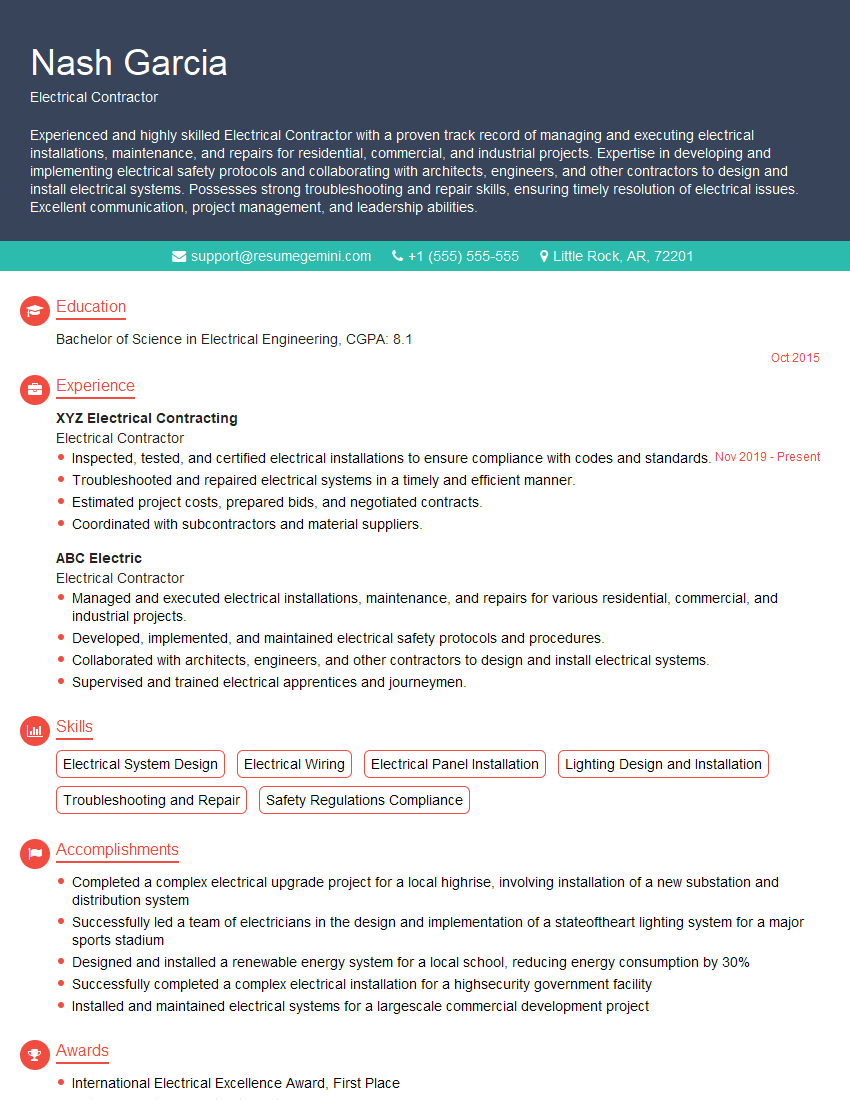
Electrical Contractor Resume Sample
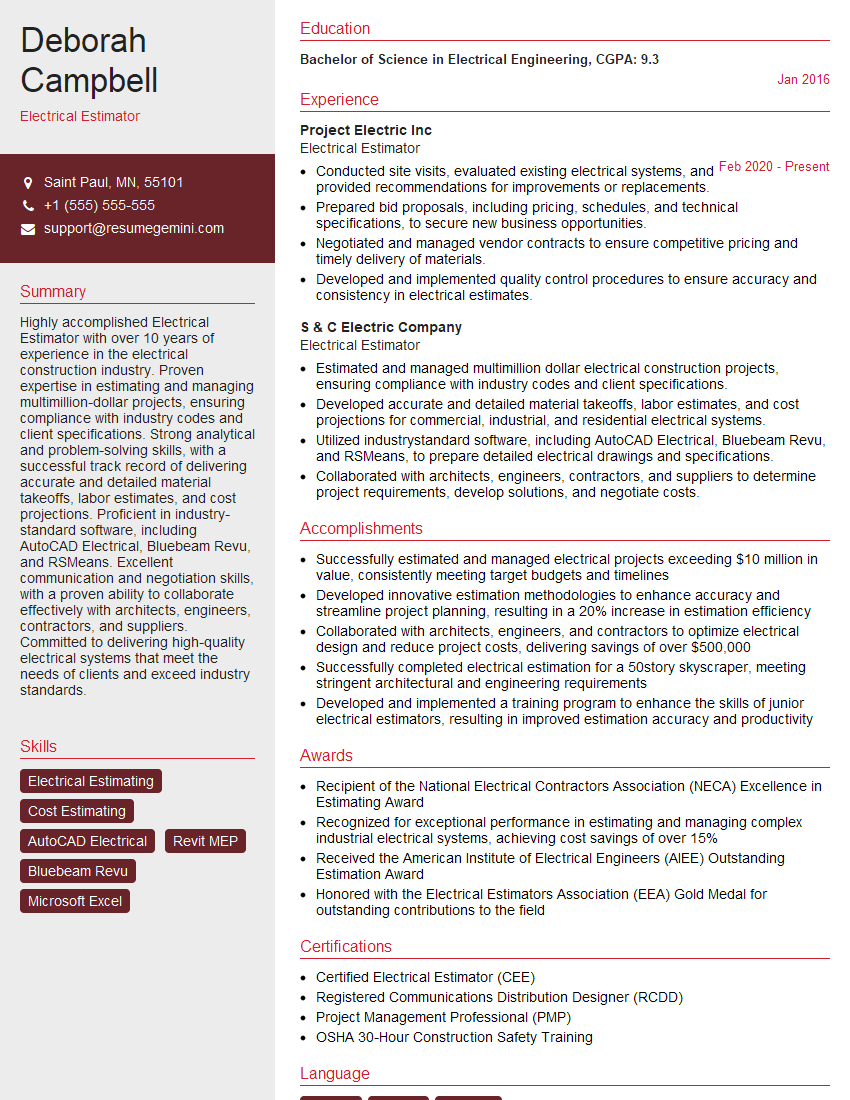
Electrical Estimator Resume Sample
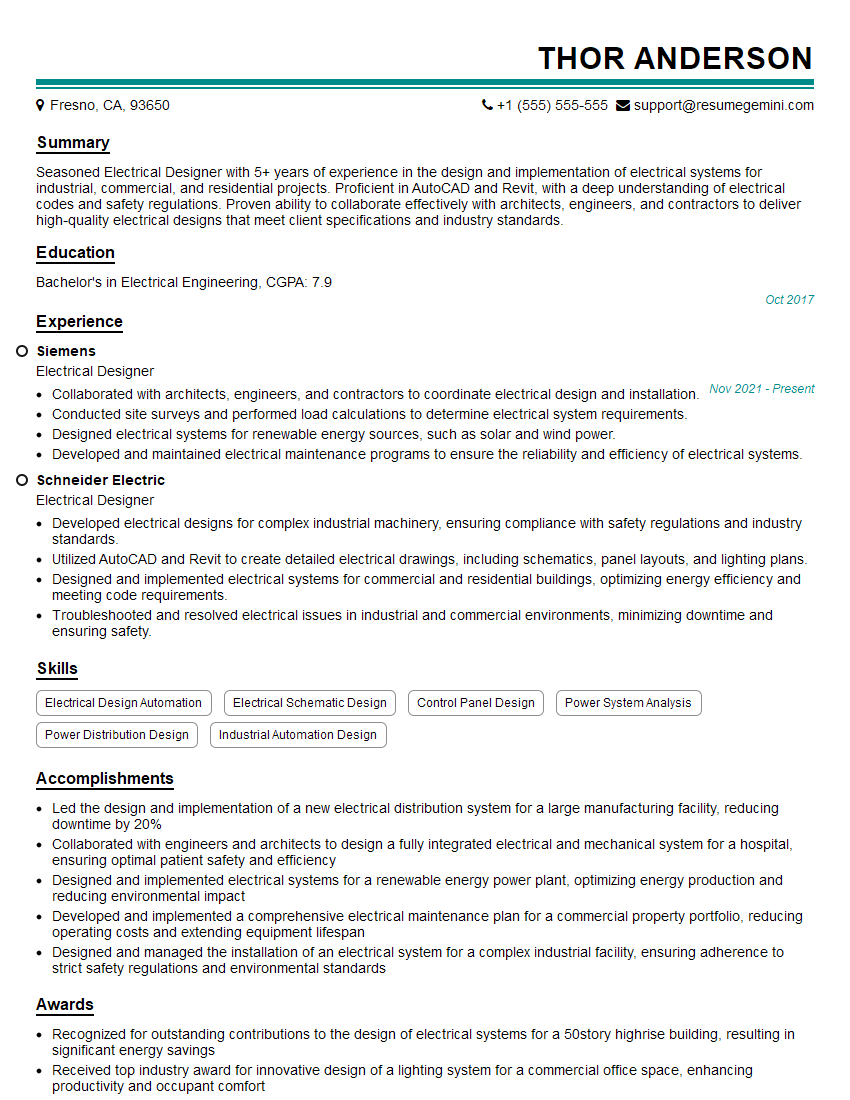
Electrical Designer Resume Sample
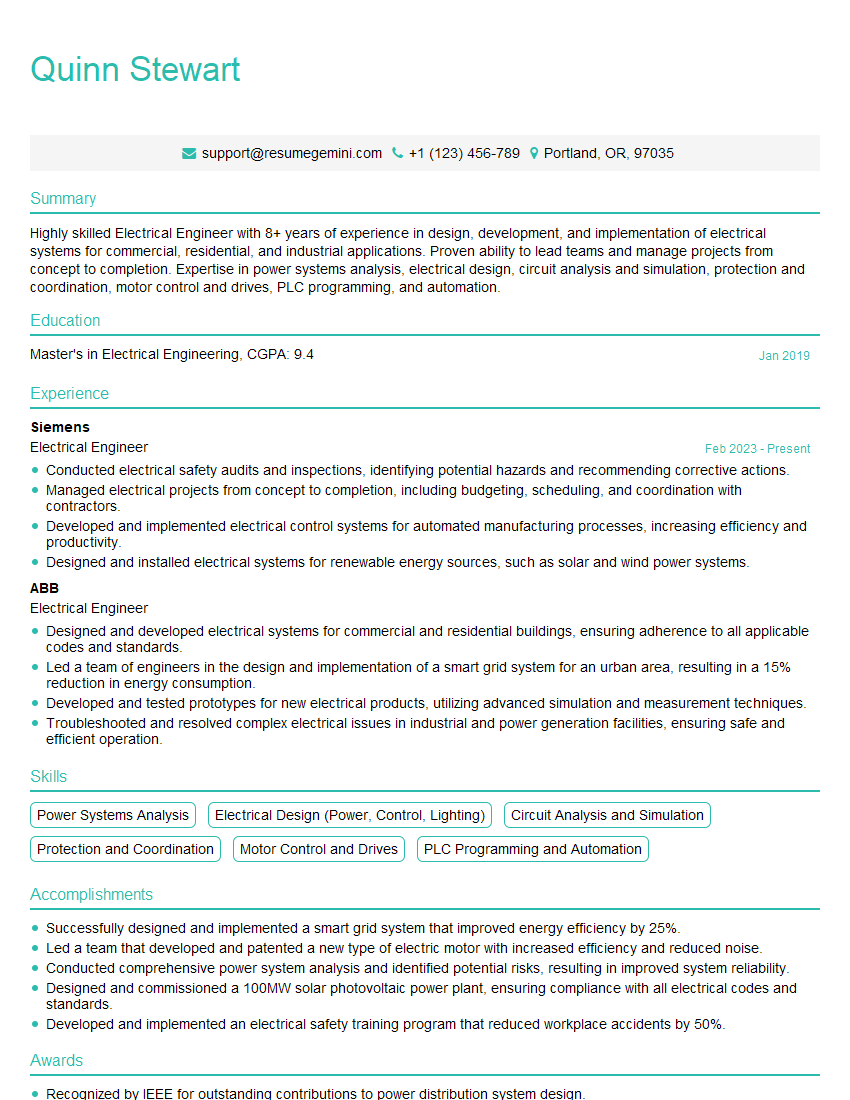
Electrical Engineer Resume Sample
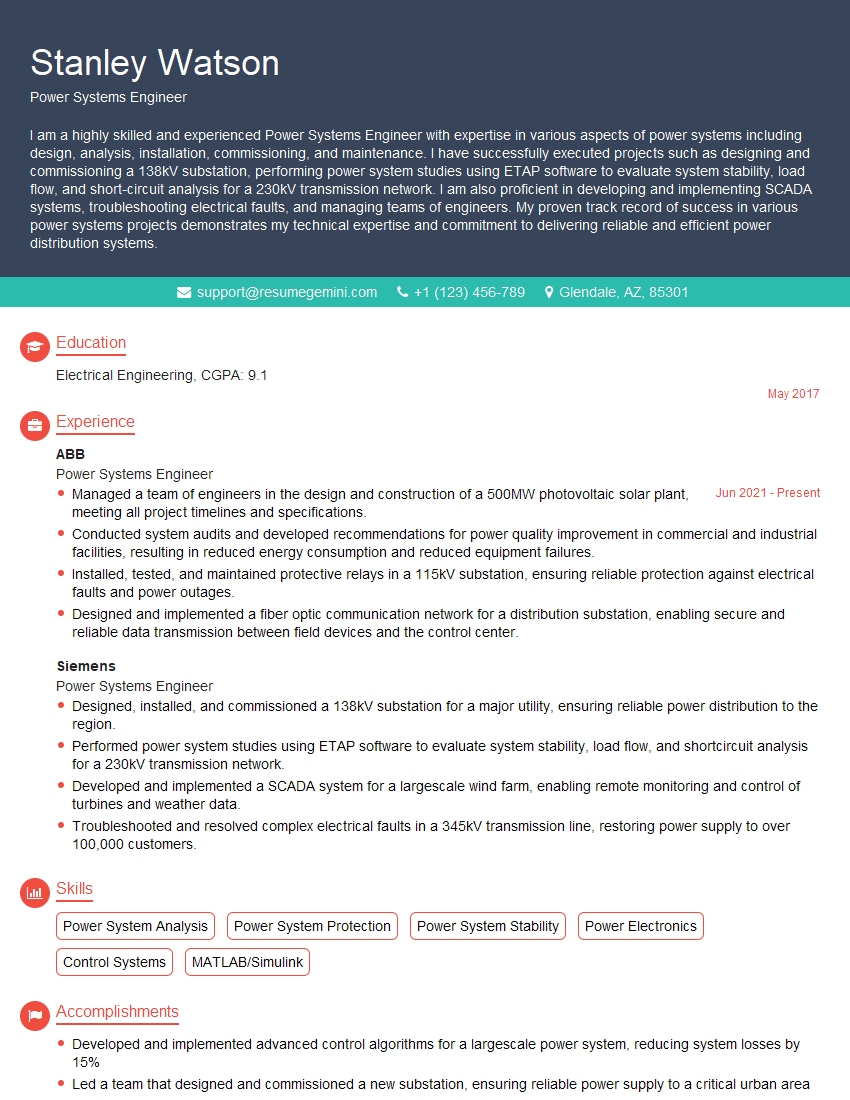
Power Systems Engineer Resume Sample
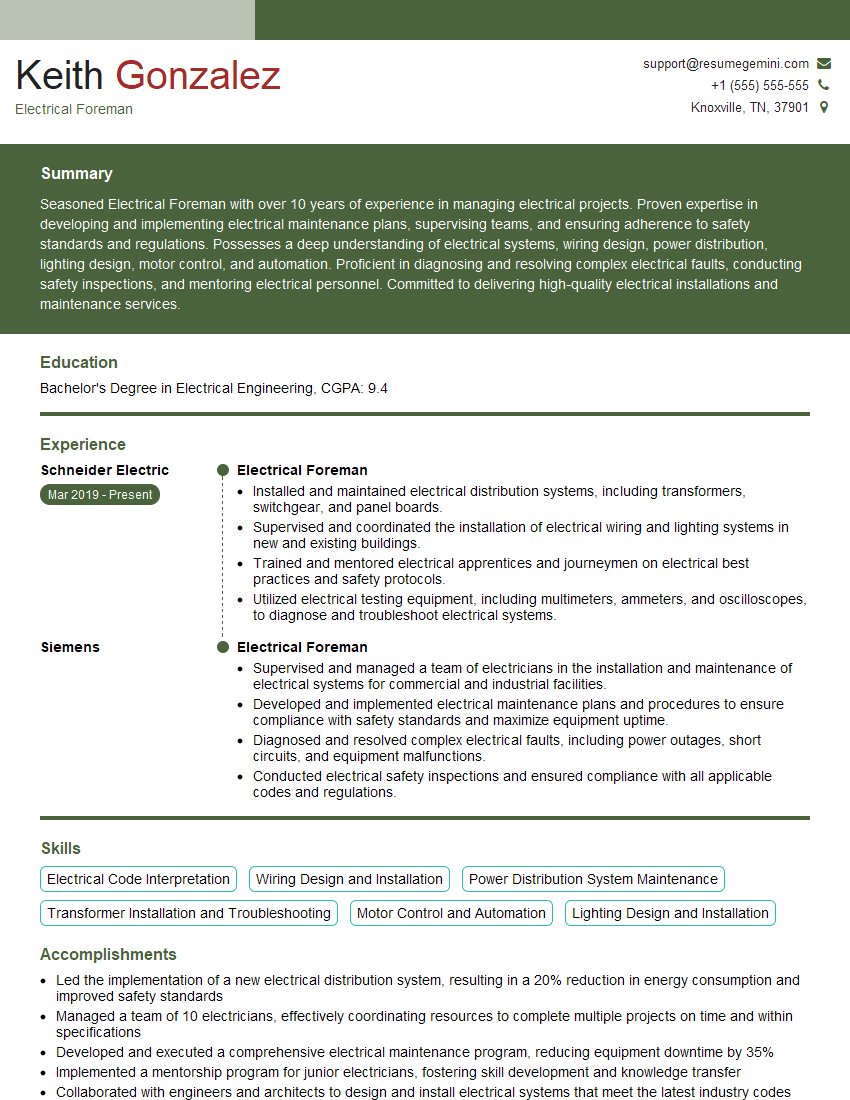
Electrical Foreman Resume Sample
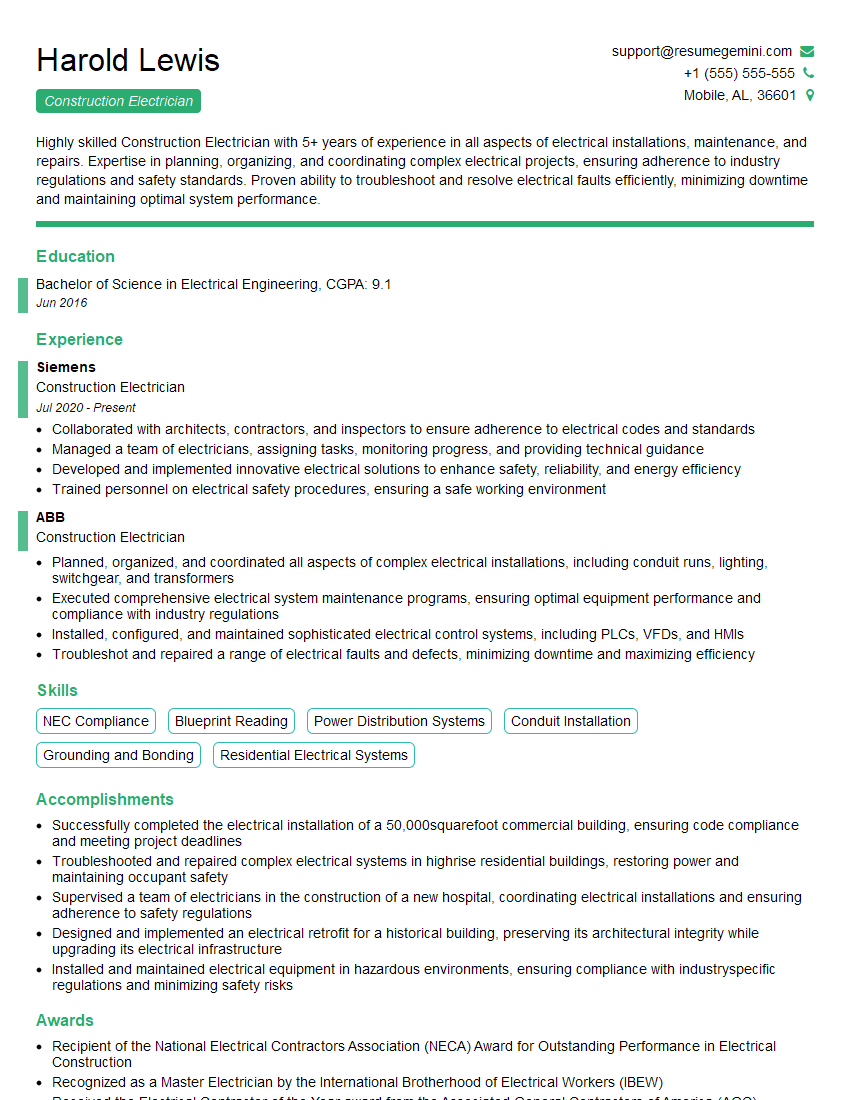
Construction Electrician Resume Sample

Maintenance Electrician Resume Sample
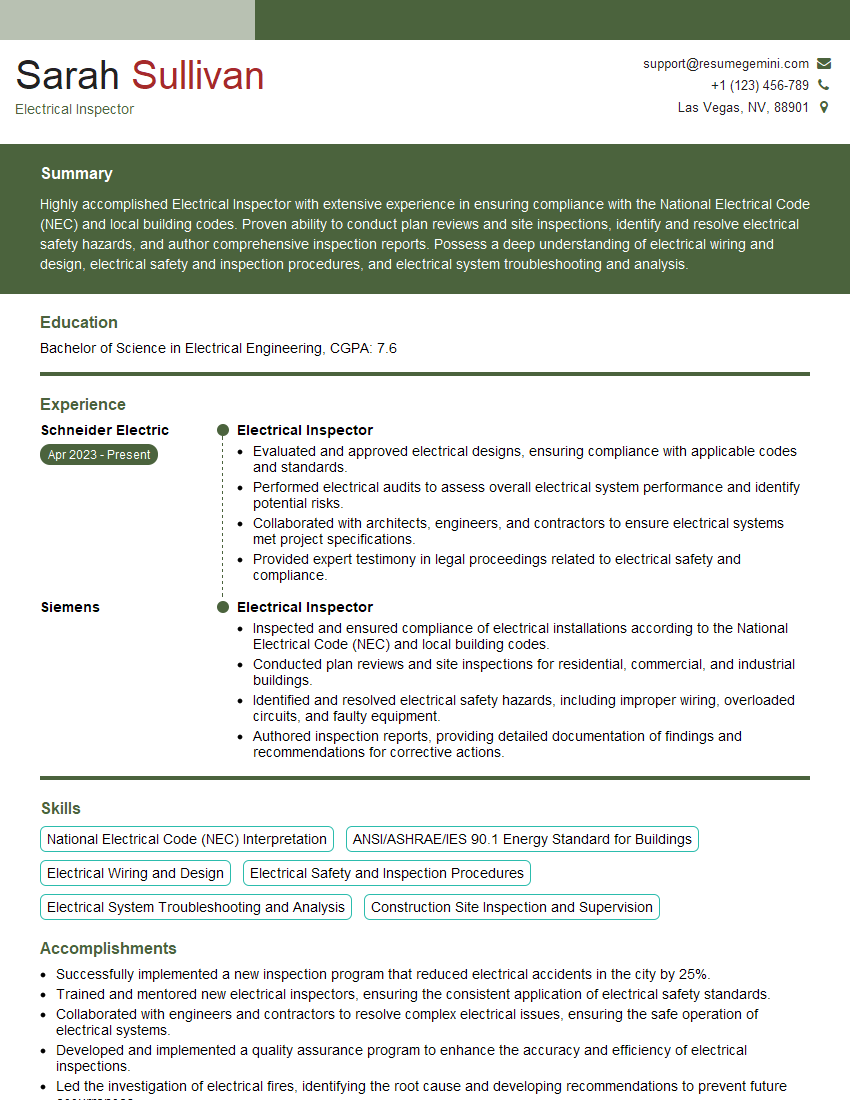
Electrical Inspector Resume Sample

Substation Electrician Resume Sample
Explore more articles
Users Rating of Our Blogs
Share Your Experience
We value your feedback! Please rate our content and share your thoughts (optional).
What Readers Say About Our Blog
To the interviewgemini.com Webmaster.
Very helpful and content specific questions to help prepare me for my interview!
Thank you
To the interviewgemini.com Webmaster.
This was kind of a unique content I found around the specialized skills. Very helpful questions and good detailed answers.
Very Helpful blog, thank you Interviewgemini team.