Cracking a skill-specific interview, like one for Material Measurement and Estimation, requires understanding the nuances of the role. In this blog, we present the questions you’re most likely to encounter, along with insights into how to answer them effectively. Let’s ensure you’re ready to make a strong impression.
Questions Asked in Material Measurement and Estimation Interview
Q 1. Explain the process of material takeoff from blueprints.
Material takeoff from blueprints is the process of extracting the quantities of materials needed for a construction project by carefully reviewing architectural, structural, and engineering drawings. It’s the foundation of accurate material estimation and cost control. Think of it like a detailed shopping list for a massive project.
The process typically involves:
- Careful Review of Drawings: Systematically examine each blueprint, noting dimensions, specifications, and material types.
- Measurement and Calculation: Using measurement tools (physical or digital), calculate the area, volume, or length of required materials. For example, calculating the square footage of drywall needed for a wall or the cubic yards of concrete needed for a foundation.
- Material Specification Identification: Clearly identify the specific type of material needed (e.g., 2×4 lumber, specific tile, particular type of concrete). This ensures accurate pricing and procurement.
- Quantity Calculation: Based on measurements and specifications, calculate the total quantity of each material required. This might involve unit conversions (e.g., converting square feet to square yards).
- Organization and Documentation: Organize all measurements and calculations in a clear and well-documented format, often in a spreadsheet or specialized estimating software. This ensures traceability and avoids errors.
Example: Let’s say a blueprint shows a wall that’s 10 feet high and 20 feet long. To calculate the drywall needed, you would multiply 10ft x 20ft = 200 sq ft. You’d then account for any doors or windows by subtracting their areas from the total.
Q 2. Describe different methods for calculating material quantities.
Several methods exist for calculating material quantities, each suited to different situations. The choice often depends on the project complexity and available data.
- Direct Measurement: This involves directly measuring the required materials from blueprints, as described in the previous answer. It’s accurate but time-consuming for large projects.
- Unit-Based Estimation: This involves using pre-determined quantities per unit (e.g., square feet of drywall per room, cubic yards of concrete per foundation). This is faster but requires historical data and may lack precision.
- Quantity Takeoff Software: Specialized software automates much of the measurement and calculation process, dramatically increasing speed and accuracy. Many integrate directly with CAD drawings.
- Statistical Methods: For large, repetitive projects, statistical methods can be used to estimate material quantities based on historical data and sampling. This approach works well for large-scale developments.
- Rules of Thumb/Empirical Formulas: Certain industries rely on well-established rules of thumb or empirical formulas for estimating material needs, based on years of experience and historical data.
Example: In concrete work, a common approach is to calculate cubic yards required. If a foundation measures 10ft x 20ft x 2ft, you would calculate the cubic feet (400 cu ft) and then convert to cubic yards (approximately 14.8 cu yds).
Q 3. How do you account for waste and spoilage in material estimation?
Accounting for waste and spoilage is crucial for accurate material estimation. Ignoring them can lead to significant cost overruns and project delays. Waste and spoilage are usually expressed as percentages added to the base material quantity.
Factors influencing waste and spoilage include:
- Material Type: Some materials (e.g., lumber) naturally have more waste due to cutting and trimming.
- Project Complexity: Complex designs with intricate cuts often result in higher waste.
- Labor Skill: Skilled laborers can minimize waste compared to less experienced ones.
- Weather Conditions: Adverse weather can increase material damage and spoilage.
Methods for Accounting for Waste and Spoilage:
- Percentage Markup: A common approach is to add a percentage markup to the calculated material quantity. This percentage varies depending on the material and project complexity (e.g., 5-10% for lumber, 2-5% for drywall).
- Detailed Waste Analysis: For critical projects, a detailed analysis of potential waste sources can provide a more precise estimate. This might involve simulating cutting patterns or reviewing historical waste data from similar projects.
Example: If 100 sq ft of tile are needed and the waste factor is 5%, you would order 100 sq ft + (100 sq ft * 0.05) = 105 sq ft of tile.
Q 4. What software are you proficient in for material estimation (e.g., Excel, specialized estimating software)?
I’m proficient in several software applications for material estimation. My expertise includes:
- Microsoft Excel: I extensively use Excel to create spreadsheets for organizing material takeoff data, performing calculations, and generating reports. I’m skilled in using formulas, functions, and pivot tables to manage large datasets efficiently.
- On-Screen Takeoff (OST): I have considerable experience with OST, a specialized software for digital takeoff from blueprints. Its features like automatic area calculations and reporting significantly enhance productivity and accuracy.
- PlanSwift: I am familiar with PlanSwift, another leading estimating software known for its user-friendly interface and robust features for quantity takeoff and cost estimation.
Beyond specific software, my skills extend to leveraging the capabilities of Building Information Modeling (BIM) software for extracting material data directly from 3D models, which offers an even more streamlined and accurate material estimation process.
Q 5. How do you handle discrepancies between estimated and actual material quantities?
Discrepancies between estimated and actual material quantities are common in construction. Addressing these requires a systematic approach:
- Review of Takeoff Process: Thoroughly review the initial material takeoff process to identify potential errors in measurements or calculations.
- On-Site Verification: Conduct on-site verification to confirm actual material usage and identify any unforeseen factors (e.g., unexpected damage, changes in design).
- Waste and Spoilage Analysis: Analyze the actual waste and spoilage to understand if the initial estimates were accurate. Adjust the waste factor for future projects.
- Change Orders: Document any changes to the project scope or design that affected material quantities. This is crucial for justifying discrepancies.
- Communication: Open communication with the project team, subcontractors, and clients is vital to identify and resolve issues.
By carefully analyzing the discrepancies and implementing corrective measures, you can improve the accuracy of future estimates and enhance project cost control.
Q 6. Explain your understanding of different unit pricing methods.
Unit pricing methods describe how the cost of materials is determined. Understanding these methods is key to accurate budgeting and cost control. Different methods suit different projects and contexts.
- Unit Price: This is the simplest method, where the cost is based on a unit of measure (e.g., cost per square foot of drywall, cost per cubic yard of concrete). This is common in construction.
- Linear Foot Pricing: Often used for linear materials like lumber or piping, the cost is calculated based on the length.
- Square Foot Pricing: Widely used for flat materials like flooring, drywall, and roofing, the cost is determined per square foot of coverage.
- Cubic Yard Pricing: Applied to materials with volume, such as concrete, gravel, and fill dirt, the cost is calculated per cubic yard.
- Item Pricing: Used for discrete items like fixtures, doors, or windows, the cost is per individual item.
Important Considerations: Unit prices are often influenced by factors like material quality, delivery costs, and market fluctuations. It’s important to get up-to-date pricing from reliable suppliers.
Q 7. Describe your experience with creating and managing a material budget.
My experience with material budgeting involves the entire lifecycle, from initial estimation to final reconciliation. Here’s a breakdown:
- Initial Budget Creation: I use detailed material takeoff and unit pricing to create a comprehensive material budget, factoring in waste, spoilage, and contingency reserves.
- Regular Monitoring: I establish a system for regularly monitoring material costs against the budget. This involves tracking actual purchases and comparing them to the initial estimates.
- Variance Analysis: I perform regular variance analysis to identify any significant differences between the budgeted and actual costs. This helps pinpoint areas needing attention.
- Budget Adjustments: If necessary, I propose and implement budget adjustments based on the variance analysis. This might involve negotiating with suppliers or exploring alternative materials.
- Final Reconciliation: At project completion, I reconcile the final material costs with the initial budget, documenting any discrepancies and lessons learned.
Example: On a recent project, I implemented a system using a spreadsheet linked to purchase orders, allowing real-time tracking of material expenses. This enabled early identification of cost overruns and timely corrective action.
Q 8. How do you ensure accuracy in material measurement and estimation?
Ensuring accuracy in material measurement and estimation is paramount for successful project completion. It’s a multi-faceted process that starts with meticulous planning and extends to rigorous verification. Think of it like baking a cake – you need the precise ingredients in the correct quantities for the desired outcome.
- Precise Measurement Techniques: We utilize a variety of tools, from simple tape measures for smaller projects to laser scanners for large-scale undertakings, selecting the most appropriate tool based on the project’s complexity and required precision. Regular calibration of these tools is crucial for accuracy. For instance, a slight miscalibration on a laser scanner measuring a large building could lead to significant material overages or shortages.
- Detailed Drawings and Specifications: Accurate architectural and engineering drawings are the foundation. We thoroughly review these documents to understand the exact dimensions, quantities, and types of materials needed. Any ambiguity is clarified with the design team before proceeding.
- Waste Factor Incorporation: Realistic waste factors are crucial. This accounts for material loss during cutting, handling, and unforeseen circumstances. Experience allows for accurate estimation of this factor, which varies depending on the material and construction method. For example, cutting plywood involves more waste than using pre-fabricated components.
- Verification and Cross-checking: Independent verification is vital. We often perform multiple measurements and cross-check calculations to minimize errors. For instance, calculating the area of a room using both length x width and using a laser scanner provides redundancy in our measurements.
- Material Sampling and Testing: In some projects, we might conduct material testing to ensure the material’s properties meet specifications. This is particularly important when using less-common or specialized materials. This minimizes the risk of discovering inconsistencies after the material has been used.
Q 9. How do you prioritize materials based on project needs and timelines?
Prioritizing materials requires a systematic approach that considers both project needs and timelines. We employ a combination of techniques, akin to a conductor leading an orchestra, to ensure materials arrive when and where they are needed.
- Critical Path Method (CPM): We leverage CPM to identify activities crucial to the project timeline. Materials required for these critical path activities are prioritized to avoid delays. For instance, if steel beams are critical for the structural frame, their procurement and delivery are given top priority.
- Material Bill of Quantities (BQ): A comprehensive BQ is prepared, detailing all materials, their quantities, and associated deadlines. This document helps track the progress and identify any potential material shortages or conflicts.
- Just-in-Time (JIT) Inventory: Where feasible, JIT inventory management helps minimize storage costs and reduce the risk of material obsolescence. This requires precise scheduling and reliable supplier partnerships.
- Risk Assessment: We identify potential risks associated with material availability, such as long lead times or supply chain disruptions. Mitigation strategies, like securing alternative suppliers or pre-ordering critical materials, are implemented to counteract these risks.
Q 10. Explain your understanding of material cost fluctuations and risk mitigation strategies.
Material cost fluctuations are an inevitable reality, posing significant risks to project budgets. Understanding these fluctuations and implementing effective mitigation strategies is crucial for success. Think of it as navigating a turbulent market – you need a sturdy ship and a skilled captain.
- Market Analysis: We constantly monitor commodity prices and market trends to anticipate potential cost increases or decreases. This involves researching historical price data, industry reports, and consulting with suppliers.
- Contractual Agreements: Negotiating favorable contracts with suppliers, incorporating price escalation clauses or fixed-price agreements, protects against unforeseen price hikes. For instance, a fixed-price contract guarantees a set price regardless of market fluctuations.
- Hedging Strategies: In some cases, hedging strategies, like purchasing options or futures contracts, can mitigate the risk of price volatility for essential commodities. However, these require a detailed understanding of financial markets.
- Value Engineering: Exploring alternative materials with similar performance but lower costs can be a valuable strategy. This requires careful evaluation to ensure the alternative material meets the required specifications.
- Contingency Planning: Including a contingency buffer in the budget to account for potential price increases is a prudent measure. This provides flexibility to absorb unexpected cost fluctuations without jeopardizing the project’s financial viability.
Q 11. How do you collaborate with other project team members (e.g., engineers, contractors) regarding materials?
Effective collaboration is the cornerstone of successful material management. Open communication and regular coordination with engineers, contractors, and other stakeholders are essential. It’s like building a house – everyone needs to work together seamlessly.
- Regular Meetings: Scheduled meetings involving all relevant parties ensure everyone is aligned on material requirements, schedules, and potential issues. Minutes of these meetings provide a record of decisions and actions.
- Digital Collaboration Tools: Utilizing project management software and shared document repositories ensures that everyone has access to the most up-to-date information. This minimizes confusion and facilitates quick decision-making.
- Constructive Feedback Mechanisms: Open communication channels allow for timely identification and resolution of any discrepancies or problems related to materials. This prevents minor issues from escalating into major problems.
- Material Request and Approval Processes: Clearly defined processes for material requests and approvals prevent confusion and ensure all material procurement adheres to budget and quality standards.
Q 12. Describe your experience using different measuring tools (e.g., tape measures, laser scanners).
My experience with various measuring tools is extensive, ranging from simple tape measures to sophisticated laser scanning equipment. The choice of tool depends heavily on the scale and complexity of the project. It’s like having a toolbox filled with different tools for different jobs.
- Tape Measures: For smaller projects, tape measures are essential for accurate linear measurements. I’m proficient in using both metric and imperial units and ensuring correct readings, accounting for potential inaccuracies due to tension and stretching.
- Laser Distance Meters: These tools offer increased precision and efficiency for larger distances. I’m skilled in operating them, accounting for environmental factors that might influence readings.
- Total Stations: For high-precision surveying, total stations provide accurate measurements of angles and distances, forming the basis for detailed site plans.
- Laser Scanners: I have experience with laser scanners, capturing detailed three-dimensional models of structures and sites. This allows for precise material estimations and assists in clash detection during the design phase.
Q 13. How do you manage and track material orders and deliveries?
Managing and tracking material orders and deliveries is a crucial aspect of material management. It requires careful planning, record-keeping, and proactive communication with suppliers. Imagine it as orchestrating a complex supply chain.
- Purchase Orders (POs): Detailed POs are issued to suppliers, clearly outlining the materials, quantities, delivery dates, and payment terms. These serve as official contracts.
- Material Tracking Systems: We utilize tracking systems, both manual and digital, to monitor the status of each order – from placement to delivery and acceptance. This could include spreadsheets, databases, or specialized project management software.
- Delivery Verification: Upon delivery, materials are inspected to ensure they meet the specifications outlined in the POs. This involves verifying quantities, quality, and condition.
- Inventory Management: Effective inventory management systems track the quantity of materials on-hand, minimizing storage costs and preventing shortages or surpluses.
- Communication with Suppliers: Proactive communication with suppliers is essential to address any delays or issues that may arise during the procurement process. This ensures timely delivery and minimizes project disruptions.
Q 14. How familiar are you with different material standards and specifications?
Familiarity with material standards and specifications is critical for ensuring the quality, safety, and performance of a project. This knowledge is comparable to a doctor understanding various medical standards to provide optimal care.
- ASTM Standards: I possess a strong understanding of ASTM (American Society for Testing and Materials) standards for various construction materials, including concrete, steel, and timber. These standards specify material properties and testing methods.
- Building Codes: I am well-versed in relevant building codes and regulations, which dictate the acceptable materials and their specifications for different construction types and locations. This ensures compliance with local regulations.
- Industry-Specific Standards: Depending on the project, I am familiar with industry-specific standards and certifications. For example, for green building projects, I understand LEED (Leadership in Energy and Environmental Design) requirements and the use of sustainable materials.
- Material Data Sheets (MSDS): I am adept at interpreting MSDS, which provide crucial information about the handling, storage, and safety requirements of various materials.
- Material Certifications: I understand the importance of material certifications, verifying that materials meet the specified quality standards. This is particularly important for structural materials.
Q 15. Explain your experience with analyzing material bids and selecting vendors.
Analyzing material bids and selecting vendors is a crucial aspect of project management that requires a keen eye for detail and a strong understanding of market dynamics. My approach involves a multi-step process starting with a thorough review of each bid, ensuring all specifications are met. I meticulously compare pricing, delivery timelines, and the vendor’s reputation and track record. I cross-reference this information with pre-qualification data and past performance reviews. For example, I once compared three bids for structural steel. While one vendor offered the lowest price, their delivery time was significantly longer and their past performance reviews revealed inconsistencies in meeting deadlines. Ultimately, I selected a vendor with slightly higher pricing but a proven track record of timely delivery and quality materials. This ensured the project stayed on schedule and within budget. The key is to strike a balance between cost and reliability, considering factors like potential risks associated with cost-cutting.
Beyond the initial review, I actively engage in communication with potential vendors, clarifying ambiguities and negotiating favorable terms. This often includes discussions around payment schedules, potential material substitutions, and contingency plans for unforeseen delays. I document all communication and agreements meticulously.
Career Expert Tips:
- Ace those interviews! Prepare effectively by reviewing the Top 50 Most Common Interview Questions on ResumeGemini.
- Navigate your job search with confidence! Explore a wide range of Career Tips on ResumeGemini. Learn about common challenges and recommendations to overcome them.
- Craft the perfect resume! Master the Art of Resume Writing with ResumeGemini’s guide. Showcase your unique qualifications and achievements effectively.
- Don’t miss out on holiday savings! Build your dream resume with ResumeGemini’s ATS optimized templates.
Q 16. How do you identify and resolve potential material-related issues during the construction phase?
Identifying and resolving material-related issues during construction requires proactive monitoring and a systematic approach. My strategy starts with regular site visits, where I visually inspect materials for quality and adherence to specifications. This involves checking for defects, verifying dimensions, and ensuring correct identification and labeling. I also review delivery documentation against the original order to avoid discrepancies. Think of it as a quality control checkpoint at every stage. For instance, during a recent project, I noticed that a shipment of bricks had a slightly different color shade than the sample approved in the design phase. Immediate action was taken – I contacted the vendor, obtained photographic evidence, and worked with the project architect to determine the acceptability of the variation. Fortunately, the difference was deemed minor, but had it been significant, the issue would have been escalated, potentially requiring replacement or an adjustment to the design.
In addition to visual inspections, I maintain detailed records of material usage and track potential problems through a dedicated issue-tracking system. This allows for timely identification of trends and prevents small problems from escalating into major setbacks.
Q 17. Describe your approach to resolving discrepancies between estimated and actual material costs.
Discrepancies between estimated and actual material costs are inevitable in construction, but effective management can mitigate their impact. My approach begins with a thorough analysis of the initial estimate, examining the assumptions and calculations made. This involves reviewing the quantity takeoff (the process of measuring materials needed), the pricing data used, and any contingency allowances. A thorough understanding of the reasons behind the initial estimate is crucial before comparison with the actual costs.
Next, I compare the actual quantities used against the estimated quantities. This is where detailed records of material usage prove invaluable. Differences could be due to design changes, unforeseen site conditions, or simply inaccuracies in the initial estimate. I then analyze the pricing differences, considering factors like inflation, market fluctuations, and changes in supplier agreements. Finally, I document all findings, identifying the root causes of the discrepancy and proposing recommendations for improving future estimation accuracy. This might include refining the quantity takeoff process, using more accurate pricing models, or incorporating a larger contingency allowance.
Q 18. How do you ensure the timely procurement of materials?
Ensuring timely procurement of materials hinges on effective planning and proactive communication. My approach begins with creating a detailed material procurement schedule, which is closely integrated with the project schedule. This schedule includes lead times for each material, considering factors like ordering, manufacturing, delivery, and potential delays. I also prioritize materials based on their criticality to the project timeline. For example, structural steel typically has a longer lead time than interior finishes; therefore, its procurement should be initiated much earlier.
Regular monitoring and communication with suppliers are key. I maintain close contact throughout the procurement process, tracking orders and anticipated delivery dates. I also maintain a buffer to account for potential delays. Using a project management software helps greatly here, allowing me to track the entire procurement process from purchase order to delivery confirmation. Proactive communication with the construction team keeps them updated on material availability, preventing potential disruptions to the project schedule. Should any delays occur, I actively seek alternative solutions like expedited shipping or substitute materials, while carefully considering the impact on cost and quality.
Q 19. What is your experience with value engineering in relation to material selection?
Value engineering in material selection is about finding cost-effective alternatives without compromising quality or performance. My experience involves collaborating with architects, engineers, and contractors to explore options that achieve the same functionality at a lower cost. This often involves researching different materials with similar properties, analyzing their lifecycle costs, and evaluating their environmental impact. For example, during a recent project, the initial design specified a high-cost hardwood for flooring. Through value engineering, we identified a high-quality engineered wood product that provided comparable aesthetic appeal, durability, and performance at a significantly lower cost. The savings were substantial without compromising the project’s overall quality.
Value engineering is not just about finding cheaper materials. It’s also about optimizing the use of existing materials to minimize waste and improve efficiency. This could involve modifying designs, optimizing cutting patterns, or finding creative reuse opportunities for construction byproducts.
Q 20. How do you utilize technology to improve material measurement and estimation processes?
Technology plays a pivotal role in improving material measurement and estimation processes. I leverage Building Information Modeling (BIM) software extensively to create accurate 3D models of the project, enabling precise quantity takeoff and reducing the risk of errors. BIM allows for detailed analysis of material quantities, cost estimations, and visualization of the project before construction even begins. This leads to increased accuracy and a reduction in potential rework and cost overruns.
I also utilize cloud-based project management software to track material orders, delivery schedules, and costs in real-time. This software provides centralized access to information for all stakeholders, ensuring transparency and improving collaboration. Furthermore, data analytics tools help analyze historical project data, identifying trends and patterns to improve future estimation accuracy. For instance, by analyzing past material pricing data, I can better predict future fluctuations and incorporate them into my estimates, minimizing the risk of unexpected cost increases.
Q 21. Describe a situation where you had to make a quick decision about material selection under pressure.
During a large-scale renovation project, a critical component – a specific type of specialized sealant – was unexpectedly delayed by the supplier. The delay threatened to significantly impact the project timeline and overall schedule. Under pressure, I had to make a quick decision. I immediately contacted alternative suppliers, researching similar products that met the same specifications. I carefully weighed the trade-offs between cost, availability, and potential performance differences. Ultimately, I selected a substitute sealant that met the technical requirements and was available for immediate delivery. This decision required quick thinking, resourcefulness, and a strong understanding of material properties. Although slightly more expensive, it prevented significant project delays and avoided penalties associated with schedule slippage.
This experience underscored the importance of having backup plans, maintaining a network of reliable suppliers, and being familiar with alternative materials. It also highlighted the need for clear communication and decision-making processes, even under pressure.
Q 22. Explain your experience with different types of construction contracts and their impact on material management.
My experience spans various construction contract types, each impacting material management differently. Lump sum contracts, for instance, require meticulous upfront material estimations to ensure profitability. Any cost overruns related to material are absorbed by the contractor. This necessitates a highly accurate material takeoff and robust cost-control system. In contrast, cost-plus contracts offer more flexibility but demand rigorous tracking and documentation of all material costs to ensure transparency and avoid disputes with the client. Unit price contracts, where materials are priced per unit, require precise quantification of materials needed for each unit of work. Understanding the specific obligations and risk allocation of each contract type is crucial for effective material management. For example, in a lump sum contract for a residential build, I’d use detailed BIM models and sophisticated quantity takeoff software to minimize material waste and ensure accurate budgeting. In a cost-plus contract for a complex infrastructure project, a robust change management process coupled with real-time material tracking would be essential to manage potential cost fluctuations.
Q 23. How familiar are you with sustainable material sourcing and practices?
I’m very familiar with sustainable material sourcing and practices. This includes specifying and procuring materials with recycled content, prioritizing locally sourced materials to reduce transportation emissions, and selecting materials with low embodied carbon. I’m proficient in evaluating Environmental Product Declarations (EPDs) and Health Product Declarations (HPDs) to assess the environmental and health impacts of building materials. For instance, I’ve successfully integrated reclaimed wood into several projects, not only achieving cost savings but also contributing to a smaller carbon footprint. I’ve also worked with projects utilizing sustainably harvested timber certified by organizations like the Forest Stewardship Council (FSC), ensuring responsible forestry practices. Furthermore, I have experience managing the logistics of sourcing and incorporating low-VOC (volatile organic compound) paints and adhesives, minimizing indoor air quality concerns.
Q 24. Explain your understanding of the different types of material waste and methods of reduction.
Material waste in construction can be categorized into several types: Construction waste (excess materials, demolition debris), material spoilage (damaged or unusable materials), and design waste (materials incorrectly specified or ordered). Reducing waste requires a multi-pronged approach. Accurate material takeoffs are fundamental. Lean construction principles, such as last planner systems and building information modeling (BIM), help optimize material ordering and delivery to minimize overstocking. Implementing robust quality control procedures reduces spoilage. Close collaboration between design, procurement, and construction teams can minimize design-related waste by clarifying specifications early on. Recycling and repurposing of construction materials also play a significant role. For example, on a recent project, we used BIM to optimize cutting patterns for plywood, reducing offcuts by 15%. We also partnered with a local recycling facility to manage and process demolition debris responsibly.
Q 25. Describe your process for tracking and reporting material costs throughout a project.
My process for tracking and reporting material costs involves using a combination of tools and techniques. Initially, a detailed budget is established based on the material takeoff. Throughout the project, we use a dedicated project management software (e.g., Procore, BIM360) to track material purchases, deliveries, and usage. Invoices are meticulously recorded and matched against purchase orders. Regular cost reports, typically weekly or bi-weekly, are generated, comparing actual costs against the budget. Variance analysis identifies potential overruns or savings, and appropriate corrective actions are taken. These reports are distributed to stakeholders, including clients and project managers. At project completion, a final cost report with a complete audit trail is produced, reconciling all material costs.
Q 26. How do you maintain organized records of materials used in a project?
Maintaining organized material records is crucial for efficient project management and cost control. We utilize a combination of digital and physical methods. Digital records are primarily maintained through our project management software, which stores all material orders, invoices, and delivery notes electronically. This ensures easy access to information and facilitates reporting. Physically, we maintain a well-organized filing system, both on-site and in the office, for hard copies of critical documents such as material certifications and testing reports. A unique identification system for each material is implemented to ensure accurate tracking. We regularly back up our digital data to prevent loss of information. This robust system ensures transparency and accountability in material usage.
Q 27. How would you handle a situation where a critical material is delayed?
A critical material delay requires immediate action. The first step is to confirm the delay with the supplier, understand the cause, and get a revised delivery estimate. Next, we assess the impact of the delay on the project schedule and identify potential mitigation strategies. This could involve exploring alternative suppliers, expediting delivery from the original supplier, or substituting the delayed material with a suitable alternative (if feasible and approved by the client). We then communicate the delay and the mitigation plan to relevant stakeholders. Detailed documentation of the delay, mitigation efforts, and any associated cost impacts is maintained. For example, on one project a steel beam supplier encountered a manufacturing issue. I immediately sourced a replacement supplier, albeit at a slightly higher cost, to prevent a significant schedule delay. This rapid response minimized project disruption.
Q 28. Describe your experience with conducting material takeoffs for complex projects.
I have extensive experience conducting material takeoffs for complex projects, leveraging both manual methods and advanced software. For intricate projects, we utilize Building Information Modeling (BIM) software to create detailed 3D models, from which accurate quantities of materials can be extracted. This eliminates errors and omissions often associated with manual takeoffs. We also incorporate advanced features like clash detection to identify potential conflicts early on, preventing material waste and construction delays. For example, on a large-scale hospital construction, we utilized BIM to generate detailed material takeoffs for various MEP (Mechanical, Electrical, and Plumbing) systems, resulting in improved accuracy and reduced material procurement costs. In addition to BIM, we employ other advanced software for quantity surveying, enhancing our efficiency and ensuring comprehensive material estimation.
Key Topics to Learn for Material Measurement and Estimation Interview
- Linear and Dimensional Measurements: Understanding units, precision, and accuracy in measuring lengths, areas, and volumes. Practical application: Calculating material requirements for construction projects based on accurate measurements.
- Volume Calculation Techniques: Mastering various methods for determining volumes of regular and irregular shapes. Practical application: Estimating the quantity of concrete needed for a foundation based on its dimensions.
- Material Properties and Estimation: Understanding material density, weight, and waste factors. Practical application: Accurately predicting the total weight of materials required, accounting for potential waste.
- Quantity Takeoff (QTO): Developing proficiency in extracting material quantities from blueprints and specifications. Practical application: Preparing accurate material lists for bidding on construction projects.
- Estimating Techniques: Exploring various estimation methods, including detailed, unit-rate, and parametric estimating. Practical application: Selecting the appropriate estimation method based on project complexity and available data.
- Cost Estimation and Budgeting: Integrating material costs with labor and other project expenses to develop accurate budgets. Practical application: Creating a realistic project budget based on material quantities and market prices.
- Software and Tools: Familiarity with relevant software and tools used for material estimation and quantity takeoff. Practical application: Utilizing software to enhance efficiency and accuracy in material estimations.
- Error Analysis and Quality Control: Understanding potential sources of error and implementing quality control measures to ensure accuracy. Practical application: Identifying and mitigating risks associated with inaccurate material estimations.
Next Steps
Mastering Material Measurement and Estimation is crucial for career advancement in fields like construction, engineering, and manufacturing. Accurate estimations directly impact project timelines, budgets, and overall success. To significantly boost your job prospects, creating a strong, ATS-friendly resume is essential. ResumeGemini can help you craft a compelling resume that highlights your skills and experience effectively. We provide examples of resumes tailored to Material Measurement and Estimation to help you present yourself in the best possible light. Take the next step towards your dream career – build a standout resume with ResumeGemini!
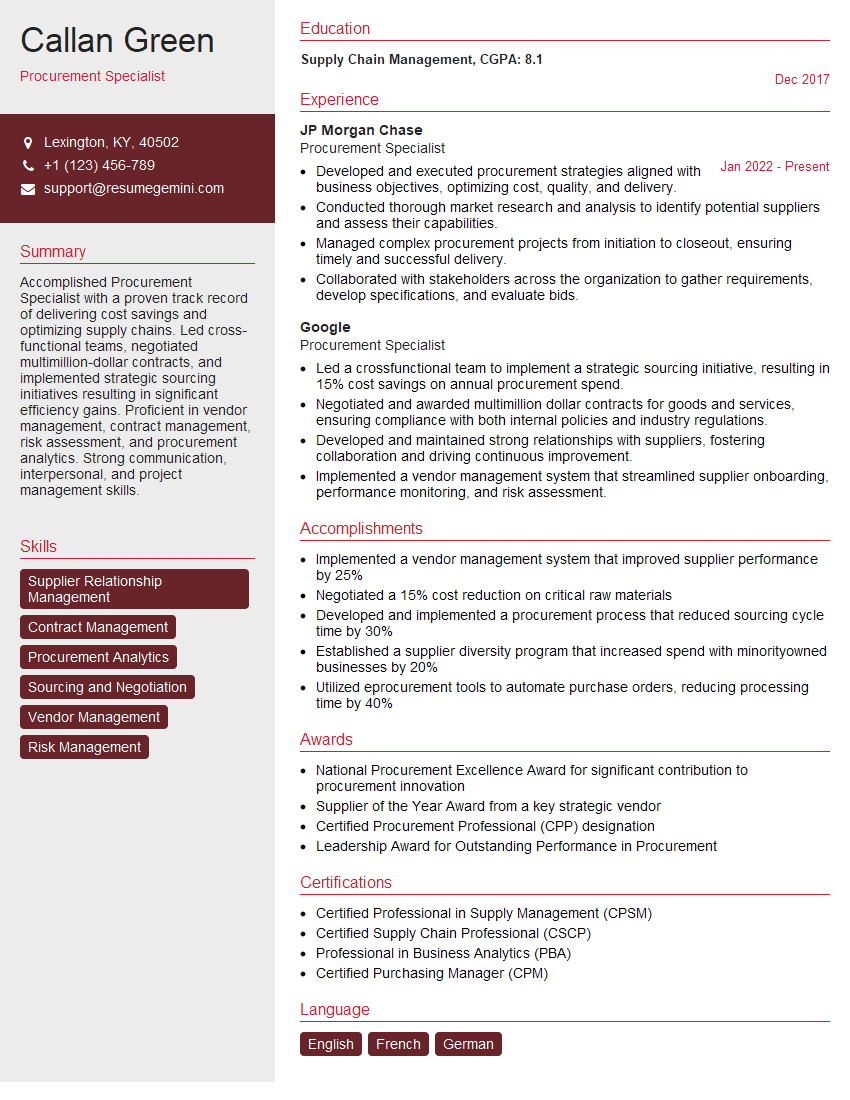
Procurement Specialist Resume Sample
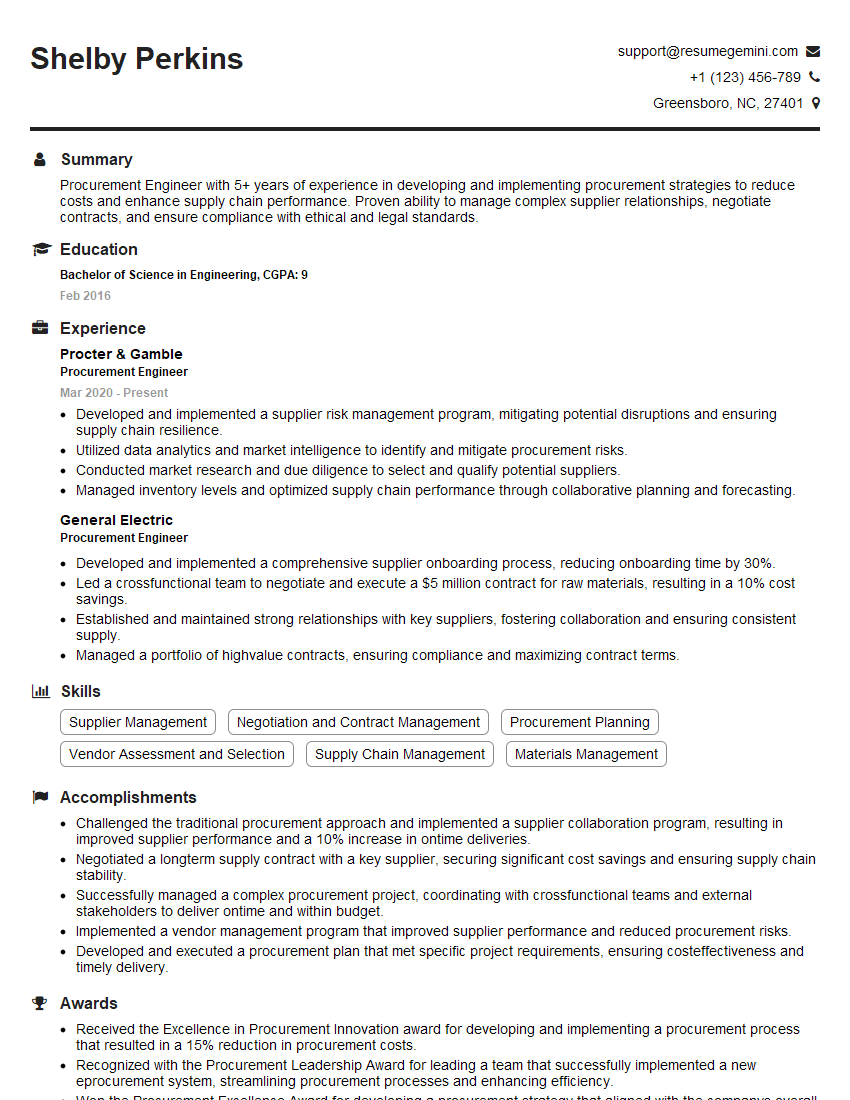
Procurement Engineer Resume Sample
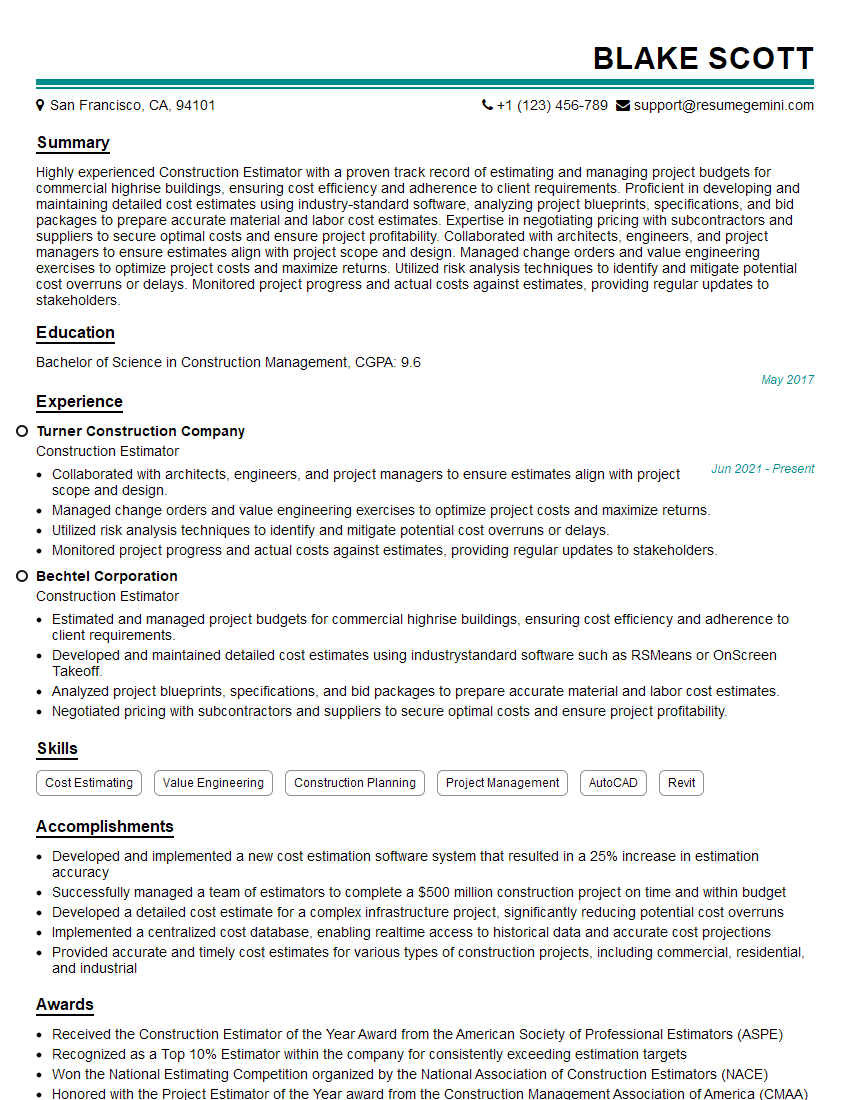
Construction Estimator Resume Sample
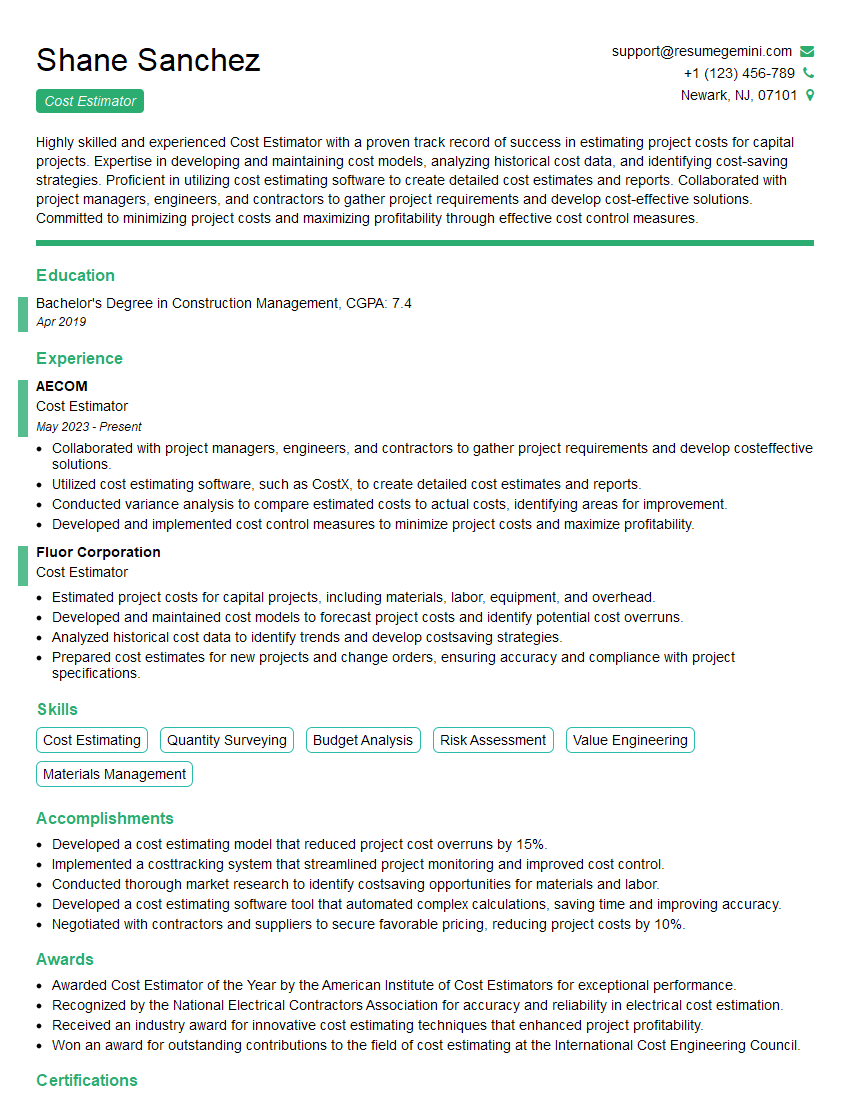
Cost Estimator Resume Sample
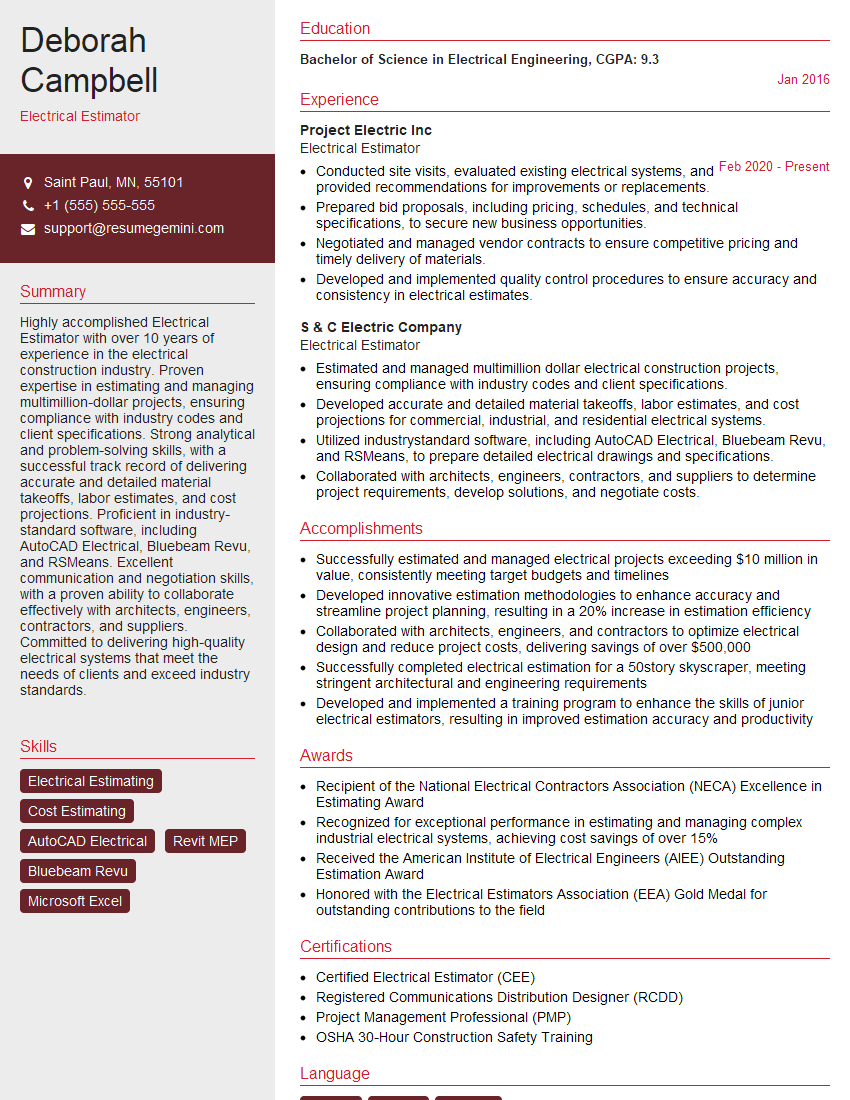
Electrical Estimator Resume Sample
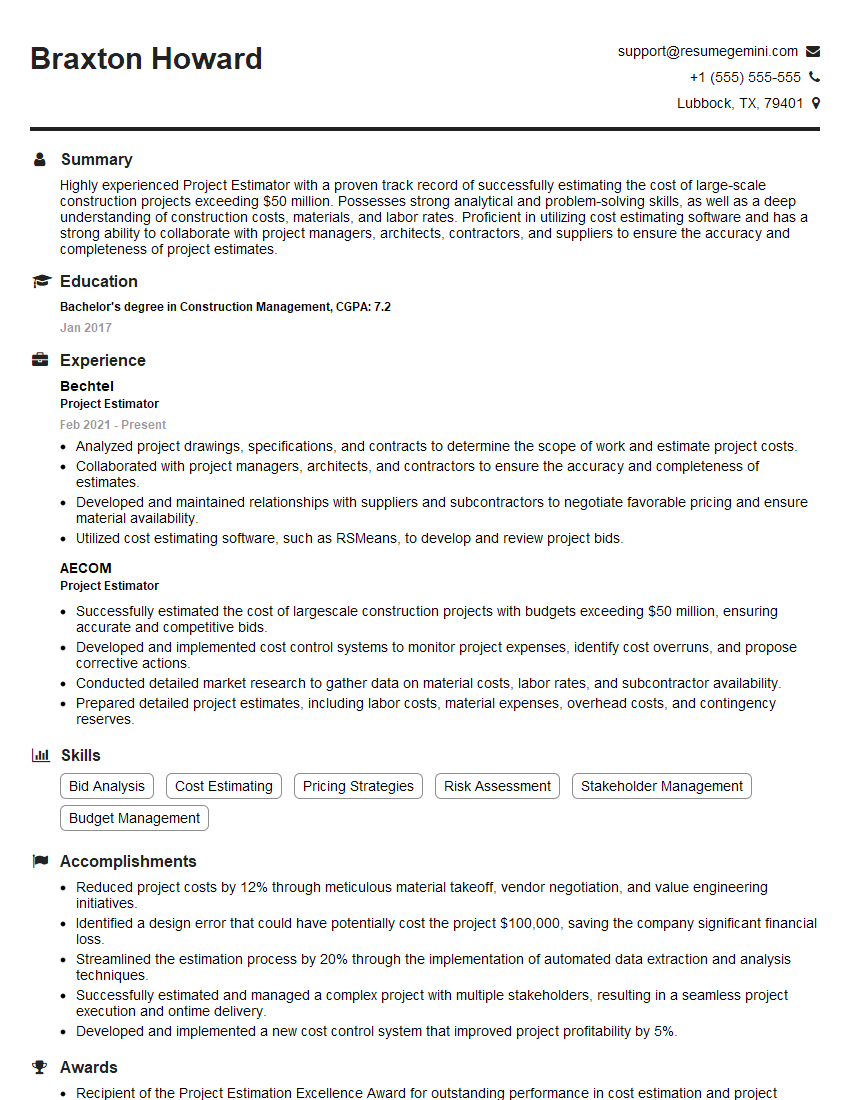
Project Estimator Resume Sample
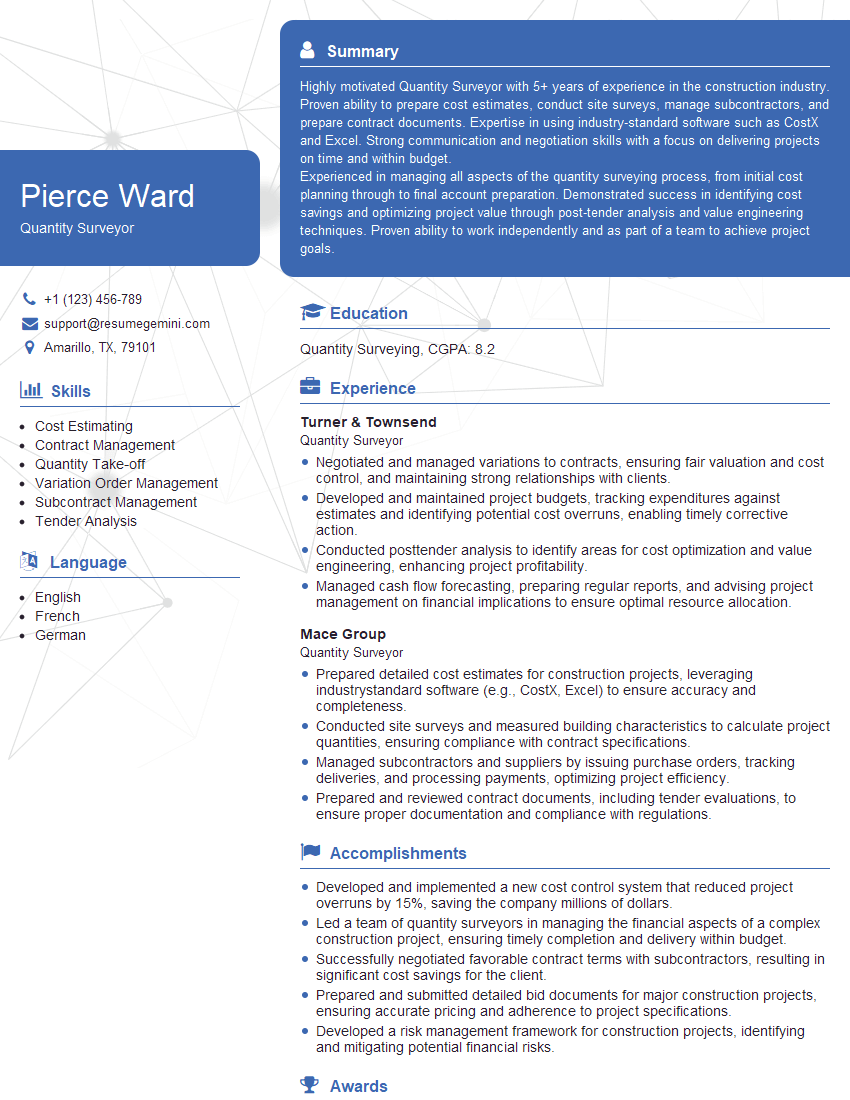
Quantity Surveyor Resume Sample
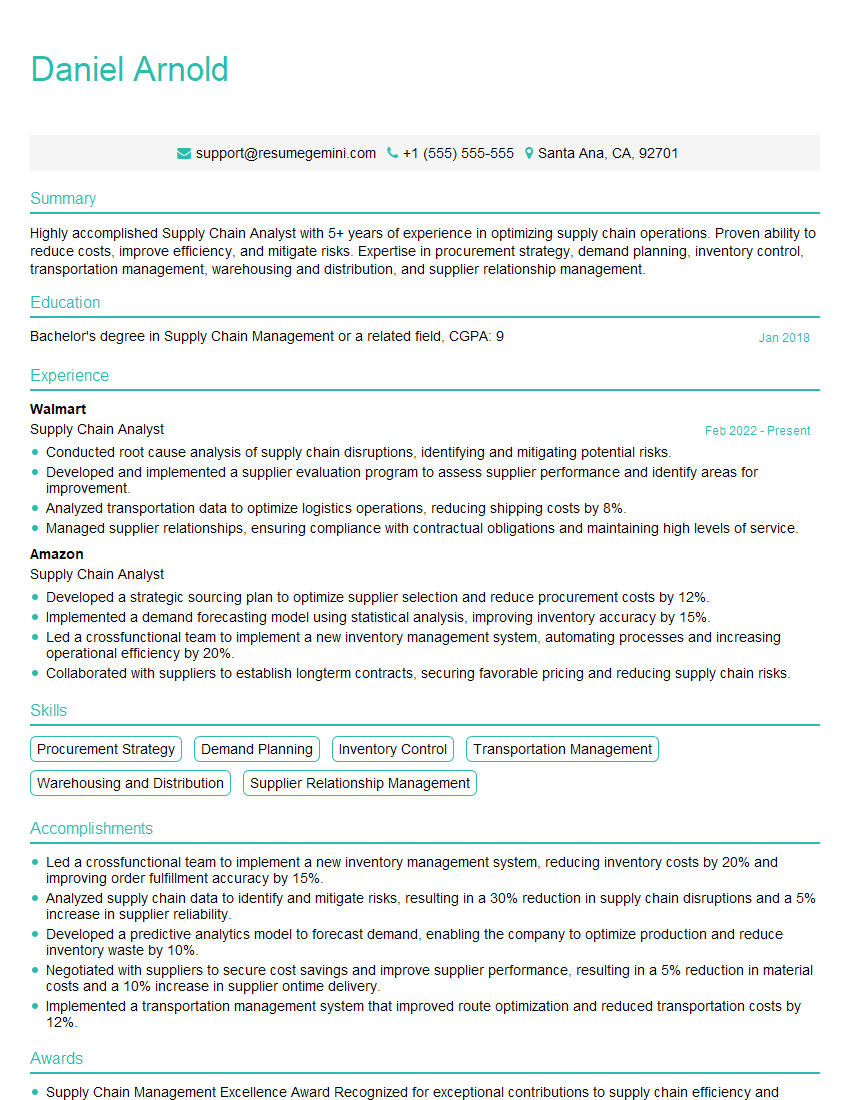
Supply Chain Analyst Resume Sample
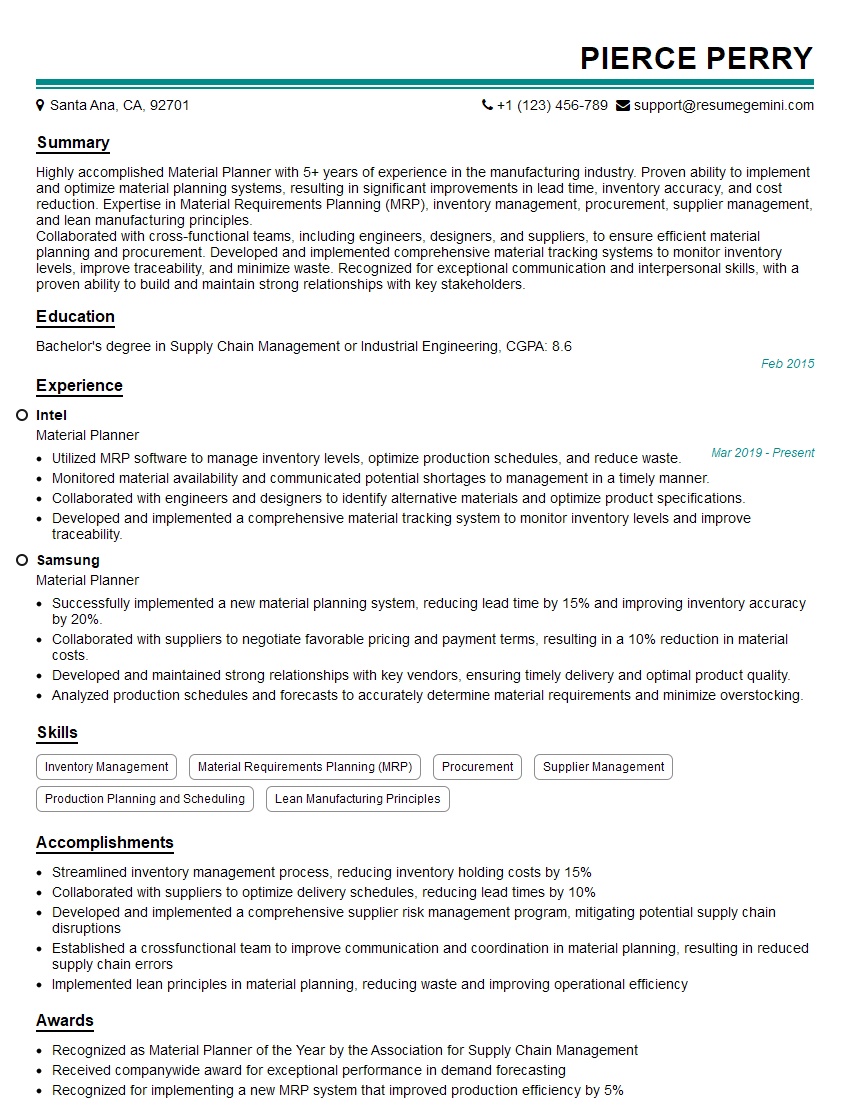
Material Planner Resume Sample
Explore more articles
Users Rating of Our Blogs
Share Your Experience
We value your feedback! Please rate our content and share your thoughts (optional).
What Readers Say About Our Blog
To the interviewgemini.com Webmaster.
Very helpful and content specific questions to help prepare me for my interview!
Thank you
To the interviewgemini.com Webmaster.
This was kind of a unique content I found around the specialized skills. Very helpful questions and good detailed answers.
Very Helpful blog, thank you Interviewgemini team.