Cracking a skill-specific interview, like one for Meeting Deadlines and Quality Standards, requires understanding the nuances of the role. In this blog, we present the questions you’re most likely to encounter, along with insights into how to answer them effectively. Let’s ensure you’re ready to make a strong impression.
Questions Asked in Meeting Deadlines and Quality Standards Interview
Q 1. Describe your process for prioritizing tasks to meet multiple deadlines.
Prioritizing tasks effectively is crucial for meeting multiple deadlines. My approach involves a multi-step process combining strategic planning with agile adaptation. First, I meticulously list all tasks, assigning each a clear deadline and estimating the required time. Then, I leverage a prioritization matrix, often a combination of urgency and importance (Eisenhower Matrix). This matrix helps categorize tasks as urgent/important (do immediately), important/not urgent (schedule), urgent/not important (delegate), and neither (eliminate). I frequently utilize tools like Gantt charts to visually represent task dependencies and deadlines, ensuring I account for potential bottlenecks. Finally, I regularly review the matrix and adjust priorities based on emerging needs and unexpected delays, ensuring flexibility remains a key component.
For example, in a recent project involving website development and marketing campaign launch, I used this method. The website launch was high urgency and high importance, while some marketing collateral development, though important, was less time-sensitive. This allowed me to focus my efforts optimally.
Q 2. How do you handle unexpected delays or obstacles that threaten project deadlines?
Unexpected delays are inevitable. My response involves a structured approach focused on proactive communication and problem-solving. When a delay occurs, my first step is to identify the root cause. Is it resource-related, technical, or due to external factors? Once identified, I explore mitigation strategies. This might involve reallocating resources, adjusting timelines, or negotiating with stakeholders. Open and honest communication is critical here; I promptly inform all stakeholders of the delay, clearly explaining the cause and proposed solution. Transparency fosters trust and collaborative problem-solving. If the delay impacts other tasks, I immediately re-prioritize using the techniques mentioned previously to minimize the ripple effect.
For instance, during a software development project, a critical third-party API experienced unexpected downtime. I immediately informed the stakeholders, explaining the issue and its potential impact. We then collaborated on adjusting the launch timeline and implemented alternative solutions, such as using a backup data source, ensuring minimal disruption.
Q 3. Explain your experience using project management software to track deadlines and progress.
I have extensive experience using various project management software, including Asana, Trello, and Jira. These tools are invaluable for tracking deadlines, progress, and team collaboration. I utilize them to create and manage project timelines, assign tasks, monitor progress against milestones, and track individual contributions. The features like Gantt charts, Kanban boards, and progress reporting are essential for maintaining project visibility and ensuring accountability. Moreover, these platforms facilitate communication and collaboration within the team, allowing for efficient task management and timely updates.
For example, in a recent project using Jira, I created detailed user stories, tracked sprint progress using Kanban boards, and generated comprehensive reports on project burn-down, bug fixes, and overall progress. This ensured that the project stayed on track and met its quality standards.
Q 4. What metrics do you use to measure the quality of your work?
Measuring the quality of my work relies on a multi-faceted approach. I use a combination of quantitative and qualitative metrics. Quantitative metrics include things like defect rate (number of bugs or errors per unit of work), adherence to specifications (percentage of requirements met), and customer satisfaction scores (based on surveys or feedback). Qualitative metrics are equally important and consider factors like the clarity and completeness of documentation, the elegance and efficiency of the solution, and the overall user experience. I also incorporate peer reviews and self-assessment as part of my quality control process, promoting continuous improvement.
For example, in a recent writing project, my quantitative metrics included word count accuracy, adherence to style guidelines, and completion within the deadline. Qualitative metrics included clarity of communication, reader comprehension, and overall impact.
Q 5. How do you identify and address quality issues in a project?
Identifying and addressing quality issues requires a proactive and systematic approach. I begin by establishing clear quality standards at the project’s outset, defining acceptable levels of error and performance. Throughout the project, I implement regular quality checks, such as code reviews, testing, and user acceptance testing (UAT). When issues are identified, I use a root cause analysis (RCA) technique to understand the underlying problem, preventing recurrence. Corrective actions are implemented and tracked, and lessons learned are documented to improve future projects. Collaboration and open communication are vital during this process; I involve team members and stakeholders in identifying solutions and implementing fixes.
For instance, during a software development project, a testing phase revealed several critical bugs. Using RCA, we determined the cause to be a flaw in the initial design specifications. We corrected the design, retested the code, and documented the lessons learned for future projects.
Q 6. Describe a time you had to balance competing priorities to meet deadlines.
In a previous project involving a simultaneous website redesign and a major marketing campaign, I had to balance competing priorities rigorously. The website launch was critical, but the marketing campaign’s success hinged on the website’s timely availability. I used a prioritization matrix and a detailed project schedule to coordinate tasks. I allocated resources strategically, assigning team members to critical tasks first, ensuring the website was ready on schedule. I held daily stand-up meetings to track progress and address immediate roadblocks, ensuring transparent communication among the team. Through careful planning and execution, we successfully launched both the website and the marketing campaign on schedule, showcasing effective prioritization under pressure.
Q 7. How do you communicate project status and potential deadline issues to stakeholders?
Effective communication is paramount in managing project status and potential deadline issues. I utilize various methods to keep stakeholders informed. Regular progress reports, often delivered weekly or bi-weekly, provide updates on milestones achieved, tasks in progress, and potential challenges. These reports are concise, visually appealing, and focus on key performance indicators (KPIs). For critical issues or potential deadline risks, I proactively communicate using email, instant messaging, or scheduled meetings. This ensures prompt attention to potential problems and allows for timely intervention. I maintain a transparent communication style, providing stakeholders with sufficient information to make informed decisions.
For example, if a delay is anticipated, I provide stakeholders with a detailed explanation of the cause, the likely impact on the timeline, and the proposed mitigation strategies. This proactive communication approach helps build trust and manage expectations effectively.
Q 8. What is your approach to risk management when it comes to meeting deadlines?
My approach to risk management for meeting deadlines is proactive and multi-faceted. It begins with a thorough project scoping phase, where potential risks are identified and assessed. This involves brainstorming sessions with the team, reviewing similar past projects for potential pitfalls, and considering external factors that could impact timelines.
Once identified, risks are categorized by likelihood and impact. High-likelihood, high-impact risks are prioritized and mitigation strategies are developed. This might include securing extra resources, establishing contingency plans (e.g., having backup personnel or alternative solutions), or building buffer time into the schedule. For instance, if a key supplier might be delayed, we’d explore alternative suppliers or schedule the dependent tasks later in the project. Regular monitoring and progress reporting are crucial for early detection of emerging risks. This allows for flexible adjustments and prevents small problems from escalating into major delays.
Finally, we document all risks, mitigation strategies, and responses. This creates a valuable knowledge base for future projects and contributes to a culture of continuous improvement in risk management. Think of it like a ship navigating – you need to anticipate storms (risks), have a plan to avoid them (mitigation), and be ready to adapt your course if one hits (response).
Q 9. How do you ensure consistency in quality across a project or team?
Ensuring consistent quality across a project or team requires a structured approach focusing on clear communication, standardized processes, and robust feedback mechanisms. We start by defining clear quality standards and metrics at the project outset. These might include specific technical specifications, style guides, or performance benchmarks. These are not merely abstract concepts; we translate them into concrete, measurable goals. For example, instead of saying ‘high-quality code,’ we might specify ‘less than 5 bugs per 1000 lines of code’ as a quality metric.
Then, we implement standardized processes for all project phases. This includes using consistent development environments, coding standards, testing procedures, and documentation templates. Regular team meetings, training sessions, and peer reviews play a vital role in ensuring everyone understands and adheres to these standards. We use collaborative tools to track progress, share best practices, and instantly address quality concerns. Finally, a consistent feedback loop is crucial. This involves both regular project progress check-ins and formal quality assurance reviews at each milestone. Constructive criticism is encouraged and addressed in a timely manner, enabling continuous improvement and uniformity in output.
Q 10. Explain your understanding of quality control methodologies.
My understanding of quality control methodologies encompasses a range of techniques aiming to ensure a product or service meets predefined standards. These methodologies are often iterative and involve several key stages.
- Planning: Defining quality standards, metrics, and acceptance criteria.
- Execution: Implementing the project following defined processes and standards, including regular testing and quality checks at various stages.
- Monitoring: Tracking progress, identifying deviations from standards, and initiating corrective actions.
- Analysis: Reviewing data and identifying root causes of quality issues. This is often done using statistical process control (SPC) charts to spot trends and anomalies.
- Improvement: Implementing changes to processes and procedures based on analysis, aiming to reduce errors and enhance quality consistently.
Methodologies like Six Sigma, Total Quality Management (TQM), and ISO 9000 provide frameworks for implementing effective quality control. These frameworks emphasize continuous improvement and data-driven decision-making. For example, using a Six Sigma approach might involve employing DMAIC (Define, Measure, Analyze, Improve, Control) to address quality problems systematically. The choice of methodology depends on project specifics and organizational context.
Q 11. How do you handle feedback on the quality of your work?
I view feedback on the quality of my work as an invaluable opportunity for growth and improvement. I approach feedback with a receptive and professional attitude, regardless of its nature. I listen carefully and ask clarifying questions to ensure I fully understand the concerns raised. This is not about defensiveness; it’s about comprehension.
I then analyze the feedback objectively, separating constructive criticism from subjective opinions. If the feedback identifies genuine issues, I take ownership and develop a plan to address them effectively. This might involve revisiting the work, seeking further input from colleagues, or implementing alternative strategies. If the feedback is subjective or lacks specific details, I politely request clarification or further explanation. Documentation of feedback and implemented solutions is important to track improvement and demonstrate responsiveness. Finally, I express my gratitude for the feedback, emphasizing its value in enhancing future performance. A sincere ‘thank you’ can go a long way.
Q 12. Describe a time you had to make a difficult decision to ensure both quality and deadlines were met.
In a previous project, we were developing a complex software system with an extremely tight deadline. During the final testing phase, we discovered a critical bug that would have severely impacted functionality. Fixing the bug completely would have meant missing the deadline. The decision was difficult: either ship the product with the bug, potentially harming our reputation and client satisfaction, or compromise the deadline and deliver a higher quality product.
After a careful assessment of the risk, we decided to prioritize quality by allocating extra resources and working extended hours. We prioritized fixing the core functionality, and created a plan for releasing a patch to address the minor issues later. This ensured we delivered a high-quality product slightly behind schedule. While disappointing to miss the deadline, client satisfaction and our long-term reputation were more critical. This experience reinforced the value of having a robust testing phase and contingency plans, and it taught me the importance of clearly communicating trade-offs and rationale to stakeholders.
Q 13. What are your strategies for proactive time management?
My strategies for proactive time management center around planning, prioritization, and mindful execution. I begin with a comprehensive project plan, breaking down large tasks into smaller, more manageable components. This provides a clear roadmap and enables tracking progress effectively. I utilize tools like Gantt charts or project management software to visualize timelines and dependencies.
Prioritization is crucial. I employ methods like the Eisenhower Matrix (urgent/important), to focus on high-impact tasks first. I also allocate specific time blocks for focused work, minimizing distractions. Techniques such as the Pomodoro Technique, where you work in focused bursts with short breaks, can be highly effective. Regular review and adjustment of my schedule are key. I set realistic goals and avoid over-committing. Finally, I prioritize self-care, recognizing that burnout negatively impacts productivity. Sufficient rest and breaks are incorporated into my schedule, not seen as luxuries, but as essential for peak performance.
Q 14. How do you delegate tasks effectively to meet deadlines?
Effective delegation for meeting deadlines involves careful consideration of individual skills and workload. I start by clearly defining tasks, setting expectations, and outlining deadlines. This includes providing all necessary resources and information. I choose team members based on their expertise and capacity. It’s not just about finding the right person; it’s about ensuring they have the bandwidth to take on the additional responsibility without being overburdened.
Regular communication and feedback are paramount. I stay informed about progress and provide support as needed. This doesn’t mean micromanaging but rather ensuring obstacles are addressed promptly. Clear channels of communication, such as regular check-in meetings or project management tools, facilitate progress tracking and issue resolution. Providing constructive feedback, both positive reinforcement and guidance for improvement, helps build confidence and keeps the team motivated. Ultimately, effective delegation is about empowering team members and building trust, creating a collaborative environment where everyone contributes to success.
Q 15. How do you ensure your team members understand and meet quality standards?
Ensuring team members understand and meet quality standards is paramount. It’s not just about handing them a document; it’s about fostering a culture of quality. I begin by clearly defining the standards, using concrete examples and case studies. This could involve providing detailed style guides, checklists, or even interactive training modules. I then empower my team to actively participate in defining and refining these standards. This creates a sense of ownership and buy-in. Regular feedback sessions – both positive reinforcement and constructive criticism – are vital. We use a system of peer reviews where team members check each other’s work, fostering collective responsibility for quality. Finally, continuous improvement is key. We regularly review our processes and standards, adapting them based on lessons learned and industry best practices.
For example, on a recent web development project, we established clear coding standards documented in a shared online repository. Each developer had access to this document, and we held regular code reviews to ensure adherence. This led to a significant reduction in bugs and improved overall code quality.
Career Expert Tips:
- Ace those interviews! Prepare effectively by reviewing the Top 50 Most Common Interview Questions on ResumeGemini.
- Navigate your job search with confidence! Explore a wide range of Career Tips on ResumeGemini. Learn about common challenges and recommendations to overcome them.
- Craft the perfect resume! Master the Art of Resume Writing with ResumeGemini’s guide. Showcase your unique qualifications and achievements effectively.
- Don’t miss out on holiday savings! Build your dream resume with ResumeGemini’s ATS optimized templates.
Q 16. What tools or techniques do you use for efficient task management?
Efficient task management is crucial for meeting deadlines and maintaining quality. My go-to tools are a combination of project management software and agile methodologies. Specifically, I leverage tools like Jira or Asana for task assignment, progress tracking, and issue management. These platforms allow for clear task prioritization, deadlines, and dependency tracking. We utilize Kanban boards to visualize workflow and identify bottlenecks. Agile methodologies, such as Scrum, with its sprints and daily stand-ups, are invaluable for iterative development and continuous improvement. Regular meetings, leveraging tools like Zoom or Google Meet, facilitate communication and collaboration. I also strongly believe in personalized task management; I work with each team member to understand their preferred working style and tailor the task management approach to suit them.
For instance, in a recent marketing campaign, we utilized Asana to track the progress of individual tasks – from content creation to social media scheduling. The Kanban board provided a visual representation of the workflow, enabling us to quickly identify any tasks falling behind schedule and proactively address potential issues.
Q 17. Describe your experience with quality assurance testing.
Quality assurance testing is an integral part of my approach. My experience spans various testing methodologies, including unit testing, integration testing, system testing, and user acceptance testing (UAT). I’m adept at designing comprehensive test plans and cases, ensuring thorough coverage of all functional and non-functional requirements. I advocate for automated testing wherever possible, using tools like Selenium or JUnit to streamline the process and improve efficiency. Beyond automated testing, I believe in the importance of manual testing, especially for usability and user experience. I actively involve stakeholders in UAT to ensure the final product meets their expectations and aligns with their needs.
In one project, implementing automated testing significantly reduced the time required for regression testing, allowing us to quickly identify and resolve issues, delivering a high-quality product within the allocated timeframe.
Q 18. How do you measure the success of a project in terms of both deadlines and quality?
Measuring project success involves evaluating both deadlines and quality using a multi-faceted approach. We track progress against the predefined project timeline using milestones and deliverables. Tools like Gantt charts provide a visual representation of schedule adherence. Regarding quality, we use a combination of metrics. This might involve bug tracking, customer satisfaction surveys, or code quality analysis tools. Ultimately, success is measured by a balance between delivering on time and delivering a product that meets or exceeds expectations. We often use a weighted scoring system, where adherence to the deadline carries a specific weight and quality metrics another. This allows for a comprehensive and objective assessment of project success.
For example, a recent software development project was deemed successful despite a slight delay (within an acceptable margin) because the final product received overwhelmingly positive user feedback and had minimal bugs, outweighing the minor schedule slippage.
Q 19. What are your preferred methods for documenting project progress and quality control measures?
Comprehensive documentation is essential for maintaining transparency and traceability. We use a combination of methods: project management software (as mentioned earlier) for task progress, issue tracking, and communication; detailed meeting minutes for recording decisions and action items; and version control systems (like Git) for code changes and documentation updates. Quality control measures are documented within our test plans and test cases, which are meticulously maintained and regularly reviewed. We also utilize wikis or shared documents for storing knowledge base articles and standard operating procedures. This ensures everyone is on the same page and readily accessible information is always available.
For instance, we maintain a detailed wiki containing our coding standards, troubleshooting guides, and other important information readily available to the team.
Q 20. How do you handle conflicts between meeting deadlines and maintaining high quality standards?
Conflicts between deadlines and quality are inevitable, but manageable. My approach is based on proactive risk management and prioritization. We identify potential conflicts early in the project lifecycle and develop mitigation strategies. This might involve re-prioritizing tasks, adjusting the timeline, or securing additional resources. Open communication and collaboration are key; I involve the team in identifying solutions and making informed decisions. We sometimes employ techniques like MoSCoW method (Must have, Should have, Could have, Won’t have) to prioritize features based on their importance and feasibility within the time constraints. The goal is to find a balanced solution that delivers a high-quality product within an acceptable timeframe.
For example, on a project with a tight deadline, we used the MoSCoW method to identify ‘must-have’ features that were critical for launch. We delayed ‘could-have’ features to a later release, ensuring we delivered a high-quality core product on time.
Q 21. What steps do you take to prevent errors and maintain quality throughout a project?
Preventing errors and maintaining quality throughout a project requires a multi-pronged approach. This includes implementing rigorous quality control measures at every stage of the project lifecycle, starting with well-defined requirements and specifications. We leverage regular code reviews, automated testing, and thorough testing throughout the development process. Training and skill development are also vital; ensuring the team is equipped with the necessary expertise to perform their tasks effectively. Moreover, we establish clear communication channels to quickly identify and address potential issues. Finally, post-project reviews, where we analyze what went well and what could be improved, are instrumental in continuous improvement and error prevention in future projects.
Implementing a robust code review process in a recent project significantly reduced the number of bugs found in later testing phases, leading to a smoother and more efficient development cycle.
Q 22. Describe your approach to continuous improvement in project management and quality control.
Continuous improvement in project management and quality control is a cyclical process focused on consistently enhancing performance. It’s not about reaching perfection, but about striving for better results through constant refinement. My approach hinges on a few key pillars:
- Data-driven analysis: I begin by collecting and analyzing data from various sources – project performance metrics, customer feedback, defect reports, etc. This helps pinpoint areas needing attention.
- Regular reviews: Project status meetings and quality control reviews are integral. These sessions aren’t just about reporting; they’re opportunities to collaboratively identify bottlenecks, discuss emerging challenges, and brainstorm solutions.
- PDCA cycle (Plan-Do-Check-Act): I systematically implement the PDCA cycle. We plan improvements, implement them on a smaller scale (pilot project), check the results, and act by adjusting the approach based on findings. This iterative approach minimizes risks and maximizes learning.
- Root cause analysis: When issues arise, we delve deep to uncover the underlying causes. Techniques like the 5 Whys help to avoid superficial solutions and target the core problem.
- Team involvement: Continuous improvement is a team effort. I encourage open communication and active participation from all team members, fostering a culture of ownership and accountability.
For example, in a recent software development project, data analysis revealed a high number of defects during the testing phase. Through root cause analysis, we identified a gap in the training provided to testers. By implementing enhanced training and refining testing processes, we reduced defects significantly.
Q 23. How do you adapt your approach to meeting deadlines and quality standards based on different project requirements?
Adapting to diverse project needs is crucial. My approach involves a flexible methodology that tailors deadlines and quality standards to the specific context:
- Risk assessment: At the outset, I conduct a thorough risk assessment to identify potential challenges that may impact deadlines or quality. This helps prioritize tasks and allocate resources effectively.
- Prioritization techniques: Depending on project requirements (e.g., Agile vs. Waterfall), I employ suitable prioritization methods like MoSCoW (Must have, Should have, Could have, Won’t have) or Eisenhower Matrix (Urgent/Important). This ensures focus on critical aspects.
- Stakeholder management: Open communication with stakeholders is essential to align expectations and manage changes effectively. This might involve regular status updates, risk mitigation discussions, and proactive communication of potential delays.
- Methodology selection: Choosing the right project management methodology (Agile, Waterfall, Kanban, etc.) is critical. Agile, for example, is well-suited for projects with evolving requirements, while Waterfall is more suitable for projects with well-defined scope.
- Quality metrics: Defining specific, measurable, achievable, relevant, and time-bound (SMART) quality metrics is crucial for tracking progress and identifying deviations. These metrics vary based on the project’s nature (e.g., defect rate, customer satisfaction, adherence to design specifications).
For instance, a time-critical project might require a more aggressive Agile approach with daily stand-ups and sprint reviews to ensure timely delivery, while a high-compliance project might necessitate a more formal Waterfall methodology with stringent documentation and quality checks.
Q 24. What is your experience with different quality management systems (e.g., ISO 9001)?
I have extensive experience working with various quality management systems, most notably ISO 9001. My understanding encompasses not just the standards themselves but their practical application within project contexts. This includes:
- ISO 9001 implementation: I’ve been involved in implementing ISO 9001 in several organizations, working across various departments to ensure compliance. This involves creating and maintaining quality manuals, conducting internal audits, and managing corrective actions.
- Process mapping and improvement: ISO 9001 emphasizes continuous process improvement. I’m proficient in using process mapping techniques to identify areas of inefficiency and waste, leading to optimized workflows and higher quality output.
- Documentation and record-keeping: Maintaining accurate and thorough documentation is essential for ISO 9001 compliance. I’m experienced in managing documentation systems and ensuring that all necessary records are properly stored and maintained.
- Internal auditing: I’ve conducted numerous internal audits to assess compliance with ISO 9001 standards, identifying areas for improvement and ensuring corrective actions are implemented.
- Management review: I’ve participated in management review meetings to analyze quality performance, identify trends, and make strategic decisions related to quality improvement.
The practical application of ISO 9001 principles ensures a structured, consistent approach to quality, resulting in improved customer satisfaction and reduced errors.
Q 25. How do you utilize data and analytics to track and improve project quality?
Data and analytics are pivotal in tracking and enhancing project quality. I leverage various tools and techniques to achieve this:
- Project management software: Tools like Jira, Asana, or MS Project allow for real-time tracking of project progress, task completion rates, and resource allocation. This data provides insights into potential bottlenecks and areas needing attention.
- Defect tracking systems: Dedicated defect tracking systems help monitor the number, type, and severity of defects discovered throughout the project lifecycle. Analyzing this data reveals trends, identifies root causes, and informs preventative measures.
- Statistical process control (SPC): SPC techniques like control charts help monitor process variability and identify potential out-of-control situations, allowing for proactive intervention.
- Data visualization: Visualizing data using charts, graphs, and dashboards facilitates easy comprehension of project performance and quality metrics. This helps stakeholders quickly grasp the situation and identify areas of concern.
- Predictive analytics: In some cases, predictive analytics can be applied to forecast potential quality issues based on historical data and project trends.
For example, by analyzing defect data, we identified that a specific module in a software project consistently had a higher defect rate. This led to a review of the module’s design and coding practices, resulting in a significant reduction in defects.
Q 26. How do you motivate yourself and your team to maintain high standards and meet deadlines?
Maintaining high standards and meeting deadlines requires a motivated team. My approach involves:
- Clear communication and expectations: Setting clear goals, expectations, and roles from the beginning fosters clarity and shared responsibility.
- Recognition and appreciation: Regularly acknowledging individual and team accomplishments, both big and small, boosts morale and motivation.
- Empowerment and autonomy: Giving team members a sense of ownership and autonomy in their tasks fosters engagement and initiative.
- Constructive feedback: Providing timely and constructive feedback helps individuals grow and improve, fostering a culture of continuous learning.
- Team building: Organizing team-building activities strengthens relationships, improves collaboration, and fosters a positive work environment.
- Leading by example: Demonstrating commitment to high standards and meeting deadlines sets a positive example for the team.
For example, during a particularly challenging project, we celebrated each milestone achieved, fostering a sense of accomplishment and motivating the team to push through the tough phases.
Q 27. Describe a situation where you had to escalate a quality issue. What was the outcome?
In a previous project, we discovered a significant quality issue during the final stages of testing. A critical component failed to meet performance standards, potentially impacting the entire system’s stability. I immediately:
- Documented the issue: Detailed documentation, including screenshots, logs, and test results, was compiled to provide a comprehensive picture of the problem.
- Assembled a root cause analysis team: A cross-functional team was formed, including engineers, testers, and project managers, to investigate the issue and determine its root cause.
- Escalated to senior management: The severity of the issue and its potential impact on the project’s success warranted escalation to senior management. This ensured that adequate resources and support were allocated to resolve the issue.
- Developed a remediation plan: Based on the root cause analysis, we developed a comprehensive remediation plan, including bug fixes, code review, and additional testing.
- Communicated proactively: Regular updates were provided to stakeholders regarding the issue, the progress of the remediation efforts, and the projected impact on the project timeline.
The outcome was a successful resolution of the quality issue, minimal impact on the project timeline, and enhanced processes to prevent similar issues in the future.
Q 28. How do you handle pressure and stress when facing tight deadlines?
Handling pressure and stress under tight deadlines requires a proactive and strategic approach:
- Prioritization and time management: Using techniques like the Eisenhower Matrix and time-blocking helps me focus on the most critical tasks and allocate time effectively.
- Effective delegation: Delegating tasks appropriately to team members allows for better workload distribution and reduces individual stress.
- Open communication: Maintaining open communication with team members and stakeholders ensures that everyone is on the same page and any challenges are addressed promptly.
- Stress management techniques: I utilize stress-management techniques such as regular exercise, mindfulness, and sufficient sleep to maintain physical and mental well-being.
- Seeking support: Don’t hesitate to seek support from colleagues, mentors, or supervisors when facing overwhelming pressure.
I view pressure as a challenge rather than a threat, and I leverage my organizational skills and problem-solving abilities to navigate through demanding situations. Maintaining a positive attitude and focusing on solutions is key.
Key Topics to Learn for Meeting Deadlines and Quality Standards Interview
- Time Management Strategies: Explore various techniques for prioritizing tasks, estimating workload, and creating realistic schedules to consistently meet deadlines. Consider the impact of different project management methodologies.
- Prioritization & Delegation: Learn how to effectively prioritize tasks based on urgency and importance. Understand when and how to delegate responsibilities to maximize efficiency and ensure timely completion.
- Risk Assessment & Mitigation: Develop the ability to identify potential roadblocks that could delay projects and proactively implement strategies to mitigate these risks. This includes anticipating potential challenges and developing contingency plans.
- Quality Control Processes: Understand different quality assurance methodologies and their practical application in various work environments. This includes understanding quality metrics and how to implement them effectively.
- Communication & Collaboration: Master effective communication strategies for keeping stakeholders informed of progress, addressing concerns, and resolving conflicts that might impact deadlines or quality.
- Problem-Solving & Troubleshooting: Practice identifying and resolving issues that may arise during a project that could impact deadlines or quality. Develop a structured approach to troubleshooting and problem-solving.
- Tools & Technologies: Familiarize yourself with project management software and tools commonly used to track progress, manage tasks, and ensure quality control (e.g., project management software, collaboration platforms).
- Self-Assessment & Improvement: Develop the ability to reflect on past performance, identify areas for improvement in meeting deadlines and maintaining quality standards, and implement strategies for continuous growth.
Next Steps
Mastering the art of meeting deadlines and upholding quality standards is crucial for career advancement. It demonstrates reliability, efficiency, and a commitment to excellence – qualities highly valued by employers. To significantly enhance your job prospects, create an ATS-friendly resume that showcases these skills effectively. ResumeGemini is a trusted resource to help you build a professional and impactful resume. We provide examples of resumes tailored to highlight expertise in meeting deadlines and maintaining quality standards, helping you present your skills in the best possible light.
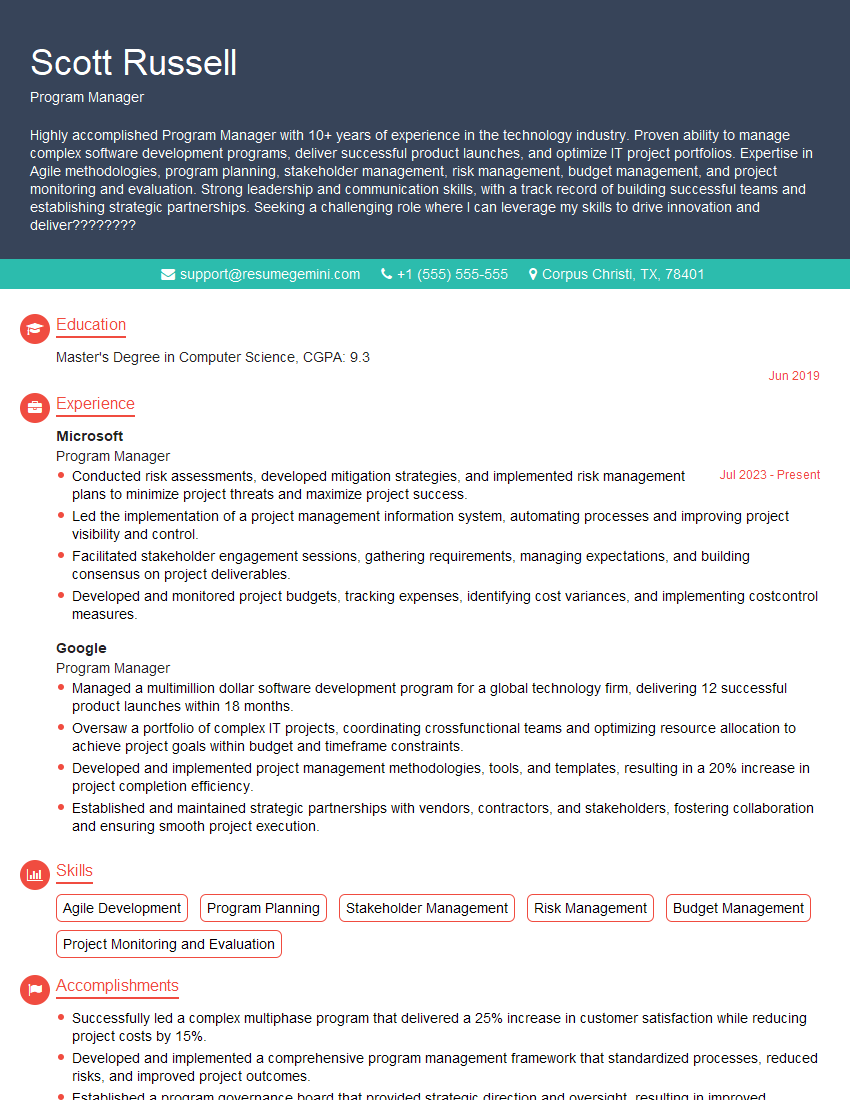
Program Manager Resume Sample

Operations Manager Resume Sample
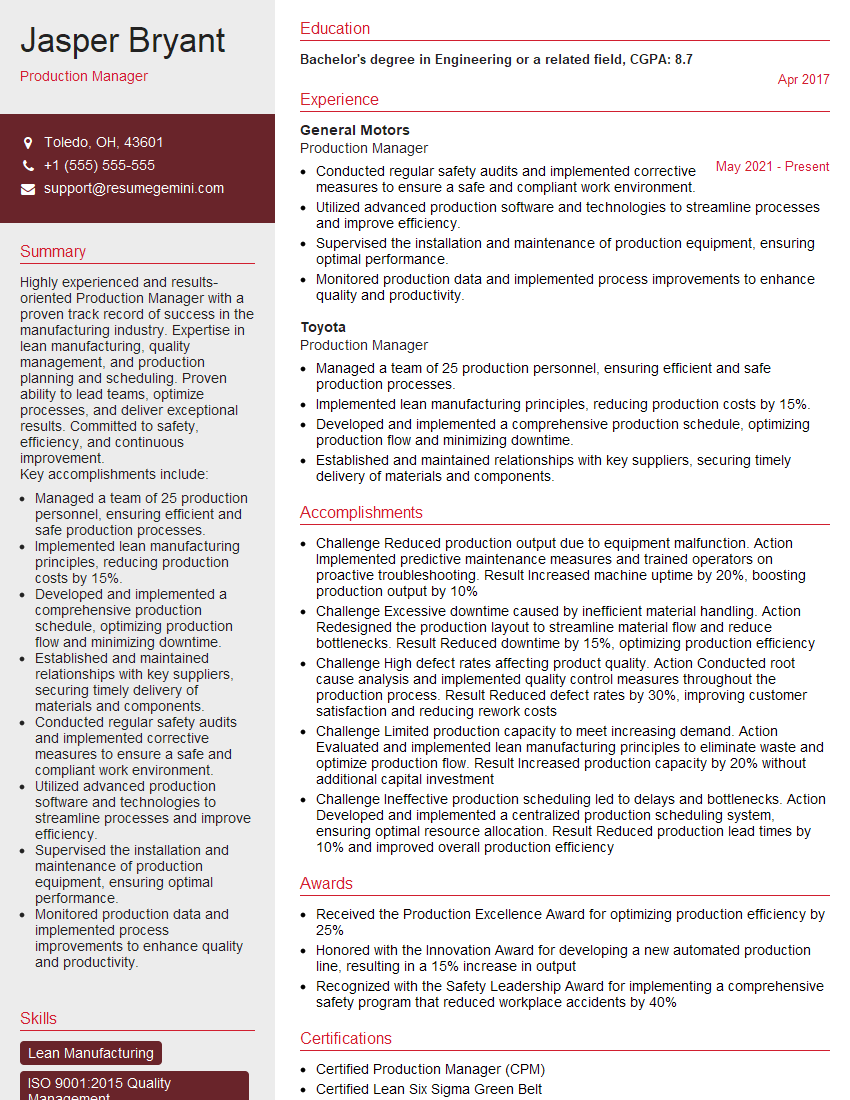
Production Manager Resume Sample
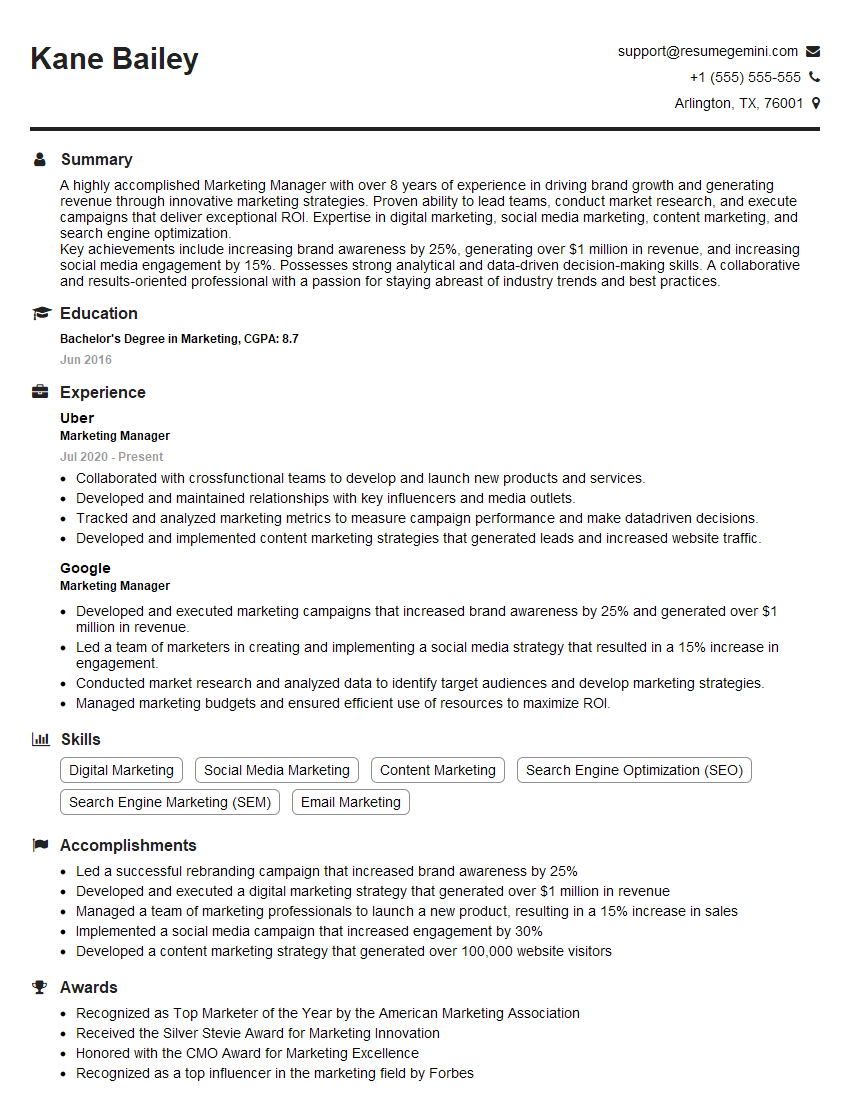
Marketing Manager Resume Sample
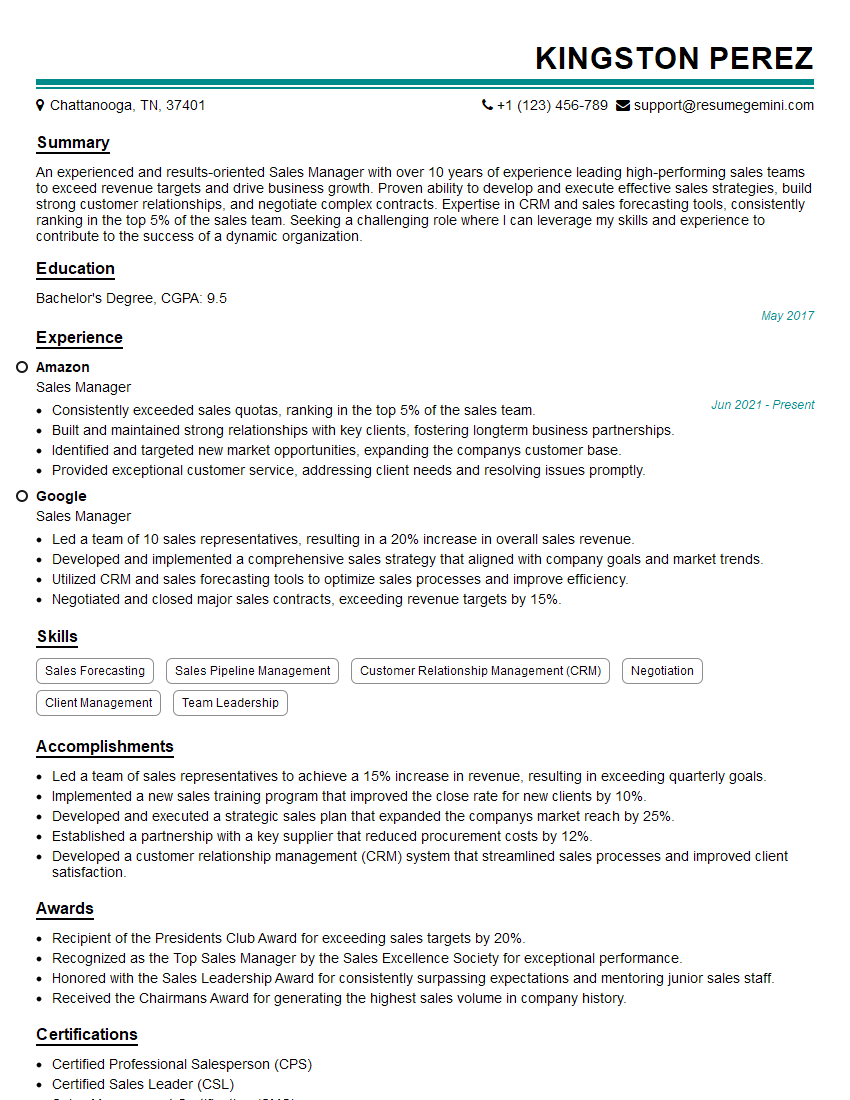
Sales Manager Resume Sample
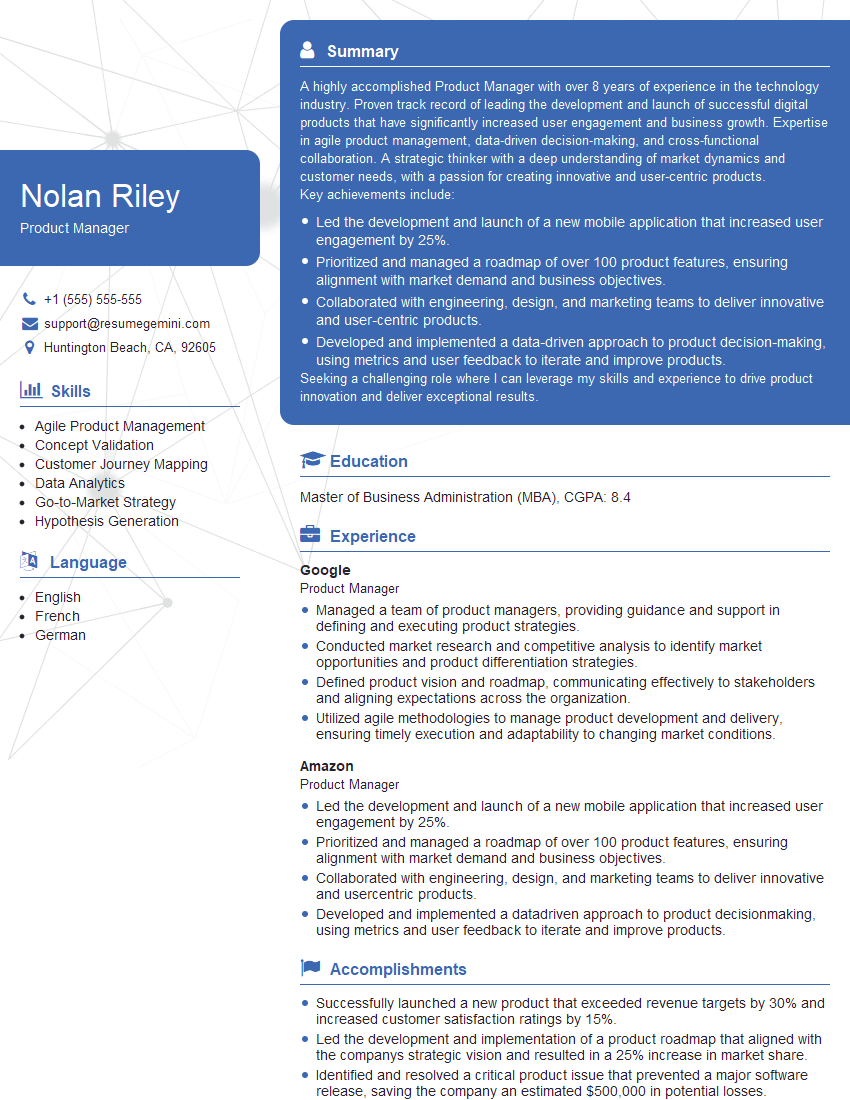
Product Manager Resume Sample
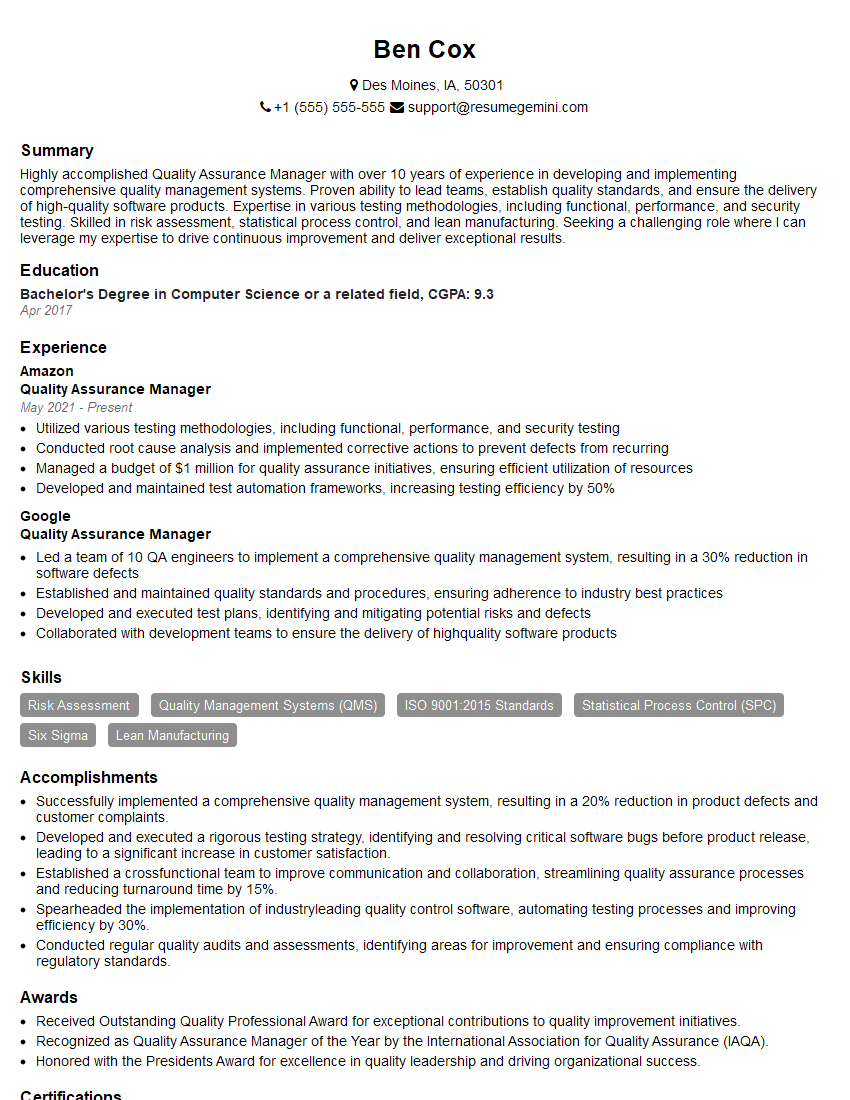
Quality Assurance Manager Resume Sample

Supply Chain Manager Resume Sample
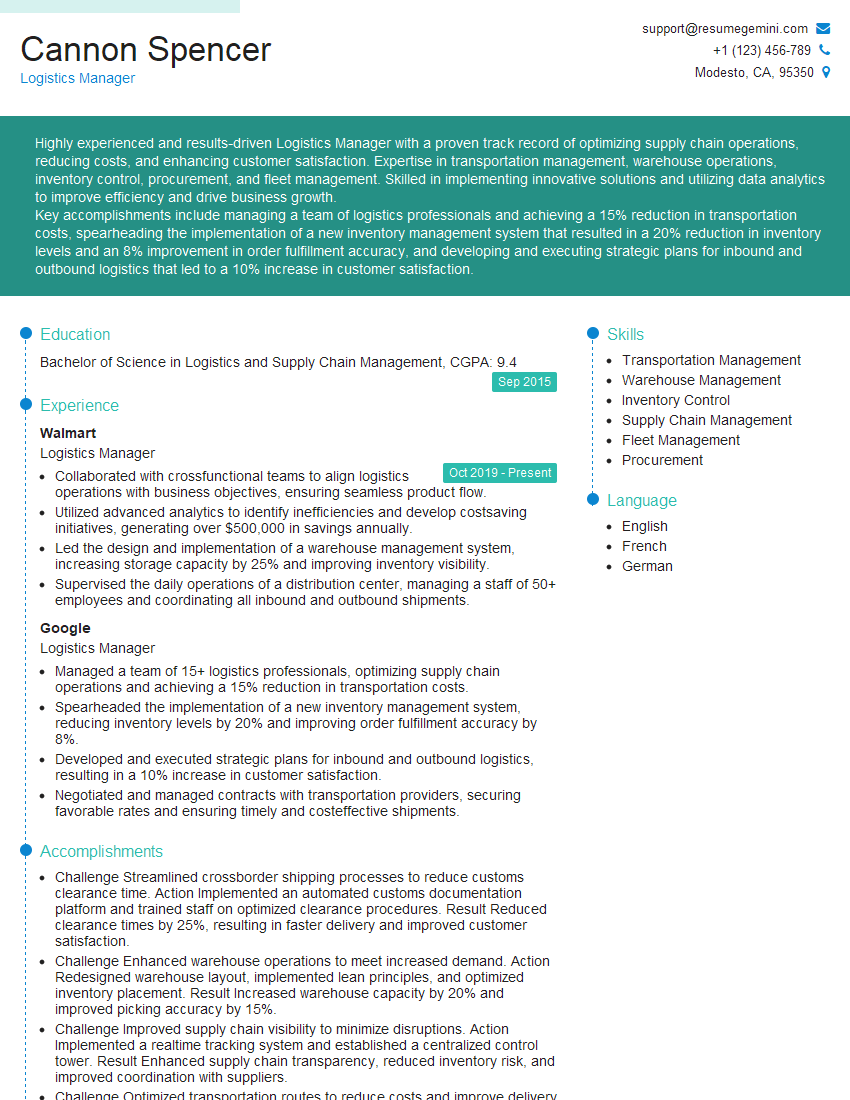
Logistics Manager Resume Sample
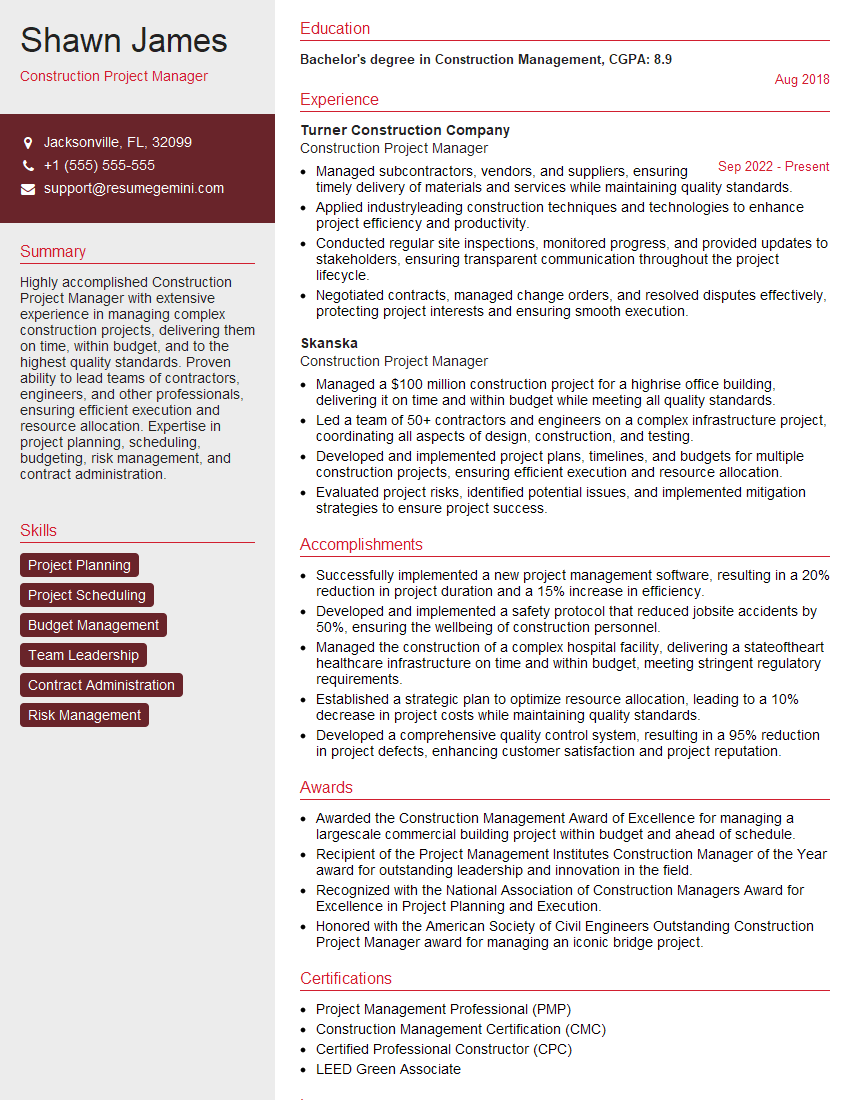
Construction Project Manager Resume Sample

Project Manager Resume Sample
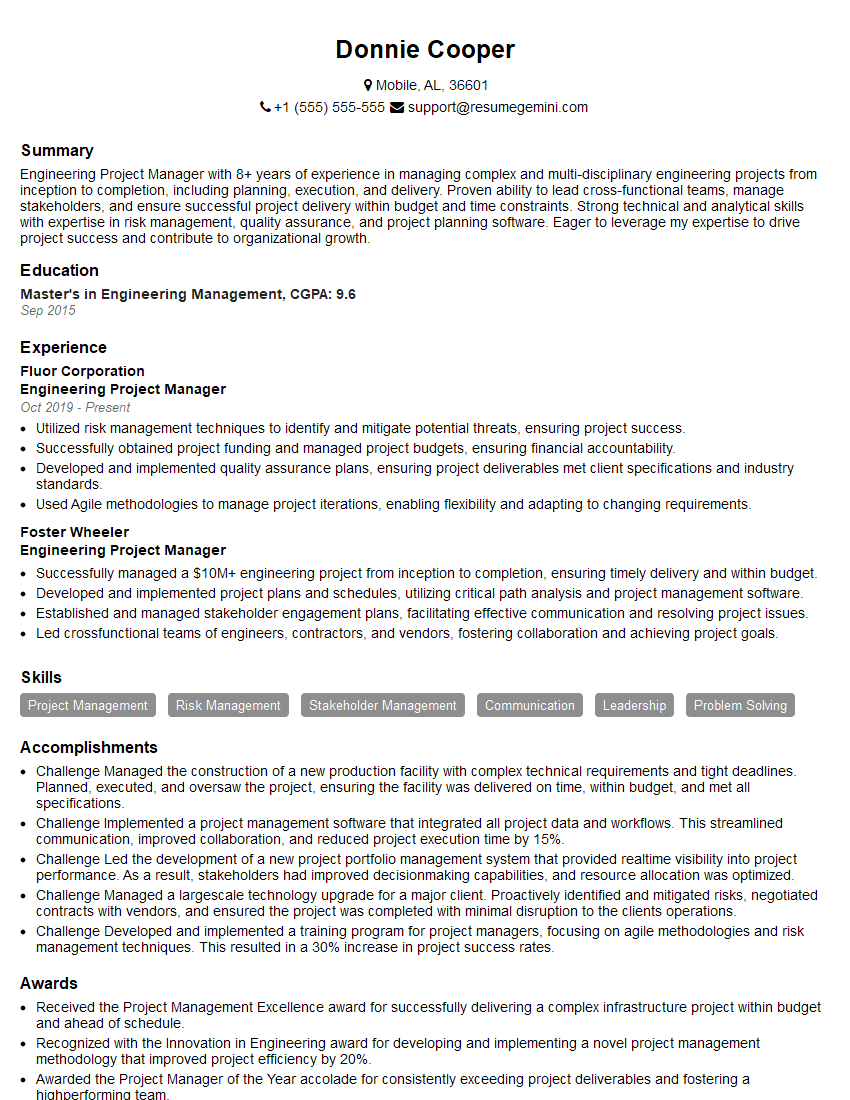
Engineering Project Manager Resume Sample
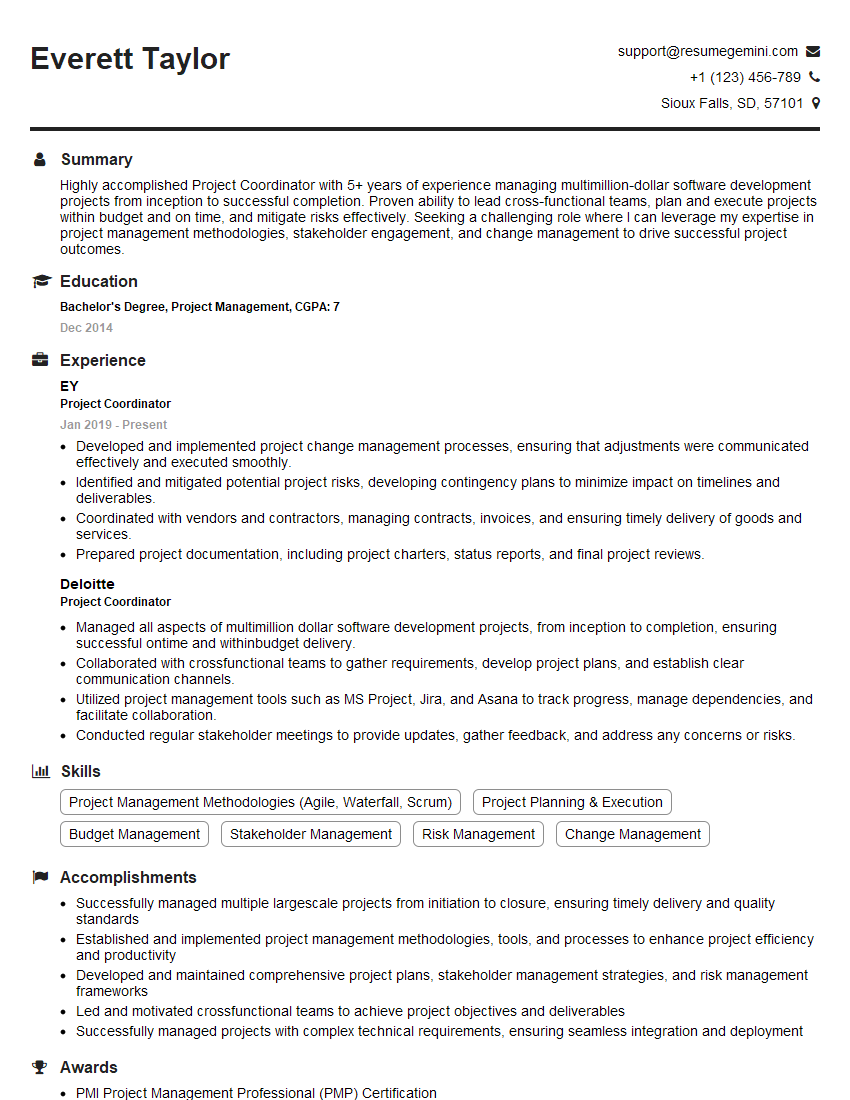
Project Coordinator Resume Sample
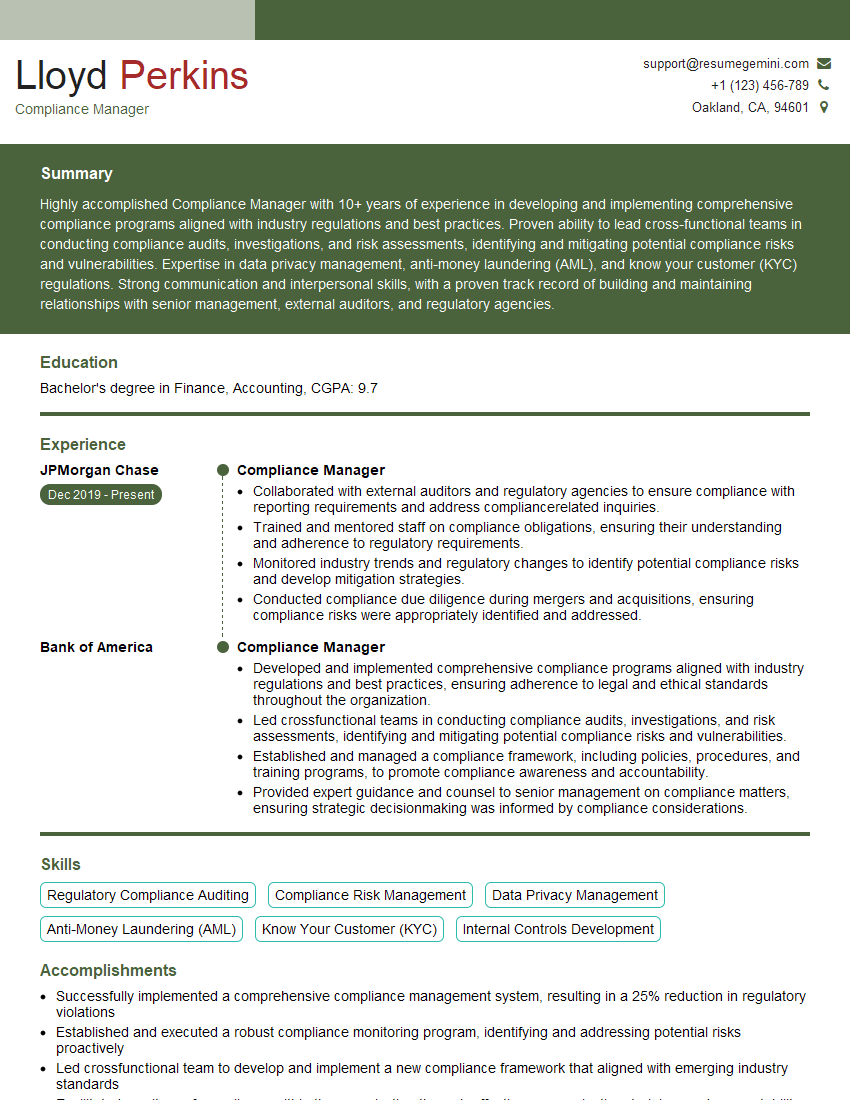
Compliance Manager Resume Sample
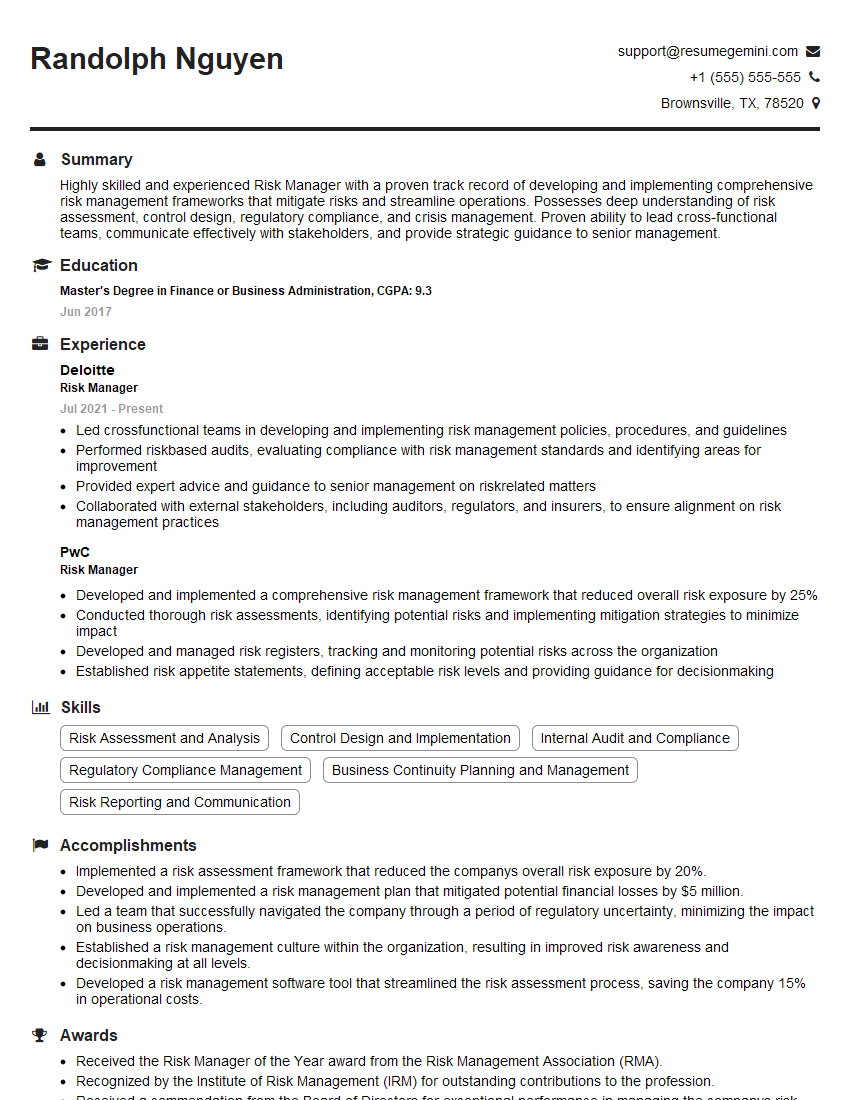
Risk Manager Resume Sample

Business Analyst Resume Sample
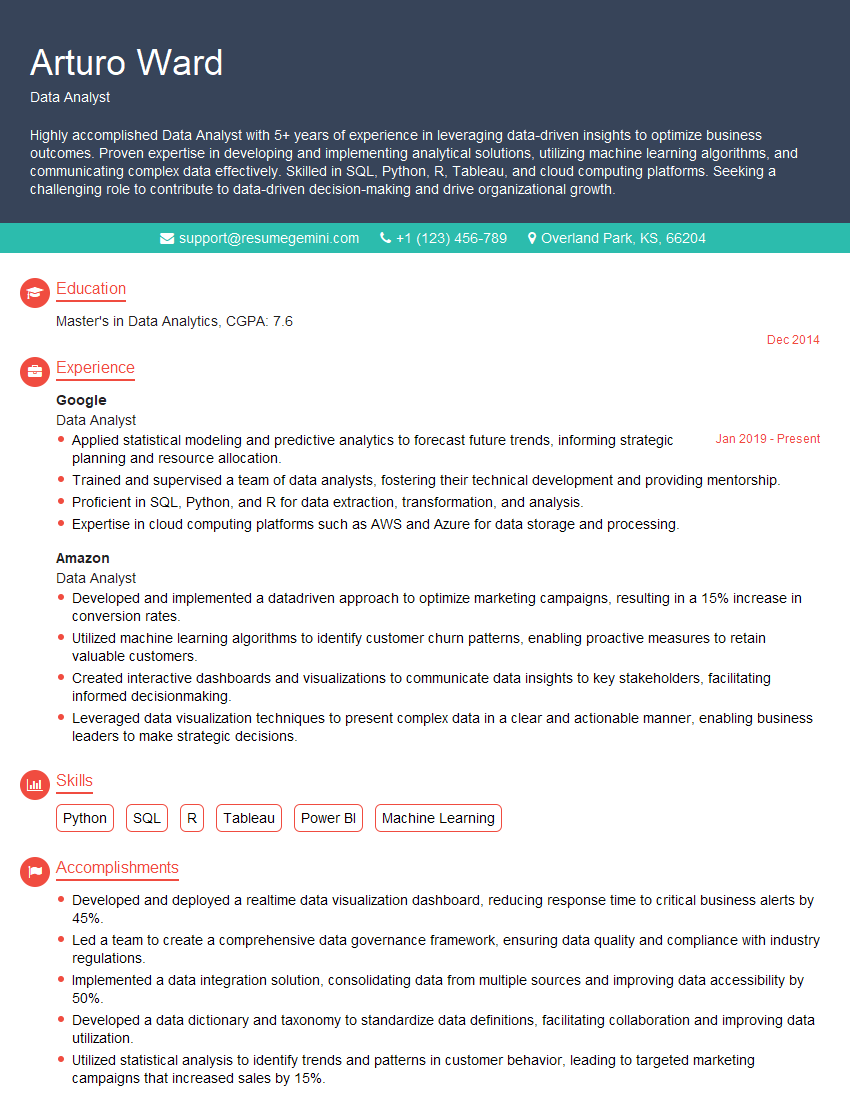
Data Analyst Resume Sample
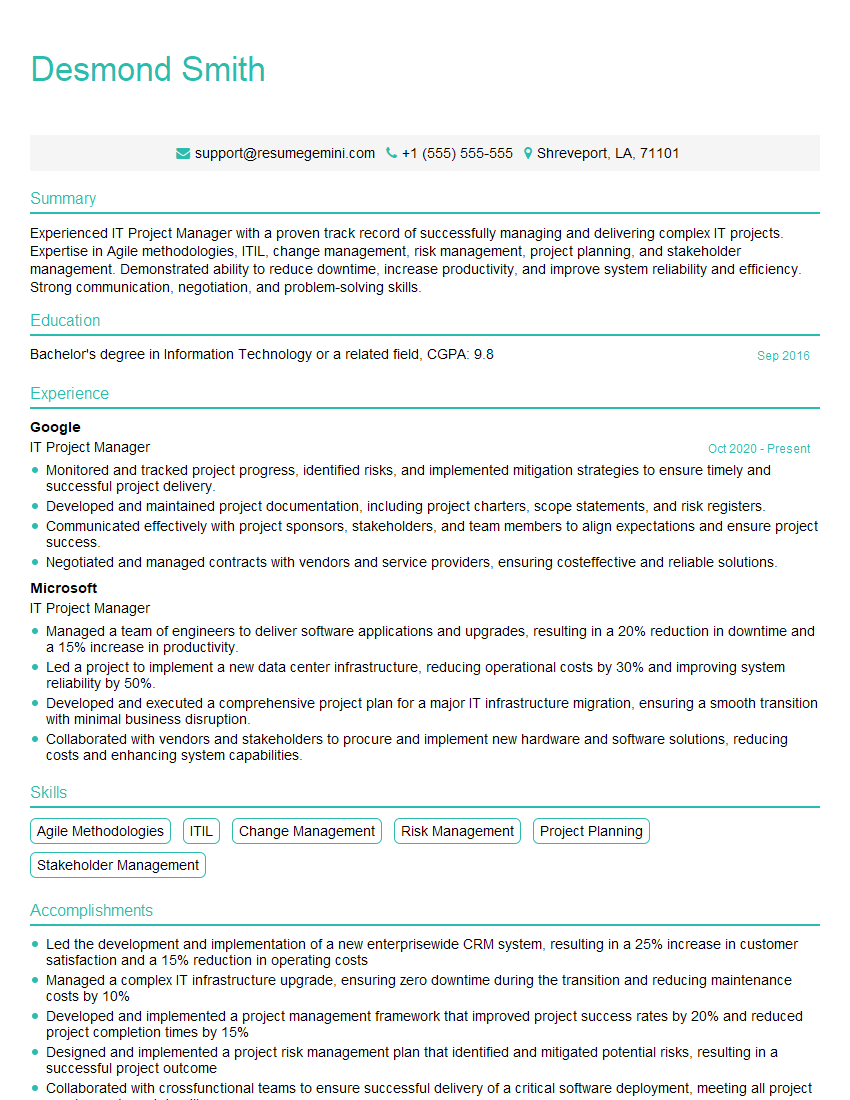
IT Project Manager Resume Sample
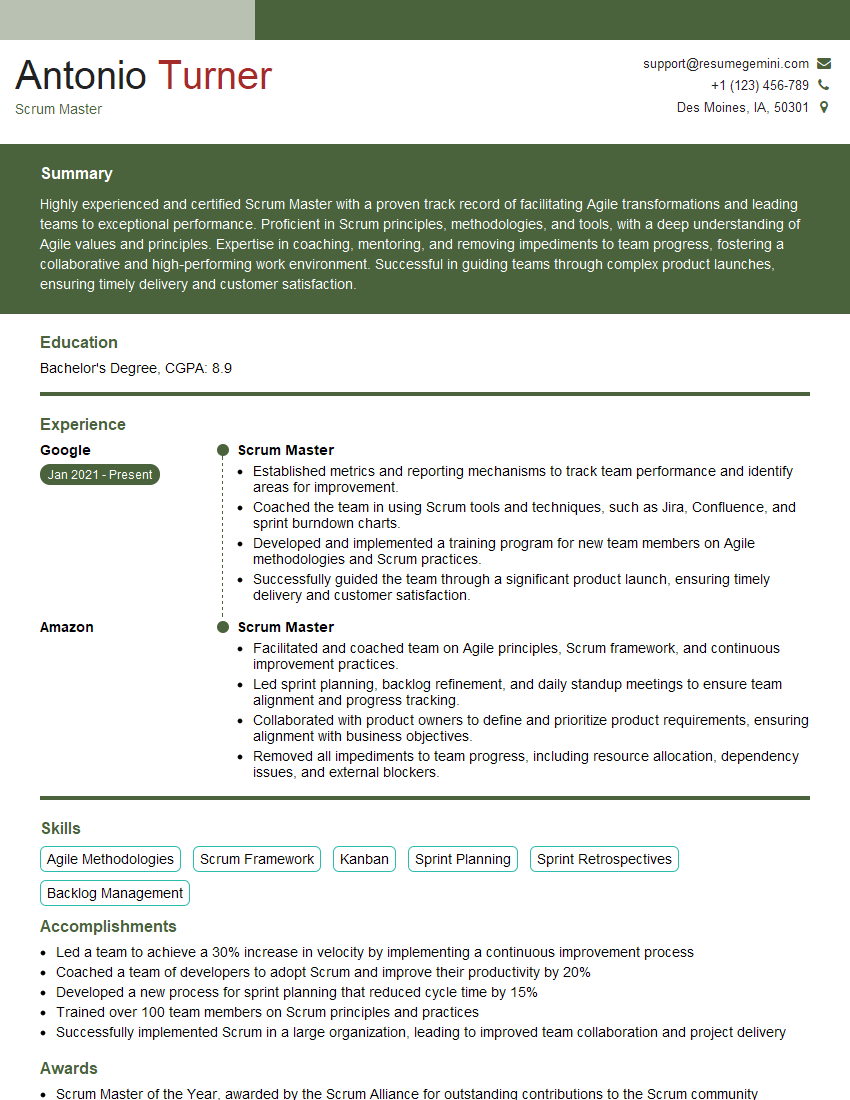
Scrum Master Resume Sample
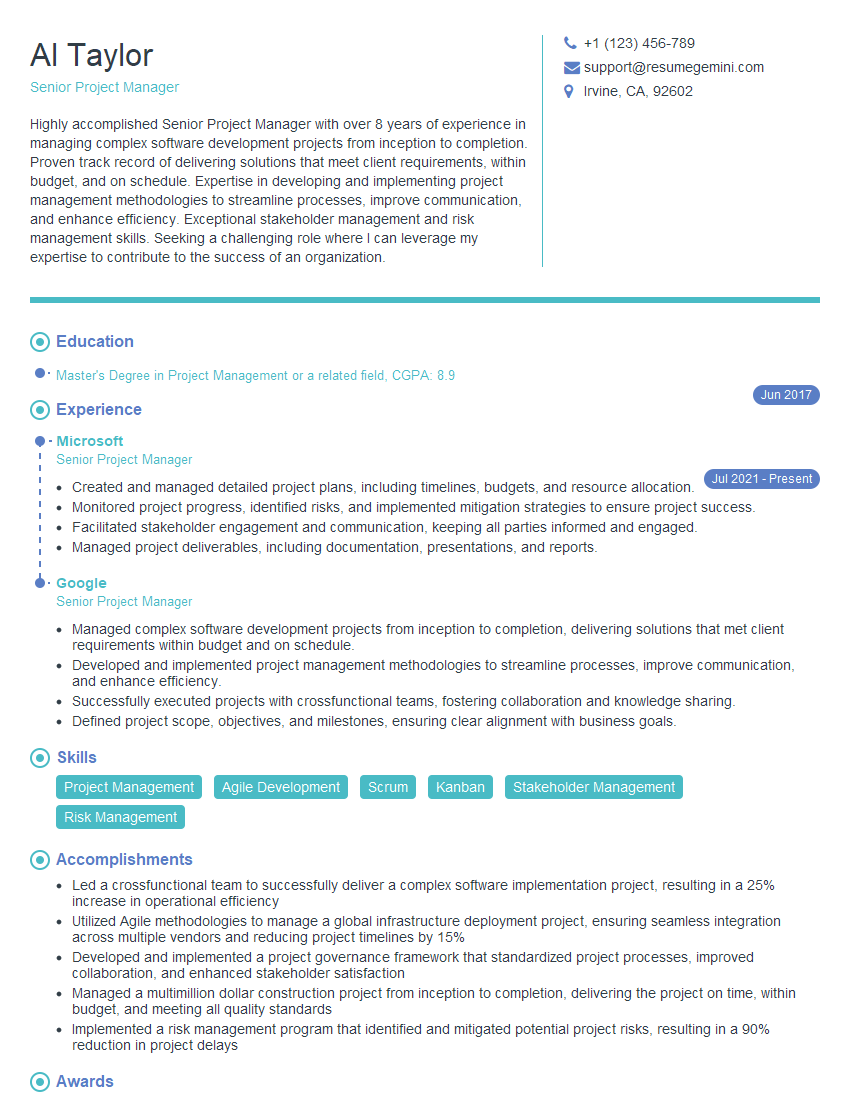
Senior Project Manager Resume Sample
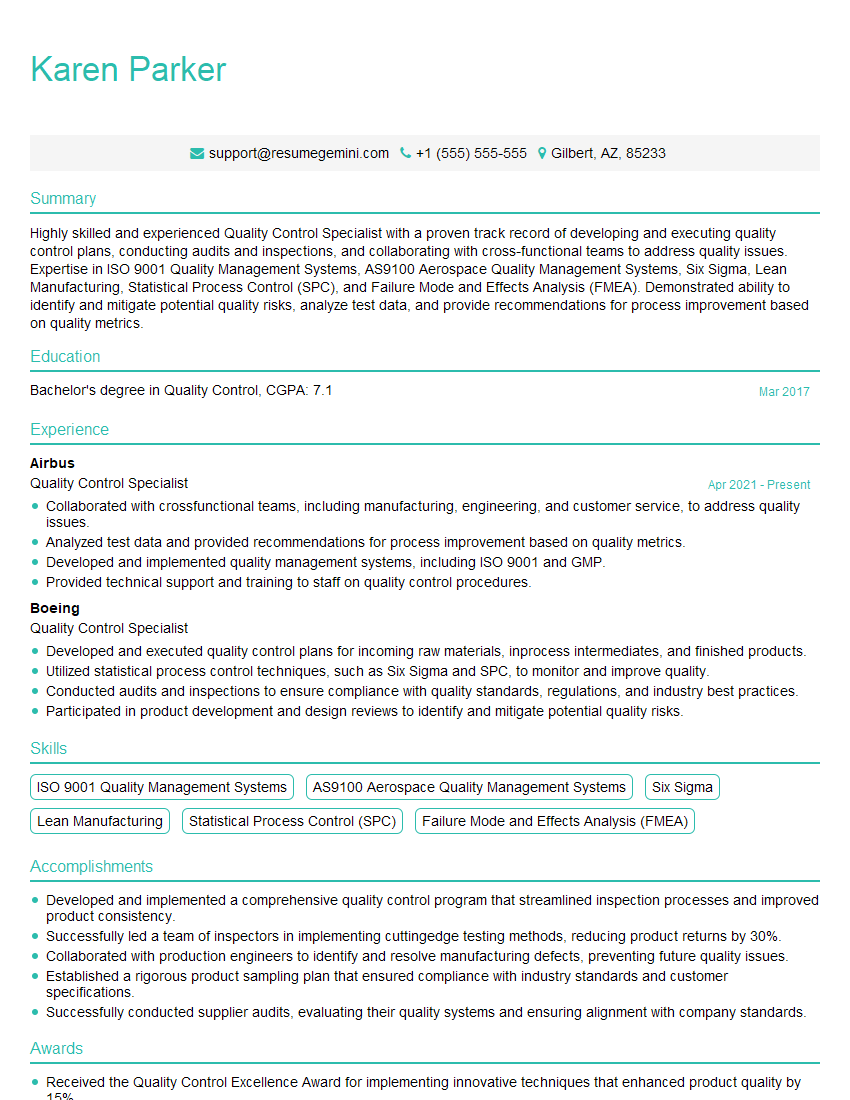
Quality Control Specialist Resume Sample
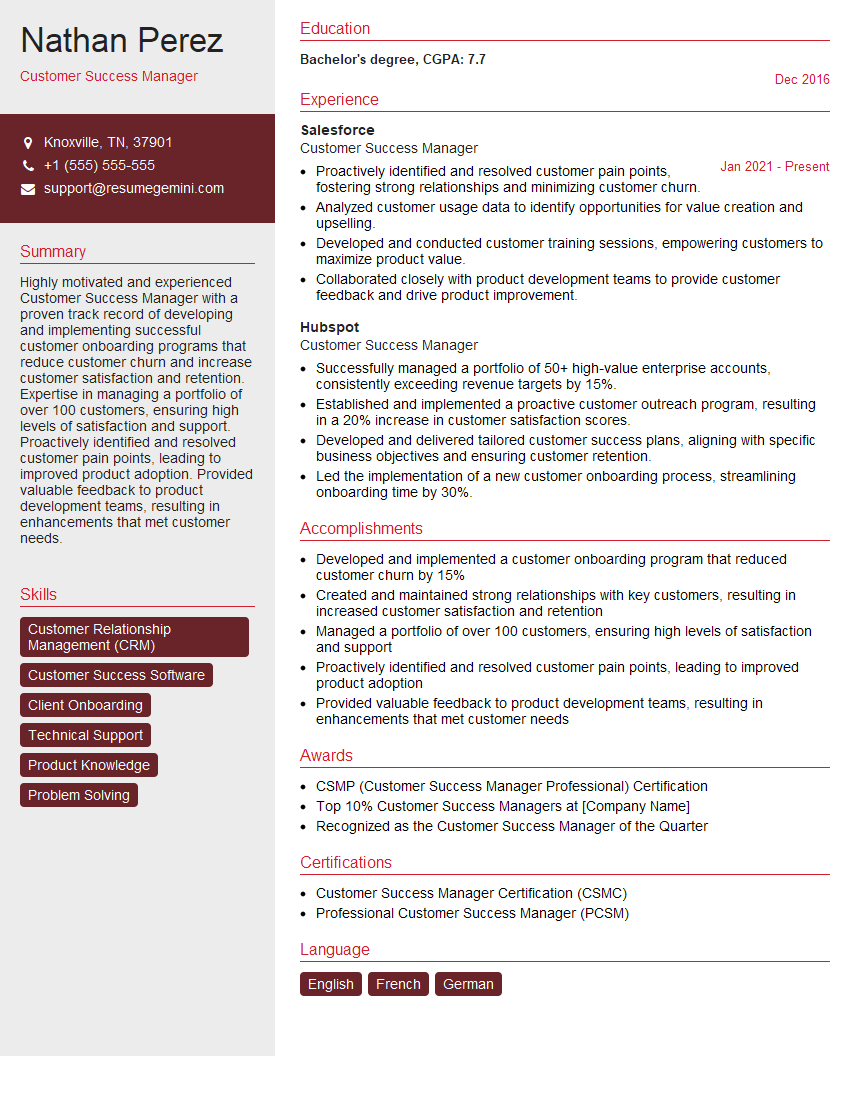
Customer Success Manager Resume Sample
- Program Manager
- Operations Manager
- Production Manager
- Marketing Manager
- Sales Manager
- Product Manager
- Quality Assurance Manager
- Supply Chain Manager
- Logistics Manager
- Construction Project Manager
- Project Manager
- Engineering Project Manager
- Project Coordinator
- Compliance Manager
- Risk Manager
- Business Analyst
- Data Analyst
- IT Project Manager
- Scrum Master
- Senior Project Manager
- Quality Control Specialist
- Customer Success Manager
Explore more articles
Users Rating of Our Blogs
Share Your Experience
We value your feedback! Please rate our content and share your thoughts (optional).
What Readers Say About Our Blog
To the interviewgemini.com Webmaster.
Very helpful and content specific questions to help prepare me for my interview!
Thank you
To the interviewgemini.com Webmaster.
This was kind of a unique content I found around the specialized skills. Very helpful questions and good detailed answers.
Very Helpful blog, thank you Interviewgemini team.