Cracking a skill-specific interview, like one for Opposition Research, requires understanding the nuances of the role. In this blog, we present the questions you’re most likely to encounter, along with insights into how to answer them effectively. Let’s ensure you’re ready to make a strong impression.
Questions Asked in Opposition Research Interview
Q 1. Describe your experience in verifying the authenticity of online information.
Verifying online information authenticity is crucial in opposition research. It’s like being a detective, meticulously examining every piece of evidence. My process involves a multi-layered approach. First, I assess the source’s credibility: Who published this information? What’s their reputation? Are they known for bias or misinformation? Then, I cross-reference the information with multiple reliable sources. Does the information align with what other reputable outlets are reporting? I also look for corroborating evidence, such as official documents, photographs, or witness testimonies. Finally, I employ reverse image searches and fact-checking websites to detect manipulated or fabricated content. For example, if a claim is made about a politician’s attendance at an event, I wouldn’t just rely on a single blog post; I’d look for official event photos, news reports covering the event, and potentially even social media posts from attendees.
Consider a situation where an image supposedly showing a candidate at a controversial event surfaces online. I would first analyze the image’s metadata using tools like EXIF data viewers to verify its origin and timestamp. Then I would reverse-image search it using Google Images or TinEye to find where else it appears online and determine whether it’s been manipulated. Finally, I’d cross-reference this with news articles or official statements from the candidate’s campaign to confirm or refute its authenticity.
Q 2. Explain your process for identifying and assessing potential biases in sources.
Identifying and assessing bias is paramount. Think of it as separating signal from noise. I employ several strategies. Firstly, I carefully examine the source’s funding and affiliations. Is it a partisan organization? Do they have a clear agenda? Next, I analyze the language used. Is it emotionally charged? Does it present only one side of the story? I look for loaded words, generalizations, and unsubstantiated claims. I also consider the author’s background and potential conflicts of interest. Are they directly involved in the issue at hand? Do they stand to gain personally from the information they present? Finally, I compare the information provided with reports from multiple sources, representing different perspectives. Discrepancies and one-sided narratives often indicate bias.
For instance, if a news article criticizes a policy, I wouldn’t immediately dismiss it as biased. However, I would check its source’s history of reporting on similar topics. I’d also look for articles from different news outlets with opposing viewpoints. Comparing these articles reveals patterns of bias or provides a more nuanced understanding of the situation. This comprehensive approach ensures that I’m not just consuming information passively but actively assessing its trustworthiness and objectivity.
Q 3. How do you prioritize research tasks when facing multiple deadlines?
Prioritizing research tasks with multiple deadlines requires a structured approach. I typically use a combination of prioritization techniques, such as the Eisenhower Matrix (urgent/important) and the MoSCoW method (must have, should have, could have, won’t have). I start by listing all my tasks and assigning them to one of these categories. Then, I create a realistic timeline, considering the complexity and time constraints of each task. I often break down large tasks into smaller, more manageable steps, setting deadlines for each step. This iterative process allows for flexibility and adjustments based on the available information and evolving circumstances. For example, if a crucial piece of information needed for one task is delayed, I might adjust the timeline accordingly, prioritizing other tasks that don’t depend on it.
Imagine I have three tasks: A) verifying a candidate’s tax records, B) analyzing social media posts for controversial statements, and C) investigating a potential conflict of interest. Using the Eisenhower Matrix, if A is both urgent and important (due to an upcoming debate), I prioritize it. B might be important but not urgent, allowing for a less immediate timeline. C, while important, may be less urgent than the others and can be tackled after A and B.
Q 4. What strategies do you employ to locate and analyze sensitive information?
Locating and analyzing sensitive information involves using specialized techniques and resources. I utilize advanced search operators in databases like LexisNexis and Westlaw, employing Boolean logic to refine my searches. I utilize OSINT (Open-Source Intelligence) techniques, examining publicly available data from social media, government websites, and news archives. I also use deep web search engines to access less visible information. It’s crucial to use these tools responsibly and ethically, respecting privacy regulations and avoiding illegal activities. Data anonymization and security protocols are vital throughout this process.
For example, to find information about a candidate’s financial dealings, I would not just search for their name. Instead, I might use specific keywords like their business name or details related to their investments to locate relevant documents and news reports. I would also use advanced search operators to filter for specific dates, locations or file types to narrow my search and avoid extraneous results. Privacy is paramount, so if I encounter sensitive information, I immediately analyze how it was obtained to ensure it is ethically sourced and legally permissible to utilize.
Q 5. Describe a time you had to work with incomplete or ambiguous data. How did you proceed?
Working with incomplete or ambiguous data is a common challenge in opposition research. Think of it like piecing together a puzzle with some missing pieces. My approach involves a combination of techniques: Firstly, I document the gaps in the data, noting what information is missing and why. I then try to identify the most likely sources of that missing information. This might involve contacting additional sources, conducting interviews, or using investigative techniques to fill the gaps. If the missing information significantly affects the conclusions, I carefully state this limitation within my report, ensuring transparency. It’s vital to present only what’s supported by verified information, avoiding speculation or making unsubstantiated claims.
For example, if I’m investigating a potential scandal involving financial records, and some crucial financial documents are missing, I wouldn’t simply guess what happened. Instead, I’d note this incompleteness in my report, stating that while there’s circumstantial evidence suggestive of wrongdoing, a definitive conclusion cannot be drawn due to missing financial records. I might also investigate why these records are unavailable – it could indicate a deliberate attempt to hide information, which I would include as a potential explanation but again, acknowledge the lack of definitive proof.
Q 6. How familiar are you with various database search techniques and tools?
I’m highly proficient in various database search techniques and tools. My experience includes extensive use of legal databases such as LexisNexis and Westlaw, as well as public records databases at the state and federal level. I’m skilled in using Boolean operators (AND, OR, NOT) to refine search queries and retrieve specific information. I understand advanced search techniques like proximity operators and wildcard characters to locate relevant data more efficiently. I am also familiar with data mining tools and techniques, capable of filtering large datasets to identify specific patterns or anomalies. My experience extends to using specialized tools designed for social media analysis and open-source intelligence (OSINT) gathering. Additionally, I am adept at using SQL queries to extract information directly from databases.
For instance, to search for court documents involving a specific individual, I’d use Boolean operators in a legal database to combine search terms like “the individual’s name AND ‘court filing’ AND ‘specific jurisdiction’”. This targeted query significantly narrows down the vast number of potential results. This ensures that I efficiently locate precise information and optimize my research timeline.
Q 7. How do you ensure the accuracy and reliability of your research findings?
Ensuring accuracy and reliability is the cornerstone of my work. This is achieved through a rigorous process of verification and validation. I always strive to use multiple sources to corroborate information. I meticulously document all my sources, creating a clear audit trail for my research. This includes detailed notes, links, and timestamps for every piece of evidence. I also rigorously fact-check all information against credible sources before including it in my reports. Finally, I regularly review and update my findings as new information becomes available. Maintaining an ethical and transparent process is vital; I always acknowledge the limitations of my research, particularly when dealing with incomplete or ambiguous data.
A practical example is a report on a candidate’s campaign donations. I wouldn’t solely rely on the candidate’s campaign finance reports. Instead, I would cross-reference this information with news articles, independent watchdog reports, and potentially even the Federal Election Commission’s database to verify the accuracy and completeness of the information. This layered approach minimizes the risk of errors and ensures the reliability of the final report.
Q 8. What methods do you use to maintain the confidentiality of sensitive information?
Maintaining confidentiality in opposition research is paramount. It’s built into every step of the process, starting with secure data handling practices. Think of it like handling classified documents – extreme care is needed.
- Data Encryption: All sensitive information is encrypted both in transit and at rest. This means using strong encryption protocols like AES-256 to safeguard data stored on computers and servers, as well as during transmission.
- Access Control: Strict access control measures are implemented. Only authorized personnel with a need-to-know basis have access to sensitive data. This often involves password protection, multi-factor authentication, and role-based access control (RBAC).
- Secure Storage: Information is stored securely, often utilizing password-protected files and encrypted drives. Cloud storage, if used, is always chosen from reputable providers with robust security features.
- Data Destruction: When information is no longer needed, it’s securely destroyed using methods like secure deletion software or physical destruction of hard drives to prevent unauthorized access.
- Non-Disclosure Agreements (NDAs): NDAs are used with all involved parties to ensure confidentiality beyond our internal protocols. This legally protects the sensitive information and our clients.
For example, in a recent campaign, we used a dedicated, encrypted server for all research materials, with access restricted to only a few key personnel. Any data shared externally was done so through encrypted channels and with carefully vetted recipients under strict NDA.
Q 9. Explain your experience working with different types of media (print, digital, social).
My experience spans all types of media, and recognizing the nuances of each is crucial. Think of it as a detective investigating a case – you need to gather evidence from various sources.
- Print Media: I’m adept at analyzing print materials, from newspapers and magazines to books and official documents. This involves verifying the credibility of the source, identifying biases, and extracting relevant information effectively. For example, analyzing local newspaper archives can reveal historical context missing from online sources.
- Digital Media: I’m highly proficient in researching digital sources, including websites, online databases, and blogs. This requires navigating the digital landscape efficiently and critically evaluating the reliability and authenticity of information found online. Fact-checking and cross-referencing are essential.
- Social Media: Social media platforms are a rich source of information, offering insights into public perception and individual behavior. However, it’s essential to be aware of misinformation and biases present in social media and to employ verification techniques. I utilize social listening tools to identify patterns and trends, but always verify findings through other reliable sources.
In a recent project, we combined information from archival newspaper articles (print), official government websites (digital), and the target’s social media activity to build a comprehensive profile. The different sources complemented each other, providing a more detailed and nuanced picture.
Q 10. How do you synthesize information from multiple sources to form a cohesive narrative?
Synthesizing information from multiple sources requires a structured approach. It’s like piecing together a puzzle – you need to find the connections between individual pieces to form a complete picture.
- Data Organization: I use spreadsheets and databases to organize information from various sources, ensuring consistency and accuracy. Each data point is properly sourced to ensure traceability.
- Cross-Referencing: Information from different sources is carefully cross-referenced to verify its accuracy and consistency. Discrepancies are investigated to determine the most reliable source.
- Identifying Patterns and Trends: By analyzing the assembled information, I identify recurring patterns, contradictions, and trends that help create a cohesive narrative. This involves looking for connections and drawing logical inferences.
- Narrative Construction: Finally, a clear and concise narrative is constructed, presenting the information logically and objectively. This may involve creating timelines, identifying key events, and drawing conclusions supported by the evidence.
For instance, in one case, we combined information from public records, campaign finance disclosures, and news articles to uncover a pattern of undisclosed financial ties between a candidate and a controversial organization. The synthesis of these seemingly disparate pieces of information revealed a crucial narrative point.
Q 11. Describe your experience in conducting background checks.
Conducting background checks is a fundamental aspect of opposition research. It requires meticulous attention to detail and a deep understanding of legal and ethical boundaries.
- Source Identification: I use a variety of reputable sources, including public records databases, commercial background check services, and professional networks. The choice of source depends on the specific information needed and the legal framework.
- Data Verification: Information obtained from various sources is cross-referenced to ensure its accuracy and consistency. Discrepancies are investigated and resolved. False information is promptly flagged.
- Legal Compliance: All background checks are conducted in strict compliance with applicable laws and regulations, including the Fair Credit Reporting Act (FCRA) in the United States. This safeguards against legal issues and ensures ethical practices.
- Report Generation: The findings of the background checks are documented in comprehensive reports, which are tailored to the specific needs of the client. This typically includes a summary, detailed findings, and source citations.
For example, in a recent investigation, we used court records and professional licensing databases to verify a candidate’s claims regarding their legal and professional experience. This meticulous verification revealed discrepancies which were crucial to the final report.
Q 12. How do you handle ethical dilemmas related to opposition research?
Ethical dilemmas are inevitable in opposition research, and navigating them requires a strong moral compass and adherence to professional standards.
- Truthfulness and Accuracy: I am committed to ensuring the information presented is accurate and truthful. Any potential biases are clearly identified and addressed. This builds trust and credibility.
- Contextualization: Information is presented within its appropriate context, avoiding misrepresentation or manipulation. This ensures a fair and balanced portrayal of the subject.
- Legal Compliance: All research activities comply with the law. This includes respecting privacy rights and avoiding illegal or unethical actions, such as defamation or harassment.
- Client Guidance: I advise clients on the ethical implications of using opposition research, emphasizing the importance of responsible disclosure and avoiding the spread of misinformation. Transparency is key.
In a past instance, a client wanted to use potentially questionable information. Instead of complying, I explained the risks and ethical implications, ultimately helping them choose a more responsible course of action. Maintaining integrity is always the priority.
Q 13. How proficient are you in using social media platforms for research purposes?
I’m highly proficient in using social media platforms for research purposes. This involves more than just casual browsing – it’s about strategic intelligence gathering.
- Social Listening Tools: I use social listening tools to monitor mentions of key individuals or organizations, track public sentiment, and identify emerging trends. These tools allow for efficient analysis of large volumes of data.
- Data Verification: Information obtained from social media is always cross-referenced with other reliable sources to ensure its accuracy and validity. This mitigates the risk of misinformation.
- Network Analysis: I’m able to analyze social networks to identify connections, relationships, and influence patterns. This can reveal valuable insights into individuals or organizations.
- Privacy Considerations: I am acutely aware of privacy regulations and always operate within the legal and ethical boundaries when using social media for research. Respect for personal privacy is paramount.
For example, in a recent project, social media analysis revealed a pattern of inconsistent statements from a candidate, something that was not readily apparent from traditional news sources. This highlighted the importance of using social media effectively.
Q 14. Explain your approach to analyzing public records.
Analyzing public records is like being a detective, searching for clues in a vast library. It requires systematic searching and meticulous interpretation.
- Identifying Relevant Databases: I know how to identify and access the relevant public records databases based on the nature of the research and the jurisdiction. This includes federal, state, and local databases.
- Strategic Search Techniques: I use advanced search techniques and keywords to effectively search through large volumes of records. This ensures that relevant information is not overlooked.
- Data Interpretation: The collected information is meticulously analyzed and interpreted to understand its significance. This requires understanding the context of the information and its implications.
- Data Organization: Information is organized and documented in a clear and concise manner, usually using spreadsheets or databases. This facilitates easy retrieval and analysis.
In a recent case, we accessed property records to identify undisclosed assets held by a candidate, information that was not available through any other means. This demonstrates the crucial role of public records in uncovering hidden details.
Q 15. Describe a situation where you had to defend your research methodology.
Defending my research methodology usually involves demonstrating the rigor and validity of my approach. It’s about transparency and showing how I arrived at my conclusions. For instance, in a recent campaign, I was challenged on my assessment of a candidate’s environmental record. My methodology involved reviewing public statements, campaign literature, voting records, and news articles, all cross-referenced with independent environmental reports. I presented this comprehensive approach, detailing the specific sources and rationales behind each data point, demonstrating the robustness of my findings even where there might have been differing interpretations.
Crucially, I highlighted the limitations of my research – no methodology is perfect. I acknowledged that some information may be incomplete or subject to bias, and explained how I mitigated those potential risks. This demonstrated intellectual honesty and strengthened the credibility of my work. A clear and well-documented methodology is crucial for defending your conclusions.
Career Expert Tips:
- Ace those interviews! Prepare effectively by reviewing the Top 50 Most Common Interview Questions on ResumeGemini.
- Navigate your job search with confidence! Explore a wide range of Career Tips on ResumeGemini. Learn about common challenges and recommendations to overcome them.
- Craft the perfect resume! Master the Art of Resume Writing with ResumeGemini’s guide. Showcase your unique qualifications and achievements effectively.
- Don’t miss out on holiday savings! Build your dream resume with ResumeGemini’s ATS optimized templates.
Q 16. What software and tools do you commonly utilize for opposition research?
My toolkit is diverse and constantly evolving. It includes both specialized software and readily accessible online tools. For data analysis, I frequently use tools like Excel and Python (with libraries like Pandas and Numpy) for data cleaning, manipulation, and visualization. These allow me to efficiently analyze large datasets, such as financial records or social media posts. For open-source intelligence (OSINT) gathering, I utilize tools like Maltego for network mapping and Google Dorking for advanced searches. I also rely on subscription-based databases like LexisNexis and Westlaw for comprehensive background checks and legal document searches.
Beyond specific software, strong organizational skills are key. I use project management software such as Asana or Trello to track sources, deadlines, and findings across multiple projects. This ensures a systematic and transparent approach to research. The exact tools depend on the specific project, but the core principle remains the same: leveraging technology to enhance efficiency and accuracy.
Q 17. How do you manage conflicting information obtained from different sources?
Conflicting information is inherent in opposition research. My approach focuses on triangulation – verifying information from multiple independent sources. If two sources contradict each other, I investigate further to determine the credibility of each source. I consider factors like the source’s reputation, potential biases, and the evidence presented. For example, if one source claims a candidate misrepresented their educational background, I’d verify this claim by cross-referencing it with the candidate’s official transcripts, news articles, and statements from their alma mater.
Sometimes, resolving the conflict requires acknowledging uncertainty. If the information remains inconclusive after thorough investigation, I’ll clearly state the conflicting viewpoints in my report, explaining why I cannot definitively resolve the discrepancy. Transparency and careful documentation are key to maintaining the integrity of my work.
Q 18. How would you handle a situation where you uncover potentially illegal activity?
Uncovering potentially illegal activity requires a careful and measured response. My first step is to meticulously document all evidence, ensuring I maintain a chain of custody. This involves saving copies of original documents, screenshots, and detailed notes on my research process. This documentation is crucial for legal proceedings if necessary.
Next, I consult with legal counsel to determine the appropriate course of action. Depending on the nature of the activity, this might involve reporting it to the relevant authorities – such as law enforcement or regulatory agencies. Ethical considerations are paramount: I would not distribute unsubstantiated allegations, instead focusing on providing verifiable evidence to support any claims. Confidentiality and adhering to legal requirements are my highest priorities in such situations.
Q 19. How do you stay up-to-date on legal and ethical considerations in opposition research?
Staying current on legal and ethical considerations is a continuous process. I subscribe to legal journals and professional publications relevant to opposition research and campaign finance. I regularly attend workshops and conferences focusing on ethics in political research and investigative journalism. Familiarizing myself with relevant case law helps me understand the legal boundaries of my work. I also consult with legal counsel regularly to ensure my research practices remain compliant with all applicable laws and regulations.
Maintaining ethical standards is just as important as legal compliance. I strictly adhere to principles of accuracy, fairness, and transparency in all my work. This involves citing my sources correctly, avoiding the dissemination of misleading or unverified information, and being mindful of the potential impact of my research on individuals and the public discourse. These ethical considerations are central to my professional practice.
Q 20. What experience do you have with financial records analysis?
Financial records analysis is a crucial aspect of my work. I have extensive experience reviewing tax returns, campaign finance disclosures, and corporate financial statements. My expertise allows me to identify inconsistencies, red flags, and potential financial improprieties. This often involves understanding complex accounting practices and using analytical techniques to detect patterns and anomalies.
For example, I once uncovered discrepancies between a candidate’s reported campaign contributions and their actual expenditures, leading to a deeper investigation into potential campaign finance violations. This required analyzing bank statements, invoices, and other financial documentation to build a compelling case. Data analysis tools, coupled with a keen eye for detail and a thorough understanding of financial regulations, are essential for this type of research.
Q 21. Describe your experience with investigative interviewing techniques.
Investigative interviewing is a key skill for gathering firsthand information. My approach emphasizes building rapport with interviewees, creating a safe space for them to share information, and asking open-ended, non-leading questions. I understand the importance of active listening and observing nonverbal cues. Careful note-taking and recording (with consent) are critical for documenting the interview.
I tailor my questioning strategy to the individual and the context of the interview. This might involve employing different techniques, such as the funnel approach (starting with broad questions and narrowing down) or the inverted funnel approach (starting with specific questions and broadening the scope). The goal is to gather accurate and reliable information while respecting the interviewee’s time and rights. Building trust is vital in extracting meaningful and trustworthy information.
Q 22. How do you assess the credibility of anonymous sources?
Assessing the credibility of anonymous sources is crucial in opposition research, as these sources often provide sensitive information but lack the accountability of named sources. It’s a delicate balancing act between pursuing valuable leads and avoiding misinformation. My approach involves a multi-layered verification process.
Source Corroboration: I try to corroborate the information provided by the anonymous source with other independent sources. If multiple sources, even anonymously, point to the same fact, it increases the likelihood of accuracy.
Source Track Record: If I’ve worked with the source before, I assess their past accuracy. Have they provided reliable information in the past? A history of credible tips significantly boosts confidence.
Information Corroboration: I meticulously check the details provided. Are the dates, locations, and other facts verifiable? Do they align with known public information? Inconsistencies are major red flags.
Motivation Assessment: I try to understand the source’s motivation. Why are they providing this information anonymously? Are they seeking personal gain, revenge, or are they genuinely concerned about the issue at hand? This helps to assess their potential bias.
Information Triangulation: This is the gold standard. If possible, I’ll attempt to confirm the information through multiple, independent, and diverse sources. This significantly reduces the risk of error or manipulation.
For example, in one case, an anonymous source provided information about a candidate’s undisclosed business dealings. I corroborated this by independently reviewing public records, contacting individuals who had worked with the candidate, and analyzing financial statements. The convergence of information from multiple independent sources strengthened the credibility of the initial anonymous tip. Always remember that even with rigorous verification, there’s always a degree of uncertainty associated with anonymous sources, and proper caveats should be included when using this information.
Q 23. How do you present complex research findings to a non-technical audience?
Presenting complex research findings to a non-technical audience requires simplifying complex data without sacrificing accuracy or nuance. Think of it like translating a foreign language – the information remains the same, but the delivery is adjusted to ensure comprehension.
Plain Language: Avoid jargon and technical terms. If you must use technical terminology, always define it clearly and concisely.
Visual Aids: Use charts, graphs, and infographics to illustrate key findings. A picture is worth a thousand words, especially when dealing with complex datasets.
Storytelling: Structure the presentation as a narrative. Begin with a compelling hook, present evidence, and draw clear conclusions. Humans are naturally drawn to stories.
Analogies and Metaphors: Use relatable examples and analogies to make abstract concepts more understandable. For instance, if discussing complex financial data, you might compare it to a household budget.
Focus on Key Takeaways: Highlight the most important findings and avoid overwhelming the audience with unnecessary details. A concise summary at the beginning and end is beneficial.
In one project, I had to present complex statistical analysis of voter demographics to a group of political strategists. Instead of delving into intricate statistical models, I created visually appealing maps showing voter distribution and used simple percentages to highlight key trends. This made the complex data accessible and actionable for the audience.
Q 24. How familiar are you with data visualization tools and their application to opposition research?
I’m highly proficient in various data visualization tools and their application in opposition research. These tools are essential for transforming raw data into actionable insights and effectively communicating research findings.
Tableau: I use Tableau for creating interactive dashboards and visualizing complex datasets, allowing for quick exploration of data trends and correlations.
Power BI: Power BI is another excellent tool for creating reports and dashboards, particularly effective for presenting information to clients and stakeholders. Its integration with other Microsoft tools is advantageous.
Python Libraries (Matplotlib, Seaborn): For more customized and intricate visualizations, I leverage Python libraries. This allows for more flexibility and control over the visualization process. For instance,
import matplotlib.pyplot as plt; plt.scatter(x,y)would create a simple scatter plot.R (ggplot2): Similar to Python, R and its ggplot2 package offer robust visualization capabilities. This is particularly useful for statistical analysis and creating publication-quality graphics.
In a recent investigation, I used Tableau to map campaign donations, revealing potential conflicts of interest that wouldn’t have been as apparent from simply reviewing spreadsheets. The visual representation instantly highlighted geographic clustering and connections between donors and the subject of the research.
Q 25. How do you deal with pressure and tight deadlines in a fast-paced research environment?
Opposition research often operates under intense pressure and tight deadlines. Developing strategies to manage this is paramount. My approach is multifaceted.
Prioritization: I carefully prioritize tasks based on urgency and importance, focusing on the most critical elements first.
Time Management Techniques: I employ techniques like time blocking and the Pomodoro Technique to maintain focus and avoid procrastination. This helps in staying on track even when faced with multiple deadlines.
Teamwork: Effective collaboration is crucial. Delegating tasks, when appropriate, allows for efficient resource utilization.
Flexibility: I understand that unexpected delays are inherent in research. I remain adaptable and adjust my plans accordingly when unforeseen circumstances arise.
Stress Management: Maintaining a healthy work-life balance is crucial. This includes regular breaks, sufficient sleep, and other stress-reduction techniques.
For instance, in one instance, we needed to deliver findings on a critical issue within 24 hours. We immediately prioritized information gathering, divided tasks based on individual expertise, and worked through the night, using frequent communication to keep everyone informed and on track. The team delivered a high-quality report despite the extreme time constraints.
Q 26. Describe your experience working collaboratively within a team on research projects.
Collaboration is the cornerstone of effective opposition research. I have extensive experience working in teams, both large and small. My approach centers around clear communication, defined roles, and mutual respect.
Clear Communication: Regular meetings, clear task assignments, and effective communication channels are key. I use project management software to track progress and ensure everyone is on the same page.
Defined Roles: Each team member has clearly defined responsibilities, eliminating confusion and duplication of effort. This allows for specialized skills to be utilized effectively.
Shared Resources: I ensure that all team members have access to the necessary resources and information. This fosters transparency and collaboration.
Constructive Feedback: Open and honest feedback is essential. I encourage a culture of constructive criticism and mutual support. This is crucial for refining the research process.
Conflict Resolution: I strive to proactively address and resolve conflicts promptly and fairly, maintaining a positive and productive team environment.
In a recent project, our team consisted of researchers, analysts, and writers. I coordinated the efforts, ensuring a smooth workflow from data collection and analysis to report writing and presentation. Open communication and clearly defined roles resulted in a highly effective and efficient collaborative process.
Q 27. What is your understanding of defamation and libel in relation to opposition research?
Understanding defamation and libel is paramount in opposition research. It’s a legal minefield, and avoiding legal issues is crucial. Defamation is the act of harming someone’s reputation through false statements; libel is written defamation, while slander is spoken defamation.
Truth as a Defense: The most crucial defense against defamation claims is the truth. If the information disseminated is factually accurate, it is usually protected.
Verification: Rigorous fact-checking and verification are essential to ensure the accuracy of all information used in research.
Context and Opinion: Statements of opinion, as opposed to assertions of fact, are generally protected under free speech laws. However, it’s important to make this distinction clear.
Privilege: In certain cases, qualified privilege might protect against defamation claims if the information is shared in a context where there’s a legal or public interest (e.g., sharing information with law enforcement).
Publication: Defamation requires publication – the false statement must be communicated to a third party.
We always proceed cautiously, consulting legal counsel when necessary. In one instance, a potential publication contained information that could be construed as defamatory. We worked with our legal team to revise it, ensuring that all claims were factually accurate and presented in a legally sound manner. Our goal is to provide accurate information while minimizing the risk of legal challenges. Strict adherence to legal and ethical standards is paramount.
Key Topics to Learn for Opposition Research Interview
- Source Verification and Credibility Assessment: Understanding how to evaluate the reliability and bias of information sources, including online databases, social media, and traditional media outlets. Practical application: Demonstrating your ability to differentiate between credible and unreliable sources during a hypothetical scenario.
- Data Analysis and Synthesis: Gathering, analyzing, and interpreting large amounts of information from diverse sources to identify key trends and patterns. Practical application: Explaining your approach to synthesizing conflicting information and drawing objective conclusions.
- Information Gathering Techniques: Mastering various research methods, including online searches, public records searches, and interviews. Practical application: Describing your proficiency in using different online tools and databases for efficient information retrieval.
- Report Writing and Presentation: Clearly and concisely communicating research findings in a professional format, tailored to different audiences. Practical application: Illustrating your ability to create a compelling narrative from complex data, highlighting key findings and their implications.
- Ethical Considerations in Opposition Research: Understanding and adhering to ethical guidelines and legal boundaries in information gathering and dissemination. Practical application: Discussing scenarios involving ethical dilemmas and explaining your decision-making process.
- Strategic Communication & Messaging: Analyzing how to effectively use research findings to shape communications strategies. Practical application: Providing examples of how research can inform messaging and counter-narratives.
Next Steps
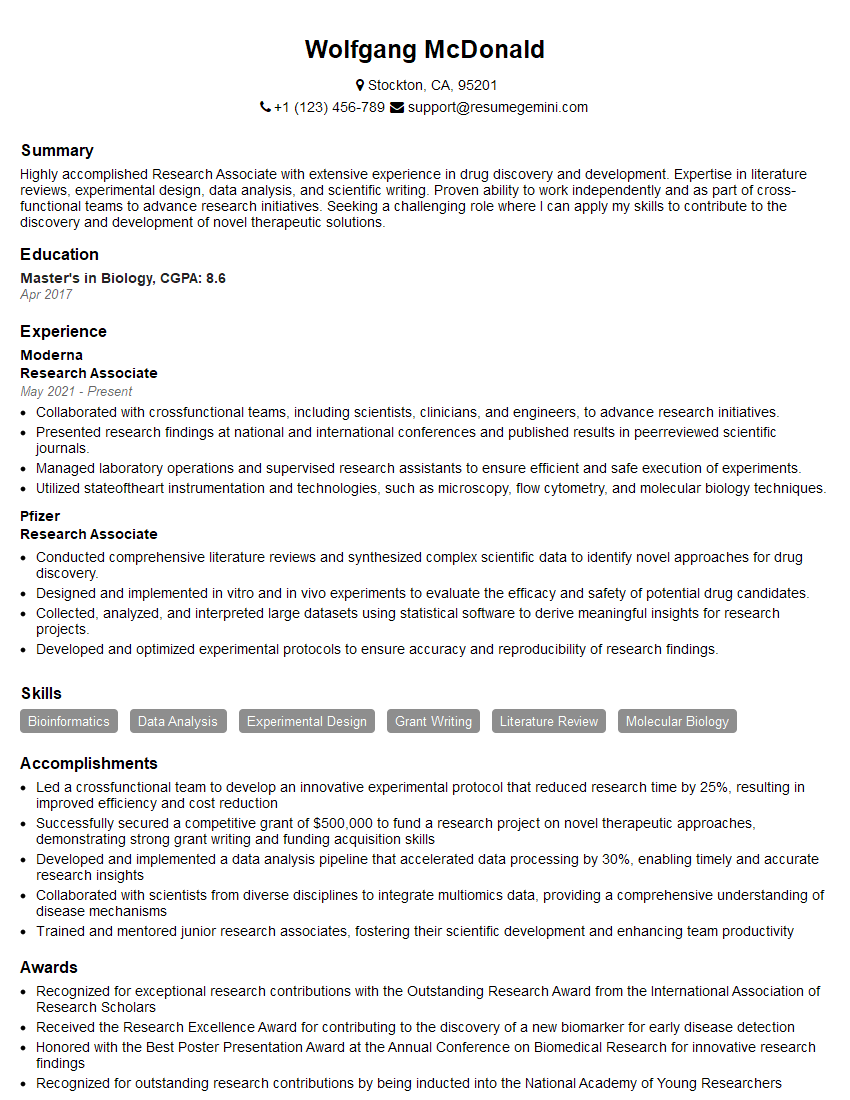
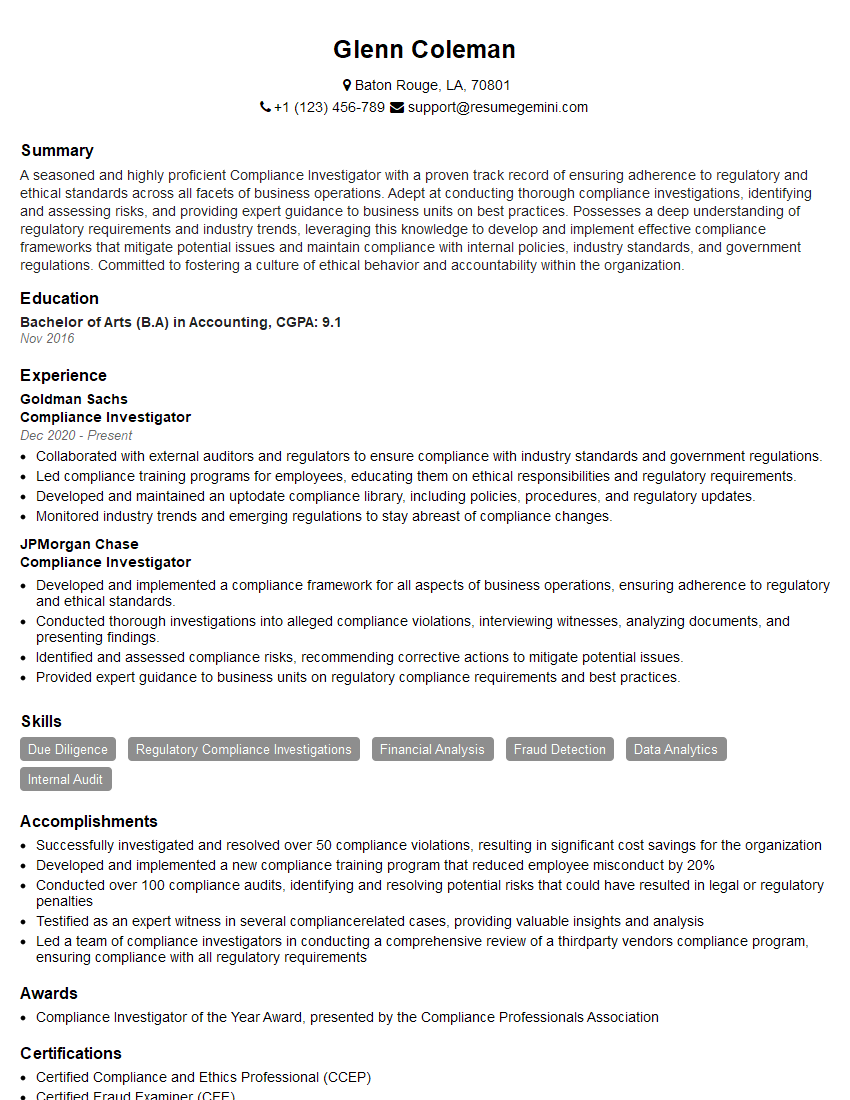
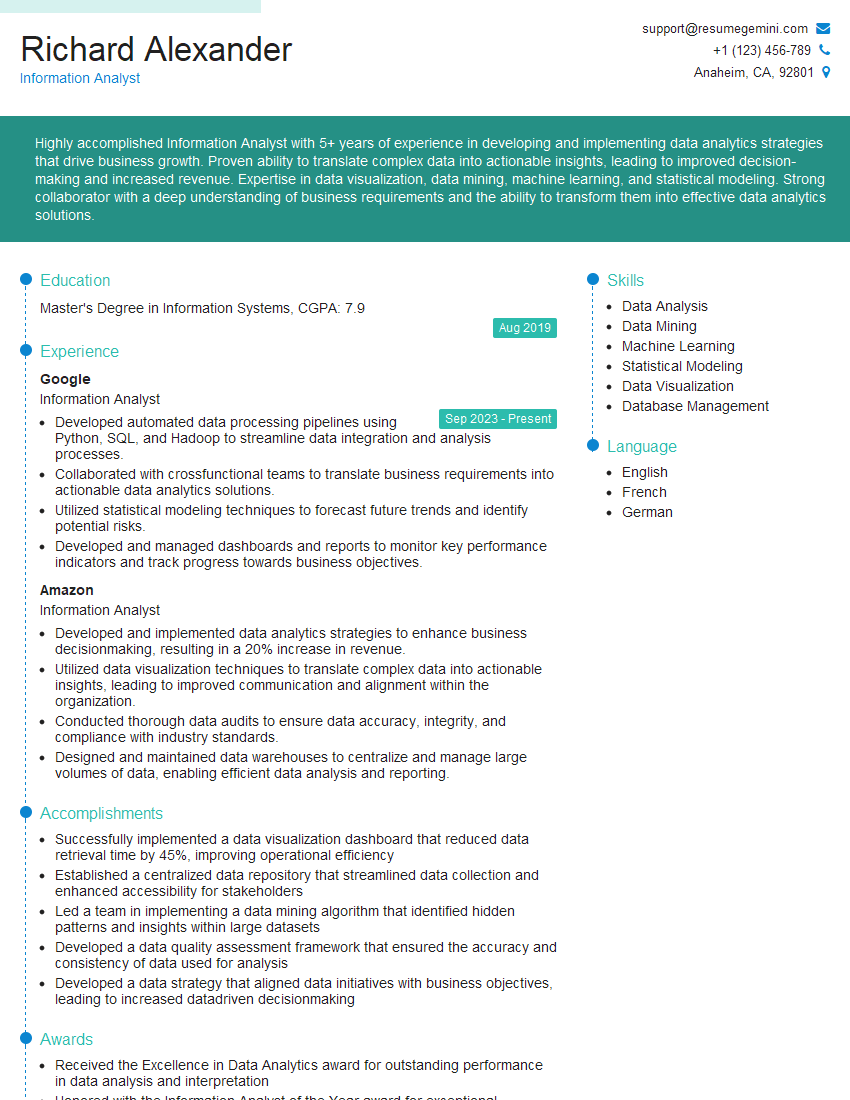
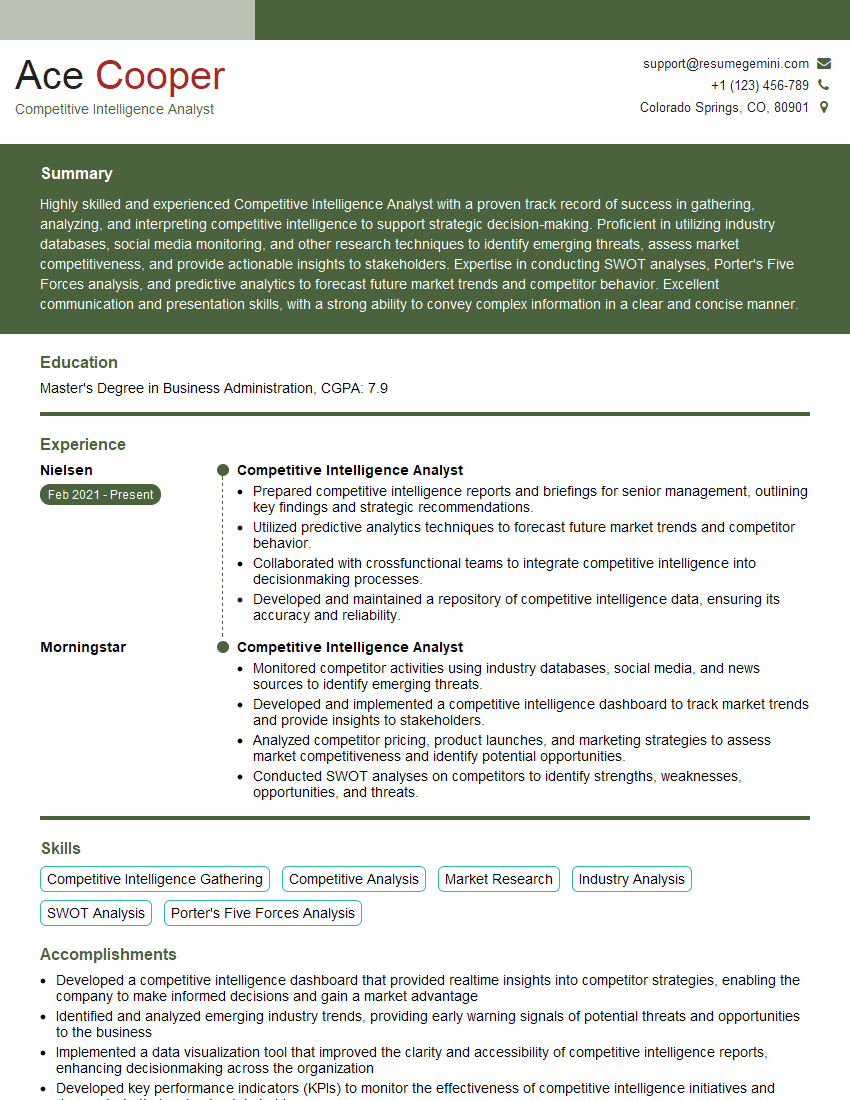
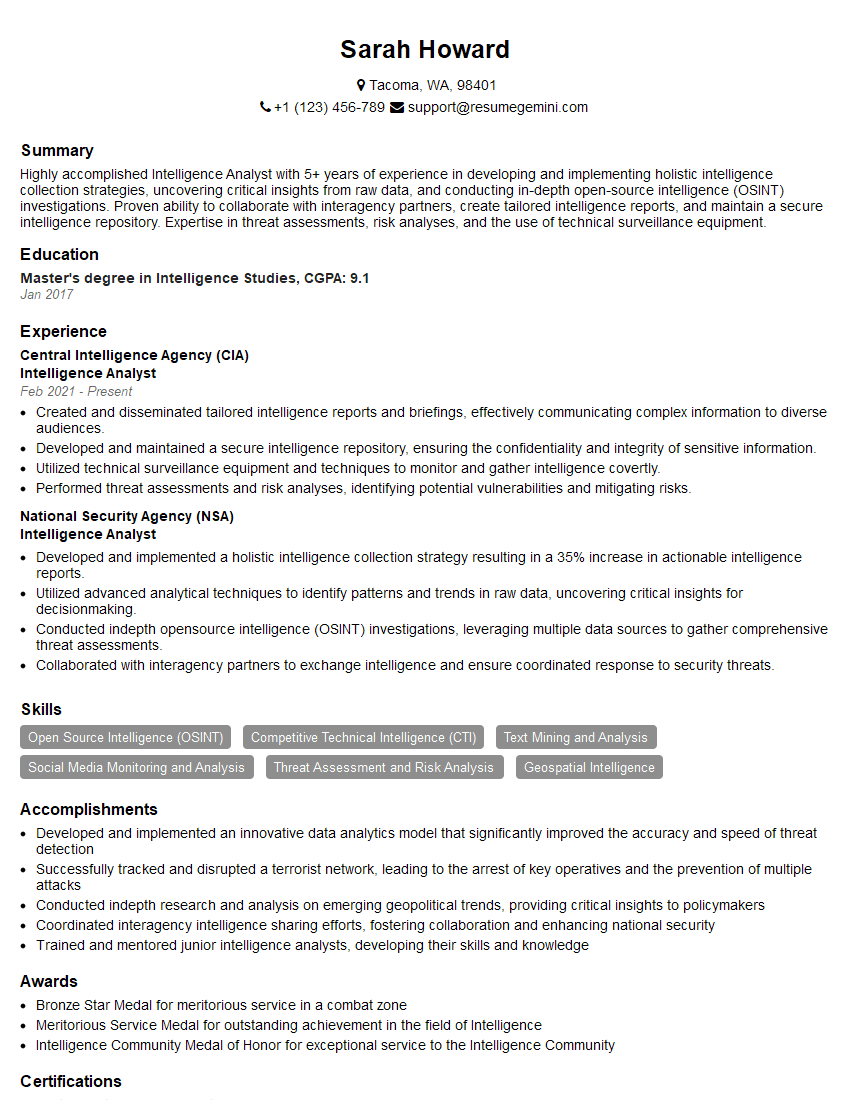
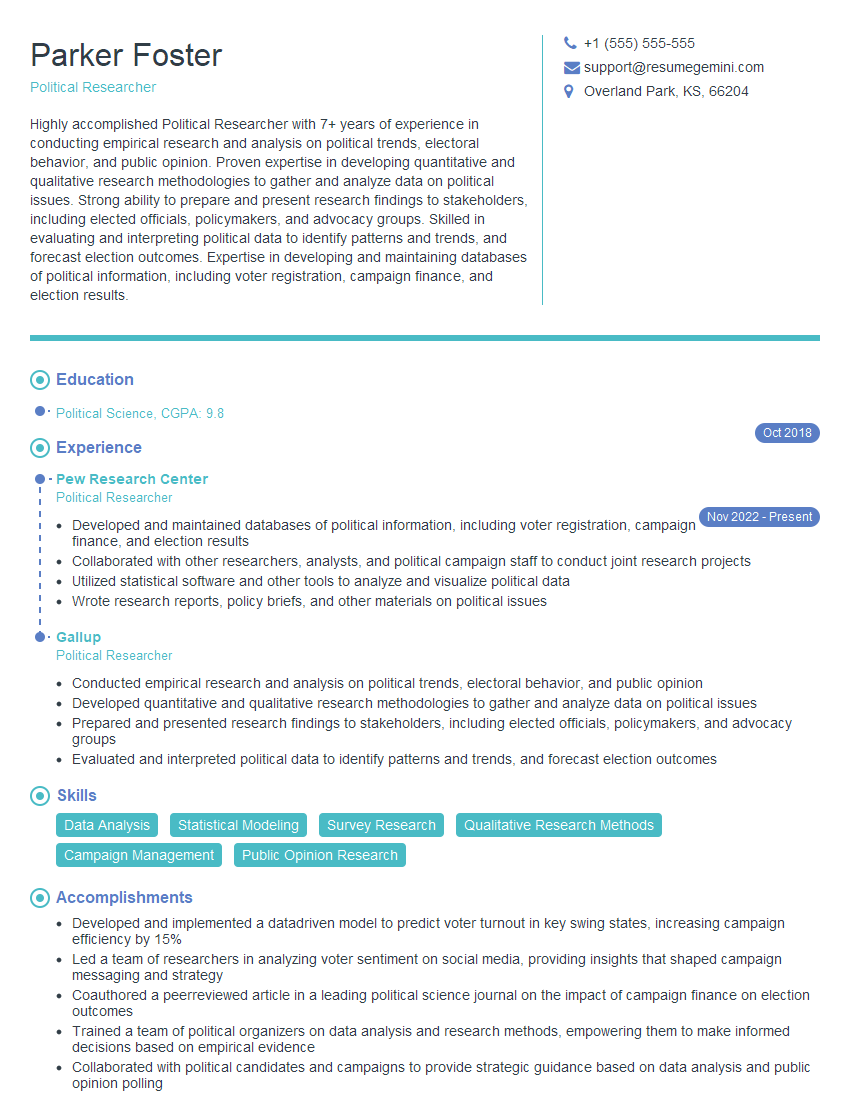
Mastering Opposition Research opens doors to exciting and impactful careers, allowing you to contribute significantly to strategic decision-making. To maximize your job prospects, crafting an ATS-friendly resume is crucial. ResumeGemini is a trusted resource that can help you build a professional and compelling resume designed to get noticed by recruiters. We offer examples of resumes tailored specifically to Opposition Research to give you a head start. Take the next step towards your dream career – build a powerful resume today!

Explore more articles
Users Rating of Our Blogs
Share Your Experience
We value your feedback! Please rate our content and share your thoughts (optional).
What Readers Say About Our Blog
To the interviewgemini.com Webmaster.
Very helpful and content specific questions to help prepare me for my interview!
Thank you
To the interviewgemini.com Webmaster.
This was kind of a unique content I found around the specialized skills. Very helpful questions and good detailed answers.
Very Helpful blog, thank you Interviewgemini team.