Cracking a skill-specific interview, like one for Using PPE, requires understanding the nuances of the role. In this blog, we present the questions you’re most likely to encounter, along with insights into how to answer them effectively. Let’s ensure you’re ready to make a strong impression.
Questions Asked in Using PPE Interview
Q 1. What types of PPE are you familiar with?
My familiarity with Personal Protective Equipment (PPE) encompasses a wide range of items designed to protect against various hazards. This includes respiratory protection like respirators (N95, half-face, full-face), eye and face protection such as safety glasses, goggles, and face shields, head protection like hard hats and bump caps, hand protection including gloves (cut-resistant, chemical-resistant, etc.), body protection such as aprons, coveralls, and high-visibility clothing, and finally foot protection like safety shoes and boots. I have experience with selecting, using, inspecting, and maintaining each of these categories.
- Respiratory Protection: Essential in environments with airborne hazards like dust, fumes, or biological agents.
- Eye and Face Protection: Protects against impacts, splashes, and radiation.
- Head Protection: Guards against falling objects and impacts.
- Hand Protection: Prevents cuts, burns, chemical exposure, and other injuries.
- Body Protection: Protects against splashes, chemicals, radiation, and impacts.
- Foot Protection: Prevents injuries from falling objects, punctures, and slips.
Q 2. Describe the proper selection criteria for PPE.
Selecting the appropriate PPE involves a risk assessment process. It’s not a one-size-fits-all approach. The criteria include:
- Hazard Identification: What are the specific hazards present? (e.g., chemicals, biological agents, physical hazards like impact or heat).
- Risk Assessment: How likely is exposure to the hazard? How severe are the potential consequences?
- PPE Type Selection: Based on the risk assessment, choose PPE that offers the necessary level of protection. A higher risk necessitates higher protection.
- Fit and Comfort: PPE must fit properly and be comfortable enough for the wearer to use it effectively throughout their shift. An ill-fitting respirator, for instance, is ineffective.
- User Training: Workers must receive adequate training on how to use the PPE correctly and understand its limitations.
- Compatibility: Ensure that different pieces of PPE are compatible; they shouldn’t interfere with each other’s function.
- Standards and Regulations: Compliance with relevant industry standards and regulations is paramount. This ensures the selected PPE meets minimum safety requirements.
- Cost and Availability: While cost is a factor, it should never compromise safety. The most effective and compliant PPE should be prioritized.
Q 3. How do you determine the appropriate PPE for a specific hazard?
Determining appropriate PPE for a specific hazard starts with a thorough hazard assessment. Let’s say we’re dealing with a chemical spill involving a corrosive substance.
- Identify the hazard: Corrosive chemical.
- Assess the risk: Determine the concentration of the chemical, the potential for skin contact or inhalation, and the severity of potential injuries (burns, respiratory issues).
- Select PPE: Based on the assessment, we’d likely need:
- Chemical-resistant gloves (appropriate material depending on the specific chemical).
- A chemical-resistant apron or coverall.
- Safety glasses or a face shield to protect the eyes and face from splashes.
- Respiratory protection, perhaps a respirator with appropriate cartridges, if there’s a risk of inhalation.
- Safety boots to protect the feet.
- Training: Workers must know how to safely don, use, and doff the PPE.
Another example: Working at heights requires a hard hat to protect from falling objects and a safety harness to prevent falls.
Q 4. Explain the hierarchy of hazard controls.
The hierarchy of hazard controls prioritizes eliminating hazards or minimizing risk through the most effective methods. The order is:
- Elimination: Completely removing the hazard. (e.g., replacing a hazardous chemical with a safer alternative).
- Substitution: Replacing the hazard with a less hazardous one. (e.g., using a less toxic cleaning solution).
- Engineering Controls: Implementing physical changes to the work environment to reduce risk. (e.g., installing ventilation systems to remove airborne contaminants or machine guarding).
- Administrative Controls: Changing work practices or procedures to reduce risk. (e.g., implementing work permits or rotating staff to limit exposure).
- PPE: The last line of defense. It protects the worker from hazards that cannot be eliminated or controlled by other means.
It’s crucial to remember that PPE is always the last resort. Prioritizing the higher levels of the hierarchy is essential for creating a safer working environment. Using only PPE to protect against a hazard is often insufficient and carries greater risk.
Q 5. What are the limitations of different types of PPE?
All PPE has limitations. It’s vital to understand these limitations to avoid false senses of security.
- Respirators: Can be uncomfortable, restricting breathing. Effectiveness depends on proper fit and maintenance. They don’t protect against all airborne hazards.
- Gloves: Different gloves offer protection against different hazards; a glove designed for cuts won’t necessarily protect against chemicals. They can degrade over time or with prolonged exposure.
- Hard Hats: Effective against falling objects but offer limited protection against side impacts or electrical hazards.
- Eye Protection: Doesn’t always fully protect against high-velocity impacts or chemical splashes.
- All PPE: Has a limited lifespan and requires regular inspection and replacement. They’re also subject to damage, misuse, and failure.
It’s crucial that workers are trained to understand these limitations and to take appropriate actions (e.g., evacuate, seek help) should the PPE fail or become inadequate.
Q 6. How do you inspect and maintain PPE?
Inspecting and maintaining PPE is a critical aspect of safety. A pre-use inspection is essential every time before use.
- Visual Inspection: Check for any signs of damage, wear, or contamination. Look for tears, cracks, punctures, or any deterioration of materials.
- Functionality Check: Test the functionality of the PPE. For example, check the straps on a hard hat, the seals on a respirator, or the integrity of gloves.
- Cleaning and Sanitization: Clean and sanitize PPE according to the manufacturer’s instructions. This is vital for preventing the spread of contamination.
- Storage: Store PPE properly to prevent damage or contamination. Store in a clean, dry place, away from extreme temperatures and direct sunlight.
- Regular Maintenance: Some PPE requires more than just visual inspection. For example, respirators need regular filter changes. Follow the manufacturer’s recommendations for maintenance.
- Record Keeping: Maintain records of inspections, cleaning, maintenance, and replacement. This helps track the condition and lifespan of the equipment.
Regular, diligent maintenance ensures the PPE remains effective and protects workers.
Q 7. What are the signs of damaged or worn PPE?
Recognizing damaged or worn PPE is crucial for preventing accidents. Signs can vary depending on the type of PPE but include:
- Cracks or Tears: In gloves, hard hats, or any other protective covering. A small crack could compromise the barrier and lead to injury.
- Holes or Punctures: Any breach in the protective material.
- Loose Straps or Fasteners: Could lead to slippage or inadequate protection.
- Discoloration or Degradation: A change in color or texture, especially in chemical-resistant gloves, often indicates weakening of the material.
- Stiffness or Brittleness: Indicates aging or exposure to harsh conditions.
- Missing Parts: Like missing lenses on safety glasses or a broken clasp on a respirator.
- Excessive Wear: Overall wear and tear reducing the effectiveness of the protection. Consider the expected lifespan according to the manufacturer’s specifications.
If any of these signs are observed, the PPE should be immediately replaced. Never compromise on safety.
Q 8. What should you do if you find damaged PPE?
Damaged PPE compromises its protective capabilities and puts the wearer at risk. Never use damaged PPE. Instead, immediately report it to your supervisor or designated safety officer. This is crucial because even minor damage – a small tear in gloves, a crack in a safety visor, or a loose strap on a respirator – can significantly reduce its effectiveness. The damaged PPE should then be disposed of properly according to your organization’s waste disposal protocols, usually in designated containers for contaminated materials.
For example, if you find a pair of safety glasses with a scratched lens, you wouldn’t use them because the scratch could impair your vision and increase your risk of eye injury. Similarly, a damaged hard hat could fail to protect your head from impact.
Q 9. Describe the proper donning and doffing procedures for PPE.
Proper donning and doffing (putting on and taking off) of PPE is critical to ensure its effectiveness and prevent cross-contamination. The exact procedure varies depending on the specific PPE used but follows a general sequence. Think of it like putting on and taking off layers of clothing – you need to do it systematically to avoid contaminating yourself or the environment.
- Donning: Generally involves hand hygiene first, followed by gown, mask or respirator, eye protection, and gloves. Each piece must be put on correctly and adjusted to ensure a proper fit.
- Doffing: This is done in reverse order to minimize the risk of contamination. Gloves are removed first, followed by eye protection, gown, and lastly, the mask or respirator. Each piece is carefully removed without touching the contaminated surfaces. Hand hygiene is performed after completely removing all PPE.
For instance, when using a gown, mask, goggles and gloves in a clinical setting, you would start by cleaning your hands, put on the gown, then the mask, then the goggles, and finally the gloves. When removing, you’d remove the gloves first, then the goggles, the gown and finally the mask. Each step is crucial in maintaining sterility and preventing the spread of infection.
Q 10. What are the legal requirements for using PPE in your industry?
Legal requirements for PPE use vary depending on the specific industry and location. However, most jurisdictions have regulations based on risk assessments. These regulations mandate that employers provide appropriate PPE for tasks presenting identified hazards and ensure employees use this equipment correctly. Failure to comply can result in significant fines and legal repercussions for employers and potentially disciplinary actions for employees. Often, these regulations reference specific standards, such as those set by OSHA (Occupational Safety and Health Administration) in the US, or equivalent bodies in other countries. These standards provide detailed guidelines on the selection, use, and maintenance of various types of PPE.
For example, in construction, hard hats, safety glasses, and high-visibility clothing are frequently mandated by law. Similarly, in healthcare, specific PPE requirements are in place to prevent the spread of infectious diseases.
Q 11. How do you communicate PPE requirements to others?
Effective communication of PPE requirements is paramount for ensuring compliance and safety. This involves multiple methods including:
- Training sessions: Provide comprehensive training on the types of PPE required, their proper use, and the hazards they protect against. Hands-on demonstrations and practical exercises enhance understanding.
- Visual aids: Posters, diagrams, and videos illustrating correct donning and doffing procedures significantly improve knowledge retention.
- Written procedures: Clear and concise written procedures should be readily available, easily accessible, and regularly reviewed.
- Regular communication: Supervisors should regularly reinforce the importance of PPE use and address any concerns or questions raised by employees.
For instance, I’ve used role-playing exercises during training to let workers practice donning and doffing procedures in a safe environment, allowing for immediate feedback and correction.
Q 12. How do you ensure compliance with PPE regulations?
Ensuring compliance involves a multifaceted approach. This includes:
- Regular inspections: Conduct frequent inspections of workplaces to ensure PPE is readily available, in good condition, and being used correctly.
- Audits: Regular audits of PPE usage and training records help to identify areas for improvement.
- Feedback mechanisms: Establish systems for employees to report concerns regarding PPE or training. This ensures prompt attention to any issues.
- Performance monitoring: Tracking injury rates and near-miss incidents helps identify deficiencies in PPE usage or training.
By combining these strategies, a proactive approach to compliance is achieved. For example, regular inspections can reveal damaged equipment before it’s used, preventing accidents. Feedback mechanisms allow for addressing potential hazards before they escalate.
Q 13. What are the common hazards associated with not using proper PPE?
The consequences of not using proper PPE can be severe, ranging from minor injuries to fatalities. Common hazards include:
- Eye injuries: Lack of eye protection can lead to damage from flying debris, chemicals, or radiation.
- Hearing loss: Exposure to loud noises without hearing protection can cause permanent hearing damage.
- Respiratory illnesses: Inhaling harmful dusts, fumes, or gases without proper respiratory protection can cause serious lung diseases.
- Skin burns or irritation: Contact with hazardous chemicals or materials without appropriate skin protection can result in burns, rashes, or other skin problems.
- Head injuries: Working without a hard hat exposes individuals to the risk of serious head trauma from falling objects or impacts.
The severity of these injuries depends on the hazard and the adequacy of the protection. The potential costs associated with these injuries—medical expenses, lost productivity, and legal liabilities—underscore the vital role of PPE.
Q 14. Have you ever been involved in an incident related to PPE?
Yes, early in my career, I witnessed a coworker sustain a minor eye injury due to the improper use of safety glasses. The glasses were worn too loosely, allowing debris to enter and scratch his cornea. This incident highlighted the importance of proper fitting and emphasized the need for thorough training on PPE use. It reinforced my commitment to ensuring everyone understands and adheres to the proper protocols. The incident led to a company-wide review of PPE training materials and procedures, ultimately leading to improved safety protocols and a reduction in similar incidents.
Q 15. How did you handle the situation?
Handling a PPE-related situation depends entirely on the specific hazard and incident. However, a consistent approach always involves prioritizing safety. Let’s say I noticed a coworker not wearing the required eye protection during a chemical handling procedure. My first step would be to calmly and directly address the situation, reminding them of the safety protocols and the potential risks. I’d offer assistance in obtaining the necessary PPE. If they were resistant or continued the unsafe practice, I would escalate the issue to my supervisor to ensure compliance and prevent potential accidents. Proper communication and a focus on safety, not blame, are paramount.
In another scenario, if I myself experienced a PPE malfunction (e.g., a glove tearing), I’d immediately stop the task, remove the compromised PPE, and replace it with a new set. I’d then report the incident to ensure the potential hazard is investigated and addressed to prevent similar occurrences in the future. Documentation is crucial.
Career Expert Tips:
- Ace those interviews! Prepare effectively by reviewing the Top 50 Most Common Interview Questions on ResumeGemini.
- Navigate your job search with confidence! Explore a wide range of Career Tips on ResumeGemini. Learn about common challenges and recommendations to overcome them.
- Craft the perfect resume! Master the Art of Resume Writing with ResumeGemini’s guide. Showcase your unique qualifications and achievements effectively.
- Don’t miss out on holiday savings! Build your dream resume with ResumeGemini’s ATS optimized templates.
Q 16. What training have you received on PPE?
My PPE training is extensive and regularly updated. I’ve completed initial training covering the selection, donning, doffing, and limitations of various PPE types, including respirators, eye protection, gloves, and hearing protection. This initial training was followed by specialized training focused on hazardous materials handling and confined space entry. Furthermore, I’ve participated in regular refresher courses and workshops to stay abreast of current best practices and any changes in regulations. I also have hands-on experience, which allows me to confidently assess the correct PPE needs for diverse workplace situations. My qualifications also include certification in respirator fit testing.
Q 17. What are the different classes of safety helmets and their applications?
Safety helmets are categorized based on their ability to protect against different types of impact and penetration. The classes aren’t universally standardized but often reflect similar performance levels.
- Class G (General): Offers protection against impact from falling objects. Think general construction sites or basic manufacturing.
- Class E (Electrical): Provides protection against impact and also electrical hazards, up to a certain voltage. Essential in electrical work or environments with exposed wiring.
- Class C (Conductive): Usually made of aluminum, offers impact protection but no protection against electrical hazards. Primarily for situations where electrical protection is not required.
The choice of helmet depends entirely on the work environment’s specific risks. A construction worker might use a Class G helmet, while a lineman would need a Class E helmet. Mismatched helmets can cause serious injuries.
Q 18. What are the key differences between disposable and reusable respirators?
The primary difference between disposable and reusable respirators lies in their lifespan and the level of protection they provide. Disposable respirators, like N95 masks, are single-use items designed for protection against particulate matter. Once contaminated or damaged, they must be discarded. Reusable respirators, like half-face or full-face respirators, can be cleaned and reused, provided they’re properly maintained and their filters are replaced as needed. They often offer more protection against higher concentrations of hazards and can integrate different filters based on the specific contaminant.
Reusable respirators require proper cleaning, storage, and fit testing, which necessitates more rigorous maintenance. Disposable respirators offer ease of use but should always be disposed of carefully following the appropriate protocols.
Q 19. How do you select the appropriate respirator for a specific contaminant?
Selecting the appropriate respirator is critical and involves a thorough hazard assessment. First, identify the specific contaminant(s) present. Is it particulate matter (dust, fumes), gases, vapors, or a combination? Then, consult the respirator’s safety data sheet (SDS) or product information to determine the respirator’s Assigned Protection Factor (APF) and the type of filter it uses. For example, an N95 respirator is effective against certain particulate matters, while a full-face respirator with appropriate cartridges may be needed for gas or vapor protection. A workplace safety professional can guide the selection process, ensuring compliance with regulations and best safety practices.
Remember, using an inappropriate respirator can lead to inadequate protection or even health complications.
Q 20. Describe the fit testing process for respirators.
Respirator fit testing is a crucial process that ensures the respirator forms a proper seal around the wearer’s face. This is vital because even the best respirator is useless if it leaks. There are two main types of fit testing: qualitative and quantitative.
- Qualitative Fit Testing: This involves the wearer performing specific tasks (e.g., turning their head, bending, talking) while wearing the respirator. They report whether they can taste, smell, or feel any leakage. It’s simpler and less expensive but subjective.
- Quantitative Fit Testing: This employs instruments that measure the amount of leakage around the respirator’s seal. This is more objective and provides a numerical result, offering more accurate data. It’s often required for higher-risk environments.
Both methods require following a specific protocol and using approved testing agents. The goal is to find a respirator model and size that creates an effective seal and ensures the user’s respiratory protection.
Q 21. Explain the importance of hand hygiene when using PPE.
Hand hygiene is paramount when using PPE because it minimizes the risk of contamination. Before donning PPE, clean hands thoroughly with soap and water or an appropriate hand sanitizer to remove any dirt, debris, or microorganisms that could be transferred to the PPE or the work surface. This prevents cross-contamination between the user’s hands and the PPE and any materials they are handling. After removing PPE, wash hands again to eliminate any contaminants that may have adhered to the gloves or other PPE.
Think of it this way: your hands are the primary interface between you and the hazard. Maintaining good hand hygiene is a fundamental aspect of overall PPE effectiveness and personal safety.
Q 22. What are the limitations of gloves and how to select proper ones?
Gloves, while essential PPE, have limitations. Their effectiveness depends heavily on the material, the type of hazard, and proper usage. For instance, nitrile gloves offer excellent resistance to chemicals but may tear easily if punctured. Latex gloves are allergic for some. Selecting the right gloves involves understanding the specific risk.
- Identify the hazard: Are you handling chemicals, biological materials, or sharp objects? The type of hazard dictates the glove material (e.g., nitrile for chemicals, cut-resistant for sharp objects).
- Consider the glove material: Nitrile, latex, neoprene, and vinyl each offer different levels of protection against various hazards. Check for chemical resistance charts to ensure compatibility.
- Check the glove’s thickness and durability: Thicker gloves generally offer better protection, but may reduce dexterity. Look for puncture-resistant options if needed.
- Ensure proper fit: Gloves that are too tight can tear, while those that are too loose reduce protection and dexterity. Always try gloves on before purchasing in bulk.
- Check for allergies: Perform allergy tests if needed, particularly with latex gloves.
For example, in a lab setting handling strong acids, nitrile gloves with a high chemical resistance rating would be crucial. In a healthcare setting dealing with potential needle sticks, cut-resistant gloves are essential.
Q 23. What are the different types of eye protection and their applications?
Eye protection comes in many forms, each suited for different hazards. The choice depends on the specific risk.
- Safety Glasses: Offer basic impact protection from flying debris. Ideal for general workshops or light industrial settings.
- Goggles: Provide broader coverage, protecting the eyes and surrounding areas from splashes, dust, and larger particles. Essential for chemical handling or working with potentially dangerous liquids.
- Face Shields: Offer the most extensive protection, covering the entire face. Crucial when working with chemicals that could splatter or when handling potentially harmful substances.
- Prescription Safety Eyewear: Combines corrective lenses with the impact resistance of safety glasses. Essential for those who need vision correction while working in hazardous environments.
Consider a scenario where someone is working with a grinder: safety glasses would suffice if the risk is limited to small flying fragments. However, if they are grinding metal and the risk of large spatter is high, then a face shield and goggles would be more appropriate. The key is choosing the right level of protection based on the potential hazard.
Q 24. Describe the proper use and care of safety footwear.
Proper use and care of safety footwear are crucial for foot protection.
- Selection: Choose footwear appropriate for the hazards. Steel-toe boots protect against falling objects, while metatarsal guards protect the upper foot. Select footwear with slip-resistant soles for slippery surfaces.
- Inspection: Before each use, inspect footwear for damage (e.g., holes, worn soles). Damaged footwear should be immediately replaced.
- Cleaning: Clean footwear regularly to remove dirt, debris, and contaminants. Use appropriate cleaning solutions based on the material of the boots.
- Storage: Store footwear in a clean, dry place to prevent deterioration and damage. Avoid leaving them out in direct sunlight.
- Maintenance: Regularly inspect for wear and tear on soles, heels, and uppers. Replace insoles as needed for comfort and hygiene.
For example, a construction worker should wear steel-toe boots to protect their feet from falling debris. Regular inspection for wear and tear will prevent accidents caused by damaged footwear.
Q 25. How do you address concerns about PPE comfort and usability?
Comfort and usability are vital for PPE effectiveness. If PPE is uncomfortable or cumbersome, workers are less likely to use it properly.
- Proper Fit: Ensure that all PPE is properly fitted to the individual. Ill-fitting PPE can be uncomfortable and ineffective.
- Material Selection: Consider breathable materials where possible to reduce discomfort and heat build-up. Offer choices in materials to better suit individual needs.
- Training: Proper training on how to adjust and use PPE correctly will enhance both comfort and effectiveness.
- Regular Breaks: Encourage workers to take regular breaks to reduce fatigue and discomfort associated with wearing PPE.
- Feedback Mechanisms: Establish a system where workers can easily provide feedback on PPE comfort and usability. This allows for adjustments and improvements.
For instance, providing lightweight gloves with good dexterity will lead to better compliance than heavy, cumbersome gloves. Regular feedback on the comfort of safety glasses can also lead to improvements in purchasing practices.
Q 26. How do you stay updated on the latest PPE regulations and standards?
Staying updated on PPE regulations and standards is essential for maintaining a safe workplace.
- Subscribe to industry publications: Stay informed about new regulations and best practices through journals and online resources.
- Attend industry conferences and workshops: Participate in events that focus on safety and PPE updates.
- Join professional organizations: Membership provides access to resources and updates relevant to the field.
- Check regulatory agency websites: Governmental agencies responsible for safety regulations regularly update their websites with new standards and guidance.
- Maintain a system for tracking updates: Develop a system (e.g. a shared document, database, email list) within the workplace to ensure everyone is informed of crucial changes.
By proactively tracking updates, your organization can ensure that its PPE policies and practices always comply with current regulations. This might involve reviewing compliance documents yearly or whenever significant updates are announced.
Q 27. What are your preferred resources for PPE information?
My preferred resources for PPE information include:
- Occupational Safety and Health Administration (OSHA): Offers comprehensive information and standards for workplace safety.
- National Institute for Occupational Safety and Health (NIOSH): Conducts research and provides recommendations on workplace safety and health.
- Relevant industry associations: Organizations specific to your industry often provide guidance on PPE usage and best practices.
- Reputable manufacturers’ websites: Manufacturers usually provide detailed information on the specifications and usage of their products.
- Peer-reviewed scientific literature: Research papers on PPE can provide valuable insights into new technologies and best practices.
Using multiple resources provides a holistic view ensuring that information is accurate and up-to-date. Cross-referencing information is crucial for validation.
Q 28. Describe a time you had to adapt PPE use to an unexpected situation.
During a chemical spill incident, we found our usual chemical-resistant gloves lacked sufficient protection against the specific chemical involved. Our standard procedure was to use Level B protection (suit and respirator) after the initial cleanup, but the fast spread of the spill and lack of immediate access to the suits put workers at risk.
I quickly assessed the situation and decided to implement a double-gloving method. We instructed workers to wear two pairs of chemical-resistant gloves—the standard nitrile pair, and an additional pair of thicker, butyl rubber gloves known to have superior resistance to the specific chemical. This provided an extra layer of protection while waiting for the Level B suits. This unconventional approach mitigated the risk significantly until proper suits could be provided. Post-incident, we reviewed our PPE inventory and developed new protocols, including immediate access to alternative, higher-protection gloves for such unexpected scenarios. This emphasizes the importance of flexibility and quick decision-making when unexpected hazards arise.
Key Topics to Learn for Using PPE Interview
- Types of PPE: Understanding the different types of personal protective equipment (PPE), including gloves, respirators, eye protection, and protective clothing, and their specific applications.
- Selecting Appropriate PPE: Learning to assess workplace hazards and select the correct PPE based on identified risks. This includes understanding relevant safety standards and regulations.
- Proper Donning and Doffing Procedures: Mastering the correct techniques for putting on (donning) and taking off (doffing) PPE to minimize contamination risks and ensure personal safety. This includes understanding the importance of proper hand hygiene.
- Maintenance and Storage of PPE: Knowing how to properly inspect, clean, store, and dispose of PPE to maintain its effectiveness and prevent contamination.
- Limitations of PPE: Understanding the limitations of PPE and the importance of using it in conjunction with other safety measures such as engineering controls and administrative controls.
- Legal and Regulatory Compliance: Familiarity with relevant health and safety regulations and standards related to PPE usage in the workplace.
- Practical Application: Developing the ability to apply your knowledge in hypothetical scenarios, demonstrating your understanding of risk assessment and appropriate PPE selection in various work environments.
- Troubleshooting: Thinking critically about potential problems encountered while using PPE and developing problem-solving skills to address these challenges safely and effectively.
Next Steps
Mastering the use of PPE is crucial for career advancement in many safety-conscious industries. Demonstrating a thorough understanding of PPE selection, usage, and maintenance will significantly improve your job prospects. To stand out, create an ATS-friendly resume that effectively highlights your skills and experience. We strongly encourage you to utilize ResumeGemini to build a professional and impactful resume. ResumeGemini offers tools and resources to create a compelling document, and examples of resumes tailored to Using PPE are available to guide you. Invest time in crafting a strong resume—it’s your first impression with potential employers.
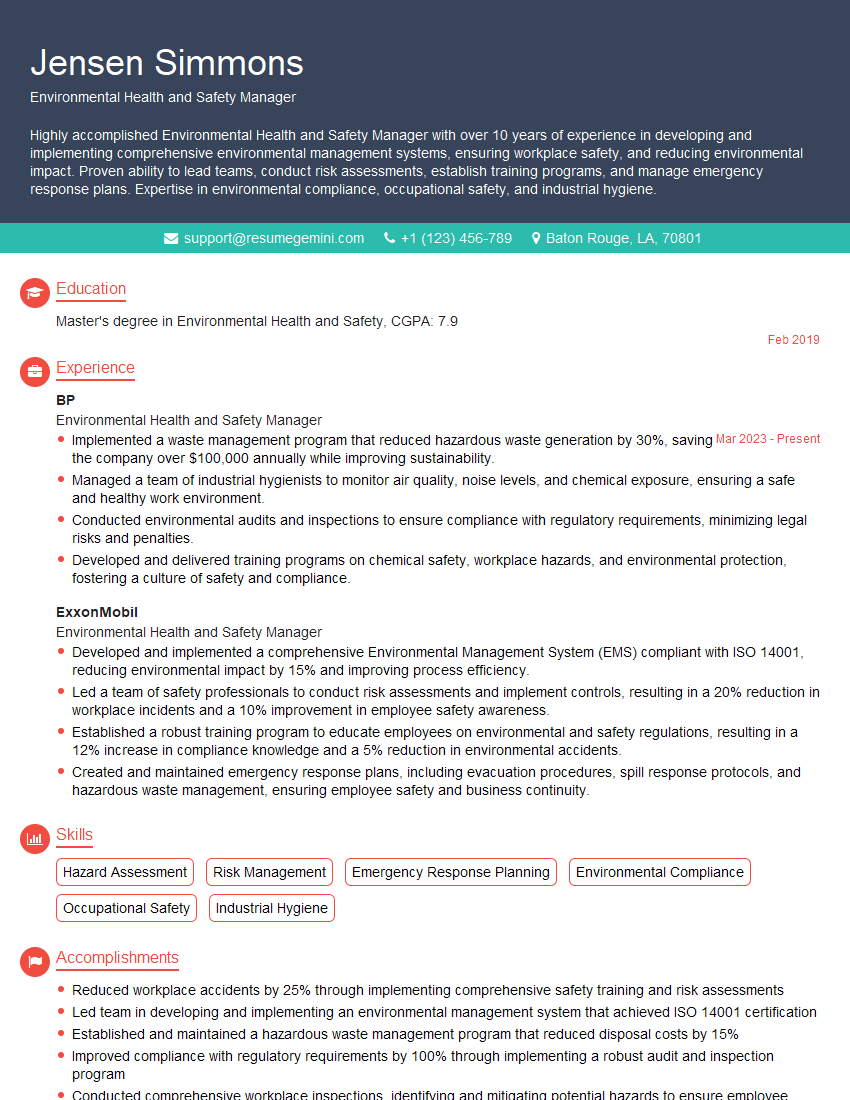
Environmental Health and Safety Manager Resume Sample

Paramedic Resume Sample

Compliance Officer Resume Sample
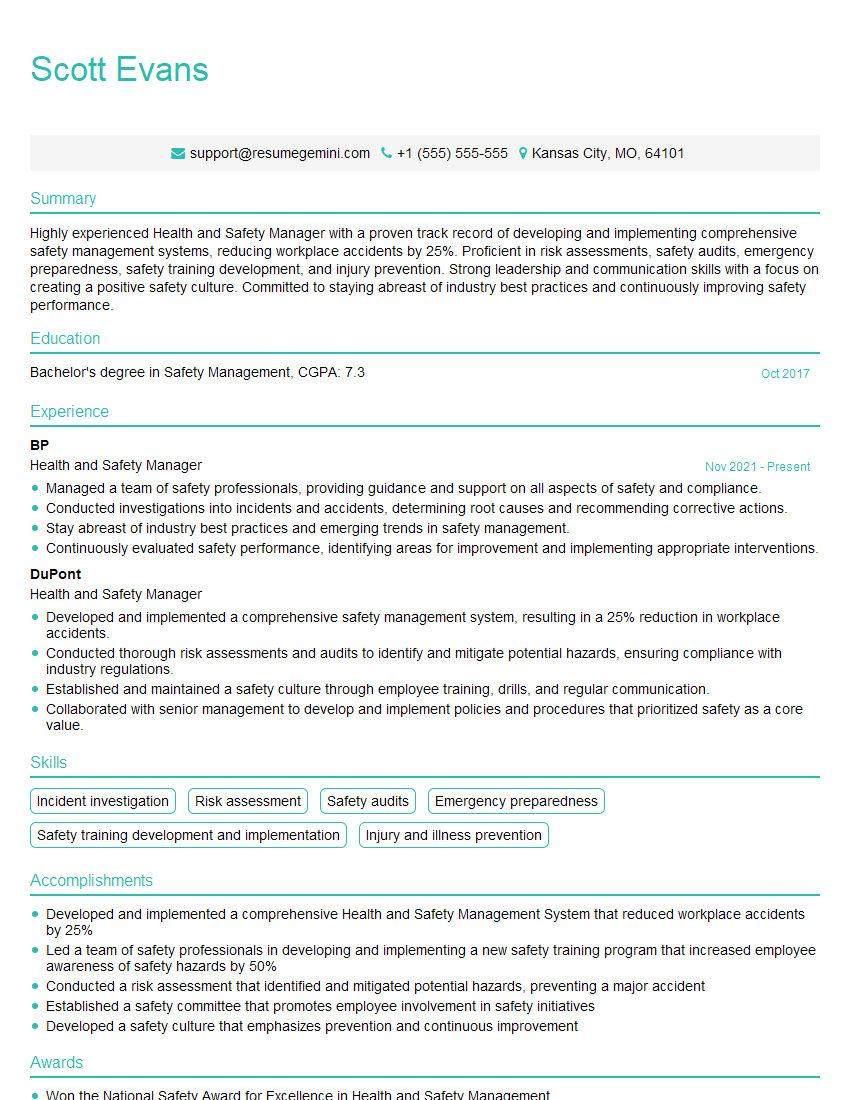
Health and Safety Manager Resume Sample
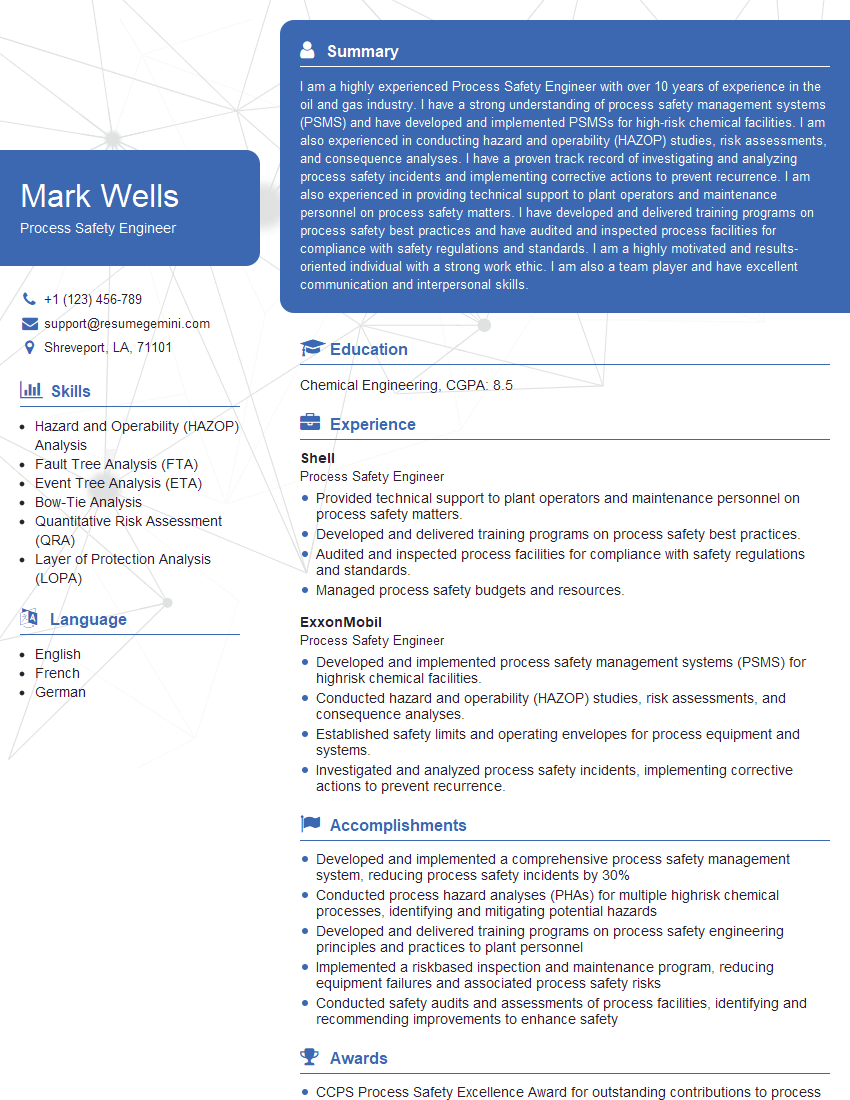
Process Safety Engineer Resume Sample
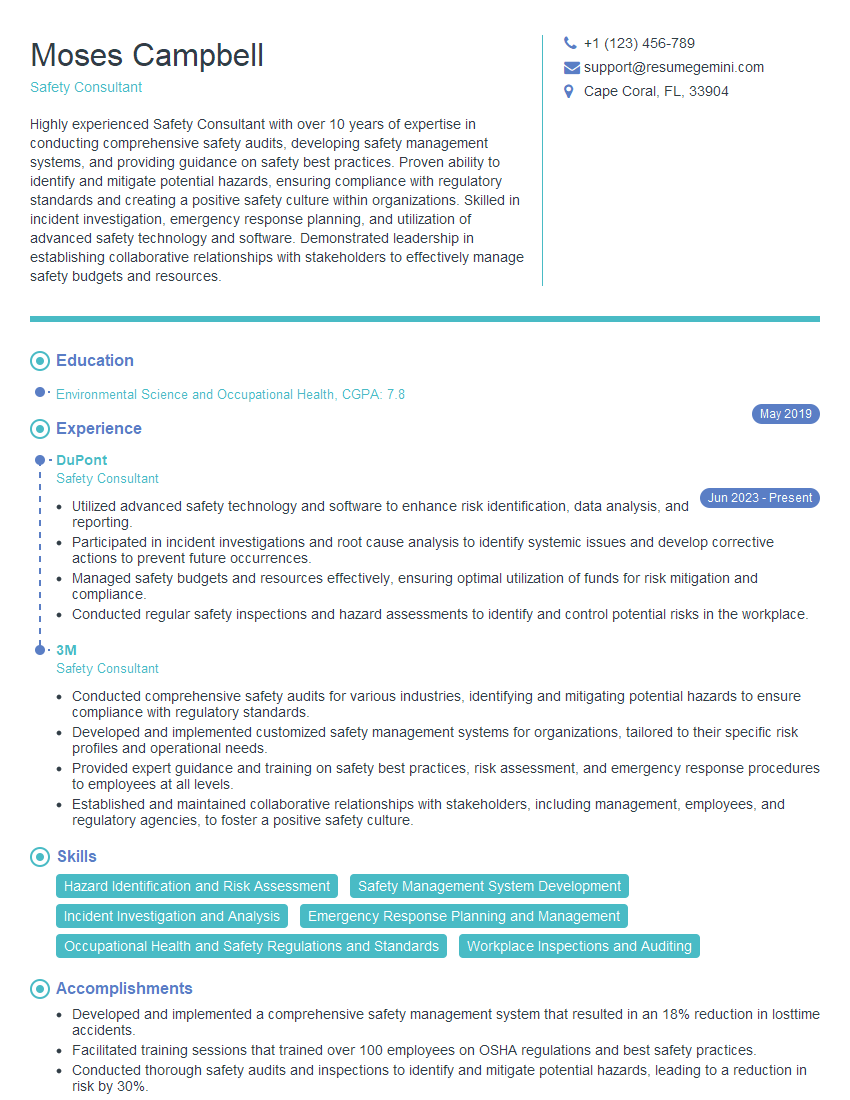
Safety Consultant Resume Sample
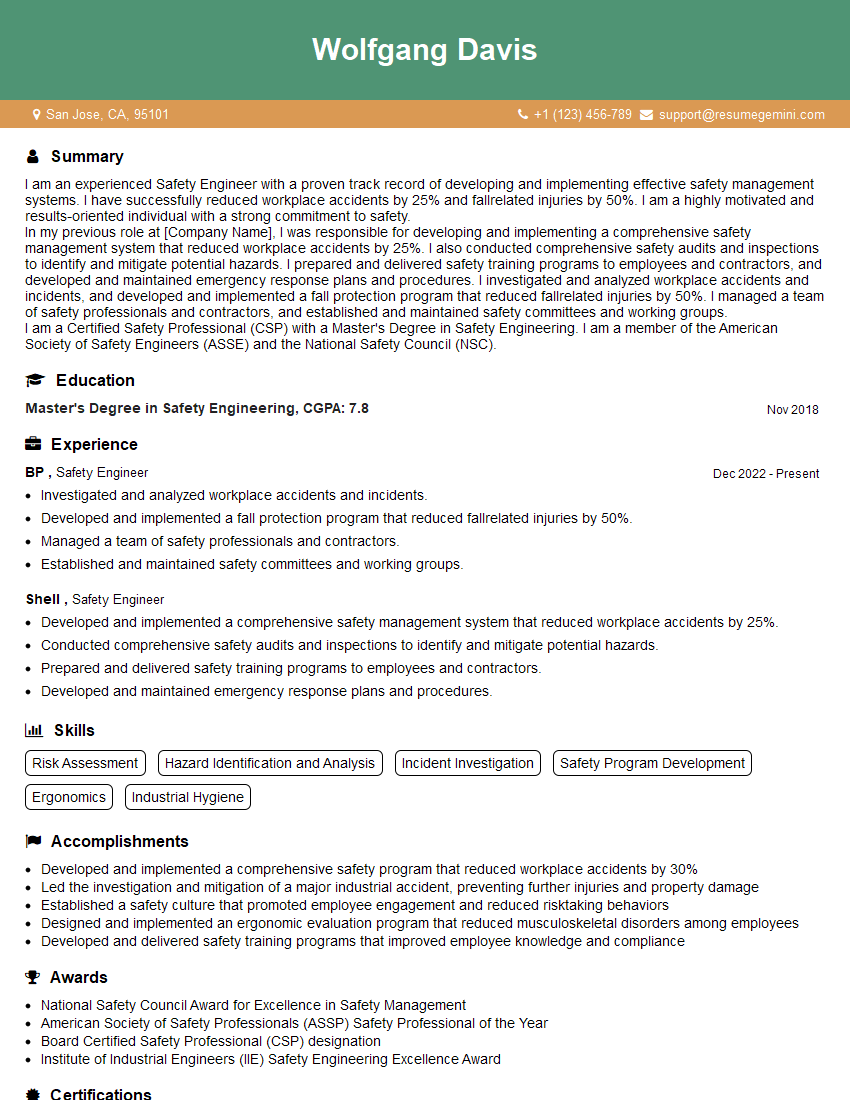
Safety Engineer Resume Sample
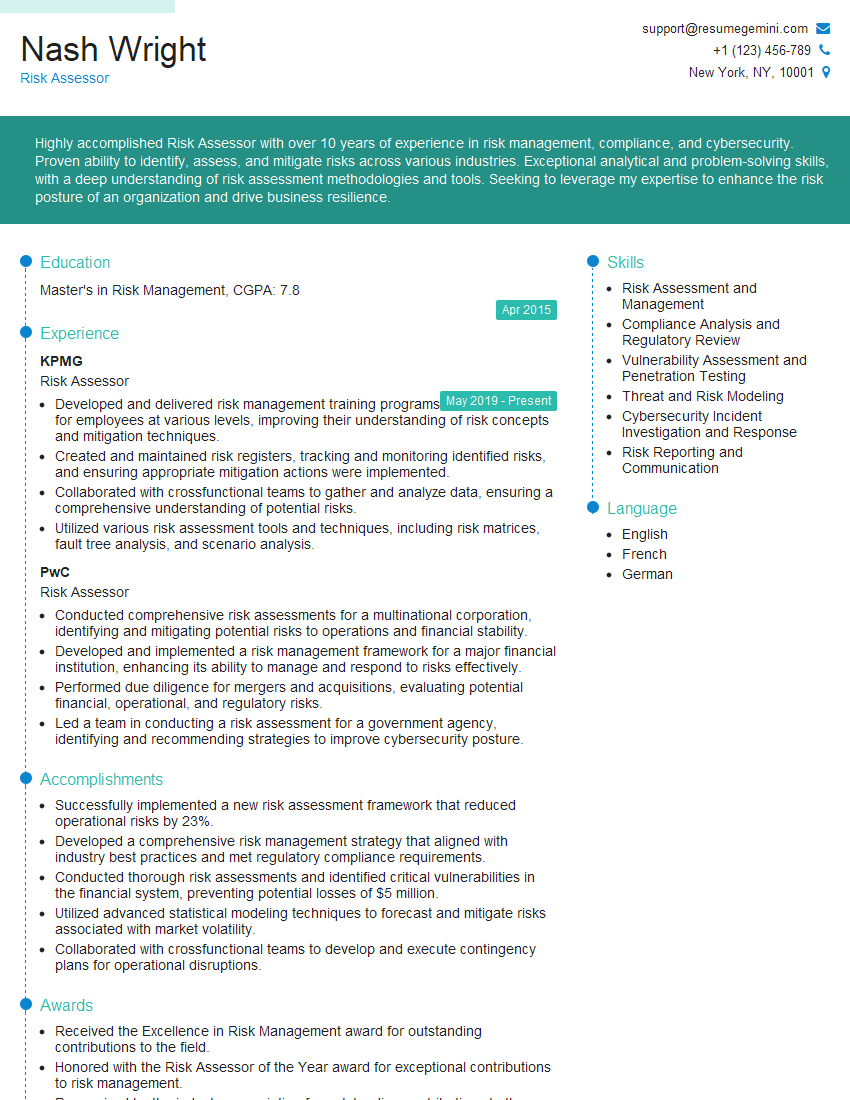
Risk Assessor Resume Sample
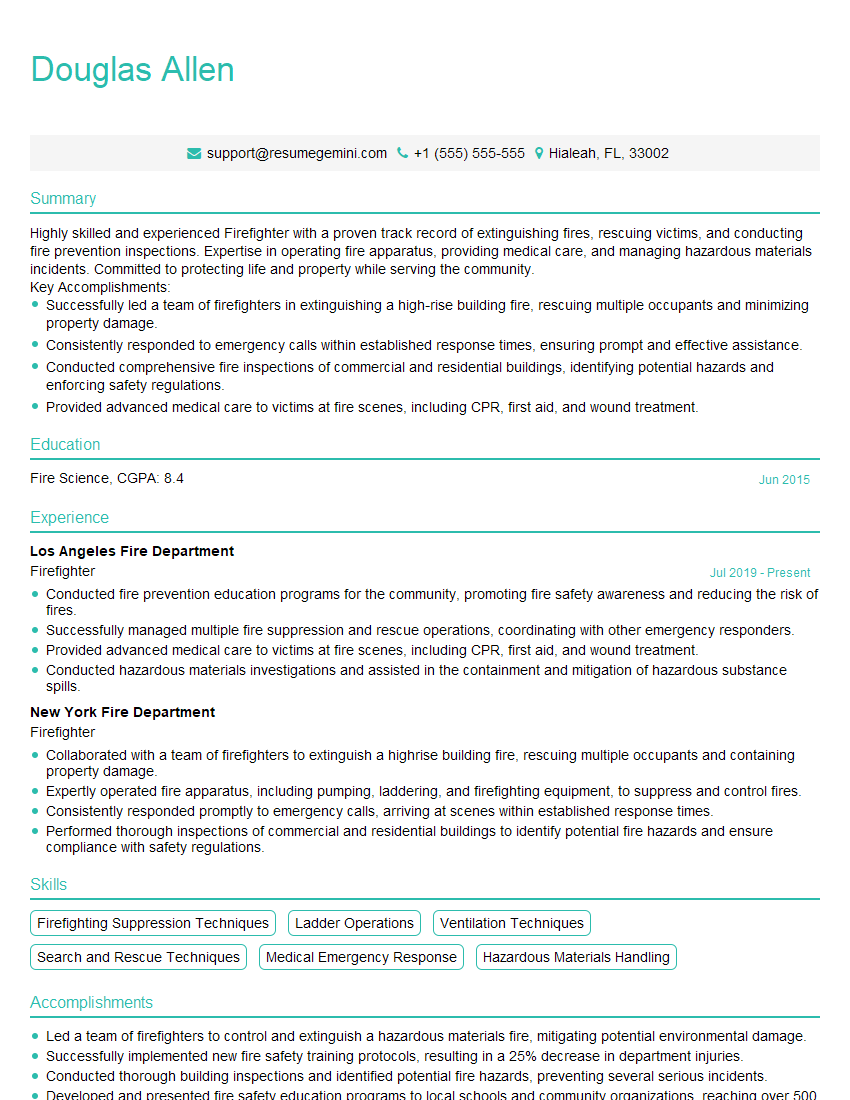
Firefighter Resume Sample
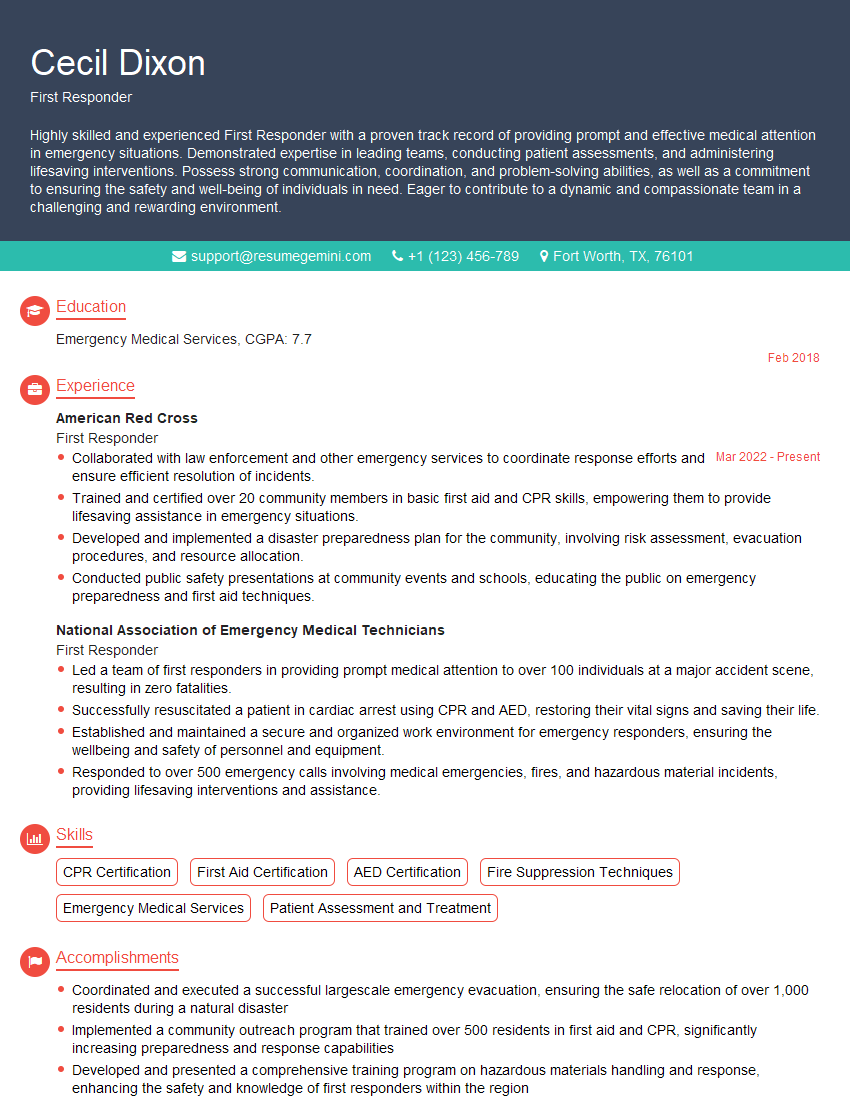
First Responder Resume Sample
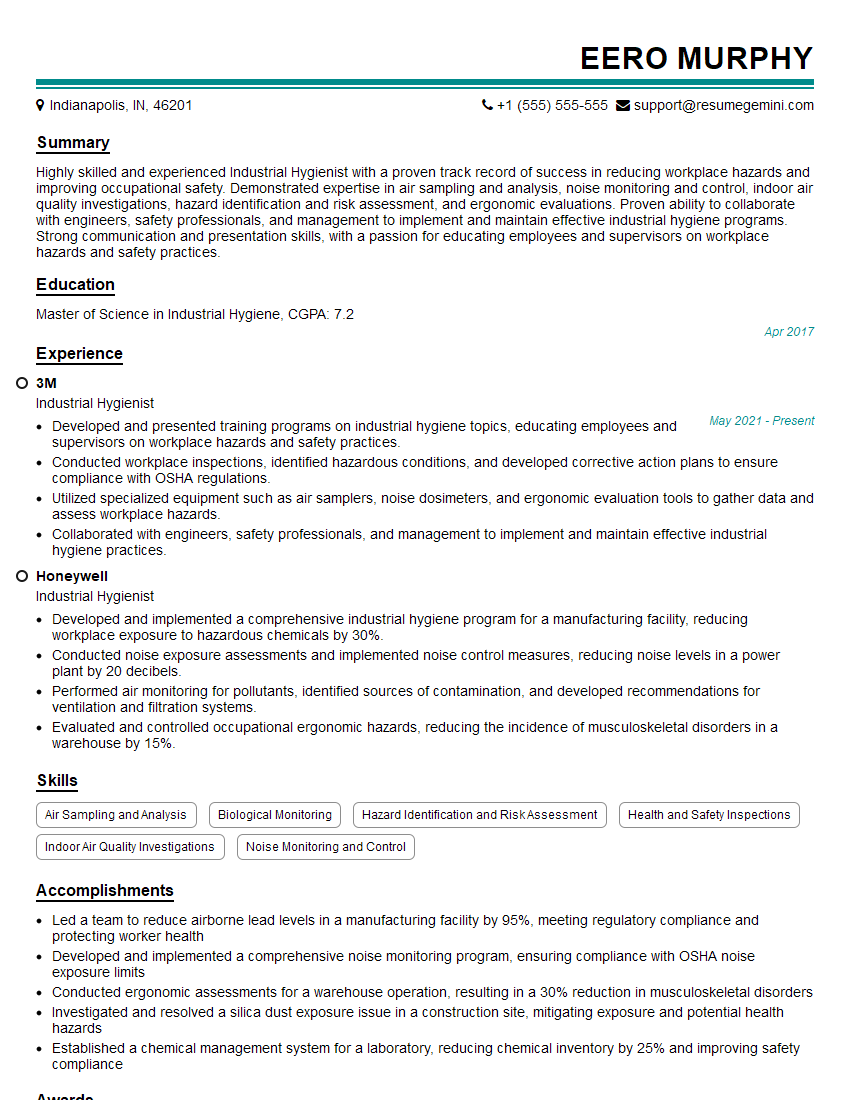
Industrial Hygienist Resume Sample
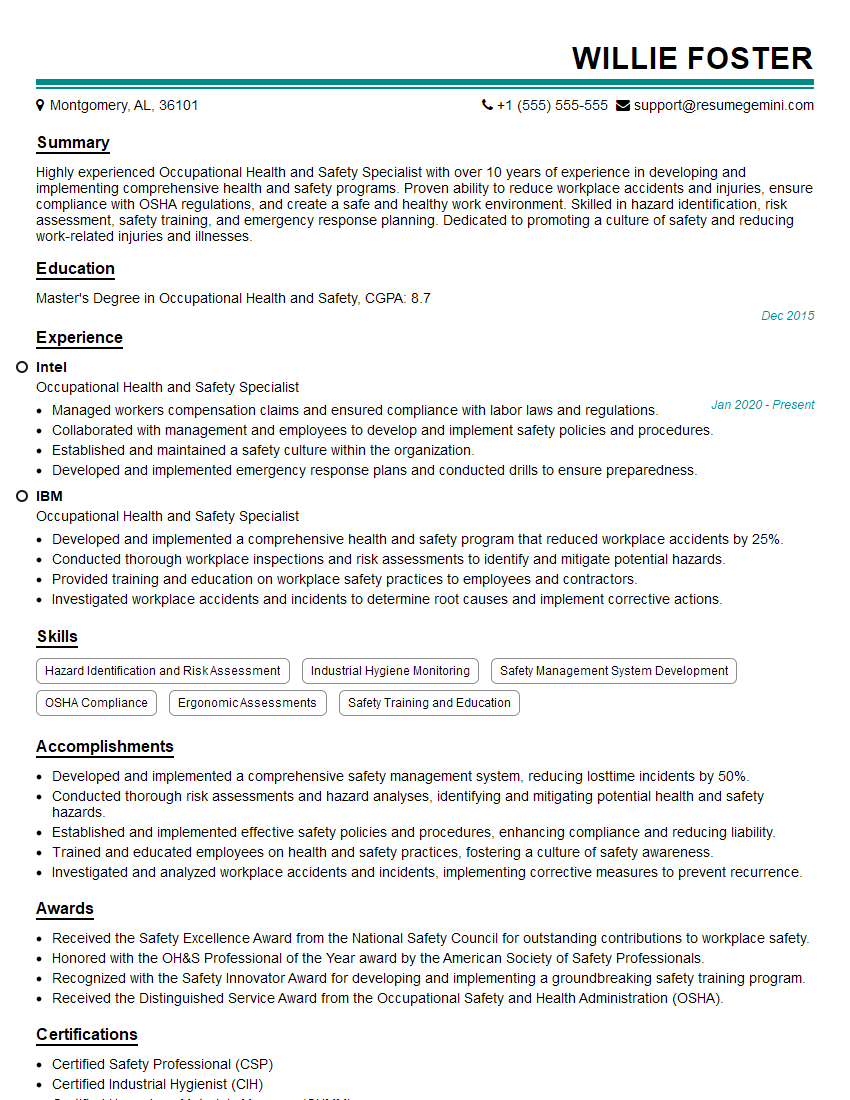
Occupational Health and Safety Specialist Resume Sample
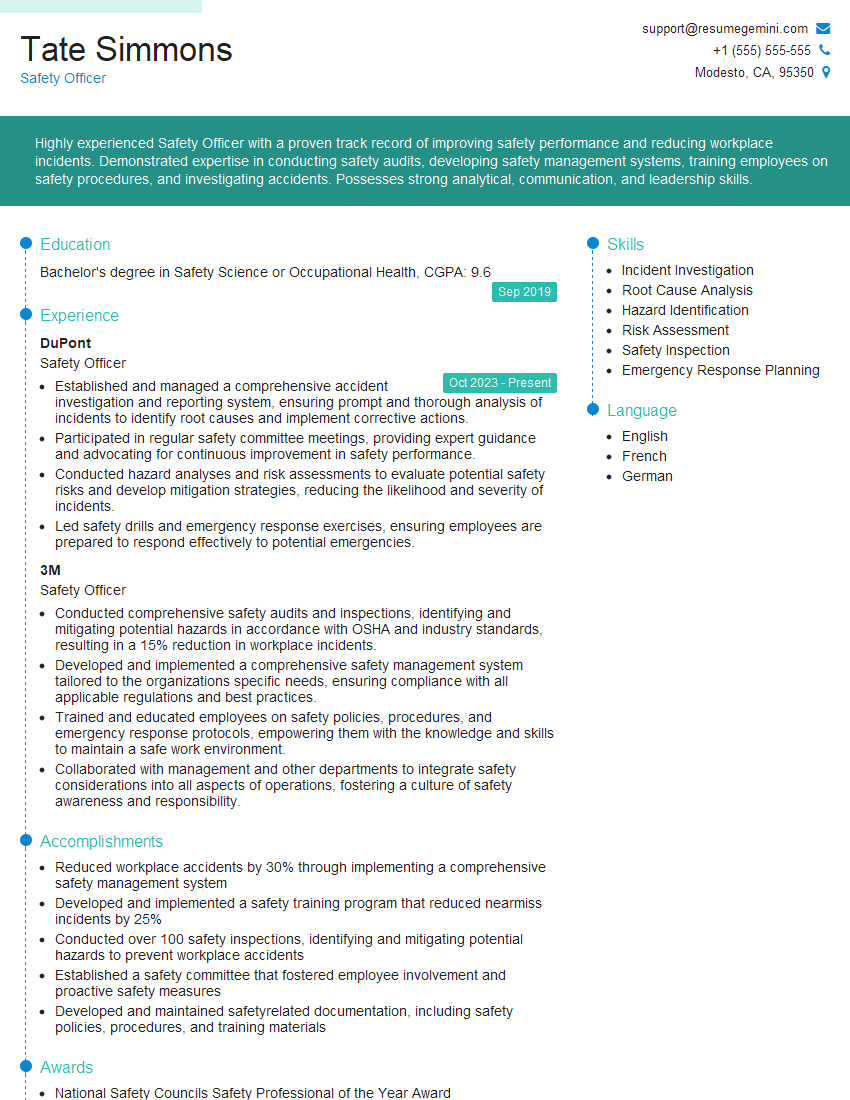
Safety Officer Resume Sample
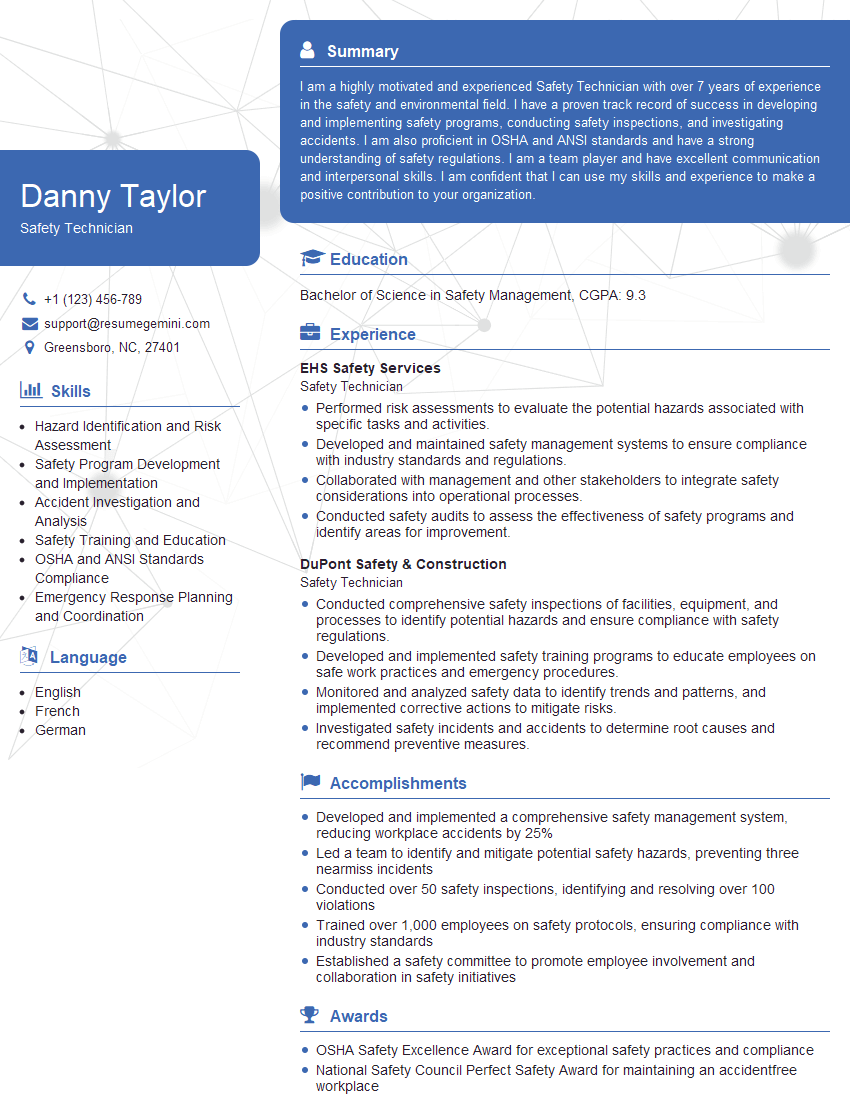
Safety Technician Resume Sample
Security Officer Resume Sample
- Environmental Health and Safety Manager
- Paramedic
- Compliance Officer
- Health and Safety Manager
- Process Safety Engineer
- Safety Consultant
- Safety Engineer
- Risk Assessor
- Firefighter
- First Responder
- Industrial Hygienist
- Occupational Health and Safety Specialist
- Safety Officer
- Safety Technician
- Security Officer
Explore more articles
Users Rating of Our Blogs
Share Your Experience
We value your feedback! Please rate our content and share your thoughts (optional).
What Readers Say About Our Blog
To the interviewgemini.com Webmaster.
Very helpful and content specific questions to help prepare me for my interview!
Thank you
To the interviewgemini.com Webmaster.
This was kind of a unique content I found around the specialized skills. Very helpful questions and good detailed answers.
Very Helpful blog, thank you Interviewgemini team.