Feeling uncertain about what to expect in your upcoming interview? We’ve got you covered! This blog highlights the most important Pulmonary Hypertension interview questions and provides actionable advice to help you stand out as the ideal candidate. Let’s pave the way for your success.
Questions Asked in Pulmonary Hypertension Interview
Q 1. Describe the pathophysiology of Pulmonary Arterial Hypertension (PAH).
Pulmonary Arterial Hypertension (PAH) is a devastating disease characterized by abnormally high blood pressure in the pulmonary arteries, the blood vessels carrying blood from the heart to the lungs. The pathophysiology is complex and multifactorial, but it boils down to a narrowing and stiffening of these arteries, leading to increased resistance to blood flow. This increased resistance forces the right ventricle of the heart to work harder, eventually leading to its failure.
Several key mechanisms contribute:
- Endothelial Dysfunction: The inner lining of the pulmonary arteries, the endothelium, is damaged. This impairs the release of vasodilators (substances that relax blood vessels) and increases the production of vasoconstrictors (substances that narrow blood vessels). Think of it like a leaky pipe that doesn’t regulate water flow properly.
- Vascular Remodeling: The pulmonary arteries undergo structural changes, thickening and becoming less elastic. This is akin to the pipes becoming narrower and harder, restricting blood flow even further. This remodeling involves proliferation of smooth muscle cells and excessive deposition of extracellular matrix.
- Inflammation: Inflammation within the pulmonary arteries contributes to vascular damage and remodeling. This is like a constant irritation within the pipes, causing them to constrict.
- Thrombosis: Blood clots can form within the pulmonary arteries, further obstructing blood flow. This is like blockages forming inside the pipes, further reducing the flow.
- Genetic Factors: In some cases, PAH is inherited due to genetic mutations affecting the proteins involved in vascular function. This genetic predisposition makes individuals more susceptible to PAH development.
The end result of these processes is increased pulmonary vascular resistance, right ventricular hypertrophy (enlargement), and ultimately, right heart failure. Understanding these intricate mechanisms is crucial for developing effective therapies.
Q 2. What are the different classifications of Pulmonary Hypertension according to the Dana Point System?
The Dana Point System is a widely accepted classification system for Pulmonary Hypertension (PH). It categorizes PH into five major groups based on the underlying cause:
- Group 1: Pulmonary Arterial Hypertension (PAH): This encompasses PAH of various etiologies, including idiopathic PAH (no known cause), hereditary PAH, drug-induced PAH, and PAH associated with connective tissue diseases.
- Group 2: PH due to left heart disease: This group includes PH secondary to conditions like heart failure with reduced or preserved ejection fraction, mitral stenosis, and aortic stenosis. The high pressure in the left side of the heart is transmitted backwards to the lungs.
- Group 3: PH due to lung diseases and/or hypoxia: This involves PH caused by chronic obstructive pulmonary disease (COPD), interstitial lung disease, sleep apnea, and high-altitude exposure. The reduction in oxygen levels triggers the pulmonary artery constriction.
- Group 4: Chronic thromboembolic pulmonary hypertension (CTEPH): This is PH due to persistent blood clots in the pulmonary arteries, often following a pulmonary embolism that has not been fully resolved. These clots obstruct blood flow, leading to increased pressure.
- Group 5: PH with unclear and/or multifactorial mechanisms: This is a catch-all category for PH cases that don’t clearly fit into the other groups, often involving a combination of factors.
This classification is crucial for guiding diagnosis and treatment, as the underlying cause dictates the most appropriate therapeutic approach.
Q 3. Explain the role of right heart catheterization in the diagnosis of Pulmonary Hypertension.
Right heart catheterization (RHC) is an invasive procedure considered the gold standard for diagnosing PH and assessing its severity. It involves inserting a catheter into a vein in the neck or groin, advancing it into the right side of the heart and pulmonary arteries. This allows for direct measurement of pressures within the heart and pulmonary vasculature.
Key measurements obtained during RHC include:
- Mean Pulmonary Artery Pressure (mPAP): A key indicator of PH severity. A mPAP consistently above 25 mmHg at rest is highly suggestive of PH.
- Pulmonary Vascular Resistance (PVR): Measures the resistance to blood flow in the pulmonary arteries. Elevated PVR indicates significant narrowing of the vessels.
- Cardiac Output (CO): Measures the amount of blood pumped by the heart per minute. Reduced CO can indicate right ventricular dysfunction.
- Right Ventricular Pressure: Assesses the pressure within the right ventricle, reflecting the workload imposed on this chamber.
RHC also allows for the assessment of oxygen saturation within the pulmonary arteries, which helps identify the cause of PH and the degree of shunting (abnormal flow of blood). While invasive, RHC provides detailed hemodynamic data crucial for accurate diagnosis, treatment planning, and monitoring of disease progression.
Q 4. What are the key diagnostic criteria for Pulmonary Hypertension?
Diagnosing PH requires a multifaceted approach combining clinical evaluation, imaging, and hemodynamic measurements. Key diagnostic criteria include:
- Symptoms: Patients often present with exertional dyspnea (shortness of breath with exertion), fatigue, chest pain, and syncope (fainting).
- Physical Examination: Findings may include a loud second heart sound (due to pulmonary valve closure), a right ventricular heave (a palpable pulsation from an enlarged right ventricle), and peripheral edema (swelling in the legs and ankles).
- Echocardiography: A non-invasive ultrasound of the heart that assesses right ventricular size and function, as well as pulmonary artery pressures (estimated). This is often the initial imaging study.
- High-resolution computed tomography (HRCT) of the chest: Can identify the underlying lung disease or thromboembolic events that contribute to PH. It provides excellent visualization of the pulmonary vasculature.
- Right Heart Catheterization (RHC): As discussed previously, this is considered the gold standard for confirming the diagnosis and assessing disease severity by measuring pulmonary artery pressures and vascular resistance directly.
- Blood Tests: Specific blood markers may be useful to identify associated conditions such as autoimmune diseases.
It’s important to note that the presence of symptoms alone is not sufficient for PH diagnosis. Comprehensive evaluation is necessary to confirm the diagnosis and pinpoint the underlying cause.
Q 5. Discuss the treatment strategies for PAH, including medications and their mechanisms of action.
Treatment strategies for PAH are tailored to the individual patient’s characteristics and disease severity. The primary goal is to improve symptoms, slow disease progression, and improve survival.
Medications are cornerstones of PAH therapy. These act through various mechanisms:
- Endothelin Receptor Antagonists (ERAs): These drugs, such as Bosentan and Ambrisentan, block the action of endothelin, a potent vasoconstrictor. This leads to vasodilation and reduced pulmonary vascular resistance.
- Phosphodiesterase-5 Inhibitors (PDE5is): Sildenafil, Tadalafil, and Vardenafil belong to this class. They increase the levels of cyclic GMP, a vasodilator, leading to improved blood flow in the pulmonary arteries.
- Prostacyclin Analogues: These drugs mimic the effects of prostacyclin, a potent vasodilator and anti-proliferative agent. They are available in inhaled, intravenous, and subcutaneous forms (e.g., epoprostenol, treprostinil, iloprost). They are potent vasodilators but require specialized administration.
- Guanylate Cyclase Stimulators: Riociguat directly stimulates guanylate cyclase, increasing cyclic GMP levels and promoting vasodilation.
Other treatment modalities may include:
- Oxygen Therapy: Improves oxygen saturation in patients with hypoxemia (low blood oxygen levels).
- Diuretics: Help manage fluid retention associated with right heart failure.
- Surgery: Pulmonary thromboendarterectomy (PTE) is a surgical procedure for CTEPH involving the removal of blood clots from the pulmonary arteries. Lung transplantation may be considered in severe cases.
The choice and combination of medications depend on the patient’s condition and response to treatment. Regular monitoring is crucial to assess the effectiveness of therapy and adjust the treatment plan accordingly.
Q 6. What are the potential complications associated with Pulmonary Hypertension?
Untreated or poorly managed PAH leads to several life-threatening complications:
- Right Heart Failure: The increased workload on the right ventricle eventually leads to its failure, characterized by fluid retention, fatigue, and reduced exercise tolerance. This is often the most serious consequence.
- Atrial Fibrillation: An irregular heartbeat, which increases the risk of stroke.
- Sudden Death: This can occur due to acute right ventricular failure.
- Renal Failure: Reduced blood flow to the kidneys can lead to kidney damage.
- Liver Dysfunction: Increased pressure in the liver’s blood vessels can impair its function.
Early diagnosis and prompt, effective treatment are crucial to minimize the risk of these complications. Regular follow-up with a specialist and adherence to the prescribed medication regimen are essential aspects of managing the disease.
Q 7. How would you approach a patient presenting with symptoms suggestive of Pulmonary Hypertension?
A patient presenting with symptoms suggestive of PH requires a thorough evaluation to rule out other conditions and determine the underlying cause. My approach would involve:
- Detailed History and Physical Examination: I would obtain a complete medical history focusing on symptoms (dyspnea, fatigue, chest pain, syncope), risk factors (family history of PH, connective tissue disorders, exposure to toxins), and other medical conditions. A physical exam would assess for signs of right heart failure (jugular venous distension, edema, hepatomegaly).
- Initial Investigations: This would include echocardiography to assess right ventricular function and estimate pulmonary artery pressures. Chest X-ray to evaluate lung structure and rule out other conditions.
- Further Investigations: Based on the initial findings, I might order further tests like high-resolution CT scan of the chest to evaluate lung pathology and rule out CTEPH, blood tests to check for autoimmune disorders or other causes of PH, and perhaps exercise testing to assess functional capacity.
- Right Heart Catheterization: If the initial investigations suggest PH, RHC would be the definitive test to confirm the diagnosis and determine the severity of the disease. The results guide the choice of treatment.
- Treatment Plan: Treatment depends on the PH group and severity. This may involve medications (ERAs, PDE5is, prostacyclin analogs, etc.), oxygen therapy, diuretics, and potentially surgical intervention. The treatment approach would be closely tailored to the individual patient’s situation and regularly monitored for effectiveness.
- Long-Term Monitoring: Regular follow-up visits, including clinical evaluation and imaging studies, are necessary to monitor disease progression and treatment response. I would also reinforce lifestyle recommendations focusing on dietary modifications, exercise, and avoiding activities that might exacerbate symptoms.
The diagnosis and management of PH requires a multidisciplinary approach, often involving pulmonologists, cardiologists, and other specialists. Early identification and prompt intervention are crucial to improve outcomes.
Q 8. Describe the role of endothelin receptor antagonists in PAH management.
Endothelin receptor antagonists (ERAs) are a cornerstone of pulmonary arterial hypertension (PAH) treatment. Endothelin-1 is a potent vasoconstrictor and a pro-proliferative agent, meaning it narrows blood vessels and stimulates the growth of cells in the pulmonary arteries. ERAs work by blocking the action of endothelin-1 at its receptors, thus preventing vasoconstriction and reducing the thickening of the pulmonary artery walls. This leads to improved blood flow to the lungs and reduced pulmonary vascular resistance.
There are several ERAs available, such as bosentan, ambrisentan, and macitentan. They differ slightly in their potency, side effect profiles, and routes of administration. For example, while bosentan requires twice-daily administration, macitentan is once-daily, offering improved patient compliance. The choice of ERA depends on individual patient factors, including other medications they’re taking, their overall health status, and potential side effects.
Think of it like this: imagine your pulmonary arteries are narrow pipes. Endothelin-1 is like a valve that further constricts these pipes. ERAs work by opening these valves, allowing blood to flow more easily.
Q 9. What are the side effects of commonly used PAH medications?
Commonly used PAH medications carry a range of potential side effects, varying in frequency and severity. These side effects can significantly impact a patient’s quality of life and require careful monitoring.
- Prostacyclin analogs: These can cause flushing, headaches, jaw pain, nausea, and diarrhea. In more severe cases, hypotension (low blood pressure) and edema (swelling) can occur.
- Phosphodiesterase-5 inhibitors: These can cause flushing, headaches, nasal congestion, and visual disturbances. Rarely, more serious side effects like hearing loss can occur.
- Endothelin receptor antagonists: Common side effects include headaches, flushing, and peripheral edema. Liver enzyme elevation is also a concern, requiring regular monitoring of liver function tests.
- Guanylate cyclase stimulators: These can cause headache, dizziness, and hypotension.
It’s crucial to remember that the severity and frequency of side effects vary significantly among patients. Open communication between the patient and their healthcare team is critical in managing any side effects and adjusting treatment accordingly.
Q 10. How do you monitor the response to PAH therapy?
Monitoring the response to PAH therapy is crucial to ensure treatment efficacy and adjust the treatment plan as needed. This involves a multi-faceted approach.
- Clinical assessment: Regular follow-up appointments with detailed physical examinations focusing on symptoms like breathlessness, fatigue, and chest pain.
- Exercise capacity testing: Measures such as six-minute walk test (6MWT) distance assess functional capacity. Improvements in 6MWT distance indicate a positive therapeutic response.
- Echocardiography: Regular echocardiograms provide information about right ventricular function and pulmonary artery pressures. Improvements in right ventricular function and a decrease in pulmonary artery pressure suggest successful treatment.
- Right heart catheterization: While less frequently performed due to its invasiveness, this procedure provides the most accurate assessment of hemodynamics (blood flow and pressure).
- Blood tests: Liver function tests (for ERAs) and complete blood counts are routinely monitored.
The frequency of these monitoring measures depends on the patient’s clinical status and response to therapy. Early detection of treatment failure allows for timely intervention and adjustment of the therapeutic regimen to achieve optimal outcomes.
Q 11. What are the indications for lung transplantation in patients with PAH?
Lung transplantation is considered a last resort for PAH patients who have failed all other medical therapies and are at high risk of death. It’s a major undertaking with significant risks, but it can offer a life-extending benefit for carefully selected patients.
Indications for lung transplantation in PAH patients typically include:
- Severe PAH refractory to medical therapy: The disease is worsening despite optimal medical management.
- Progressive decline in functional capacity: Significant and worsening symptoms despite medical treatment, leading to a substantial reduction in quality of life.
- Right heart failure: Severe impairment of the right ventricle of the heart, indicating a high risk of mortality.
- Life-threatening complications: Such as recurrent syncope (fainting) or life-threatening arrhythmias (irregular heartbeats).
The decision to proceed with lung transplantation is complex and involves a multidisciplinary team including pulmonologists, cardiologists, surgeons, and transplant coordinators. Careful evaluation of the patient’s overall health, risks, and benefits is paramount.
Q 12. Explain the role of prostacyclin analogs in PAH treatment.
Prostacyclin analogs are powerful vasodilators that play a vital role in PAH treatment. They work by mimicking the effects of prostacyclin, a natural substance that relaxes and widens blood vessels. By reducing pulmonary vascular resistance and improving blood flow, they help to improve the symptoms and prognosis of PAH.
Several prostacyclin analogs are available, each with different routes of administration:
- Inhaled: epoprostenol (Flolan)
- Subcutaneous infusion: treprostinil (Remodulin), iloprost (Ventavis)
- Oral: selexipag (Uptravi)
The choice of administration depends on individual patient factors and treatment goals. For instance, inhaled prostacyclins might be suitable for patients with milder disease, while continuous subcutaneous infusion is more effective for those with severe disease requiring more potent vasodilation. These medications can have significant side effects as mentioned previously, necessitating careful monitoring.
Think of prostacyclin analogs as tiny ‘plumbers’ clearing blockages in the blood vessels in the lungs, thus improving blood flow and easing the burden on the heart.
Q 13. What are the challenges in diagnosing and managing Pulmonary Hypertension in children?
Diagnosing and managing PAH in children presents unique challenges compared to adults. Children often present with nonspecific symptoms that can be attributed to other conditions, leading to delays in diagnosis. Furthermore, the limited understanding of the disease’s pathophysiology in children poses additional diagnostic hurdles.
Challenges in diagnosing pediatric PAH include:
- Varied and nonspecific symptoms: Children may present with fatigue, exercise intolerance, or recurrent respiratory infections, which can be mistaken for other common childhood illnesses.
- Difficulty in obtaining accurate measurements: Measuring hemodynamic parameters (blood flow and pressure) in young children can be challenging, requiring specialized techniques and sedation.
- Limited availability of age-appropriate diagnostic tools: Some diagnostic tests are not suitable for children, requiring modification or alternative approaches.
Managing PAH in children also poses challenges, including:
- Adjusting treatment according to growth and development: Medication dosing must be tailored to the child’s age, weight, and growth rate.
- Addressing the psychosocial impact of the disease on the child and family: PAH can significantly impact the child’s quality of life, requiring comprehensive support for the child and their family.
- Long-term management and adherence to complex treatment regimens: Children with PAH require lifelong management, which requires close collaboration between healthcare providers, families, and the child.
Early recognition of symptoms, appropriate investigations, and a multidisciplinary approach involving specialists in pediatric cardiology and pulmonology are crucial for optimal outcomes in children with PAH.
Q 14. Discuss the impact of pulmonary hypertension on exercise capacity.
Pulmonary hypertension significantly impairs exercise capacity. The increased pressure in the pulmonary arteries makes it difficult for the heart to pump blood effectively through the lungs, limiting the delivery of oxygen to the body’s tissues. This results in reduced exercise tolerance, leading to shortness of breath, fatigue, and chest pain during physical activity. Even simple tasks can become exhausting for patients with PAH.
The impact on exercise capacity is directly related to the severity of the disease. As the disease progresses, the ability to perform even mild activities often decreases significantly. Exercise capacity testing, such as the 6-minute walk test, is a crucial measure to assess the severity and monitor the progression of the disease. Improvements in 6MWT distance often correlate with improvements in overall health and quality of life.
Think of it this way: imagine trying to run a race with a significantly narrowed water pipe supplying your muscles with oxygen. The reduced oxygen flow would lead to fatigue and limited endurance, much like what PAH patients experience during physical activity. Targeted therapies aim to improve this oxygen delivery, hence increasing exercise capacity and overall quality of life.
Q 15. How do you differentiate between PAH and other forms of pulmonary hypertension?
Pulmonary Hypertension (PH) is a complex condition characterized by elevated blood pressure in the pulmonary arteries, the vessels carrying blood from the heart to the lungs. Differentiating PAH (Pulmonary Arterial Hypertension) from other forms of PH requires a careful clinical assessment and often specialized testing. PAH, specifically, is defined as elevated pulmonary artery pressure due to primary disease of the pulmonary vasculature, meaning the problem originates within the blood vessels themselves, rather than being a consequence of another underlying condition.
Other forms of PH, categorized as group 1 to 5 based on the underlying cause, are secondary to various diseases such as heart failure (Group 2), lung diseases like COPD (Group 3), chronic blood clots (Group 4), and conditions affecting the blood vessels (Group 5). For example, a patient with chronic obstructive pulmonary disease (COPD) might experience elevated pulmonary artery pressure as a secondary effect of their lung disease; this isn’t PAH. Diagnosis relies on right heart catheterization, which directly measures pressures within the pulmonary arteries and heart chambers, alongside blood tests, imaging (CT scans, echocardiograms), and a thorough medical history to pinpoint the underlying cause.
- PAH: Primary problem in the pulmonary arteries themselves.
- Group 2 PH: Due to left heart disease.
- Group 3 PH: Due to lung diseases.
- Group 4 PH: Due to chronic blood clots.
- Group 5 PH: Due to various other conditions.
Career Expert Tips:
- Ace those interviews! Prepare effectively by reviewing the Top 50 Most Common Interview Questions on ResumeGemini.
- Navigate your job search with confidence! Explore a wide range of Career Tips on ResumeGemini. Learn about common challenges and recommendations to overcome them.
- Craft the perfect resume! Master the Art of Resume Writing with ResumeGemini’s guide. Showcase your unique qualifications and achievements effectively.
- Don’t miss out on holiday savings! Build your dream resume with ResumeGemini’s ATS optimized templates.
Q 16. What are the latest advancements in the treatment of PAH?
Treatment advancements in PAH have significantly improved patient outcomes. Historically, treatment options were limited, but now we have several targeted therapies. The most significant advances include the development of newer targeted therapies aimed at specific pathways involved in PAH disease progression. These newer therapies include endothelin receptor antagonists (ERAs) like bosentan and ambrisentan, phosphodiesterase-5 inhibitors (PDE5is) such as sildenafil and tadalafil, prostacyclin analogs (e.g., treprostinil, epoprostenol) delivered intravenously or subcutaneously, and guanylate cyclase stimulators (e.g., riociguat).
Another major advancement is a better understanding of personalized medicine in PAH. We now understand that different subtypes of PAH respond differently to various medications, and genetic testing can help guide treatment decisions. For instance, some patients respond better to one type of targeted therapy than another, leading to tailored treatment strategies for each individual.
Finally, research is constantly exploring new therapeutic avenues like gene therapy and regenerative medicine approaches aiming at repairing the damaged pulmonary vessels themselves. However, these are still in their early stages of development.
Q 17. Discuss the role of genetics in the development of PAH.
Genetics play a significant role in the development of PAH, particularly in the familial form of the disease. While sporadic PAH (occurring without a family history) is more common, inherited genetic mutations significantly increase the risk. Several genes have been implicated, including those involved in the bone morphogenetic protein receptor type II (BMPR2) signaling pathway. This pathway is crucial for regulating the growth and function of pulmonary artery endothelial cells (the cells lining the blood vessels). Mutations in BMPR2 often result in impaired signaling, leading to uncontrolled cell growth and narrowing of the pulmonary arteries.
However, it’s important to note that genetic predisposition doesn’t necessarily equate to developing PAH. Environmental factors, such as exposure to certain toxins or medications, can also interact with genetic susceptibility to trigger the disease. Genetic testing can help identify individuals at higher risk and assist in early diagnosis and preventive strategies within families with a history of PAH.
Q 18. Describe the various types of pulmonary vascular disease.
Pulmonary vascular disease encompasses a broad range of conditions affecting the blood vessels in the lungs. The classification of pulmonary hypertension (PH) itself provides a framework for understanding the diversity of these diseases.
- Pulmonary Arterial Hypertension (PAH): Primary disease of the small arteries of the lung.
- PH due to left heart disease (Group 2 PH): Elevated pressure in the lungs caused by problems with the left side of the heart.
- PH due to lung diseases and/or hypoxia (Group 3 PH): Lung conditions like COPD, interstitial lung disease, or high altitude cause the PH.
- PH due to chronic thromboembolic disease (CTEPH) (Group 4 PH): Blood clots in the lungs cause increased pressure.
- PH due to other conditions (Group 5 PH): Various systemic conditions such as hematologic disorders, systemic connective tissue disease, or other conditions causing vasoconstriction (narrowing of blood vessels).
Beyond PH, other pulmonary vascular diseases include pulmonary embolism (a blood clot blocking a pulmonary artery), pulmonary arteriovenous malformations (abnormal connections between arteries and veins in the lungs), and other vascular abnormalities.
Q 19. Explain the role of sildenafil in the management of Pulmonary Hypertension.
Sildenafil, originally known as Viagra, is a phosphodiesterase-5 inhibitor (PDE5i). It works by inhibiting the enzyme PDE5, which normally breaks down cyclic guanosine monophosphate (cGMP). Increased cGMP leads to smooth muscle relaxation and vasodilation (widening) of the blood vessels. In PAH, sildenafil helps to relax the constricted pulmonary arteries, reducing pulmonary vascular resistance and improving blood flow to the lungs.
This ultimately improves the right ventricle’s ability to pump blood, relieving symptoms such as shortness of breath and fatigue. Sildenafil is often used as a first-line treatment for PAH, particularly in patients with mild to moderate disease or as a combination therapy with other medications. The dosage is carefully adjusted to balance efficacy and potential side effects, which can include headaches, flushing, and visual disturbances.
Q 20. What is the significance of measuring BNP levels in patients with Pulmonary Hypertension?
B-type natriuretic peptide (BNP) is a hormone primarily released from the heart in response to stretching of the heart muscle. In patients with Pulmonary Hypertension (PH), elevated BNP levels often reflect the increased workload on the right ventricle of the heart. The right ventricle has to work harder to pump blood against the increased pressure in the pulmonary arteries.
As a result, the right ventricle stretches, triggering the release of BNP. Therefore, measuring BNP levels can provide valuable information about the severity of PH and the degree of right ventricular dysfunction. High BNP levels indicate that the right ventricle is struggling to cope with the increased pressure and may indicate a worse prognosis. It’s an important biomarker, but not the sole indicator. It is always used in conjunction with other clinical findings and tests.
Q 21. Explain the difference between pulmonary hypertension and pulmonary embolism.
Pulmonary hypertension (PH) and pulmonary embolism (PE) are both lung conditions affecting the pulmonary vasculature, but they are distinctly different.
Pulmonary Hypertension (PH) is a chronic condition characterized by persistently elevated blood pressure in the pulmonary arteries. It’s a condition of increased pressure in the pulmonary circulation, which can be caused by many different factors and leads to many varied symptoms. The increased pressure can over time damage the heart and lungs.
Pulmonary Embolism (PE) is an acute condition caused by a blood clot that blocks one or more pulmonary arteries. It’s a condition of obstruction in the pulmonary circulation, usually arising from deep vein thrombosis (DVT). A PE can be life-threatening, and symptoms often appear suddenly. It’s usually a one-off event, whereas PH is a continuous condition.
In essence, PH is a problem of high pressure while PE is a problem of blockage. While a PE can contribute to PH (as in chronic thromboembolic PH), they are fundamentally different conditions requiring different diagnostic and therapeutic approaches.
Q 22. Describe your experience with managing patients with chronic thromboembolic pulmonary hypertension.
Chronic thromboembolic pulmonary hypertension (CTEPH) is a serious condition where blood clots in the lungs cause persistently high blood pressure in the pulmonary arteries. Managing these patients requires a multidisciplinary approach. My experience involves a thorough assessment of the patient’s symptoms, hemodynamic profile (using right heart catheterization), and imaging (CTPA to confirm the presence of chronic thrombi). Treatment typically involves pulmonary endarterectomy (PEA), a surgical procedure to remove the clots. This is the preferred treatment for suitable candidates. For patients who are not surgical candidates, targeted medical therapy with pulmonary vasodilators like riociguat or sildenafil is employed. Regular follow-up, including monitoring for recurrence of clots, assessing response to treatment, and adjusting medications as needed, is critical. I also work closely with respiratory therapists, cardiac rehabilitation specialists, and psychosocial support teams to provide holistic patient care. For instance, I recently managed a patient with significant dyspnea and reduced exercise capacity who underwent successful PEA; post-surgery, we implemented a tailored cardiac rehabilitation program which significantly improved her quality of life.
Q 23. What are the potential risks and benefits of different therapeutic options for Pulmonary Hypertension?
Therapeutic options for pulmonary hypertension (PH) vary depending on the type and severity of the disease. Each carries potential risks and benefits.
- Phosphodiesterase-5 inhibitors (e.g., sildenafil, tadalafil): These drugs improve blood flow by relaxing the pulmonary arteries. Benefits include improved exercise capacity and reduced symptoms. Risks include headache, flushing, and visual disturbances. They are often a first-line treatment for certain PH types.
- Prostacyclin analogues (e.g., epoprostenol, treprostinil): Powerful vasodilators that can significantly improve symptoms and survival. However, they require continuous intravenous or subcutaneous infusion, making them inconvenient and carrying a higher risk of infection at the infusion site. These are often reserved for severe cases.
- Endothelin receptor antagonists (e.g., bosentan, ambrisentan): Block the action of endothelin, a potent vasoconstrictor, leading to improved vascular tone and reduced pressure. Benefits include improved exercise capacity. Side effects include liver enzyme elevation requiring regular monitoring.
- Guanylate cyclase stimulators (e.g., riociguat): Enhance the production of cyclic GMP, causing vasodilation. They are often used in patients who are not responding adequately to other therapies or for CTEPH.
- Surgical options (e.g., PEA): For CTEPH, PEA is the gold standard treatment when feasible. The risks include those associated with major surgery, such as bleeding and infection.
The choice of therapy is highly individualized, considering the patient’s specific PH type, severity, comorbidities, and tolerance to medications. We always weigh the potential benefits against the risks in collaboration with the patient.
Q 24. How do you assess the severity of Pulmonary Hypertension?
Assessing the severity of PH involves a combination of clinical evaluation, imaging, and hemodynamic measurements. Clinical assessment includes evaluating symptoms (dyspnea, fatigue, syncope), physical examination (checking for signs of right heart failure), and exercise capacity (e.g., 6-minute walk test). Imaging techniques such as echocardiography and CT pulmonary angiography help visualize the pulmonary arteries and assess right heart function. However, the gold standard for assessing the severity of PH is right heart catheterization, which directly measures pulmonary artery pressure, cardiac output, and vascular resistance. This provides crucial information for guiding treatment decisions and assessing treatment response. For example, a high mean pulmonary artery pressure (>25 mmHg at rest) combined with reduced cardiac output would indicate severe PH.
Q 25. Describe your approach to risk stratification in patients with Pulmonary Hypertension.
Risk stratification in PH is vital for guiding treatment decisions and predicting prognosis. Several scoring systems exist, but they often incorporate similar factors. These factors include:
- Severity of hemodynamic parameters: Mean pulmonary artery pressure, pulmonary vascular resistance, and cardiac output are key indicators.
- Symptoms and functional capacity: The patient’s ability to perform daily activities and exercise is a significant predictor of outcomes.
- Presence of comorbidities: Conditions like heart failure, kidney disease, and diabetes can worsen the prognosis.
- Response to initial therapy: The lack of response to initial treatment indicates a higher risk.
By carefully assessing these factors, we can categorize patients into low, intermediate, and high-risk groups, guiding decisions about treatment intensity and frequency of monitoring. High-risk patients often require more aggressive management and closer follow-up.
Q 26. What are some common research areas in Pulmonary Hypertension?
Current research in PH is focused on several key areas:
- Novel therapies: Researchers are constantly exploring new drugs and treatment strategies to improve outcomes and address unmet needs, such as developing therapies that target specific molecular pathways involved in PH pathogenesis.
- Improved diagnostic tools: Research focuses on finding non-invasive methods to accurately diagnose and assess the severity of PH, reducing reliance on invasive procedures like right heart catheterization.
- Personalized medicine: Efforts are underway to identify biomarkers that can help predict the response to different treatments, allowing for more individualized approaches.
- Understanding the disease mechanisms: Further research is crucial to uncover the underlying causes and mechanisms of PH to develop more effective therapies targeting the root cause.
- Improved risk stratification: The development of more accurate and refined risk stratification tools to better predict prognosis and guide treatment.
These advancements will undoubtedly improve the diagnosis, treatment, and overall care of patients with PH.
Q 27. How do you counsel patients and their families about the prognosis of Pulmonary Hypertension?
Counseling patients and their families about the prognosis of PH is a crucial part of care. It requires sensitivity, empathy, and a clear, honest approach. I begin by explaining the specific type of PH the patient has and the current severity. I then discuss the potential treatment options, their benefits, and limitations, emphasizing that each treatment plan is individualized. Realistic expectations are set regarding the disease progression and the potential impact on the patient’s quality of life. I offer to connect patients with support groups and resources, explaining that these groups can provide vital emotional and informational support. The conversation also includes discussing advanced care planning, focusing on what the patient’s wishes are for their future care. For example, I’d clearly explain the prognosis for a patient with severe PH and limited treatment response, while simultaneously outlining strategies for symptom management and quality of life improvement.
Q 28. Explain your experience with clinical trials related to Pulmonary Hypertension.
I have been involved in several clinical trials related to PH, primarily focusing on evaluating the efficacy and safety of novel therapeutic agents. My role has typically involved patient recruitment, data collection, and monitoring adverse events. Participation in these trials allows me to stay at the forefront of advancements in PH treatment and to offer my patients access to cutting-edge therapies. For example, I was part of a trial evaluating a new combination therapy for CTEPH, and the experience significantly enhanced my understanding of novel therapeutic approaches in this area.
Key Topics to Learn for Pulmonary Hypertension Interview
- Hemodynamics of Pulmonary Hypertension: Understand the pathophysiology behind elevated pulmonary vascular resistance, including pre-capillary, capillary, and post-capillary forms. Consider the impact on cardiac output and right ventricular function.
- Classification and Diagnosis: Master the different classifications of Pulmonary Hypertension (e.g., WHO groups), diagnostic criteria, and the interpretation of key diagnostic tests such as echocardiography, right heart catheterization, and blood gas analysis.
- Treatment Strategies: Familiarize yourself with various treatment modalities, including vasodilators, anticoagulants, oxygen therapy, and surgical interventions. Be prepared to discuss the rationale behind specific treatment choices based on patient characteristics and disease severity.
- Pharmacology of Pulmonary Hypertension Therapies: Develop a strong understanding of the mechanism of action, pharmacokinetics, and pharmacodynamics of commonly used medications in the treatment of Pulmonary Hypertension. Be ready to discuss potential drug interactions and side effects.
- Patient Management and Monitoring: Discuss strategies for managing symptoms, monitoring disease progression, and assessing treatment response. Consider the importance of patient education and shared decision-making.
- Research Advancements in Pulmonary Hypertension: Stay updated on recent breakthroughs in understanding the disease, including genetic factors, novel therapies, and ongoing clinical trials. This demonstrates your commitment to the field.
- Case Study Analysis: Practice analyzing clinical scenarios involving patients with Pulmonary Hypertension. This will help you develop your problem-solving skills and demonstrate your ability to apply theoretical knowledge to real-world situations.
Next Steps
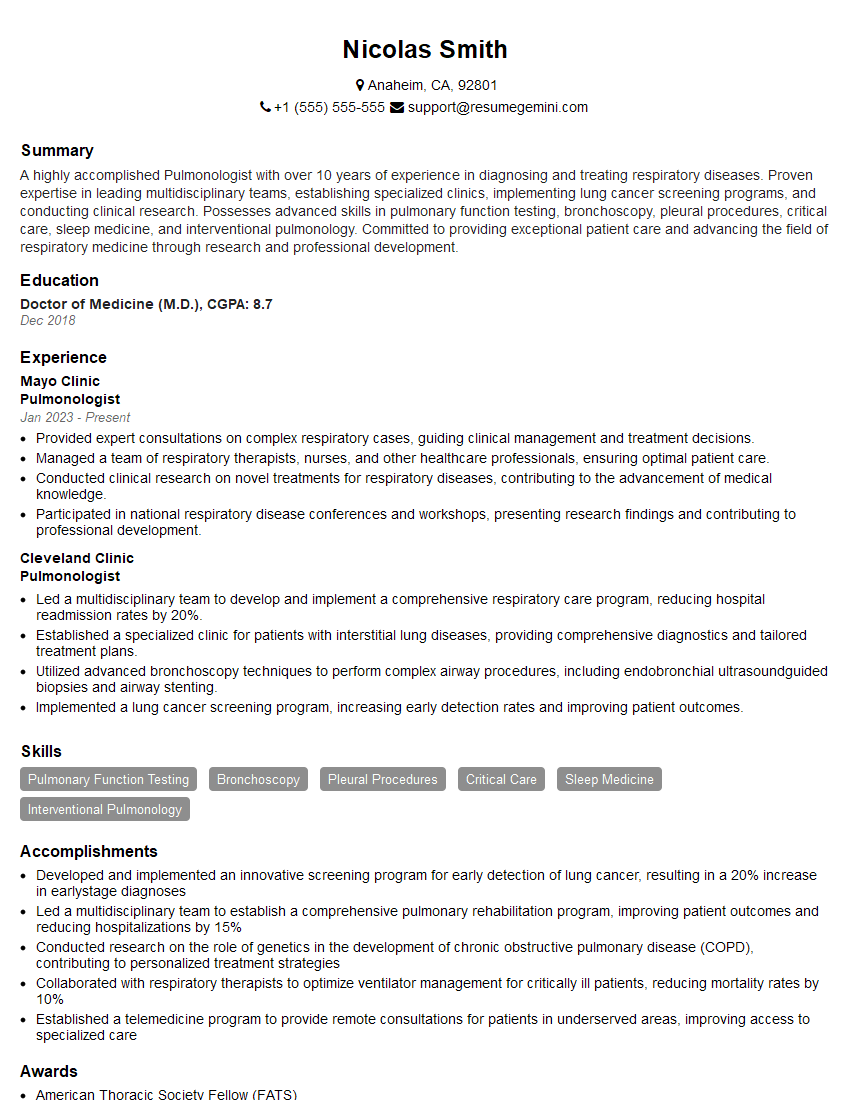
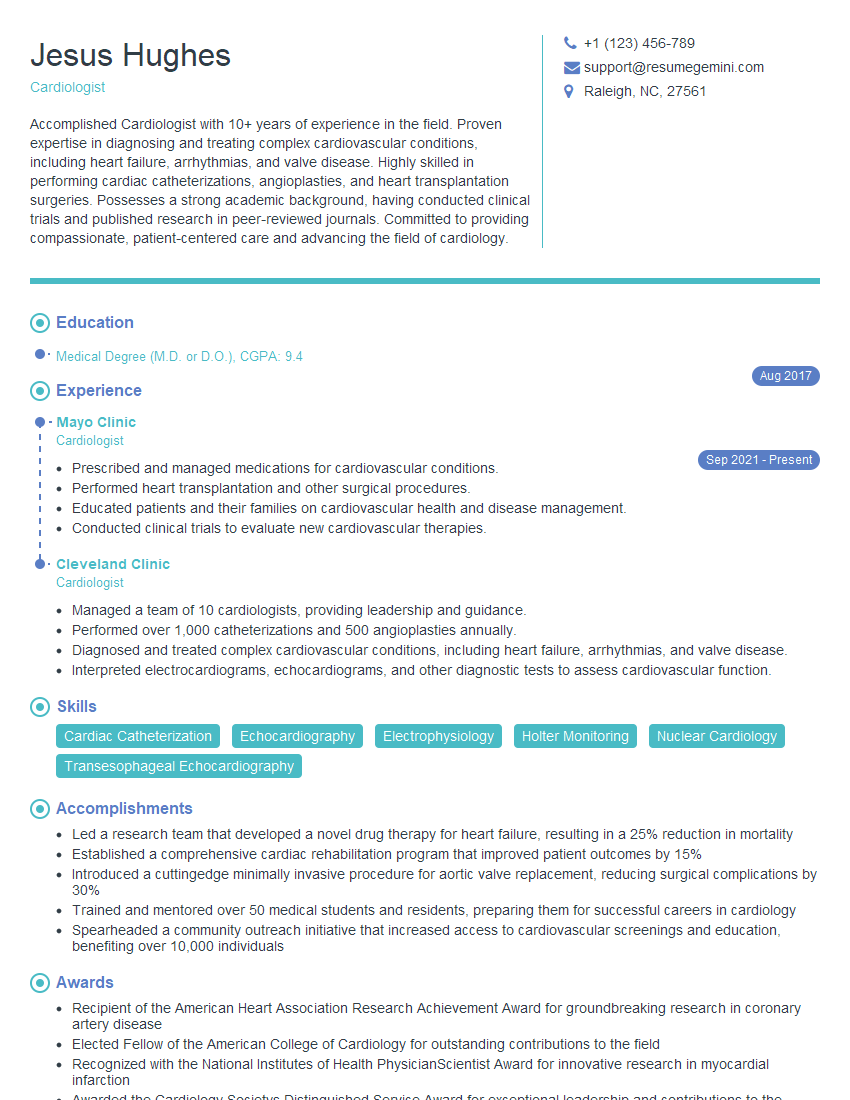
Mastering Pulmonary Hypertension is crucial for career advancement in respiratory medicine and related fields. A strong understanding of this complex condition showcases expertise and commitment to patient care. To significantly enhance your job prospects, create an ATS-friendly resume that highlights your skills and experience effectively. ResumeGemini is a trusted resource to help you build a professional and impactful resume. We offer examples of resumes tailored to Pulmonary Hypertension to help you get started. Let ResumeGemini help you present your qualifications in the best possible light.
Explore more articles
Users Rating of Our Blogs
Share Your Experience
We value your feedback! Please rate our content and share your thoughts (optional).
What Readers Say About Our Blog
To the interviewgemini.com Webmaster.
Very helpful and content specific questions to help prepare me for my interview!
Thank you
To the interviewgemini.com Webmaster.
This was kind of a unique content I found around the specialized skills. Very helpful questions and good detailed answers.
Very Helpful blog, thank you Interviewgemini team.