The right preparation can turn an interview into an opportunity to showcase your expertise. This guide to COPD interview questions is your ultimate resource, providing key insights and tips to help you ace your responses and stand out as a top candidate.
Questions Asked in COPD Interview
Q 1. Describe the pathophysiology of COPD.
COPD’s pathophysiology is complex, involving progressive airflow limitation that’s not fully reversible. It’s primarily characterized by two main processes: emphysema and chronic bronchitis, which often coexist. At the heart of it lies inflammation and destruction of lung tissue.
Inflammation begins with exposure to irritants like cigarette smoke. This triggers an inflammatory response, involving immune cells like neutrophils and macrophages, which release enzymes that damage lung tissue. These enzymes break down the elastic fibers in the alveoli (tiny air sacs) in emphysema, leading to loss of lung elasticity and air trapping. In chronic bronchitis, inflammation leads to increased mucus production and chronic cough, narrowing the airways.
The resulting damage restricts airflow, making it difficult to exhale fully. This leads to air trapping, hyperinflation of the lungs, and reduced gas exchange efficiency. Over time, this chronic damage worsens, leading to the progressive nature of COPD.
Imagine a balloon; in healthy lungs, the balloon inflates easily and deflates completely. In COPD, the balloon becomes damaged, less elastic, and struggles to deflate fully, leading to air trapping.
Q 2. Differentiate between emphysema and chronic bronchitis.
While both emphysema and chronic bronchitis contribute to COPD, they differ significantly:
- Emphysema: Primarily involves the destruction of the alveoli, leading to air trapping and loss of lung elasticity. Think of it as holes developing in the tiny air sacs. Patients often present with increased breathlessness on exertion.
- Chronic bronchitis: Characterized by excessive mucus production, chronic cough (lasting at least three months per year for two consecutive years), and inflammation of the airways (bronchi). It’s the ‘smoker’s cough’ that can lead to repeated infections.
It’s crucial to remember that many patients with COPD have features of both emphysema and chronic bronchitis; they are not mutually exclusive.
Q 3. Explain the role of smoking in COPD development.
Smoking is the leading cause of COPD. The irritants in cigarette smoke trigger the chronic inflammation that underlies the disease process. The harmful chemicals directly damage lung tissue and impair the function of the cilia (tiny hair-like structures that clear mucus from the airways), promoting mucus buildup and further inflammation.
Exposure to other inhaled irritants, like air pollution and occupational dusts, also plays a role, particularly in individuals with genetic predisposition. However, smoking substantially increases the risk and severity of COPD. For instance, a person exposed to similar amounts of air pollution but without smoking will exhibit much less severe symptoms.
In essence, smoking acts as a potent amplifier of the inflammatory response within the lungs, significantly accelerating COPD development.
Q 4. What are the common symptoms of COPD?
COPD symptoms can vary significantly depending on the severity and individual presentation. Common symptoms include:
- Shortness of breath (dyspnea): This is often the most prominent symptom, initially appearing during exertion and progressing to even rest.
- Chronic cough: A persistent cough that often produces sputum (phlegm), particularly in chronic bronchitis.
- Wheezing: A whistling sound during breathing, resulting from narrowed airways.
- Chest tightness: A feeling of pressure or constriction in the chest.
- Frequent respiratory infections: COPD patients are more susceptible to bronchitis, pneumonia, and other lung infections.
As the disease progresses, symptoms can worsen, leading to significant limitations in daily activities and reduced quality of life.
Q 5. How is COPD diagnosed?
Diagnosing COPD involves a combination of factors:
- Detailed medical history: Including smoking history, occupational exposures, and symptom duration.
- Physical examination: Assessing respiratory rate, lung sounds, and overall condition.
- Spirometry: This is the cornerstone of COPD diagnosis, measuring lung function and airflow. A decreased FEV1 (forced expiratory volume in one second) to FVC (forced vital capacity) ratio is characteristic of COPD. The post-bronchodilator response is also important.
- Chest imaging (X-ray or CT scan): May be used to assess the extent of lung damage and rule out other conditions.
- Arterial blood gas analysis: Can assess blood oxygen and carbon dioxide levels.
A combination of these assessments provides a comprehensive picture, leading to a definitive diagnosis.
Q 6. What are the spirometry criteria for COPD diagnosis?
The key spirometry criteria for diagnosing COPD is a post-bronchodilator FEV1/FVC ratio less than 0.7. This indicates airflow limitation that isn’t fully reversible. Additionally, the FEV1 should be below the predicted value for the patient’s age, sex, height, and ethnicity. The bronchodilator test involves administering a short-acting bronchodilator (like albuterol) and repeating spirometry to assess whether there’s any improvement in lung function.
It is important to note that other conditions can cause a reduced FEV1/FVC ratio. Therefore, spirometry alone may not suffice, and clinical evaluation is crucial.
Q 7. Describe the GOLD classification system for COPD.
The GOLD (Global Initiative for Chronic Obstructive Lung Disease) classification system categorizes COPD severity based on the patient’s FEV1 and symptoms. It uses four stages (A, B, C, and D) that help guide treatment decisions:
- Group A (Low risk): FEV1 ≥80% predicted, minimal symptoms.
- Group B (Low risk): FEV1 ≥80% predicted, significant symptoms.
- Group C (High risk): FEV1 <80% predicted, significant symptoms.
- Group D (Very high risk): FEV1 <80% predicted, very significant symptoms and frequent exacerbations (worsening of symptoms).
GOLD guidelines also consider exacerbations and comorbidities (other health problems) when determining the optimal treatment approach. This allows for personalized management, targeting interventions towards individual needs and risks. The classification allows clinicians to tailor treatment plans to individual patients, optimizing their care.
Q 8. What are the non-pharmacological management strategies for COPD?
Non-pharmacological management of COPD focuses on lifestyle modifications and supportive therapies to improve symptoms and quality of life. It’s crucial to remember that these strategies work best in conjunction with pharmacological treatments.
Smoking Cessation: This is the single most important non-pharmacological intervention. Quitting smoking significantly slows disease progression and improves lung function. Various cessation methods, including nicotine replacement therapy, medications like bupropion or varenicline, and counseling, are available.
Pulmonary Rehabilitation: This comprehensive program includes exercise training, education, and psychosocial support. It helps improve exercise tolerance, reduce dyspnea (shortness of breath), and enhance overall quality of life. Think of it as ‘physical therapy’ for your lungs.
Breathing Techniques: Techniques like pursed-lip breathing and diaphragmatic breathing help control breathing patterns, reducing shortness of breath and improving oxygen intake. Pursed-lip breathing, for instance, slows exhalation, preventing air trapping in the lungs.
Self-Management Education: Patients are taught to recognize and manage their symptoms, understand their medication regimen, and prevent exacerbations. This empowers individuals to take an active role in their care.
Vaccination: Annual influenza and pneumococcal vaccines are crucial to prevent infections that can worsen COPD symptoms. These vaccines are highly effective and significantly reduce the risk of hospitalization.
Nutritional Counseling: Maintaining a healthy weight and adequate nutrition is essential for managing COPD. A balanced diet can improve overall health and energy levels.
Q 9. Outline the pharmacological management of COPD, including medications and their mechanisms of action.
Pharmacological management of COPD aims to alleviate symptoms, reduce exacerbations, and slow disease progression. The choice of medication depends on the severity of the disease and the patient’s individual needs.
Bronchodilators: These medications relax the muscles around the airways, making it easier to breathe.
- Short-acting Beta-agonists (SABAs): Like albuterol, provide quick relief from bronchospasm. Think of them as ‘rescue inhalers’ for immediate symptom relief.
- Long-acting Beta-agonists (LABAs): Like salmeterol, provide long-lasting bronchodilation, preventing symptoms. They are not for rescue use.
- Anticholinergics: Like ipratropium or tiotropium, block the action of acetylcholine, relaxing airway muscles. They are often combined with LABAs.
Inhaled Corticosteroids (ICS): These reduce airway inflammation, preventing exacerbations. Examples include fluticasone and budesonide. They are usually combined with LABAs or LABAs/LAMA.
Long-acting Muscarinic Antagonists (LAMAs): Like tiotropium or umeclidinium, provide long-lasting bronchodilation, similar to LABAs, but through a different mechanism.
Phosphodiesterase-4 Inhibitors (PDE4i): Roflumilast is an example. These reduce inflammation but are generally used as add-on therapy for patients with chronic bronchitis and frequent exacerbations.
Combination Inhalers: Many inhalers combine multiple medications, like a LABA and ICS or a LAMA and LABA. This simplifies the treatment regimen and improves adherence.
The selection of the most appropriate drug combination requires careful consideration of the patient’s symptoms, disease severity, and potential side effects. Regular monitoring and adjustment are vital.
Q 10. Discuss the role of pulmonary rehabilitation in COPD management.
Pulmonary rehabilitation (PR) is a cornerstone of COPD management. It’s a multidisciplinary program designed to improve the patient’s physical capacity, functional status, and quality of life. Think of it as a comprehensive fitness program tailored to the needs of individuals with COPD.
Exercise Training: This is the core component, focusing on both endurance and strength training. It helps improve muscle strength, increase exercise tolerance, and reduce dyspnea.
Education: Patients learn about their condition, medication management, and techniques to manage their symptoms effectively. This empowers them to actively participate in their own care.
Psychosocial Support: This addresses the emotional and psychological aspects of living with COPD, which can significantly impact quality of life. It involves counseling and support groups.
Nutritional Counseling: This helps patients maintain a healthy weight and ensure adequate nutrition, which is important for overall health and energy levels.
PR has been shown to significantly improve exercise capacity, reduce hospitalizations, and improve quality of life for individuals with COPD. It’s a cost-effective intervention with significant long-term benefits.
Q 11. Explain the importance of oxygen therapy in COPD.
Oxygen therapy is crucial for individuals with severe COPD and chronic hypoxemia (low blood oxygen levels). Supplemental oxygen improves oxygen saturation, reduces shortness of breath, and improves overall quality of life. It also helps to reduce cardiovascular complications associated with chronic hypoxemia.
The primary goal is to increase arterial oxygen saturation (SpO2) to a level that improves symptoms and reduces the long-term risks associated with chronic low oxygen. This typically involves maintaining an SpO2 above 90%.
Oxygen therapy is prescribed based on blood gas analysis, typically showing low partial pressure of arterial oxygen (PaO2) levels and/or high partial pressure of arterial carbon dioxide (PaCO2) levels indicating respiratory failure.
Q 12. Describe the different types of oxygen delivery systems.
Several oxygen delivery systems are available, each with its own advantages and disadvantages. The choice of system depends on the patient’s needs and lifestyle.
Nasal Cannula: A simple and widely used system that delivers oxygen through two prongs placed in the nostrils. It’s comfortable for most patients but provides relatively low oxygen flow rates.
Simple Mask: Covers the nose and mouth, delivering higher oxygen flow rates than a nasal cannula. It’s suitable for patients who require higher oxygen concentrations.
Venturi Mask: Provides precise oxygen concentrations by mixing oxygen with room air. It’s often used for patients with specific oxygen requirements.
Reservoir Mask: A mask with a reservoir bag that stores oxygen, providing higher oxygen concentrations during inspiration. It’s often used for patients who need higher flow rates.
Non-rebreather Mask: Similar to a reservoir mask, but with one-way valves to prevent exhaled air from mixing with the incoming oxygen. This provides the highest oxygen concentrations achievable with a mask.
Trans tracheal catheter: A catheter is inserted through a small incision in the trachea to deliver oxygen directly into the airways. This is used for long-term oxygen therapy in selected patients.
The choice of delivery system is determined by the individual’s oxygen requirements, comfort, and lifestyle. Regular monitoring is essential to ensure optimal oxygenation.
Q 13. How do you manage acute exacerbations of COPD?
Acute exacerbations of COPD (AECOPD) are characterized by a worsening of respiratory symptoms, often requiring hospitalization. Prompt and effective management is crucial to prevent complications and improve outcomes.
Assess Severity: The severity of the exacerbation is determined by symptoms (increased dyspnea, cough, sputum production), physical examination findings, and arterial blood gas analysis.
Oxygen Therapy: Supplemental oxygen is administered to maintain adequate oxygen saturation.
Bronchodilators: Short-acting beta-agonists (SABAs) and anticholinergics are administered via nebulizer or inhaler to relieve bronchospasm.
Systemic Corticosteroids: A short course of oral or intravenous corticosteroids is usually given to reduce inflammation.
Antibiotics: Antibiotics are prescribed if there is evidence of infection, typically based on increased sputum purulence or worsening of symptoms. This is crucial, as infection is a frequent cause of AECOPD.
Non-invasive Ventilation: Non-invasive ventilation (NIV), such as CPAP or BiPAP, may be used for patients with severe respiratory distress.
Hospitalization: Hospitalization is necessary for patients with severe exacerbations requiring close monitoring and intensive medical management.
Early recognition and intervention are key to improving the outcome of AECOPD. Prompt medical attention can prevent serious complications and reduce the risk of mortality.
Q 14. What are the common complications of COPD?
COPD can lead to a number of serious complications, impacting various organ systems. Early recognition and management of these complications are essential to improve patient outcomes.
Respiratory Failure: Severe exacerbations can lead to respiratory failure, requiring mechanical ventilation.
Pneumonia: Infections of the lungs are common and can worsen COPD symptoms. Pneumonia can be life-threatening.
Pneumothorax: Air can accumulate in the pleural space, causing lung collapse. This can be a medical emergency.
Cor Pulmonale: Long-term lung damage can lead to right-sided heart failure, known as cor pulmonale.
Respiratory Acidosis: Retention of carbon dioxide due to poor ventilation can lead to respiratory acidosis, a dangerous acid-base imbalance.
Depression and Anxiety: Living with a chronic, debilitating disease like COPD can lead to depression and anxiety.
Osteoporosis: Certain medications used to treat COPD can increase the risk of osteoporosis.
Lung Cancer: COPD is strongly linked to smoking, which is a major risk factor for lung cancer.
Regular monitoring, proactive management of exacerbations, and adherence to treatment regimens are crucial to minimizing the risk and severity of these complications.
Q 15. How do you assess the severity of a COPD exacerbation?
Assessing the severity of a COPD exacerbation involves a multifaceted approach, combining the patient’s symptoms with objective measurements. We look for a worsening of their baseline dyspnea (shortness of breath), cough, and sputum production. Increased sputum purulence (thickness and change in color) is a key indicator. We also consider the impact on their daily activities – are they struggling to perform tasks they usually manage easily? Objective measurements include increased respiratory rate, heart rate, and decreased oxygen saturation (SpO2). We use tools like the mMRC (modified Medical Research Council) dyspnea scale to quantify breathlessness. For example, a patient who previously walked a block without stopping might now be breathless after just a few steps. We also pay close attention to their arterial blood gas levels, looking for signs of respiratory acidosis or hypoxia, which indicate severe compromise. A significant increase in their usual medication requirements might also signal an exacerbation.
Ultimately, the severity is judged on the overall clinical picture, not just one single parameter. A patient with mild increased breathlessness but significant changes in their sputum and oxygen saturation may require more aggressive treatment than someone with severe breathlessness but stable oxygen levels. It’s a clinical judgment combining several factors.
Career Expert Tips:
- Ace those interviews! Prepare effectively by reviewing the Top 50 Most Common Interview Questions on ResumeGemini.
- Navigate your job search with confidence! Explore a wide range of Career Tips on ResumeGemini. Learn about common challenges and recommendations to overcome them.
- Craft the perfect resume! Master the Art of Resume Writing with ResumeGemini’s guide. Showcase your unique qualifications and achievements effectively.
- Don’t miss out on holiday savings! Build your dream resume with ResumeGemini’s ATS optimized templates.
Q 16. What are the indications for non-invasive ventilation in COPD?
Non-invasive ventilation (NIV) in COPD is indicated in acute exacerbations when patients exhibit significant respiratory distress despite optimal medical therapy. We’re looking for situations where the patient is struggling to breathe, has increased work of breathing (seen as respiratory distress and use of accessory muscles), and their blood gases show significant hypoxia (low oxygen levels) and/or hypercapnia (high carbon dioxide levels). NIV, typically using bilevel positive airway pressure (BiPAP), can help improve ventilation and oxygenation, reducing the need for intubation and mechanical ventilation.
Specific indications include: hypercapnic respiratory failure (elevated CO2), worsening respiratory acidosis, severe hypoxia unresponsive to supplemental oxygen, and impending respiratory failure. It’s crucial to note that NIV is not a treatment for all COPD exacerbations. It’s a life-saving intervention reserved for severe cases where the patient’s respiratory system is failing to adequately exchange gases. Careful monitoring of the patient’s response to NIV is essential, and weaning strategies are vital to prevent dependency.
For instance, a patient presenting with a severe exacerbation, exhibiting a respiratory rate of 35 breaths per minute, SpO2 of 85% on high-flow oxygen, and elevated PaCO2, would be a strong candidate for NIV.
Q 17. Describe your experience with managing patients with severe COPD.
Managing patients with severe COPD is a complex and multifaceted endeavor. My experience involves coordinating a multidisciplinary approach that emphasizes both acute management and long-term disease stabilization. Acute exacerbations frequently require hospitalization and intensive monitoring, including careful assessment of blood gases, oxygen saturation, and respiratory effort. I frequently employ bronchodilators, corticosteroids, and antibiotics as appropriate. In severe cases, non-invasive or invasive mechanical ventilation might be necessary. In between exacerbations, I focus on optimizing long-term management through pulmonary rehabilitation, ensuring appropriate medication adherence, and lifestyle modification counseling (especially smoking cessation).
One case that sticks with me involved an elderly woman with severe emphysema, frequently hospitalized for exacerbations. Through a combination of aggressive pulmonary rehabilitation, meticulous medication management, and home oxygen therapy, we significantly improved her quality of life and reduced the frequency of hospitalizations. It highlighted the importance of comprehensive, patient-centered care.
Q 18. How do you counsel patients on smoking cessation?
Counseling patients on smoking cessation is a critical component of COPD management. I use a motivational interviewing approach, acknowledging the challenges and working with the patient to develop strategies tailored to their individual circumstances and readiness to quit. This isn’t a one-size-fits-all approach; some may need immediate cessation, while others benefit from a gradual reduction. I offer information on various cessation aids, including nicotine replacement therapy (patches, gum), medications like bupropion or varenicline, and behavioral therapies.
I also emphasize the long-term benefits of quitting – improved lung function, reduced risk of future exacerbations, and better overall health and quality of life. I often connect patients with support groups and resources, such as those offered by the American Lung Association. Regular follow-up is vital to provide ongoing support and address any challenges they encounter. A patient’s willingness to quit is crucial, and building a therapeutic relationship that fosters trust and open communication is key to success.
Q 19. Discuss the importance of patient education in COPD management.
Patient education is paramount in COPD management because it empowers individuals to actively participate in their own care. Effective education equips patients with the knowledge and skills to manage their symptoms, prevent exacerbations, and improve their overall quality of life. This includes detailed explanations of their disease, its progression, and the rationale behind their medications. I teach them about recognizing early signs of an exacerbation, the importance of regular follow-up appointments, and the use of inhalers or other respiratory devices.
Furthermore, education extends to lifestyle modifications – quitting smoking, avoiding respiratory irritants (air pollution, dust), getting sufficient rest, and practicing proper breathing techniques. I emphasize the importance of pulmonary rehabilitation programs, which can significantly improve exercise capacity and overall well-being. Finally, I provide information on available community resources and support groups. The goal is to transform patients from passive recipients of care into active participants in managing their condition.
Q 20. What are the ethical considerations in COPD management?
Ethical considerations in COPD management are multifaceted. One major concern involves balancing aggressive treatment with the patient’s overall goals and quality of life. For example, invasive ventilation may prolong life but might not improve the patient’s quality of life if they face significant comorbidities or limitations. Informed consent is paramount – patients need clear, comprehensive information to make well-informed decisions about their care, including understanding the risks and benefits of different treatments.
Another ethical challenge arises in end-of-life care. Decisions about limiting interventions, such as withholding or withdrawing life-sustaining treatment, require sensitive discussions and meticulous consideration of the patient’s wishes, values, and prognosis. Respecting patient autonomy, ensuring palliative care to manage symptoms and improve comfort, and fostering open communication with family members are crucial in these difficult situations. Ethical decision-making often involves a multidisciplinary approach, including physicians, nurses, respiratory therapists, and social workers.
Q 21. How do you assess a patient’s readiness for pulmonary rehabilitation?
Assessing a patient’s readiness for pulmonary rehabilitation involves evaluating their physical and psychological capacity, as well as their motivation and support systems. Physically, we assess their exercise tolerance, oxygen saturation levels during activity, and overall respiratory function. We look for stability in their condition, minimal exacerbations in recent months, and the absence of significant cardiovascular limitations. Psychological factors also play a role. We evaluate their motivation, confidence in their ability to participate, and their coping mechanisms for dealing with their disease. A patient who is depressed or lacking support at home might be less likely to benefit from or adhere to the program.
We often use standardized questionnaires to assess readiness. A thorough discussion with the patient and their family helps gauge their motivation and expectations. If the patient displays adequate physical capacity, a positive attitude towards rehabilitation, and a strong support system, they’re likely a good candidate for the program. If there are significant barriers to participation, we may need to address these issues before enrolling them in rehabilitation.
Q 22. Explain the role of respiratory therapists in COPD management.
Respiratory therapists (RTs) play a crucial role in the comprehensive management of COPD. Their expertise lies in the assessment, treatment, and ongoing monitoring of respiratory function. They are the frontline healthcare professionals who work closely with patients to optimize their breathing and quality of life.
- Assessment and Diagnosis: RTs perform pulmonary function tests (PFTs) like spirometry, which are essential for diagnosing COPD and monitoring disease progression. They also assess oxygen saturation levels and breathing patterns.
- Education and Training: RTs educate patients on proper inhaler techniques, breathing exercises (e.g., pursed-lip breathing), and self-management strategies. This patient education is vital for improving adherence to treatment plans.
- Medication Delivery: RTs are skilled in administering various respiratory treatments, including nebulized medications, oxygen therapy, and non-invasive ventilation (NIV). They ensure correct delivery and monitor patient response.
- Monitoring and Adjustment: RTs regularly monitor patients’ respiratory status, including vital signs and symptoms. They work with physicians to adjust treatment plans as needed, based on the patient’s response and evolving needs.
- Mechanical Ventilation Support: In severe COPD exacerbations, RTs manage mechanical ventilation, optimizing settings to support breathing and prevent respiratory failure.
For example, an RT might identify a patient struggling with inhaler technique, provide individualized training, and subsequently observe improved peak expiratory flow rates (PEFR) and reduced dyspnea (shortness of breath).
Q 23. Describe the different types of inhalers used in COPD treatment.
Several inhaler types are used in COPD treatment, each with its mechanism of action and delivery system. The choice depends on the individual’s needs and preferences, as well as the severity of their disease.
- Metered-dose inhalers (MDIs): These deliver a measured dose of medication with each actuation. They often require a spacer to improve drug delivery to the lungs. Many patients struggle with coordination, leading to suboptimal delivery.
- Dry powder inhalers (DPIs): DPIs deliver medication as a dry powder, requiring the patient to inhale forcefully. They are generally preferred by patients who can achieve sufficient inspiratory flow.
- Soft Mist Inhalers (SMIs): These inhalers create a soft mist of medication, offering a simpler delivery for patients who may have difficulty coordinating breath and actuation. They often don’t require a spacer.
- Nebulizers: Nebulizers transform liquid medication into a fine mist for inhalation. They are useful for patients with severe COPD exacerbations or those who struggle with using other inhalers.
For example, a patient with mild COPD might use a DPI for bronchodilators, while a patient experiencing an exacerbation might require nebulized bronchodilators and corticosteroids.
Q 24. How do you monitor the effectiveness of COPD treatment?
Monitoring the effectiveness of COPD treatment is crucial for optimizing patient outcomes and preventing exacerbations. This involves a multifaceted approach that combines objective measurements and subjective patient reporting.
- Pulmonary Function Tests (PFTs): Regular spirometry measures lung function, tracking changes in FEV1 (forced expiratory volume in 1 second) and FVC (forced vital capacity) to assess disease progression and response to therapy.
- Symptom Assessment: Patients self-report their symptoms, including dyspnea (shortness of breath), cough, sputum production, and chest tightness. These subjective measures are critical for understanding the patient’s overall experience.
- Oxygen Saturation: Monitoring oxygen saturation (SpO2) using pulse oximetry helps evaluate the adequacy of oxygenation and the effectiveness of oxygen therapy.
- Exacerbation Frequency: Tracking the number and severity of COPD exacerbations provides valuable insight into the overall effectiveness of the treatment plan. Frequent exacerbations might indicate a need for treatment adjustments.
- Quality of Life Measures: Standardized questionnaires assess the impact of COPD on a patient’s daily activities and overall quality of life. This provides a more holistic evaluation of treatment success.
For instance, a consistent improvement in FEV1, a reduction in exacerbation frequency, and improved patient-reported quality of life scores would indicate effective COPD management. Conversely, a decline in lung function or increased symptom severity would prompt a reevaluation of the treatment strategy.
Q 25. What are the current research trends in COPD?
Current research in COPD focuses on several key areas aiming to improve diagnosis, treatment, and prevention.
- Novel Therapies: Research explores new medications targeting specific inflammatory pathways involved in COPD pathogenesis. This includes investigating therapies that go beyond bronchodilators and corticosteroids, such as anti-inflammatory biologics and gene therapies.
- Personalized Medicine: Studies aim to identify biomarkers that can predict disease progression and tailor treatment strategies to individual patient characteristics and genetic profiles. This will allow for more precise and effective treatment.
- Disease Prevention: Research is focused on identifying and mitigating risk factors for COPD, including smoking cessation programs, air pollution control, and early detection strategies.
- Combination Therapies: Clinical trials are evaluating the efficacy of combining different medications (e.g., long-acting bronchodilators, inhaled corticosteroids, and phosphodiesterase-4 inhibitors) to enhance treatment effectiveness.
- Improved Diagnostic Tools: Research is ongoing to develop more accurate and less invasive diagnostic tools for early detection and monitoring of COPD.
For example, studies are investigating the use of biomarkers in sputum or blood to predict the likelihood of future exacerbations, enabling proactive interventions and personalized management strategies.
Q 26. How do you manage comorbidities in patients with COPD?
COPD frequently coexists with other health problems (comorbidities), requiring integrated management strategies. Ignoring these comorbidities can significantly impact COPD outcomes.
- Cardiovascular Disease: COPD patients often have heart conditions. Management involves cardiovascular risk factor control (e.g., hypertension, hyperlipidemia), cardiac rehabilitation, and appropriate medication.
- Osteoporosis: COPD patients are at increased risk of osteoporosis due to reduced mobility and medication side effects. Treatment involves bone density monitoring, calcium and vitamin D supplementation, and possibly bisphosphonates.
- Anxiety and Depression: These mental health conditions are common in COPD patients. Addressing these requires psychological support, therapy, and potentially antidepressants or anxiolytics.
- Diabetes Mellitus: Tight glycemic control is essential in COPD patients with diabetes to prevent complications. This often involves lifestyle modifications, medication adjustments, and regular monitoring.
- Lung Cancer: COPD and lung cancer often coexist. Regular screening and prompt treatment are vital for lung cancer management.
For instance, a patient with COPD and cardiovascular disease would require a collaborative approach involving pulmonologists, cardiologists, and other specialists to optimize both conditions.
Q 27. Describe a challenging COPD case you have managed and the outcome.
I recall a case of a 78-year-old male with severe COPD, a history of multiple hospitalizations for exacerbations, and significant comorbidities including heart failure and diabetes. He presented with severe dyspnea, worsening cough, and increased sputum production. His oxygen saturation was critically low (78%).
Initial management included aggressive bronchodilator therapy via nebulization, intravenous corticosteroids, and supplemental oxygen. Due to the severity of his respiratory distress, non-invasive ventilation (NIV) was implemented. His diabetes and heart failure were carefully managed with adjustments in their medication regimens. We also addressed his anxiety and provided psychological support.
Over the course of several days, his respiratory status gradually improved. NIV was successfully weaned, and he was discharged with a revised medication regimen, oxygen therapy, and a detailed pulmonary rehabilitation plan. He also started attending a support group for COPD patients. Follow-up appointments showed sustained improvement in his lung function, fewer exacerbations, and an improved quality of life.
Q 28. What are your professional development goals related to COPD management?
My professional development goals in COPD management focus on staying at the forefront of this evolving field. I aim to expand my expertise in several areas:
- Advanced Respiratory Techniques: I intend to enhance my skills in advanced respiratory techniques, such as high-flow oxygen therapy and advanced NIV techniques, to effectively manage severe COPD exacerbations.
- Personalized Medicine Approaches: I aim to deepen my understanding and application of personalized medicine in COPD management, including the use of biomarkers and genetic information to tailor treatment strategies.
- Telehealth Integration: I want to integrate telehealth into my practice to enhance patient monitoring, education, and support, especially for patients living in remote areas.
- Research Participation: I plan to actively participate in research studies to contribute to the advancement of COPD treatment and improve patient outcomes.
- Interprofessional Collaboration: I am committed to strengthening my collaborative relationships with other healthcare professionals involved in COPD care to achieve better integrated management.
These goals align with my commitment to providing high-quality, patient-centered care for individuals living with COPD.
Key Topics to Learn for COPD Interview
- Pathophysiology of COPD: Understand the mechanisms of airflow limitation, the role of inflammation and oxidative stress, and the differences between emphysema and chronic bronchitis.
- Clinical Presentation and Diagnosis: Familiarize yourself with common symptoms, diagnostic tests (spirometry, arterial blood gases, imaging), and the Global Initiative for Chronic Obstructive Lung Disease (GOLD) staging system. Be prepared to discuss differential diagnoses.
- Management Strategies: Master the principles of COPD management, including pharmacotherapy (bronchodilators, inhaled corticosteroids, etc.), pulmonary rehabilitation, oxygen therapy, and surgical interventions. Understand the evidence-based guidelines for treatment.
- Complications and Co-morbidities: Be aware of common complications such as exacerbations, respiratory infections, cardiac issues, and osteoporosis. Understand how these affect treatment strategies.
- Patient Education and Counseling: Understand the importance of patient education in self-management of COPD, including smoking cessation, breathing techniques, and adherence to treatment plans. Consider how to adapt your approach to different patient needs.
- Advanced Concepts (for senior roles): Explore topics such as the role of genetics in COPD, emerging therapies, and the economic burden of the disease. Be ready to discuss research methodologies and clinical trial design.
Next Steps
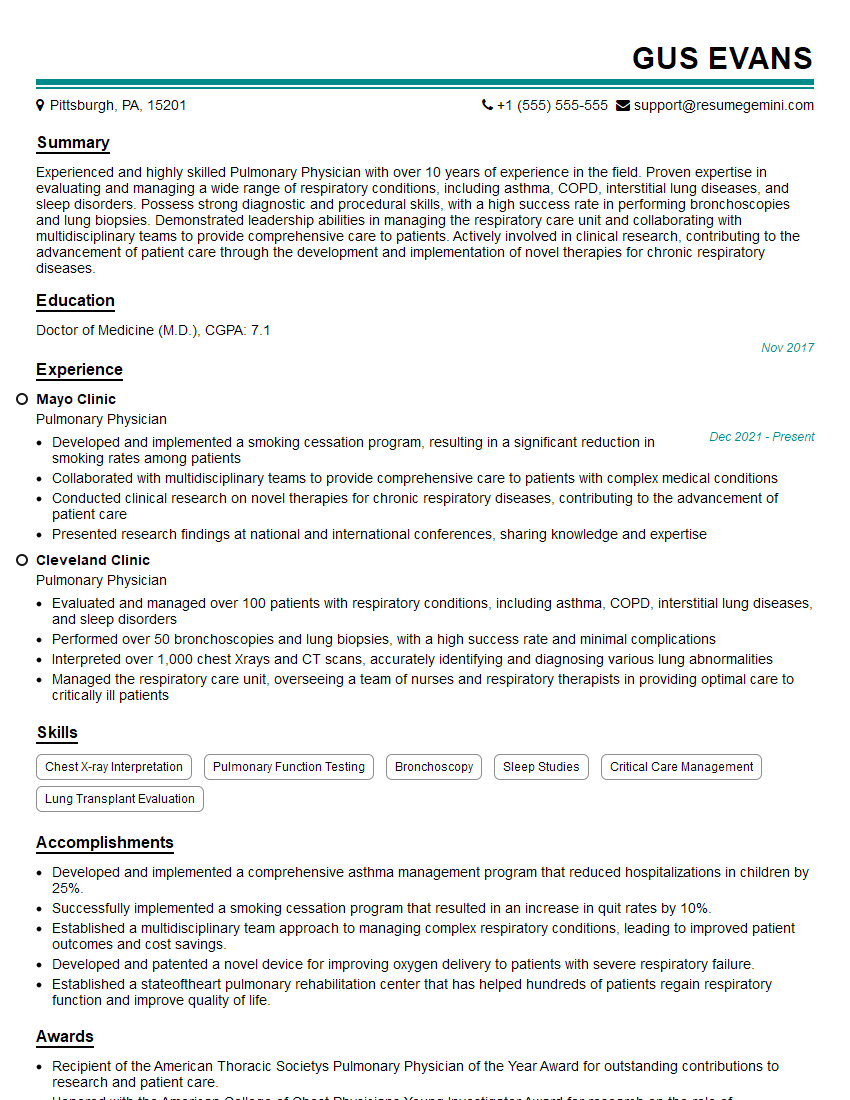
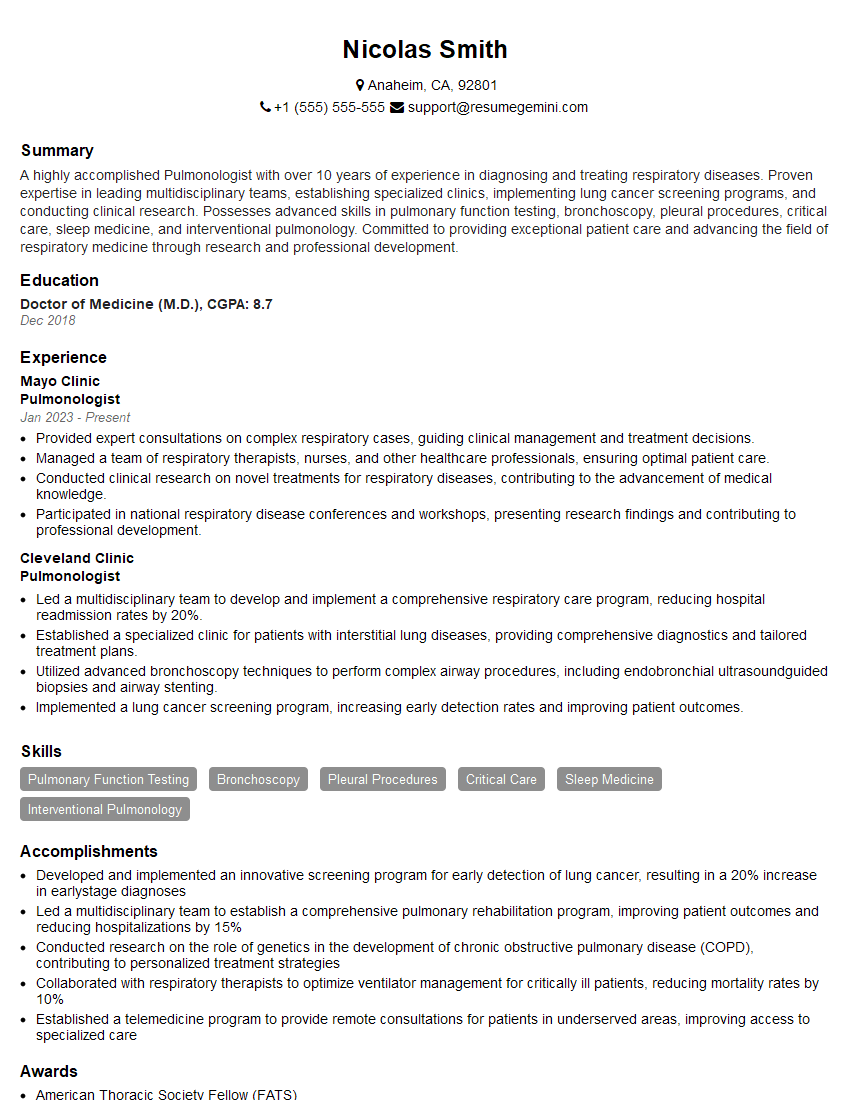
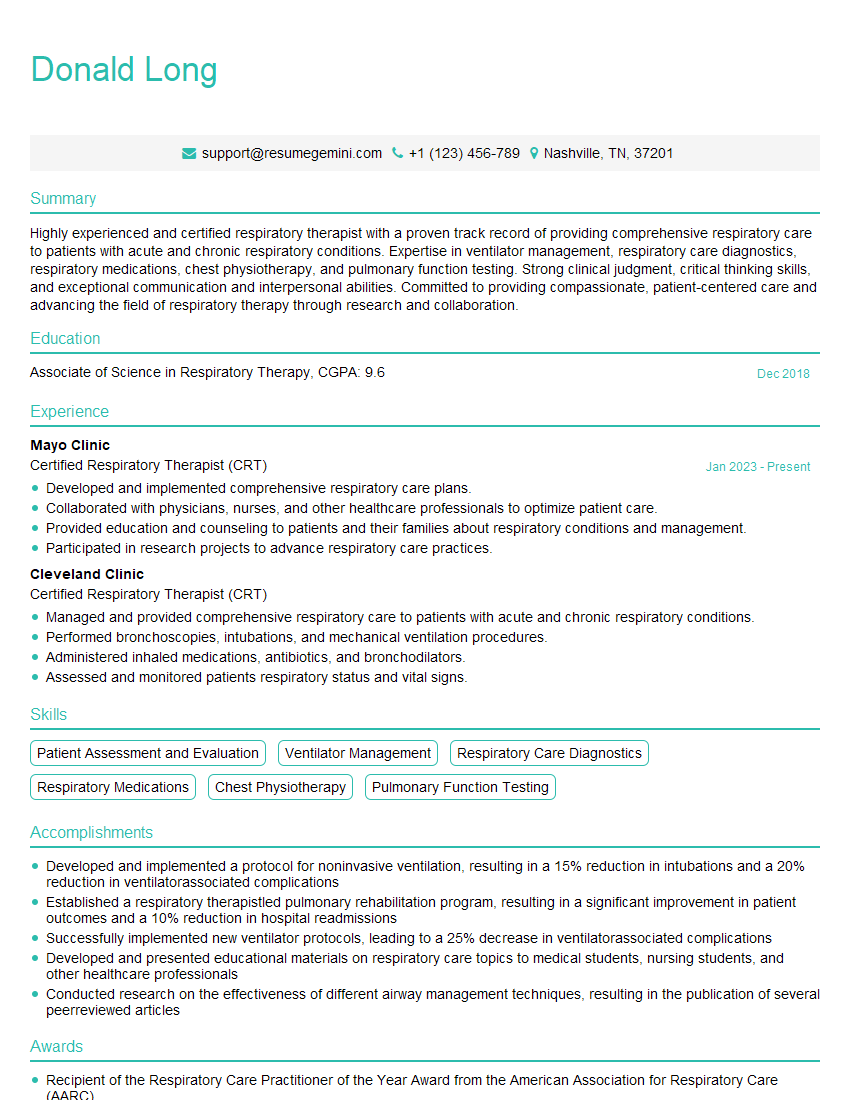
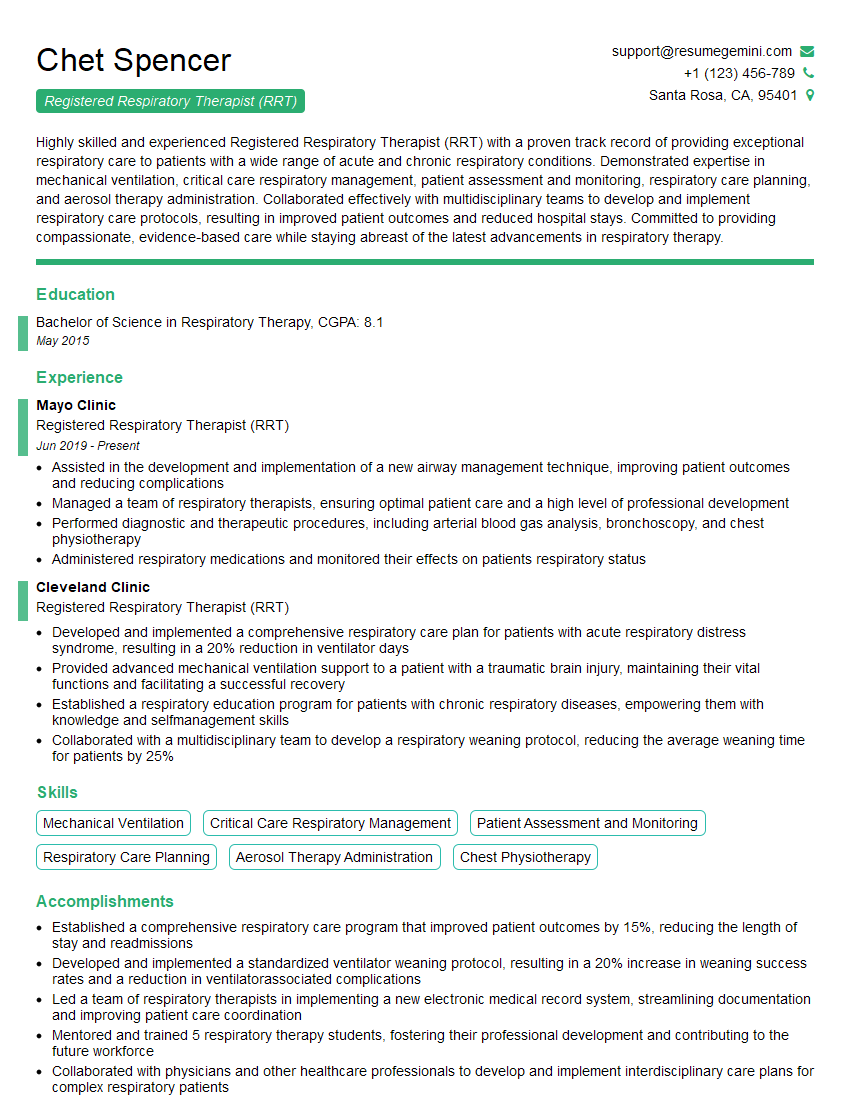
Mastering COPD knowledge significantly enhances your career prospects in respiratory care, pulmonology, and related fields. A strong understanding of this complex disease demonstrates expertise and commitment to patient well-being. To maximize your job search success, create an ATS-friendly resume that highlights your skills and experience effectively. We strongly encourage you to utilize ResumeGemini to build a professional and impactful resume tailored to your COPD expertise. Examples of resumes specifically designed for COPD-focused roles are available for your review, further assisting you in showcasing your qualifications.
Explore more articles
Users Rating of Our Blogs
Share Your Experience
We value your feedback! Please rate our content and share your thoughts (optional).
What Readers Say About Our Blog
To the interviewgemini.com Webmaster.
Very helpful and content specific questions to help prepare me for my interview!
Thank you
To the interviewgemini.com Webmaster.
This was kind of a unique content I found around the specialized skills. Very helpful questions and good detailed answers.
Very Helpful blog, thank you Interviewgemini team.