Feeling uncertain about what to expect in your upcoming interview? We’ve got you covered! This blog highlights the most important Equipment Safety Inspection and Maintenance interview questions and provides actionable advice to help you stand out as the ideal candidate. Let’s pave the way for your success.
Questions Asked in Equipment Safety Inspection and Maintenance Interview
Q 1. Explain the difference between preventative and predictive maintenance.
Preventative and predictive maintenance are both crucial for ensuring equipment reliability, but they differ significantly in their approach. Preventative maintenance (PM) is scheduled maintenance performed at predetermined intervals, regardless of the equipment’s actual condition. Think of it like changing your car’s oil every 3,000 miles – you do it proactively to prevent potential issues. Predictive maintenance (PdM), on the other hand, uses data and technology to predict when maintenance is actually needed. This is more like monitoring your car’s oil level and condition through sensors, only performing an oil change when necessary.
Preventative Maintenance Example: A factory might schedule a complete lubrication of all conveyor belts every six months, regardless of their current wear. This ensures consistent performance and prevents potential breakdowns due to friction.
Predictive Maintenance Example: Using vibration sensors on a motor, we can detect anomalies that indicate impending failure. This allows us to schedule maintenance before a catastrophic breakdown occurs, saving time, resources, and potential production downtime.
Q 2. Describe your experience with various inspection methods (visual, non-destructive testing, etc.).
My experience encompasses a wide range of inspection methods. Visual inspection is the cornerstone, providing a quick assessment of obvious defects like cracks, corrosion, or loose parts. I’m proficient in various non-destructive testing (NDT) methods, including:
- Ultrasonic testing (UT): Uses high-frequency sound waves to detect internal flaws in materials, invaluable for detecting cracks in welds or castings.
- Magnetic particle inspection (MPI): Detects surface and near-surface flaws in ferromagnetic materials by magnetizing the part and applying magnetic particles, revealing any discontinuities as they attract the particles.
- Liquid penetrant inspection (LPI): Ideal for detecting surface-breaking defects in any material. A dye penetrant is applied, drawn into the flaw, and then revealed with a developer.
- Infrared thermography: Uses infrared cameras to detect temperature variations, identifying potential problems like overheating bearings or electrical faults before they become serious.
I’ve also used specialized inspection tools and techniques for specific equipment, adapting my approach to the particular risks and challenges each presents. For example, I’ve used borescopes to inspect the internal components of machinery without disassembly, reducing downtime.
Q 3. How do you identify and prioritize maintenance tasks based on risk assessment?
Prioritizing maintenance tasks is critical for optimizing resource allocation and mitigating risk. I use a risk-based approach combining several factors to determine the urgency and importance of each task:
- Failure Mode and Effects Analysis (FMEA): This method systematically identifies potential failure modes, their effects, and the severity of those effects.
- Criticality Analysis: This evaluates the impact of a component’s failure on overall operations. A critical component, like a primary pump in a water treatment plant, demands immediate attention if a problem is detected.
- Cost-Benefit Analysis: This balances the cost of preventive maintenance versus the potential cost of a failure. We consider factors such as downtime, repair costs, and potential safety hazards.
I often use software to manage and track this information, which helps visualize the risk associated with each piece of equipment and prioritize tasks accordingly. This allows me to focus resources on the most critical areas, minimizing risk and maximizing uptime.
Q 4. What are the common causes of equipment failure and how can they be prevented?
Equipment failures stem from a variety of causes, many of which are preventable. Common causes include:
- Wear and Tear: Friction, vibration, and stress degrade components over time, necessitating regular lubrication, replacement of worn parts, and appropriate maintenance schedules.
- Corrosion: Environmental factors like humidity, chemicals, and temperature fluctuations can cause corrosion, compromising structural integrity. Protective coatings, proper storage, and environmental controls help mitigate this.
- Lubrication Failure: Inadequate lubrication leads to excessive friction, heat, and premature wear. A robust lubrication program is vital for equipment longevity.
- Misalignment: Misaligned components create excessive stress and vibration, leading to premature failure. Regular alignment checks and corrections are essential.
- Operator Error: Improper operation, overloading, or neglecting warning signs can contribute to equipment failure. Thorough training and clear operating procedures are crucial.
By implementing preventative maintenance programs, conducting regular inspections, and training operators properly, we can significantly reduce the incidence of equipment failure and maximize its lifespan.
Q 5. Describe your experience with lockout/tagout procedures.
Lockout/Tagout (LOTO) procedures are critical for preventing accidental energy release during maintenance or repair. My experience includes developing, implementing, and enforcing LOTO procedures across various industrial settings. This involves:
- Identifying energy sources: Pinpointing all potential sources of energy, including electrical, mechanical, hydraulic, pneumatic, and thermal energy.
- Isolation of energy sources: Safely disconnecting the equipment from its energy sources using appropriate lockout devices.
- Verification of isolation: Testing the equipment to ensure all energy sources have been completely isolated.
- Application of lockout/tagout devices: Securely affixing lockout devices to the energy isolation points, preventing accidental re-energization.
- Employee training: Providing comprehensive training to all personnel on the proper LOTO procedures, emphasizing the importance of safety and compliance.
I’ve personally overseen numerous LOTO procedures, ensuring strict adherence to safety protocols and documentation. Failure to follow LOTO procedures can have catastrophic consequences, so thoroughness and precision are paramount.
Q 6. How do you ensure compliance with relevant safety regulations (OSHA, etc.)?
Ensuring compliance with safety regulations like OSHA is a top priority. My approach includes:
- Staying updated on regulations: Continuously monitoring and updating my knowledge of current OSHA standards and industry best practices.
- Implementing safety programs: Developing and implementing comprehensive safety programs that address all aspects of equipment safety, including inspection, maintenance, and LOTO procedures.
- Maintaining thorough documentation: Keeping accurate records of all inspections, maintenance activities, training sessions, and accident investigations.
- Conducting regular audits: Performing periodic audits to identify areas for improvement and ensure ongoing compliance with regulations.
- Employee training and education: Providing regular safety training to all employees to ensure they understand and follow safety procedures.
I also actively participate in safety meetings and collaborate with safety professionals to proactively address potential hazards and maintain a safe work environment.
Q 7. Explain your experience with different types of maintenance documentation.
Effective maintenance documentation is essential for tracking equipment history, identifying trends, and ensuring compliance. My experience encompasses a variety of documentation types:
- Inspection reports: Detailed reports documenting the results of equipment inspections, including any detected defects or maintenance requirements.
- Maintenance logs: Records of all maintenance activities performed on the equipment, including dates, tasks completed, and personnel involved.
- Work orders: Formal requests for maintenance or repair work, specifying the required tasks and resources.
- Parts inventory: A comprehensive inventory of all spare parts, ensuring timely repairs and minimizing downtime.
- Safety data sheets (SDS): Provides information on hazardous materials used in maintenance activities, ensuring employee safety.
I’m proficient in using Computerized Maintenance Management Systems (CMMS) to manage and track this information efficiently, providing readily accessible data for analysis and decision-making. Well-maintained documentation provides a historical record that is invaluable for equipment life cycle management, preventative maintenance scheduling, and regulatory compliance.
Q 8. How familiar are you with CMMS (Computerized Maintenance Management Systems)?
I’m highly proficient with CMMS software. My experience spans several systems, including [mention specific systems, e.g., IBM Maximo, SAP PM, UpKeep]. I understand that a CMMS is the backbone of effective preventative maintenance. It’s not just about scheduling; it’s about integrating all aspects of equipment management, from tracking work orders and preventative maintenance schedules to managing inventory and generating insightful reports. For example, in my previous role, we used a CMMS to significantly reduce downtime by implementing a predictive maintenance strategy based on data analysis of equipment performance trends. This involved integrating sensor data into the CMMS to predict potential failures before they occurred, enabling proactive maintenance rather than reactive repairs.
My skills encompass all aspects of CMMS utilization, including:
- Work order creation and management
- Preventative maintenance scheduling and execution
- Inventory management and tracking
- Data analysis and reporting
- Integration with other systems (e.g., ERP)
Q 9. Describe your experience troubleshooting equipment malfunctions.
Troubleshooting equipment malfunctions is a core competency. My approach is systematic and data-driven. I start by gathering information: visually inspecting the equipment, reviewing operational logs, and interviewing operators to understand the nature and timing of the malfunction. This initial assessment helps me formulate hypotheses about the potential causes. For instance, if a conveyor belt stopped unexpectedly, I might initially check for power supply issues, then examine the belt for wear and tear, and finally investigate the motor and drive system.
I then use a combination of diagnostic tools, such as multimeters, thermal cameras, and vibration analyzers, to pinpoint the root cause. Once identified, I proceed with the repair, documenting all steps taken. After successful repair, I verify functionality and report the findings in the CMMS. A recent example involved a malfunctioning CNC machine. Through systematic troubleshooting, I found a faulty sensor causing inaccurate readings, leading to production errors. Replacing the sensor resolved the issue efficiently.
Q 10. How do you handle unexpected equipment failures?
Unexpected equipment failures demand immediate and decisive action. My response follows a structured process:
- Assessment: First, I prioritize safety—securing the area and ensuring no one is at risk. I then assess the severity of the failure and its impact on operations.
- Emergency Repair: If the failure is critical, I initiate emergency repairs, focusing on restoring functionality as quickly and safely as possible. This might involve using temporary fixes while awaiting replacement parts.
- Root Cause Analysis: Once the equipment is operational, I conduct a thorough root cause analysis to prevent recurrence. This typically involves using techniques like the ‘5 Whys’ or fault tree analysis.
- Reporting and Documentation: All actions taken are meticulously documented, including the failure details, repair steps, and root cause findings. This information is crucial for preventive maintenance planning and future troubleshooting.
- Preventative Measures: Based on the root cause analysis, I recommend and implement preventative measures to minimize the likelihood of similar failures in the future.
Think of it like a fire drill—swift action, focused on immediate safety and containment, followed by a thorough investigation to improve preparedness.
Q 11. What are your experience with root cause analysis techniques?
I’m experienced in various root cause analysis (RCA) techniques, including the ‘5 Whys,’ fault tree analysis, fishbone diagrams (Ishikawa diagrams), and Failure Mode and Effects Analysis (FMEA). The choice of technique depends on the complexity of the issue and the available data.
For example, the ‘5 Whys’ is excellent for simple problems; you repeatedly ask ‘why’ until you reach the root cause. Fault tree analysis is more suitable for complex systems, visually mapping potential failure points and their contributing factors. I often use FMEA proactively to identify potential failure modes and implement preventative measures before problems occur.
My experience shows that a thorough RCA is crucial not just for fixing immediate problems but also for building a safer and more reliable system. A documented RCA allows continuous improvement, minimizing the risk of repeated failures.
Q 12. How do you prioritize maintenance activities when dealing with multiple urgent requests?
Prioritizing multiple urgent maintenance requests requires a structured approach. I use a risk-based prioritization system, considering factors such as:
- Safety Risk: Does the malfunction pose an immediate safety hazard? These are always top priority.
- Production Impact: How much downtime will the malfunction cause? Critical equipment supporting major production processes gets higher priority.
- Repair Complexity: Some repairs are quicker and easier than others. This factor helps optimize resource allocation.
- Downstream Effects: Will delaying repair impact other equipment or processes?
I often use a matrix or scoring system to objectively prioritize requests. This avoids subjective decisions and ensures that resources are allocated effectively. Clear communication with stakeholders is also essential to manage expectations and ensure everyone understands the rationale for prioritization.
Q 13. Describe your experience with different types of lubrication methods and their importance.
Proper lubrication is critical for equipment longevity and performance. I’m familiar with various lubrication methods, including:
- Grease Lubrication: Used for bearings and other components requiring infrequent but long-lasting lubrication. Different grease types exist, chosen based on operating conditions (temperature, load, speed).
- Oil Lubrication: Suitable for high-speed, high-load applications, offering excellent heat dissipation. Oil viscosity is crucial and needs to match operating conditions.
- Oil Mist Lubrication: A method for delivering a fine mist of oil to components, ideal for applications where access is difficult.
- Automatic Lubrication Systems: These systems deliver precise amounts of lubricant at set intervals, minimizing human intervention and ensuring consistent lubrication.
The importance of lubrication cannot be overstated. Insufficient or improper lubrication leads to increased friction, wear, heat buildup, and ultimately, premature equipment failure. I always follow manufacturers’ recommendations for lubricant type, quantity, and frequency, adapting as necessary based on operating conditions and equipment monitoring data.
Q 14. How do you manage and track spare parts inventory?
Effective spare parts management is crucial for minimizing downtime. I use a combination of methods for tracking inventory:
- CMMS Integration: The CMMS plays a key role, providing a centralized database for tracking parts, their location, and usage history. It allows for setting reorder points and generating automated alerts when stock levels fall below a threshold.
- Physical Inventory Management: Regular physical inventory counts verify accuracy of the CMMS data and identify discrepancies.
- ABC Analysis: Classifying parts based on their value and usage frequency helps optimize inventory levels. High-value, frequently used parts require closer monitoring than low-value, infrequently used parts.
- Vendor Management: Maintaining good relationships with vendors ensures timely procurement of essential parts. Negotiating favorable terms and establishing reliable supply chains are essential.
By implementing these strategies, I ensure that critical spare parts are available when needed, minimizing equipment downtime and operational disruptions. Regularly reviewing inventory levels and usage patterns allows me to refine strategies and optimize the efficiency of spare parts management.
Q 15. Explain your experience with developing and implementing maintenance procedures.
Developing and implementing maintenance procedures involves a systematic approach ensuring equipment operates safely and efficiently. It begins with a thorough understanding of the equipment, its critical functions, and potential failure points. I typically start by conducting a comprehensive risk assessment to identify potential hazards and prioritize maintenance tasks based on their criticality and likelihood of failure.
Then, I create detailed, step-by-step procedures, including safety precautions, required tools, and acceptance criteria for each task. These procedures are meticulously documented and often include diagrams, photographs, and checklists to ensure clarity and consistency. For example, in a previous role overseeing maintenance of a large industrial milling machine, I developed a preventative maintenance procedure that included lubrication schedules, regular inspections of wear components (like bearings and belts), and detailed instructions for replacing those components. This standardized procedure reduced downtime by 20% and improved the overall safety of the machine’s operation.
Finally, I implement these procedures through training sessions for the maintenance team, ensuring they understand the procedures, are adequately skilled, and know how to use the provided tools. Regular audits and performance reviews further ensure consistent adherence to the established procedures.
Career Expert Tips:
- Ace those interviews! Prepare effectively by reviewing the Top 50 Most Common Interview Questions on ResumeGemini.
- Navigate your job search with confidence! Explore a wide range of Career Tips on ResumeGemini. Learn about common challenges and recommendations to overcome them.
- Craft the perfect resume! Master the Art of Resume Writing with ResumeGemini’s guide. Showcase your unique qualifications and achievements effectively.
- Don’t miss out on holiday savings! Build your dream resume with ResumeGemini’s ATS optimized templates.
Q 16. How do you communicate maintenance issues and recommendations to management?
Communicating maintenance issues and recommendations effectively requires clear, concise, and actionable information. I prefer a multi-pronged approach. For routine matters, I use email or internal messaging systems to provide updates, highlighting any urgent issues. For more complex problems or significant recommendations, I prepare detailed reports, including root cause analysis, proposed solutions, cost estimates, and their impact on production. I often include visuals like charts and graphs to make the data more digestible.
I always present my findings during regular meetings with management, allowing for a face-to-face discussion and the opportunity to answer questions and address concerns. For instance, when I discovered a pattern of bearing failures on a critical piece of equipment, I prepared a report showing the failure rate over time, the cost of repairs, and proposed preventative measures. Presenting this during a management meeting resulted in the timely allocation of resources to replace the bearings with a higher-quality, longer-lasting option, preventing significant future downtime and cost.
Crucially, I ensure my communication is tailored to the audience. For technical teams, I might use detailed technical terminology; for senior management, I focus on the business impact and financial implications.
Q 17. How do you ensure your team is adhering to safety protocols?
Ensuring team adherence to safety protocols is paramount. This involves a proactive, multifaceted approach. Firstly, thorough training is essential. I conduct regular safety training sessions covering relevant regulations, safe work practices, and the use of personal protective equipment (PPE). Training is documented, and competency assessments are regularly conducted. Secondly, clear communication is vital. Safety rules and procedures are prominently displayed and readily available. I frequently emphasize the importance of following safety protocols through daily briefings and regular communication.
Thirdly, I create a culture of safety where reporting of near misses and incidents is actively encouraged without fear of reprimand. This creates a learning environment where issues can be identified and addressed promptly. Fourthly, I conduct regular safety inspections, checking the work areas and the employees’ adherence to safety protocols. Any violations are addressed immediately and corrective actions are taken. Finally, leading by example is critical. I always adhere to the highest safety standards and encourage my team to do the same.
For example, if an employee is observed not using proper lockout/tagout procedures, I would immediately address the situation, review the correct procedure, and conduct further training to reinforce safety practices. This proactive approach helps to avoid accidents and create a safe working environment.
Q 18. Explain your understanding of reliability-centered maintenance (RCM).
Reliability-centered maintenance (RCM) is a systematic process for determining the best maintenance strategy for each component or system based on its function and potential failure modes. Unlike preventative maintenance, which often involves arbitrary schedules, RCM focuses on maintaining the functionality of the equipment. It starts with a functional assessment of the equipment, identifying its critical functions and how failures can affect those functions.
For each function, potential failure modes are identified, and their consequences are assessed. This leads to the selection of the most appropriate maintenance task, which could include preventative maintenance, condition-based maintenance, or even the removal of the task if the risk is deemed acceptable. I’ve used RCM successfully in various scenarios, for example, when optimizing the maintenance schedule for a complex conveyor system. By applying RCM, we identified that certain parts required more frequent inspections while others could be maintained on a less-frequent basis, significantly reducing maintenance costs without compromising reliability.
The core of RCM is a risk-based approach, ensuring resources are allocated to the most critical areas. It helps prevent unnecessary maintenance and reduces downtime by focusing efforts on what truly matters. RCM analysis typically involves multi-disciplinary teams drawing from operations, maintenance, and engineering.
Q 19. Describe your experience with condition monitoring techniques (vibration analysis, oil analysis, etc.).
Condition monitoring techniques, such as vibration analysis and oil analysis, are crucial for proactive maintenance. Vibration analysis involves measuring the vibrations produced by equipment during operation. Abnormal vibration patterns can indicate problems like bearing wear, imbalance, or misalignment, allowing for early detection and preventative maintenance before major failures occur. I’ve used vibration analysis to successfully identify failing bearings on a large pump, preventing catastrophic failure and significant downtime. Using handheld vibration analyzers and software, I can collect and analyze data in real-time and determine the root cause of the issue quickly and effectively.
Oil analysis involves analyzing lubricating oil samples to detect the presence of wear metals, contaminants, and changes in oil properties. These indicators can reveal internal component wear, lubrication problems, or contamination issues. I’ve leveraged oil analysis to detect early stages of gear wear in a gearbox, allowing for timely intervention and extending its lifespan. Both methods provide valuable data for predictive maintenance, allowing for timely intervention before critical failures, minimizing unplanned downtime and optimizing maintenance schedules.
Q 20. How do you stay updated on the latest maintenance technologies and best practices?
Staying updated on the latest maintenance technologies and best practices is a continuous process. I actively participate in professional organizations like the Society for Maintenance & Reliability Professionals (SMRP) and attend industry conferences and workshops. These events provide opportunities to learn about new technologies and best practices from experts in the field. I also subscribe to relevant industry publications and online resources, keeping abreast of the latest advancements in maintenance strategies and technologies.
Furthermore, I actively engage in professional development activities, taking online courses and attending training sessions to enhance my skills and knowledge. Online platforms such as LinkedIn Learning and Coursera offer excellent resources for this purpose. I also actively participate in online forums and discussion groups, engaging with other professionals and sharing knowledge and insights. This combination of active participation, continuous learning, and networking helps me remain at the forefront of the field.
Q 21. What is your experience with failure modes and effects analysis (FMEA)?
Failure Modes and Effects Analysis (FMEA) is a systematic method for identifying potential failure modes within a system and assessing their potential impact. It’s a proactive risk assessment tool used to prevent failures before they occur. The process typically involves identifying all potential failure modes of a system, assessing their severity, occurrence, and detection, and then calculating a risk priority number (RPN) to prioritize corrective actions.
In my experience, I’ve utilized FMEA to analyze the potential failure modes of various equipment systems, for example, a critical process control system. Through this analysis, we identified potential vulnerabilities and implemented corrective actions, including enhanced redundancy and improved operator training, to significantly reduce the risk of system failure. The output of the FMEA helps to determine appropriate preventative and corrective actions that focus on mitigating risk based on the RPN. This analysis helps to reduce overall risks and enhances the reliability and safety of the equipment.
Q 22. How do you manage the maintenance budget effectively?
Effective maintenance budget management is crucial for ensuring equipment uptime and safety without exceeding allocated funds. My approach involves a multi-step process:
- Prioritization: I begin by prioritizing maintenance activities based on criticality and risk assessment. This involves identifying equipment with the highest potential for failure and the greatest consequences of failure. A simple scoring system, combining probability of failure and severity of impact, is often helpful.
- Predictive Maintenance: Implementing predictive maintenance techniques like vibration analysis, oil analysis, and thermal imaging significantly reduces unplanned downtime and associated costs. These methods allow us to address issues before they become major problems, saving money in the long run.
- Preventative Maintenance Scheduling: I meticulously schedule preventive maintenance tasks, optimizing the timing to minimize disruption while maximizing equipment lifespan. This often involves using Computerized Maintenance Management Systems (CMMS) to track tasks and generate reports.
- Cost Analysis and Benchmarking: I regularly analyze maintenance costs, comparing them to industry benchmarks to identify areas for improvement. This may include negotiating better rates with suppliers, exploring alternative parts, or optimizing maintenance procedures.
- Regular Reporting and Review: Transparent and regular reporting on budget performance is key. This allows for timely adjustments and informed decision-making. This involves presenting data visually to make it easily understandable by management.
For example, in a previous role, I implemented a predictive maintenance program using vibration analysis, resulting in a 15% reduction in unplanned downtime and a 10% decrease in overall maintenance costs within a year.
Q 23. Describe a time when you had to make a difficult maintenance decision.
One challenging decision involved a critical piece of machinery – a large industrial press – that showed signs of significant wear and tear beyond its recommended operational lifespan. Replacing it would have been costly and disruptive, but continuing its operation risked catastrophic failure and potential injury.
To address this, I assembled a team to conduct a thorough risk assessment, weighing the financial implications of replacement against the potential safety risks and production losses of continued use. We carefully considered the cost of repair, the probability of failure, and the potential consequences of failure. We explored interim solutions, such as reducing operational load and frequency of use, while simultaneously initiating the procurement process for a replacement.
Ultimately, we opted for a phased approach: implementing the temporary mitigation strategies immediately to reduce risk, while simultaneously securing funding and ordering the replacement. This allowed us to manage the risk effectively while minimizing the negative impact on production and budget.
Q 24. How do you ensure the accuracy of your inspection reports?
Ensuring the accuracy of inspection reports is paramount for safety and compliance. My approach involves a multi-layered system of checks and balances:
- Standardized Checklists: Using standardized, detailed checklists ensures consistency and minimizes the risk of overlooking critical items during inspections.
- Calibration and Verification: All testing equipment is regularly calibrated and verified to ensure accurate readings. Calibration records are meticulously maintained.
- Multiple Inspections: Where feasible, I advocate for a system of multiple inspections, particularly for critical equipment. A second pair of eyes can significantly reduce errors.
- Digital Documentation and Photography: Digital documentation with photos and videos serves as irrefutable evidence, reducing ambiguity and providing a clear record of the equipment’s condition.
- Peer Review: Regular peer reviews of inspection reports are crucial for catching potential errors or inconsistencies.
- Traceability and Audit Trails: Maintaining a complete audit trail, recording all inspections, findings, and corrective actions, ensures accountability and traceability.
For instance, if a critical safety device is found to be malfunctioning, I will not only document the issue but will also ensure that the corrective action plan is properly documented and subsequently verified.
Q 25. Explain your experience with different types of equipment (e.g., mechanical, electrical, hydraulic).
My experience spans a wide range of equipment, including mechanical, electrical, hydraulic, and pneumatic systems. I’ve worked with:
- Mechanical Equipment: This includes industrial presses, conveyors, pumps, and gearboxes. My expertise extends to understanding mechanical wear and tear, lubrication requirements, and vibration analysis.
- Electrical Equipment: I’m proficient in troubleshooting electrical circuits, motors, and control systems. I understand electrical safety regulations and lockout/tagout procedures thoroughly.
- Hydraulic Equipment: I’m experienced in diagnosing hydraulic leaks, checking fluid levels, and identifying issues within hydraulic systems. Understanding pressure gauges and hydraulic schematics is key here.
- Pneumatic Equipment: I’m familiar with pneumatic controls, air compressors, and associated safety procedures. Regular inspections and maintenance are crucial due to the high-pressure nature of these systems.
This broad experience allows me to effectively assess and address maintenance needs across diverse systems, integrating knowledge of different disciplines for holistic equipment management.
Q 26. How do you work effectively within a team to accomplish maintenance tasks?
Effective teamwork is vital for successful maintenance. My approach focuses on:
- Clear Communication: Open and transparent communication is paramount. This includes regular team meetings, clear task assignments, and prompt reporting on progress.
- Collaboration and Knowledge Sharing: I encourage collaboration and knowledge sharing among team members. Mentoring junior staff and sharing best practices enhances the team’s overall capabilities.
- Respectful and Supportive Environment: Creating a respectful and supportive environment where team members feel comfortable sharing ideas and raising concerns is crucial for productivity and safety.
- Problem Solving as a Team: Addressing complex maintenance issues often requires a team approach. I facilitate collaborative problem-solving sessions to leverage the collective expertise of the team.
- Defined Roles and Responsibilities: Clearly defining roles and responsibilities prevents confusion and overlaps, leading to increased efficiency.
For example, when dealing with a complex equipment failure, I would involve electricians, mechanics, and hydraulic specialists as needed, leading the team in a coordinated troubleshooting process.
Q 27. Describe your experience with performing safety audits.
I’ve conducted numerous safety audits, focusing on identifying potential hazards and ensuring compliance with relevant regulations. My approach involves a systematic process:
- Planning and Preparation: Before commencing an audit, I carefully review relevant safety regulations, procedures, and historical data to identify potential areas of concern.
- On-site Assessment: During the on-site assessment, I conduct thorough inspections, observing workplace practices, examining equipment, and interviewing personnel.
- Documentation and Evidence Gathering: I meticulously document findings, including photographs, observations, and supporting evidence.
- Reporting and Recommendations: A comprehensive report detailing audit findings, including any identified hazards and non-compliance issues, and recommendations for corrective actions, is generated.
- Follow-up and Verification: After the audit, I follow up to verify that corrective actions have been implemented effectively.
A recent audit I conducted led to the identification and correction of a critical safety violation involving a poorly secured piece of equipment, potentially averting a serious accident.
Q 28. What is your approach to training new maintenance personnel on safety procedures?
Training new maintenance personnel on safety procedures is crucial. My approach is multi-faceted:
- Structured Training Program: I develop and deliver a structured training program covering all aspects of safety, including lockout/tagout, hazard identification, and emergency response procedures.
- Hands-on Training: Hands-on training is incorporated to provide practical experience and reinforce theoretical knowledge. This often involves shadowing experienced technicians and working on less critical equipment under supervision.
- Regular Refresher Training: Regular refresher training keeps knowledge current and addresses new developments in safety regulations and best practices.
- Use of Simulations and Training Aids: Simulations and training aids (like videos and interactive modules) can make training more engaging and effective.
- Assessment and Certification: Assessment, practical demonstrations, and certification ensure that personnel have attained the required level of competency.
For instance, I’ve developed a comprehensive lockout/tagout training program, incorporating both theoretical instruction and hands-on practice using real equipment to ensure trainees fully understand the importance and procedures of this crucial safety process.
Key Topics to Learn for Equipment Safety Inspection and Maintenance Interview
- Regulatory Compliance: Understanding relevant safety standards (OSHA, ANSI, etc.) and their practical application in inspection procedures. This includes knowing how to interpret regulations and apply them to different equipment types.
- Preventive Maintenance Schedules: Developing and implementing effective preventative maintenance plans, including understanding lubrication schedules, component replacement timelines, and the importance of record-keeping. Practical application involves explaining how to create and manage such a schedule for a specific piece of equipment.
- Inspection Techniques: Mastering visual inspection methods, using diagnostic tools (e.g., multimeters, pressure gauges), and recognizing signs of wear, tear, and potential hazards. This includes practical experience describing how you’d identify and address a specific equipment malfunction based on visual or diagnostic data.
- Troubleshooting and Repair: Diagnosing equipment malfunctions, identifying root causes, and implementing safe and effective repair procedures. This includes demonstrating problem-solving skills and explaining decision-making processes in a potentially hazardous situation.
- Safety Procedures and Protocols: Deep understanding of lockout/tagout procedures, personal protective equipment (PPE) selection and use, and emergency response protocols. This involves demonstrating knowledge of safe work practices and risk assessment techniques.
- Documentation and Reporting: Maintaining accurate and detailed inspection and maintenance records, generating reports, and communicating findings effectively to supervisors and other stakeholders. This includes outlining best practices for clear and concise documentation.
- Specific Equipment Knowledge: Depending on the role, in-depth knowledge of specific equipment types (e.g., forklifts, cranes, power tools) and their unique safety considerations is crucial. Research the specific equipment mentioned in the job description.
Next Steps
Mastering Equipment Safety Inspection and Maintenance is vital for a successful and rewarding career. It demonstrates a commitment to safety, problem-solving, and technical expertise – highly valued attributes in many industries. To significantly boost your job prospects, it’s crucial to create a resume that effectively highlights these skills and experiences for Applicant Tracking Systems (ATS). ResumeGemini is a trusted resource that can help you build a professional, ATS-friendly resume that showcases your qualifications effectively. Examples of resumes tailored to Equipment Safety Inspection and Maintenance are available to help you get started.

Operations Manager Resume Sample
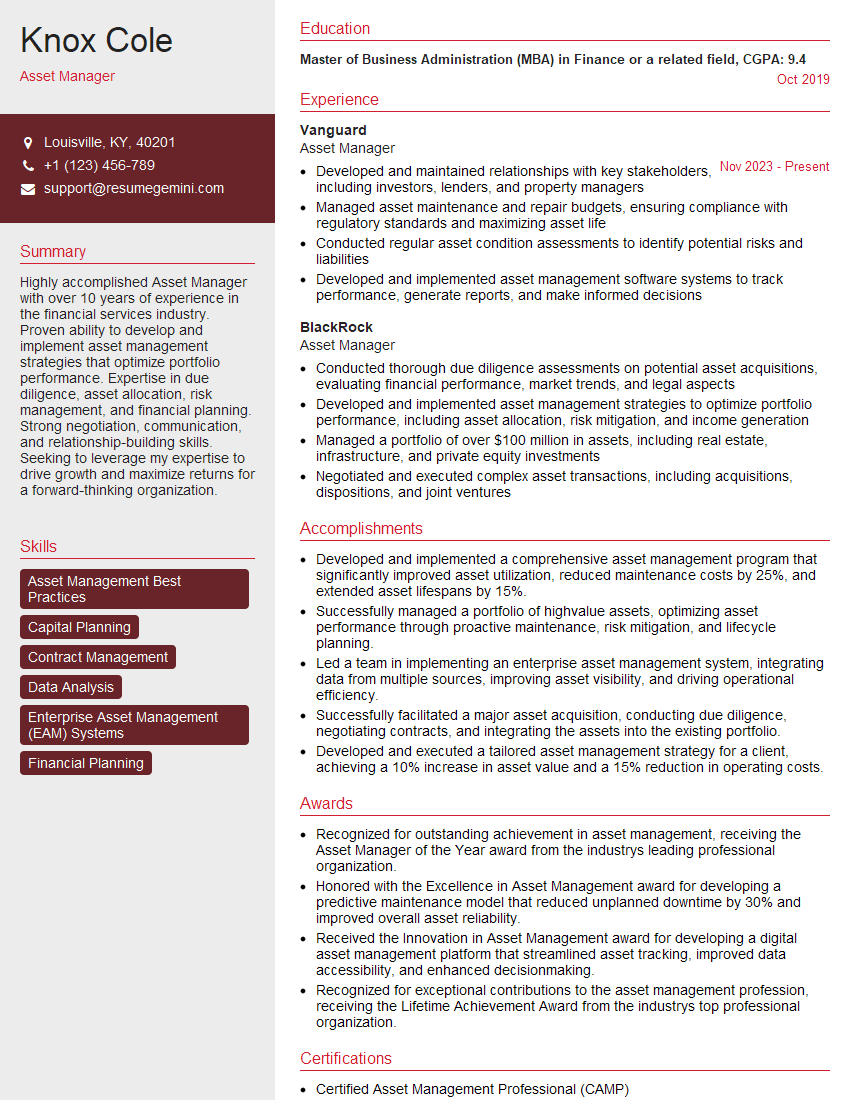
Asset Manager Resume Sample
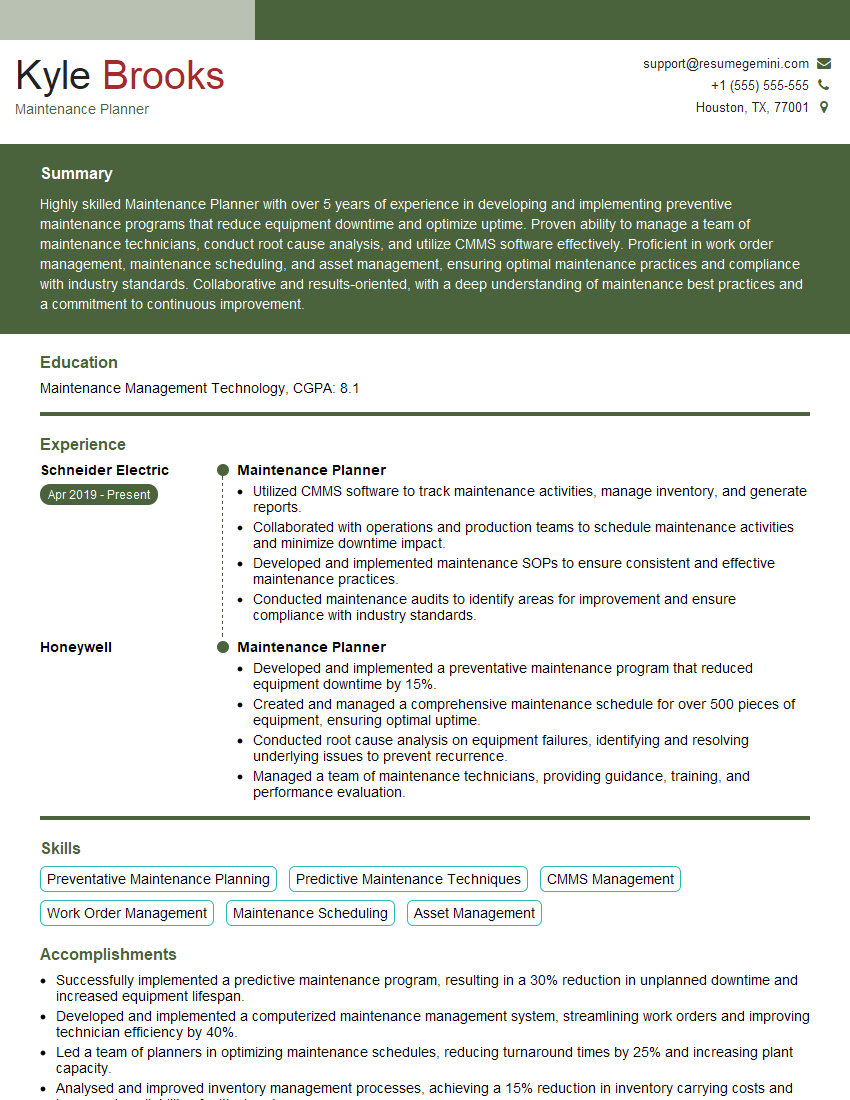
Maintenance Planner Resume Sample
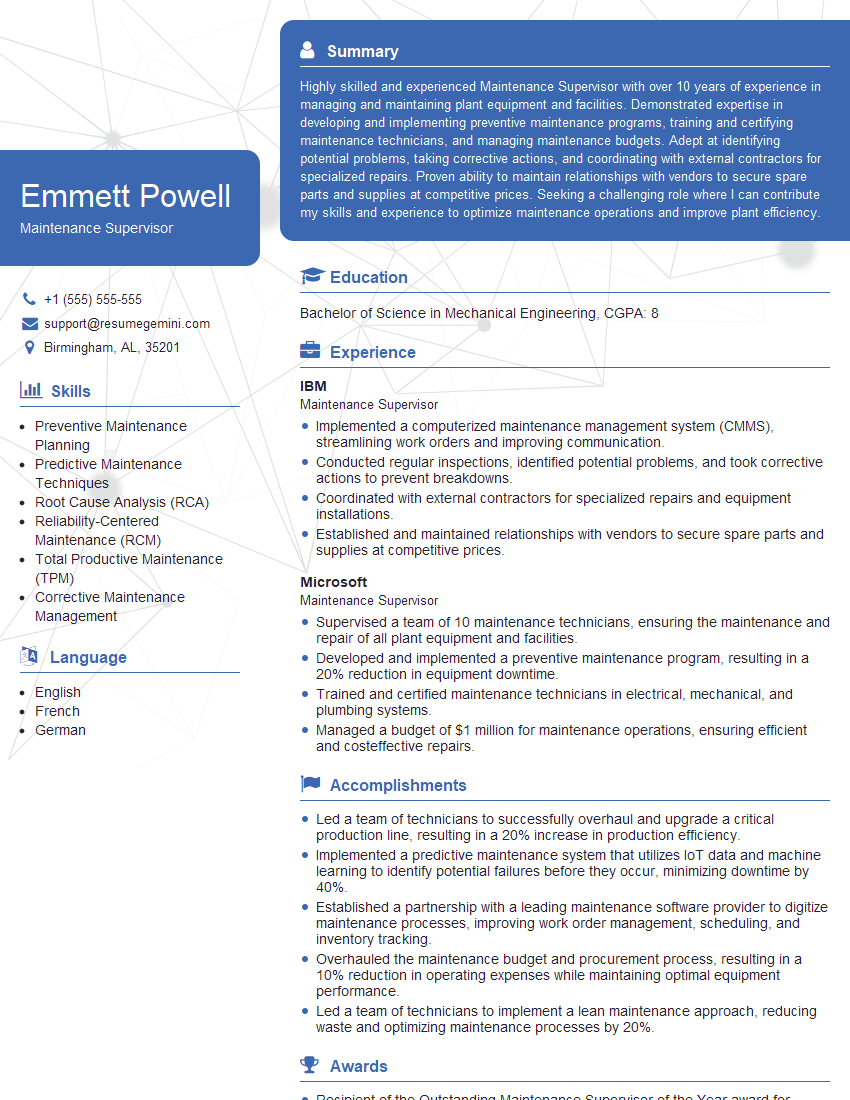
Maintenance Supervisor Resume Sample
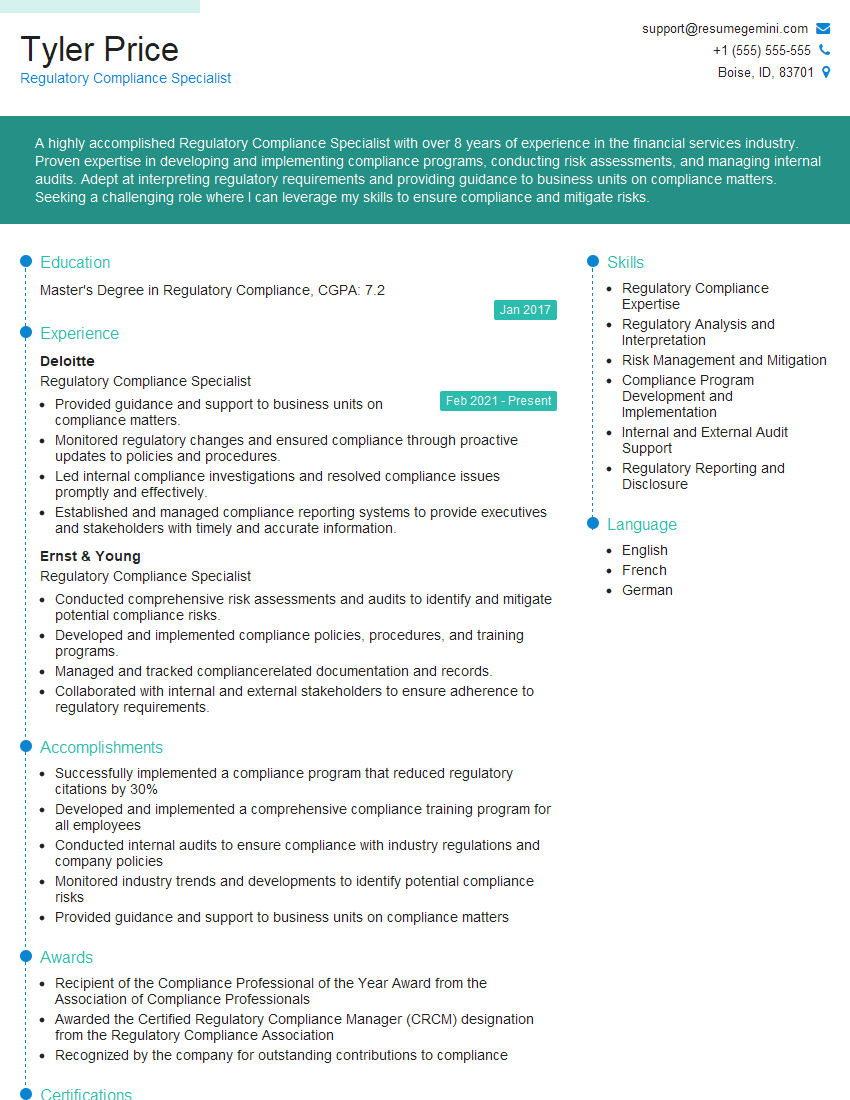
Regulatory Compliance Specialist Resume Sample

Reliability Engineer Resume Sample
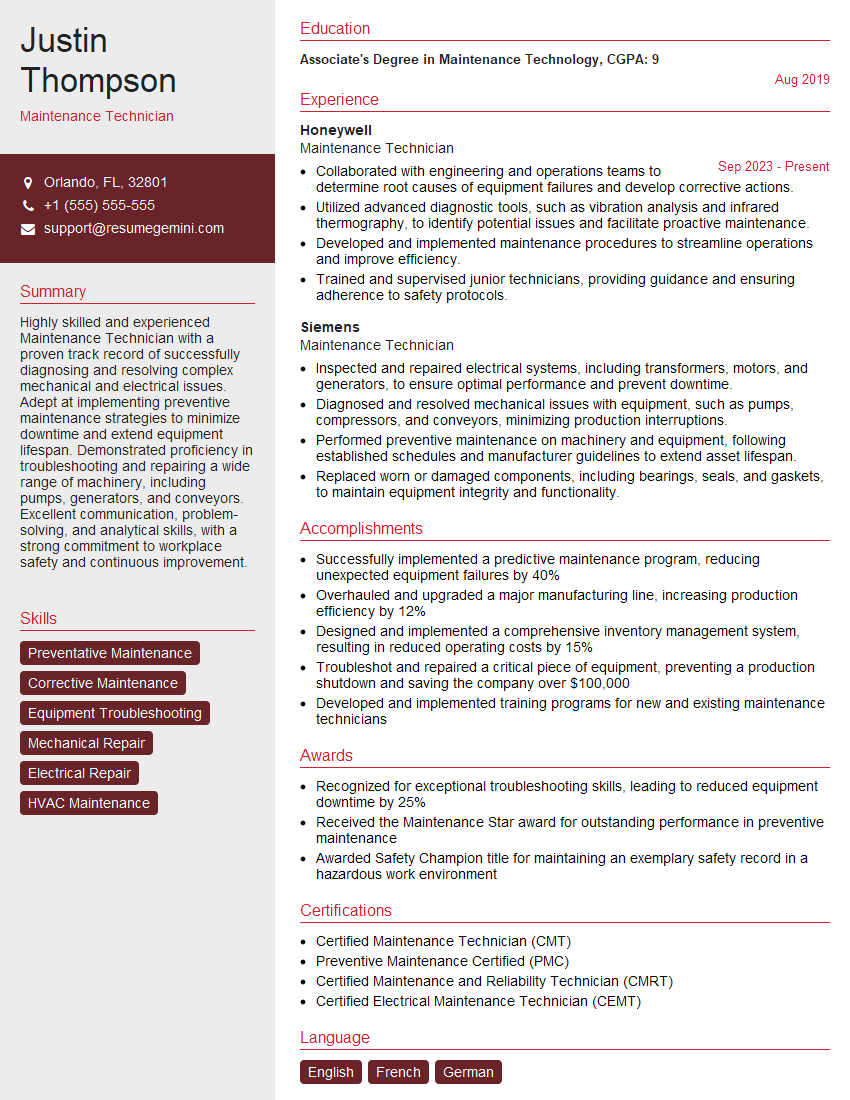
Maintenance Technician Resume Sample
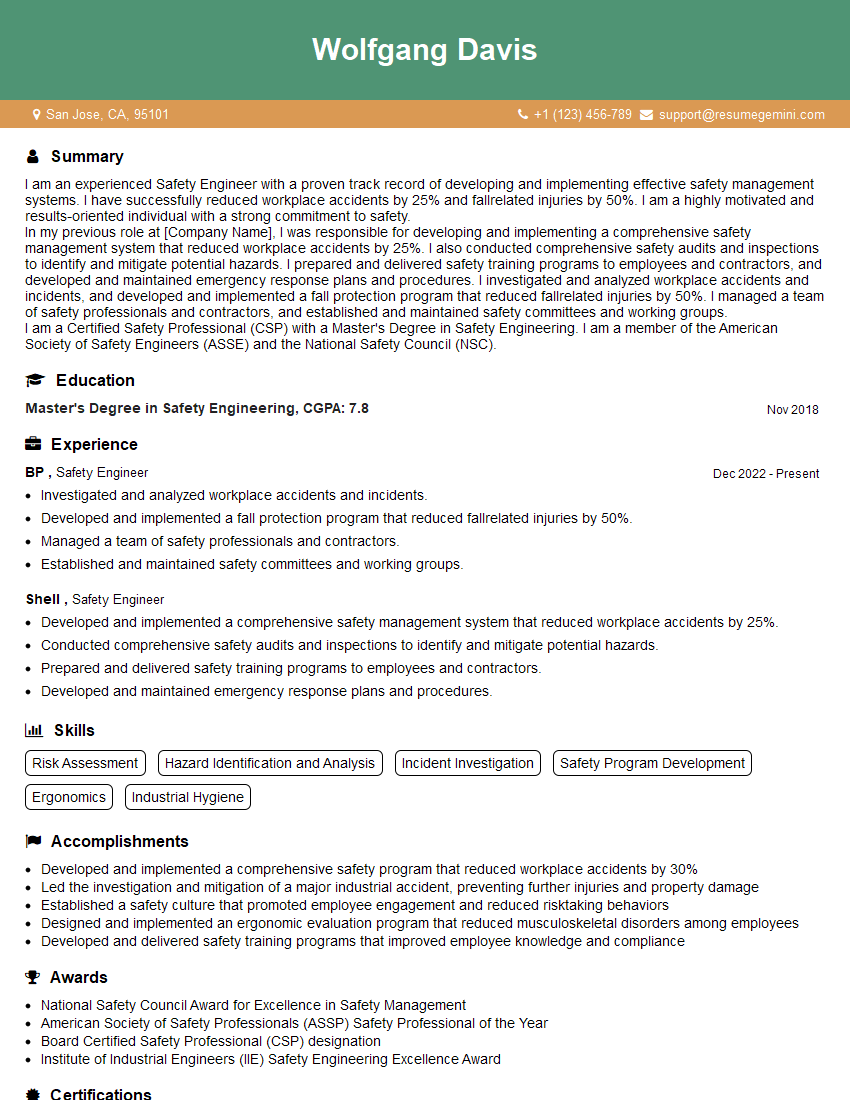
Safety Engineer Resume Sample
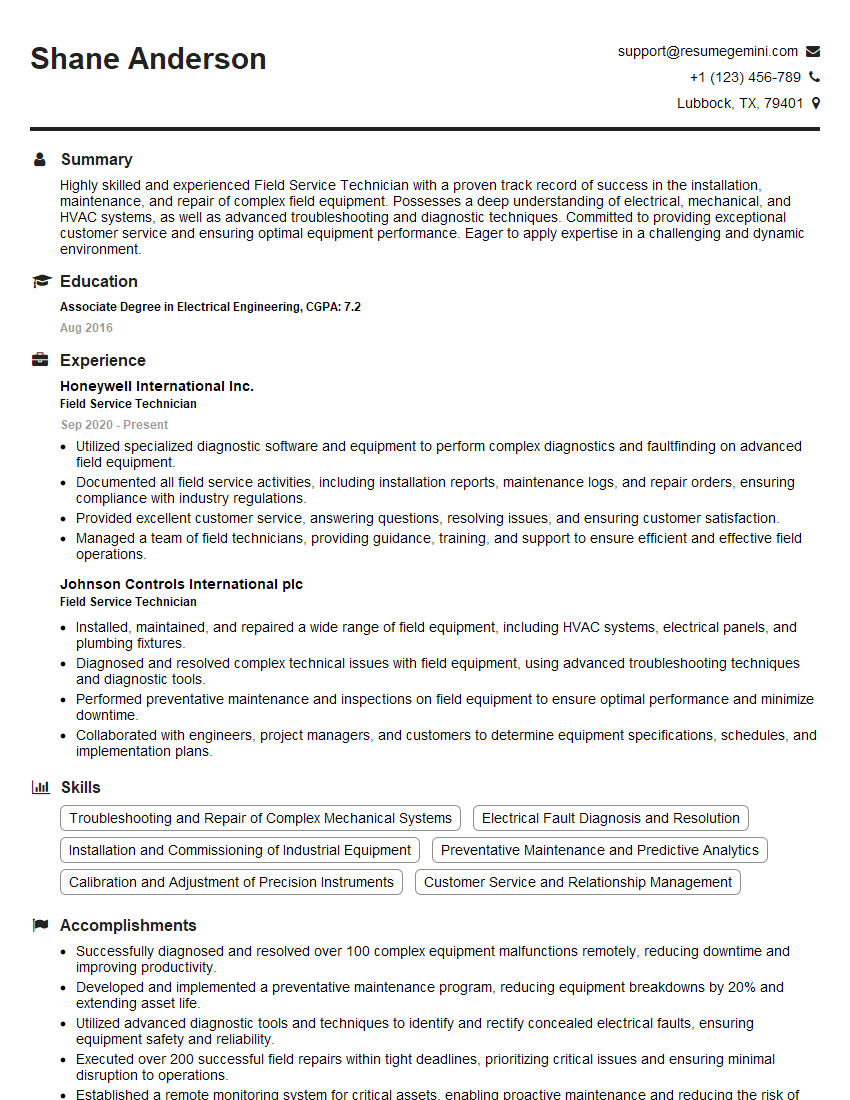
Field Service Technician Resume Sample
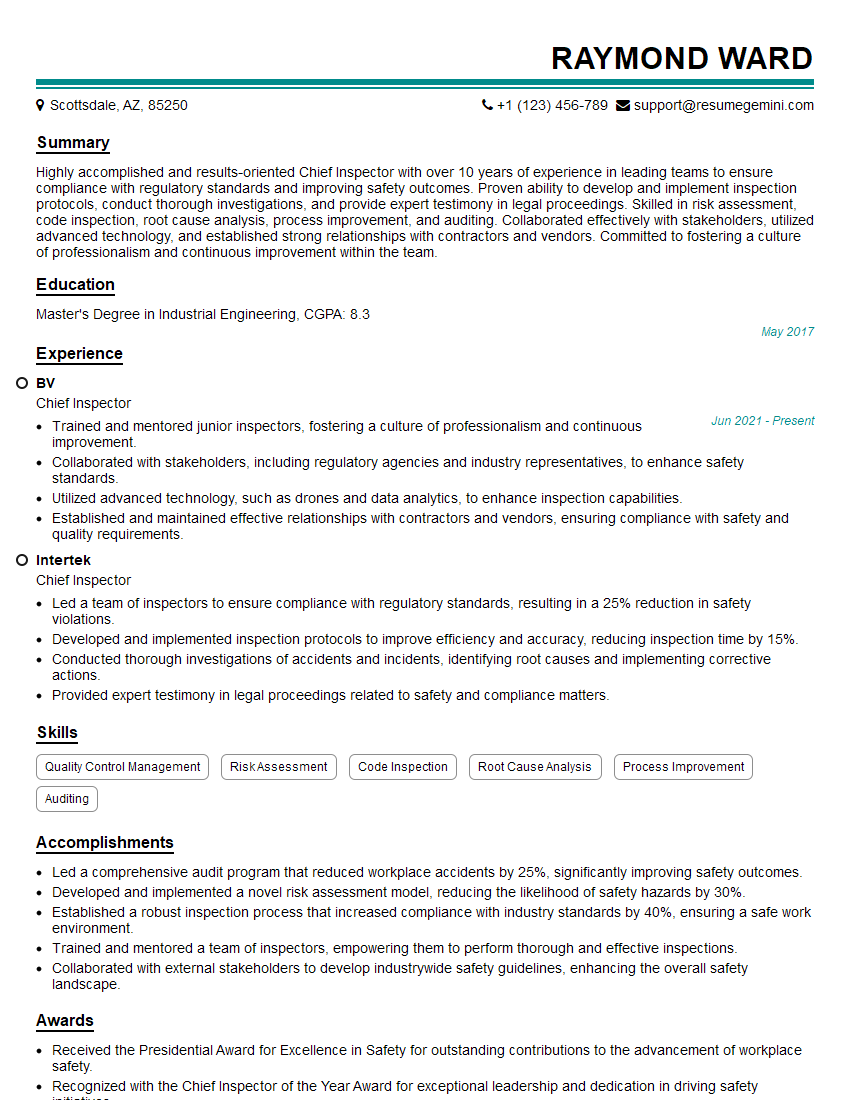
Chief Inspector Resume Sample
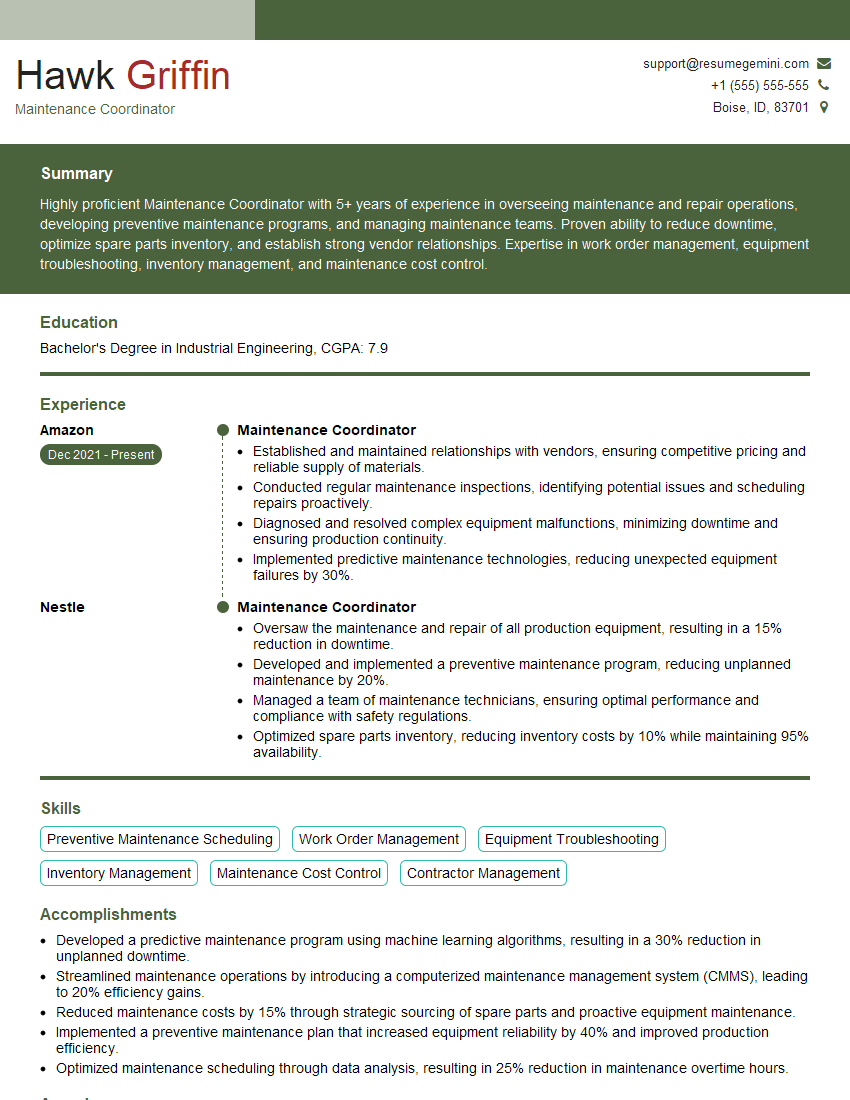
Maintenance Coordinator Resume Sample
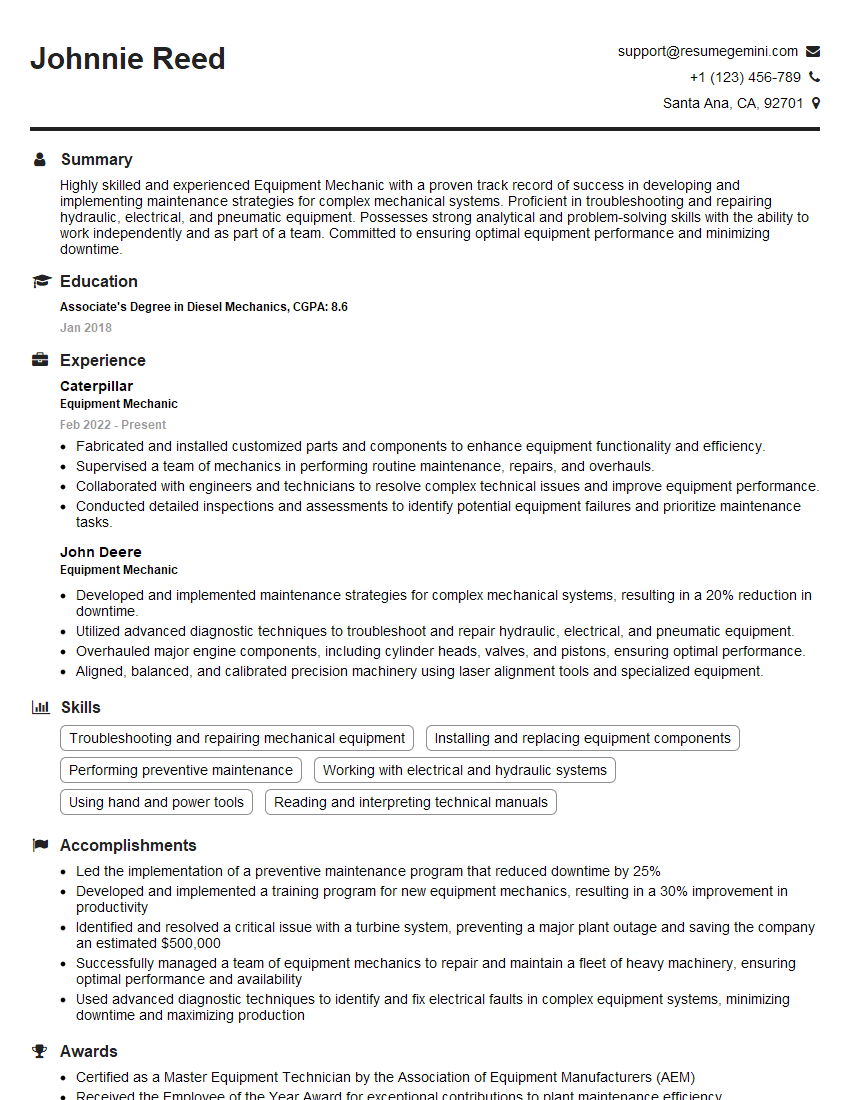
Equipment Mechanic Resume Sample

Electrical Maintenance Technician Resume Sample
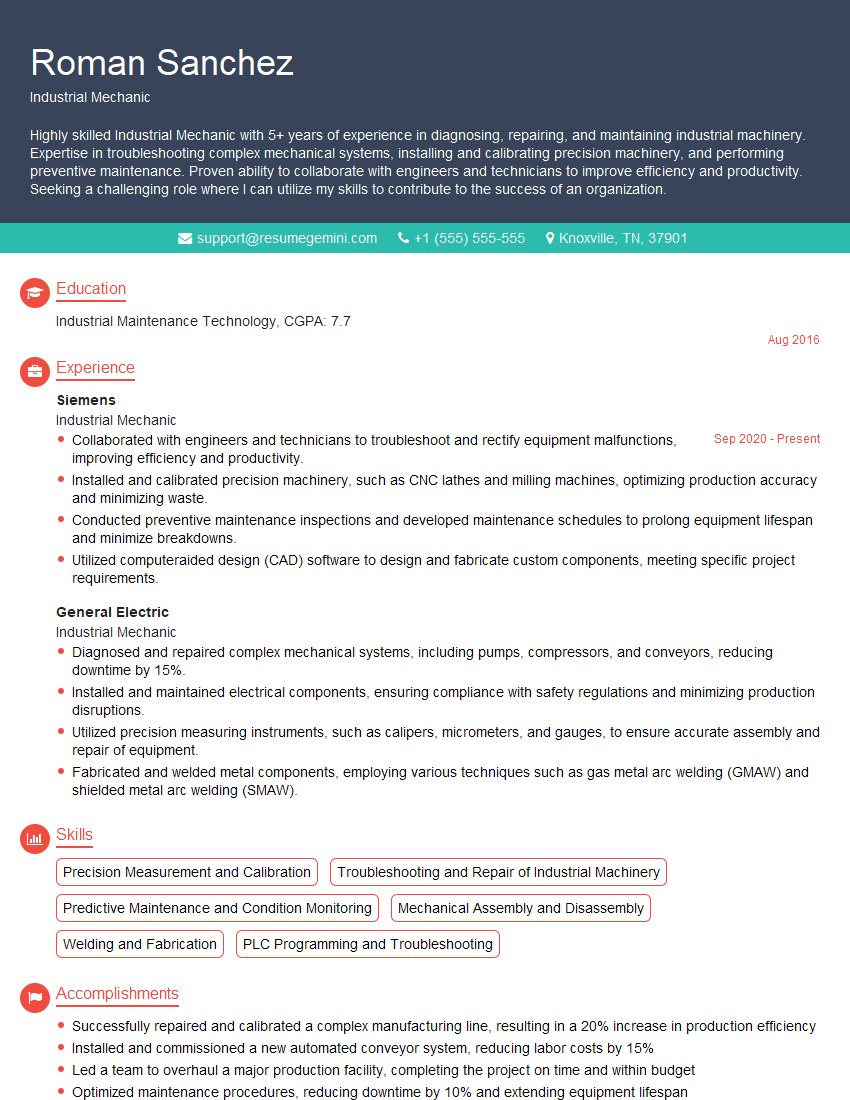
Industrial Mechanic Resume Sample
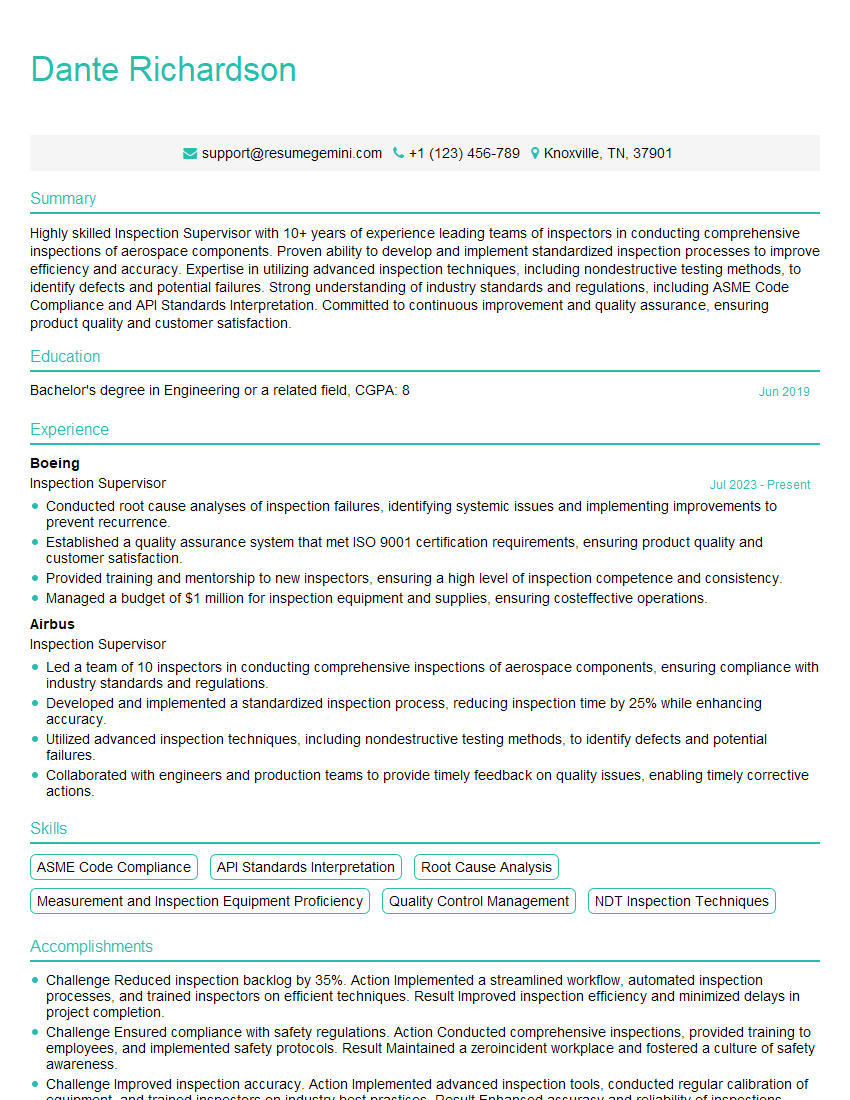
Inspection Supervisor Resume Sample
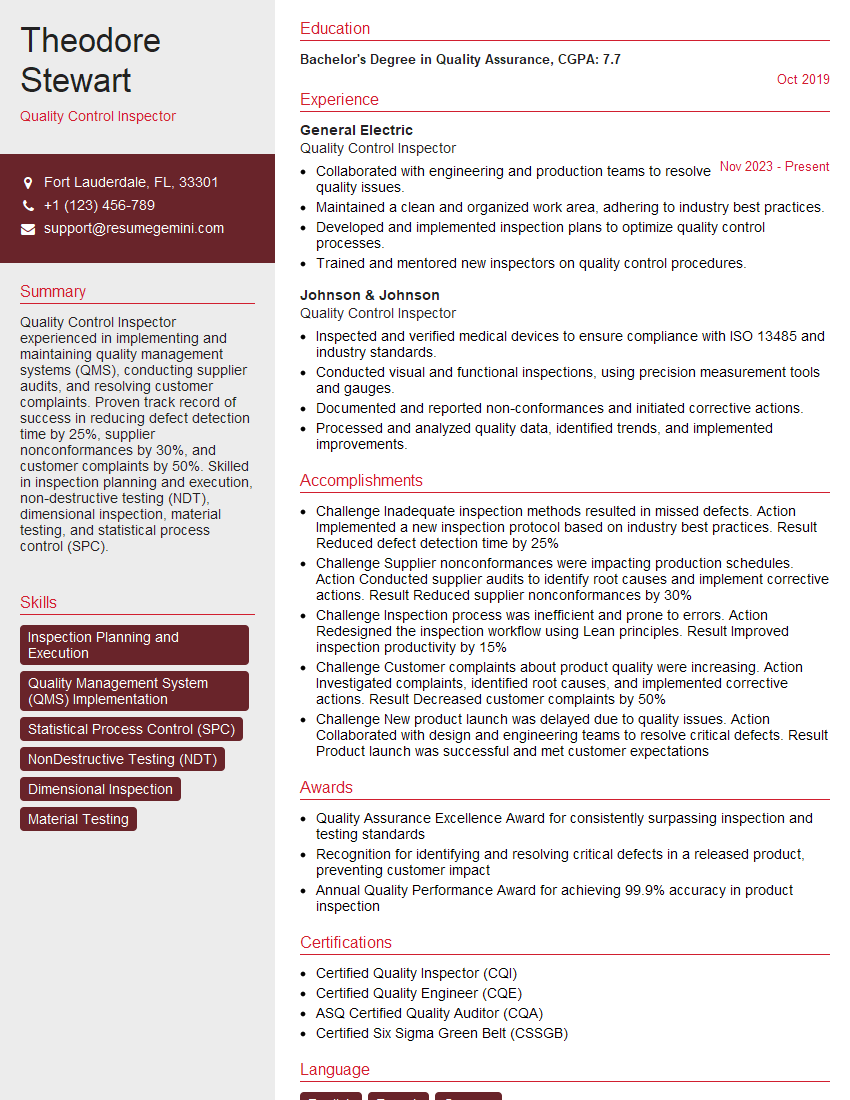
Quality Control Inspector Resume Sample
- Operations Manager
- Asset Manager
- Maintenance Planner
- Maintenance Supervisor
- Regulatory Compliance Specialist
- Reliability Engineer
- Maintenance Technician
- Safety Engineer
- Field Service Technician
- Chief Inspector
- Maintenance Coordinator
- Equipment Mechanic
- Electrical Maintenance Technician
- Industrial Mechanic
- Inspection Supervisor
- Quality Control Inspector
Explore more articles
Users Rating of Our Blogs
Share Your Experience
We value your feedback! Please rate our content and share your thoughts (optional).
What Readers Say About Our Blog
To the interviewgemini.com Webmaster.
Very helpful and content specific questions to help prepare me for my interview!
Thank you
To the interviewgemini.com Webmaster.
This was kind of a unique content I found around the specialized skills. Very helpful questions and good detailed answers.
Very Helpful blog, thank you Interviewgemini team.