Every successful interview starts with knowing what to expect. In this blog, we’ll take you through the top Ductal Stenting interview questions, breaking them down with expert tips to help you deliver impactful answers. Step into your next interview fully prepared and ready to succeed.
Questions Asked in Ductal Stenting Interview
Q 1. Describe the anatomy of the ductus arteriosus.
The ductus arteriosus is a blood vessel present in the fetus connecting the pulmonary artery to the aorta. Think of it as a shortcut, allowing blood to bypass the lungs since the fetus receives oxygen from the mother’s placenta, not its own lungs. Anatomically, it’s a relatively short, muscular tube situated near the heart, specifically between the left pulmonary artery and the descending aorta. Its structure is comprised of three layers: the intima (innermost), media (middle, containing smooth muscle), and adventitia (outermost). The smooth muscle layer is crucial for its ability to constrict and close after birth.
Q 2. What are the indications for ductal stenting?
Indications for ductal stenting primarily involve persistent pulmonary hypertension of the newborn (PPHN) and other conditions resulting in ductal-dependent systemic circulation. In PPHN, the lungs’ blood vessels are constricted, significantly increasing the resistance to blood flow. A patent (open) ductus arteriosus provides a vital pathway for blood to reach the systemic circulation, thus maintaining adequate blood flow to the body. Other indications include congenital heart defects where blood flow relies on the ductus arteriosus for survival. Essentially, when the ductus arteriosus is critical for systemic circulation and spontaneously closes, stenting is considered.
- Persistent Pulmonary Hypertension of the Newborn (PPHN)
- Congenital Heart Defects (CHD) with ductal dependence
- Severe pulmonary stenosis
- Interruption of the aortic arch
Q 3. What are the contraindications for ductal stenting?
Contraindications to ductal stenting are situations where the benefits of the procedure do not outweigh the risks. This includes instances where the ductus arteriosus is significantly diseased, showing extensive calcification or severe narrowing distal to the area of intended stent placement. Also, if the underlying condition causing ductal dependence is not treatable or if the patient’s overall condition is too unstable for the procedure, stenting would be contraindicated. Severe bleeding disorders and uncontrolled infections also pose significant risks.
- Severe disease of the ductus arteriosus (e.g., extensive calcification)
- Untreatable underlying cardiac condition
- Unstable patient condition
- Severe bleeding disorders
- Uncontrolled infections
Q 4. Explain the different types of ductal stents available.
Several types of stents are available for ductal stenting, each with its own characteristics. The choice depends on the size and anatomy of the ductus arteriosus, as well as the patient’s specific needs. Generally, they are categorized by their material and design. Examples include balloon-expandable stents, self-expanding stents, and bioabsorbable stents. Balloon-expandable stents require a balloon catheter to deploy them, while self-expanding stents expand on their own once delivered. Bioabsorbable stents are designed to dissolve over time, eliminating the need for future removal. The material can vary, including nitinol (a nickel-titanium alloy known for its flexibility and strength) or polymers.
Q 5. Describe the procedure for placing a ductal stent.
The procedure involves a cardiac catheterization, a minimally invasive approach. A small incision is made, usually in the groin or neck, to allow access to the blood vessels. A catheter (a thin, flexible tube) is then advanced through the blood vessels, guided by fluoroscopy (real-time X-ray imaging), to reach the ductus arteriosus. Once in position, the chosen stent is deployed, either by inflation of a balloon (balloon-expandable stent) or by its inherent self-expanding properties. After successful deployment, the catheter is removed, and the insertion site is carefully closed. Close monitoring of the patient’s vital signs is crucial during and after the procedure. Post-procedure, patients are observed for any complications.
Q 6. What are the potential complications of ductal stenting?
Potential complications of ductal stenting are similar to those associated with cardiac catheterization, though they can be more severe given the location. These include bleeding at the insertion site, infection, stent thrombosis (formation of a blood clot within the stent), stent migration (movement of the stent from its intended location), and damage to surrounding blood vessels. In rare cases, there is the possibility of vascular dissection (tear in the blood vessel wall). The risk of complications depends on various factors, including the patient’s overall health, the type of stent used, and the operator’s experience. Careful monitoring is paramount to detect and manage any complications promptly.
Q 7. How is the success of a ductal stenting procedure assessed?
Success is assessed through a combination of immediate post-procedure evaluation and long-term follow-up. Immediately after the procedure, fluoroscopy is used to confirm the stent’s position and patency (openness). Echocardiography (ultrasound of the heart) is often performed to assess blood flow through the ductus arteriosus and the impact on overall cardiac function. Long-term follow-up involves regular echocardiograms to monitor for stent-related complications, such as thrombosis or migration. Clinical improvement, such as reduced pulmonary hypertension and improved oxygen saturation, also indicates procedural success. The ultimate goal is to maintain adequate blood flow to the systemic circulation and improve the patient’s overall health and well-being.
Q 8. What are the post-procedural care instructions for a patient who has undergone ductal stenting?
Post-procedural care after ductal stenting focuses on preventing complications and ensuring the stent remains in place. This typically involves monitoring for signs of bleeding, infection, or stent-related issues. Patients are usually kept under observation for several hours following the procedure.
- Pain Management: Mild pain is common; analgesics are prescribed as needed.
- Regular Monitoring: Vital signs (heart rate, blood pressure, oxygen saturation) are closely monitored.
- Infection Prevention: Antibiotics are sometimes prescribed prophylactically, particularly in high-risk patients. Careful attention to wound care is crucial.
- Follow-up Appointments: Regular follow-up appointments with the cardiologist or interventionalist are vital to monitor stent patency and detect any complications early on. Imaging studies, such as echocardiograms or angiography, may be performed.
- Lifestyle Adjustments: In some cases, patients may need to temporarily adjust their activity levels and dietary habits, as directed by their healthcare provider.
For instance, a patient might be advised to avoid strenuous activity for a few weeks post-procedure to minimize the risk of stent displacement or bleeding. Regular blood tests can also help assess the overall health and healing process.
Q 9. How do you manage complications such as stent migration or thrombosis?
Managing complications like stent migration or thrombosis requires prompt intervention. Stent migration, where the stent moves from its original position, is usually managed through immediate re-intervention using imaging guidance to reposition or replace the stent. Thrombosis, or blood clot formation within the stent, necessitates rapid treatment to restore blood flow.
- Stent Migration: If the stent migrates significantly, another procedure to reposition or replace the stent is necessary. This often involves another cardiac catheterization procedure.
- Thrombosis: Treatment for thrombosis involves administering thrombolytic agents (clot-busting drugs) or anticoagulants (blood thinners) to break down the clot and prevent further clotting. In severe cases, surgical intervention may be required.
Imagine a scenario where a patient experiences sudden chest pain after a ductal stent placement. This could indicate stent thrombosis. Immediate medical attention is crucial, involving diagnostics like an angiogram to confirm the diagnosis and swift administration of clot-busting medication or urgent surgical intervention. Early detection and treatment are paramount to a positive outcome.
Q 10. What are the long-term implications of ductal stenting?
Long-term implications of ductal stenting vary depending on factors such as the underlying condition, stent type, and patient’s overall health. Potential long-term issues include restenosis (narrowing of the ductus arteriosus again), stent fracture, or late thrombosis.
- Restenosis: The ductus arteriosus may gradually narrow over time due to cell growth and scar tissue formation around the stent. Regular follow-up appointments and imaging are needed to monitor for this.
- Stent Fracture: Though rare, stent fracture can occur due to repetitive vessel movements or material degradation over time.
- Late Thrombosis: Clot formation can occur long after the initial procedure, particularly in patients with risk factors like underlying clotting disorders. This may require anticoagulation therapy.
Long-term management typically involves regular follow-up imaging studies to assess the patency of the stent and the overall cardiovascular health of the patient. Lifestyle modifications like dietary changes and exercise can also play a role in long-term outcomes. For example, regular echocardiograms might be recommended to check for any evidence of restenosis years after the initial procedure.
Q 11. What imaging modalities are used to guide ductal stenting?
Ductal stenting is a minimally invasive procedure guided by advanced imaging techniques to ensure precise stent placement. The most commonly used imaging modalities include fluoroscopy and echocardiography.
- Fluoroscopy: This real-time X-ray imaging technique provides continuous visualization of the catheter and stent as they navigate through the blood vessels, guiding the precise placement of the stent within the ductus arteriosus.
- Echocardiography: Echocardiography (ultrasound of the heart) helps assess the size and structure of the ductus arteriosus, as well as the effectiveness of the stenting procedure. It offers a non-invasive way to visualize blood flow and assess overall cardiac function.
In certain cases, other imaging modalities such as computed tomography (CT) angiography or magnetic resonance imaging (MRI) might be used to obtain a more detailed anatomical assessment before or after the procedure.
Q 12. Describe the selection criteria for different types of ductal stents.
Selection criteria for different types of ductal stents involve several considerations, including the patient’s age, underlying cardiac condition, and the size and anatomy of the ductus arteriosus. Stent material, design, and deliverability are also important factors.
- Patient Age and Condition: A newborn with critical PDA might require a different stent than an older child or adult with a less severe condition.
- Ductus Arteriosus Anatomy: The size, shape, and location of the ductus arteriosus influence stent selection; a larger, tortuous ductus might necessitate a more flexible or longer stent.
- Stent Material: The material of the stent impacts its flexibility, biocompatibility, and long-term durability. Different materials (e.g., nitinol, stainless steel) offer varying properties.
- Stent Design: Stent design features (e.g., self-expanding vs. balloon-expandable) affect its placement and adaptability to the ductus arteriosus anatomy.
For example, a smaller, self-expanding stent made of nitinol might be preferred for a neonate due to its flexibility and ease of delivery in smaller vessels. Whereas a balloon-expandable stent made of a different material might be more suitable for an adult patient with a larger ductus arteriosus.
Q 13. How do you choose the appropriate stent size and length?
Choosing the appropriate stent size and length is crucial for successful ductal stenting. Inadequate sizing can lead to stent migration, restenosis, or incomplete coverage of the ductus arteriosus. Oversizing might cause vessel damage or injury.
- Pre-procedural Imaging: Accurate measurements of the ductus arteriosus are obtained through pre-procedural imaging techniques like echocardiography or angiography. This provides crucial information for stent sizing.
- Stent-to-Vessel Ratio: The stent’s diameter should be carefully chosen based on the diameter of the ductus arteriosus to achieve optimal apposition against the vessel walls. The length of the stent should adequately cover the entire length of the ductus arteriosus to prevent re-narrowing.
- Trial and Error: Sometimes, during the procedure, minor adjustments in stent size or length may be needed, based on real-time fluoroscopic visualization.
Imagine trying to fit a pipe into a larger pipe. A stent that is too small will not cover the entire area and will not be effective. A stent that is too large might damage the vessel and cause problems. Careful pre-procedural planning and meticulous execution during the procedure are key for accurate stent sizing.
Q 14. What are the advantages and disadvantages of different stent materials?
Various stent materials are used in ductal stenting, each with advantages and disadvantages. Common materials include nitinol and stainless steel.
- Nitinol: Nitinol is a shape-memory alloy known for its flexibility, which allows it to conform to the vessel’s anatomy effectively. It also has good biocompatibility and is less prone to fracture compared to stainless steel. However, it may be more expensive than stainless steel.
- Stainless Steel: Stainless steel stents offer good radial strength and durability. They are generally less expensive but less flexible and more prone to fracture than nitinol stents.
The choice of material often involves a trade-off between cost, flexibility, and durability. For instance, in a younger patient where flexibility is paramount and fracture risk is a concern, nitinol might be preferred despite the higher cost. In cases where cost is a major consideration and flexibility is less crucial, stainless steel might be a suitable alternative.
Q 15. How do you prevent complications related to radiation exposure during the procedure?
Minimizing radiation exposure during ductal stenting is paramount for both patient and operator safety. We achieve this through several key strategies. Firstly, we employ the ALARA principle – As Low As Reasonably Achievable. This means meticulously planning the procedure, using the lowest radiation dose necessary to achieve a successful outcome. This involves optimizing imaging techniques, like using fluoroscopy only when absolutely needed and minimizing the duration of fluoroscopy exposure. We also use image intensifiers with low dose capabilities and adjust the beam filtration to reduce scatter radiation. Secondly, we utilize radiation shielding techniques, such as lead aprons and thyroid shields, for both the medical team and the patient, wherever possible. Finally, we meticulously document the total radiation dose received by the patient and the team, enabling ongoing monitoring and improvement of our radiation safety protocols. For instance, if we anticipate a complex case requiring extensive fluoroscopy, we might pre-plan the use of cone-beam CT scans which offer lower overall dose for anatomical visualization. We frequently review our radiation safety practices and aim for continuous improvement through internal audits and participation in professional radiation safety training programs.
Career Expert Tips:
- Ace those interviews! Prepare effectively by reviewing the Top 50 Most Common Interview Questions on ResumeGemini.
- Navigate your job search with confidence! Explore a wide range of Career Tips on ResumeGemini. Learn about common challenges and recommendations to overcome them.
- Craft the perfect resume! Master the Art of Resume Writing with ResumeGemini’s guide. Showcase your unique qualifications and achievements effectively.
- Don’t miss out on holiday savings! Build your dream resume with ResumeGemini’s ATS optimized templates.
Q 16. What are the ethical considerations involved in ductal stenting?
Ethical considerations in ductal stenting are multifaceted. Informed consent is paramount. Patients must fully understand the procedure, its benefits, risks (including bleeding, perforation, stent migration, and infection), and alternative treatments. This requires clear, empathetic communication tailored to the patient’s level of understanding, possibly involving family members. We also consider the patient’s autonomy; their right to refuse the procedure even if it’s deemed medically beneficial. Beneficence and non-maleficence dictate that we strive to maximize benefits while minimizing harm. This involves selecting the most appropriate stent type and size based on the patient’s anatomy and condition. Justice ensures equitable access to this potentially life-saving procedure, regardless of the patient’s socioeconomic background. Finally, maintaining confidentiality of the patient’s medical information is crucial.
A challenging ethical scenario might involve a patient with limited life expectancy who requires ductal stenting. Weighing the potential risks of the procedure against the patient’s quality of life and remaining time requires careful deliberation and discussion with the patient and family.
Q 17. How do you communicate with patients and their families about the procedure and its risks?
Effective communication is crucial. We begin by explaining the condition in simple terms, using analogies and visual aids if necessary. For instance, explaining a blocked bile duct like a clogged drain. We then outline the procedure’s purpose – to restore bile flow – and its steps, explaining how a stent acts like a scaffold to keep the duct open. We carefully discuss potential benefits (e.g., improved liver function, reduced jaundice) and risks (e.g., bleeding, infection, stent migration), using clear language and avoiding technical jargon. We answer all questions patiently and honestly, encouraging patients and their families to participate actively in the decision-making process. We provide written materials summarizing the key information to allow them time to process it, offering opportunities to ask further questions later. Follow-up communication is equally important, ensuring that patients understand post-procedure care and can reach us with any concerns.
Q 18. Discuss the role of anticoagulation and antiplatelet therapy in ductal stenting.
Anticoagulation and antiplatelet therapy play a vital role in preventing complications after ductal stenting. The goal is to balance the need to prevent thrombosis (blood clot formation) within the stent, which can lead to blockage, against the risk of bleeding. The specific regimen is tailored to the individual patient’s risk factors, considering their overall health, other medications they take, and the type of stent used. Typically, patients receive antiplatelet agents such as aspirin and clopidogrel for a period after the procedure to prevent clot formation on the stent. Anticoagulation with drugs like heparin or warfarin might be considered in high-risk patients, but carries an increased bleeding risk. The decision of which and how long to use these medications is made on a case-by-case basis, often involving a multidisciplinary approach with input from hematology and cardiology experts, along with thorough assessment of the individual’s risk.
Q 19. What are the common challenges encountered during ductal stenting?
Challenges in ductal stenting can arise from various sources. Anatomical variations in the biliary tree can make stent placement difficult or impossible. For example, severe strictures or tortuous ducts may hinder stent navigation. Bleeding can occur during the procedure, especially in patients with underlying liver disease or coagulopathy. Stent migration or malpositioning can necessitate additional interventions. Stent occlusion, where the stent becomes blocked by debris or tissue, is another significant challenge. Finally, technical difficulties during the procedure itself, such as perforation of the bile duct, are serious complications requiring immediate attention and skillful management.
Q 20. How do you manage procedural emergencies such as bleeding or perforation?
Managing procedural emergencies requires immediate action and a calm, organized approach. If bleeding occurs, we immediately apply pressure and assess the severity. In case of significant hemorrhage, we may need to employ embolization techniques or surgical intervention to control the bleeding. If a perforation is suspected, we’ll carefully assess the extent of the injury using imaging. Treatment options may include placement of a covered stent, surgical repair, or conservative management with close monitoring depending on the severity. In either case, prompt communication with surgical colleagues is crucial. For all emergencies, we immediately notify the appropriate medical team, activate the hospital’s emergency response system if necessary, and ensure the patient is closely monitored in an intensive care unit (ICU) environment post-procedure.
Q 21. Compare and contrast ductal stenting with other treatment options.
Ductal stenting is one of several treatment options for biliary obstruction. Compared to surgical intervention (e.g., biliary bypass surgery), stenting is generally less invasive, requiring smaller incisions or even a percutaneous approach. Recovery time is shorter. However, surgery offers a more definitive solution and may be necessary for complex cases or when stenting fails. Endoscopic retrograde cholangiopancreatography (ERCP) with sphincterotomy is another alternative, allowing for stone removal and sometimes direct access to the ductal system. It’s less invasive than surgery but can carry its own complications. The choice depends on many factors – the cause of the blockage, the patient’s overall health, and the technical feasibility of each procedure. Sometimes a combination of approaches, such as ERCP followed by stenting, may be the best treatment plan.
Q 22. What are the latest advancements in ductal stenting technology?
Recent advancements in ductal stenting technology focus on improving stent design, delivery systems, and imaging techniques. We’re seeing a shift towards biocompatible materials that minimize inflammation and thrombosis, leading to better long-term outcomes. For example, the development of self-expanding stents with improved radial strength allows for better apposition to the ductal wall, reducing the risk of restenosis. Another significant advance is the use of drug-eluting stents (DES) which release medication to further inhibit restenosis. These DES are designed to minimize the risk of complications like hyperplasia and neointimal formation. Furthermore, advancements in imaging, such as 3D rotational angiography and intravascular ultrasound (IVUS), provide much clearer visualization of the ductal anatomy and stent placement, allowing for more precise interventions.
The incorporation of robotics and AI into stent placement procedures is also an emerging field. Robotic systems can improve precision and potentially reduce procedure times, leading to better patient outcomes and faster recovery. Ultimately, these advancements aim to improve the long-term patency rates and reduce the need for repeat interventions.
Q 23. Explain the role of pre-procedural planning in the success of ductal stenting.
Pre-procedural planning is crucial for successful ductal stenting. It’s like meticulously planning a building project before breaking ground – failure to do so can lead to costly rework and potentially disastrous outcomes. This stage involves a thorough evaluation of the patient’s medical history, including any underlying conditions that could complicate the procedure. We would review imaging studies, like CT scans and MRIs, to create a detailed 3D map of the ductal anatomy, noting any tortuosity, stenosis, or calcifications. This allows us to select the appropriate stent size and type, and to anticipate any potential challenges during the procedure. We’d also determine the optimal access route and plan the strategy for stent deployment. Careful pre-procedural planning significantly reduces complications, shortens procedure time, and improves overall patient outcomes.
For instance, in a patient with severe ductal tortuosity, careful planning would involve selecting a stent with excellent trackability and flexibility, and potentially utilizing specialized delivery systems to navigate the challenging anatomy. This prevents complications like stent fracture or malposition.
Q 24. Describe your experience with different types of stent deployment systems.
My experience encompasses a wide range of stent deployment systems, from balloon-expandable stents to self-expanding stents, each with its own advantages and disadvantages. Balloon-expandable stents require precise balloon inflation to achieve adequate stent expansion, which can be challenging in complex anatomy. Self-expanding stents, on the other hand, expand passively once deployed, simplifying the procedure and potentially reducing the risk of complications. I’ve also worked with various delivery systems, including those with hydrophilic coatings to improve trackability and reduce friction during deployment. The choice of stent and deployment system is highly individualized and tailored to the specific patient’s anatomy and clinical presentation. For example, in a patient with a long, tortuous duct, a self-expanding stent with a hydrophilic-coated delivery catheter is often preferred for its ease of navigation and deployment. In contrast, a short, straight stenosis might be effectively managed with a balloon-expandable stent, enabling more precise control of deployment.
Q 25. Discuss the importance of post-procedural follow-up care.
Post-procedural follow-up care is essential for ensuring the long-term success of ductal stenting. It’s like maintaining a newly constructed building – regular inspections and maintenance are critical for its longevity. Post-procedural care begins immediately after the procedure, with close monitoring of vital signs and assessment for any signs of complications, such as bleeding, infection, or stent thrombosis. We’ll schedule follow-up imaging studies, typically an angiogram at a specific time interval, to assess stent patency and assess for any restenosis. We provide patients with clear instructions on medication management, including anticoagulants to prevent thrombosis. Regular clinical follow-ups allow us to monitor the patient’s progress, address any concerns, and make any necessary adjustments to their treatment plan. For instance, if restenosis is detected, we might consider a repeat intervention, potentially with drug-eluting stents or other advanced techniques.
Q 26. How do you interpret post-procedural imaging studies?
Interpreting post-procedural imaging studies involves careful assessment of stent position, apposition to the ductal wall, and the presence or absence of any residual stenosis or complications. We look for signs of stent malposition, fractures, or significant residual stenosis, which might indicate the need for further intervention. We also look for signs of thrombosis, which would present as filling defects within the stent or narrowing of the lumen. The use of IVUS can further provide detailed information about the stent’s interaction with the vessel wall and help identify any areas of inadequate apposition or intimal hyperplasia. Imaging findings are always correlated with clinical symptoms and other laboratory data to arrive at a comprehensive diagnosis and management plan. For example, a post-procedural angiogram showing residual stenosis despite successful stent deployment might necessitate a further intervention, such as balloon angioplasty or stent deployment.
Q 27. Describe your experience with managing patients with complex anatomy.
Managing patients with complex anatomy, such as severe tortuosity or calcification, requires specialized skills and techniques. We employ a multi-pronged approach. First, meticulous pre-procedural planning is crucial, utilizing advanced imaging techniques to develop a tailored strategy. Second, we often select specific stent types and delivery systems designed to address these challenges. For example, a self-expanding stent with excellent trackability and radial strength might be preferred for a severely tortuous duct. Third, we may use specialized techniques such as rotational angiography or IVUS guidance during the procedure to navigate the complex anatomy accurately. In cases of severe calcification, we might consider pre-dilation using specialized balloons to facilitate stent deployment. Finally, even in complex cases, careful post-procedural follow-up is paramount to detect and address any complications promptly.
For example, in a patient with severe calcification, a strategy might involve careful pre-dilation, followed by the deployment of a drug-eluting stent to prevent restenosis and improve long-term outcomes. Post-procedure IVUS confirms appropriate stent expansion and apposition despite the pre-existing calcification. Throughout this process, close collaboration with the cardiology team is essential to ensure optimal patient management.
Q 28. Explain the role of collaboration with other healthcare professionals in the management of ductal stenting.
Collaboration with other healthcare professionals is crucial for optimal patient management in ductal stenting. This is a team effort, not a solo performance! This includes close collaboration with cardiologists, radiologists, nurses, and other specialists. Cardiologists provide essential input on the patient’s overall cardiovascular health and medication management. Radiologists play a pivotal role in the interpretation of imaging studies, guidance during the procedure, and post-procedural monitoring. Nurses are instrumental in providing pre- and post-procedure care, patient education, and monitoring for complications. In complex cases, collaboration with specialists such as vascular surgeons might be needed. Open communication and shared decision-making among all members of the healthcare team ensures comprehensive and individualized care for each patient, maximizing the likelihood of success and minimizing potential complications.
Key Topics to Learn for Ductal Stenting Interview
- Anatomy and Physiology: Thorough understanding of the ductus arteriosus, its normal function, and its implications in various congenital heart defects.
- Indications for Ductal Stenting: Mastering the criteria for selecting patients suitable for ductal stenting, considering age, weight, and underlying cardiac conditions.
- Procedure Techniques: Familiarize yourself with the different approaches to ductal stenting, including transcatheter techniques and the associated instrumentation.
- Pre- and Post-Procedural Care: Understand the critical aspects of patient management before, during, and after the procedure, including medication management and potential complications.
- Imaging Interpretation: Develop the ability to interpret echocardiograms, angiograms, and other imaging modalities used to assess ductal patency and stent placement.
- Complications and Management: Be prepared to discuss potential complications such as stent migration, thrombosis, or infection, and their appropriate management strategies.
- Long-Term Follow-up: Understand the importance of long-term monitoring and follow-up care for patients who have undergone ductal stenting.
- Ethical Considerations: Be prepared to discuss the ethical implications of this procedure, including informed consent and risk-benefit analysis.
- Emerging Technologies and Trends: Stay updated on the latest advancements in ductal stenting techniques and materials.
- Problem-Solving Scenarios: Practice analyzing hypothetical case studies involving complications or unexpected findings during the procedure.
Next Steps
Mastering the complexities of Ductal Stenting will significantly enhance your career prospects in interventional cardiology and related fields. A strong understanding of this procedure demonstrates advanced clinical knowledge and problem-solving skills highly valued by employers. To increase your chances of landing your dream job, focus on crafting a compelling and ATS-friendly resume that highlights your expertise. ResumeGemini is a trusted resource that can help you build a professional and effective resume. We provide examples of resumes tailored to the specifics of Ductal Stenting to give you a head start. Invest the time in perfecting your resume – it’s your first impression on potential employers.
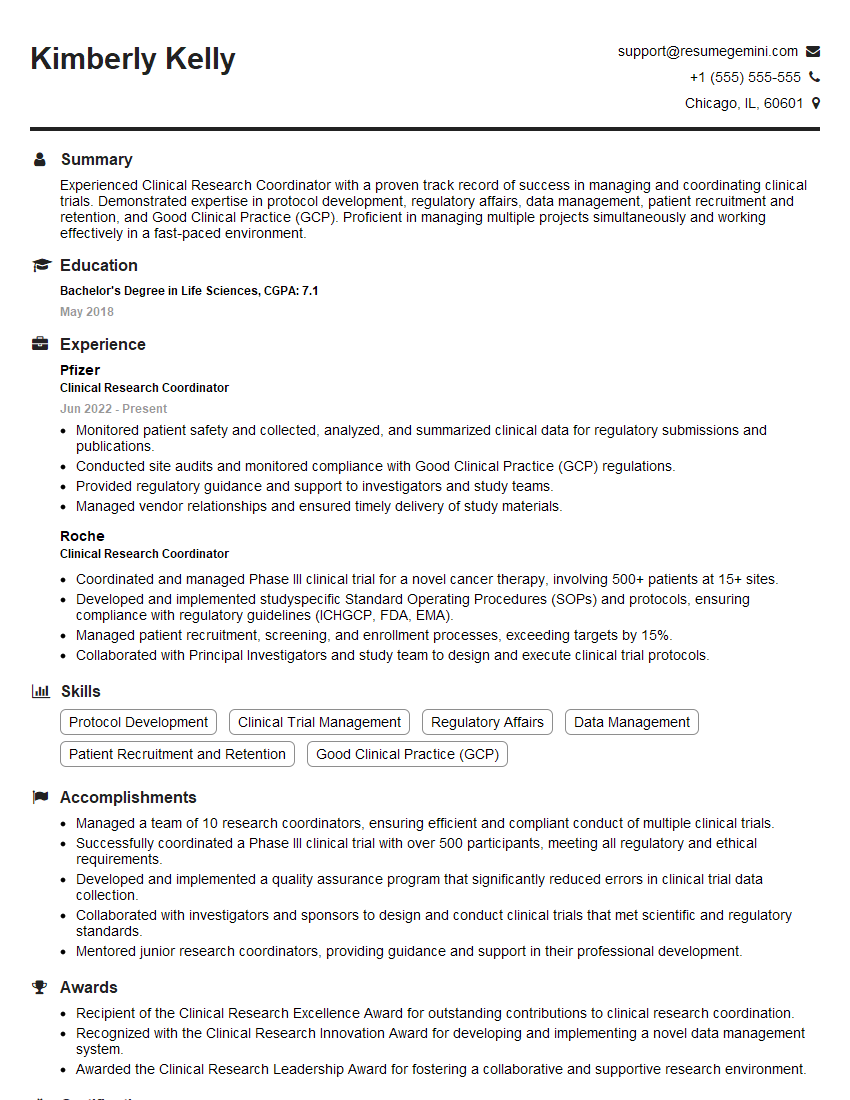
Clinical Research Coordinator Resume Sample

Clinical Trials Manager Resume Sample
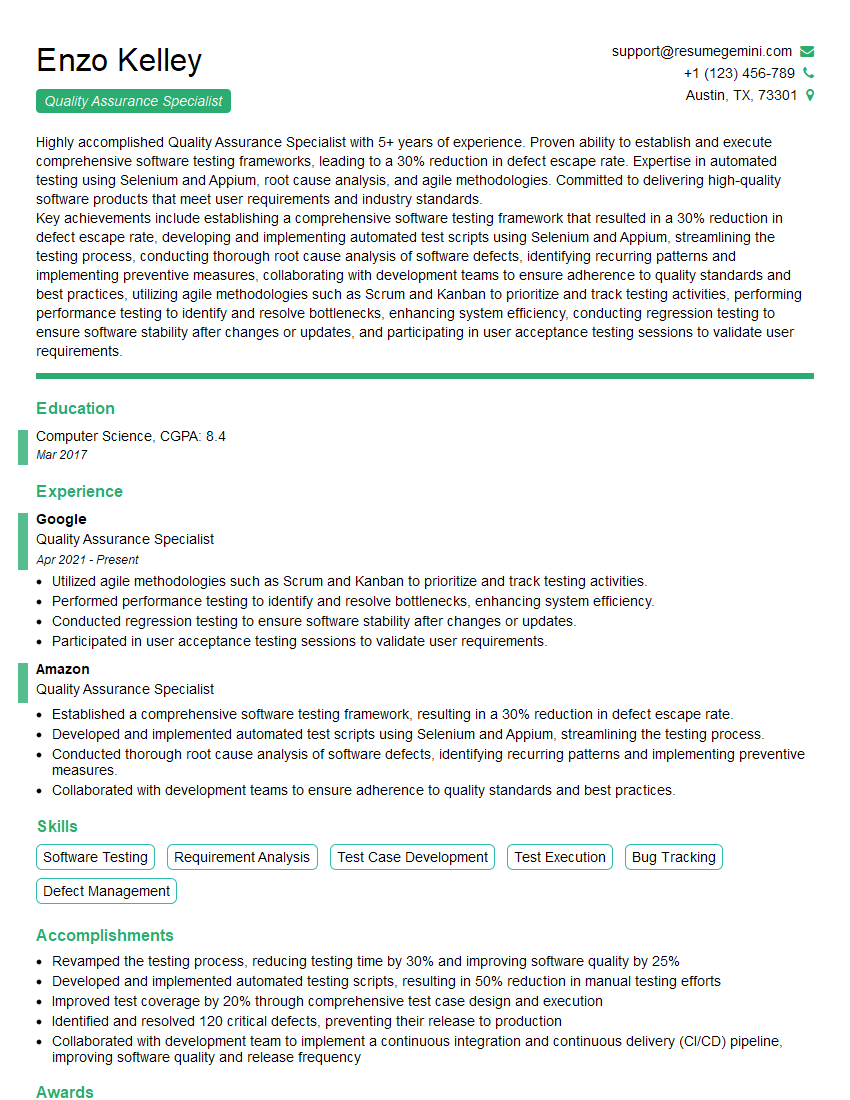
Quality Assurance Specialist Resume Sample
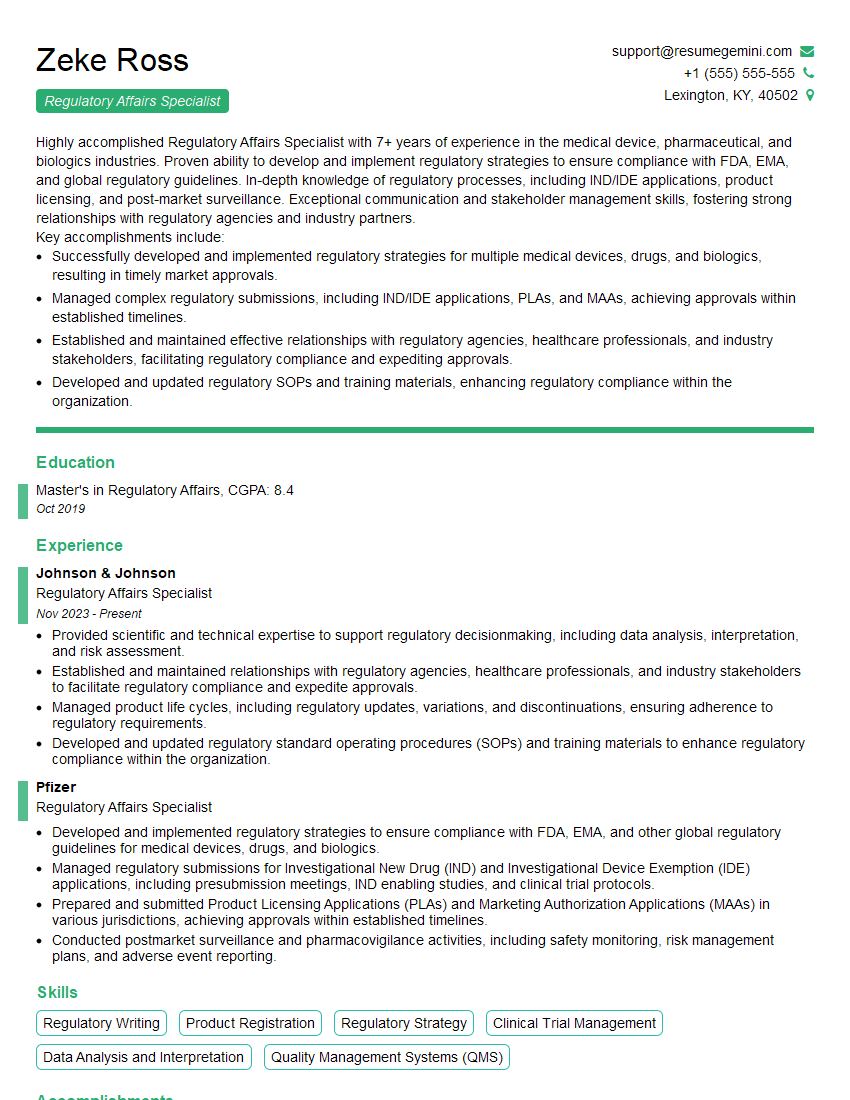
Regulatory Affairs Specialist Resume Sample
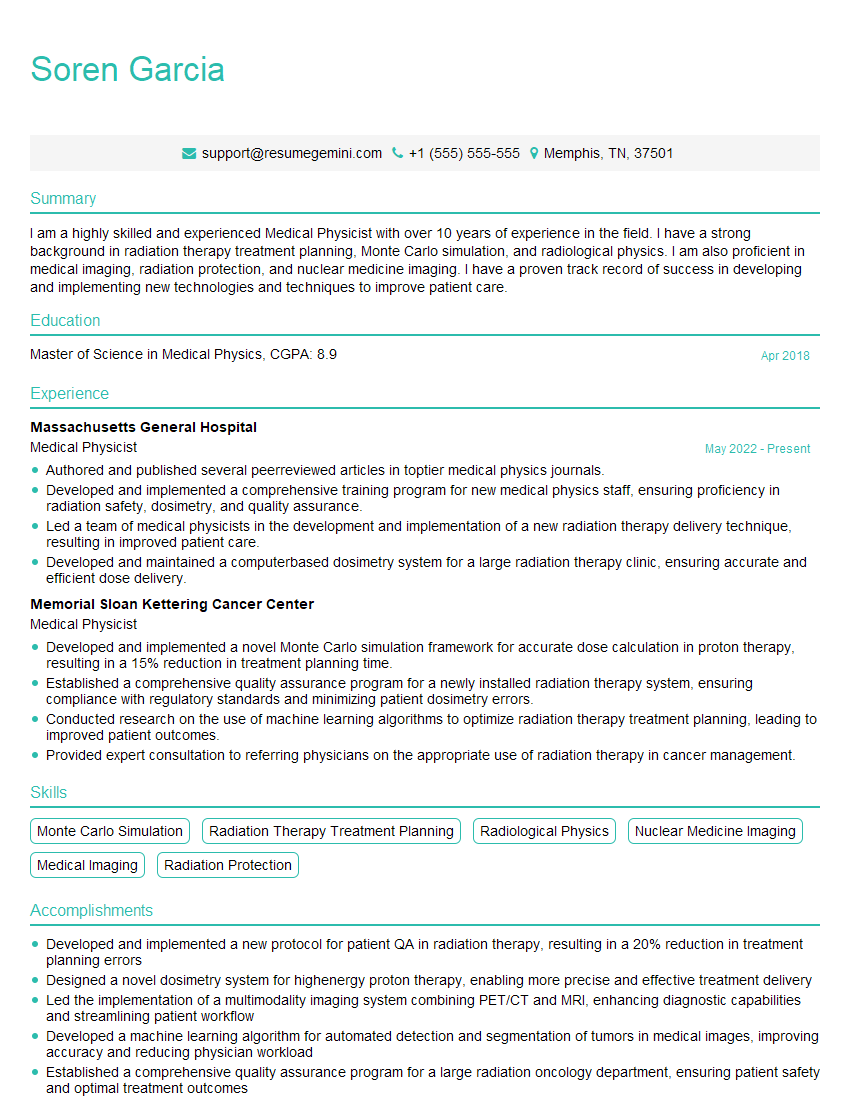
Medical Physicist Resume Sample
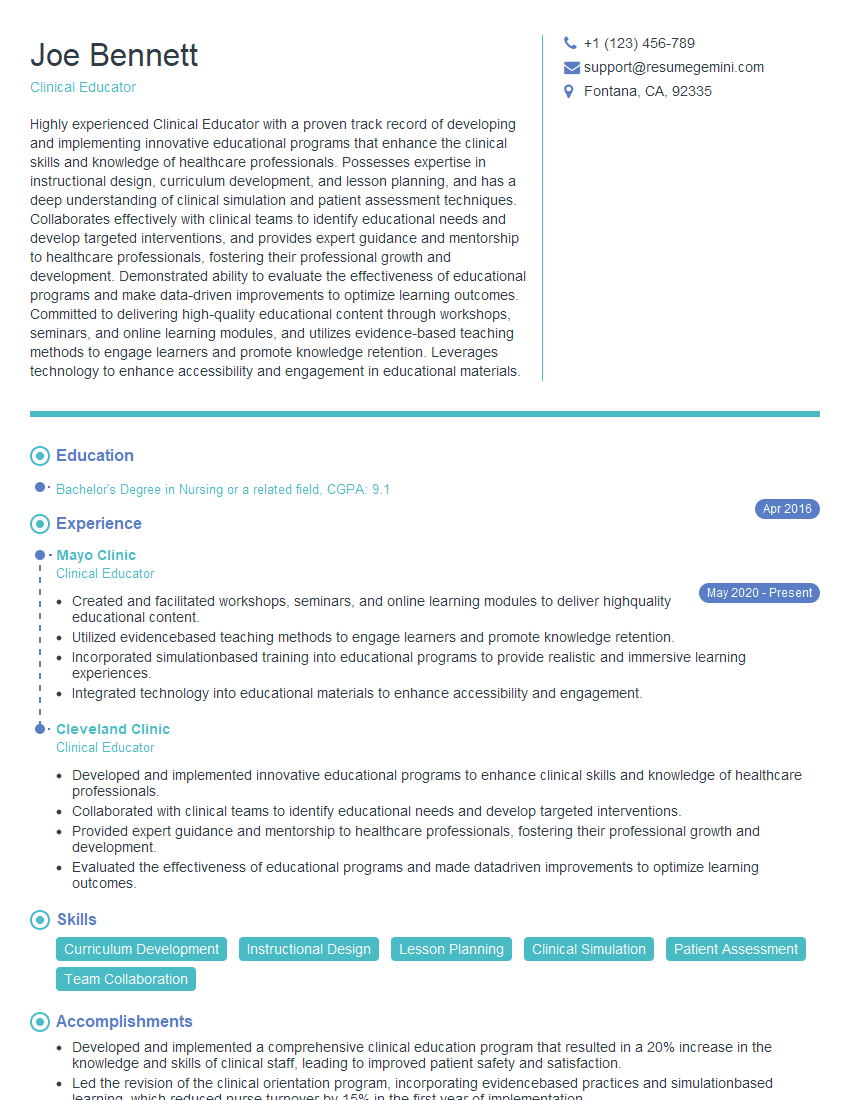
Clinical Educator Resume Sample

Physician Assistant Resume Sample
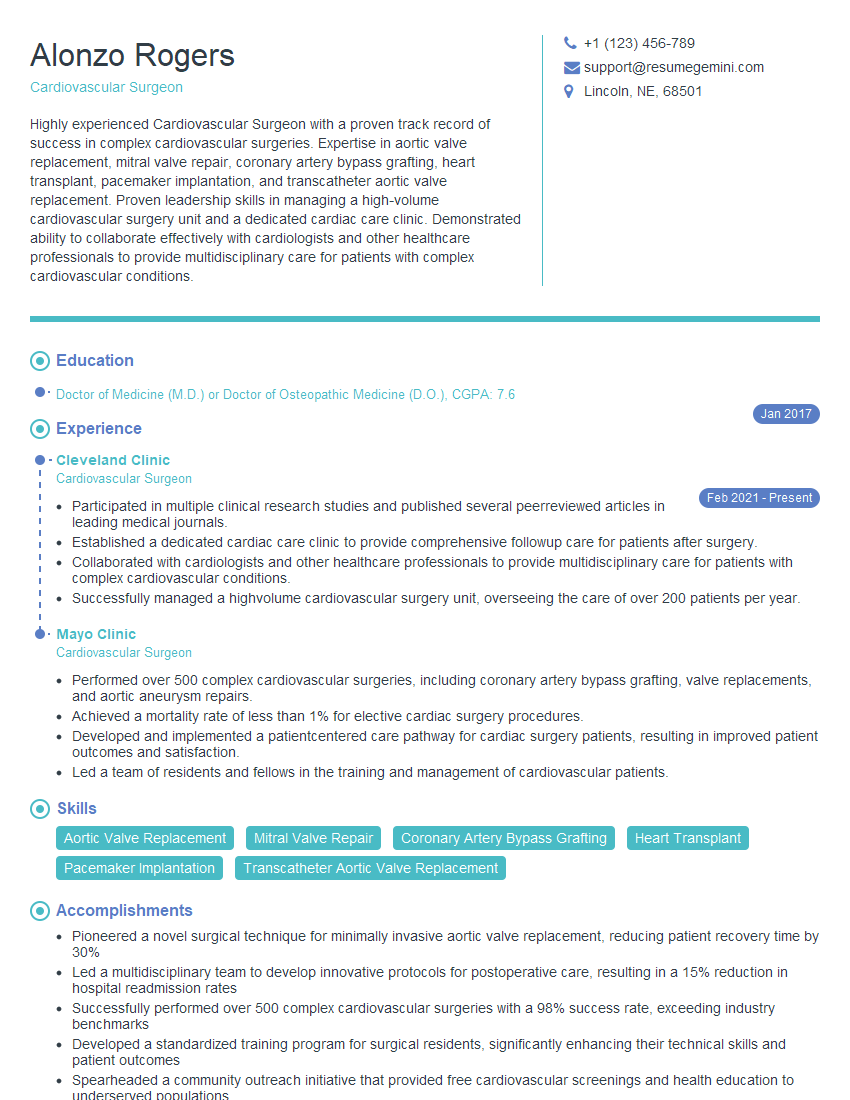
Cardiovascular Surgeon Resume Sample
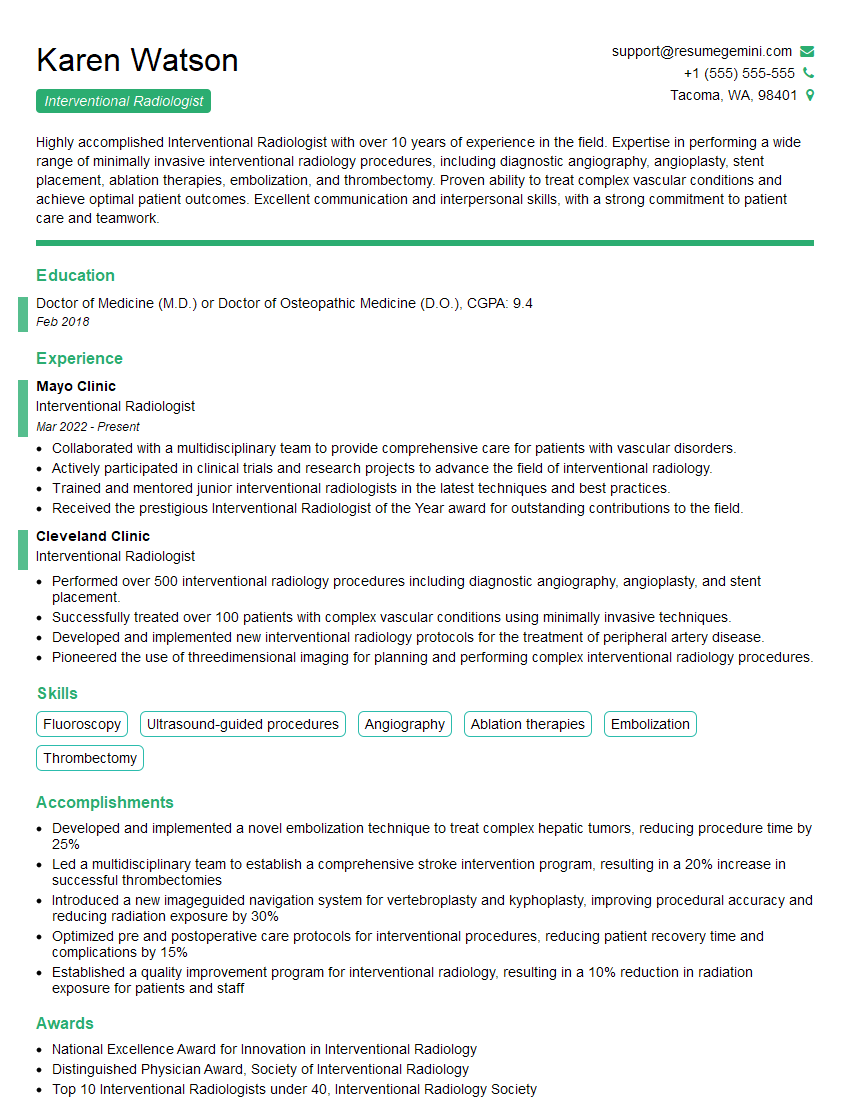
Interventional Radiologist Resume Sample
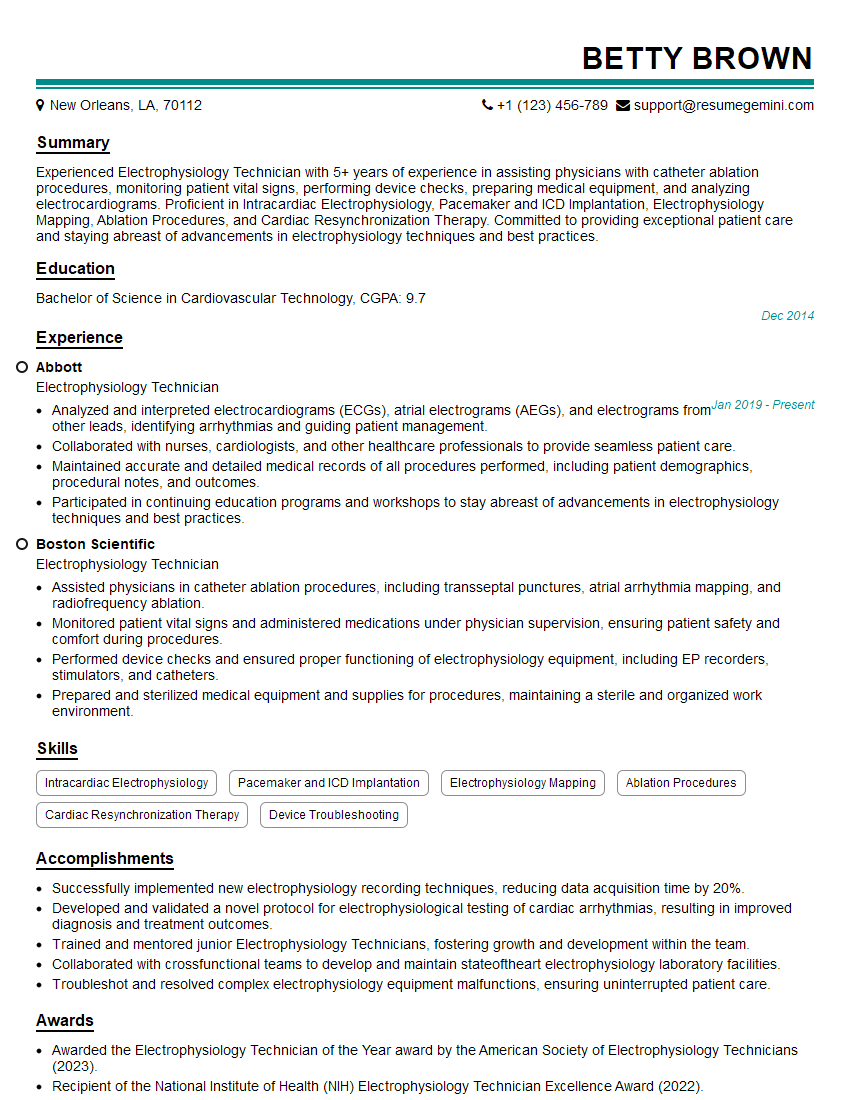
Electrophysiology Technician Resume Sample
Registered Nurse (RN) Resume Sample
Scrub Nurse Resume Sample
Explore more articles
Users Rating of Our Blogs
Share Your Experience
We value your feedback! Please rate our content and share your thoughts (optional).
What Readers Say About Our Blog
To the interviewgemini.com Webmaster.
Very helpful and content specific questions to help prepare me for my interview!
Thank you
To the interviewgemini.com Webmaster.
This was kind of a unique content I found around the specialized skills. Very helpful questions and good detailed answers.
Very Helpful blog, thank you Interviewgemini team.