Preparation is the key to success in any interview. In this post, we’ll explore crucial Impella Insertion interview questions and equip you with strategies to craft impactful answers. Whether you’re a beginner or a pro, these tips will elevate your preparation.
Questions Asked in Impella Insertion Interview
Q 1. Describe the different Impella devices and their indications.
Impella devices are a family of centrifugal pumps used for temporary mechanical circulatory support. Different models cater to varying levels of cardiac support needed. Here are some key examples and their indications:
- Impella 2.5 and CP: These smaller pumps provide support for patients undergoing high-risk PCI (percutaneous coronary intervention) or those with cardiogenic shock requiring less robust support. Think of them as providing a gentle assist to the heart.
- Impella 5.0: This is a larger pump used for more significant support in patients with cardiogenic shock or those requiring support during more complex procedures. It can handle a greater volume of blood flow compared to the 2.5 and CP models. Imagine this as a more powerful assist.
- Impella CP with SmartAssist: This model includes advanced features that help manage the pump’s performance and provide real-time data. It’s a significant step towards personalized support.
- Impella RP (Retrograde): This pump is inserted through the femoral vein and provides support by drawing blood from the right atrium and pumping it to the aorta. It’s often used in bridge-to-transplant scenarios or for patients who are not suitable for left ventricular support.
- Impella 5.5 and 7.0: The larger models provide advanced cardiac support for patients with severe heart failure who require significant augmentation of cardiac output. These models are often deployed for longer periods of support.
The specific indication depends on the patient’s clinical presentation, hemodynamic parameters, and the type of procedure being performed. The decision to use a particular Impella model is made by the heart team considering the patient’s overall status.
Q 2. Explain the steps involved in Impella insertion.
Impella insertion is a complex procedure requiring a skilled cardiovascular team. The steps generally involve:
- Femoral artery access: A sheath is introduced into the femoral artery, usually under ultrasound guidance.
- Placement of a delivery catheter: A specialized catheter is advanced over a guidewire into the left ventricle through the aorta. This is a crucial step, requiring meticulous attention to avoid damage to cardiac structures.
- Deployment of the Impella pump: The Impella pump is advanced into the left ventricle and carefully positioned to ensure proper blood flow and avoid obstructing the mitral valve. The exact positioning can vary based on the model used and the individual anatomy.
- Deployment confirmation and flow adjustment: The pump’s performance is evaluated through hemodynamic parameters (blood pressure, cardiac output). Adjustments are made as needed to ensure optimal support.
- Closure of the femoral artery access: Once the pump is successfully deployed, the access site is closed using various techniques like manual compression, suture closure, or closure devices to minimize bleeding and hematoma formation.
Throughout this process, continuous hemodynamic monitoring is essential to ensure the patient’s stability.
Q 3. What are the pre-insertion checks and preparations?
Pre-insertion checks and preparations are critical for a successful and safe procedure. This includes:
- Patient assessment: A thorough evaluation of the patient’s overall health, including coagulation studies (PT/INR, PTT), renal function, and other relevant parameters.
- Imaging studies: Transthoracic echocardiography (TTE) and possibly coronary angiography are necessary to visualize the heart’s anatomy and identify potential obstacles during pump placement.
- Equipment check: Confirmation that all necessary equipment (Impella system, catheters, wires, closure devices) is functioning correctly and readily available. A ‘time-out’ check by the entire team ensures everyone is on the same page and equipment is ready.
- Antiplatelet and anticoagulation regimens: Patient’s current medication are adjusted according to clinical protocol, often requiring careful management around bleeding risk.
- Informed consent: The patient or their legal guardian must fully understand the procedure, its benefits, risks, and potential complications.
Thorough preparation significantly reduces the risk of complications during the procedure.
Q 4. How do you assess the patient’s suitability for Impella support?
Assessing a patient’s suitability for Impella support involves a comprehensive evaluation of several factors:
- Severity of heart failure: Patients with refractory cardiogenic shock, severe left ventricular dysfunction (low ejection fraction), and persistent hemodynamic instability are prime candidates.
- Surgical suitability: Patients deemed unsuitable for immediate surgical intervention may benefit from Impella support as a bridge to recovery or transplantation.
- Risk factors: Age, comorbidities (diabetes, renal failure), and bleeding risk must be carefully considered. Patients with significant bleeding risks may not be ideal candidates.
- Anatomical considerations: Echocardiographic assessment evaluates the anatomy of the left ventricle to ensure adequate space for pump placement and to rule out any structural abnormalities that may hinder the procedure.
The decision is a collaborative one, made by the heart team (cardiologists, surgeons, anesthesiologists), considering the patient’s overall clinical picture and weighing the benefits against the risks.
Q 5. What are the potential complications of Impella insertion?
Impella insertion, while life-saving, carries potential complications, including:
- Bleeding: Access site bleeding and retroperitoneal hematoma are common complications. Careful attention to hemostasis during and after the procedure is critical.
- Vascular complications: Arterial dissection, perforation, or thrombosis at the access site can occur.
- Mechanical complications: Pump malfunction, thrombus formation on the pump, and impeller damage are rare but serious complications.
- Cardiac complications: Left ventricular perforation, mitral regurgitation, and stroke are potential but rare complications.
- Renal failure: Reduced renal perfusion can occur, requiring close monitoring of renal function.
The occurrence of these complications varies depending on the patient’s clinical condition and the experience of the operator. Risk mitigation strategies are employed to minimize the likelihood of such events.
Q 6. How do you manage complications during Impella insertion?
Management of complications during Impella insertion necessitates immediate and decisive action. The approach depends on the specific complication:
- Bleeding: This often requires manual compression, use of closure devices, or surgical intervention. Blood transfusion might be needed.
- Vascular complications: These might require surgical repair, including vascular grafting or endovascular techniques to repair the damaged artery.
- Mechanical complications: If the pump malfunctions, it might require removal and replacement with another device. If a thrombus forms, this might require thrombolytic therapy.
- Cardiac complications: Left ventricular perforation might require surgical repair. Mitral regurgitation might require further intervention.
The response depends on the acuity of the complication. In many cases, immediate intervention by a multidisciplinary team is needed to stabilize the patient and address the issue.
Q 7. Describe the post-insertion monitoring protocols.
Post-insertion monitoring protocols are crucial for ensuring patient safety and optimal recovery. This includes:
- Continuous hemodynamic monitoring: Careful monitoring of blood pressure, heart rate, cardiac output, and other hemodynamic parameters is essential to evaluate the effectiveness of Impella support and detect any adverse events early.
- Regular blood tests: Monitoring of coagulation studies, renal function, and other relevant parameters is essential to detect any complications.
- Echocardiography: Follow-up echocardiography helps assess left ventricular function and the absence of complications, such as mitral regurgitation.
- Access site monitoring: Regular assessment of the access site is critical to identify any signs of bleeding or infection.
- Pump management: Close attention is paid to the pump’s performance, and adjustments are made as needed to maintain optimal support.
The duration and intensity of monitoring vary depending on the patient’s clinical condition and response to therapy. Close collaboration between the medical team and the patient’s family is critical during this period.
Q 8. What are the common hemodynamic parameters to monitor during Impella support?
Continuous monitoring of hemodynamic parameters is crucial during Impella support to ensure optimal device function and patient stability. Key parameters include:
- Heart Rate (HR): Provides a baseline assessment of cardiac function and any potential arrhythmias. Significant tachycardia or bradycardia may indicate complications.
- Blood Pressure (BP): Closely monitored to detect hypotension or hypertension. Maintaining adequate perfusion pressure is vital.
- Cardiac Output (CO): A direct measure of the heart’s pumping ability. Impella support aims to augment CO to improve organ perfusion. We often use thermodilution or other methods to measure this accurately.
- Pulmonary Artery Pressure (PAP): This helps assess the pressure in the pulmonary artery and detect pulmonary hypertension, a potential complication of cardiac failure.
- Pulmonary Capillary Wedge Pressure (PCWP): This reflects left atrial pressure and provides insight into left ventricular filling pressure. It helps assess the effectiveness of Impella support in reducing afterload.
- Central Venous Pressure (CVP): Reflects right atrial pressure and right ventricular preload. It helps guide fluid management.
- Oxygen Saturation (SpO2): Essential to monitor tissue oxygenation. A decrease indicates inadequate oxygen delivery.
- Lactate Levels: A marker of tissue perfusion and oxygenation. Elevated lactate suggests impaired tissue perfusion, even with seemingly adequate SpO2.
Changes in these parameters can signal complications like hypovolemia, bleeding, or device malfunction, requiring prompt intervention. For example, a sudden drop in BP despite adequate Impella support might suggest internal bleeding, while a rise in PAP could indicate worsening pulmonary edema. Continuous trend analysis is as valuable as any single snapshot.
Q 9. Explain the process of Impella removal.
Impella removal is a meticulous procedure requiring careful attention to detail to minimize complications. It generally involves the following steps:
- Preparation: The patient is placed under appropriate sedation and monitoring is intensified. The insertion site is prepped and draped in a sterile fashion.
- Sheath Removal: The Impella catheter is slowly withdrawn under fluoroscopic guidance. This requires gentle, controlled traction to avoid vessel damage.
- Hemostasis: Once the catheter is removed, meticulous hemostasis is achieved at the insertion site using manual compression and potentially a vascular closure device. The goal is to minimize bleeding and hematoma formation.
- Post-Removal Monitoring: Post-removal monitoring includes close observation for bleeding, arrhythmias, and hemodynamic instability. Repeat hemodynamic assessments are essential.
- Imaging: Post-removal imaging (such as echocardiogram) is often performed to evaluate for residual damage or thrombus formation.
The entire process should be performed by experienced healthcare professionals, and any significant bleeding or hemodynamic changes necessitate immediate intervention. For example, unexpected bleeding might require additional measures such as surgical repair or prolonged compression.
Q 10. What are the criteria for Impella weaning and removal?
Criteria for Impella weaning and removal are individualized based on the patient’s clinical status and response to support. Generally, we look for:
- Improved Hemodynamics: Sustained improvement in cardiac output, blood pressure, and organ perfusion without Impella support.
- Stable Rhythm: Absence of significant arrhythmias and maintenance of a stable heart rhythm.
- Adequate Myocardial Function: Evidence of improved left ventricular function, often assessed via echocardiography. This demonstrates the heart’s ability to handle the workload independently.
- Resolution of Underlying Condition: Improvement or resolution of the underlying condition necessitating Impella support (e.g., myocardial infarction, cardiogenic shock).
- Absence of Thrombus: Echocardiography confirms no thrombus formation in the heart or associated with the Impella catheter.
- Patient Tolerance: The patient demonstrates hemodynamic stability during trial weaning periods.
Weaning is often a gradual process, with a systematic reduction in Impella support before complete removal. Continuous hemodynamic monitoring is crucial throughout the weaning process to anticipate and manage any adverse effects. For instance, if the patient’s BP drops significantly during weaning, we might temporarily increase Impella support before resuming the reduction strategy.
Q 11. How do you troubleshoot common Impella problems like low flow or alarms?
Troubleshooting Impella problems requires a systematic approach. Here are some common issues and solutions:
- Low Flow:
- Check for kinks or obstructions: Inspect the Impella catheter and tubing for any kinks or blockages. This often requires fluoroscopy.
- Assess cannula position: Ensure the cannula is appropriately positioned within the ventricle.
- Evaluate for thrombus formation: Echocardiography can detect thrombus which can obstruct flow. Consider thrombolytic therapy if appropriate.
- Check the pump settings: Verify that the pump speed and other settings are appropriate for the patient’s condition.
- Assess for hypovolemia: Low blood volume can limit Impella flow. Fluid resuscitation might be necessary.
- Alarms:
- Identify the specific alarm: Determine the exact nature of the alarm (e.g., low flow, high pressure, power failure). Different alarms require different approaches.
- Address the underlying cause: Investigate the reasons behind the alarm, utilizing the strategies described above for low flow. Review pump settings, assess hemodynamics and the position of the Impella.
- Consult technical support: If you’re unable to resolve the issue, contacting Impella technical support is crucial.
Documentation of all troubleshooting steps and outcomes is essential for patient safety and quality improvement. A detailed approach allows future reference and helps minimize the occurrence of such problems. For example, if repeated low flow alarms are associated with a specific cannula position, this information can inform future implantation techniques.
Q 12. What are the differences between Impella CP, Impella 5.0, and Impella RP?
The Impella CP, Impella 5.0, and Impella RP are different models with varying capabilities, designed for specific clinical scenarios:
- Impella CP (CardioPulmonary): This is a centrifugal pump used for patients in cardiogenic shock, providing temporary circulatory support. It’s designed for both left ventricular and biventricular support.
- Impella 5.0: A more advanced centrifugal pump, offering higher flow rates compared to the CP. Its primary purpose is to support left ventricular function, managing higher workloads. This pump is often chosen for longer-term support needs.
- Impella RP (Retrograde Pump): This is a smaller, axial flow pump designed for less complex situations than Impella CP or 5.0. Its placement is in the right ventricle, supporting right ventricular function.
The key differences lie in their flow rates, support capabilities (left versus bi-ventricular), and overall size. The choice of Impella model depends on the individual patient’s hemodynamic status and the specific clinical indication. For example, a patient with severe biventricular failure might require an Impella CP, while a patient with milder left ventricular dysfunction might benefit from an Impella 5.0. Impella RP is used for select situations involving right ventricular failure.
Q 13. Discuss the role of anticoagulation in Impella patients.
Anticoagulation plays a critical role in preventing thrombus formation around the Impella catheter, a significant risk with these devices. The goal is to balance adequate anticoagulation to prevent thrombi without causing excessive bleeding. Typically, a regimen involving unfractionated heparin (UFH) or bivalirudin is employed. The specific dosage and monitoring strategy depend on the patient’s clinical condition and risk factors.
Monitoring includes close observation for bleeding (from the insertion site or other locations), regular blood tests (including activated partial thromboplastin time (aPTT) for UFH and activated clotting time (ACT) for bivalirudin), and potentially platelet counts. Adjustments to the anticoagulation regimen are made based on these monitoring results. An example might be adjusting the UFH dose to maintain an aPTT within the therapeutic range. The risk of bleeding, especially in patients already susceptible to bleeding, must be carefully weighed against the risk of thrombosis.
The use of anticoagulation in Impella patients highlights the delicate balance between therapeutic benefit and potential harm. Careful individualization of the anticoagulation regimen is paramount in ensuring the best patient outcomes.
Q 14. Explain the importance of hemodynamic monitoring during Impella support.
Hemodynamic monitoring during Impella support is paramount for several reasons:
- Assessment of Device Effectiveness: It allows us to assess how well the Impella is augmenting cardiac output and improving organ perfusion. Continuous monitoring enables adjustments to the device settings based on the patient’s response.
- Early Detection of Complications: Changes in hemodynamic parameters can provide early warning signs of complications like bleeding, hypotension, or arrhythmias, allowing for timely intervention.
- Guidance of Fluid Management: Hemodynamic data helps guide fluid management strategies, preventing both hypovolemia and fluid overload. For instance, monitoring CVP and PCWP helps fine-tune fluid administration.
- Optimization of Inotropic Support: Hemodynamic monitoring assists in the appropriate titration of inotropic medications (drugs that increase the force of heart muscle contractions), optimizing their effect and minimizing adverse events.
- Assessment of Weaning Readiness: Continuous monitoring is critical during Impella weaning, as it indicates whether the patient’s heart can handle the decreasing support.
In essence, hemodynamic monitoring provides a dynamic window into the patient’s response to Impella support, allowing for continuous optimization of care and minimizes the risks of complications. Without continuous monitoring, subtle changes might be missed, potentially leading to serious complications.
Q 15. How do you manage bleeding complications associated with Impella insertion?
Managing bleeding complications during Impella insertion requires a multi-pronged approach focusing on prevention and prompt intervention. Prevention begins with meticulous attention to detail during the procedure itself. This includes using appropriate anticoagulation strategies, employing precise cannulation techniques to minimize vascular trauma, and maintaining optimal hemodynamic stability throughout the process. We use ultrasound guidance whenever possible to ensure precise placement and minimize vessel injury.
Should bleeding occur, we immediately assess the site and severity. Minor bleeding is often managed with direct pressure and adjustments to anticoagulation. More significant bleeding may require surgical intervention, including vascular repair or embolization. Close monitoring of hemoglobin levels, coagulation parameters, and vital signs is crucial. We have protocols in place for rapid response to any significant bleeding event, ensuring quick access to blood products and surgical support if needed. For example, in one case, we experienced minor bleeding at the insertion site which was quickly controlled with local pressure and a reduction in heparin infusion rate. However, in another case, a major arterial bleed necessitated immediate surgical repair. Post-procedure, close monitoring continues, and patients are assessed for signs of retroperitoneal hematoma or other complications.
Career Expert Tips:
- Ace those interviews! Prepare effectively by reviewing the Top 50 Most Common Interview Questions on ResumeGemini.
- Navigate your job search with confidence! Explore a wide range of Career Tips on ResumeGemini. Learn about common challenges and recommendations to overcome them.
- Craft the perfect resume! Master the Art of Resume Writing with ResumeGemini’s guide. Showcase your unique qualifications and achievements effectively.
- Don’t miss out on holiday savings! Build your dream resume with ResumeGemini’s ATS optimized templates.
Q 16. Describe your experience with Impella support in high-risk patients.
My experience with Impella support in high-risk patients underscores the critical role this technology plays in bridging patients to recovery. These patients often present with severe cardiogenic shock, refractory heart failure, or post-cardiotomy complications. The challenges are significant, often involving complex hemodynamics and comorbidities. Careful patient selection is paramount; we thoroughly assess each patient’s overall condition, including organ function and the presence of bleeding diatheses, to determine their suitability for Impella support.
Pre-operative planning is meticulous, including detailed discussions with the surgical and anesthesia teams. We employ advanced hemodynamic monitoring techniques to guide Impella settings and adjust support as needed. Post-implantation, close monitoring is crucial. We use advanced imaging modalities, such as echocardiography and angiography, to assess device placement and hemodynamic response. For instance, I recall a patient with severe post-operative cardiogenic shock after a complex cardiac surgery. The Impella provided crucial hemodynamic support, allowing the patient’s heart to recover and ultimately preventing the need for further surgery. Managing these cases requires a highly coordinated multidisciplinary team approach, fostering a collaborative atmosphere to optimize patient outcomes.
Q 17. How do you educate patients and their families about Impella support?
Educating patients and families about Impella support involves a clear, compassionate, and comprehensive approach. We begin by explaining the device in simple terms, comparing it to a temporary ‘heart pump’ that assists the heart in performing its function. We discuss the indication for Impella support, explaining the patient’s condition and why it’s necessary. We then outline the procedure, highlighting its risks and benefits in detail.
We address their concerns openly and honestly, providing reassurance and answering questions patiently. We provide written materials, including diagrams and flowcharts, to aid understanding. Following the procedure, we offer regular updates on the patient’s progress and explain any adjustments made to Impella settings. We encourage family members to participate in discussions, answering their questions and addressing their anxieties. We strive to empower the patient and their family, offering support throughout the entire journey. For example, showing a simple diagram of the heart and how the Impella assists blood flow helps alleviate patient fears and improves comprehension. We also allow time for reflection and answer any questions the family might have after each explanation.
Q 18. What are the ethical considerations related to Impella implantation?
Ethical considerations related to Impella implantation center around patient autonomy, informed consent, and resource allocation. Obtaining informed consent is paramount, requiring clear communication regarding the procedure’s risks, benefits, and alternatives. We must ensure patients understand the potential complications and their own role in recovery. We should carefully consider the patient’s overall prognosis and the potential impact on quality of life.
Resource allocation is another critical ethical issue. Impella support is a costly intervention, raising questions about its appropriate use in a healthcare system with limited resources. This decision must be guided by clinical need and a commitment to providing equitable access to life-saving technology. Balancing the benefits of Impella support against its potential risks and costs demands careful judgment, guided by ethical principles and professional guidelines. For example, we would carefully evaluate the appropriateness of Impella in an elderly patient with multiple comorbidities and a poor prognosis, ensuring a balanced and ethical approach to decision-making.
Q 19. What are the latest advancements in Impella technology?
Recent advancements in Impella technology have focused on minimizing invasiveness, improving hemodynamic support, and enhancing patient safety. Smaller, less-invasive devices are being developed, reducing the trauma associated with insertion and recovery. Improvements in device design allow for more precise control over flow and pressure, optimizing hemodynamic support and reducing the risk of complications.
Advanced monitoring systems provide real-time feedback on device performance, allowing for proactive adjustments and improved management. There’s ongoing research into integrating Impella with other technologies, such as artificial intelligence, to further personalize treatment and improve outcomes. For example, the development of smaller Impella catheters has enabled us to treat patients who were previously ineligible for the procedure due to the need for smaller access sites. The improvements in the data analysis capabilities have helped us to better understand the response of patients to the support provided by the Impella device.
Q 20. Describe your experience with different types of Impella cannulation techniques.
My experience encompasses various Impella cannulation techniques, including transfemoral, transapical, and transaortic approaches. The transfemoral approach, accessed through the femoral artery, is the most common and generally preferred due to its relative ease and minimal invasiveness. However, it requires adequate femoral artery size and may not be feasible in all patients.
The transapical approach, requiring a small incision in the apex of the heart, is used when femoral access is not suitable. This technique is more invasive and carries a slightly higher risk of complications. Transaortic access, which is less common, involves placing the catheter through the ascending aorta. The choice of technique is determined by patient-specific factors, including vascular anatomy, comorbidities, and overall clinical status. Proper selection requires careful evaluation and a thorough understanding of the potential benefits and risks of each approach. Selecting the best cannulation method is crucial to ensure optimal patient outcomes and minimize risks.
Q 21. How do you manage a patient experiencing a mechanical complication with the Impella device?
Managing a patient experiencing a mechanical complication with the Impella device requires a rapid and coordinated response. These complications can range from minor issues, such as kinking or displacement of the catheter, to more serious events like device malfunction or thrombosis. Immediate assessment of the situation is crucial, determining the specific nature and severity of the complication.
Depending on the issue, management might involve adjustments to Impella settings, repositioning the catheter under imaging guidance, or even device removal. Close monitoring of the patient’s hemodynamic status is essential throughout this process. In cases of severe complications, emergency surgical intervention may be necessary. We have well-defined protocols and algorithms for handling different types of mechanical complications, ensuring timely intervention and mitigating the risk of adverse events. For example, a kinked catheter might simply require repositioning, while thrombus formation may require immediate surgical thrombectomy and device removal. A multidisciplinary approach involving cardiology, cardiac surgery, and imaging teams is often crucial for effective management.
Q 22. Explain the role of imaging (fluoroscopy, echocardiography) during Impella procedures.
Imaging plays a crucial role in Impella procedures, guiding safe and effective device placement and monitoring its performance. Fluoroscopy provides real-time X-ray imaging, allowing the cardiologist to visualize the catheter’s path as it’s advanced into the heart and positioned in the left ventricle. This is essential for precise placement to avoid damaging surrounding structures. Echocardiography, using ultrasound, provides a dynamic view of the heart’s chambers, valves, and blood flow. This helps assess the pump’s position, hemodynamic effects (e.g., improvement in cardiac output), and detect any potential complications such as valvular damage or thrombus formation. For instance, we use fluoroscopy to confirm the Impella catheter is appropriately positioned in the apex of the left ventricle and echocardiography to assess the impact on left ventricular function and to exclude any regurgitation from the mitral or aortic valve. The combination of these imaging modalities provides a comprehensive assessment throughout the procedure and post-implantation monitoring.
Q 23. How do you differentiate between Impella-related complications and other cardiac events?
Differentiating between Impella-related complications and other cardiac events requires careful clinical judgment and a comprehensive understanding of the patient’s presentation. Impella-related complications might include bleeding at the insertion site, hemolysis (destruction of red blood cells), thrombus formation around the pump, or catheter malposition. These complications often present with specific clinical signs and are often detectable on echocardiography (e.g., hemolysis showing as a decrease in hematocrit). Other cardiac events, such as myocardial infarction or arrhythmias, can occur independently of the Impella. Careful review of the patient’s history, clinical examination findings, electrocardiogram (ECG), echocardiography, and laboratory tests (e.g., troponin levels for MI) helps distinguish between Impella-related events and pre-existing or unrelated cardiac issues. For example, a sudden drop in blood pressure could be caused by bleeding from the insertion site or from an unrelated cardiac event like myocardial ischemia. Careful monitoring and thorough assessment are crucial to determine the etiology and guide appropriate management.
Q 24. Describe your experience with ECMO and its comparison to Impella support.
Both ECMO (Extracorporeal Membrane Oxygenation) and Impella provide mechanical circulatory support, but they differ significantly in their application and invasiveness. ECMO is a more robust form of support, providing both respiratory and circulatory support, and is typically reserved for patients with severe cardiopulmonary failure who are unresponsive to other therapies. It involves cannulation of major vessels (typically the femoral artery and vein) and requires extracorporeal circuits with oxygenation and anticoagulation. Impella, on the other hand, is a less invasive approach, providing circulatory support primarily by unloading the left ventricle. It is often used in patients with cardiogenic shock or acute heart failure who may not require the full support of ECMO. In my experience, I have used ECMO for patients with severe respiratory failure and cardiac arrest who are not responding to medical therapy. The Impella was used for patients with cardiogenic shock following myocardial infarction or undergoing high risk cardiac interventions like PCI. Choosing between the two depends on the severity of the patient’s condition, the nature of the cardiac problem, and the anticipated duration of support. ECMO is a more complex procedure with higher risks associated with cannulation and anticoagulation, compared to Impella, which is generally associated with less bleeding risk.
Q 25. How do you handle device malfunction during Impella insertion or support?
Device malfunction during Impella insertion or support necessitates a rapid and coordinated response. The first step involves confirming the malfunction through careful review of the Impella console data and clinical assessment of the patient. Depending on the nature of the malfunction (e.g., decreased flow, complete pump failure, or alarm triggers), specific actions are taken. These may include troubleshooting the console settings, checking for air bubbles in the system, checking catheter position with fluoroscopy and echocardiography, and assessing for kinks or thrombi in the catheter. In cases of complete pump failure, the Impella system should be removed immediately as needed, and alternative life support measures such as initiating ECMO or preparing for cardiopulmonary bypass are started. Effective communication between the entire team – including surgeons, nurses, and perfusionists – is crucial during this critical time, to ensure swift, accurate diagnosis and appropriate intervention. A recent case highlighted the importance of this – a sudden drop in Impella flow was initially thought to be due to a console malfunction, but careful echocardiography revealed a thrombus around the pump tip. Prompt thrombectomy through the Impella catheter along with anticoagulation management resolved this.
Q 26. What are the specific nursing considerations for patients on Impella support?
Nursing care for patients on Impella support requires specialized knowledge and skills. Key considerations include vigilant monitoring of hemodynamic parameters (blood pressure, heart rate, central venous pressure), continuous ECG monitoring for arrhythmias, and assessment for signs of bleeding at the insertion site. Regular blood tests, including complete blood count (CBC) and coagulation studies, are essential to monitor for hemolysis and bleeding complications. Careful fluid management is crucial, preventing both hypovolemia and fluid overload. Pain management and patient comfort are also vital aspects of care, requiring attention to insertion site care, positioning, and analgesia. Nursing education is critical in recognizing potential complications such as decreased urine output, changes in mental status, or signs of decreased perfusion. For instance, we meticulously monitor urine output to prevent AKI (acute kidney injury), a known complication of decreased renal perfusion. Regular communication with the medical team is essential for timely interventions and optimization of patient care.
Q 27. Describe your experience with the various Impella pump controllers and their functions.
My experience encompasses various Impella pump controllers, each with unique features and functionalities. The controllers provide real-time monitoring of pump speed, flow, pressure, and other parameters, allowing for continuous assessment of device performance and patient hemodynamics. Earlier models primarily provided basic pump settings and flow monitoring, while newer models offer sophisticated algorithms and data analytics for optimized support. For instance, some models allow for adjustments in pump speed based on real-time hemodynamic changes, improving patient response. The controllers also incorporate safety features, such as alarms that alert the medical team to potential complications. Familiarization with the specific controller’s features and functions is crucial for effective management of the device. Through consistent use and familiarity with several models, I have developed an intuitive grasp of the system, leading to quicker problem-solving and optimized patient care. The transition to newer controllers has involved careful study of enhanced features and participation in specialized training programs to ensure proficiency and safety.
Q 28. Explain the role of teamwork and communication during Impella procedures.
Teamwork and communication are paramount during Impella procedures and post-operative care. A multidisciplinary team, including cardiologists, cardiac surgeons, nurses, perfusionists, and other specialists, works collaboratively to ensure successful implantation, support, and device removal. Open communication, clear role definition, and efficient handoffs are essential throughout the process. Effective communication channels, including verbal updates, electronic health records, and standardized checklists, minimize errors and ensure everyone remains informed about the patient’s condition and treatment plan. This includes transparent communication with patients and their families, keeping them updated on the procedure’s progress, potential risks, and recovery expectations. A recent complex case involving an Impella placement in a patient with severe comorbidities required flawless communication between the cardiac surgery team, the ICU team, and the cardiologists to facilitate a smooth procedure and to address arising complications efficiently. Such teamwork leads to significantly improved outcomes and patient safety.
Key Topics to Learn for Impella Insertion Interview
- Impella Device Anatomy and Function: Understand the different Impella models (e.g., CP, 2.5, 5.0), their components, and how they support cardiac function. Be prepared to discuss their mechanisms of action and indications for use.
- Pre-procedural Assessment and Patient Selection: Discuss the criteria for selecting appropriate candidates for Impella support, including hemodynamic parameters, echocardiographic findings, and patient-specific considerations. Explore the importance of risk stratification.
- Procedural Techniques: Familiarize yourself with the steps involved in Impella insertion, including vascular access, catheter manipulation, and device deployment. Understand potential complications and strategies for mitigation.
- Post-procedural Management: Discuss the critical aspects of post-implantation care, such as hemodynamic monitoring, anticoagulation management, and detection of potential complications (e.g., bleeding, thrombus formation).
- Troubleshooting and Complications: Be ready to discuss common complications associated with Impella insertion and their management. This includes addressing malfunctions, addressing bleeding, and understanding the significance of various alarms and alerts.
- Impella System Integration with Other Technologies: Understand how Impella support interacts with other devices and technologies used in the cardiac catheterization lab (e.g., intra-aortic balloon pump, ECMO).
- Relevant Regulations and Guidelines: Be familiar with the regulatory landscape surrounding Impella use and associated guidelines for best practices.
Next Steps
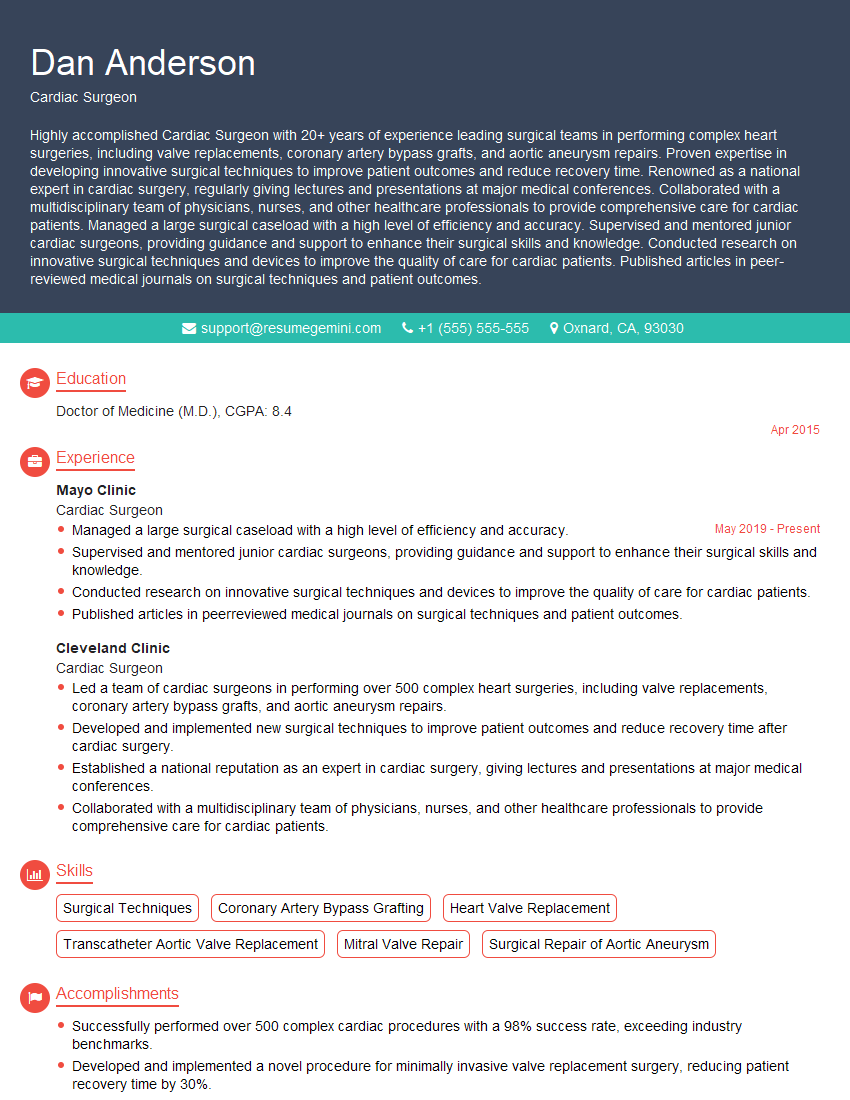
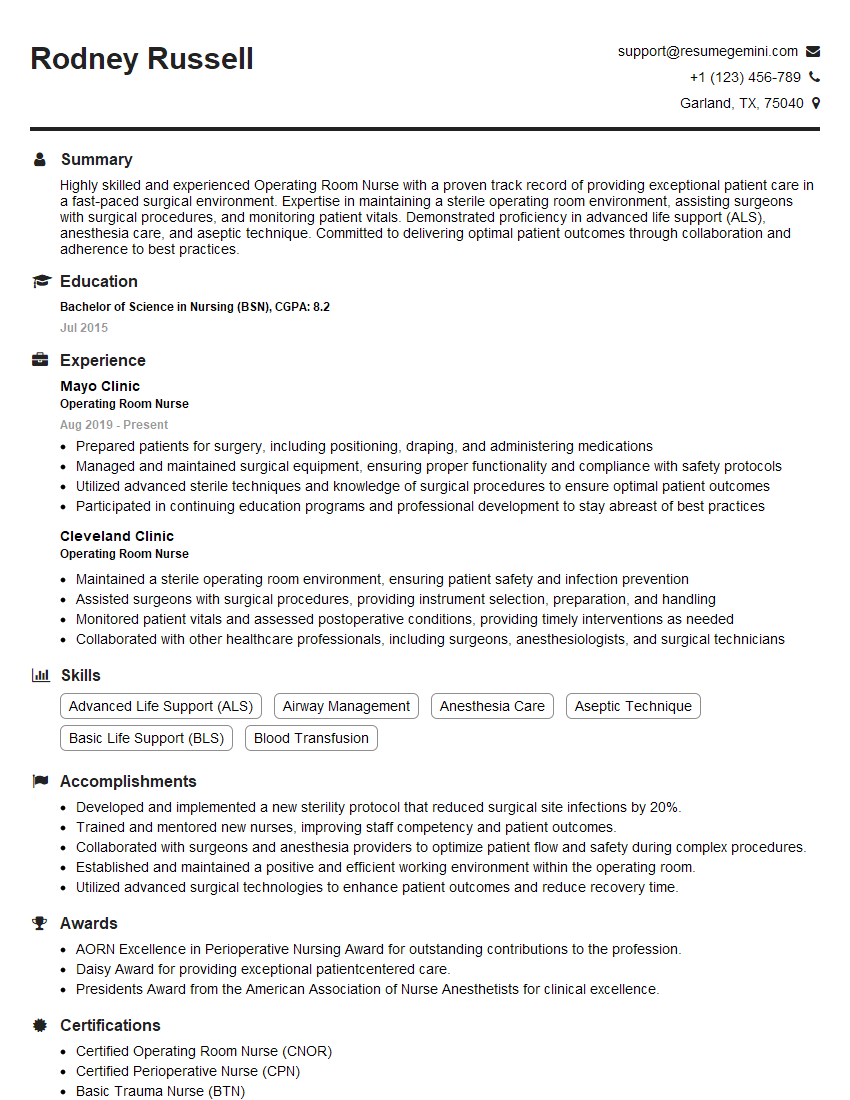
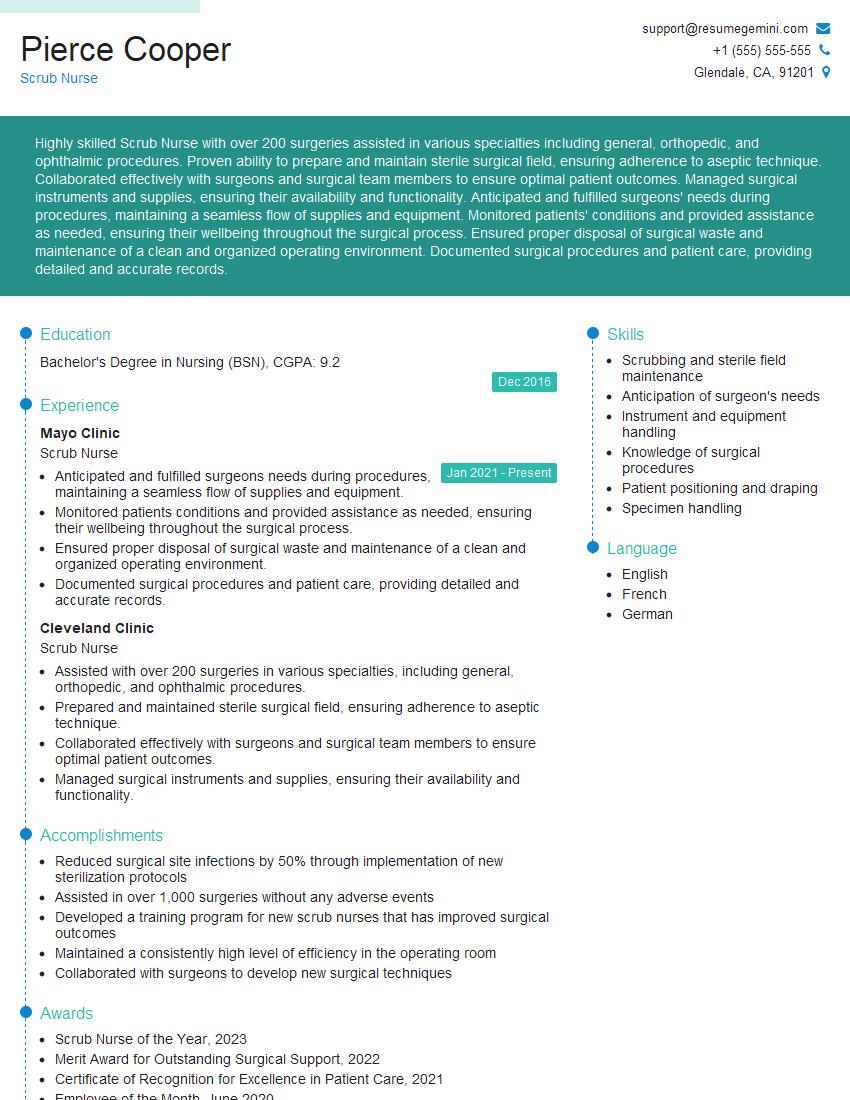
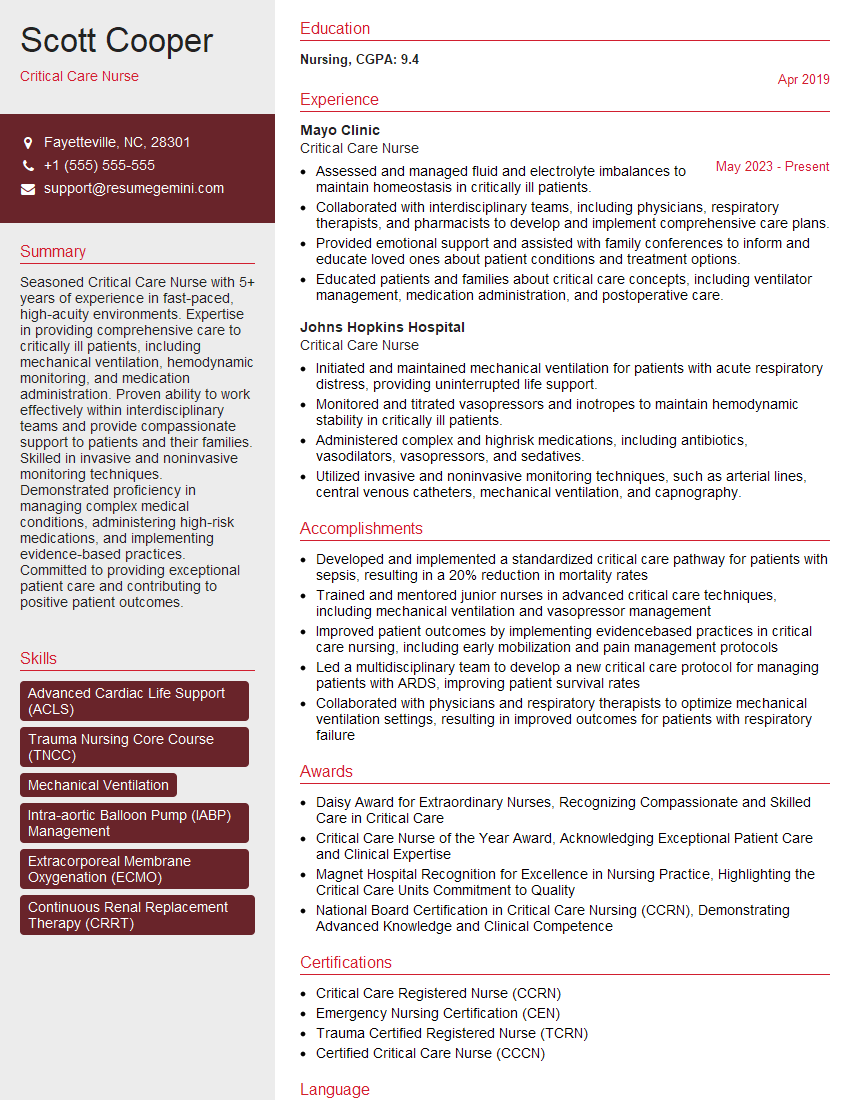
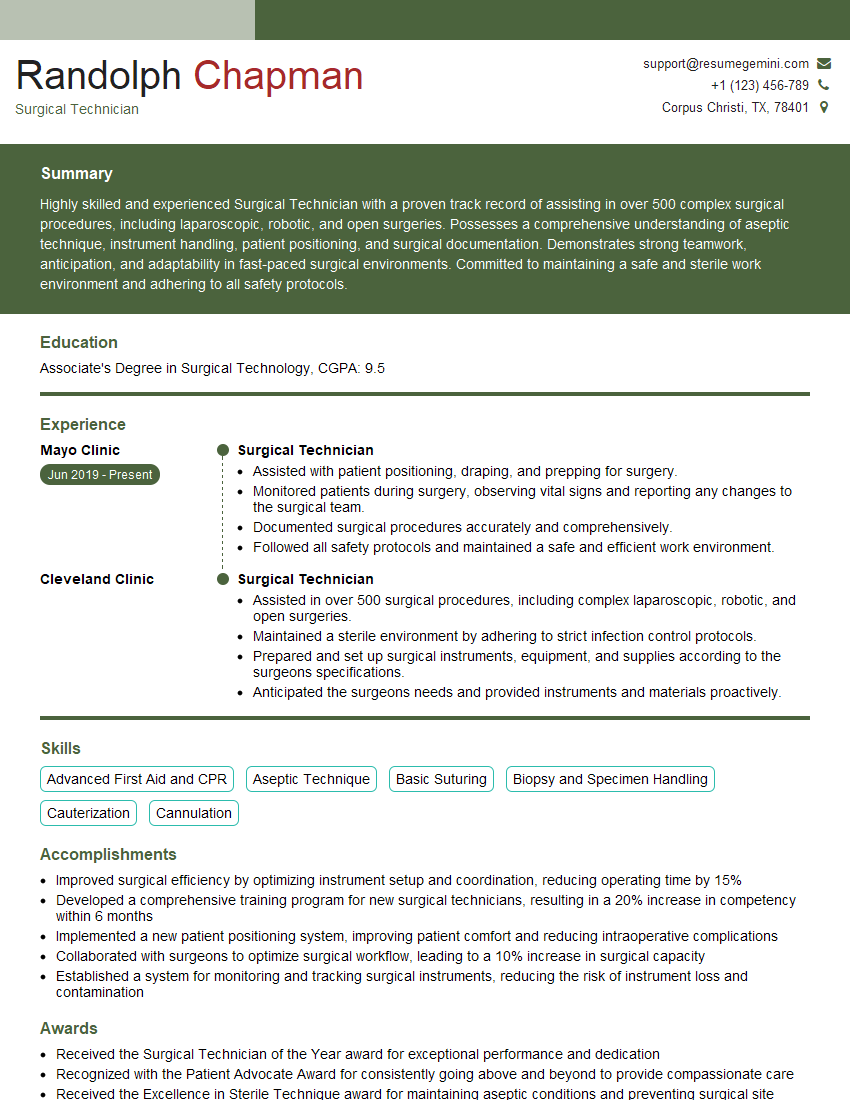
Mastering Impella Insertion techniques and knowledge is crucial for career advancement in interventional cardiology and related fields. Demonstrating expertise in this area significantly enhances your value to prospective employers. To improve your job prospects, create an ATS-friendly resume that effectively highlights your skills and experience. We highly recommend using ResumeGemini, a trusted resource for building professional resumes. Examples of resumes tailored to Impella Insertion are available below to help guide you.


Explore more articles
Users Rating of Our Blogs
Share Your Experience
We value your feedback! Please rate our content and share your thoughts (optional).
What Readers Say About Our Blog
To the interviewgemini.com Webmaster.
Very helpful and content specific questions to help prepare me for my interview!
Thank you
To the interviewgemini.com Webmaster.
This was kind of a unique content I found around the specialized skills. Very helpful questions and good detailed answers.
Very Helpful blog, thank you Interviewgemini team.