The thought of an interview can be nerve-wracking, but the right preparation can make all the difference. Explore this comprehensive guide to Lower Extremity Revascularization interview questions and gain the confidence you need to showcase your abilities and secure the role.
Questions Asked in Lower Extremity Revascularization Interview
Q 1. Describe the different types of lower extremity revascularization procedures.
Lower extremity revascularization encompasses a range of procedures aimed at restoring blood flow to the legs and feet. These procedures are crucial for patients with peripheral artery disease (PAD), a condition where narrowed or blocked arteries reduce blood supply. The choice of procedure depends on several factors including the location and severity of the blockage, the patient’s overall health, and the presence of comorbidities.
- Bypass Surgery: This involves creating a new pathway for blood flow, bypassing the blocked artery. Different types exist, including femoral-popliteal bypass (using the great saphenous vein or a synthetic graft), femoro-distal bypass (reaching further down the leg), and axillofemoral bypass (for more extensive disease). Think of it like building a detour around a traffic jam on a highway.
- Angioplasty and Stenting: A less invasive procedure where a catheter with a balloon is inserted into the blocked artery. The balloon inflates to widen the artery, and a stent (a small mesh tube) is often placed to keep it open. This is like clearing a clogged drain with a plunger and then inserting a mesh to prevent further clogging.
- Thrombolysis: This involves using medication to dissolve blood clots that are blocking the artery. This is a more conservative approach often used for acute limb ischemia, when a sudden blockage cuts off blood flow.
- Endarterectomy: This is a surgical procedure where the plaque buildup inside the artery is removed. It’s often used for more localized blockages.
The choice between these procedures is highly individualized and based on a thorough assessment of the patient’s condition.
Q 2. What are the indications for lower extremity bypass surgery?
Bypass surgery is indicated when less invasive options like angioplasty have failed or are deemed unsuitable. The key indications are:
- Critical Limb Ischemia (CLI): This represents the most severe form of PAD, characterized by rest pain, ulceration, or gangrene. Bypass surgery is often life-saving in these cases.
- Inability to perform angioplasty: Certain anatomical features of the arteries, such as extensive calcification or severely tortuous vessels, can make angioplasty technically impossible or highly risky.
- Long Lesions or Multi-level Disease: Bypass surgery is often preferred for long segments of blocked artery or when blockages are present in multiple locations.
- Failure of previous angioplasty: If angioplasty has been attempted but the artery has re-blocked (restenosis), bypass surgery may be necessary.
- Patient preference and comorbid conditions: Patient’s overall health, surgical risk, and personal preferences play a role in making the decision.
The decision to proceed with bypass surgery is made after careful consideration of the risks and benefits, involving a multidisciplinary team discussion, including vascular surgeons, interventional radiologists, and other specialists.
Q 3. What are the contraindications for lower extremity angioplasty?
Angioplasty, while minimally invasive, is not suitable for all patients. Contraindications include:
- Severe Diffuse Disease: When the artery is severely narrowed or blocked over a long segment, angioplasty may not be effective. The artery might be too fragile to withstand the procedure.
- Severe Calcification: Extensive calcification makes the artery stiff and difficult to dilate with a balloon, increasing the risk of perforation.
- Inadequate Access Vessels: The procedure requires access through a blood vessel (usually in the groin or arm) that is large and easily accessible. If appropriate access is not available, angioplasty cannot be performed.
- Significant Co-morbidities: Patients with severe heart, lung, or kidney disease may have an increased risk of complications from angioplasty, making bypass surgery a safer alternative.
- Active Infection: An infection near the insertion site can increase the risk of serious complications.
- Allergy to contrast dye: Angioplasty utilizes contrast dye for visualization; allergies may contraindicate its use.
A thorough assessment of the patient’s condition is vital to determine the suitability of angioplasty and to minimize potential risks.
Q 4. Explain the process of pre-operative assessment for a patient requiring lower extremity revascularization.
Pre-operative assessment for lower extremity revascularization is crucial for ensuring patient safety and optimal outcomes. It’s a multi-faceted process, encompassing:
- Detailed History and Physical Exam: This includes a complete review of the patient’s medical history, focusing on cardiovascular risk factors (diabetes, hypertension, smoking), current medications, and symptoms of PAD. A thorough physical exam assesses the pulses, skin color and temperature, and presence of wounds or gangrene in the lower extremities.
- Non-invasive Vascular Studies: These tests help assess the location and severity of the arterial blockage. Examples include ankle-brachial index (ABI), segmental blood pressure measurements, and duplex ultrasound.
- Invasive Angiography: This is often performed to visualize the arteries precisely, using contrast dye injected into the bloodstream. It helps to determine the extent of the disease and plan the best revascularization strategy.
- Cardiac Evaluation: Since PAD often co-exists with other cardiovascular diseases, an assessment of the patient’s cardiac function is crucial (ECG, echocardiogram). This helps assess the patient’s overall surgical risk.
- Blood tests and other investigations: Routine blood tests (complete blood count, coagulation profile, renal function tests) are performed. Additional testing might be needed based on other medical conditions.
This comprehensive assessment allows the surgical team to tailor the revascularization strategy to the individual patient’s needs and minimize potential complications.
Q 5. Discuss the post-operative care and management of a patient after lower extremity bypass surgery.
Post-operative care after lower extremity bypass surgery is critical for successful healing and graft patency. It involves:
- Pain Management: Effective pain control is paramount. This often involves a combination of analgesics and regional anesthesia.
- Wound Care: Meticulous wound care is vital to prevent infection. The surgical site is closely monitored for signs of infection, such as redness, swelling, or drainage. Regular dressing changes are performed as needed.
- Monitoring of Graft Patency: The patency (openness) of the bypass graft is closely monitored using Doppler ultrasound or angiography. Early detection of any blockage allows for prompt intervention.
- Ambulation: Early mobilization is encouraged to prevent complications such as deep vein thrombosis (DVT) and pneumonia. The patient gradually increases their activity level under supervision.
- Medication Management: Patients receive medications to prevent DVT (anticoagulants), infection (antibiotics, if needed), and pain. Other medications may be prescribed based on co-morbid conditions.
- Rehabilitation: Physical and occupational therapy might be needed to improve mobility and restore function. This could involve range-of-motion exercises and strengthening programs.
Regular follow-up appointments are crucial to monitor the patient’s progress, assess graft patency, and address any complications.
Q 6. What are the common complications associated with lower extremity revascularization procedures?
Lower extremity revascularization procedures, while life-saving, carry potential complications. These can include:
- Graft Failure: The bypass graft may become blocked (thrombosis) or narrowed (restenosis), requiring further intervention.
- Infection: Wound infection is a significant risk, particularly in patients with diabetes or compromised immune systems.
- Bleeding: Bleeding at the surgical site or from the access site used for angioplasty can occur.
- Hematoma: A collection of blood at the surgical site can cause pain, swelling, and pressure on surrounding tissues.
- Deep Vein Thrombosis (DVT): Blood clots can form in the deep veins of the legs, potentially leading to pulmonary embolism (PE).
- Nerve Injury: Damage to nerves near the surgical site can result in numbness, tingling, or pain.
- Compartment Syndrome: A severe complication characterized by increased pressure within the muscle compartments of the leg, which can lead to muscle damage if not treated promptly.
- Amputation: In severe cases of CLI, despite revascularization, amputation may be necessary to save the patient’s life.
Careful pre-operative assessment, meticulous surgical technique, and diligent post-operative care can significantly reduce the risk of these complications.
Q 7. How do you assess the patency of a bypass graft?
Assessing the patency of a bypass graft is crucial to ensure successful revascularization. Several methods are used:
- Doppler Ultrasound: This non-invasive technique uses sound waves to assess blood flow in the graft. A good blood flow signal indicates patency, while the absence of a signal suggests a blockage.
- Angiography: This invasive procedure involves injecting contrast dye into the bloodstream and using X-rays to visualize the graft. It provides detailed images of the graft and surrounding arteries, allowing for precise identification of any blockages.
- Clinical Examination: Assessing the pulses distal to the graft, the skin temperature and color of the leg, and the presence or absence of pain can provide some indication of graft patency. Improved pulses and warm skin usually indicate good blood flow.
- ABI measurement: Monitoring the ankle-brachial index before and after surgery can indirectly provide an assessment of graft function. An improved ABI suggests successful revascularization.
The choice of method depends on the clinical situation and the information needed. Regular monitoring of graft patency is essential to identify and address any issues promptly.
Q 8. What imaging techniques are used to diagnose and plan lower extremity revascularization?
Accurate diagnosis and planning for lower extremity revascularization hinge on sophisticated imaging techniques. These help us visualize the arteries, identify blockages, assess the severity of disease, and ultimately guide our choice of treatment – whether that’s open surgery or an endovascular approach.
Duplex Ultrasound: This is often the first-line test. It uses sound waves to create images of blood vessels, showing blood flow and identifying areas of stenosis (narrowing) or occlusion (blockage). It’s non-invasive, relatively inexpensive, and readily available.
Computed Tomography Angiography (CTA): CTA provides detailed 3D images of the arteries. It uses a contrast dye injected into the bloodstream, allowing for clear visualization of the vessels, even complex ones. This is crucial for planning bypass surgeries, determining the extent of disease, and assessing the suitability of endovascular interventions.
Magnetic Resonance Angiography (MRA): Similar to CTA, MRA creates images of the blood vessels, but it uses a magnetic field and radio waves instead of X-rays. MRA is particularly useful for patients with allergies to contrast dye or those with kidney impairment.
Digital Subtraction Angiography (DSA): This is an invasive technique where a catheter is inserted into the artery, and contrast dye is injected directly. DSA offers the highest resolution images, which are essential during certain endovascular procedures. However, it carries a slightly higher risk compared to non-invasive methods.
In practice, we often use a combination of these techniques to build a comprehensive picture of the patient’s vascular anatomy and disease extent. For example, a patient might undergo duplex ultrasound initially to screen for PAD, followed by CTA for pre-operative planning of a bypass if necessary.
Q 9. Compare and contrast open surgical techniques with endovascular techniques for lower extremity revascularization.
Open surgical and endovascular techniques both aim to restore blood flow to the lower extremities, but they differ significantly in their approach.
Open Surgical Techniques: These involve making an incision to directly access and repair or bypass the diseased artery. Techniques include femoral-popliteal bypass (using a vein graft from elsewhere in the leg), aorto-iliac bypass (using a synthetic graft), or even more complex procedures addressing multiple segments of the leg’s arteries. Open surgery is typically reserved for patients with long, complex lesions or when endovascular approaches are not feasible. The advantages are that it offers durability and addresses the entire diseased segment. However, it is associated with longer recovery times, larger incisions, and a greater risk of complications such as infection or bleeding.
Endovascular Techniques: These are minimally invasive procedures that involve inserting a catheter into the artery via a small puncture in the skin. Guided by fluoroscopy (real-time X-ray imaging), balloons and stents are used to open blocked arteries or angioplasty. Certain procedures, such as atherectomy, use specialized tools to remove plaque from the artery. Endovascular techniques offer advantages such as smaller incisions, shorter recovery times, and reduced hospital stays. However, they may not be suitable for all patients, especially those with extensive or long-segment disease, and restenosis (re-narrowing of the artery) can occur.
The choice between open and endovascular techniques depends on several factors including the patient’s overall health, the location and extent of the disease, the technical feasibility, and the surgeon’s expertise. We often discuss the pros and cons of each approach with the patient to make an informed decision together. I’ve seen instances where a combined approach, using both techniques, provides the best result.
Q 10. How do you manage acute limb ischemia?
Acute limb ischemia (ALI) is a surgical emergency requiring immediate action to prevent limb loss. The hallmark is sudden, severe reduction in blood flow to the limb, causing pain, pallor, pulselessness, paresthesia (numbness), and paralysis.
Management focuses on rapidly restoring blood flow:
Immediate Assessment: This involves a thorough clinical exam including checking pulses, assessing skin color and temperature, and evaluating for signs of tissue necrosis. We also order lab tests, including blood counts and coagulation studies.
Hemodynamic Stabilization: The patient may require intravenous fluids and medication to manage blood pressure and improve overall circulation.
Revascularization: This is the cornerstone of ALI management. The urgency necessitates immediate intervention. We may choose from thrombolysis (dissolving the clot using medication), angioplasty/stenting (to mechanically open the blocked artery), or emergency open surgery (to bypass the blockage). The choice of technique depends on the cause of the blockage, its location and extent, the patient’s overall health, and availability of resources.
Post-revascularization Care: Once blood flow is restored, we monitor the limb closely for signs of improvement or worsening. This includes frequent clinical assessments, and pain management.
I vividly recall a case where a patient presented with ALI due to a saddle embolus (a blood clot obstructing the bifurcation of the aorta). Immediate thrombolysis followed by endovascular intervention was life-saving and prevented limb amputation. Timely intervention is paramount in ALI.
Q 11. Describe your experience with different types of bypass grafts.
My experience encompasses a wide array of bypass grafts, each with its own advantages and disadvantages. The choice of graft material and location depends on several factors, including the location and length of the diseased vessel, the patient’s overall health, and the availability of suitable autologous veins.
Autologous Saphenous Vein Grafts: These are harvested from the patient’s own leg (the great saphenous vein is commonly used). They are considered the gold standard because of their excellent long-term patency rates (they remain open and functional). However, harvesting the vein requires an additional incision and can cause some discomfort post-operatively.
Synthetic Grafts (e.g., Dacron, PTFE): These are artificial materials used to create bypass grafts. They are useful when suitable autologous veins are unavailable or insufficient. While convenient, synthetic grafts have a slightly higher rate of early thrombosis (clot formation) compared to autologous veins and their long-term patency is less predictable.
In situ bypass: This technique uses the patient’s own vein but leaves it in its original location in the leg; it’s connected to the artery above and below the blocked area. This technique minimizes the need for additional incisions.
Reverse saphenous vein bypass: The saphenous vein is removed and reversed before being used as a graft. This addresses the problem of valves in the vein obstructing blood flow.
Selecting the optimal graft type is a crucial part of surgical planning and requires careful consideration of the individual patient’s circumstances. In some cases, a hybrid approach using both autologous and synthetic grafts might be the best option.
Q 12. What are the risk factors for peripheral artery disease (PAD)?
Peripheral artery disease (PAD) is a common circulatory problem in which narrowed arteries reduce blood flow to your limbs. Several factors significantly increase the risk of developing PAD:
Smoking: This is the single most important modifiable risk factor. Nicotine causes vasoconstriction (narrowing of blood vessels) and damages the endothelium (the lining of blood vessels), promoting atherosclerosis (plaque buildup).
Diabetes: High blood sugar damages blood vessels and increases the risk of atherosclerosis. Diabetic patients are at significantly higher risk of PAD and often experience more severe manifestations.
Hypertension (High Blood Pressure): Chronic high blood pressure damages the artery walls, increasing the risk of atherosclerosis.
Hyperlipidemia (High Cholesterol): Elevated LDL cholesterol contributes directly to plaque formation in the arteries.
Family History: A family history of PAD significantly increases an individual’s risk.
Age: The risk of PAD increases with age, largely due to the cumulative effects of the risk factors mentioned above.
Obesity: Obesity is associated with various metabolic abnormalities that increase the risk of PAD.
Addressing these modifiable risk factors through lifestyle changes (quitting smoking, improving diet, managing weight, regular exercise) and medical therapies (controlling blood pressure, cholesterol, and blood sugar) is crucial for prevention and management of PAD.
Q 13. How do you diagnose PAD?
Diagnosing PAD involves a combination of clinical evaluation and diagnostic tests. The process begins with a thorough history and physical examination, focusing on the patient’s symptoms (claudication, rest pain, non-healing wounds) and risk factors.
Ankle-Brachial Index (ABI): This is a non-invasive test that measures blood pressure in the ankles and arms. A reduced ABI (typically less than 0.9) indicates PAD. This is a simple, readily available, and cost-effective screening tool.
Duplex Ultrasound: As mentioned earlier, this provides images of the arteries and assesses blood flow, enabling identification of specific areas of stenosis or occlusion.
CTA and MRA: These advanced imaging techniques, also described previously, offer detailed visualization of the arterial system for more precise diagnosis and treatment planning.
Exercise Stress Testing: This involves monitoring blood pressure and symptoms during exercise to assess the functional impact of PAD.
The combination of these diagnostic tools allows us to not only confirm the presence of PAD but also to precisely locate and characterize the disease, which is crucial for tailoring appropriate treatment strategies.
Q 14. What are the different stages of PAD?
PAD is often staged based on the severity of symptoms and the impact on the patient’s lifestyle and overall health. The Fontaines staging system is frequently used:
Stage I (Asymptomatic): No symptoms are present, despite having evidence of PAD on testing (e.g., reduced ABI).
Stage IIa (Claudication): Symptoms of intermittent claudication (pain or cramping in the legs or buttocks during exercise, relieved by rest) are present.
Stage IIb (Rest Pain): Pain at rest, usually in the foot, is present, indicating more severe ischemia.
Stage III (Ulceration or Gangrene): Tissue damage (ulcers or gangrene) occurs due to severe lack of blood flow. This is a critical stage requiring urgent intervention.
Stage IV (Major Amputation): Limb amputation is required due to severe ischemia and tissue damage.
Understanding the stage of PAD helps determine the appropriate management strategy, ranging from lifestyle modifications and medical therapy for early stages to revascularization procedures for more advanced disease.
Q 15. Describe the Rutherford classification of PAD.
The Rutherford classification is a widely used system for staging peripheral artery disease (PAD) based on the clinical presentation and the severity of limb ischemia. It’s crucial for guiding treatment decisions. The classification ranges from asymptomatic disease (Rutherford 0) to critical limb ischemia (Rutherford 6).
- Rutherford 0: Asymptomatic, detected incidentally.
- Rutherford 1: Mild claudication (pain with exercise).
- Rutherford 2: Moderate claudication (significantly limits activity).
- Rutherford 3: Severe claudication (rest pain).
- Rutherford 4: Rest pain and ischemic ulceration.
- Rutherford 5: Rest pain and gangrene (necrosis).
- Rutherford 6: Impending limb loss – severe ischemia with impending gangrene.
For example, a patient with Rutherford 2 PAD experiences significant pain in their calf during walking that limits their daily activities, whereas a patient with Rutherford 6 has severe tissue damage requiring immediate intervention to prevent limb loss. This system provides a standardized way to communicate the severity of PAD among healthcare professionals.
Career Expert Tips:
- Ace those interviews! Prepare effectively by reviewing the Top 50 Most Common Interview Questions on ResumeGemini.
- Navigate your job search with confidence! Explore a wide range of Career Tips on ResumeGemini. Learn about common challenges and recommendations to overcome them.
- Craft the perfect resume! Master the Art of Resume Writing with ResumeGemini’s guide. Showcase your unique qualifications and achievements effectively.
- Don’t miss out on holiday savings! Build your dream resume with ResumeGemini’s ATS optimized templates.
Q 16. Discuss the role of risk factor modification in the management of PAD.
Risk factor modification is paramount in PAD management, as it slows disease progression and reduces cardiovascular events. It’s often the cornerstone of conservative management, complementing other therapies. The focus is on controlling modifiable risk factors.
- Smoking cessation: This is the single most important step, drastically reducing the risk of further vascular damage.
- Blood pressure control: Hypertension accelerates atherosclerosis, so maintaining optimal blood pressure is essential.
- Diabetes management: Tight glycemic control helps prevent further vascular damage and improves wound healing.
- Lipid management: Statin therapy is crucial to lower LDL cholesterol levels, thereby reducing the risk of future cardiovascular events.
- Weight management: Obesity increases the risk of PAD and its complications. Weight loss is highly beneficial.
- Regular exercise: Supervised exercise programs, such as supervised walking, improve blood flow and increase functional capacity, even in advanced stages of PAD.
Think of it like this: Risk factor modification is like repairing the engine of a car that’s prone to breakdown. While we might need immediate repairs (revascularization), we also need to maintain the engine regularly (lifestyle modifications) to prevent future problems.
Q 17. What are the non-surgical treatment options for PAD?
Non-surgical treatment options for PAD aim to alleviate symptoms and improve blood flow. These approaches are often used initially or in conjunction with surgical procedures, depending on the severity of the disease.
- Exercise therapy: A supervised program of walking or other exercises increases blood flow to the legs and improves the patient’s functional capacity.
- Cilostazol: A phosphodiesterase inhibitor that improves blood flow and reduces claudication symptoms.
- Pentoxifylline: Reduces blood viscosity and improves red blood cell deformability, enhancing blood flow to ischemic tissues.
- Aspirin and other antiplatelet agents: Prevent blood clot formation and reduce the risk of cardiovascular events.
- Risk factor modification (as discussed above): This remains a fundamental aspect of non-surgical management.
- Angioplasty and stenting (considered minimally invasive): These procedures often fall under the umbrella of non-surgical treatment.
For instance, a patient with mild claudication might benefit from a combination of exercise therapy and cilostazol to improve their symptoms and delay the need for more invasive interventions.
Q 18. How do you choose the appropriate revascularization technique for a given patient?
Choosing the appropriate revascularization technique depends on multiple factors, including the location and extent of the disease, the patient’s overall health, and the presence of comorbidities.
- Ankle-brachial index (ABI): A low ABI indicates severe peripheral artery disease, influencing the urgency and type of intervention.
- Lesion length and location: Longer lesions or those in challenging anatomical locations might necessitate bypass surgery.
- Patient’s comorbidities: Patients with significant comorbidities might be better candidates for less invasive procedures.
- Operator expertise: The availability and experience of the vascular surgeon in performing specific procedures also guides the choice.
- Percutaneous transluminal angioplasty (PTA) and stenting: Suitable for short, focal lesions in less complex anatomy.
- Surgical bypass: Necessary for long, diffuse disease, heavily calcified lesions, or those unsuitable for PTA.
For example, a patient with a single, short stenosis in the superficial femoral artery might be a good candidate for PTA with stenting, while a patient with extensive atherosclerotic disease extending throughout the femoral and popliteal arteries might require a surgical bypass.
Q 19. What are the challenges associated with treating patients with critical limb ischemia?
Critical limb ischemia (CLI) presents significant challenges due to the severity of tissue damage. Mortality rates are high, and limb loss is a frequent outcome if not addressed promptly.
- High risk of amputation: CLI often leads to significant tissue loss requiring amputation if revascularization is unsuccessful.
- Complex lesions: The disease is typically severe and diffuse, making revascularization more challenging.
- Comorbidities: Patients with CLI often have multiple comorbidities (diabetes, heart failure, etc.) that complicate treatment and increase risk.
- Poor wound healing: Ischemic tissue is poorly perfused, making wound healing extremely difficult.
- High mortality: CLI is associated with a substantial mortality risk due to underlying cardiovascular disease.
For instance, a patient with CLI might require multiple surgical procedures or endovascular interventions, along with aggressive wound care, to salvage the limb and address the underlying cardiovascular risk factors. Close monitoring and multidisciplinary management are crucial.
Q 20. How do you manage pain in patients with PAD?
Pain management in patients with PAD is crucial for improving quality of life and facilitating treatment. The approach is tailored to the severity of the pain and the patient’s overall condition.
- Analgesics: Over-the-counter pain relievers such as acetaminophen or ibuprofen can be helpful for mild to moderate pain.
- Opioids: For severe rest pain, opioids may be necessary, but their use should be carefully monitored due to the risk of addiction.
- Neuropathic pain medications: If the pain has a neuropathic component, medications like gabapentin or pregabalin can provide relief.
- Topical agents: Creams or patches containing lidocaine or capsaicin can alleviate localized pain.
- Spinal cord stimulation: For refractory cases, spinal cord stimulation can offer significant pain relief.
A multimodal approach, combining different analgesic modalities, is often needed to optimize pain management. The goal is to achieve adequate pain control without significant side effects.
Q 21. Describe your experience with managing wound healing in patients with PAD.
Managing wound healing in PAD patients is a complex process due to poor perfusion and impaired tissue oxygenation. A multidisciplinary approach involving vascular surgeons, wound care specialists, and infectious disease specialists is often required.
- Debridement: Removal of necrotic tissue is essential to prevent infection and promote healing.
- Wound dressings: Appropriate dressings help to maintain a moist wound environment and protect the wound from infection.
- Infection control: Prompt treatment of infection is critical, often requiring intravenous antibiotics.
- Hyperbaric oxygen therapy: Can enhance tissue oxygenation and promote healing.
- Skin grafts or flaps: May be necessary for larger or complex wounds.
- Revascularization: Restoring adequate blood flow is often crucial for successful wound healing.
For example, a patient with an infected ischemic ulcer might require debridement, intravenous antibiotics, appropriate wound dressings, and potentially revascularization to achieve wound healing. Regular assessment and adjustment of the treatment plan based on wound progression is key to successful wound management in this challenging patient population.
Q 22. What are the different types of stents used in endovascular interventions?
Several types of stents are used in endovascular interventions for lower extremity revascularization. The choice depends on the specific lesion characteristics and patient factors. Common types include:
- Bare-metal stents (BMS): These are made of a metal mesh and provide structural support to the vessel, preventing collapse. They are less expensive but have a higher rate of restenosis compared to drug-eluting stents.
- Drug-eluting stents (DES): These stents are coated with a drug, typically paclitaxel or everolimus, that inhibits cell proliferation and reduces the risk of restenosis. They are more expensive but offer superior long-term patency rates compared to BMS. Different DES formulations exist, each with varying drug release profiles and efficacy.
- Bioabsorbable stents (BAS): These stents are designed to dissolve completely over time, eliminating the need for a permanent metal implant. They are promising but still relatively new and their long-term efficacy is still under investigation. They are useful for specific patients where long-term metallic implants are undesirable.
Beyond the material itself, stents also differ in their design, such as their length, diameter, and strut thickness. The selection of these parameters is crucial for optimal vessel apposition and minimizes complications.
Q 23. How do you select the appropriate stent for a specific lesion?
Selecting the appropriate stent involves a comprehensive assessment of several factors:
- Lesion characteristics: Length, location, severity of stenosis, presence of calcification, and vessel diameter are all crucial considerations. A long, severely calcified lesion might necessitate a different stent type and strategy than a short, non-calcified lesion.
- Patient factors: Comorbidities like diabetes, renal insufficiency, and history of bleeding significantly influence stent selection. For instance, patients with a history of bleeding might be less suitable candidates for BAS due to the initial inflammatory response.
- Prior procedures: If the patient has undergone prior interventions, this can influence stent selection to account for potential issues such as in-stent restenosis or stent fracture.
- Cost-effectiveness: While efficacy is paramount, economic considerations must be balanced with clinical needs and patient preferences.
For example, a short, non-calcified lesion in a young, healthy patient might be effectively treated with a BMS, while a long, calcified lesion in a diabetic patient might benefit from a DES with a specific drug elution profile to mitigate restenosis and inflammation.
Q 24. Describe your experience with thrombectomy.
My experience with thrombectomy is extensive, encompassing various techniques and technologies. Successful thrombectomy relies on a meticulous approach to achieve complete clot removal while minimizing vascular injury. I utilize a combination of techniques depending on the clot characteristics and location:
- Aspiration thrombectomy: This involves using a catheter with a side hole to mechanically remove the thrombus. This is often the first-line approach, particularly for acute thrombi.
- Mechanical thrombectomy: This utilizes devices such as rotational atherectomy or laser atherectomy to fragment and remove the clot. These are typically used for more challenging thrombi that are less amenable to simple aspiration.
- Pharmacomechanical thrombectomy: This combines the use of thrombolytic agents with mechanical techniques for enhanced clot dissolution and removal. This is often employed in cases of extensive or recalcitrant thrombi.
Post-thrombectomy, meticulous angiographic assessment is crucial to ensure complete clot removal and to identify any underlying disease necessitating further treatment, such as stenting or angioplasty. Close monitoring for complications such as bleeding or perforation is also paramount.
Q 25. How do you manage bleeding complications after lower extremity revascularization?
Bleeding complications after lower extremity revascularization are a serious concern. Management requires prompt action and often involves a multidisciplinary approach:
- Initial assessment: The location and severity of bleeding must be determined promptly, often utilizing ultrasound or angiography.
- Hemostasis: If the bleeding is localized to the puncture site, direct pressure and compression are often sufficient. In more severe cases, surgical intervention may be needed to control the bleeding, including vessel repair or ligation.
- Supportive care: This may include fluid resuscitation, blood transfusion, and monitoring of vital signs. Hematologic consultation may be necessary.
- Pharmacological management: Medications such as antifibrinolytics (e.g., tranexamic acid) or prothrombotic agents may be used to augment hemostasis, though this should be carefully tailored to the patient’s risk factors and overall clinical picture.
Prevention of bleeding is often emphasized through careful procedural techniques, using appropriate anticoagulation strategies, and patient selection.
Q 26. What are the long-term outcomes of lower extremity revascularization?
Long-term outcomes of lower extremity revascularization are highly variable and depend on several factors including the patient’s baseline health, the severity of the disease, and the success of the procedure. Key outcomes include:
- Limb salvage: A primary goal is to prevent amputation. Success rates vary depending on the severity of peripheral arterial disease (PAD) and the patient’s comorbidities.
- Pain relief: Rest pain and claudication should improve after successful revascularization.
- Improved functional capacity: Patients often experience improved mobility and quality of life.
- Patency rates: This measures the time the vessel remains open after the procedure. Patency rates are influenced by factors such as stent type, lesion characteristics, and patient comorbidities. Regular follow-up imaging is critical.
- Mortality: While revascularization improves overall survival in many patients, comorbidities continue to impact survival rates. Long term risk reduction strategies should be emphasized.
Long-term follow-up and risk factor management (such as diabetes and smoking cessation) are essential to optimizing long-term outcomes.
Q 27. How do you monitor patients after lower extremity revascularization?
Post-revascularization monitoring is crucial for early detection and management of complications. It typically involves:
- Clinical assessment: Regular check-ups focusing on wound healing, pain levels, and limb perfusion. Presence of signs of infection must also be carefully assessed.
- Doppler ultrasound: This non-invasive test assesses blood flow in the treated vessels to detect any early signs of stenosis or occlusion.
- Ankle-brachial index (ABI): This measurement compares blood pressure in the ankle to the arm, providing an indicator of peripheral arterial health.
- Angiography: This is a more invasive imaging technique used to visualize the vessels and is often performed at intervals after the initial procedure. The frequency is determined by the clinical findings and type of procedure performed.
- Lifestyle modification counseling: Emphasis on smoking cessation, dietary changes, and regular exercise is essential for long-term success.
The frequency of follow-up appointments is tailored to the individual patient’s needs and risk profile. Patients with more complex disease or those with higher risk factors require more frequent monitoring.
Q 28. What is your approach to recurrent stenosis after lower extremity revascularization?
Recurrent stenosis after lower extremity revascularization is a common challenge. Management depends on the severity of stenosis, location, and patient-specific factors. My approach includes:
- Conservative management: In cases of mild stenosis, close observation and optimization of medical management (e.g., antiplatelet therapy) are employed to slow progression. Regular monitoring is done to assess for disease progression.
- Repeat percutaneous intervention: For more significant stenosis, a repeat angioplasty or stenting procedure may be performed to restore blood flow. This is usually the initial approach unless severe complications are present.
- Surgical intervention: In some cases, particularly with failed percutaneous interventions or complex lesions, surgical bypass surgery may be necessary. Surgical options may involve different bypass techniques depending on the location and anatomy of the disease.
- Drug-eluting balloons (DEB): These balloons deliver a drug to the vessel wall, reducing the risk of restenosis. This may be a useful option in lieu of, or in combination with, stenting.
The decision for each type of management requires a careful assessment of the patient’s clinical status and consideration of the risk/benefit profile of the different interventions.
Key Topics to Learn for Lower Extremity Revascularization Interview
- Peripheral Artery Disease (PAD) Pathophysiology: Understand the underlying mechanisms of PAD, including atherosclerotic plaque formation, risk factors, and clinical presentation.
- Diagnostic Techniques: Master the interpretation of ankle-brachial index (ABI), Doppler ultrasound, angiography, and CT angiography in diagnosing and staging PAD.
- Revascularization Techniques: Become proficient in the principles and applications of various revascularization procedures, including percutaneous transluminal angioplasty (PTA), stenting, and surgical bypass grafting (e.g., femoropopliteal, femorotibial).
- Choosing the Right Treatment Strategy: Develop the ability to critically assess patient-specific factors (e.g., anatomy, comorbidities, lesion characteristics) to select the optimal revascularization approach.
- Post-Procedural Management: Gain a thorough understanding of post-operative care, including anticoagulation strategies, pain management, and wound care to minimize complications.
- Complications and Management: Be prepared to discuss common complications such as bleeding, thrombosis, infection, and restenosis, and their appropriate management.
- Critical Limb Ischemia (CLI): Deepen your knowledge of the clinical presentation, diagnostic evaluation, and management strategies specific to CLI, a severe form of PAD.
- Evidence-Based Practice: Familiarize yourself with current guidelines and clinical trials shaping best practices in Lower Extremity Revascularization.
- Patient Selection and Risk Stratification: Learn to effectively assess patient candidacy for various procedures, considering their overall health and risk factors.
- Long-Term Outcomes and Follow-up: Understand the importance of long-term follow-up care to monitor outcomes and address potential complications.
Next Steps
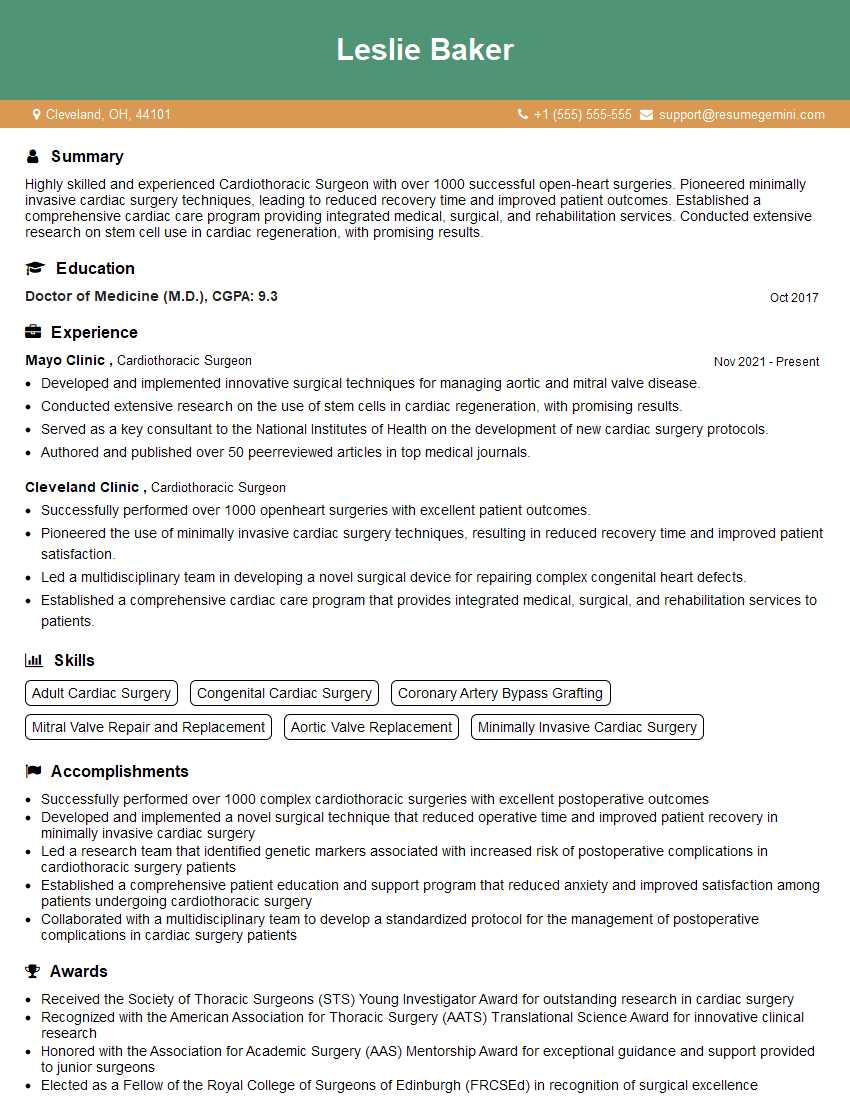
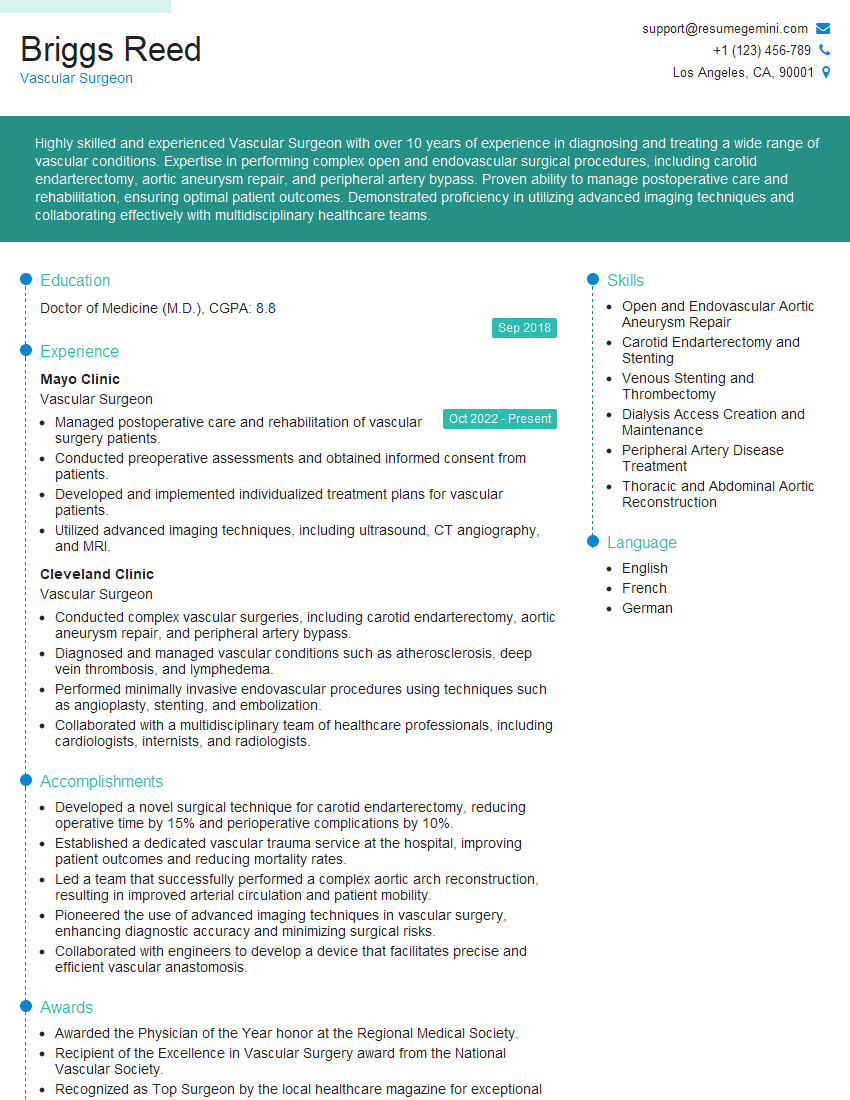
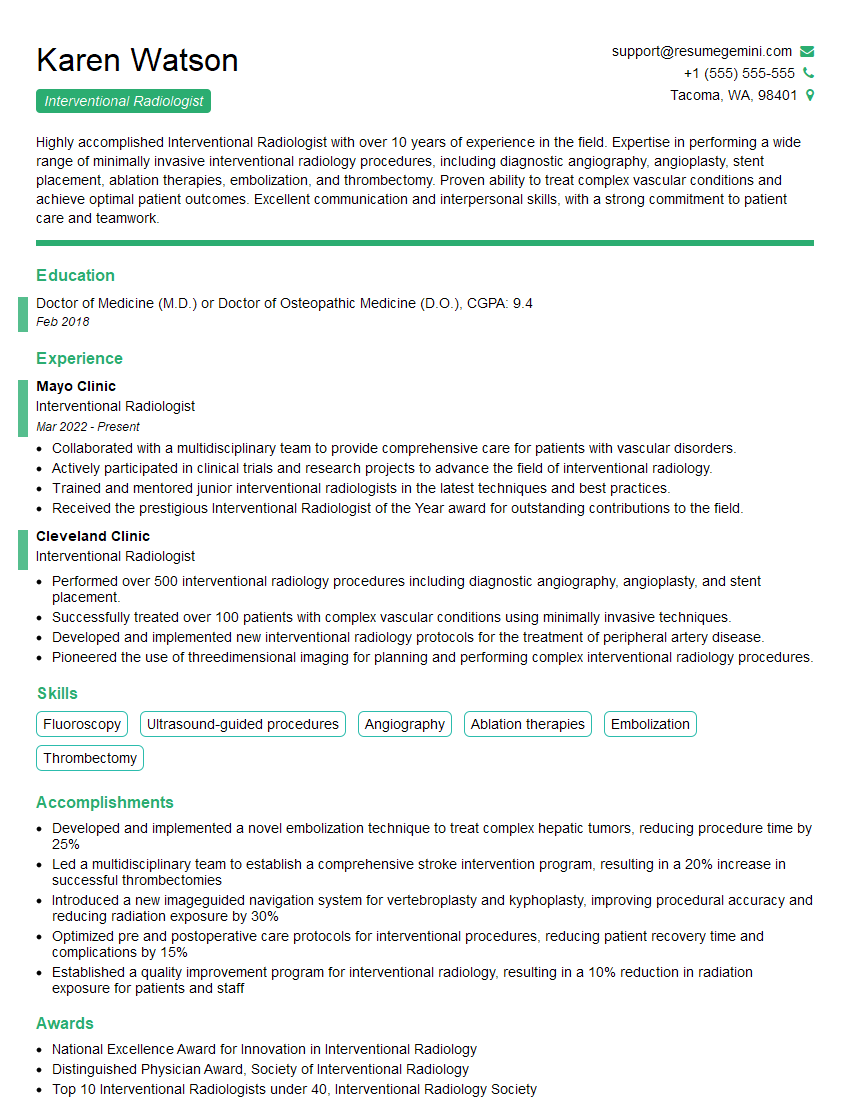
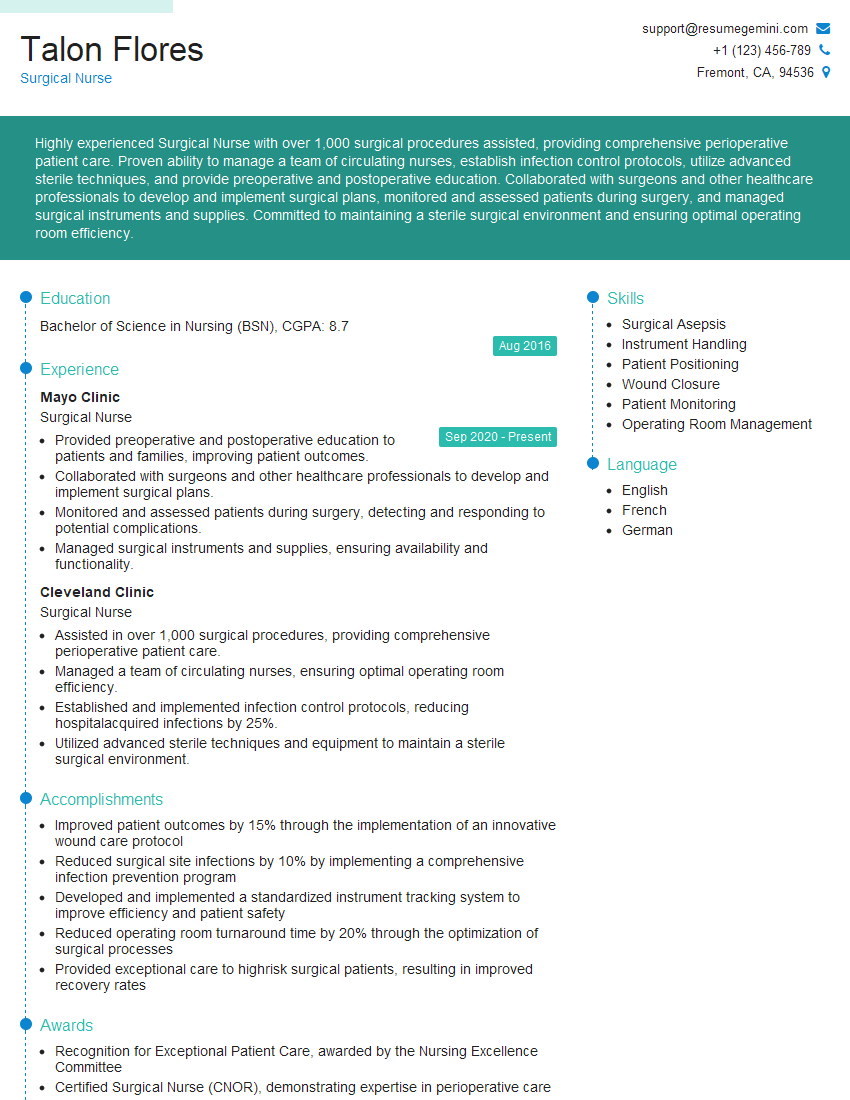
Mastering Lower Extremity Revascularization is crucial for career advancement in vascular surgery and related fields. A strong understanding of these complex procedures and their implications will significantly enhance your candidacy for competitive positions. To maximize your job prospects, crafting a compelling and ATS-friendly resume is essential. ResumeGemini offers a powerful tool to build a professional and impactful resume tailored to your unique skills and experience. Take advantage of ResumeGemini’s resources and explore examples of resumes specifically designed for candidates in Lower Extremity Revascularization to showcase your expertise effectively.
Explore more articles
Users Rating of Our Blogs
Share Your Experience
We value your feedback! Please rate our content and share your thoughts (optional).
What Readers Say About Our Blog
To the interviewgemini.com Webmaster.
Very helpful and content specific questions to help prepare me for my interview!
Thank you
To the interviewgemini.com Webmaster.
This was kind of a unique content I found around the specialized skills. Very helpful questions and good detailed answers.
Very Helpful blog, thank you Interviewgemini team.