Cracking a skill-specific interview, like one for Obstetric Emergency Management, requires understanding the nuances of the role. In this blog, we present the questions you’re most likely to encounter, along with insights into how to answer them effectively. Let’s ensure you’re ready to make a strong impression.
Questions Asked in Obstetric Emergency Management Interview
Q 1. Describe your experience managing postpartum hemorrhage.
Postpartum hemorrhage (PPH) is defined as blood loss exceeding 500ml after vaginal delivery or 1000ml after Cesarean section. It’s a life-threatening emergency. My approach involves a systematic, rapid response focusing on the four Ts: Tone, Trauma, Thrombin, and Tissue.
- Tone: Uterine atony is the most common cause. Management begins with fundal massage to express clots and stimulate uterine contraction. Oxytocin is the first-line uterotonic agent. If this fails, we progress to other uterotonics like carboprost, methylergonovine, or misoprostol, using them sequentially and carefully monitoring for side effects.
- Trauma: Genital tract lacerations are assessed through a thorough vaginal exam, often under anesthesia. Repair is done immediately.
- Thrombin: Coagulopathies like disseminated intravascular coagulation (DIC) are investigated with blood tests. Treatment focuses on addressing the underlying cause and supportive measures like blood product replacement.
- Tissue: Retained products of conception are identified through ultrasound and removed manually or surgically.
Beyond the four Ts, I always ensure adequate IV access, continuous monitoring of vital signs, and close observation for signs of shock. Early involvement of anesthesiology and blood bank is crucial. For example, I recently managed a patient with severe PPH due to uterine atony who responded well to oxytocin and carboprost, but also required blood transfusion. A timely and coordinated response saved her life.
Q 2. Explain the treatment protocol for eclampsia.
Eclampsia is a severe complication of pre-eclampsia characterized by seizures. Treatment is an immediate medical emergency. The primary goal is to protect the mother and fetus from harm.
- Secure the airway: This is paramount to prevent aspiration.
- Administer Magnesium Sulfate: This is the first-line treatment to prevent further seizures. The dose is carefully titrated based on maternal reflexes and respiratory rate.
- Control blood pressure: Hydralazine or labetalol are commonly used antihypertensives, aiming for a gradual reduction in blood pressure. Rapid reduction can compromise placental perfusion.
- Deliver the baby: Once the mother is stabilized, immediate delivery is usually indicated, either vaginally or via Cesarean section, depending on the fetal and maternal status and gestational age.
- Postpartum care: Postpartum management includes continued monitoring for seizures, blood pressure control, and addressing any other complications like postpartum hemorrhage.
For instance, I recently managed a patient who presented with eclamptic seizures. Immediate magnesium sulfate administration controlled her seizures. Subsequently, a Cesarean section was performed leading to a healthy baby and the mother’s recovery.
Q 3. What are the key indicators of fetal distress?
Fetal distress indicates that the baby is not getting enough oxygen. Key indicators include:
- Non-reassuring fetal heart rate (FHR): This is the most important indicator. Bradycardia (heart rate below 110 bpm), tachycardia (above 160 bpm), late decelerations (FHR slowing after the contraction), and variable decelerations (sudden drops in FHR) are all concerning.
- Meconium-stained amniotic fluid: This suggests fetal hypoxia and passage of meconium into the amniotic fluid.
- Decreased fetal movement: A significant reduction or cessation of fetal movement should raise concerns.
- Abnormal fetal acid-base status: Fetal blood gas analysis, obtained during delivery, can confirm acidosis, a hallmark of hypoxia.
It’s important to remember that these indicators may not always be present individually. A combination of these signs warrants immediate intervention. Each case needs individualized assessment and management.
Q 4. How would you manage a shoulder dystocia?
Shoulder dystocia is an obstetric emergency where the fetal anterior shoulder gets impacted behind the maternal symphysis pubis after the delivery of the head. It’s a life-threatening situation for both mother and baby. The mnemonic HELPERR is used to guide management:
- Hands off the uterus (avoiding fundal pressure).
- Episiotomy (widening the vaginal opening).
- Leopold’s maneuvers (reassessing fetal position).
- Pressure on the suprapubic area (to dislodge the shoulder).
- Enter McRobert’s maneuver (flexing the maternal hips).
- Rotate the posterior shoulder.
- Reach for internal maneuvers (if all else fails, such as Wood’s screw maneuver).
If these maneuvers fail, the last resort is a symphysiotomy (surgical separation of the pubic symphysis). I have personally managed several cases of shoulder dystocia, with varying degrees of severity. Quick, coordinated team work and familiarity with these maneuvers are essential to improve outcomes.
Q 5. Describe your approach to managing a prolapsed umbilical cord.
Umbilical cord prolapse is a serious emergency where the umbilical cord descends into the vagina ahead of the presenting fetal part, potentially compressing and compromising fetal blood supply. Immediate action is crucial.
- Relieve compression: Using fingers, gently elevate the presenting fetal part to relieve pressure on the cord.
- Administer oxygen: To improve fetal oxygenation.
- Administer tocolytics: Medications to reduce uterine contractions (e.g., terbutaline).
- Prepare for immediate delivery: This is the most effective way to prevent fetal asphyxia. Cesarean section is usually indicated.
In my experience, a calm and efficient team approach is key in these situations. Rapid assessment, prompt initiation of interventions, and a swift delivery are critical to ensure the best possible outcome for the baby.
Q 6. What are the common causes of premature labor, and how would you manage them?
Premature labor is labor that begins before 37 weeks of gestation. Common causes include:
- Infections: Urinary tract infections, chorioamnionitis (infection of the amniotic fluid).
- Cervical insufficiency: Weakness in the cervix that leads to premature dilation and effacement.
- Multiple gestation: Pregnancies with twins or more.
- Preeclampsia/eclampsia: Hypertensive disorders of pregnancy.
- Polyhydramnios: Excessive amniotic fluid.
- Underlying medical conditions: Diabetes, autoimmune disorders.
Management depends on the gestational age and the severity of the labor. Treatment may involve:
- Tocolytics: To delay delivery and allow time for corticosteroids to mature the fetal lungs (e.g., magnesium sulfate, terbutaline).
- Corticosteroids: To accelerate fetal lung maturity (e.g., betamethasone).
- Antibiotics: To treat infections.
- Cerclage: Surgical stitching of the cervix to prevent premature dilation (for cervical insufficiency).
- Delivery: If the risks of continuing the pregnancy outweigh the benefits, delivery may be the best option.
Each case of preterm labor is carefully evaluated. For example, a patient with preterm labor at 32 weeks may be given corticosteroids to aid fetal lung maturity and tocolytics to delay labor, while a patient at 24 weeks might require intensive neonatal care due to the high risk of prematurity.
Q 7. Explain the difference between pre-eclampsia and eclampsia.
Both pre-eclampsia and eclampsia are hypertensive disorders of pregnancy, but they differ significantly in their severity.
- Pre-eclampsia: Characterized by new-onset hypertension (blood pressure ≥ 140/90 mmHg) after 20 weeks of gestation, along with proteinuria (protein in the urine) or other organ damage. Symptoms can include headache, visual changes, swelling (edema), and epigastric pain. Pre-eclampsia is managed with close monitoring of blood pressure, urine output, and fetal well-being. Delivery of the baby is often indicated, depending on the severity and gestational age.
- Eclampsia: A much more serious condition representing the progression of pre-eclampsia. It is defined by the occurrence of seizures in a woman with pre-eclampsia. The seizures can be life-threatening for both mother and baby. Management involves immediate seizure control with magnesium sulfate, blood pressure control, and delivery of the baby.
In essence, eclampsia is a severe complication of pre-eclampsia. Pre-eclampsia can often be managed conservatively, while eclampsia requires aggressive, life-saving interventions.
Q 8. How do you assess and manage placental abruption?
Placental abruption is a serious obstetric emergency where the placenta prematurely separates from the uterine wall before delivery. This separation can cause significant bleeding, both externally and internally, potentially endangering both mother and baby. Assessment involves a thorough history focusing on vaginal bleeding, abdominal pain (often described as knife-like), uterine tenderness or rigidity, fetal distress, and maternal hemodynamic instability (hypotension, tachycardia).
Management hinges on rapid assessment of maternal and fetal well-being. It’s a life-threatening condition requiring immediate action. Steps include:
- Resuscitation: Establish IV access, administer oxygen, monitor vital signs closely, and prepare for blood transfusion. Fluid resuscitation is crucial to combat hypovolemic shock.
- Fetal assessment: Continuous fetal heart rate monitoring is paramount. Non-reassuring fetal heart rate patterns necessitate immediate intervention.
- Delivery: The decision to deliver vaginally or via Cesarean section depends on several factors including fetal well-being, severity of abruption, maternal condition, and gestational age. If the mother is stable and the fetus is doing well, vaginal delivery might be considered, if feasible, but a Cesarean section is often necessary to minimize risk to both mother and baby.
- Blood product support: Massive blood loss is common; cross-matched blood should be readily available.
- Monitoring: Post-delivery, meticulous monitoring for DIC (Disseminated Intravascular Coagulation) and postpartum hemorrhage is essential.
For example, a patient presenting with severe abdominal pain, vaginal bleeding, and a tense, tender uterus with absent fetal heart tones would necessitate immediate Cesarean section to save both mother and baby.
Q 9. Outline the steps for managing a patient with amniotic fluid embolism.
Amniotic fluid embolism (AFE) is a rare but devastating complication of pregnancy and childbirth where amniotic fluid enters the maternal circulation. This can trigger a cascade of events leading to respiratory distress, cardiovascular collapse, and disseminated intravascular coagulation (DIC). Management is time-sensitive and requires a coordinated multidisciplinary approach.
The steps involved include:
- Immediate resuscitation: This is the priority. Maintain airway patency, administer high-flow oxygen, and initiate CPR if necessary. Intubation and mechanical ventilation are often required.
- Fluid resuscitation: Address hypovolemic shock with intravenous fluids.
- Hemodynamic support: Vasopressors may be needed to support blood pressure.
- Blood product support: Administer blood products (red blood cells, platelets, fresh frozen plasma) to manage DIC and bleeding.
- Supportive care: Monitor oxygen saturation, blood pressure, urine output, and coagulation parameters. Manage seizures if they occur.
- Delivery: Once the mother is stabilized, expedite delivery, ideally via Cesarean section, to remove the source of the embolism.
Imagine a patient suddenly collapsing during labor with respiratory distress, hypotension, and bleeding. The rapid deterioration strongly suggests AFE. Prompt resuscitation and collaboration among the obstetrics, anesthesiology, and critical care teams are key to improving survival chances.
Q 10. Discuss the management of a patient with uterine rupture.
Uterine rupture is a catastrophic event where the uterus tears open, usually during labor. This is a life-threatening condition for both the mother and the baby. It can be complete (through the entire uterine wall) or incomplete (partial thickness).
Management requires immediate intervention:
- Resuscitation: Similar to other obstetric emergencies, this involves oxygen, IV fluids, and blood product support.
- Rapid surgical intervention: Laparotomy (opening the abdomen) is immediately necessary to repair the uterine rupture. If the uterus is beyond repair, a hysterectomy (removal of the uterus) may be required.
- Fetal assessment: Assess fetal well-being as soon as possible. Often, fetal loss is a consequence of uterine rupture.
- Postoperative care: Postoperative care is intensive, focusing on fluid balance, hemodynamic stability, infection prevention, and pain control.
Consider a scenario where a patient experiences sudden, excruciating abdominal pain during labor, accompanied by cessation of contractions and fetal heart rate deceleration. This strongly suggests uterine rupture, and immediate surgical intervention is paramount.
Q 11. What are the signs and symptoms of sepsis in a postpartum patient?
Postpartum sepsis is a serious infection that can occur after childbirth. Early recognition and treatment are crucial to prevent life-threatening complications. Signs and symptoms can be subtle at first, then rapidly progress.
Key indicators include:
- Fever: Temperature above 38°C (100.4°F) or below 36°C (96.8°F)
- Tachycardia: Increased heart rate
- Tachycardia: Increased heart rate
- Chills or rigors
- Hypotension: Low blood pressure
- Uterine tenderness or pain
- Purulent lochia (vaginal discharge): Pus-like vaginal discharge
- Abdominal pain
- Malaise (general feeling of unwellness)
- Altered mental status
A postpartum patient presenting with fever, tachycardia, and uterine tenderness warrants immediate investigation for infection, including blood cultures and other appropriate tests.
Q 12. How do you assess fetal heart rate patterns?
Fetal heart rate (FHR) monitoring is crucial during labor to assess fetal well-being. Patterns are assessed visually and using electronic fetal monitoring (EFM). Analysis focuses on baseline rate, variability, accelerations, and decelerations.
Baseline FHR: The average FHR over a 10-minute period, excluding accelerations and decelerations. A normal baseline is typically between 110 and 160 bpm.
Variability: Fluctuations in the baseline FHR. Moderate variability is a reassuring sign indicating good fetal oxygenation. Absent or minimal variability warrants concern.
Accelerations: Transient increases in FHR above the baseline. These are usually reassuring.
Decelerations: Transient decreases in FHR below the baseline. There are several types, and their interpretation requires clinical judgment. For example, early decelerations are usually benign, while late decelerations (associated with uteroplacental insufficiency) and variable decelerations (often related to cord compression) can indicate fetal distress.
Understanding these patterns is crucial for making informed decisions about management. Reassuring patterns mean the baby is doing well, while non-reassuring patterns may indicate a need for intervention, such as changing maternal position, administering oxygen, or considering cesarean section.
Q 13. Describe your experience with performing resuscitation on a newborn.
I have extensive experience in neonatal resuscitation. It’s a critical skill requiring proficiency in recognizing and managing respiratory and cardiac compromise in newborns. My approach follows the established guidelines (e.g., NRP – Neonatal Resuscitation Program).
It begins with assessment of the newborn’s breathing and heart rate immediately after birth. If the newborn is not breathing or has a heart rate below 100 bpm, immediate resuscitation is necessary. This usually involves:
- Drying and stimulation: Gentle tactile stimulation to encourage spontaneous breathing.
- Positive pressure ventilation (PPV): Using a resuscitation bag and mask to provide breaths.
- Chest compressions: If ventilation alone is insufficient to raise the heart rate.
- Intubation and advanced life support: In cases of severe respiratory or cardiac compromise.
I have managed numerous scenarios, including meconium aspiration syndrome, hypoxic-ischemic encephalopathy, and other conditions requiring immediate intervention. Successful resuscitation relies on teamwork, rapid assessment, and precise execution of established resuscitation protocols. Each case requires a tailored approach according to the specific needs of the newborn.
Q 14. What are the indications for a Cesarean section?
Cesarean section, also known as C-section, is a surgical procedure used to deliver a baby through an incision in the mother’s abdomen and uterus. Indications are diverse and often categorized into:
- Maternal indications: These concern the mother’s health and well-being, such as severe preeclampsia or eclampsia, previous uterine scar (classical C-section), active genital herpes, placental previa, cord prolapse, or other conditions that could jeopardize the mother’s health if vaginal delivery is attempted.
- Fetal indications: These primarily involve fetal distress, such as non-reassuring fetal heart rate patterns, breech presentation, or other conditions that could compromise the fetus’s well-being during vaginal delivery.
- Combined maternal and fetal indications: In some cases, both maternal and fetal factors may contribute to the decision for C-section. For instance, a combination of fetal distress and a previous C-section might necessitate a C-section.
- Obstetric emergencies: These include situations such as uterine rupture, placental abruption, or amniotic fluid embolism.
The decision to perform a Cesarean section is always made on a case-by-case basis, weighing the benefits and risks of both vaginal and cesarean delivery and prioritizing the health and safety of both mother and baby. Every case should be individualized and managed within the clinical context.
Q 15. How do you manage a patient with a suspected ectopic pregnancy?
Suspected ectopic pregnancy is a serious obstetric emergency requiring immediate attention. An ectopic pregnancy is when a fertilized egg implants outside the uterus, most commonly in the fallopian tube. This can lead to rupture and life-threatening internal bleeding.
Management involves a multi-pronged approach:
- Immediate Assessment: This includes a thorough history taking (including menstrual cycle details, last sexual intercourse, and symptoms like abdominal pain, vaginal bleeding), physical examination (checking for tenderness and guarding in the abdomen and assessing hemodynamic stability – blood pressure, heart rate), and vital signs monitoring.
- Laboratory Tests: Serum beta-hCG (human chorionic gonadotropin) levels are crucial for diagnosis. Serial hCG levels are essential to monitor the pregnancy’s progression or decline. A complete blood count (CBC) is done to assess for anemia (from bleeding).
- Imaging: Transvaginal ultrasound is the primary imaging modality used to locate the pregnancy. It can confirm the presence of an ectopic pregnancy or other related conditions. If the ultrasound is inconclusive, further imaging such as a pelvic MRI might be needed.
- Treatment: The treatment strategy depends on the patient’s clinical presentation and the location and size of the ectopic pregnancy. Options include medical management with methotrexate (a medication that terminates the pregnancy), or surgical management (salpingectomy – removal of the affected fallopian tube; salpingostomy – removal of the ectopic pregnancy while preserving the tube). Surgical intervention is usually necessary in cases of rupture or significant internal bleeding.
- Monitoring: Post-treatment monitoring of vital signs and hCG levels is critical, especially after medical management with methotrexate.
Example: I once managed a patient with severe abdominal pain and hypotension. Transvaginal ultrasound revealed a ruptured ectopic pregnancy. She underwent immediate laparoscopic salpingectomy, and her vital signs stabilized post-surgery. Regular follow-up ensured complete recovery.
Career Expert Tips:
- Ace those interviews! Prepare effectively by reviewing the Top 50 Most Common Interview Questions on ResumeGemini.
- Navigate your job search with confidence! Explore a wide range of Career Tips on ResumeGemini. Learn about common challenges and recommendations to overcome them.
- Craft the perfect resume! Master the Art of Resume Writing with ResumeGemini’s guide. Showcase your unique qualifications and achievements effectively.
- Don’t miss out on holiday savings! Build your dream resume with ResumeGemini’s ATS optimized templates.
Q 16. What are the risks associated with induction of labor?
Induction of labor, the process of artificially starting labor, carries several potential risks, which can be categorized as maternal and fetal.
Maternal Risks:
- Uterine rupture: A rare but life-threatening complication, especially in women with prior uterine surgery.
- Postpartum hemorrhage: Excessive bleeding after delivery can occur due to uterine atony (lack of uterine muscle contraction).
- Infection: Increased risk of chorioamnionitis (infection of the membranes surrounding the fetus) or endometritis (infection of the uterine lining).
- Amniotic fluid embolism: A rare but serious complication where amniotic fluid enters the maternal circulation, leading to respiratory distress and shock.
- Cesarean section: Induction may increase the chance of needing a cesarean delivery if labor doesn’t progress satisfactorily.
Fetal Risks:
- Fetal distress: The baby’s heart rate may become abnormal during labor.
- Hypoxia: Reduced oxygen supply to the fetus due to prolonged or difficult labor.
- Premature birth (if induced too early): This can lead to various complications in the newborn.
Risk Minimization: Careful patient selection, close monitoring during labor, and a multidisciplinary approach are crucial to minimize these risks. The decision to induce labor should always be based on a thorough assessment of the benefits versus the risks to both mother and baby.
Q 17. How do you differentiate between true and false labor?
Differentiating between true and false labor is essential for appropriate management. False labor, also called Braxton Hicks contractions, are irregular and don’t lead to cervical changes. True labor, on the other hand, causes progressive cervical dilation and effacement (thinning).
Key Differences:
| Feature | True Labor | False Labor |
|---|---|---|
| Contractions | Regular, increasing frequency, duration, and intensity | Irregular, infrequent, and often mild |
| Cervical Change | Progressive dilation and effacement | No significant change |
| Pain | Often begins in the back and radiates to the front | Usually confined to the abdomen |
| Activity | Continued activity doesn’t lessen contractions | Walking or changing positions may lessen contractions |
| Discomfort | More intense; difficult to manage | Generally mild, manageable discomfort |
Practical Application: A woman experiencing regular, progressively stronger contractions accompanied by cervical changes is in true labor. If contractions are irregular, mild, and don’t lead to cervical dilation, it’s usually false labor. However, it’s crucial to monitor closely as false labor can transition to true labor.
Q 18. What are your strategies for communicating with patients and their families during an obstetric emergency?
Effective communication is paramount in obstetric emergencies. It involves conveying information clearly, honestly, and compassionately to patients and their families.
Strategies:
- Active Listening: Paying attention to the patient’s concerns and anxieties is crucial. This helps build trust and rapport.
- Clear and Simple Language: Avoid medical jargon; explain situations in terms that everyone understands.
- Honest and Transparent Communication: Providing accurate information, even if it’s difficult, helps families make informed decisions.
- Frequent Updates: Keep patients and families informed about the patient’s progress and any changes in the plan.
- Empathy and Support: Show empathy and understanding; acknowledge their feelings and fears.
- Involving Family: Including family members in discussions, depending on the patient’s wishes, can provide comfort and support.
- Utilizing interpreters: In situations involving language barriers, ensure clear communication through qualified interpreters.
Example: In a case of severe postpartum hemorrhage, I ensured I communicated clearly with both the patient and her husband, explaining the situation and the treatment plan in simple terms. Regular updates calmed their anxieties and fostered trust in the medical team. This transparent communication helped them understand and manage the crisis more effectively.
Q 19. Describe your experience with managing a patient with gestational diabetes.
Gestational diabetes (GDM) is a form of diabetes that develops during pregnancy. Management focuses on maintaining blood glucose levels within the normal range to prevent complications for both the mother and the fetus.
My approach typically involves:
- Diagnosis and Monitoring: Glucose tolerance tests are used for diagnosis. Regular blood glucose monitoring is crucial throughout the pregnancy to track how well the blood sugar is being controlled.
- Dietary Management: A balanced diet, with emphasis on complex carbohydrates, fiber, and healthy fats, is the cornerstone of GDM management. A registered dietitian provides tailored guidance.
- Exercise: Regular physical activity is encouraged to improve insulin sensitivity.
- Medication: If diet and exercise are insufficient to control blood sugar, oral medications like metformin or insulin therapy might be necessary. Insulin is often the preferred choice during pregnancy due to its safety profile.
- Monitoring Fetal Well-being: Regular fetal ultrasound scans and non-stress tests are performed to assess the fetal growth and well-being.
- Postpartum Management: Blood glucose levels are monitored after delivery to assess for the resolution of GDM or the development of type 2 diabetes.
Example: I recently managed a patient with GDM who was initially reluctant to follow dietary guidelines. Through collaborative conversations and emphasizing the long-term implications for both her and her baby, we successfully worked together to manage her blood sugar through dietary changes and exercise, avoiding the need for medication. Regular monitoring ensured a healthy pregnancy outcome.
Q 20. How do you assess and manage a patient with pre-term labor?
Preterm labor is labor that begins before 37 weeks of gestation. Management focuses on delaying delivery to allow the fetus to mature further. It necessitates a prompt and thorough assessment.
Assessment includes:
- Maternal History: Details on past pregnancies, current symptoms, and medical conditions.
- Physical Examination: Checking for cervical dilation and effacement, vaginal bleeding, and uterine contractions.
- Fetal Assessment: Monitoring fetal heart rate, amniotic fluid volume, and fetal growth.
- Laboratory Tests: Complete blood count, infection screening, and assessment of fetal lung maturity (using amniocentesis if needed).
Management Strategies:
- Bed Rest: May help reduce uterine activity, but the evidence supporting its effectiveness is limited.
- Corticosteroids: Administered to accelerate fetal lung maturity if delivery seems imminent.
- Infection Treatment: Addressing any underlying infection is crucial to prevent complications.
- Close Monitoring: Regular monitoring of maternal and fetal well-being is necessary.
Example: A patient presented with preterm labor at 34 weeks. After assessing her condition and excluding any infection, she received corticosteroids to accelerate fetal lung maturity and tocolytics to suppress contractions. She was closely monitored, and the preterm labor was successfully arrested, allowing the pregnancy to progress for a few more valuable weeks.
Q 21. Explain the use of tocolytics in managing preterm labor.
Tocolytics are medications used to suppress uterine contractions in preterm labor. Their use aims to delay delivery for a short period, typically 24–48 hours, to allow time for administering corticosteroids to mature the fetal lungs and transfer the mother to a facility with better neonatal intensive care capabilities.
Common Tocolytics:
- Magnesium Sulfate: Relaxes uterine muscles and reduces the frequency and intensity of contractions. It also offers neuroprotection for the fetus, reducing the risk of cerebral palsy.
- Beta-mimetics (e.g., terbutaline, ritodrine): Stimulate beta-adrenergic receptors in the uterus, leading to relaxation.
- Calcium Channel Blockers (e.g., nifedipine): Block calcium channels, reducing muscle contraction.
Important Considerations:
- Limitations: Tocolytics only delay delivery; they don’t prevent preterm birth in the long run.
- Side Effects: Each tocolytic has potential side effects; Magnesium sulfate can cause flushing, nausea, and low blood pressure; beta-mimetics may cause tachycardia and palpitations. Careful monitoring is essential.
- Contraindications: Tocolytics are not suitable for all patients; contraindications include significant maternal conditions like heart disease or pre-eclampsia.
Example: In managing a patient with preterm labor at 32 weeks, we used magnesium sulfate for its effectiveness and neuroprotective properties. Close monitoring for side effects, along with administering corticosteroids, allowed for a delay in delivery, giving the fetal lungs more time to mature, resulting in a healthier outcome for the baby.
Q 22. Describe your experience with administering blood products in an obstetric emergency.
Administering blood products in obstetric emergencies requires meticulous attention to detail and a thorough understanding of the patient’s condition. It’s crucial to identify the type and amount of blood needed based on the patient’s blood type and cross-match results, as well as the severity of blood loss. My experience includes managing postpartum hemorrhage (PPH) cases where rapid blood loss necessitates immediate transfusion. I’ve handled situations requiring massive transfusion protocols, closely monitoring vital signs, coagulation parameters, and fluid balance throughout the process. For instance, I once managed a patient with a PPH secondary to uterine atony who required over 6 units of packed red blood cells and fresh frozen plasma within an hour. Careful monitoring for transfusion reactions, such as allergic reactions or acute hemolytic reactions, is paramount. Post-transfusion, close observation for signs of improvement or complications is essential, along with documenting the entire process meticulously.
- Pre-transfusion checks: Verifying blood type and cross-match compatibility is non-negotiable. Two nurses independently verify the blood bag details against the patient’s identification band.
- During transfusion: Continuous monitoring of vital signs, urine output, and any signs of transfusion reactions.
- Post-transfusion: Ongoing assessment of the patient’s hemodynamic stability and addressing any complications promptly.
Q 23. What is your understanding of the APGAR score?
The APGAR score is a quick assessment of a newborn’s physical condition at 1 and 5 minutes after birth. It’s a vital tool for evaluating the baby’s transition to extrauterine life. The score is based on five parameters, each rated 0, 1, or 2: Appearance (skin color), Pulse (heart rate), Grimace (reflex irritability), Activity (muscle tone), and Respiration (breathing). A total score of 7-10 indicates a healthy baby, 4-6 suggests mild distress requiring observation, and below 4 signifies severe distress necessitating immediate resuscitation. Think of it as a snapshot of the baby’s overall well-being immediately after birth. A low APGAR score doesn’t necessarily predict long-term outcomes, but it helps guide immediate intervention to prevent complications.
For example, a baby with a pale appearance (0), slow heart rate (1), weak cry (1), flaccid limbs (0), and weak gasping respiration (1) would have an APGAR score of 3 at 1 minute, indicating a need for immediate intervention.
Q 24. How do you manage a patient with a retained placenta?
Managing a retained placenta involves a systematic approach prioritizing patient safety and minimizing complications. The first step involves assessing the patient’s hemodynamic stability. We look for signs of hypovolemic shock (low blood pressure, rapid heart rate, etc.). If significant bleeding is present, we address this immediately through uterine massage, intravenous fluids, and potentially blood products. Manual removal of the placenta is often necessary, performed under strict aseptic technique and often with analgesia/anesthesia. We carefully examine the placenta and membranes for completeness. If there’s significant adherence or difficulty in manual removal, we might resort to surgical intervention, such as dilation and curettage (D&C). After removal, we monitor the patient closely for continued bleeding, infection, and uterine atony. Prophylactic antibiotics are often prescribed, and regular blood counts are taken to monitor for anemia.
For instance, if manual removal fails, we would proceed with a D&C under appropriate anesthesia. This involves carefully dilating the cervix and using specialized instruments to remove any retained placental fragments. Post-procedure, we monitor for bleeding and signs of infection, often administering uterotonics like oxytocin to prevent postpartum hemorrhage.
Q 25. Describe your experience with managing a patient with a vaginal laceration.
Managing vaginal lacerations ranges from simple repairs to complex surgical interventions depending on the degree of the tear. After delivery, a thorough examination is crucial to identify and classify the laceration (first, second, third, or fourth degree). Simple lacerations are repaired using sutures under local anesthesia, ensuring proper hemostasis and tissue approximation. Third- and fourth-degree lacerations involving the anal sphincter require meticulous repair under appropriate anesthesia, often with a multidisciplinary approach involving anesthesiologists and potentially colorectal surgeons. Post-repair, pain management, regular wound assessments, and patient education on bowel care and hygiene are essential. I’ve handled various cases, from minor first-degree lacerations requiring just a few sutures to complex fourth-degree lacerations requiring specialized surgical techniques. Postoperative monitoring includes assessing for signs of infection, pain, and fecal incontinence. Careful documentation of the laceration, repair technique, and postoperative course is vital.
Q 26. What is your approach to managing a patient with a postpartum infection?
Managing postpartum infection requires a prompt and comprehensive approach. The initial assessment involves a thorough history, physical examination, and laboratory tests to identify the type and severity of infection (e.g., endometritis, wound infection, mastitis). Treatment typically includes broad-spectrum antibiotics tailored to the suspected pathogen. In severe cases, intravenous antibiotics and supportive care, including fluid management and pain relief, are necessary. Regular monitoring of vital signs, blood counts, and wound healing progress is crucial. Patient education on rest, hygiene, and breastfeeding (if applicable) is essential. Early identification and treatment are key to preventing complications like sepsis. I’ve successfully managed various postpartum infections, from mild endometritis responding well to oral antibiotics to severe cases of sepsis requiring intensive care unit management. In severe cases, we consult with infectious disease specialists for optimal antibiotic selection and duration of treatment.
Q 27. How do you prioritize multiple obstetric emergencies simultaneously?
Prioritizing multiple obstetric emergencies simultaneously demands a structured approach. I use a combination of triage principles and team collaboration. The most critical patient, assessed based on the ABCDE approach (Airway, Breathing, Circulation, Disability, Exposure) and other vital signs, is addressed first. This often involves a rapid assessment of the immediate threat to life. Once the highest priority is established, a clear chain of command and team roles are vital. We delegate tasks to competent personnel, ensuring efficient use of resources. For example, if there’s a patient with a massive PPH and another with a suspected ectopic pregnancy, the PPH patient would get immediate attention while another team member begins stabilizing the ectopic pregnancy patient. Effective communication within the team is crucial, keeping everyone informed about the status of each patient and any changes in priority. Regular reassessment of patients is equally important, as the priorities can shift based on their response to treatment.
Q 28. Describe your experience with utilizing advanced fetal monitoring techniques.
My experience with advanced fetal monitoring includes interpreting electronic fetal monitoring (EFM) strips, recognizing patterns of fetal distress, and implementing appropriate interventions. This includes understanding the nuances of baseline fetal heart rate, variability, accelerations, and decelerations. I’m proficient in differentiating between various deceleration patterns (early, late, variable), which are crucial for determining the cause of fetal distress and guiding interventions such as repositioning the mother, administering oxygen, or initiating cesarean delivery. Furthermore, my expertise extends to the use of fetal scalp electrodes and intrauterine pressure catheters (IUPC) for more precise fetal monitoring in high-risk pregnancies. For example, recognizing recurrent late decelerations – a sign of uteroplacental insufficiency – prompts immediate intervention, potentially including cesarean section to avoid fetal acidosis. I also utilize fetal heart rate tracing interpretation software in conjunction with my clinical judgment for a comprehensive assessment of fetal well-being.
Key Topics to Learn for Obstetric Emergency Management Interview
- Hemorrhage Management: Understanding the pathophysiology of postpartum hemorrhage (PPH), including classifications, risk factors, and management algorithms (e.g., medical management, surgical interventions). Practical application: Develop a step-by-step approach to managing a patient presenting with severe PPH.
- Hypertensive Disorders in Pregnancy: Differentiating between pre-eclampsia, eclampsia, and gestational hypertension; managing these conditions using appropriate pharmacological and non-pharmacological interventions. Practical application: Analyze a case study and formulate a management plan for a patient with severe pre-eclampsia.
- Emergency Cesarean Section: Mastering the indications, techniques, and potential complications of emergency cesarean sections. Practical application: Outline the critical steps involved in preparing for and performing an emergency C-section.
- Fetal Distress and Intrapartum Monitoring: Interpreting fetal heart rate patterns, recognizing signs of fetal distress, and implementing appropriate interventions. Practical application: Practice interpreting various fetal monitoring strips and determine appropriate actions.
- Postpartum Infection: Identifying risk factors, diagnosing, and managing postpartum infections (e.g., endometritis, wound infections). Practical application: Describe the management strategy for a patient with suspected postpartum sepsis.
- Trauma in Pregnancy: Understanding the unique challenges of managing trauma in pregnant patients, including assessment, resuscitation, and fetal monitoring. Practical application: Develop a plan for managing a pregnant trauma patient with abdominal injuries.
- Ethical and Legal Considerations: Navigating ethical dilemmas in obstetric emergencies and understanding legal implications of clinical decisions. Practical application: Analyze a case study involving ethical conflicts and propose a responsible course of action.
Next Steps
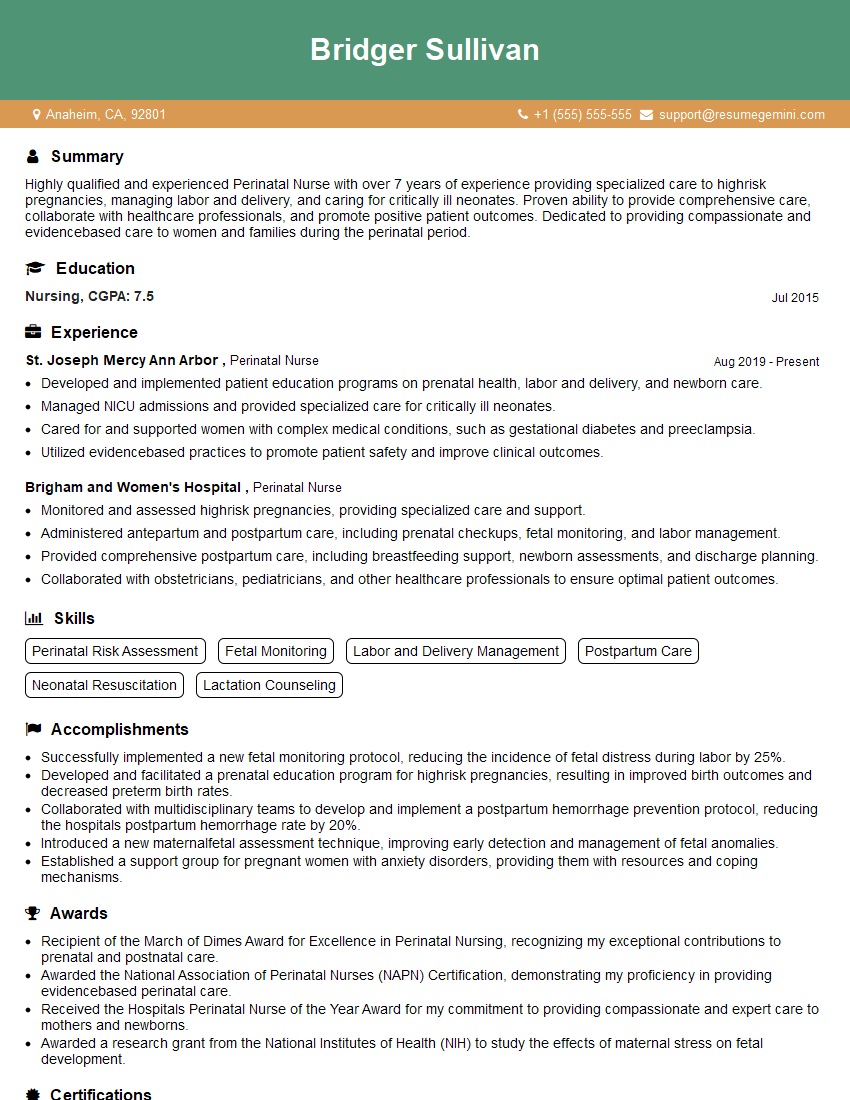
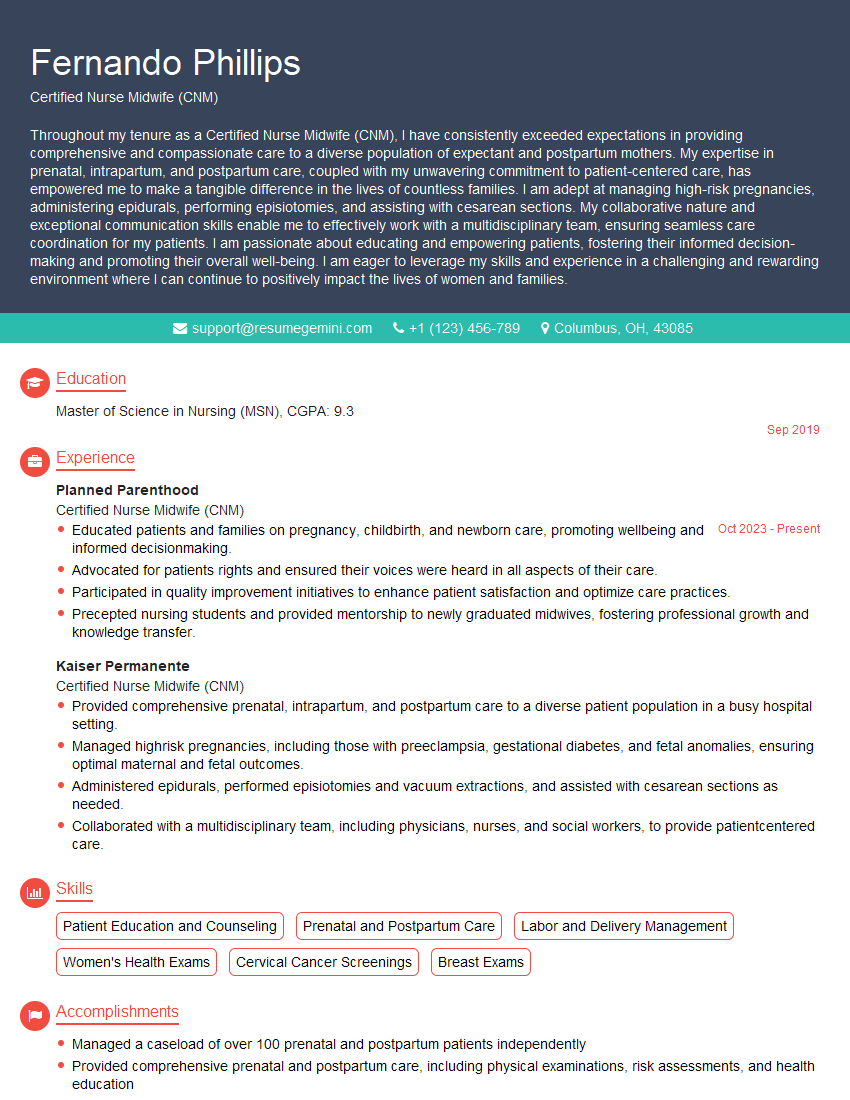
Mastering Obstetric Emergency Management is crucial for career advancement in this high-stakes field. A strong understanding of these critical areas demonstrates your expertise and commitment to patient safety. To maximize your job prospects, it’s essential to present your qualifications effectively. Creating an ATS-friendly resume is key to getting your application noticed. We recommend using ResumeGemini, a trusted resource for building professional and impactful resumes. ResumeGemini provides examples of resumes specifically tailored to Obstetric Emergency Management, ensuring your application stands out from the competition.
Explore more articles
Users Rating of Our Blogs
Share Your Experience
We value your feedback! Please rate our content and share your thoughts (optional).
What Readers Say About Our Blog
To the interviewgemini.com Webmaster.
Very helpful and content specific questions to help prepare me for my interview!
Thank you
To the interviewgemini.com Webmaster.
This was kind of a unique content I found around the specialized skills. Very helpful questions and good detailed answers.
Very Helpful blog, thank you Interviewgemini team.