The right preparation can turn an interview into an opportunity to showcase your expertise. This guide to Public Outreach and Involvement interview questions is your ultimate resource, providing key insights and tips to help you ace your responses and stand out as a top candidate.
Questions Asked in Public Outreach and Involvement Interview
Q 1. Describe your experience developing and implementing a successful public outreach campaign.
Developing and implementing a successful public outreach campaign requires a strategic approach that considers the target audience, key messages, and available resources. My experience includes leading a campaign to increase awareness of a local river cleanup initiative. We started by identifying our target audience – local residents, businesses, and community groups. We then crafted clear and concise messaging emphasizing the environmental and economic benefits of a cleaner river. Our multi-channel approach included social media campaigns using engaging visuals and videos, community events with interactive booths and volunteer opportunities, and collaborations with local newspapers and radio stations. The campaign resulted in a 30% increase in volunteer participation and a significant rise in public awareness, as measured by social media engagement and a pre/post survey.
- Phase 1: Needs Assessment & Audience Definition: Thoroughly understanding the community and identifying key stakeholders is crucial.
- Phase 2: Messaging Development: Crafting compelling narratives that resonate with the target audience is paramount.
- Phase 3: Channel Selection: Choosing appropriate communication channels (social media, local press, events, etc.) to reach the intended audience.
- Phase 4: Implementation & Monitoring: Executing the campaign and closely tracking its progress and making necessary adjustments.
- Phase 5: Evaluation: Assessing the campaign’s effectiveness against pre-defined goals.
Q 2. How do you measure the effectiveness of a public outreach initiative?
Measuring the effectiveness of a public outreach initiative involves both quantitative and qualitative methods. Quantitative methods focus on measurable data, like website traffic, social media engagement, survey responses, and volunteer numbers. For example, tracking the number of website visits related to our river cleanup campaign provided a clear indication of public interest. Qualitative methods assess the impact through feedback mechanisms like focus groups, interviews, and social media comments. Analyzing this feedback helped us understand the public’s perception of the campaign and identify areas for improvement.
A comprehensive evaluation considers the following:
- Reach: Number of people exposed to the message.
- Engagement: Level of interaction with the message (likes, shares, comments).
- Awareness: Increase in public knowledge about the issue.
- Attitude change: Shift in public opinion or behavior.
- Action: Number of people taking desired actions (volunteering, donating, etc.).
Q 3. Explain your approach to engaging diverse stakeholders in a public outreach project.
Engaging diverse stakeholders requires a culturally sensitive and inclusive approach. It’s vital to avoid a ‘one-size-fits-all’ strategy. My approach involves proactively seeking input from diverse groups, using multiple communication channels tailored to their preferences, and employing culturally appropriate language and imagery. For instance, during a community engagement project involving low-income neighborhoods, we held meetings at convenient times and locations, offered childcare, and provided translation services in multiple languages. We also actively sought feedback throughout the process to ensure the project addressed the community’s unique needs.
- Community Partnerships: Building strong relationships with local organizations and leaders representing diverse groups.
- Multilingual Materials: Ensuring all communication materials are available in multiple languages.
- Accessible Formats: Providing information in accessible formats for people with disabilities.
- Culturally Sensitive Messaging: Utilizing language and imagery that respects cultural diversity.
- Inclusive Events: Holding events in diverse settings and at times accessible to all.
Q 4. What strategies do you use to build and maintain positive relationships with the media?
Building and maintaining positive relationships with the media involves consistent, transparent, and proactive communication. I build rapport with journalists by providing them with accurate and timely information, being readily available for interviews, and offering exclusive insights. Regularly pitching relevant stories tailored to their publication’s audience is essential. Maintaining a media contact list and understanding their specific interests and deadlines are crucial. When addressing sensitive issues, I provide context and background information to avoid misunderstandings. Honesty and transparency are key to building trust and maintaining positive relationships.
Q 5. How would you handle negative media coverage or public criticism of a project?
Handling negative media coverage requires a calm, strategic, and proactive approach. First, I would thoroughly analyze the criticism to understand its source and validity. Then, I would formulate a response that addresses the concerns directly and transparently. This may involve issuing a press release clarifying misunderstandings, offering corrections, or admitting mistakes and outlining steps to rectify them. It’s important to engage in respectful dialogue with critics, offering opportunities for further discussion and clarification. In some cases, ignoring the criticism might escalate the issue further; a thoughtful response demonstrates accountability and commitment to resolving concerns.
Q 6. Describe your experience working with community organizations and leaders.
I have extensive experience working with community organizations and leaders. My approach centers on building trust, mutual respect, and shared understanding. I establish collaborative partnerships based on clear communication, shared goals, and a commitment to inclusivity. Active listening, incorporating their perspectives into project planning, and valuing their local expertise are crucial. For instance, during a community development project, I ensured regular communication with local leaders and organizations, involving them in decision-making processes and creating opportunities for joint advocacy.
Q 7. How do you adapt your communication style to different audiences?
Adapting communication styles to different audiences is essential for effective public outreach. I tailor my communication based on factors such as age, education level, cultural background, and technical expertise. For instance, I use simple language and visuals for audiences with limited literacy, while employing more technical language for experts. I choose appropriate communication channels based on audience preferences (e.g., social media for younger audiences, community meetings for older generations). It’s about understanding your audience’s needs and conveying information in a way that is engaging and easily understood by all.
Q 8. What experience do you have in using social media for public outreach?
My experience with social media for public outreach is extensive. I’ve leveraged platforms like Facebook, Twitter, Instagram, LinkedIn, and even TikTok, tailoring my approach to the specific audience and campaign goals. For example, during a campaign promoting sustainable agriculture, we used Instagram to showcase visually appealing content – images and short videos of farmers and their practices – targeting a younger demographic interested in eco-friendly initiatives. On LinkedIn, we focused on professional networking and engaging with industry leaders and policymakers. Success hinges on understanding each platform’s unique characteristics and developing a content strategy that resonates with the target audience on *that* platform. This includes utilizing relevant hashtags, engaging with comments and questions, and using analytics to track performance and adapt our strategy.
Beyond simply posting, I’ve managed paid social media advertising campaigns, optimizing budget allocation across different platforms to maximize reach and engagement. I’m also proficient in using social listening tools to monitor public sentiment, identify emerging issues, and proactively address concerns. This allows for a more responsive and agile approach to public outreach.
Q 9. How do you identify and address potential risks or challenges in a public outreach campaign?
Identifying and addressing potential risks in public outreach requires a proactive and comprehensive approach. I begin by conducting a thorough risk assessment, considering factors such as: potential negative public perception, community sensitivities, conflicting interests, and the possibility of misinformation spreading. For instance, when launching a campaign concerning a controversial development project, we anticipated potential opposition and planned for public forums, Q&A sessions, and dedicated communication channels to address concerns transparently and directly.
Once potential risks are identified, I develop mitigation strategies. This might involve creating a crisis communication plan, designing clear and accessible communication materials, and training spokespeople to handle difficult questions effectively. Furthermore, I build relationships with key stakeholders and community leaders in advance to foster trust and open communication. Regular monitoring of public sentiment through social media and other channels helps identify and address emerging issues quickly, preventing escalation into larger problems.
Q 10. Describe your experience in crisis communication and public relations management.
My experience in crisis communication and public relations management spans several years and diverse situations. I’ve managed responses to everything from minor incidents to major controversies, always prioritizing transparency, accuracy, and empathy. For example, during a product recall, I coordinated all communication channels – press releases, social media updates, website announcements, and customer service – ensuring a consistent message across all platforms. Speed and accuracy are critical in crisis communication. We prioritized getting the facts straight and disseminating information as quickly and responsibly as possible to limit damage.
I’ve employed strategies including proactive media engagement, swift dissemination of factual information, and engaging directly with affected stakeholders. A key aspect of this is empathy and understanding. In a crisis, people are often upset and scared, and acknowledging their feelings helps build trust and manage the situation effectively. The goal is to mitigate negative impacts, protect the reputation of the organization, and rebuild trust with the public.
Q 11. How familiar are you with various communication channels (e.g., print, digital, social media)?
I’m highly familiar with a wide range of communication channels, encompassing traditional media such as print (newspapers, brochures, newsletters) and broadcast (radio, television), as well as digital platforms (websites, social media, email marketing). My experience includes developing comprehensive communication strategies that leverage the strengths of each channel to reach diverse audiences. For example, we used local newspapers to target older demographics who may not be active on social media, while employing targeted digital ads on social media to reach younger age groups.
The choice of channel is strategic and depends on the target audience, message, and campaign goals. I’m proficient in using analytics to measure the effectiveness of different channels and optimize our communication approach accordingly.
Q 12. How do you ensure the accessibility and inclusivity of your outreach efforts?
Ensuring accessibility and inclusivity in public outreach is paramount. This means actively considering the needs of all community members, regardless of their abilities or backgrounds. I achieve this through several strategies:
- Language Accessibility: Offering materials in multiple languages, using plain language that avoids jargon and technical terms.
- Sensory Considerations: Providing alternative formats like audio descriptions for videos, large print versions of materials, and transcripts for online content.
- Digital Accessibility: Ensuring websites and online materials conform to WCAG (Web Content Accessibility Guidelines) standards.
- Cultural Sensitivity: Taking into account the cultural values, beliefs, and communication styles of diverse community groups.
- Community Engagement: Collaborating with community organizations that represent diverse groups to ensure our messaging is culturally relevant and inclusive.
Ultimately, inclusive outreach reflects respect for all community members and ensures that everyone has an equal opportunity to participate and benefit from public engagement efforts.
Q 13. What are some key performance indicators (KPIs) you would use to track success in public outreach?
Key Performance Indicators (KPIs) are essential for measuring the success of a public outreach campaign. I typically use a combination of quantitative and qualitative metrics, depending on the campaign objectives. Examples include:
- Website traffic and engagement: Number of website visitors, time spent on site, bounce rate.
- Social media engagement: Likes, shares, comments, mentions, reach, follower growth.
- Media coverage: Number of media mentions, tone of coverage (positive, negative, neutral).
- Event attendance: Number of participants, feedback from attendees.
- Surveys and feedback forms: Public opinion, satisfaction levels, suggestions for improvement.
- Changes in awareness/knowledge/attitudes: Measured through pre- and post-campaign surveys.
By tracking these KPIs, I can assess the effectiveness of the outreach campaign, identify areas for improvement, and demonstrate the value of the effort to stakeholders.
Q 14. How do you build trust and credibility with skeptical or resistant communities?
Building trust with skeptical or resistant communities requires a patient, empathetic, and transparent approach. I prioritize active listening and demonstrating genuine respect for their concerns. This often involves multiple steps:
- Active Listening and Understanding: Truly hearing their concerns, acknowledging their feelings, and avoiding dismissive language.
- Transparency and Open Communication: Providing clear, accurate information, openly addressing questions and concerns, and proactively correcting misinformation.
- Building Relationships: Engaging with community leaders and members, fostering trust and open dialogue through personal interaction.
- Demonstrating Credibility: Using credible sources, data, and evidence to support claims and build trust in our information.
- Collaboration and Partnership: Working with community members to co-create solutions and demonstrate that their perspectives are valued.
It’s important to remember that building trust takes time. Consistency, transparency, and respect are crucial elements in this process.
Q 15. Describe your experience facilitating public forums or meetings.
Facilitating public forums and meetings requires a blend of organizational skills, active listening, and the ability to manage diverse perspectives. My approach centers on creating a safe and inclusive environment where all participants feel comfortable sharing their views. This starts with meticulous planning – defining clear objectives, developing a structured agenda, and selecting a suitable venue.
For instance, during a community meeting regarding a proposed new park, I began by clearly stating the meeting’s purpose: to gather feedback on design proposals. I then facilitated a structured discussion using a combination of presentations, Q&A sessions, and small group brainstorming activities to encourage participation from a broad range of community members – from young families to senior citizens. Active listening was crucial, ensuring everyone felt heard. I summarized key points regularly and addressed concerns openly and honestly, addressing any potential misunderstandings promptly.
Following the meeting, I compiled and analyzed the feedback received, producing a comprehensive report that informed the final park design. This ensured transparency and demonstrated that community input was valued.
Career Expert Tips:
- Ace those interviews! Prepare effectively by reviewing the Top 50 Most Common Interview Questions on ResumeGemini.
- Navigate your job search with confidence! Explore a wide range of Career Tips on ResumeGemini. Learn about common challenges and recommendations to overcome them.
- Craft the perfect resume! Master the Art of Resume Writing with ResumeGemini’s guide. Showcase your unique qualifications and achievements effectively.
- Don’t miss out on holiday savings! Build your dream resume with ResumeGemini’s ATS optimized templates.
Q 16. How do you use data and analytics to inform your outreach strategies?
Data and analytics are fundamental to effective outreach. We use data to understand our target audience, measure the success of our campaigns, and adapt strategies as needed. For example, pre-campaign surveys can identify key concerns and preferences, informing the content and messaging of our communications. During the campaign, we track website traffic, social media engagement, and attendance at events to measure reach and impact.
For example, in a campaign promoting public transportation, we used demographic data to target specific neighborhoods with tailored messaging. Analyzing website analytics revealed that videos were far more engaging than static content, resulting in a shift in our content strategy. Post-campaign surveys allowed us to gauge the effectiveness of our efforts and identify areas for improvement in future campaigns.
Tools like Google Analytics, social media analytics dashboards, and CRM systems are invaluable for gathering and analyzing this data, providing actionable insights to optimize outreach strategies.
Q 17. What is your understanding of ethical considerations in public outreach?
Ethical considerations are paramount in public outreach. Transparency, fairness, and respect for diverse viewpoints are crucial. We must ensure that information is accurate, accessible, and presented without bias. This includes avoiding manipulative tactics and protecting the privacy of participants.
For instance, when communicating about a potentially controversial project, it’s essential to present both sides of the argument fairly, acknowledging potential downsides alongside the benefits. We should also ensure that all community members, including those with limited access to technology or information, have equal opportunities to participate. This might involve providing translation services, alternative formats for information dissemination, and holding meetings at accessible locations and times.
Furthermore, we must obtain informed consent before collecting and using personal data and always maintain the confidentiality of sensitive information.
Q 18. How do you manage competing priorities and deadlines in a fast-paced environment?
Managing competing priorities and deadlines in a fast-paced environment requires strong organizational skills and effective time management techniques. My approach involves prioritizing tasks based on urgency and importance using methods like Eisenhower Matrix (urgent/important). I break down large projects into smaller, manageable tasks with clearly defined timelines. I also leverage project management software to track progress, identify potential bottlenecks, and ensure timely completion.
For example, during a simultaneous campaign promoting both a new community center and a recycling initiative, I used a project management tool to create separate task lists for each initiative, setting realistic deadlines for each phase. Regular check-ins with my team ensured that any potential conflicts were addressed proactively. Open communication with stakeholders was crucial, keeping them updated on progress and any potential delays.
Effective delegation and collaboration are essential in such environments. I empower team members to take ownership of specific tasks, fostering a shared sense of responsibility and enhancing overall efficiency.
Q 19. Describe your experience collaborating with internal and external stakeholders.
Collaboration with both internal and external stakeholders is vital for successful outreach. Building strong relationships with colleagues, community leaders, media representatives, and other relevant parties ensures effective communication and shared understanding. I utilize regular meetings, email updates, and collaborative platforms to maintain consistent communication and foster a sense of shared ownership.
For instance, during a campaign to improve local schools, I collaborated closely with school administrators, teachers, parents, and local government officials. This involved attending school board meetings, organizing parent forums, and coordinating with the municipality on resource allocation. Clear and regular communication with each stakeholder group ensured that everyone was informed and aligned towards a common goal. This collaborative approach was instrumental in securing funding and implementing necessary improvements.
Active listening, mutual respect, and a willingness to compromise are essential for navigating diverse perspectives and building consensus.
Q 20. How do you stay informed about current events and relevant public policy issues?
Staying informed about current events and relevant public policy issues is crucial for effective outreach. I regularly follow news sources, subscribe to relevant newsletters and journals, and participate in professional development opportunities.
I utilize a multi-pronged approach, including reading reputable news outlets (both national and local), following key influencers and organizations on social media, and attending conferences and workshops related to public policy and community engagement. This ensures I remain up-to-date on relevant legislation, emerging trends, and community concerns.
Furthermore, I actively engage in networking with professionals in related fields, attending industry events and joining professional organizations to exchange knowledge and learn about best practices.
Q 21. What software or tools are you proficient in for managing outreach efforts?
Proficiency in various software and tools is essential for managing outreach efforts efficiently. I’m proficient in several key applications, including project management software (e.g., Asana, Trello), CRM systems (e.g., Salesforce), data analytics platforms (e.g., Google Analytics), and social media management tools (e.g., Hootsuite).
Example: Using Asana to track tasks, deadlines, and team progress for multiple outreach initiatives simultaneously. Using Google Analytics to monitor website traffic and engagement metrics, informing the optimization of our online content. Utilizing Salesforce to manage contact information, track interactions, and segment audiences for targeted communication.
My ability to leverage technology effectively not only streamlines my workflow but also enhances my ability to collect, analyze, and interpret data, leading to more effective outreach strategies.
Q 22. Describe your experience developing and managing a budget for a public outreach program.
Developing and managing a public outreach program budget requires a meticulous approach. It starts with a clear understanding of the program’s goals and objectives. This informs the allocation of resources across various activities. For example, a campaign focused on increasing community awareness might prioritize funding for advertising, event organization, and printed materials. Conversely, a program aiming to gather public input on a policy decision may invest more heavily in online surveys, community forums, and translation services for diverse populations.
My approach typically involves:
- Needs Assessment: Defining all necessary resources – personnel, materials, technology, travel, etc.
- Budget Breakdown: Categorizing expenses into detailed line items for easier tracking and analysis.
- Contingency Planning: Allocating a percentage (usually 10-15%) to account for unforeseen expenses or opportunities.
- Regular Monitoring: Tracking actual spending against the budget throughout the program’s lifecycle. This often involves monthly reviews and adjustments as needed.
- Reporting: Providing regular updates to stakeholders, demonstrating transparency and accountability.
In a recent project focused on environmental conservation, I successfully managed a $50,000 budget by meticulously tracking expenses, negotiating favorable rates with vendors, and securing additional funding through grants. This resulted in a program exceeding expectations and operating within the allocated budget.
Q 23. How do you assess the success of your public outreach efforts after campaign completion?
Assessing the success of a public outreach campaign goes beyond simply measuring participation numbers. It requires a multi-faceted approach that incorporates both quantitative and qualitative data. We need to understand not only *how many* people were reached, but also *how* they responded and *what changed* as a result of the campaign.
My assessment methodology typically includes:
- Quantitative Data: Website analytics (website traffic, downloads, engagement), social media metrics (reach, engagement, sentiment), survey responses (participation rate, feedback).
- Qualitative Data: Focus groups, interviews with participants, media coverage analysis, feedback forms, and observation of events.
- Goal Alignment: Measuring success against pre-defined objectives. Did the campaign achieve its goals in terms of awareness, knowledge gain, behavior change, policy impact, or public support?
- Stakeholder Feedback: Gathering input from various stakeholders (community members, partners, funders) to gain a holistic perspective on the campaign’s effectiveness.
For example, in a public health campaign promoting flu vaccination, we measured vaccination rates in the target population, analyzed social media sentiment surrounding the campaign, and conducted post-campaign surveys to gauge awareness and knowledge changes. The combined quantitative and qualitative data provided a comprehensive understanding of the campaign’s impact.
Q 24. How have you leveraged technology to improve public outreach processes?
Technology has revolutionized public outreach, offering unparalleled opportunities to reach wider audiences and improve efficiency. I’ve leveraged various technologies to streamline processes and enhance engagement:
- Social Media: Utilizing platforms like Twitter, Facebook, Instagram, and LinkedIn to disseminate information, engage with the public, and gather feedback.
- Email Marketing: Creating targeted email campaigns to reach specific segments of the population and share relevant information.
- Website Development: Designing user-friendly websites with interactive elements to provide information and facilitate engagement.
- Online Surveys and Polls: Using online tools to gather public opinion on various topics efficiently and effectively.
- Virtual Events and Webinars: Hosting online events to reach geographically dispersed audiences and reduce costs.
- Data Analytics Tools: Employing tools like Google Analytics to track website traffic, social media engagement, and campaign performance.
For instance, during a recent campaign promoting civic engagement, we used a social media campaign to create interactive quizzes and polls to increase user engagement and spread awareness through targeted ads. We also used email marketing to deliver targeted information and updates to different community segments.
Q 25. Explain your understanding of risk assessment and mitigation in relation to public engagement.
Risk assessment and mitigation are crucial in public engagement. Unexpected events or negative reactions can derail even the best-planned outreach efforts. A proactive approach to risk management involves identifying potential problems, assessing their likelihood and impact, and developing strategies to minimize or eliminate them.
My approach usually follows these steps:
- Risk Identification: Identifying potential challenges, including negative public perception, logistical issues, communication breakdowns, and security concerns.
- Risk Assessment: Evaluating the likelihood and potential impact of each identified risk. This often involves a qualitative or quantitative assessment, considering factors like severity and probability.
- Risk Mitigation: Developing strategies to reduce the likelihood or impact of identified risks. This could involve developing contingency plans, establishing communication protocols, providing training to staff, or securing necessary permits or approvals.
- Monitoring and Evaluation: Continuously monitoring risks throughout the project lifecycle and adjusting mitigation strategies as needed.
For example, during a public consultation on a controversial development project, we anticipated potential protests and developed a detailed communication plan to address public concerns proactively and manage potential disruptions. We also established a clear escalation protocol to handle any unforeseen incidents.
Q 26. How do you balance the needs of different stakeholders with project goals?
Balancing the needs of different stakeholders is paramount in successful public outreach. Stakeholders often have competing interests and priorities, requiring careful negotiation and communication. A key element is understanding the diverse perspectives and identifying common ground.
My approach involves:
- Stakeholder Mapping: Identifying all key stakeholders – community members, government agencies, businesses, NGOs, etc. – and understanding their interests and influence.
- Communication and Engagement: Establishing open and transparent communication channels with all stakeholders. This often involves regular meetings, surveys, feedback sessions, and other forms of engagement.
- Collaboration and Negotiation: Working collaboratively with stakeholders to find common ground and address competing interests. This may involve compromise and negotiation.
- Transparency and Accountability: Maintaining transparency in decision-making and demonstrating accountability to all stakeholders.
In a project involving a community park redevelopment, we balanced the needs of residents wanting improved recreational facilities with environmental groups concerned about preserving natural habitats. Through facilitated workshops and regular communication, we successfully developed a plan that satisfied both groups.
Q 27. What is your experience in preparing and delivering presentations to large groups?
I have extensive experience preparing and delivering presentations to large groups, from community town halls to conferences and workshops. My focus is on creating engaging and informative presentations that resonate with the audience.
My approach involves:
- Audience Analysis: Understanding the audience’s background, knowledge level, and interests to tailor the presentation accordingly.
- Clear Message: Developing a clear and concise message that is easy to understand and remember.
- Visual Aids: Utilizing compelling visuals, such as charts, graphs, and images, to enhance engagement and understanding.
- Storytelling: Incorporating anecdotes and real-life examples to make the presentation more relatable and memorable.
- Interactive Elements: Including interactive elements, such as Q&A sessions, polls, or group discussions, to encourage audience participation.
Recently, I presented the findings of a community health survey to over 200 residents. The presentation, using visual aids and incorporating real-life examples from the survey, was well-received and generated productive discussions.
Q 28. Describe a time when you had to overcome a significant challenge in a public outreach project.
During a public awareness campaign on water conservation, we faced a significant challenge when a major drought unexpectedly intensified, exceeding our initial projections. This created immediate pressure to adjust our messaging and activities to reflect the urgency of the situation.
To overcome this challenge, we:
- Quickly re-evaluated our plan: We analyzed the updated drought conditions and their impact on our target audience.
- Adjusted our messaging: We revised our communication materials to highlight the immediate need for water conservation and incorporated more urgent calls to action.
- Expanded outreach efforts: We collaborated with additional partners, such as local media and community organizations, to broaden our reach and amplify our message.
- Developed new resources: We created new materials, such as infographics and short videos, providing practical water-saving tips tailored to the heightened drought conditions.
- Monitored public response: We closely monitored public feedback and adjusted our strategy as needed.
By adapting to the changing circumstances and implementing these adjustments, we effectively addressed the intensified drought and maintained momentum in our campaign. We successfully navigated the crisis and still achieved our water conservation goals.
Key Topics to Learn for Public Outreach and Involvement Interview
- Community Engagement Strategies: Understanding different approaches to engaging with diverse communities, including online and offline methods. Practical application: Developing a tailored communication plan for a specific community group.
- Stakeholder Management: Identifying key stakeholders, managing their expectations, and building strong relationships. Practical application: Successfully navigating conflicting viewpoints among stakeholders during a public consultation process.
- Public Relations and Media Outreach: Crafting compelling narratives, managing media relations, and leveraging various communication channels. Practical application: Developing a press release to announce a new initiative and managing media inquiries.
- Event Planning and Management: Organizing and executing successful public events, from small workshops to large-scale conferences. Practical application: Managing logistics, budgets, and volunteers for a community event.
- Data Analysis and Evaluation: Measuring the impact of outreach efforts using quantitative and qualitative data. Practical application: Analyzing post-event surveys to assess program effectiveness and identify areas for improvement.
- Crisis Communication: Developing and implementing strategies to effectively manage negative publicity or unexpected events. Practical application: Creating a crisis communication plan to address a potential public health concern.
- Accessibility and Inclusivity: Ensuring that outreach materials and events are accessible to people with disabilities and from diverse backgrounds. Practical application: Adapting communication materials to meet the needs of various audiences.
Next Steps
Mastering Public Outreach and Involvement opens doors to impactful and fulfilling careers, allowing you to make a tangible difference in your community and beyond. A strong resume is crucial for showcasing your skills and experience to potential employers. Creating an ATS-friendly resume significantly increases your chances of getting your application noticed. We highly recommend using ResumeGemini to build a professional and effective resume that highlights your unique qualifications. ResumeGemini provides examples of resumes tailored to Public Outreach and Involvement to help guide your creation process.
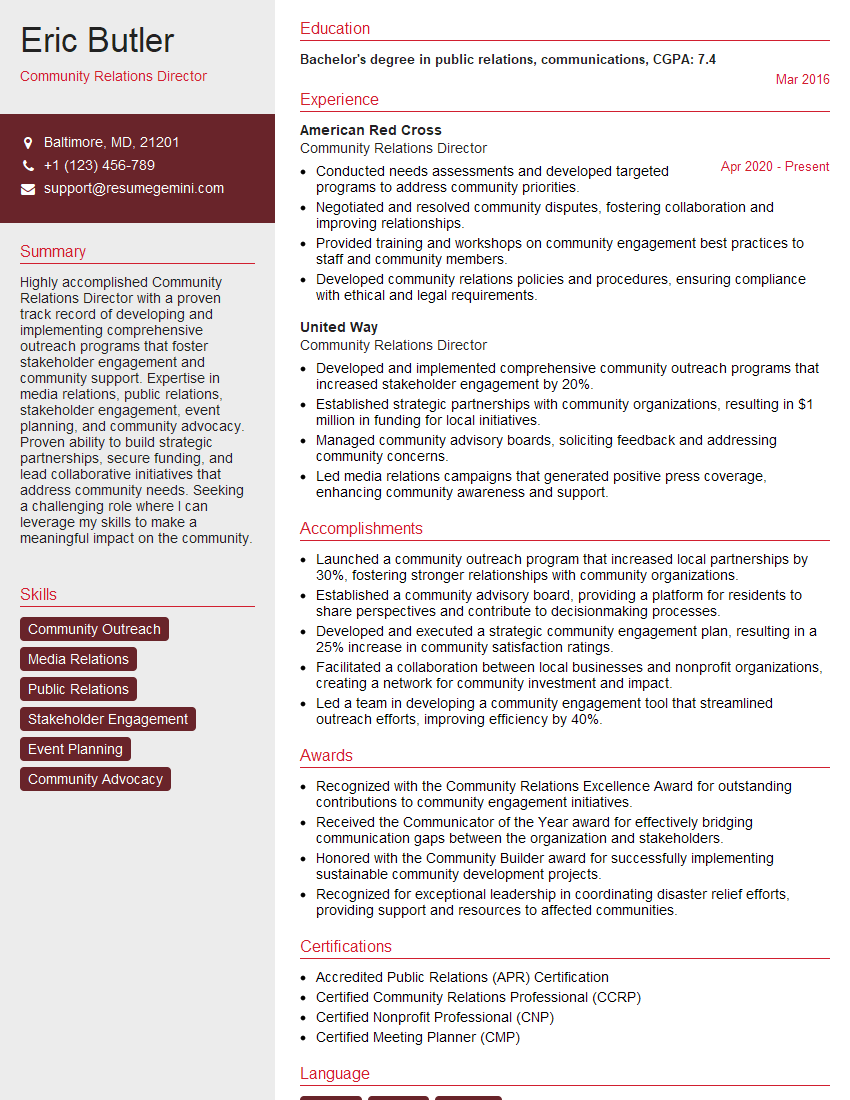
Community Relations Director Resume Sample

Communications Director Resume Sample
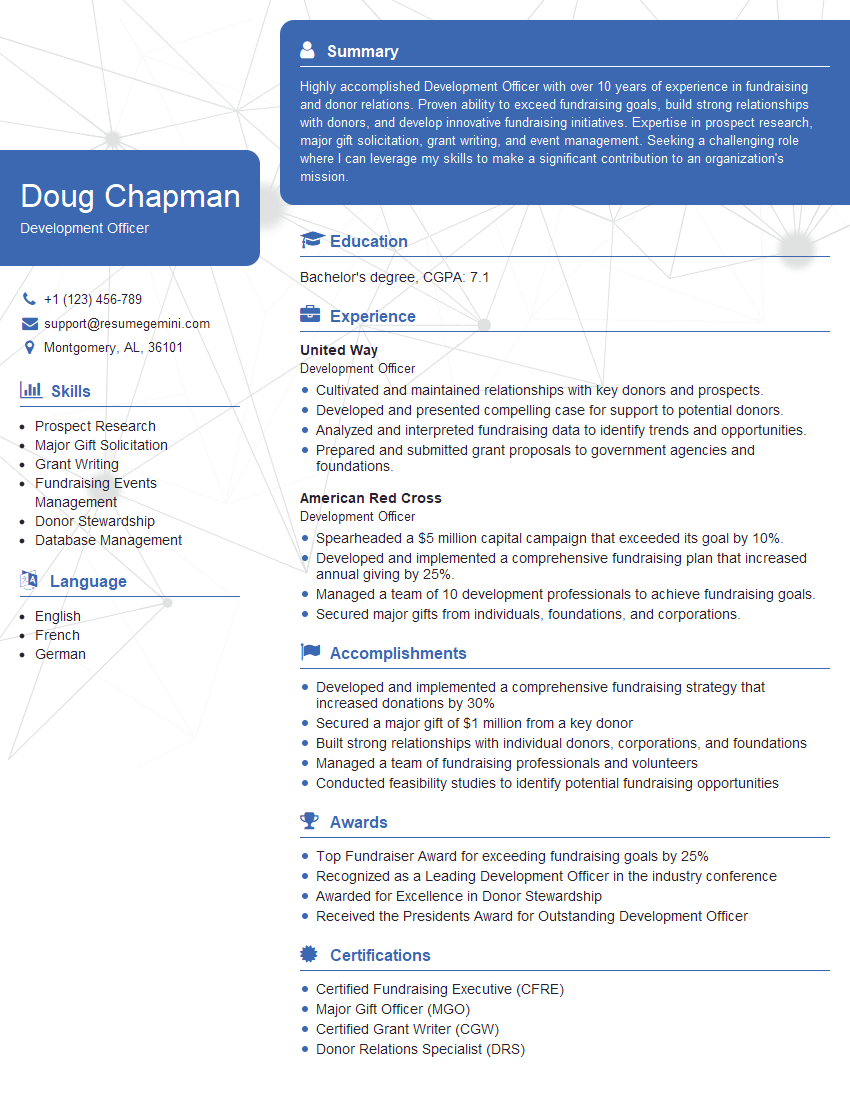
Development Officer Resume Sample
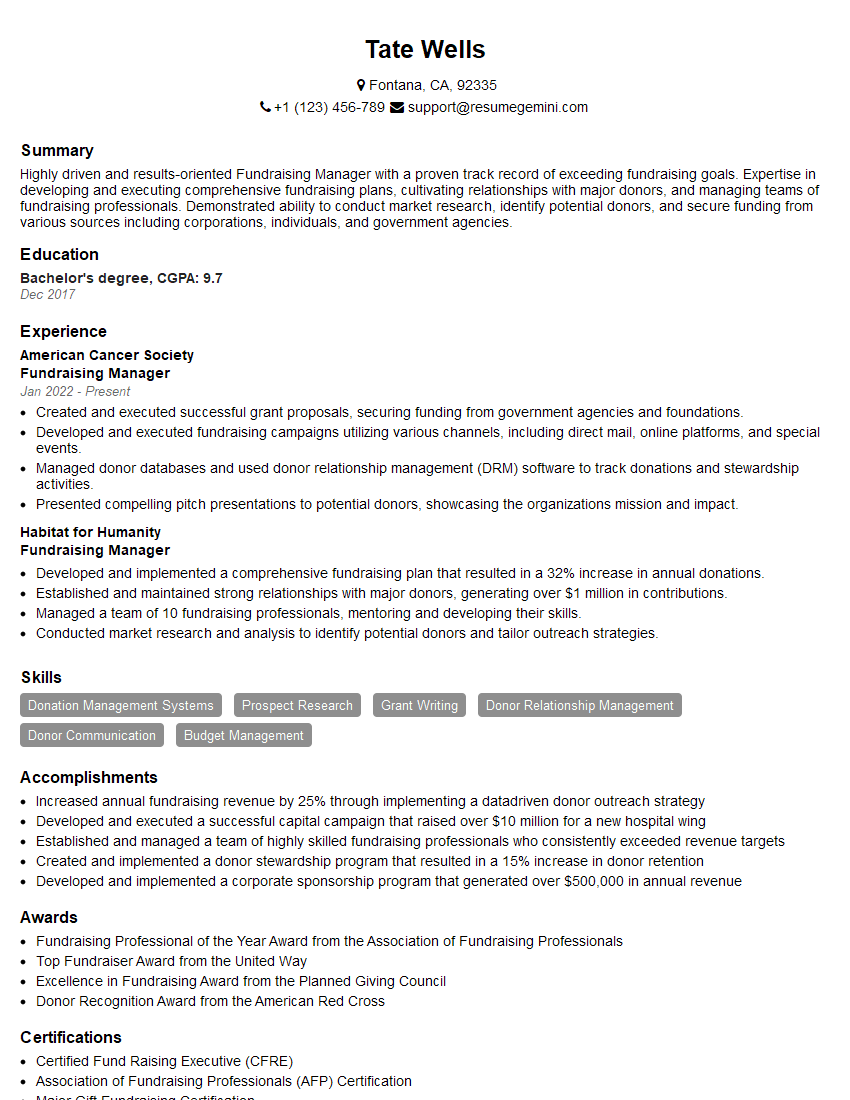
Fundraising Manager Resume Sample

Marketing Communications Manager Resume Sample
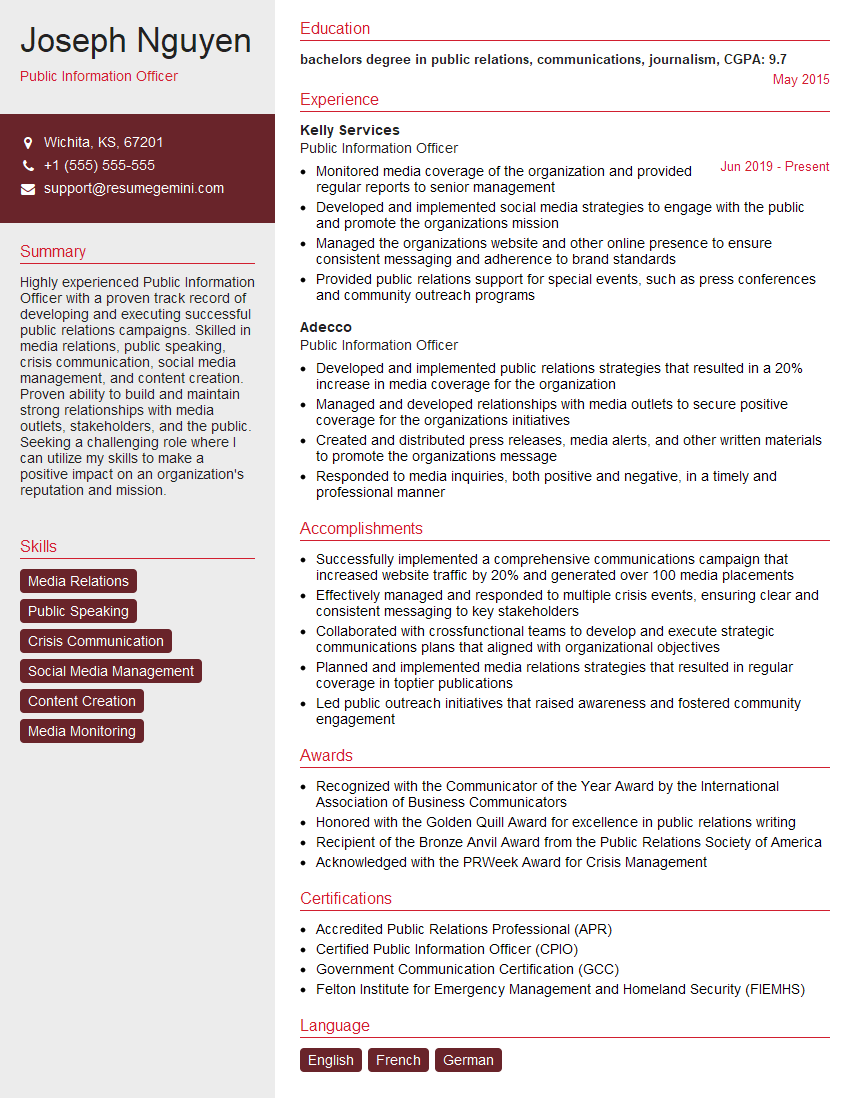
Public Information Officer Resume Sample
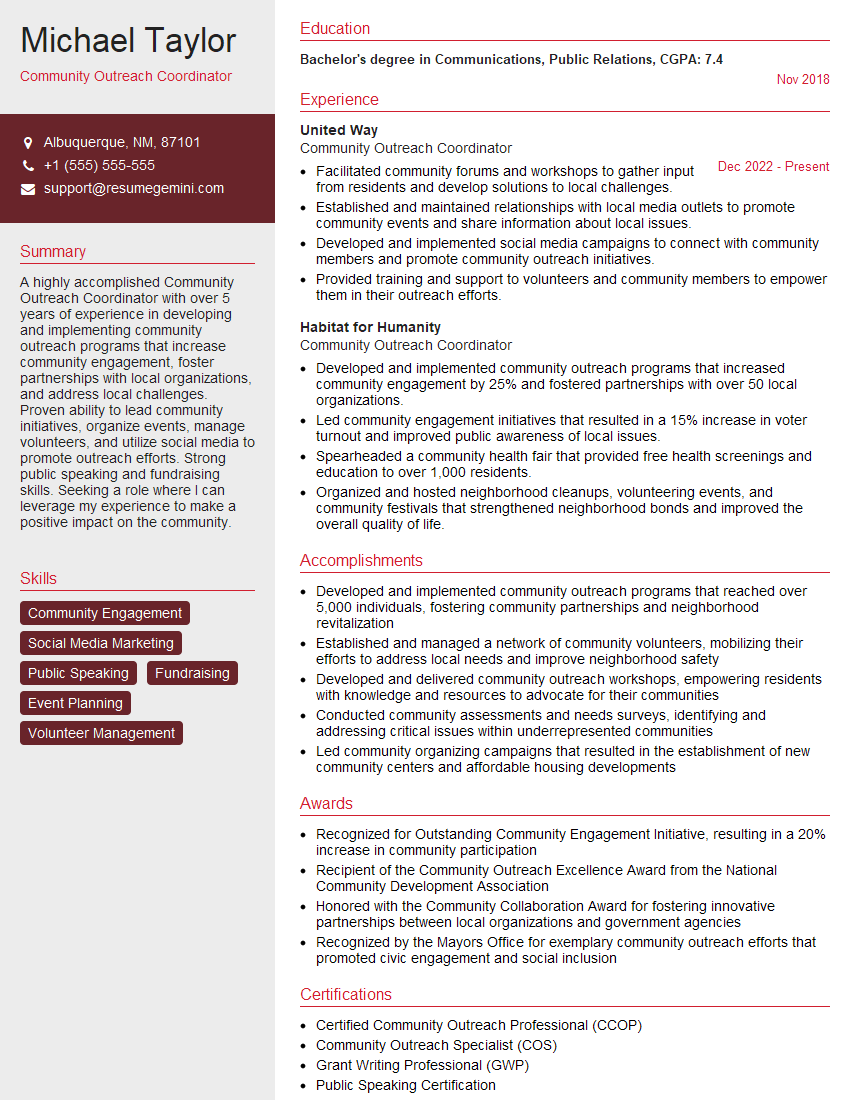
Community Outreach Coordinator Resume Sample
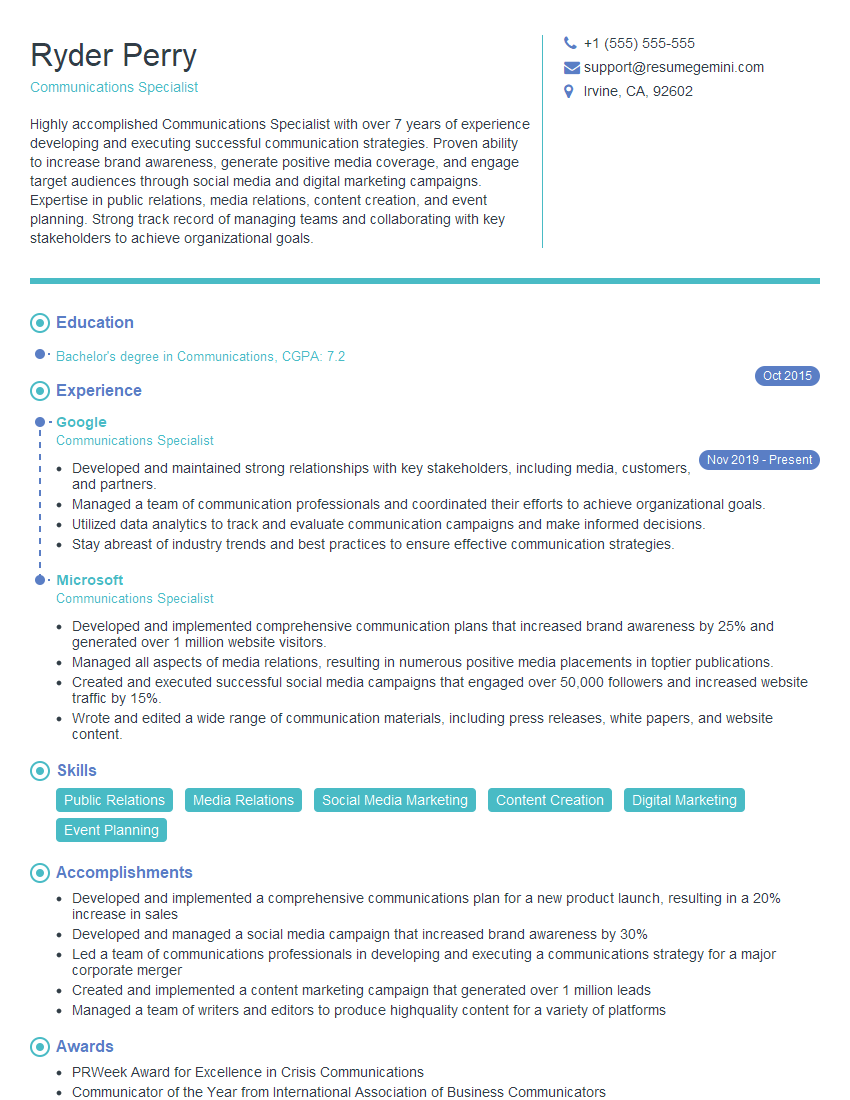
Communications Specialist Resume Sample
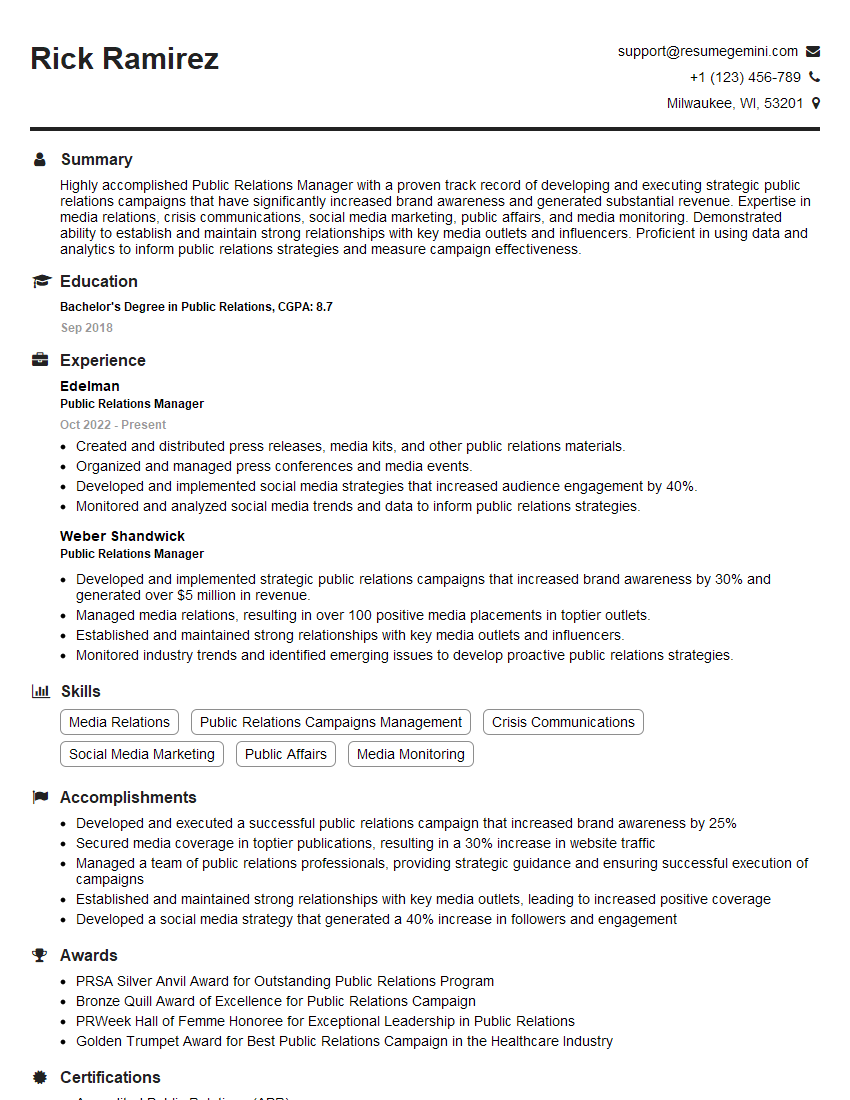
Public Relations Manager Resume Sample
Explore more articles
Users Rating of Our Blogs
Share Your Experience
We value your feedback! Please rate our content and share your thoughts (optional).
What Readers Say About Our Blog
To the interviewgemini.com Webmaster.
Very helpful and content specific questions to help prepare me for my interview!
Thank you
To the interviewgemini.com Webmaster.
This was kind of a unique content I found around the specialized skills. Very helpful questions and good detailed answers.
Very Helpful blog, thank you Interviewgemini team.