Every successful interview starts with knowing what to expect. In this blog, we’ll take you through the top Incident Response and Emergency Management interview questions, breaking them down with expert tips to help you deliver impactful answers. Step into your next interview fully prepared and ready to succeed.
Questions Asked in Incident Response and Emergency Management Interview
Q 1. Describe your experience with incident response methodologies (e.g., NIST, ISO 27001).
My incident response experience is deeply rooted in established methodologies like NIST Cybersecurity Framework and ISO 27001. I’ve applied the NIST framework’s five functions – Identify, Protect, Detect, Respond, and Recover – across numerous engagements, from small-scale phishing attacks to large-scale data breaches. This involves conducting risk assessments, implementing security controls (Protect), establishing monitoring and detection capabilities (Detect), and executing well-defined response procedures (Respond). ISO 27001’s focus on Information Security Management Systems (ISMS) has shaped my approach to incident response by ensuring a systematic and documented process. For example, in one engagement involving a ransomware attack, we leveraged NIST’s guidelines for containment, eradication, and recovery, meticulously documenting each step according to ISO 27001’s requirements. This structured approach ensured a swift and effective response, minimizing business disruption.
I’m proficient in tailoring these frameworks to specific organizational contexts, considering factors like industry regulations (HIPAA, PCI DSS), company size, and critical business functions. This adaptability is crucial in ensuring the effectiveness of incident response planning and execution.
Q 2. Explain the difference between disaster recovery and business continuity.
While both disaster recovery (DR) and business continuity (BC) aim to minimize disruptions, they address different aspects of organizational resilience. Disaster recovery focuses on restoring IT infrastructure and systems after a disruptive event. Think of it as the ‘how’ – the technical steps to get your systems back online. Business continuity, on the other hand, is a broader concept that encompasses all critical business processes and functions, ensuring the organization can continue operating even during disruptions. It addresses the ‘what’ and the ‘why’ – identifying critical functions and outlining strategies to keep them running, whether through alternative sites, manual processes, or technology solutions. A simple analogy: DR is like repairing a broken car engine; BC is like ensuring you have a backup car or alternative transportation to get to your destination.
For instance, a DR plan might detail the steps to restore a database from a backup after a server failure. A BC plan, however, would consider broader implications, such as how to continue customer service if the main call center is unavailable, perhaps by diverting calls to a mobile team.
Q 3. What are the key components of an effective incident response plan?
An effective incident response plan is built on several key components: First, a clearly defined incident response team with assigned roles and responsibilities. Next, established communication protocols to ensure timely and accurate information dissemination. Third, a comprehensive incident handling process, outlining steps for identification, containment, eradication, recovery, and post-incident activity. This process should include clear escalation paths. Fourth, a well-maintained inventory of critical assets, enabling efficient identification of impacted systems. Finally, a regular training and testing program to ensure the plan’s effectiveness and team proficiency.
Consider a scenario involving a suspected malware infection. The team would follow the documented process, starting with identification and isolating affected systems (containment), removing the malware (eradication), restoring systems from backups (recovery), and conducting a root cause analysis (post-incident activity). Effective communication during each phase is essential, ensuring stakeholders are informed and aligned.
Q 4. How do you prioritize incidents during a large-scale emergency?
Prioritizing incidents during a large-scale emergency requires a structured approach. I use a framework that prioritizes based on impact and urgency. Impact considers the potential consequences of not addressing the incident, such as financial loss, reputational damage, or legal repercussions. Urgency considers the immediacy of the threat and the time available to respond effectively. This often utilizes a matrix that categorizes incidents into quadrants: high impact/high urgency, high impact/low urgency, low impact/high urgency, and low impact/low urgency. High impact/high urgency incidents, like a widespread system outage affecting critical business functions, are addressed immediately. Low impact/low urgency issues can be deferred until resources are available.
In a real-world scenario like a major natural disaster impacting multiple data centers, I’d first prioritize restoring access to critical systems supporting life-sustaining services or emergency response operations. Then, I would focus on restoring access to essential business functions that generate revenue or maintain customer relationships.
Q 5. What tools and technologies are you familiar with for incident response?
My experience spans a wide range of incident response tools and technologies. These include security information and event management (SIEM) systems (e.g., Splunk, QRadar) for log analysis and threat detection; endpoint detection and response (EDR) solutions (e.g., CrowdStrike, Carbon Black) for endpoint monitoring and malware analysis; network forensic tools (e.g., Wireshark) for network traffic analysis; and vulnerability scanners (e.g., Nessus, OpenVAS) for identifying security weaknesses. I am also proficient in using various forensic tools for data recovery and analysis.
I’m familiar with various scripting languages (Python, PowerShell) to automate tasks, build custom tools, and analyze data efficiently. Experience with cloud-based security tools (e.g., AWS GuardDuty, Azure Security Center) is also relevant in addressing incidents across hybrid or cloud environments.
Q 6. Describe your experience with vulnerability management and remediation.
Vulnerability management and remediation are integral parts of proactive incident prevention. My experience encompasses conducting regular vulnerability assessments using automated scanners and manual penetration testing to identify security flaws. This includes addressing vulnerabilities in operating systems, applications, and network devices. I then prioritize remediation based on factors like the severity of the vulnerability, the likelihood of exploitation, and the potential impact. Remediation might involve patching systems, implementing compensating controls, or upgrading software.
For instance, I’ve led initiatives to implement a vulnerability management program that uses automated scanners to identify vulnerabilities weekly. Critical vulnerabilities are remediated within a defined timeframe, and the progress is tracked and reported to senior management. This proactive approach significantly reduces the attack surface and diminishes the likelihood of successful exploitation.
Q 7. How do you perform root cause analysis of security incidents?
Root cause analysis (RCA) is crucial for learning from incidents and preventing future occurrences. I typically employ a structured methodology, often using the ‘5 Whys’ technique or a more formal framework like the Fishbone diagram. The process involves collecting evidence, analyzing logs, interviewing witnesses, and reconstructing the timeline of events. The goal is to identify not just the symptoms of the incident but the underlying cause.
For example, if a data breach occurred due to a compromised user account, the ‘5 Whys’ might reveal that the root cause was a lack of multi-factor authentication, a weakness in password policies, or insufficient security awareness training for employees. Once the root cause is identified, appropriate corrective actions are implemented to prevent similar incidents in the future.
Q 8. Explain your approach to communicating during a security incident.
Effective communication during a security incident is crucial for a swift and coordinated response. My approach prioritizes a clear, consistent, and timely flow of information to all stakeholders. This involves establishing a central communication hub, often a dedicated communication channel like a Slack channel or a shared communication platform.
I employ a tiered communication strategy: Initial notifications are concise and focused on the critical facts—what happened, what’s impacted, and what’s being done. Subsequent updates provide more detail as the situation evolves. This avoids overwhelming recipients with information overload initially.
- Regular updates: I create regular updates to keep stakeholders informed about progress. These updates are often scheduled at regular intervals.
- Targeted communication: Messages are tailored to the recipient’s role and need-to-know basis. For instance, technical details are shared only with the technical team.
- Transparency and honesty: I believe in being transparent about the situation even if it’s challenging. It fosters trust and collaboration.
- Multiple communication channels: Email, phone, and collaboration tools are used strategically depending on the urgency and recipient.
For example, during a ransomware attack, my initial communication would focus on confirming the attack, assessing the damage, and assuring stakeholders that containment efforts were underway. Subsequent updates would provide details on data recovery, system restoration, and ongoing investigations.
Q 9. How do you ensure the confidentiality, integrity, and availability of data during an incident?
Maintaining the CIA triad (Confidentiality, Integrity, Availability) during an incident is paramount. My approach is proactive and reactive, integrating preventative measures with incident response procedures.
- Confidentiality: This involves preventing unauthorized access to sensitive data. During an incident, this means quickly isolating affected systems, implementing access controls, and encrypting sensitive data wherever feasible. We might use tools like network segmentation or data encryption at rest and in transit.
- Integrity: Ensuring data hasn’t been altered or corrupted. We use techniques like checksum verification to confirm data integrity after an incident. A robust version control system for critical files can greatly assist in restoring data to a known good state.
- Availability: Maintaining access to critical systems and data. This involves implementing redundancy and failover mechanisms, such as backups and disaster recovery plans. During a DDoS attack, for example, mitigation techniques like rate limiting and traffic filtering help maintain system availability.
Imagine a scenario with a compromised database. We’d immediately isolate the database server from the network to limit further damage (availability and confidentiality). Then, we would perform a forensic analysis to determine the extent of the compromise and whether data integrity was affected. Finally, we would restore the database from a known good backup (integrity and availability).
Q 10. What is your experience with forensic analysis and evidence collection?
My experience in forensic analysis and evidence collection spans over [Number] years. I’m proficient in using various forensic tools and techniques to gather, preserve, and analyze digital evidence.
- Chain of custody: I meticulously document the entire process, ensuring the integrity and admissibility of evidence in legal proceedings.
- Data acquisition: I’m experienced in using various tools to create forensically sound images of hard drives, memory, and network traffic.
- Malware analysis: I have expertise in analyzing malware samples to understand their behavior, functionality, and impact. This includes reverse engineering techniques.
- Log analysis: I’m skilled in analyzing system logs, security logs, and application logs to identify suspicious activity and reconstruct the timeline of an incident.
In a recent case involving a suspected insider threat, I successfully collected evidence from the suspect’s workstation, network traffic logs, and email records. By carefully analyzing these data points, we were able to identify suspicious activity and reconstruct the sequence of events, ultimately leading to the resolution of the incident.
Q 11. Describe your experience with incident response documentation and reporting.
Comprehensive incident response documentation is vital for accountability, learning, and continuous improvement. My documentation process follows a structured approach.
- Incident report: A detailed narrative of the incident, including timeline, impacted systems, root cause, and remediation steps.
- Evidence log: A record of all collected evidence, including its location, hash values, and chain of custody information.
- Timeline: A chronological sequence of events, helping to reconstruct the attack or incident.
- Lessons learned: A summary of findings and recommendations for preventing similar incidents in the future.
I utilize a centralized system (e.g., a wiki or dedicated incident management software) to manage and store all incident documentation. This ensures easy access and collaboration among the response team. For example, after a phishing attack, the documentation includes details about the phishing email, the number of affected users, and the remediation steps taken to prevent further attacks. This document then serves as a reference for future training and improvements to security awareness programs.
Q 12. How do you handle escalation procedures during a critical incident?
Escalation procedures are critical during critical incidents. My approach involves a pre-defined escalation path based on the severity and impact of the incident.
- Clear escalation matrix: A predefined matrix outlining who needs to be notified at each escalation level, along with their responsibilities.
- Communication plan: A pre-determined plan to ensure consistent and timely communication across different levels of the organization.
- Decision-making authority: Clearly defined roles and responsibilities to avoid confusion and delays in decision-making.
- Regular review and updates: The escalation matrix is regularly reviewed and updated to adapt to changing circumstances and organizational structure.
For instance, a minor security incident might be handled by the security team. However, a major data breach would require immediate escalation to senior management, legal counsel, and potentially external stakeholders like law enforcement.
Q 13. Explain your experience with tabletop exercises and incident simulations.
Tabletop exercises and incident simulations are invaluable for testing incident response plans and improving team coordination. I have extensive experience conducting and participating in these exercises.
- Scenario development: Developing realistic and relevant scenarios based on potential threats and vulnerabilities.
- Team participation: Actively engaging all team members, including those from different departments.
- Feedback and improvement: Providing constructive feedback and identifying areas for improvement in the response plan.
- Documentation: Thoroughly documenting the exercise, including findings, lessons learned, and action items.
For example, we recently conducted a simulation focusing on a ransomware attack. The exercise highlighted gaps in our data backup procedures and the need for improved communication protocols. This led to the implementation of enhanced security measures and updated procedures. The exercise was invaluable for testing our readiness and enhancing our response capabilities.
Q 14. What metrics do you use to measure the effectiveness of your incident response program?
Measuring the effectiveness of an incident response program requires a multifaceted approach. Key metrics include:
- Mean Time to Detect (MTTD): The average time it takes to identify a security incident.
- Mean Time to Respond (MTTR): The average time it takes to contain and remediate a security incident.
- Incident frequency: The number of incidents occurring over a specific period.
- Cost of incidents: The financial impact of incidents, including remediation costs, downtime, and reputational damage.
- Number of successful attacks: Measuring the number of attacks that successfully compromised systems.
- Post-incident analysis completeness: Ensuring all incidents are fully documented and analyzed to extract lessons learned.
By tracking these metrics over time, we can identify trends, assess the effectiveness of our response procedures, and continuously improve our security posture. For example, a decrease in MTTD and MTTR indicates an improvement in our overall responsiveness. Regular review of these metrics ensures we’re actively strengthening our incident response capabilities.
Q 15. How do you stay up-to-date on the latest security threats and vulnerabilities?
Staying current on the ever-evolving landscape of security threats requires a multi-pronged approach. It’s not enough to simply read headlines; we need a systematic method for continuous learning.
- Threat Intelligence Feeds: I subscribe to several reputable threat intelligence feeds, such as those offered by commercial vendors (e.g., CrowdStrike, FireEye) and open-source intelligence (OSINT) platforms. These feeds provide real-time alerts and analysis on emerging threats, vulnerabilities, and attack techniques.
- Security Newsletters and Blogs: I regularly read security newsletters and blogs from organizations like SANS Institute, KrebsOnSecurity, and various vendor sites. These resources offer in-depth analysis of current events and best practices.
- Industry Conferences and Webinars: Attending industry conferences (like Black Hat, RSA Conference) and participating in webinars allows me to network with experts and learn about the latest research and tools. It’s invaluable for hearing firsthand accounts of real-world incidents.
- Vulnerability Databases: I monitor vulnerability databases like the National Vulnerability Database (NVD) and exploit-db. These databases help me track newly discovered vulnerabilities and assess their potential impact on our systems.
- Continuous Learning: I dedicate time to professional development, pursuing certifications (like SANS GIAC) and taking online courses to stay abreast of new technologies and techniques. For example, I recently completed a course on advanced malware analysis which significantly improved my incident response capabilities.
By combining these methods, I ensure I’m consistently aware of the latest threats and vulnerabilities and can proactively mitigate risks within my organization.
Career Expert Tips:
- Ace those interviews! Prepare effectively by reviewing the Top 50 Most Common Interview Questions on ResumeGemini.
- Navigate your job search with confidence! Explore a wide range of Career Tips on ResumeGemini. Learn about common challenges and recommendations to overcome them.
- Craft the perfect resume! Master the Art of Resume Writing with ResumeGemini’s guide. Showcase your unique qualifications and achievements effectively.
- Don’t miss out on holiday savings! Build your dream resume with ResumeGemini’s ATS optimized templates.
Q 16. Describe your experience with different types of security incidents (e.g., malware, phishing, ransomware).
My experience encompasses a wide range of security incidents. I’ve handled everything from relatively straightforward phishing campaigns to complex, multi-vector ransomware attacks. Each incident requires a different approach, but the core principles remain the same: containment, eradication, recovery, and post-incident activity.
- Malware: I’ve investigated and responded to numerous malware infections, including viruses, worms, Trojans, and rootkits. A recent case involved a sophisticated zero-day exploit that required deep malware analysis and system forensics to fully understand and remediate the breach.
- Phishing: I’ve dealt with various phishing attempts targeting employees, from simple spear-phishing emails to highly sophisticated attacks using social engineering techniques. My focus is on identifying the attack vector, preventing further compromise, and educating users to avoid future incidents.
- Ransomware: I have experience in managing ransomware incidents, including negotiating with attackers (when appropriate and legally sound), recovering data from backups, and restoring systems. In one particularly challenging case, we had to work with law enforcement to identify the attackers and collect evidence for potential prosecution. The key to success here is preparation, which includes regular backups, robust endpoint protection and a well-defined incident response plan.
Through these experiences, I’ve honed my skills in digital forensics, malware analysis, and incident response methodologies, always adapting my approach based on the specifics of each incident.
Q 17. How do you identify and mitigate risks associated with third-party vendors?
Managing third-party vendor risk is critical because a breach in a vendor’s systems can easily compromise your own organization. A multi-layered approach is essential.
- Vendor Risk Assessment: Before engaging any vendor, a thorough risk assessment is conducted. This involves reviewing their security policies, procedures, and certifications (like ISO 27001). We use questionnaires and potentially on-site assessments to verify their controls.
- Contractual Agreements: Contracts must include clear clauses outlining security responsibilities, incident reporting requirements, and liability in case of a breach. Data processing agreements (DPAs) are essential if handling personal data.
- Continuous Monitoring: Ongoing monitoring of vendor security practices is vital. This might include regular security audits, penetration testing of their systems (where permitted), and review of their security incident reports.
- Incident Response Planning: Collaboration with vendors on incident response planning is crucial to ensure coordinated actions during a security event. This includes establishing clear communication channels and defining roles and responsibilities.
Think of it like building a house – you wouldn’t rely solely on one contractor. You’d vet them carefully, monitor their work, and have agreements in place to protect your investment. The same principle applies to third-party vendors. A failure to properly vet and manage these relationships can lead to significant vulnerabilities.
Q 18. Explain your experience with implementing security controls and safeguards.
Implementing security controls and safeguards requires a layered and comprehensive approach, employing a combination of technical, administrative, and physical controls. My experience involves:
- Network Security: Implementing firewalls, intrusion detection/prevention systems (IDS/IPS), and virtual private networks (VPNs) to protect network perimeters and internal systems. For example, I’ve deployed and managed next-generation firewalls with advanced threat protection capabilities.
- Endpoint Security: Deploying and managing endpoint detection and response (EDR) solutions, antivirus software, and data loss prevention (DLP) tools to secure individual devices. I’ve overseen the implementation of robust endpoint security policies and procedures, ensuring regular patching and updates.
- Identity and Access Management (IAM): Implementing strong authentication mechanisms, such as multi-factor authentication (MFA), and robust access control policies to limit user access based on the principle of least privilege. I have experience with various IAM platforms and technologies.
- Security Awareness Training: Developing and delivering regular security awareness training programs to educate employees about phishing, social engineering, and other security threats. Simulations and phishing tests are critical components.
- Data Security: Implementing data encryption, both at rest and in transit, and ensuring compliance with data privacy regulations.
The effectiveness of these controls is constantly assessed and improved through regular vulnerability scanning, penetration testing, and security audits. It’s an iterative process; the threat landscape changes, so our security measures must adapt accordingly.
Q 19. Describe your approach to incident response planning and development.
Incident response planning is crucial for minimizing the impact of a security incident. My approach follows a structured framework, often based on the NIST Cybersecurity Framework or similar methodologies.
- Preparation: This stage involves defining roles and responsibilities, establishing communication protocols, and creating playbooks for various incident types. We develop and regularly test our incident response plan, involving relevant stakeholders in the drills.
- Identification: This involves detecting and confirming a security incident. This often relies on monitoring systems, security alerts, and user reports.
- Containment: Isolating the affected systems to prevent further damage or compromise. This could involve shutting down affected servers, disabling network access, or quarantining infected endpoints.
- Eradication: Removing the root cause of the incident. This may involve malware removal, patching vulnerabilities, or restoring systems from backups.
- Recovery: Restoring affected systems and data. This requires careful planning and thorough testing to ensure the systems are fully functional and secure.
- Post-Incident Activity: This includes conducting a thorough post-incident review to identify lessons learned, improve our incident response plan, and implement corrective actions.
The entire process is meticulously documented to ensure accountability and support future investigations. Regular tabletop exercises and simulations are critical to test and refine our plan.
Q 20. How do you manage the expectations of stakeholders during an incident?
Managing stakeholder expectations during an incident is paramount. Transparency and proactive communication are key.
- Establish Communication Channels: Define clear communication channels and points of contact for all stakeholders. This might include regular status updates via email, phone calls, or dedicated communication platforms.
- Provide Timely Updates: Keep stakeholders informed about the incident’s progress, focusing on facts and avoiding speculation. Regular updates, even if there’s little new information, help manage expectations.
- Address Concerns: Be prepared to answer questions honestly and transparently. If you don’t know the answer, say so, but commit to finding out and following up.
- Set Realistic Expectations: Communicate realistic timelines for recovery and resolution. Avoid making promises you can’t keep.
- Maintain Confidentiality: Balance transparency with the need to protect sensitive information.
Imagine a doctor explaining a patient’s condition; they provide updates, answer questions, and manage expectations without causing undue alarm. The same principles apply here. Open, honest, and timely communication is crucial for building trust and ensuring a positive outcome.
Q 21. What are the key legal and regulatory considerations in incident response?
Legal and regulatory considerations are critical aspects of incident response. Failure to comply can lead to significant financial penalties and reputational damage.
- Data Privacy Regulations: Compliance with regulations like GDPR (General Data Protection Regulation), CCPA (California Consumer Privacy Act), and HIPAA (Health Insurance Portability and Accountability Act) is paramount, especially if personal data is compromised. This involves promptly notifying affected individuals and regulatory bodies, as required.
- Notification Laws: Many jurisdictions have specific laws requiring notification of data breaches to individuals and authorities. Understanding these requirements is crucial to ensure timely and compliant notification.
- Forensics and Evidence Preservation: Maintaining a chain of custody for digital evidence is essential for legal proceedings. Proper forensic techniques must be used during the investigation to preserve the integrity of evidence.
- Legal Counsel: Consulting with legal counsel early in the incident response process is vital to ensure compliance with all relevant laws and regulations. They can advise on notification requirements, forensic procedures, and other legal issues.
Ignoring legal and regulatory requirements can significantly worsen the impact of an incident, leading to costly fines, lawsuits, and irreparable damage to reputation. Proactive compliance is essential for minimizing risk.
Q 22. How do you measure the success of an incident response plan?
Measuring the success of an incident response plan isn’t solely about whether the immediate problem was solved. It’s a multifaceted evaluation encompassing several key areas. Think of it like grading a student – a good grade reflects not just the final exam result but also their preparation and performance throughout the course.
- Time to Containment: How quickly were the initial effects of the incident mitigated? A shorter timeframe indicates a more effective plan. For example, a ransomware attack contained within an hour versus one that took days reflects significant differences in preparedness and execution.
- Time to Recovery: How long did it take to fully restore systems and operations? This measures the plan’s effectiveness in getting the business back up and running. A faster recovery minimizes disruption and financial loss.
- Data Loss/Corruption: How much data was lost or compromised? A well-executed plan minimizes data loss through effective backups and recovery mechanisms.
- Financial Impact: This goes beyond direct costs of recovery. It includes loss of revenue, reputational damage, and legal fees. A successful plan minimizes these financial consequences.
- Lessons Learned Implementation: The most critical measure is the incorporation of post-incident analysis into future plan iterations. A successful plan leads to continuous improvement. We track which recommendations from post-incident reviews have been implemented, demonstrating a commitment to ongoing improvement.
We use a combination of quantitative metrics (like time to containment) and qualitative assessments (like the effectiveness of communication during the incident) to create a holistic picture of the plan’s success.
Q 23. Describe your experience with post-incident activities (e.g., lessons learned, remediation).
Post-incident activities are crucial for learning and improvement, much like a post-game analysis for a sports team. They’re not an afterthought but an integral part of the entire process.
- Lessons Learned: We conduct thorough post-incident reviews involving all stakeholders. This often takes the form of structured meetings where we analyze what went well, what went wrong, and why. We document everything to avoid repeating mistakes. For example, in one incident involving a phishing attack, our review highlighted a deficiency in security awareness training; that led to improved training programs.
- Remediation: This involves implementing the changes identified in the lessons-learned phase. This might include updating security policies, patching vulnerabilities, strengthening access controls, or improving communication protocols. In the phishing example, we implemented multi-factor authentication and revised our phishing awareness training program.
- Documentation Updates: We always update our incident response plan, playbooks, and other relevant documentation based on what we’ve learned. This ensures that the plan remains current and effective.
We use a combination of structured questionnaires, informal interviews and formal documented analysis using frameworks like Root Cause Analysis to ensure a comprehensive evaluation of all aspects of the incident and to create actionable recommendations for improvements.
Q 24. How do you balance incident response with business operations during an outage?
Balancing incident response with business operations during an outage is a delicate dance – it’s about damage control while minimizing disruption. Imagine a hospital dealing with a power outage; they need to maintain critical services while fixing the underlying problem.
We use a prioritization matrix that ranks the impact of different systems based on business criticality. This allows us to focus resources on restoring the most essential services first. For instance, in an e-commerce outage, customer order processing may be prioritized over less critical internal functions. This prioritization is done by a cross-functional team that incorporates business, IT and security representatives.
Open and transparent communication with all stakeholders is key. We keep everyone – customers, employees, executives – informed about the situation, what we’re doing, and what they can expect. This helps manage expectations and minimizes panic. Transparency also builds trust, which is crucial during stressful times.
Q 25. What are your strategies for preventing future incidents based on past experiences?
Preventing future incidents is proactive, not reactive, and stems directly from lessons learned. It’s about building a security culture, not just reacting to breaches.
- Vulnerability Management: Regular scanning and patching of systems is crucial. We prioritize addressing critical vulnerabilities first and integrate vulnerability scanning into our continuous improvement processes.
- Security Awareness Training: Educating employees about phishing, social engineering, and other threats is critical. We conduct regular training sessions and use simulations to keep our staff alert and aware.
- Access Control Enhancements: We review and refine access control policies regularly, ensuring that only authorized personnel have access to sensitive data and systems. The principle of least privilege is strictly enforced.
- Security Audits & Penetration Testing: Regular security audits and penetration tests help identify weaknesses in our systems and security posture before attackers can exploit them. This is a proactive measure to find problems before they cause incidents.
- Incident Response Plan Improvements: Continuously refining and updating our incident response plan based on lessons learned from past incidents is crucial. We conduct tabletop exercises and drills to ensure that our plans are effective and everyone is well-prepared.
A strong security posture is a layered defense. We use a multi-layered approach – building multiple levels of security – to ensure the safety and resilience of our systems and data.
Q 26. How familiar are you with different incident response frameworks (e.g., CIRCL, NIST)?
I’m very familiar with various incident response frameworks, each with its own strengths and weaknesses. They all share the common goal of providing a structured approach to handling security incidents.
- NIST Cybersecurity Framework (CSF): This framework provides a comprehensive approach to managing cybersecurity risk, including incident response. I find its risk-based approach and five functions (Identify, Protect, Detect, Respond, Recover) particularly useful for aligning security activities with organizational objectives.
- CIRCL (Computer Incident Response Center Luxembourg): CIRCL provides valuable resources and expertise in incident handling. Their focus on collaboration and knowledge sharing is invaluable, especially in dealing with complex and evolving threats.
- Others: I am also familiar with frameworks such as ISO 27001, and various industry-specific best practices. The key is adapting the framework to the specific needs and context of the organization.
My experience involves applying these frameworks flexibly and tailoring them to specific situations. No single framework is a one-size-fits-all solution, but the underlying principles of planning, preparation, response, and recovery are universal.
Q 27. Describe a situation where your incident response plan failed. What did you learn?
In one instance, our incident response plan failed to adequately address a denial-of-service (DoS) attack. Our plan focused heavily on internal threats and data breaches, overlooking the possibility of a large-scale external DoS attack. It was a wake-up call.
Our initial response was slow and disorganized because the plan lacked clear procedures for handling a DoS attack. Communication channels were overwhelmed, and decision-making was slow. The lack of adequate monitoring tools made identifying the attack’s origin and scale difficult, initially delaying our response.
The key lessons learned were:
- Expand the Scope: The plan needed to include robust procedures for handling various types of attacks, not just those considered most likely.
- Improve Communication: Establish clear communication channels and protocols to ensure rapid and efficient information sharing during an incident.
- Strengthen Monitoring Capabilities: Implement comprehensive security information and event management (SIEM) systems to provide real-time visibility into network activity and quickly detect and respond to attacks.
- Conduct Regular Drills: Tabletop exercises and simulations, specifically involving DoS attacks, should be conducted to ensure everyone knows their roles and responsibilities.
We completely revamped our plan to incorporate these lessons, including dedicated procedures for handling various external threats, improved monitoring capabilities, and a strengthened communication strategy. The result was a significantly enhanced incident response plan able to adapt to a wider range of scenarios. This is a testament to the importance of continuous improvement and adapting to ever-evolving cyber threats.
Key Topics to Learn for Incident Response and Emergency Management Interview
- Incident Classification and Prioritization: Understanding the severity and impact of different incidents to effectively allocate resources and prioritize responses.
- Incident Response Lifecycle: Mastering the phases of incident response (preparation, identification, containment, eradication, recovery, lessons learned) and their practical application in various scenarios.
- Communication and Collaboration: Developing effective communication strategies for coordinating teams, stakeholders, and external parties during crises.
- Vulnerability Management and Risk Assessment: Identifying potential vulnerabilities and assessing risks to proactively prevent incidents and improve preparedness.
- Disaster Recovery Planning and Business Continuity: Designing and implementing plans to minimize disruption and ensure business continuity during emergencies.
- Technical Skills (depending on the role): This might include expertise in specific security tools, log analysis, network forensics, or system restoration.
- Legal and Regulatory Compliance: Understanding relevant regulations and legal considerations in incident response and data breach management.
- Post-Incident Analysis and Improvement: Conducting thorough post-incident reviews to identify areas for improvement and enhance future responses.
- Problem-Solving and Decision-Making under Pressure: Demonstrating the ability to remain calm, think critically, and make effective decisions in high-pressure situations.
Next Steps
Mastering Incident Response and Emergency Management opens doors to exciting and impactful careers, offering opportunities for professional growth and leadership within organizations. A strong resume is crucial for showcasing your skills and experience to potential employers. Crafting an ATS-friendly resume significantly increases your chances of getting noticed and landing interviews. ResumeGemini is a trusted resource that can help you build a professional and impactful resume, designed to get you noticed by recruiters. We provide examples of resumes tailored specifically to Incident Response and Emergency Management roles to guide you through the process. Take the next step towards your dream career – build a powerful resume with ResumeGemini today.
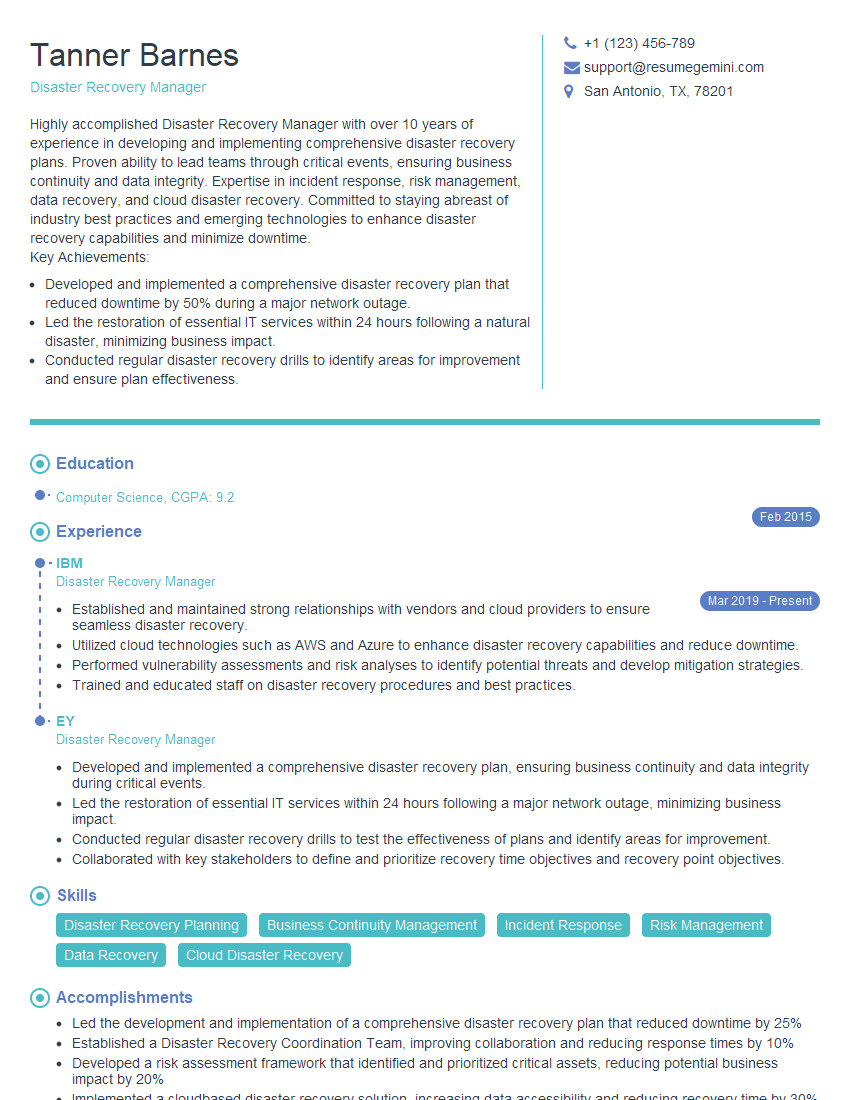
Disaster Recovery Manager Resume Sample
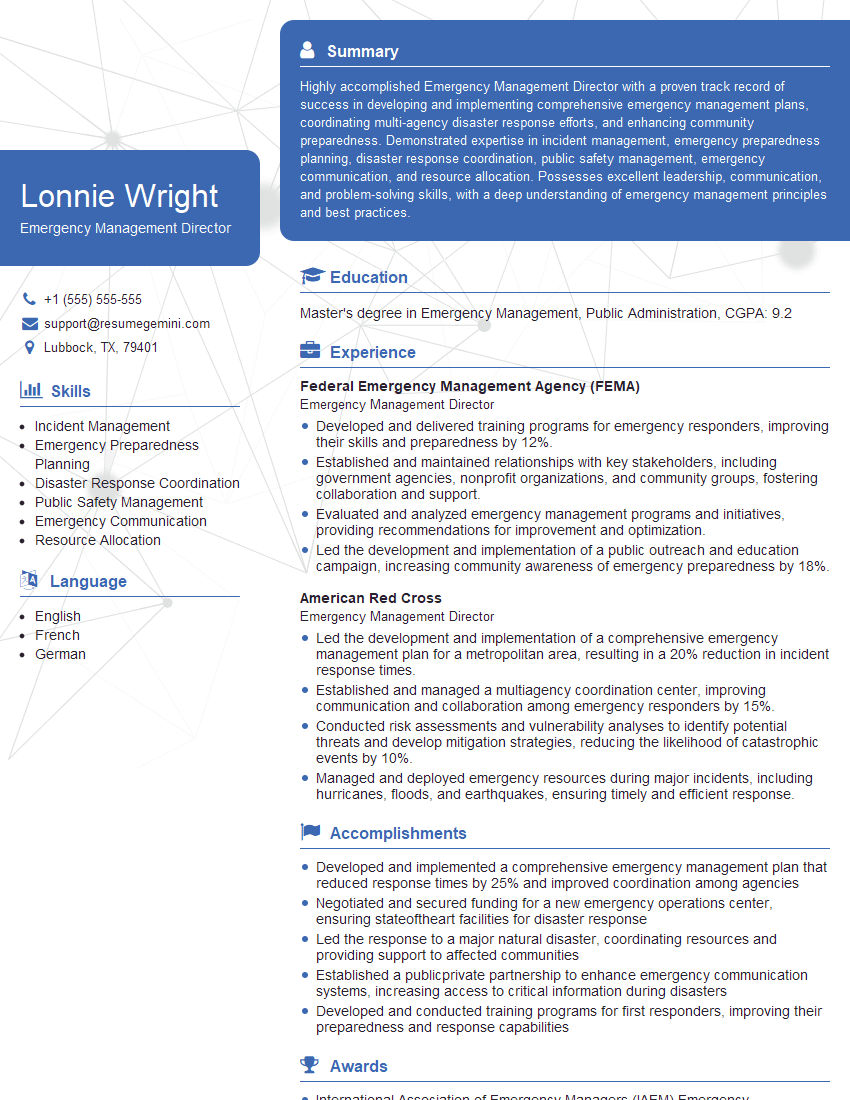
Emergency Management Director Resume Sample

Compliance Officer Resume Sample
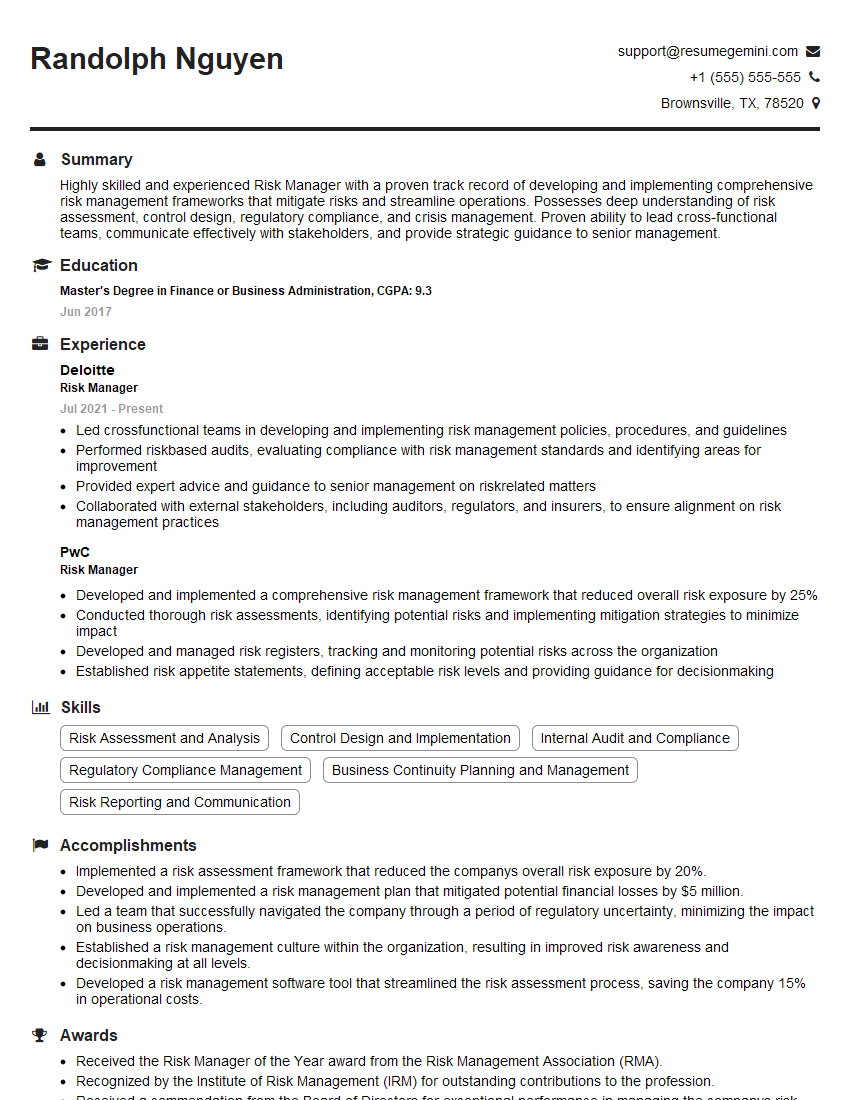
Risk Manager Resume Sample
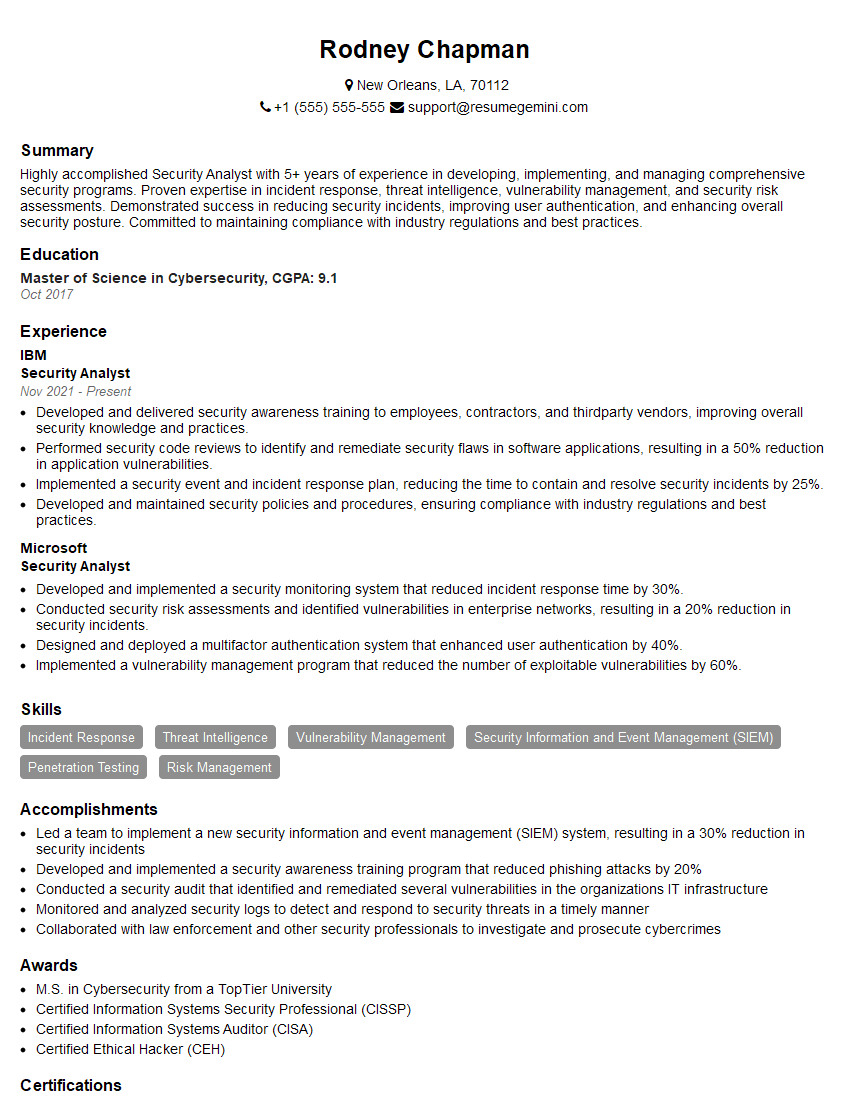
Security Analyst Resume Sample
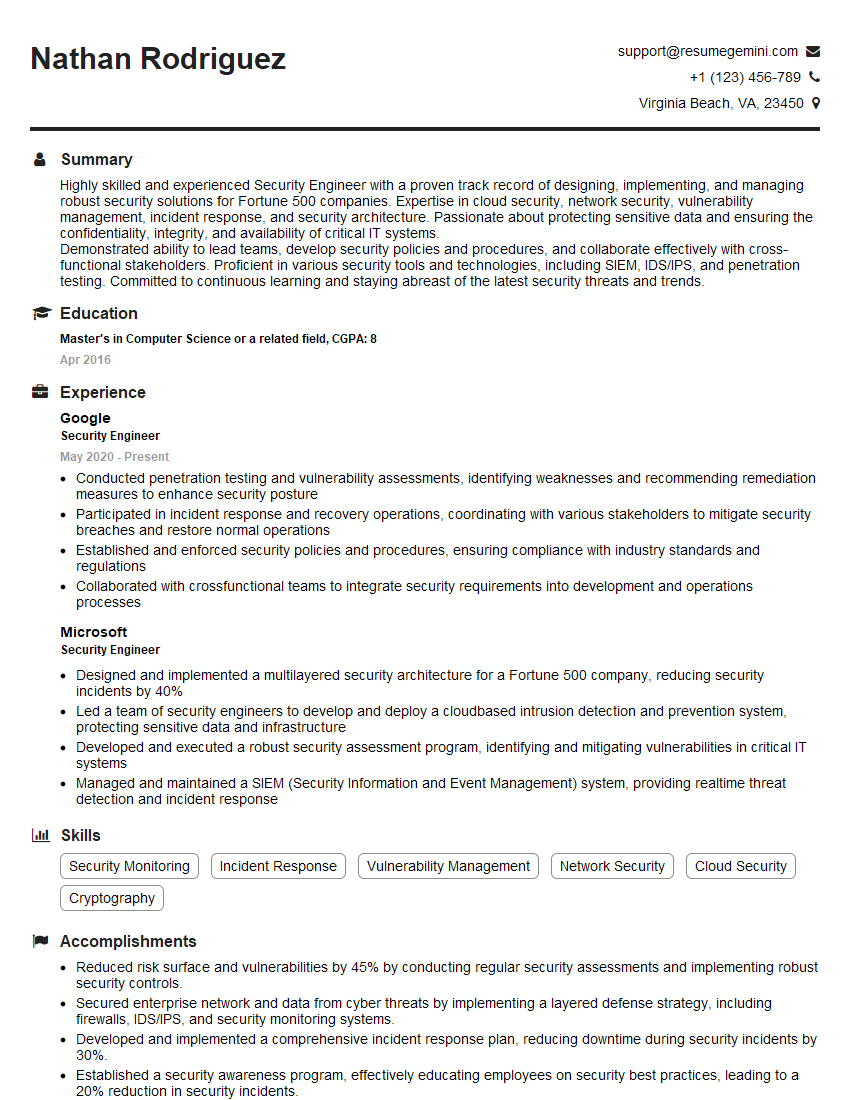
Security Engineer Resume Sample
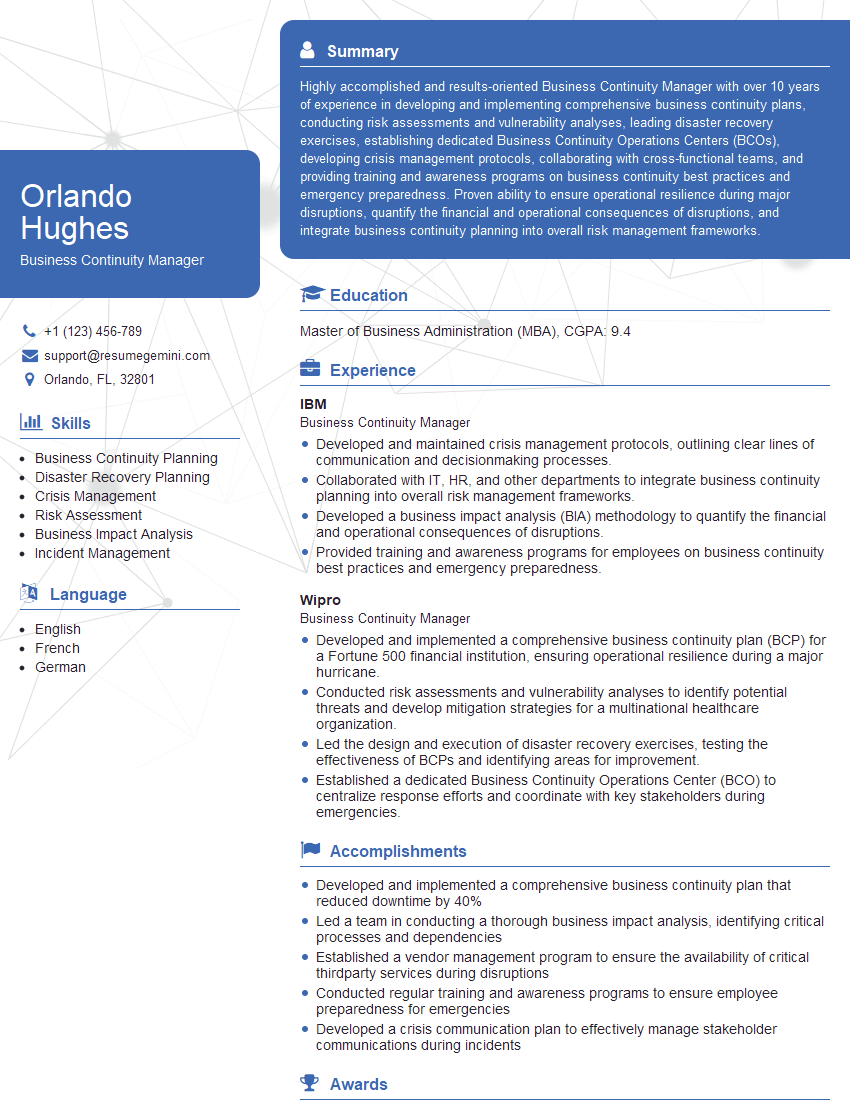
Business Continuity Manager Resume Sample
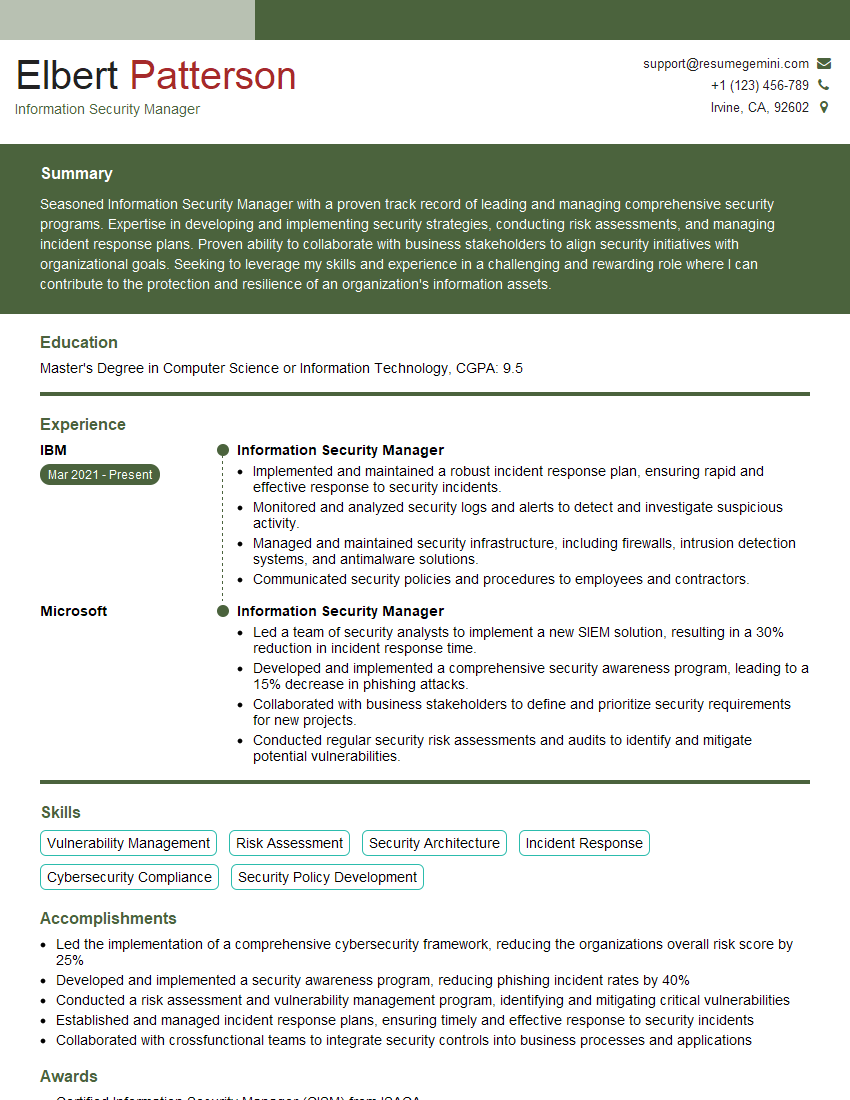
Information Security Manager Resume Sample
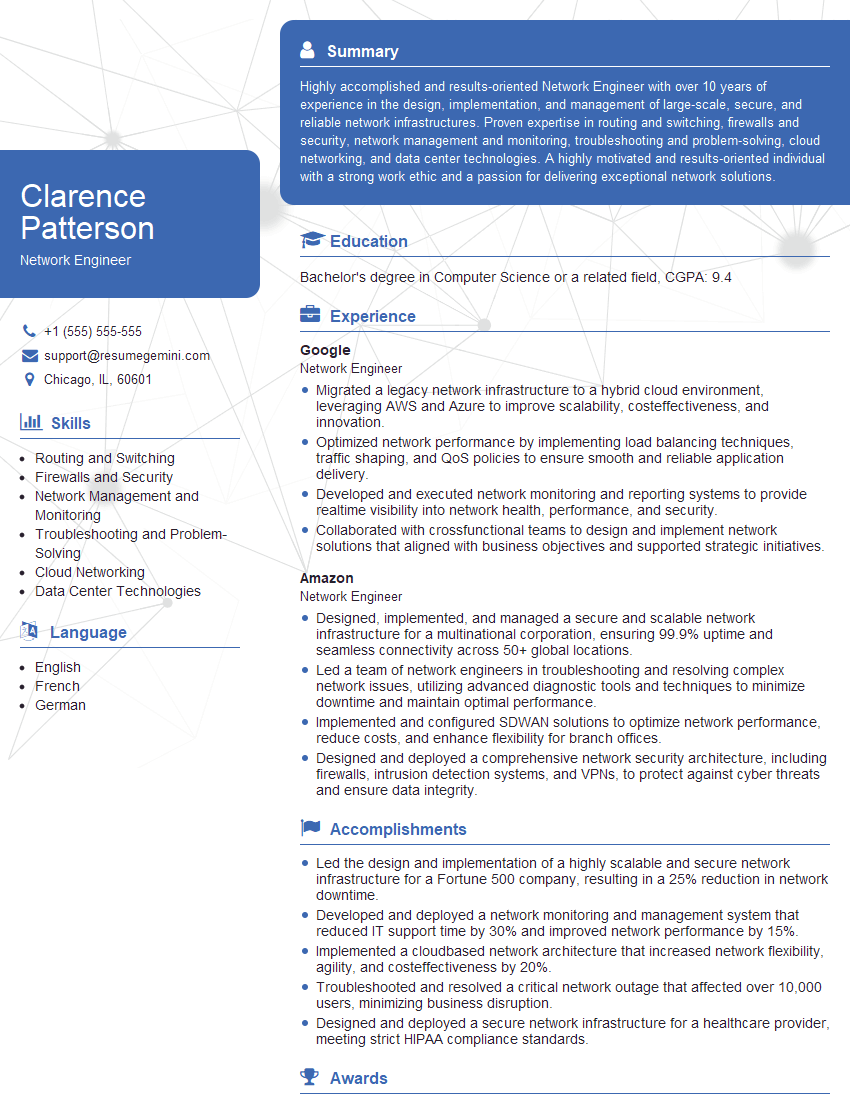
Network Engineer Resume Sample
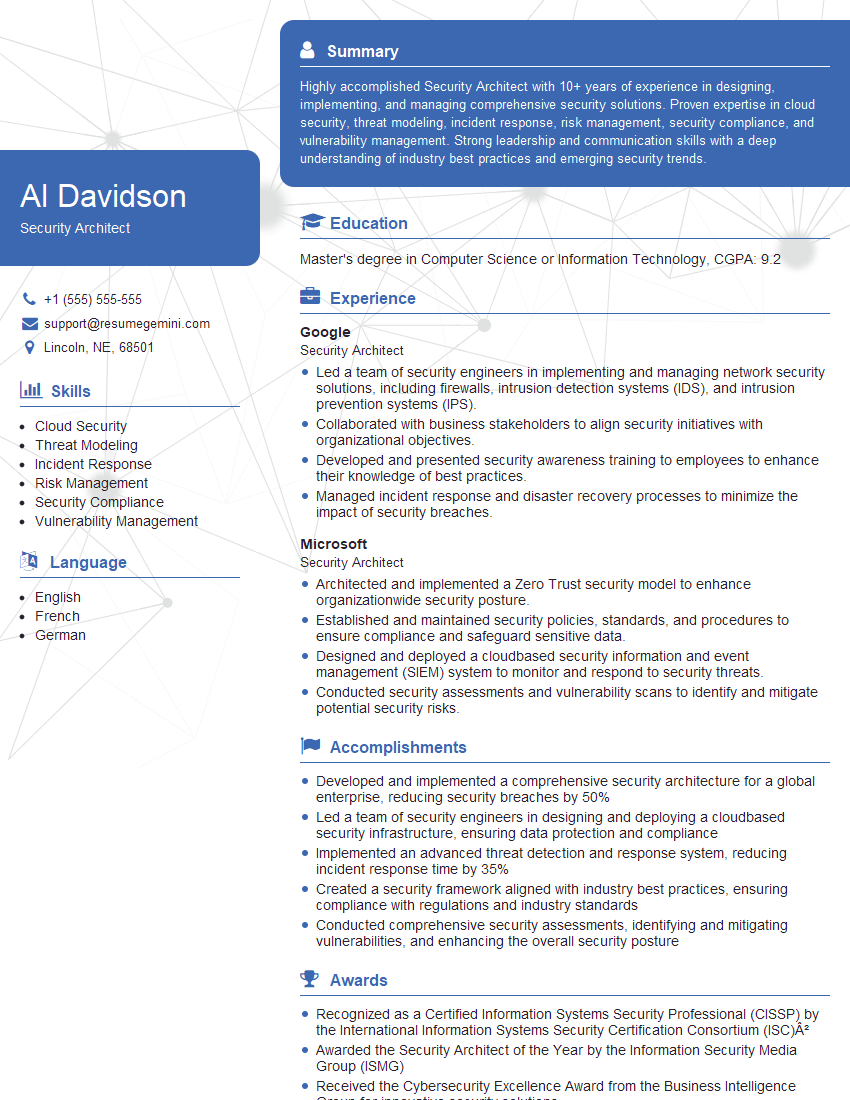
Security Architect Resume Sample
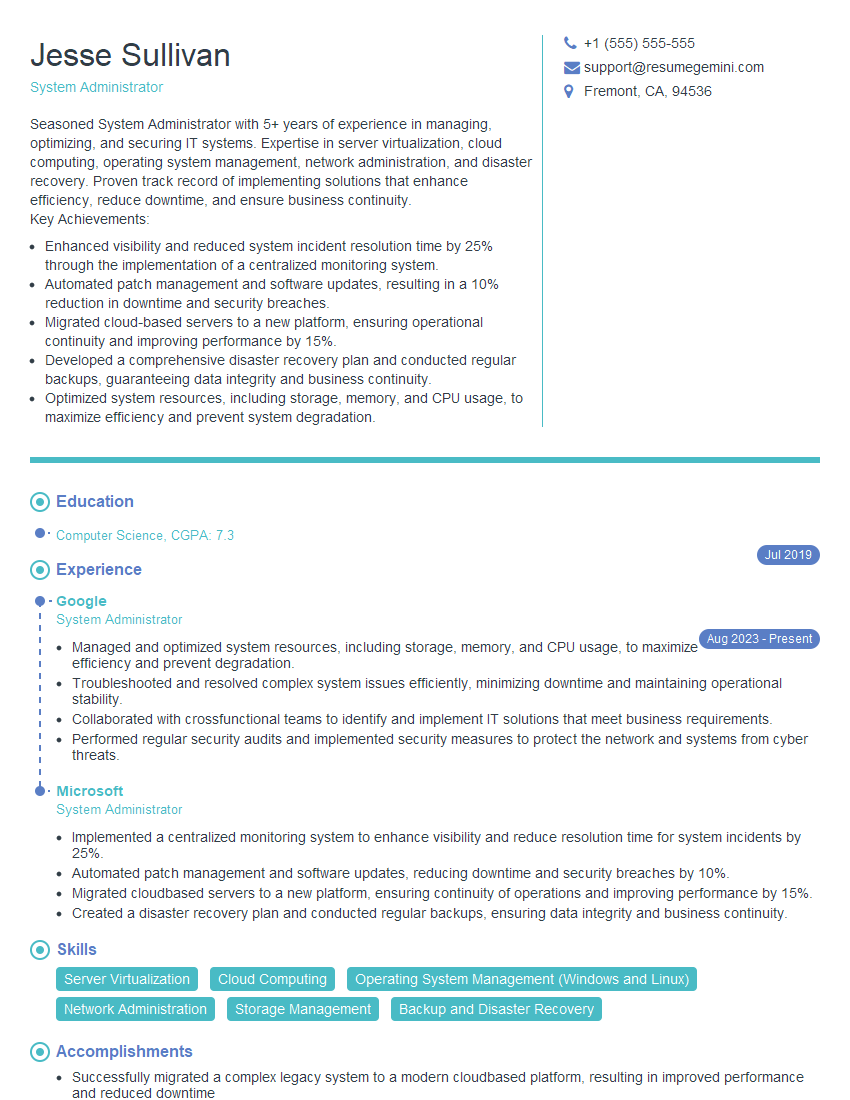
System Administrator Resume Sample
Explore more articles
Users Rating of Our Blogs
Share Your Experience
We value your feedback! Please rate our content and share your thoughts (optional).
What Readers Say About Our Blog
To the interviewgemini.com Webmaster.
Very helpful and content specific questions to help prepare me for my interview!
Thank you
To the interviewgemini.com Webmaster.
This was kind of a unique content I found around the specialized skills. Very helpful questions and good detailed answers.
Very Helpful blog, thank you Interviewgemini team.