Cracking a skill-specific interview, like one for Collaboration with Stakeholders and Partners, requires understanding the nuances of the role. In this blog, we present the questions you’re most likely to encounter, along with insights into how to answer them effectively. Let’s ensure you’re ready to make a strong impression.
Questions Asked in Collaboration with Stakeholders and Partners Interview
Q 1. Describe your experience building consensus among diverse stakeholders with conflicting priorities.
Building consensus among diverse stakeholders with conflicting priorities requires a delicate balance of diplomacy, understanding, and strategic negotiation. It’s not simply about finding a compromise, but about creating a shared vision that acknowledges and addresses everyone’s concerns.
My approach begins with active listening. I make sure I thoroughly understand each stakeholder’s perspective, their priorities, and the reasons behind them. I avoid judgment and focus on creating a safe space for open communication. Then, I employ a collaborative problem-solving approach. This involves facilitating discussions where stakeholders can brainstorm solutions together, building on each other’s ideas. I often use visual aids like mind maps or flowcharts to clarify complex issues and keep the discussion focused. Finally, I work to identify common ground. There’s almost always some shared objective, even if the approaches differ. Focusing on that shared goal helps bridge the gaps and build consensus around a feasible solution.
For example, in a recent project involving the launch of a new product, we had conflicting priorities between the marketing team (focused on aggressive launch timelines) and the engineering team (concerned about meeting quality standards). Through facilitated workshops, we were able to map out a realistic launch plan with phased releases, addressing both speed and quality concerns. This collaborative approach led to a much smoother launch than if we’d simply imposed a solution.
Q 2. How do you identify and manage key stakeholders in a project?
Identifying and managing key stakeholders is crucial for project success. It’s about understanding who has the power to influence the project’s outcome, both positively and negatively. I use a combination of techniques to map out the stakeholder landscape.
- Stakeholder Analysis: I begin by creating a stakeholder register, documenting individuals or groups who have an interest in or are affected by the project. This includes their level of influence, interest, and potential impact. Tools like power/interest grids help visualize this.
- Interviews and Surveys: Direct engagement through interviews and surveys allows me to gather firsthand information about stakeholders’ expectations, concerns, and preferences. This helps me build a more comprehensive understanding.
- Observation and Network Mapping: Observing stakeholder interactions and mapping their relationships reveals hidden influences and dynamics, giving a holistic view of the stakeholder environment.
Once identified, I prioritize engagement based on their influence and interest. High-influence, high-interest stakeholders require frequent and proactive communication. For those with high influence but low interest, I focus on maintaining awareness and addressing potential concerns proactively. Regular communication plans and feedback mechanisms are crucial for ongoing management.
Q 3. Explain your process for building and maintaining strong relationships with external partners.
Building and maintaining strong relationships with external partners is fundamental to successful collaboration. It goes beyond simply completing tasks; it’s about establishing trust and mutual respect.
- Clear Communication: Open, transparent, and regular communication is key. I ensure that expectations, timelines, and deliverables are clearly defined and regularly communicated through various channels – email, regular meetings, and informal check-ins.
- Mutual Understanding: I invest time in understanding the partner’s organizational culture, their goals, and their constraints. This helps build empathy and enables more effective collaboration.
- Shared Goals and Metrics: Establishing shared goals and defining success metrics ensures everyone is working towards a common objective. Regular progress reviews based on these metrics enhance accountability and transparency.
- Relationship Building: Building strong personal relationships based on trust and mutual respect is essential. This involves regular communication, informal interactions, and showing appreciation for the partner’s contributions.
For example, in a recent partnership, I initiated regular virtual coffee chats with the partner’s project manager, fostering a friendly rapport beyond project-related discussions. This strengthened our relationship, making it easier to navigate challenges and reach agreements.
Q 4. What strategies do you use to effectively communicate project updates and challenges to stakeholders?
Effective communication of project updates and challenges is vital for maintaining stakeholder confidence and buy-in. My strategy focuses on tailoring communication to each stakeholder’s needs and preferences.
- Targeted Communication: I segment stakeholders based on their interest and influence, tailoring communication channels and frequency accordingly. Some may prefer detailed reports, while others need concise summaries.
- Multiple Channels: Utilizing a variety of communication channels – email, project management software updates, presentations, and regular meetings – ensures broader reach and accessibility. I also leverage visual dashboards to convey key metrics and progress easily.
- Proactive Communication: I proactively communicate updates, both good news and challenges, to keep stakeholders informed and manage expectations. This builds trust and minimizes surprises.
- Feedback Mechanisms: I incorporate regular feedback mechanisms to solicit input and address concerns proactively. This demonstrates responsiveness and fosters collaboration.
For instance, during a particularly challenging phase of a project, I prepared a concise email summary for executive stakeholders, followed up with a detailed presentation for the project team, and regularly updated a project management dashboard accessible to everyone. This ensured that everyone received relevant information in a timely manner and in their preferred format.
Q 5. How do you handle disagreements or conflicts between stakeholders?
Handling disagreements or conflicts between stakeholders requires a structured and diplomatic approach. The goal is not to win an argument, but to find a mutually acceptable solution.
- Facilitation: I act as a neutral facilitator, creating a safe space for open and respectful dialogue. I encourage each party to express their concerns and perspectives.
- Active Listening and Empathy: I actively listen to understand the underlying reasons behind disagreements, demonstrating empathy and acknowledging each stakeholder’s valid points.
- Collaborative Problem Solving: I guide stakeholders through a collaborative problem-solving process, helping them identify common ground and develop solutions that meet everyone’s needs, as much as possible.
- Mediation (if needed): If disagreements remain unresolved, I may act as a mediator, suggesting alternative solutions and helping stakeholders find a compromise.
In one instance, a conflict arose between two teams over resource allocation. By facilitating a meeting, actively listening to each team’s concerns, and suggesting a compromise that involved re-prioritizing tasks and reassigning some resources, we successfully resolved the conflict and ensured project progress.
Q 6. Describe a time you had to negotiate with a difficult stakeholder to reach a mutually beneficial agreement.
In a previous project, I had to negotiate with a high-level stakeholder who was resistant to adopting a new project management methodology. He preferred the familiar, even though it was less efficient and transparent.
My approach involved demonstrating the benefits of the new methodology through data and examples. I presented comparative analysis of past project performance using the old and new methods, highlighting improvements in efficiency, cost savings, and risk mitigation. I also addressed his concerns directly, acknowledging the change management challenges and proposing a phased implementation plan to minimize disruption. This allowed him to feel involved in the process and reduced his resistance. We finally agreed on a pilot project using the new methodology, demonstrating its effectiveness, which ultimately led to its full adoption. The key was to demonstrate value and address concerns collaboratively, rather than imposing the change.
Q 7. How do you measure the success of your stakeholder engagement efforts?
Measuring the success of stakeholder engagement requires a multi-faceted approach that goes beyond simply completing the project. It involves assessing the level of satisfaction, collaboration, and overall impact on project outcomes.
- Stakeholder Satisfaction Surveys: Regular surveys gauge stakeholder satisfaction with communication, collaboration, and overall project management. This provides valuable feedback on areas for improvement.
- Project Performance Metrics: Analyzing project outcomes against planned goals provides evidence of the impact of stakeholder engagement. For example, did improved communication lead to better decision-making and faster problem resolution?
- Qualitative Feedback: Collecting qualitative feedback through interviews and focus groups helps understand stakeholders’ perspectives and identify unmet needs. This goes beyond numerical data and provides a richer understanding of the engagement success.
- Collaboration Metrics: Measuring the level of collaboration and information sharing among stakeholders, for example using the frequency of communication or the participation in meetings, provides insights into the effectiveness of engagement strategies.
By using a combination of quantitative and qualitative data, I get a complete picture of stakeholder engagement success and identify areas that need improvement in future projects.
Q 8. How do you adapt your communication style to different stakeholder groups?
Adapting communication style is crucial for effective stakeholder collaboration. It’s about understanding your audience and tailoring your message to resonate with their specific needs, preferences, and communication styles. Think of it like choosing the right tool for the job – you wouldn’t use a hammer to screw in a screw.
- Executive Summary for Executives: Focus on high-level impact, key results, and concise summaries, avoiding technical jargon. Use bullet points and visuals to highlight key takeaways.
- Detailed Reports for Technical Teams: Provide comprehensive data, technical specifications, and detailed analysis. Expect in-depth questions and discussions.
- Informal Communication for Project Teams: Use a more casual, collaborative tone. Foster open dialogue, encourage feedback, and use tools like instant messaging for quick updates.
- Formal Presentations for Public Audiences: Maintain a professional and polished approach. Use clear and concise language, visual aids, and Q&A sessions to address questions.
For example, when communicating with senior management, I focus on the strategic implications of a project and its alignment with the overall business goals. However, when communicating with the technical team, I delve into the specific technical challenges and solutions. This tailored approach ensures clear understanding and buy-in from all stakeholders.
Q 9. What tools or technologies do you use to facilitate collaboration among stakeholders?
Effective stakeholder collaboration requires the right tools. I leverage a variety of technologies depending on the project’s needs and the stakeholders’ preferences. These tools facilitate information sharing, communication, and project management.
- Project Management Software (e.g., Asana, Jira, Monday.com): These tools centralize project information, track progress, assign tasks, and manage deadlines. They foster transparency and accountability.
- Communication Platforms (e.g., Slack, Microsoft Teams): These platforms enable real-time communication, file sharing, and collaborative workspaces, promoting quick responses and efficient information flow.
- Video Conferencing (e.g., Zoom, Google Meet): These tools facilitate face-to-face communication, improving engagement and collaboration across geographical boundaries. They’re particularly useful for meetings and presentations.
- Collaboration Platforms (e.g., Google Workspace, Microsoft 365): These offer integrated suites of tools for document collaboration, spreadsheet sharing, and presentation creation, allowing for concurrent work and seamless updates.
- Document Management Systems: Essential for version control, ensuring everyone is working with the most up-to-date information.
For instance, in a recent project, we used Asana to track tasks, Slack for daily communication, and Zoom for weekly team meetings. This integrated approach ensured seamless collaboration and kept everyone informed.
Q 10. Describe your experience managing expectations with stakeholders.
Managing stakeholder expectations is critical to successful project delivery. It involves clearly defining project scope, objectives, timelines, and deliverables upfront. Regular communication and transparent reporting are essential to keep stakeholders informed of progress and address any concerns proactively.
- Establish a Communication Plan: Define the frequency, method, and content of communication with each stakeholder group.
- Set Realistic Expectations: Avoid over-promising and under-delivering. Be upfront about potential challenges and limitations.
- Regularly Update Stakeholders: Provide consistent updates on project progress, milestones achieved, and any potential issues.
- Proactively Address Concerns: Respond promptly to stakeholder questions and concerns, offering solutions and alternative options where needed.
- Document Agreements: Formalize expectations through written agreements or project charters.
In one instance, a stakeholder initially had unrealistic expectations about the project timeline. By clearly explaining the constraints and providing alternative solutions, we managed to align expectations and achieve a mutually acceptable timeline without compromising project quality.
Q 11. How do you ensure stakeholders remain engaged throughout the project lifecycle?
Maintaining stakeholder engagement throughout the project lifecycle is essential for success. It requires proactive communication, regular updates, and opportunities for feedback and collaboration.
- Regular Status Updates: Provide consistent and timely updates on project progress, highlighting key milestones and achievements.
- Interactive Communication Channels: Utilize various communication methods to cater to different preferences, such as emails, newsletters, presentations, and meetings.
- Feedback Mechanisms: Establish regular opportunities for stakeholders to provide feedback, suggestions, and concerns.
- Stakeholder Meetings: Conduct regular meetings to discuss project progress, address concerns, and gather input.
- Gamification (where appropriate): Introduce elements of gamification to increase engagement and motivation.
For instance, in a past project, we utilized a project dashboard accessible to all stakeholders, providing real-time updates and progress visualization. This transparency greatly increased engagement and fostered a sense of shared ownership.
Q 12. How do you identify and mitigate potential risks to stakeholder relationships?
Identifying and mitigating risks to stakeholder relationships requires a proactive and systematic approach. It begins with understanding the potential points of conflict and developing strategies to address them.
- Stakeholder Analysis: Identify key stakeholders, their interests, influence, and potential concerns.
- Risk Assessment: Identify potential risks that could negatively impact stakeholder relationships, such as communication breakdowns, unmet expectations, or conflicting interests.
- Mitigation Strategies: Develop strategies to address identified risks, such as improving communication, setting clear expectations, or establishing conflict resolution mechanisms.
- Contingency Planning: Develop plans to address unforeseen circumstances that could impact stakeholder relationships.
- Regular Monitoring: Continuously monitor stakeholder relationships and adjust strategies as needed.
In one case, we anticipated a potential conflict between two stakeholder groups with differing priorities. By proactively facilitating communication and finding common ground, we were able to prevent the conflict from escalating and maintain positive relationships.
Q 13. How do you prioritize competing stakeholder demands?
Prioritizing competing stakeholder demands requires a structured approach that considers various factors. It’s not about simply satisfying the loudest voice; it’s about finding a balance that aligns with the overall project objectives.
- Stakeholder Mapping: Create a visual representation of stakeholders, their influence, and their interests.
- Prioritization Matrix: Develop a matrix to rank stakeholder demands based on factors such as urgency, impact, and feasibility.
- Negotiation and Compromise: Engage in constructive dialogue with stakeholders to find mutually acceptable solutions.
- Transparency and Communication: Communicate the prioritization process and rationale to all stakeholders to ensure transparency and fairness.
- Decision-Making Framework: Establish a clear decision-making framework to guide prioritization decisions.
For example, when faced with competing demands, I use a prioritization matrix that weighs urgency, impact, and stakeholder influence. This objective approach helps make informed decisions and communicate the rationale transparently.
Q 14. Describe a time you had to overcome a significant challenge in collaborating with stakeholders.
In a previous project, we encountered a significant challenge when a key stakeholder withdrew their support due to a perceived lack of communication. This threatened the project’s success.
To overcome this, I implemented several steps:
- Direct Communication: I scheduled a meeting with the stakeholder to understand their concerns and address their issues directly.
- Improved Communication Plan: We revised our communication plan to ensure more frequent and transparent updates, incorporating the stakeholder’s preferred communication methods.
- Collaborative Problem-Solving: We worked collaboratively with the stakeholder to identify and address the root causes of their dissatisfaction.
- Relationship Building: I focused on rebuilding trust and strengthening the relationship by demonstrating commitment and responsiveness to the stakeholder’s needs.
Through open communication, collaborative problem-solving, and a renewed commitment to transparency, we successfully regained the stakeholder’s trust and support, ensuring the project’s successful completion. This experience highlighted the critical importance of proactive communication, transparency, and relationship building in stakeholder management.
Q 15. How do you build trust and rapport with stakeholders?
Building trust and rapport with stakeholders is fundamental to successful collaboration. It’s about establishing a strong, positive relationship built on mutual respect, understanding, and open communication. I approach this in a multi-faceted way.
- Active Listening: I genuinely listen to their concerns, perspectives, and ideas, showing them that their input is valued. This isn’t just hearing; it’s understanding their underlying motivations and concerns.
- Transparency and Honesty: I proactively communicate project updates, challenges, and decisions, even the difficult ones. Honesty, even when delivering bad news, fosters trust more effectively than withholding information.
- Empathy and Understanding: I make a conscious effort to understand their individual needs and priorities, recognizing that different stakeholders have different perspectives and expectations. I try to see the situation from their point of view.
- Consistent Communication: I maintain regular communication through various channels, such as meetings, emails, and informal check-ins, ensuring everyone is kept informed and feels connected.
- Delivering on Promises: This is crucial. Committing to actions and consistently following through builds credibility and reinforces trust. If something goes wrong, I communicate it openly and explain what steps are being taken to rectify it.
For example, in a recent project involving a complex software integration, I spent time individually meeting each key stakeholder – from the development team to the end-users – to understand their specific concerns and expectations. This individual approach allowed me to address their unique needs and build a strong foundation of trust, leading to a smoother collaboration.
Career Expert Tips:
- Ace those interviews! Prepare effectively by reviewing the Top 50 Most Common Interview Questions on ResumeGemini.
- Navigate your job search with confidence! Explore a wide range of Career Tips on ResumeGemini. Learn about common challenges and recommendations to overcome them.
- Craft the perfect resume! Master the Art of Resume Writing with ResumeGemini’s guide. Showcase your unique qualifications and achievements effectively.
- Don’t miss out on holiday savings! Build your dream resume with ResumeGemini’s ATS optimized templates.
Q 16. What is your approach to resolving stakeholder conflicts?
Stakeholder conflicts are inevitable, but how they’re handled is crucial. My approach focuses on collaborative conflict resolution, aiming to find mutually acceptable solutions.
- Identify the Root Cause: I start by understanding the underlying reasons for the conflict, often involving open discussion with all involved parties. This requires careful listening and identifying the unmet needs or differing priorities.
- Facilitate Open Dialogue: I create a safe space for stakeholders to express their concerns and perspectives without interruption or judgment. This often involves using active listening techniques and rephrasing statements to ensure understanding.
- Find Common Ground: I help stakeholders identify shared goals and interests, focusing on areas of agreement rather than disagreement. This often requires reframing the problem to highlight common ground.
- Brainstorm Solutions: I facilitate a collaborative brainstorming session, encouraging stakeholders to suggest possible solutions. I focus on generating multiple options before evaluating them.
- Negotiate and Compromise: This involves finding a solution that meets the needs of all stakeholders, even if it requires compromise from all parties. Fairness and equity are key.
- Document Agreements: Once a solution is agreed upon, I document it clearly and distribute it to all stakeholders. This ensures clarity and prevents future misunderstandings.
In one instance, a disagreement arose between the marketing and sales teams regarding the launch date of a new product. By facilitating a collaborative discussion and understanding their individual concerns (marketing needed more time for campaign development, while sales wanted a quicker launch to capitalize on market demand), we arrived at a compromise that satisfied both teams while maintaining the project’s overall timeline.
Q 17. How do you leverage stakeholder input to inform decision-making?
Stakeholder input is vital for informed decision-making. I leverage it by systematically incorporating it into the decision-making process.
- Regular Feedback Loops: I establish regular channels for gathering feedback, such as surveys, interviews, focus groups, and progress meetings. This ensures continuous input throughout the project lifecycle.
- Prioritization and Analysis: I analyze the collected feedback, identifying recurring themes and prioritizing the most critical issues. This involves categorizing and weighting the feedback based on impact and feasibility.
- Decision-Making Framework: I use a decision-making framework that clearly outlines the criteria for evaluating options and making decisions. This framework ensures transparency and consistency.
- Transparent Decision Justification: After making a decision, I communicate it clearly to all stakeholders, explaining the rationale behind it, including how stakeholder feedback influenced the choice.
- Iterative Process: I view the decision-making process as iterative, allowing for adjustments and revisions based on ongoing feedback and new information.
For example, during the development of a new mobile app, we incorporated user feedback from beta testing into several design iterations. This iterative approach, driven by stakeholder input, resulted in a final product that met user needs and expectations much more effectively.
Q 18. How do you ensure transparency and accountability in your stakeholder engagement process?
Transparency and accountability are critical for building trust and ensuring successful stakeholder engagement. I achieve this through:
- Open Communication Channels: I establish multiple communication channels (e.g., regular meetings, email updates, project management software) to ensure all stakeholders have access to information.
- Clearly Defined Roles and Responsibilities: I clearly outline the roles and responsibilities of each stakeholder, eliminating ambiguity and promoting accountability.
- Regular Reporting and Updates: I provide regular reports and updates on project progress, highlighting key milestones, challenges, and successes. These updates are often visually presented using dashboards and other accessible tools.
- Feedback Mechanisms: I establish formal and informal mechanisms for stakeholders to provide feedback and raise concerns. This ensures that issues are addressed promptly and proactively.
- Document Everything: I meticulously document all decisions, agreements, and communications. This creates a transparent record that can be referenced if needed.
For instance, in a large-scale project, I used a project management software to track progress, share documents, and facilitate communication among stakeholders. This transparent system ensured everyone was informed and accountable for their tasks.
Q 19. What are your preferred methods for gathering stakeholder feedback?
Gathering stakeholder feedback effectively involves employing a mix of methods tailored to the specific context and stakeholders involved. My preferred methods include:
- Surveys: Online surveys are efficient for collecting quantitative data and broad feedback from a large number of stakeholders.
- Interviews: One-on-one interviews allow for in-depth exploration of individual perspectives and concerns, particularly useful for key stakeholders.
- Focus Groups: Focus groups offer a dynamic setting for discussing specific topics with a small group of stakeholders, generating rich qualitative data.
- Workshops: Interactive workshops allow for collaborative problem-solving and idea generation, particularly useful for complex issues.
- Observation: Observing stakeholders in their natural work environment can provide valuable insights into their behaviors and needs.
- Feedback Forms: Simple feedback forms are useful for gathering quick and concise feedback on specific aspects of a project or product.
The choice of method depends on factors such as the number of stakeholders, the complexity of the issue, and the type of information needed. I often use a combination of methods to gather a comprehensive understanding.
Q 20. How do you balance the needs of multiple stakeholders with project objectives?
Balancing the needs of multiple stakeholders with project objectives requires a strategic approach that prioritizes and manages competing interests. I use a combination of techniques:
- Stakeholder Analysis: I conduct a thorough stakeholder analysis to identify key stakeholders, their interests, influence, and potential impact on the project. This analysis helps prioritize whose needs should be addressed first.
- Prioritization Matrix: Using a prioritization matrix, I weigh the relative importance of different stakeholder needs against the project objectives. This helps make informed decisions about resource allocation.
- Negotiation and Compromise: I facilitate negotiation and compromise among stakeholders, seeking win-win solutions that address the most critical needs while remaining aligned with project goals.
- Trade-off Analysis: I conduct a trade-off analysis to identify potential compromises and their impact on various stakeholder groups and the project’s overall success.
- Clear Communication: I maintain open and transparent communication with all stakeholders, explaining the rationale behind decisions and managing expectations.
In a recent project, we had conflicting demands from different departments regarding the features of a new software system. Using a prioritization matrix and open communication, we were able to successfully balance these competing demands, resulting in a product that satisfied the majority of stakeholders while remaining within budget and timeline.
Q 21. Describe your experience with contract negotiation and management with partners.
My experience with contract negotiation and management with partners is extensive. It involves a structured approach encompassing several key stages:
- Pre-Negotiation Planning: Thorough planning is key. This includes defining clear objectives, understanding the partner’s needs and motivations, and developing a range of potential solutions.
- Negotiation Strategy: I develop a robust negotiation strategy that anticipates potential challenges and identifies areas for compromise. Understanding each party’s BATNA (Best Alternative to a Negotiated Agreement) is crucial.
- Active Listening and Collaboration: Active listening is paramount during negotiations, ensuring a clear understanding of the partner’s perspectives and concerns. The goal is collaboration, not confrontation.
- Risk Management: Identifying and mitigating potential risks is essential, including clauses for liability, intellectual property, and dispute resolution.
- Contract Drafting and Review: Careful drafting and review of the contract are crucial to ensure clarity, enforceability, and alignment with legal requirements. Legal counsel is often involved.
- Post-Contract Management: Ongoing management is necessary to monitor performance, address issues, and ensure compliance with the contract’s terms.
In a previous project, I successfully negotiated a complex partnership agreement involving technology licensing and joint development. This required careful planning, skilled negotiation, and effective risk management to ensure a mutually beneficial outcome. The resulting contract provided a clear framework for collaboration and minimized potential future disputes.
Q 22. How do you manage expectations with partners regarding project timelines and deliverables?
Managing expectations around timelines and deliverables with partners requires proactive communication and transparency from the outset. It’s not just about setting deadlines; it’s about establishing a shared understanding of what’s achievable and the potential roadblocks.
- Establish a clear project scope and milestones upfront: This involves collaboratively defining deliverables, outlining key tasks, and agreeing on specific metrics for success. A well-defined scope reduces ambiguity and prevents misunderstandings later.
- Utilize project management tools for visibility: Tools like Jira, Asana, or Monday.com allow partners to track progress, identify potential delays, and contribute to updates. This fosters transparency and promotes accountability.
- Regular status meetings: Consistent communication is key. Regular meetings facilitate open dialogue, enabling early identification and mitigation of potential delays. These meetings should focus not only on progress but also on challenges and solutions.
- Maintain a risk register: Identify potential risks early and create contingency plans. This allows for proactive adjustments to timelines when unforeseen circumstances arise. It also demonstrates preparedness and reduces surprises.
- Document everything: Maintain clear records of agreements, decisions, and changes. This ensures everyone is on the same page and provides a reference point if disputes arise.
For example, in a recent project involving the development of a new software application with a partner, we used a Gantt chart to visualize timelines and milestones. This allowed us to proactively identify potential bottlenecks and adjust our schedule accordingly, preventing costly delays and keeping the partner informed and engaged throughout the process.
Q 23. What strategies do you employ to foster collaboration and knowledge sharing between internal teams and external partners?
Fostering collaboration and knowledge sharing requires a multi-pronged approach that focuses on building trust, establishing clear communication channels, and creating a culture of open dialogue.
- Establish a dedicated communication platform: Using a shared platform like Slack, Microsoft Teams, or a project management tool enables seamless communication and knowledge sharing. This central hub ensures everyone has access to the latest information.
- Regular joint workshops and training sessions: These sessions provide opportunities for team members to interact, share best practices, and build relationships. They are particularly useful for transferring critical knowledge and building shared understanding.
- Knowledge management system: A centralized repository (wiki, shared drive) for documents, templates, and project information facilitates easy access to critical information, reducing redundancy and ensuring consistency.
- Cross-functional teams: Including members from both internal teams and external partners in key project teams promotes collaborative problem-solving and encourages mutual learning.
- Social events and team-building activities: Informal interactions can foster stronger relationships and create a more collaborative environment. These activities help break down silos and build trust between teams.
For instance, in a past project, we organized weekly virtual coffee breaks for our internal and external teams. This seemingly simple activity helped build rapport and fostered a sense of camaraderie, leading to improved communication and more effective collaboration.
Q 24. How do you address performance issues with a partner?
Addressing performance issues with a partner requires a tactful and professional approach, focusing on open communication, constructive feedback, and collaborative problem-solving.
- Clearly define expectations and metrics: Establish clear Key Performance Indicators (KPIs) and performance targets upfront to provide a benchmark for evaluation. This ensures that both parties understand what constitutes acceptable performance.
- Schedule a direct and private meeting: Discuss the performance issues calmly and objectively, focusing on specific examples and data. Avoid accusatory language and focus on solutions rather than blame.
- Collaboratively identify root causes: Work together to understand why the performance shortfall occurred. This often involves a deeper dive into the processes and challenges faced by the partner.
- Develop a plan of action with clear milestones: This plan should outline specific actions, responsibilities, and deadlines to address the performance issue. Regular check-ins help track progress.
- Escalation process: Have a pre-defined process for escalating the issue if the agreed-upon plan is not effective. This prevents the problem from escalating and ensures timely resolution.
In one instance, a partner fell behind schedule on deliverables. Instead of immediately terminating the contract, we held a meeting to understand the root causes. It turned out that they were facing internal resource constraints. We collaboratively adjusted the timeline, provided additional support, and ultimately salvaged the partnership.
Q 25. How do you ensure compliance with legal and regulatory requirements in partnerships?
Ensuring compliance in partnerships requires proactive planning and meticulous execution. It’s about integrating legal and regulatory requirements into every stage of the partnership lifecycle.
- Due diligence: Thorough background checks and assessments of the partner’s compliance history are crucial before entering into a partnership. This minimizes potential risks.
- Clearly defined contracts: Contracts must explicitly outline compliance obligations for both parties. These should include provisions on data protection, intellectual property rights, and relevant industry regulations.
- Regular compliance audits: Periodic audits help monitor adherence to the agreed-upon compliance standards and identify potential gaps. This proactive approach prevents future problems.
- Dedicated compliance officer: Having a designated individual responsible for overseeing compliance matters ensures accountability and facilitates timely responses to any compliance-related issues.
- Training and awareness programs: Educating both internal and partner teams on relevant legal and regulatory requirements helps build a culture of compliance.
For example, in a project involving the handling of sensitive personal data, we ensured our contract included clauses that complied with GDPR. We also implemented regular data security audits to ensure continued compliance and prevent potential breaches.
Q 26. How do you identify and leverage potential synergies between different stakeholders or partners?
Identifying and leveraging synergies involves a systematic process of understanding each stakeholder’s strengths, needs, and goals to find areas of mutual benefit.
- Stakeholder analysis: A detailed analysis of each stakeholder helps understand their capabilities, objectives, and potential contributions to the partnership.
- Value mapping: Identifying the value proposition of each stakeholder helps pinpoint areas of potential synergy. This process often involves visualizing how different stakeholders’ assets and resources can be combined to create greater value.
- Collaborative brainstorming sessions: Facilitated sessions with all stakeholders create a platform to share ideas, identify opportunities, and build a shared understanding of potential synergies.
- Scenario planning: Developing different scenarios to explore potential synergistic opportunities helps assess risks and prepare for various outcomes.
- Regular review and adaptation: Continuously monitoring the partnership and adapting the synergy strategy based on evolving market conditions and stakeholder needs ensures optimal results.
In a previous project, we identified a synergy between our marketing expertise and a partner’s strong distribution network. By combining our strengths, we were able to expand market reach significantly more efficiently than either party could have achieved independently.
Q 27. Describe your experience with building and managing strategic partnerships.
My experience in building and managing strategic partnerships spans over [Number] years, encompassing diverse industries and project types. I’ve consistently focused on a collaborative, value-driven approach that prioritizes mutual benefit and long-term sustainability.
- Partner selection: I employ a rigorous process of identifying and evaluating potential partners based on their strategic alignment, capabilities, and cultural compatibility. This ensures a solid foundation for a successful partnership.
- Negotiation and contract development: I have extensive experience in negotiating mutually beneficial agreements that protect the interests of all parties while fostering a collaborative spirit.
- Relationship management: I view partnership management as a continuous process of communication, collaboration, and mutual support. I prioritize building strong relationships based on trust and respect.
- Performance monitoring and evaluation: I use key performance indicators (KPIs) and regular performance reviews to track the success of the partnership and make necessary adjustments along the way.
- Conflict resolution: I am adept at handling disagreements and conflicts constructively, using a problem-solving approach that focuses on finding win-win solutions.
One notable example involved building a partnership with a technology company to develop a new software platform. Through careful planning, effective communication, and collaborative problem-solving, we successfully launched the platform on time and within budget, exceeding initial expectations and generating significant revenue.
Q 28. How do you measure the effectiveness of your partnerships?
Measuring the effectiveness of partnerships requires a multi-faceted approach that considers both qualitative and quantitative data.
- Key Performance Indicators (KPIs): Define specific, measurable, achievable, relevant, and time-bound (SMART) KPIs to track progress against agreed-upon goals. Examples include revenue generated, market share gained, customer satisfaction scores, or project completion rates.
- Qualitative feedback: Gather feedback from internal teams and partners through surveys, interviews, or focus groups to assess satisfaction, collaboration effectiveness, and areas for improvement.
- Return on Investment (ROI): Calculate the financial return of the partnership, considering both costs and benefits. This provides a clear measure of the partnership’s financial success.
- Market impact: Assess the partnership’s impact on market share, brand awareness, or competitive positioning. This evaluates its broader strategic value.
- Relationship health: Monitor the overall health of the partnership, considering factors like communication effectiveness, conflict resolution, and mutual trust. A strong, healthy partnership is more likely to be successful.
For instance, we use a balanced scorecard approach that combines financial metrics, customer satisfaction scores, and internal team feedback to assess the effectiveness of our partnerships. This comprehensive approach allows us to gain a holistic understanding of our partnerships’ performance and identify areas for improvement.
Key Topics to Learn for Collaboration with Stakeholders and Partners Interview
- Understanding Stakeholder Needs: Identifying key stakeholders, their objectives, and potential conflicts early in a project. This includes active listening and effective communication techniques.
- Building Consensus and Managing Expectations: Developing strategies for achieving buy-in from diverse stakeholders, managing expectations through transparent communication, and proactively addressing potential disagreements.
- Effective Communication Strategies: Mastering various communication methods (written, verbal, visual) to tailor messages to different audiences, including techniques for delivering both positive and negative feedback effectively.
- Conflict Resolution and Negotiation: Developing skills in identifying and resolving conflicts constructively, leveraging negotiation techniques to find mutually beneficial solutions, and mediating disagreements between parties.
- Collaboration Tools and Technologies: Demonstrating proficiency in utilizing collaborative platforms (e.g., project management software, communication tools) to streamline workflows and enhance team effectiveness.
- Partnership Management: Understanding the dynamics of building and maintaining successful partnerships, including contract negotiation, performance management, and addressing challenges collaboratively.
- Measuring Collaboration Success: Defining key performance indicators (KPIs) and metrics to assess the effectiveness of collaboration efforts and demonstrate tangible results.
- Cross-Cultural Collaboration: Adapting communication and collaboration styles to work effectively with individuals from diverse backgrounds and cultures.
Next Steps
Mastering collaboration with stakeholders and partners is crucial for career advancement. It showcases essential soft skills and demonstrates your ability to drive projects forward, build strong relationships, and achieve organizational objectives. To significantly boost your job prospects, create an ATS-friendly resume that highlights these skills. ResumeGemini is a trusted resource that can help you craft a compelling and effective resume. We provide examples of resumes tailored to showcasing expertise in Collaboration with Stakeholders and Partners to help you get started. Invest the time to build a strong resume; it’s your key to unlocking exciting career opportunities.
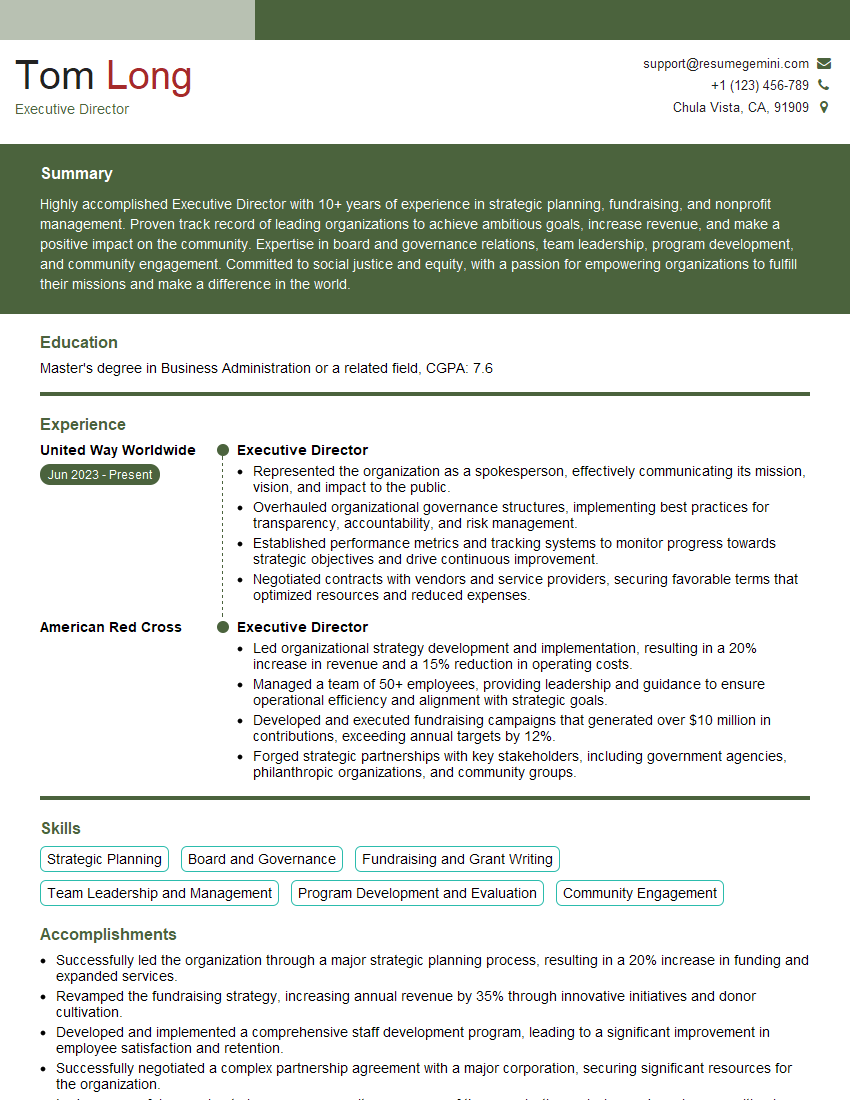
Executive Director Resume Sample
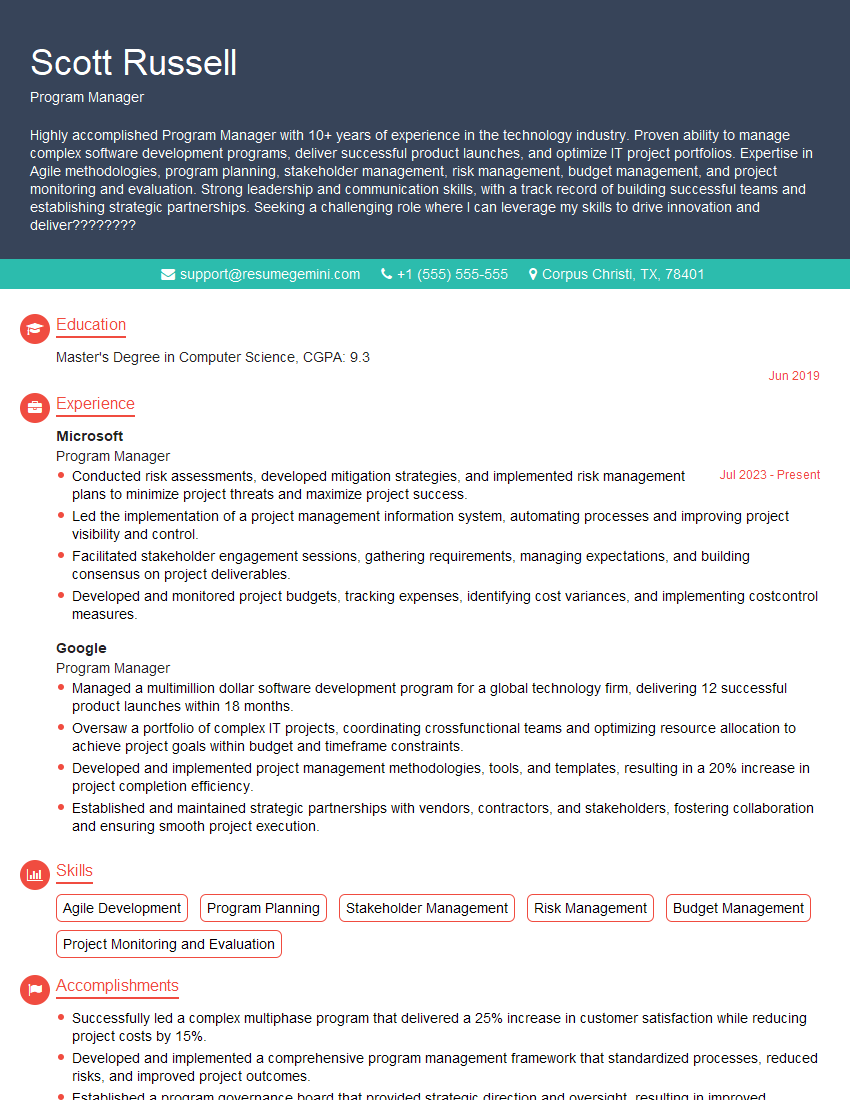
Program Manager Resume Sample
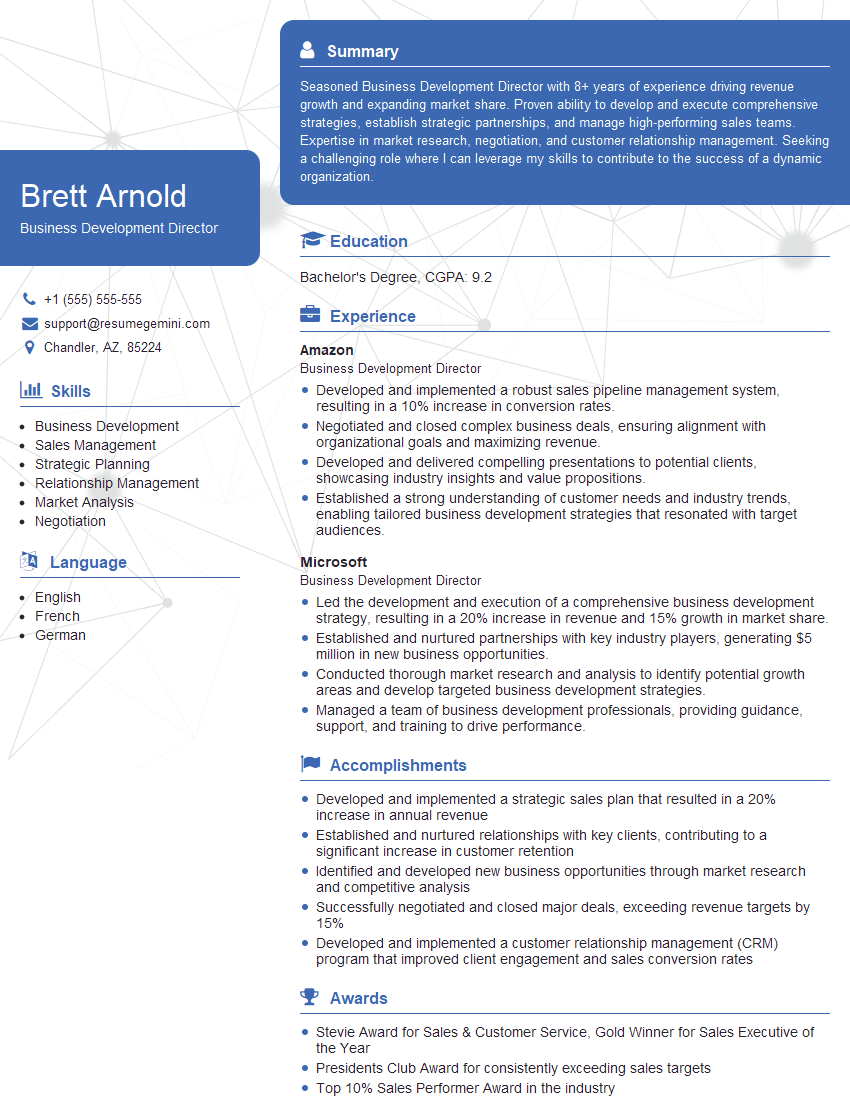
Business Development Director Resume Sample
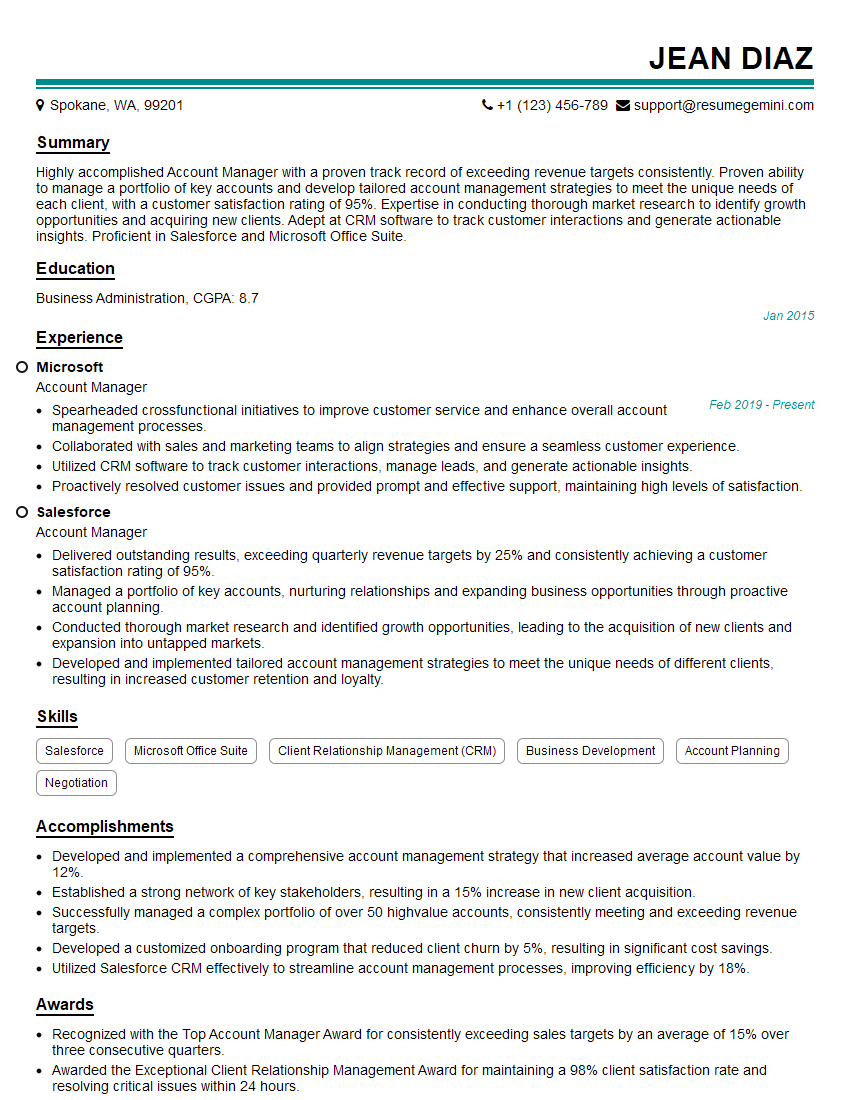
Account Manager Resume Sample
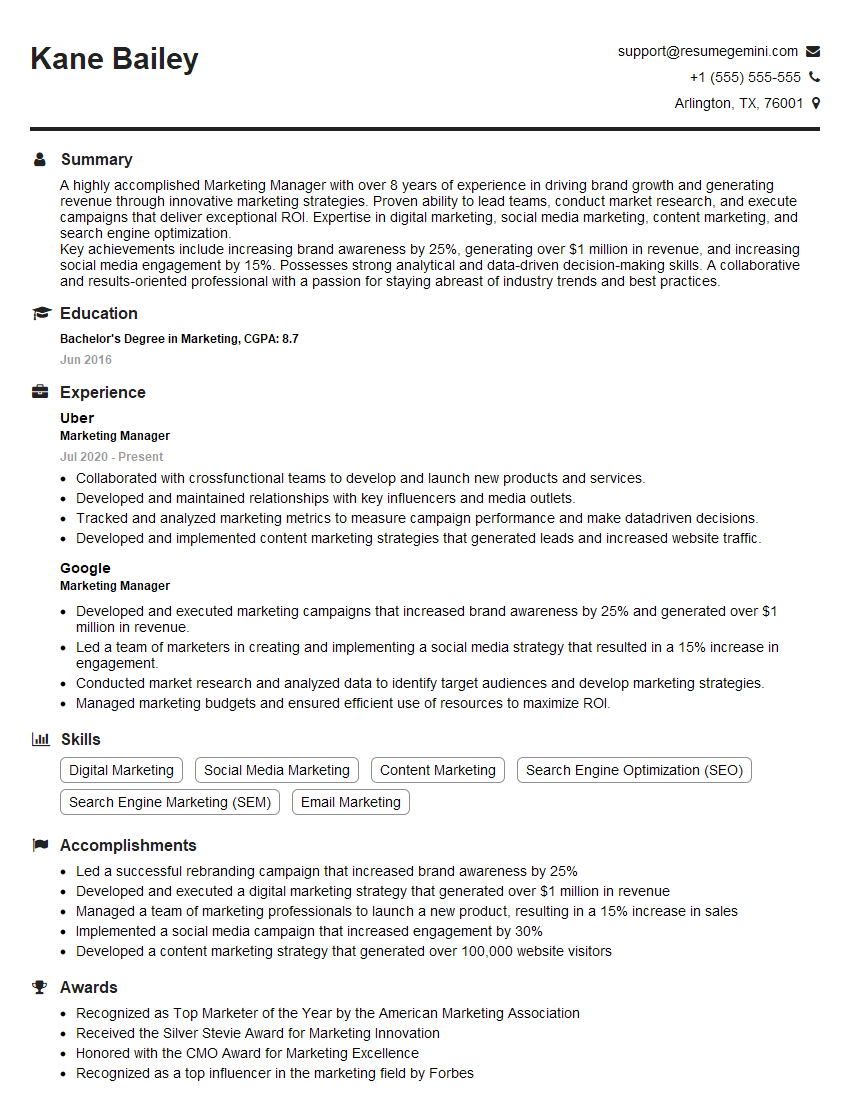
Marketing Manager Resume Sample
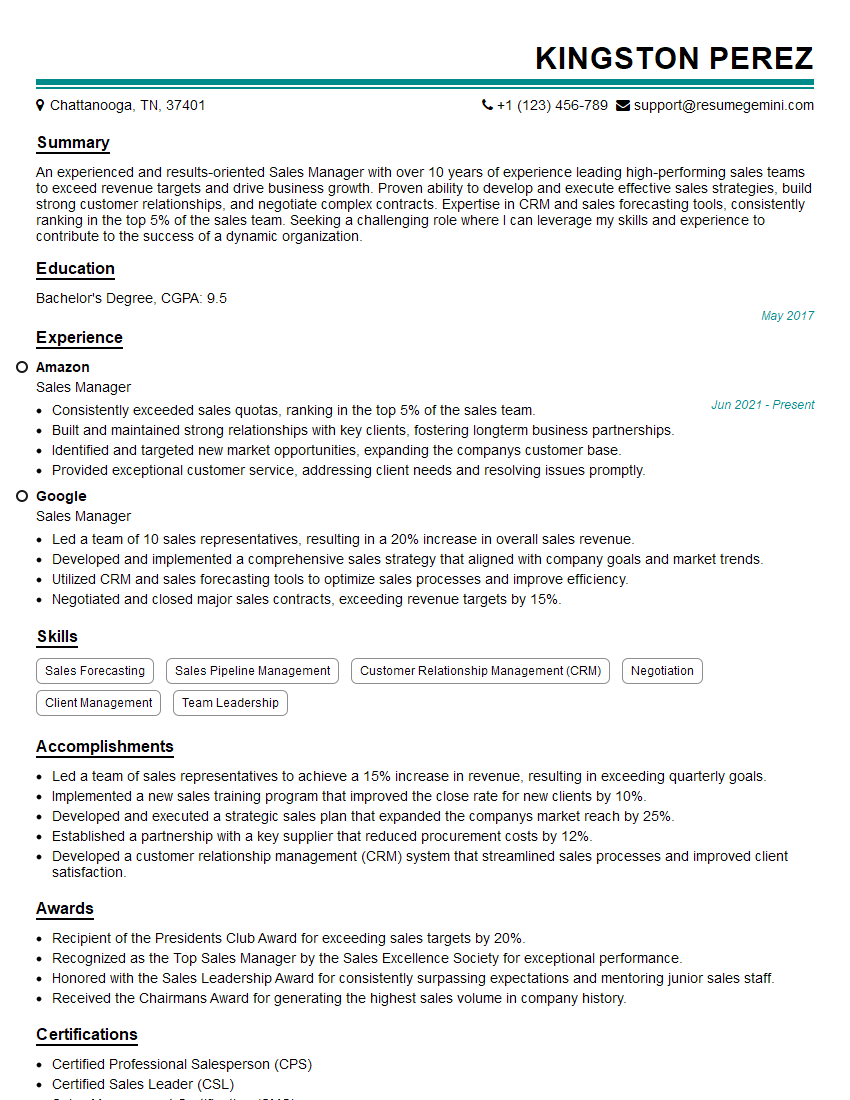
Sales Manager Resume Sample
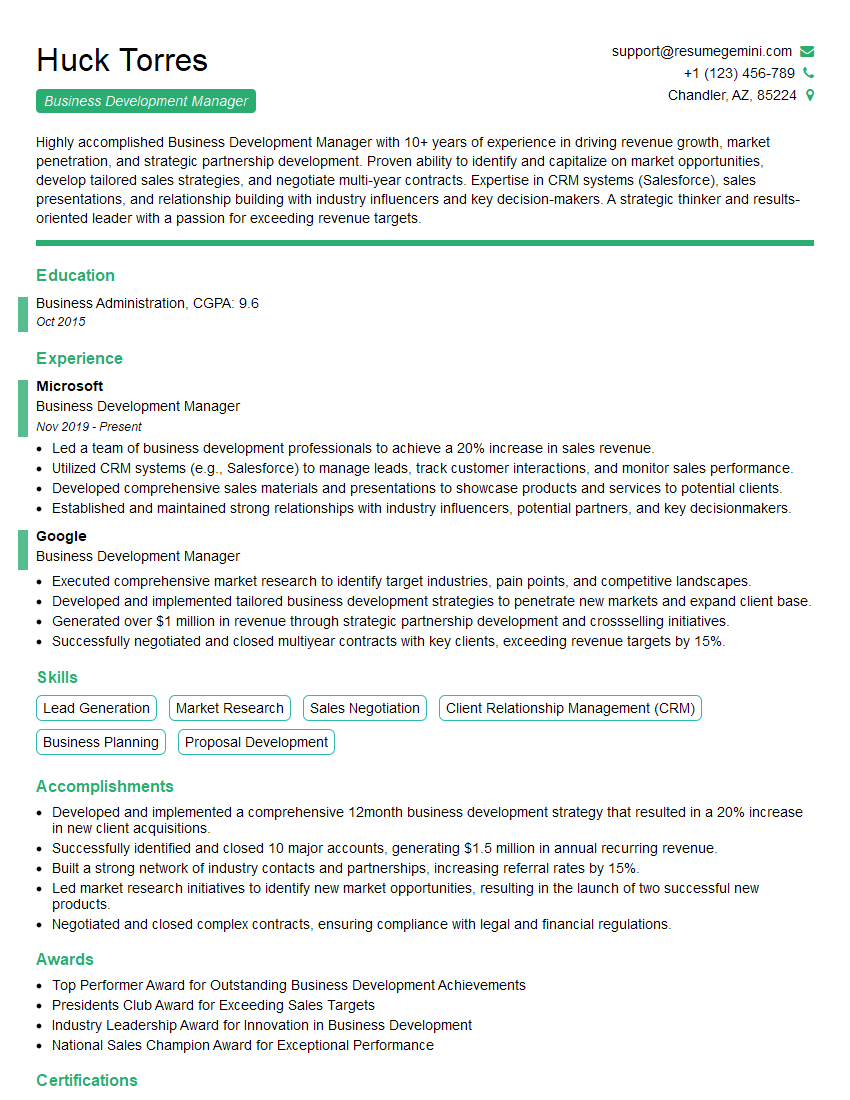
Business Development Manager Resume Sample
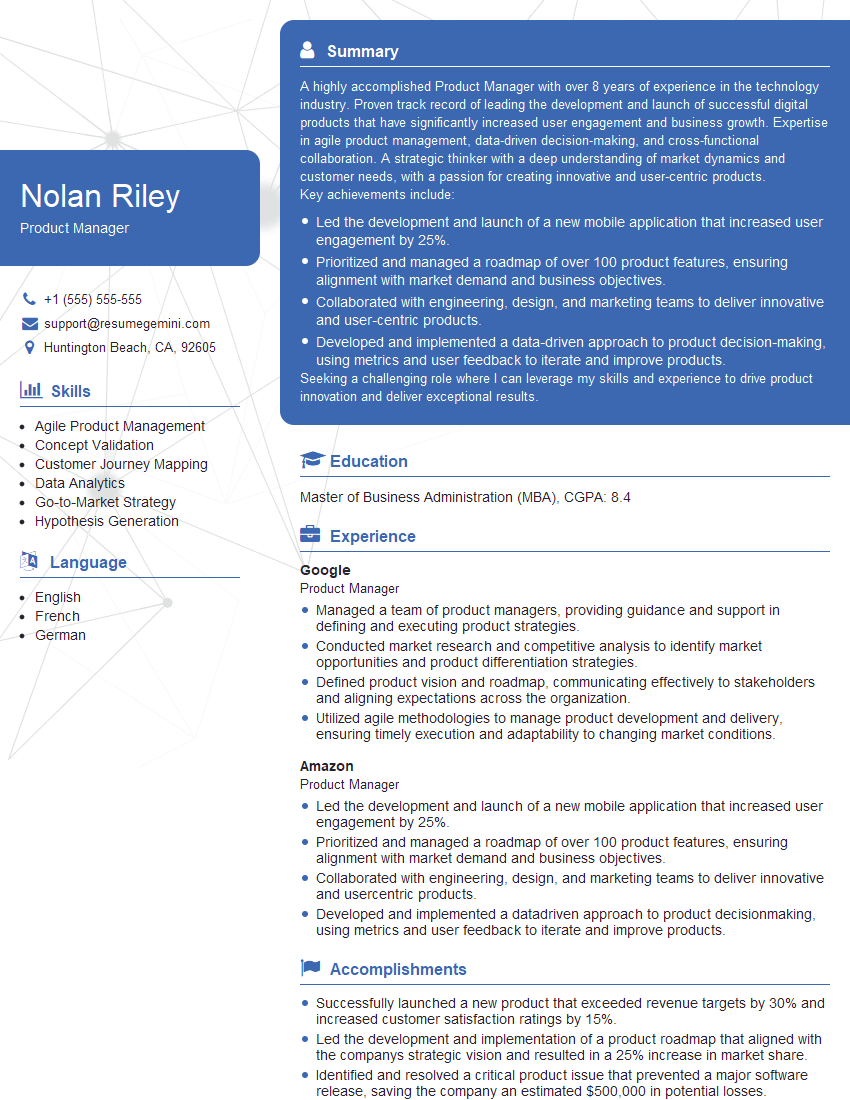
Product Manager Resume Sample
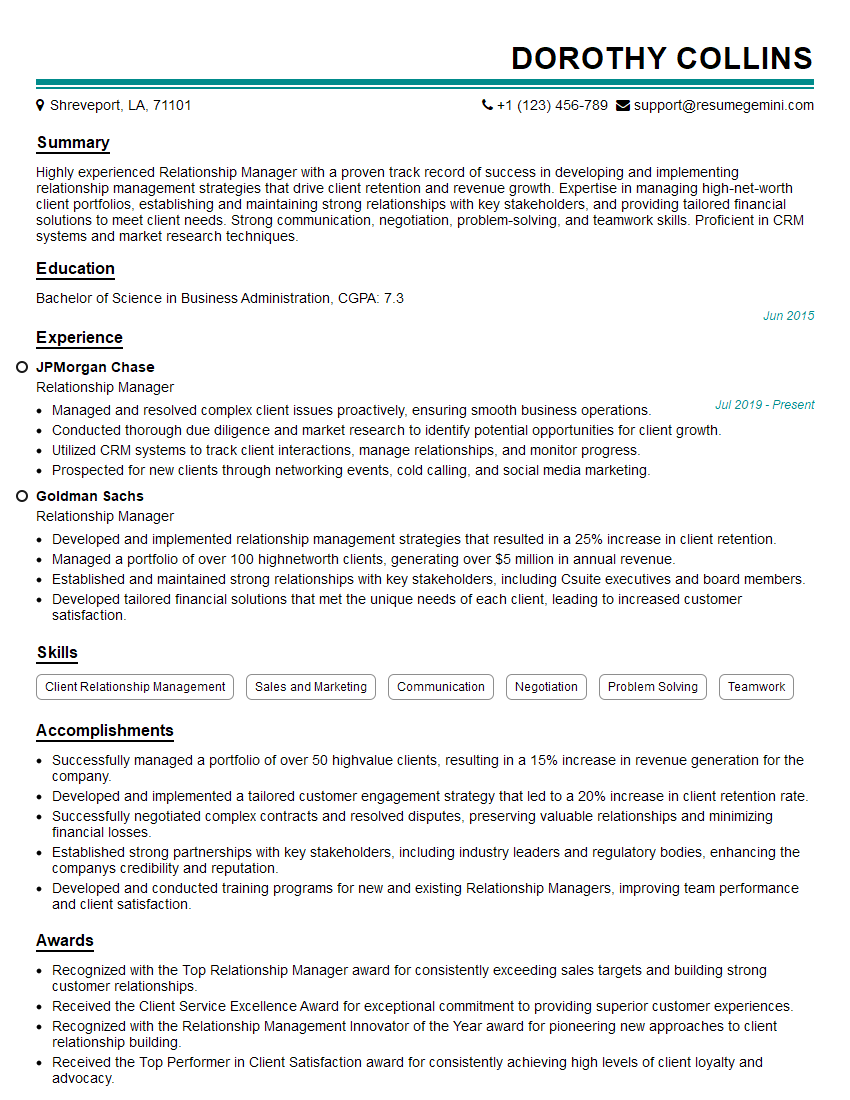
Relationship Manager Resume Sample
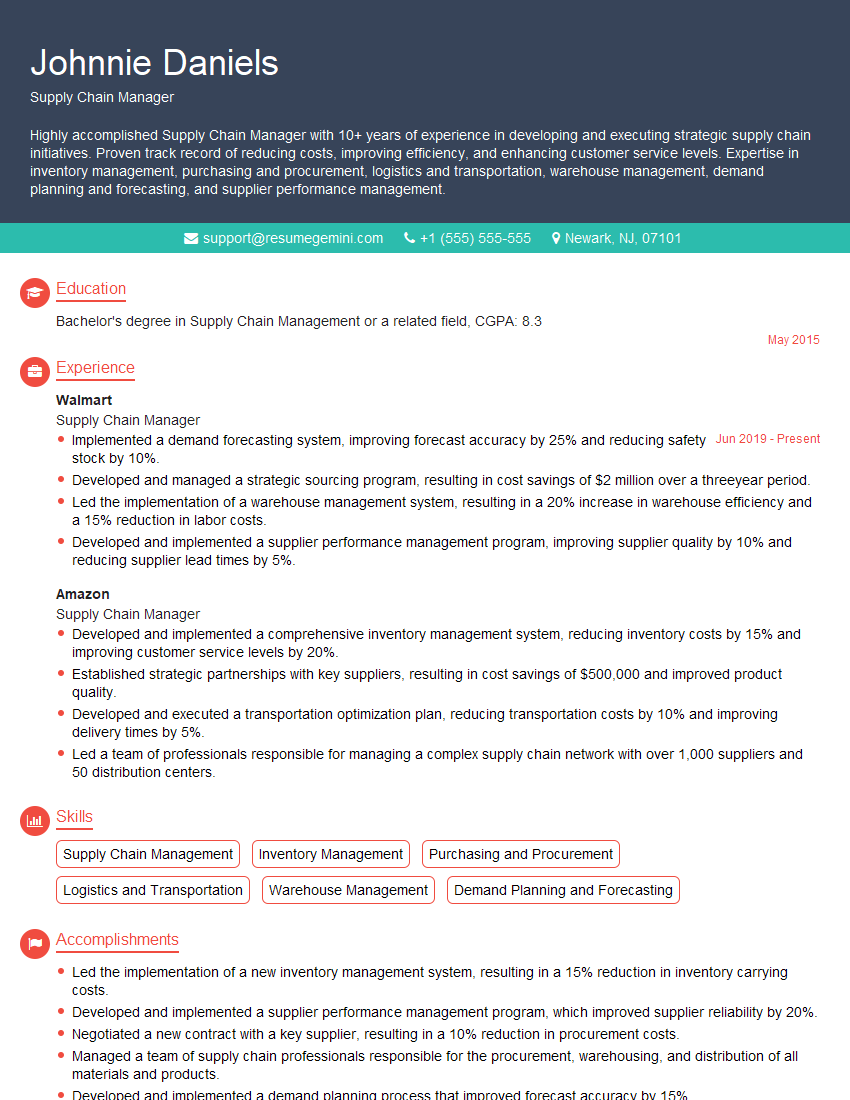
Supply Chain Manager Resume Sample
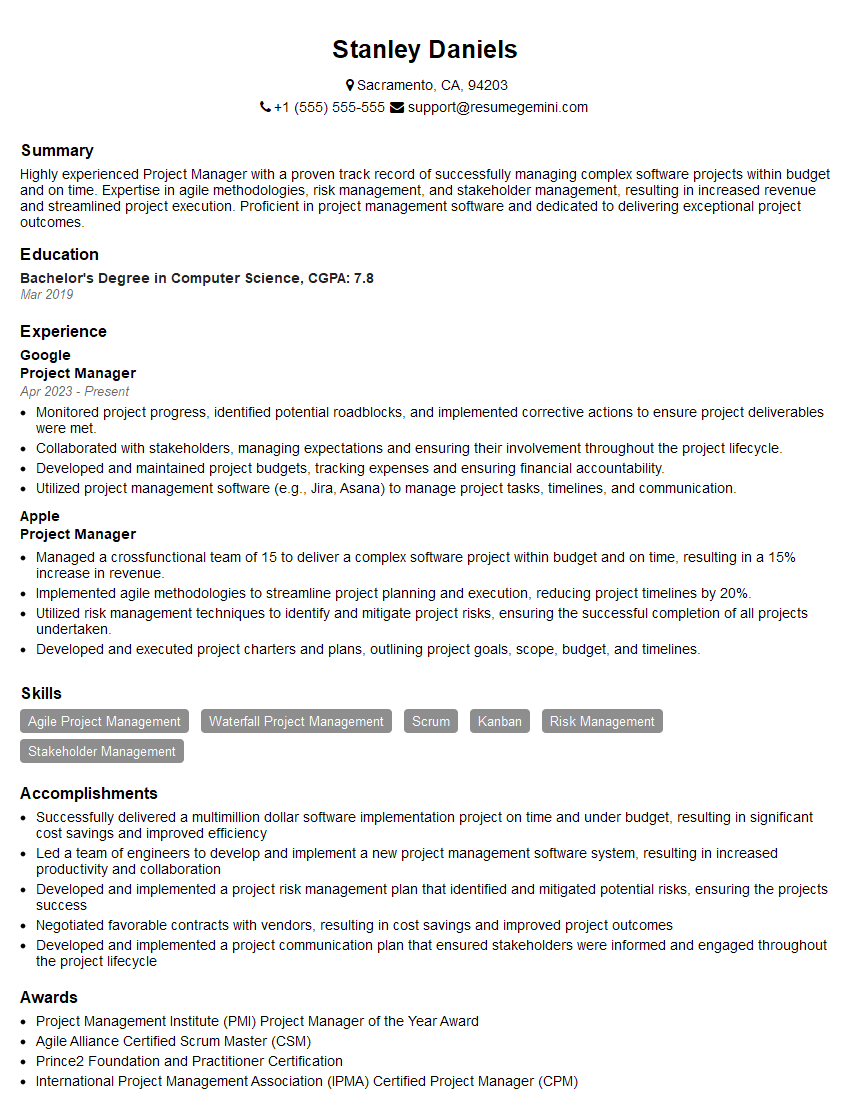
Project Manager Resume Sample
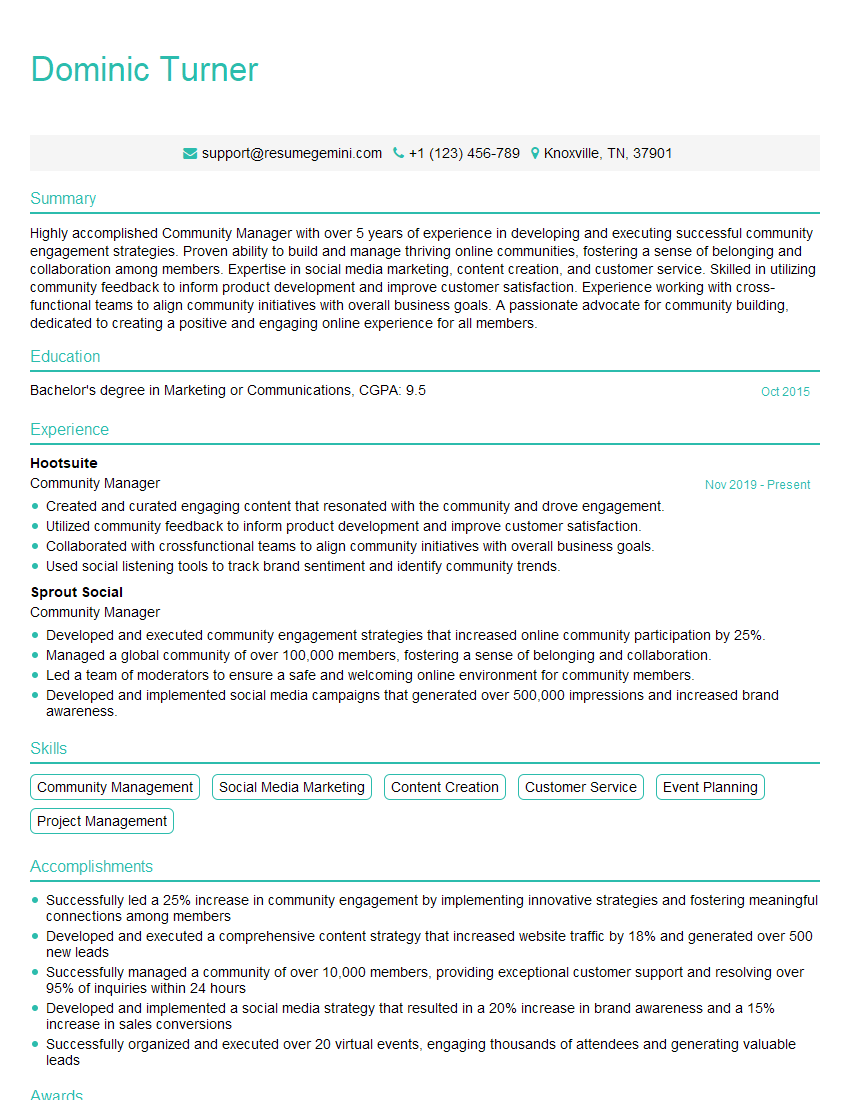
Community Manager Resume Sample
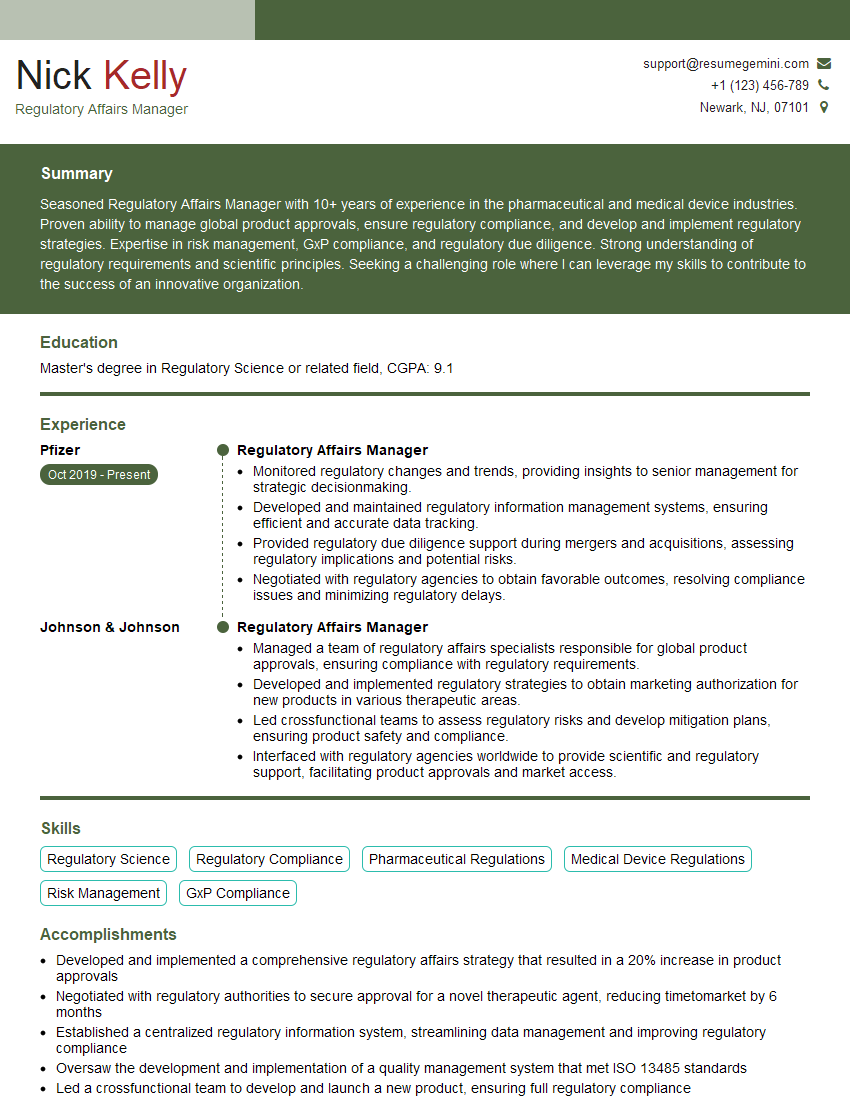
Regulatory Affairs Manager Resume Sample
Explore more articles
Users Rating of Our Blogs
Share Your Experience
We value your feedback! Please rate our content and share your thoughts (optional).
What Readers Say About Our Blog
To the interviewgemini.com Webmaster.
Very helpful and content specific questions to help prepare me for my interview!
Thank you
To the interviewgemini.com Webmaster.
This was kind of a unique content I found around the specialized skills. Very helpful questions and good detailed answers.
Very Helpful blog, thank you Interviewgemini team.