The thought of an interview can be nerve-wracking, but the right preparation can make all the difference. Explore this comprehensive guide to Vaginal Birth interview questions and gain the confidence you need to showcase your abilities and secure the role.
Questions Asked in Vaginal Birth Interview
Q 1. Explain the stages of labor in a vaginal birth.
Vaginal childbirth is a complex process divided into three main stages. Think of it like a three-act play, each with its own unique characteristics.
- First Stage: Labor This stage begins with the onset of regular uterine contractions and ends with complete cervical dilation (opening) to 10 centimeters. This is often the longest stage, and it’s further divided into latent (early) and active phases. During latent labor, contractions are mild and infrequent, allowing the cervix to gradually soften and thin (efface). In active labor, contractions become stronger, more frequent, and longer, leading to more rapid cervical dilation. Imagine it like slowly stretching a balloon until it’s fully open.
- Second Stage: Pushing and Delivery This stage starts when the cervix is fully dilated and ends with the birth of the baby. The mother feels an overwhelming urge to push as contractions help move the baby down the birth canal. Think of this stage as the final act, a powerful push towards the climax of birth.
- Third Stage: Placenta Delivery This is the final stage, and it involves the delivery of the placenta and membranes. This typically occurs within 30 minutes after the baby’s birth. This stage is like the curtain call, a final act of the birthing process. The uterus contracts to expel the placenta, which is usually checked to ensure it’s complete.
Q 2. Describe the different types of vaginal tears and their management.
Vaginal tears, or lacerations, are common during childbirth. They’re typically classified by their degree of severity, ranging from first to fourth degree. Think of them as cuts of varying depth.
- First-degree tears: These are minor tears affecting only the skin and superficial tissues of the perineum (the area between the vagina and anus). They usually heal quickly on their own.
- Second-degree tears: These extend deeper, involving the muscles of the perineum. They typically require stitches (sutures).
- Third-degree tears: These extend to the anal sphincter muscle (the muscle controlling bowel movements).
- Fourth-degree tears: These are the most severe, involving the anal sphincter and the rectal mucosa (lining of the rectum). These require careful repair under anesthesia.
Management usually involves assessment of the tear by the doctor or midwife, followed by repair with stitches under local or regional anesthesia. Pain relief and careful postpartum care are crucial for healing. For example, ice packs and pain medication can help manage discomfort.
Q 3. What are the indications for an episiotomy?
Episiotomy is a surgical incision made in the perineum to widen the vaginal opening during childbirth. It is rarely performed nowadays, as there’s less evidence showing its benefits over letting the perineum stretch naturally. However, in limited situations, it might be considered. Think of it as a controlled cut to prevent more serious, uncontrolled tearing.
Indications for episiotomy are generally limited to situations where a quick delivery is needed to prevent fetal distress, such as in cases of shoulder dystocia (when the baby’s shoulders get stuck during delivery) or in situations where there’s a risk of a severe perineal tear. It’s not a routine procedure, and the risks and benefits are always carefully weighed by the healthcare provider.
Q 4. Discuss the risks and benefits of various pain management techniques during vaginal delivery.
Pain management during vaginal delivery is crucial for both the mother’s comfort and the birthing process. Several methods are available, each with its own benefits and risks.
- Epidural analgesia: This involves injecting medication into the space surrounding the spinal cord, providing effective pain relief for labor and delivery. While highly effective, it can cause side effects such as low blood pressure, itching, and fever. The effect of epidural is often seen as a more calm experience than other methods.
- Spinal analgesia: Similar to epidural, but the injection is into the spinal fluid, offering rapid pain relief but with a shorter duration of action. It has similar potential side effects to epidural analgesia.
- Combined spinal-epidural analgesia (CSE): Combines the benefits of both spinal and epidural, providing immediate and sustained pain relief.
- Nitrous oxide (laughing gas): A self-administered gas inhaled during contractions, providing mild pain relief without the systemic effects of other methods. It’s a non-invasive option favored by women for its limited risk and ability to allow the mother to still manage their pain themselves.
- Opioids: Medications like morphine or fentanyl can be given intravenously for pain relief, but they can cause drowsiness and respiratory depression in the mother and baby.
- Non-pharmacological methods: Techniques such as breathing exercises, massage, hydrotherapy, and aromatherapy can help manage pain and promote relaxation.
Choosing the right pain management technique requires a discussion between the woman and her healthcare provider, considering her individual preferences, medical history, and the specifics of her labor.
Q 5. How do you assess fetal heart rate during labor?
Fetal heart rate monitoring is crucial during labor to assess the baby’s well-being. It’s typically done using electronic fetal monitoring (EFM), which involves placing a sensor on the mother’s abdomen (external monitoring) or a small electrode on the baby’s scalp (internal monitoring). Think of the fetal heart rate monitoring like a vital sign check for the baby.
External monitoring is generally safer and non-invasive. Internal monitoring provides more accurate readings but carries a small risk of infection. The baseline heart rate, variability (changes in heart rate), accelerations (temporary increases in heart rate), and decelerations (temporary decreases in heart rate) are analyzed to assess the fetal status. Any significant changes can indicate fetal distress.
Q 6. What are the signs of fetal distress?
Fetal distress is a serious complication that can arise during labor and delivery. It indicates that the baby isn’t getting enough oxygen. Think of it as a critical alert signaling that the baby’s in trouble.
Signs of fetal distress include:
- Abnormal fetal heart rate patterns: This is the primary indicator. These patterns may include recurrent decelerations, loss of variability, or persistent bradycardia (slow heart rate).
- Meconium-stained amniotic fluid: Meconium is the baby’s first stool. Its presence in the amniotic fluid can indicate fetal distress, potentially due to hypoxia (lack of oxygen). This should alert healthcare professionals to monitor the baby closely.
- Late decelerations: Decelerations that begin after the peak of a contraction and do not recover until after the contraction is over may indicate uteroplacental insufficiency.
- Reduced fetal movement: A significant decrease in fetal movement can also be a sign of problems.
Suspected fetal distress requires immediate intervention, which can range from changing maternal positioning to more aggressive interventions like cesarean section. The goal is always to quickly improve oxygen delivery to the baby.
Q 7. Outline the management of a prolonged second stage of labor.
A prolonged second stage of labor is defined as lasting longer than 3 hours in nulliparous women (women who haven’t given birth vaginally before) and 2 hours in multiparous women (women who have given birth vaginally before). Imagine it as a prolonged pushing stage that’s not progressing efficiently.
Management strategies for a prolonged second stage include:
- Re-assessment of the situation: Confirming the diagnosis of a prolonged second stage by evaluating maternal pushing efforts, fetal descent, and any signs of fetal distress.
- Continued supportive care: Providing encouragement and support to the laboring woman with regards to pushing technique. Consider alternative birthing positions for improving the progress of labor.
- Amniotomy: Artificial rupture of the membranes to help encourage fetal descent. However, not recommended without good reason, as it increases the risks of infection.
- Oxytocin augmentation: Administering oxytocin to increase the strength of uterine contractions if the pushing efforts are not adequate to propel the baby down the birth canal.
- Instrumental assistance: Use of forceps or vacuum extraction to help the baby’s delivery. These instruments can increase risk to the baby, however, and are only used when deemed appropriate.
- Cesarean section: If all other efforts fail, a cesarean section (surgical birth) may be necessary to prevent prolonged oxygen deprivation to the baby.
The approach is tailored to the individual circumstance, always considering the well-being of both the mother and baby.
Q 8. Describe the procedure for performing a vaginal examination.
A vaginal examination is a crucial procedure in obstetrics, used to assess the progress of labor, the baby’s position, and the mother’s overall well-being. It’s performed using sterile gloves and lubricant. The examiner inserts two fingers into the vagina to assess several key factors:
- Cervical dilation: How open the cervix is, measured in centimeters (cm), from 0 cm (closed) to 10 cm (fully dilated).
- Cervical effacement: Thinning of the cervix, expressed as a percentage (0% to 100%).
- Station: The baby’s descent into the birth canal, relative to the ischial spines of the mother’s pelvis (measured in centimeters above or below the spines).
- Position: The baby’s position within the pelvis, using a standardized system (e.g., occiput anterior, meaning the baby’s head is facing forward).
- Presentation: The part of the baby presenting first (usually the head, but can be breech – buttocks or feet first).
For example, a report might read: ‘Cervix 5cm dilated, 80% effaced, station +1, occiput anterior.’ This indicates the labor is progressing well. The examination should always be conducted gently and with the patient’s comfort prioritized. It’s essential to explain the procedure to the patient before commencing, ensuring informed consent.
Q 9. Explain the different positions a woman can assume during labor.
Women can adopt various positions during labor to manage pain, aid in fetal descent, and improve comfort. The optimal position is often dictated by individual preference, the stage of labor, and medical considerations. Some common positions include:
- Upright positions: Walking, standing, leaning against a partner or support person, squatting – these positions utilize gravity to aid fetal descent and can be less painful than lying down. Many women find upright positions empower them and reduce the need for interventions.
- Side-lying positions: This position can be comfortable and helpful for reducing back pain, particularly in later labor. It also allows for ease of monitoring the fetal heart rate.
- Semi-recumbent positions: Leaning back slightly, often supported by pillows. This can be comfortable and allow for good access for monitoring.
- Hands and knees position: This is sometimes helpful in relieving back pain and promoting rotation of the baby.
- Water birth: Immersing in water can provide pain relief and relaxation during labor.
It’s crucial that healthcare providers encourage women to explore different positions and find what works best for them. Mobility during labor can significantly improve the birthing experience.
Q 10. How do you manage postpartum hemorrhage?
Postpartum hemorrhage (PPH) is defined as blood loss exceeding 500ml after vaginal birth or 1000ml after Cesarean section. It’s a life-threatening complication requiring immediate intervention. Management involves a systematic approach focusing on identifying the cause and implementing appropriate measures. These can include:
- Fundal massage: Gently massaging the uterus to help it contract and reduce bleeding.
- Uterotonic medications: Drugs like oxytocin, methylergonovine, or carboprost are given intravenously or intramuscularly to stimulate uterine contractions.
- Bimanual compression: A manual technique used to compress the uterus and reduce bleeding if other methods are ineffective. This requires expertise to avoid harm.
- Surgical interventions: If other measures fail, surgery may be necessary, such as dilation and curettage (D&C) to remove retained placental tissue or ligation of bleeding vessels.
- Blood transfusion: If blood loss is severe, a blood transfusion may be required to replace lost blood volume.
A clear understanding of the causes of PPH (uterine atony, retained placenta, trauma, etc.) allows for targeted treatment. Early recognition and swift action are critical to preventing maternal mortality. This often involves a team approach, and rapid communication is crucial to ensure proper intervention.
Q 11. What are the signs and symptoms of postpartum infection?
Postpartum infection (also known as puerperal infection) is an infection of the reproductive tract after childbirth. Symptoms typically present within the first 10 days postpartum, but can occur later. Common signs and symptoms include:
- Fever: A temperature of 100.4°F (38°C) or higher for 24 hours after delivery.
- Chills: Feeling of coldness or shivering.
- Lower abdominal pain: Localized pain in the pelvic area.
- Vaginal discharge with foul odor: Unusual color, consistency, or smell compared to normal lochia.
- Fatigue and malaise: Persistent tiredness and general unwellness.
- Localized redness or swelling at the incision site (if Cesarean section): Signs of infection at the surgical wound.
It’s essential to carefully assess postpartum women for signs of infection and promptly administer appropriate antibiotics if an infection is suspected. Early intervention is crucial to prevent serious complications such as sepsis. A detailed patient history and physical examination are vital in diagnosis.
Q 12. Discuss the role of oxytocin in labor and postpartum.
Oxytocin plays a vital role in both labor and the postpartum period. It’s a naturally occurring hormone produced in the hypothalamus and released by the posterior pituitary gland.
- In labor: Oxytocin stimulates uterine contractions, helping the cervix to dilate and efface. It’s often administered intravenously to augment labor or induce labor (under specific circumstances). It’s also called the ‘love hormone’ and is associated with bonding between mother and child.
- Postpartum: Oxytocin is critical for uterine involution (the return of the uterus to its normal size). It also plays a role in breastfeeding, stimulating milk letdown. After delivery, a dose of oxytocin is often administered to help prevent postpartum hemorrhage.
Understanding oxytocin’s dual role helps in managing labor and postpartum complications. The appropriate use of synthetic oxytocin is a key element of modern obstetric care, however, it must be managed carefully and with due consideration to potential risks.
Q 13. How do you assess a woman’s readiness for pushing?
Assessing a woman’s readiness for pushing involves considering several factors to ensure the safety of both the mother and the baby. It’s not simply about the urge to push; the cervix must be fully dilated and the baby appropriately positioned.
- Cervical dilation: The cervix must be completely dilated (10 cm) before pushing to prevent cervical tears.
- Fetal station: The baby’s head should be engaged and ideally at +2 station or lower, indicating good descent into the pelvis.
- Fetal position and presentation: The optimal position is occiput anterior, ensuring the baby’s head is facing forward. Breech presentation requires a different approach.
- Maternal expulsive efforts: The woman should have strong, effective pushing efforts.
- Maternal well-being: The mother’s physical and psychological state is crucial. Fatigue or distress can impede effective pushing.
Premature pushing before complete cervical dilation can lead to complications, like cervical tears and prolonged labor. Therefore, proper assessment is critical for a successful and safe delivery. Observing the mother’s behavior and monitoring the fetal heart rate are also essential aspects of determining readiness.
Q 14. Explain the process of conducting a newborn resuscitation.
Newborn resuscitation is a life-saving procedure performed when a baby is born with breathing or heart rate problems. It involves a structured approach based on the Apgar score and the baby’s response to initial interventions.
- Initial assessment: Assess the baby’s color, heart rate, respiratory effort, muscle tone, and reflex irritability. The Apgar score (taken at 1 and 5 minutes after birth) provides a quick assessment of the baby’s condition.
- Clearing the airway: Gently suction the baby’s mouth and nose to remove any mucus or amniotic fluid.
- Stimulation: Gently rub the baby’s back or tap the soles of its feet to stimulate breathing.
- Oxygen administration: If the baby is not breathing adequately, supplemental oxygen is provided using a mask or nasal cannula.
- Positive pressure ventilation (PPV): If the baby is still not breathing, PPV using a bag-valve mask (BVM) is administered. This involves delivering breaths to the baby at the appropriate rate and pressure.
- Chest compressions: If the heart rate remains low despite PPV, chest compressions are started. The technique involves compressing the baby’s chest at a specific rate and depth.
- Advanced life support: In cases of severe problems, advanced life support measures may be needed, including medication and intubation.
Effective newborn resuscitation requires teamwork, expertise, and a well-equipped environment. Training and practice are crucial to handle these situations effectively. Regular drills and simulations are an essential part of preparedness for the healthcare team.
Q 15. Describe the different types of assisted vaginal delivery (e.g., forceps, vacuum extraction).
Assisted vaginal delivery involves using instruments to help the baby emerge from the birth canal. Two main methods are forceps and vacuum extraction.
- Forceps: These are tong-like instruments placed around the baby’s head to assist in traction during delivery. Different types of forceps exist, each designed to navigate various head positions. Their use requires precision to avoid injury to the mother or baby.
- Vacuum Extraction: A suction cup is attached to the baby’s head, providing gentle traction as the mother pushes. The suction is controlled, and the cup is carefully removed after delivery. Vacuum extraction is often preferred over forceps due to a potentially reduced risk of maternal trauma.
The choice between forceps and vacuum extraction depends on factors such as the baby’s position, the mother’s condition, and the physician’s expertise. Both methods carry potential risks, so careful consideration and informed consent are essential.
Career Expert Tips:
- Ace those interviews! Prepare effectively by reviewing the Top 50 Most Common Interview Questions on ResumeGemini.
- Navigate your job search with confidence! Explore a wide range of Career Tips on ResumeGemini. Learn about common challenges and recommendations to overcome them.
- Craft the perfect resume! Master the Art of Resume Writing with ResumeGemini’s guide. Showcase your unique qualifications and achievements effectively.
- Don’t miss out on holiday savings! Build your dream resume with ResumeGemini’s ATS optimized templates.
Q 16. What are the indications for a cesarean section after a trial of labor?
A trial of labor (TOL) attempts vaginal delivery after a previous cesarean section. However, a cesarean section may become necessary if certain complications arise during labor. These indications include:
- Failure to progress: If labor stalls, with insufficient cervical dilation or fetal descent despite adequate contractions, a cesarean may be necessary to avoid prolonged labor.
- Fetal distress: This includes abnormal fetal heart rate patterns indicating the baby isn’t receiving enough oxygen. Immediate intervention, often a cesarean, is required to protect the baby.
- Uterine rupture: Though rare, especially in women with a single prior low-transverse cesarean incision, this life-threatening complication requires immediate surgical intervention.
- Placental abruption: Premature separation of the placenta from the uterine wall compromises blood flow to the baby, necessitating an emergency cesarean.
- Hemorrhage: Excessive maternal bleeding can endanger both mother and baby and necessitate a cesarean to control bleeding and deliver the baby safely.
The decision to proceed with a cesarean after a TOL is made on a case-by-case basis, carefully balancing maternal and fetal wellbeing.
Q 17. Discuss the potential complications of vaginal birth.
Vaginal birth, while natural, carries potential complications for both mother and baby. These can include:
- Perineal tears: These range from minor superficial tears to more severe third- or fourth-degree tears involving the anal sphincter. These often require surgical repair.
- Postpartum hemorrhage (PPH): Excessive bleeding after delivery can be life-threatening. Causes can include uterine atony (failure of the uterus to contract properly), retained placenta, or lacerations.
- Urinary or fecal incontinence: These can be caused by perineal trauma or nerve damage during delivery.
- Infection: Postpartum infections such as endometritis (uterine infection) or wound infections are possible.
- Pelvic floor dysfunction: Weakening of the pelvic floor muscles can lead to prolapse or other issues.
- Anal sphincter injury: Severe perineal tears may result in anal sphincter injury leading to fecal incontinence or other bowel problems.
- For the baby: Shoulder dystocia, birth trauma, or neonatal infections.
Risk factors for these complications vary, and preventative measures and close monitoring are crucial during labor and delivery.
Q 18. How do you counsel a woman about the risks and benefits of different birthing options?
Counseling a woman about birthing options is a crucial part of prenatal care. It involves a shared decision-making approach, ensuring the woman understands the risks and benefits of each option in the context of her individual circumstances.
I would start by discussing her preferences, medical history, and any concerns she has. Then, I present information about vaginal birth and cesarean section, highlighting:
- Vaginal Birth: Benefits include faster recovery, reduced risk of infection, and the potential for quicker breastfeeding initiation. I discuss risks such as perineal trauma, postpartum hemorrhage, and potential complications for the baby.
- Cesarean Section: Benefits include a lower risk of certain complications, such as shoulder dystocia. I discuss risks such as infection, longer recovery time, increased bleeding, and potential complications from anesthesia.
I use visual aids, such as diagrams and brochures, and answer any questions the woman might have in a clear and straightforward manner. The goal is to empower her to make an informed choice that aligns with her values and goals for childbirth.
Throughout the process, I emphasize that there’s no ‘right’ or ‘wrong’ choice and that the best option depends on her individual situation. We collaboratively decide on the most appropriate course of action.
Q 19. How do you manage a shoulder dystocia?
Shoulder dystocia is an obstetric emergency where the baby’s shoulders become impacted after the head is delivered. Immediate action is crucial to avoid complications. Management involves a coordinated team approach using the mnemonic HELPERR:
- Help – Call for assistance immediately.
- Evaluate for episiotomy (if appropriate).
- Legs – McRoberts maneuver (flexing the mother’s legs towards her abdomen).
- Pressure – Suprapubic pressure (applying pressure just above the pubic bone).
- Enter – Manually rotate the posterior shoulder.
- Roll – Maternal position change (rolling her onto her hands and knees).
- Reach – Delivery of the posterior arm.
Documentation of the steps taken is essential for legal and quality-of-care purposes. The goal is to resolve the dystocia quickly and safely, minimizing risks to both mother and baby. After the successful delivery, immediate assessment of the baby’s condition and potential need for neonatal resuscitation is critical.
Q 20. Explain the importance of perineal massage during labor.
Perineal massage, performed during the later stages of pregnancy, aims to improve perineal elasticity and reduce the risk of perineal tears during vaginal delivery. It involves gently stretching and massaging the perineal area, increasing the tissue’s extensibility.
While the evidence supporting its widespread effectiveness is debated, some studies suggest it may slightly reduce the incidence of severe perineal tears. The massage is typically self-administered by the pregnant woman, guided by instructions from a healthcare professional. It is important to emphasize gentle techniques to avoid discomfort or injury. It is not a guarantee against tears, but it can be a useful part of a woman’s overall preparation for childbirth. A warm bath or shower can help soften the perineum before massage.
Q 21. Describe the role of continuous electronic fetal monitoring.
Continuous electronic fetal monitoring (CEFM) involves continuously monitoring the fetal heart rate (FHR) and uterine contractions using external or internal sensors. It’s used to assess fetal well-being during labor and detect potential problems.
Benefits: CEFM allows for early detection of fetal distress, such as decelerations (decreases in FHR), which might indicate hypoxia (oxygen deprivation). This allows for timely interventions such as changing maternal position, administering oxygen, or performing a cesarean delivery.
Limitations: CEFM can lead to increased interventions, such as cesarean sections, which may not always be necessary. It can also increase maternal anxiety and discomfort. False-positive results, where abnormalities are detected that don’t actually indicate fetal distress, are also possible. The interpretation of the monitoring requires expertise and clinical judgment. The balance between the benefits and the potential for unnecessary intervention needs careful consideration.
Q 22. What are the contraindications for vaginal birth after cesarean (VBAC)?
Vaginal birth after cesarean (VBAC) is a high-risk procedure, and several contraindications exist. These contraindications aim to prevent uterine rupture, a potentially life-threatening complication. The most common contraindications include:
- Prior classical or T-shaped uterine incision: These types of incisions weaken the uterine wall significantly, increasing the risk of rupture.
- Two or more prior cesarean deliveries: Each prior cesarean increases the risk of uterine rupture.
- Uterine scar abnormalities detected by ultrasound: Ultrasound can reveal thinning or dehiscence (separation) of the uterine scar, indicating a higher risk.
- Significant uterine scar defect: This can be identified during a previous cesarean or during a pre-VBAC assessment.
- Uterine rupture in a previous pregnancy: A previous rupture substantially increases the risk of recurrence.
- Cephalopelvic disproportion (CPD): If the baby’s head is too large to pass through the mother’s pelvis, a vaginal delivery, even with a previous cesarean, is unlikely to succeed and carries significant risk.
- Active genital herpes infection: The virus can infect the baby during vaginal delivery.
- Lack of appropriate medical personnel and facilities: Emergency cesarean capability must be readily available in case of complications.
A thorough assessment considering maternal history, fetal presentation, and available resources is crucial before attempting a VBAC. The decision is a shared one between the patient and her obstetrician.
Q 23. How do you manage uterine atony?
Uterine atony, the inability of the uterus to contract effectively after delivery, leads to postpartum hemorrhage (PPH). Management focuses on immediate intervention to control bleeding and prevent complications. The steps typically include:
- Fundal massage: Firmly massaging the fundus (top of the uterus) helps to stimulate contractions.
- Oxytocin administration: This medication is a uterine stimulant that encourages contractions and reduces bleeding.
- Other uterotonics: Medications like methylergonovine maleate (Methergine), carboprost tromethamine (Hemabate), and misoprostol may be used if oxytocin is insufficient.
- Bimanual uterine compression: This technique involves applying pressure to the uterus internally and externally to compress bleeding vessels.
- Surgical intervention: If medical management fails, procedures such as uterine artery embolization or hysterectomy may be necessary. In severe cases, a rapid response team and blood transfusion may be required.
The key is a prompt and layered approach; early recognition and treatment are crucial in preventing severe PPH.
Q 24. Explain the postpartum care considerations for vaginal birth.
Postpartum care after vaginal birth focuses on the mother’s physical and emotional recovery. Key considerations include:
- Monitoring vital signs: Regular checks of blood pressure, pulse, temperature, and respiratory rate are essential to detect potential complications.
- Assessing uterine involution: Monitoring the size and consistency of the uterus to ensure it’s returning to its normal size and shape.
- Managing pain: Providing appropriate analgesia to relieve discomfort from episiotomy or perineal trauma.
- Promoting breastfeeding or providing guidance on formula feeding: Supporting the mother’s chosen feeding method.
- Monitoring for postpartum hemorrhage: Carefully checking for excessive bleeding.
- Wound care: Providing education and support on wound care for episiotomies or lacerations.
- Bowel and bladder function: Addressing potential issues such as constipation or urinary retention.
- Emotional support: Addressing postpartum blues and assessing risk factors for postpartum depression.
- Nutritional guidance: Encouraging a balanced diet to support recovery and breastfeeding.
- Family planning counseling: Offering information and support on contraceptive options.
Postpartum care is an individualized process, tailored to meet the mother’s specific needs and recovery trajectory. Education plays a crucial role in empowering the mother to manage her own recovery.
Q 25. What are the common complications of assisted vaginal delivery?
Assisted vaginal delivery, using instruments such as forceps or vacuum extraction, can significantly increase the risk of complications for both the mother and the baby. These complications can include:
- Maternal complications: perineal lacerations, vaginal tears, anal sphincter injuries, vaginal hematomas, uterine rupture (rare but serious), infections, and postpartum hemorrhage.
- Fetal complications: Cephalohematoma (collection of blood between the skull bone and periosteum), intracranial hemorrhage, facial nerve palsy, retinal hemorrhage, and scalp lacerations.
The decision to use instrumental delivery must be made carefully, weighing the risks and benefits against the potential risks of a cesarean delivery. Proper technique and careful monitoring are crucial to minimize complications.
Q 26. Describe your approach to providing emotional support to laboring women.
My approach to providing emotional support during labor involves creating a safe, comfortable, and empowering environment. This includes:
- Active listening and empathy: I carefully listen to the woman’s concerns and acknowledge her feelings.
- Respect for her birth preferences: I involve the woman in decision-making about her care, respecting her preferences and cultural background.
- Continuous support and encouragement: Offering continuous emotional support and encouragement throughout the labor process, including positive affirmations and reassurance.
- Comfort measures: Providing comfort measures like position changes, hydrotherapy, massage, and breathing techniques.
- Advocacy: Advocating for the woman’s needs and preferences within the healthcare system.
- Collaboration with support people: Working collaboratively with the woman’s partner, family members, or doula to build a supportive team.
- Postpartum emotional support: Providing support and resources beyond the delivery, acknowledging the transition into motherhood.
A compassionate and supportive approach is critical. Recognizing each woman’s unique experience and adapting care to meet individual needs is key to a positive birthing experience.
Q 27. How do you assess for and manage postpartum depression?
Postpartum depression (PPD) is a serious mood disorder affecting a significant number of women after childbirth. Assessment involves screening tools such as the Edinburgh Postnatal Depression Scale (EPDS) and a thorough clinical interview. Key areas of inquiry include mood changes, sleep disturbances, anxiety, feelings of guilt or inadequacy, loss of interest in activities, changes in appetite, and thoughts of self-harm or harming the baby.
Management may involve:
- Psychotherapy: Cognitive Behavioral Therapy (CBT) and interpersonal therapy can be effective.
- Pharmacotherapy: Antidepressant medications are often prescribed based on the severity and symptoms.
- Support groups: Connecting women with support groups and resources can provide a sense of community and shared experience.
- Lifestyle changes: Encouraging regular exercise, healthy eating, and sufficient sleep.
- Referral to specialized mental health services: Referring the patient to psychiatrists or other mental health professionals as needed.
Early identification and intervention are critical to preventing the progression of PPD and promoting maternal well-being. Open communication and a collaborative approach with the patient is central to effective management.
Q 28. How do you differentiate between true and false labor?
Differentiating true labor from false labor is essential to manage expectations and provide appropriate care. Key differences include:
- Regularity of contractions: True labor contractions become increasingly regular and closer together, while false labor contractions are irregular and infrequent.
- Intensity of contractions: True labor contractions progressively increase in intensity, while false labor contractions may remain mild or sporadic.
- Location of discomfort: True labor pain often begins in the lower back and radiates to the abdomen, while false labor pain is often felt in the abdomen or groin.
- Change in cervical dilation: This is the most definitive sign. True labor results in progressive cervical dilation and effacement (thinning), confirmed by a vaginal examination, which does not occur in false labor.
- Walking: Walking often intensifies true labor contractions, while it may relieve discomfort in false labor.
It’s important to note that these distinctions aren’t always clear-cut. Monitoring the pattern of contractions and assessing cervical changes are crucial in making a definitive diagnosis. Women should be encouraged to contact their healthcare provider if they are unsure about the nature of their labor.
Key Topics to Learn for Vaginal Birth Interview
- Stages of Labor: Understand the physiological processes involved in each stage, including the phases of each stage, and potential complications.
- Maternal Physiology During Labor: Discuss cardiovascular, respiratory, and endocrine changes and their impact on management.
- Fetal Monitoring: Explain the techniques used for fetal heart rate monitoring, interpretation of patterns, and appropriate responses to concerning findings.
- Pain Management Techniques: Describe various pharmacological and non-pharmacological pain relief methods and their indications and contraindications.
- Vaginal Delivery Procedures: Detail the different techniques and instruments used during vaginal birth, including episiotomy and assisted vaginal delivery.
- Postpartum Care: Explain the essential elements of postpartum care, including assessment of the mother and newborn, and identifying potential complications.
- Complications of Vaginal Birth: Discuss common complications such as postpartum hemorrhage, perineal lacerations, and uterine atony, including their recognition, management, and prevention.
- Evidence-Based Practice in Vaginal Birth: Demonstrate understanding of current research and guidelines related to vaginal birth and their practical application.
- Ethical Considerations: Discuss ethical dilemmas that may arise during vaginal birth and decision-making processes involving informed consent and shared decision-making.
- Communication and Interpersonal Skills: Emphasize your ability to effectively communicate with patients and their families, providing clear explanations and emotional support.
Next Steps
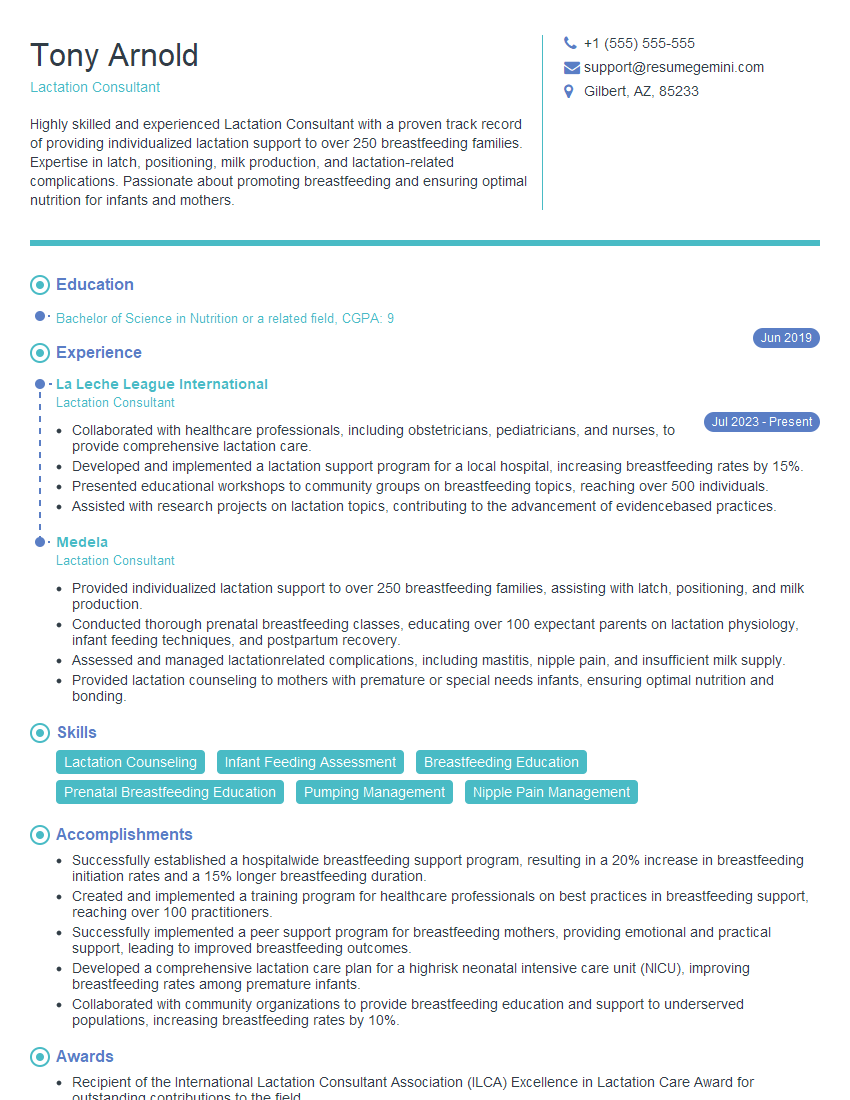
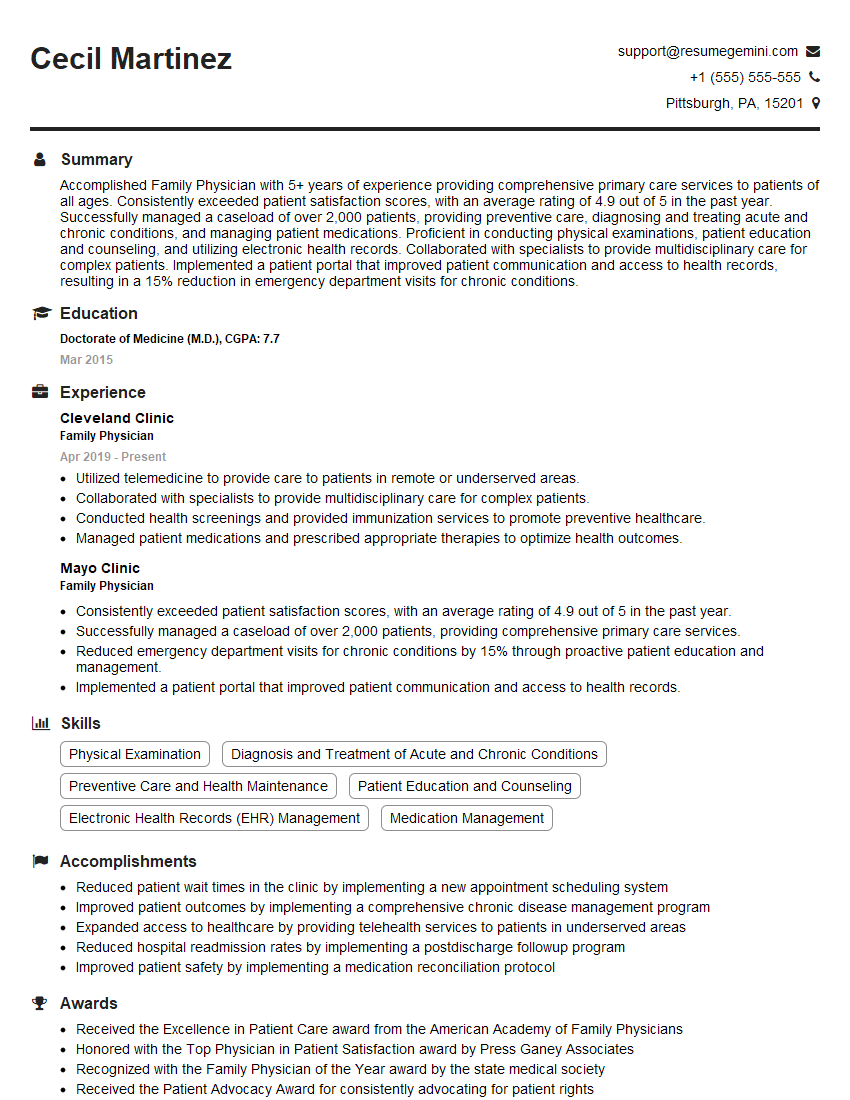
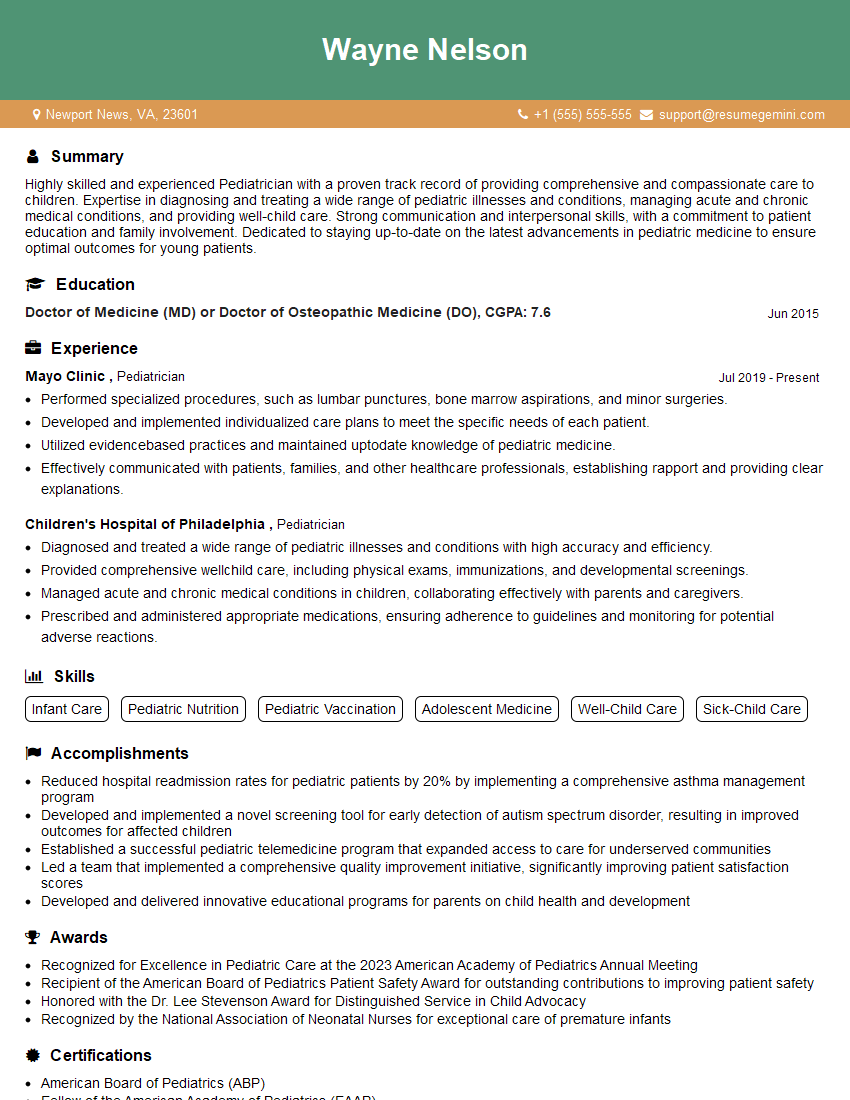
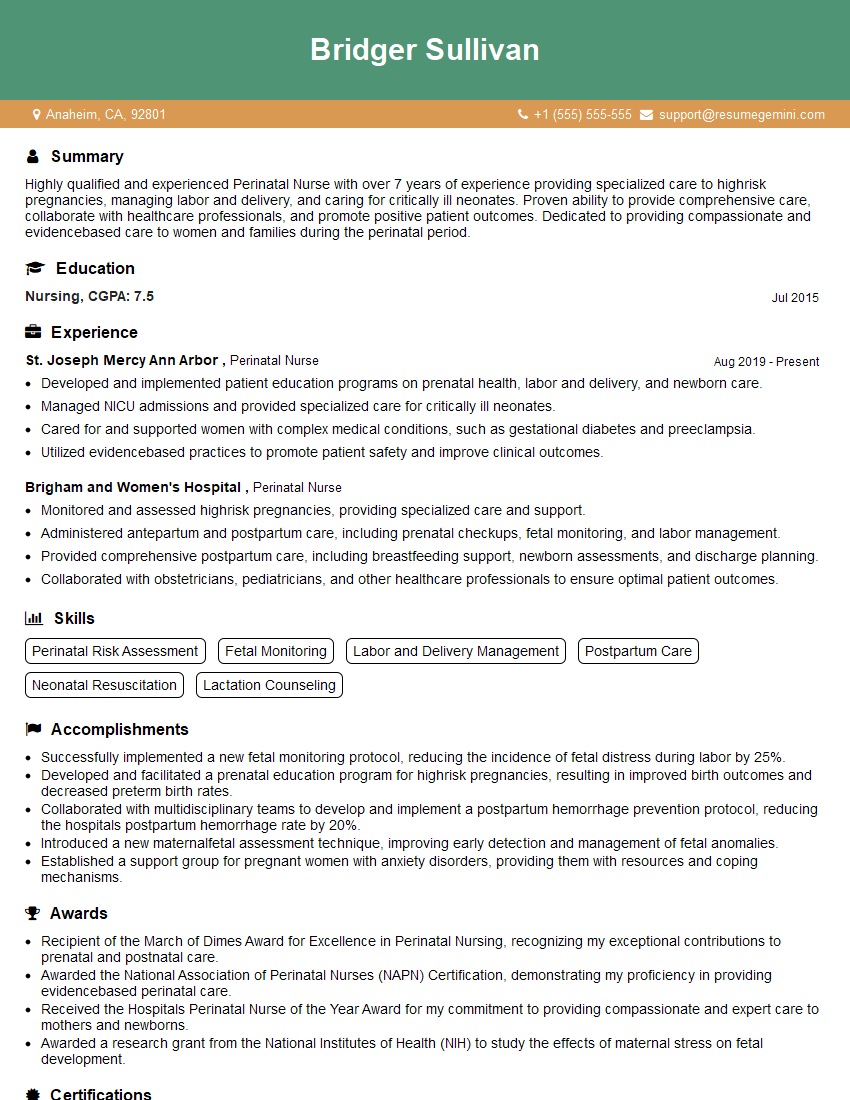
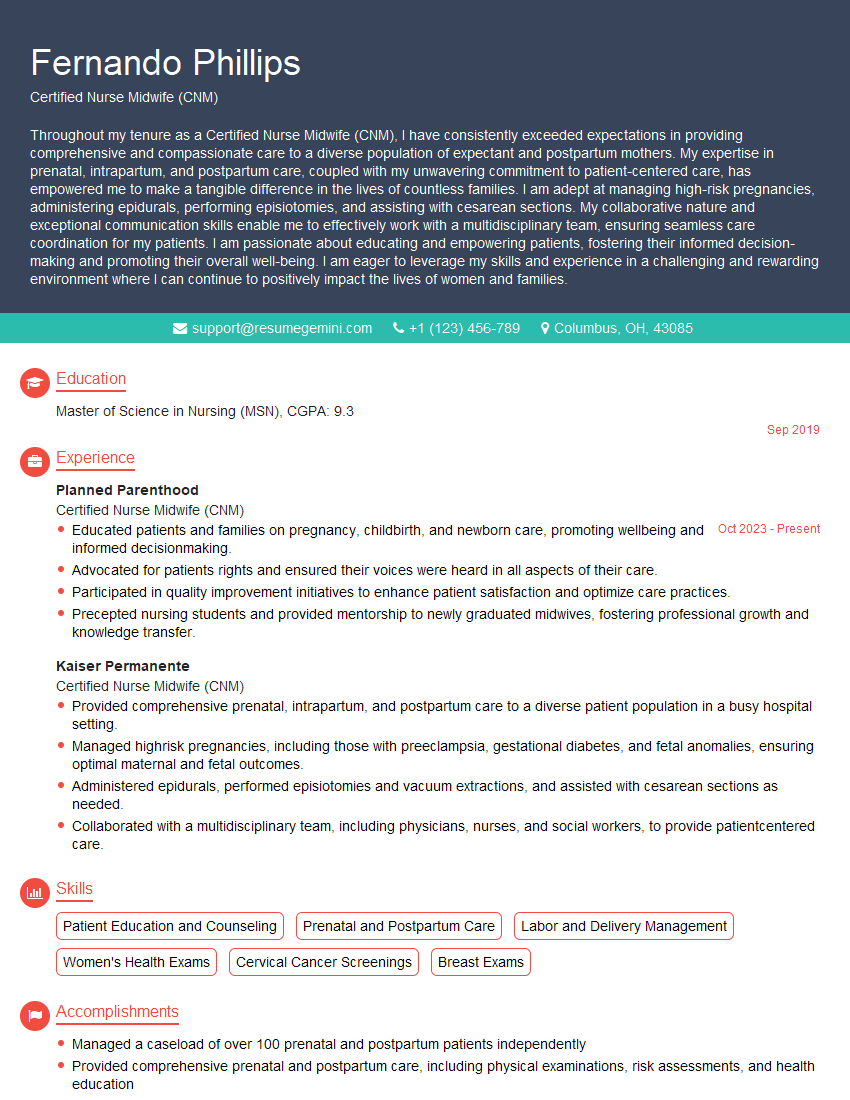
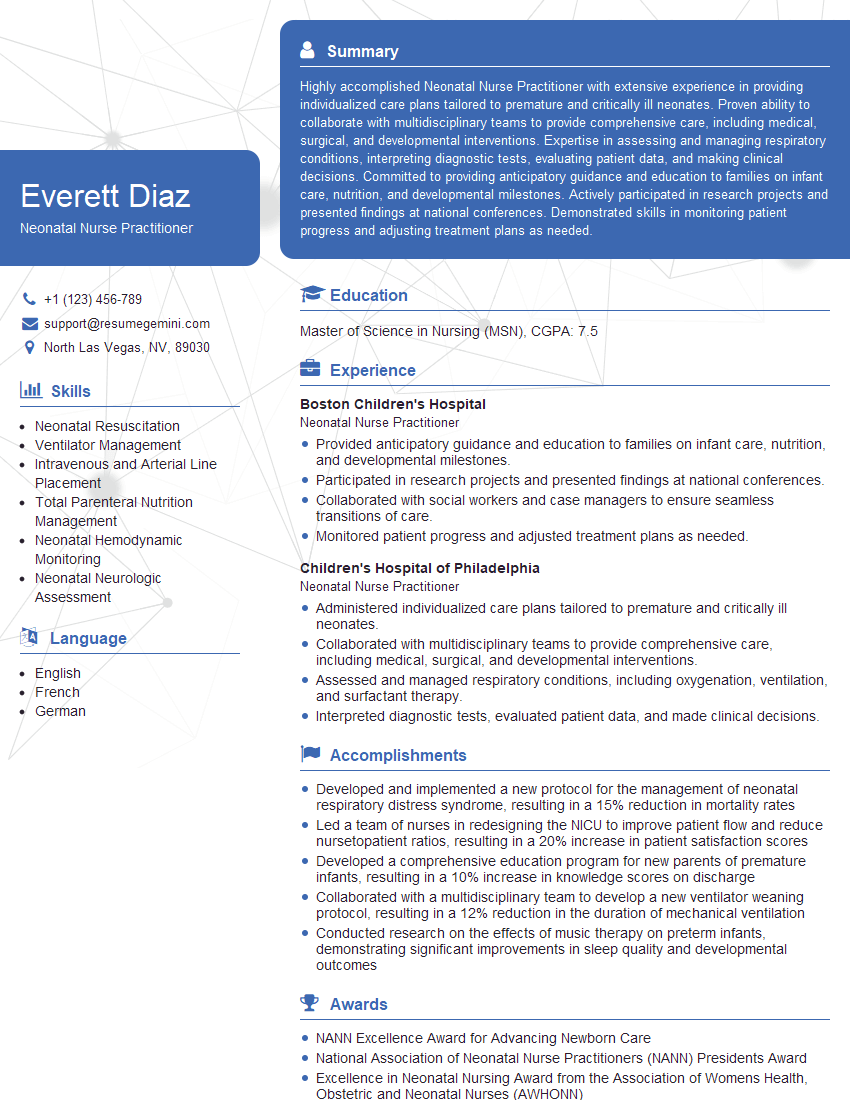
Mastering the intricacies of vaginal birth is crucial for a successful career in this field. A strong understanding of these concepts will significantly enhance your clinical skills and contribute to positive patient outcomes. To maximize your job prospects, invest time in creating an ATS-friendly resume that showcases your expertise effectively. ResumeGemini is a trusted resource that can help you build a professional and impactful resume. Examples of resumes tailored to the Vaginal Birth field are available to guide you through the process.

Explore more articles
Users Rating of Our Blogs
Share Your Experience
We value your feedback! Please rate our content and share your thoughts (optional).
What Readers Say About Our Blog
To the interviewgemini.com Webmaster.
Very helpful and content specific questions to help prepare me for my interview!
Thank you
To the interviewgemini.com Webmaster.
This was kind of a unique content I found around the specialized skills. Very helpful questions and good detailed answers.
Very Helpful blog, thank you Interviewgemini team.