Unlock your full potential by mastering the most common Understanding of conservation policy and management interview questions. This blog offers a deep dive into the critical topics, ensuring you’re not only prepared to answer but to excel. With these insights, you’ll approach your interview with clarity and confidence.
Questions Asked in Understanding of conservation policy and management Interview
Q 1. Explain the difference between adaptive management and traditional management approaches in conservation.
Traditional conservation management often relies on a fixed, predetermined plan based on existing knowledge. Think of it like following a detailed recipe – you have all the ingredients and instructions, and you follow them precisely. In contrast, adaptive management embraces uncertainty and acknowledges that our understanding of ecosystems is constantly evolving. It’s more like a culinary experiment; you have a basic recipe, but you adjust ingredients and methods based on how the dish is turning out along the way.
Adaptive management uses a cyclical process: you plan, implement, monitor, evaluate, and then adapt your strategies based on the results. For example, if you’re trying to restore a degraded wetland, you might implement a particular planting strategy and then monitor the growth and survival rates of the plants. If the success rate is low, you adapt your approach – perhaps trying a different species or planting method. Traditional management would stick to the initial plan regardless of its effectiveness.
- Traditional: Top-down, fixed plan, less flexible, relies on established knowledge.
- Adaptive: Iterative process, flexible, embraces uncertainty, learns from monitoring and evaluation.
Q 2. Describe the role of stakeholder engagement in effective conservation policy implementation.
Stakeholder engagement is crucial for successful conservation policy implementation. It’s about including all those who are affected by or can influence the conservation effort: local communities, indigenous peoples, landowners, businesses, government agencies, scientists, and NGOs. Without their buy-in, even the best-designed policies can fail.
Effective engagement means more than just informing people; it involves active participation in decision-making. This might involve participatory mapping to identify priority conservation areas, community-based monitoring programs, or co-designing management plans that reflect local knowledge and needs. For instance, a conservation project aimed at protecting a forest might fail if it displaces local communities who depend on the forest for their livelihoods. By engaging them early on, finding solutions that balance conservation goals with community needs becomes possible.
Methods for stakeholder engagement include workshops, public forums, focus groups, and online surveys. It’s essential to use a variety of methods to reach different groups and ensure diverse perspectives are heard.
Q 3. What are the key principles of the Convention on Biological Diversity (CBD)?
The Convention on Biological Diversity (CBD) has three main objectives:
- Conservation of biological diversity: This involves protecting habitats, species, and genetic diversity through various measures, including establishing protected areas, combating invasive species, and sustainable use of resources.
- Sustainable use of its components: This focuses on using biological resources in a way that meets the needs of present generations without compromising the ability of future generations to meet their own needs. This includes promoting sustainable agriculture, forestry, and fisheries.
- Fair and equitable sharing of the benefits arising out of the utilization of genetic resources: This addresses the issue of access to and benefit-sharing from genetic resources, especially in developing countries which often hold significant biodiversity but may lack the resources to manage and benefit from it. It includes mechanisms for ensuring that countries that provide genetic resources receive fair compensation.
Underlying these objectives are several key principles, including the precautionary approach (taking action in the face of uncertainty), in-situ conservation (protecting biodiversity within its natural habitat), and the need for integrated approaches to conservation and sustainable development.
Q 4. How do you assess the environmental impact of a proposed development project?
Assessing the environmental impact of a development project requires a systematic approach. This typically involves a process called Environmental Impact Assessment (EIA).
An EIA involves several steps:
- Screening: Determining if an EIA is required based on the project’s potential environmental impacts.
- Scoping: Identifying the key environmental issues and potential impacts that need to be investigated.
- Impact Prediction: Using various methods (e.g., models, expert judgment) to predict the magnitude and significance of the potential impacts.
- Impact Mitigation and Management: Developing strategies to avoid, minimize, or compensate for negative impacts.
- Public Consultation: Engaging stakeholders and the public in the process to ensure transparency and incorporate diverse perspectives.
- Reporting and Review: Preparing an EIA report that documents the findings and recommendations, and undergoing a review process by relevant authorities.
Tools used in EIA include GIS for spatial analysis, environmental modelling software to predict impacts, and various checklists and matrices for organizing and assessing information. The final EIA report should inform decision-making about whether the project should proceed, and if so, under what conditions.
Q 5. Explain the concept of ecosystem services and their valuation.
Ecosystem services are the myriad of benefits that humans derive from ecosystems. These benefits can be categorized into supporting, provisioning, regulating, and cultural services.
- Supporting: These are the fundamental processes that underpin all other ecosystem services, such as nutrient cycling, soil formation, and primary production.
- Provisioning: These are the tangible products obtained from ecosystems, including food, water, timber, and fuel.
- Regulating: These are the benefits obtained from the regulation of ecosystem processes, such as climate regulation, water purification, and disease control.
- Cultural: These are the non-material benefits people obtain from ecosystems, such as recreation, spiritual enrichment, and aesthetic value.
Ecosystem valuation involves assigning economic value to these services. This can be done using various methods, including market-based approaches (e.g., valuing timber), revealed preference methods (e.g., analyzing property values near parks), stated preference methods (e.g., conducting surveys to elicit willingness to pay), and replacement cost methods (e.g., estimating the cost of replacing a natural water purification system with a technological one). Valuation helps demonstrate the economic importance of conserving ecosystems and can inform policy decisions.
Q 6. What are the main challenges in enforcing conservation regulations?
Enforcing conservation regulations faces many challenges:
- Limited Resources: Monitoring and enforcement often lack sufficient funding, personnel, and equipment. This makes it difficult to detect and prosecute violations.
- Weak Institutional Capacity: In some areas, weak governance, corruption, and lack of coordination among agencies hinder effective enforcement.
- Lack of Awareness: Many people are unaware of the regulations or their implications, leading to unintentional violations.
- Political Interference: Development pressures and political interests can sometimes override conservation concerns, making enforcement difficult.
- Transboundary Issues: Protecting migratory species or shared resources requires international cooperation, which can be challenging to achieve.
- Enforcement Costs: The costs associated with detection, prosecution, and remediation can be very high, often exceeding available resources.
Addressing these challenges requires a multi-pronged approach involving increased funding for enforcement, improved institutional capacity, public awareness campaigns, community participation, and stronger international cooperation.
Q 7. Describe your experience with GIS and its application in conservation planning.
I have extensive experience using Geographic Information Systems (GIS) in conservation planning. GIS allows for the spatial analysis of environmental data, making it an invaluable tool for identifying priority areas for conservation, assessing habitat suitability, modeling species distributions, and monitoring changes in land cover.
For example, I used GIS to map suitable habitat for an endangered bird species by overlaying layers of elevation, vegetation type, and proximity to water sources. This identified areas where conservation efforts should be focused. In another project, I used GIS to track deforestation rates in a protected area over time, providing data to inform management decisions and detect illegal activities. I am proficient in software such as ArcGIS and QGIS, and I have experience using remote sensing data (e.g., satellite imagery) to analyze and interpret spatial patterns in the landscape.
Specifically, my work has involved:
- Habitat suitability modeling
- Species distribution modeling
- Protected area design and planning
- Monitoring and evaluation of conservation interventions
- Spatial analysis of environmental data
Q 8. How do you prioritize competing conservation objectives?
Prioritizing competing conservation objectives requires a strategic approach that balances ecological, social, and economic factors. It’s rarely a simple case of choosing one objective over another; instead, it involves finding synergies and trade-offs. Imagine a scenario where protecting a threatened bird species conflicts with the economic needs of a local community reliant on logging in the same forest.
- Step 1: Identify and Evaluate Objectives: Clearly define all objectives, quantifying them wherever possible. For instance, instead of ‘protect the bird’, specify ‘maintain a minimum population of 100 breeding pairs of the species X.’ Similarly, instead of ‘support the local community’, define ‘maintain sustainable logging that provides X jobs and Y annual revenue.’
- Step 2: Stakeholder Engagement: Engage with all relevant stakeholders – local communities, government agencies, NGOs, scientists – to understand their perspectives and priorities. This participatory approach ensures that the chosen strategy is both ecologically sound and socially acceptable.
- Step 3: Multi-Criteria Decision Analysis (MCDA): Employ MCDA techniques to weigh the importance of different objectives and evaluate potential solutions. MCDA frameworks allow for the systematic comparison of various options by assigning weights to different criteria. For example, we might weight biodiversity conservation higher than economic considerations based on a societal assessment of long-term value.
- Step 4: Adaptive Management: Conservation is an iterative process. Regularly monitor progress and adjust strategies as needed. This adaptive management approach allows for flexibility and learning based on new information or unforeseen circumstances.
In the logging/bird example, a solution might involve creating a protected area for the birds while implementing sustainable logging practices in designated zones outside the protected area, possibly compensating the community for restricted access to logging resources through alternative income generation projects.
Q 9. Explain the role of protected areas in biodiversity conservation.
Protected areas, such as national parks, wildlife sanctuaries, and nature reserves, play a crucial role in biodiversity conservation by providing safe havens for threatened species and ecosystems. They act as ‘islands’ of biodiversity in a sea of human-modified landscapes.
- Habitat Protection: Protected areas safeguard critical habitats from destructive activities like deforestation, agriculture, and mining, preserving the natural environment essential for numerous species.
- Species Preservation: They help protect endangered and vulnerable species by providing refuge from hunting, poaching, and habitat loss, allowing their populations to recover.
- Ecosystem Services: Protected areas provide numerous ecosystem services like clean water, carbon sequestration, and climate regulation, which benefit both the environment and human society.
- Research and Education: They offer unparalleled opportunities for scientific research, monitoring ecosystem health, and educating the public about the importance of biodiversity conservation.
For example, the Yellowstone National Park in the United States has successfully protected a wide range of species, including grizzly bears, wolves, and bison. The park serves as a crucial research site and contributes significantly to regional biodiversity and ecosystem health.
Q 10. What are the key elements of a successful conservation strategy?
A successful conservation strategy requires a multifaceted approach integrating several key elements. It’s akin to building a sturdy house – you need a strong foundation, reliable materials, and careful construction.
- Clear Objectives and Goals: Define specific, measurable, achievable, relevant, and time-bound (SMART) goals. What do you want to achieve and by when?
- Scientific Understanding: Thorough ecological research is crucial. We need to understand species distribution, population dynamics, habitat requirements, and threats to create effective strategies.
- Community Engagement: Active participation from local communities is critical for long-term success. Their knowledge, support, and cooperation are essential for effective management.
- Policy and Legislation: Strong legal frameworks and effective policy implementation are essential to enforce conservation regulations and protect natural resources.
- Financial Resources: Conservation requires substantial funding for research, monitoring, habitat restoration, and community engagement.
- Monitoring and Evaluation: Regular monitoring and evaluation are essential to track progress, identify problems, and adapt strategies accordingly.
A successful example is the recovery of the California condor. This involved intensive scientific research, captive breeding programs, habitat restoration, and collaboration between scientists, government agencies, and local communities.
Q 11. How do you communicate complex conservation issues to diverse audiences?
Communicating complex conservation issues effectively to diverse audiences requires tailoring the message to resonate with the specific audience’s knowledge, values, and interests. It’s like choosing the right key to unlock a door – a different key for every door.
- Know Your Audience: Understand their background, knowledge level, and concerns. What are their motivations and interests?
- Use Clear and Simple Language: Avoid technical jargon. Explain complex concepts in accessible terms, using analogies and metaphors to make them relatable.
- Visual Aids: Use compelling images, videos, and infographics to capture attention and illustrate key messages.
- Storytelling: Share compelling stories about specific species, places, or people affected by conservation issues. Stories connect emotionally with audiences.
- Interactive Engagement: Organize workshops, field trips, or online discussions to encourage active participation and dialogue.
- Multiple Communication Channels: Utilize a range of media, including social media, websites, documentaries, and public presentations.
For example, when communicating with a farming community about the impact of pesticide use on biodiversity, using images of affected wildlife and discussing the economic consequences of ecosystem degradation will be more effective than merely providing scientific data.
Q 12. Discuss your experience with environmental impact assessments (EIAs).
Environmental Impact Assessments (EIAs) are crucial tools for evaluating the potential environmental consequences of proposed projects. My experience involves participating in EIAs for various projects, ranging from infrastructure development to mining operations.
- Scoping: Defining the project’s scope and identifying potentially affected environmental components. This involves identifying key environmental values and determining the spatial and temporal scales of the assessment.
- Baseline Data Collection: Gathering data on the current environmental conditions to establish a baseline against which future impacts can be compared.
- Impact Prediction: Predicting the likely environmental impacts of the project, both positive and negative, considering direct, indirect, and cumulative effects. This often requires using modeling techniques and expert judgment.
- Mitigation and Monitoring: Developing mitigation measures to reduce negative impacts, and designing a monitoring plan to track the effectiveness of these measures and the overall environmental performance of the project.
- Reporting and Review: Preparing a comprehensive EIA report, undergoing public review and consultation, and addressing comments and concerns from stakeholders.
In one particular EIA for a hydroelectric dam project, my role involved assessing the impacts on fish migration patterns and developing mitigation strategies, such as fish ladders and passageways, to minimize negative effects on aquatic biodiversity. This required collaboration with hydrologists, fisheries biologists, and engineers.
Q 13. What are the different approaches to managing invasive species?
Managing invasive species, which are non-native species that cause ecological and/or economic harm, requires a multi-pronged approach. There’s no one-size-fits-all solution.
- Prevention: Preventing the introduction of new invasive species is the most cost-effective approach. This involves strict border controls, regulations on the import of potentially invasive species, and public awareness campaigns.
- Early Detection and Rapid Response: Early detection of new invasions is crucial for successful eradication or control. This requires effective monitoring programs and rapid response strategies.
- Biological Control: Introducing natural enemies (predators, parasites, or pathogens) of the invasive species. This requires careful risk assessment to ensure that the control agent doesn’t become an invasive species itself.
- Physical Control: Manually removing invasive species, such as through trapping, hand-pulling, or mowing. This method is effective for small-scale infestations.
- Chemical Control: Using herbicides, pesticides, or other chemical agents to control invasive species. This approach must be used cautiously to avoid harming non-target organisms and the environment.
- Integrated Pest Management (IPM): Combining several control methods to achieve the most effective and sustainable results. IPM aims for a balance between ecological, economic, and social considerations.
For example, the control of the brown tree snake in Guam involved a combination of trapping, hunting, and the introduction of a specific type of snake that preyed on it, although this approach has shown variable success.
Q 14. Describe your understanding of climate change impacts on conservation.
Climate change is arguably the greatest threat to biodiversity conservation in the 21st century. Its impacts are far-reaching and complex, affecting species distribution, ecosystem functions, and conservation strategies themselves.
- Habitat Shifts: Changing temperatures and precipitation patterns alter habitat suitability, forcing species to migrate or adapt. This can lead to range contractions, habitat fragmentation, and increased competition for resources.
- Phenological Mismatches: Changes in the timing of seasonal events (e.g., flowering, migration) can disrupt ecological interactions, such as predator-prey relationships.
- Increased Frequency and Intensity of Extreme Weather Events: More frequent and intense droughts, floods, heatwaves, and storms can cause significant mortality and habitat degradation.
- Sea Level Rise: Rising sea levels threaten coastal ecosystems, including mangroves, salt marshes, and coral reefs.
- Ocean Acidification: Increased absorption of CO2 by oceans is causing ocean acidification, harming marine organisms with calcium carbonate shells or skeletons.
Conservation strategies must adapt to these challenges. This might involve assisted migration to help species shift their ranges, protecting climate refugia (areas expected to remain relatively stable under climate change), and restoring degraded habitats to enhance resilience. For instance, conservation efforts for polar bears must consider the impact of melting Arctic sea ice on their hunting grounds and survival, demanding creative solutions such as habitat protection and food security initiatives.
Q 15. How do you evaluate the effectiveness of a conservation program?
Evaluating the effectiveness of a conservation program requires a multi-faceted approach, moving beyond simple outputs to focus on demonstrable impacts. We need to assess whether the program achieved its stated goals and objectives, and whether those goals were appropriately defined in the first place. This involves a careful examination of both the process and the results.
- Setting Clear Measurable Goals: Before implementing any program, we must establish specific, measurable, achievable, relevant, and time-bound (SMART) goals. For example, instead of aiming to ‘protect biodiversity,’ a SMART goal might be ‘increase the nesting population of the endangered California Condor by 20% within five years.’
- Monitoring and Evaluation: Regular monitoring using various techniques—such as population surveys, habitat assessments, and community feedback—is crucial. We employ quantitative data like species counts and habitat area changes, along with qualitative data such as stakeholder interviews and observations of human behavior. This provides a holistic picture.
- Adaptive Management: Effective conservation programs are not static. Analysis of the monitoring data allows for adaptive management – the modification of strategies based on what we learn. For example, if a particular habitat restoration technique proves ineffective, we can adjust the approach.
- Cost-Effectiveness Analysis: Finally, we must evaluate the program’s cost-effectiveness. Did we achieve significant conservation outcomes per dollar invested? A program that achieves substantial results with limited resources is more sustainable in the long term.
For instance, in a project aimed at reducing deforestation, we might measure the reduction in forest loss using satellite imagery, compare pre- and post-project rates of deforestation, and interview local communities to understand their participation and perceptions of the program’s effectiveness.
Career Expert Tips:
- Ace those interviews! Prepare effectively by reviewing the Top 50 Most Common Interview Questions on ResumeGemini.
- Navigate your job search with confidence! Explore a wide range of Career Tips on ResumeGemini. Learn about common challenges and recommendations to overcome them.
- Craft the perfect resume! Master the Art of Resume Writing with ResumeGemini’s guide. Showcase your unique qualifications and achievements effectively.
- Don’t miss out on holiday savings! Build your dream resume with ResumeGemini’s ATS optimized templates.
Q 16. What are some common challenges in securing funding for conservation projects?
Securing funding for conservation projects is a persistent challenge, often hampered by competing priorities and limited resources. Several factors contribute to this difficulty:
- Competition for Funds: Conservation competes with other critical sectors like healthcare and education for limited government and private funding. Demonstrating the urgency and societal benefits of conservation is paramount.
- Demonstrating Impact: Funders need evidence of a project’s potential to achieve tangible and measurable results. Clearly articulating conservation goals and a robust monitoring plan is crucial for attracting investment.
- Long-Term Commitment: Conservation initiatives often require long-term funding commitments. This can be problematic for funders who prefer shorter-term projects with quicker, more easily demonstrable returns.
- Lack of Public Awareness: A lack of public understanding of the importance of conservation can translate into less political will and thus reduced funding. Public education campaigns are essential.
- Bureaucratic Processes: Navigating complex grant application processes and reporting requirements can be time-consuming and discourage potential applicants.
Overcoming these challenges requires a strong proposal, clear communication of the project’s impact, and building strong relationships with potential funders. A clear understanding of the funding landscape and tailoring proposals to specific funder priorities are also critical.
Q 17. Describe your experience with community-based conservation initiatives.
My experience with community-based conservation (CBC) initiatives has been extensive and deeply rewarding. I believe that involving local communities is not merely ethically right but also fundamentally essential for successful and sustainable conservation. CBC recognizes that local people possess valuable traditional ecological knowledge (TEK) and are often the most effective stewards of their natural resources.
In one project in the Amazon rainforest, I worked with indigenous communities to develop sustainable forestry practices. This involved collaborative workshops, capacity-building programs, and fair trade agreements to ensure the economic benefits of conservation remained within the community. The project’s success relied on building trust, fostering mutual respect, and recognizing the community’s rights and knowledge.
Another project involved coastal communities in marine conservation. We collaborated with fishermen to establish marine protected areas (MPAs) by engaging them in scientific monitoring, enforcement, and the sustainable management of their resources. Their participation was key to the MPA’s long-term success, and ensured the protection of critical habitats and species.
Key elements of successful CBC initiatives include:
- Participatory Planning: Involving communities in all stages of the project, from identifying priorities to implementing and monitoring activities.
- Benefit-Sharing: Ensuring that local communities receive tangible benefits from conservation efforts, such as economic opportunities or improved livelihoods.
- Capacity Building: Providing training and resources to empower communities to manage their natural resources sustainably.
- Conflict Resolution: Addressing conflicts fairly and collaboratively to ensure the project’s long-term sustainability.
Q 18. How do you incorporate scientific data into conservation decision-making?
Scientific data is the cornerstone of effective conservation decision-making. It provides the evidence base for understanding ecological processes, assessing threats, and evaluating the effectiveness of interventions. Incorporating scientific data involves several steps:
- Identifying Relevant Data: The first step is identifying the appropriate data sources – this may include population surveys, habitat mapping, climate data, or socioeconomic information.
- Data Analysis and Interpretation: Once collected, data needs rigorous analysis and interpretation to identify trends, patterns, and relationships. Statistical methods are often employed to quantify uncertainty and make informed inferences.
- Modeling and Prediction: Scientific models (e.g., species distribution models, population viability analysis) can project future scenarios under various management strategies, enabling informed decision-making.
- Data Visualization and Communication: Presenting data clearly and concisely, often through maps, charts, and graphs, is crucial for communicating findings to stakeholders.
- Uncertainty Assessment: Acknowledging and quantifying uncertainty in scientific data is vital. Conservation decisions should account for the inherent limitations of data and the potential for unexpected outcomes.
For example, in managing an endangered species, we might use population viability analysis to assess the risk of extinction under different scenarios and use habitat suitability models to identify optimal locations for habitat restoration. This allows us to make data-driven decisions about resource allocation and conservation strategies.
Q 19. What is your approach to resolving conflicts among different stakeholders in conservation?
Resolving conflicts among stakeholders in conservation requires a proactive and collaborative approach that prioritizes transparency, communication, and mutual respect. My approach emphasizes:
- Identifying and Understanding the Conflict: The first step is to clearly identify the source of the conflict and understand the interests and concerns of all stakeholders involved. Open dialogue and active listening are crucial.
- Facilitated Negotiation: Facilitated discussions can help stakeholders identify common ground and find mutually acceptable solutions. This often involves compromising and finding creative solutions that address the needs of all parties.
- Mediation: If negotiation fails, mediation by a neutral third party can help facilitate communication and reach a resolution.
- Adaptive Management: The process of addressing stakeholder concerns should be iterative. Monitoring the implementation of agreed-upon solutions and adapting strategies as needed ensures ongoing collaboration.
- Stakeholder Engagement: Maintaining ongoing communication and engagement throughout the process helps prevent future conflicts and build trust amongst stakeholders.
For example, in a situation involving conflicting land use interests (e.g., conservation versus agriculture), facilitated workshops might be used to explore compromise solutions, such as creating buffer zones or implementing sustainable agricultural practices that minimize the negative impacts on conservation areas. Transparency in decision-making and clear communication of tradeoffs are paramount in this process.
Q 20. Explain your understanding of the precautionary principle in conservation.
The precautionary principle in conservation holds that where there are threats of serious or irreversible damage, lack of full scientific certainty should not be used as a reason for postponing cost-effective measures to prevent environmental degradation. It emphasizes proactive action in the face of uncertainty, prioritizing the protection of ecological integrity even when the precise risks are not fully understood.
This principle is particularly relevant in situations involving novel threats or insufficient scientific data, such as the introduction of genetically modified organisms (GMOs) into the environment or the potential impacts of climate change. It encourages a cautious approach, favoring preventative measures over potentially irreversible harm.
The precautionary principle is not about inaction, but rather about taking action even when scientific evidence is incomplete. It involves weighing the potential benefits of a given action against the potential costs of inaction, particularly when irreversible harm is a possibility. This principle requires a proactive and adaptive approach, always willing to adjust our understanding and actions based on emerging information.
A practical example would be regulating the use of a new pesticide even if the long-term ecological impacts are not fully known but initial studies suggest potential harm. The precautionary approach would prioritize the protection of the environment until more definitive scientific information becomes available.
Q 21. Describe your experience with environmental legislation and regulations.
My experience with environmental legislation and regulations is extensive. I am familiar with a wide range of national and international laws and policies that protect biodiversity, manage natural resources, and mitigate pollution. This includes understanding the legal frameworks that govern protected areas, endangered species management, water quality, and air quality.
I understand how to navigate complex regulatory processes, including permitting procedures, environmental impact assessments, and compliance monitoring. My experience extends to working with government agencies to develop and implement conservation policies, providing technical expertise and ensuring that projects are compliant with all relevant regulations.
A key aspect of my work involves translating complex scientific information into readily understandable terms for policymakers and the public to promote informed decision-making. I am experienced in advocating for stronger environmental regulations and policy changes to address critical conservation challenges, drawing on scientific data and evidence-based arguments. I am also experienced in using legal tools to challenge environmental violations and promote ecological justice.
For example, I have worked on projects involving the implementation of the Endangered Species Act, coordinating with various stakeholders to develop recovery plans for threatened and endangered species, ensuring that these plans adhere to all legal requirements and are scientifically sound. A deep understanding of environmental law ensures effective and sustainable conservation outcomes.
Q 22. How do you monitor and evaluate the success of conservation efforts?
Monitoring and evaluating conservation success requires a multi-faceted approach. It’s not enough to simply implement a plan; we need robust methods to track progress and understand impact. This involves establishing clear, measurable objectives from the outset – what exactly are we hoping to achieve? Are we aiming to increase the population of a particular species by a certain percentage? Improve habitat quality by a specific metric? Reduce poaching incidents?
Once objectives are defined, we select appropriate indicators. For example, population counts (often through camera traps or mark-recapture studies), habitat assessments (using vegetation indices derived from satellite imagery), and analysis of poaching incidents (through law enforcement data and community reporting). Data collection methods must be carefully designed for consistency and accuracy, and data quality control is paramount.
Regular monitoring allows for adaptive management – the ability to adjust strategies based on observed results. Statistical analysis, comparing pre- and post-intervention data, helps determine whether conservation efforts are effective. If results don’t meet expectations, we need to identify the bottlenecks and modify the approach. This might involve engaging with local communities differently, securing more funding, or adapting conservation strategies to climate change impacts.
For instance, in a project aimed at restoring a degraded forest, we might monitor tree density, species diversity, and soil health over time. If tree density isn’t increasing as expected, we may need to revise our reforestation techniques or consider the impact of factors such as illegal logging or grazing pressure.
Q 23. What are your thoughts on the role of market-based instruments in conservation?
Market-based instruments (MBIs) are increasingly recognized as valuable tools in conservation. They use economic incentives to encourage environmentally friendly behavior. This can involve creating markets for ecosystem services, like carbon sequestration or water purification, where landowners are rewarded for protecting natural resources. Payments for Ecosystem Services (PES) schemes, for example, compensate landowners for conserving forests or wetlands that provide benefits to society.
Another MBI is cap-and-trade systems, where a limit is set on the amount of pollution allowed, and permits to pollute are traded. This can incentivize businesses to reduce pollution and invest in cleaner technologies. Similarly, we can see the rise of biodiversity credits or offsets where development projects must compensate for habitat loss by investing in conservation elsewhere.
However, the use of MBIs is not without challenges. Designing effective MBIs requires careful consideration of factors such as baseline conditions, monitoring mechanisms, and enforcement. There is always a risk that MBIs may exclude smaller landowners or disproportionately benefit larger corporations. Further, the fairness and equity of market-based systems needs ongoing evaluation to ensure that they do not inadvertently increase inequality. Careful planning and regulatory oversight are crucial to maximizing the benefits and minimizing the potential downsides.
Q 24. Describe your experience with using remote sensing techniques in conservation.
Remote sensing techniques are invaluable in conservation. They provide a cost-effective way to monitor large areas, often inaccessible by ground-based methods. I’ve extensively used satellite imagery and aerial photography in various conservation projects. This data is analyzed using Geographic Information Systems (GIS) software.
For example, we can use multispectral satellite imagery to map deforestation rates, track changes in habitat quality, and monitor the spread of invasive species. High-resolution imagery can even identify individual animals or monitor their movements. The use of time-series analysis allows us to observe trends and patterns over time.
In one project, we used Landsat imagery to monitor the extent of mangrove forests over a decade. By analyzing changes in vegetation cover, we were able to identify areas of deforestation and assess the effectiveness of conservation interventions. The data was essential in advocating for stronger policy enforcement to curb mangrove destruction. Furthermore, the use of drones has opened new avenues for collecting very high-resolution data at a much more affordable cost than using satellites alone.
Q 25. How do you manage risks associated with conservation projects?
Risk management is an integral part of conservation planning. Projects can face numerous risks, including financial constraints, political instability, community conflicts, climate change impacts, and unexpected environmental events. A structured risk assessment framework helps identify and prioritize these risks. This framework typically involves three stages:
- Identification: Brainstorming potential risks with all stakeholders, analyzing past project experiences and environmental forecasts.
- Analysis: Evaluating the likelihood and potential impact of each risk. This might involve scoring each risk on a scale of low, medium, or high for both likelihood and impact.
- Response: Developing strategies to mitigate or manage risks. This might include developing contingency plans, securing insurance, building strong relationships with stakeholders, and adopting flexible management strategies that accommodate unexpected change.
For example, in a wildlife conservation project, we might identify the risk of habitat loss due to wildfires. The response might involve working with local communities on fire prevention strategies and establishing early warning systems.
Q 26. Explain your experience with developing and implementing conservation policies.
My experience in developing and implementing conservation policies spans several years and involves different ecosystems and regions. The process begins with a thorough understanding of the ecological context. This involves reviewing scientific literature, gathering data on biodiversity, and assessing the threats to conservation.
Next, we engage stakeholders in a participatory process. This is crucial for building consensus and ensuring that policies are both effective and socially acceptable. Stakeholders include local communities, government agencies, NGOs, and the private sector. We often use workshops, interviews, and public consultations to gather input and build buy-in.
Policy development often involves balancing competing interests. For example, a policy aimed at protecting a forest might need to consider the needs of local communities that rely on forest resources. The policy should clearly define objectives, strategies, and enforcement mechanisms, and consider monitoring and evaluation schemes. Successful implementation requires effective communication, capacity building, and sufficient funding.
One policy I helped develop focused on sustainable fisheries management. This required bringing together fishing communities, government officials, and scientists to establish catch limits, protect breeding grounds, and address illegal fishing practices. The collaborative nature of the process was instrumental to its success.
Q 27. Discuss the importance of adaptive management in conservation planning.
Adaptive management is a crucial element in conservation planning. It acknowledges that our understanding of ecosystems is incomplete and that environmental conditions are constantly changing. Instead of rigidly adhering to a pre-determined plan, adaptive management involves using monitoring data to evaluate the effectiveness of conservation actions and adjust strategies based on results.
This cyclical process involves setting clear objectives, implementing actions, monitoring their impacts, evaluating the outcomes, and then adapting the management plan accordingly. It emphasizes flexibility and learning by doing. It’s like navigating with a map, but constantly updating the map based on new information and insights gathered along the way.
For instance, if a restoration project fails to achieve its targets after a certain period, adaptive management suggests reviewing the initial assumptions, conducting further research, and altering the techniques or focusing on different aspects of the ecosystem. This iterative process continuously improves management strategies and increases the likelihood of conservation success.
Q 28. How do you balance conservation goals with economic development needs?
Balancing conservation goals with economic development needs is a constant challenge. Often presented as an either/or situation, but it’s crucial to recognize that they are often intertwined. Conservation can contribute to economic development through ecotourism, sustainable resource management, and the provision of ecosystem services.
Integrated approaches are essential. We need to involve local communities in the planning and implementation of conservation projects, ensuring that they benefit from conservation efforts. This might involve creating employment opportunities in ecotourism, providing training in sustainable farming practices, or supporting community-based natural resource management initiatives.
Environmental impact assessments are vital tools for evaluating the potential effects of development projects on biodiversity and ecosystems. These assessments can help identify ways to mitigate negative impacts and incorporate conservation considerations into development plans. Strategic environmental assessments, done at a larger scale (e.g. regional development plans), help avoid damaging ecosystems before they are developed. Successful balancing involves open dialogue, collaboration, and a willingness to find innovative solutions that meet both economic and conservation objectives.
For example, a hydroelectric dam project might be redesigned to minimize its impact on fish populations, creating a more sustainable energy source while preserving biodiversity.
Key Topics to Learn for Understanding of Conservation Policy and Management Interview
- Policy Frameworks and Legislation: Understanding the legal and regulatory landscape governing conservation, including international treaties, national laws, and local ordinances. Consider the historical context and evolution of key policies.
- Conservation Planning and Prioritization: Explore techniques for identifying conservation priorities, designing effective management plans, and evaluating their success. Think about spatial planning, species prioritization, and habitat restoration.
- Stakeholder Engagement and Collaboration: Analyze the role of diverse stakeholders (e.g., government agencies, NGOs, local communities, businesses) in conservation decision-making. Consider conflict resolution and collaborative governance models.
- Economic Instruments for Conservation: Examine the use of economic tools, such as payments for ecosystem services, carbon markets, and ecotourism, to incentivize conservation actions. Understand the benefits and limitations of each approach.
- Monitoring and Evaluation: Develop skills in designing monitoring programs, collecting data, and analyzing results to assess the effectiveness of conservation interventions. Discuss adaptive management strategies.
- Protected Area Management: Understand the principles and practices of managing protected areas, including issues related to park governance, visitor management, and biodiversity protection.
- Climate Change Adaptation and Mitigation: Analyze the impacts of climate change on conservation and explore strategies for adapting to and mitigating these impacts. Consider incorporating climate change into conservation planning.
- Conservation Conflicts and Solutions: Explore common challenges and conflicts related to conservation (e.g., land use conflicts, poaching, illegal logging). Discuss potential solutions and strategies for addressing these issues.
Next Steps
Mastering the understanding of conservation policy and management is crucial for career advancement in environmental science, resource management, and related fields. It demonstrates your ability to navigate complex issues, collaborate effectively, and contribute meaningfully to achieving conservation goals. To maximize your job prospects, create an ATS-friendly resume that highlights your relevant skills and experience. ResumeGemini is a trusted resource for building a professional and impactful resume, ensuring your qualifications shine. Examples of resumes tailored to conservation policy and management positions are available through ResumeGemini to help guide your creation process.
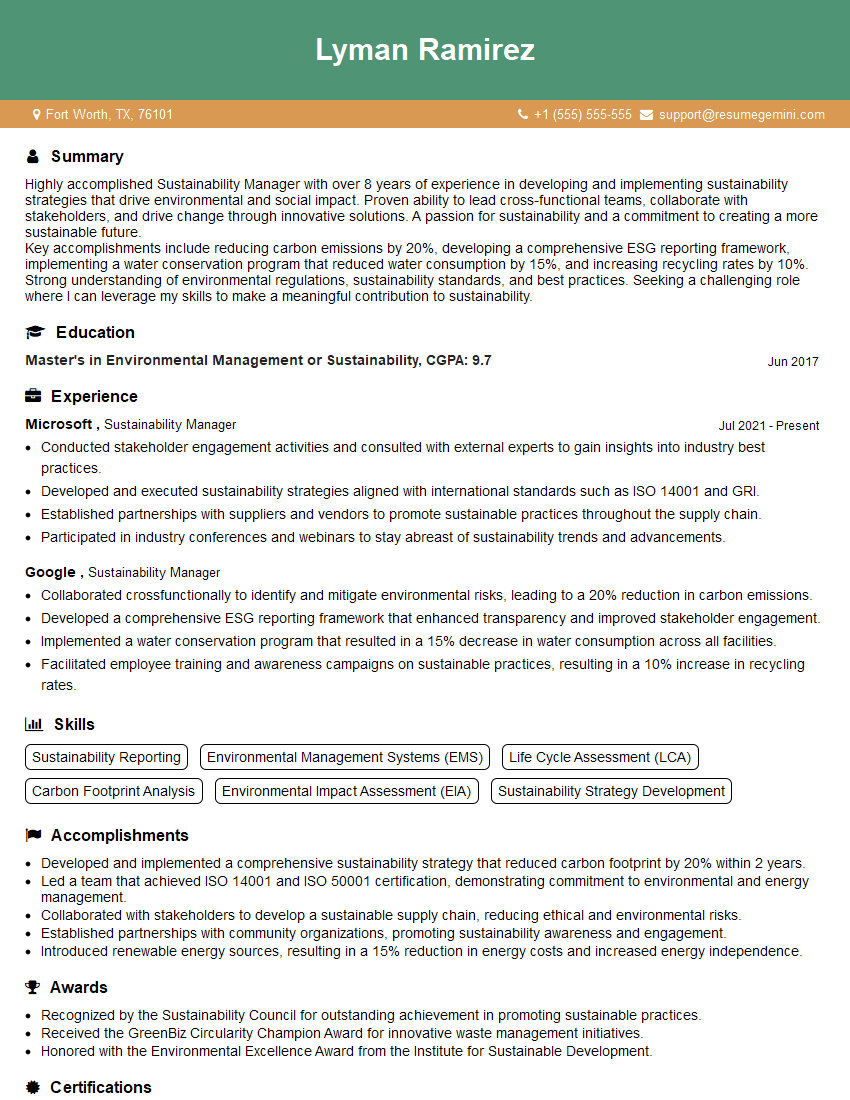
Sustainability Manager Resume Sample
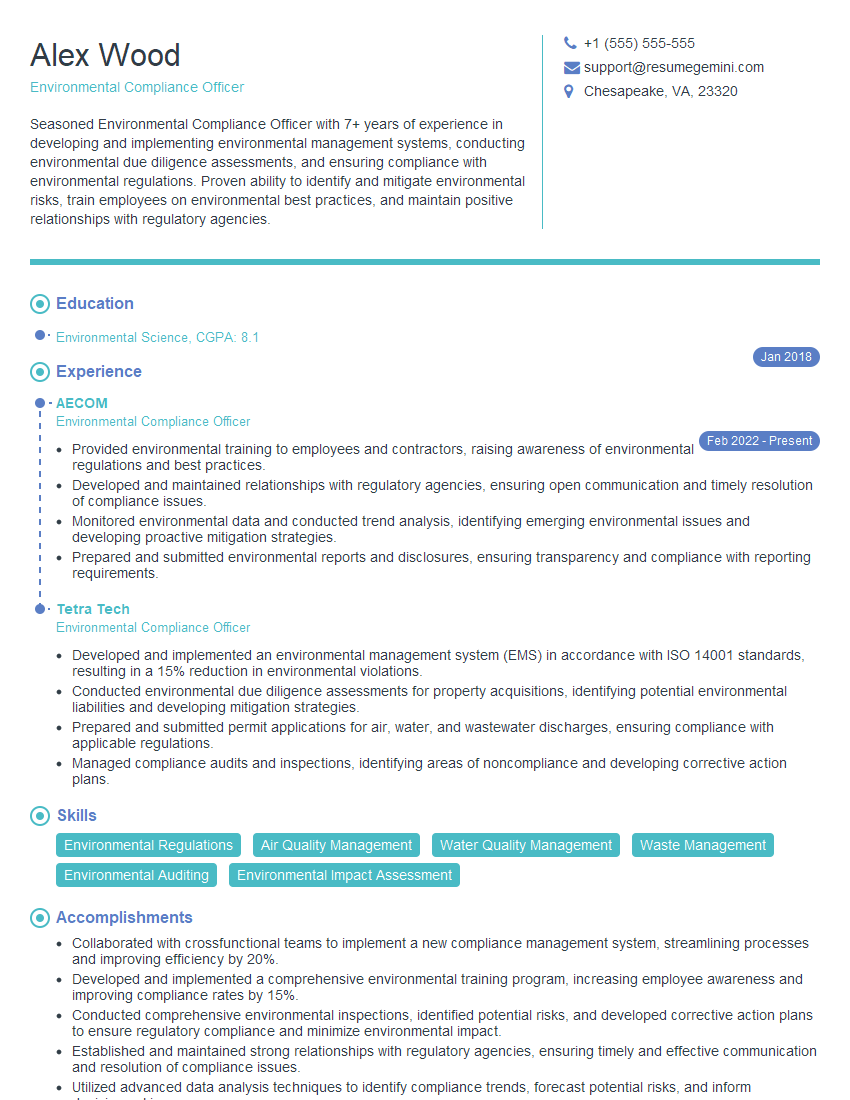
Environmental Compliance Officer Resume Sample

Sustainability Consultant Resume Sample
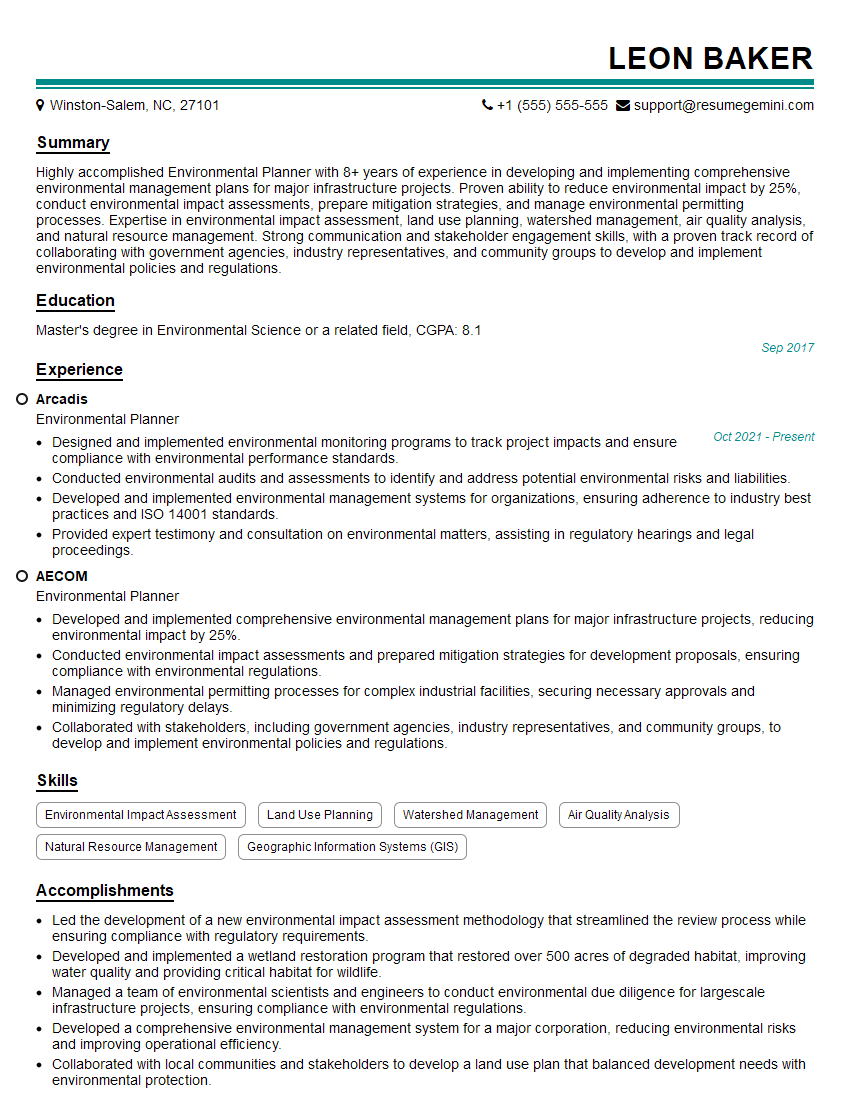
Environmental Planner Resume Sample
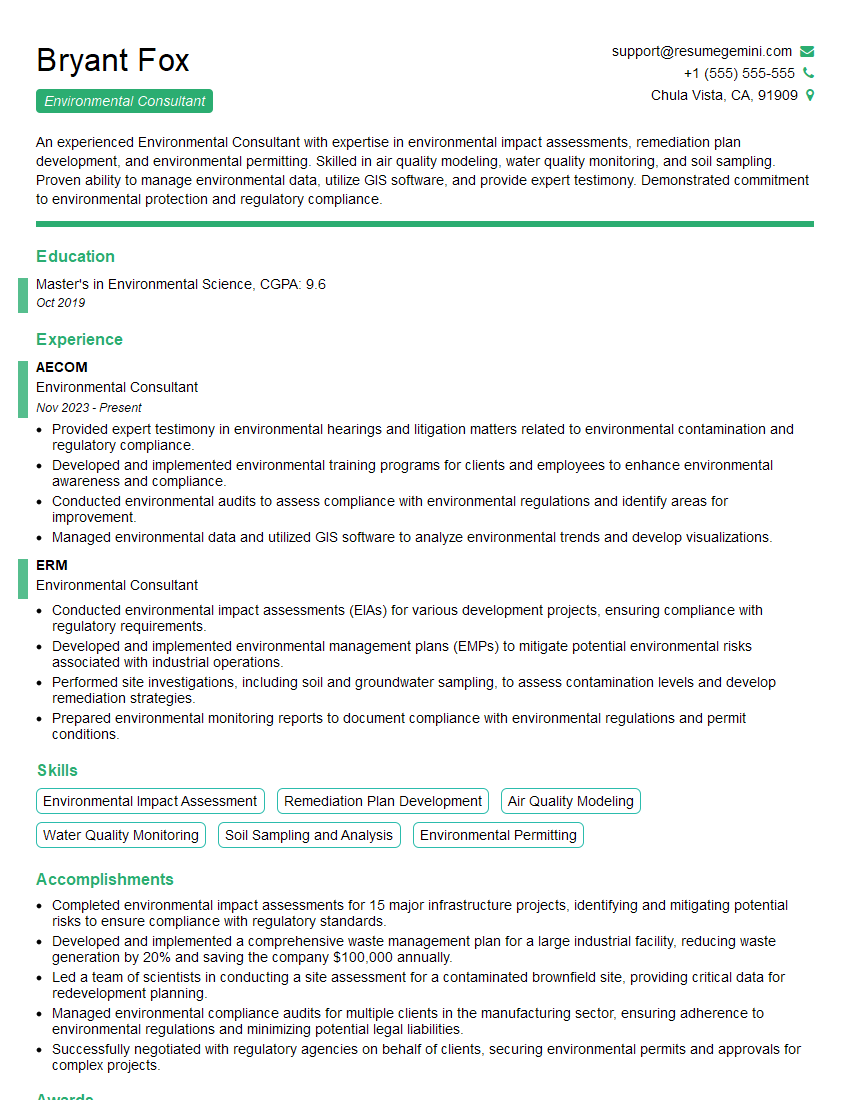
Environmental Consultant Resume Sample
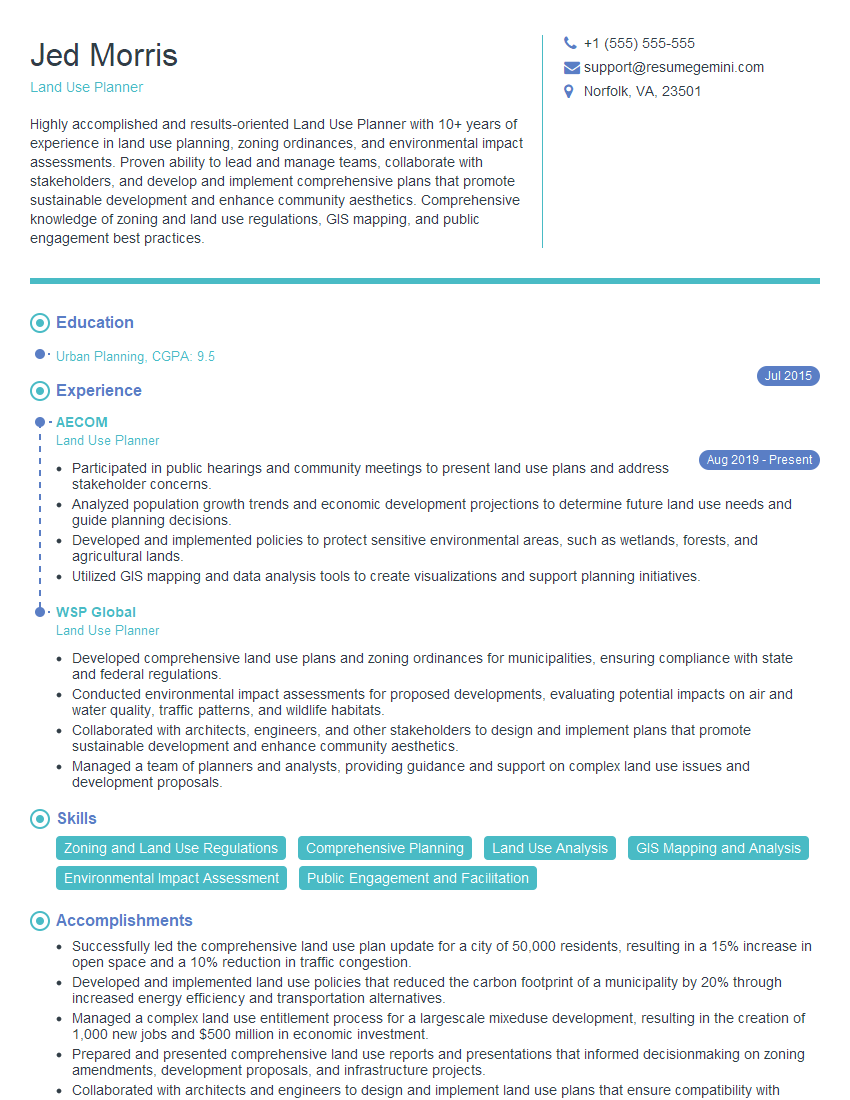
Land Use Planner Resume Sample
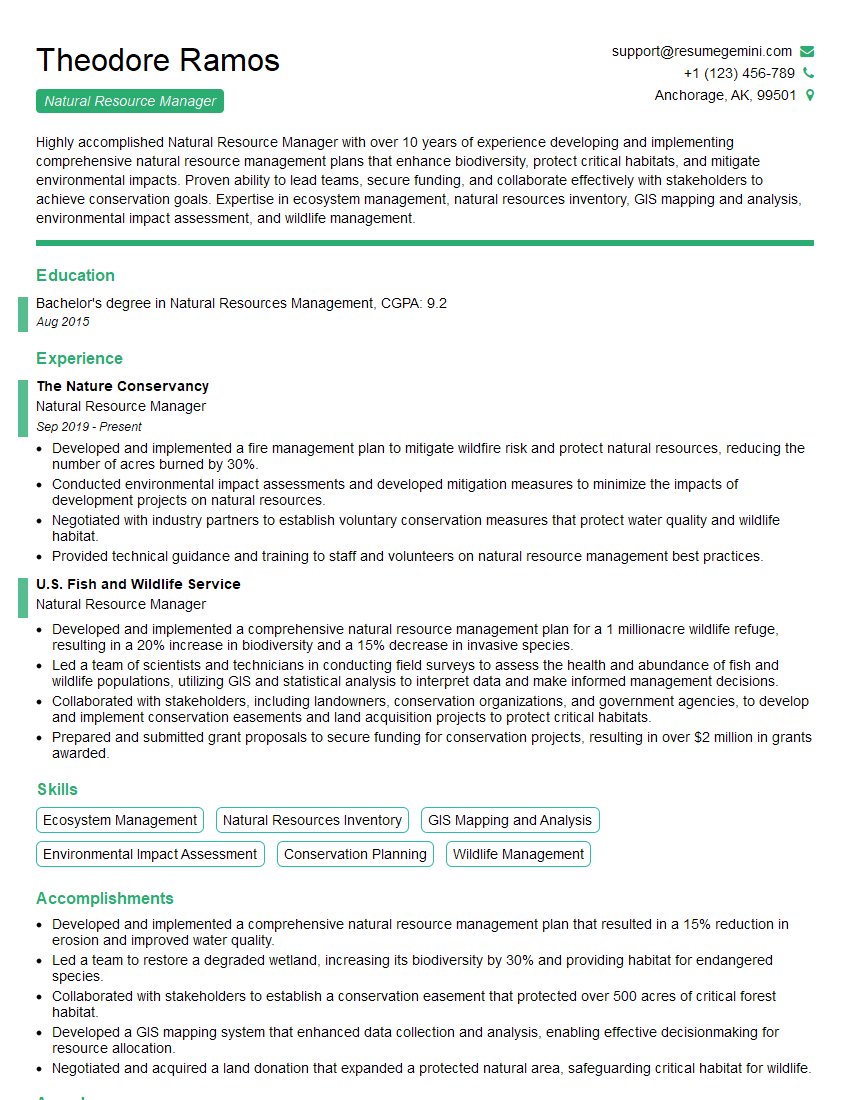
Natural Resource Manager Resume Sample
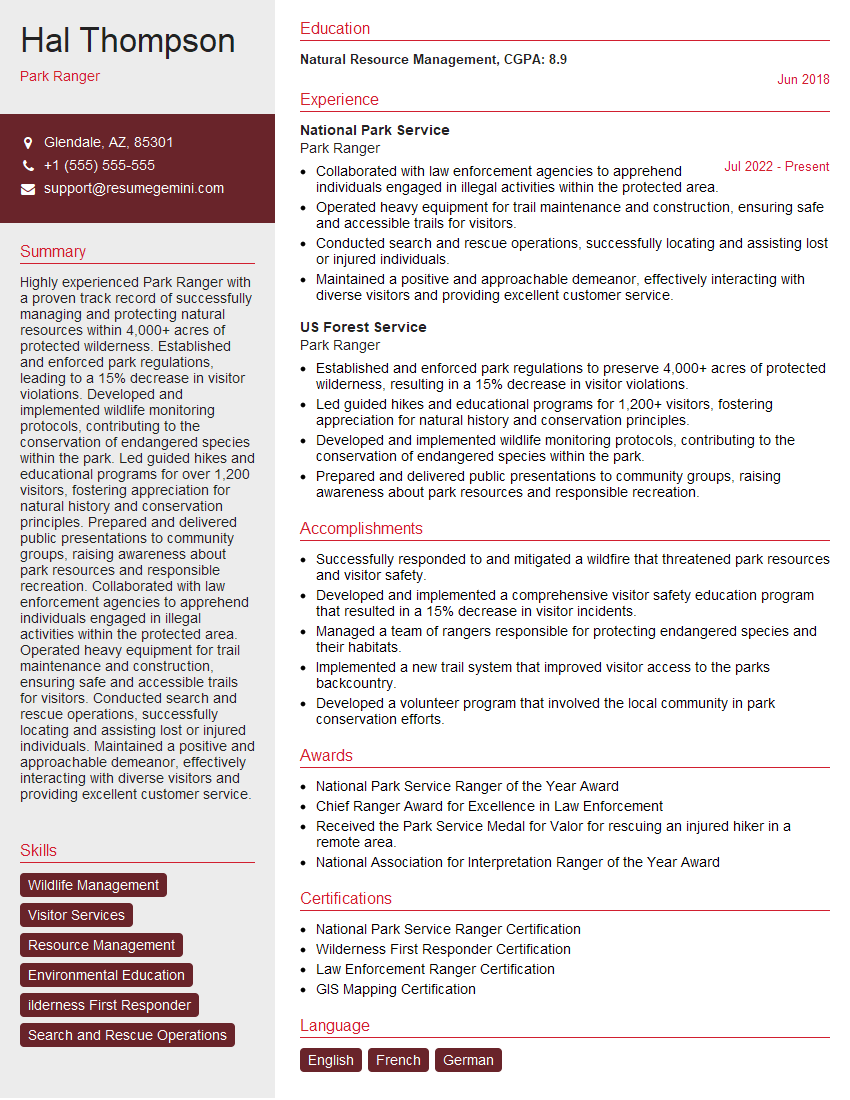
Park Ranger Resume Sample
Explore more articles
Users Rating of Our Blogs
Share Your Experience
We value your feedback! Please rate our content and share your thoughts (optional).
What Readers Say About Our Blog
To the interviewgemini.com Webmaster.
Very helpful and content specific questions to help prepare me for my interview!
Thank you
To the interviewgemini.com Webmaster.
This was kind of a unique content I found around the specialized skills. Very helpful questions and good detailed answers.
Very Helpful blog, thank you Interviewgemini team.