The right preparation can turn an interview into an opportunity to showcase your expertise. This guide to PCOS interview questions is your ultimate resource, providing key insights and tips to help you ace your responses and stand out as a top candidate.
Questions Asked in PCOS Interview
Q 1. Explain the diagnostic criteria for PCOS according to the Rotterdam criteria.
The Rotterdam criteria are the most widely accepted diagnostic tool for Polycystic Ovary Syndrome (PCOS). It’s important to understand that PCOS is a clinical diagnosis, not solely based on one test. The criteria require the presence of at least two out of three of the following:
- Oligo- or anovulation: Irregular or absent menstrual periods. This means fewer than eight periods per year or cycles longer than 35 days. For example, a woman experiencing periods every two to three months would meet this criterion.
- Clinical or biochemical hyperandrogenism: Elevated levels of androgens (male sex hormones) in the body. This can manifest as acne, hirsutism (excessive hair growth), or elevated levels of testosterone or other androgens detected through blood tests. A patient presenting with severe acne and significant facial hair growth might fulfill this criterion.
- Polycystic ovaries on ultrasound: The presence of numerous small cysts in the ovaries, visible on an ultrasound scan. This isn’t always present in all PCOS patients, highlighting the clinical complexity of the diagnosis. The appearance is often described as a ‘string of pearls’ effect.
It’s crucial to note that a diagnosis of PCOS necessitates a comprehensive evaluation by a healthcare professional, considering the patient’s medical history, physical examination, and relevant lab results. Simply having one of these criteria isn’t sufficient for a PCOS diagnosis.
Q 2. Describe the hormonal imbalances characteristic of PCOS.
PCOS is characterized by a complex interplay of hormonal imbalances, primarily involving elevated levels of androgens. Let’s break it down:
- Increased Androgens: The ovaries produce excessive amounts of androgens like testosterone. This leads to symptoms like acne, hirsutism (excess hair growth), and sometimes male pattern baldness.
- Insulin Resistance: Many women with PCOS have impaired insulin action, meaning their bodies don’t use insulin efficiently. This leads to higher-than-normal insulin levels in the blood. This hyperinsulinemia can further stimulate androgen production by the ovaries.
- LH/FSH Imbalance: A higher than normal ratio of luteinizing hormone (LH) to follicle-stimulating hormone (FSH) is often observed. This hormonal imbalance interferes with ovulation, leading to irregular periods.
- Elevated Estrogen (in some cases): While androgen excess is prominent, some women with PCOS can also experience elevated levels of estrogen, albeit often in relation to the androgen excess.
These hormonal imbalances are interconnected and contribute to the diverse symptoms and health complications associated with PCOS.
Q 3. What are the common metabolic complications associated with PCOS?
The metabolic complications associated with PCOS are significantly impactful on long-term health. They primarily stem from the insulin resistance characteristic of the condition:
- Type 2 Diabetes: Increased insulin resistance elevates the risk of developing type 2 diabetes. Regular blood glucose monitoring and lifestyle modifications are crucial for prevention.
- Dyslipidemia: Abnormalities in lipid profiles, including elevated triglycerides and low levels of HDL cholesterol (‘good’ cholesterol), increase the risk of cardiovascular disease.
- Metabolic Syndrome: PCOS often overlaps with metabolic syndrome, a cluster of conditions including abdominal obesity, high blood pressure, high blood sugar, and abnormal cholesterol or triglyceride levels.
- Non-alcoholic Fatty Liver Disease (NAFLD): Increased fat accumulation in the liver, often asymptomatic initially but can progress to serious liver damage.
These metabolic issues emphasize the importance of proactive management of PCOS, focusing on lifestyle interventions and, if necessary, medication to mitigate these risks.
Q 4. Outline the long-term health risks associated with PCOS.
The long-term health risks associated with PCOS are substantial and underscore the need for ongoing management. These risks extend beyond reproductive issues and include:
- Type 2 Diabetes: As mentioned, increased insulin resistance significantly increases the risk of developing type 2 diabetes, potentially leading to complications like kidney disease, heart disease and blindness.
- Cardiovascular Disease: Dyslipidemia and hypertension (high blood pressure) linked to PCOS increase the risk of heart disease, stroke, and other cardiovascular events.
- Sleep Apnea: Women with PCOS have a higher risk of developing sleep apnea, a condition where breathing repeatedly stops and starts during sleep.
- Endometrial Cancer: Unopposed estrogen, due to infrequent ovulation, increases the risk of endometrial cancer (cancer of the uterine lining).
- Mental Health Conditions: PCOS has been linked to increased rates of depression and anxiety.
Addressing these long-term risks through lifestyle changes, medication, and regular check-ups is critical for maintaining overall well-being.
Q 5. Discuss the various lifestyle modifications recommended for managing PCOS.
Lifestyle modifications are cornerstone in managing PCOS. They are often the first line of defense and can significantly improve symptoms and reduce long-term health risks:
- Weight Management: Even modest weight loss (5-10%) can significantly improve insulin sensitivity, reduce androgen levels, and improve ovulation.
- Balanced Diet: A diet rich in fruits, vegetables, whole grains, and lean protein, with a focus on reducing refined carbohydrates and saturated fats, is vital.
- Regular Exercise: At least 150 minutes of moderate-intensity aerobic exercise per week, combined with strength training, helps improve insulin sensitivity and weight management.
- Stress Management: Stress can exacerbate PCOS symptoms. Techniques like yoga, meditation, or deep breathing exercises can be helpful.
- Adequate Sleep: Aim for 7-8 hours of quality sleep per night to support overall health and hormonal balance.
These changes should be made gradually and sustainably. Working with a registered dietitian and a certified personal trainer can provide personalized guidance.
Q 6. Explain different pharmacological treatment options for PCOS, including their mechanisms of action and potential side effects.
Pharmacological treatment for PCOS aims to address specific symptoms and reduce long-term risks. Treatment is personalized based on individual needs and goals:
- Metformin: This medication improves insulin sensitivity and can help regulate periods, reduce androgen levels, and aid in weight loss. Potential side effects include gastrointestinal upset.
- Oral Contraceptives: These regulate menstrual cycles, reduce androgen levels (leading to improved acne and hirsutism), and protect against endometrial hyperplasia. Potential side effects vary depending on the type of pill but can include weight gain, mood changes, or breast tenderness.
- Anti-androgens: These medications directly block the effects of androgens, helping to improve acne and hirsutism. Potential side effects include liver abnormalities (requiring monitoring) and mood changes.
- Clomiphene Citrate: This medication stimulates ovulation and is commonly used to assist with fertility. Potential side effects include multiple pregnancies (twins or more) and hot flashes.
- Letrozole: Another ovulation-stimulating medication sometimes used in fertility treatments. It works by decreasing estrogen production, thereby increasing FSH levels and stimulating ovulation.
The choice of medication, dosage, and duration are determined by a healthcare professional considering the individual’s medical history, other health conditions and desired outcomes.
Q 7. How do you counsel patients with PCOS regarding fertility concerns?
Counseling patients with PCOS regarding fertility concerns requires a sensitive and informative approach. It’s crucial to address their anxieties and provide realistic expectations:
- Explanation of Infertility Risks: Clearly explain how PCOS can affect fertility due to irregular ovulation. Explain that while some women conceive naturally, others may require assistance.
- Fertility Testing Options: Discuss appropriate testing, such as ovulation tracking, hormone level assessments, and possibly other investigations like HSG (hysterosalpingogram) to evaluate fallopian tubes.
- Fertility Treatment Options: If needed, discuss various treatment options, including lifestyle modifications, medication (like Clomiphene or Letrozole), intrauterine insemination (IUI), or in-vitro fertilization (IVF). Explain the success rates and potential side effects of each option.
- Emotional Support: Acknowledge the emotional toll infertility can have. Referrals to counseling or support groups can be invaluable.
- Realistic Expectations: Encourage open communication and set realistic expectations about the treatment journey. Success rates vary, and it is important to manage expectations appropriately.
A multidisciplinary approach involving endocrinologists, reproductive endocrinologists, and mental health professionals often provides the most comprehensive and supportive care.
Q 8. Describe the role of insulin resistance in PCOS pathogenesis.
Insulin resistance is a cornerstone of PCOS pathogenesis. It means your body’s cells don’t respond properly to insulin, the hormone that helps glucose (sugar) from your blood enter your cells for energy. When insulin resistance occurs, your pancreas produces more insulin to compensate, leading to elevated insulin levels in the blood (hyperinsulinemia).
This hyperinsulinemia drives several key features of PCOS: It stimulates the ovaries to produce more androgens (male hormones like testosterone), leading to hirsutism (excess hair growth), acne, and irregular periods. It also contributes to ovarian dysfunction, resulting in infrequent ovulation or anovulation (absence of ovulation). Additionally, high insulin levels promote fat storage, particularly in the abdominal region, contributing to obesity and increasing the risk of metabolic complications like type 2 diabetes.
Think of it like this: your cells are like houses, and insulin is the key. In PCOS, the keys (insulin) don’t work as well, so the houses (cells) don’t get the energy (glucose) they need. The body tries to compensate by making more keys, but this leads to a buildup of keys (hyperinsulinemia) that causes problems elsewhere in the body.
Q 9. What are the key differences between PCOS and other conditions with similar symptoms?
PCOS shares some symptoms with other conditions, making accurate diagnosis crucial. Key differences lie in the combination of symptoms and the underlying hormonal imbalances.
- Congenital Adrenal Hyperplasia (CAH): CAH involves problems with adrenal gland hormone production, often leading to high androgen levels. However, unlike PCOS, CAH typically presents in early childhood with more severe symptoms and salt loss. Testing for adrenal hormones helps differentiate.
- Ovarian Tumors: Certain ovarian tumors can produce androgens, causing similar symptoms like hirsutism and irregular periods. Imaging studies like ultrasounds and blood tests for tumor markers are necessary to rule out this possibility.
- Hyperprolactinemia: High prolactin levels can cause irregular periods and infertility. Unlike PCOS, hyperprolactinemia usually doesn’t present with significant hirsutism or acne and requires measurement of prolactin levels.
- Thyroid Disorders: Irregular periods can be a symptom of both hypothyroidism (underactive thyroid) and hyperthyroidism (overactive thyroid). Thyroid function tests are crucial to differentiate between PCOS and thyroid disorders.
The crucial point is that PCOS is a syndrome characterized by the combination of symptoms like irregular periods, hyperandrogenism (excessive androgens), and polycystic ovaries on ultrasound. A single symptom alone isn’t sufficient for diagnosis. Detailed history, physical examination, and laboratory investigations are essential.
Q 10. How do you approach the diagnosis of PCOS in adolescents?
Diagnosing PCOS in adolescents presents unique challenges due to the fluctuating hormonal changes typical of puberty. The Rotterdam criteria, widely used for PCOS diagnosis, should be applied cautiously in adolescents.
The diagnosis requires careful evaluation, including:
- Detailed history: Focus on menstrual regularity, symptoms of hyperandrogenism (acne, hirsutism), weight history and family history of PCOS.
- Clinical examination: Assess for signs of hyperandrogenism, obesity, and acanthosis nigricans (darkening of the skin).
- Hormone testing: Measure serum testosterone, androstenedione, and luteinizing hormone (LH) to detect hyperandrogenemia and LH:FSH ratio elevation. However, interpreting hormone levels in adolescents requires consideration of age and pubertal stage. Isolated hyperandrogenemia without other symptoms might not be sufficient for a PCOS diagnosis in this age group.
- Ultrasound: Pelvic ultrasound to visualize the ovaries. Polycystic ovaries are not always present in early stages of the disease and the presence of multiple cysts isn’t always diagnostic.
It’s important to monitor adolescents closely over time, as hormonal patterns can change significantly throughout puberty. Regular follow-up is essential, and treatment decisions should be individualized, balancing the need for intervention with the potential impact of medication on adolescent development.
Q 11. Discuss the challenges in managing PCOS during pregnancy.
Managing PCOS during pregnancy presents several challenges due to the increased risks associated with both the condition and pregnancy itself.
- Increased risk of gestational diabetes: Insulin resistance is exacerbated during pregnancy, significantly increasing the risk of gestational diabetes, which necessitates close blood sugar monitoring and potentially insulin therapy.
- Hypertension: Women with PCOS are at greater risk of developing gestational hypertension or preeclampsia, requiring careful blood pressure monitoring and potentially medication.
- Miscarriage and preterm labor: PCOS is associated with higher rates of miscarriage and preterm labor, necessitating meticulous prenatal care.
- Metabolic complications: Pre-existing metabolic issues, such as obesity and dyslipidemia (abnormal blood lipid levels), are exacerbated during pregnancy, demanding close monitoring and management.
Collaborative care involving an endocrinologist and obstetrician is crucial, tailoring management strategies to address both maternal and fetal well-being. Regular monitoring and proactive management significantly improve pregnancy outcomes for women with PCOS.
Q 12. Explain the management of hirsutism in PCOS patients.
Hirsutism, excessive hair growth in a male-like pattern, is a common symptom of PCOS. Management focuses on slowing down hair growth and improving cosmetic appearance. The approach is individualized depending on severity and patient preference.
- Topical treatments: Eflornithine cream is an FDA-approved topical medication that inhibits hair growth. It is effective but requires consistent application for several months to see significant results.
- Oral contraceptives (OCPs): OCPs containing both estrogen and progestin can reduce androgen production, improving hirsutism and regulating periods. The choice of OCP depends on other factors like contraception needs and individual tolerance.
- Anti-androgen medications: Medications like spironolactone or flutamide reduce androgen levels, leading to decreased hair growth. However, these medications can have potential side effects, and their use needs to be carefully monitored.
- Cosmetic procedures: Hair removal methods like waxing, electrolysis, or laser hair removal provide temporary or permanent hair reduction. These are cosmetic solutions and don’t address the underlying hormonal imbalance.
A combination of therapies is often used for optimal management. Realistic expectations are essential, as hirsutism reduction might not be complete but can lead to significant improvement in quality of life. Regular monitoring is crucial to assess the effectiveness of the treatment and make necessary adjustments.
Q 13. What are the psychological and emotional impacts of PCOS on patients?
PCOS significantly impacts patients’ psychological and emotional well-being. The chronic nature of the condition and the wide range of symptoms contribute to substantial distress.
- Body image issues: Hirsutism, acne, and weight gain can negatively affect body image and self-esteem, leading to anxiety and depression.
- Infertility concerns: Difficulty conceiving can be emotionally devastating, causing stress and relationship strain.
- Metabolic complications: The increased risk of type 2 diabetes, heart disease, and sleep apnea adds to anxieties about future health.
- Social stigma: Some patients experience social stigma associated with visible symptoms like hirsutism.
Addressing the psychological impact is crucial. Providing comprehensive care should include counseling, support groups, and possibly referral to mental health professionals. Empowering patients with knowledge and fostering self-management strategies are essential to improve their mental health alongside physical health.
Q 14. How do you address patient concerns about weight management in PCOS?
Weight management is a critical aspect of PCOS management because obesity exacerbates insulin resistance, further worsening the condition. Addressing weight concerns requires a compassionate and patient-centered approach.
The conversation should start by acknowledging the challenges involved in weight loss with PCOS and validating the patient’s struggles. It’s crucial to avoid judgmental language.
A multi-faceted approach is recommended:
- Dietary counseling: A registered dietitian can help create a personalized meal plan focusing on whole foods, balanced macronutrients, and portion control, addressing specific dietary needs. It should be realistic and sustainable.
- Exercise: Regular physical activity helps improve insulin sensitivity, manage weight, and improve overall well-being. Start with moderate intensity and gradually increase the duration and intensity.
- Lifestyle modifications: Addressing sleep disturbances, stress management, and smoking cessation can significantly influence weight management and overall health.
- Medication (if appropriate): In some cases, medication like metformin might be considered to enhance insulin sensitivity and aid in weight management.
- Psychological support: Addressing potential psychological barriers to weight loss and providing support for maintaining lifestyle changes is crucial.
Success in weight management is gradual and requires ongoing support. Celebrating small victories and focusing on sustainable lifestyle modifications are critical for long-term success. Frequent check-ins and encouragement are essential components of this process.
Q 15. Describe the role of metformin in PCOS management.
Metformin, a medication commonly used to manage type 2 diabetes, plays a significant role in PCOS management, primarily by improving insulin sensitivity. In PCOS, many women experience insulin resistance, meaning their bodies don’t use insulin effectively. This leads to higher-than-normal blood sugar levels and can contribute to several PCOS symptoms, including weight gain, acne, and irregular periods. Metformin helps the body use insulin more efficiently, thus lowering blood sugar levels and potentially improving these symptoms. It’s important to note that metformin isn’t a cure for PCOS, but it can significantly improve many aspects of the condition for many women.
For example, a patient struggling with weight gain and infrequent periods might experience weight loss and more regular menstrual cycles with metformin therapy. However, the effectiveness varies from person to person, and it’s crucial to monitor blood sugar levels regularly when on metformin.
Career Expert Tips:
- Ace those interviews! Prepare effectively by reviewing the Top 50 Most Common Interview Questions on ResumeGemini.
- Navigate your job search with confidence! Explore a wide range of Career Tips on ResumeGemini. Learn about common challenges and recommendations to overcome them.
- Craft the perfect resume! Master the Art of Resume Writing with ResumeGemini’s guide. Showcase your unique qualifications and achievements effectively.
- Don’t miss out on holiday savings! Build your dream resume with ResumeGemini’s ATS optimized templates.
Q 16. What are the indications for using oral contraceptives in PCOS?
Oral contraceptives are frequently prescribed for PCOS patients due to their ability to manage several key symptoms. The primary indications include:
- Regulation of menstrual cycles: PCOS often leads to irregular or absent periods. Oral contraceptives can help regulate the menstrual cycle, reducing the risk of endometrial hyperplasia (thickening of the uterine lining) and related complications.
- Acne improvement: Androgens, male hormones present in higher levels in PCOS, contribute to acne. Oral contraceptives, particularly those with anti-androgenic properties, can effectively reduce acne.
- Hirsutism management: Excessive hair growth (hirsutism) is another common PCOS symptom. Oral contraceptives can suppress androgen production, thus improving hirsutism.
- Prevention of pregnancy: If pregnancy is not desired, oral contraceptives provide reliable contraception.
The choice of oral contraceptive depends on individual needs and risk factors. Some contain only estrogen, while others are combination pills containing both estrogen and progestin, each with different effects on symptom management. Always discuss the best option with your doctor.
Q 17. Discuss the use of anti-androgens in the treatment of PCOS.
Anti-androgens are medications that block the effects of androgens, the male hormones that contribute significantly to many PCOS symptoms. They are particularly useful in managing conditions like acne, hirsutism (excess hair growth), and even some aspects of irregular periods. Examples of anti-androgens used in PCOS management include spironolactone and flutamide.
For instance, a patient experiencing severe acne and excessive facial hair might benefit greatly from anti-androgen therapy. It’s important to remember that anti-androgens can have side effects, and their use should always be carefully monitored by a physician. Regular blood tests are necessary to check for any adverse effects or to adjust medication as needed. A balanced approach combining lifestyle changes and medication is often the most effective strategy.
Q 18. Explain the role of regular monitoring and follow-up in PCOS management.
Regular monitoring and follow-up are crucial in PCOS management for several reasons. PCOS is a chronic condition, meaning it requires ongoing management, and regular check-ups allow for:
- Symptom assessment: Regular appointments allow for ongoing evaluation of symptoms like menstrual irregularities, acne, hirsutism, and weight changes.
- Medication adjustment: Dosage adjustments or changes in medication may be necessary based on individual responses and any side effects.
- Monitoring of metabolic parameters: Regular blood tests are crucial for monitoring blood sugar levels, cholesterol, and other metabolic markers to assess cardiovascular risk and detect any metabolic issues early.
- Detection of complications: Regular checkups help to detect potential complications of PCOS, such as endometrial hyperplasia, type 2 diabetes, and sleep apnea, allowing for timely intervention.
- Mental health support: PCOS can significantly impact a patient’s mental well-being. Regular appointments provide opportunities to discuss any emotional challenges and provide emotional support.
A proactive approach with regular monitoring greatly contributes to improved long-term health outcomes and helps prevent potential complications.
Q 19. How do you assess the cardiovascular risk in PCOS patients?
Assessing cardiovascular risk in PCOS patients is vital because they have a higher risk of developing heart disease compared to women without PCOS. The assessment should encompass several factors:
- Metabolic parameters: Blood tests to measure blood sugar levels (fasting glucose and HbA1c), cholesterol (HDL, LDL, triglycerides), and insulin levels are essential.
- Blood pressure: Regular blood pressure monitoring is crucial.
- Waist circumference: Increased abdominal fat is a significant risk factor, and waist circumference measurement provides a quick assessment of abdominal obesity.
- Family history: A family history of heart disease significantly increases the risk.
- Lifestyle factors: Factors such as smoking, physical activity level, and diet significantly influence cardiovascular health.
By considering these factors, a comprehensive cardiovascular risk profile can be established, allowing for personalized preventative strategies and interventions, such as lifestyle modifications or medication to manage cholesterol or blood pressure.
Q 20. Discuss the importance of regular pelvic exams for patients with PCOS.
Regular pelvic exams are important for PCOS patients for several reasons:
- Early detection of endometrial hyperplasia: PCOS often leads to irregular periods and an increased risk of endometrial hyperplasia (thickening of the uterine lining). Pelvic exams, including transvaginal ultrasounds, help detect this condition early, enabling timely intervention to prevent complications such as abnormal uterine bleeding or even cancer.
- Monitoring of ovarian cysts: PCOS is characterized by the presence of ovarian cysts. Regular pelvic exams allow for the monitoring of cyst size and number, helping to assess the need for intervention.
- Detection of other gynecological issues: Pelvic exams can detect other gynecological problems that may coexist with PCOS.
Regular pelvic exams, coupled with other diagnostic tools, are a crucial part of comprehensive PCOS management to ensure both early detection and management of potential complications.
Q 21. What are the potential long-term effects of untreated PCOS?
Untreated PCOS can lead to a number of significant long-term health consequences:
- Type 2 diabetes: Insulin resistance is a hallmark of PCOS, increasing the risk of developing type 2 diabetes significantly.
- Cardiovascular disease: PCOS increases the risk of heart disease due to factors like insulin resistance, high blood pressure, and dyslipidemia (abnormal cholesterol levels).
- Endometrial cancer: Chronic anovulation (absence of ovulation) can lead to endometrial hyperplasia, increasing the risk of endometrial cancer.
- Sleep apnea: PCOS is often associated with sleep apnea, a condition that can lead to serious health problems if left untreated.
- Infertility: Irregular ovulation makes conception more challenging, leading to potential infertility if left unmanaged.
- Mental health issues: The physical and emotional burden of managing PCOS symptoms can negatively impact mental health, potentially leading to anxiety and depression.
Therefore, proactive management of PCOS is crucial in mitigating these long-term health risks and improving overall quality of life. Early diagnosis and appropriate management strategies significantly reduce the risk of these complications.
Q 22. Explain your approach to managing PCOS in overweight/obese patients.
Managing PCOS in overweight or obese patients requires a holistic approach focusing on weight management as a cornerstone of treatment. Weight loss, even modest amounts (5-10%), can significantly improve insulin sensitivity, reduce androgen levels, and improve menstrual regularity and ovulation. This is because excess weight exacerbates insulin resistance, a key feature of PCOS.
- Dietary Interventions: We begin by recommending a balanced, calorie-controlled diet emphasizing whole grains, lean proteins, fruits, and vegetables. We often involve a registered dietitian to create a personalized plan, addressing specific cravings and cultural preferences. For instance, we might help a patient swap sugary drinks for water or unsweetened tea.
- Exercise Prescription: Regular physical activity is crucial. We aim for at least 150 minutes of moderate-intensity aerobic exercise per week, along with strength training. We encourage activities the patient enjoys to improve adherence, such as dance classes or team sports.
- Medication: Metformin, a medication that improves insulin sensitivity, is often prescribed, particularly if there’s significant insulin resistance and/or difficulty with weight loss. In some cases, we may consider other medications to help manage specific symptoms like irregular bleeding or hirsutism.
- Behavioral Modification: We often involve a therapist or counselor to address emotional eating or other psychological factors contributing to weight gain. Building a support system is also critical.
It’s important to remember that weight loss is a process, not a destination. We celebrate small victories, adjust the plan as needed, and focus on sustainable lifestyle changes rather than quick fixes.
Q 23. How do you tailor treatment plans for PCOS based on individual patient needs?
Tailoring PCOS treatment requires a thorough understanding of the patient’s individual presentation and priorities. PCOS is a complex condition with diverse symptoms, and a ‘one-size-fits-all’ approach is ineffective. We individualize treatment based on the patient’s chief concerns, such as infertility, hirsutism (excess hair growth), acne, irregular periods, or weight management.
- Symptom Prioritization: We begin by discussing the patient’s goals. If infertility is the primary concern, we focus on ovulation induction strategies like clomiphene citrate or letrozole. If hirsutism is the main issue, we might recommend anti-androgen medications like spironolactone.
- Lifestyle Considerations: Treatment plans always incorporate lifestyle modifications, tailored to individual preferences and circumstances. A patient who enjoys hiking might have a different exercise plan than someone who prefers yoga. Similarly, dietary plans are personalized to cultural backgrounds and food preferences.
- Comorbidities: We consider any co-existing conditions like diabetes, hypertension, or anxiety, adapting the treatment plan accordingly to avoid drug interactions or potential side effects. For instance, if a patient has a history of depression, we might carefully consider the potential impact of certain medications.
- Patient Preferences: Patient preferences and values are paramount. We discuss various treatment options, including their benefits, risks, and side effects, to empower patients to make informed decisions.
Regular follow-up appointments are essential to monitor treatment effectiveness, adjust the plan as needed, and address any concerns. We view ourselves as partners with our patients in their journey towards better health.
Q 24. Discuss the role of genetic factors in PCOS.
Genetic factors play a significant role in PCOS development. While the exact mechanisms aren’t fully understood, research strongly suggests a heritable component. Twin studies have shown a high concordance rate of PCOS in monozygotic (identical) twins compared to dizygotic (fraternal) twins, indicating a substantial genetic influence.
Several genes have been implicated in PCOS susceptibility, often affecting pathways related to insulin signaling, androgen production, and reproductive function. These genes don’t necessarily directly *cause* PCOS, but rather influence an individual’s predisposition to developing the condition. Think of it like this: some people have a genetic blueprint that makes them more susceptible to developing PCOS, while others don’t.
Identifying specific genes associated with PCOS is an ongoing area of research. This knowledge is crucial for developing more targeted diagnostic tools and potentially even personalized preventative strategies in the future. Currently, genetic testing isn’t routinely used in diagnosing PCOS but may play a larger role as our understanding advances.
Q 25. What are some emerging treatments or research areas in PCOS?
Emerging treatments and research areas in PCOS are promising and continuously expanding. Some key developments include:
- Targeted therapies: Research is focusing on developing medications that specifically target the underlying mechanisms of PCOS, such as insulin resistance or androgen excess, rather than simply managing symptoms.
- Lifestyle interventions: More sophisticated and personalized lifestyle interventions are being developed, such as tailored exercise programs and mobile apps that promote adherence to healthy dietary habits. We see more emphasis on motivational interviewing and behavior change techniques.
- Precision medicine: The use of genomic data to identify subgroups of PCOS patients who may respond differently to specific treatments is gaining traction. This allows for a more personalized approach, optimizing outcomes and minimizing side effects.
- Novel therapeutics: Researchers are exploring the therapeutic potential of new drugs and compounds, including those that might regulate the hypothalamic-pituitary-ovarian axis (the hormonal control center for reproduction) or improve ovarian function directly.
- Metabolic health: The link between PCOS and long-term metabolic health issues (like type 2 diabetes and cardiovascular disease) is increasingly recognized. Research is focusing on preventative strategies and treatments aimed at mitigating these risks.
These are just a few examples, and the field is rapidly evolving. Staying updated on the latest research is crucial for providing the best possible care to our patients.
Q 26. How do you explain complex medical information about PCOS to patients in a clear and concise manner?
Explaining complex medical information about PCOS requires clear, concise communication and empathy. I avoid medical jargon whenever possible, using analogies and plain language to ensure understanding. Visual aids, like diagrams of the hormonal system or flowcharts explaining treatment options, can be extremely helpful.
For example, when discussing insulin resistance, I might explain it as a situation where the body’s ‘key’ (insulin) doesn’t fit into the ‘lock’ (cells) properly, leading to increased blood sugar levels. Similarly, I use simple language to describe androgen excess, linking it to the development of acne or excessive hair growth.
I also encourage patient questions and actively listen to their concerns. I ensure that the patient feels heard and understood. I often break down information into smaller chunks, providing time for questions and clarification at each step. Providing written materials summarizing our discussion, including next steps, reinforces understanding and empowers self-management.
Q 27. Describe a time you successfully navigated a challenging case involving PCOS.
I remember a patient who presented with severe acne, hirsutism, and irregular periods, along with significant anxiety about her condition. Initial blood tests revealed elevated androgens and insulin resistance. While weight loss was crucial, she struggled with body image issues and had difficulty adhering to a strict diet and exercise plan.
Instead of solely focusing on weight loss, I adopted a phased approach. We began with smaller, achievable goals, such as incorporating 30 minutes of walking daily and gradually reducing sugary drinks. I collaborated with a therapist specializing in body image issues to address her emotional barriers. We also introduced metformin to improve insulin sensitivity, which helped manage her acne and periods.
Over several months, through consistent effort and mutual support, she made substantial progress, not just in managing her PCOS symptoms but also in improving her overall mental health and wellbeing. This experience reinforced the importance of personalized care and addressing the emotional aspects of chronic illnesses, along with medical management.
Q 28. How do you stay updated on the latest research and advancements in PCOS management?
Staying updated in the rapidly evolving field of PCOS management requires a multi-pronged approach.
- Medical Journals: I regularly read reputable medical journals like the New England Journal of Medicine, The Lancet, and JAMA for the latest research findings and clinical trials.
- Professional Organizations: I’m an active member of professional organizations such as The Endocrine Society and the American College of Obstetricians and Gynecologists. These provide access to continuing medical education (CME) courses, conferences, and webinars, keeping me abreast of advancements.
- Online Resources: I monitor reputable online resources, such as MedlinePlus and PubMed, for updates on research and guidelines.
- Continuing Medical Education (CME): I regularly participate in CME courses and conferences focused on endocrinology and reproductive health to maintain my knowledge and skills.
- Collaboration with Colleagues: Discussions with colleagues, particularly those specializing in PCOS management, is another crucial avenue for knowledge sharing and learning.
This ongoing commitment to professional development ensures I can provide my patients with the most current, effective, and evidence-based care.
Key Topics to Learn for PCOS Interview
- Physiological Mechanisms: Understand the hormonal imbalances characteristic of PCOS, including insulin resistance, hyperandrogenism, and their impact on reproductive function and metabolic health.
- Diagnostic Criteria and Clinical Presentation: Familiarize yourself with the Rotterdam criteria and the diverse range of symptoms presented by patients, including irregular periods, hirsutism, acne, and obesity.
- Treatment Strategies: Explore various treatment approaches, encompassing lifestyle modifications (diet, exercise), pharmacological interventions (oral contraceptives, metformin, anti-androgens), and surgical options.
- Long-Term Health Implications: Grasp the potential long-term consequences of PCOS, such as type 2 diabetes, cardiovascular disease, and endometrial cancer. Understand the importance of preventative care and ongoing management.
- Patient Management and Counseling: Develop an understanding of how to effectively communicate with patients, provide empathetic support, and address their concerns regarding PCOS.
- Research and Current Trends: Stay updated on the latest research advancements in PCOS etiology, diagnosis, and treatment. Be prepared to discuss emerging therapies and ongoing clinical trials.
- Ethical Considerations: Reflect on the ethical aspects of PCOS management, including informed consent, patient autonomy, and shared decision-making.
Next Steps
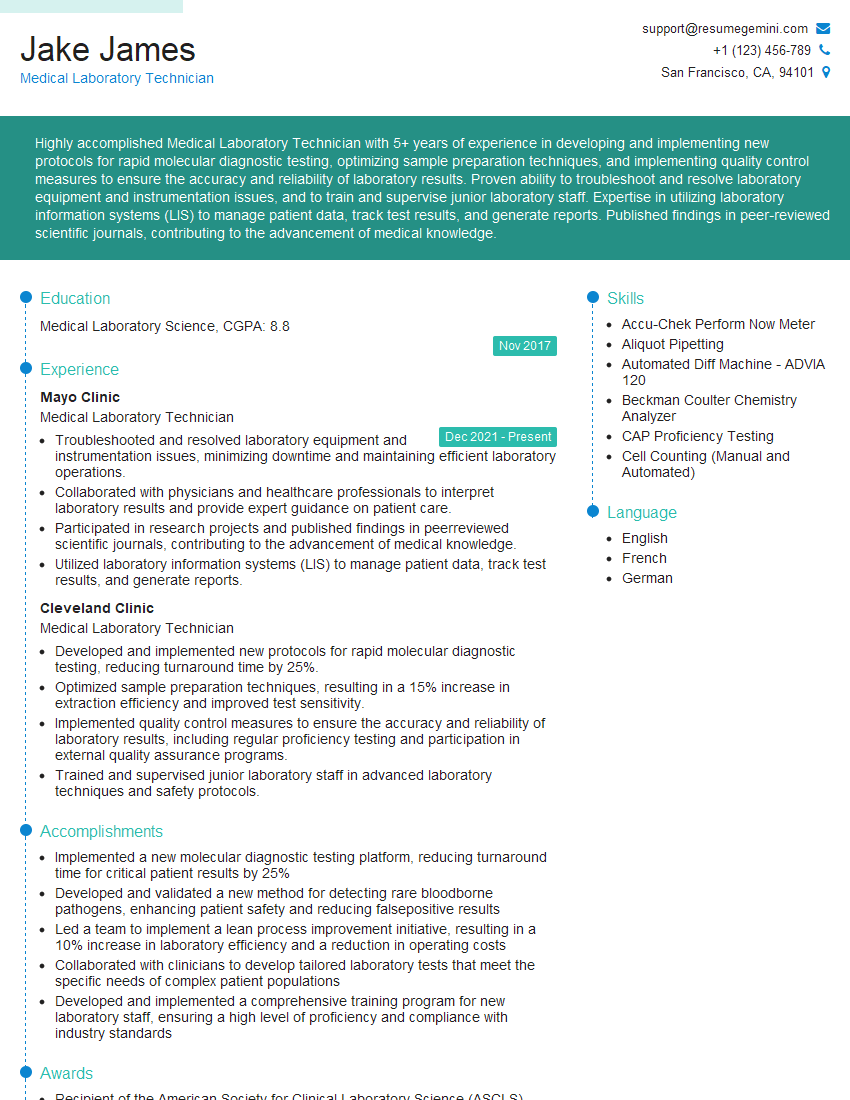
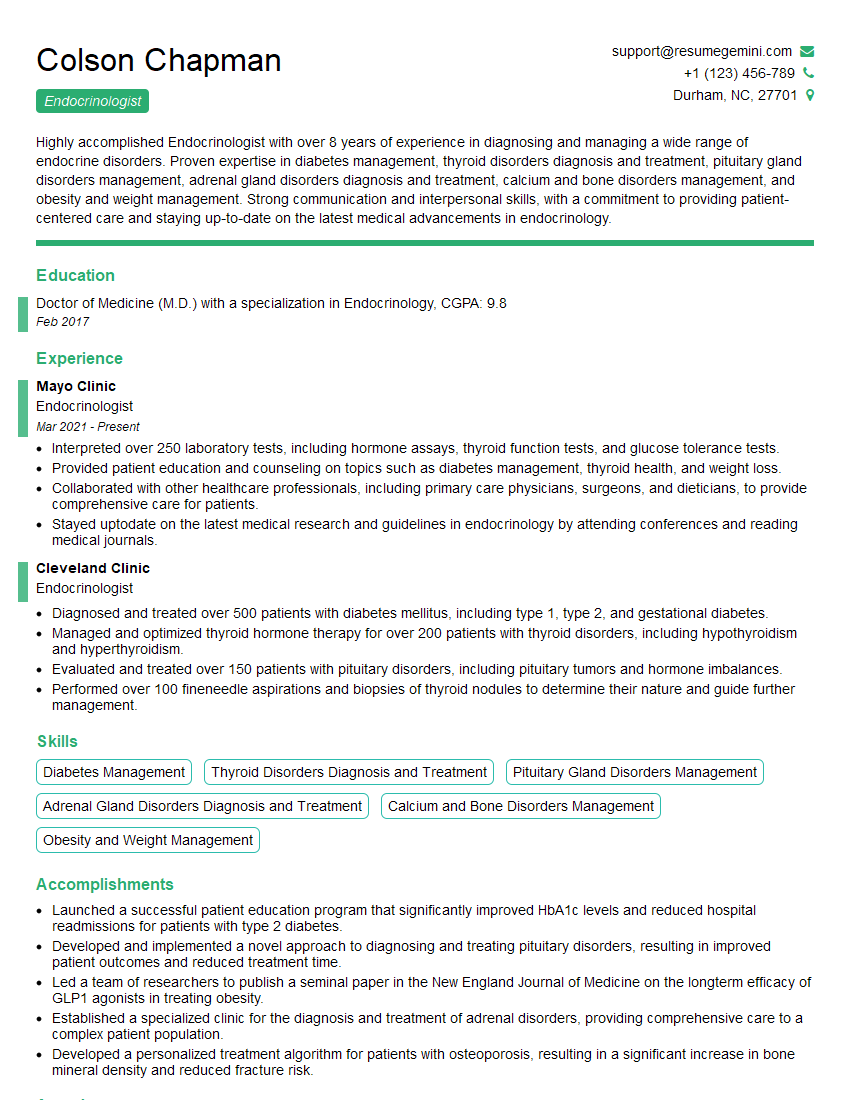
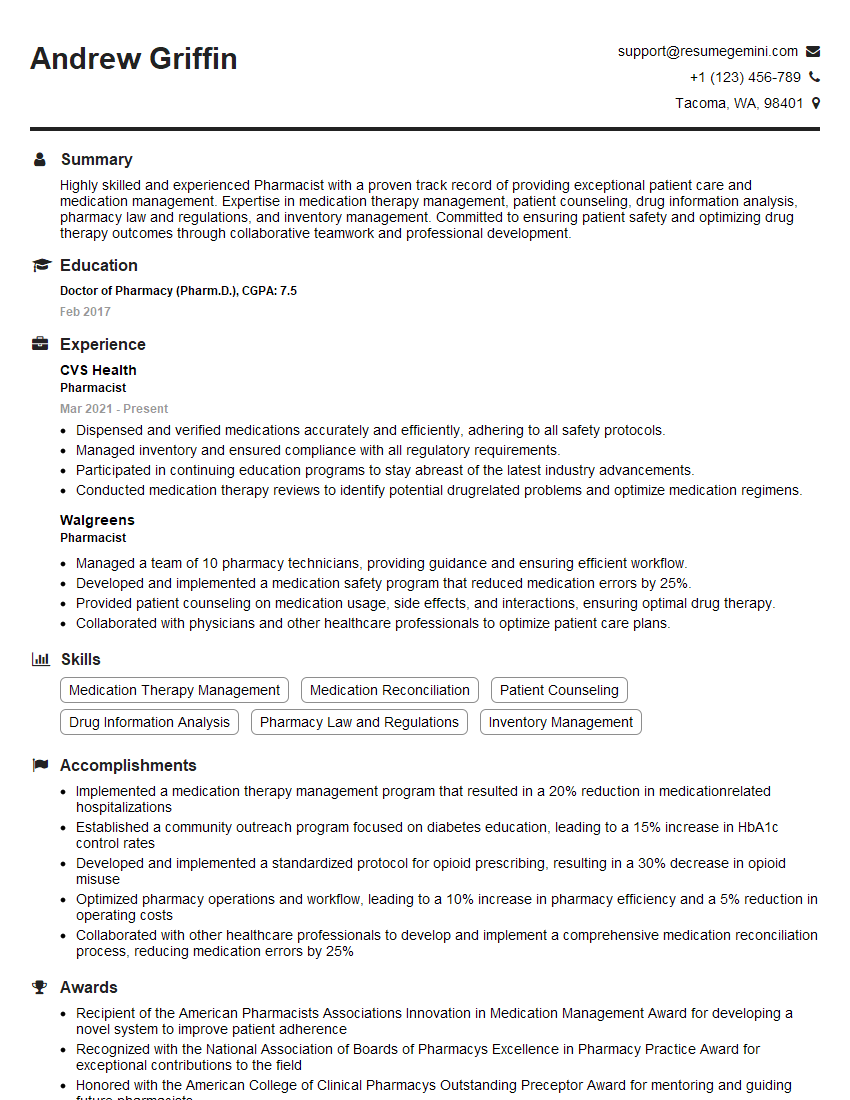
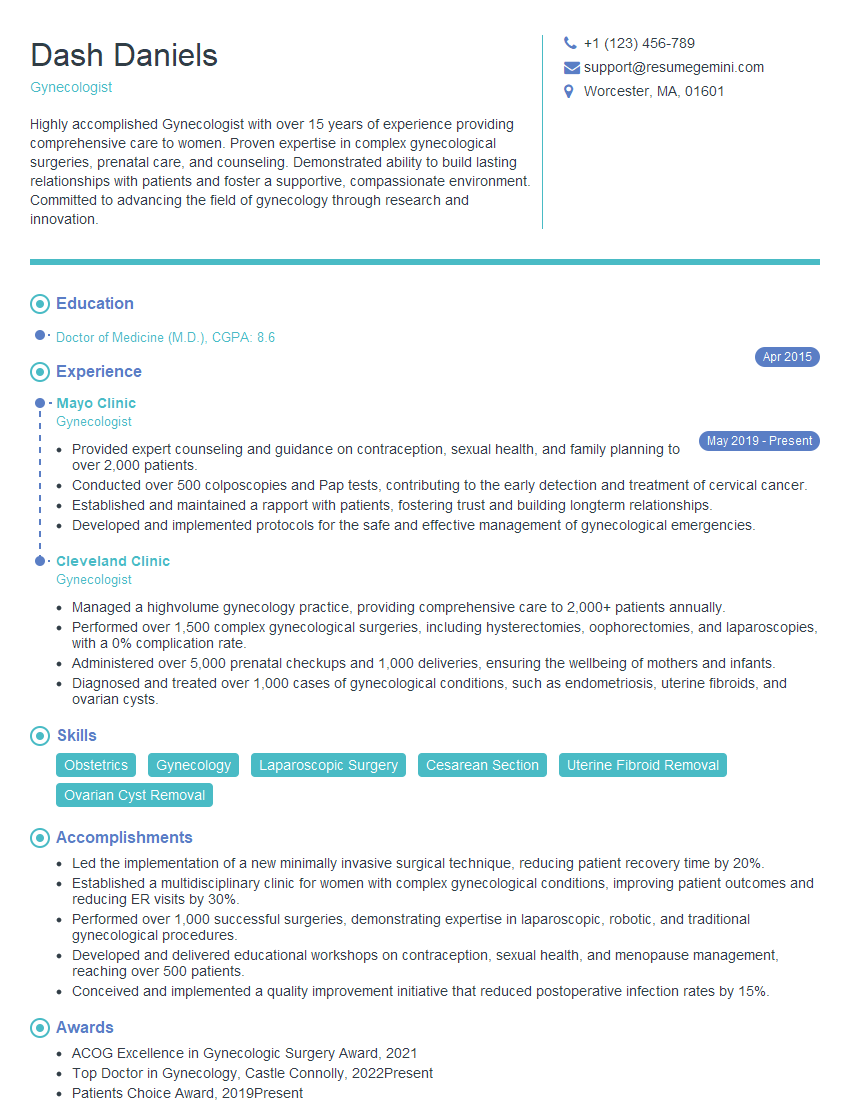
Mastering your knowledge of PCOS is crucial for advancing your career in healthcare. A strong understanding of this complex condition demonstrates expertise and commitment to patient well-being, opening doors to diverse and rewarding opportunities. To maximize your job prospects, creating a compelling and ATS-friendly resume is essential. ResumeGemini is a trusted resource that can help you craft a professional resume tailored to showcase your PCOS-related skills and experience. Examples of resumes specifically tailored for PCOS-focused roles are available to guide you. Invest in your professional presentation; it’s an investment in your future success.
Explore more articles
Users Rating of Our Blogs
Share Your Experience
We value your feedback! Please rate our content and share your thoughts (optional).
What Readers Say About Our Blog
To the interviewgemini.com Webmaster.
Very helpful and content specific questions to help prepare me for my interview!
Thank you
To the interviewgemini.com Webmaster.
This was kind of a unique content I found around the specialized skills. Very helpful questions and good detailed answers.
Very Helpful blog, thank you Interviewgemini team.