The thought of an interview can be nerve-wracking, but the right preparation can make all the difference. Explore this comprehensive guide to Preeclampsia interview questions and gain the confidence you need to showcase your abilities and secure the role.
Questions Asked in Preeclampsia Interview
Q 1. Describe the pathophysiology of preeclampsia.
Preeclampsia’s pathophysiology is complex and not fully understood, but it centers around inadequate placentation. Imagine the placenta as a bridge between mother and baby; in preeclampsia, this bridge is poorly constructed. This leads to insufficient blood flow to the placenta, resulting in placental ischemia (lack of blood supply). This ischemia triggers the release of various substances from the placenta into the maternal circulation. These substances, including anti-angiogenic factors (substances that prevent the growth of new blood vessels) and inflammatory mediators, disrupt the mother’s vascular system, causing widespread endothelial dysfunction.
Endothelial dysfunction means the lining of blood vessels becomes damaged and dysfunctional, leading to vasoconstriction (narrowing of blood vessels), increased vascular permeability (leakiness), and platelet activation (blood clotting). This cascade of events results in the characteristic symptoms of preeclampsia, including high blood pressure, proteinuria (protein in the urine), and edema (swelling).
Think of it like this: a poorly built bridge (placenta) causes traffic jams (reduced blood flow), leading to road closures and accidents (organ damage) throughout the entire highway system (mother’s body).
Q 2. What are the diagnostic criteria for preeclampsia?
Diagnosing preeclampsia requires meeting specific criteria. The cornerstone is new-onset hypertension (blood pressure of 140/90 mmHg or higher on two occasions at least four hours apart) after 20 weeks of gestation in a previously normotensive woman. This hypertension must be accompanied by proteinuria, which is the presence of protein in the urine, usually measured using a urine dipstick or a 24-hour urine collection. Alternatively, preeclampsia can be diagnosed in the presence of hypertension and other organ dysfunction, such as thrombocytopenia (low platelet count), impaired liver function, renal insufficiency, or neurological symptoms. It’s crucial to remember that the diagnosis is made after ruling out other causes of hypertension.
For example, a patient presenting with a blood pressure of 150/100 mmHg after 28 weeks of pregnancy, along with 3+ protein on a urine dipstick, would meet the diagnostic criteria for preeclampsia. However, if a woman with chronic hypertension (before pregnancy) develops proteinuria, she wouldn’t be diagnosed with preeclampsia.
Q 3. Differentiate between preeclampsia and eclampsia.
Preeclampsia and eclampsia are closely related but distinct conditions. Preeclampsia is characterized by hypertension and proteinuria (or other organ damage) after 20 weeks of gestation. Eclampsia, on the other hand, represents a severe complication of preeclampsia, where the patient experiences seizures. These seizures are typically tonic-clonic in nature and are a medical emergency. In essence, eclampsia is preeclampsia with the addition of seizures. The exact mechanism that triggers seizures in eclampsia remains unclear, but it’s likely linked to the widespread endothelial dysfunction and the effects of the placental-derived factors on the brain.
Imagine preeclampsia as a building fire; eclampsia is the same fire reaching the point of causing a structural collapse (seizures) — a far more dangerous situation requiring immediate intervention.
Q 4. Explain the HELLP syndrome and its management.
HELLP syndrome is a life-threatening complication of preeclampsia, affecting the liver and blood. The acronym stands for Hemolysis (destruction of red blood cells), ELevated Liver enzymes, and Low Platelets. It’s a serious condition because the hemolysis can lead to anemia and jaundice, while the elevated liver enzymes reflect liver damage. The low platelet count increases the risk of bleeding.
Management of HELLP syndrome involves immediate delivery of the baby (usually by Cesarean section), since the only cure is the removal of the placenta. This is complemented by supportive measures such as intravenous fluids, blood transfusions (if necessary), and close monitoring of vital signs and organ function. Magnesium sulfate is often used to prevent seizures, as the risk of eclampsia is very high in patients with HELLP syndrome.
For instance, a woman presenting with fatigue, upper right quadrant pain, and jaundice, alongside laboratory findings consistent with hemolysis, elevated liver enzymes, and low platelets, would be diagnosed with HELLP syndrome. Immediate delivery and close monitoring of blood counts and liver function are crucial.
Q 5. Discuss the risk factors associated with developing preeclampsia.
Several risk factors significantly increase the likelihood of developing preeclampsia. These include:
- First pregnancy (Nulliparity): Women experiencing their first pregnancy have a higher risk.
- Preexisting conditions: Chronic hypertension, diabetes, kidney disease, and autoimmune disorders are all associated with an increased risk.
- Advanced maternal age: Women over 35 are at a higher risk.
- Multiple gestation (twins, triplets): Carrying more than one fetus increases the risk.
- Obesity: Women with a Body Mass Index (BMI) greater than 30 are at greater risk.
- Preeclampsia in previous pregnancy: Women with a history of preeclampsia have a significantly increased chance of developing it again.
- Family history of preeclampsia: A family history of preeclampsia increases the risk.
- Certain vascular conditions: Conditions affecting blood vessels can contribute to the risk.
These risk factors don’t guarantee the development of preeclampsia, but understanding them helps identify high-risk pregnancies and allow for proactive management strategies.
Q 6. How would you assess a patient presenting with suspected preeclampsia?
Assessing a patient with suspected preeclampsia involves a comprehensive approach. It begins with a thorough history, inquiring about symptoms such as headaches, visual disturbances, abdominal pain, swelling, and changes in urine output. Next, vital signs, including blood pressure, are meticulously monitored. A physical examination focuses on assessing for edema, hyperreflexia (overactive reflexes), and signs of organ dysfunction.
Laboratory investigations are crucial. These include:
- Urinalysis: To detect proteinuria and other abnormalities.
- Complete blood count (CBC): To evaluate platelet count and assess for anemia.
- Liver function tests (LFTs): To evaluate for liver damage.
- Renal function tests: To assess kidney function.
Ultrasound examination is often performed to assess fetal growth and placental perfusion. Continuous fetal monitoring may be used to assess fetal well-being. Depending on the severity of symptoms and laboratory findings, hospitalization and further management may be necessary.
For example, a patient presenting with severe headaches, blurred vision, and elevated blood pressure would require immediate and thorough assessment, including laboratory tests and potentially admission to hospital.
Q 7. What are the potential complications of preeclampsia for the mother and the fetus?
Preeclampsia poses significant risks to both the mother and the fetus. For the mother, potential complications include:
- Seizures (eclampsia): A life-threatening complication.
- HELLP syndrome: A severe complication affecting the liver and blood.
- Acute kidney injury: Damage to the kidneys.
- Stroke: Damage to blood vessels in the brain.
- Pulmonary edema: Fluid buildup in the lungs.
- Disseminated intravascular coagulation (DIC): Widespread blood clotting.
- Postpartum hemorrhage: Excessive bleeding after delivery.
For the fetus, risks include:
- Preterm birth: Delivery before 37 weeks of gestation.
- Fetal growth restriction: The baby doesn’t grow as expected.
- Fetal distress: The baby shows signs of difficulty.
- Stillbirth: The baby is born dead.
The severity of these complications varies depending on the severity of the preeclampsia and how effectively it’s managed. Prompt diagnosis and treatment are vital to minimizing risks to both mother and baby.
Q 8. Outline the management strategies for mild preeclampsia.
Managing mild preeclampsia focuses on close monitoring and expectant management, aiming to prevent progression to severe disease. This involves regular check-ups to monitor blood pressure, urine protein levels, fetal growth, and overall maternal well-being.
- Regular antenatal visits: Frequent monitoring (typically weekly or more often) allows for early detection of worsening symptoms.
- Blood pressure monitoring at home: Empowering the patient to monitor blood pressure at home allows for early identification of trends and potential problems.
- Dietary modifications: A diet low in sodium and rich in protein can help manage blood pressure. We may also suggest increased fluid intake unless contraindicated.
- Rest and activity modification: Sufficient rest is crucial, while limiting strenuous physical activity is often advised. However, maintaining moderate physical activity is generally encouraged unless contraindicated by other health factors.
- Fetal surveillance: Regular monitoring of fetal growth and well-being using ultrasound and non-stress tests is critical.
For example, a pregnant woman with mild preeclampsia at 30 weeks gestation might be advised to have weekly blood pressure checks at the clinic, daily blood pressure monitoring at home, and twice-weekly non-stress tests to assess fetal well-being.
Q 9. Describe the management of severe preeclampsia.
Managing severe preeclampsia requires immediate and intensive intervention in a hospital setting to protect both the mother and the baby. The goals are to stabilize the mother’s condition, optimize fetal growth and development, and ultimately deliver the baby safely when appropriate.
- Hospitalization: Immediate admission is essential for continuous monitoring and rapid response to complications.
- Intravenous magnesium sulfate: This is a cornerstone of treatment to prevent eclampsia (seizures). We closely monitor magnesium levels to avoid toxicity.
- Antihypertensive medication: Medications like hydralazine or labetalol are used to lower blood pressure gradually to avoid sudden drops that could compromise placental perfusion.
- Strict bed rest: Complete bed rest with minimal stimulation aids in managing blood pressure and reduces the risk of seizures.
- Continuous fetal monitoring: Close monitoring of fetal heart rate provides continuous assessment of fetal well-being.
- Laboratory monitoring: Regular blood and urine tests assess organ function and detect complications.
For instance, a pregnant woman presenting with severe preeclampsia characterized by high blood pressure, proteinuria, and elevated liver enzymes would be admitted immediately, placed on intravenous magnesium sulfate, and given antihypertensive medications as needed, along with continuous fetal and maternal monitoring.
Q 10. What are the indications for delivery in preeclampsia?
The decision to deliver a baby affected by preeclampsia is complex and depends on several factors, including gestational age, severity of maternal illness, and fetal well-being. The earlier the gestational age, the greater the risk of neonatal complications, whereas delaying delivery too long puts the mother at risk.
- Severe features of preeclampsia: Severe hypertension, organ dysfunction (liver or kidney), pulmonary edema, or HELLP syndrome necessitate delivery.
- Gestational age: After 34 weeks, the benefits of delivering the baby often outweigh the risks of prematurity.
- Fetal compromise: Evidence of fetal growth restriction, oligohydramnios (low amniotic fluid), or non-reassuring fetal heart rate tracing indicates the need for delivery.
- Maternal deterioration: If the mother’s condition continues to worsen despite medical management, delivery becomes imperative.
For example, if a pregnant woman at 37 weeks gestation develops severe preeclampsia with evidence of elevated liver enzymes and decreased platelet counts (HELLP syndrome), immediate delivery is generally recommended.
Q 11. Explain the role of magnesium sulfate in the management of preeclampsia.
Magnesium sulfate is a critical medication in the management of preeclampsia, primarily to prevent eclampsia (seizures). It also plays a role in reducing the risk of postpartum eclampsia and improving neonatal outcomes.
- Neuroprotective effects: Magnesium sulfate reduces neuronal excitability, thereby preventing seizures.
- Prevention of eclampsia: It’s the gold standard for preventing seizures in women with severe preeclampsia and pre-eclampsia.
- Improved neonatal outcomes: Studies suggest that magnesium sulfate might improve neonatal outcomes, though the exact mechanisms are still being researched.
- Close monitoring is crucial: Magnesium sulfate levels need to be carefully monitored to prevent toxicity, which can manifest as loss of deep tendon reflexes, respiratory depression, and cardiac arrest.
Imagine a scenario where a woman with severe preeclampsia is admitted. Administering magnesium sulfate is immediately prioritized to mitigate the risk of life-threatening seizures while continuously monitoring her magnesium levels to maintain a therapeutic range and prevent toxicity.
Q 12. Discuss the use of antihypertensive medications in preeclampsia.
Antihypertensive medications are used in preeclampsia to control elevated blood pressure, but their use is carefully guided due to concerns about reducing placental perfusion (blood flow to the placenta). The goal is to gradually lower blood pressure rather than achieve a sudden drop.
- Hydralazine: This is often the first-line agent, given intravenously for rapid blood pressure control.
- Labetalol: Another commonly used agent, given intravenously or orally, with a good safety profile.
- Nifedipine: A calcium channel blocker, it’s often used for oral administration.
- Methyldopa: An older agent still used, particularly for oral administration in less severe cases.
- Gradual reduction of blood pressure: The target is a gradual reduction in blood pressure rather than a sudden drop to avoid potentially compromising the placenta.
For example, a woman with severe preeclampsia might receive intravenous hydralazine to quickly bring down her blood pressure, followed by oral labetalol to maintain it within a safe range.
Q 13. What are the long-term consequences of preeclampsia for the mother?
Preeclampsia can have several long-term consequences for the mother, impacting cardiovascular and renal systems. These risks can persist for years or even a lifetime.
- Increased risk of cardiovascular disease: This includes hypertension, coronary artery disease, stroke, and heart failure.
- Chronic kidney disease: Preeclampsia can damage the kidneys, leading to chronic kidney disease in some women.
- Gestational diabetes: Preeclampsia can increase the risk of developing gestational diabetes in future pregnancies.
- Preeclampsia in subsequent pregnancies: Women who have had preeclampsia are at a significantly higher risk of developing it again in future pregnancies.
- Cognitive impairment: In some cases, studies have suggested a potential link between preeclampsia and increased risk of cognitive impairment.
It’s crucial to emphasize the importance of regular check-ups and lifestyle modifications, including maintaining a healthy diet, regular exercise, and blood pressure monitoring to reduce long-term risks.
Q 14. How would you counsel a patient diagnosed with preeclampsia?
Counseling a patient diagnosed with preeclampsia involves a sensitive and empathetic approach, balancing the provision of crucial information with emotional support. The conversation should be tailored to the individual patient’s understanding and needs.
- Explain the condition clearly and concisely: Use simple terms to explain what preeclampsia is and how it can affect both the mother and the baby.
- Outline management strategies: Explain the treatment plan in detail, including medication, monitoring, and potential complications.
- Address concerns and fears: Actively listen to the patient’s concerns and fears about the pregnancy and future health, providing reassurance and emotional support.
- Empower patient participation: Encourage questions and involve the patient in decision-making regarding their care.
- Provide long-term health guidance: Explain the potential long-term consequences of preeclampsia and the importance of ongoing monitoring and healthy lifestyle choices.
- Connect with support resources: Refer the patient to support groups, online communities, or other resources to help them cope with the emotional and physical challenges of preeclampsia.
For example, a pregnant woman diagnosed with mild preeclampsia might benefit from a discussion focusing on home blood pressure monitoring techniques, lifestyle modifications, and the importance of regular clinic visits. Whereas a woman diagnosed with severe preeclampsia will require detailed explanation about the hospitalization, the role of magnesium sulfate and antihypertensive medication, and the potential need for immediate delivery. The counseling should be tailored to the patient’s individual needs and fears.
Q 15. Describe the fetal surveillance techniques used in preeclampsia.
Fetal surveillance in preeclampsia aims to assess fetal well-being, given the increased risk of complications like fetal growth restriction and placental insufficiency. Several techniques are employed:
- Non-Stress Test (NST): This monitors fetal heart rate in response to fetal movement. A reactive NST (accelerations in heart rate with movement) suggests good fetal oxygenation. A non-reactive NST warrants further investigation.
- Biophysical Profile (BPP): This combines NST with an ultrasound assessment of fetal breathing movements, fetal movements, fetal tone, and amniotic fluid volume. A score is assigned, with lower scores indicating potential distress.
- Doppler Ultrasound of Umbilical Artery: This assesses blood flow in the umbilical artery, providing insights into placental function. Increased resistance to blood flow (high pulsatility index) can signal placental insufficiency.
- Amniotic Fluid Index (AFI): Ultrasound measurement of amniotic fluid volume. Oligohydramnios (low amniotic fluid) is associated with placental insufficiency and can be a sign of fetal compromise.
The choice of technique and frequency depends on the severity of preeclampsia, gestational age, and other risk factors. For example, a woman with severe preeclampsia and signs of fetal distress might require daily BPPs and Doppler studies, while a woman with mild preeclampsia might undergo weekly NSTs.
Career Expert Tips:
- Ace those interviews! Prepare effectively by reviewing the Top 50 Most Common Interview Questions on ResumeGemini.
- Navigate your job search with confidence! Explore a wide range of Career Tips on ResumeGemini. Learn about common challenges and recommendations to overcome them.
- Craft the perfect resume! Master the Art of Resume Writing with ResumeGemini’s guide. Showcase your unique qualifications and achievements effectively.
- Don’t miss out on holiday savings! Build your dream resume with ResumeGemini’s ATS optimized templates.
Q 16. What are the signs and symptoms of eclampsia?
Eclampsia is a life-threatening complication of preeclampsia characterized by seizures. It typically occurs in the late stages of pregnancy, during labor, or postpartum. While the exact cause isn’t fully understood, it’s believed to involve cerebral edema and vasospasm. Signs and symptoms may include:
- Seizures: These can range from brief, subtle myoclonic jerks to prolonged, generalized tonic-clonic convulsions.
- Headache: Often severe and persistent.
- Visual disturbances: Blurred vision, scotomas (blind spots), or photophobia (light sensitivity).
- Hyperreflexia: Overactive reflexes.
- Epigastric pain: Severe upper abdominal pain.
- Elevated blood pressure: Significantly higher than previously recorded blood pressure.
The onset of eclamptic seizures is a medical emergency requiring immediate intervention.
Q 17. How would you manage an eclamptic seizure?
Management of an eclamptic seizure is a critical medical procedure and follows a well-defined protocol. The primary goal is to protect the mother and fetus from harm during the seizure and prevent further complications.
- Ensure airway patency: Turn the patient on her side to prevent aspiration, and suction any oral secretions.
- Administer magnesium sulfate: This is the drug of choice for preventing further seizures. It also helps reduce blood pressure and protect the fetus.
- Monitor vital signs closely: Continuously monitor blood pressure, heart rate, respiratory rate, and oxygen saturation.
- Control blood pressure: If blood pressure remains dangerously high despite magnesium sulfate, other antihypertensives may be used, such as hydralazine or labetalol.
- Deliver the baby: Once the mother is stabilized, delivery of the baby is usually the best way to manage the condition. The timing of delivery depends on gestational age and fetal maturity.
- Post-seizure care: Close monitoring for respiratory depression, hypotension, and other complications associated with magnesium sulfate therapy is crucial.
Immediate medical attention is vital as this is a life-threatening condition.
Q 18. Discuss the role of preventative measures in reducing preeclampsia risk.
Preventative measures significantly reduce preeclampsia risk. These strategies focus on managing underlying risk factors and optimizing maternal health during pregnancy:
- Aspirin prophylaxis: Low-dose aspirin is often recommended for women at high risk of preeclampsia, starting between 12 and 28 weeks of gestation.
- Blood pressure control: Maintaining optimal blood pressure levels in women with chronic hypertension before and during pregnancy is vital.
- Weight management: Maintaining a healthy BMI before pregnancy reduces risk.
- Dietary changes: A balanced diet rich in fruits, vegetables, and whole grains can improve overall health and reduce risk.
- Early prenatal care: Regular prenatal visits allow for early identification and management of potential risk factors.
- Addressing underlying conditions: Management of chronic conditions like diabetes and kidney disease is crucial.
- Supplementation: Some studies suggest potential benefits from calcium and vitamin D supplementation.
Note: Not all preventative measures are suitable for every woman, and individual risk assessment is critical before implementing these strategies.
Q 19. Explain the difference between chronic hypertension and preeclampsia.
Chronic hypertension and preeclampsia both involve elevated blood pressure during pregnancy, but they are distinct conditions with different underlying causes and implications.
- Chronic Hypertension: This refers to high blood pressure that existed before pregnancy (prior to 20 weeks gestation), or was diagnosed before pregnancy and persists. It’s not directly related to pregnancy and may require ongoing management with medication.
- Preeclampsia: This is a pregnancy-specific condition characterized by new-onset hypertension after 20 weeks gestation, along with proteinuria (protein in the urine) or other organ damage. It usually resolves after delivery.
The key difference lies in the onset and cause. Chronic hypertension exists independently of pregnancy, while preeclampsia develops during pregnancy due to placental dysfunction. A woman can have chronic hypertension and develop preeclampsia, representing a higher-risk pregnancy.
Q 20. What are the challenges in managing preeclampsia in a resource-limited setting?
Managing preeclampsia in resource-limited settings presents several challenges:
- Limited access to diagnostic tools: Accurate diagnosis relies on blood pressure monitoring, urine testing for protein, and potentially Doppler ultrasound and other imaging. Access to these is often limited in resource-poor settings.
- Shortage of essential medications: Magnesium sulfate, the cornerstone of eclampsia treatment, may be unavailable or in short supply.
- Lack of trained healthcare professionals: Proper management requires skilled personnel to monitor patients, manage complications, and provide timely interventions.
- Inadequate infrastructure: Access to emergency obstetric care, including blood transfusion services and intensive care, is often limited.
- Transportation barriers: Reaching healthcare facilities can be difficult, especially for women in rural areas.
Addressing these challenges requires a multi-pronged approach including improved healthcare infrastructure, training healthcare providers, ensuring adequate drug supply, and promoting community-based interventions.
Q 21. Describe the role of Doppler ultrasound in assessing preeclampsia.
Doppler ultrasound plays a crucial role in assessing preeclampsia by evaluating blood flow in various vessels. It helps to determine the severity and impact of the disease on placental function and fetal well-being.
- Umbilical artery Doppler: This assesses blood flow in the umbilical artery, providing insights into placental resistance and perfusion. An increased pulsatility index (PI) or absent end-diastolic flow (AEDF) suggests placental insufficiency, potentially indicating severe preeclampsia.
- Uterine artery Doppler: This measures blood flow in the uterine arteries. Increased resistance in these arteries can be a marker of placental dysfunction and is associated with preeclampsia.
While Doppler ultrasound is a valuable tool, it’s important to interpret the results in conjunction with other clinical findings and fetal surveillance techniques. The findings from Doppler ultrasound should be interpreted in the context of the patient’s clinical presentation and other assessments.
Q 22. How would you interpret abnormal lab values in a patient with preeclampsia?
Interpreting abnormal lab values in a preeclamptic patient requires a holistic approach, considering the values in the context of the patient’s clinical presentation. Key lab abnormalities include elevated blood pressure (systolic ≥140 mmHg or diastolic ≥90 mmHg on two occasions at least 4 hours apart), proteinuria (protein in the urine), and thrombocytopenia (low platelet count). Other potential findings include elevated liver enzymes (AST and ALT), impaired kidney function (increased creatinine), and evidence of hemolysis (breakdown of red blood cells).
For example, a significant rise in liver enzymes, coupled with elevated blood pressure and proteinuria, strongly suggests severe preeclampsia and warrants immediate intervention. Similarly, a sudden drop in platelet count can indicate HELLP syndrome (Hemolysis, Elevated Liver enzymes, Low Platelets), a serious complication of preeclampsia requiring urgent management. We also look at the 24-hour urine protein collection for a quantitative assessment of proteinuria. A single elevated blood pressure reading isn’t sufficient for diagnosis; it needs to be confirmed by subsequent measurements.
It’s crucial to remember that the severity of preeclampsia is directly linked to the magnitude and combination of these abnormal lab values. Mild preeclampsia may present with only slightly elevated blood pressure and trace proteinuria, whereas severe preeclampsia involves marked elevations in blood pressure, significant proteinuria, and other organ system involvement as evidenced by the abnormal lab results.
Q 23. Explain the importance of regular antenatal care in preventing or managing preeclampsia.
Regular antenatal care is paramount in preventing or managing preeclampsia. Early detection is key, as early interventions can significantly reduce the risk of severe complications. Antenatal care includes regular blood pressure monitoring, urinalysis to detect proteinuria, and assessment of other potential risk factors such as pre-existing hypertension or diabetes.
For instance, detecting elevated blood pressure at an early stage allows for lifestyle modifications (like dietary changes and stress reduction techniques) and, in high-risk pregnancies, the initiation of prophylactic aspirin or antihypertensive medications. Regular monitoring helps identify subtle changes, allowing for timely intervention before the condition worsens. Imagine a patient with mildly elevated blood pressure detected at 20 weeks gestation; timely intervention might prevent the progression to severe preeclampsia later in pregnancy.
Furthermore, antenatal care enables close monitoring for warning signs like sudden weight gain, headaches, visual disturbances, or abdominal pain, facilitating prompt medical intervention. Educating pregnant women about the warning signs of preeclampsia empowers them to actively participate in their care and seek timely medical attention.
Q 24. Discuss the role of aspirin prophylaxis in preeclampsia.
Low-dose aspirin prophylaxis is recommended for women identified as high-risk for preeclampsia. This preventative measure aims to reduce the incidence of preeclampsia and its associated complications. High-risk groups include women with a history of preeclampsia, chronic hypertension, pre-existing kidney disease, autoimmune disorders, or those carrying multiples.
The exact mechanism by which aspirin works is not fully understood, but it’s thought to involve inhibition of platelet aggregation and modulation of inflammatory pathways. By reducing platelet aggregation, it is believed that aspirin helps maintain optimal blood flow to the placenta and prevents the development of placental ischemia, a crucial element in the pathogenesis of preeclampsia. Aspirin prophylaxis is typically started between 12 and 28 weeks of gestation, depending on the individual patient’s risk profile.
It’s important to note that aspirin prophylaxis is not suitable for all pregnant women. There are potential risks associated with aspirin use, such as bleeding complications, and a thorough risk-benefit assessment is always necessary. The decision to use aspirin prophylaxis should be made in consultation with the patient and based on individual risk factors.
Q 25. How do you differentiate between preeclampsia and gestational hypertension?
The key difference between preeclampsia and gestational hypertension lies in the presence or absence of proteinuria and other organ damage. Gestational hypertension is defined as hypertension (systolic ≥140 mmHg or diastolic ≥90 mmHg) that develops after 20 weeks of gestation without proteinuria or other organ dysfunction. Preeclampsia, on the other hand, is characterized by hypertension plus proteinuria and/or other organ damage.
Imagine two patients: one with elevated blood pressure but no proteinuria or other concerning signs; this is consistent with gestational hypertension. Another patient with elevated blood pressure accompanied by proteinuria and elevated liver enzymes; this points to preeclampsia. The presence of additional symptoms like headaches, visual disturbances, or epigastric pain further strengthens the diagnosis of preeclampsia. The distinction is critical because preeclampsia carries a much higher risk of complications for both the mother and the fetus.
It’s important to emphasize that gestational hypertension can progress to preeclampsia. Therefore, close monitoring of blood pressure and urinalysis is essential in patients with gestational hypertension. Regular follow-up appointments and prompt investigation of any new symptoms are vital to timely detect and manage any progression to preeclampsia.
Q 26. What is the significance of proteinuria in the diagnosis of preeclampsia?
Proteinuria is a crucial diagnostic criterion for preeclampsia. It reflects damage to the glomeruli (filtering units) in the kidneys due to the underlying endothelial dysfunction characteristic of the disease. The amount of protein excreted in the urine helps assess the severity of the condition. The presence of proteinuria, even in the absence of high blood pressure, can suggest preeclampsia in some cases.
Quantitative measurement of proteinuria is usually obtained through a 24-hour urine collection. However, dipstick urinalysis can provide a quick assessment, although it’s less precise. A significant amount of protein in the urine (e.g., >300mg in a 24-hour sample or a positive dipstick test with ≥2+ protein) strongly suggests preeclampsia. It’s important to differentiate between physiological proteinuria (trace amounts often observed during pregnancy) and pathological proteinuria indicative of preeclampsia.
The presence of proteinuria, along with hypertension, is a cornerstone in establishing the diagnosis of preeclampsia. It doesn’t only indicate kidney damage; it’s a marker of the systemic nature of the disease affecting multiple organs. The severity of proteinuria correlates with the overall severity of preeclampsia and helps guide management decisions.
Q 27. Describe your experience with managing severe preeclampsia cases.
Managing severe preeclampsia requires a multidisciplinary approach with close monitoring and prompt intervention. In my experience, these cases often require immediate hospitalization for close observation and management. The treatment strategies include antihypertensive medications to control blood pressure, often using intravenous medications for rapid control. Magnesium sulfate is commonly administered to prevent seizures (eclampsia).
I have encountered cases where patients required intensive care unit (ICU) admission due to severe complications such as HELLP syndrome, pulmonary edema, or acute renal failure. In such scenarios, close monitoring of vital signs, organ function, and fetal well-being is paramount. Collaboration with specialists such as neonatologists and intensivists is crucial to ensure optimal maternal and fetal outcomes.
One particularly challenging case involved a patient presenting with severe preeclampsia, HELLP syndrome, and placental abruption at 34 weeks gestation. This required urgent delivery via cesarean section to prevent further complications. Post-delivery, the patient needed close monitoring in the ICU for several days due to continued organ dysfunction. This highlighted the unpredictability and the critical need for prompt intervention in these complex cases. While every case is unique, the core principles of monitoring, appropriate medications, and multi-disciplinary collaboration remain constant.
Q 28. Discuss any research advancements in the understanding and treatment of preeclampsia.
Research advancements in preeclampsia are continuously refining our understanding of its pathophysiology and improving treatment strategies. Research is focusing on identifying specific biomarkers that can predict and diagnose preeclampsia earlier and more accurately. This includes exploring the role of circulating microparticles, placental growth factor (PlGF), and other factors as potential diagnostic markers.
Treatment strategies are also evolving. There’s ongoing research into new medications that target specific pathways involved in the development of preeclampsia, aiming to provide more effective and safer therapies. For example, some studies are investigating the use of novel antihypertensive agents and therapies aimed at improving placental perfusion. Advancements in non-invasive monitoring techniques, such as Doppler ultrasound assessment of uterine and umbilical artery blood flow, allow for better assessment of fetal well-being and help guide management decisions.
Furthermore, ongoing research focuses on risk stratification to better identify high-risk populations and tailor interventions accordingly. Understanding the genetic and environmental factors that contribute to preeclampsia is also a key area of research, with the aim of developing effective preventative strategies. The long-term goal is to move beyond solely managing the complications of preeclampsia towards developing methods to prevent its onset altogether.
Key Topics to Learn for Preeclampsia Interview
- Pathophysiology of Preeclampsia: Understand the complex mechanisms underlying the disease, including endothelial dysfunction, placental ischemia, and systemic inflammation. Consider the role of oxidative stress and immune dysregulation.
- Clinical Presentation and Diagnosis: Master the identification of key symptoms such as hypertension, proteinuria, and edema. Familiarize yourself with diagnostic criteria and the importance of accurate blood pressure monitoring.
- Management and Treatment Strategies: Review different treatment approaches, including medications (e.g., antihypertensives, magnesium sulfate), lifestyle modifications, and indications for delivery. Discuss the importance of close maternal and fetal monitoring.
- Risk Factors and Prevention: Explore the various risk factors associated with developing preeclampsia (e.g., chronic hypertension, pre-existing conditions, multiparity). Discuss potential preventative measures and strategies for risk stratification.
- Complications and Outcomes: Understand potential complications such as HELLP syndrome, eclampsia, placental abruption, and fetal growth restriction. Be prepared to discuss the impact on maternal and neonatal outcomes.
- Current Research and Future Directions: Stay updated on the latest research advancements in preeclampsia, including novel biomarkers, therapeutic targets, and preventative strategies. This demonstrates a commitment to ongoing learning.
- Case Studies and Problem-Solving: Practice applying your knowledge to hypothetical scenarios. Consider how you would approach the diagnosis and management of different presentations of preeclampsia.
Next Steps
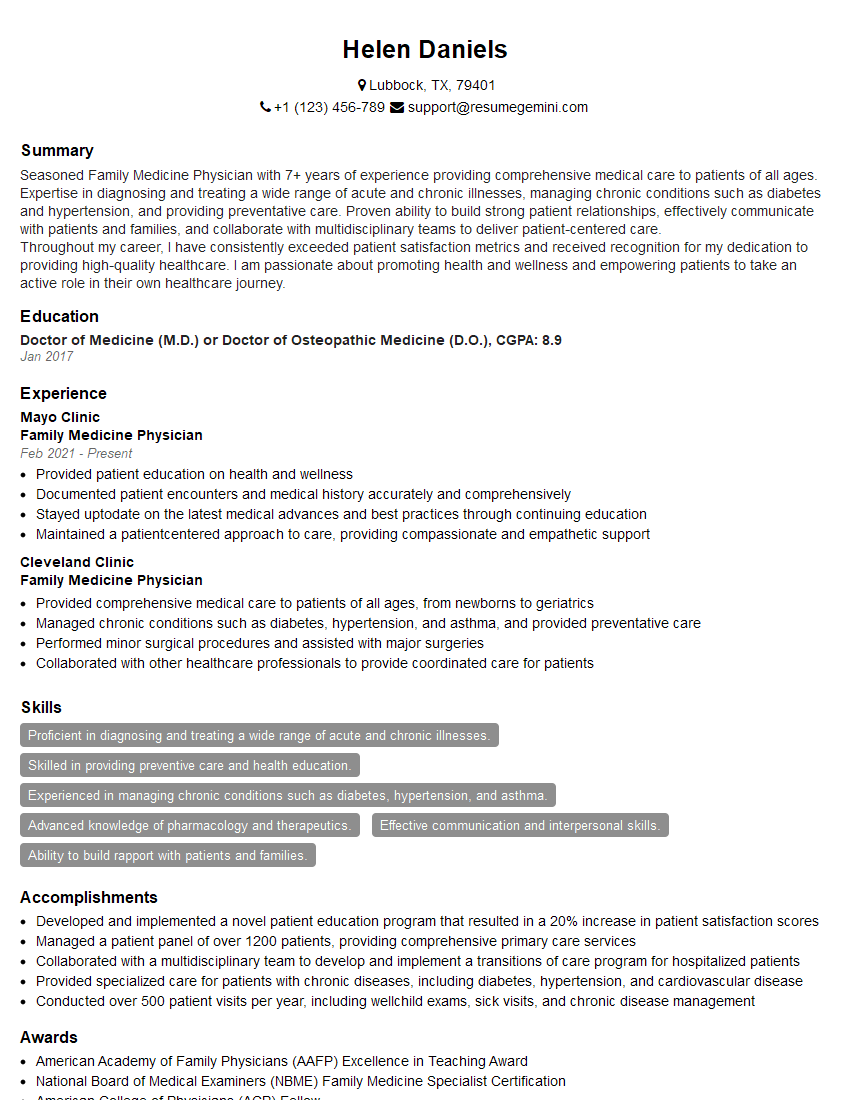
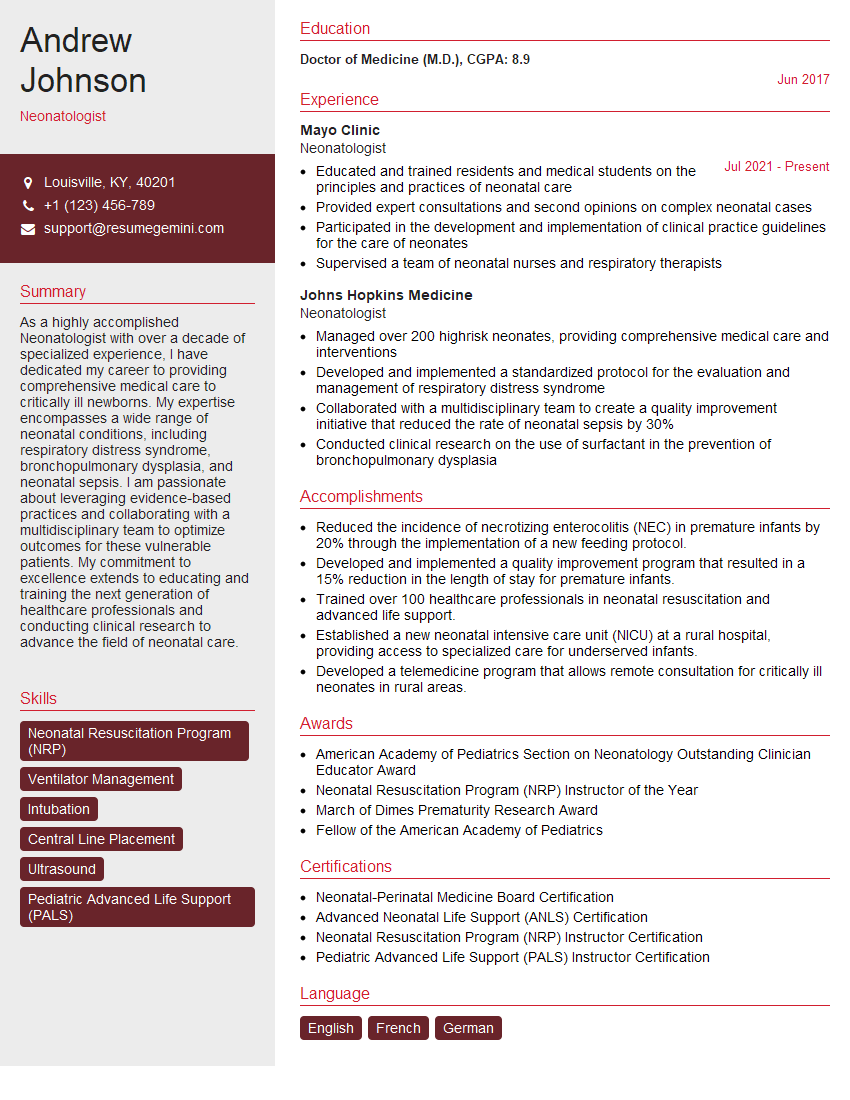
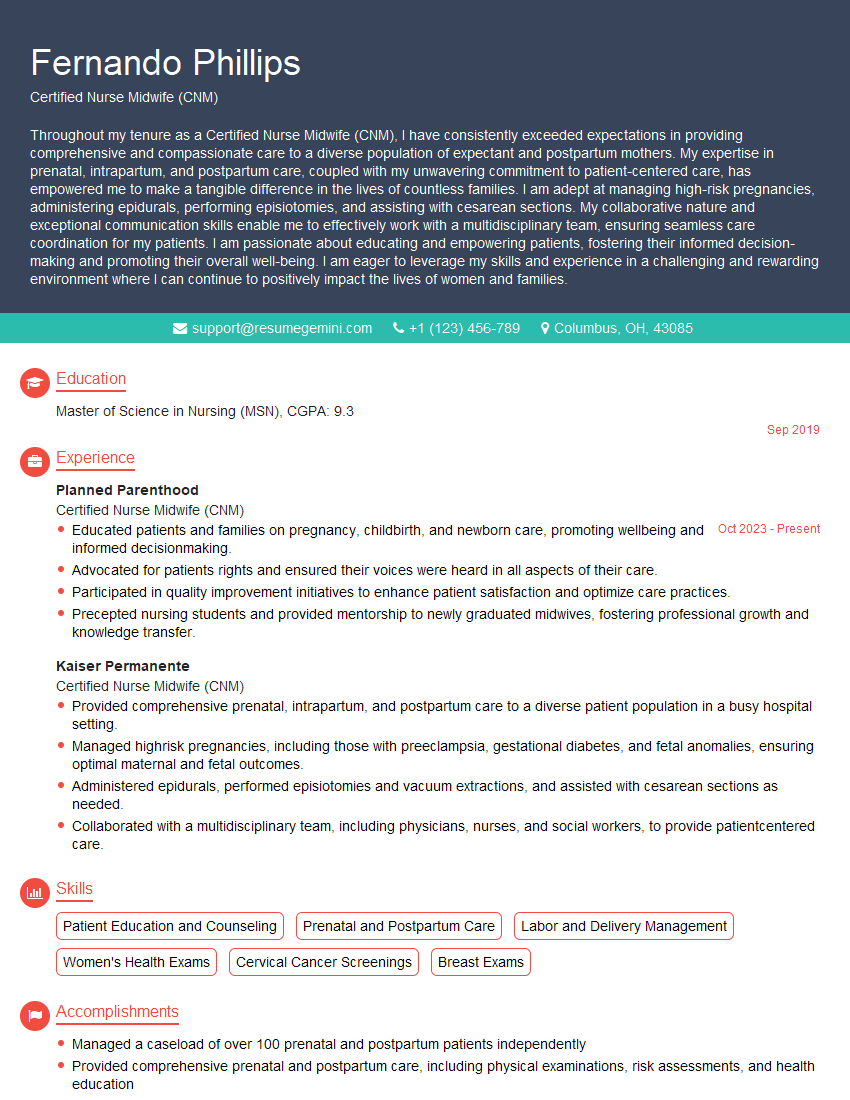
Mastering Preeclampsia demonstrates a strong foundation in high-risk obstetrics and significantly enhances your candidacy for positions requiring expertise in maternal-fetal medicine. To further boost your job prospects, invest in creating a compelling and ATS-friendly resume that showcases your skills and experience effectively. ResumeGemini is a trusted resource that can help you craft a professional resume tailored to the specific demands of the Preeclampsia field. Examples of resumes specifically designed for professionals in this area are available through ResumeGemini to guide your process. A well-structured resume can be the key to unlocking your career potential.
Explore more articles
Users Rating of Our Blogs
Share Your Experience
We value your feedback! Please rate our content and share your thoughts (optional).
What Readers Say About Our Blog
To the interviewgemini.com Webmaster.
Very helpful and content specific questions to help prepare me for my interview!
Thank you
To the interviewgemini.com Webmaster.
This was kind of a unique content I found around the specialized skills. Very helpful questions and good detailed answers.
Very Helpful blog, thank you Interviewgemini team.