Interviews are more than just a Q&A session—they’re a chance to prove your worth. This blog dives into essential Ability to conduct field surveys and collect data interview questions and expert tips to help you align your answers with what hiring managers are looking for. Start preparing to shine!
Questions Asked in Ability to conduct field surveys and collect data Interview
Q 1. Describe your experience designing a field survey questionnaire.
Designing a field survey questionnaire is a crucial first step, requiring careful consideration of the research objectives and target audience. It’s like building a house – you need a solid foundation and a well-thought-out blueprint. I start by clearly defining the research questions and hypotheses. Then, I develop questions that are clear, concise, unambiguous, and relevant to the research goals. I avoid leading questions or those that are too complex or sensitive.
For example, if I’m studying customer satisfaction with a new product, I wouldn’t ask, “Do you love our amazing new product?” Instead, I’d ask something like, “On a scale of 1 to 5, how satisfied are you with the product’s ease of use?” I also incorporate a mix of question types—multiple choice, Likert scales, open-ended questions—to gather rich, diverse data. Finally, I always pilot test the questionnaire on a small group before the main survey to identify any potential problems and refine wording.
The questionnaire structure is also key. I typically start with simple, engaging questions to encourage participation, gradually moving towards more complex or sensitive ones. I always end with a ‘thank you’ and an opportunity for respondents to provide any additional comments.
Q 2. Explain your process for selecting a representative sample for a field survey.
Selecting a representative sample is critical for ensuring the generalizability of survey findings. It’s like trying to understand the taste of a soup by only sampling a few spoonfuls – you need a representative sample to get a fair idea of the whole pot. My approach depends on the research question and the population of interest. If I have a complete list of the population (sampling frame), I might use probability sampling methods such as simple random sampling, stratified random sampling, or cluster sampling.
For instance, if I’m surveying university students, I might use stratified random sampling to ensure representation from different academic departments. If the population is large and a sampling frame isn’t available, I might resort to non-probability sampling, such as convenience sampling or snowball sampling, but acknowledge the limitations in generalizability. Regardless of the method, I meticulously document the sampling procedure to ensure transparency and reproducibility.
Sample size calculation is also crucial. I use statistical software and power analysis to determine the appropriate sample size needed to achieve sufficient statistical power to detect meaningful effects. Larger sample sizes generally lead to more precise estimates, but the cost and feasibility need to be considered.
Q 3. How do you ensure data quality and accuracy during field data collection?
Ensuring data quality and accuracy is paramount. This involves meticulous planning, implementation, and quality control at every stage. I begin by providing thorough training to field interviewers on data collection protocols, emphasizing the importance of standardized procedures. Clear instructions and well-designed questionnaires minimize interviewer bias and respondent errors.
During data collection, I implement several quality control measures. For example, I might conduct regular checks on data completeness and consistency. This could include comparing responses across different sections of the questionnaire to flag inconsistencies. Data validation and range checks within the software are essential to identify invalid or out-of-range data. I also employ double data entry for critical variables to reduce transcription errors.
Furthermore, I carefully review the completed questionnaires for completeness and any unusual responses. If there are missing values, I investigate the reason behind the missing data and, where possible, follow up with the respondent to collect the missing information. Finally, I document all the procedures used for quality control to maintain transparency and accountability.
Q 4. What methods do you use to handle missing data in a field survey dataset?
Missing data is a common challenge in field surveys. Ignoring it can lead to biased results and inaccurate conclusions. My approach to handling missing data depends on the extent and pattern of the missingness. For instance, if the missing data is completely random (MCAR), I might use methods like listwise deletion (excluding cases with any missing data) or mean/mode imputation (replacing missing values with the mean or mode of the observed values). However, listwise deletion can lead to a significant reduction in sample size, affecting the power of the analysis.
If the missing data is not random, more sophisticated methods are needed. Multiple imputation is a technique that creates multiple plausible datasets, each with different imputations for the missing values. Then, analyses are performed on each imputed dataset, and the results are combined. This helps to account for uncertainty associated with the missing data. Hot deck imputation is another method I consider where the missing value is replaced with a value from a similar case. The best approach is carefully considered based on the characteristics of the missing data and the objectives of the analysis.
Q 5. Describe your experience with different data collection methods (e.g., interviews, observations, GPS tracking).
I have extensive experience using diverse data collection methods, tailoring my approach to the specific research context. Face-to-face interviews allow for in-depth exploration of complex issues and are great for establishing rapport. However, they are expensive and time-consuming. Telephone interviews are a more cost-effective alternative, but they limit the use of visual aids and may suffer from lower response rates.
Online surveys, facilitated through platforms like Qualtrics or SurveyMonkey, are efficient and cost-effective for reaching geographically dispersed populations. However, they are susceptible to sampling bias and may exclude individuals without internet access. Observations, whether structured or unstructured, are valuable for capturing real-time behaviors and environmental contexts. For instance, I once used observational methods to study traffic patterns in a busy city center. Finally, GPS tracking, utilizing appropriate software, provides precise location data, useful for studies on mobility or resource allocation. For instance, I used GPS data to study the movement of wildlife in a protected area.
Q 6. How do you manage logistical challenges during field surveys (e.g., travel, weather, access restrictions)?
Field surveys inevitably present logistical challenges. Careful planning and contingency planning are vital. Before starting the field work, I thoroughly research the survey area, including accessibility, potential hazards, and local regulations. I establish clear communication channels among the team members and develop backup plans to address unexpected issues, like equipment failure or changes in weather conditions. For example, having backup transportation or alternative survey locations is often crucial.
Securing necessary permits or permissions is also critical, particularly when working in sensitive areas or involving human subjects. I always prioritize the safety and well-being of the field team, implementing appropriate safety measures like providing first-aid training, using appropriate personal protective equipment, and adhering to local safety regulations. For remote field work, I thoroughly plan logistics like accommodation, transportation, and supplies. Communication with the team is key, especially during challenges. Regular check-ins ensure team morale is high and safety is prioritized.
Q 7. Explain your experience using data collection software or apps.
I’m proficient in using a variety of data collection software and apps, including Qualtrics, SurveyMonkey, Epi Info, and Open Data Kit (ODK). Qualtrics and SurveyMonkey are excellent for creating and deploying online surveys, allowing for branching logic, data validation, and automated reporting. Epi Info is a powerful epidemiological data management and analysis package. ODK is a versatile open-source suite particularly useful for offline data collection in areas with limited internet access, allowing data to be collected on mobile devices and uploaded when connectivity is available.
My choice of software depends on the specific requirements of the project. For example, if I’m conducting a large-scale survey with complex branching logic, Qualtrics might be the most suitable choice. If I’m working in a remote location with limited internet connectivity, ODK might be a more appropriate option. Regardless of the software used, I always emphasize data security and privacy, adhering to relevant ethical guidelines and data protection regulations. I understand the importance of data backups and maintaining the integrity of data throughout the entire process.
Q 8. How do you ensure the safety and security of yourself and your team during field surveys?
Safety and security are paramount during field surveys. My approach is multifaceted and starts with thorough pre-field planning. This includes researching the survey area for potential hazards – from geographical features like unstable terrain to security concerns like potential for crime or political unrest. We always inform local authorities about our presence and obtain necessary permits.
For the team, we provide comprehensive safety training, covering everything from first aid and emergency response to recognizing and avoiding dangerous situations. We equip the team with appropriate personal protective equipment (PPE) based on the survey environment. For example, in remote areas, this might include satellite phones, GPS trackers, and high-visibility clothing. We establish clear communication protocols and regular check-ins, ensuring everyone knows their roles and responsibilities. We also conduct risk assessments before deploying teams into a new environment, regularly reviewing protocols and making adjustments as needed.
For example, during a biodiversity survey in a rainforest, we used satellite imagery to identify potential hazards like steep slopes and waterways before deciding on optimal survey routes. We also worked with local guides familiar with the area and its potential risks. This layered approach minimizes risks and ensures everyone returns safely.
Q 9. How do you maintain ethical considerations during field data collection?
Ethical considerations are fundamental to responsible field data collection. Informed consent is always at the forefront. Before interacting with any individual or community, we clearly explain the purpose of the study, how the data will be used, and how their privacy will be protected. We obtain explicit, voluntary consent before conducting interviews or collecting any personal data. We ensure that participation is entirely voluntary and that individuals are free to withdraw at any point.
Furthermore, we treat all participants with respect and dignity, maintaining confidentiality and anonymity in all our reporting. Data is never shared without explicit permission, and any identifiers are removed to protect anonymity. In situations involving vulnerable populations, we prioritize extra caution and work closely with community leaders and relevant ethics boards to ensure ethical guidelines are followed. For instance, when conducting surveys with children, we involve their parents or guardians in the consent process.
Maintaining transparency is key. We are open and honest about our work with participants, clarifying the limitations of our study and avoiding any misleading representations. We ensure we avoid bias in our data collection and analysis, being mindful of our own potential biases and striving for objectivity.
Q 10. How do you adapt your survey methodology to different contexts or populations?
Adaptability is crucial in field surveys. The methodology needs to be tailored to the specific context and target population. This involves considering several factors. First, the cultural context – considering local customs, language, and communication styles.
For instance, when surveying a remote indigenous community, we would adapt our approach by involving local translators, using culturally appropriate communication methods, and modifying survey questions to resonate with their experiences and worldview. In urban environments, we might utilize different sampling strategies compared to rural areas.
The type of population also influences methodology. When working with children, for example, surveys would need to be shorter, age-appropriate, and possibly use visual aids. Likewise, when surveying individuals with disabilities, we would ensure accessibility and utilize appropriate communication channels. In terms of sampling, the sample size and methods will depend on the study aims and population characteristics. Stratified sampling is often employed to ensure representative samples. In short, the methodology must be flexible and adaptable to the unique circumstances of each study.
Q 11. Describe your experience analyzing qualitative data collected in the field.
Analyzing qualitative data demands a systematic approach. My process typically begins with transcription of interviews or field notes, followed by meticulous coding. This involves identifying recurring themes, patterns, and concepts within the data. I use both deductive and inductive coding strategies – sometimes beginning with pre-defined codes based on existing literature, and adding new codes as I identify emerging themes from the data.
Software like NVivo or Atlas.ti can be invaluable for managing and analyzing large qualitative datasets. These programs allow for systematic coding, memoing, and visualization of relationships between themes. I then engage in constant comparison, looking for similarities and differences across different data sources. This process allows for a nuanced understanding of the underlying perspectives and experiences of participants.
For instance, in a study exploring community perceptions of environmental change, I used thematic analysis to identify key themes like impacts on livelihoods, cultural practices, and resilience strategies. Visual representations, such as mind maps, were used to illustrate the relationships between different themes and their interconnections. The ultimate goal is to synthesize the data, create meaningful interpretations and draw well-supported conclusions that answer the research questions.
Q 12. How do you handle unexpected events or challenges during fieldwork?
Unexpected events are an inherent part of fieldwork. The key is to be prepared and adaptable. Having contingency plans is essential. This might include having backup equipment, alternative survey methods, and securing multiple travel options.
For instance, encountering unexpected weather conditions or equipment malfunctions requires adjusting the survey schedule or finding creative solutions. If a key interviewee becomes unavailable, we might need to modify the sampling strategy or find alternative participants. Good communication is critical – keeping stakeholders informed of any delays or changes to the plan.
Problem-solving skills are invaluable. During a survey on water quality, we faced a sudden power outage. We quickly adapted by using backup generators and continuing data collection with minimal disruption. The ability to think on your feet and make informed decisions in challenging situations is crucial.
Q 13. What are the limitations of different data collection methods?
Every data collection method has limitations. Surveys, while efficient for gathering large datasets, can suffer from response bias, social desirability bias, and limited depth of information. Interviews, on the other hand, offer richer qualitative data but can be time-consuming, prone to interviewer bias, and harder to analyze quantitatively.
Observations provide direct insights into behaviors, but can be subjective and potentially influenced by observer bias. Document reviews offer historical context but might lack completeness or accuracy. Choosing the right method requires carefully weighing these limitations against the research objectives. For example, a study needing quantitative data on a large population may prefer surveys, while a study exploring personal experiences would benefit from interviews. Combining multiple methods (triangulation) is often employed to overcome the limitations of individual approaches.
Q 14. How do you ensure data confidentiality and anonymity?
Data confidentiality and anonymity are paramount. This starts with ensuring informed consent, where participants understand how their data will be used and protected. We remove any identifiers from the data as soon as possible, replacing names and other personal details with unique codes. Data is stored securely, using password-protected files and encrypted storage devices. Access to the data is restricted to authorized personnel only.
We follow strict data management protocols, including detailed documentation of data collection procedures and storage locations. Data is never shared without explicit consent, and all reports and publications are anonymized to protect participant identity. In specific contexts, we might use techniques like data anonymization and de-identification to further enhance privacy. For instance, we might only report aggregate statistics, rather than individual responses.
In cases where sensitive data is involved, we would seek guidance from ethics boards and adhere to relevant regulations and guidelines. Our commitment is to protect participant privacy and maintain the integrity of the research process.
Q 15. Describe your experience with Geographic Information Systems (GIS) and their use in field surveys.
Geographic Information Systems (GIS) are indispensable tools for field surveys. They allow us to spatially analyze data, visualize survey results, and make informed decisions based on location. My experience involves using GIS software like ArcGIS and QGIS to plan surveys, collect data using GPS devices, and create maps displaying everything from soil types and vegetation cover to infrastructure and population density.
For instance, in a recent ecological survey, I used ArcGIS to create a map showing potential survey locations based on habitat suitability. During the fieldwork, I collected GPS coordinates and environmental data (e.g., species presence, water quality) which were then integrated into the GIS to create detailed thematic maps. These maps provided crucial visual representations of our findings, highlighting patterns and trends that would have been difficult to discern from raw data alone.
Beyond mapping, GIS capabilities include spatial analysis tools such as overlay analysis, allowing me to determine the overlap between, for example, protected areas and areas affected by deforestation. This provides valuable insight for conservation planning.
Career Expert Tips:
- Ace those interviews! Prepare effectively by reviewing the Top 50 Most Common Interview Questions on ResumeGemini.
- Navigate your job search with confidence! Explore a wide range of Career Tips on ResumeGemini. Learn about common challenges and recommendations to overcome them.
- Craft the perfect resume! Master the Art of Resume Writing with ResumeGemini’s guide. Showcase your unique qualifications and achievements effectively.
- Don’t miss out on holiday savings! Build your dream resume with ResumeGemini’s ATS optimized templates.
Q 16. How do you prioritize tasks and manage time effectively during fieldwork?
Effective time management during fieldwork is crucial. My approach involves a multi-step process. First, I meticulously plan the survey, creating a detailed schedule and assigning specific tasks with allocated timeframes. This includes factoring in potential delays, such as weather changes or equipment malfunctions. Second, I prioritize tasks based on their urgency and importance using methods like the Eisenhower Matrix (urgent/important). Critical tasks, such as data collection in sensitive areas or time-sensitive measurements, get prioritized. Third, I utilize mobile technologies like project management apps to monitor progress and adapt the schedule as needed.
For example, during a large-scale soil sampling project, I divided the field into sections, assigned teams to each section, and created a daily checklist of tasks. This ensured every member of the team knew their responsibilities and the expected timeframe. Consistent communication and daily briefings allowed us to address challenges and remain on schedule.
Q 17. How do you validate the reliability and validity of your data collection methods?
Ensuring data reliability and validity is paramount. My approach is multifaceted. First, I rigorously test and refine my data collection instruments (e.g., questionnaires, GPS devices) before starting fieldwork. This includes pilot testing with a small sample to identify and address any potential issues. Second, I employ multiple methods of data collection whenever possible. For instance, I might combine GPS readings with visual observations to verify locations and features. Third, I implement quality control checks at every stage of the process, from data entry to analysis. This involves regular data cleaning, cross-checking data points, and flagging any inconsistencies for further investigation.
For example, in a biodiversity study, I used both direct observation (visual counts) and camera traps to count animal populations. Comparing the results from both methods allowed me to estimate the accuracy of each and identify any potential biases.
Q 18. Describe your experience with statistical analysis of field survey data.
I have extensive experience with statistical analysis of field survey data using various software packages such as R and SPSS. My expertise includes descriptive statistics (mean, median, standard deviation), inferential statistics (t-tests, ANOVA, regression analysis), and spatial statistics (geostatistics). I am adept at choosing the appropriate statistical methods based on the type of data and research questions. I always clearly state my assumptions and limitations when interpreting the results.
In a recent study on the impact of urbanization on bird populations, I used regression analysis to examine the relationship between the level of urbanization and bird species richness. This involved cleaning and preparing the dataset, selecting the appropriate statistical model, and interpreting the results, which were then presented in a scientific report.
Q 19. How do you communicate your findings from field surveys effectively?
Effective communication of survey findings is essential. I tailor my communication style to the audience, using a clear and concise language that avoids jargon. I utilize various methods such as maps, graphs, charts, and tables to present the data visually and make it easily understandable. I also prepare comprehensive reports that include a summary of the methodology, results, and conclusions, supported by evidence. I am comfortable presenting my findings to both technical and non-technical audiences.
For example, when presenting findings from a water quality survey to a community group, I used simple bar graphs to showcase the levels of pollutants and avoided technical terminology. I also provided recommendations for improvements using clear and actionable language.
Q 20. How do you ensure the data collected is suitable for the intended analysis?
Ensuring data suitability for analysis begins with careful planning. I define the research questions and objectives before selecting appropriate data collection methods. The chosen methods should directly address the research questions and provide data in a format suitable for analysis. I meticulously document all aspects of the data collection process, including the methodology, data definitions, and any limitations. This detailed documentation enables me to evaluate the quality and suitability of the data for the intended analysis and to reproduce the results if necessary.
For example, if I aim to analyze the spatial distribution of a particular plant species, I would ensure that my data collection method (e.g., GPS coordinates, quadrat sampling) allows for spatial analysis. Insufficient or incorrectly collected data can render the analysis inaccurate or impossible.
Q 21. What software or tools are you proficient in using for data management and analysis?
I am proficient in several software and tools for data management and analysis. My expertise includes GIS software (ArcGIS, QGIS), statistical software (R, SPSS), and database management systems (MS Access, MySQL). I am also comfortable using data visualization tools such as Tableau and Power BI to create compelling visuals from my data. Further, I am adept at using GPS devices for data collection in the field and am familiar with various data management platforms for collaboration and sharing data.
For instance, in a large-scale environmental monitoring project, I utilized ArcGIS to manage spatial data, R for statistical analysis, and a cloud-based database for collaborative data management among team members across different locations.
Q 22. Explain your process for creating a field survey budget and timeline.
Creating a field survey budget and timeline requires meticulous planning. I begin by defining the scope of the survey, including the target population, geographical area, sampling method, and data collection instruments. This informs the necessary resources. Then, I break down the budget into key components:
- Personnel costs: This includes salaries or hourly rates for field interviewers, supervisors, data entry personnel, and data analysts.
- Travel and accommodation: This depends on the survey location and duration. I factor in transportation costs (gas, flights, etc.), lodging, and per diem allowances.
- Materials and supplies: This covers survey questionnaires (printed or digital), data collection devices (tablets, smartphones, GPS devices), stationery, and any necessary equipment.
- Data processing and analysis: This includes software licenses, database management, and statistical analysis services.
- Contingency fund: A crucial component, typically 10-20% of the total budget, to account for unforeseen expenses.
The timeline is created concurrently, working backward from the deadline. I estimate the time needed for each stage: questionnaire development, pilot testing, fieldwork, data entry, cleaning, analysis, and report writing. Using project management tools (like Gantt charts) helps visualize the timeline and identify potential bottlenecks. For example, I might allocate 2 weeks for questionnaire design, 1 week for pilot testing, 4 weeks for fieldwork, etc. Regular progress checks are vital to stay on track and make necessary adjustments.
Q 23. How do you deal with difficult or uncooperative participants in a field survey?
Dealing with uncooperative participants requires a diplomatic and respectful approach. First, I emphasize the importance of their participation and the confidentiality of their responses. I clearly explain the survey’s purpose and anticipated benefits. If resistance persists, I try to understand their concerns and address them honestly. This might involve offering incentives (if ethically appropriate and permitted), adjusting the survey schedule to fit their availability, or rephrasing questions to make them less intrusive. For those who remain uncooperative, I document the refusal and move on, ensuring a balanced representation of the population within the limitations. Sometimes, a brief, polite reminder email can be effective, and using trained interviewers who can adeptly handle such situations is crucial. Persistent refusal, however, is respected, understanding that participation must be voluntary.
Q 24. Describe your experience with different sampling techniques (e.g., random, stratified, cluster).
I have extensive experience with various sampling techniques. Random sampling ensures every member of the population has an equal chance of being selected, minimizing bias. For example, randomly selecting households from a city directory for a housing survey. However, it may not be representative if the population is heterogeneous. Stratified sampling divides the population into strata (e.g., age groups, income levels) and then randomly samples within each stratum, ensuring representation from all groups. This is useful when examining differences between strata. Cluster sampling divides the population into clusters (e.g., geographical areas) and randomly selects clusters to sample from. This is cost-effective for geographically dispersed populations, but may introduce cluster-specific biases. I select the appropriate technique based on the research question, budget, and available resources. In one project studying air quality, we used stratified sampling to ensure representation from different neighborhoods (strata) to understand variations across areas.
Q 25. How do you ensure the integrity of your data throughout the collection, processing, and analysis stages?
Data integrity is paramount. I employ several measures across all stages:
- Collection: Double data entry, using digital data collection whenever possible, rigorous interviewer training on protocol adherence, and immediate quality checks during fieldwork.
- Processing: Data cleaning involves identifying and correcting inconsistencies or errors, managing missing data appropriately (imputation or exclusion, depending on context), and performing consistency checks. We use data validation tools and create detailed audit trails.
- Analysis: Appropriate statistical methods are selected based on the data type and research question. Transparency is maintained throughout by documenting all data processing steps and decisions.
Using version control for data files and employing a robust database management system are also critical for ensuring data integrity and traceability. For instance, in a large-scale agricultural survey, we employed a relational database to manage and track the data throughout all stages, implementing strict quality control procedures.
Q 26. Explain your experience in conducting both quantitative and qualitative field surveys.
My experience encompasses both quantitative and qualitative field surveys. Quantitative surveys use structured questionnaires to collect numerical data, often analyzed statistically. Examples include surveys measuring public opinion, customer satisfaction scores, or disease prevalence. Qualitative surveys use open-ended questions, interviews, or focus groups to gather rich, in-depth information and insights, often analyzed thematically. For example, a study to understand the challenges faced by farmers using in-depth interviews. I am comfortable designing and executing both types, sometimes even using mixed-methods approaches that combine quantitative and qualitative data to gain a more complete understanding.
Q 27. What is your experience working with large datasets collected in the field?
I have significant experience managing large datasets. This involves utilizing statistical software packages (such as R or SPSS) for data manipulation, analysis, and visualization. Effective data management strategies are crucial, including data cleaning, transformation, and organization. I am adept at using databases (SQL, etc.) to handle large volumes of data efficiently. In one project, analyzing census data for a national survey, we used distributed computing techniques to process the massive dataset, ensuring timely analysis. Familiarity with data visualization tools is essential for presenting large datasets effectively to various audiences.
Key Topics to Learn for Ability to conduct field surveys and collect data Interview
- Survey Design and Methodology: Understanding different survey types (e.g., questionnaires, interviews, observations), sampling techniques (e.g., random, stratified), and the importance of creating unbiased and reliable instruments. Consider practical implications of choosing one method over another.
- Data Collection Techniques: Mastering practical data gathering methods in various field settings. This includes techniques for efficient data collection, handling unexpected situations, and ensuring data integrity. Think about how technology can assist you in collecting and managing field data (e.g., mobile apps, GPS devices).
- Data Management and Organization: Efficiently organizing and managing collected data. This involves developing a robust system for data entry, cleaning, and storage, using techniques to ensure accuracy and consistency. Explore different data management software and tools.
- Ethical Considerations in Field Research: Understanding and applying ethical principles in all stages of the survey process, including informed consent, data privacy, and participant confidentiality. This is crucial for maintaining professionalism and integrity.
- Data Analysis and Interpretation: Basic data analysis skills to summarize and interpret findings, including descriptive statistics and visualizing data to communicate results effectively. Discuss approaches to handling missing data or outliers.
- Problem-Solving in the Field: Anticipating and effectively addressing challenges that might arise during data collection, such as equipment malfunctions, participant unavailability, or unexpected environmental factors. This includes developing contingency plans and flexible approaches.
Next Steps
Mastering the ability to conduct field surveys and collect data is crucial for career advancement in many fields, opening doors to exciting opportunities and demonstrating valuable research and analytical skills. To maximize your job prospects, it’s vital to create an ATS-friendly resume that effectively highlights your expertise. ResumeGemini is a trusted resource to help you build a professional and impactful resume that showcases your abilities in this area. Examples of resumes tailored to highlight experience in conducting field surveys and collecting data are available to guide you.
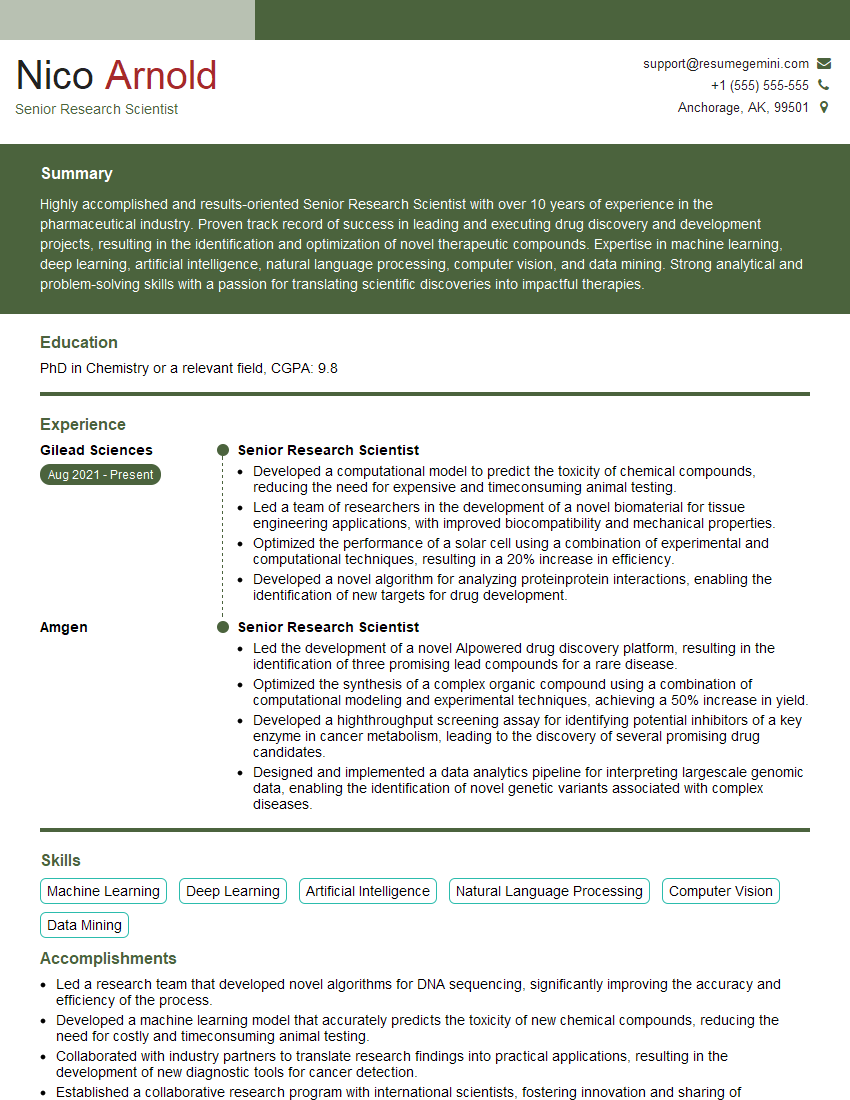
Senior Research Scientist Resume Sample
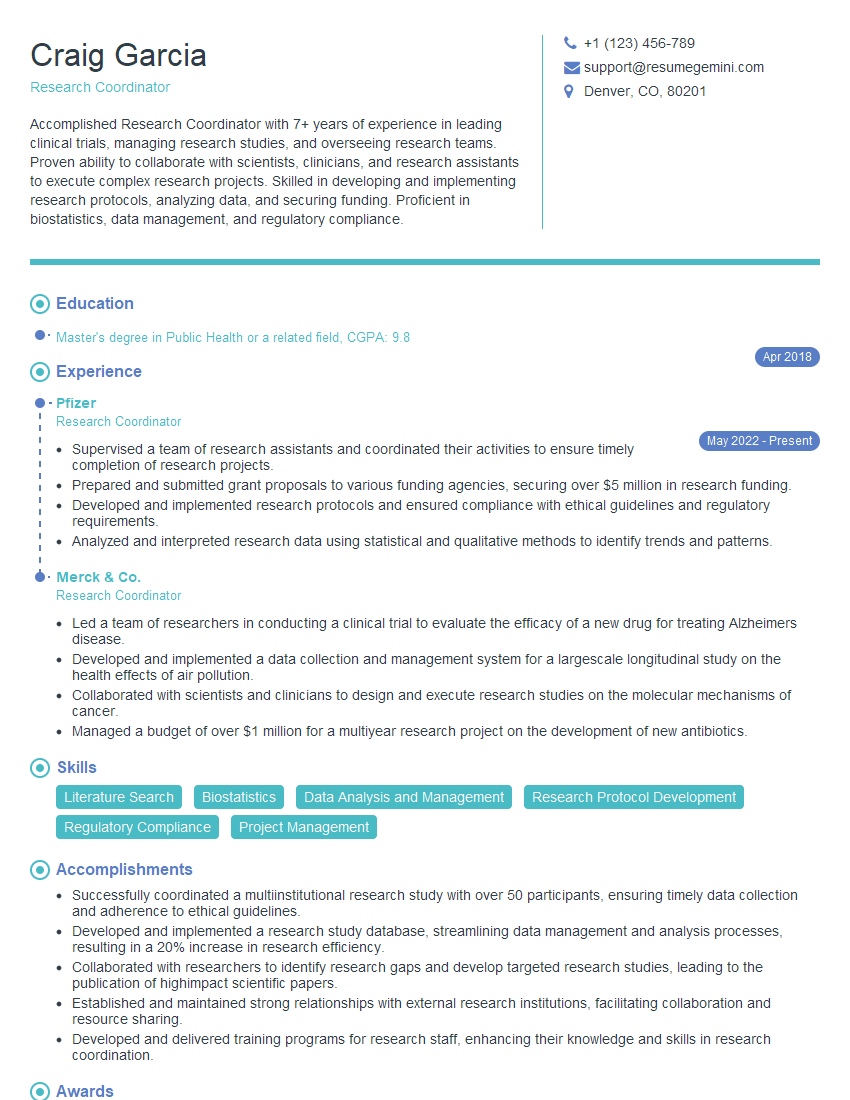
Research Coordinator Resume Sample
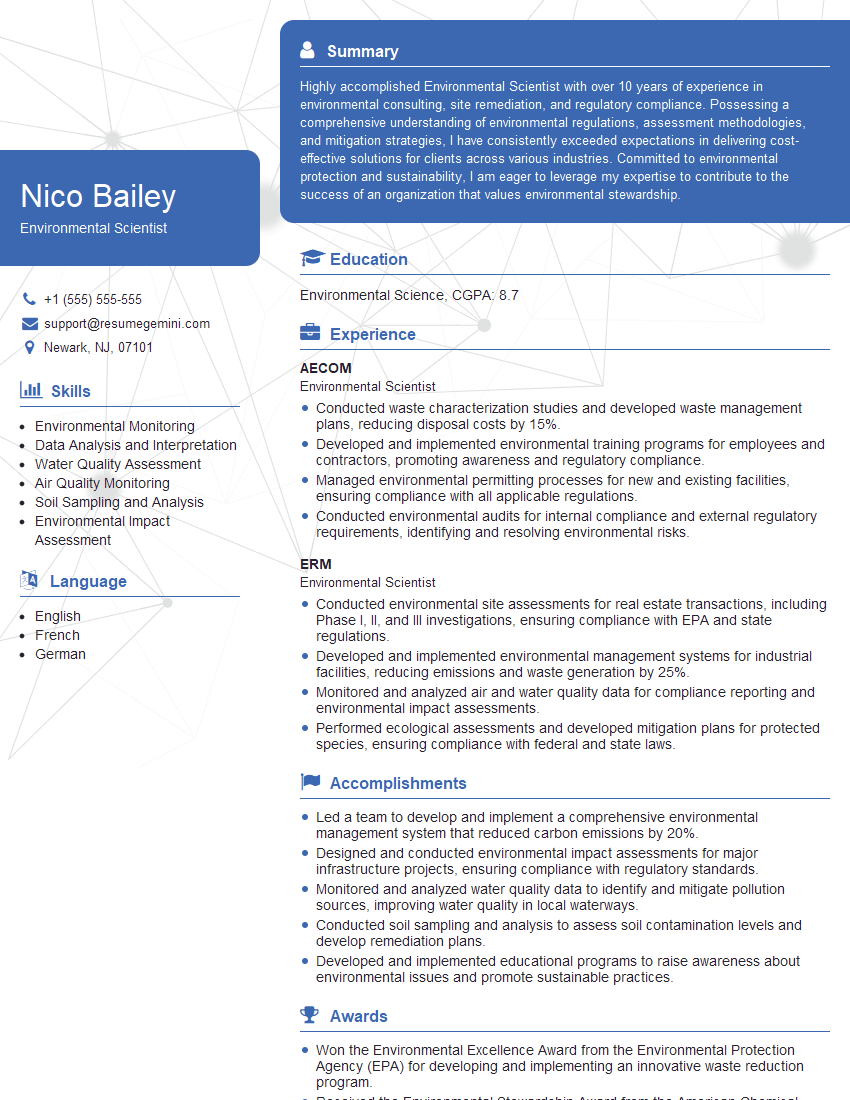
Environmental Scientist Resume Sample
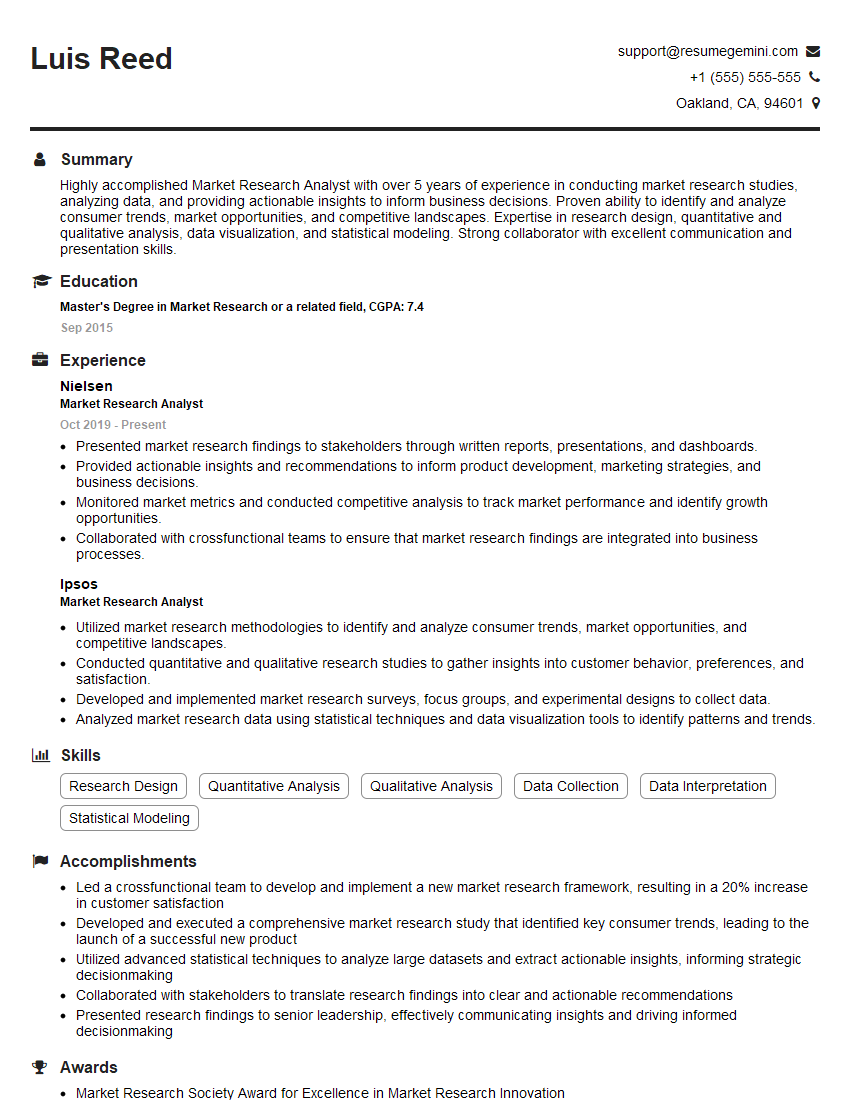
Market Research Analyst Resume Sample
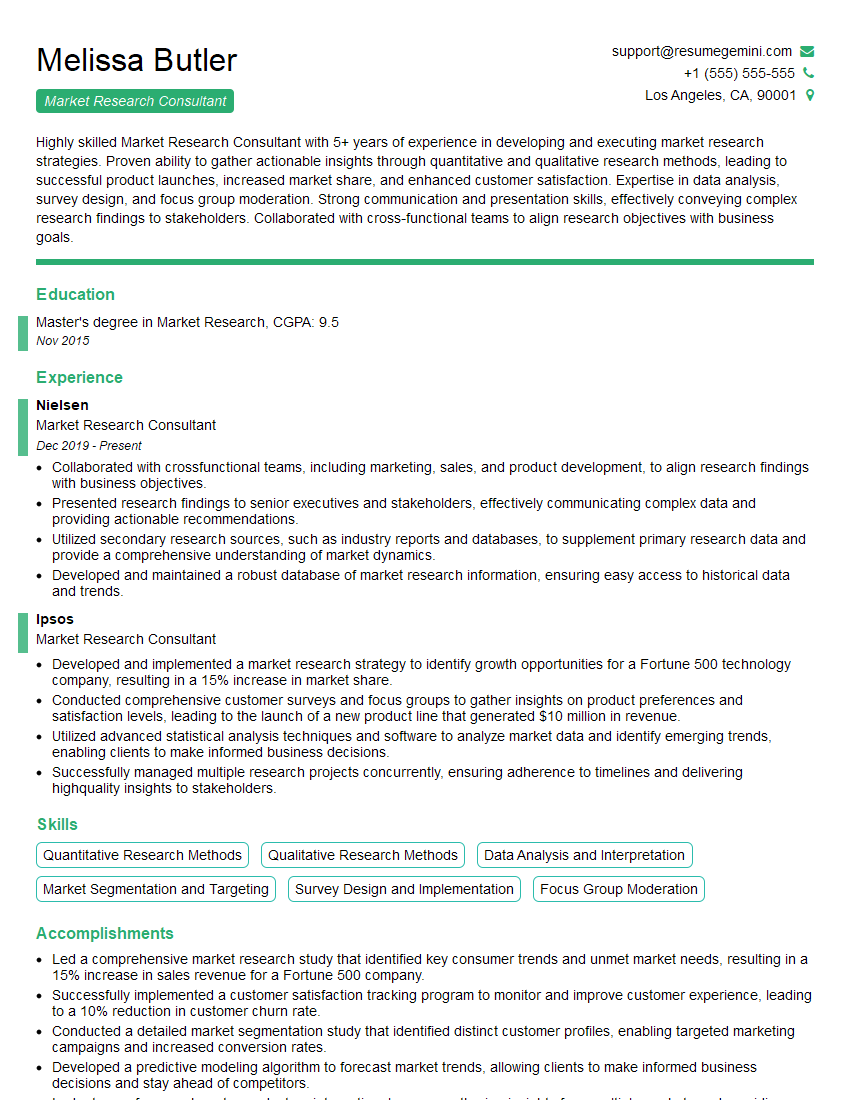
Market Research Consultant Resume Sample
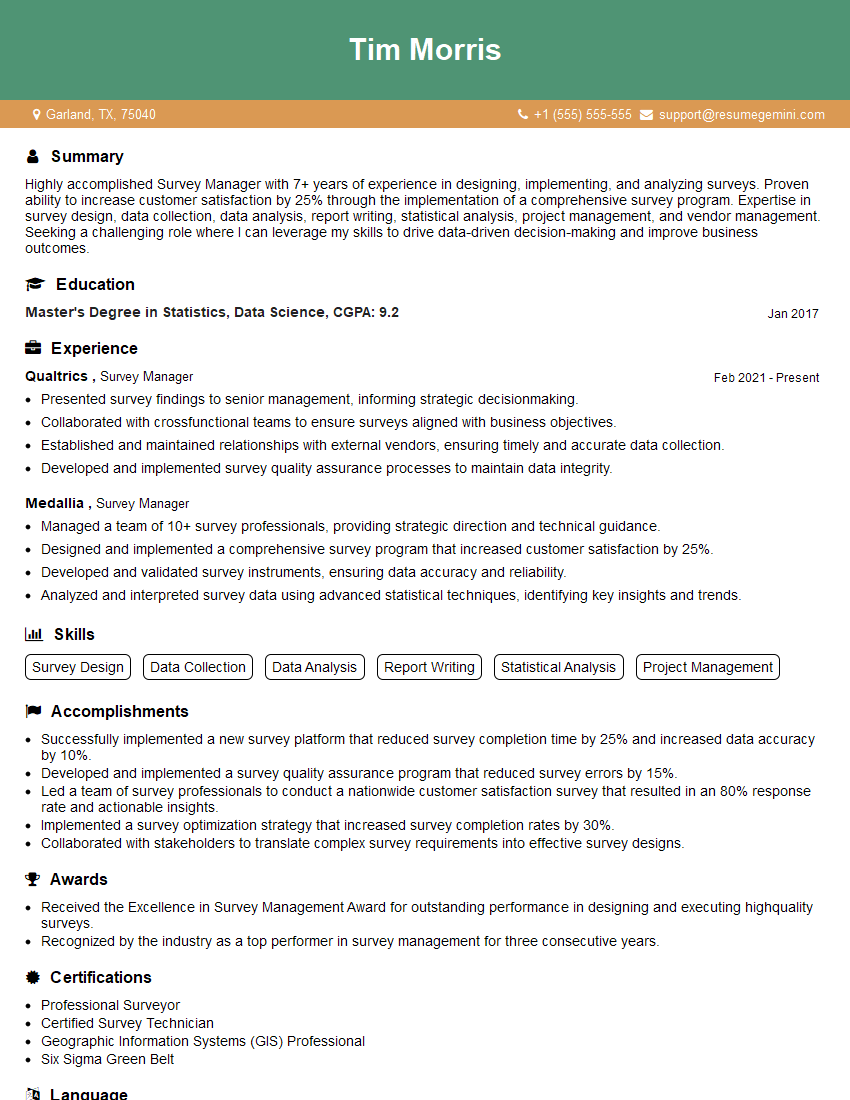
Survey Manager Resume Sample
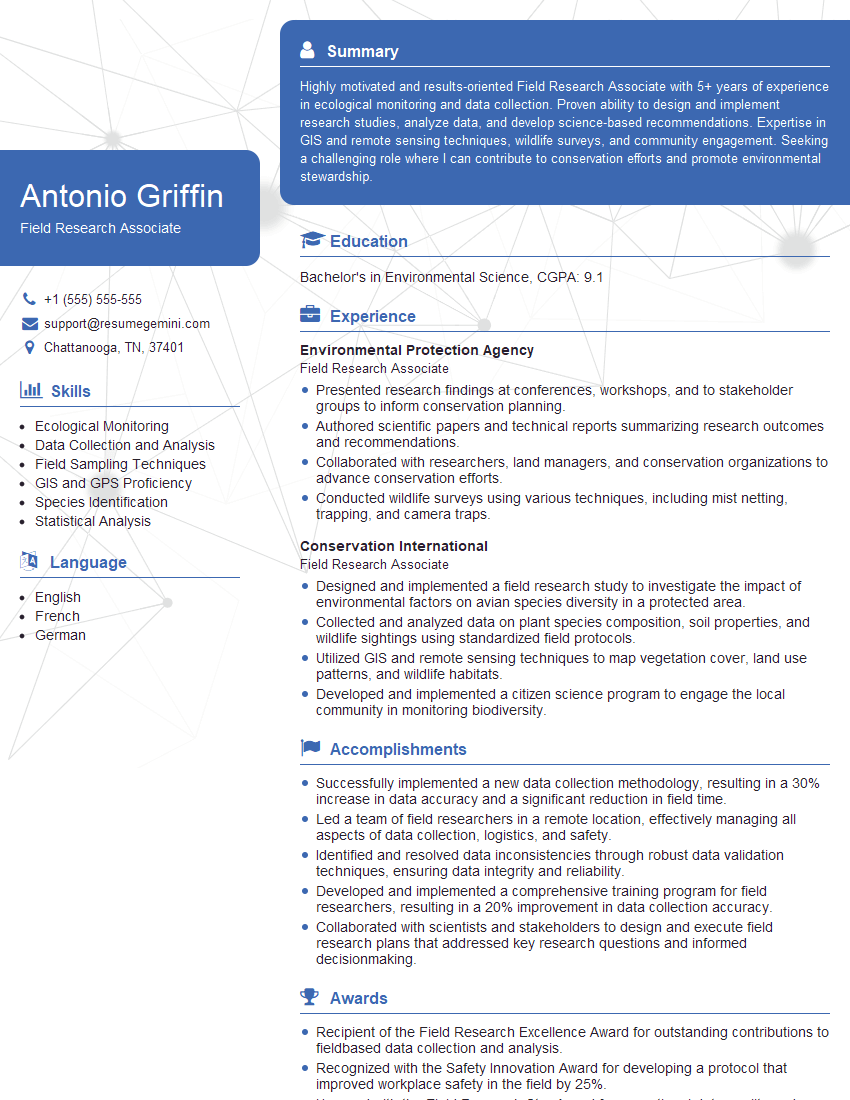
Field Research Associate Resume Sample
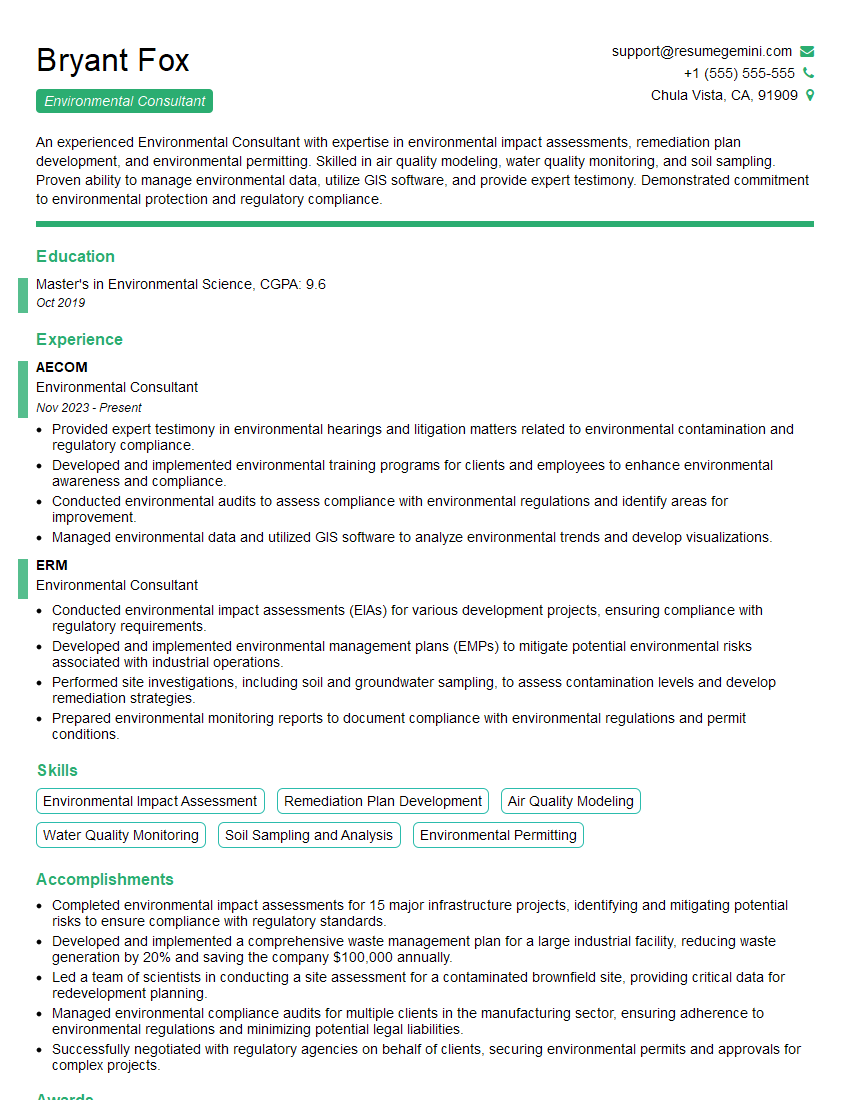
Environmental Consultant Resume Sample
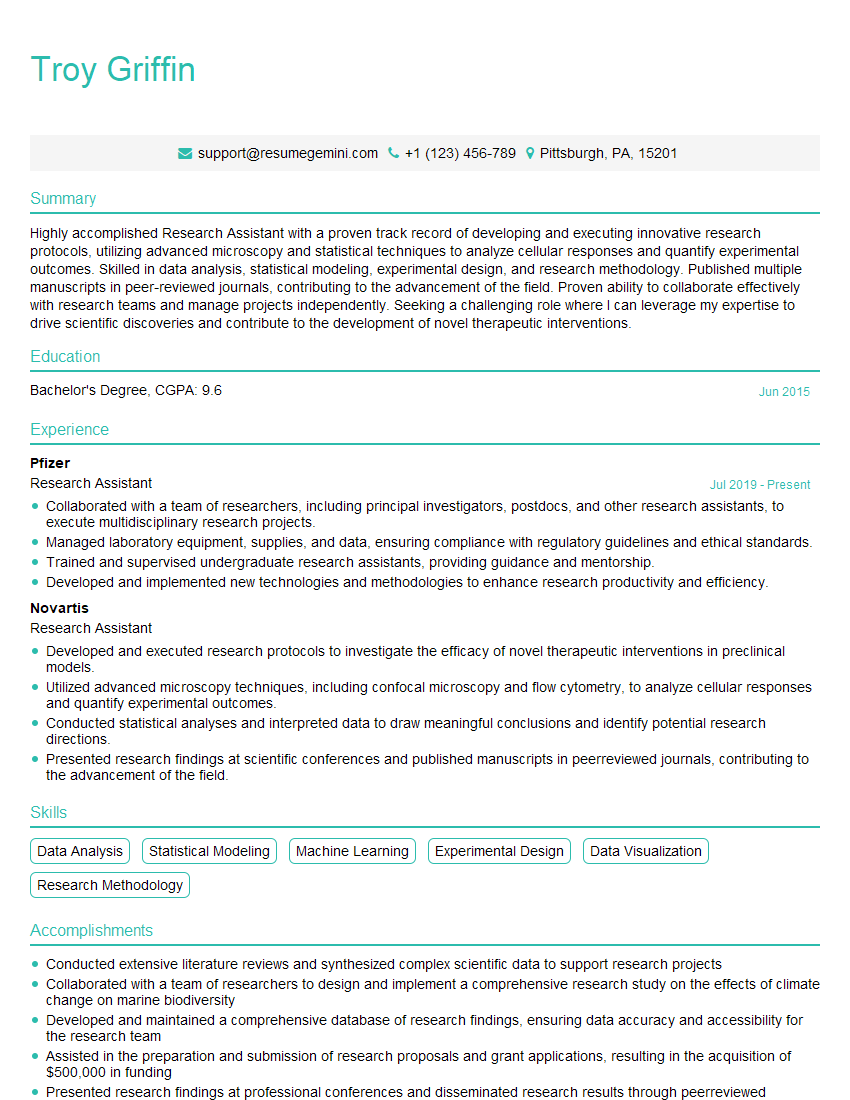
Research Assistant Resume Sample

Wildlife Biologist Resume Sample
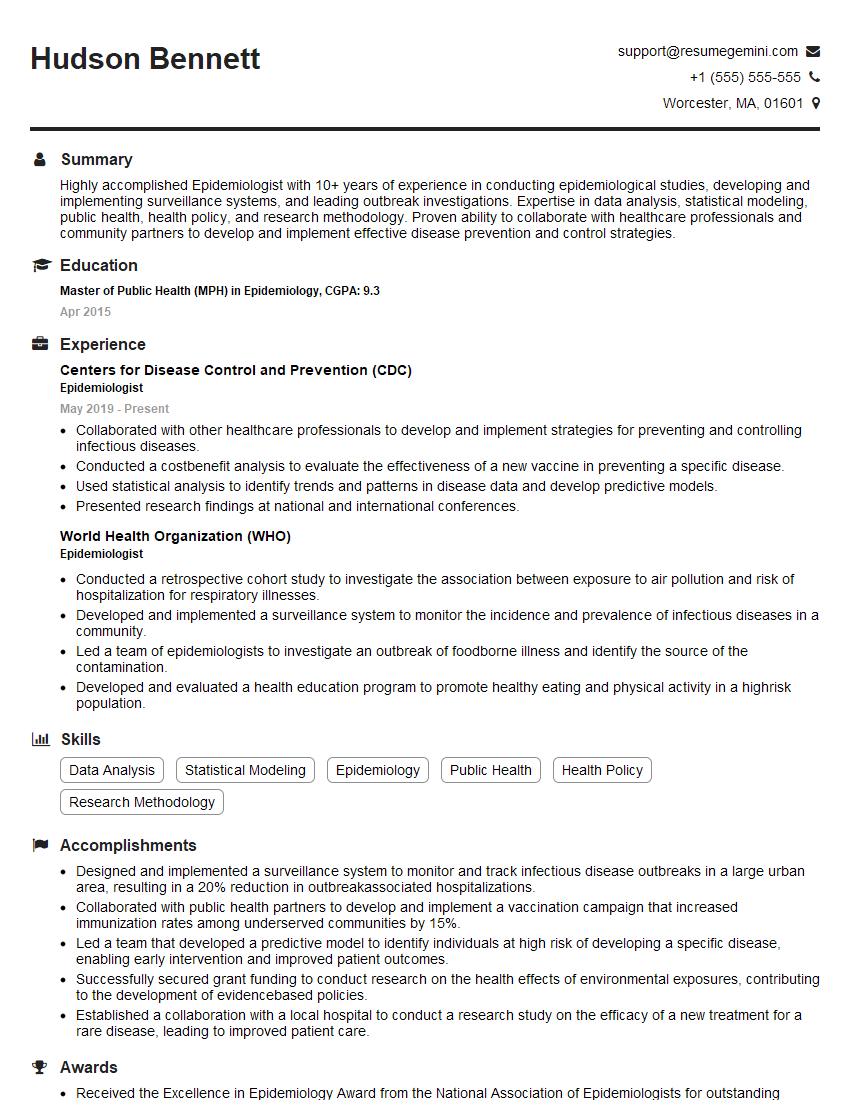
Epidemiologist Resume Sample
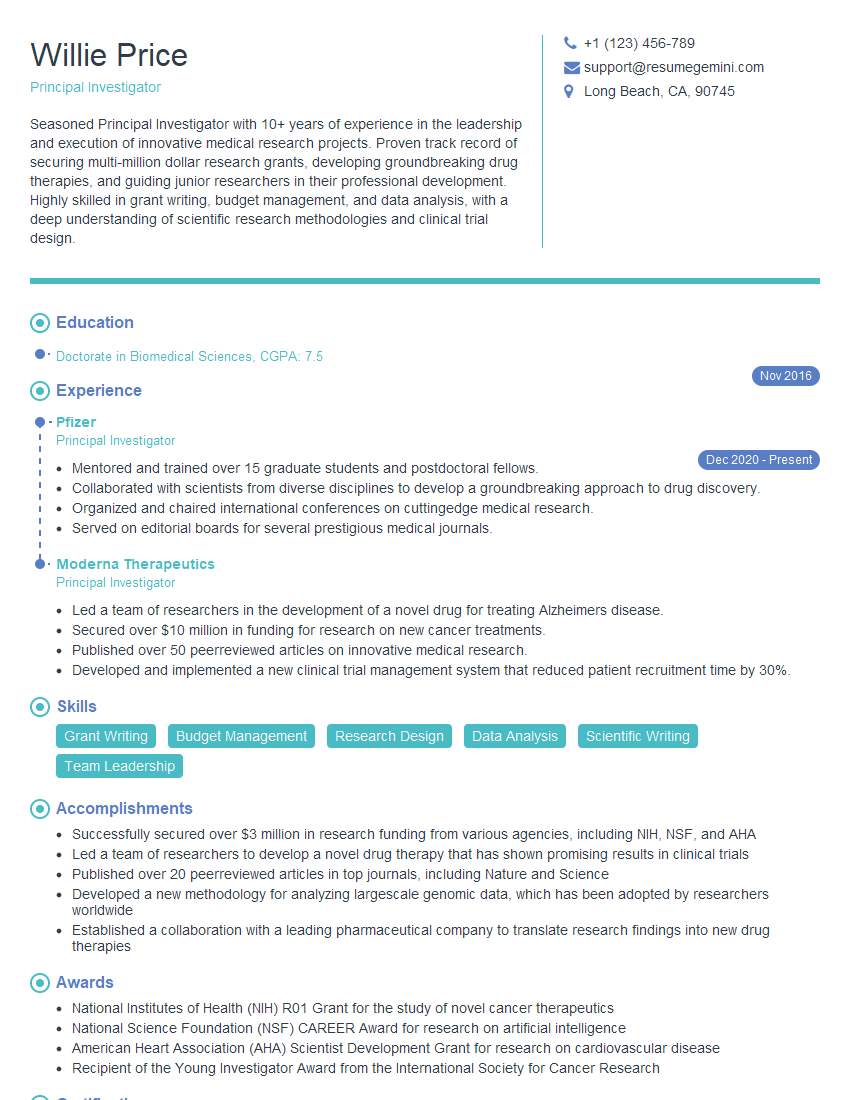
Principal Investigator Resume Sample
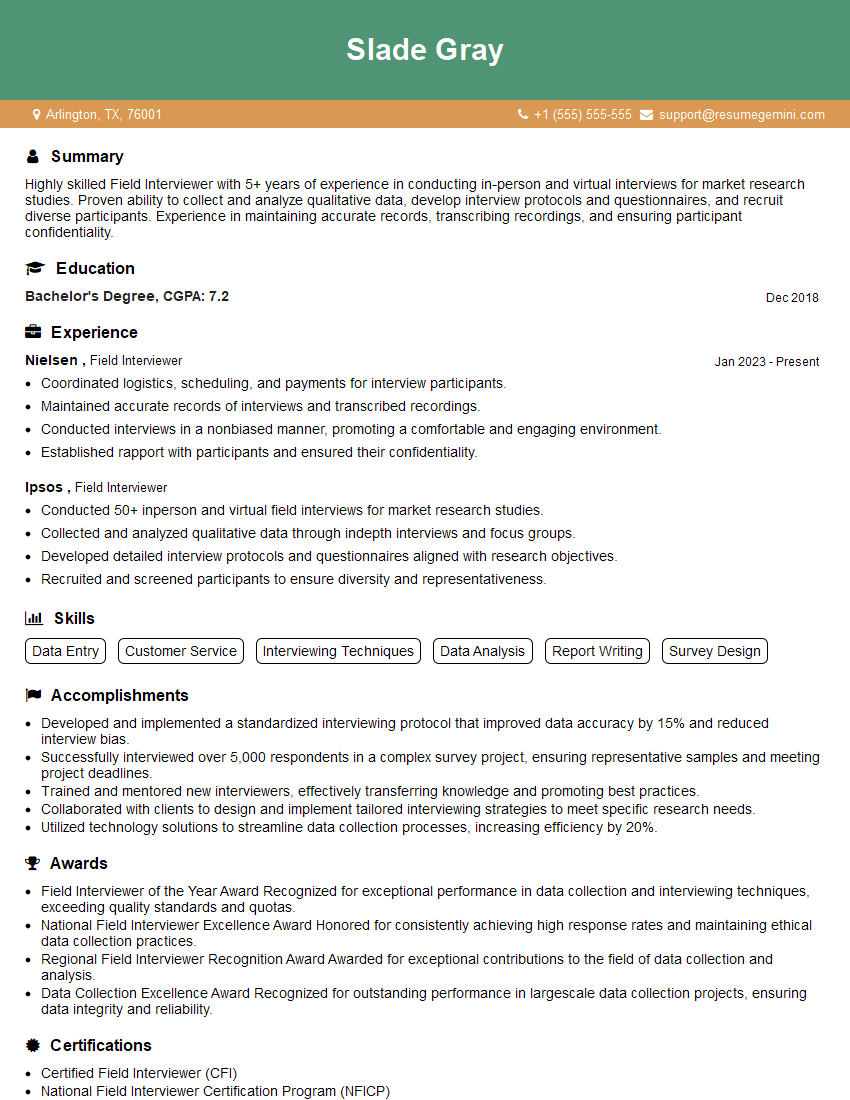
Field Interviewer Resume Sample
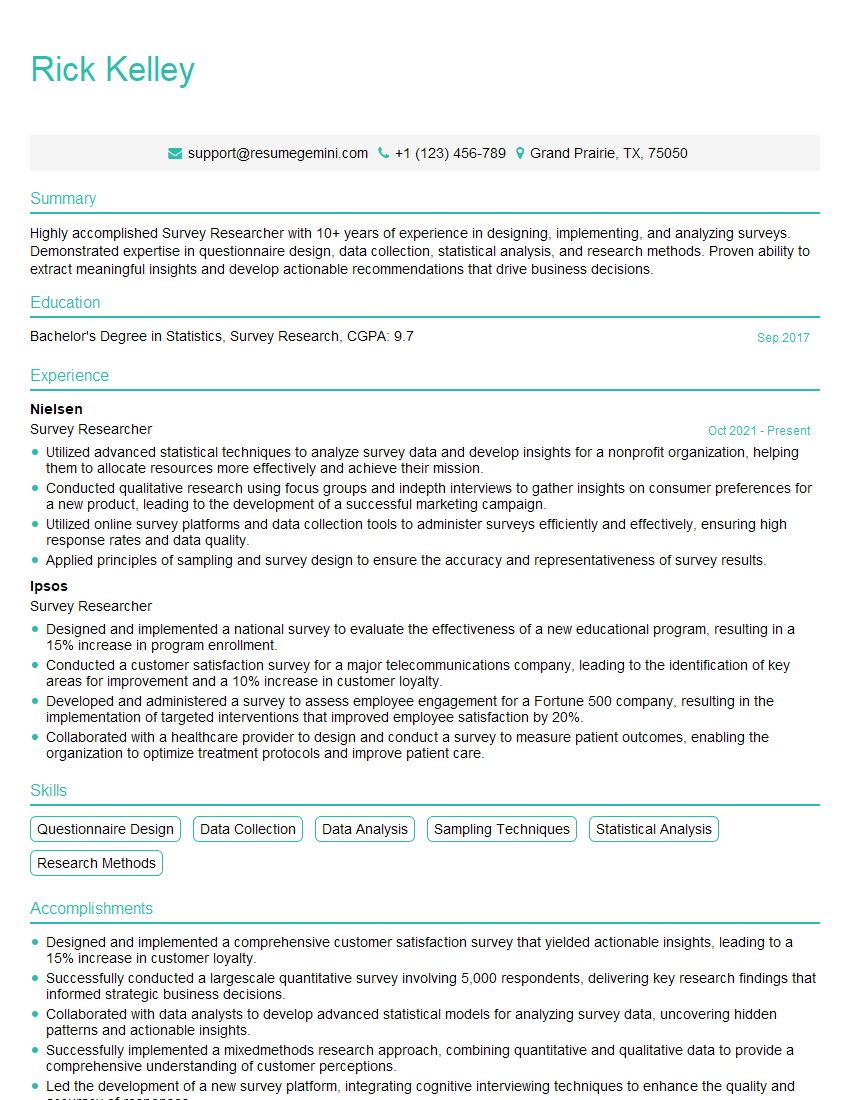
Survey Researcher Resume Sample
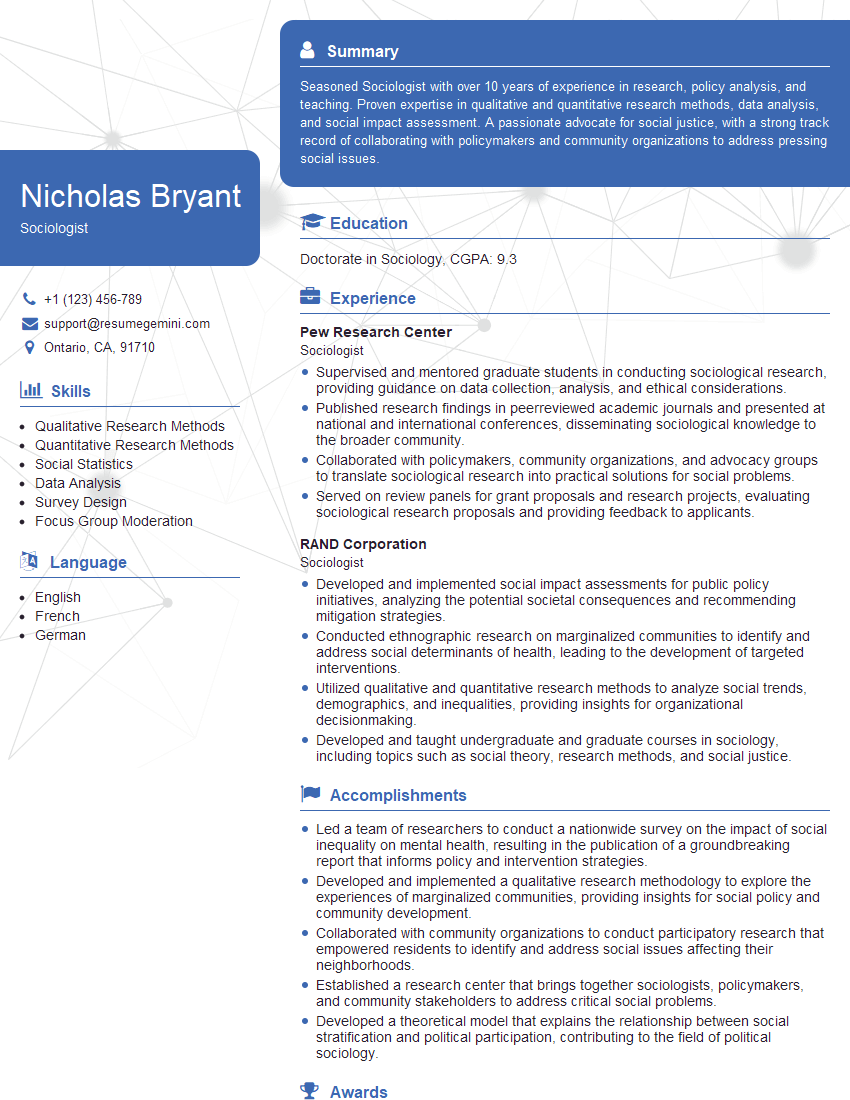
Sociologist Resume Sample
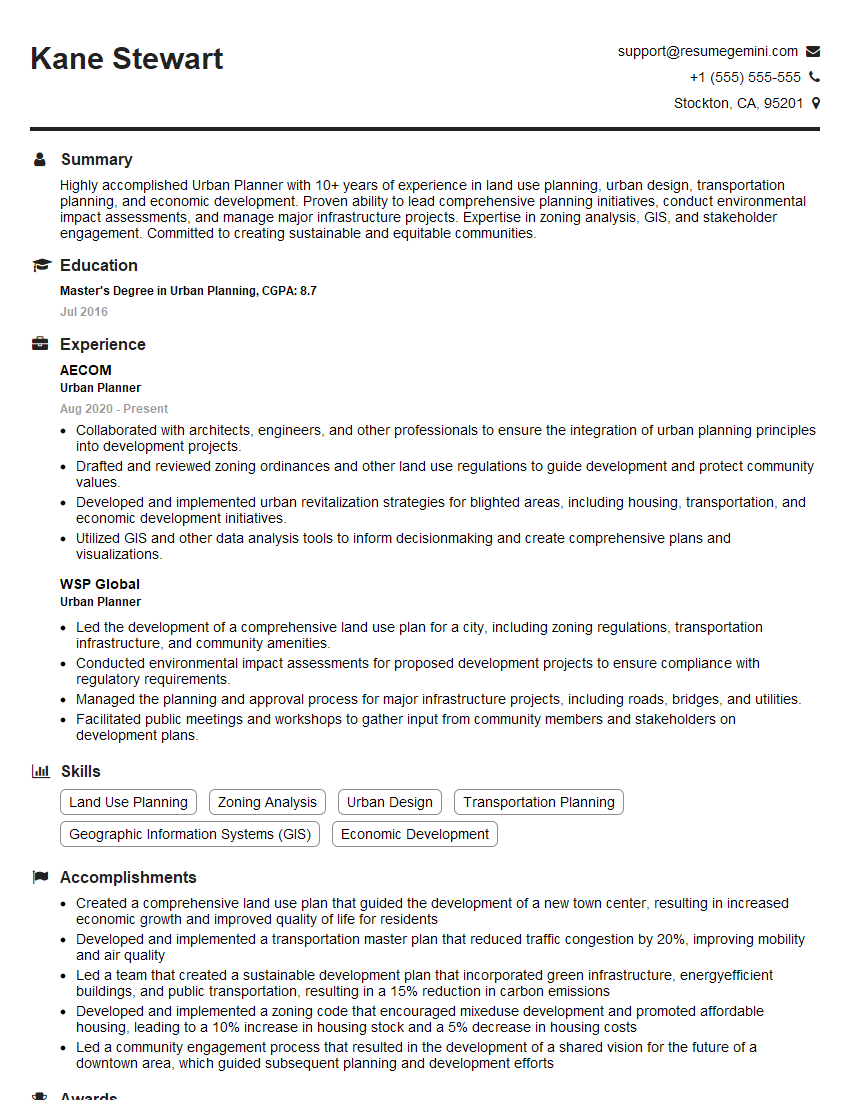
Urban Planner Resume Sample
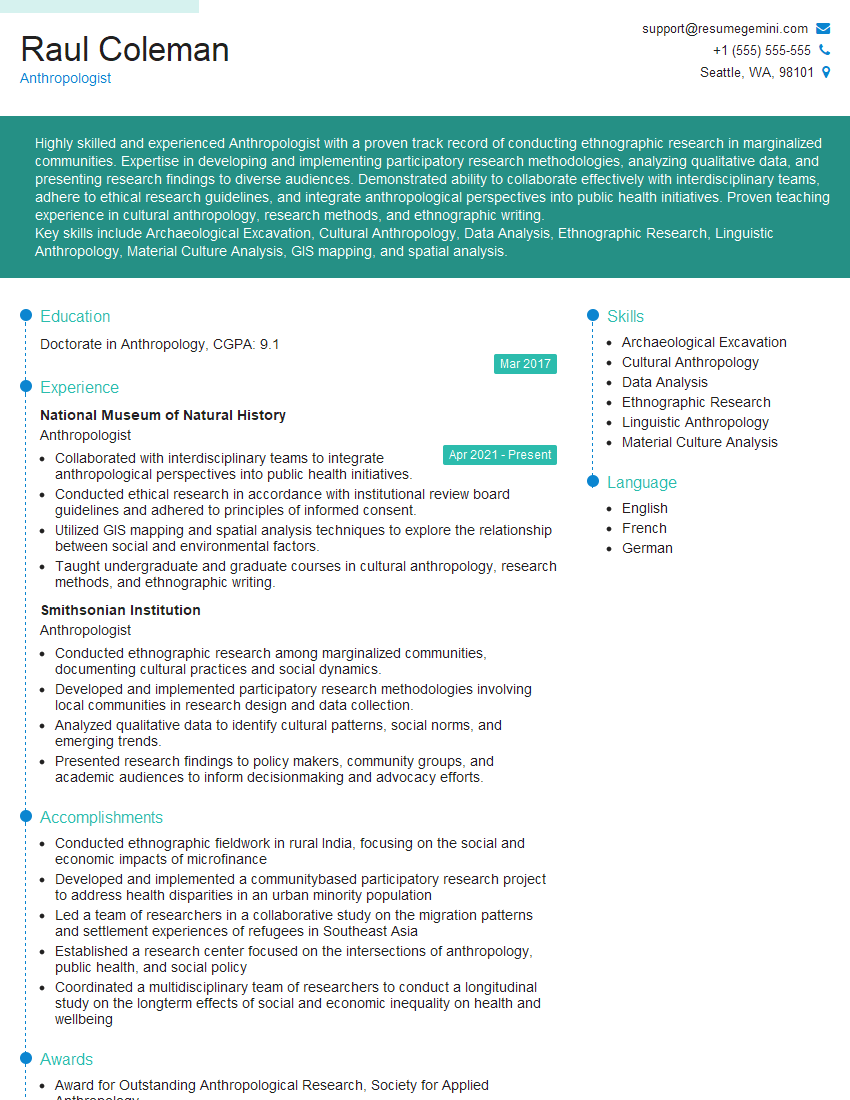
Anthropologist Resume Sample
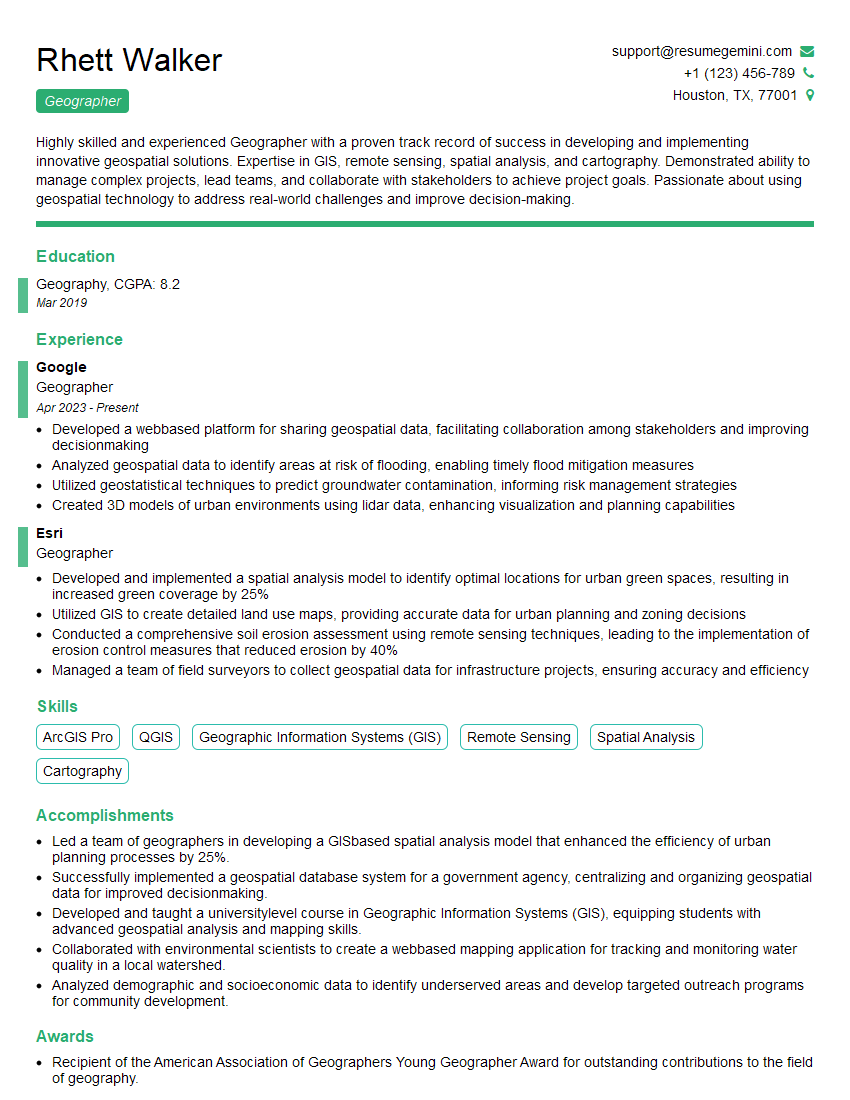
Geographer Resume Sample
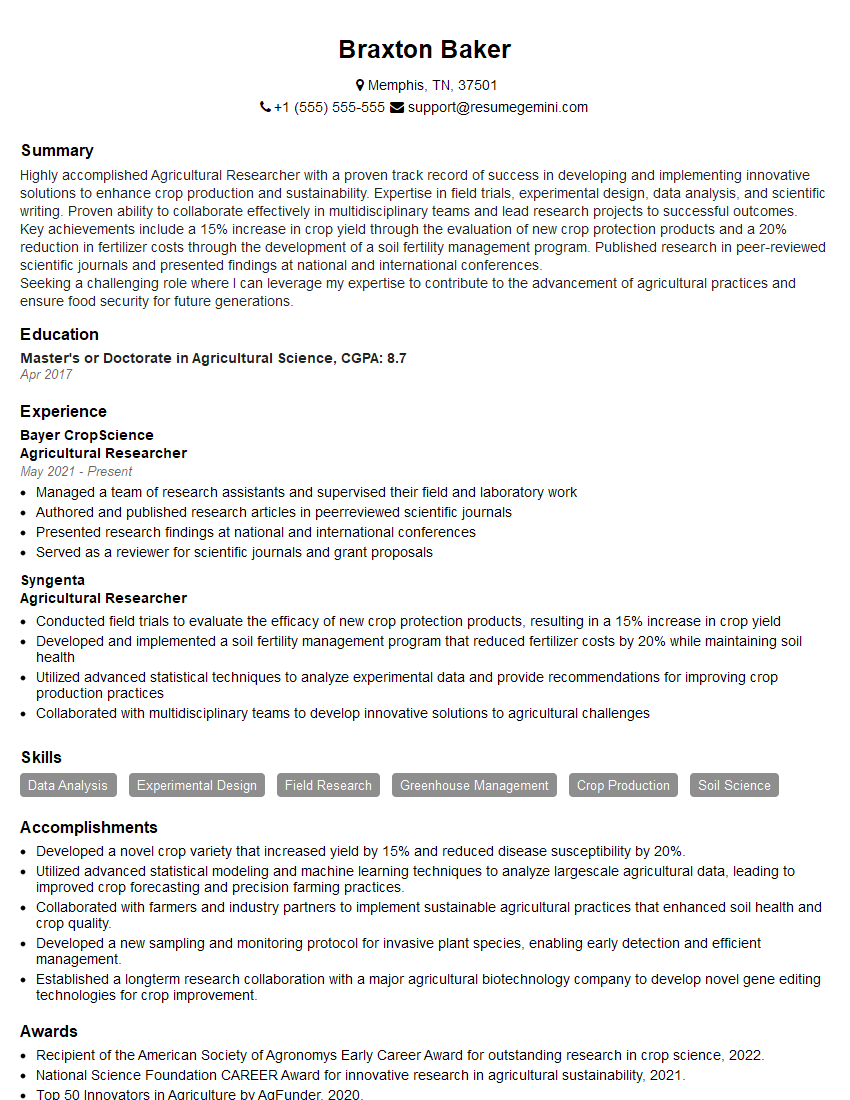
Agricultural Researcher Resume Sample
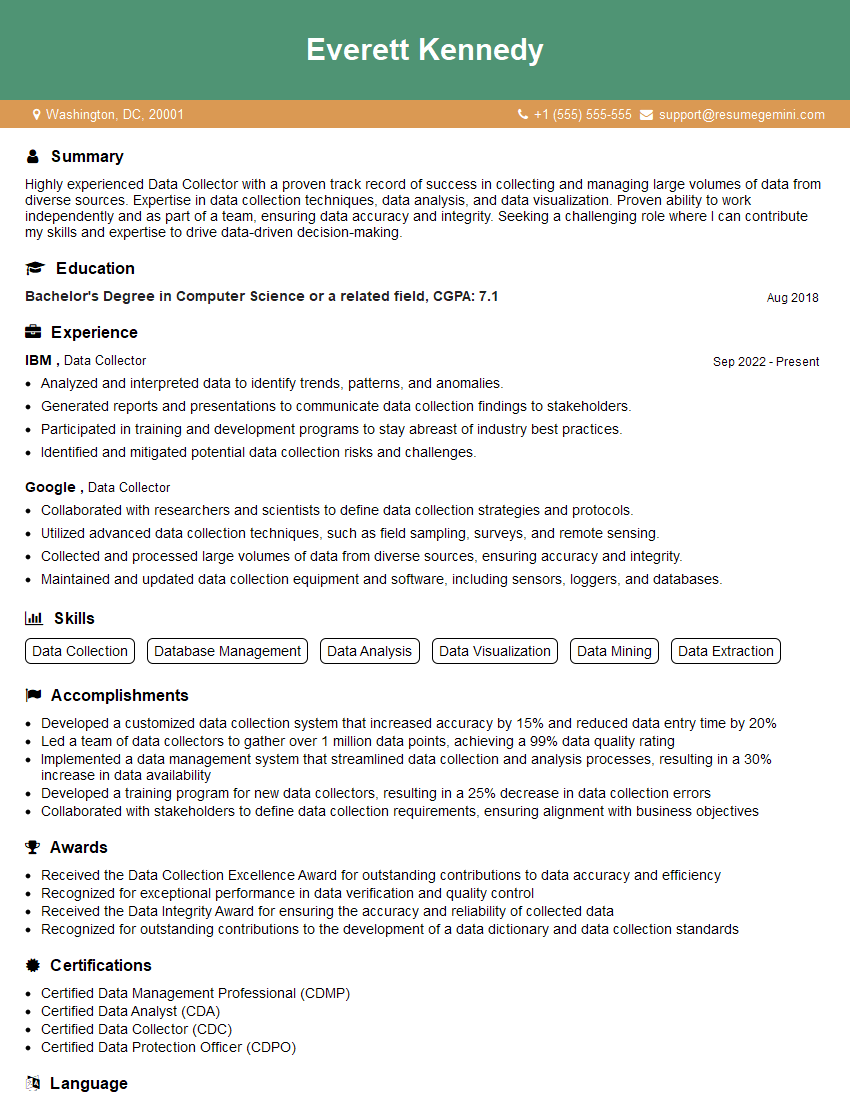
Data Collector Resume Sample
- Senior Research Scientist
- Research Coordinator
- Environmental Scientist
- Market Research Analyst
- Market Research Consultant
- Survey Manager
- Field Research Associate
- Environmental Consultant
- Research Assistant
- Wildlife Biologist
- Epidemiologist
- Principal Investigator
- Field Interviewer
- Survey Researcher
- Sociologist
- Urban Planner
- Anthropologist
- Geographer
- Agricultural Researcher
- Data Collector
Explore more articles
Users Rating of Our Blogs
Share Your Experience
We value your feedback! Please rate our content and share your thoughts (optional).
What Readers Say About Our Blog
To the interviewgemini.com Webmaster.
Very helpful and content specific questions to help prepare me for my interview!
Thank you
To the interviewgemini.com Webmaster.
This was kind of a unique content I found around the specialized skills. Very helpful questions and good detailed answers.
Very Helpful blog, thank you Interviewgemini team.