Interviews are opportunities to demonstrate your expertise, and this guide is here to help you shine. Explore the essential Material Safety Data Sheet (MSDS) interview questions that employers frequently ask, paired with strategies for crafting responses that set you apart from the competition.
Questions Asked in Material Safety Data Sheet (MSDS) Interview
Q 1. What are the key sections of a Material Safety Data Sheet (MSDS)?
A Material Safety Data Sheet (MSDS), now often called a Safety Data Sheet (SDS), is a document that provides comprehensive information on the potential hazards associated with a chemical and how to work safely with it. While the exact number and titles of sections can vary slightly depending on the country and regulatory body, most SDSs follow a standardized format. Key sections typically include:
- Identification: Product name, manufacturer contact information, emergency contact information.
- Hazard Identification: Summary of hazards, including classification (e.g., flammable, corrosive), hazard statements, and precautionary statements.
- Composition/Information on Ingredients: Chemical composition, including CAS numbers (Chemical Abstracts Service Registry Numbers) and percentages of key components. This is crucial for identifying specific hazards.
- First-aid measures: Immediate treatment steps in case of exposure (e.g., eye contact, inhalation).
- Fire-fighting measures: Suitable extinguishing agents, special firefighting procedures, and hazards from combustion products.
- Accidental release measures: Steps to take in case of a spill or leak, including containment and cleanup procedures.
- Handling and storage: Safe handling practices, storage conditions (temperature, ventilation), and incompatible materials.
- Exposure controls/personal protection: Recommended personal protective equipment (PPE), engineering controls (ventilation), and exposure limits.
- Physical and chemical properties: Physical characteristics like appearance, odor, boiling point, melting point, etc. This is crucial for understanding how the chemical behaves.
- Stability and reactivity: Chemical stability, potential hazardous reactions, and conditions to avoid.
- Toxicological information: Health effects from exposure, including acute and chronic effects, routes of exposure (inhalation, ingestion, skin contact).
- Ecological information: Environmental effects of the chemical.
- Disposal considerations: Recommended disposal methods and regulations.
- Transport information: Regulations for safe transport of the chemical.
- Regulatory information: Relevant regulations and labeling requirements.
- Other information: Additional information, such as revisions to the SDS.
Think of it like a detailed instruction manual for safe chemical handling, providing the necessary information to protect workers and the environment.
Q 2. Explain the Globally Harmonized System of Classification and Labelling of Chemicals (GHS).
The Globally Harmonized System of Classification and Labelling of Chemicals (GHS) is an internationally agreed-upon system created by the United Nations to standardize the classification of chemicals and their hazard communication. This ensures consistent hazard communication across countries, reducing confusion and improving worker safety. Before GHS, different countries had varying classifications and labels, creating potential for misinterpretation.
Key aspects of GHS include:
- Hazard Classification: Chemicals are classified into various hazard classes (e.g., flammability, toxicity, corrosivity) based on standardized criteria. This ensures consistency globally.
- Hazard Communication Elements: This includes standardized labels with pictograms, signal words (danger, warning), hazard statements, and precautionary statements. This makes it easier to instantly recognize the hazards.
- Safety Data Sheets (SDS): The SDS provides detailed information about the chemical’s hazards and safe handling procedures. GHS standardizes the format and content of SDSs.
Imagine trying to assemble furniture with instructions written in different languages – GHS is like having a universal language for chemical safety information.
Q 3. How do you identify hazards associated with a chemical using an MSDS?
Identifying hazards associated with a chemical using an MSDS is a straightforward process once you know where to look. The key sections to focus on are Hazard Identification and Toxicological Information.
Step-by-step guide:
- Locate the Hazard Identification section: This section summarizes the hazards of the chemical, including its classification and hazard statements.
- Examine the Hazard Statements: These statements describe the nature and severity of the hazards (e.g., ‘Causes serious eye irritation’, ‘May cause respiratory irritation’).
- Review the Pictograms: The pictograms on the SDS visually represent the hazard classes (e.g., flame for flammability, skull and crossbones for acute toxicity).
- Consult the Toxicological Information section: This section provides details on the health effects of exposure (acute and chronic), routes of exposure, and symptoms. This gives a deeper understanding beyond the summary statements.
- Consider the Precautionary Statements: This section outlines the recommended precautions to prevent exposure or mitigate its effects (e.g., ‘Wear protective gloves/clothing/eye protection/face protection’).
For example, if an MSDS indicates ‘Flammable’ and shows a flame pictogram, you know to keep the chemical away from ignition sources and take appropriate fire safety precautions. If it lists ‘Causes skin irritation’, you’ll need to wear appropriate protective gloves.
Q 4. Describe the different hazard classes mentioned in an MSDS.
MSDSs categorize hazards into various classes, crucial for understanding the specific risks involved. These categories provide a structured approach to managing chemical safety. Some common hazard classes include:
- Physical Hazards: These describe the physical properties of a chemical that pose risks. Examples include:
- Flammable: Can easily catch fire.
- Oxidizing: Can cause or contribute to fire.
- Explosive: Can undergo a rapid, exothermic reaction.
- Corrosive: Can cause destruction of living tissues.
- Compressed Gases: Gases under pressure can explode.
- Health Hazards: These describe the health effects that a chemical can have on people. Examples include:
- Acute Toxicity: Causes immediate harmful health effects.
- Skin Corrosion/Irritation: Damages or irritates the skin.
- Serious Eye Damage/Irritation: Damages or irritates the eyes.
- Respiratory or Skin Sensitization: Causes allergic reactions.
- Carcinogenicity: Can cause cancer.
- Reproductive Toxicity: Damages the reproductive system.
- Specific Target Organ Toxicity (Single or Repeated Exposure): Damages specific organs.
- Aspiration Hazard: Can cause lung damage if aspirated (inhaled into lungs).
- Environmental Hazards: These focus on the impact of the chemical on the environment:
- Hazardous to the Aquatic Environment: Harmful to aquatic life.
Understanding these hazard classes helps in selecting appropriate safety measures.
Q 5. What are the different types of Personal Protective Equipment (PPE) recommended based on MSDS information?
The MSDS provides essential guidance on selecting the necessary Personal Protective Equipment (PPE). The choice of PPE depends entirely on the specific hazards of the chemical. The ‘Exposure Controls/Personal Protection’ section of the SDS is key here.
Examples of PPE based on MSDS information:
- Eye Protection: Safety glasses, goggles, face shields – typically recommended if the chemical can cause eye irritation or damage.
- Respiratory Protection: Respirators (various types depending on the hazard) – needed if the chemical can cause respiratory problems through inhalation. The SDS might specify the type of respirator required (e.g., N95, half-mask, full-face).
- Skin Protection: Gloves (different materials offer varying levels of protection against different chemicals), protective clothing (e.g., lab coats, aprons, coveralls), boots – necessary if the chemical can cause skin irritation, burns, or absorption through the skin. The SDS should specify the appropriate glove material.
- Hearing Protection: Earplugs or muffs – if the chemical process or machinery creates excessive noise.
Always remember that PPE is only one layer of safety. Engineering controls (e.g., ventilation, enclosed systems) are often more effective and should be prioritized where feasible.
Q 6. How do you interpret the pictograms on an MSDS?
Pictograms on an MSDS are standardized symbols that visually represent specific hazard classes. They provide a quick and easy way to identify the major hazards associated with a chemical. Recognizing these pictograms is crucial for immediate hazard identification.
Here’s how to interpret them:
- Flame: Flammable substances.
- Exclamation Mark: Irritant, health hazard, or other less serious hazards.
- Corrosion: Corrosive substances that can damage materials or tissues.
- Health Hazard: Substances that are toxic, carcinogenic, mutagenic, or reproductive toxins.
- Environment: Harmful to aquatic life.
- Skull and Crossbones: Acute toxicity (immediately dangerous to health).
- Gas Cylinder: Gases under pressure.
- Exploding Bomb: Explosive substances.
For example, seeing a flame pictogram and a health hazard pictogram would tell you the substance is both flammable and poses a health risk. These pictograms, combined with the hazard and precautionary statements, provide clear and consistent hazard communication.
Q 7. Explain the difference between acute and chronic health effects as described in an MSDS.
The MSDS distinguishes between acute and chronic health effects to explain the different ways a chemical can impact health over time.
- Acute health effects: These are immediate or short-term effects occurring after a single exposure or a short period of exposure to a chemical. Symptoms might manifest within hours or days. Examples include: skin irritation, eye irritation, nausea, dizziness, or even more severe effects depending on the chemical and exposure level. Think of it as an immediate reaction.
- Chronic health effects: These are long-term effects that develop over a prolonged period of exposure to a chemical, often after repeated or continuous exposure. These effects might not be immediately noticeable. Examples include: cancer, organ damage, respiratory problems, or reproductive issues. Think of it as a cumulative effect that builds over time.
It’s crucial to understand both to implement appropriate preventative measures. While acute effects require immediate treatment, preventing chronic effects necessitates long-term safe handling practices and monitoring.
Q 8. How would you handle a spill involving a chemical with known hazards based on the MSDS information?
Handling a chemical spill requires immediate action based on the specific hazards outlined in the MSDS. First, always prioritize personal safety. This means donning appropriate Personal Protective Equipment (PPE) as specified in the MSDS, which might include gloves, goggles, respirators, and protective clothing.
Next, contain the spill to prevent further spread. This might involve using absorbent materials like spill pads or kitty litter (depending on the chemical and its reactivity with water – check the MSDS for this!), building a dike with sandbags, or simply blocking off the area. The MSDS will guide you on the appropriate containment methods.
Once contained, clean up the spill according to the MSDS recommendations. This may involve neutralization techniques, dilution with water (again, only if the MSDS permits this!), or specialized cleaning agents. Never attempt a cleanup method not explicitly mentioned in the MSDS.
Notify the appropriate personnel, such as your supervisor, emergency response team, or environmental health and safety (EHS) department. Follow your company’s established spill response protocol. Finally, properly dispose of contaminated materials according to regulations and the MSDS instructions. This often involves using designated hazardous waste containers.
Example: Imagine a spill of concentrated sulfuric acid. The MSDS would indicate its corrosive nature, requiring acid-resistant gloves, goggles, and an apron. It would also outline neutralization methods (likely using a base like sodium bicarbonate), the need for ventilation, and disposal in a dedicated acid waste container.
Q 9. How do you determine the appropriate storage requirements for a chemical based on its MSDS?
The MSDS provides crucial information for determining appropriate chemical storage. It specifies the chemical’s reactivity, flammability, and incompatibility with other substances. This guides you on choosing the right storage container (e.g., glass, plastic, metal) and location.
Storage temperature is also critical. The MSDS will specify whether a chemical needs to be stored at room temperature, refrigerated, or kept at a specific temperature range to prevent degradation or hazardous reactions. Some chemicals are light-sensitive, requiring storage in dark containers or cupboards.
Incompatibilities are another key aspect. The MSDS details chemicals that this substance should *never* be stored with, to avoid dangerous reactions. For example, oxidizing agents should never be stored near flammable materials.
Ventilation requirements are also noted. Some chemicals require storage in a well-ventilated area to prevent the buildup of hazardous vapors. Finally, the MSDS will frequently indicate necessary storage warnings, such as “Keep away from ignition sources” or “Store in a cool, dry place.”
Example: An MSDS might indicate a chemical needs to be stored in a tightly sealed, amber glass container in a cool, dark, and well-ventilated area, away from strong oxidizers and organic materials.
Q 10. What is the role of an MSDS in emergency response planning?
The MSDS is the cornerstone of emergency response planning. It provides all the necessary information for first responders and emergency personnel to safely handle a chemical incident. Information like the chemical’s identity, hazards, and first aid measures is vital for making quick, informed decisions during an emergency.
Emergency response plans should incorporate the MSDS information to ensure responders are equipped with the right PPE, know the appropriate containment and cleanup procedures, and understand the potential health effects of exposure. The MSDS also guides the safe transportation and handling of the spilled chemical during the emergency.
Example: In a fire involving a chemical, firefighters need the MSDS to determine if the chemical is flammable, the type of extinguishing agent to use (water may be harmful with some chemicals!), and the necessary PPE to protect themselves from exposure to toxic fumes or residues.
Q 11. How frequently should MSDSs be reviewed and updated?
MSDSs (now primarily SDSs, see question 6) should be reviewed and updated regularly, at least annually, or whenever there’s a significant change in the chemical’s composition, handling, or safety information. Changes might include new toxicity data, updated disposal methods, or revised safety procedures.
Regular review ensures the information remains accurate and up-to-date, protecting workers and the environment. It’s crucial to ensure you’re using the most current version of the SDS and not an outdated one, which might lead to incorrect procedures or insufficient safety measures. Manufacturers are responsible for updating SDSs; you should receive notifications of such updates.
Example: If new research reveals a previously unknown health hazard associated with a chemical, the manufacturer is obligated to update its SDS to reflect this new information.
Q 12. What are the legal requirements for maintaining and providing access to MSDSs?
Legal requirements for MSDS/SDS access and maintenance vary by jurisdiction (country, state, etc.), but the general principle is ensuring readily available access to up-to-date information for all employees who may come into contact with the chemicals. Employers are usually legally responsible for providing training on the SDS information and maintaining accurate records of SDSs.
This often involves storing SDSs in a readily accessible location, possibly both physical copies and digital access. Employees must be able to easily locate the SDS for any chemical they handle. Failure to comply with these regulations can lead to fines, legal action, and reputational damage.
Example: OSHA (Occupational Safety and Health Administration) in the United States has specific regulations requiring employers to have SDSs readily available to their employees. Similar regulations exist in other countries, although the specifics may vary.
Q 13. Explain the differences between an MSDS and a Safety Data Sheet (SDS).
The terms MSDS (Material Safety Data Sheet) and SDS (Safety Data Sheet) are often used interchangeably, but there’s a key distinction. MSDS was the older, North American-centric terminology. The Globally Harmonized System of Classification and Labelling of Chemicals (GHS) replaced MSDS with SDS. SDS is now the internationally recognized standard.
While both documents serve the same purpose—providing safety information about a chemical—the SDS is standardized globally under GHS guidelines. This means SDSs follow a consistent format and contain specific sections, making them easier to understand and compare across different chemicals and countries. MSDS formats varied more widely.
Essentially, SDS is the updated, globally harmonized version of the MSDS. The information contained is largely the same, but the structure and presentation are improved for clarity and consistency.
Q 14. How do you verify the authenticity of an MSDS?
Verifying the authenticity of an SDS is crucial to ensure you’re using accurate and reliable safety information. Several methods can be employed. First, check the manufacturer’s website. Legitimate manufacturers usually provide their SDSs for download on their websites. Compare the information on the SDS you have with the one online to confirm consistency.
Look for the manufacturer’s contact information on the SDS. If something seems off, contact the manufacturer directly to verify the SDS’s authenticity. The SDS should identify the manufacturer, supplier, and relevant contact details. Be wary of poorly-formatted or low-quality SDSs—legitimate companies typically provide professional-looking documents.
Confirm compliance with GHS standards. A legitimate SDS will generally follow the established GHS format and sections. Inconsistent or missing sections could be a warning sign.
Consult trusted sources. If you have doubts about an SDS’s authenticity, consult with a safety professional or your company’s EHS department to get their opinion.
Q 15. Describe a situation where you had to use an MSDS to solve a safety problem.
During a routine facility inspection, we discovered a spill of a cleaning solution. We were unsure of the exact composition and potential hazards. Immediately, I located the MSDS for the cleaning solution in question. The MSDS detailed the chemical components, potential health hazards (like skin irritation and respiratory issues), and first aid procedures. The MSDS indicated the need for specific personal protective equipment (PPE), such as gloves and eye protection, during cleanup. It also outlined proper spill response protocols, including ventilation and neutralization techniques using a specific absorbent material, which was crucial in preventing further exposure and environmental contamination. The timely use of the MSDS prevented potential injuries and ensured an environmentally sound cleanup process.
Career Expert Tips:
- Ace those interviews! Prepare effectively by reviewing the Top 50 Most Common Interview Questions on ResumeGemini.
- Navigate your job search with confidence! Explore a wide range of Career Tips on ResumeGemini. Learn about common challenges and recommendations to overcome them.
- Craft the perfect resume! Master the Art of Resume Writing with ResumeGemini’s guide. Showcase your unique qualifications and achievements effectively.
- Don’t miss out on holiday savings! Build your dream resume with ResumeGemini’s ATS optimized templates.
Q 16. How do you communicate MSDS information to employees with varying levels of understanding?
Communicating MSDS information effectively requires a multi-tiered approach tailored to different comprehension levels. For employees with limited scientific backgrounds, I utilize plain language summaries highlighting key risks and safety precautions. Visual aids, such as pictograms and flowcharts summarizing procedures, are extremely helpful. For more scientifically literate employees, I offer detailed explanations of the chemical properties and potential hazards. Regular training sessions, including hands-on demonstrations and Q&A sessions, reinforce understanding and build confidence. We also utilize different communication channels like interactive online modules, short video tutorials, and readily accessible, translated versions of the MSDS, catering to varying learning styles and language preferences.
Q 17. How do you ensure that contractors working on your site have access to relevant MSDS information?
Ensuring contractor access to relevant MSDS information is a critical safety measure. Before commencing any work, contractors are required to submit a detailed scope of work which includes a list of all materials they will be using. We then provide them with the corresponding MSDS sheets, ensuring they have access to the information before beginning the job. We also conduct a pre-work safety briefing, explaining the hazards and safety measures related to the specific materials they are handling. A readily accessible digital MSDS library, accessible via a secure portal, is also provided, allowing for easy access whenever needed. We verify their understanding through brief quizzes or acknowledgements at the end of the safety briefing. Regular on-site supervision and spot checks further guarantee compliance and safe handling practices.
Q 18. What are the limitations of an MSDS?
While MSDS sheets are invaluable safety tools, they have limitations. Firstly, they primarily focus on the hazards of individual chemicals, not necessarily the combined effects of multiple substances used simultaneously. Secondly, an MSDS reflects the manufacturer’s knowledge at the time of its creation; newer research might reveal additional hazards not initially identified. Thirdly, MSDS interpretations depend on the user’s understanding of the information provided. A lack of proper training can lead to misinterpretations and inadequate safety measures. Finally, MSDSs may not encompass all potential exposure routes or the long-term health effects of low-level exposures.
Q 19. Explain the concept of Signal Words and their importance.
Signal words are crucial elements on an MSDS used to quickly convey the severity of a hazard. They act as immediate alerts. The most commonly used signal words are ‘Danger’ and ‘Warning’. ‘Danger’ indicates the most serious hazards, implying that the substance poses immediate and significant health or environmental risks. For instance, a highly corrosive chemical would likely have ‘Danger’ as its signal word. ‘Warning’ indicates a hazard that is less severe than ‘Danger’ but still requires caution. For example, a substance causing mild skin irritation might use ‘Warning’. These signal words are immediately visible and help prioritize safety procedures.
Q 20. Describe the different precautionary statements found on an MSDS.
Precautionary statements on an MSDS outline the specific actions needed to minimize or eliminate risks associated with handling, storing, and disposing of the substance. These statements are categorized to address various hazard types. Examples include:
Prevention statements (P-statements):These advise on safe handling practices, such as wearing PPE or avoiding contact with eyes. For example, ‘P280: Wear protective gloves/protective clothing/eye protection/face protection.’Response statements (R-statements):These describe actions to take in case of accidental exposure, like washing the affected area or seeking medical attention. Example: ‘P305+P351+P338: IF IN EYES: Rinse cautiously with water for several minutes. Remove contact lenses, if present and easy to do. Continue rinsing.’Storage statements (S-statements):These provide guidance on safe storage practices, such as storing the substance in a cool, dry place away from incompatible materials. Example: ‘P403+P233: Store in a well-ventilated place. Keep container tightly closed.’Disposal statements (D-statements):These outline proper disposal procedures to prevent environmental contamination. Example: ‘P501: Dispose of contents/container to an approved waste disposal plant.’
Q 21. How would you interpret the health hazard information in an MSDS?
Interpreting health hazard information on an MSDS requires careful attention to detail. This section typically includes information on acute and chronic health effects. Look for sections describing the potential for eye irritation, skin sensitization, respiratory problems, carcinogenicity (cancer-causing potential), reproductive toxicity, or other organ damage. Pay close attention to phrases like ‘Harmful if inhaled’, ‘May cause skin irritation’, or ‘Suspected of causing genetic defects’. The section will often include routes of exposure (inhalation, skin contact, ingestion) and the associated effects. It is crucial to understand the numerical values used, such as LD50 (lethal dose for 50% of a population), which quantifies the toxicity level. Always consider the context within the entire MSDS, as a single piece of information is rarely conclusive. For example, a high LD50 might suggest low acute toxicity, but long term exposure might still pose significant risks as described elsewhere in the document.
Q 22. Explain the physical hazards information on an MSDS.
The Physical Hazards section of an MSDS details the inherent physical properties of a substance that pose risks. This isn’t about toxicity, but rather the risks associated with the material’s physical state and handling. Think of it as the material’s inherent ‘personality’ – is it explosive, flammable, or prone to causing physical harm through its properties?
- Flammability: This describes the ease with which a substance can ignite and burn. Highly flammable materials like gasoline require special storage and handling precautions.
- Explosiveness: This indicates the potential for a substance to undergo rapid decomposition or reaction, generating high pressures and temperatures. Examples include many types of explosives and certain unstable chemicals.
- Oxidizing Properties: Oxidizers are materials that readily supply oxygen, fueling combustion and intensifying fire hazards. They’re often found in bleaching agents or some cleaning solutions.
- Reactivity: This section outlines the potential for a substance to react violently with other materials, including water, air, or other chemicals. This could lead to explosions, fires, or the generation of hazardous byproducts.
- Physical State: This section describes the material’s form (solid, liquid, gas) as this drastically influences its handling and potential hazards. A powdered substance is easier to aerosolize (become airborne) and thus poses different inhalation risks than a liquid.
For example, an MSDS for concentrated sulfuric acid would highlight its corrosive nature, its potential for generating heat upon contact with water (a significant reactivity hazard), and its viscous liquid state requiring specific handling procedures to avoid spills.
Q 23. What is the role of the manufacturer in ensuring the accuracy of an MSDS?
The manufacturer is ultimately responsible for the accuracy and completeness of the MSDS. This is a legal and ethical obligation. They must conduct thorough testing and research to identify all potential hazards associated with their product. They are required to update the MSDS if new information emerges, including through incident reports or further research. Think of it like this: the manufacturer is the ‘guarantor’ of the safety information provided.
This involves:
- Thorough testing and hazard identification: Employing qualified personnel and using standardized testing methods to determine the physical, health, and environmental hazards of the product.
- Compliance with regulations: Following all applicable local, national, and international regulations for MSDS content and format. This includes staying updated on regulatory changes and adjusting the MSDS accordingly.
- Maintaining records: Keeping comprehensive documentation of the data used to create and update the MSDS, including test results and relevant references.
- Ongoing review and updates: Regularly reviewing the MSDS for accuracy and completeness, and revising it as needed. This ensures it reflects the most up-to-date information available.
Failure to meet these responsibilities can lead to serious legal consequences and put workers, consumers, and the environment at risk.
Q 24. How do you address inconsistencies or conflicting information across multiple MSDSs for the same chemical?
Inconsistencies across multiple MSDSs for the same chemical are unacceptable and should be addressed immediately. This highlights a critical breakdown in safety information management. The first step is to identify the source of the discrepancy.
Here’s a systematic approach:
- Verify the source: Determine the credibility and reliability of each MSDS. Are they from reputable manufacturers or distributors? Older MSDSs might be outdated.
- Identify the differences: Pinpoint exactly which data points are inconsistent (e.g., flash point, toxicity data).
- Consult the original manufacturer: Contact the original manufacturer of the chemical to obtain the most accurate and up-to-date MSDS. They are the authoritative source.
- Analyze the differences: Try to understand *why* the inconsistencies exist. Perhaps one MSDS is older, or one supplier is using a slightly different formulation.
- Document and resolve: Keep a record of the discrepancies and the steps taken to resolve them. Adopt the most conservative approach (i.e., if there’s conflict on toxicity, choose the more hazardous rating) to prioritize safety.
- Communicate findings: Inform all relevant stakeholders about the inconsistencies and the resolution. This is vital for maintaining consistency in safety practices and protecting workers.
In the case of persistent inconsistencies, involving a qualified safety professional or regulatory agency might be necessary.
Q 25. Describe your experience working with different types of MSDS formats.
Throughout my career, I’ve worked with a wide variety of MSDS formats, including those compliant with various global regulations such as GHS (Globally Harmonized System), and older, less standardized formats. This experience has provided me with a deep understanding of the nuances and variations in how safety information is presented.
I’ve handled:
- GHS-compliant MSDSs: These follow a standardized 16-section format, ensuring consistent presentation of safety information across different countries and jurisdictions.
- Older, non-GHS formats: These vary considerably in structure and content, requiring careful interpretation and cross-referencing to extract essential safety information.
- Supplier-specific formats: Some suppliers use proprietary formats that might not perfectly align with standard guidelines. This requires adaptation and careful review.
This broad experience has equipped me to navigate the complexities of MSDS interpretation, regardless of the specific format. Understanding the underlying information is more crucial than the format itself.
Q 26. What software or systems have you used for managing MSDSs?
My experience encompasses several software and systems for managing MSDSs, ranging from simple spreadsheet databases to sophisticated chemical management systems.
- Spreadsheet software (Excel): Useful for smaller operations, but can become unwieldy for larger inventories and lack robust search functionalities.
- Chemical management software: These provide centralized databases for storing, searching, and distributing MSDSs. Some popular examples include (omitted specific software names to avoid implied endorsements). These systems often integrate with other EHS (Environment, Health, and Safety) modules.
- Enterprise Resource Planning (ERP) systems: Many larger companies utilize ERP systems that integrate MSDS management functionalities into their overall business processes.
In addition to the software, understanding the importance of effective data organization and proper labeling within these systems is crucial to ensure quick access to the right information when needed. A well-organized system is as important as the software itself.
Q 27. How do you ensure compliance with regulatory changes that may affect the use and interpretation of MSDSs?
Staying compliant with regulatory changes impacting MSDSs requires a proactive and systematic approach. It’s not a ‘set it and forget it’ process.
My strategy involves:
- Regularly monitoring regulatory updates: Subscribing to relevant regulatory updates, newsletters, and professional organizations to stay informed about changes in GHS or other relevant safety standards.
- Using reputable sources: Relying on official government websites and authoritative safety organizations to ensure information accuracy.
- Developing a system for updates: Creating a process for reviewing and updating MSDSs whenever regulatory changes necessitate it. This may include automated alerts or regular scheduled reviews.
- Training and communication: Ensuring that all relevant personnel are informed about the updates and their implications for handling and managing hazardous materials.
- Record keeping: Meticulously documenting all changes made to MSDSs, along with the date and reason for each update.
By implementing this robust system, I ensure that our organization remains compliant and keeps its employees safe.
Q 28. How do you integrate MSDS information into a comprehensive safety program?
Integrating MSDS information into a comprehensive safety program is vital to preventing accidents and protecting worker health. It’s not enough to just have the MSDS – it needs to be an active component of a wider safety framework.
The integration process involves:
- Accessibility: Ensuring that MSDSs are readily accessible to all employees who handle or work near hazardous materials. This often involves a centralized database and clear labeling procedures.
- Training: Integrating MSDS interpretation and usage into employee safety training programs. This ensures they understand how to locate, understand, and apply the information.
- Hazard communication: Using MSDS information to develop effective hazard communication programs, including labels, safety data sheets, and training materials.
- Risk assessment: Using information from MSDSs to conduct thorough risk assessments for each hazardous material, identifying potential hazards and implementing appropriate control measures.
- Emergency response: Incorporating MSDS information into emergency response plans. This ensures that first responders have the necessary information to handle spills, leaks, or other emergencies.
- Compliance tracking: Using the MSDS information to monitor compliance with relevant safety regulations and standards.
When MSDS information is properly integrated, it becomes a cornerstone of a proactive, robust safety program, reducing the risk of incidents and ensuring a safe working environment.
Key Topics to Learn for Material Safety Data Sheet (MSDS) Interview
- Understanding the Structure of an MSDS: Learn the standard sections and their purpose (e.g., identification, hazards, composition, first aid measures, handling and storage). Focus on how this structure facilitates quick access to crucial safety information.
- Hazard Identification and Risk Assessment: Understand how to interpret hazard statements, pictograms, and signal words. Practice assessing the risks associated with different chemicals based on MSDS information and applying appropriate control measures.
- Safe Handling and Storage Procedures: Learn how to interpret MSDS recommendations for safe handling, storage, and disposal of chemicals. Consider practical scenarios involving spills, leaks, or exposure incidents and how to respond effectively.
- Emergency Response Procedures: Familiarize yourself with the first aid measures, firefighting procedures, and spill response protocols outlined in the MSDS. Consider the role of MSDS in emergency preparedness and response training.
- Regulatory Compliance: Understand the legal and regulatory frameworks surrounding MSDS usage and reporting requirements in your industry. Explore the implications of non-compliance.
- Interpreting Chemical Data: Practice interpreting different types of chemical data presented in the MSDS, such as chemical names, CAS numbers, and concentration levels. Understand how this information relates to potential health and environmental hazards.
- Practical Application and Case Studies: Explore real-world examples of how MSDS information has been used to prevent accidents or mitigate risks. This will help you demonstrate your understanding in a practical context.
Next Steps
Mastering MSDS interpretation is crucial for advancing your career in any industry handling chemicals. A strong understanding demonstrates your commitment to safety and regulatory compliance, making you a valuable asset to any team. To highlight your expertise, focus on building an ATS-friendly resume that showcases your knowledge and experience. ResumeGemini is a trusted resource to help you craft a compelling resume that gets noticed. We provide examples of resumes tailored to Material Safety Data Sheet (MSDS) expertise to help guide you. Take the next step towards your dream job today!
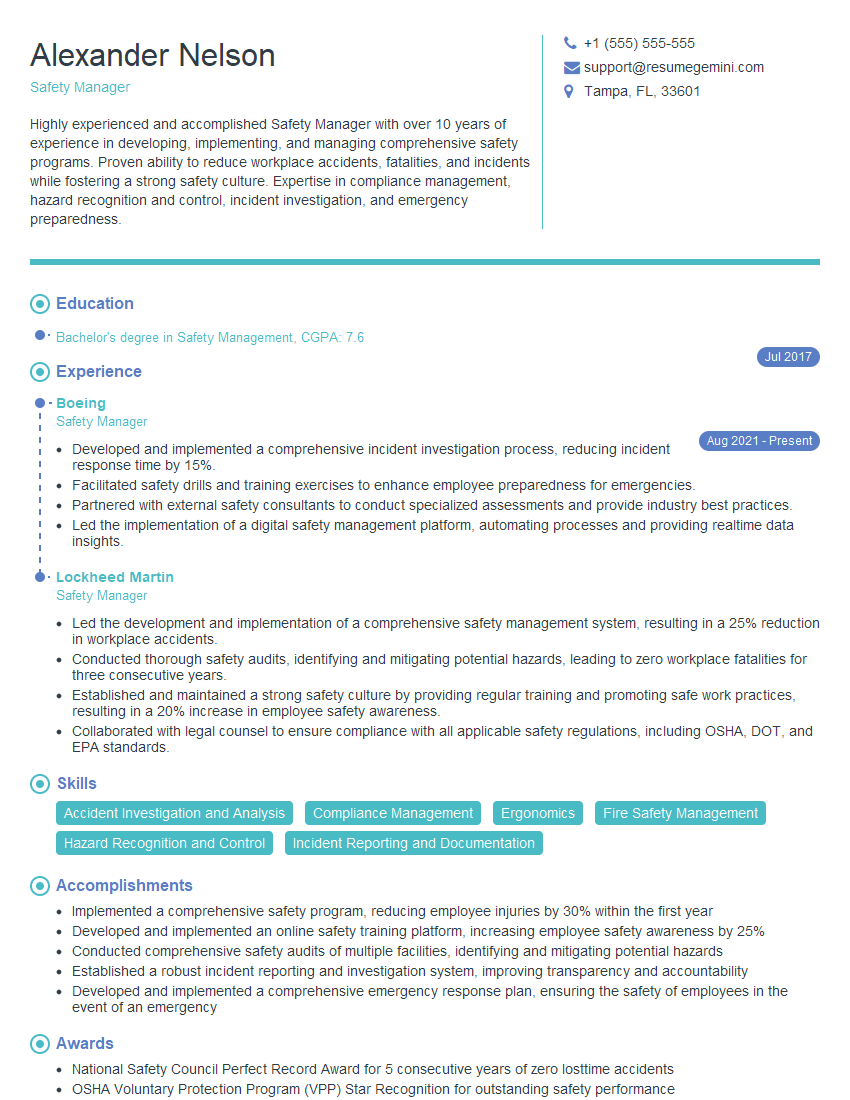
Safety Manager Resume Sample

Operations Manager Resume Sample
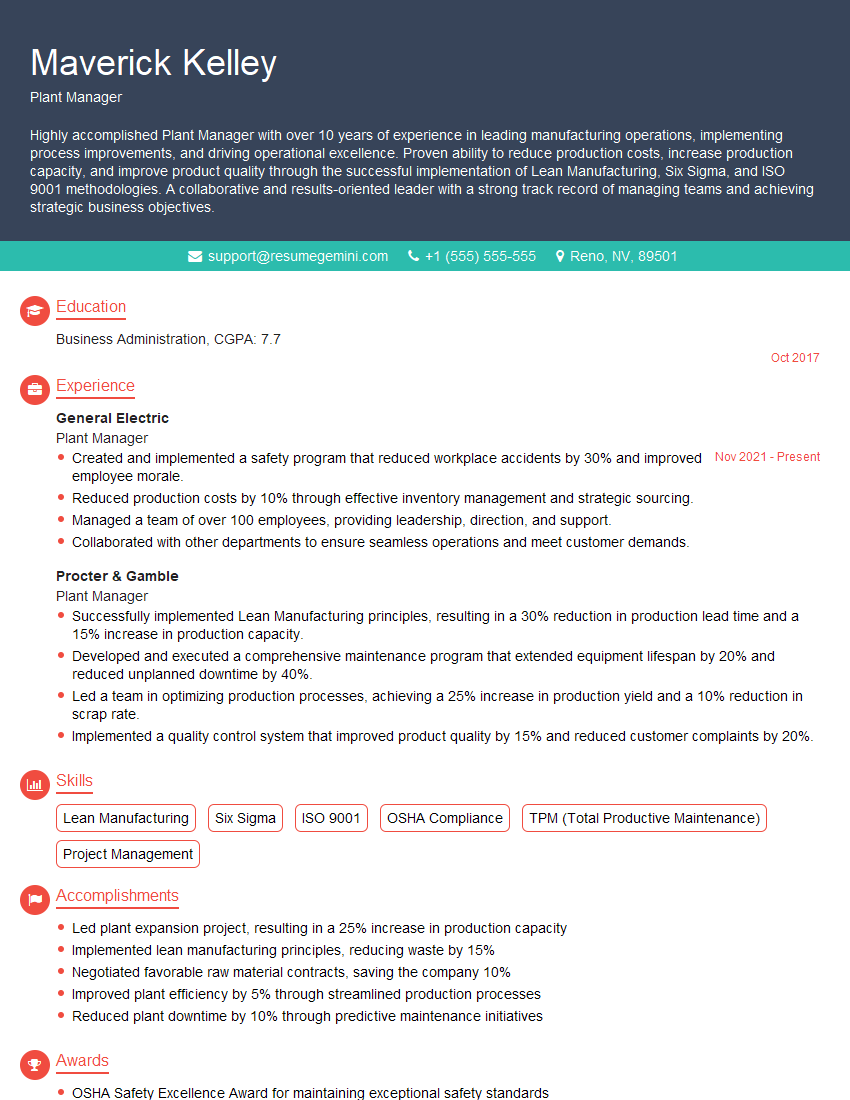
Plant Manager Resume Sample
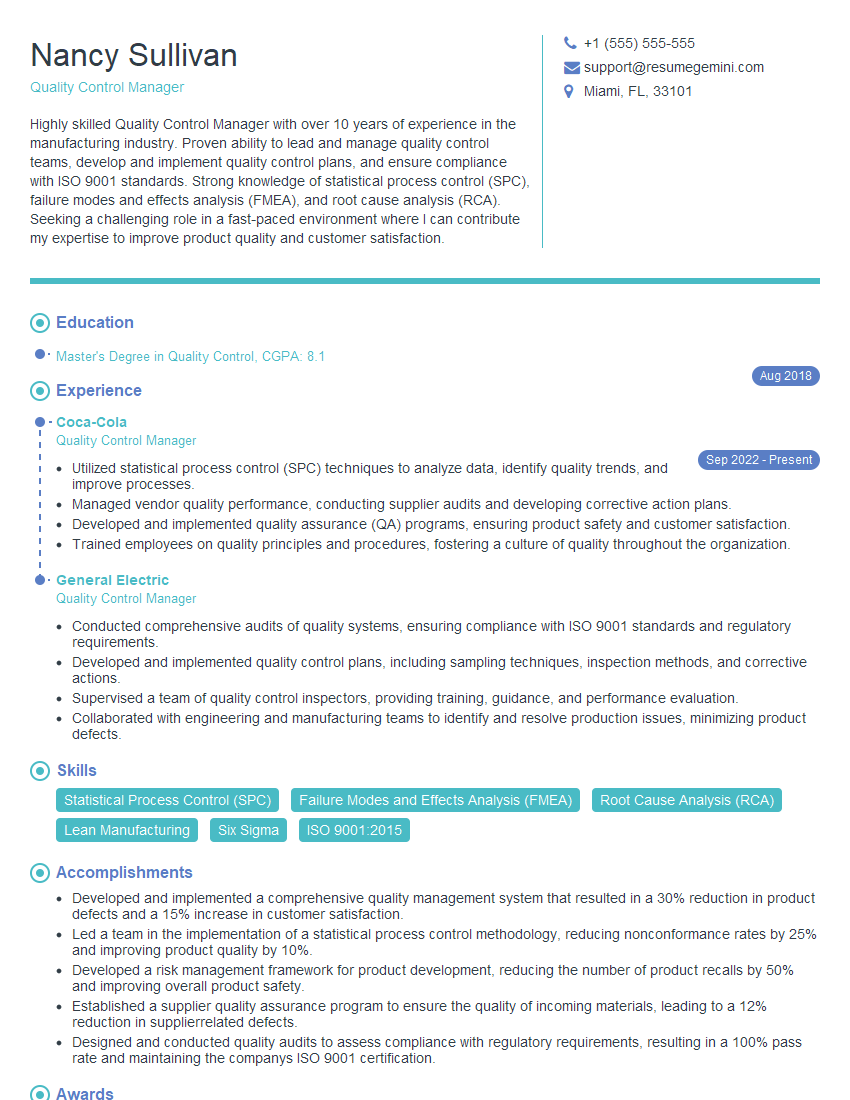
Quality Control Manager Resume Sample

Production Supervisor Resume Sample
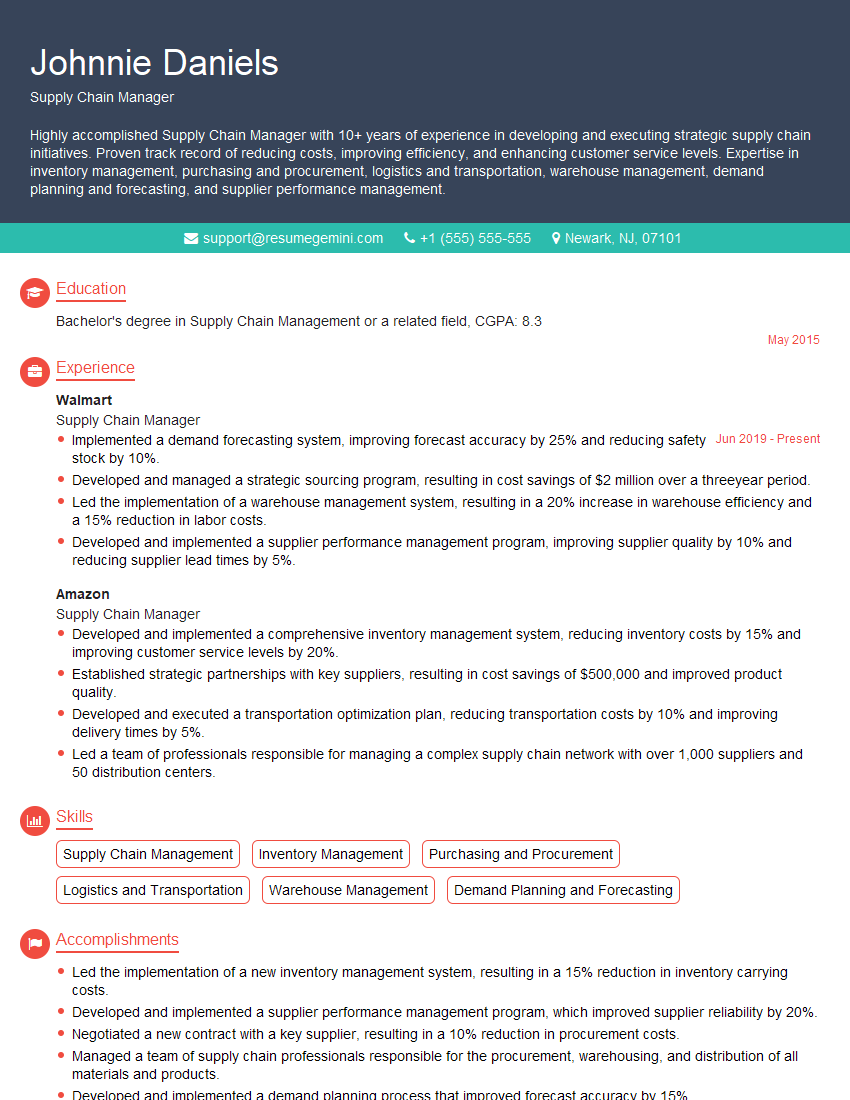
Supply Chain Manager Resume Sample

Logistics Manager Resume Sample

Warehouse Manager Resume Sample

Compliance Manager Resume Sample
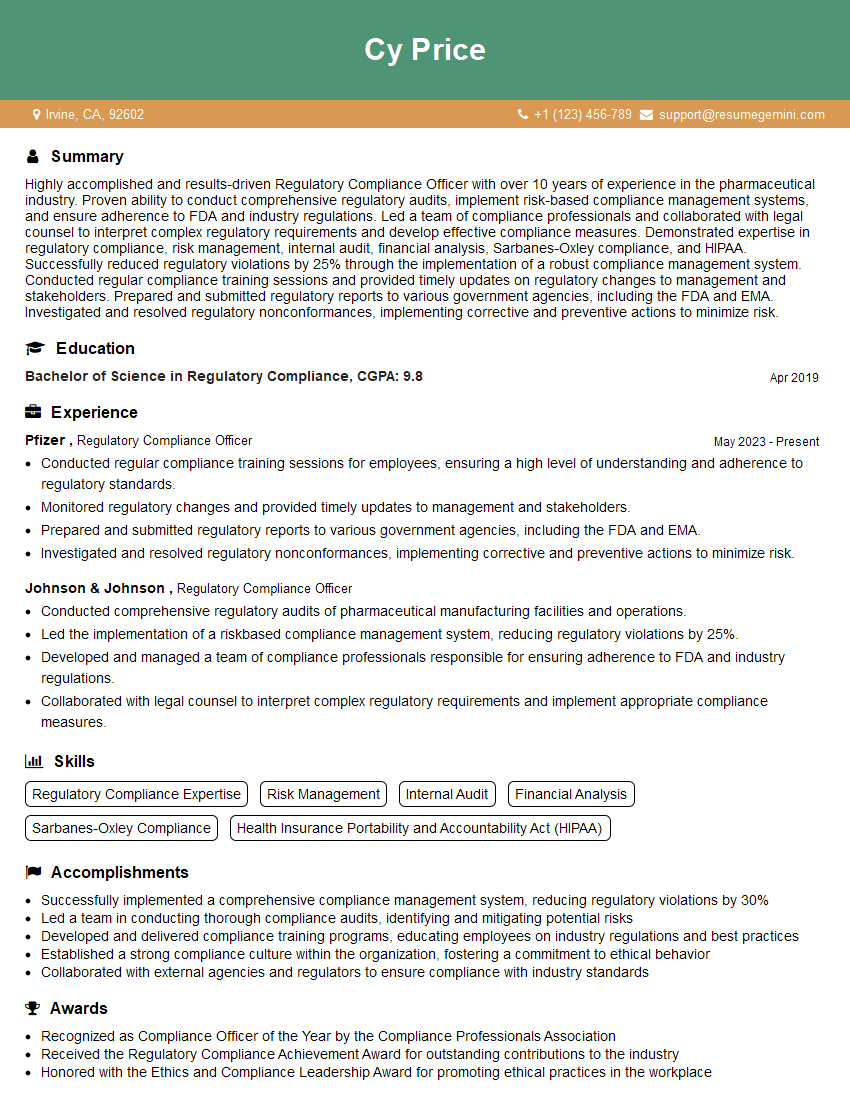
Regulatory Compliance Officer Resume Sample
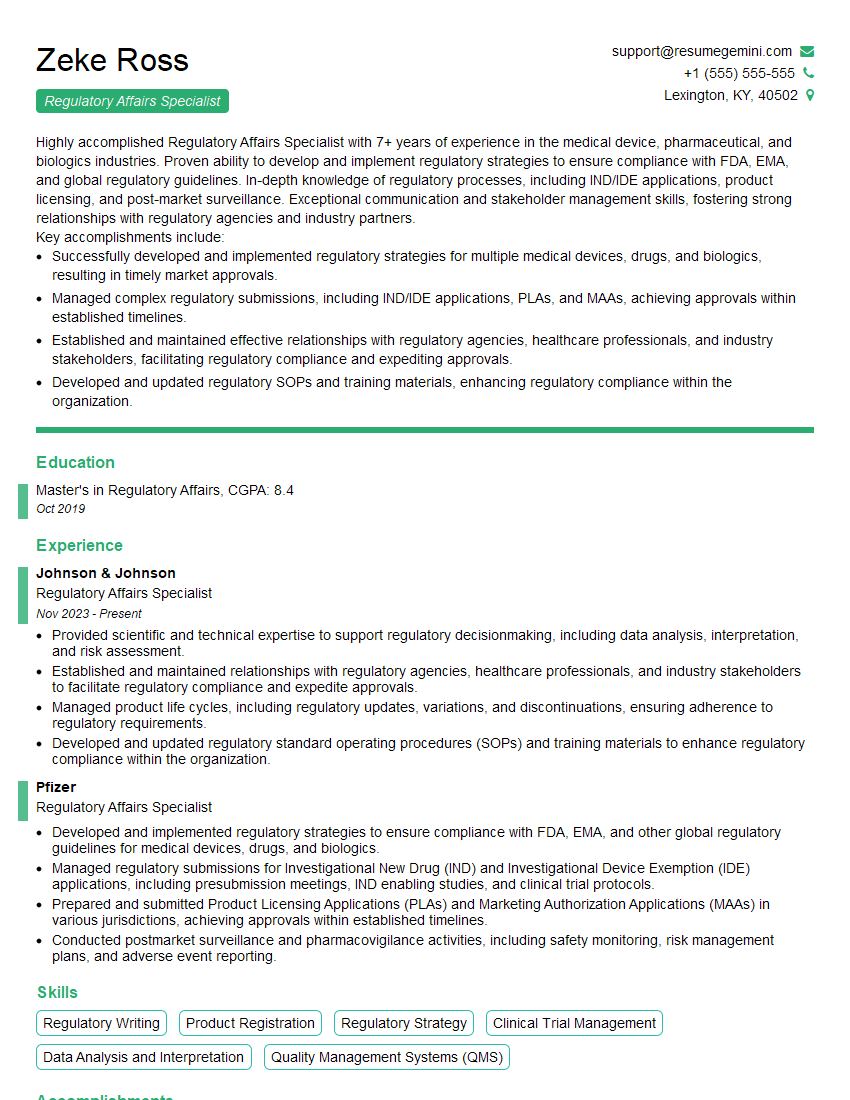
Regulatory Affairs Specialist Resume Sample
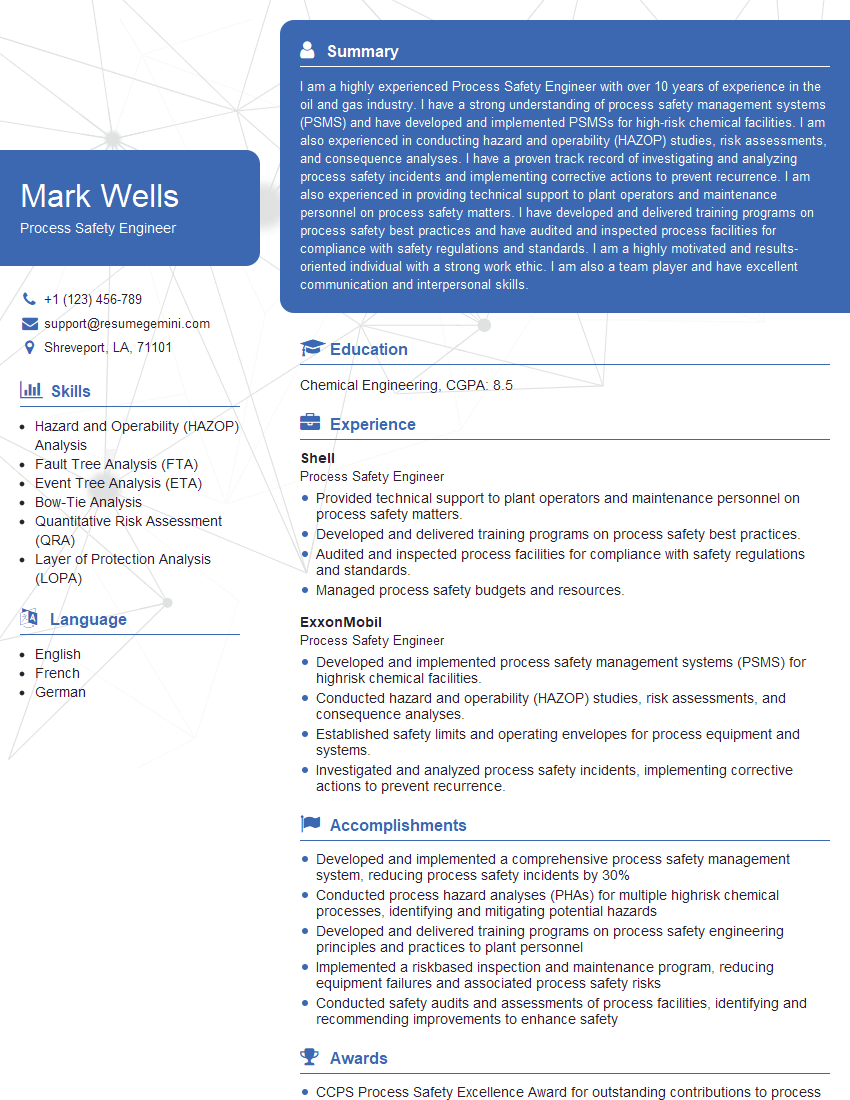
Process Safety Engineer Resume Sample
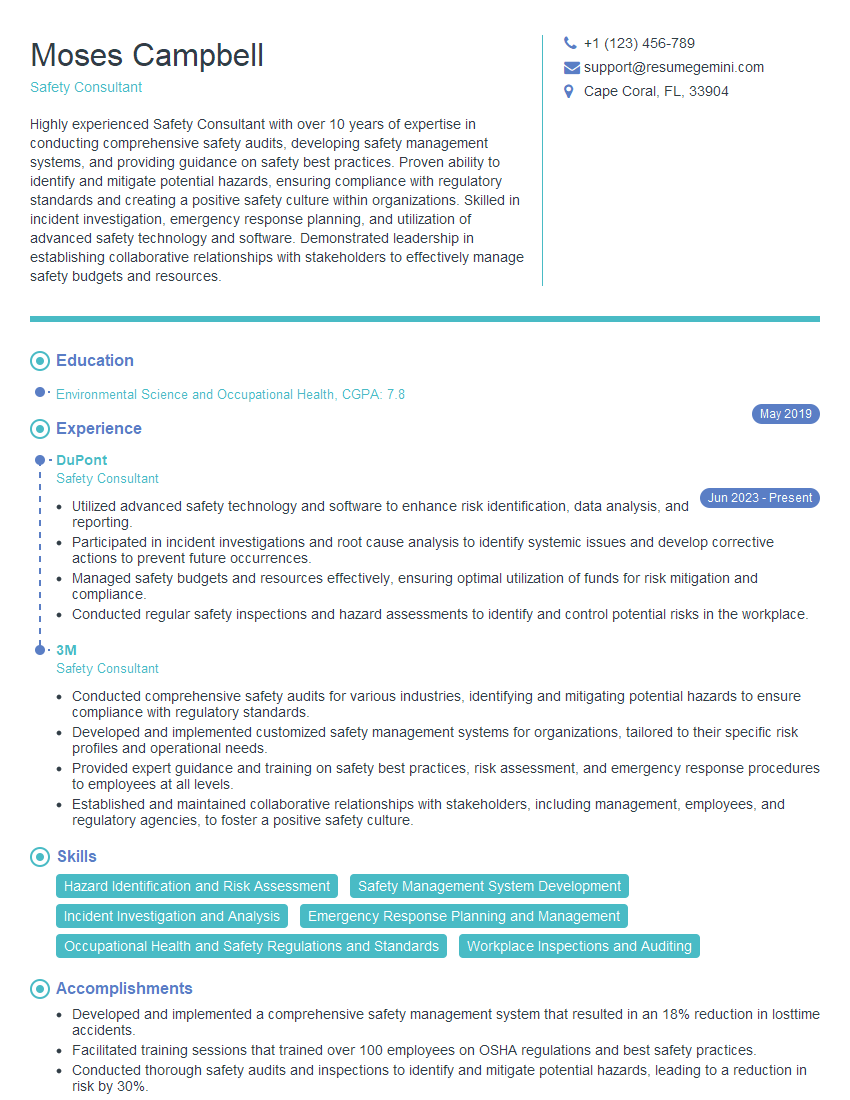
Safety Consultant Resume Sample
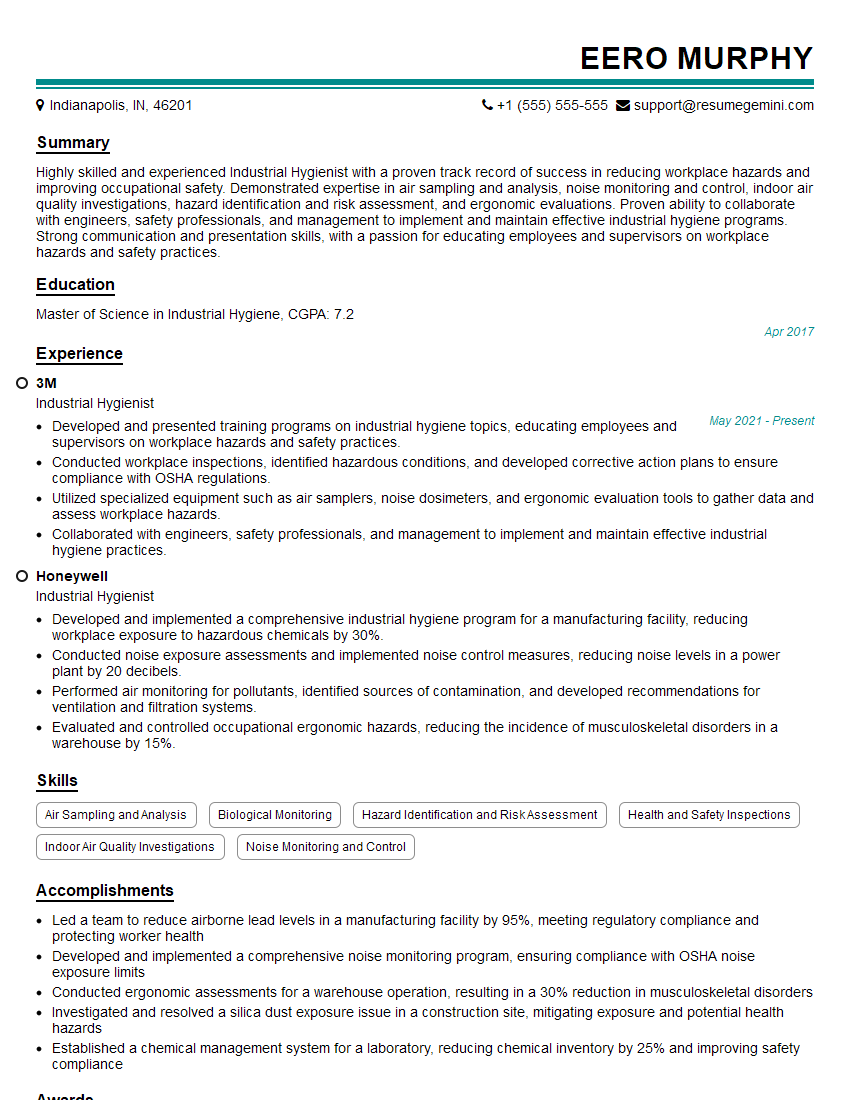
Industrial Hygienist Resume Sample
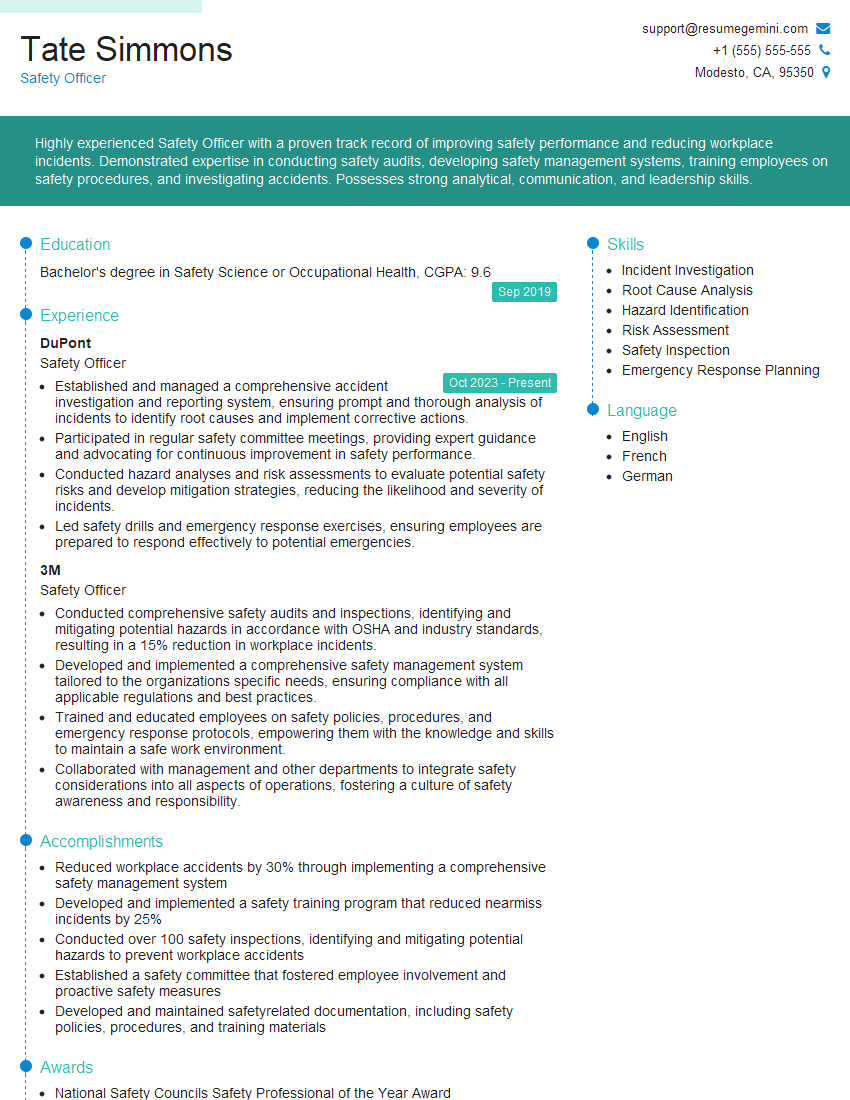
Safety Officer Resume Sample
- Safety Manager
- Operations Manager
- Plant Manager
- Quality Control Manager
- Production Supervisor
- Supply Chain Manager
- Logistics Manager
- Warehouse Manager
- Compliance Manager
- Regulatory Compliance Officer
- Regulatory Affairs Specialist
- Process Safety Engineer
- Safety Consultant
- Industrial Hygienist
- Safety Officer
Explore more articles
Users Rating of Our Blogs
Share Your Experience
We value your feedback! Please rate our content and share your thoughts (optional).
What Readers Say About Our Blog
To the interviewgemini.com Webmaster.
Very helpful and content specific questions to help prepare me for my interview!
Thank you
To the interviewgemini.com Webmaster.
This was kind of a unique content I found around the specialized skills. Very helpful questions and good detailed answers.
Very Helpful blog, thank you Interviewgemini team.