Cracking a skill-specific interview, like one for Understanding of wildlife management techniques, requires understanding the nuances of the role. In this blog, we present the questions you’re most likely to encounter, along with insights into how to answer them effectively. Let’s ensure you’re ready to make a strong impression.
Questions Asked in Understanding of wildlife management techniques Interview
Q 1. Explain the principles of population dynamics in wildlife management.
Population dynamics, in the context of wildlife management, refers to the study of how and why wildlife populations change over time. It’s essentially tracking the births, deaths, immigration, and emigration within a population. Understanding these dynamics is crucial for effective management because it helps predict future population trends and informs conservation strategies.
Key principles include:
- Birth rate (natality): The number of offspring produced per unit time.
- Death rate (mortality): The number of individuals dying per unit time, often influenced by factors like disease, predation, and starvation.
- Immigration: Movement of individuals into a population.
- Emigration: Movement of individuals out of a population.
- Carrying capacity: The maximum population size an environment can sustainably support.
For instance, if we observe a declining birth rate in a deer population coupled with increased mortality due to a disease outbreak, we can predict a population decline and implement management actions such as disease control or habitat improvement to mitigate the decline. The principles of population dynamics are fundamental to setting hunting quotas, determining habitat preservation needs, and assessing the success of conservation efforts.
Q 2. Describe different wildlife census techniques and their limitations.
Wildlife census techniques aim to estimate the size and distribution of animal populations. Several methods exist, each with its strengths and weaknesses:
- Complete counts: Suitable for small, easily observable populations. Limitations include being impractical for large areas or elusive species.
- Sampling methods: These involve counting animals in a smaller representative area and extrapolating to the entire population. Examples include quadrat sampling (dividing the area into grids and counting animals within selected grids) and line transects (counting animals observed along a predetermined line). Accuracy depends on the representativeness of the sample and the detectability of the animals.
- Mark-recapture: Animals are captured, marked, and released. Later, a sample is recaptured, and the proportion of marked individuals is used to estimate the total population size. This is effective for mobile species but requires assumptions about mark loss and equal capture probability for all individuals.
- Remote sensing: Using technologies like aerial surveys (e.g., using drones or planes to count animals from the air), camera traps (motion-activated cameras that photograph animals), and satellite imagery. This can cover vast areas but may not be accurate for all species and requires specialized equipment and analysis.
Limitations across methods include: observer bias (incorrect identification or counting), animal behavior influencing detectability (e.g., animals avoiding surveyed areas), and the difficulty in obtaining a truly representative sample, especially in heterogeneous environments. Choosing the appropriate census technique depends on the species, habitat, available resources, and desired level of accuracy.
Q 3. How do you assess habitat suitability for a specific wildlife species?
Assessing habitat suitability involves evaluating the environmental factors that influence a species’ ability to survive and reproduce. It’s a multi-faceted process requiring an understanding of the species’ ecological requirements.
The assessment typically involves:
- Identifying key habitat components: This includes food sources, water availability, cover (protection from predators and elements), nesting sites (for breeding species), and other essential resources. For example, a specific bird might require a particular type of tree for nesting and insects for food.
- Quantifying habitat features: Measurements are taken to quantify parameters like vegetation density, tree height, water quality, and the presence of potential threats (e.g., roads, human settlements).
- Using habitat suitability indices (HSIs): HSIs combine multiple habitat features into a single index reflecting overall habitat quality. This often involves weighting different features based on their relative importance to the species. A higher HSI indicates greater suitability.
- Spatial analysis: GIS (Geographic Information Systems) are crucial for mapping habitat features, overlaying data layers (e.g., vegetation maps, elevation data, land-use maps), and identifying suitable habitat patches.
For example, assessing habitat suitability for a grizzly bear would involve evaluating the availability of berry patches, fish-bearing streams, den sites, and the distance to human settlements (a significant threat). The assessment would then be used to prioritize habitat conservation and management efforts.
Q 4. What are the key factors to consider when developing a wildlife management plan?
Developing a robust wildlife management plan requires careful consideration of numerous factors:
- Clearly defined objectives: What are you trying to achieve? (e.g., increase population size, control invasive species, reduce human-wildlife conflict).
- Species-specific needs: Understand the species’ biology, ecology, and behavior. The plan should be tailored to the specific species being managed.
- Habitat assessment: Thorough assessment of current and potential habitat quality is essential.
- Population monitoring: Regular monitoring of population trends is necessary to assess the effectiveness of management actions.
- Identification of threats: Identify factors impacting the species (e.g., habitat loss, poaching, disease, climate change).
- Management actions: Develop strategies to address identified threats. This might include habitat restoration, predator control (only when justified and carefully regulated), hunting regulations, and public education.
- Stakeholder involvement: Engage relevant stakeholders (e.g., landowners, local communities, government agencies) in the planning process to ensure buy-in and effective implementation.
- Adaptive management: The plan should be flexible and adaptable to changing conditions and new information. Regular review and adjustments are critical.
- Funding and resources: Secure adequate funding and human resources to implement the plan.
A well-structured plan clearly outlines these factors, establishing a framework for effective wildlife conservation.
Q 5. Discuss the role of GIS in wildlife management.
Geographic Information Systems (GIS) are indispensable tools in wildlife management. They provide the capability to spatially analyze and visualize data related to wildlife populations, habitats, and other relevant factors. GIS allows for the integration of diverse datasets, enabling a comprehensive understanding of the system.
Specific applications include:
- Habitat mapping: Creating maps of habitat types, quality, and distribution.
- Species distribution modeling: Predicting species occurrence based on environmental variables.
- Population modeling: Simulating population dynamics and assessing the impacts of different management strategies.
- Monitoring animal movements: Tracking animal movements using GPS collars and visualizing their tracks on maps.
- Identifying critical habitat: Identifying areas crucial for species survival and conservation.
- Planning protected areas: Designing effective protected area networks based on species distribution and habitat connectivity.
- Assessing human-wildlife conflict: Mapping areas of high conflict and identifying mitigation strategies.
For example, GIS can be used to identify areas of suitable habitat for a particular species, which are then prioritized for conservation, or to map the distribution of human settlements relative to wildlife habitat, facilitating the planning of mitigation measures against human-wildlife conflicts.
Q 6. Explain the concept of carrying capacity in relation to wildlife populations.
Carrying capacity is the maximum population size of a species that an environment can sustainably support over the long term without degradation of the environment. It’s not a fixed number but varies with environmental conditions (e.g., rainfall, food availability, disease outbreaks). Exceeding carrying capacity leads to resource depletion, increased competition, and potential population crashes.
Understanding carrying capacity is crucial for setting hunting quotas and managing wildlife populations. For example, if a deer population exceeds its carrying capacity, it can lead to overgrazing, habitat degradation, and a subsequent population decline. Wildlife managers aim to maintain populations at or below carrying capacity to ensure the long-term health of both the wildlife and the ecosystem.
Estimating carrying capacity is complex and involves assessing various factors such as food availability, water resources, habitat quality, and predator-prey relationships. It often involves modeling approaches and careful monitoring of population trends and environmental indicators.
Q 7. How do you manage human-wildlife conflict?
Human-wildlife conflict (HWC) arises when human activities negatively impact wildlife or when wildlife negatively impacts humans. Effective management requires a multi-pronged approach:
- Mitigation measures: Reducing the root causes of conflict. This might involve modifying human activities (e.g., implementing livestock guarding dogs to protect sheep from predators), improving habitat to reduce wildlife encroachment on human settlements, or promoting sustainable agriculture practices to minimize habitat overlap.
- Compensation schemes: Providing financial or other compensation to people who suffer losses from wildlife (e.g., crop damage, livestock predation).
- Translocation: Relocating problematic animals to less populated areas. This requires careful consideration of the potential impacts on both the relocated animals and the receiving area.
- Public education and awareness: Educating local communities about wildlife behavior and conflict prevention strategies.
- Community participation: Engaging local communities in the design and implementation of HWC management strategies to foster a sense of ownership and responsibility.
- Law enforcement: Enforcing laws related to wildlife protection and human-wildlife interactions.
For example, in areas with human-elephant conflict, mitigation strategies might include building elephant-proof fences around crops, creating wildlife corridors to reduce elephant movement through human settlements, and compensating farmers for crop damage. A successful HWC management strategy requires a holistic approach tailored to the specific context and involves collaboration between wildlife agencies, local communities, and researchers.
Q 8. Describe different methods for controlling invasive species.
Controlling invasive species is crucial for maintaining biodiversity and ecosystem health. Methods vary depending on the species and the environment, but generally fall into several categories:
- Mechanical Control: This involves physically removing the invasive species. Examples include hand-pulling weeds, trapping animals, or using machinery to clear infestations. This is effective for small-scale infestations or when dealing with easily identifiable species. For example, removing water hyacinth from a pond manually is a mechanical control method.
- Chemical Control: Involves using herbicides, pesticides, or other chemicals to kill or control the invasive species. This method needs careful consideration of non-target effects on native species and the environment. Strict adherence to guidelines and regulations is essential. For instance, using specific herbicides to control invasive vines in a forest requires careful application to prevent harming other plants.
- Biological Control: Introduces natural enemies of the invasive species, such as predators, parasites, or pathogens. This is a more environmentally friendly approach but requires extensive research to ensure the introduced organism doesn’t become another invasive species. A successful example is the introduction of certain insects to control invasive weeds.
- Integrated Pest Management (IPM): This is a holistic approach that combines several control methods. IPM emphasizes monitoring, prevention, and using the least harmful methods first, escalating to stronger methods only when necessary. It’s a very effective long-term strategy for managing invasive species.
Choosing the right method often requires a detailed assessment of the invasive species, the affected ecosystem, and the potential risks and benefits of each approach. Careful planning and monitoring are crucial for success.
Q 9. What are the ethical considerations in wildlife management?
Ethical considerations in wildlife management are paramount. They revolve around balancing human needs with the well-being of wildlife and the integrity of ecosystems. Key considerations include:
- Animal Welfare: Minimizing suffering during capture, handling, and control measures is essential. Humane methods must always be prioritized. For example, using traps that minimize stress on animals is vital.
- Fairness and Equity: Management practices should be equitable and not disproportionately impact certain groups of people or communities. Decisions must consider the social and economic impacts on local populations.
- Sustainability: Management decisions should not compromise the long-term health of the ecosystem or the viability of wildlife populations. A sustainable approach ensures future generations can benefit from healthy ecosystems.
- Scientific Rigor: Management practices should be based on sound scientific data and evidence-based decision-making, avoiding emotional responses or subjective judgments.
- Transparency and Accountability: Management plans should be transparent, open to public scrutiny, and accountable to stakeholders. This fosters trust and collaboration.
Ethical dilemmas frequently arise, requiring careful deliberation and consideration of multiple perspectives. For instance, managing a deer population to reduce crop damage requires balancing the needs of farmers with concerns about deer welfare and maintaining a healthy deer population.
Q 10. Explain the importance of monitoring wildlife populations.
Monitoring wildlife populations is fundamental to effective wildlife management. It provides crucial data needed for understanding population trends, identifying threats, and evaluating the effectiveness of management interventions. Imagine trying to manage a bank account without knowing your balance – it wouldn’t work! Similarly, we can’t effectively manage wildlife without monitoring their populations.
- Population Size and Distribution: Tracking the number of animals and their location allows for the identification of population declines or expansions, indicating the need for action.
- Age and Sex Structure: This data provides insights into population health and reproductive rates. An aging population might suggest a decline in reproductive success.
- Habitat Use: Monitoring habitat use reveals the animals’ preferences and their dependence on specific resources, informing conservation efforts.
- Disease and Parasite Prevalence: Identifying disease outbreaks allows for prompt intervention, preventing widespread mortality or population collapse.
- Human-Wildlife Conflict: Monitoring human-wildlife interactions helps identify areas of conflict, informing mitigation strategies.
Monitoring methods include visual surveys, camera trapping, GPS tracking, and genetic analysis. The chosen method depends on the species, the available resources, and the research questions.
Q 11. How do you evaluate the effectiveness of a wildlife management program?
Evaluating a wildlife management program’s effectiveness requires a multi-faceted approach, combining quantitative and qualitative data. We need to measure if our interventions have achieved the desired outcomes.
- Setting Clear Objectives: Before implementing any program, we need specific, measurable, achievable, relevant, and time-bound (SMART) objectives. For example, “Increase the white-tailed deer population in area X by 15% within 5 years.”
- Data Collection and Analysis: Monitor population trends, habitat changes, and other relevant indicators. Statistical analysis is crucial for determining whether objectives have been met.
- Adaptive Management: Programs should be flexible and adapt to new information and changing circumstances. If initial strategies are not working, adjustments are needed.
- Stakeholder Feedback: Gather input from local communities, researchers, and other stakeholders to gauge their perceptions of the program’s effectiveness and identify areas for improvement.
- Cost-Effectiveness Analysis: Assess whether the program’s benefits justify its costs. This helps ensure resources are used efficiently.
For instance, if a program aims to reduce human-wildlife conflict, success would be measured by a reduction in reported incidents, property damage, and injuries.
Q 12. What are the impacts of climate change on wildlife management?
Climate change presents significant challenges to wildlife management. Changes in temperature, precipitation patterns, and extreme weather events significantly impact wildlife populations and their habitats. For example, rising sea levels threaten coastal ecosystems and the species that depend on them.
- Habitat Loss and Fragmentation: Shifting climate zones force species to migrate, leading to habitat loss and fragmentation, making populations more vulnerable.
- Altered Species Interactions: Changes in climate can disrupt predator-prey relationships and alter competition among species.
- Increased Disease Risk: Warmer temperatures can expand the range of disease vectors, increasing the risk of infectious diseases in wildlife.
- Range Shifts: Species are shifting their ranges towards higher altitudes or latitudes to track suitable climates, creating challenges for management across jurisdictions.
- Extreme Weather Events: More frequent and intense heat waves, droughts, floods, and wildfires can cause significant mortality and habitat destruction.
Climate change adaptation strategies include creating climate-resilient habitats, assisted migration, and implementing conservation strategies that take climate change projections into account.
Q 13. Describe your experience with wildlife disease management.
My experience with wildlife disease management includes various aspects, from surveillance and diagnostics to developing and implementing control strategies. I have worked on several projects involving both terrestrial and aquatic species.
- Disease Surveillance: This involves monitoring wildlife populations for signs of disease outbreaks. Techniques include collecting samples (blood, fecal matter) and conducting necropsy on deceased animals.
- Diagnostic Testing: Laboratory analysis is crucial for identifying pathogens and determining the severity of outbreaks. Techniques include PCR, ELISA, and bacterial culture.
- Disease Control and Prevention: Strategies range from vaccination programs to habitat management and biosecurity measures aimed at reducing disease transmission.
- Risk Assessment: This involves evaluating the risk of disease outbreaks and identifying vulnerable populations. Factors such as population density, stress levels, and habitat quality are considered.
- Collaboration: Effective disease management requires strong collaboration with veterinarians, researchers, land managers, and other stakeholders.
One notable project involved monitoring avian influenza in waterfowl. This required coordinating extensive fieldwork, laboratory diagnostics, and risk communication with the public.
Q 14. Explain the importance of public education in wildlife conservation.
Public education is crucial for successful wildlife conservation. Without public support and understanding, even the best management strategies will struggle to achieve their goals. Consider wildlife conservation as a team effort – we need everyone on board.
- Raising Awareness: Educating the public about wildlife issues, threats, and the importance of conservation increases support for protective measures.
- Promoting Responsible Behavior: Teaching people how their actions impact wildlife, such as responsible pet ownership, avoiding disturbance of animals, and reducing their carbon footprint, is essential.
- Encouraging Citizen Science: Engaging the public in monitoring programs and data collection expands the scope and effectiveness of conservation efforts. Citizen scientists play a vital role.
- Building Support for Policy: Educating the public and building support for protective policies and regulations ensures long-term sustainability.
- Fostering Stewardship: Inspiring a sense of responsibility and stewardship toward wildlife encourages positive actions and fosters a culture of conservation.
Examples include educational programs in schools, community outreach events, and public awareness campaigns using various media platforms. These help shape public opinion and encourage responsible behavior toward wildlife.
Q 15. How do you use data analysis to inform wildlife management decisions?
Data analysis is the backbone of modern wildlife management. We use various data sources – population counts from surveys, GPS tracking data from collared animals, habitat assessments, and even citizen science observations – to build a comprehensive picture of a species’ health and status.
For example, imagine we’re managing a deer population. We might use capture-mark-recapture data to estimate population size, then combine that with habitat quality assessments to determine carrying capacity (the maximum population size the environment can support). We can then model different management scenarios – like altering hunting regulations or habitat restoration efforts – to predict their impact on the deer population and its ecological interactions. Statistical software like R or ArcGIS are crucial for this analysis.
Another example involves analyzing disease outbreaks. We might track the spatial distribution of disease cases using GIS mapping, identify potential risk factors through statistical analysis, and then use this information to design targeted intervention strategies.
Career Expert Tips:
- Ace those interviews! Prepare effectively by reviewing the Top 50 Most Common Interview Questions on ResumeGemini.
- Navigate your job search with confidence! Explore a wide range of Career Tips on ResumeGemini. Learn about common challenges and recommendations to overcome them.
- Craft the perfect resume! Master the Art of Resume Writing with ResumeGemini’s guide. Showcase your unique qualifications and achievements effectively.
- Don’t miss out on holiday savings! Build your dream resume with ResumeGemini’s ATS optimized templates.
Q 16. What are the legal and regulatory aspects of wildlife management?
Wildlife management operates within a complex legal and regulatory framework. Laws vary by jurisdiction, but generally, they aim to conserve biodiversity, ensure sustainable use of wildlife resources, and protect endangered species. Key legislation often includes hunting regulations (licensing, bag limits, seasons), protected area designations (national parks, wildlife refuges), and endangered species acts (listing criteria, recovery plans).
Understanding these regulations is crucial for developing legally sound management plans. For instance, a hunting program needs to comply with state hunting regulations, and habitat restoration projects may require permits under the Clean Water Act or Endangered Species Act. Working with legal professionals and regulatory agencies is essential to ensure compliance and avoid conflicts.
Enforcement plays a significant role. Agencies monitor compliance through inspections, investigations, and penalties for violations. This maintains the integrity of the management system and protects wildlife populations.
Q 17. Describe your experience with wildlife capture and handling techniques.
My experience encompasses a wide range of capture and handling techniques, chosen based on the target species and management objectives. For small mammals, we might use live traps like Sherman traps or pitfall traps. Larger mammals often require more specialized methods such as darting with immobilizing drugs from a safe distance – a technique that requires extensive training and precision to ensure animal welfare. Birds can be captured using mist nets or other specialized trapping methods.
After capture, handling prioritizes animal safety and minimizes stress. This includes proper restraint techniques, quick and efficient data collection (weighing, measuring, health checks, tagging), and prompt release back into their habitat. We always adhere to strict safety protocols for both the animals and the personnel involved. I’ve worked with various species, including deer, elk, bears, and various bird species, each requiring customized protocols. The choice of method depends on numerous factors: animal size, temperament, terrain, and even weather conditions.
Q 18. How do you prioritize different wildlife management objectives?
Prioritizing wildlife management objectives involves balancing competing interests and values. Often, it’s not a simple matter of choosing one goal over another, but rather finding a way to integrate multiple objectives. This commonly involves a structured prioritization process, such as using a multi-criteria decision analysis (MCDA) framework, which weights different objectives based on their importance and feasibility.
Consider a scenario involving a threatened bird species that nests in a forest also used for timber harvesting. We might prioritize habitat conservation for the bird, but we also need to consider the economic needs of the logging industry. This could involve creating a habitat management plan that sets aside specific areas for bird nesting while allowing sustainable logging in other areas. We would use data, stakeholder input, and cost-benefit analyses to inform the decision.
In simpler cases, we might employ a straightforward approach, such as focusing on the most endangered species or addressing the most pressing threat to biodiversity first. Transparency and communication with stakeholders are crucial to ensure that the prioritization process is fair and accepted.
Q 19. What are the challenges in managing migratory wildlife populations?
Managing migratory wildlife populations presents unique challenges because these animals move across vast distances and multiple jurisdictions. International cooperation is essential, as effective management requires coordinated strategies across countries. Habitat loss or degradation in any part of the migratory range can negatively impact the entire population.
For example, protecting shorebirds that migrate between North and South America requires agreements between multiple nations to protect stopover sites and breeding grounds. Similarly, managing migratory fish populations necessitate international collaborations to ensure the health of rivers and oceans along their migratory routes. Climate change also adds another layer of complexity. Shifting habitats and changing weather patterns require adaptive management strategies that anticipate and respond to these alterations.
Monitoring these populations requires extensive tracking, often involving satellite telemetry or banding programs that allow tracking across borders. This detailed monitoring data is crucial for adaptive management and international collaboration.
Q 20. Explain your understanding of adaptive management in wildlife conservation.
Adaptive management is a structured, iterative approach to wildlife management that embraces uncertainty and learning. It acknowledges that our understanding of ecological systems is incomplete and that management actions may have unintended consequences. The core principle is to treat management as an experiment, using monitoring data to evaluate the effectiveness of interventions and adjust strategies accordingly.
For instance, if we implement a new habitat restoration technique, we might monitor plant growth and animal response for several years. If the results are not as expected, we can adapt our approach, trying different techniques or adjusting the management actions. This cyclical process of planning, implementing, monitoring, and adapting allows for continuous improvement and minimizes the risk of implementing ineffective or even harmful management actions.
Adaptive management requires a strong commitment to data collection and analysis, coupled with a willingness to change course based on the evidence. It’s a more dynamic and flexible approach than traditional management strategies that often rely on static plans.
Q 21. Describe different types of wildlife habitat restoration techniques.
Wildlife habitat restoration techniques vary depending on the degraded habitat and the target species. They can broadly be categorized as:
- Active Restoration: This involves direct intervention to improve habitat conditions. Examples include planting native vegetation, removing invasive species, creating artificial wetlands, or restoring stream flows.
- Passive Restoration: This involves removing the stressors that caused habitat degradation and allowing natural processes to restore the habitat. Examples include halting logging or grazing in degraded areas, removing dams, or reducing pollution.
- Assisted Natural Regeneration: This combines elements of both active and passive restoration. It might involve planting seedlings in areas where natural regeneration is slow or removing barriers to natural regeneration, such as excessive brush.
For example, restoring a degraded grassland might involve removing invasive weeds, prescribed burning to stimulate native plant growth, and reintroducing native grass species. Restoring a riparian zone (area along a river) might focus on replanting native trees and shrubs to stabilize the banks and improve water quality. The success of these techniques depends on careful planning, considering the ecological context, and monitoring the results.
Q 22. How do you assess the economic impacts of wildlife management decisions?
Assessing the economic impacts of wildlife management decisions requires a multifaceted approach. We need to consider both the costs and the benefits, often expressed in monetary terms. Costs include things like salaries for personnel, equipment maintenance, habitat restoration, and enforcement activities to combat poaching. Benefits, however, can be far more diverse and challenging to quantify.
One key benefit is the ecotourism sector. Wildlife attracts visitors who spend money on accommodation, guides, park fees, and local goods, generating significant revenue for communities and governments. We can assess this by analyzing tourism data, visitor surveys, and economic modeling. For instance, we might look at the correlation between wildlife populations and hotel occupancy rates in a region.
Another important factor is the value of ecosystem services. Healthy wildlife populations contribute to pollination, seed dispersal, nutrient cycling, and water purification – all crucial processes that directly or indirectly benefit human economies. Valuing these services requires complex ecological and economic modeling, often employing methods like contingent valuation (surveying people’s willingness to pay to preserve a service) or hedonic pricing (analyzing how property values change based on proximity to a wildlife area).
Finally, we must consider the impact on other industries, like agriculture. Wildlife can cause crop damage, requiring farmers to invest in preventative measures. Conversely, certain wildlife species might contribute to pest control, saving farmers money on pesticides. A cost-benefit analysis, weighing all these aspects, is crucial for making informed decisions about wildlife management strategies.
Q 23. What are the different methods for controlling poaching?
Controlling poaching is a complex challenge that requires a multi-pronged strategy. It’s not just about catching poachers; it’s about addressing the underlying causes of poaching and creating a system that makes it less appealing.
- Strengthening Law Enforcement: This involves increased patrolling, improved surveillance technology (e.g., drones, camera traps), and better training for rangers. Successful prosecution of poachers is also critical to deterring others.
- Community Engagement: Local communities often bear the brunt of the negative impacts of poaching. Involving them in anti-poaching efforts, through education, job creation linked to conservation, and benefit-sharing from wildlife tourism, significantly improves effectiveness. For example, communities can become involved in monitoring and reporting poaching activities.
- Reducing Demand: The primary drivers of poaching are often international markets for ivory, rhino horn, and other wildlife products. Addressing this requires global cooperation to reduce demand through campaigns that raise awareness and stricter regulations on the trade of illegal wildlife products.
- Improving Livelihoods: Poaching is often linked to poverty and lack of economic opportunity. Providing alternative income sources for communities living near wildlife areas, such as ecotourism projects or sustainable harvesting programs, can make poaching less appealing.
- Technology: Advances in technology are playing an increasingly significant role. DNA tracking of poached animals can help link seized products to specific poaching operations. Sophisticated surveillance systems can provide early warnings of poaching activities.
For example, in some African countries, community-based anti-poaching units have been remarkably successful, combining local knowledge with modern technology. They integrate local communities to form a powerful network against poachers.
Q 24. Explain your experience working with stakeholders in wildlife management projects.
Stakeholder engagement is paramount in effective wildlife management. It’s about building consensus and ensuring that management decisions reflect the diverse needs and interests of all affected parties. In my experience, I’ve facilitated numerous workshops and meetings with a range of stakeholders. These include local communities, government agencies, NGOs, researchers, and representatives from the private sector such as tourism operators and landowners.
My approach involves active listening, clear communication, and a commitment to transparency. I ensure that all voices are heard and that stakeholders understand the scientific basis for management decisions. It often involves resolving conflicts between different interests. For instance, a mining company might want to access land that’s also important for wildlife habitat. I facilitate discussions to find solutions that balance conservation goals with economic development. I’ve used a variety of collaborative methods such as participatory mapping and scenario planning to find workable solutions which satisfy the major stakeholders. This builds trust and fosters a sense of shared responsibility for conservation.
Q 25. How do you use remote sensing techniques in wildlife management?
Remote sensing techniques are invaluable tools in wildlife management, providing a cost-effective way to monitor large areas and gather data that would be impossible to collect through ground-based methods. We use various platforms, including satellite imagery and aerial photography, to gain insights into habitat characteristics, wildlife distribution, and human activities that impact wildlife.
For instance, satellite imagery can be analyzed to map forest cover, identify areas of deforestation or habitat fragmentation, and detect changes in vegetation over time. This helps us understand habitat quality and how it’s changing, influencing wildlife populations. Multispectral and hyperspectral imagery can even help assess the health and productivity of vegetation, giving us a sense of food availability for herbivores.
LiDAR (Light Detection and Ranging) uses lasers to create high-resolution 3D models of the terrain, which is useful for identifying features such as water sources, which can be vital for animal movements and distributions. These data, combined with GPS-collar data and other information, allow us to create sophisticated models that predict wildlife movement and habitat use. These techniques have even helped track illegal activities like deforestation and poaching through temporal analysis of imagery.
Q 26. What is your experience with wildlife telemetry?
Wildlife telemetry involves tracking animal movements and behavior using electronic devices such as GPS collars, accelerometers, and other sensors. My experience includes designing and deploying telemetry studies on various species, ranging from large mammals like elephants to smaller animals such as birds.
We use this data to understand animal home ranges, migration patterns, habitat use, and social interactions. This information is vital for developing effective conservation strategies. For example, telemetry data can reveal critical habitat areas that need protection or identify corridors where animals move between different habitats. This helps in making decisions about protected area establishment or transportation infrastructure development which minimizes negative impact on wildlife.
Data analysis involves sophisticated statistical techniques to model animal movements and assess their response to environmental changes or management interventions. For example, we might use hidden Markov models to account for the uncertainty in location data and reveal patterns in animal behavior. Data management is also crucial, often involving the use of GIS systems to visualize animal movements in relation to environmental features.
Q 27. Describe a situation where you had to make a difficult decision in wildlife management.
One particularly challenging situation involved managing a growing human population encroaching on the habitat of an endangered primate species. The local community relied on forest resources for their livelihoods, leading to habitat loss and increased human-wildlife conflict.
On one hand, we had to protect the primate population, which required preserving their habitat. On the other hand, the community needed sustainable resources for survival. A simple solution of just restricting access wouldn’t work, given the community’s dependence on the forest. My team explored several options including community-based conservation programs that integrated ecotourism with sustainable resource management, and facilitated training for income-generating activities. It involved extensive negotiation and community engagement to achieve a solution that balanced both conservation and human needs. This decision required a careful cost-benefit analysis that weighed the potential loss of biodiversity against the potential harm caused by displacement of the local population.
Q 28. How do you stay current with advancements in wildlife management techniques?
Staying current in wildlife management is essential due to the rapidly evolving field. I actively participate in professional networks, attending conferences and workshops, where I engage with colleagues and learn about new techniques and research findings. This allows me to continuously update my knowledge and skills.
I regularly read peer-reviewed scientific journals and subscribe to newsletters and online resources from leading conservation organizations. I also participate in ongoing professional development courses. For example, I recently completed a training course on advanced spatial analysis techniques using GIS. Keeping up to date with new technological advancements is particularly crucial as new tools and methods are constantly being developed to improve wildlife monitoring and management.
Collaboration with other professionals and researchers is also key. Through working with colleagues on research and conservation projects, I regularly exchange knowledge and best practices. This collaborative approach keeps me at the forefront of the field.
Key Topics to Learn for Understanding of Wildlife Management Techniques Interview
- Population Dynamics: Understanding concepts like carrying capacity, population growth models (exponential, logistic), and factors influencing population size (birth, death, immigration, emigration). Practical application includes predicting population trends and setting harvest limits.
- Habitat Management: Learn about habitat selection, fragmentation, restoration techniques, and the impact of human activities on wildlife habitats. Practical application includes designing and implementing habitat improvement projects.
- Wildlife Disease Management: Understanding the impact of disease on wildlife populations, disease surveillance methods, and disease prevention strategies. Practical application includes designing and implementing disease control programs.
- Wildlife Conflict Mitigation: Explore strategies for resolving conflicts between humans and wildlife, such as crop raiding, livestock predation, and human safety concerns. Practical application involves developing and implementing non-lethal control methods.
- Conservation Planning and Policy: Understanding the principles of conservation biology, the role of legislation and regulations in wildlife management, and the importance of stakeholder engagement. Practical application includes developing and implementing conservation plans.
- Data Analysis and Monitoring Techniques: Mastering techniques for collecting, analyzing, and interpreting wildlife data, including population surveys, telemetry studies, and GIS applications. Practical application includes using data to inform management decisions.
- Ethical Considerations in Wildlife Management: Understanding the ethical implications of different management strategies and the importance of balancing human needs with wildlife conservation. Practical application includes evaluating the ethical implications of management decisions.
Next Steps
Mastering wildlife management techniques is crucial for career advancement in conservation, research, and government agencies. A strong understanding of these principles will significantly enhance your interview performance and open doors to exciting opportunities. To maximize your job prospects, it’s essential to create an ATS-friendly resume that effectively highlights your skills and experience. ResumeGemini is a trusted resource that can help you build a professional and impactful resume. They provide examples of resumes tailored to wildlife management techniques, ensuring your application stands out from the competition. Take the next step towards your dream career by leveraging the power of a well-crafted resume.
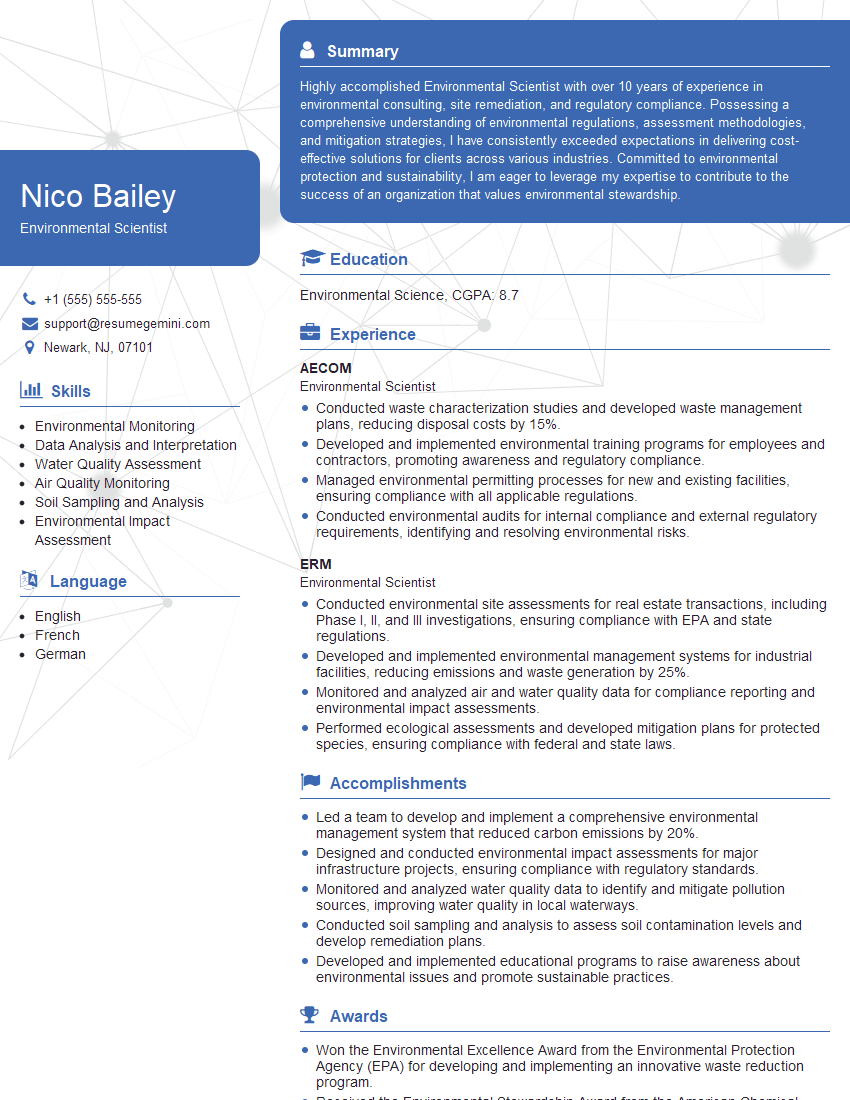
Environmental Scientist Resume Sample
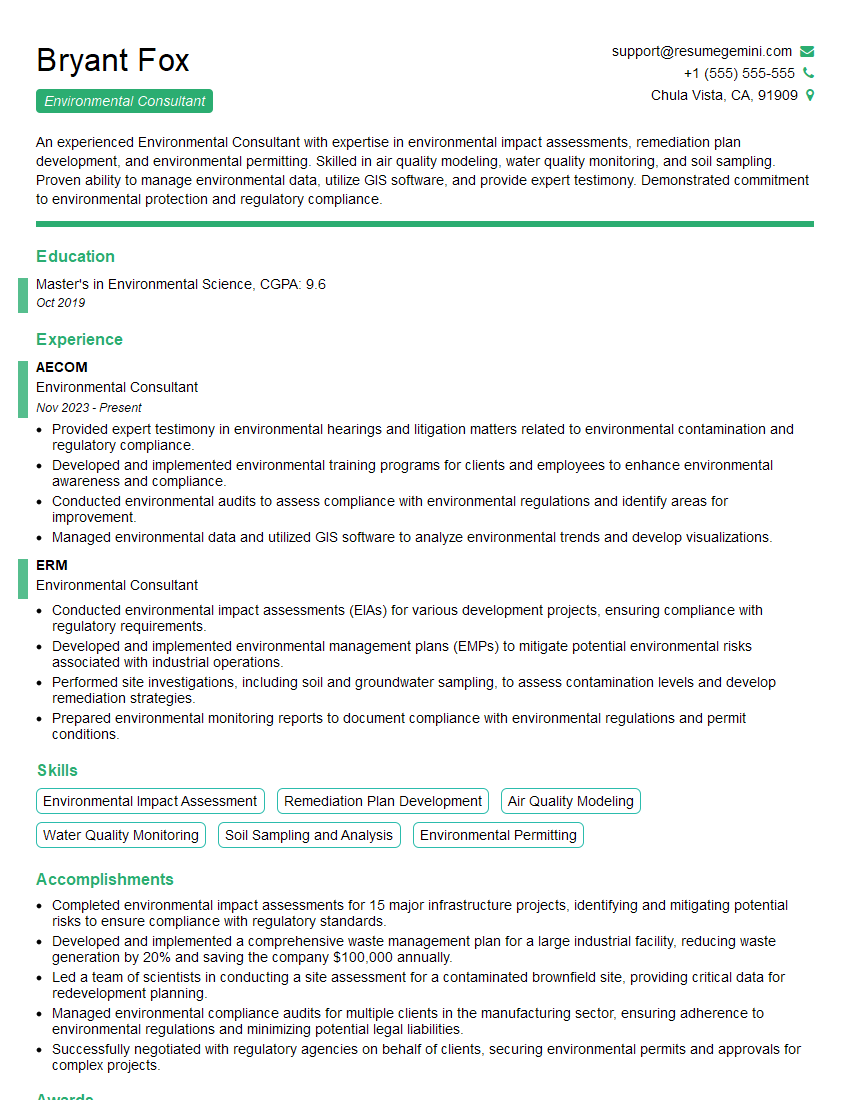
Environmental Consultant Resume Sample
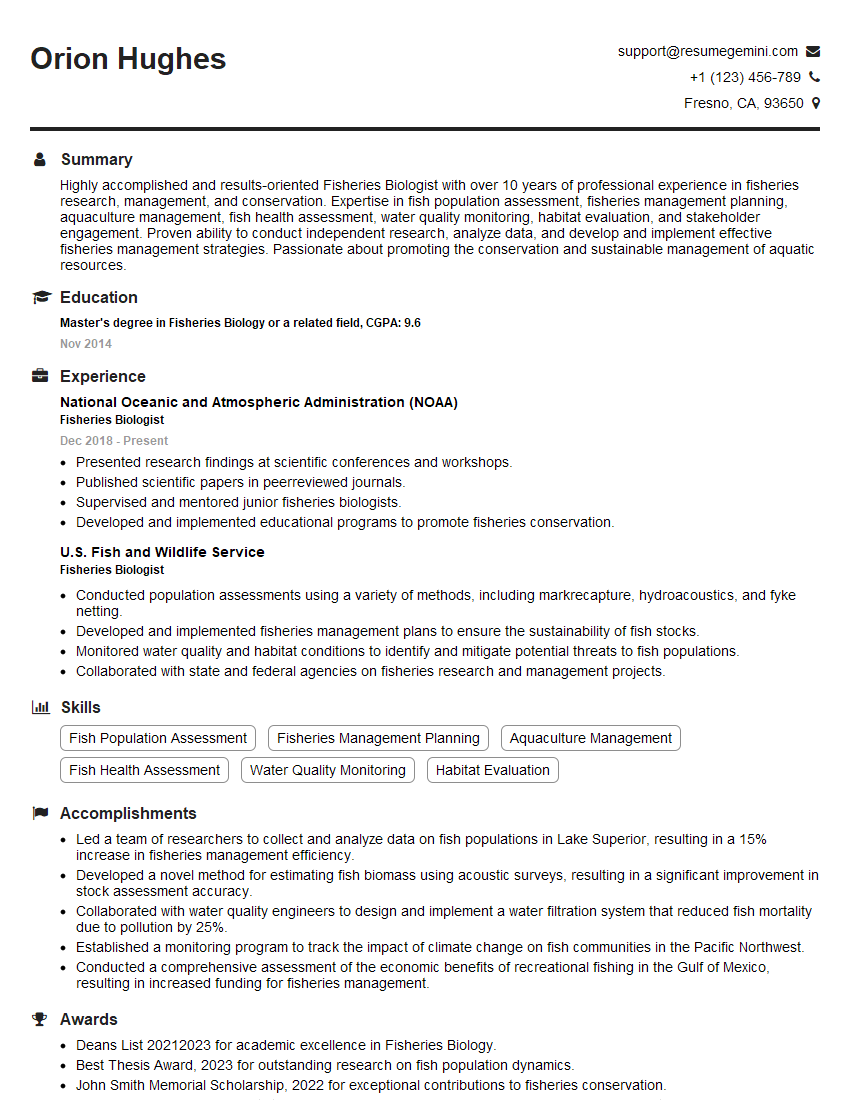
Fisheries Biologist Resume Sample

Wildlife Biologist Resume Sample
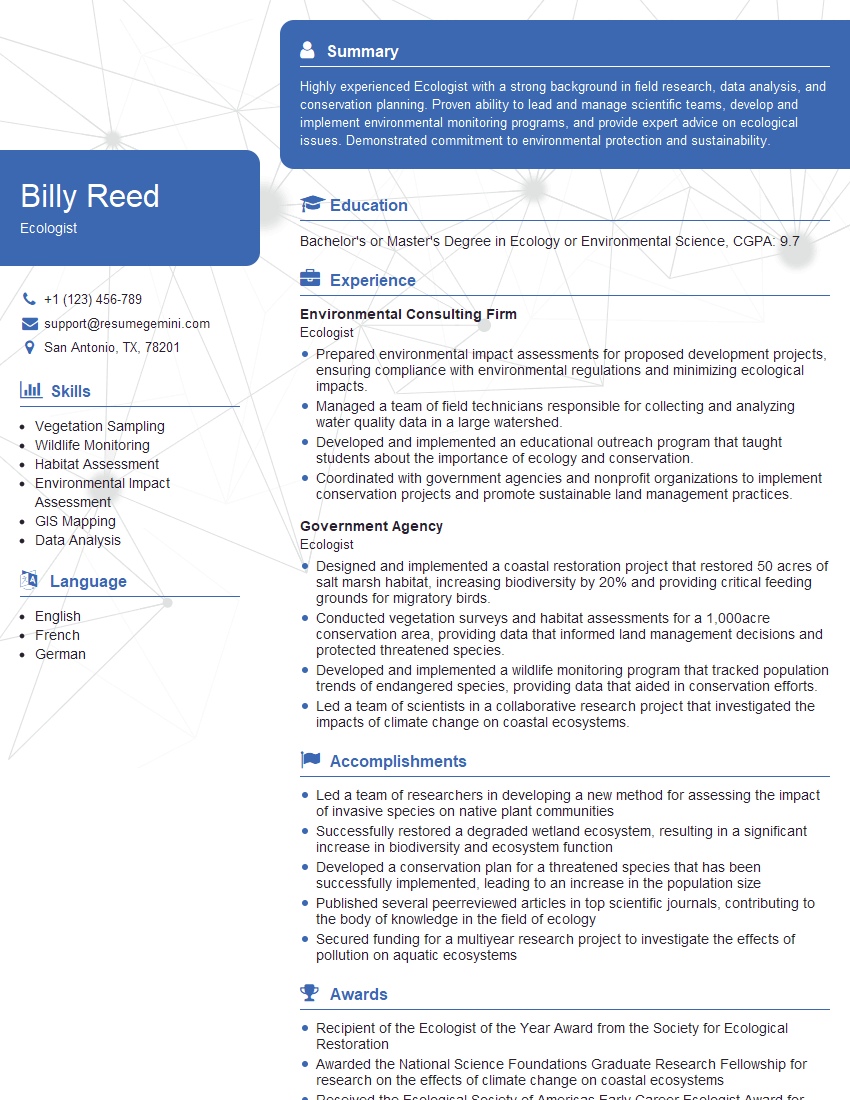
Ecologist Resume Sample
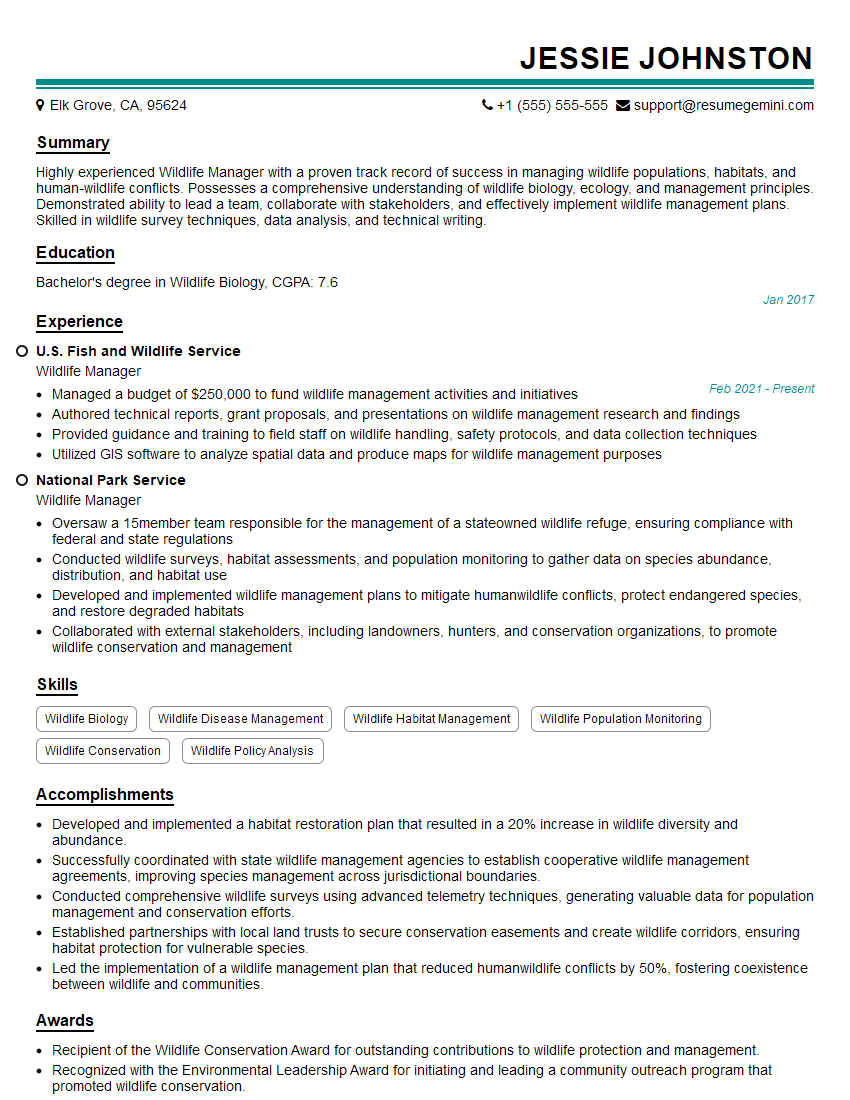
Wildlife Manager Resume Sample

Wildlife Technician Resume Sample
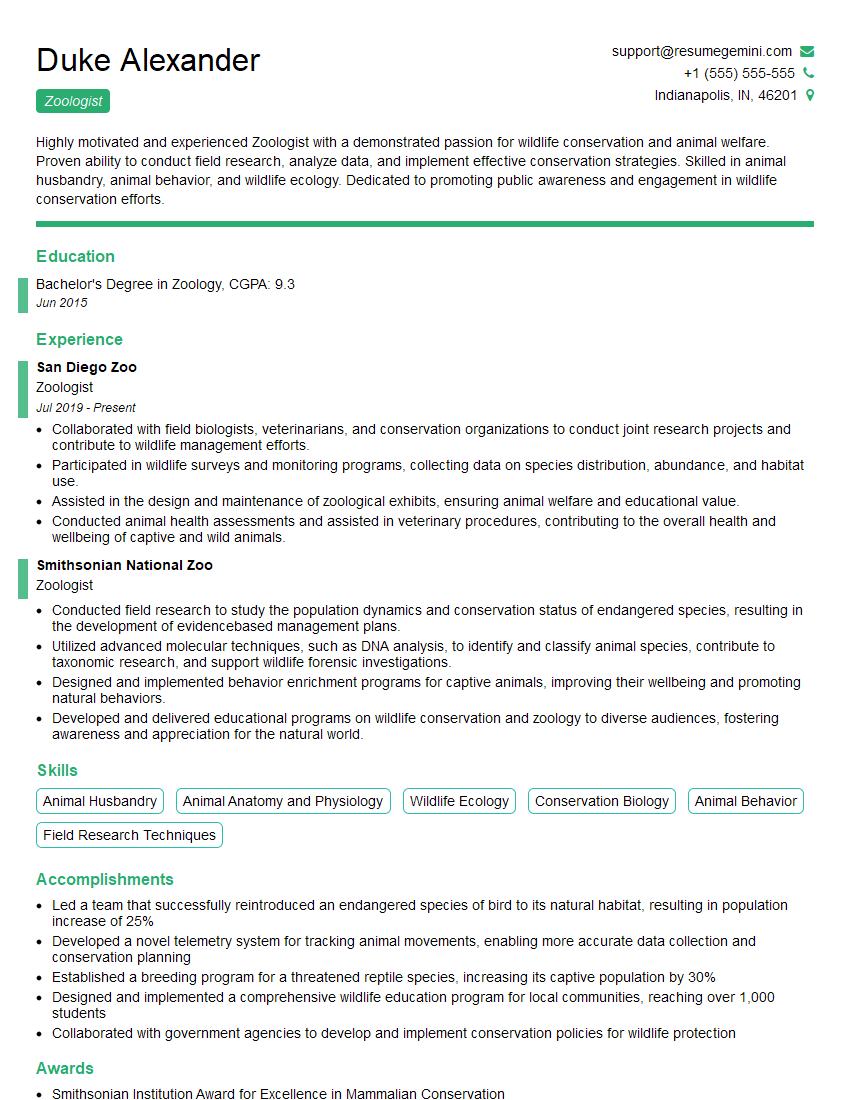
Zoologist Resume Sample
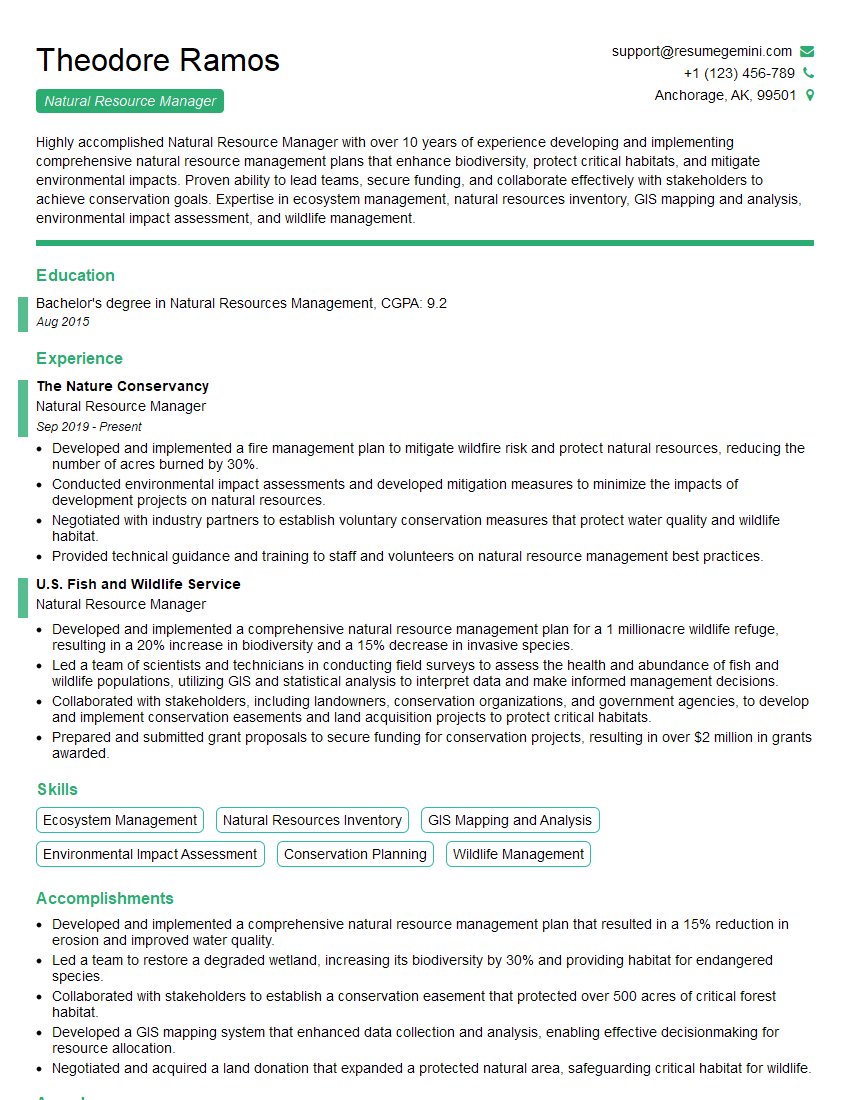
Natural Resource Manager Resume Sample
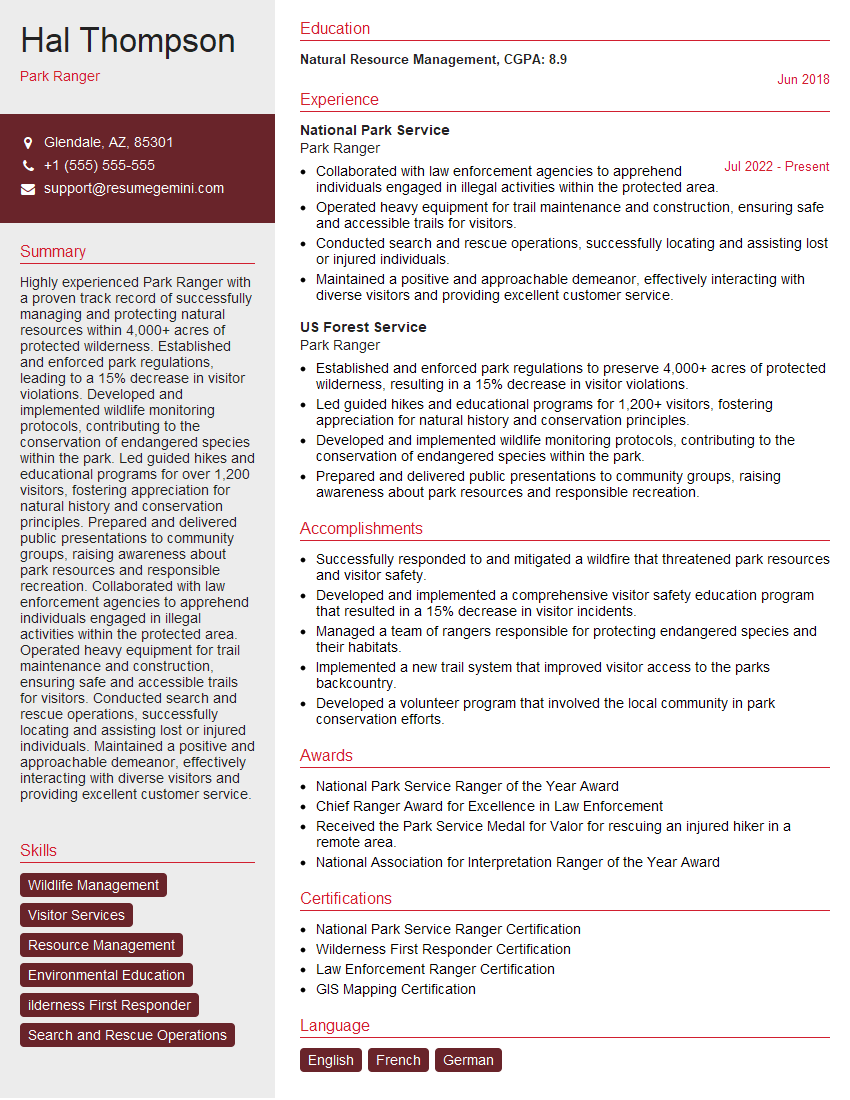
Park Ranger Resume Sample

Conservation Planner Resume Sample
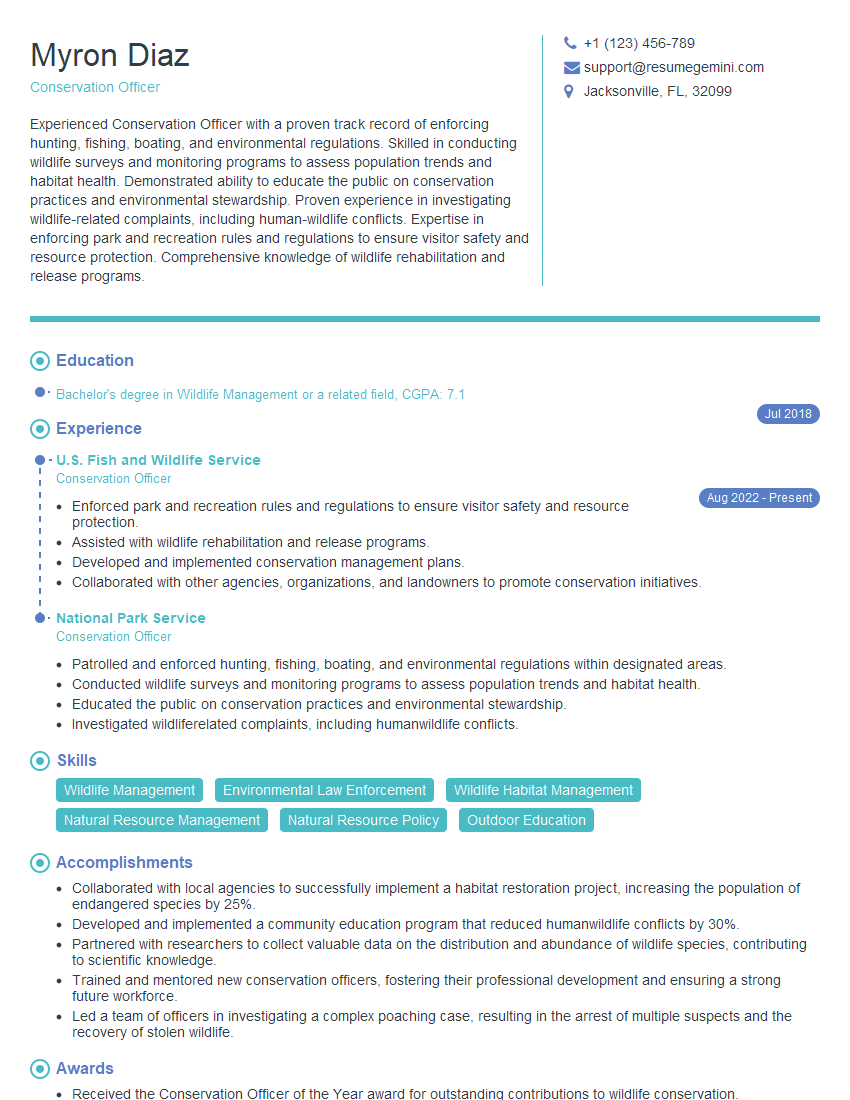
Conservation Officer Resume Sample
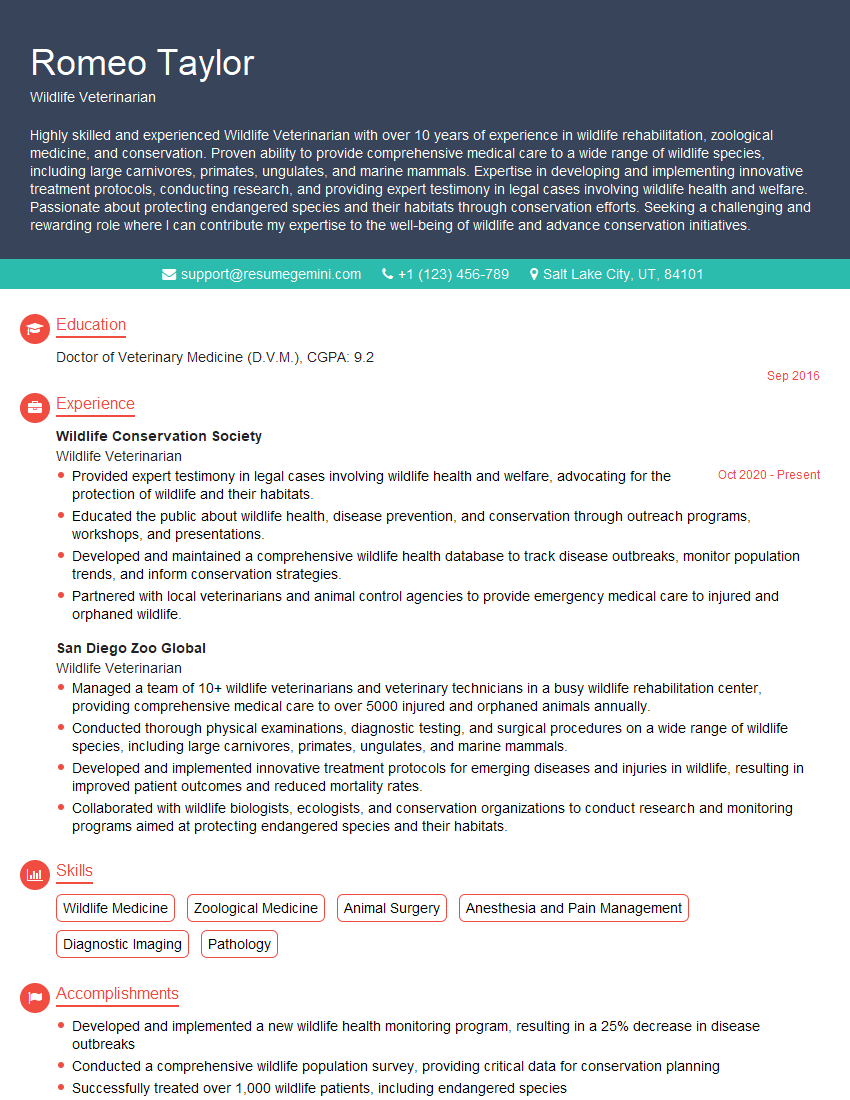
Wildlife Veterinarian Resume Sample

Game Warden Resume Sample

Wildlife Rehabilitator Resume Sample
Explore more articles
Users Rating of Our Blogs
Share Your Experience
We value your feedback! Please rate our content and share your thoughts (optional).
What Readers Say About Our Blog
To the interviewgemini.com Webmaster.
Very helpful and content specific questions to help prepare me for my interview!
Thank you
To the interviewgemini.com Webmaster.
This was kind of a unique content I found around the specialized skills. Very helpful questions and good detailed answers.
Very Helpful blog, thank you Interviewgemini team.