Preparation is the key to success in any interview. In this post, we’ll explore crucial Colposcopy Biopsy interview questions and equip you with strategies to craft impactful answers. Whether you’re a beginner or a pro, these tips will elevate your preparation.
Questions Asked in Colposcopy Biopsy Interview
Q 1. Describe the procedure for performing a colposcopy.
Colposcopy is a procedure where a specialized magnifying instrument, called a colposcope, is used to visualize the cervix, vagina, and vulva. It allows for close examination of the tissues to detect abnormalities. The procedure is generally quick and minimally invasive.
The steps typically involve:
- Patient Preparation: The patient is positioned on an examination table in lithotomy position (legs in stirrups). A speculum is gently inserted into the vagina to provide optimal visualization.
- Colposcopic Examination: The colposcope is positioned to provide a magnified view (typically 6x-40x) of the cervix, vagina, and vulva. Acetic acid (vinegar) is often applied to the cervix to highlight abnormal areas. This is called acetowhite test, it helps in visualizing areas of abnormal cellular changes. Iodine solution (Lugol’s solution) may also be used, this is called Schiller’s test. Areas that don’t stain brown (iodine negative) suggest abnormal cells which don’t take up the iodine.
- Biopsy (if indicated): If abnormal areas are identified, a biopsy is typically taken for histopathological examination. This involves using small forceps to remove a tissue sample for microscopic analysis.
- Post-procedure: The speculum is removed, and the patient is monitored for any immediate complications. Post procedure instructions are provided to the patient.
Think of it like using a powerful magnifying glass to carefully examine the surface of the cervix and surrounding areas. This allows for early detection of precancerous and cancerous changes.
Q 2. What are the indications for a colposcopy?
Colposcopy is indicated when there’s suspicion of cervical, vaginal, or vulvar abnormalities. This suspicion might arise from several sources:
- Abnormal Pap smear: The most common reason. Findings like ASC-US (atypical squamous cells of undetermined significance), LSIL (low-grade squamous intraepithelial lesion), HSIL (high-grade squamous intraepithelial lesion), or atypical glandular cells require colposcopy to further evaluate the abnormality.
- Abnormal vaginal bleeding: Postmenopausal bleeding, intermenstrual bleeding, or heavy menstrual bleeding that doesn’t have a clear benign explanation.
- Visible cervical lesions: During a routine pelvic exam, the physician might notice an abnormal appearance of the cervix (e.g., ulcerations, exophytic lesions).
- Positive HPV test: A positive human papillomavirus test (HPV) result, especially for high-risk HPV types, necessitates colposcopy for further evaluation.
- Suspected vulvar disease: Colposcopy can also be used to evaluate suspicious lesions or changes on the vulva.
Essentially, colposcopy is a valuable diagnostic tool used to clarify abnormal findings that indicate a potential for precancerous or cancerous changes in the lower genital tract.
Q 3. Explain the different types of colposcopic findings.
Colposcopic findings are described based on the appearance of the cervix and surrounding tissues. These findings guide the decision to obtain a biopsy and inform the pathologist’s interpretation of the biopsy specimen.
- Normal: The cervix appears smooth, pink, and homogenous. There’s no acetowhite or iodine-negative areas.
- Acetowhite epithelium (AW): Areas that turn white after application of acetic acid, indicating abnormal cell maturation.
- Iodine-negative epithelium: Areas that fail to stain brown after the application of Lugol’s iodine solution, which also suggests abnormal cells.
- Mosaicism: A mosaic pattern of darker and lighter areas on the cervix. This can be a sign of precancerous lesions.
- Punctation: The presence of small, red dots, often indicative of vascular changes associated with dysplasia.
- Lesions: Any visible abnormalities, such as ulcers, exophytic growths, or other suspicious areas.
The combination and distribution of these findings are crucial in determining the next steps. For example, extensive acetowhite changes with mosaicism and punctation would strongly suggest the need for targeted biopsies.
Q 4. How do you interpret a colposcopic image?
Interpreting a colposcopic image requires experience and training. The colposcopist assesses several features:
- Color: Abnormal areas may appear whiter (acetowhite) or darker than normal tissue.
- Vascularity: Increased or abnormal blood vessel patterns (punctation) can be a sign of abnormality.
- Surface texture: The surface of the cervix may appear irregular or granular in areas of dysplasia.
- Distribution and size: The extent and size of abnormal areas influence the diagnosis and treatment approach.
- Response to acetic acid and Lugol’s iodine: The way the tissue reacts to these solutions provides crucial information about cellular changes.
It’s a combination of these visual clues that allows the colposcopist to identify areas that require further investigation through biopsy. Experience is crucial in differentiating subtle changes between benign and potentially precancerous or cancerous lesions.
Q 5. What are the different types of biopsies taken during a colposcopy?
Several types of biopsies can be taken during a colposcopy, depending on the location and appearance of the abnormality.
- Punch biopsy: A small circular piece of tissue is removed using a punch biopsy instrument. This is commonly used for sampling suspicious lesions.
- Endocervical curettage (ECC): A curette is used to scrape the endocervical canal (the inner lining of the cervix) to collect tissue samples. This is particularly important to rule out glandular abnormalities.
- Directed biopsy: A targeted biopsy of a specific area identified as abnormal during colposcopy.
- Cone biopsy: A cone-shaped piece of tissue is removed from the cervix. This is a more extensive procedure usually reserved for high-grade lesions or when a larger tissue sample is needed for diagnosis.
The choice of biopsy type depends on the colposcopic findings and the clinician’s judgment.
Q 6. Describe the technique for obtaining a directed biopsy.
A directed biopsy involves taking a tissue sample from a precisely identified abnormal area visible during colposcopy. The goal is to obtain a representative sample from the suspicious lesion for accurate diagnosis.
Technique:
- Identify target area: Using the colposcope, the physician carefully identifies the area showing acetowhite changes, mosaicism, punctation, or other suspicious features.
- Grasp tissue: Using appropriate biopsy forceps (such as single-tooth or alligator forceps), the physician gently grasps a small piece of the abnormal tissue.
- Remove tissue: With a firm, twisting motion, the forceps remove the tissue sample. The action should be deliberate to prevent tearing the tissue sample and to ensure that enough tissue is obtained.
- Specimen handling: The tissue sample is placed in a fixative (usually formalin) to preserve it for microscopic examination.
The technique requires precision and experience to obtain an adequate sample while minimizing bleeding and trauma. The colposcopist carefully considers the location and size of the lesion to obtain an appropriate tissue sample for accurate diagnosis.
Q 7. What are the potential complications of a colposcopy and biopsy?
Colposcopy and biopsy are generally safe procedures, but potential complications can occur.
- Bleeding: Minor bleeding is common, but more significant bleeding can rarely occur and usually resolves with simple measures.
- Infection: Infection is a potential risk, especially if proper sterilization techniques are not followed.
- Pain: Most patients experience minimal discomfort; pain is usually easily managed with analgesics.
- Cervical stenosis: In rare cases, particularly after cone biopsies, the cervical opening can narrow (stenosis), potentially affecting future pregnancies.
- Incompetent cervix: The cervix might be more prone to dilation and premature delivery in subsequent pregnancies, though it is uncommon.
These complications are rare, and the risks are usually outweighed by the benefits of early diagnosis and treatment of precancerous and cancerous conditions. Proper technique and aseptic precautions minimize the likelihood of complications.
Q 8. How do you manage bleeding during a colposcopy?
Managing bleeding during a colposcopy is crucial for optimal visualization and procedure safety. Minor bleeding is common and usually controlled with gentle pressure using cotton swabs or a sponge stick. For more significant bleeding, we might use monopolar electrocautery (a device that uses heat to cauterize blood vessels) or, less frequently, bipolar electrocautery (which uses two poles for more precise cauterization). The choice depends on the location and severity of the bleeding. In cases where bleeding persists despite these measures or is excessive, we might consider postponing the procedure and addressing the bleeding issue first. We always prioritize patient comfort and safety, carefully monitoring vital signs throughout the procedure.
For example, if a small vessel bleeds during biopsy sampling, applying gentle pressure with a cotton swab for a few minutes usually suffices. However, if a larger vessel is encountered, electrocautery is necessary to achieve hemostasis quickly and efficiently. The key is to remain calm and systematically use the appropriate tools and techniques to control the bleeding effectively.
Q 9. How do you counsel a patient before and after a colposcopy?
Pre-colposcopy counseling involves explaining the procedure in detail, addressing patient concerns and anxieties, obtaining informed consent, and managing expectations. I discuss the purpose of the colposcopy, potential findings, the biopsy process, and any discomfort or side effects. It’s crucial to explain the possibility of abnormal results and the subsequent steps involved in diagnosis and management. For example, I reassure patients that the procedure is typically well-tolerated, though some cramping or discomfort may be experienced.
Post-colposcopy counseling includes discussing potential post-procedure symptoms like bleeding (usually minimal spotting), cramping, and discharge. I advise patients on hygiene practices and when to seek immediate medical attention (e.g., heavy bleeding, severe pain, fever). It’s crucial to explain the biopsy result timeframe and offer emotional support, especially if an abnormality is detected. For instance, I’ll explain the process of receiving the pathology report and what to expect during the follow-up appointment. I also emphasize the importance of adherence to post-procedure advice to reduce the risk of complications.
Q 10. What are the common histological findings in cervical biopsies?
Common histological findings in cervical biopsies range from completely normal tissue to varying degrees of precancerous and cancerous lesions. These include:
- Normal squamous epithelium: This represents the healthy cervical lining.
- Cervical intraepithelial neoplasia (CIN): This encompasses various degrees of abnormal cell growth, ranging from CIN I (mild dysplasia) to CIN III (severe dysplasia/carcinoma in situ).
- Squamous cell carcinoma (SCC): This is an invasive cancer of the cervix, characterized by the spread of cancer cells beyond the epithelium.
- Adenocarcinoma: This is a less common type of cervical cancer arising from glandular cells.
- Inflammation: This indicates an inflammatory process that might be related to infection (e.g., chlamydia, HPV).
The pathologist’s report meticulously details these findings, including the specific type and grade of abnormality, which is then used to guide clinical management.
Q 11. How do you differentiate between CIN I, CIN II, and CIN III?
Differentiating between CIN I, CIN II, and CIN III relies on the pathologist’s assessment of the extent and severity of cellular changes under the microscope. This assessment is based on the thickness of the epithelium involved by abnormal cells and the cytological atypia present.
- CIN I (mild dysplasia): Abnormal cells are confined to the lower third of the epithelium.
- CIN II (moderate dysplasia): Abnormal cells extend into the middle third of the epithelium.
- CIN III (severe dysplasia/carcinoma in situ): Abnormal cells occupy two-thirds or more of the epithelium’s thickness. Carcinoma in situ indicates that abnormal cells are limited to the epithelium and have not invaded the underlying stroma.
It’s crucial to understand that these are histological grades, reflecting the degree of cellular abnormality, not necessarily the clinical behavior. Even CIN I lesions have a potential for progression, though the risk is significantly lower than with higher-grade lesions. Accurate grading is essential for appropriate management decisions.
Q 12. What is the significance of finding squamous cell carcinoma in situ (SCCIS)?
Finding squamous cell carcinoma in situ (SCCIS) on a cervical biopsy is significant because it represents a pre-invasive malignancy. While not yet invasive, SCCIS has the potential to progress to invasive squamous cell carcinoma if left untreated. Therefore, it mandates prompt intervention to prevent cancer development. The management strategy usually involves complete excision of the lesion, often achieved through procedures like loop electrosurgical excision procedure (LEEP) or cone biopsy.
Early detection and treatment of SCCIS are critical in preventing invasive cervical cancer. Regular screening through Pap smears and colposcopy are key to early detection. A positive finding prompts a thorough evaluation to assess the extent of disease and plan appropriate management.
Q 13. What are the different types of cervical intraepithelial neoplasia (CIN)?
Cervical intraepithelial neoplasia (CIN) is a spectrum of precancerous lesions affecting the cervix. The different types are primarily categorized by the degree of cellular abnormality and the depth of involvement of the cervical epithelium, as described by the CIN grading system (CIN I, CIN II, and CIN III, as detailed in a previous answer).
It’s important to note that the terms dysplasia (abnormal cell growth) and carcinoma in situ (cancer cells confined to the epithelium) are often used interchangeably, particularly with CIN III. The underlying cause of CIN is predominantly persistent infection with high-risk human papillomavirus (HPV).
Q 14. Describe the management of different CIN grades.
Management of CIN grades varies based on several factors, including the patient’s age, risk factors, and the grade of CIN. Here’s a general overview:
- CIN I: Often managed with watchful waiting, involving repeat cytology and colposcopy at regular intervals (e.g., 6-12 months). Spontaneous regression is possible.
- CIN II and CIN III: Typically require more active management, often involving ablative or excisional procedures to remove the abnormal tissue. Options include LEEP, cold-knife cone biopsy, or laser ablation. The choice depends on several factors including lesion size, location, and patient preference.
- SCCIS (Carcinoma in situ): Management is similar to CIN III and usually involves excisional procedures.
In all cases, close follow-up is essential to monitor for recurrence or progression. The treatment goal is to remove or destroy the abnormal tissue while preserving fertility and maintaining cervical function where possible. Patient counseling plays a significant role, ensuring they understand the procedure’s implications and the rationale behind the chosen treatment strategy.
Q 15. What is the role of HPV testing in colposcopy?
HPV testing plays a crucial role in guiding colposcopic evaluation and management of abnormal cervical cytology. High-risk HPV (hrHPV) infection is a necessary, but not sufficient, condition for the development of cervical cancer. Therefore, a positive hrHPV test result indicates a higher risk of finding significant cervical abnormalities during colposcopy. Conversely, a negative hrHPV test result in the context of an abnormal Pap smear can help reassure the clinician that the abnormality may be less serious and less likely to be high-grade disease. The test helps to stratify risk and direct the intensity of colposcopic examination and biopsy strategy.
For instance, a patient with an ASC-US (Atypical Squamous Cells of Undetermined Significance) Pap smear and a negative hrHPV test may require less extensive colposcopic evaluation compared to a patient with the same Pap smear result but a positive hrHPV test, who would warrant a more thorough examination.
Career Expert Tips:
- Ace those interviews! Prepare effectively by reviewing the Top 50 Most Common Interview Questions on ResumeGemini.
- Navigate your job search with confidence! Explore a wide range of Career Tips on ResumeGemini. Learn about common challenges and recommendations to overcome them.
- Craft the perfect resume! Master the Art of Resume Writing with ResumeGemini’s guide. Showcase your unique qualifications and achievements effectively.
- Don’t miss out on holiday savings! Build your dream resume with ResumeGemini’s ATS optimized templates.
Q 16. How do you interpret HPV test results in conjunction with colposcopic findings?
Interpreting HPV test results alongside colposcopic findings is crucial for accurate risk assessment. Think of it like this: colposcopy provides the visual picture, while the HPV test adds an important layer of molecular information. A concordant finding, such as a positive HPV test and visual colposcopic findings suggestive of high-grade disease (e.g., acetowhite epithelium, mosaicism), strongly suggests the need for targeted biopsies. A discordant result, such as a negative HPV test but abnormal colposcopic findings, necessitates careful consideration. It might warrant a more extensive sampling or even repeat testing to exclude false negative results.
For example, a patient with a positive HPV 16 test and colposcopic findings consistent with CIN 2 (cervical intraepithelial neoplasia grade 2) requires immediate targeted biopsies. However, if the patient has a negative HPV test but colposcopic findings are concerning, we may need additional biopsies or even repeat colposcopy in 3-6 months. This situation underscores the importance of using clinical judgment and integrating all available data (Pap smear, HPV test, and colposcopic findings) to guide management.
Q 17. What are the limitations of colposcopy?
Colposcopy, while a valuable tool, has limitations. It’s operator-dependent; the accuracy of the examination relies heavily on the experience and skill of the colposcopist. Some lesions, especially those located in the endocervical canal, can be difficult to visualize and sample adequately. Additionally, colposcopy can’t detect all precancerous changes. Small or subtle lesions may be missed, and some high-grade lesions might appear deceptively normal.
For instance, a lesion hidden within a cervical fold or a very small area of high-grade CIN could be missed during colposcopy. Also, the interpretation of subtle colposcopic changes can be subjective and may vary between practitioners. This necessitates a standardized approach and sometimes the need for additional investigations to ensure accurate diagnosis and management.
Q 18. How do you manage a patient with a negative colposcopy but persistent abnormal Pap smear?
Managing a patient with a negative colposcopy but persistent abnormal Pap smear presents a diagnostic challenge. The first step is to carefully review the Pap smear report and the colposcopy findings. A repeat Pap smear is usually indicated, often in 3-6 months. If the abnormality persists, repeat colposcopy with extended sampling (e.g., endocervical curettage) might be considered. High-resolution colposcopy with magnification and iodine staining may improve detection of subtle abnormalities.
Let’s say a patient has persistent ASC-US despite two normal colposcopies. A repeat colposcopy with endocervical sampling might be necessary. If this remains negative and the Pap smear persists, additional investigations, possibly including a cone biopsy, may be warranted to rule out any underlying pathology.
Q 19. Describe the follow-up care after a colposcopy and biopsy.
Follow-up care after colposcopy and biopsy is critical for monitoring healing and detecting any potential complications or persistent disease. Patients are typically instructed to avoid strenuous activity and douching for a specified period. They should monitor for excessive bleeding, pain, or foul-smelling discharge. The pathology report is crucial; it dictates the subsequent management. Depending on the biopsy results, a repeat colposcopy or further treatment (e.g., loop electrosurgical excision procedure (LEEP) or cold-knife conization) might be necessary.
For example, if the biopsy reveals CIN 1, close monitoring with repeat Pap smears at regular intervals might suffice. However, CIN 2 or CIN 3 would usually warrant further intervention like a LEEP procedure. Post-procedure bleeding is carefully monitored and managed appropriately.
Q 20. What are the criteria for referral to a gynecologic oncologist?
Referral to a gynecologic oncologist is warranted when colposcopy reveals findings suggestive of high-grade cervical intraepithelial neoplasia (CIN 2/3) or invasive cancer, or if there’s suspicion of extensive disease or difficulty in managing the case. A large lesion, involvement of the endocervical canal, or uncertainty in interpretation of colposcopic findings may prompt referral. Furthermore, if there is persistent abnormal cytology despite multiple colposcopies and biopsies, referral to a specialist becomes crucial for specialized diagnostic procedures or surgical management.
For instance, if colposcopy reveals a large, suspicious lesion that extends to the endocervix, or if the biopsy shows invasive cancer, immediate referral to a gynecologic oncologist is necessary for appropriate staging and treatment planning. Similarly, if there is concern about the adequacy of a previous biopsy or an inability to fully visualize the lesion, referral to a specialist is highly recommended.
Q 21. Explain the importance of proper specimen handling and labeling.
Proper specimen handling and labeling are paramount to ensure accurate diagnosis and patient safety. Inadequate labeling or mishandling can lead to misdiagnosis, potentially delaying or compromising treatment. All specimens must be clearly labeled with the patient’s name, date of birth, date of collection, and the site of origin (e.g., ectocervix, endocervix). Specimens should be placed in the appropriate fixative (usually formalin) and transported to the pathology lab promptly to prevent degradation. Precise documentation of colposcopic findings aids the pathologist in interpreting the tissue sample.
For example, a biopsy specimen labeled incorrectly could lead to the wrong diagnosis and an inappropriate treatment plan. Similarly, a poorly preserved specimen may yield inconclusive results and delay definitive diagnosis. Maintaining a clear and well-organized chain of custody is essential for accountability and accurate diagnosis in the clinical setting.
Q 22. How do you ensure patient comfort and minimize discomfort during the procedure?
Patient comfort is paramount during a colposcopy. We begin by establishing a trusting rapport, explaining the procedure in simple, non-medical terms, and answering all questions thoroughly. A comfortable position is crucial; we adjust the examination table to the patient’s preference and provide pillows or blankets for support. We use a gentle touch during the examination, and local anesthetic, usually a 4% lidocaine jelly, is applied to numb the cervix before any biopsy is taken. We also offer reassurance and distraction techniques, such as deep breathing exercises, during the procedure. Post-procedure, we provide clear instructions for pain management, usually over-the-counter analgesics, and advice on hygiene and potential side effects. For example, I often explain that mild cramping is normal, similar to menstrual cramps.
Regular communication throughout the procedure is essential. If a patient expresses discomfort, we immediately stop, reassess the situation, and adjust our approach. This may involve using a different instrument, adjusting the position, or administering additional anesthetic. We aim to create a calm and supportive environment, minimizing any anxieties and ensuring the patient feels respected and heard throughout the entire process.
Q 23. What are the ethical considerations related to colposcopy and biopsy?
Ethical considerations in colposcopy and biopsy are central to our practice. Informed consent is paramount; the patient must fully understand the procedure, potential risks (such as bleeding or infection), benefits, and alternatives. This involves clear, concise communication tailored to the patient’s understanding. We document this consent meticulously. Confidentiality is another key aspect; all patient information is treated with the utmost privacy and security. We always respect the patient’s autonomy, allowing them to make informed decisions about their care, even if it means declining a biopsy. Another important consideration is ensuring equitable access to colposcopy services, regardless of socioeconomic background or geographic location.
Furthermore, we adhere to strict professional guidelines and regulations. This includes maintaining appropriate professional boundaries, documenting all procedures accurately, and complying with all relevant legislation. In cases of uncertain or abnormal findings, we seek consultations with experienced colleagues to ensure the best possible course of action for the patient, always prioritizing their well-being.
Q 24. How do you maintain sterility during the procedure?
Maintaining sterility during colposcopy and biopsy is of utmost importance to prevent infection. We adhere to strict aseptic techniques throughout the procedure. This begins with thorough hand hygiene using an alcohol-based handrub. We utilize sterile gloves, drapes, and instruments. The colposcope itself is cleaned and disinfected before and after each use, following manufacturer guidelines. Any instruments that come into contact with the patient’s tissues are disposable, or if reusable, meticulously sterilized according to hospital protocols. We also ensure the examination room is clean and free from clutter to minimize the risk of contamination.
Specific examples include using sterile speculums and ensuring that the biopsy forceps are sterile before they touch the cervix. Post-procedure, all used instruments and materials are disposed of appropriately, and the examination area is thoroughly cleaned. We regularly review our sterilization protocols to maintain compliance with infection control standards and best practices. For instance, we might implement color-coded systems for instruments to ensure that only sterilized tools are used.
Q 25. What are the latest advancements in colposcopy technology?
Recent advancements in colposcopy technology have significantly enhanced the accuracy and efficiency of the procedure. High-definition cameras and digital imaging systems allow for better visualization of cervical lesions, making it easier to identify subtle abnormalities. Image enhancement software can highlight suspicious areas, aiding in targeted biopsies. Some newer colposcopes offer features such as integrated digital photography and video recording, which facilitate documentation, consultation with colleagues, and patient education. These capabilities also enhance training and allow for better quality assurance.
Further advancements include the incorporation of narrow-band imaging (NBI) and other advanced optical techniques which provide enhanced visualization of vascular patterns in cervical tissue, which aids in the diagnosis of precancerous lesions. These technologies improve the diagnostic accuracy and help to minimize unnecessary biopsies, reducing patient anxiety and discomfort.
Q 26. How do you handle unexpected findings during a colposcopy?
Unexpected findings during colposcopy require a calm and methodical approach. If an unexpected lesion is identified, we first thoroughly document the finding, including its size, location, and appearance. We then carefully reassess the patient’s history and risk factors. Depending on the finding, we might decide to take additional biopsies from the area for further analysis or to perform a more extensive examination. In some cases, we might refer the patient to a specialist for a second opinion or for further investigations, such as a cone biopsy or other advanced diagnostic procedures.
For example, if I find a lesion that appears significantly different from what I originally anticipated based on the initial Pap smear or screening, I would immediately document the characteristics of the lesion using photos and take a targeted biopsy of the area. This would be followed by a thorough discussion with the patient to explain the findings and the next steps, providing reassurance and support. This approach prioritizes patient safety and ensuring the best possible outcome.
Q 27. Discuss the role of imaging in guiding colposcopy biopsies.
Imaging plays a crucial role in guiding colposcopy biopsies. High-resolution images obtained during colposcopy, including those using narrow-band imaging (NBI), provide a detailed visualization of the cervical surface. This allows precise targeting of suspicious areas for biopsy, minimizing the risk of missing significant lesions or taking unnecessary biopsies from normal tissue. Digital imaging allows for easy storage and retrieval of images, facilitating consultations, and improving diagnostic accuracy over time. This enhances communication and allows for more informed decision making.
For instance, the ability to zoom in on specific areas during colposcopy, aided by high-definition imaging, ensures that only areas requiring biopsy are targeted. The images are also valuable for comparison to previous examinations, allowing us to monitor changes over time and better assess the progression or regression of lesions.
Q 28. Explain your experience with different types of biopsy forceps.
My experience encompasses the use of various biopsy forceps, each with its own advantages and disadvantages. I frequently use single-tooth biopsy forceps for taking small, targeted biopsies from specific areas. These are excellent for obtaining samples from small, well-defined lesions. For larger areas, I might employ punch biopsy forceps, which allow for the removal of a cylindrical tissue sample. These are particularly useful for obtaining representative samples from larger or more complex lesions.
The choice of forceps depends on the size and location of the lesion and the information needed. For example, a larger, more extensive lesion might require a punch biopsy to obtain an adequate tissue sample for pathological examination. I also have experience with other specialized forceps designs adapted for specific applications. The selection of forceps is crucial for minimizing trauma to the patient while ensuring the quality and adequacy of the tissue sample for accurate diagnosis.
Key Topics to Learn for Colposcopy Biopsy Interview
- Colposcopic Examination Techniques: Mastering the use of the colposcope, including optimal lighting, magnification, and visualization techniques for identifying abnormal areas.
- Cervical Anatomy and Pathology: Deep understanding of normal and abnormal cervical tissue, including precancerous lesions and cancerous changes. Be prepared to discuss the various types of HPV infection and their correlation with cervical pathology.
- Biopsy Techniques: Detailed knowledge of different biopsy techniques (e.g., punch biopsy, endocervical curettage), including indications, contraindications, and potential complications. Practice explaining the rationale behind choosing a specific technique in different clinical scenarios.
- Specimen Handling and Processing: Understand the proper procedures for labeling, preserving, and transporting biopsy specimens to ensure accurate diagnosis. Familiarity with different laboratory processing methods is beneficial.
- Interpretation of Histopathology Reports: Ability to understand and interpret histopathology reports, correlating findings with colposcopic observations. This includes understanding different grading systems and terminology.
- Patient Management and Communication: Discuss the importance of effective communication with patients, including explaining procedures, managing expectations, and addressing concerns. Be ready to discuss ethical considerations and informed consent.
- Risk Factors and Prevention: Comprehensive knowledge of risk factors for cervical cancer and the importance of preventive measures, including screening programs and vaccination.
- Troubleshooting and Problem-Solving: Be prepared to discuss scenarios where colposcopic findings are unclear or unexpected, and how you would approach such situations. This includes strategies for managing complications during the procedure.
Next Steps
Mastering Colposcopy Biopsy significantly enhances your career prospects in gynecology and related fields. A strong understanding of this procedure demonstrates expertise and a commitment to patient care. To increase your chances of landing your dream role, creating an ATS-friendly resume is crucial. ResumeGemini is a trusted resource for building professional, impactful resumes tailored to specific fields. ResumeGemini provides examples of resumes tailored to Colposcopy Biopsy to help you craft a compelling document that showcases your skills and experience effectively. Take the next step in your career journey and utilize ResumeGemini’s tools to create a resume that stands out.
Healthcare Administrator Resume Sample
Clinical Research Coordinator Resume Sample
Quality Assurance Specialist Resume Sample
Nurse Practitioner Resume Sample
Medical Writer Resume Sample
Family Physician Resume Sample

Physician Assistant Resume Sample
Gynecologist Resume Sample
Pathologist Resume Sample
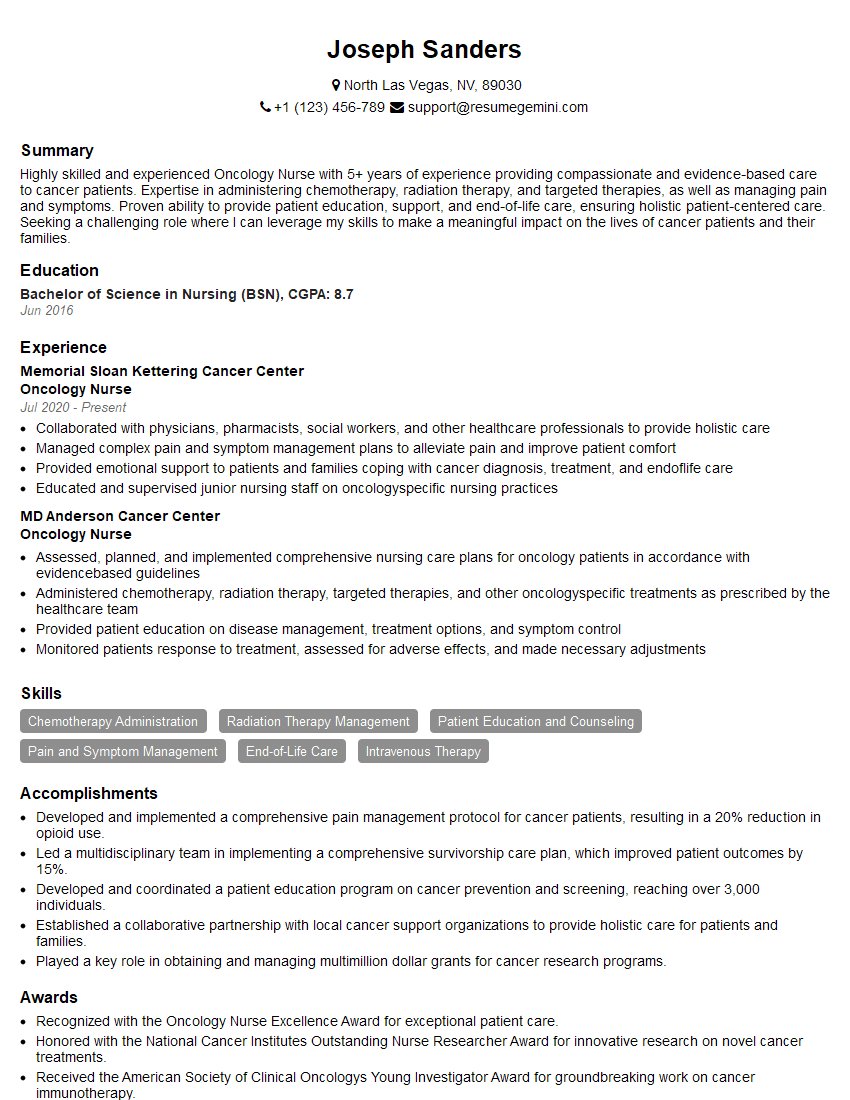
Oncology Nurse Resume Sample
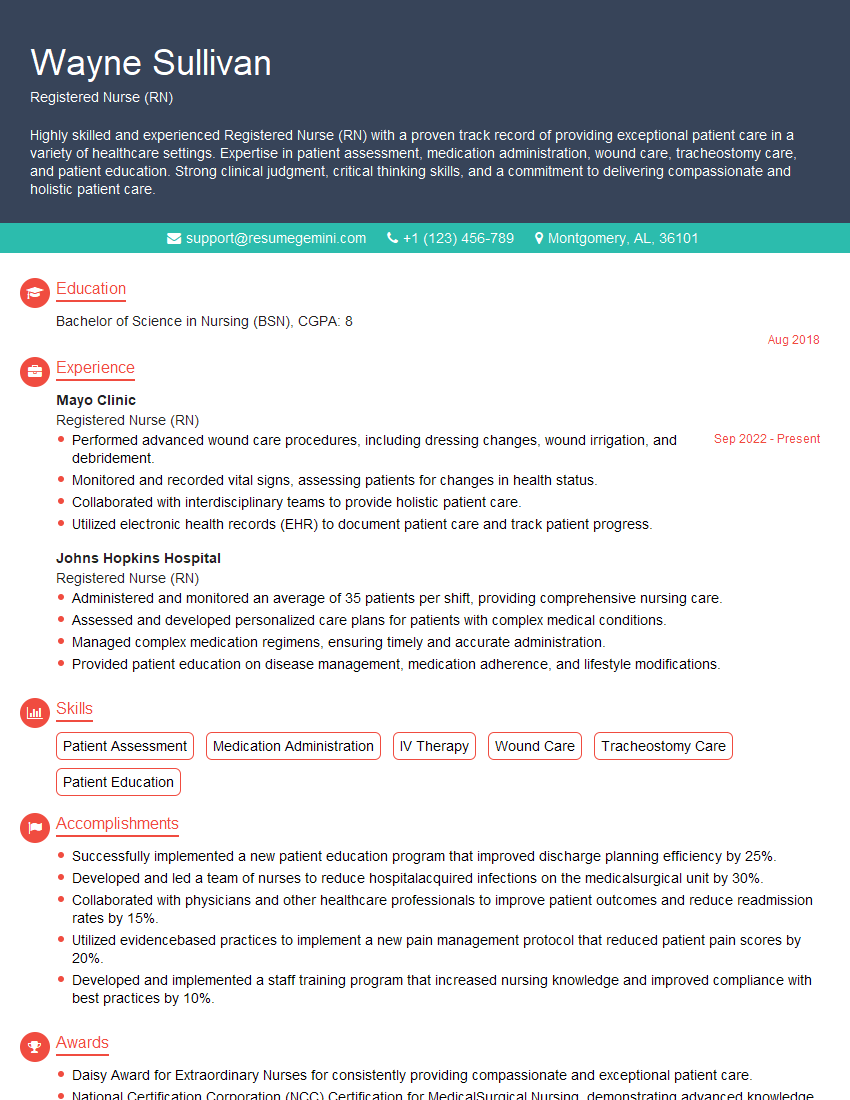
Registered Nurse (RN) Resume Sample
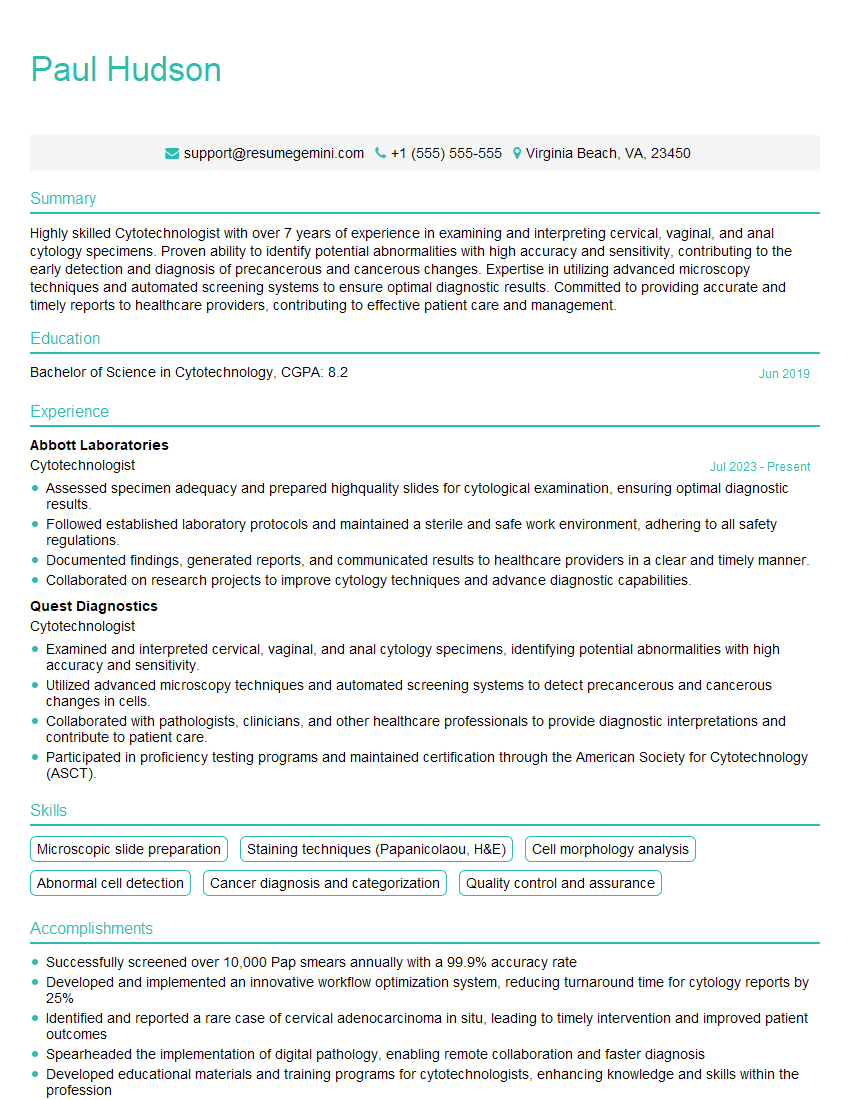
Cytotechnologist Resume Sample
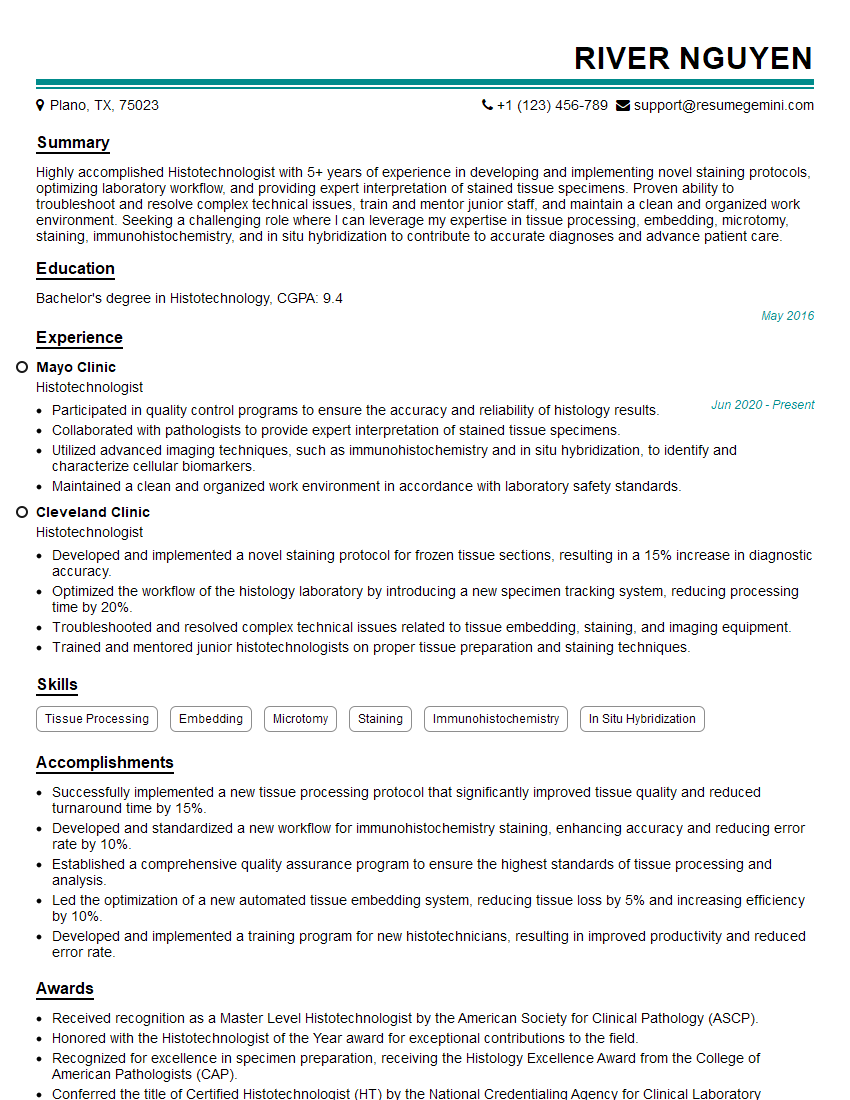
Histotechnologist Resume Sample
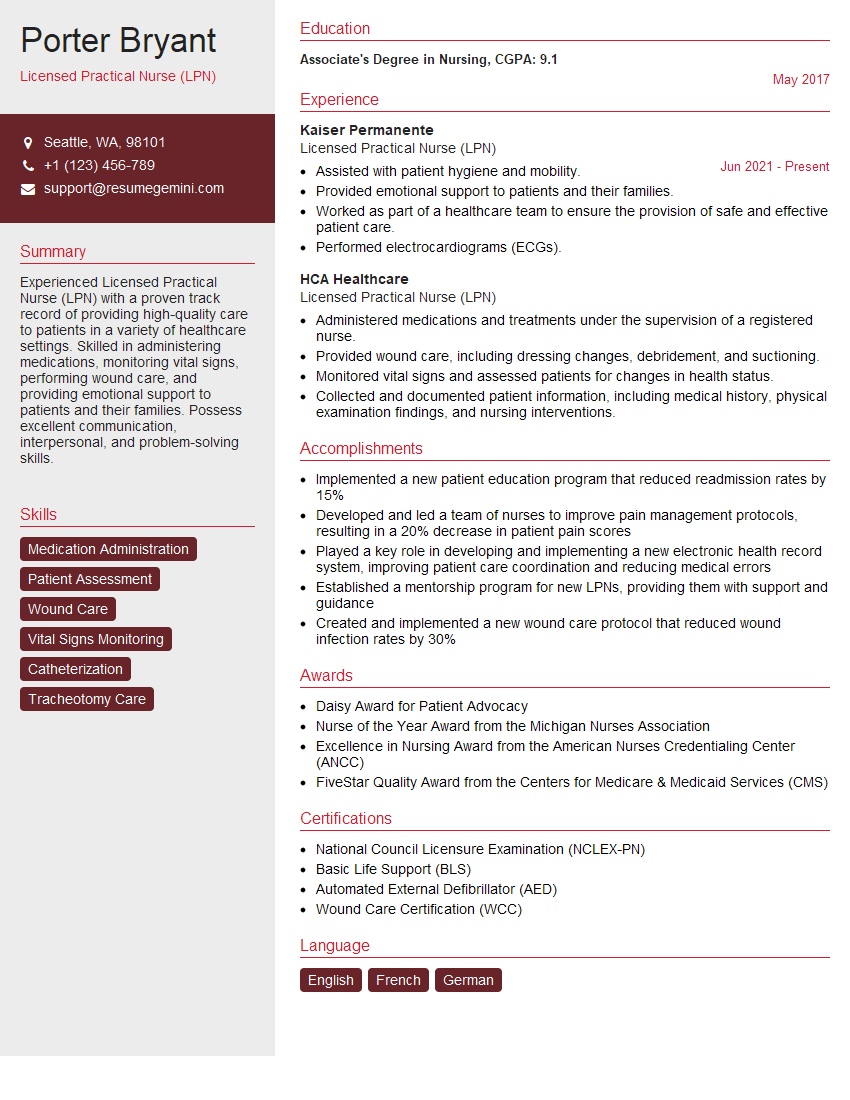
Licensed Practical Nurse (LPN) Resume Sample
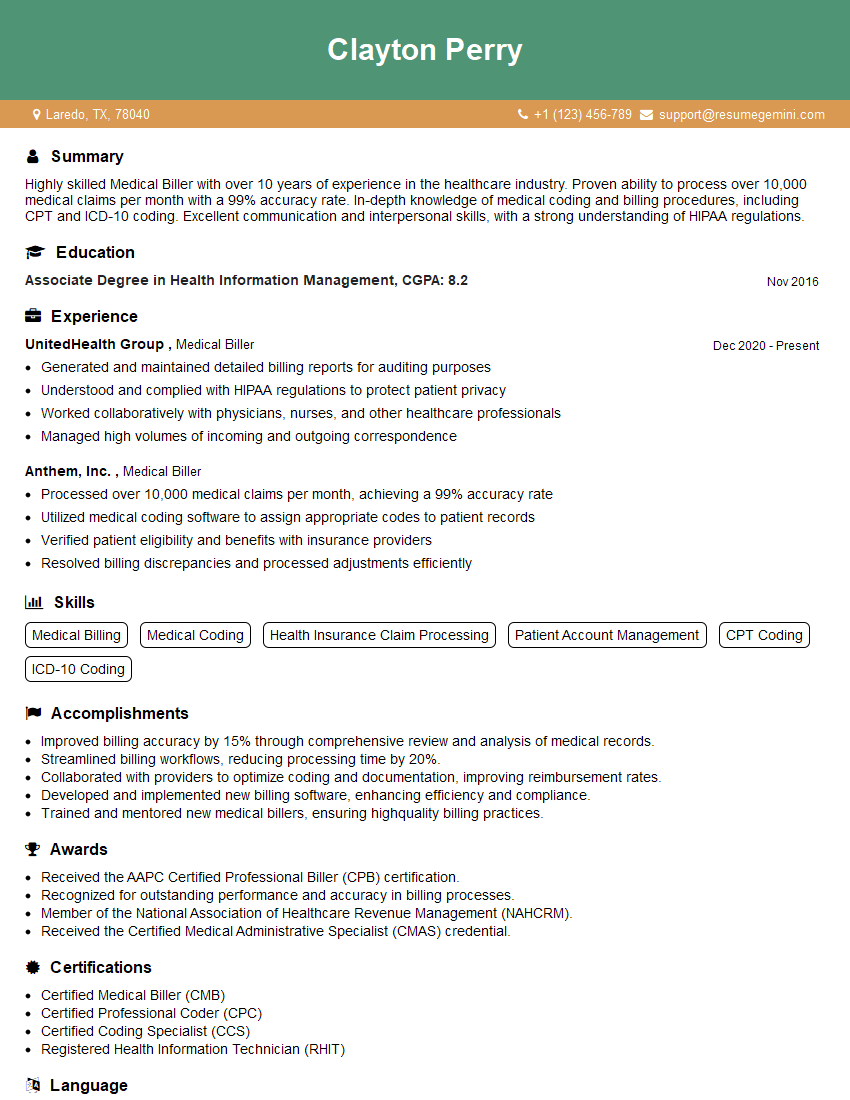
Medical Biller Resume Sample
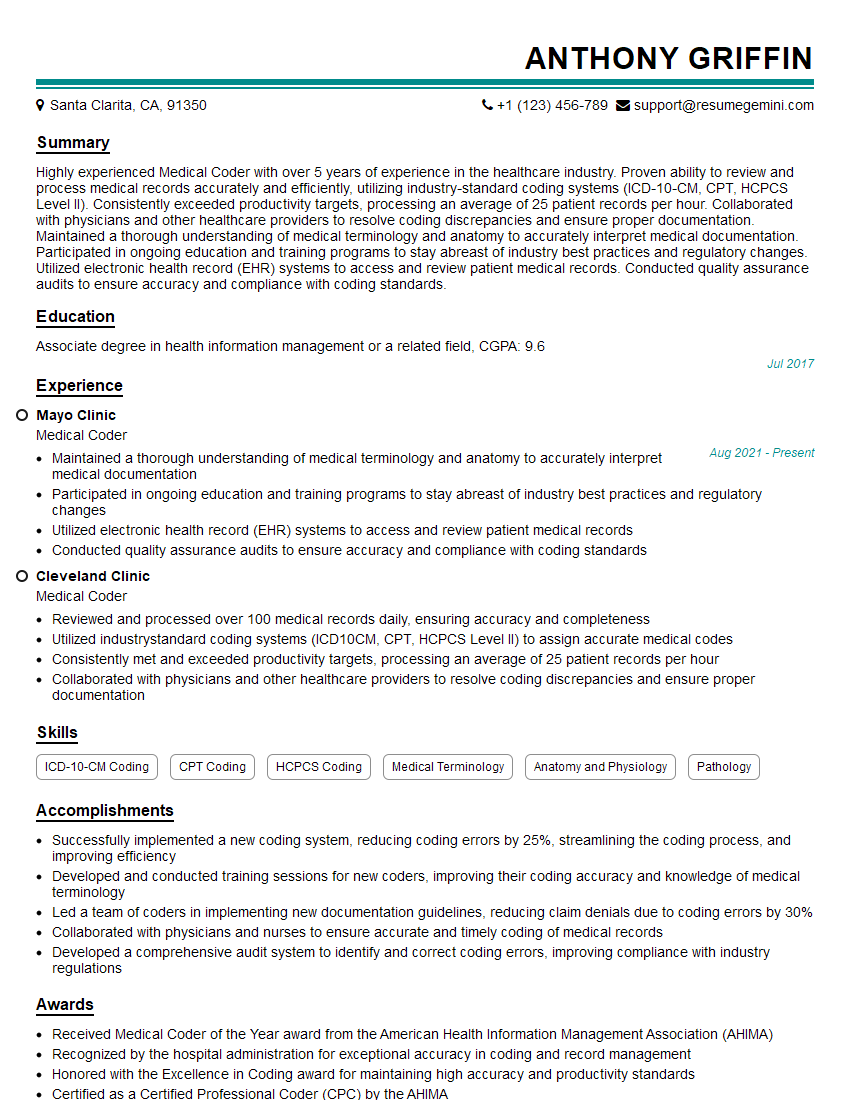
Medical Coder Resume Sample
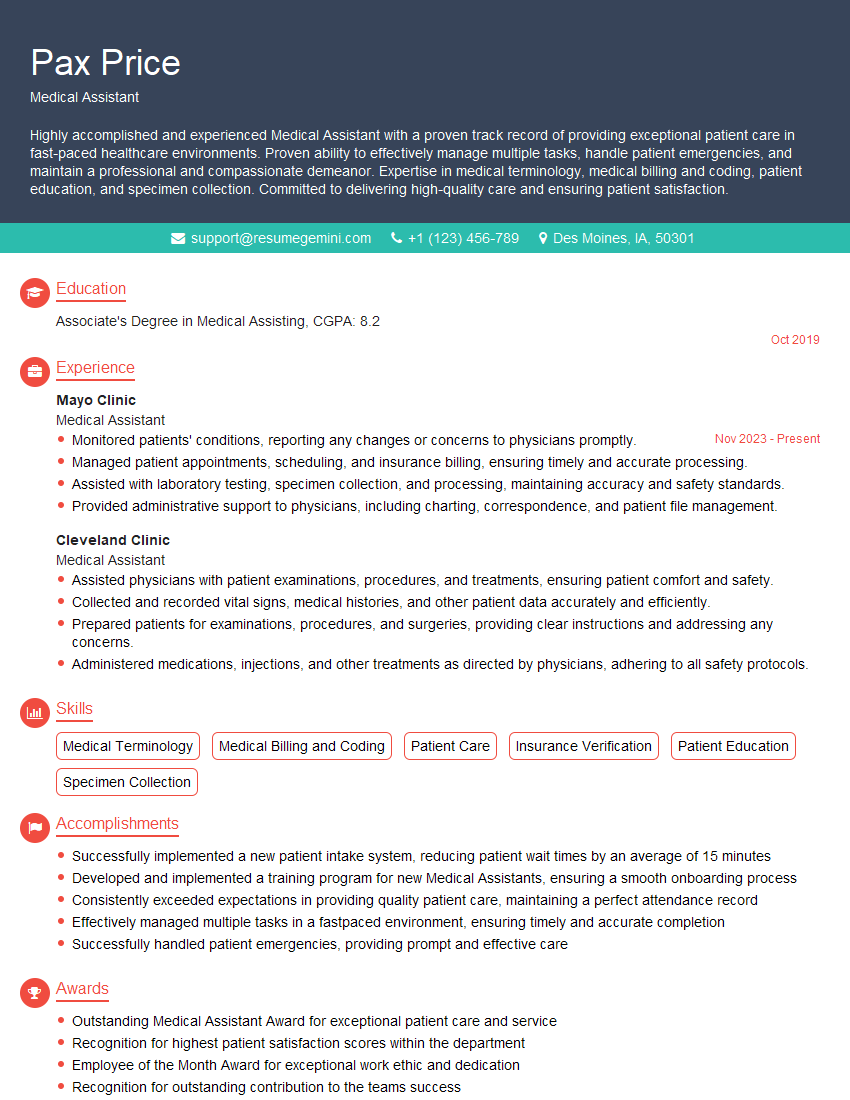
Medical Assistant Resume Sample
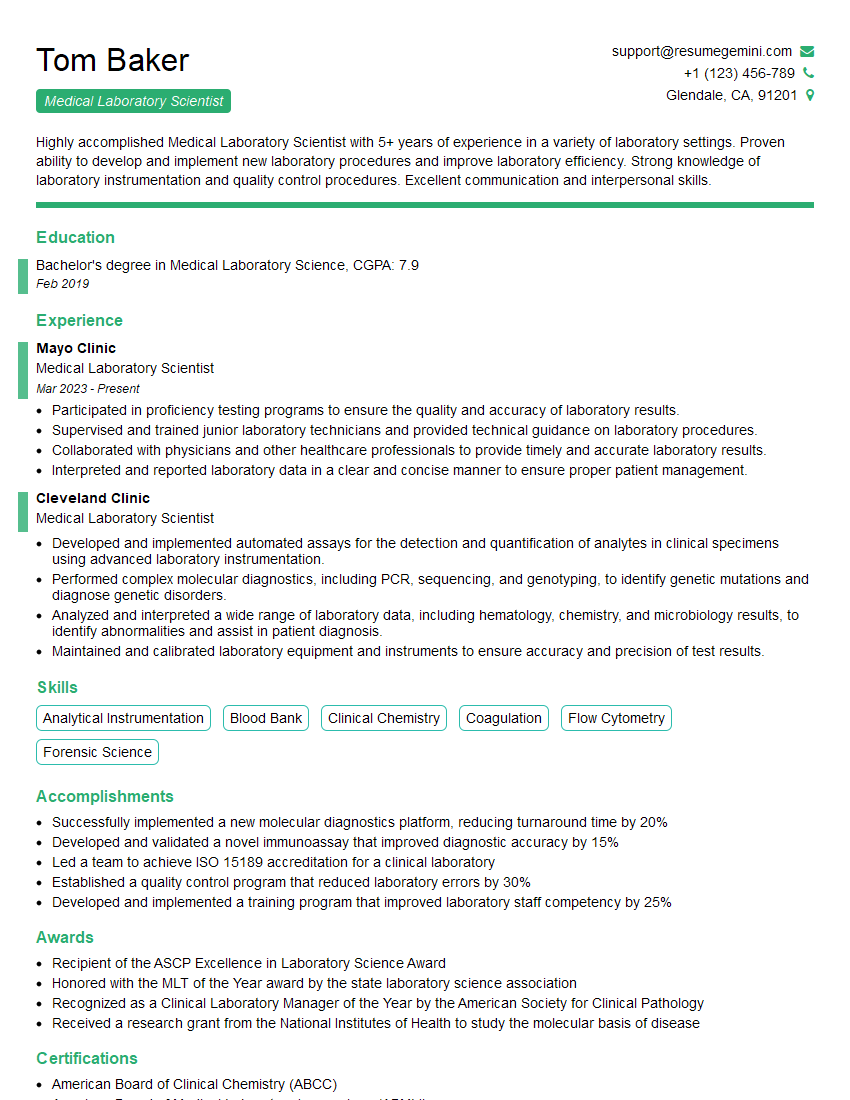
Medical Laboratory Scientist Resume Sample
- Healthcare Administrator
- Clinical Research Coordinator
- Quality Assurance Specialist
- Nurse Practitioner
- Medical Writer
- Family Physician
- Physician Assistant
- Gynecologist
- Pathologist
- Oncology Nurse
- Registered Nurse (RN)
- Cytotechnologist
- Histotechnologist
- Licensed Practical Nurse (LPN)
- Medical Biller
- Medical Coder
- Medical Assistant
- Medical Laboratory Scientist
Explore more articles
Users Rating of Our Blogs
Share Your Experience
We value your feedback! Please rate our content and share your thoughts (optional).
What Readers Say About Our Blog
To the interviewgemini.com Webmaster.
Very helpful and content specific questions to help prepare me for my interview!
Thank you
To the interviewgemini.com Webmaster.
This was kind of a unique content I found around the specialized skills. Very helpful questions and good detailed answers.
Very Helpful blog, thank you Interviewgemini team.