Interviews are opportunities to demonstrate your expertise, and this guide is here to help you shine. Explore the essential Antepartum and Postpartum Care interview questions that employers frequently ask, paired with strategies for crafting responses that set you apart from the competition.
Questions Asked in Antepartum and Postpartum Care Interview
Q 1. Describe your experience managing patients with gestational diabetes.
Managing gestational diabetes requires a multi-faceted approach focusing on glycemic control to minimize risks to both mother and baby. My experience involves a thorough assessment of the patient’s risk factors, including family history, weight, and age, followed by regular blood glucose monitoring. I utilize a combination of dietary modifications, tailored exercise plans, and, when necessary, insulin therapy.
For example, I recently worked with a patient who was diagnosed with gestational diabetes at her 28-week checkup. We collaboratively developed a meal plan focusing on whole grains, lean proteins, and non-starchy vegetables. We also incorporated regular walks into her daily routine. Her initial blood glucose levels were high, so we started her on a low dose of insulin. Through consistent monitoring and adjustments to her plan, we were able to maintain her blood sugar within the target range throughout her pregnancy, resulting in a healthy pregnancy and delivery.
Continuous monitoring, regular communication with the patient, and close collaboration with a registered dietitian and endocrinologist are crucial for successful management of gestational diabetes. The goal is to optimize maternal and fetal well-being throughout the pregnancy and reduce long-term health risks.
Q 2. Explain your approach to assessing postpartum hemorrhage.
Assessing postpartum hemorrhage (PPH) is a critical skill requiring immediate action. My approach starts with prompt identification of excessive bleeding, defined as blood loss exceeding 500ml after vaginal delivery or 1000ml after cesarean section. I immediately assess the patient’s vital signs – blood pressure, pulse, and respiratory rate – looking for signs of hypovolemic shock (e.g., tachycardia, hypotension). A focused physical exam including uterine tone, inspection of the perineum for lacerations, and assessment for any other sources of bleeding is crucial.
Fundal massage is a common first-line intervention to help contract the uterus and reduce bleeding. Simultaneously, I initiate large-bore IV access for fluid resuscitation. Further management depends on the cause and severity of the hemorrhage. This might involve administering uterotonics like oxytocin, methylergonovine, or carboprost tromethamine. In cases of significant bleeding unresponsive to conservative measures, surgical interventions like uterine artery embolization or hysterectomy may be necessary. Continuous monitoring of the patient’s vital signs and ongoing blood loss assessment is essential.
For instance, I once managed a patient who experienced a significant PPH following a vaginal delivery. Prompt identification of the PPH, immediate fundal massage, and intravenous administration of oxytocin and methylergonovine, along with fluid resuscitation, effectively controlled the bleeding, preventing the need for further interventions. This highlights the importance of rapid assessment and decisive action in managing PPH.
Q 3. How do you counsel patients on breastfeeding challenges?
Counseling patients on breastfeeding challenges involves a supportive and empathetic approach. I begin by actively listening to the patient’s concerns, validating her feelings, and acknowledging the difficulties she is facing. This includes addressing any physical discomfort, such as sore nipples, latch problems, or milk supply concerns.
I provide practical advice and guidance on proper latch techniques, positioning, and feeding schedules. I often demonstrate and encourage skin-to-skin contact to stimulate the let-down reflex. For milk supply issues, I discuss strategies to increase milk production, including frequent feeding, power pumping, and dietary modifications. Lactation consultants are invaluable in these situations. I also educate patients about the benefits of breastfeeding for both mother and baby, emphasizing that even partial breastfeeding offers significant benefits.
For example, I recently supported a patient struggling with latch issues. After a careful assessment, we discovered that her baby had a tongue-tie. Referral to an ENT specialist, combined with guidance on alternative feeding positions, significantly improved her breastfeeding experience.
It’s vital to provide ongoing support and encouragement throughout the breastfeeding journey. I emphasize that breastfeeding is a learning process that may involve challenges, but with proper support, many difficulties can be overcome.
Q 4. What are the signs and symptoms of postpartum depression?
Postpartum depression (PPD) is a serious condition affecting a significant number of women after childbirth. The signs and symptoms can vary greatly but often include persistent sadness, anxiety, or irritability; feelings of hopelessness or worthlessness; loss of interest in activities once enjoyed; changes in sleep patterns (insomnia or excessive sleeping); changes in appetite (increased or decreased); difficulty concentrating; and thoughts of self-harm or harming the baby.
Some women may experience more subtle symptoms, such as feeling overwhelmed, emotionally detached from their baby, or experiencing excessive guilt. It’s crucial to remember that PPD is not a personal failing, but rather a treatable mental health condition. The severity of symptoms can range from mild to severe, with some women experiencing postpartum psychosis, a more serious condition requiring immediate medical attention.
For example, a patient who consistently reported feeling overwhelmed and unable to cope with everyday tasks, coupled with significant sleep disturbances and reduced emotional engagement with her baby, prompted a thorough assessment. This ultimately led to a diagnosis of PPD, and subsequent referral to a mental health professional for appropriate treatment, including therapy and medication.
Early recognition and intervention are essential for improving outcomes. Screening tools, such as the Edinburgh Postnatal Depression Scale (EPDS), can help identify women at risk.
Q 5. How do you manage a patient experiencing pre-eclampsia?
Managing pre-eclampsia, a dangerous condition characterized by high blood pressure and protein in the urine during pregnancy, requires immediate and close monitoring. My approach involves close observation of the patient’s blood pressure, urine protein levels, and fetal well-being. The primary goal is to prevent seizures (eclampsia) and deliver the baby safely.
Management strategies depend on the severity of the condition and gestational age. For mild pre-eclampsia, close monitoring, bed rest, and regular blood pressure checks are recommended. I may prescribe medications to help lower blood pressure if necessary, such as labetalol or nifedipine. However, for severe pre-eclampsia or eclampsia, immediate hospitalization is required. This often includes magnesium sulfate administration to prevent seizures, along with close monitoring of fetal heart rate and maternal vital signs. Delivery of the baby may be necessary, irrespective of gestational age, depending on the severity of the condition and fetal well-being.
For instance, I managed a patient with severe pre-eclampsia at 34 weeks gestation. Due to the severity of her condition, which included dangerously high blood pressure, proteinuria, and signs of organ dysfunction, we immediately admitted her to the hospital. She received magnesium sulfate for seizure prophylaxis and delivered her baby via cesarean section. The early intervention and prompt delivery helped save both the mother’s and baby’s lives. Postpartum, continued monitoring for post-partum hypertension and careful management of anti-hypertensive medications are crucial.
Q 6. Describe your experience with administering postpartum medications.
Administering postpartum medications requires careful attention to detail and patient safety. My experience encompasses administering a variety of medications, including uterotonics (such as oxytocin) to prevent postpartum hemorrhage, analgesics for pain management (e.g., ibuprofen, acetaminophen), and antibiotics to treat or prevent infection (e.g., cefazolin). I always verify the patient’s allergies, assess for contraindications, and educate the patient about the medication’s purpose, dosage, potential side effects, and administration instructions. I meticulously document the medication administered, including the time, route, and dose.
I use a six-rights approach – right patient, right medication, right dose, right route, right time, and right documentation – to ensure safe and effective medication administration. In addition, I monitor the patient closely for any adverse effects and adjust the medication regimen as needed. For instance, following a cesarean section, I administer antibiotics prophylactically to prevent infection. I closely monitor for signs of infection, such as fever, elevated white blood cell count, and wound drainage, and adjust antibiotic therapy if an infection develops.
Patient education is paramount. I provide clear explanations of each medication, answer the patient’s questions, and ensure they understand the importance of adhering to the prescribed regimen. This empowers the patient and helps achieve optimal treatment outcomes.
Q 7. What are the risk factors for premature labor?
Premature labor, defined as labor occurring before 37 weeks of gestation, has numerous risk factors that can be broadly categorized into maternal, fetal, and placental factors. Maternal factors include infections (such as chorioamnionitis), previous preterm birth, uterine anomalies, polyhydramnios (excess amniotic fluid), or oligohydramnios (low amniotic fluid), cervical insufficiency (incompetent cervix), and chronic medical conditions such as hypertension, diabetes, and autoimmune disorders.
Fetal factors contributing to preterm labor include multiple gestations (twins, triplets, etc.), fetal abnormalities, and placental abruption. Placental factors encompass conditions like placental previa (placenta covering the cervix), placenta accreta (placenta abnormally attached to the uterine wall), and premature rupture of membranes (PROM), where the amniotic sac breaks before labor begins.
Other risk factors include smoking, alcohol consumption, drug use, poor nutrition, and inadequate prenatal care. Understanding these risk factors is critical for early identification and implementation of preventive measures, such as cervical cerclage (surgical reinforcement of the cervix) for cervical insufficiency or close monitoring for infections. Addressing modifiable risk factors like smoking cessation and nutritional counseling can play a crucial role in reducing the likelihood of preterm labor.
For example, a patient with a history of previous preterm birth and a current infection presents a significantly higher risk of preterm labor, requiring close monitoring and prophylactic treatment to try to prevent a recurrence.
Q 8. How do you educate patients about newborn care?
Educating new parents about newborn care is crucial for ensuring the baby’s well-being and the parents’ confidence. My approach is multifaceted and tailored to the individual family’s needs and learning styles. I begin by assessing their existing knowledge and addressing any anxieties they may have.
Feeding: I explain the different feeding methods (breastfeeding, formula feeding) and provide guidance on proper latch, positioning, and frequency. I also discuss recognizing signs of hunger and satiety in the baby. For example, I might demonstrate different breastfeeding holds or explain the benefits of skin-to-skin contact for milk production.
Diapering: I demonstrate proper diapering techniques, emphasizing hygiene to prevent diaper rash. I explain the different types of diapers and how to identify diaper rash and treat it effectively.
Sleeping: I discuss safe sleep practices, emphasizing the importance of placing the baby on their back on a firm surface, without loose bedding or toys. I address concerns about Sudden Infant Death Syndrome (SIDS).
Bathing: I show new parents how to bathe their baby safely and gently, emphasizing the importance of maintaining water temperature and supporting the baby’s head and neck.
Soothing: I teach parents various methods for soothing a crying baby, such as swaddling, rocking, or white noise. We discuss recognizing different cries and responding appropriately.
Safety: This includes car seat safety, safe sleep practices, and preventing injuries around the house. I always emphasize the importance of installing the car seat correctly.
Throughout the process, I encourage questions and actively listen to their concerns. I provide written materials reinforcing the key points discussed and offer follow-up support as needed. I also emphasize the importance of seeking professional medical attention if they have any concerns about their baby’s health.
Q 9. Explain your understanding of fetal monitoring.
Fetal monitoring is a crucial aspect of antepartum and intrapartum care, aimed at assessing fetal well-being and detecting any signs of distress. It involves continuous or intermittent assessment of the fetal heart rate (FHR) and, often, the mother’s uterine contractions.
There are two main methods:
Intermittent auscultation: This involves listening to the FHR using a handheld Doppler or fetoscope at regular intervals (e.g., every 30 minutes during the first stage of labor and every 15 minutes during the second stage). This method is simple, cost-effective, and allows for greater maternal mobility, but it only provides intermittent data.
Electronic fetal monitoring (EFM): This uses electronic devices to continuously record the FHR and uterine contractions. There are two types: external (using ultrasound transducers placed on the mother’s abdomen) and internal (using a fetal scalp electrode and intrauterine pressure catheter). EFM provides a continuous record, allowing for identification of subtle changes in the FHR that might indicate fetal distress. It is more complex and requires specialized training.
Interpretation of fetal monitoring data requires a thorough understanding of normal and abnormal FHR patterns, as well as the potential causes of any abnormalities. For example, recurrent late decelerations (a drop in FHR after the peak of a contraction) often indicate uteroplacental insufficiency, while variable decelerations (variable drops in FHR) can suggest cord compression. My approach to interpreting EFM data includes considering the clinical context (e.g., maternal vital signs, medication use, labor progress) alongside the tracing itself to make informed decisions about management.
Q 10. Describe your experience with managing a patient with a placental abruption.
Managing a patient with placental abruption is a high-risk obstetric emergency requiring immediate intervention. Placental abruption is the premature separation of the placenta from the uterine wall, resulting in hemorrhage and potential fetal compromise.
My experience includes assessing the patient’s clinical status – evaluating vaginal bleeding, abdominal pain, uterine tenderness, and fetal heart rate.
Management steps:
Immediate assessment: Assessing maternal vital signs, including blood pressure, heart rate, and oxygen saturation, as well as the amount and nature of vaginal bleeding. Fetal heart rate monitoring is crucial to determine fetal well-being.
Fluid resuscitation: Administering intravenous fluids to maintain maternal hemodynamic stability. Blood typing and cross-matching are initiated in case a transfusion is needed.
Oxygen administration: Providing supplemental oxygen to enhance oxygenation to both the mother and fetus.
Continuous fetal monitoring: Closely monitoring the fetal heart rate for signs of distress.
Laboratory tests: Ordering blood tests to evaluate coagulation parameters and assess for signs of disseminated intravascular coagulation (DIC).
Delivery: Depending on the severity of the abruption, gestational age, and fetal status, the decision will be made regarding the method of delivery. In severe cases, immediate cesarean section is indicated to deliver both mother and baby quickly and safely. In less severe cases, close observation and monitoring might allow for a vaginal delivery, potentially with augmentation of labor.
Post-delivery, managing postpartum hemorrhage is a critical consideration given the risk of continued bleeding. Close observation of vital signs and uterine tone is needed, and appropriate interventions (e.g., uterotonics, blood transfusions) are implemented as necessary.
Q 11. How do you assess for postpartum infection?
Assessing for postpartum infection involves a comprehensive approach encompassing several key areas. It begins with understanding the risk factors, such as prolonged labor, cesarean delivery, manual removal of the placenta, and use of internal monitors.
My assessment includes:
Temperature: Regularly monitoring the patient’s temperature, as fever is a primary indicator of infection (a temperature greater than 38°C (100.4°F) or a sustained elevation of 1°C (1.8°F) above baseline is concerning).
Lochia: Assessing the amount, color, and odor of lochia (postpartum vaginal discharge). Foul-smelling lochia with a significant increase in amount is strongly suggestive of endometritis. Changes in color from bright red to dark red or brown are generally expected.
Fundus: Palpating the uterine fundus to evaluate its location and consistency. A boggy, tender fundus could indicate subinvolution or infection.
Incision site (if applicable): Inspecting the cesarean incision site for signs of infection, such as redness, swelling, warmth, or purulent drainage.
Physical examination: Performing a general physical examination to assess overall wellbeing and check for any other signs of infection.
Any concerning findings trigger further investigations, such as blood cultures and complete blood counts (CBC). Prompt treatment with appropriate antibiotics is essential once an infection is confirmed.
Q 12. What are the common complications of Cesarean section?
Cesarean section, while a life-saving procedure, carries several potential complications. These complications can be categorized into early (occurring within the first few days postpartum) and late (occurring weeks or months after surgery).
Early complications:
Hemorrhage: Postpartum hemorrhage is a significant risk, due to the increased blood vessel density in the uterine incision area.
Infection: Wound infection, endometritis (uterine infection), and other infections are potential complications.
Urinary tract infection (UTI): Related to the use of catheters or manipulation during surgery.
Thromboembolic events: Deep vein thrombosis (DVT) and pulmonary embolism (PE) are potential risks, particularly in women who are immobile for extended periods post-surgery.
Injury to adjacent organs: Rare but potential injury to bladder or intestines during surgery.
Late complications:
Adhesions: Scar tissue formation in the abdomen can cause pain or bowel obstruction.
Chronic pelvic pain: Persistent pain in the lower abdomen.
Fistula formation: An abnormal connection between organs (e.g., vesicovaginal fistula between the bladder and vagina).
Future pregnancy complications: Increased risk of placenta previa, accreta, and uterine rupture in subsequent pregnancies.
Minimizing these risks involves meticulous surgical technique, appropriate antibiotic prophylaxis, early mobilization, and close postpartum monitoring.
Q 13. How do you counsel patients on contraception options postpartum?
Postpartum contraception counseling is a crucial part of family planning. My approach is to provide individualized advice based on the patient’s personal preferences, health status, breastfeeding practices, and future family planning goals.
I discuss the various options, including:
Hormonal methods: Combined oral contraceptives (COCs), progestin-only pills (POPs), patches, rings, and injections. I explain the efficacy, side effects (e.g., mood changes, weight gain, bleeding irregularities), and contraindications of each method, particularly in breastfeeding mothers (as some hormonal methods can reduce milk supply).
Non-hormonal methods: Copper IUDs, barrier methods (condoms, diaphragms), and fertility awareness methods. I discuss the pros and cons of each, including effectiveness rates and user-dependence.
Sterilization: Tubal ligation (female sterilization) or vasectomy (male sterilization), which are permanent options. I discuss the procedure, its irreversibility, and associated risks.
I emphasize that the choice of contraception is a personal one and encourage them to ask questions, express concerns, and make informed decisions. I also provide educational materials and refer them to other healthcare professionals for specialized counseling if needed. A crucial part of my approach is to review the method’s effectiveness and potential side effects at their postpartum check-ups.
Q 14. Explain your approach to managing a patient with hyperemesis gravidarum.
Hyperemesis gravidarum (HG) is characterized by severe nausea and vomiting during pregnancy, leading to dehydration, electrolyte imbalances, and weight loss. Management requires a multi-pronged approach, starting with a thorough assessment of the patient’s hydration status, nutritional status, and electrolyte levels.
My approach includes:
Hydration and electrolyte replacement: Intravenous fluids are often necessary to correct dehydration and electrolyte imbalances. Oral rehydration solutions may be used for milder cases.
Antiemetic medications: Various antiemetic medications (e.g., ondansetron, promethazine, prochlorperazine) are used to control nausea and vomiting. The choice of medication depends on the severity of symptoms and the patient’s preferences and health status. I would carefully consider the potential impact on the fetus.
Dietary modifications: Small, frequent meals consisting of bland foods are often recommended. Avoiding trigger foods is crucial. I provide nutritional counseling, emphasizing the need to meet calorie and nutrient requirements.
Lifestyle measures: Rest, avoiding strong smells, and managing stress are often helpful. Acupressure bands and ginger can also help, but their effectiveness is variable.
Hospitalization: In severe cases, hospitalization may be necessary for close monitoring, intravenous fluid administration, and parenteral nutrition. This is especially important to prevent severe dehydration and malnutrition.
Throughout the management process, I emphasize the importance of close monitoring of maternal and fetal well-being. Regular follow-up appointments are crucial to assess the effectiveness of treatment, monitor for complications, and adjust the management plan as needed. Often, a multidisciplinary approach is required, involving gastroenterologists and nutritionists.
Q 15. Describe your experience with assisting with vaginal deliveries.
My experience with assisting in vaginal deliveries spans over [Number] years, encompassing a wide range of scenarios, from uncomplicated births to those requiring interventions. I’ve been involved in numerous deliveries, gaining proficiency in assessing fetal descent, monitoring maternal vital signs, assisting with episiotomies (if needed), and managing potential complications such as postpartum hemorrhage or shoulder dystocia. For instance, I remember assisting in a delivery where the mother experienced a sudden deceleration in fetal heart rate. Quick intervention, involving repositioning the mother and administering oxygen, successfully resolved the issue, resulting in a healthy baby. My role is always to ensure both mother and baby’s safety and well-being throughout the birthing process by providing support and assisting the obstetrician.
My experience extends to documenting the entire process meticulously, ensuring accurate records for future reference and patient continuity. I’m also proficient in identifying signs of potential complications, such as abnormal fetal heart rate patterns or signs of uterine rupture, enabling swift intervention.
Career Expert Tips:
- Ace those interviews! Prepare effectively by reviewing the Top 50 Most Common Interview Questions on ResumeGemini.
- Navigate your job search with confidence! Explore a wide range of Career Tips on ResumeGemini. Learn about common challenges and recommendations to overcome them.
- Craft the perfect resume! Master the Art of Resume Writing with ResumeGemini’s guide. Showcase your unique qualifications and achievements effectively.
- Don’t miss out on holiday savings! Build your dream resume with ResumeGemini’s ATS optimized templates.
Q 16. What are the signs and symptoms of pre-term labor?
Preterm labor refers to labor that begins before 37 weeks of gestation. Recognizing the signs is crucial for timely intervention and improving neonatal outcomes. Symptoms can vary, but common indicators include:
- Regular contractions: These are contractions that become more frequent, stronger, and closer together over time. Think of them as a rhythmic tightening and releasing of the abdomen, unlike Braxton Hicks contractions, which are irregular and often less painful.
- Lower back pain or abdominal cramps: A persistent, dull ache in the lower back or abdominal cramping is a common symptom. This can sometimes feel like menstrual cramps, but more intense and sustained.
- Pelvic pressure: A feeling of increased pressure in the pelvic area, as if the baby is pushing down.
- Vaginal discharge: Changes in vaginal discharge, particularly an increase in amount or a change in color or consistency (e.g., watery, bloody), could indicate preterm labor.
- Rupture of membranes: This is the breaking of the amniotic sac, resulting in a gush or leakage of fluid from the vagina. This warrants immediate medical attention.
It’s important to note that not all women experience all of these symptoms. Some might only have one or two. Any suspicion of preterm labor necessitates immediate medical evaluation.
Q 17. How do you educate patients about newborn safety?
Educating patients about newborn safety is a cornerstone of postpartum care. My approach involves a comprehensive strategy encompassing several key areas:
- Safe Sleep Practices: I emphasize the importance of placing the baby on their back to sleep on a firm, flat surface, free of loose bedding, toys, or bumpers. This significantly reduces the risk of Sudden Infant Death Syndrome (SIDS). I use visual aids and handouts to reinforce this crucial message.
- Car Seat Safety: I demonstrate proper car seat installation and usage, ensuring the baby is securely harnessed in a rear-facing car seat appropriate for their age and weight. I stress the importance of following the manufacturer’s instructions and seeking assistance if needed.
- Infant CPR and First Aid: I encourage parents to learn basic infant CPR and first aid techniques. I offer educational resources and potentially arrange for a hands-on demonstration, empowering them to handle emergency situations effectively.
- Safe Handling: I emphasize gentle handling, explaining techniques for supporting the baby’s head and neck, and preventing falls or accidental injuries.
- Home Safety: I guide parents on creating a safe home environment for their newborn, addressing potential hazards like electrical cords, sharp objects, and choking hazards. We create a checklist together to assess the home environment.
I tailor my education to the parents’ specific concerns and cultural background, ensuring the information is clear, easy to understand, and memorable. Follow-up discussions and written materials reinforce these crucial safety messages.
Q 18. Explain your understanding of electronic fetal monitoring.
Electronic Fetal Monitoring (EFM) is a crucial tool used to assess fetal well-being during labor. It involves using sensors to monitor the fetal heart rate (FHR) and the mother’s uterine contractions. The FHR is measured using either an external Doppler ultrasound or an internal fetal scalp electrode (FSE) placed directly on the baby’s scalp (if the membranes have ruptured). Uterine contractions are monitored using either an external tocodynamometer (toco) placed on the mother’s abdomen or an internal intrauterine pressure catheter (IUPC) placed inside the uterus (in certain circumstances).
The EFM tracing provides valuable information about the fetal oxygenation and well-being. Interpretation of the tracing requires careful assessment of various parameters, including baseline FHR, variability, accelerations, and decelerations. Reassuring patterns indicate a healthy fetus, while non-reassuring patterns can signal potential distress and require immediate intervention. For example, recurrent late decelerations (a decrease in FHR after each contraction) can indicate fetal hypoxia and require prompt action, such as changing maternal position, administering oxygen, or even performing a cesarean section.
While EFM is a valuable tool, it’s important to remember that it’s just one piece of the puzzle in assessing fetal well-being. Clinical judgment and assessment of other factors like maternal vital signs, physical exam, and the overall clinical picture are all crucial in making informed decisions regarding care.
Q 19. Describe your experience with managing a patient with a breech presentation.
Breech presentation, where the baby’s buttocks or feet are positioned to enter the birth canal first, requires careful management. My experience with managing breech presentations involves a collaborative approach with the obstetrician, considering various factors such as gestational age, fetal size, and maternal health. In some cases, external cephalic version (ECV), a procedure to manually turn the baby into a head-down position, might be attempted. However, this is done carefully, assessing fetal heart rate continuously, and is not always successful.
In situations where ECV is not successful or not appropriate, the management plan depends on various factors, including the specific type of breech presentation and the presence of other risk factors. Vaginal delivery might be attempted in certain low-risk cases but is generally not recommended because of an increased risk of complications for the baby. Cesarean section, while being a major surgery, is frequently the safest option for both mother and baby, especially in cases of frank or complete breech presentations.
My role is to provide support to the patient during the decision-making process and ensure close monitoring of the mother and baby’s well-being throughout the delivery, whether vaginal or via cesarean section. Careful assessment, preparation, and coordinated teamwork between the medical team is essential in managing this type of presentation to achieve the best outcome.
Q 20. How do you assess for newborn jaundice?
Assessment for newborn jaundice involves evaluating the infant’s skin and sclera (the white part of the eyes) for yellow discoloration. This yellowing, called icterus, is caused by an accumulation of bilirubin, a byproduct of the breakdown of red blood cells. It’s a common condition, especially in newborns. The assessment process begins soon after birth and continues regularly in the first few days of life. We use the following methods:
- Visual Inspection: We carefully examine the baby’s skin for yellowing, starting from the face and moving to the trunk, extremities, and palms. We also examine the sclera for yellow discoloration.
- Transcutaneous Bilirubinometry (TcB): This non-invasive method uses a handheld device to measure bilirubin levels in the skin. It provides a quick estimate of the bilirubin level and can help guide further management decisions.
- Serum Bilirubin Levels: If TcB measurements or visual assessment suggests significant jaundice, a blood test to measure serum bilirubin levels is necessary. This provides a precise measurement of bilirubin levels.
The timing of jaundice and its severity determine the management strategy. Mild jaundice that appears after the first 24 hours and resolves within a few days usually requires no treatment beyond close monitoring. However, severe or early-onset jaundice requires immediate medical intervention to prevent potential complications such as kernicterus (bilirubin-induced brain damage).
Q 21. What are the common complications of a vaginal delivery?
Vaginal delivery, while a natural process, can be associated with several complications for both the mother and the baby. Some common complications include:
- Perineal Lacerations: Tears in the tissues of the vagina and perineum (the area between the vagina and anus) are common, ranging from minor superficial tears to more severe third- or fourth-degree lacerations requiring repair.
- Postpartum Hemorrhage (PPH): Excessive bleeding after delivery is a serious complication, often caused by uterine atony (failure of the uterus to contract properly) or retained placental fragments.
- Uterine Rupture: A rare but life-threatening complication involving a tear in the uterine wall, often occurring during a subsequent labor after a previous cesarean section.
- Infection: Infections such as endometritis (uterine infection) or wound infections can occur.
- Anal Sphincter Injuries: Severe perineal lacerations can involve the anal sphincter muscle, potentially causing fecal incontinence.
- Fetal Injuries: Injuries such as clavicle fractures, cephalohematoma (bleeding beneath the scalp), or facial nerve palsy can occur during vaginal delivery.
It’s important to monitor mothers closely after delivery for these potential complications, providing timely intervention to minimize risks and prevent severe outcomes. Early identification and appropriate management are crucial for positive maternal and neonatal outcomes.
Q 22. How do you counsel patients on postpartum physical changes?
Postpartum physical changes are significant and often unexpected for new mothers. My counseling focuses on normalizing these changes, managing expectations, and providing practical advice. I explain that these changes are a result of the body’s hormonal shifts and the physical demands of pregnancy and childbirth.
- Weight changes: I discuss the expected weight loss after delivery, emphasizing that it’s a gradual process and that healthy eating and exercise are important, but not for immediate drastic weight loss. I counsel against restrictive dieting, focusing instead on nutritious meals to support breastfeeding and overall health.
- Vaginal changes: I openly discuss potential vaginal dryness, looseness, or discomfort. I explain that these changes are common and often temporary, and provide information on Kegel exercises to strengthen pelvic floor muscles and discuss the use of lubricants for discomfort.
- Abdominal changes: I address the diastasis recti (separation of abdominal muscles), explaining how it can be addressed with targeted exercises postpartum. I emphasize that patience is key, and rushing into strenuous activities can worsen the condition.
- Breast changes: Whether breastfeeding or not, I discuss breast engorgement, pain, and milk supply issues. I provide advice on appropriate breastfeeding techniques, expressing milk, and managing engorgement. I emphasize the importance of proper support and comfortable nursing bras.
- Mental health: Postpartum mood changes, including postpartum depression and anxiety, are crucial to address. I screen for these conditions and offer support, resources, and referral to mental health professionals as needed.
I use visual aids, handouts, and encourage questions to ensure comprehensive understanding and empower mothers to manage their postpartum recovery effectively.
Q 23. Explain your understanding of umbilical cord care.
Umbilical cord care is essential for preventing infection in the newborn. My approach emphasizes meticulous hygiene and careful observation. The primary focus is keeping the cord stump clean and dry. I advise against submerging the newborn in a bath until the cord falls off.
- Cleaning: I instruct parents to gently cleanse the base of the cord with warm water and a clean cloth, avoiding the use of alcohol or other antiseptic solutions unless specifically prescribed by a physician.
- Observation: I advise parents to monitor the cord for any signs of redness, swelling, pus, or foul odor. These are signs of potential infection and require immediate medical attention.
- Keeping it dry: I explain that keeping the cord stump dry is vital. Loosely folded diapers should allow for air circulation to prevent moisture buildup.
- Falling off: I reassure parents that the cord naturally falls off within 7-21 days, and that a small amount of bleeding is normal when it does.
I provide written instructions and demonstrate the proper cleaning technique. I stress the importance of contacting me immediately if they have any concerns.
Q 24. Describe your experience with managing a patient with gestational hypertension.
Gestational hypertension (GH) requires careful monitoring and management to prevent preeclampsia and eclampsia, which can be life-threatening for both mother and baby. My experience involves meticulous assessment of blood pressure, urine protein levels, and fetal monitoring.
- Monitoring: Frequent blood pressure checks are vital, along with monitoring for proteinuria and edema. Fetal monitoring, including non-stress tests and biophysical profiles, assesses fetal well-being.
- Medication: Depending on the severity, medication may be necessary to lower blood pressure and prevent seizures. This may involve antihypertensive medications.
- Lifestyle changes: I counsel patients on lifestyle modifications, including dietary adjustments (reducing sodium intake), increased rest, and stress reduction techniques.
- Delivery: In severe cases, early delivery may be necessary to protect both mother and baby. The decision regarding the timing of delivery is made based on the severity of the condition and the fetal well-being.
For example, I recently managed a patient with severe GH. Through close monitoring, medication adjustments, and close collaboration with a perinatologist, we successfully delivered a healthy baby at 37 weeks gestation, minimizing complications for both the mother and the baby.
Q 25. How do you assess for newborn respiratory distress?
Assessing for newborn respiratory distress involves a systematic approach focused on observing the baby’s breathing pattern, color, and overall appearance immediately after birth and in the first few hours of life.
- Respiratory rate: A rapid respiratory rate (greater than 60 breaths per minute) is a key indicator.
- Grunting: Expiratory grunting suggests airway obstruction or difficulty exhaling.
- Nasal flaring: Widening of the nostrils during breathing indicates increased respiratory effort.
- Retractions: Indrawing of the skin between the ribs or above the clavicles shows the baby is working hard to breathe.
- Cyanosis: A bluish discoloration of the skin, especially around the lips and extremities, indicates a lack of oxygen.
- Apnea: Periods of cessation of breathing require immediate attention.
Any combination of these signs necessitates immediate intervention, which may include providing supplemental oxygen, suctioning the airway, or initiating resuscitation. Prompt assessment and appropriate intervention are crucial in preventing further complications.
Q 26. What are the common complications of a twin pregnancy?
Twin pregnancies carry an increased risk of several complications compared to singleton pregnancies. These complications can affect both the mother and the babies.
- Premature birth: Twins are more likely to be born prematurely, increasing the risk of respiratory distress syndrome, neonatal infections, and other complications.
- Low birth weight: Twins often have lower birth weights than singleton babies, which increases their vulnerability to various health problems.
- Gestational diabetes: Twin pregnancies increase the risk of developing gestational diabetes, which can lead to complications for both the mother and babies.
- Preeclampsia and eclampsia: The risk of developing these potentially life-threatening conditions is significantly higher in twin pregnancies.
- Placental complications: Problems such as placenta previa (placenta covering the cervix), placental abruption (premature detachment of the placenta), and twin-to-twin transfusion syndrome (one twin receiving more blood than the other) can occur.
- Fetal growth restriction: One or both twins may experience restricted growth, leading to low birth weight and other health issues.
Careful monitoring throughout the pregnancy is crucial to identify and manage these potential complications effectively. Regular ultrasound scans are essential to assess fetal growth and placental health.
Q 27. How do you educate patients on newborn feeding techniques?
Educating parents on newborn feeding techniques is a vital aspect of postpartum care. My approach emphasizes a holistic understanding of infant cues and responsive feeding.
- Latch and positioning: For breastfeeding mothers, I demonstrate proper latch techniques, providing guidance on comfortable positioning to ensure efficient milk transfer and minimize nipple soreness. I address common latch problems and offer solutions.
- Infant cues: I emphasize the importance of recognizing infant hunger cues such as rooting, sucking, and hand-to-mouth movements. I explain how to distinguish between hunger cues and other behaviors.
- Frequency and duration: I guide parents on the appropriate frequency and duration of feeding sessions, emphasizing that newborns typically feed frequently, on demand.
- Formula feeding: For formula-feeding mothers, I demonstrate proper bottle preparation, handling, and feeding techniques, focusing on preventing air ingestion and ensuring proper temperature.
- Growth monitoring: I emphasize the importance of regularly monitoring the baby’s weight and wet diaper count to assess adequate intake and growth.
I use visual aids, demonstrations, and hands-on practice to empower parents to confidently feed their newborns. I encourage them to contact me if they have any concerns about their baby’s feeding or weight gain.
Q 28. Explain your experience with managing a patient with a postpartum urinary tract infection.
Postpartum urinary tract infections (UTIs) are relatively common. My approach to managing a patient with a postpartum UTI involves a combination of prompt diagnosis, appropriate treatment, and preventative measures.
- Diagnosis: I carefully assess symptoms like burning during urination, frequent urination, urgency, and possible fever. A urine culture is crucial to identify the causative bacteria and guide treatment.
- Treatment: Antibiotics are typically prescribed based on the culture results. The duration of treatment usually lasts several days to a week. Pain relievers may be provided to alleviate discomfort.
- Hydration: I encourage increased fluid intake to help flush out bacteria from the urinary tract.
- Follow-up: A follow-up urine culture is often recommended to confirm the eradication of the infection.
- Prevention: I advise patients on preventative measures such as adequate hydration, frequent urination, and good perineal hygiene to reduce the risk of future UTIs. For recurrent UTIs, prophylactic antibiotics may be considered.
For example, I recently managed a patient with a postpartum UTI who presented with severe dysuria and frequency. After confirming the diagnosis with a urine culture and initiating appropriate antibiotic treatment, her symptoms resolved within 48 hours. Through education and follow-up, we were able to prevent any recurrence.
Key Topics to Learn for Antepartum and Postpartum Care Interview
- Antepartum Care: Risk Assessment and Management: Understanding common risk factors (e.g., gestational diabetes, preeclampsia), screening methods, and developing individualized care plans to mitigate potential complications.
- Antepartum Care: Education and Counseling: Preparing expectant parents for labor, delivery, and postpartum recovery through comprehensive education on nutrition, exercise, and emotional well-being. Practical application includes developing effective communication strategies for diverse patient populations.
- Postpartum Care: Physical and Emotional Recovery: Assessing and managing postpartum complications such as hemorrhage, infection, and postpartum depression. This includes understanding the physiological changes occurring in the postpartum period and the appropriate interventions.
- Postpartum Care: Newborn Care and Assessment: Understanding newborn assessment (APGAR scoring, vital signs), common newborn concerns (e.g., jaundice, feeding difficulties), and providing appropriate guidance to parents.
- Legal and Ethical Considerations: Navigating informed consent, patient confidentiality, and ethical dilemmas related to pregnancy and postpartum care. This involves understanding relevant laws and regulations.
- Interprofessional Collaboration: Working effectively with other healthcare professionals (e.g., obstetricians, midwives, pediatricians) to provide holistic and coordinated patient care. This includes understanding different professional roles and responsibilities.
- Electronic Health Records (EHR) and Data Management: Demonstrating proficiency in using EHR systems for charting, documentation, and accessing patient information efficiently and accurately.
Next Steps
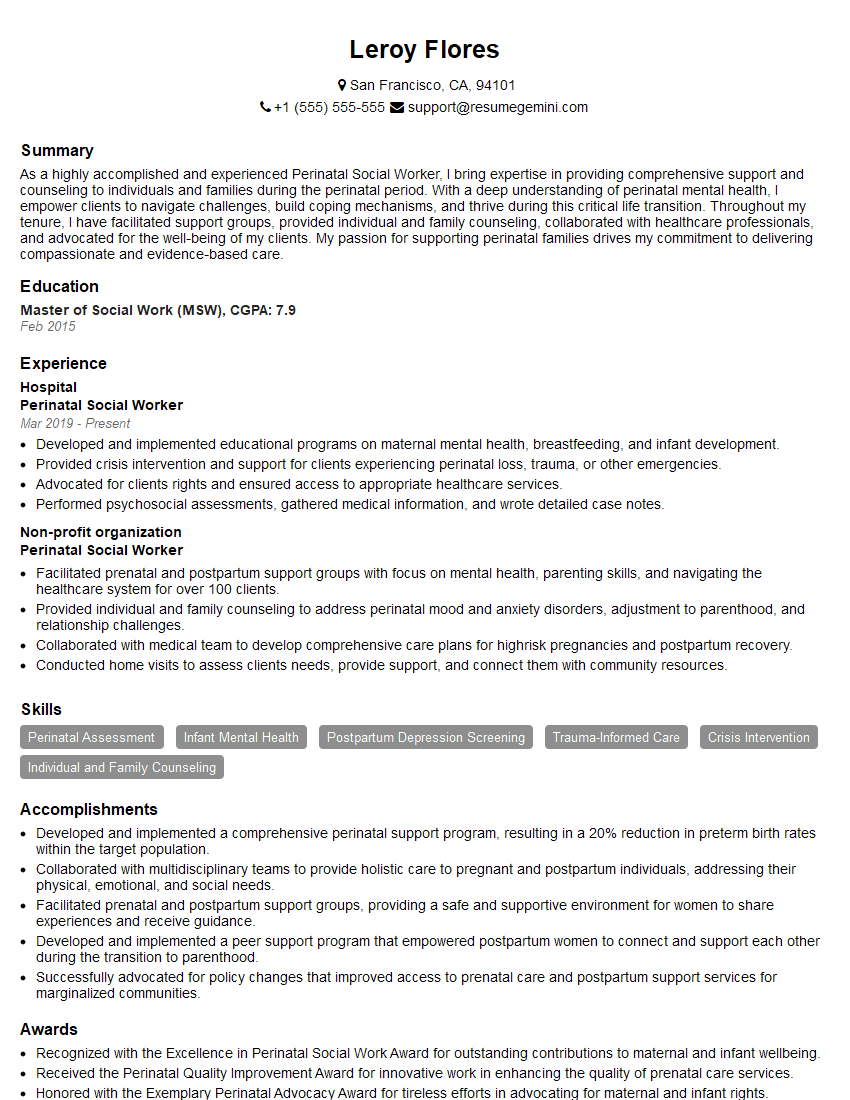
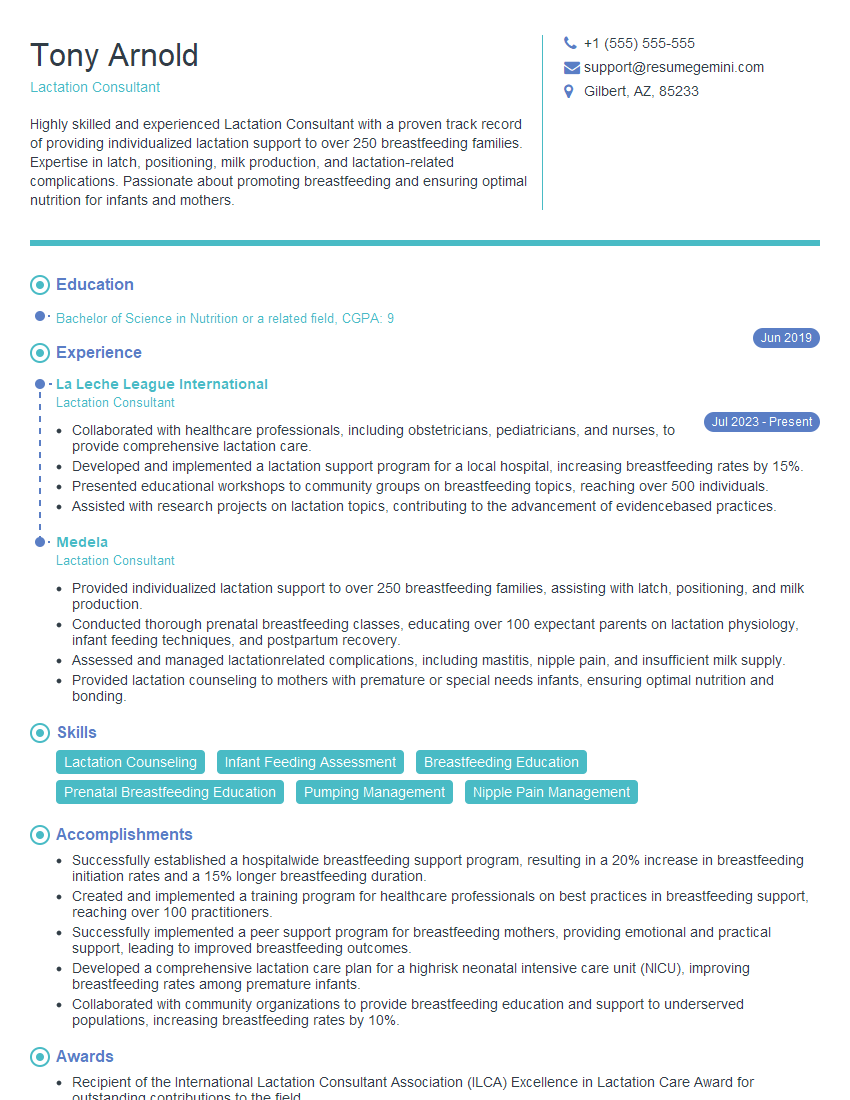
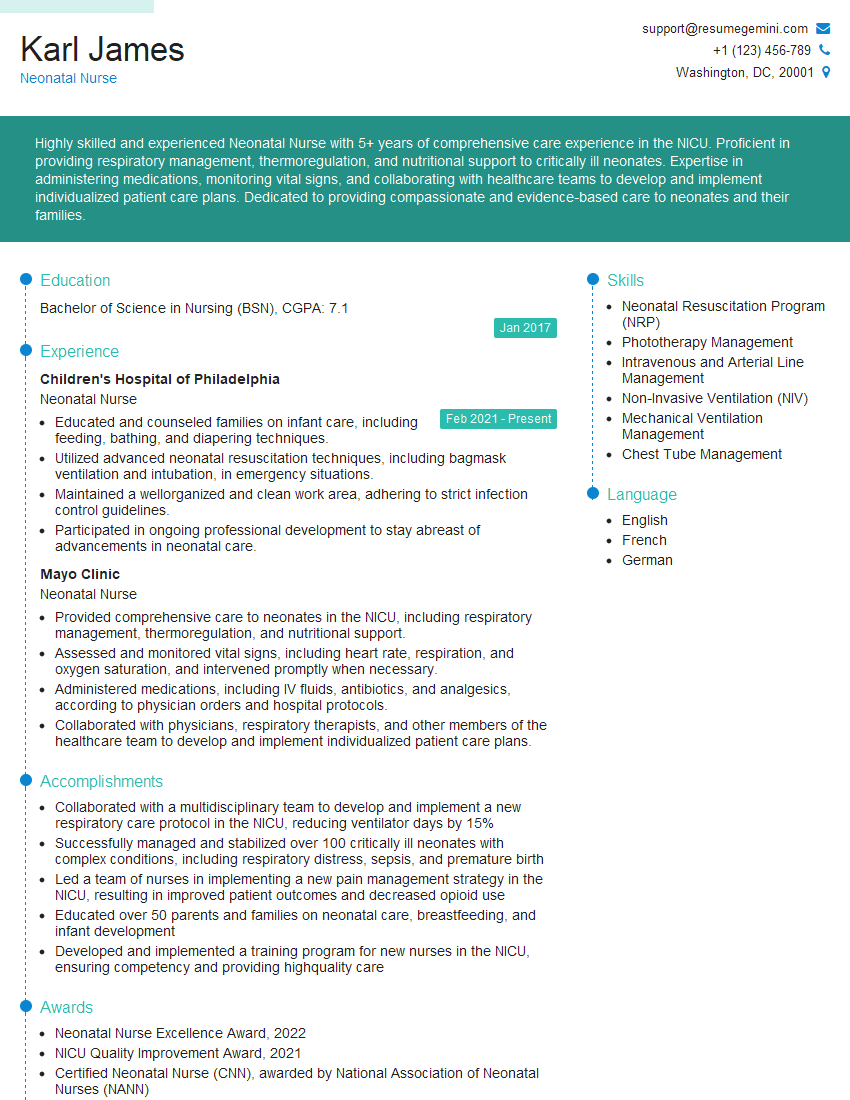
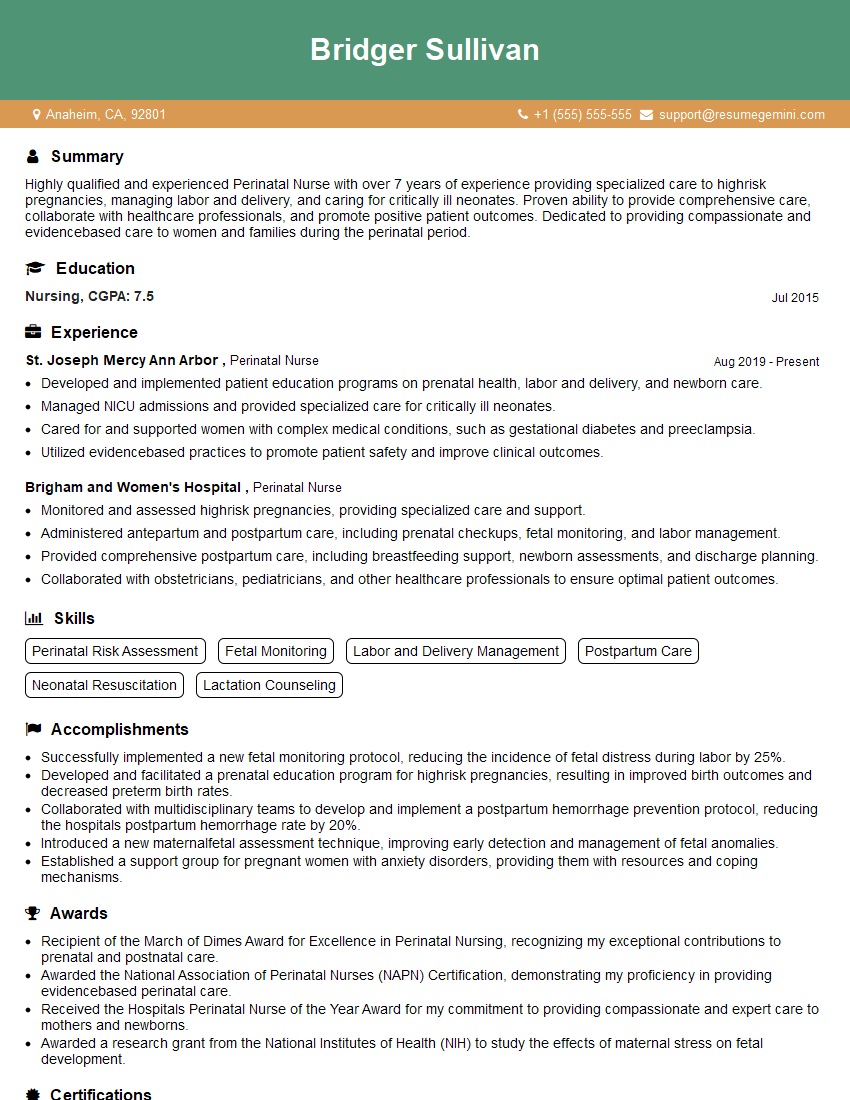
Mastering Antepartum and Postpartum Care is crucial for career advancement in the dynamic field of women’s health. A strong understanding of these areas demonstrates your commitment to patient well-being and your ability to contribute significantly to a healthcare team. To maximize your job prospects, creating an ATS-friendly resume is essential. ResumeGemini is a trusted resource that can help you build a professional and impactful resume tailored to highlight your skills and experience in Antepartum and Postpartum Care. Examples of resumes specifically designed for this field are available through ResumeGemini, showcasing best practices for showcasing your expertise.
Explore more articles
Users Rating of Our Blogs
Share Your Experience
We value your feedback! Please rate our content and share your thoughts (optional).
What Readers Say About Our Blog
To the interviewgemini.com Webmaster.
Very helpful and content specific questions to help prepare me for my interview!
Thank you
To the interviewgemini.com Webmaster.
This was kind of a unique content I found around the specialized skills. Very helpful questions and good detailed answers.
Very Helpful blog, thank you Interviewgemini team.