The right preparation can turn an interview into an opportunity to showcase your expertise. This guide to Experience in public speaking and presenting interview questions is your ultimate resource, providing key insights and tips to help you ace your responses and stand out as a top candidate.
Questions Asked in Experience in public speaking and presenting Interview
Q 1. Describe your experience delivering presentations to large audiences.
I have extensive experience presenting to large audiences, ranging from a few hundred to several thousand attendees. These presentations have spanned diverse contexts including conferences, workshops, corporate training sessions, and industry events. My experience has taught me the importance of adapting my delivery to reach such varied groups, ensuring clear communication and impactful messaging regardless of audience size. For example, I once presented a new software solution to over 1,500 attendees at a technology conference. Successfully engaging such a large group requires careful planning, a strong command of the subject matter, and a dynamic presentation style.
Q 2. How do you adapt your presentation style to different audiences?
Adapting my presentation style hinges on understanding the audience’s background, expectations, and level of familiarity with the topic. Before any presentation, I conduct thorough audience research. This might involve reviewing pre-event surveys, speaking with organizers, or analyzing demographics. For a technical audience, I’ll use more precise language and delve deeper into specifics. For a less technical audience, I’ll simplify complex concepts using analogies and visual aids, focusing on the ‘what’ and ‘why’ rather than getting bogged down in the ‘how’. I also adjust my tone and pace – a formal, structured approach might suit an academic audience, whereas a more informal, conversational tone might resonate better with a group of young professionals. For example, while presenting to a group of executives, I would focus on the business implications and return on investment, while for a group of students I would use more illustrative examples and real-world applications.
Q 3. What techniques do you use to engage your audience and maintain their interest?
Engaging a large audience requires a multi-faceted approach. I incorporate various techniques to maintain interest and ensure the information is absorbed effectively. These include:
- Interactive elements: Polls, quizzes, and Q&A sessions foster audience participation and keep them actively involved.
- Storytelling: Weaving narratives into the presentation makes the content more relatable and memorable. People connect with stories, and this can make even complex information easier to understand.
- Humor: Appropriate humor can lighten the mood and create a connection with the audience. However, it’s crucial to ensure the humor is relevant and doesn’t detract from the message.
- Visual aids: Well-designed slides, videos, and other visuals break up text-heavy content and make the presentation more visually appealing. Avoid overwhelming the audience with text; visuals should complement, not replace, your words.
- Varying delivery: Changing my pace, tone, and body language keeps the audience alert and prevents monotony.
For instance, in a recent presentation on climate change, I incorporated a short video showing the effects of deforestation, followed by an interactive poll asking the audience about their environmental actions. This combination of visual storytelling and audience participation significantly increased engagement.
Q 4. Explain your process for developing and structuring a compelling presentation.
My process for developing a compelling presentation is structured and iterative. It begins with a clear understanding of the objective: What message do I want to convey? What action do I want the audience to take? Next, I conduct thorough research to gather supporting evidence and examples. I then structure the presentation logically, employing a clear narrative arc with a strong introduction, well-defined sections, and a memorable conclusion. A typical structure might involve: Introduction (hook, overview, objectives), Body (main points with supporting evidence), and Conclusion (summary, key takeaways, call to action). I also create a detailed outline, ensuring a smooth flow between sections. Finally, I rehearse multiple times, refining the delivery and timing to ensure clarity and impact. Throughout this process, I continually evaluate and refine the presentation based on feedback and testing. Think of it like writing a compelling story – it needs a beginning, a middle, and an end, all carefully crafted to keep the reader – or in this case, the audience – engaged and captivated.
Q 5. How do you handle Q&A sessions effectively?
Effective Q&A sessions are crucial for a successful presentation. My approach involves:
- Anticipating questions: Before the session, I brainstorm potential questions and prepare concise, informative answers. This helps me stay calm and confident during the session.
- Active listening: I listen carefully to each question, ensuring I understand the intent before responding.
- Clear and concise answers: I provide clear, concise answers, avoiding jargon or overly technical language.
- Handling difficult questions: For challenging questions, I acknowledge the validity of the question, take a moment to consider my response, and then answer honestly and professionally. If I don’t know the answer, I admit it and offer to follow up later.
- Managing time: I allocate sufficient time for Q&A and politely manage the flow of questions if necessary.
For instance, if a question is outside the scope of the presentation, I might politely say, “That’s an interesting question, and it deserves a more in-depth discussion. Perhaps we could connect after the presentation to discuss it further.”
Q 6. Describe a time you had to overcome a technical difficulty during a presentation.
During a large-scale conference presentation on data analytics, the projector unexpectedly malfunctioned halfway through my presentation. Instead of panicking, I immediately switched to a backup plan. I had already prepared key slides as handouts, and I smoothly transitioned to using these, explaining the technical glitch to the audience. I kept a calm and reassuring demeanor, emphasizing that the core message was still accessible through the handouts and my verbal explanation. I also used the unexpected interruption as an opportunity to engage the audience more directly, using the printed material as prompts for discussion. This unexpected detour actually increased the audience’s engagement, showcasing my ability to adapt quickly and maintain control in a stressful situation. It turned a potential disaster into a demonstration of my resourcefulness and problem-solving skills.
Q 7. How do you incorporate visual aids into your presentations?
Visual aids are essential for effective presentations. I use them strategically to enhance understanding, add visual interest, and break up text-heavy content. My approach prioritizes simplicity and clarity. I avoid cluttered slides; instead, I focus on using high-quality images, concise bullet points, and impactful data visualizations. I also consider the overall design and consistency of the slides to ensure a professional and cohesive look. For example, I might use a compelling image to illustrate a complex concept, or a chart to highlight key statistics. The visuals are carefully chosen to support and enhance my verbal delivery, not to replace it. The key is to use visual aids as a tool to complement the narrative, ensuring they are relevant and well-integrated, not just decorative additions.
Q 8. What strategies do you use to manage your nerves before a presentation?
Managing pre-presentation nerves is crucial for delivering a compelling speech. My strategy is multifaceted and relies on preparation, relaxation techniques, and a positive mindset. I begin by meticulously rehearsing my presentation multiple times, focusing not just on the content but also on the flow and delivery. This reduces uncertainty and boosts confidence.
Physically, I employ techniques like deep breathing exercises and light stretching to calm my nervous system. These help regulate my heart rate and reduce muscle tension. Mentally, I visualize a successful presentation, focusing on positive outcomes and the impact I want to make on the audience. I remind myself of past successes, reinforcing my capabilities. Finally, I allow myself some time for quiet reflection before the presentation, clearing my mind and focusing my energy.
Q 9. How do you tailor your message to resonate with a specific audience’s needs?
Tailoring a message to a specific audience is paramount for effective communication. It involves understanding their demographics, interests, and prior knowledge. I start by researching the audience – their professional background, level of expertise on the topic, and their likely expectations. This research informs my choice of language, examples, and the overall tone of my presentation. For instance, a presentation to a group of technical experts would require a different approach than one given to a general audience.
I often use storytelling to connect with the audience on a personal level. Stories are universal and can help illustrate complex concepts simply. I also incorporate interactive elements, such as polls or Q&A sessions, to encourage engagement and gauge their understanding. Finally, I adjust the length and complexity of my presentation to suit the audience’s attention span and anticipated interest level. For example, a shorter, more visually driven presentation might be better for a less technical audience, while a detailed, data-heavy approach might be suitable for experts.
Q 10. How do you measure the effectiveness of your presentations?
Measuring presentation effectiveness involves both quantitative and qualitative methods. Quantitatively, I might use audience surveys to gather feedback on clarity, engagement, and overall satisfaction. Post-presentation questionnaires can provide valuable insights into what resonated with the audience and what areas needed improvement.
Qualitatively, I observe audience reactions during the presentation – body language, engagement levels, and participation in Q&A sessions. I also look at the impact of my presentation – did it influence audience decisions, behaviour or future actions? For instance, did the number of sign-ups for a service increase after the presentation? Or did audience members take action based on the information provided? Combining quantitative and qualitative data paints a complete picture of my presentation’s effectiveness. Analyzing this data helps refine future presentations.
Q 11. Describe your experience using presentation software (e.g., PowerPoint, Keynote).
I’m proficient in both PowerPoint and Keynote, leveraging their features to enhance visual communication. I avoid overwhelming slides with too much text, preferring visually appealing graphics, charts, and images to support my message. I utilize animation and transitions sparingly, ensuring they serve a purpose in clarifying concepts or highlighting key points, rather than distracting the audience.
For example, I might use a simple animation to reveal data points sequentially in a chart, instead of overwhelming viewers with all information at once. I also strategically incorporate multimedia like short videos or interactive elements when appropriate to enhance engagement. Ultimately, I use the software as a tool to augment my presentation, not to replace it – the content and delivery remain the focal points.
Q 12. What is your preferred method for practicing a presentation?
My preferred practice method involves a combination of techniques. First, I rehearse the presentation aloud several times, ensuring the flow is smooth and the timing is appropriate. I then record myself and review the recording, identifying areas for improvement in both content and delivery. This self-assessment helps me identify any verbal tics, awkward pauses, or areas that need further explanation.
Following self-assessment, I practice in front of a small, trusted audience – colleagues or friends – and solicit their constructive feedback. This practice run allows me to refine my delivery based on real-time audience reactions. The feedback loop is vital for refining my presentation, and I always encourage open and honest feedback.
Q 13. How do you incorporate storytelling into your presentations?
Storytelling is a powerful tool for connecting with audiences. I integrate stories to make the presentation more relatable, memorable, and engaging. Rather than presenting dry facts and figures, I use anecdotes, case studies, or personal experiences to illustrate key concepts. For example, if I’m discussing a project management methodology, I might share a personal story about a project that went wrong and how the methodology would have helped prevent the issues.
Stories help create an emotional connection with the audience, making the presentation more impactful. They also help to simplify complex information and make it more easily understood. I always ensure the story is relevant to the overall message, and that it supports the key takeaway points. The right story, well-told, can make a presentation truly unforgettable.
Q 14. Explain your understanding of different presentation styles (e.g., informative, persuasive).
Different presentation styles suit different purposes. Informative presentations aim to educate the audience by conveying factual information in a clear and concise manner. These presentations often prioritize clarity, accuracy, and logical flow. Think of a scientific lecture or a product demonstration. Persuasive presentations, on the other hand, seek to influence the audience’s beliefs, attitudes, or behaviours. These rely on compelling arguments, emotional appeals, and strong calls to action. A sales pitch or a motivational speech would fall into this category.
Other styles include demonstrative presentations (showing how to do something), celebratory presentations (honoring achievements), and inspirational presentations (motivating or uplifting the audience). My approach adapts to the specific context and desired outcome. Understanding the purpose of the presentation is key in selecting and implementing the appropriate style.
Q 15. How do you handle difficult questions or criticism during a presentation?
Handling difficult questions or criticism during a presentation requires a calm, confident approach. It’s not about avoiding the challenge, but about turning potential negativity into an opportunity to engage the audience and demonstrate your expertise. My strategy is threefold:
- Acknowledge and Validate: I start by acknowledging the question or criticism. Phrases like, “That’s a great question,” or “I appreciate you bringing that up,” immediately diffuse tension and show respect for the audience member’s perspective. Even if the criticism is unfounded, acknowledging it shows you’re listening.
- Address Directly and Honestly: I then address the question or criticism directly, honestly, and concisely. If I don’t know the answer, I say so. Instead of guessing, I might say something like, “That’s a complex issue, and I don’t have all the answers right now, but I can follow up with you after the presentation with more information.” This builds trust and avoids the appearance of incompetence.
- Reframe and Redirect (If Necessary): Sometimes, criticism is disguised as a question. If a question is overly aggressive or irrelevant, I might reframe it to align with the presentation’s overall theme. For example, if someone asks a tangential question, I might say, “That’s an interesting point, and it relates to a topic I’ll be covering later in the presentation.” This maintains control of the narrative without dismissing the audience member.
For example, during a presentation on sustainable business practices, I once received a challenging question about the feasibility of implementing certain changes in a small business. I acknowledged the question’s validity, explained the challenges, and then highlighted successful case studies of small businesses adapting to sustainable practices, thereby addressing the concerns directly.
Career Expert Tips:
- Ace those interviews! Prepare effectively by reviewing the Top 50 Most Common Interview Questions on ResumeGemini.
- Navigate your job search with confidence! Explore a wide range of Career Tips on ResumeGemini. Learn about common challenges and recommendations to overcome them.
- Craft the perfect resume! Master the Art of Resume Writing with ResumeGemini’s guide. Showcase your unique qualifications and achievements effectively.
- Don’t miss out on holiday savings! Build your dream resume with ResumeGemini’s ATS optimized templates.
Q 16. Describe your experience working with diverse audiences.
Working with diverse audiences is crucial for effective communication. My experience encompasses a wide range of demographics, professional backgrounds, and cultural contexts. I’ve presented to technical experts, non-technical stakeholders, international teams, and even high school students. Adapting to these diverse groups requires careful consideration of:
- Language and Tone: I adjust my language and tone to match the audience’s level of understanding and expectations. Technical presentations use precise terminology; presentations for broader audiences might require simplified explanations and analogies.
- Cultural Sensitivity: I’m mindful of cultural differences in communication styles, such as directness, formality, and nonverbal cues. For example, maintaining appropriate eye contact is crucial in some cultures but may be considered impolite in others.
- Content Customization: I tailor the content to resonate with the audience’s specific interests and needs. What motivates a group of engineers will differ from what motivates a group of marketing professionals.
For instance, when presenting to an international team, I made sure to use clear and simple language, avoiding jargon and idioms that might not be universally understood. I also incorporated visuals to enhance comprehension and minimize reliance on language alone.
Q 17. How do you incorporate audience participation into your presentations?
Audience participation is vital for keeping presentations engaging and interactive. I employ several techniques to encourage involvement:
- Polls and Quizzes: Short polls or quizzes at the beginning or during the presentation can gauge audience understanding and pique their interest.
- Q&A Sessions: Dedicated Q&A sessions allow the audience to ask clarifying questions and express their opinions. I encourage questions throughout the presentation and actively facilitate the discussion.
- Group Activities: Depending on the presentation’s format and length, incorporating small group activities or brainstorming sessions can stimulate discussion and collaborative learning.
- Interactive Tools: Using tools like live Q&A platforms or online polling systems can enhance engagement, particularly in virtual presentations.
For example, during a workshop on problem-solving, I divided the participants into small groups to work on a case study. This hands-on approach fostered active learning and stimulated insightful discussions.
Q 18. What is your process for receiving and incorporating feedback on your presentations?
Feedback is essential for continuous improvement. My process for receiving and incorporating feedback is structured and systematic:
- Formal Feedback Mechanisms: I always provide opportunities for formal feedback, such as post-presentation surveys, or dedicated feedback sessions. These methods provide structured data.
- Informal Feedback: I actively solicit informal feedback through conversations with attendees, both immediately after the presentation and later via email. This helps gather spontaneous and immediate reactions.
- Analyzing Feedback: I systematically analyze all feedback, identifying common themes and patterns. This helps pinpoint areas needing improvement.
- Implementing Changes: Based on the analysis, I revise my presentations, adjusting content, delivery, and visual aids to address the feedback effectively.
For instance, after a presentation on project management, feedback revealed a lack of clarity in one section. I revised the slides, adding more illustrative examples and simplifying the terminology to enhance understanding.
Q 19. Describe your experience with virtual presentations and web conferencing tools.
My experience with virtual presentations and web conferencing tools is extensive. I’m proficient in using platforms such as Zoom, Microsoft Teams, and Google Meet. Successfully delivering virtual presentations requires a different approach than in-person presentations:
- Engaging Visuals: Visuals are particularly important in virtual settings to maintain audience attention. I use high-quality visuals, avoiding clutter and ensuring readability on different screen sizes.
- Interactive Elements: Incorporating interactive elements, like polls and Q&A sessions, is crucial for keeping the audience engaged online. I actively monitor the chat and respond to questions promptly.
- Technical Proficiency: I ensure my technology is reliable and that I’m familiar with the platform’s features to avoid technical glitches during the presentation.
- Camera Presence: Maintaining good camera presence and using clear and concise language are crucial for effective communication online.
For example, during a virtual training session, I used breakout rooms in Zoom to facilitate small-group discussions, promoting interaction and participation among the online attendees.
Q 20. How do you ensure your presentations are accessible to all audience members?
Ensuring accessibility is paramount for inclusive presentations. My approach encompasses several key aspects:
- Visual Aids: I use high-contrast colors, clear fonts, and sufficient font sizes in all visual aids. I also provide alt text for images to support users with visual impairments.
- Audio Description: For videos or multimedia content, I provide audio descriptions to aid those with visual impairments.
- Captions and Transcripts: I include captions or transcripts for videos and presentations, ensuring accessibility for individuals with hearing impairments or those who prefer reading the content.
- Structured Content: I ensure the content is logically structured using headings, subheadings, and bullet points, making it easy to navigate and understand.
For example, when creating presentation slides, I ensure the color contrast is sufficient by using a tool to check for WCAG compliance. I also ensure transcripts are available for all video content.
Q 21. How do you manage your time effectively during a presentation?
Effective time management is crucial for a successful presentation. My approach involves:
- Detailed Outline: I create a detailed outline before starting the presentation. This helps me allocate time effectively to each section.
- Time Rehearsals: I rehearse the presentation multiple times, timing each section to ensure it fits within the allocated time.
- Contingency Planning: I build in contingency time to account for unexpected delays or questions from the audience.
- Visual Cues: I use visual cues, such as a timer or notes on the screen, during the presentation to monitor my progress.
For instance, I allocate a specific time for each segment of the presentation in my outline. During rehearsals, I time myself to ensure that my presentation stays on track.
Q 22. How do you ensure your presentations are visually appealing and easy to understand?
Visual appeal and clarity are paramount in any presentation. I ensure this by focusing on three key areas: content organization, visual design, and appropriate media.
Content Organization: I structure my presentations logically, using clear headings, subheadings, and bullet points to break down complex information into digestible chunks. Think of it like building a house – a strong foundation (introduction), well-defined rooms (main points), and a satisfying conclusion. I avoid overwhelming the audience with too much text on a single slide. Instead, I focus on key takeaways and supporting visuals.
Visual Design: I use a consistent color palette, visually appealing fonts, and high-quality images or graphics. The goal is to enhance understanding, not distract from the message. I avoid cluttered slides by using ample white space and adhering to the ‘rule of thirds’ for image placement. I use templates strategically, choosing ones that are professional, yet not overly stylized.
Appropriate Media: I carefully select visuals that support and enhance my message. This might involve charts, graphs, images, or even short video clips. I ensure these visuals are high-resolution, relevant, and properly cited. Overuse of animations or transitions is avoided; subtlety is key.
Q 23. Describe a time you had to present complex information in a clear and concise manner.
During my time at [Previous Company Name], I had to present a complex financial model to a non-finance audience. The model involved several intricate calculations and projections. To make this accessible, I started by creating an analogy – comparing the model to a simple recipe.
I explained each variable as an ingredient and how each step in the calculation contributed to the final ‘dish’. I used clear visuals, such as simplified charts and graphs, to illustrate key trends and projections. I avoided technical jargon, opting instead for plain language and real-world examples. The result was a presentation that not only conveyed the complex information accurately but also kept the audience engaged and able to understand the implications of the model.
Q 24. How do you use body language to enhance your presentations?
Body language is a powerful tool that can significantly enhance a presentation. I utilize it consciously, focusing on three aspects: posture, gestures, and eye contact.
Posture: I maintain an upright but relaxed posture, projecting confidence and approachability. Slouching or fidgeting can convey nervousness and distract the audience.
Gestures: I use purposeful gestures to emphasize key points, guide the audience’s attention to visuals, and illustrate ideas. However, I avoid excessive or distracting movements.
Eye Contact: I make consistent eye contact with different members of the audience, creating a connection and ensuring everyone feels included. This helps maintain engagement and gauge the audience’s understanding.
Q 25. What is your approach to creating and using effective presentation slides?
My approach to creating presentation slides is centered around the principle of ‘less is more’. I start by outlining the key messages and supporting evidence, ensuring a clear narrative flow. Then I design slides that serve as visual aids, supplementing – not replacing – the spoken content.
I generally follow this process:
- Outline: I begin with a detailed outline of my talk, breaking down each section into key points.
- Content Creation: I write concise, impactful text, using bullet points and visuals to enhance understanding.
- Visual Design: I select a clean and professional template, focusing on consistent fonts, colors, and imagery.
- Review and Revise: Before finalizing, I thoroughly review each slide, ensuring consistency, accuracy, and overall appeal.
I also ensure that the slides are easily readable, visually consistent, and relevant to the audience. I avoid overwhelming the audience with too much information on a single slide.
Q 26. How do you stay up-to-date with current trends and best practices in public speaking?
Staying current in public speaking requires continuous learning and engagement. I achieve this through several methods:
- Attending Workshops and Conferences: I regularly attend workshops and conferences focused on public speaking and presentation skills, learning from experts and networking with professionals.
- Reading Books and Articles: I dedicate time to reading books and articles on communication, presentation design, and current trends in the field.
- Online Courses and Resources: I utilize online learning platforms and resources to enhance my skills and knowledge.
- Practicing and Seeking Feedback: I regularly practice my presentations and seek constructive feedback to improve my technique.
By consistently engaging in these activities, I can ensure my approach remains fresh, effective, and aligned with the latest best practices.
Q 27. Describe your experience working with a team to create and deliver a presentation.
In a previous project involving the launch of a new product, I worked collaboratively with a marketing and design team. Our goal was to create a compelling presentation for potential investors. We established a clear division of labor: I focused on the narrative structure and delivery, while the marketing team developed the market analysis and messaging, and the design team handled the visual elements.
We used project management tools to track progress, regularly scheduled meetings to review progress, and ensured open communication to address any challenges. Collaboration was key, with each team member contributing their expertise. The final presentation was a successful result of this collaborative effort, showcasing strong teamwork and a unified message.
Q 28. How would you handle a situation where you’re unexpectedly interrupted during a presentation?
Handling unexpected interruptions requires composure and adaptability. My approach involves:
- Maintaining Calm: I would pause briefly, take a deep breath, and address the interruption calmly and professionally.
- Addressing the Interruption Appropriately: Depending on the nature of the interruption (e.g., a question, a technical issue), I would either answer the question briefly, or acknowledge the issue and offer a brief explanation.
- Regaining Control: Once the interruption is addressed, I would smoothly transition back to my presentation, re-emphasizing the main point where I left off.
- Adapting as Needed: If the interruption significantly alters the flow of the presentation, I might briefly adjust my plan to accommodate the new information or concerns raised.
The key is to handle the interruption with grace and professionalism, ensuring the overall flow and impact of the presentation are minimally affected.
Key Topics to Learn for Experience in Public Speaking and Presenting Interviews
- Understanding Your Audience: Analyze audience demographics, knowledge level, and expectations to tailor your message effectively. Consider how to adapt your presentation style for different audiences (e.g., technical vs. non-technical).
- Structuring Compelling Presentations: Learn to craft a clear narrative arc with a strong introduction, engaging body, and memorable conclusion. Practice outlining your key points and building a logical flow.
- Mastering Nonverbal Communication: Develop confident body language, including posture, eye contact, and gestures. Understand how nonverbal cues impact audience engagement and credibility.
- Handling Q&A Sessions: Practice anticipating questions and formulating concise, informative answers. Learn techniques for managing difficult or unexpected questions gracefully.
- Utilizing Visual Aids Effectively: Learn when and how to use slides, props, or other visuals to enhance your presentation without overwhelming the audience. Practice designing clear and concise visual aids.
- Overcoming Stage Fright: Explore techniques for managing nervousness, such as deep breathing exercises, visualization, and practice. Develop strategies for maintaining composure under pressure.
- Adapting to Different Settings: Understand how to adapt your presentation style for various settings, such as formal conferences, informal meetings, or webinars. Be prepared to adjust your delivery based on the context.
- Feedback and Improvement: Learn how to solicit and utilize constructive criticism to refine your presentation skills. Practice self-reflection and identify areas for improvement.
Next Steps
Mastering public speaking and presenting is crucial for career advancement across numerous fields. Strong communication skills significantly enhance your leadership potential, ability to influence others, and overall professional impact. To maximize your job prospects, create a resume that effectively highlights your skills and experience using keywords that Applicant Tracking Systems (ATS) recognize. ResumeGemini is a trusted resource to help you build a professional and ATS-friendly resume that showcases your abilities. Examples of resumes tailored to highlight experience in public speaking and presenting are available to help you get started.
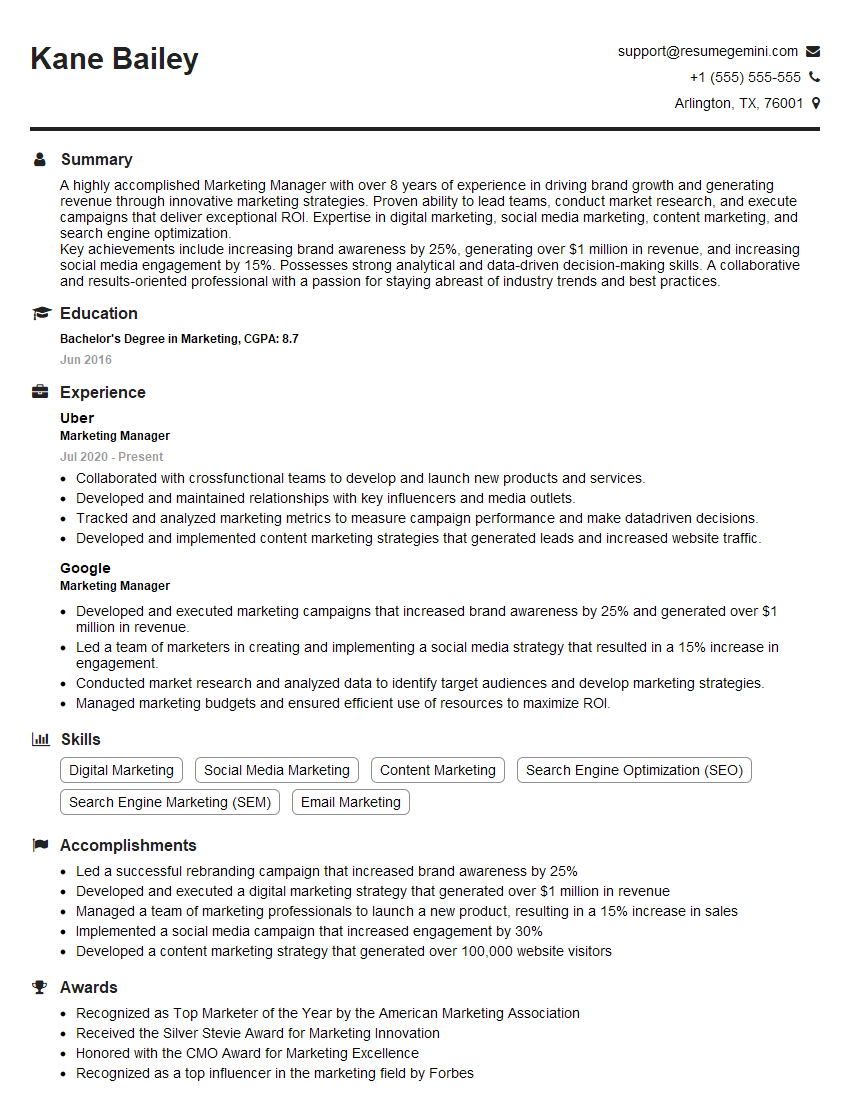
Marketing Manager Resume Sample
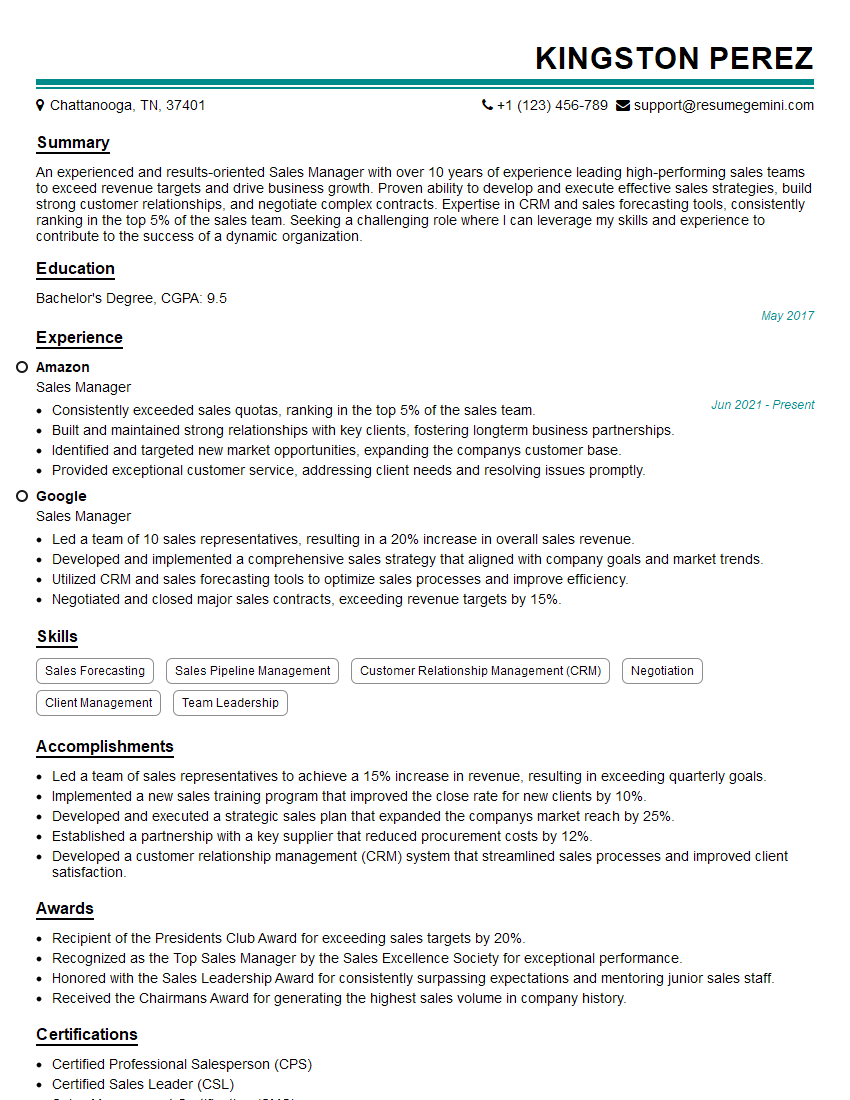
Sales Manager Resume Sample

Communications Manager Resume Sample
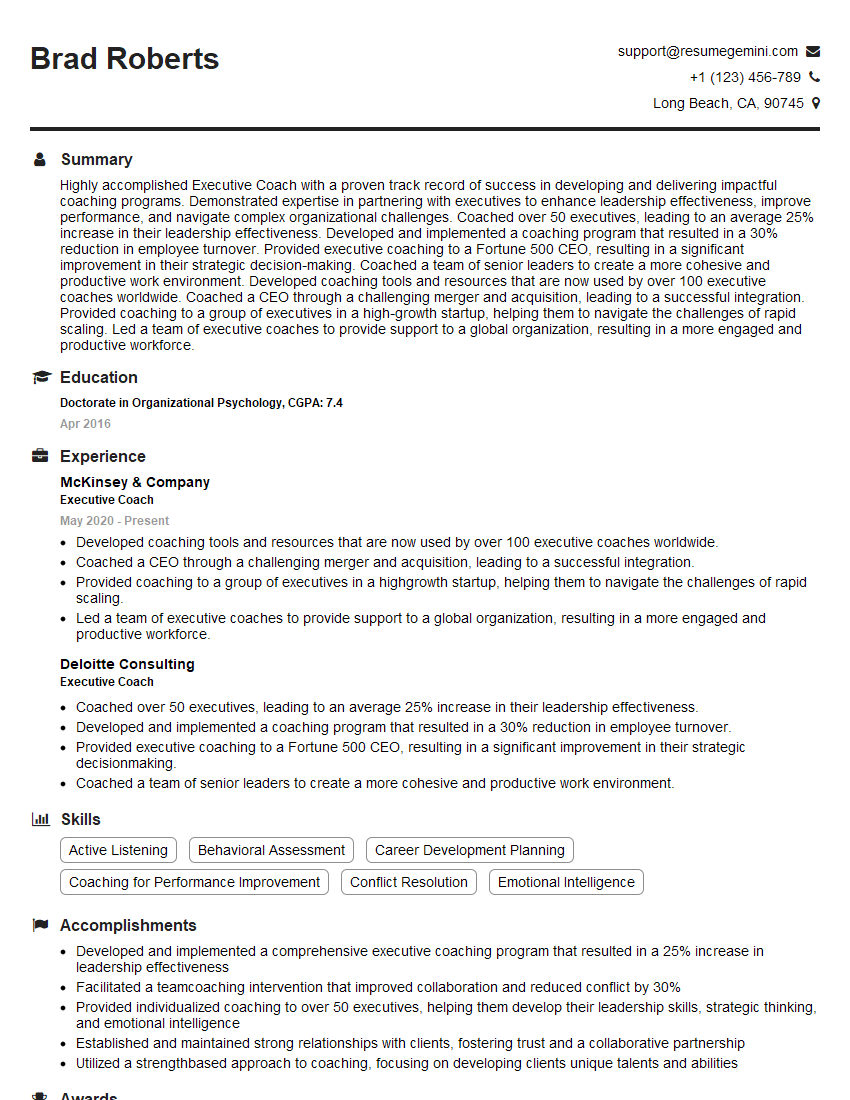
Executive Coach Resume Sample
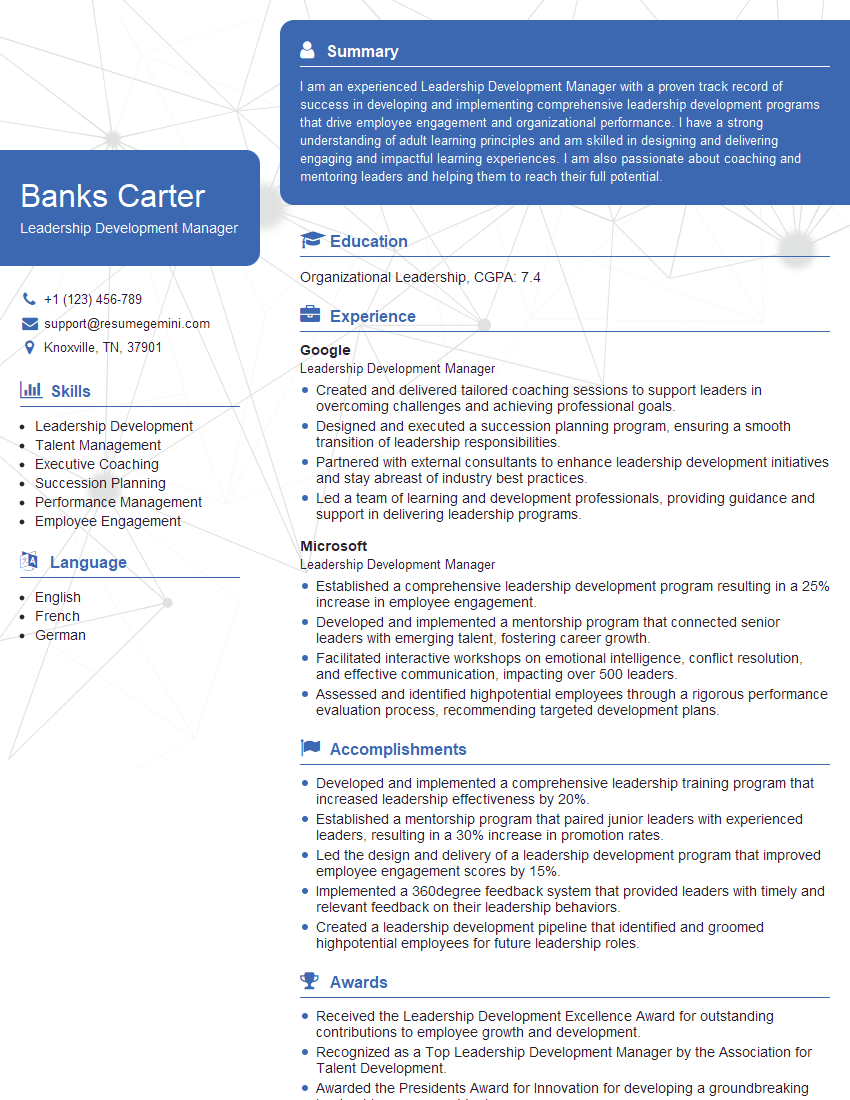
Leadership Development Manager Resume Sample
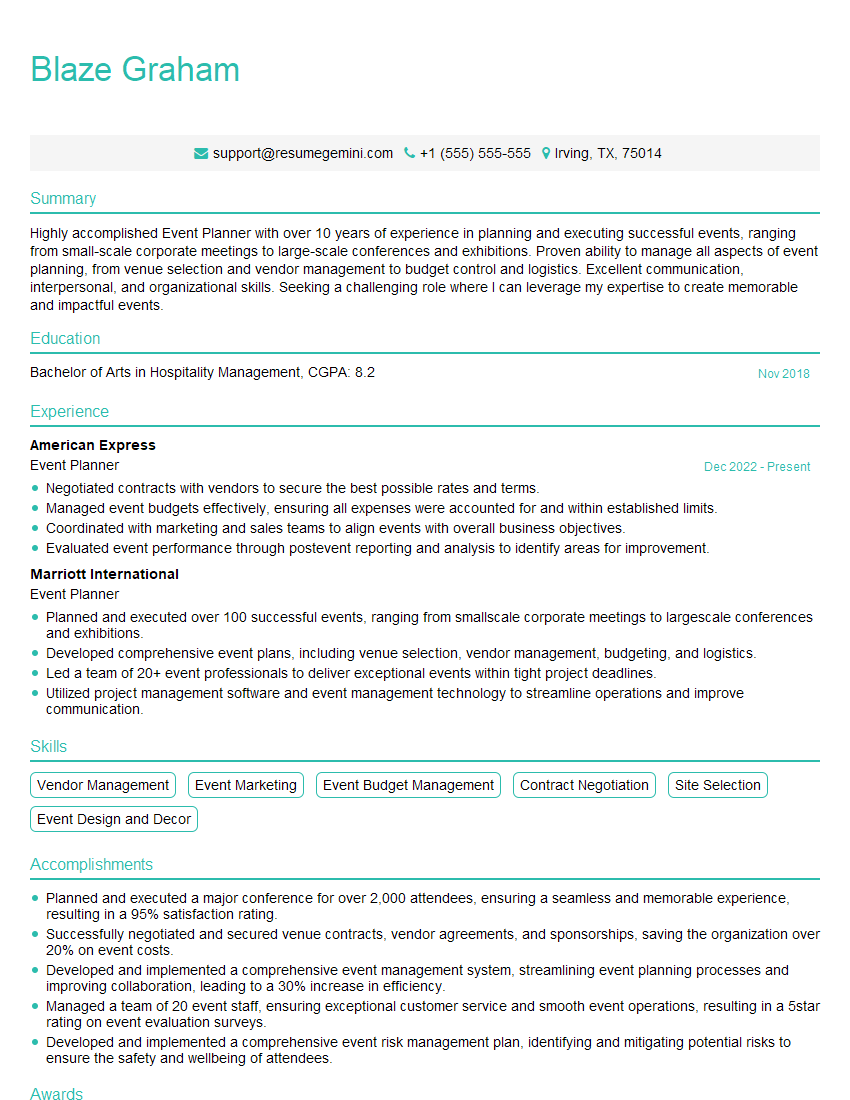
Event Planner Resume Sample
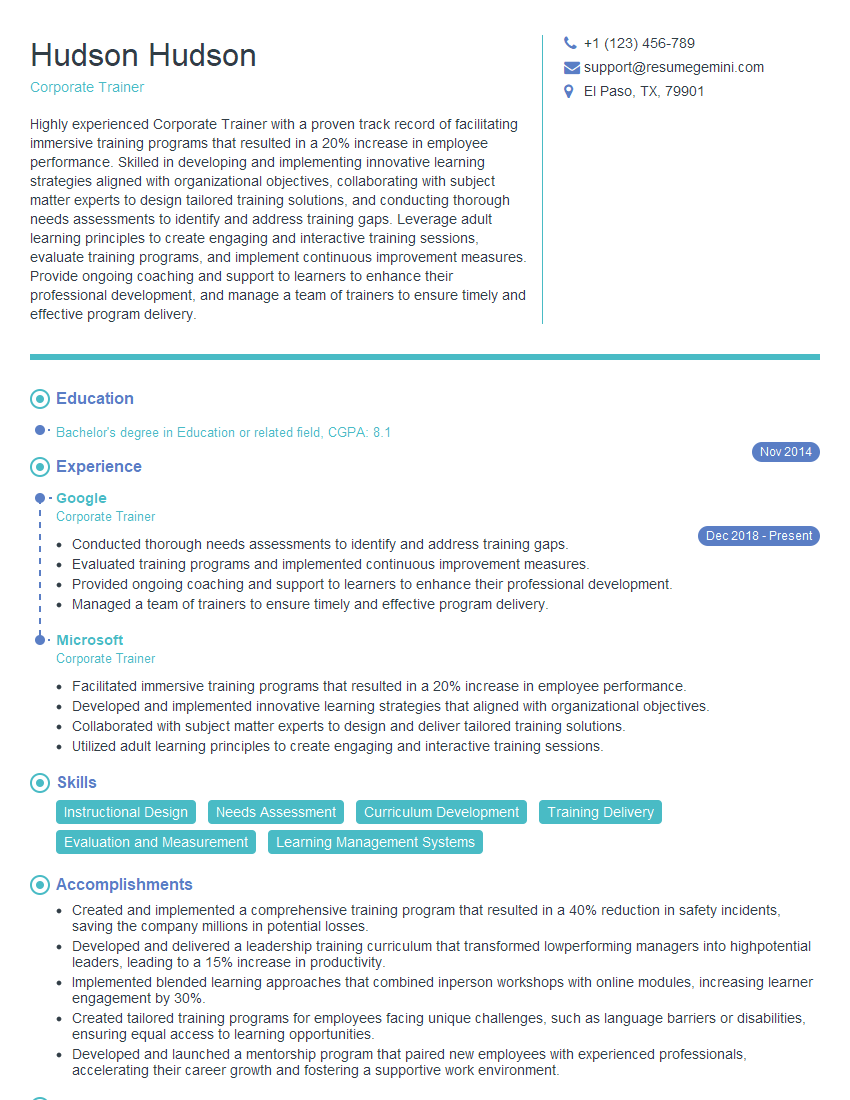
Corporate Trainer Resume Sample

Curriculum Developer Resume Sample

Training Specialist Resume Sample
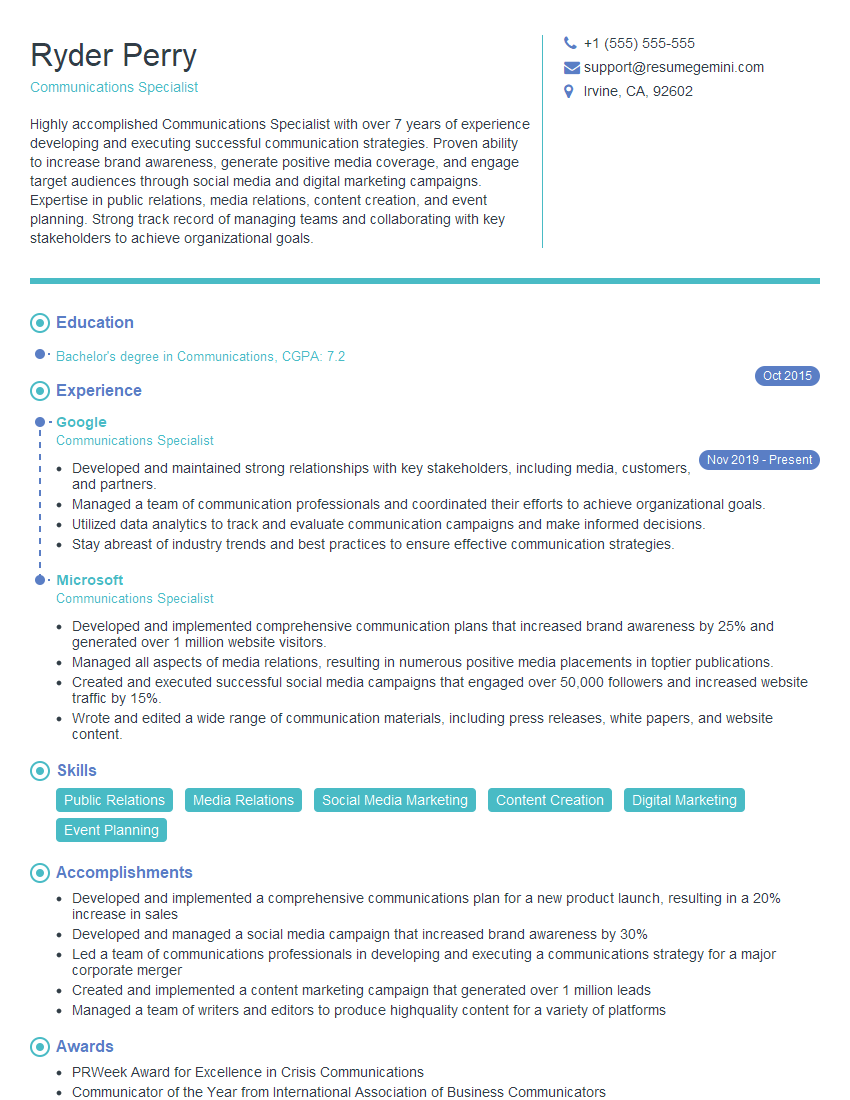
Communications Specialist Resume Sample

Lecturer Resume Sample
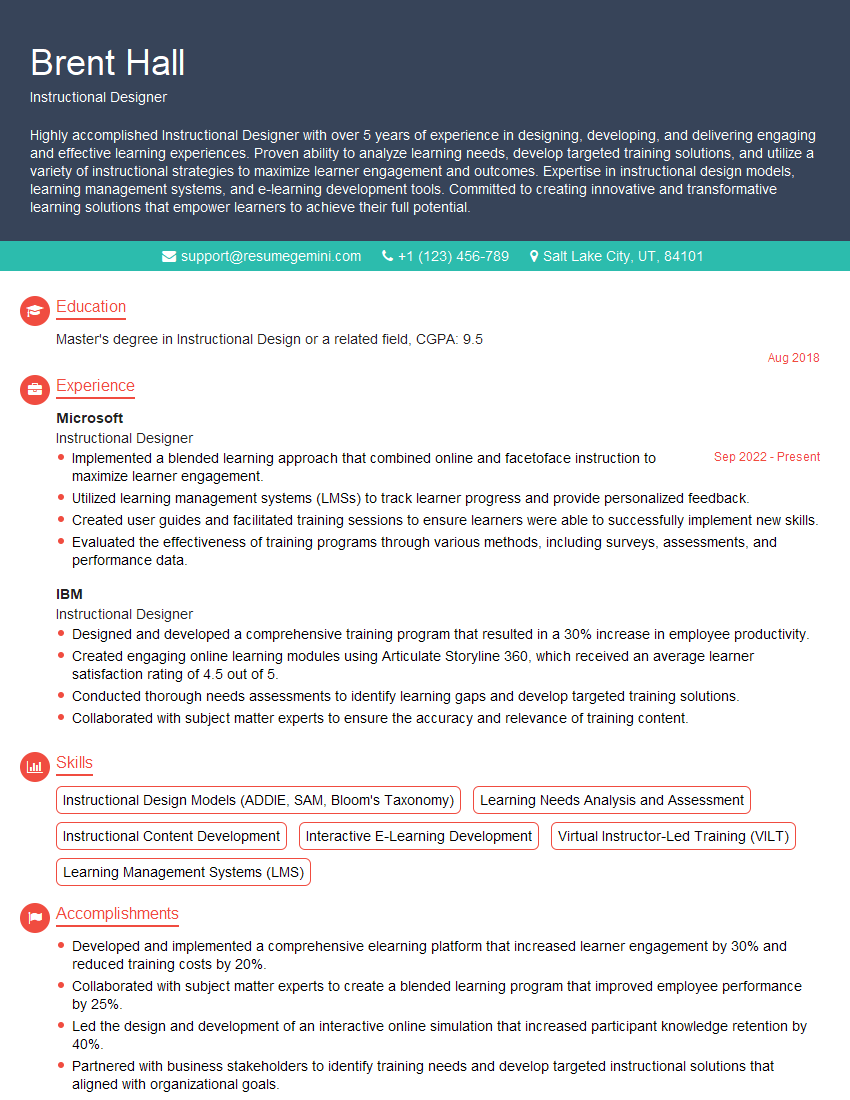
Instructional Designer Resume Sample
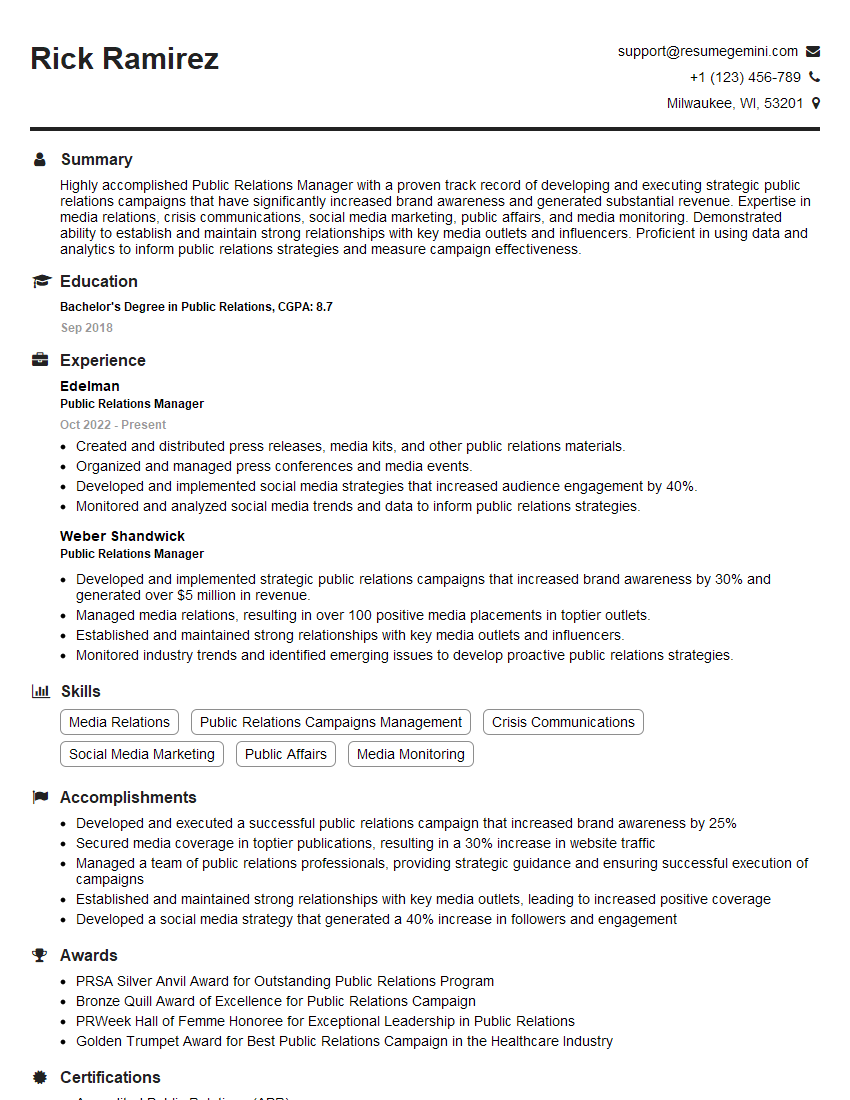
Public Relations Manager Resume Sample
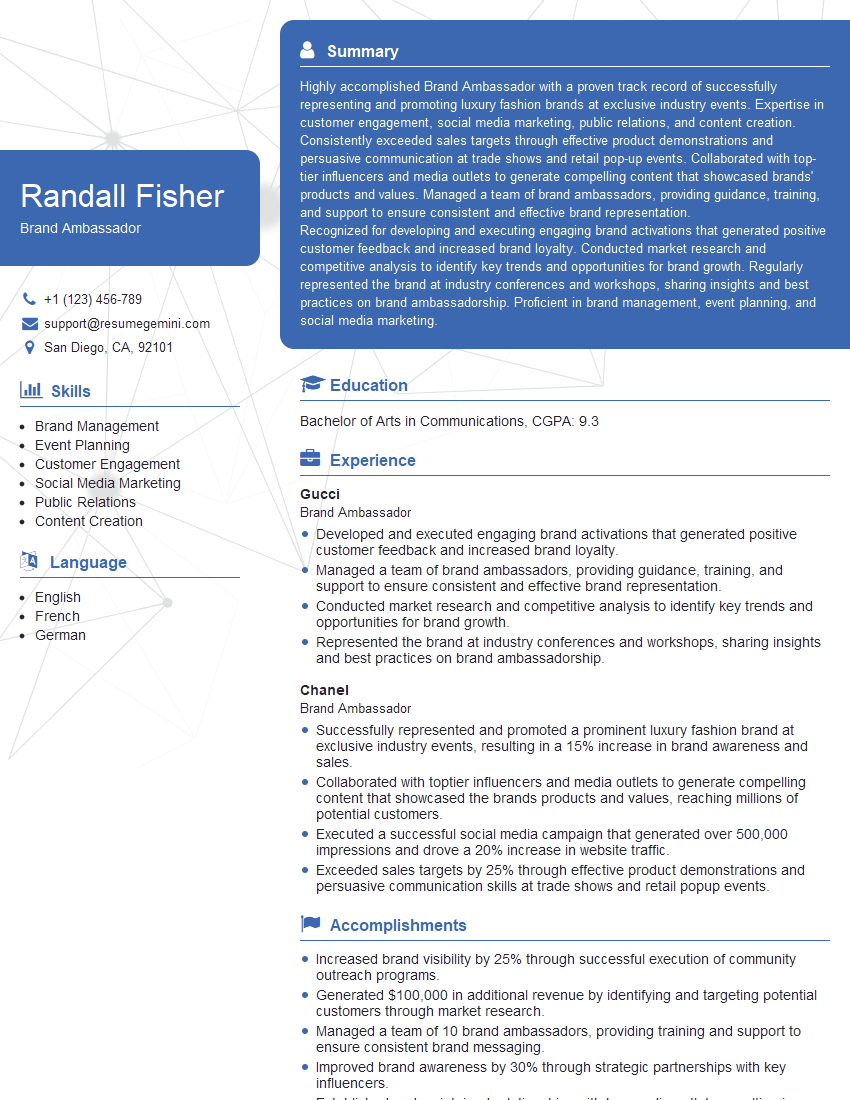
Brand Ambassador Resume Sample
Explore more articles
Users Rating of Our Blogs
Share Your Experience
We value your feedback! Please rate our content and share your thoughts (optional).
What Readers Say About Our Blog
To the interviewgemini.com Webmaster.
Very helpful and content specific questions to help prepare me for my interview!
Thank you
To the interviewgemini.com Webmaster.
This was kind of a unique content I found around the specialized skills. Very helpful questions and good detailed answers.
Very Helpful blog, thank you Interviewgemini team.