The right preparation can turn an interview into an opportunity to showcase your expertise. This guide to Understanding of environmental ethics and values interview questions is your ultimate resource, providing key insights and tips to help you ace your responses and stand out as a top candidate.
Questions Asked in Understanding of environmental ethics and values Interview
Q 1. Define environmental ethics and its relevance in modern society.
Environmental ethics is the branch of philosophy that studies the moral relationship between humans and the natural environment. It explores our obligations to the environment and the ethical implications of our actions on ecosystems and other living beings. In modern society, its relevance is paramount. We face unprecedented environmental challenges – climate change, biodiversity loss, pollution – that demand ethical reflection and action. Environmental ethics provides a framework for making informed decisions about resource management, conservation, and the overall sustainability of human civilization. It helps us to move beyond a purely economic or utilitarian view of nature and consider its intrinsic value.
For example, environmental ethics prompts us to question whether it’s ethically justifiable to prioritize economic growth at the expense of irreplaceable natural habitats. Or, how should we balance the needs of present generations with the needs of future generations who will inherit the consequences of our actions?
Q 2. Explain the difference between anthropocentric and ecocentric environmental ethics.
Anthropocentric environmental ethics places human beings at the center of moral consideration. It argues that we have a duty to protect the environment, but primarily because of its instrumental value to humans – it provides us with resources, clean air, and a healthy place to live. The environment’s worth is derived from its usefulness to us.
Ecocentric environmental ethics, on the other hand, extends intrinsic value to all living beings and ecosystems. This means that nature has value in and of itself, independent of its usefulness to humans. An ecocentric perspective emphasizes the interconnectedness of all life and the importance of maintaining ecological integrity for its own sake. Think of a pristine rainforest: an anthropocentric view might emphasize its potential for timber or medicinal plants, while an ecocentric view would stress the inherent value of the ecosystem’s biodiversity and its role in global carbon cycling, regardless of its direct benefit to humanity.
Q 3. Describe the concept of intrinsic value in nature.
Intrinsic value in nature refers to the inherent worth of something, independent of its usefulness or instrumental value to anyone. A thing possessing intrinsic value is valuable ‘in itself,’ simply by virtue of its existence. For example, a majestic redwood tree has intrinsic value because of its beauty, its age, its role in the ecosystem, and simply because it exists. It’s not valuable merely because it provides lumber or shade. This concept is fundamental to ecocentric ethics and challenges the anthropocentric view that only human beings possess intrinsic value. Acknowledging the intrinsic value of nature encourages a more respectful and responsible approach to environmental stewardship.
Q 4. Discuss the ethical implications of climate change.
The ethical implications of climate change are vast and profound. Firstly, it presents a massive intergenerational equity issue. Current generations are consuming resources and emitting greenhouse gases at a rate that will severely impact future generations, who will bear the brunt of the consequences like rising sea levels, extreme weather events, and resource scarcity. This raises the ethical question of our responsibility to future generations.
Secondly, climate change disproportionately affects vulnerable populations – those in developing countries, marginalized communities, and low-income households – who often contribute the least to the problem but suffer the most from its effects. This raises critical questions about environmental justice and the ethical distribution of burdens and benefits related to climate change mitigation and adaptation.
Finally, the very scale of the problem necessitates global cooperation and action. Determining equitable contributions from different nations and ensuring that all nations participate in the solution presents a significant ethical challenge.
Q 5. Analyze the role of environmental justice in environmental ethics.
Environmental justice is a field that examines the fair distribution of environmental benefits and burdens. Within environmental ethics, it highlights the ethical imperative to ensure that all people have equal access to a clean and healthy environment, regardless of their race, class, or socioeconomic status. Many marginalized communities disproportionately bear the negative consequences of pollution, environmental degradation, and hazardous waste disposal. This is often due to historical injustices and systemic inequalities.
For instance, the location of polluting industries in low-income neighborhoods or the siting of hazardous waste facilities near communities of color are clear examples of environmental injustice. Environmental ethics compels us to address these injustices and to advocate for policies and practices that promote environmental equity and ensure that all members of society have the right to a safe and healthy environment.
Q 6. Explain the concept of sustainable development and its ethical dimensions.
Sustainable development is a concept that seeks to meet the needs of the present without compromising the ability of future generations to meet their own needs. It integrates economic, social, and environmental considerations to ensure a balance between human well-being and environmental protection. The ethical dimensions of sustainable development are inherent in its very definition. It’s about intergenerational equity – ensuring that we don’t deplete resources or cause environmental damage that will harm future generations.
Ethically, sustainable development also requires considering intra-generational equity – ensuring that the benefits and burdens of development are distributed fairly within the current generation. It challenges us to adopt consumption patterns and production methods that are environmentally responsible and socially just, recognizing that economic growth alone is not sufficient; it must be coupled with social and environmental responsibility. Examples include transitioning to renewable energy sources, promoting sustainable agriculture, and conserving biodiversity.
Q 7. How do you assess the ethical implications of a proposed development project?
Assessing the ethical implications of a proposed development project requires a multi-faceted approach. A useful framework involves considering:
- Environmental Impact: What are the potential environmental consequences of the project? Will it lead to habitat loss, pollution, or resource depletion? What are the mitigation strategies?
- Social Impact: How will the project affect local communities? Will it displace people, disrupt livelihoods, or exacerbate existing inequalities? Are there adequate consultation processes and mechanisms for redress?
- Economic Impact: Is the project economically viable in the long term? Does it create sustainable jobs and contribute to the local economy? Does it lead to fair distribution of profits?
- Intergenerational Equity: Will the project’s benefits outweigh its costs for future generations? Will it deplete resources or create lasting environmental damage?
- Distributive Justice: Are the benefits and burdens of the project distributed fairly among different stakeholders?
By systematically evaluating these aspects, one can identify potential ethical conflicts and develop strategies to minimize negative impacts and promote a more ethically sound outcome. A thorough environmental impact assessment and community engagement are crucial components of this process. It is also essential to utilize transparent and participatory decision-making processes. A cost-benefit analysis, while important, should not be the sole determinant, as it can easily undervalue non-market environmental and social goods.
Q 8. What are the key principles of corporate social responsibility (CSR) related to the environment?
Corporate Social Responsibility (CSR) related to the environment centers on a company’s commitment to minimizing its negative environmental impact and actively contributing to environmental sustainability. It’s not just about complying with regulations but exceeding them through proactive measures.
- Pollution Prevention: Minimizing waste generation, reducing emissions (air, water, and greenhouse gases), and responsibly managing hazardous materials. For example, a manufacturing company might invest in cleaner production technologies to reduce its carbon footprint.
- Resource Conservation: Efficiently utilizing resources like water and energy, promoting sustainable sourcing of raw materials, and implementing recycling programs. Imagine a clothing company switching to organic cotton and implementing a clothing recycling program.
- Environmental Stewardship: Protecting biodiversity, restoring degraded ecosystems, and contributing to environmental conservation initiatives. A mining company could invest in reforestation efforts after completing a mining project.
- Transparency and Accountability: Publicly reporting environmental performance, engaging with stakeholders on environmental issues, and being accountable for environmental impacts. This could involve publishing an annual sustainability report detailing their environmental performance metrics.
- Climate Change Mitigation and Adaptation: Reducing greenhouse gas emissions and adapting to the impacts of climate change. An energy company might invest heavily in renewable energy sources like solar and wind power.
Ultimately, environmentally responsible CSR is about integrating environmental considerations into all aspects of business operations, creating long-term value for the business and the planet.
Q 9. Discuss the ethical challenges related to biodiversity loss.
Biodiversity loss presents significant ethical challenges. The ethical concerns stem from our responsibility to future generations, the intrinsic value of nature, and the interconnectedness of life on Earth.
- Intergenerational Equity: We have a moral obligation to leave a healthy planet for future generations. Biodiversity loss diminishes the resources and opportunities available to them, raising questions of fairness and justice.
- Intrinsic Value of Species: Many argue that species have intrinsic value, meaning they have worth independent of their usefulness to humans. The extinction of a species represents an irreversible loss of this inherent value, raising ethical concerns about our right to cause such losses.
- Human Dependence on Biodiversity: Biodiversity underpins many ecosystem services, such as clean air and water, pollination, and climate regulation. Loss of biodiversity threatens these essential services, impacting human well-being and raising ethical questions about our dependence on a healthy environment.
- Moral Status of Non-human Life: The ethical debate extends to the moral status we assign to other living beings. Should we prioritize human needs above the needs of other species? This question is crucial in considering the ethical implications of biodiversity loss.
Addressing these ethical challenges requires a shift in perspective, recognizing the inherent worth of biodiversity and our interconnectedness with the natural world. It demands a more responsible approach to resource use and conservation efforts.
Q 10. How do you balance economic growth with environmental protection?
Balancing economic growth with environmental protection is a fundamental challenge of our time. It requires a paradigm shift from viewing them as mutually exclusive to understanding them as interdependent. The key lies in sustainable development.
- Investing in Green Technologies: Promoting and investing in renewable energy sources, cleaner production technologies, and resource-efficient practices can stimulate economic growth while reducing environmental impacts. For example, investing in solar energy not only protects the environment but also creates jobs and new industries.
- Internalizing Environmental Costs: This involves incorporating the environmental costs of production and consumption into market prices. For example, carbon taxes make pollution more expensive, incentivizing businesses to adopt cleaner practices.
- Sustainable Consumption and Production Patterns: Shifting towards more sustainable consumption patterns, such as reducing waste and promoting reuse and recycling, can lessen the environmental burden of economic growth. Think of the ‘circular economy’ model which focuses on reducing, reusing, and recycling.
- Environmental Regulations and Incentives: Well-designed environmental regulations can guide economic activity toward more sustainable paths. Incentives such as tax breaks for green investments can further promote environmentally friendly economic development.
- Strategic Environmental Assessment: Before implementing development projects, conducting thorough environmental impact assessments to identify and mitigate potential environmental damage is crucial. This allows for informed decision-making that balances economic and environmental considerations.
Successful balancing requires collaboration between governments, businesses, and citizens, a commitment to long-term thinking, and a willingness to adapt to new economic and environmental realities.
Q 11. Explain the ethical considerations of genetically modified organisms (GMOs).
The ethical considerations surrounding Genetically Modified Organisms (GMOs) are complex and multifaceted. The debate centers on potential risks and benefits, often involving conflicting values and uncertainties.
- Potential Environmental Risks: Concerns include the potential for gene flow to wild relatives, the development of herbicide-resistant weeds, and the impact on non-target organisms. Careful risk assessments and monitoring are crucial.
- Human Health Concerns: Debates exist about the potential long-term health effects of consuming GMOs, although extensive research has generally found them to be safe. Transparency and rigorous testing are necessary to address these concerns.
- Socioeconomic Impacts: GMOs can affect farmers’ livelihoods and access to seeds. Concerns exist about the dominance of large corporations in the GMO sector and the potential displacement of small-scale farmers.
- Ethical Implications of Genetic Manipulation: Some argue that manipulating the genetic makeup of organisms is inherently unethical, raising questions about our right to alter life forms. This often involves discussions of ‘playing God’ and our responsibility towards the natural world.
- Labeling and Consumer Choice: The debate about GMO labeling focuses on the consumer’s right to informed choice. Mandatory labeling ensures transparency and allows consumers to make purchasing decisions based on their values.
Ethical decision-making regarding GMOs requires a cautious approach, considering the potential risks and benefits, fostering open dialogue, and promoting transparency and responsible innovation.
Q 12. How do you handle conflicts between stakeholders with differing environmental values?
Handling conflicts between stakeholders with differing environmental values requires a facilitative approach that prioritizes dialogue, compromise, and finding common ground.
- Identify Stakeholders: The first step involves clearly identifying all stakeholders involved, including individuals, communities, businesses, and government agencies.
- Facilitate Open Communication: Creating a platform for open dialogue and communication among stakeholders is essential. This may involve workshops, public forums, or mediated discussions.
- Mediation and Negotiation: A neutral third party mediator can facilitate constructive dialogue and negotiation between stakeholders with conflicting interests. This often involves identifying shared values and finding mutually acceptable solutions.
- Collaborative Decision-Making: Moving beyond adversarial positions, a collaborative approach aims to achieve consensus or at least find workable compromises that address the concerns of all stakeholders. This process may involve developing shared goals and creating a collaborative management plan.
- Transparency and Accountability: Ensuring transparency throughout the process and holding all stakeholders accountable for their commitments builds trust and improves the likelihood of successful conflict resolution. Documenting decisions and processes is key.
Successful conflict resolution requires patience, empathy, and a willingness to seek common ground. It’s not about forcing agreement, but about finding ways to move forward in a manner that is socially and environmentally responsible.
Q 13. Describe your understanding of environmental impact assessment (EIA).
Environmental Impact Assessment (EIA) is a systematic process used to evaluate the potential environmental effects of proposed projects or developments. It aims to identify, predict, evaluate, and mitigate the environmental consequences before decisions are made.
- Scoping: Identifying the potential environmental impacts of the project and determining the scope of the EIA.
- Baseline Studies: Collecting data on the existing environmental conditions to establish a baseline against which to compare future changes.
- Impact Prediction: Using scientific methods and models to predict the likely environmental impacts of the project.
- Impact Evaluation: Assessing the significance of the predicted impacts based on criteria such as severity, duration, and irreversibility.
- Mitigation Measures: Identifying and proposing measures to reduce or eliminate negative environmental impacts.
- Public Participation: Involving the public in the EIA process through consultation and feedback mechanisms.
- Reporting and Decision-Making: Preparing a comprehensive EIA report, which is then used to inform decision-making about the project.
The ethical underpinnings of EIA lie in its commitment to transparency, accountability, and the precautionary principle. It seeks to ensure that environmental considerations are given due weight in decision-making and that the potential harms to the environment are minimized.
Q 14. What are some key environmental regulations and their ethical underpinnings?
Many environmental regulations exist at local, national, and international levels. Their ethical underpinnings generally reflect principles of environmental protection, sustainability, and intergenerational equity.
- Clean Air Act (example): This act aims to protect public health and welfare from air pollution. Its ethical basis is the protection of human health and well-being, reflecting a fundamental ethical obligation to safeguard human life.
- Clean Water Act (example): This act aims to restore and maintain the chemical, physical, and biological integrity of the nation’s waters. The ethical basis is the intrinsic value of water resources and the need to protect aquatic ecosystems and the services they provide.
- Endangered Species Act (example): This act aims to protect and recover imperiled species and the ecosystems upon which they depend. Its ethical basis includes the intrinsic value of species, the precautionary principle (protecting species before they become extinct), and the importance of biodiversity.
- Kyoto Protocol and Paris Agreement (example): These international agreements aim to reduce greenhouse gas emissions and mitigate climate change. Their ethical basis is the principle of intergenerational equity – ensuring that future generations inherit a habitable planet.
The enforcement of these regulations, along with the public’s awareness and acceptance of their ethical significance, are crucial for their effectiveness in protecting the environment. Often, the ethical debates surround the balance between environmental protection and economic development, the distribution of environmental benefits and burdens, and the level of governmental intervention deemed necessary.
Q 15. Discuss the ethical considerations of using renewable energy sources.
While renewable energy sources like solar, wind, and hydro offer a crucial pathway to mitigating climate change, their ethical considerations are multifaceted. The initial production and deployment of these technologies often involve resource extraction and manufacturing processes with their own environmental impacts. For example, solar panel production can require rare earth minerals mined under potentially exploitative conditions, raising concerns about fair labor practices and environmental justice. Similarly, large-scale hydroelectric dams can disrupt ecosystems and displace communities.
Furthermore, the geographical distribution of renewable resources can lead to ethical dilemmas. Regions rich in solar or wind potential might experience disproportionate development, potentially exacerbating existing economic inequalities. Efficient energy storage solutions are also crucial, and the environmental impact of battery production and disposal needs careful consideration.
Addressing these ethical considerations requires a holistic approach. This involves promoting sustainable sourcing of materials, ensuring fair labor practices across the supply chain, prioritizing community engagement in project development, and actively pursuing technological advancements that minimize environmental impacts across the entire lifecycle of renewable energy systems.
Career Expert Tips:
- Ace those interviews! Prepare effectively by reviewing the Top 50 Most Common Interview Questions on ResumeGemini.
- Navigate your job search with confidence! Explore a wide range of Career Tips on ResumeGemini. Learn about common challenges and recommendations to overcome them.
- Craft the perfect resume! Master the Art of Resume Writing with ResumeGemini’s guide. Showcase your unique qualifications and achievements effectively.
- Don’t miss out on holiday savings! Build your dream resume with ResumeGemini’s ATS optimized templates.
Q 16. How do you evaluate the ethical performance of a company regarding environmental issues?
Evaluating a company’s ethical performance concerning environmental issues requires a comprehensive assessment across several key areas. First, examine their environmental policy: Is it clearly articulated, ambitious, and demonstrably implemented? Look for commitments to reducing carbon emissions, waste management, and resource conservation. Second, analyze their operational practices. Do they employ sustainable sourcing and manufacturing processes? Do they actively manage their environmental footprint through lifecycle assessments and continuous improvement programs? Third, review their transparency and accountability. Do they publicly report their environmental performance data, allowing for independent verification? Are they responsive to stakeholder concerns and actively engaged in environmental remediation when necessary?
I’d also assess their commitment to environmental justice. Are marginalized communities disproportionately impacted by the company’s operations? Are they actively working to mitigate any negative impacts on vulnerable populations? Finally, consider their engagement in environmental advocacy and partnerships. Do they support environmental regulations and collaborate with stakeholders on environmental initiatives? A company’s ethical performance is not solely judged by its compliance with regulations, but also by its proactive approach to environmental stewardship and its commitment to broader societal well-being.
Q 17. Explain the ethical challenges of resource depletion.
Resource depletion presents a profound ethical challenge because it raises questions of intergenerational equity – our responsibility to future generations. Depleting resources at unsustainable rates limits the options and opportunities available to those who come after us. This is particularly true for non-renewable resources like fossil fuels, but applies to renewable resources as well if their rate of consumption exceeds their rate of regeneration.
Furthermore, resource depletion often leads to environmental degradation and social injustice. Competition for scarce resources can exacerbate conflicts and inequalities between nations and communities. For example, water scarcity can lead to disputes between countries, and unsustainable logging practices can displace indigenous populations and destroy their livelihoods. Addressing these challenges requires a shift towards sustainable consumption and production patterns, promoting circular economy models, investing in resource efficiency technologies, and fostering international cooperation in resource management.
Q 18. What is your understanding of the precautionary principle?
The precautionary principle asserts that when an activity raises threats of harm to human health or the environment, precautionary measures should be taken even if some cause-and-effect relationships are not fully established scientifically. It emphasizes the importance of acting to prevent potential harm rather than waiting for definitive proof of damage. This is particularly relevant when dealing with complex environmental issues where the potential consequences of inaction could be severe and irreversible.
For instance, if a new chemical shows potential for harming aquatic life in preliminary tests, the precautionary principle would recommend restricting its use or conducting further research before widespread deployment. The burden of proof shifts from demonstrating harm to demonstrating the safety of the activity. The principle doesn’t necessarily halt progress but encourages caution and proactive risk management. It highlights the ethical obligation to err on the side of caution when facing uncertain but potentially catastrophic risks.
Q 19. How do you incorporate environmental ethics into decision-making processes?
Incorporating environmental ethics into decision-making processes involves a structured approach. First, define the ethical considerations relevant to the decision at hand. This includes assessing potential environmental impacts, considering intergenerational equity, and evaluating potential social and economic consequences. Second, identify and evaluate different courses of action, considering their environmental and ethical implications using frameworks like cost-benefit analysis incorporating environmental externalities. Third, involve diverse stakeholders in the decision-making process. This participatory approach ensures that the perspectives of affected communities and future generations are considered.
Finally, transparency and accountability are critical. Decision-making processes should be transparent and the rationale behind choices should be clearly documented and justified. Regular monitoring and evaluation of decisions and their impacts are essential for ensuring ongoing ethical performance. Imagine a city planning a new road. Ethical considerations include minimizing habitat disruption, reducing air pollution, ensuring equitable access, and considering the potential impact on surrounding communities. This ethical lens would shape the decision-making process, possibly leading to choices like choosing less destructive construction methods or altering the road’s design to minimize impact.
Q 20. Discuss the role of environmental education in promoting ethical behavior.
Environmental education plays a vital role in fostering ethical behavior towards the environment by raising awareness about environmental issues and their ethical dimensions. It equips individuals with the knowledge and skills to understand the interconnectedness of ecological systems, the implications of human actions on the environment, and the importance of sustainable practices. It promotes critical thinking and problem-solving skills, enabling people to make informed and responsible decisions related to the environment.
Effective environmental education also fosters a sense of responsibility and stewardship towards the environment. It encourages individuals to value biodiversity, consider the needs of future generations, and act as responsible citizens in protecting and conserving natural resources. By integrating environmental ethics into curricula, from primary school to higher education, we can cultivate a generation that understands and values the intrinsic worth of nature and is committed to sustainable lifestyles and actions. Think of it as cultivating a sense of belonging to a larger ecological community, extending beyond immediate self-interest.
Q 21. Explain the importance of transparency and accountability in environmental management.
Transparency and accountability are cornerstones of effective environmental management. Transparency involves open access to information about environmental conditions, policies, and management practices. This includes data on emissions, waste generation, resource consumption, and environmental incidents. Open access to such data allows for public scrutiny, enables stakeholders to monitor performance, and supports evidence-based decision-making. Accountability involves mechanisms for holding individuals and organizations responsible for their environmental performance. This includes clear lines of responsibility, effective monitoring and enforcement mechanisms, and processes for addressing violations and redress.
For example, a company should transparently disclose its carbon footprint and its progress towards emission reduction targets. If they fail to meet their commitments, they should be held accountable through penalties, public reprimands, or other appropriate measures. This accountability strengthens trust and encourages responsible behavior. Without these elements, environmental management becomes susceptible to mismanagement, environmental injustices, and ultimately, a failure to achieve environmental sustainability.
Q 22. Describe your experience working with environmental NGOs or community groups.
My experience with environmental NGOs and community groups spans over a decade. I’ve worked with organizations ranging from local grassroots initiatives focused on urban green spaces to international NGOs tackling climate change. For example, I spent three years with the Green Futures Initiative, assisting in their community-based reforestation project in the Amazon rainforest. This involved coordinating with local communities, securing funding, and monitoring the ecological impact of the project. In another role, I collaborated with the Coastal Conservation Society to develop and implement educational programs for schoolchildren on marine conservation. These experiences have provided me with a deep understanding of the challenges and successes of collaborative environmental action, and a nuanced appreciation for the diverse perspectives and needs within affected communities.
My work with these groups also highlighted the importance of community engagement and participatory approaches to environmental management. Effective conservation relies heavily on local knowledge and buy-in.
Q 23. How do you measure the success of an environmental initiative?
Measuring the success of an environmental initiative requires a multi-faceted approach, moving beyond simple metrics like trees planted or hectares restored. We need to consider both quantitative and qualitative measures. For instance, a successful reforestation project would be measured not only by the number of trees that survive but also by improvements in biodiversity, water quality, and local community well-being. Quantitative data can be collected through scientific methods – measuring carbon sequestration, changes in species populations, etc. However, qualitative data, such as community feedback surveys or interviews with local stakeholders, is equally crucial. This helps assess the social and economic impacts of the project and understand the community’s perceptions of success. It’s essential to define clear, measurable, achievable, relevant, and time-bound (SMART) goals at the outset. A robust monitoring and evaluation framework should be in place to track progress against these goals. This involves regular data collection, analysis, and reporting to stakeholders.
Q 24. Describe a time you had to make a difficult decision with ethical environmental implications.
During my time with Green Futures Initiative, we faced a dilemma regarding the expansion of our reforestation project. A proposed expansion area overlapped with a small, indigenous community’s traditional hunting grounds. While the expansion would have significantly increased our carbon sequestration targets, it also posed a risk to the community’s livelihood and cultural practices. The decision required careful consideration of competing values – maximizing environmental benefits versus respecting indigenous rights and cultural integrity. After extensive consultations with the community, transparently explaining the benefits and potential risks of expansion, and offering alternative solutions such as supporting sustainable hunting practices, we decided against expanding into the overlapping area. This demonstrated our commitment to ethical and equitable environmental management, even if it meant compromising on short-term project goals. The long-term trust gained far outweighed the short-term gains.
Q 25. How do you stay up-to-date on current developments in environmental ethics and policy?
Staying current in environmental ethics and policy requires a multi-pronged approach. I regularly read peer-reviewed journals like Environmental Ethics and Conservation Biology, and follow leading research institutions like the Stockholm Resilience Centre and the Potsdam Institute for Climate Impact Research. I actively participate in relevant online forums and attend conferences and workshops in the field. I also subscribe to reputable news sources and policy briefings that cover environmental issues at local, national, and international levels. This combination of academic research, professional networks, and current affairs reporting ensures I maintain a comprehensive and up-to-date understanding of the evolving landscape of environmental ethics and policy.
Q 26. Discuss the ethical considerations of carbon offsetting.
Carbon offsetting, the practice of compensating for carbon emissions by investing in projects that reduce or remove greenhouse gases elsewhere, presents several ethical considerations. One key concern is the potential for ‘greenwashing,’ where companies use offsets to portray a false image of environmental responsibility while continuing high emission practices. Another crucial issue is the additionality problem: ensuring that the offset projects wouldn’t have happened anyway without the investment. Verification and monitoring of offset projects are vital to ensure their genuine environmental impact. There are also questions of equity and justice. Offset projects frequently take place in developing countries, raising concerns about potential exploitation of resources and communities. The distribution of benefits from offset projects also needs careful consideration, ensuring that local communities share in the gains. Finally, the permanence of carbon sequestration needs careful assessment; offsets should provide long-term solutions rather than short-term fixes.
Q 27. Explain the concept of environmental stewardship.
Environmental stewardship refers to the responsible management and care of the environment. It involves recognizing our ethical responsibility to protect and conserve natural resources for present and future generations. It’s not just about conservation, but also about sustainable use and actively contributing to the health of the planet. Think of a farmer who practices crop rotation to maintain soil fertility, or a community that works together to restore a local river ecosystem. These are examples of environmental stewardship in action. The concept emphasizes a long-term perspective, understanding that our actions today will have far-reaching consequences for the environment. It’s also inherently interconnected with social justice, recognizing that equitable access to environmental resources and benefits is essential for sustainable stewardship.
Q 28. How do you approach the challenge of communicating complex environmental issues to diverse audiences?
Communicating complex environmental issues to diverse audiences requires tailoring the message to the specific audience’s level of understanding, interests, and cultural background. I utilize a variety of communication strategies, including storytelling, visuals (graphs, maps, images), and interactive tools. For example, when speaking to a group of scientists, I may use technical jargon and present data-driven arguments. When speaking to the general public, I would simplify complex concepts, use analogies, and focus on the relevance of the issue to their daily lives. When working with marginalized communities, I would ensure cultural sensitivity and involve community members in the communication process. Effective communication requires active listening and the willingness to adapt one’s approach based on the audience’s needs and feedback. Simplicity, clarity, and empathy are vital to ensure that the message resonates and motivates action.
Key Topics to Learn for Understanding of Environmental Ethics and Values Interview
- Environmental Ethics Theories: Explore foundational ethical frameworks like anthropocentrism, biocentrism, ecocentrism, and deep ecology. Understand their implications for environmental decision-making.
- Environmental Justice: Analyze the ethical dimensions of environmental risks and benefits distribution across different social groups. Consider case studies of environmental injustices and potential solutions.
- Sustainability and Sustainable Development: Grasp the core principles of sustainability and their application in various contexts. Discuss the challenges and opportunities in achieving sustainable development goals.
- Conservation Ethics: Examine the ethical arguments for preserving biodiversity, protecting endangered species, and managing natural resources responsibly. Explore differing viewpoints on wildlife management and conservation strategies.
- Climate Change Ethics: Discuss the ethical dimensions of climate change, including intergenerational equity, responsibility for mitigation and adaptation, and the ethical implications of different climate policies.
- Practical Application: Be prepared to discuss how these ethical frameworks can be applied to real-world environmental problems, such as pollution control, resource management, and conservation efforts. Consider examples from your own experiences or research.
- Problem-Solving Approaches: Practice analyzing complex environmental dilemmas using ethical frameworks. Demonstrate your ability to identify stakeholders, weigh competing values, and propose ethical solutions.
Next Steps
Mastering environmental ethics and values is crucial for career advancement in fields focused on sustainability, conservation, environmental policy, and corporate social responsibility. A strong understanding of these concepts demonstrates your commitment to ethical and responsible practices, making you a highly desirable candidate. To significantly boost your job prospects, create an ATS-friendly resume that highlights your relevant skills and experience. ResumeGemini is a trusted resource to help you build a professional and impactful resume. We offer examples of resumes tailored to highlight expertise in Understanding of environmental ethics and values – use them to build your own compelling application materials!
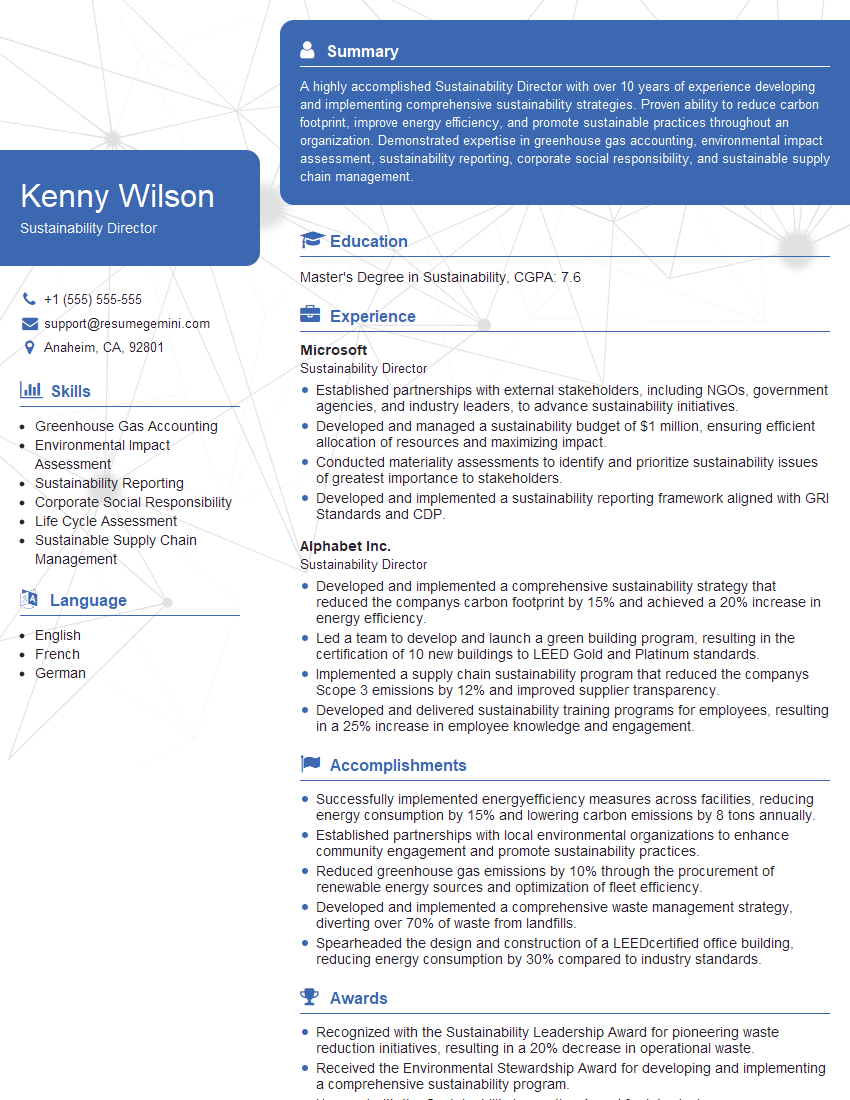
Sustainability Director Resume Sample
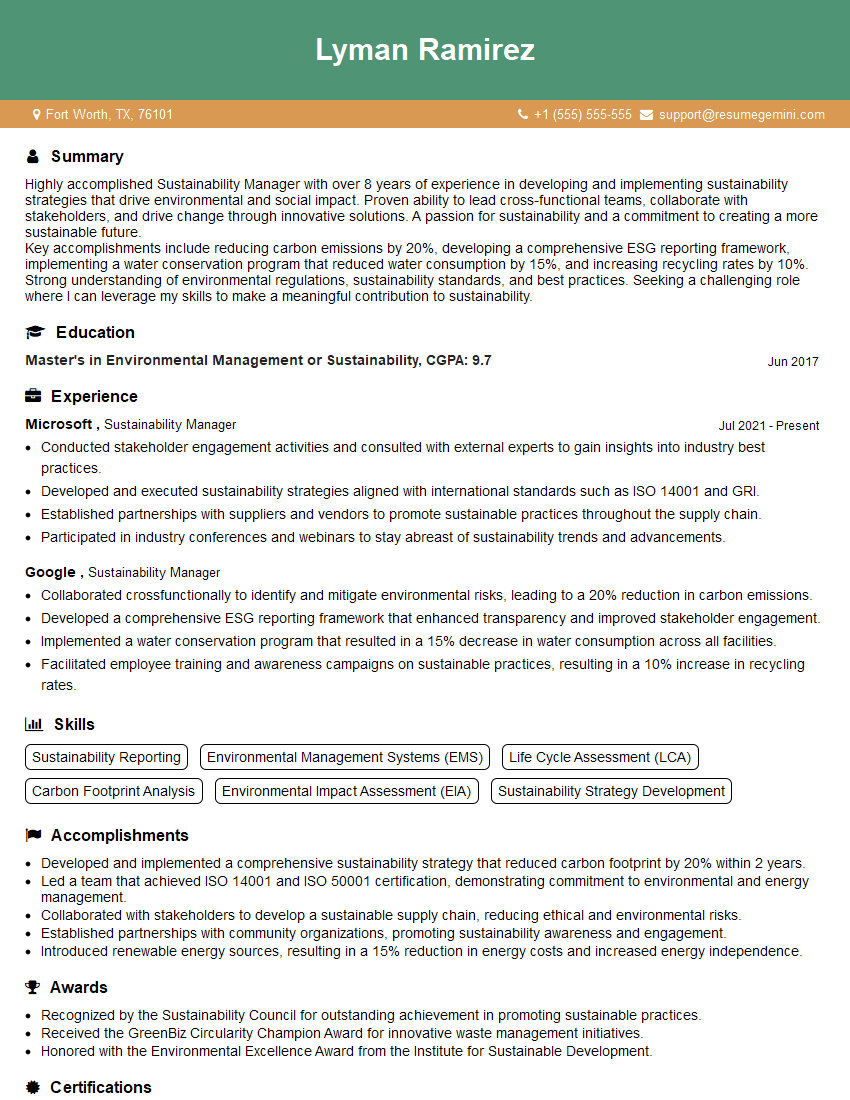
Sustainability Manager Resume Sample
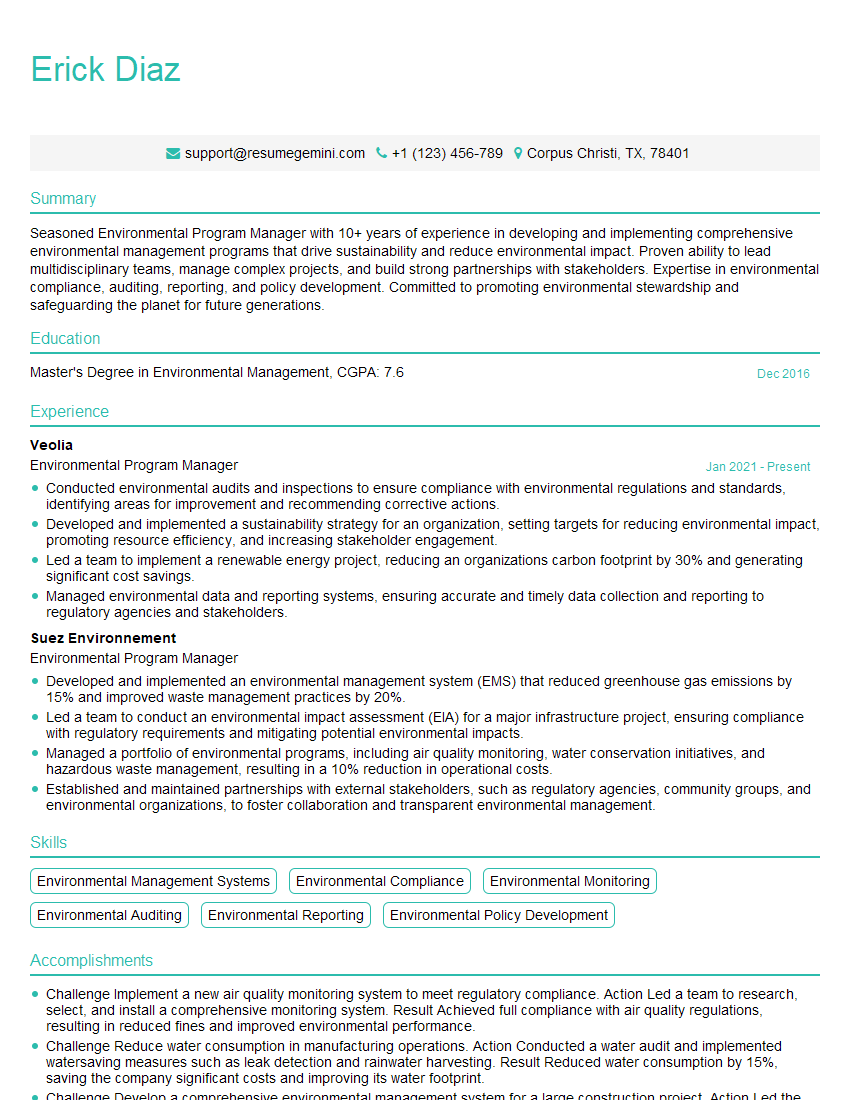
Environmental Program Manager Resume Sample
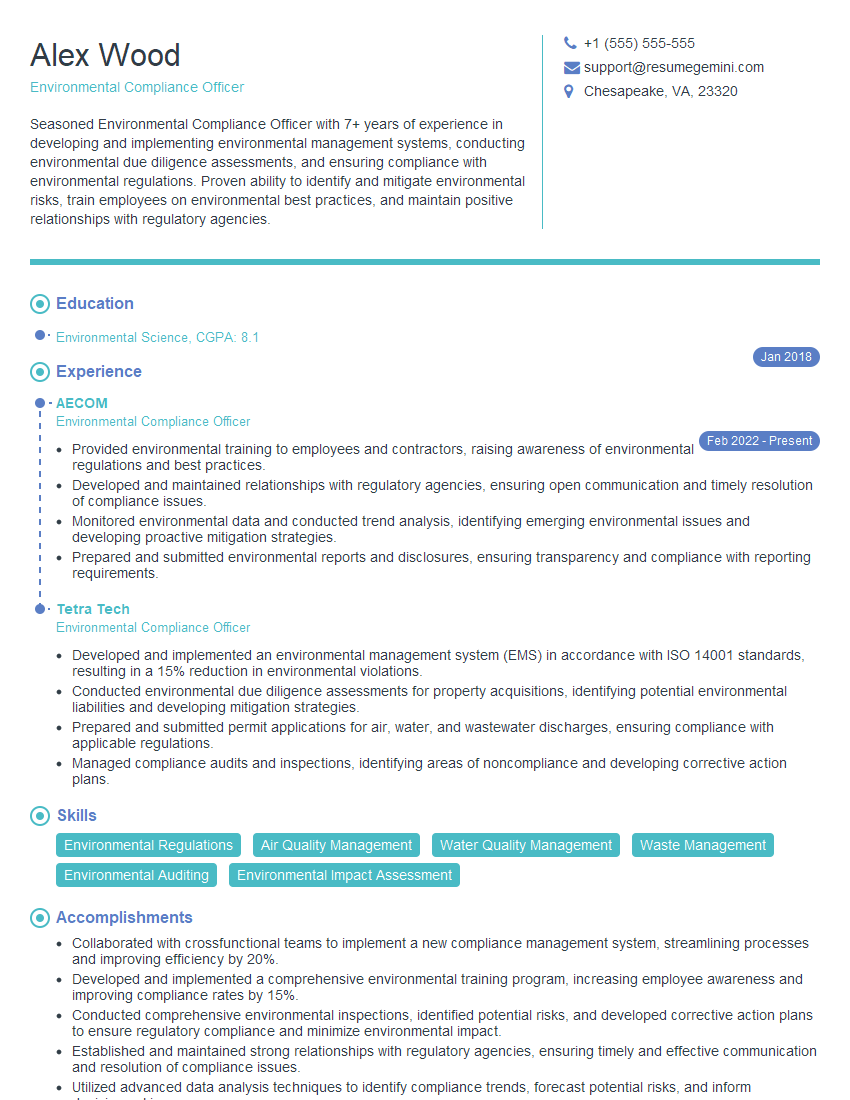
Environmental Compliance Officer Resume Sample
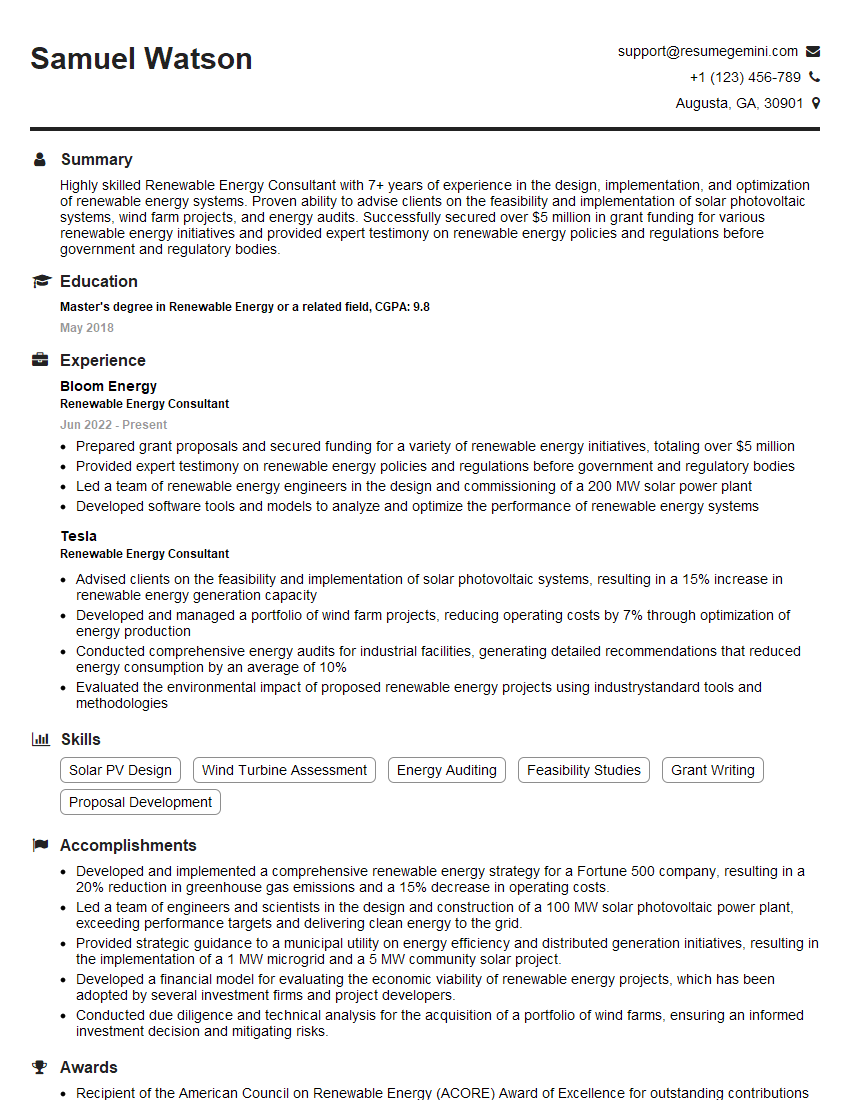
Renewable Energy Consultant Resume Sample

Sustainability Consultant Resume Sample
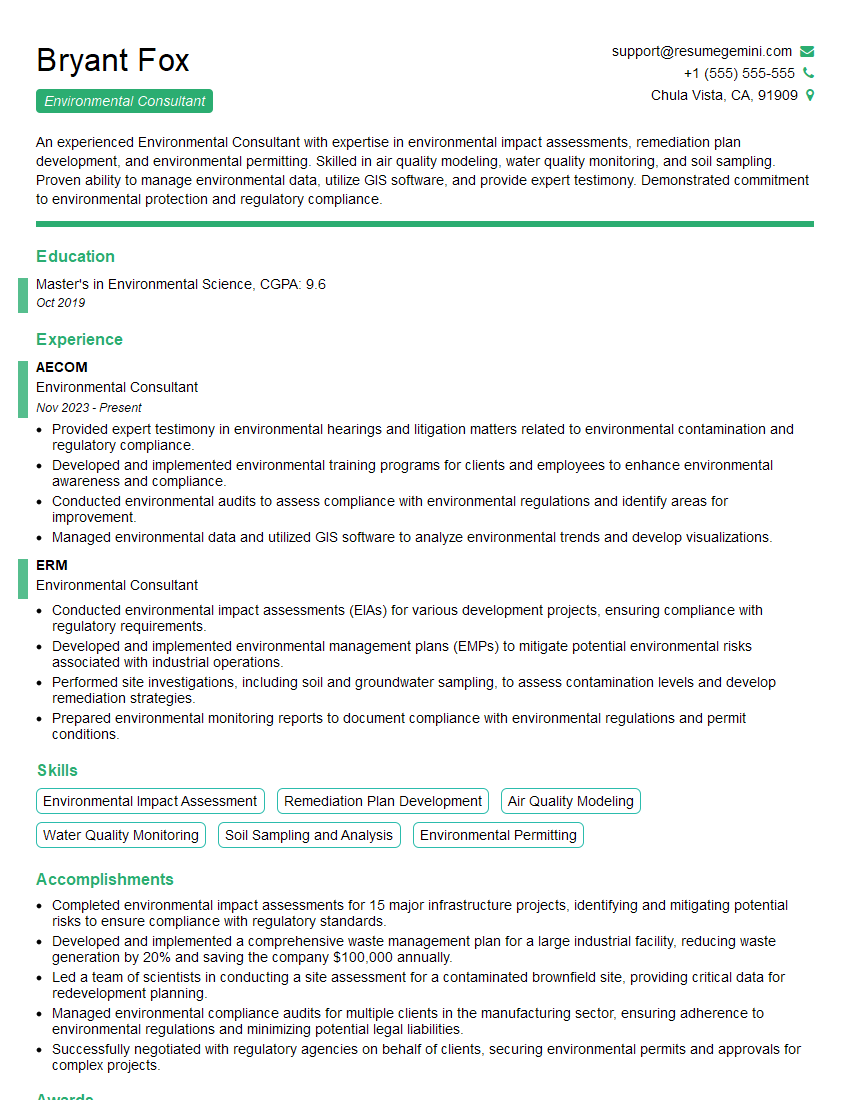
Environmental Consultant Resume Sample

Environmental Educator Resume Sample
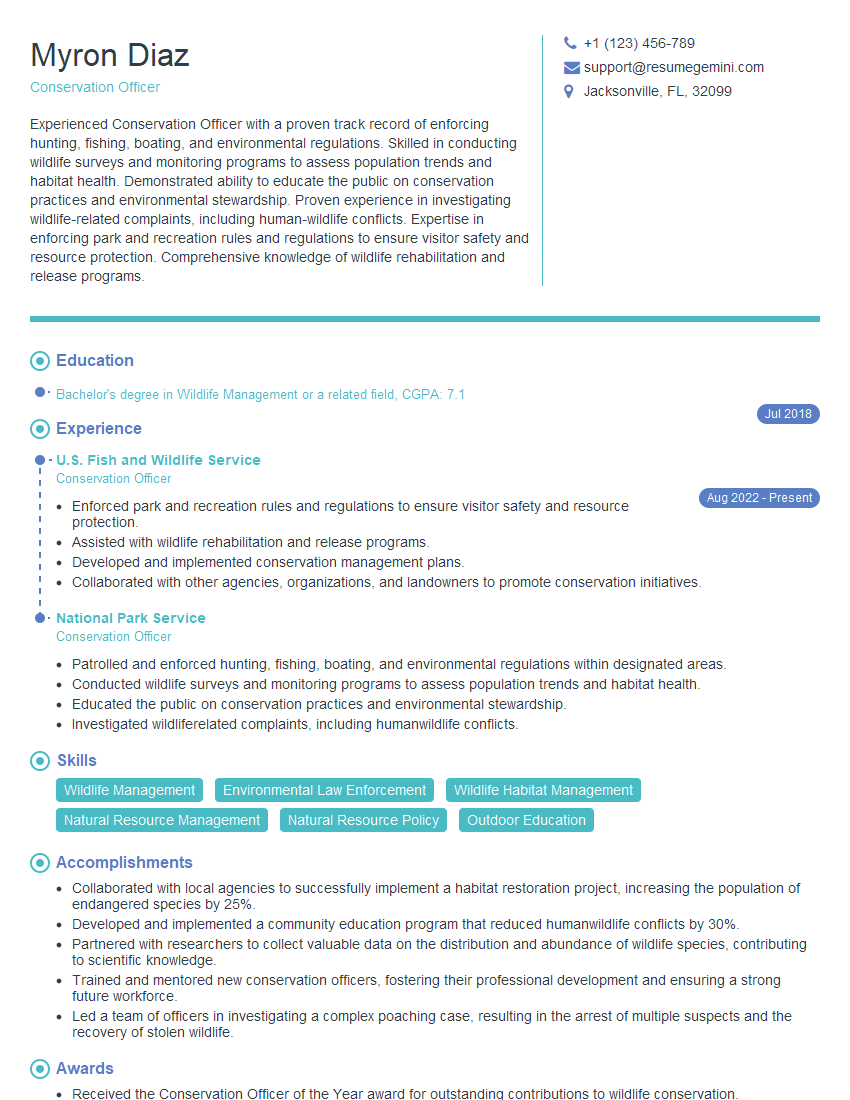
Conservation Officer Resume Sample
Explore more articles
Users Rating of Our Blogs
Share Your Experience
We value your feedback! Please rate our content and share your thoughts (optional).
What Readers Say About Our Blog
To the interviewgemini.com Webmaster.
Very helpful and content specific questions to help prepare me for my interview!
Thank you
To the interviewgemini.com Webmaster.
This was kind of a unique content I found around the specialized skills. Very helpful questions and good detailed answers.
Very Helpful blog, thank you Interviewgemini team.