Preparation is the key to success in any interview. In this post, we’ll explore crucial Abdominal and Vaginal Delivery interview questions and equip you with strategies to craft impactful answers. Whether you’re a beginner or a pro, these tips will elevate your preparation.
Questions Asked in Abdominal and Vaginal Delivery Interview
Q 1. Describe the stages of labor in a vaginal delivery.
Vaginal delivery, the natural process of childbirth, unfolds in three distinct stages. Think of it like a three-act play, each with its own crucial role.
Stage 1: Labor This stage is further divided into three phases:
- Latent Phase: Cervical dilation from 0 to 4 centimeters. This phase is often the longest and can last many hours, even days for first-time mothers. Contractions are usually mild and irregular.
- Active Phase: Cervical dilation from 4 to 7 centimeters. Contractions become more frequent, stronger, and longer. This is where the real work begins!
- Transition Phase: Cervical dilation from 7 to 10 centimeters. This phase is often considered the most intense, with strong and frequent contractions. Many women experience feelings of being overwhelmed during this transition.
Stage 2: Pushing and Delivery Once the cervix is fully dilated (10 centimeters), the mother starts pushing, aided by the natural urge to bear down. This is the stage where the baby descends through the birth canal and is born.
Stage 3: Delivery of the Placenta After the baby’s birth, the placenta separates from the uterine wall and is delivered. This usually happens within 30 minutes of the baby’s birth.
Understanding these stages helps expectant parents prepare for the birthing process and anticipate the varying levels of intensity and duration.
Q 2. Explain the indications for a Cesarean section (C-section).
A Cesarean section (C-section) is a surgical procedure where the baby is delivered through an incision in the mother’s abdomen and uterus. It’s not a casual choice; it’s indicated when vaginal delivery poses risks to the mother or baby. These indications can be broadly categorized as:
Maternal Indications: These include situations where vaginal delivery might endanger the mother’s life or health, such as severe preeclampsia (high blood pressure during pregnancy), placenta previa (placenta covering the cervix), active genital herpes, or previous uterine surgery.
Fetal Indications: These relate to the baby’s well-being, including fetal distress (signs of oxygen deprivation), breech presentation (baby positioned feet-first), transverse lie (baby lying sideways), or multiple gestation (twins or triplets) where vaginal delivery is deemed unsafe.
Obstetrical Indications: These arise from complications during labor, like failure to progress (labor not advancing as expected), umbilical cord prolapse (cord coming out before the baby), or placental abruption (placenta separating prematurely).
The decision to perform a C-section is always made based on a careful assessment of the individual circumstances, considering the potential benefits and risks involved.
Q 3. What are the risk factors associated with both vaginal and abdominal delivery?
Both vaginal and abdominal deliveries carry inherent risks, although the nature and frequency of these risks differ.
Vaginal Delivery Risks: These can include perineal tears (tears in the tissues between the vagina and anus), postpartum hemorrhage (heavy bleeding after delivery), uterine rupture (rare but serious tearing of the uterus), infections, and nerve damage.
C-Section Risks: These risks are mostly related to surgery, including infection, bleeding, blood clots (thrombosis), damage to internal organs, and longer recovery time. There’s also an increased risk of complications in future pregnancies, including placenta accreta (placenta attaching too deeply to the uterine wall).
It’s important to remember that risk factors vary from person to person and are often influenced by pre-existing conditions, age, and overall health. A thorough assessment of these factors helps determine the safest delivery method for each individual.
Q 4. How do you manage postpartum hemorrhage?
Postpartum hemorrhage (PPH), defined as blood loss exceeding 500ml after vaginal delivery or 1000ml after a C-section, is a serious obstetric emergency. Management requires a rapid and systematic approach, often involving a multidisciplinary team.
The initial steps focus on uterine tone and blood loss assessment. Methods for managing PPH include:
Fundal Massage: Gently massaging the uterus to help it contract and reduce bleeding.
Uterotonics: Administering medications like oxytocin to stimulate uterine contractions.
Bimanual Compression: Manually compressing the uterus to control bleeding if other measures fail.
Surgical Interventions: In severe cases, surgical procedures like uterine artery embolization or hysterectomy (removal of the uterus) may be necessary to control bleeding.
Effective monitoring of vital signs, blood loss estimation, and prompt intervention are crucial in preventing maternal mortality associated with PPH.
Q 5. Discuss the different types of episiotomies and their indications.
An episiotomy is a surgical incision made in the perineum (the area between the vagina and anus) during childbirth. This procedure aims to prevent uncontrolled tearing, but its use has decreased significantly in recent years due to potential complications. There are two main types:
Midline Episiotomy: This incision runs vertically down the midline of the perineum. It’s easier to repair, but there’s a greater risk of extending into the rectum.
Mediolateral Episiotomy: This incision runs at an angle from the midline toward the mother’s inner thigh. It has a lower risk of rectal extension but is more painful and has a more extensive scar.
Episiotomies are typically indicated in situations where there is a risk of severe perineal tearing, such as shoulder dystocia (baby’s shoulder getting stuck during delivery) or when rapid delivery is needed to protect the baby. However, the decision to perform an episiotomy should always be made on a case-by-case basis, considering potential benefits and risks.
Q 6. Explain the process of fetal monitoring during labor.
Fetal monitoring during labor involves continuously assessing the baby’s well-being to detect any signs of distress. This is typically done using two methods:
Intermittent Auscultation: This involves listening to the baby’s heartbeat using a handheld Doppler or fetoscope at regular intervals. This is a non-invasive and commonly used method, especially during early labor.
Electronic Fetal Monitoring (EFM): This uses electronic devices to continuously monitor the baby’s heart rate and the mother’s uterine contractions. EFM provides a graphic record of these data, allowing for continuous assessment. It’s often used in higher-risk pregnancies or during labor complications.
The information gathered from fetal monitoring is crucial in guiding decisions during labor, helping to identify potential problems early and allowing for timely interventions to improve outcomes.
Q 7. What are the potential complications of a C-section?
C-sections, while life-saving in many situations, also carry potential complications. These can range from minor to life-threatening:
Infection: Infection of the incision site, uterus, or other areas is a significant risk.
Bleeding: Excessive bleeding can occur during or after surgery.
Blood clots: The risk of developing blood clots (deep vein thrombosis) is higher after a C-section.
Injury to internal organs: Accidental damage to the bladder, intestines, or other organs is a potential risk during surgery.
Adhesions: Scar tissue can form in the abdomen and cause problems later.
Longer recovery time: Compared to vaginal delivery, recovery from a C-section typically takes longer.
Increased risk of complications in future pregnancies: This includes issues such as placenta accreta or uterine rupture.
Careful pre-operative planning, skilled surgical technique, and vigilant postoperative care are essential in minimizing these risks and ensuring a favorable outcome for both the mother and the baby.
Q 8. How do you assess fetal well-being during labor?
Assessing fetal well-being during labor is crucial for ensuring a safe delivery. We use a combination of methods, focusing on both the fetal heart rate and the mother’s condition.
- Intermittent Auscultation: This involves listening to the fetal heart rate using a Doppler at regular intervals. This is a simple, non-invasive method, typically used in low-risk pregnancies. We listen for the rate, rhythm, and any accelerations or decelerations.
- Continuous Electronic Fetal Monitoring (EFM): This provides a continuous tracing of the fetal heart rate and often the mother’s contractions. It allows for more precise detection of subtle changes that might indicate fetal distress. We look for patterns like late decelerations (indicating uteroplacental insufficiency) or variable decelerations (suggesting umbilical cord compression).
- Fetal Scalp Electrode (FSE) and Intrauterine Pressure Catheter (IUPC): In high-risk pregnancies or when more precise data is needed, we might place these internal monitors. An FSE directly measures the fetal heart rate, while an IUPC measures the strength and frequency of uterine contractions.
- Assessment of Amniotic Fluid: The color, amount, and odor of the amniotic fluid are important indicators. Meconium-stained fluid (greenish-brown) can signal fetal distress.
- Maternal Assessment: Monitoring the mother’s vital signs, including blood pressure, pulse, and temperature, is also critical, as maternal conditions can directly affect the fetus.
For example, if we notice repetitive late decelerations in the fetal heart rate tracing during EFM, it indicates a potential problem with oxygen supply to the baby, and we would immediately take action such as changing maternal positioning, administering oxygen, and potentially initiating a faster delivery.
Q 9. Describe your experience with managing shoulder dystocia.
Shoulder dystocia is a serious obstetric emergency where the fetal head is delivered but the shoulders become impacted behind the pubic symphysis. My approach follows the mnemonic ‘HELPERR’:
- Hands off the umbilical cord
- Episiotomy
- Leopold’s maneuvers
- Pressure on the abdomen
- Enter McRoberts maneuver
- Roll the mother onto her hands and knees
- Reach for the posterior shoulder
I’ve had to manage several cases of shoulder dystocia throughout my career. One case involved a primiparous patient whose baby experienced shoulder dystocia. The McRoberts maneuver and suprapubic pressure resolved the issue, but it was important to maintain calm and a systematic approach, ensuring the entire team was aware of the situation. Prompt intervention was vital in preventing complications for both mother and baby. Post-delivery assessments and monitoring of the neonate for potential injury are crucial.
Q 10. Explain the different types of anesthesia used during labor and delivery.
Several anesthesia options are available for labor and delivery, each with its advantages and disadvantages:
- Epidural Anesthesia: This involves placing a catheter in the epidural space to provide continuous pain relief. It’s highly effective for labor pain but can cause hypotension, requiring close monitoring of the mother’s blood pressure.
- Spinal Anesthesia: This involves a single injection into the subarachnoid space, providing rapid and effective pain relief. It’s often used for cesarean deliveries. Possible side effects include headache and hypotension.
- Combined Spinal-Epidural Anesthesia (CSE): This combines the rapid onset of spinal anesthesia with the sustained relief of epidural anesthesia.
- Pudendal Block: A local anesthetic is injected near the pudendal nerve to numb the perineum and provide pain relief for the second stage of labor and delivery. It’s often used in conjunction with other methods or for instrument-assisted deliveries.
- Local Infiltration Anesthesia: A local anesthetic is injected directly into the tissues to numb the area before episiotomy or repair.
- Nitrous Oxide (Entonox): A self-administered inhaled analgesic that can be used for pain relief during labor. It is relatively safe with minimal side effects.
The choice of anesthesia depends on various factors such as the mother’s preferences, medical history, and the stage of labor.
Q 11. How do you counsel patients on pain management options during labor?
Counseling patients on pain management involves a thorough discussion of the available options, their benefits, risks, and limitations. I always begin by understanding the patient’s expectations and preferences.
I explain the options (epidural, spinal, CSE, pudendal block, local infiltration, nitrous oxide), emphasizing that there is no ‘one-size-fits-all’ approach. I discuss the benefits of each method, for example, the continuous relief provided by an epidural versus the rapid pain relief of a spinal. I also highlight potential risks and side effects, such as hypotension with epidural anesthesia or headache with spinal anesthesia. I emphasize the importance of open communication during labor, encouraging them to express their pain levels and any concerns they may have. We also discuss alternative pain management techniques such as breathing exercises, relaxation techniques, hydrotherapy, and massage. The goal is to empower them to make informed decisions based on their individual needs and preferences.
For example, a patient who is anxious about needles might prefer nitrous oxide or other non-pharmacological approaches. Another might prefer the reliable and consistent pain relief offered by an epidural.
Q 12. Describe your experience with managing a breech presentation.
Breech presentation, where the baby’s buttocks or feet are positioned to be delivered first, requires careful management. The decision of whether to attempt vaginal delivery or perform a Cesarean section depends on various factors, including fetal maturity, fetal size, maternal pelvis shape, and the type of breech presentation.
External Cephalic Version (ECV): If identified early enough and conditions are favorable, ECV can be attempted, where the obstetrician manipulates the fetus externally to turn it to a cephalic (head-down) presentation. Successful ECV is not always possible.
Vaginal Delivery of Breech: In select cases, vaginal delivery might be considered, but it carries increased risks of fetal injury, particularly to the head and neck, and requires close monitoring and specialized expertise. Assisted vaginal delivery techniques such as forceps or vacuum may be needed.
Cesarean Section: Cesarean delivery is often the preferred method for breech presentation, especially in the presence of any complicating factors, due to its lower risk of complications for both mother and baby.
My experience includes both successful ECVs and Cesarean deliveries for breech presentations. For each case, we carefully evaluated the risks and benefits and ensured that the patient and family understood and were comfortable with the chosen course of action. Pre-operative counseling, thorough explanations, and post-operative care are crucial in such situations.
Q 13. What are the signs and symptoms of preeclampsia?
Preeclampsia is a dangerous pregnancy-related condition characterized by high blood pressure and proteinuria (protein in the urine). It typically develops after 20 weeks of gestation and can lead to serious complications for both the mother and the baby.
- High Blood Pressure: Systolic blood pressure consistently above 140 mmHg or diastolic blood pressure consistently above 90 mmHg.
- Proteinuria: The presence of protein in the urine, usually detected via urine dipstick testing or a 24-hour urine collection.
- Other Potential Signs and Symptoms: Headache, visual disturbances (blurred vision or spots), swelling (edema) in the face, hands, or feet, epigastric pain (pain under the ribs), reduced urine output, and sudden weight gain.
The severity of preeclampsia can range from mild to severe. Severe preeclampsia necessitates immediate medical attention, often requiring hospitalization and close monitoring. Untreated preeclampsia can lead to eclampsia (seizures), stroke, HELLP syndrome (hemolysis, elevated liver enzymes, low platelets), and placental abruption. Management strategies may include medications to lower blood pressure, medications to prevent seizures, bed rest, and in severe cases, prompt delivery of the baby.
Q 14. How do you manage a prolapsed umbilical cord?
Umbilical cord prolapse is a serious obstetric emergency where the umbilical cord comes out of the cervix before the baby, potentially compressing the cord and reducing blood flow to the fetus. Immediate action is crucial.
Management Steps:
- Relieve pressure on the cord: The most immediate action is to relieve pressure on the cord. This is usually done by manually elevating the presenting part of the fetus (the baby’s head or buttocks) away from the cord, using a sterile gloved hand, to prevent further compression.
- Administer oxygen to the mother: Increasing the mother’s oxygen saturation levels may improve fetal oxygenation.
- Expedite delivery: The quickest and safest method of delivery is usually via Cesarean section. If a Cesarean section is not immediately feasible, then a forceps or vacuum assisted vaginal delivery may be considered, but ONLY if the delivery is imminent.
- Continuous fetal monitoring: Continuously monitor the fetal heart rate for signs of fetal distress.
- Transport to OR for Cesarean Section: If the vaginal delivery isn’t imminent, an immediate Cesarean section must be performed.
The prognosis depends on the duration of cord compression and the effectiveness of the intervention. Rapid recognition and prompt management are critical for a positive outcome.
Q 15. Describe your experience with managing a patient with gestational diabetes.
Managing gestational diabetes (GDM) requires a multi-faceted approach focusing on glycemic control to minimize risks to both mother and baby. My experience involves a thorough initial assessment including a detailed medical history, physical examination, and blood glucose testing. I then develop a personalized management plan, often involving dietary modifications – such as a balanced meal plan emphasizing whole grains, fruits, and vegetables, and limiting sugary drinks and processed foods – and regular blood glucose monitoring. Depending on the severity and the patient’s response, I may recommend insulin therapy or oral hypoglycemic agents. Regular follow-up appointments are crucial to monitor blood glucose levels, fetal growth, and assess the need for adjustments in the management plan. For example, I recently managed a patient with GDM who responded well to dietary changes initially but required insulin therapy in her third trimester to maintain optimal glucose control. This resulted in a healthy pregnancy and a healthy baby delivered at term.
Close collaboration with a registered dietitian and endocrinologist is essential for optimal patient care, ensuring the patient understands the importance of adhering to the treatment plan and recognizing potential complications such as pre-eclampsia or macrosomia (large baby).
Career Expert Tips:
- Ace those interviews! Prepare effectively by reviewing the Top 50 Most Common Interview Questions on ResumeGemini.
- Navigate your job search with confidence! Explore a wide range of Career Tips on ResumeGemini. Learn about common challenges and recommendations to overcome them.
- Craft the perfect resume! Master the Art of Resume Writing with ResumeGemini’s guide. Showcase your unique qualifications and achievements effectively.
- Don’t miss out on holiday savings! Build your dream resume with ResumeGemini’s ATS optimized templates.
Q 16. What are the common postpartum complications and their management?
Postpartum complications are a serious concern and require prompt identification and management. Common complications include postpartum hemorrhage (PPH), which is excessive bleeding after delivery; postpartum infection, encompassing endometritis (uterine infection) and wound infections; thromboembolic events, such as deep vein thrombosis (DVT) and pulmonary embolism; and postpartum depression (PPD).
Managing these complications involves a combination of preventative measures and active treatment. For PPH, I would assess blood loss, uterine tone, and potential lacerations. Management may include uterine massage, uterotonics (medications to contract the uterus), and, in severe cases, surgical intervention. Postpartum infections are treated with broad-spectrum antibiotics, guided by culture results. DVT prophylaxis includes early ambulation, compression stockings, and, in high-risk patients, anticoagulation therapy. For PPD, I would screen for symptoms, offer counseling, and refer to mental health professionals as needed. Prompt recognition of warning signs and early intervention are critical to improving maternal outcomes.
For instance, a patient who experienced a retained placenta after delivery developed a significant postpartum hemorrhage. Swift action involving manual removal of the placenta and administration of uterotonics successfully halted the bleeding and prevented further complications.
Q 17. How do you assess a newborn’s Apgar score?
The Apgar score is a quick assessment of a newborn’s physical condition at 1 and 5 minutes after birth. It assesses five key parameters: heart rate, respiratory effort, muscle tone, reflex irritability, and color. Each parameter is scored 0, 1, or 2, with a total score ranging from 0 to 10. A score of 7 or above is generally considered reassuring, while a score below 7 indicates the need for further evaluation and intervention.
- Heart rate: 0 = absent, 1 = slow (<100 bpm), 2 = over 100 bpm
- Respiratory effort: 0 = absent, 1 = weak cry, irregular, 2 = good, strong cry
- Muscle tone: 0 = flaccid, 1 = some flexion of extremities, 2 = active motion
- Reflex irritability: 0 = no response, 1 = grimace, 2 = cough or sneeze
- Color: 0 = blue or pale, 1 = body pink, extremities blue, 2 = completely pink
For example, a newborn with a heart rate of 120, good cry, active motion, cough, and pink skin would receive an Apgar score of 10. A score of 5 might indicate the need for immediate resuscitation.
Q 18. Explain the procedure for performing a vacuum-assisted delivery.
Vacuum-assisted delivery is a technique used to assist vaginal delivery when the mother is pushing but the baby’s descent is slow. It involves attaching a suction cup (vacuum extractor) to the baby’s scalp and gently pulling during maternal pushing efforts. The procedure requires careful assessment of maternal and fetal conditions to ensure suitability. Contraindications include fetal distress, cephalopelvic disproportion (baby’s head too large for the birth canal), previous uterine surgery, or maternal bleeding disorders.
The steps typically involve: placing the cup on the fetal scalp, ensuring proper placement and suction, coordinating traction with maternal pushing, and continuous fetal monitoring. It is crucial to avoid excessive or prolonged traction to minimize the risk of complications, such as cephalohematoma (collection of blood beneath the scalp) or retinal hemorrhage. The procedure is performed by skilled healthcare professionals and requires careful observation throughout.
Q 19. Describe the procedure for performing forceps-assisted delivery.
Forceps-assisted delivery is another method to assist vaginal birth when the mother’s pushing efforts are insufficient. Forceps are instruments with two curved blades that are applied to the baby’s head to assist in its rotation and extraction. Careful evaluation of the maternal pelvis and fetal position is crucial before using forceps. Contraindications are similar to vacuum-assisted delivery and include fetal distress and cephalopelvic disproportion.
The procedure involves proper application of the forceps blades, careful rotation and extraction of the fetal head, and constant monitoring of the fetal heart rate. Precise technique is critical to prevent maternal and fetal complications, such as vaginal or cervical lacerations, or fetal facial nerve palsy. Only trained obstetricians skilled in forceps application should perform this procedure.
Q 20. What are the indications for performing an emergency C-section?
Emergency Cesarean sections are life-saving interventions performed when vaginal delivery poses a significant risk to the mother or baby. Indications include:
- Fetal distress: Changes in fetal heart rate indicating hypoxia (lack of oxygen)
- Uterine rupture: A tear in the uterine wall
- Placenta previa or abruption: Placenta covering the cervix or separating from the uterine wall
- Obstructed labor: The baby is unable to descend through the birth canal
- Severe maternal complications: such as eclampsia (severe high blood pressure during pregnancy), or severe hemorrhage
- Breech presentation: The baby is positioned bottom-first
The decision to proceed with an emergency C-section is made based on a comprehensive assessment of the situation, weighing the risks and benefits of vaginal delivery versus Cesarean section. A quick, coordinated effort from the entire medical team is critical during emergency situations.
Q 21. How do you manage a patient with a placental abruption?
Placental abruption is a serious complication where the placenta separates prematurely from the uterine wall. This causes bleeding, potentially leading to fetal hypoxia and maternal shock. Management is determined by the severity of the abruption and includes:
- Immediate assessment: of maternal vital signs, fetal heart rate, and estimation of blood loss
- Fluid resuscitation: Intravenous fluids to maintain maternal blood pressure
- Blood transfusion: If significant blood loss occurs
- Oxygen therapy: to ensure adequate fetal oxygenation
- Continuous fetal monitoring: to assess fetal well-being
- Delivery: Vaginal delivery may be considered if the mother and baby are stable, otherwise Cesarean section is usually necessary
For example, a patient presented with vaginal bleeding and fetal distress. Diagnosis of placental abruption was confirmed, and immediate Cesarean section was performed to deliver a baby who was experiencing hypoxia. Postpartum, the mother received blood transfusions to manage blood loss. The prompt and efficient management of this serious complication saved both the mother and baby’s lives.
Q 22. How do you manage a patient with a uterine rupture?
Uterine rupture is a life-threatening obstetric emergency involving a tear in the uterine wall. Management requires immediate action focused on maternal and fetal well-being. It’s crucial to act swiftly and decisively.
- Resuscitation: The first priority is stabilizing the mother. This involves administering intravenous fluids, blood transfusions (if necessary), and oxygen. Monitoring vital signs (blood pressure, heart rate, oxygen saturation) is crucial.
- Surgical intervention: Laparotomy (opening the abdomen) is usually necessary to repair the rupture and control bleeding. This might involve a hysterectomy (removal of the uterus) in severe cases to save the mother’s life.
- Fetal assessment: If the fetus is still alive, immediate delivery via Cesarean section is essential. Fetal heart rate monitoring is crucial throughout the process.
- Postoperative care: Post-operative care involves close monitoring for signs of infection, hemorrhage, and other complications. Pain management and emotional support are also critical.
For example, I once managed a patient who experienced a uterine rupture during labor. She presented with sudden, severe abdominal pain and signs of hemorrhagic shock. We immediately initiated resuscitation, took her to the OR for an emergency C-section and hysterectomy. Post-operatively, we managed her closely for infection and provided ongoing psychological support. The baby survived, and the mother made a full recovery.
Q 23. What are the risk factors for a preterm delivery?
Preterm delivery, birth before 37 weeks of gestation, has numerous risk factors. These can be broadly categorized into maternal, fetal, and placental factors.
- Maternal factors: These include infections (e.g., urinary tract infections, chorioamnionitis), pre-eclampsia, gestational diabetes, chronic conditions like hypertension or kidney disease, previous preterm births, smoking, substance abuse, and inadequate prenatal care.
- Fetal factors: Fetal anomalies or growth restrictions can contribute to preterm labor.
- Placental factors: Placental abruption (premature separation of the placenta), placenta previa (placenta lying low in the uterus), and incompetent cervix (a cervix that dilates prematurely) are significant risk factors.
Understanding these risk factors allows for targeted interventions, such as cervical cerclage (stitching the cervix) to prevent preterm delivery in women with a history of cervical incompetence. Regular prenatal check-ups, lifestyle modifications, and prompt treatment of infections are essential preventive measures.
Q 24. How do you manage a patient with a postpartum infection?
Postpartum infection, encompassing endometritis (uterine infection), wound infections, and other infections, requires prompt diagnosis and treatment to prevent serious complications.
- Diagnosis: This involves a thorough clinical evaluation, including assessing vital signs (fever, tachycardia), examining the uterus (tenderness, foul-smelling lochia), and conducting blood tests (complete blood count, inflammatory markers).
- Treatment: Broad-spectrum antibiotics are usually initiated empirically based on the most likely pathogens. The choice of antibiotic depends on the specific infection and local antibiotic resistance patterns. Intravenous antibiotics are often necessary for severe infections.
- Supportive care: Supportive care includes adequate hydration, pain relief, and rest. In cases of severe sepsis, intensive care may be required.
For example, a patient with high fever, uterine tenderness, and foul-smelling lochia after delivery would necessitate immediate initiation of broad-spectrum antibiotics, intravenous fluids, and close monitoring. Blood cultures would help guide antibiotic selection.
Q 25. Describe your experience with managing a patient with a retained placenta.
Retained placenta, where the placenta does not detach and expel after delivery, is a significant obstetric complication requiring careful management.
- Manual removal: In many cases, the placenta can be manually removed by the attending physician under sterile conditions. This requires careful examination to ensure complete removal and minimize trauma.
- Surgical intervention: If manual removal fails or is deemed unsafe, surgical removal (e.g., D&C) might be necessary.
- Medical management: In some cases, medication (e.g., oxytocin) may help facilitate placental expulsion, though this approach is less common.
- Monitoring: Post-procedure monitoring is critical to detect and manage potential complications like hemorrhage and infection.
In my experience, I’ve managed several cases of retained placenta, ranging from simple manual removal to more complex cases requiring surgical intervention. A thorough understanding of anatomy and potential complications is key for successful management. For example, a retained placenta can lead to severe bleeding if not addressed properly.
Q 26. How do you manage a patient with a postpartum depression?
Postpartum depression (PPD) is a serious mood disorder affecting many new mothers. Recognizing and addressing PPD is crucial for the mother’s well-being and that of her baby.
- Screening: Routine screening for PPD using validated tools (e.g., Edinburgh Postnatal Depression Scale) is essential.
- Assessment: A thorough clinical assessment is needed to evaluate the severity of symptoms, rule out other conditions, and assess the mother’s support system.
- Treatment: Treatment options include psychotherapy (e.g., cognitive behavioral therapy), medication (antidepressants), and social support. A multidisciplinary approach often works best.
One challenging aspect is that PPD can manifest differently in various individuals. Some mothers experience intense sadness while others experience anxiety or irritability. Early identification through screening and personalized care are vital.
Q 27. What are the ethical considerations in obstetric practice?
Obstetric practice presents unique ethical challenges. These revolve around informed consent, patient autonomy, beneficence, non-maleficence, and justice.
- Informed consent: Ensuring the patient understands the risks and benefits of various procedures and treatment options is paramount. This requires clear communication, tailored to the patient’s understanding.
- Patient autonomy: Respecting the patient’s right to make decisions about her pregnancy and healthcare is crucial, even when those decisions differ from medical advice.
- Beneficence and non-maleficence: Balancing the benefits of interventions with the potential risks is vital. This requires careful consideration of both the mother’s and the baby’s well-being.
- Justice: Ensuring equitable access to quality obstetric care, regardless of socioeconomic status or other factors, is a crucial ethical consideration.
For example, the decision to perform a Cesarean section, while potentially life-saving, may carry risks. A thorough discussion with the patient, outlining these risks and benefits, is crucial for obtaining informed consent.
Q 28. Describe a challenging case you encountered and how you handled it.
One of the most challenging cases I encountered involved a patient with a severe placental abruption and disseminated intravascular coagulation (DIC) – a life-threatening bleeding disorder. The patient presented with severe vaginal bleeding, hypotension, and signs of shock. The fetus showed signs of distress.
The challenge was managing the life-threatening hemorrhage and DIC while simultaneously ensuring the best possible outcome for both the mother and the fetus. The management involved rapid resuscitation, blood product transfusion, emergency C-section, and meticulous monitoring for ongoing complications. We collaborated closely with hematology and other specialists. The mother recovered, although she required several blood transfusions and extended hospitalization. The baby, sadly, did not survive.
This case highlighted the importance of rapid assessment, multidisciplinary teamwork, and clear communication during emergencies. It also reinforced the emotional toll such situations take on both patients and healthcare providers.
Key Topics to Learn for Abdominal and Vaginal Delivery Interview
- Maternal Physiology during Labor and Delivery: Understanding the physiological changes in the mother’s body during labor, including cardiovascular, respiratory, and renal adaptations. This includes recognizing deviations from the norm and their implications.
- Stages of Labor and Delivery: Mastering the nuances of each stage – from the onset of labor to the postpartum period – for both vaginal and Cesarean deliveries. Practical application includes identifying potential complications at each stage.
- Fetal Monitoring: Proficient interpretation of fetal heart rate patterns, understanding the significance of decelerations and accelerations, and appropriate interventions based on the monitoring data. This includes both electronic and manual methods.
- Pain Management Techniques: Knowledge of various pain relief options for both vaginal and Cesarean births, their effectiveness, side effects, and appropriate patient selection. Consider both pharmacological and non-pharmacological approaches.
- Cesarean Section Indications and Techniques: A comprehensive understanding of the indications for Cesarean section, the surgical procedure itself, and potential complications associated with the surgery and recovery. Focus on both emergency and elective scenarios.
- Postpartum Care and Complications: Knowledge of normal postpartum physiology and potential complications such as postpartum hemorrhage, infection, and thromboembolism. Include appropriate management strategies.
- Evidence-Based Practice and Current Guidelines: Demonstrate familiarity with current best practices and guidelines related to obstetrical care, including the latest research and advancements in the field.
- Communication and Teamwork: Highlighting skills in effective communication with patients, families, and colleagues, emphasizing the importance of teamwork in providing optimal care during labor and delivery.
- Ethical Considerations and Decision-Making: Discuss the ethical aspects of obstetrical care, including informed consent, shared decision-making, and navigating complex clinical scenarios requiring ethical judgment.
Next Steps
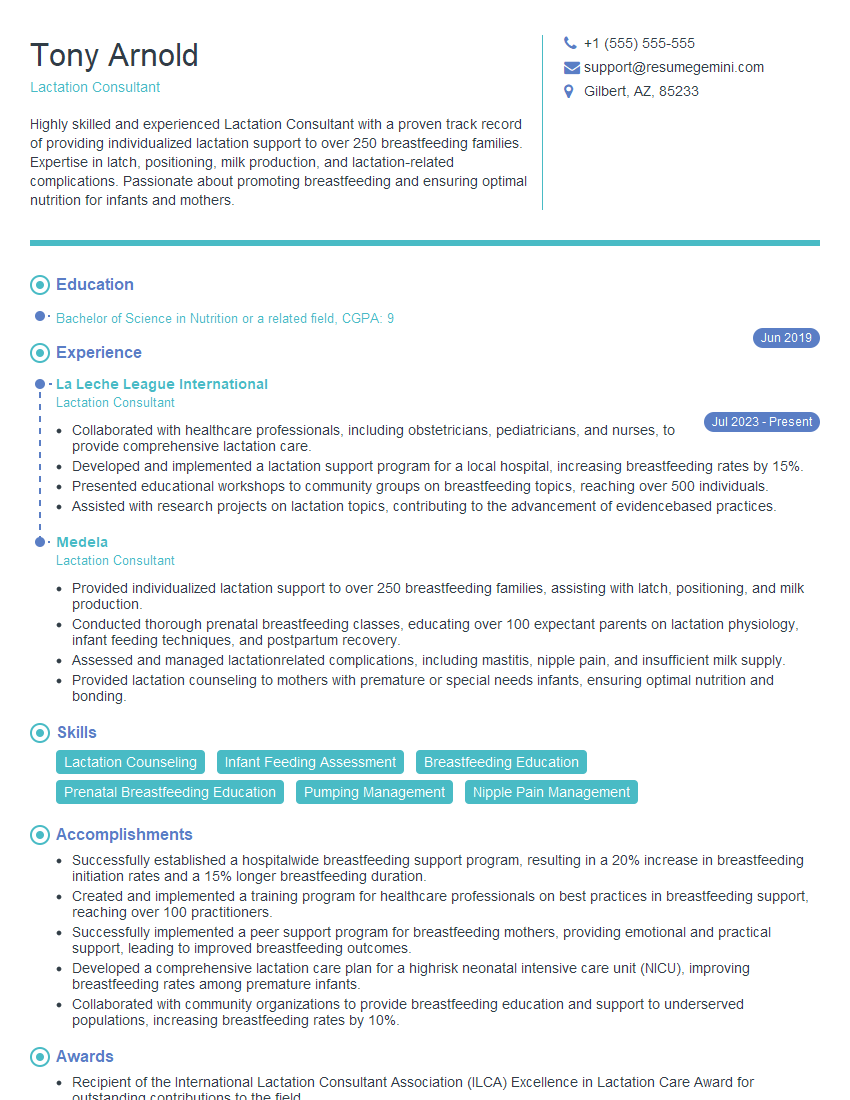
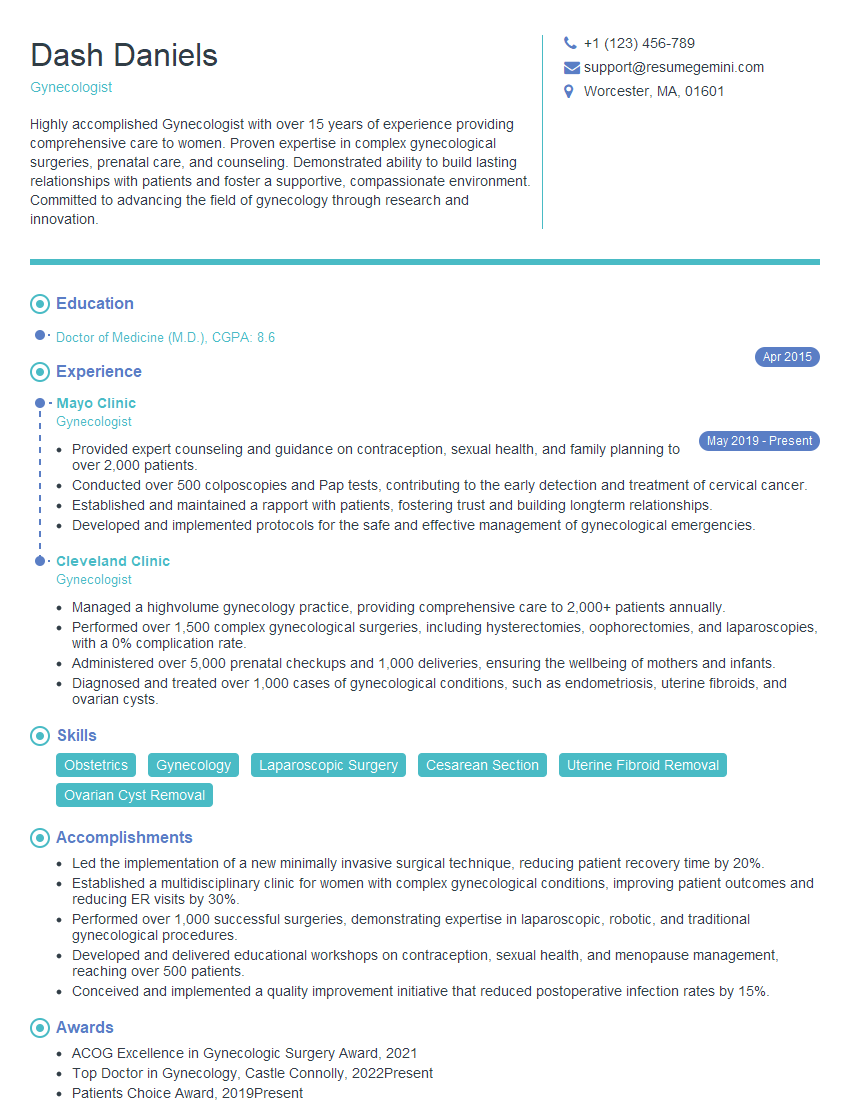
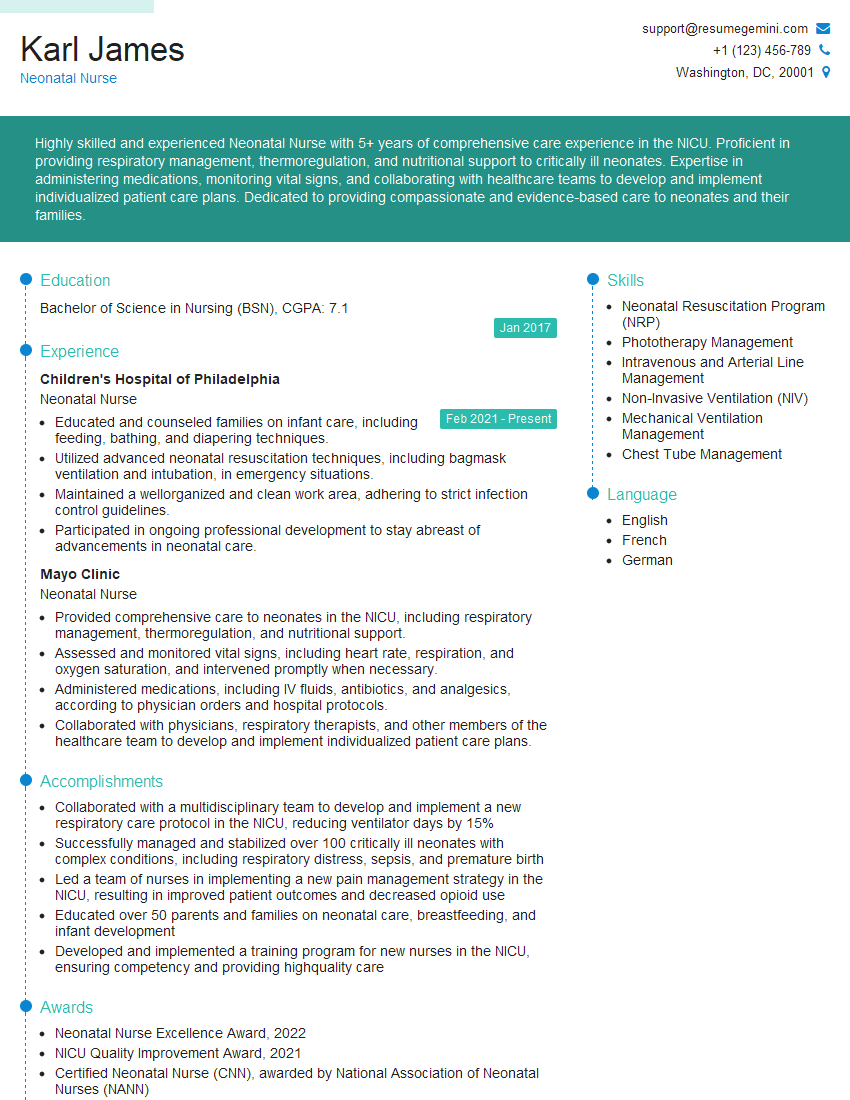
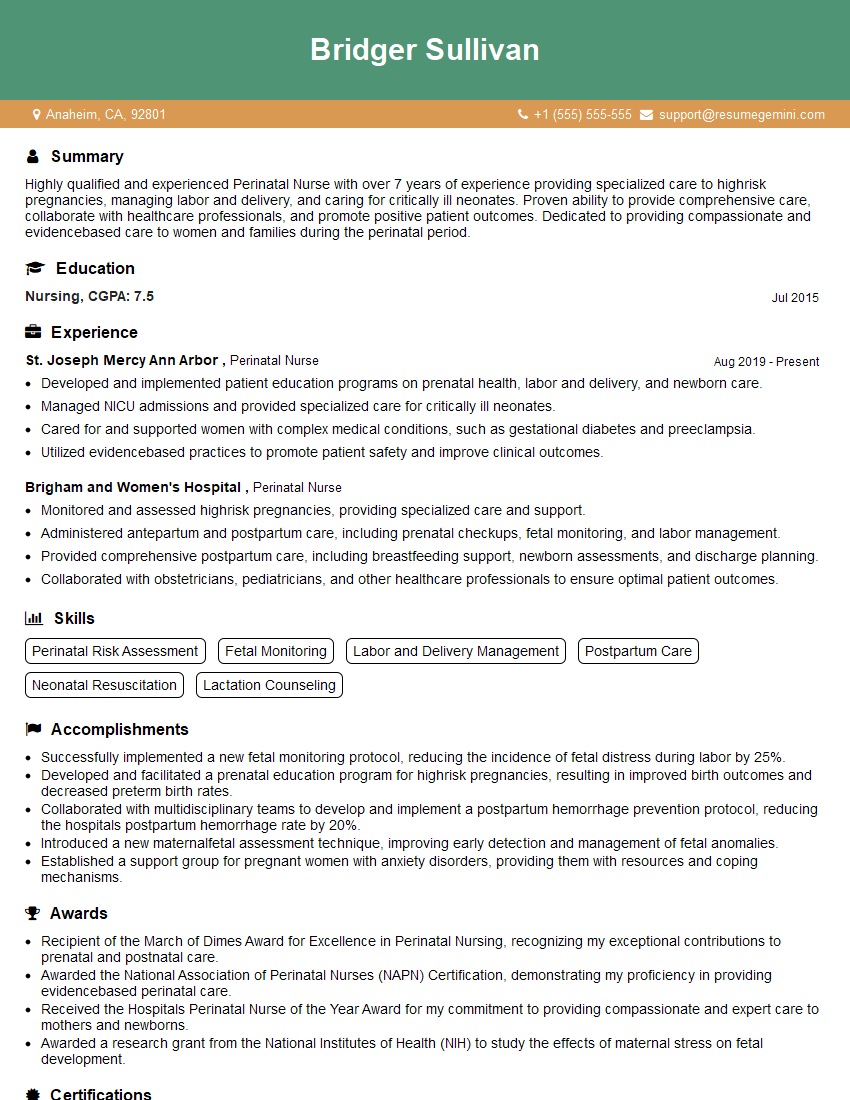
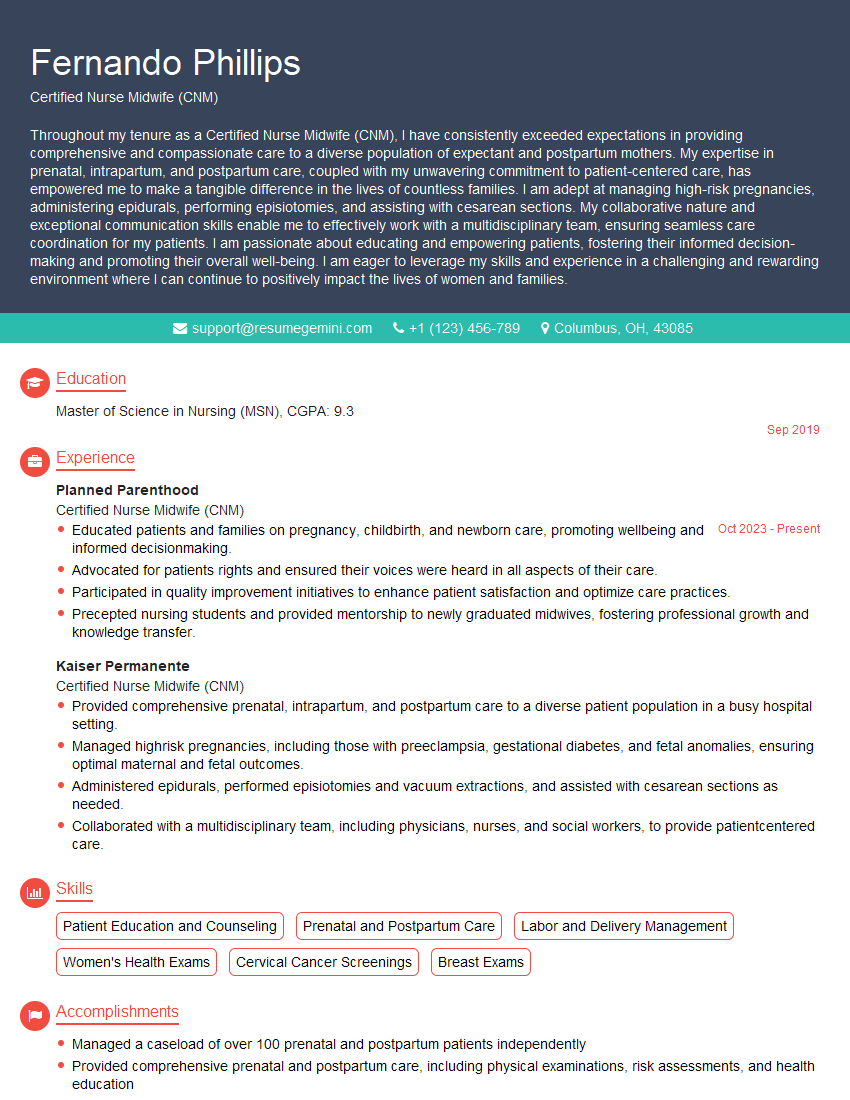
Mastering Abdominal and Vaginal Delivery knowledge is crucial for career advancement in obstetrics and gynecology. A strong understanding of these topics demonstrates competence and readiness for challenging roles. To enhance your job prospects, create an ATS-friendly resume that showcases your skills and experience effectively. ResumeGemini is a trusted resource for building professional and impactful resumes. They offer examples of resumes tailored specifically to the field of Abdominal and Vaginal Delivery to help you craft a compelling application.
Explore more articles
Users Rating of Our Blogs
Share Your Experience
We value your feedback! Please rate our content and share your thoughts (optional).
What Readers Say About Our Blog
To the interviewgemini.com Webmaster.
Very helpful and content specific questions to help prepare me for my interview!
Thank you
To the interviewgemini.com Webmaster.
This was kind of a unique content I found around the specialized skills. Very helpful questions and good detailed answers.
Very Helpful blog, thank you Interviewgemini team.