Cracking a skill-specific interview, like one for Remedial Investigation and Feasibility Studies, requires understanding the nuances of the role. In this blog, we present the questions you’re most likely to encounter, along with insights into how to answer them effectively. Let’s ensure you’re ready to make a strong impression.
Questions Asked in Remedial Investigation and Feasibility Studies Interview
Q 1. Describe your experience in conducting Phase I, II, and III Environmental Site Assessments.
My experience encompasses the full spectrum of environmental site assessments, from Phase I through III. A Phase I Environmental Site Assessment is a historical review of a property to identify potential environmental concerns based on records research, site reconnaissance, and interviews. This often involves checking for previous uses, regulatory filings, and environmental incidents. I’ve conducted numerous Phase I assessments, uncovering everything from potential lead paint contamination in older buildings to the presence of underground storage tanks (USTs) based on historical aerial photographs and site maps.
Phase II Environmental Site Assessment involves the actual sampling and testing of environmental media (soil, groundwater, air, etc.) to confirm or deny the presence of contamination identified during Phase I. I’ve overseen numerous Phase II investigations, using various sampling techniques and laboratory analysis to quantify contaminants like volatile organic compounds (VOCs), semi-volatile organic compounds (SVOCs), and heavy metals. We’ve employed everything from soil borings and groundwater monitoring wells to air monitoring and vapor intrusion assessments.
Finally, a Phase III Environmental Site Assessment focuses on the remediation of confirmed contamination. This is where my expertise in Remedial Investigation and Feasibility Studies truly comes into play. In this phase, I’m responsible for the detailed characterization of the contaminant plume, developing remediation plans and overseeing their implementation. I have extensive experience managing these projects, ensuring that the work meets all regulatory requirements and is completed within budget and schedule.
Q 2. Explain the difference between a Remedial Investigation and a Feasibility Study.
While both Remedial Investigations (RIs) and Feasibility Studies (FSs) are critical components of site remediation, they serve distinct purposes. A Remedial Investigation is a detailed assessment of the nature and extent of contamination at a site. Think of it as a thorough ‘detective work’ phase. It involves extensive sampling and analysis to define the location, concentration, and migration pathways of contaminants. This data forms the basis for making informed decisions about remediation.
The Feasibility Study, on the other hand, is an evaluation of various remediation technologies to determine the most appropriate and cost-effective option for addressing the contamination identified in the RI. It’s a comparative analysis, often involving multiple stakeholders, weighing factors such as technical effectiveness, cost, time frame, risk, and regulatory compliance. For example, we might compare ex situ treatments like soil excavation and off-site treatment with in situ options like bioremediation or pump-and-treat.
Q 3. What are the key components of a Remedial Investigation Work Plan?
A well-structured Remedial Investigation Work Plan (RIWP) is essential for ensuring a thorough and efficient investigation. Key components include:
- Site Background and Objectives: This section outlines the history of the site, the known or suspected contaminants, and the overall goals of the RI.
- Work Scope and Methodology: This detail the sampling locations, techniques, and analytical methods to be used. This might include a description of soil borings, groundwater monitoring well installation, and laboratory testing procedures.
- Health and Safety Plan: This crucial section outlines the safety procedures and precautions to be taken by field personnel to protect them from exposure to hazardous substances.
- Quality Assurance/Quality Control (QA/QC) Plan: This plan details the steps taken to ensure the quality and reliability of the data collected, such as field duplicates, blanks, and spikes.
- Data Management and Reporting: This section describes how the data will be managed, analyzed, and reported, including the use of databases and reporting templates.
- Schedule and Budget: This outlines the timeframe for completing the RI and the associated budget.
Q 4. How do you determine the appropriate remediation technologies for a contaminated site?
Selecting the appropriate remediation technology requires a systematic approach. We consider several key factors:
- Nature and Extent of Contamination: The type, concentration, and distribution of contaminants are paramount. For example, volatile organic compounds may require different approaches than heavy metals.
- Site Conditions: Soil type, groundwater flow, presence of sensitive receptors (e.g., drinking water sources), and site accessibility all influence technology selection.
- Regulatory Requirements: Applicable federal, state, and local regulations dictate acceptable cleanup levels and may limit available technologies.
- Cost-Effectiveness: Each technology has different upfront costs, operating costs, and long-term maintenance requirements. A life-cycle cost analysis is crucial.
- Technical Feasibility: Some technologies may be technically unsuitable for specific site conditions or contaminant types.
- Public Acceptance: The community’s concerns and preferences may influence the choice of technology.
Ultimately, the decision often involves a multi-criteria decision analysis, weighing the different factors to identify the optimal solution.
Q 5. Describe your experience with different remediation technologies (e.g., pump and treat, bioremediation, solidification/stabilization).
I possess extensive experience with a variety of remediation technologies. Pump and treat involves extracting contaminated groundwater, treating it, and then returning the cleaned water to the aquifer. I’ve managed projects where this was used effectively to remove VOCs from groundwater. However, it’s important to note that pump and treat can be time-consuming and costly, and may not be effective for all contaminants or site conditions.
Bioremediation uses naturally occurring microorganisms to break down contaminants. I’ve overseen projects where this was successfully employed to remediate petroleum hydrocarbons in soil. This approach is often environmentally friendly and cost-effective, but its effectiveness depends on factors such as the presence of appropriate microorganisms and environmental conditions.
Solidification/stabilization involves treating contaminated soil or sediment to reduce the mobility and bioavailability of contaminants. This involves mixing the contaminated material with binding agents to create a solid mass. I’ve used this method effectively on sites with heavy metal contamination. This is generally a more permanent solution, making it suitable for long-term management. The choice depends heavily on the specific site and contaminant characteristics.
Q 6. How do you evaluate the effectiveness of a remediation project?
Evaluating the effectiveness of a remediation project involves a multi-faceted approach, including:
- Monitoring Data Analysis: Regular sampling and analysis of soil, groundwater, and other environmental media are essential to track contaminant levels over time. We use statistical analysis to determine if the remediation is achieving the desired cleanup goals.
- Performance Evaluation: We compare the actual remediation performance against the predicted performance outlined in the Feasibility Study. This helps identify any deviations and potential areas for improvement.
- Compliance Monitoring: We ensure that the remediation project is meeting all applicable regulatory requirements and reporting obligations. This often involves submitting regular reports to regulatory agencies.
- Long-Term Monitoring: Even after remediation is complete, long-term monitoring is often necessary to verify the permanence of the cleanup and prevent future contamination.
Ultimately, the success of a remediation project is determined by its ability to achieve the project objectives while adhering to environmental regulations and maintaining a safe environment.
Q 7. What are the key regulatory requirements for remedial investigations and feasibility studies?
Regulatory requirements for RIs and FSs vary depending on the location and the specific contaminants involved but generally include:
- Compliance with CERCLA (Comprehensive Environmental Response, Compensation, and Liability Act) or other relevant federal regulations: These regulations outline the requirements for investigating and remediating hazardous waste sites.
- Compliance with state and local regulations: States often have their own environmental regulations that may be stricter than federal requirements.
- Proper permitting and notification: Before undertaking any remediation activities, necessary permits and notifications must be obtained from relevant regulatory agencies.
- Data quality objectives (DQOs): The data generated during the RI must meet specified quality standards to ensure its reliability and defensibility.
- Risk assessment: A risk assessment is often required to evaluate the potential risks to human health and the environment posed by the contamination.
- Remedial action plan (RAP) approval: A detailed RAP outlining the remediation approach, schedule, and budget must be submitted to and approved by the regulatory agencies.
Staying abreast of these requirements and working closely with regulatory agencies is crucial to the successful completion of any RI/FS project.
Q 8. How do you manage risks and uncertainties in remedial investigations and feasibility studies?
Managing risks and uncertainties in remedial investigations and feasibility studies is paramount. It involves a proactive, multi-step approach that begins even before site investigation. We start by identifying potential risks through a thorough review of historical data, site reconnaissance, and preliminary assessments. This helps pinpoint potential contaminants, geological complexities, and regulatory hurdles. Next, we use quantitative and qualitative risk assessment techniques. Quantitative methods might involve probabilistic modeling to predict contaminant transport or the success rate of different remediation technologies. Qualitative risk assessment focuses on identifying and prioritizing risks based on their likelihood and potential impact. For instance, we might use a risk matrix to rank risks based on severity and probability.
Uncertainty is addressed through robust data collection and analysis, employing various sampling strategies to ensure representative data. Sensitivity analyses are performed on our models to determine how the outputs change with variations in input parameters. We also build contingency plans into the project schedule and budget, accounting for potential delays or cost overruns due to unforeseen circumstances, such as discovering unexpected contaminants or encountering difficult subsurface conditions. For example, if we suspect the presence of unexpected asbestos, we’d allocate resources to its proper assessment and management, adding a contingency to the budget and timeline. Finally, regular monitoring and adaptive management strategies allow us to adjust the remediation approach as needed, based on the collected data and evolving understanding of the site conditions.
Q 9. How do you incorporate stakeholder input into the remediation process?
Stakeholder engagement is crucial for successful remediation projects. We begin by identifying all stakeholders—this includes regulatory agencies, property owners, local communities, and potentially even neighboring businesses. We then establish open communication channels and utilize various engagement strategies, such as public meetings, community forums, and individual consultations. These interactions serve to inform stakeholders about the project’s scope, timeline, and potential impacts, and crucially, to solicit their input and address their concerns. This two-way communication is essential in building trust and consensus. We document all stakeholder interactions and incorporate their feedback into the remedial action plan. This ensures the plan is not only technically sound but also socially acceptable and achieves community buy-in, leading to a smoother implementation process. For example, if a community expresses concern about potential noise pollution from a remediation activity, we might schedule the noisy work for off-peak hours or explore quieter alternatives.
Q 10. How do you develop a budget and schedule for a remediation project?
Developing a budget and schedule for a remediation project is a complex but vital task. It starts with a detailed work breakdown structure (WBS), which systematically breaks down the project into smaller, manageable tasks. Each task is then estimated for its duration and cost. This estimation utilizes historical data from similar projects, vendor quotes, and expert judgment. We incorporate contingency factors to account for unexpected delays or cost increases. This might be a percentage added to the base cost, or specific line items for unanticipated events. Then, we use project management software or scheduling techniques, such as the Critical Path Method (CPM), to create a project timeline that identifies critical tasks and potential bottlenecks. The budget is built concurrently, assigning costs to each task. Regular monitoring and progress tracking are essential to identify and address any deviations from the planned budget and schedule, ensuring timely and cost-effective completion. We use Earned Value Management (EVM) to track progress and forecast potential overruns or shortfalls.
Q 11. What are the key factors to consider when selecting a remediation technology?
Selecting the appropriate remediation technology is a critical decision influenced by several key factors. First, the nature and extent of the contamination must be thoroughly characterized. This includes the type of contaminants, their concentration, their distribution in the subsurface, and the relevant hydrogeology. Second, the site-specific conditions, such as soil type, groundwater flow, and presence of sensitive receptors (like nearby wells), dictate the feasibility and suitability of different technologies. Third, regulatory requirements and guidelines impose constraints and influence technology selection. Fourth, cost-effectiveness is a crucial factor, weighing the initial capital costs against long-term operation and maintenance expenses. Fifth, technological feasibility and reliability need assessment. Some technologies may be more mature and readily available than others. We use a decision matrix, scoring different technologies against these criteria, to guide the selection process. For example, bioremediation might be suitable for sites with biodegradable contaminants, while thermal desorption might be appropriate for sites with high concentrations of volatile organic compounds.
Q 12. Explain your experience with data analysis and interpretation in environmental projects.
My experience in data analysis and interpretation in environmental projects spans several years and diverse project types. I’m proficient in utilizing various statistical software packages like R and ArcGIS to analyze environmental data sets. This includes analyzing sample data to determine contaminant concentrations, spatial distribution, and trends over time. I’m skilled in interpreting geochemical data to understand contaminant transport processes and identify potential sources. I frequently employ various statistical methods, including regression analysis and geostatistics, to model contaminant distributions and predict future behavior. Moreover, I have experience in quality control and quality assurance (QA/QC) procedures to ensure the reliability of data interpretation. For instance, in one project, we used kriging to interpolate contaminant concentrations across a site, leading to a more accurate representation of the plume extent than simple point-based interpretations.
Q 13. How do you ensure data quality and integrity in environmental investigations?
Ensuring data quality and integrity is non-negotiable in environmental investigations. We implement a robust QA/QC program throughout all phases of the project. This starts with careful planning and selection of appropriate sampling and analytical methods. Chain of custody procedures are strictly followed to maintain the integrity of samples from collection to analysis. We use field blanks, duplicates, and laboratory control samples to detect potential contamination or analytical errors. Data validation is a critical step, checking for outliers, inconsistencies, and data entry errors. We utilize statistical methods to assess data quality and identify potential biases. Furthermore, all data are documented and reported transparently and comprehensively. Any deviations from QA/QC protocols are thoroughly investigated and documented. For example, if a sample is lost during transport, this is documented, and the implications for the overall data set are carefully evaluated.
Q 14. How do you communicate complex technical information to non-technical audiences?
Communicating complex technical information to non-technical audiences requires careful planning and a tailored approach. I avoid using technical jargon whenever possible, substituting it with clear and concise language that everyone can understand. I use visual aids, such as maps, diagrams, and charts, to illustrate key concepts. I employ analogies and relatable examples to explain abstract ideas. For instance, I might explain groundwater flow using the analogy of water flowing through a sponge. I actively solicit questions from the audience to ensure understanding and address any concerns. I tailor the level of detail to the audience’s knowledge and interest. For a community meeting, I might focus on the key findings and implications, while for a regulatory agency, I would provide a more detailed and technical presentation. Finally, I always ensure that my communications are accurate, transparent, and easy to access.
Q 15. Describe your experience with report writing and presentation development.
Report writing and presentation development are crucial aspects of my work. I’ve authored numerous Remedial Investigation (RI) reports and Feasibility Studies (FS), adhering to strict regulatory guidelines and client requirements. My reports are structured logically, starting with a clear executive summary followed by detailed sections on site history, data analysis, conclusions, and recommendations. Visualizations like maps, graphs, and tables are strategically incorporated to enhance understanding.
For presentations, I tailor the content and style to the audience. For technical audiences, I focus on data and methodology. For non-technical audiences, I emphasize the key findings and implications in plain language. I’m proficient in using presentation software like PowerPoint and have experience presenting to regulatory agencies, clients, and stakeholders. For example, in a recent project involving a petroleum hydrocarbon spill, I developed a presentation that clearly illustrated the extent of contamination, the chosen remediation strategy, and its projected timeline, ultimately securing client approval and regulatory compliance.
Career Expert Tips:
- Ace those interviews! Prepare effectively by reviewing the Top 50 Most Common Interview Questions on ResumeGemini.
- Navigate your job search with confidence! Explore a wide range of Career Tips on ResumeGemini. Learn about common challenges and recommendations to overcome them.
- Craft the perfect resume! Master the Art of Resume Writing with ResumeGemini’s guide. Showcase your unique qualifications and achievements effectively.
- Don’t miss out on holiday savings! Build your dream resume with ResumeGemini’s ATS optimized templates.
Q 16. What are the limitations of different remediation technologies?
Remediation technologies, while effective, have limitations. For instance, pump and treat systems can be slow and expensive for low-permeability soils, and may not be effective for all contaminants. Bioremediation, while environmentally friendly, is dependent on suitable environmental conditions (temperature, moisture, nutrients) and may be slow for recalcitrant contaminants. Soil vapor extraction (SVE) is limited by soil permeability and the volatility of the contaminants. In-situ chemical oxidation (ISCO) can be challenging to control and may result in the formation of harmful byproducts if not carefully managed. Solidification/stabilization effectively immobilizes contaminants, but doesn’t destroy them, requiring ongoing monitoring. The choice of technology depends heavily on site-specific factors like contaminant type, soil properties, groundwater conditions, and regulatory requirements. A thorough FS helps us identify the most appropriate and effective technology while considering limitations.
Q 17. How do you address unforeseen challenges during a remediation project?
Unforeseen challenges are inevitable in remediation projects. My approach involves proactive risk assessment, contingency planning, and robust communication. For example, we might encounter unexpectedly high levels of contamination, requiring adjustments to the remediation strategy or the need for additional investigation. Or, unforeseen subsurface conditions (e.g., unexpected bedrock or denser clay layers) can impact the effectiveness of chosen technologies. When facing such challenges, I follow these steps: 1) Assess the impact of the unexpected finding; 2) Consult with experts (geologists, hydrologists, chemists) to develop solutions; 3) Update the project plan, including timelines and budget; 4) Communicate transparently with clients and regulatory agencies; 5) Document all changes and their justifications. Effective communication and problem-solving are key to navigating these unexpected situations successfully. For example, in one project, we discovered an unmapped underground utility line. By immediately halting work, contacting the utility company, and modifying the excavation plan, we prevented a potential accident and project delay.
Q 18. How do you ensure compliance with environmental regulations throughout the remediation process?
Compliance with environmental regulations is paramount. This involves adhering to federal, state, and local regulations throughout the entire process. We start by conducting a thorough regulatory review to identify all applicable rules and permits. Throughout the project, we maintain meticulous records, including sampling data, analytical results, field notes, and engineering calculations. All activities are performed according to established Standard Operating Procedures (SOPs), and we ensure all personnel receive adequate safety and regulatory training. We routinely conduct quality control (QC) and quality assurance (QA) checks on our work to maintain data integrity. Regular communication with regulatory agencies is crucial, including submitting timely reports and obtaining necessary approvals. Non-compliance can lead to significant penalties, project delays, and reputational damage. Therefore, a robust quality assurance/quality control program and transparent communication with regulators are essential for successful project completion and compliance.
Q 19. What is your experience with sampling and analysis methodologies?
My experience encompasses a wide range of sampling and analysis methodologies. I’m proficient in collecting soil, groundwater, soil vapor, and air samples, using appropriate techniques to minimize contamination and ensure representative samples. We use various sampling methods, including direct push, auger drilling, and monitoring well installation. The choice of method depends on factors like project goals, site conditions, and target analytes. I am experienced with both field and laboratory analysis. We utilize various analytical techniques, including gas chromatography-mass spectrometry (GC-MS), high-performance liquid chromatography (HPLC), and inductively coupled plasma-mass spectrometry (ICP-MS), tailored to the specific contaminants being analyzed. I’m also experienced in interpreting analytical results, identifying potential data gaps, and using quality control data to ensure data accuracy and reliability. Understanding data quality and using appropriate statistical methods are crucial for accurate conclusions and risk assessments.
Q 20. Explain your understanding of risk assessment and risk management principles.
Risk assessment involves identifying potential hazards associated with contamination, analyzing their likelihood and severity, and characterizing the potential risks to human health and the environment. Risk management is the process of implementing strategies to reduce or eliminate those risks. We use established methodologies like the EPA’s Risk Assessment Guidance for Superfund (RAGS) to conduct quantitative risk assessments. This involves determining exposure pathways, estimating contaminant concentrations, and calculating potential health risks. Risk management strategies may include implementing remediation technologies, establishing institutional controls (like land use restrictions), or developing risk-based cleanup levels. The goal is to reduce risk to acceptable levels while balancing cost-effectiveness and practicality. Consider a scenario with a contaminated site near a residential area. The risk assessment would determine the potential health risks from exposure, while risk management might involve remediation to reduce contaminant levels below acceptable thresholds and potentially implementing land use restrictions to prevent future exposures.
Q 21. How do you prepare a cost-benefit analysis for a remediation project?
A cost-benefit analysis (CBA) is essential for evaluating the economic feasibility of remediation projects. It compares the costs of remediation (including investigation, design, construction, operation, and monitoring) to the benefits, which could include reduced health risks, improved property values, and avoidance of potential penalties. We consider both tangible and intangible costs and benefits. Tangible costs include direct expenses, while intangible costs might include potential business interruption. Benefits can be quantified through improved property values, avoided health care costs, or restoration of ecosystem services. A CBA typically involves estimating the costs and benefits over the project lifecycle, and then calculating a net present value (NPV) or benefit-cost ratio to determine if the project is financially viable. For instance, a project might show a positive NPV, indicating that the long-term benefits outweigh the costs, making it a financially sound investment despite the significant upfront expenses.
Q 22. How do you handle conflicting stakeholder interests?
Handling conflicting stakeholder interests in environmental remediation projects requires a proactive and diplomatic approach. It’s about understanding everyone’s concerns and finding common ground. I start by actively listening to each stakeholder – residents, businesses, regulatory agencies, and clients – to understand their perspectives, concerns, and priorities. This often involves individual meetings to establish trust and rapport.
Next, I facilitate open communication and collaborative workshops. These sessions provide a neutral platform for stakeholders to openly discuss their concerns and potential solutions. I act as a mediator, ensuring everyone feels heard and respected, while guiding the conversation towards mutually acceptable solutions. This may involve prioritizing remediation goals, defining clear timelines, and establishing transparent communication channels. Finally, I document all agreements and decisions meticulously to avoid misunderstandings and ensure accountability. For example, in a project involving contaminated groundwater near a residential area, I successfully navigated opposing views between residents demanding immediate cleanup and a client prioritizing cost-effectiveness by creating a phased remediation plan that addressed immediate risks while keeping the project financially viable. The key is finding a balance that addresses everyone’s legitimate concerns to the greatest extent possible.
Q 23. What software programs are you proficient in using for environmental data analysis and modeling?
My proficiency in environmental data analysis and modeling software is extensive. I’m highly skilled in using ArcGIS for geographic information system (GIS) analysis, creating maps, and visualizing spatial data related to contaminant plumes and remediation strategies. I also have considerable experience with specialized software like GMS (Groundwater Modeling System) and MODFLOW for groundwater modeling and simulation; these tools are crucial for predicting contaminant transport and evaluating the effectiveness of remediation strategies. Furthermore, I’m proficient in using statistical software packages like R and SPSS for data analysis and interpretation, including statistical analysis of contaminant concentrations and other environmental data. Finally, I’m comfortable with database management software such as Access and SQL for data management and organization. This combination of software skills allows for a comprehensive approach to data handling and analysis in remedial investigation and feasibility studies.
Q 24. Describe a challenging project you worked on and how you overcame the obstacles.
One challenging project involved remediating a site contaminated with multiple volatile organic compounds (VOCs) and heavy metals. The challenge was threefold: the complexity of the contamination, the presence of multiple stakeholders with conflicting interests (residents, businesses, and regulatory agencies), and a severely constrained budget. To overcome these obstacles, I employed a phased approach. First, I conducted a thorough site investigation using innovative sampling techniques to accurately characterize the extent and nature of the contamination. This included advanced analytical methods to differentiate the sources of contamination and better inform the remediation strategy.
Second, I developed a tiered remediation strategy, addressing the most immediate risks first while keeping in mind budgetary constraints. This included using a combination of techniques like soil vapor extraction, bioremediation, and soil excavation, tailored to the specific contaminants and site conditions. Third, and critically, I maintained transparent communication with all stakeholders throughout the process. Regular updates, meetings, and reports kept everyone informed and fostered trust and collaboration. This phased approach and constant communication allowed us to successfully complete the remediation within budget and timeline, exceeding the initial expectations in terms of contaminant removal while satisfying stakeholders’ concerns.
Q 25. What are your strengths and weaknesses in the context of environmental remediation?
My strengths lie in my ability to integrate diverse datasets and analytical techniques to develop comprehensive site characterizations and robust remediation plans. I excel at problem-solving, particularly in complex situations requiring creative and cost-effective solutions. My strong communication skills, both written and verbal, enable me to effectively communicate technical information to diverse audiences, including technical experts and non-technical stakeholders. My weakness, if I had to identify one, is my tendency to take on too much responsibility. While I thrive in a challenging environment, I’m learning to better delegate tasks and trust my team members to ensure efficient project management and work-life balance.
Q 26. What are your career goals in the field of environmental remediation?
My career goals center around becoming a recognized leader in the field of environmental remediation. I aim to build upon my expertise in contaminated site assessment and remediation to contribute to innovative solutions for emerging environmental challenges. I envision myself mentoring younger professionals, sharing my knowledge and experience to foster the next generation of environmental scientists and engineers. This includes actively participating in professional organizations and contributing to advancements in environmental remediation technologies and strategies. Ultimately, I aspire to make a significant impact in protecting human health and the environment through my work.
Q 27. Describe your understanding of different types of environmental contamination.
Environmental contamination encompasses a wide range of pollutants affecting different environmental media. These include:
- Soil Contamination: This involves the presence of harmful substances like heavy metals (lead, mercury), petroleum hydrocarbons, pesticides, and other chemicals in the soil. The impact can range from affecting plant growth to posing risks to human health through direct contact or ingestion.
- Groundwater Contamination: This occurs when pollutants leach from soil or other sources, contaminating underground aquifers. This type of contamination is particularly concerning as groundwater serves as a primary source of drinking water.
- Surface Water Contamination: This affects rivers, lakes, oceans, and other surface water bodies. Sources include industrial discharges, agricultural runoff, and sewage, leading to water quality degradation and potential impacts on aquatic life.
- Air Contamination: This involves the release of harmful substances into the atmosphere, such as particulate matter, volatile organic compounds, and greenhouse gases. Air pollution impacts air quality and can contribute to respiratory problems and other health issues.
Understanding the specific type of contamination is crucial in selecting appropriate remedial strategies. For instance, bioremediation might be suitable for certain soil contaminants, whereas pump-and-treat systems could be effective for groundwater contamination. A comprehensive understanding of different types of contamination is essential for effective site assessment and remediation.
Q 28. How do you ensure the long-term effectiveness of a remediation project?
Ensuring the long-term effectiveness of a remediation project requires a multi-faceted approach. It goes beyond simply achieving initial cleanup goals. It demands careful consideration of several factors. First, a robust site characterization is essential, going beyond initial assessments to identify potential long-term issues or contaminant migration pathways. This allows for the selection of appropriate remediation techniques with long-term effectiveness and prevents future re-contamination.
Second, the chosen remediation technology should be appropriate for the specific contaminants and site conditions. For instance, while pump-and-treat systems are effective for some groundwater contamination, they may not be suitable for all cases, and long-term monitoring is crucial to assess system performance. Third, Institutional controls, such as land use restrictions or groundwater usage restrictions, are often necessary to prevent future contamination and safeguard the remediated site. Finally, long-term monitoring is crucial. Post-remediation monitoring plans should be developed, outlining sampling frequency, parameters to be measured, and trigger levels for corrective actions. This ensures that any unexpected changes are detected promptly and that any necessary long-term maintenance or adjustments are implemented.
Key Topics to Learn for Remedial Investigation and Feasibility Studies Interview
- Site Characterization: Understanding the scope and methods involved in characterizing contaminated sites, including sampling strategies, data analysis, and interpretation of results. Practical application: Designing a sampling plan for a suspected petroleum hydrocarbon plume.
- Remedial Investigation (RI): Mastering the process of assessing the nature and extent of contamination, identifying potential sources, and evaluating human health and environmental risks. Practical application: Evaluating the effectiveness of different remedial technologies based on site-specific conditions and regulatory requirements.
- Feasibility Studies (FS): Developing and evaluating different remedial alternatives, considering technical feasibility, cost-effectiveness, and regulatory compliance. Practical application: Performing a cost-benefit analysis of different remediation technologies for a specific site.
- Risk Assessment: Understanding the principles of risk assessment, including exposure pathways, toxicity, and risk characterization. Practical application: Calculating the human health risk associated with exposure to contaminated soil.
- Remedial Technologies: Familiarizing yourself with various remediation technologies, their applications, limitations, and effectiveness. Practical application: Choosing the optimal remedial technology for a specific contaminant and site conditions.
- Regulatory Compliance: Understanding relevant environmental regulations and permitting requirements. Practical application: Preparing a permit application for a remedial action.
- Project Management: Demonstrating knowledge of project planning, budgeting, scheduling, and communication. Practical application: Developing a project timeline and budget for a remedial investigation and feasibility study.
- Data Analysis and Interpretation: Proficiency in analyzing environmental data, including statistical analysis and data visualization. Practical application: Interpreting geochemical data to identify contaminant sources and migration pathways.
Next Steps
Mastering Remedial Investigation and Feasibility Studies is crucial for a successful and rewarding career in environmental consulting and remediation. It demonstrates a strong understanding of complex environmental challenges and your ability to develop practical, cost-effective solutions. To maximize your job prospects, creating a strong, ATS-friendly resume is essential. ResumeGemini is a trusted resource that can help you build a professional and impactful resume that highlights your skills and experience effectively. Examples of resumes tailored to Remedial Investigation and Feasibility Studies are available to guide you through the process.
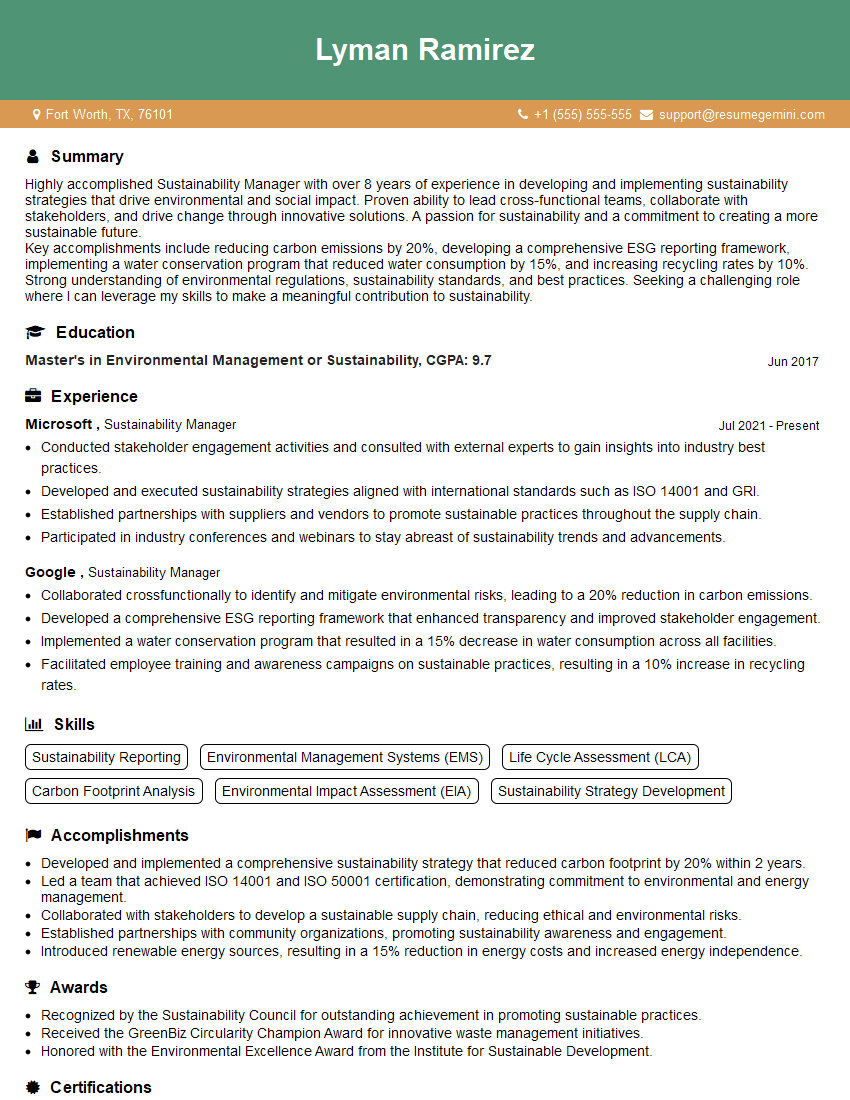
Sustainability Manager Resume Sample
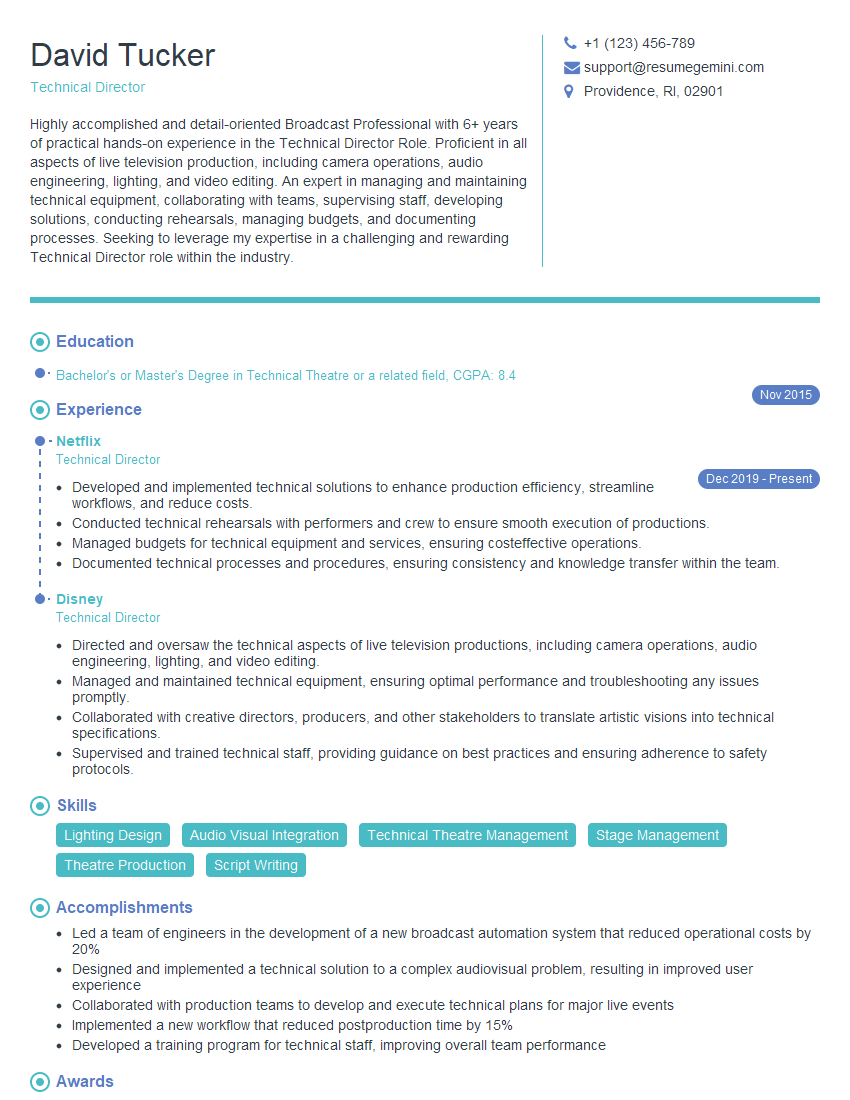
Technical Director Resume Sample

Project Engineer Resume Sample
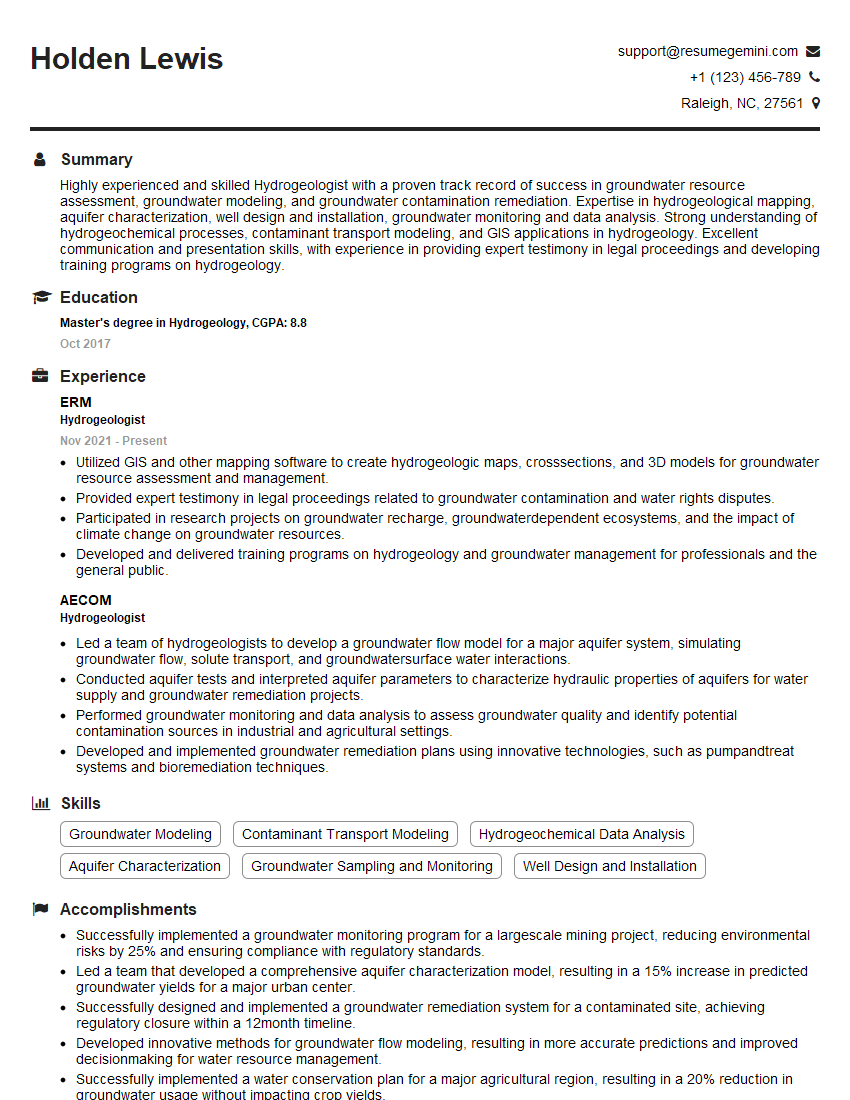
Hydrogeologist Resume Sample
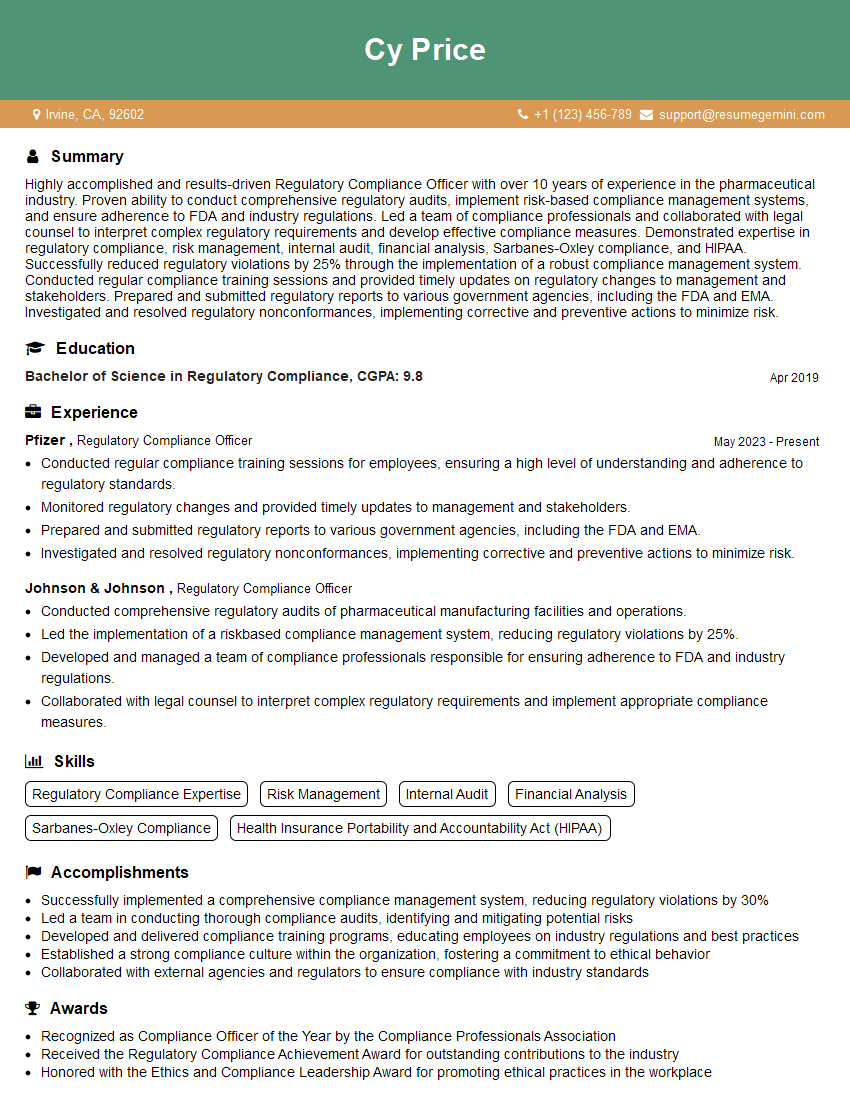
Regulatory Compliance Officer Resume Sample
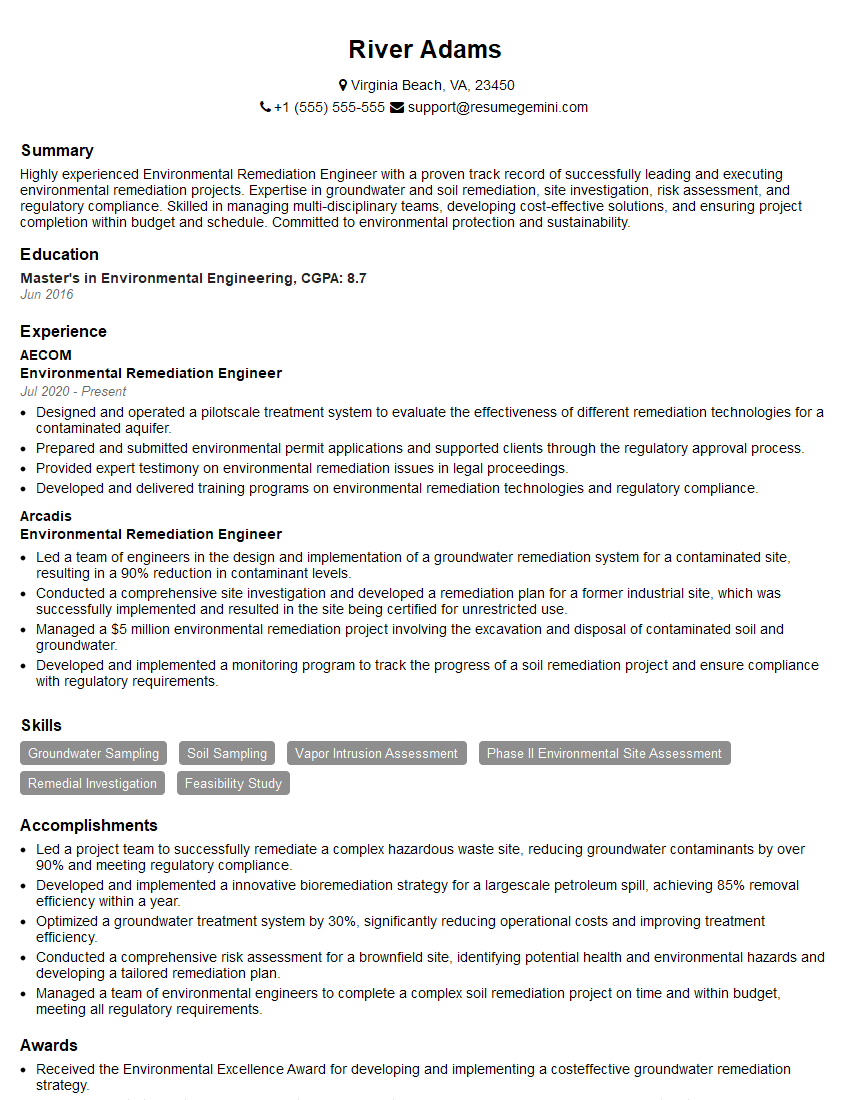
Environmental Remediation Engineer Resume Sample
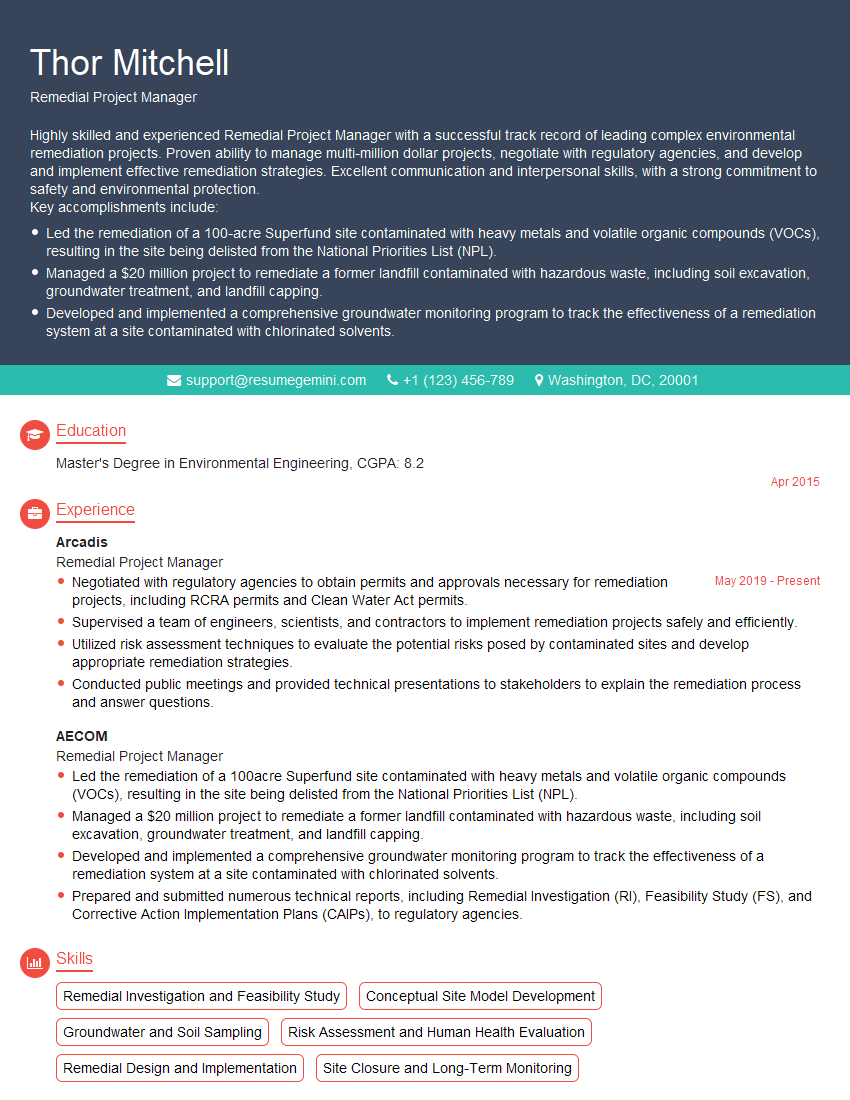
Remedial Project Manager Resume Sample
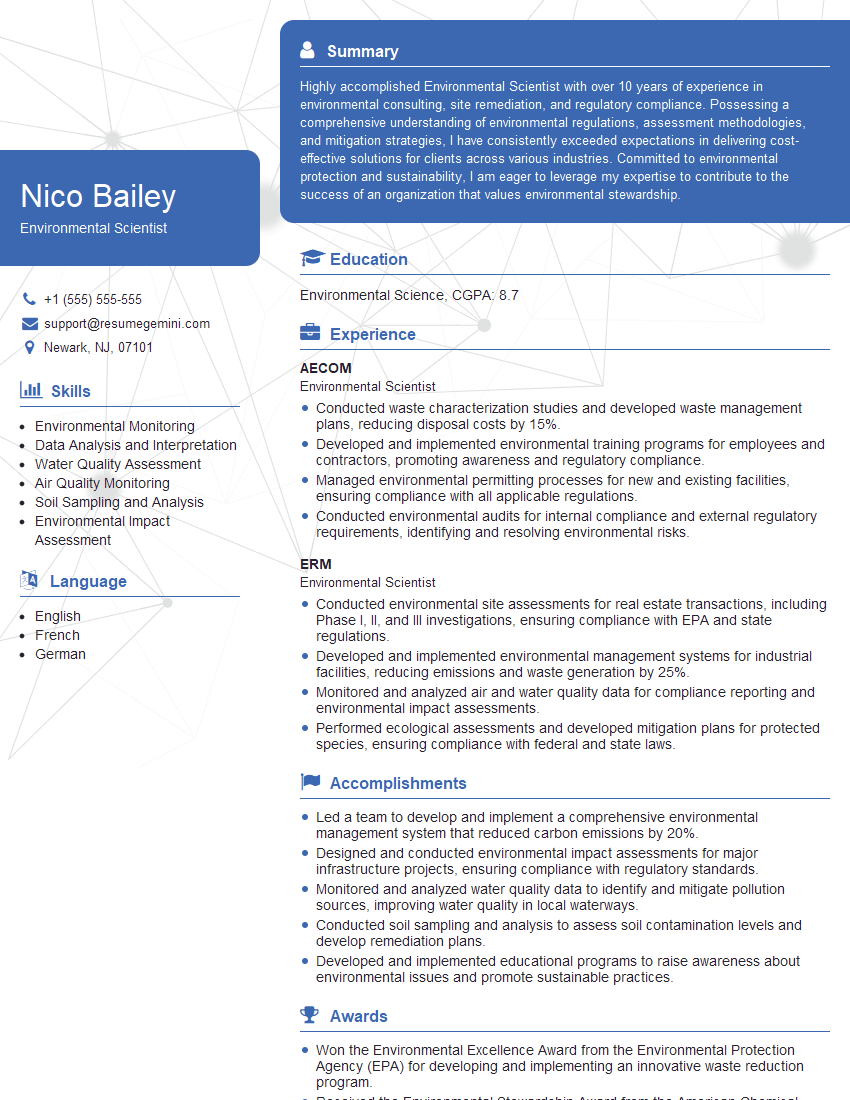
Environmental Scientist Resume Sample
Data Analyst Resume Sample
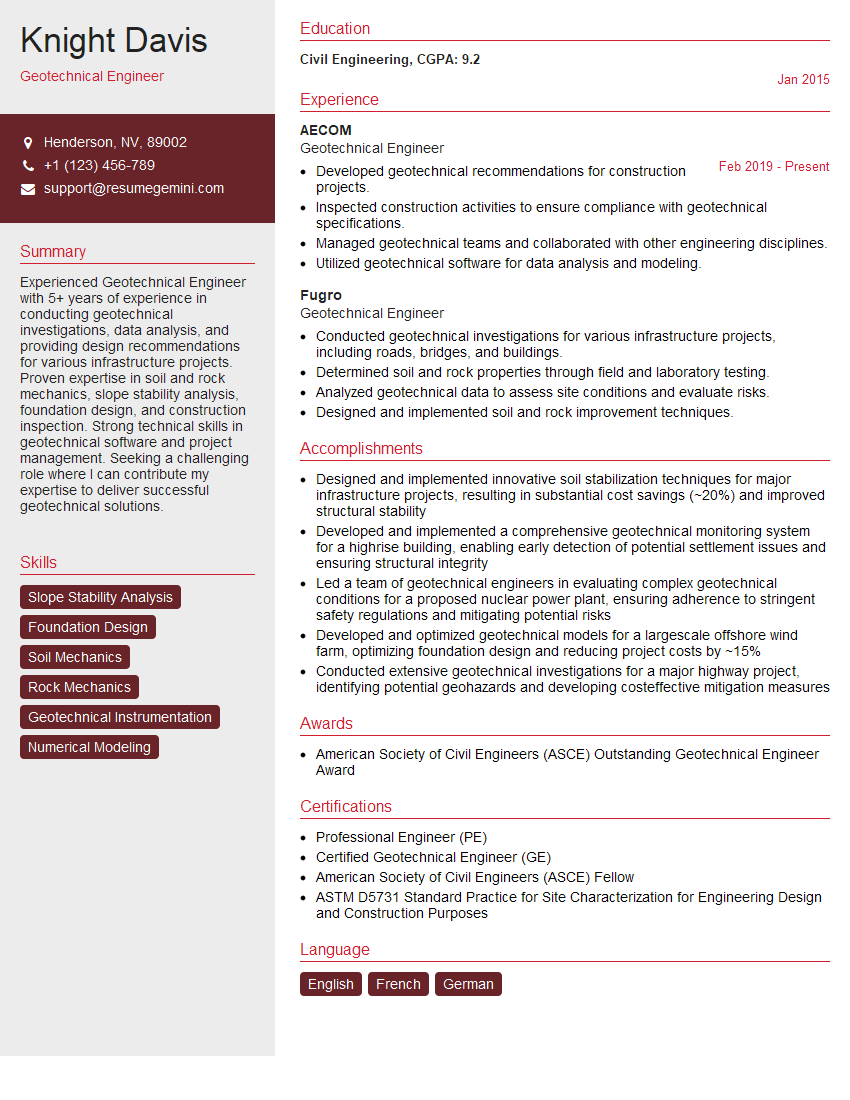
Geotechnical Engineer Resume Sample
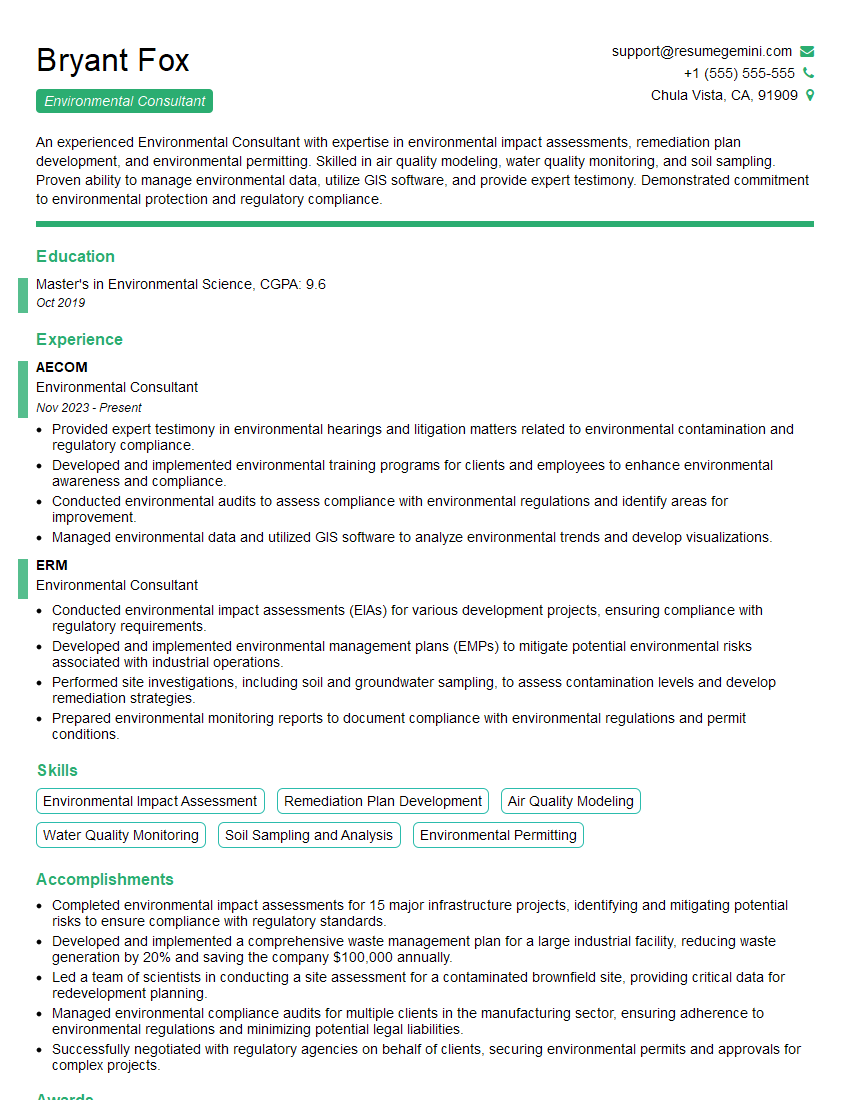
Environmental Consultant Resume Sample
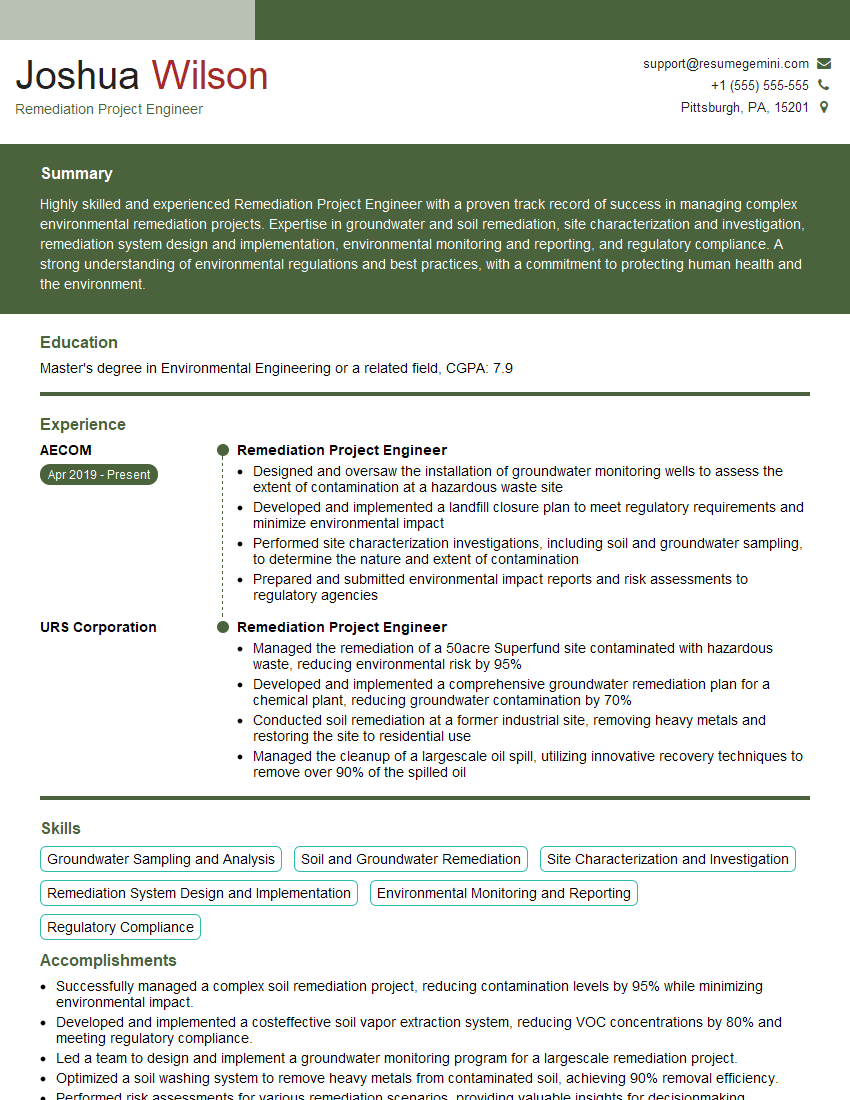
Remediation Project Engineer Resume Sample
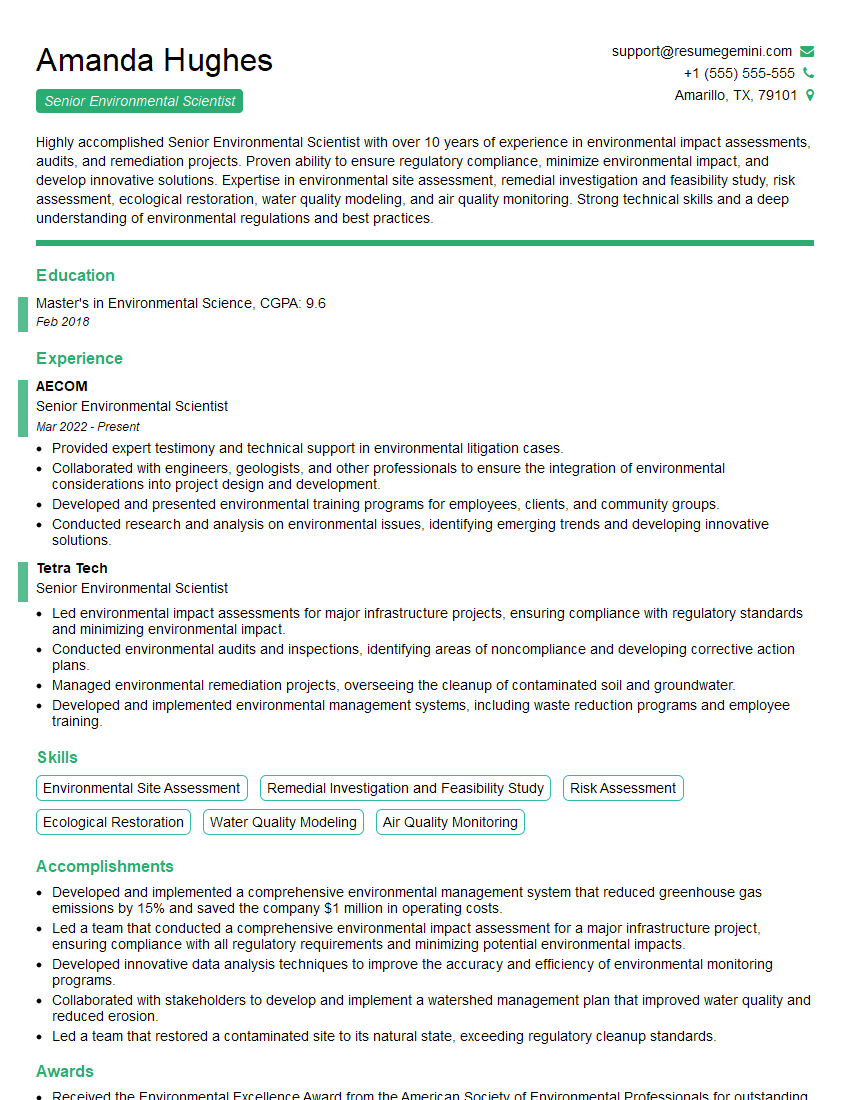
Senior Environmental Scientist Resume Sample
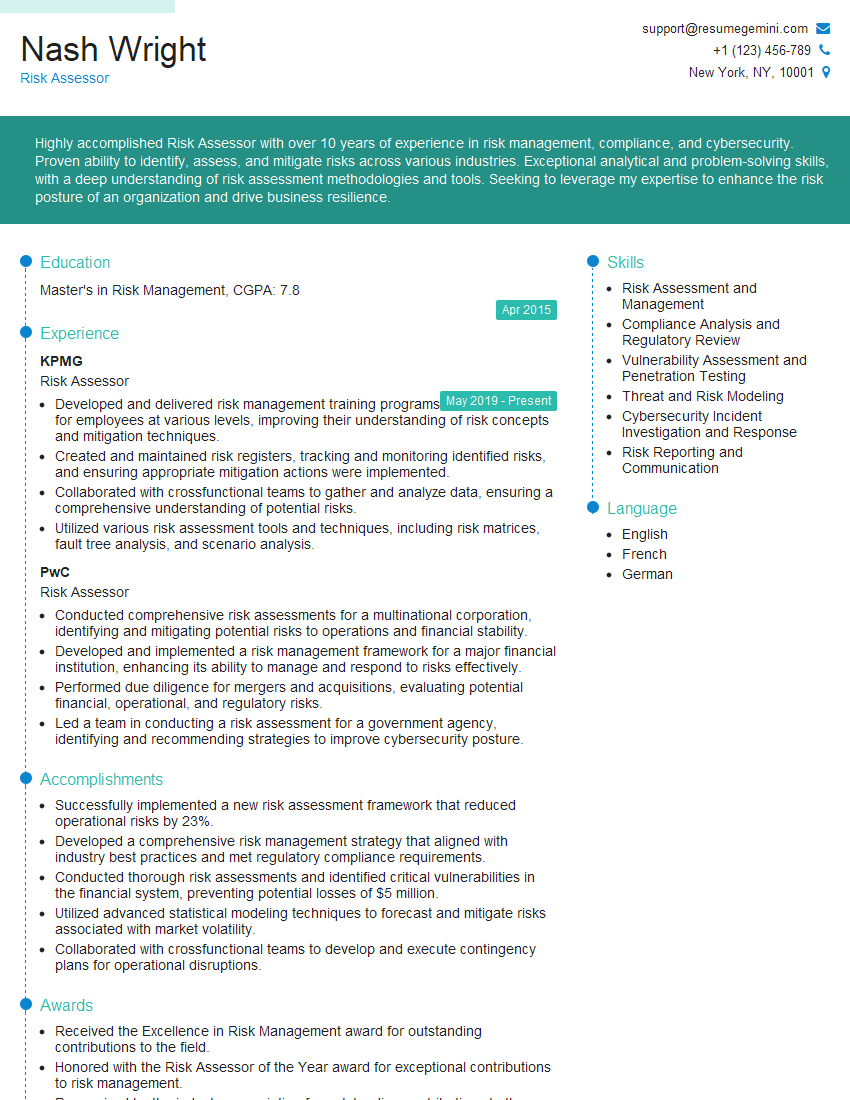
Risk Assessor Resume Sample
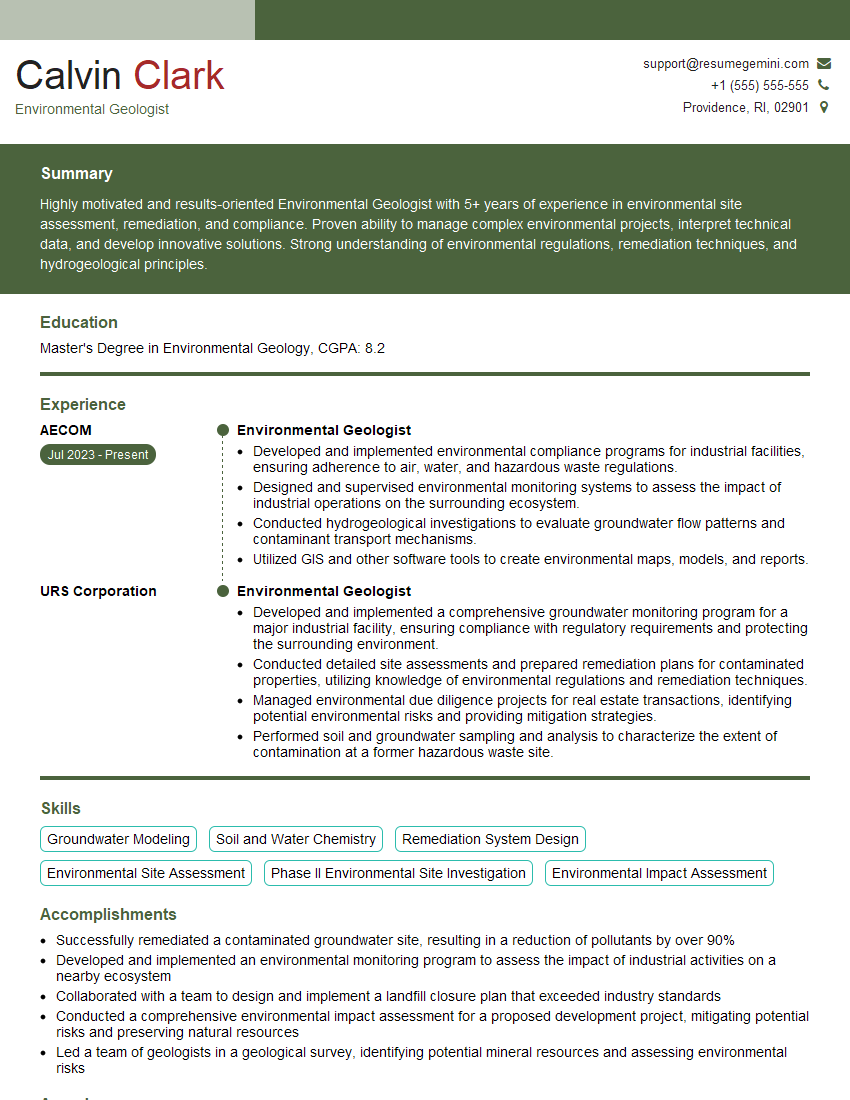
Environmental Geologist Resume Sample
- Sustainability Manager
- Technical Director
- Project Engineer
- Hydrogeologist
- Regulatory Compliance Officer
- Environmental Remediation Engineer
- Remedial Project Manager
- Environmental Scientist
- Data Analyst
- Geotechnical Engineer
- Environmental Consultant
- Remediation Project Engineer
- Senior Environmental Scientist
- Risk Assessor
- Environmental Geologist
Explore more articles
Users Rating of Our Blogs
Share Your Experience
We value your feedback! Please rate our content and share your thoughts (optional).
What Readers Say About Our Blog
To the interviewgemini.com Webmaster.
Very helpful and content specific questions to help prepare me for my interview!
Thank you
To the interviewgemini.com Webmaster.
This was kind of a unique content I found around the specialized skills. Very helpful questions and good detailed answers.
Very Helpful blog, thank you Interviewgemini team.