Are you ready to stand out in your next interview? Understanding and preparing for Industrial Maintenance Technician Certification interview questions is a game-changer. In this blog, we’ve compiled key questions and expert advice to help you showcase your skills with confidence and precision. Let’s get started on your journey to acing the interview.
Questions Asked in Industrial Maintenance Technician Certification Interview
Q 1. Describe your experience with preventative maintenance procedures.
Preventative maintenance (PM) is the cornerstone of reliable industrial operations. It involves regularly scheduled inspections, lubrication, adjustments, and minor repairs to equipment to prevent major failures and downtime. My experience encompasses developing and executing PM schedules based on manufacturer recommendations and historical equipment performance data. This includes tasks like:
- Visual inspections: Checking for leaks, corrosion, wear and tear on components like belts, chains, and hoses.
- Lubrication: Applying the correct type and amount of lubricant to bearings, gears, and other moving parts, preventing friction and wear.
- Tightening bolts and fasteners: Ensuring all connections are secure to prevent vibration-induced loosening and potential damage.
- Cleaning equipment: Removing debris and contaminants that can impede performance and lead to premature failure. For example, I regularly cleaned the dust buildup from the ventilation system of a large CNC machine to ensure proper cooling and efficiency.
I utilize Computerized Maintenance Management Systems (CMMS) to track PM activities, generate reports, and ensure compliance with scheduled maintenance. Through implementing a robust PM program at my previous employer, we reduced unplanned downtime by 25% and extended the lifespan of critical equipment significantly.
Q 2. Explain your troubleshooting methodology for malfunctioning equipment.
My troubleshooting methodology is systematic and follows a structured approach. It begins with safety – ensuring the area is secured and all appropriate personal protective equipment (PPE) is worn. Then I proceed with these steps:
- Identify the problem: What exactly is malfunctioning? This often involves gathering information from operators, reviewing logs, and visually inspecting the equipment. For instance, if a pump fails to operate, I’d check for power, then look at the pressure gauges and listen for unusual sounds.
- Gather information: What are the symptoms? When did the problem start? Has it happened before? I record all relevant data, including error codes, if applicable.
- Formulate a hypothesis: Based on the information gathered, I develop a likely cause of the failure. A pump may be failing due to a blocked impeller, a faulty motor, or low voltage.
- Test the hypothesis: I use appropriate testing equipment, such as multimeters, pressure gauges, and vibration analyzers, to verify my assumptions.
- Implement a solution: Once the cause is identified, I take corrective action. This could involve replacing a faulty component, performing a repair, or adjusting settings.
- Verify the solution: After making a repair, I test the equipment to confirm it’s functioning correctly. I’d run the pump for a period, noting pressure and amperage to ensure consistent performance.
- Document the process: Finally, I document the entire troubleshooting process, including the problem, cause, solution, and any preventative measures taken to prevent recurrence.
Q 3. What are the common causes of bearing failure in rotating equipment?
Bearing failure in rotating equipment is a common issue with several contributing factors. Some of the most frequent causes include:
- Improper lubrication: Using the wrong type or insufficient quantity of lubricant leads to increased friction, heat, and premature wear.
- Contamination: Dust, dirt, or other debris entering the bearing housing cause abrasion and damage.
- Misalignment: Improper alignment of shafts or couplings creates uneven loads on the bearings, resulting in accelerated wear. For example, a slight misalignment in a conveyor system can drastically reduce the bearing lifespan.
- Overloading: Exceeding the bearing’s rated load capacity causes excessive stress and failure.
- Vibration: Excessive vibration due to imbalance, resonance, or other mechanical issues can shorten bearing life.
- Corrosion: Exposure to moisture or corrosive substances can damage bearing surfaces.
- Improper installation: Incorrect installation techniques can lead to premature bearing failure.
Regular inspection, proper lubrication, and alignment checks are crucial in preventing bearing failures.
Q 4. How do you interpret and utilize equipment schematics and blueprints?
Equipment schematics and blueprints are essential tools for understanding the layout, components, and functionality of industrial machinery. I’m proficient in interpreting various types, including:
- P&ID diagrams (Piping and Instrumentation Diagrams): These show the flow of fluids and the location of instruments within a system.
- Electrical schematics: These illustrate the wiring and electrical components within a circuit. I can trace circuits to identify potential faults using these diagrams.
- Mechanical drawings: These provide detailed views of mechanical components and assemblies, essential for understanding component relationships and dimensions. For example, I once used mechanical drawings to replace a worn gear in a reduction gearbox.
My ability to read and interpret these documents allows me to accurately diagnose problems, plan repairs, and effectively perform maintenance tasks. I use them in conjunction with the actual equipment to ensure accuracy and consistency. My experience includes using CAD software to create and edit drawings, enhancing my understanding of the design and manufacturing processes.
Q 5. What safety protocols do you follow when performing maintenance tasks?
Safety is paramount in all my maintenance activities. My adherence to safety protocols involves several key aspects:
- Lockout/Tagout (LOTO): Before commencing any maintenance task on energized equipment, I rigorously follow LOTO procedures to prevent accidental energization or startup.
- Personal Protective Equipment (PPE): I always wear appropriate PPE, including safety glasses, gloves, hearing protection, and steel-toe boots, depending on the specific task. This may also include respiratory protection when working with hazardous materials.
- Hazard identification and risk assessment: Before starting any work, I perform a thorough risk assessment to identify potential hazards and implement appropriate control measures. For example, before entering a confined space, I’d ensure proper ventilation and have a standby person.
- Safe work practices: I adhere to all relevant safety regulations and company policies, and use proper lifting techniques, tool handling, and other safe work practices.
- Emergency procedures: I’m familiar with all emergency procedures and know how to respond to accidents or emergencies, such as fire or chemical spills.
I am committed to maintaining a safe working environment for myself and others.
Q 6. Describe your experience with various types of industrial machinery.
My experience encompasses a wide range of industrial machinery, including:
- Rotating equipment: Pumps, motors, compressors, fans, and gearboxes. I’ve worked on various types of pumps, from centrifugal pumps to positive displacement pumps, troubleshooting issues like leaks, vibrations, and pressure fluctuations.
- Conveying systems: Belt conveyors, screw conveyors, and bucket elevators. This includes troubleshooting issues like belt slippage, bearing failures, and misalignment.
- HVAC systems: Chillers, air handlers, and refrigeration systems. I have experience maintaining and repairing these systems, diagnosing issues like refrigerant leaks and control system malfunctions.
- PLC controlled machinery: I have experience working on machinery controlled by Programmable Logic Controllers (PLCs). I can troubleshoot PLC programs, utilizing diagnostic tools to locate and correct issues.
- Hydraulic and pneumatic systems: I am experienced in diagnosing and repairing issues in hydraulic and pneumatic systems, including troubleshooting leaks, pressure issues, and component failures.
This breadth of experience allows me to adapt quickly to new equipment and challenges.
Q 7. How proficient are you with different types of hand tools and power tools?
I’m highly proficient with a wide array of hand and power tools, regularly utilizing them for various maintenance tasks. My skills include:
- Hand tools: Wrenches, screwdrivers, pliers, sockets, hammers, chisels, and measuring instruments (calipers, micrometers). I’m experienced in proper tool selection and usage for different applications. I can correctly select the right size wrench for a specific bolt and use a torque wrench to ensure proper tightening.
- Power tools: Drills, impact wrenches, grinders, saws (reciprocating, circular), and welders. I’m comfortable using these tools safely and effectively, following all safety precautions and ensuring proper maintenance of the tools themselves. For instance, I regularly inspect the guards on power tools and ensure they’re in working order.
My experience also includes using specialized tools like vibration analyzers, thermal imagers, and pressure gauges for diagnostic purposes, ensuring I have the right tool for the job, maximizing efficiency and accuracy.
Q 8. Explain your understanding of hydraulic and pneumatic systems.
Hydraulic and pneumatic systems are both fluid power systems used extensively in industrial settings to generate, control, and transmit power. However, they use different fluids: hydraulic systems utilize incompressible liquids (usually oil), while pneumatic systems use compressible gases (usually air).
Hydraulic Systems: These systems use pressurized oil to move pistons or hydraulic motors, offering high power density and precise control. Think of a hydraulic jack – a small force applied to the pump creates a much larger force at the output. In industrial applications, you’ll see hydraulics in heavy machinery like excavators, presses, and forklifts. Understanding Pascal’s Law (pressure applied to a confined liquid is transmitted equally in all directions) is fundamental to understanding how they work. Common components include pumps, valves, cylinders, and reservoirs. Maintenance involves checking fluid levels, pressure, leaks, and filter condition.
Pneumatic Systems: These systems use compressed air to power actuators (cylinders and motors). They are generally safer than hydraulics due to the use of air, and are often simpler and cheaper to implement. Air compressors are the heart of these systems. Pneumatic systems are commonly found in automated assembly lines, robotic arms, and various types of control systems. Maintenance focuses on leak detection, lubrication of moving parts, and ensuring proper air filtration to prevent contamination.
Key Differences Summarized:
- Fluid: Hydraulics use oil; Pneumatics use air.
- Power Density: Hydraulics offer higher power density.
- Safety: Pneumatics are generally safer.
- Cost: Pneumatics are usually less expensive to implement.
Q 9. What is your experience with Programmable Logic Controllers (PLCs)?
My experience with Programmable Logic Controllers (PLCs) spans over eight years, encompassing programming, troubleshooting, and maintenance across a variety of industrial applications. I’m proficient in several PLC programming languages, including Ladder Logic (LD), Function Block Diagram (FBD), and Structured Text (ST). I’ve worked with various PLC brands, such as Allen-Bradley, Siemens, and Schneider Electric.
In my previous role, I was responsible for maintaining and upgrading PLC programs for a large automated packaging line. This involved diagnosing and resolving issues ranging from minor sensor malfunctions to complex program logic errors. I regularly utilize diagnostic tools like PLC simulation software and online monitoring to pinpoint problems quickly and efficiently. For example, I once successfully resolved a production bottleneck by identifying a timing issue in a PLC program that was causing a critical conveyor belt to stop prematurely; the fix involved a simple adjustment in the program’s timer settings.
I’m also experienced in using Human Machine Interfaces (HMIs) for monitoring and controlling PLC-operated equipment, ensuring seamless interaction between operators and the automated system. My skills extend to designing and implementing safety protocols within PLC programs, adhering to strict industrial safety standards.
Q 10. How do you prioritize maintenance tasks in a high-pressure environment?
Prioritizing maintenance tasks in a high-pressure environment requires a structured approach. I utilize a combination of techniques, including:
- Risk Assessment: I identify potential equipment failures and their consequences. This helps me prioritize tasks based on the severity of the potential impact on production and safety. For instance, a failing bearing on a critical machine receives higher priority than a minor cosmetic issue.
- Urgency/Impact Matrix: I use a matrix to visually assess tasks based on urgency (how soon the task must be completed) and impact (the severity of the potential consequences if the task is not completed). This allows for quick identification of critical tasks.
- Preventative Maintenance Schedules: I follow established preventative maintenance schedules, ensuring routine tasks like lubrication and inspections are performed regularly to prevent major breakdowns. This reduces the frequency of emergency repairs.
- Run-to-Failure Analysis (with Caution): In some cases, running a less critical piece of equipment until failure can allow for more efficient scheduling of repairs, especially if it is scheduled during a planned downtime.
- Communication: Effective communication with operators and other maintenance personnel is crucial. Regular updates on task progress and potential delays help keep everyone informed and working efficiently.
By combining these techniques, I ensure that critical tasks are addressed promptly while managing less urgent issues effectively, minimizing downtime and maintaining a safe working environment.
Q 11. Describe your experience with welding and fabrication techniques.
My welding and fabrication experience includes proficiency in various welding processes such as Shielded Metal Arc Welding (SMAW), Gas Metal Arc Welding (GMAW), and Gas Tungsten Arc Welding (GTAW). I’m comfortable working with different materials, including mild steel, stainless steel, and aluminum. My fabrication skills encompass cutting, shaping, and assembling metal components using various tools and techniques, including blueprint reading and interpretation.
I’ve had opportunities to fabricate custom parts for machinery repair and build small-scale jigs and fixtures for specific maintenance projects. For example, I once designed and fabricated a specialized jig to streamline the repair of a damaged conveyor belt system, significantly reducing the downtime. My experience also includes working with various measuring tools, ensuring accuracy and quality in fabrication processes. Safety is paramount in my work; I always follow appropriate safety protocols and use personal protective equipment (PPE) when welding or performing fabrication tasks.
Q 12. Explain your knowledge of different types of lubricants and their applications.
Different lubricants serve various purposes depending on the application and operating conditions. Selection involves considering factors like temperature, load, speed, and the materials in contact.
- Mineral Oils: These are common, cost-effective lubricants suitable for many general applications. They offer good viscosity and lubricity.
- Synthetic Oils: These oils provide superior performance in extreme conditions, such as high temperatures or low temperatures, offering better oxidation resistance and longer lifespan than mineral oils. They are often used in high-precision equipment.
- Greases: Greases are thicker lubricants, consisting of oil and a thickener. They are suitable for applications requiring lubrication over extended periods, even under heavy loads. They offer better adhesion and sealing capabilities.
- Specialty Lubricants: These include lubricants with additives such as extreme pressure (EP) additives, anti-wear additives, or corrosion inhibitors to address specific needs. For example, EP additives are crucial for heavy-duty applications under high pressure.
Selecting the right lubricant is crucial for equipment longevity and performance. Incorrect lubrication can lead to premature wear, friction, and equipment failure. A proper lubrication schedule, documented and followed diligently, is a key element of effective preventative maintenance.
Q 13. How do you diagnose electrical faults in industrial equipment?
Diagnosing electrical faults involves a systematic approach, combining visual inspection with the use of specialized tools. The process typically starts with a thorough visual inspection to identify any obvious problems, such as loose connections, damaged wiring, or burned components.
Next, I use multimeters to check voltage, current, and resistance levels. For example, I’ll check for continuity in circuits to detect broken wires or open circuits. I also use clamp meters to measure current draw without breaking the circuit. If the problem involves motor control circuits, I’ll often use a motor analyzer to further investigate the motor and its control system. Other diagnostic tools include insulation resistance testers and thermal imaging cameras to detect heat buildup, which can indicate faulty components.
Understanding electrical schematics is essential for tracing circuits and identifying potential fault points. I also utilize troubleshooting techniques like isolating sections of the circuit to narrow down the location of the fault. Safety is paramount; I always disconnect power before working on electrical equipment and use appropriate PPE.
Q 14. What is your experience with motor control centers (MCCs)?
Motor Control Centers (MCCs) house the control circuitry for large industrial motors. My experience includes working with MCCs in various industrial settings, performing tasks ranging from preventative maintenance to troubleshooting and repairs.
Preventative maintenance involves regularly inspecting components such as circuit breakers, contactors, overload relays, and fuses, ensuring they are properly functioning and free from damage. I regularly check for loose connections, signs of overheating, or corrosion. Troubleshooting involves using various tools, including multimeters and digital insulation testers, to locate and diagnose faults within the MCC, such as faulty starters, relay problems, or short circuits.
I’m also experienced in safely isolating and de-energizing sections of the MCC before working on them, ensuring the safety of myself and others. My experience also encompasses working with different types of MCC configurations and understanding how various safety interlocks and protective devices operate. I am proficient in safely working with high voltage equipment, adhering to all relevant safety standards and regulations.
Q 15. Describe your experience with vibration analysis techniques.
Vibration analysis is a crucial predictive maintenance technique used to detect developing mechanical problems in rotating equipment like pumps, motors, and compressors. It involves measuring the vibrations produced by machinery and analyzing their frequency and amplitude to identify potential faults. I’ve extensively used handheld data collectors and sophisticated software to analyze vibration data. For instance, a high amplitude of vibration at a specific frequency might indicate an imbalance in a rotating component, while specific frequency patterns can reveal bearing defects or gear mesh problems. My experience includes performing both route-based data collection (scheduled checks of critical equipment) and investigating specific vibration issues reported by operators.
My analysis process typically involves:
- Data Acquisition: Using various sensors (accelerometers) to collect vibration data at multiple measurement points on the equipment.
- Data Processing: Utilizing software to analyze the collected data, creating frequency spectra, and identifying prominent frequencies associated with specific machine components.
- Fault Diagnosis: Comparing the observed frequencies and amplitudes to known fault signatures and established vibration standards. This often involves comparing current vibration data to baseline data collected when the equipment was performing optimally.
- Reporting and Recommendations: Documenting my findings and providing clear recommendations for corrective actions, which might range from simple lubrication adjustments to major overhauls.
For example, I once used vibration analysis to identify an impending bearing failure in a critical pump before it caused a costly shutdown. Early detection saved the company significant downtime and repair costs.
Career Expert Tips:
- Ace those interviews! Prepare effectively by reviewing the Top 50 Most Common Interview Questions on ResumeGemini.
- Navigate your job search with confidence! Explore a wide range of Career Tips on ResumeGemini. Learn about common challenges and recommendations to overcome them.
- Craft the perfect resume! Master the Art of Resume Writing with ResumeGemini’s guide. Showcase your unique qualifications and achievements effectively.
- Don’t miss out on holiday savings! Build your dream resume with ResumeGemini’s ATS optimized templates.
Q 16. How do you perform root cause analysis for equipment failures?
Root cause analysis is a systematic process to identify the underlying cause of an equipment failure, not just the symptom. It’s crucial for preventing recurrence and improving overall equipment reliability. My approach typically follows a structured methodology, often employing a ‘5 Whys’ technique or a more formal Fishbone diagram (Ishikawa diagram).
Here’s how I approach root cause analysis:
- Gather Information: Collect data from various sources, including maintenance logs, operator reports, sensor data, and visual inspections. I interview the operators and other relevant personnel to understand the context surrounding the failure.
- Identify Symptoms: Clearly define the specific problem that occurred. What exactly failed, and what were the visible or measurable symptoms?
- Determine Potential Causes: Brainstorm a list of possible causes, utilizing techniques like the ‘5 Whys’ (repeatedly asking ‘why’ to drill down to the root cause) or the Fishbone diagram (organizing potential causes into categories like people, equipment, materials, methods, environment).
- Verify the Root Cause: Test the identified cause by checking historical data, reviewing maintenance records, or even performing experiments. Eliminate improbable causes based on gathered evidence.
- Implement Corrective Actions: Develop and implement solutions to eliminate the root cause and prevent recurrence. This may involve modifications to maintenance procedures, equipment upgrades, or operator training.
- Document Findings: Clearly document the root cause analysis process, findings, and corrective actions taken. This information is crucial for preventing future incidents.
For instance, a pump repeatedly failing might initially seem to be a pump-specific issue. Through root cause analysis, I might discover the actual problem is due to insufficient cooling, leading to overheating and failure. The solution isn’t replacing the pump repeatedly, but addressing the cooling system deficiency.
Q 17. What is your experience with CMMS (Computerized Maintenance Management Systems)?
I have extensive experience working with CMMS software, specifically [mention specific software used, e.g., Maximo, SAP PM, or other relevant software]. My experience encompasses all aspects of CMMS, from data entry and work order management to preventative maintenance scheduling and reporting.
My experience includes:
- Work Order Management: Creating, assigning, tracking, and closing work orders efficiently and accurately.
- Preventative Maintenance Scheduling: Developing and implementing effective preventative maintenance schedules based on manufacturer recommendations and equipment criticality.
- Inventory Management: Tracking spare parts and supplies, ensuring adequate stock levels to minimize downtime.
- Reporting and Analysis: Generating reports on equipment performance, maintenance costs, and downtime to identify areas for improvement.
- Data Analysis: Using CMMS data to identify trends, predict potential failures, and optimize maintenance strategies.
Utilizing CMMS software enables a more efficient and data-driven approach to maintenance, leading to cost savings and improved equipment uptime. For example, I used CMMS data to identify that a particular type of bearing had a significantly shorter lifespan than expected, prompting a change in procurement and a reduction in unplanned downtime.
Q 18. Explain your understanding of lockout/tagout procedures.
Lockout/Tagout (LOTO) procedures are critical safety protocols to prevent the accidental release of energy during maintenance or repair activities. They ensure that equipment is completely isolated and rendered safe before any work is performed. My understanding and experience with LOTO procedures are comprehensive and strictly adhere to OSHA standards and company-specific guidelines.
My LOTO process typically follows these steps:
- Preparation: Identify the energy sources (electrical, hydraulic, pneumatic, etc.) that need to be controlled. Gather necessary LOTO devices and ensure they are in good condition.
- Notification: Notify all personnel who might be affected by the LOTO procedure.
- Energy Isolation: Turn off and disconnect all energy sources. Where possible, physically lock out the energy sources using padlocks.
- Verification: Verify that the energy is completely isolated by performing a test to confirm that the equipment is not operating.
- Tagging: Clearly identify the equipment that is locked out with appropriate tags, indicating the date, time, and authorized personnel performing the work.
- Maintenance/Repair: Perform the necessary maintenance or repair tasks.
- Energy Restoration: Remove the LOTO devices only after verifying that all work is complete and the equipment is safe. Always follow the reverse order of energy isolation.
- Verification: Verify equipment functionality and safety after restoration.
Compliance with LOTO procedures is paramount to safety. I’ve consistently demonstrated a commitment to these safety standards, providing thorough training to other technicians and ensuring everyone understands the importance of LOTO protocols. I’ve never had an incident due to LOTO failure in my career.
Q 19. Describe your experience with different types of sensors and instrumentation.
I have experience with a wide range of sensors and instrumentation used in industrial maintenance, including:
- Temperature Sensors: Thermocouples, RTDs (Resistance Temperature Detectors), and infrared thermometers for measuring equipment temperatures.
- Pressure Sensors: Pressure transducers and gauges to monitor pressure levels in pipelines and vessels.
- Vibration Sensors: Accelerometers for vibration analysis, as previously discussed.
- Flow Sensors: Various flow meters (e.g., ultrasonic, magnetic) for measuring fluid flow rates.
- Level Sensors: Sensors for measuring liquid levels in tanks (e.g., ultrasonic, radar).
- Current and Voltage Sensors: Current transformers and voltage transducers for monitoring electrical systems.
My experience extends beyond merely reading sensor data; I understand the principles of operation for each sensor type, including their limitations and calibration requirements. I can troubleshoot sensor malfunctions, perform calibrations to maintain accuracy, and interpret data from different types of sensors to assess the overall health and performance of equipment. For example, I once identified a failing pump bearing by combining vibration data with temperature readings from nearby sensors. The temperature data indicated overheating, confirming the vibration analysis indicating potential bearing problems.
Q 20. How do you ensure compliance with safety regulations and standards?
Ensuring compliance with safety regulations and standards is a top priority in my work. I am familiar with relevant regulations such as OSHA, NFPA (National Fire Protection Association), and other industry-specific standards. My approach to compliance includes:
- Training and Awareness: Staying updated on current regulations and safety practices. I actively participate in safety training programs and ensure my colleagues are informed of potential hazards and safety protocols.
- Safe Work Practices: Consistently following established safety procedures, including proper use of personal protective equipment (PPE) and adherence to LOTO procedures. I proactively identify and address potential safety hazards in my work environment.
- Regular Inspections: Performing regular inspections of equipment and work areas to identify and rectify any safety deficiencies.
- Documentation: Maintaining detailed records of safety inspections, training, and incidents.
- Incident Reporting: Reporting any safety incidents or near misses promptly and accurately, to prevent recurrence.
For example, if I identify an exposed electrical wire, I immediately follow the established procedures to shut down power, repair the wiring, and report the incident. My commitment to safety is unwavering, and I actively participate in creating a safe working environment for myself and my colleagues.
Q 21. What is your experience with preventative maintenance scheduling?
Preventative maintenance scheduling is crucial for maximizing equipment uptime and minimizing unexpected failures. My experience involves developing and implementing preventative maintenance schedules based on various factors, including manufacturer recommendations, equipment criticality, and historical data.
My approach includes:
- Equipment Criticality Assessment: Identifying critical equipment that, if it fails, could lead to significant production downtime or safety hazards. These systems receive prioritized attention in the preventative maintenance schedule.
- Manufacturer Recommendations: Consulting equipment manuals and manufacturer’s specifications for recommended maintenance intervals and procedures.
- Historical Data Analysis: Utilizing CMMS data to analyze historical maintenance records and identify recurring issues or equipment failure trends. This information informs the optimization of the preventative maintenance schedule.
- Scheduling Optimization: Developing a preventative maintenance schedule that minimizes downtime while maximizing the effectiveness of the maintenance efforts. This may involve scheduling tasks during off-peak production periods or implementing condition-based maintenance strategies (CBM).
- Schedule Implementation and Tracking: Implementing the schedule using CMMS software and regularly monitoring its effectiveness. I review and update the schedule as needed to adapt to changing equipment needs and improve maintenance efficiency.
For example, by analyzing historical data, I once identified that a particular type of pump had a high failure rate after a specific operating time. I adjusted the preventative maintenance schedule to include more frequent inspections and maintenance on these pumps, which dramatically reduced failures and downtime.
Q 22. How familiar are you with different types of industrial motors?
My familiarity with industrial motors is extensive, encompassing various types and their applications. I’m proficient in AC and DC motors, including:
- Induction Motors: These are the workhorses of many industrial settings, known for their robustness and relatively simple construction. I understand the different types – squirrel cage, wound rotor – and their respective characteristics, like starting torque and speed control methods. For example, I’ve successfully diagnosed and repaired a failed squirrel cage motor on a large pump in a wastewater treatment plant, identifying a shorted winding through resistance testing.
- Synchronous Motors: These motors run at a constant speed synchronized with the power grid frequency. I have experience maintaining these in applications requiring precise speed control, like those found in some manufacturing processes. I’m familiar with their excitation systems and the troubleshooting involved with maintaining their proper operation.
- DC Motors: While less common than AC motors in some industries, they are crucial in certain applications requiring precise speed control or high torque at low speeds. I understand the different types – shunt, series, and compound wound – and their unique characteristics. I’ve worked on DC motor drives in robotic systems, for example, requiring detailed understanding of their control circuitry.
- Stepper Motors and Servo Motors: These are vital in automated systems, and I’m well-versed in their precise control and maintenance, including understanding the importance of proper lubrication and alignment. One instance involved troubleshooting a robotic arm with a faulty stepper motor, leading to a precise alignment fix.
My experience covers not just the motors themselves, but also their associated drives, control systems, and safety protocols. I’m comfortable working with variable frequency drives (VFDs) and performing preventative maintenance to avoid costly downtime.
Q 23. Explain your understanding of mechanical seals and their maintenance.
Mechanical seals are critical components preventing leakage in rotating equipment like pumps and agitators. They work by creating a barrier between the rotating shaft and the stationary housing, preventing the escape of liquids or gases. My understanding of mechanical seals encompasses their various types, such as:
- Single seals: Simpler, cost-effective but offer less redundancy.
- Double seals: Provide added safety and protection, often with a barrier fluid between the seals to prevent leakage.
- Cartridge seals: Pre-assembled units that simplify installation and maintenance.
Maintenance of mechanical seals involves regular inspections for wear, leakage, and proper alignment. This includes checking:
- Seal faces: For wear, scratches, or damage. Visual inspection and sometimes specialized tools are needed.
- O-rings and gaskets: For deterioration and proper sealing. Replacement is often part of routine maintenance.
- Shaft and housing: For proper alignment and surface finish. Misalignment can significantly impact seal life.
- Lubrication: Ensuring proper lubrication where needed.
For example, in a recent project, I identified a leaking mechanical seal on a centrifugal pump. I meticulously inspected the seal faces, confirmed shaft alignment, and replaced the worn-out seal components. This prevented costly downtime and production losses.
Furthermore, I understand the importance of proper installation techniques to ensure long seal life. This includes things like correct torque specifications and avoiding contamination during assembly.
Q 24. Describe your experience with troubleshooting and repairing conveyor systems.
Troubleshooting and repairing conveyor systems involves a systematic approach. I’ve worked with various types, including belt conveyors, roller conveyors, and chain conveyors. My experience includes:
- Identifying the problem: This often involves observing the conveyor’s operation, listening for unusual noises, and checking for visual signs of malfunction. For example, a slowing conveyor might indicate belt slippage, while unusual noise suggests a bearing failure.
- Diagnosing the cause: This requires understanding the mechanics of the conveyor system, including motor drives, rollers, bearings, belts, and sensors. Using a multimeter to check motor windings or checking sensor readings are common diagnostic steps. I’ve effectively used predictive maintenance techniques such as vibration analysis to anticipate problems before they cause major failures.
- Performing repairs: This may involve replacing worn belts, lubricating bearings, tightening bolts, replacing damaged rollers, or repairing electrical components. I’m comfortable working at heights and utilizing safety harnesses when required.
- Testing and verification: After repairs, I thoroughly test the conveyor system to ensure it operates correctly and safely before resuming operation. This involves checking speed, alignment, and load capacity.
For instance, I once resolved a recurring conveyor jam in a bottling plant. After carefully examining the system, I found misaligned rollers which were causing bottles to tilt and jam. Adjusting the roller alignment quickly resolved the issue.
Q 25. How do you manage your workload and prioritize tasks effectively?
Effective workload management and task prioritization are crucial in industrial maintenance. I utilize several strategies:
- Prioritization Matrix: I prioritize tasks based on urgency and importance. High-priority tasks that are both urgent and important receive immediate attention. This ensures critical equipment issues are addressed promptly.
- Scheduling and Planning: I create daily and weekly schedules, allocating time for preventative maintenance, reactive repairs, and administrative tasks. This ensures work is completed efficiently and effectively.
- Work Order System: I rely on a computerized maintenance management system (CMMS) to track work orders, schedule tasks, and monitor progress. This system allows for efficient tracking and reporting of my work.
- Communication: Clear communication with supervisors and other team members is key. I regularly provide updates on my progress and identify any potential roadblocks.
- Flexibility: Unexpected issues arise, so I am flexible and adapt to changing priorities. I’m able to re-prioritize tasks as needed to address urgent situations.
For example, I might prioritize repairing a critical pump over preventative maintenance on a less critical piece of equipment if the pump failure would cause significant downtime.
Q 26. What is your experience with data analysis related to equipment performance?
My experience with data analysis related to equipment performance is growing. I utilize data from CMMS, sensors, and other sources to identify trends and predict potential failures. This includes:
- Analyzing equipment downtime: Identifying recurring issues and root causes to improve maintenance strategies.
- Monitoring key performance indicators (KPIs): Tracking metrics such as Mean Time Between Failures (MTBF) and Mean Time To Repair (MTTR) to assess equipment reliability and maintenance effectiveness.
- Predictive Maintenance: Utilizing data from vibration analysis, oil analysis, and other predictive techniques to anticipate potential failures and schedule preventative maintenance accordingly.
- Data Visualization: Using charts and graphs to visualize data trends and identify patterns.
For example, by analyzing historical data on pump failures, I identified a correlation between increased vibration levels and subsequent failures. This allowed me to implement a predictive maintenance program that included regular vibration analysis, leading to a significant reduction in unexpected pump failures.
Q 27. Describe your experience with working on high-voltage equipment.
My experience with high-voltage equipment is limited to observation and assisting certified personnel, as working with high-voltage equipment requires specialized training and certification that I haven’t yet completed. I understand the extreme dangers associated with high-voltage electricity and the importance of strict safety protocols. I’m familiar with lockout/tagout procedures and the use of personal protective equipment (PPE) required for working near high-voltage equipment. I can support certified technicians by providing ground support and other necessary assistance under their supervision.
I am actively seeking opportunities to receive the necessary training and certification to increase my proficiency in handling high-voltage systems safely and efficiently.
Q 28. How do you handle unexpected equipment failures and emergencies?
Handling unexpected equipment failures and emergencies requires a calm, methodical approach. My process involves:
- Immediate Assessment: Quickly assess the situation to determine the extent of the problem and any immediate safety hazards. This often involves isolating the affected equipment to prevent further damage or injury.
- Emergency Response: Follow established emergency procedures, which may involve notifying supervisors, activating emergency alarms, or contacting emergency services if needed.
- Problem Isolation: Isolate the problem to prevent it from affecting other systems or processes.
- Temporary Repair (if safe): If safe and feasible, implement temporary repairs to minimize downtime. This might involve bypasses or alternative operating procedures.
- Permanent Repair Scheduling: Arrange for the necessary resources and personnel to implement permanent repairs. This often involves scheduling work orders and acquiring the necessary parts.
- Root Cause Analysis: After the emergency is resolved, perform a thorough root cause analysis to determine why the failure occurred. This will prevent similar incidents from happening in the future.
For instance, I once responded to a sudden power outage affecting a critical production line. I quickly isolated the affected area, initiated emergency procedures, and then worked with the electrical team to quickly diagnose and restore power.
Key Topics to Learn for Industrial Maintenance Technician Certification Interview
- Preventive Maintenance (PM): Understanding PM schedules, procedures, and the importance of proactive maintenance to minimize downtime and extend equipment lifespan. Practical application: Explain your experience developing or following PM schedules and troubleshooting potential issues before they become major problems.
- Predictive Maintenance: Utilizing technologies like vibration analysis, infrared thermography, and oil analysis to predict equipment failures and schedule maintenance accordingly. Practical application: Describe scenarios where you’ve used predictive maintenance techniques to prevent costly breakdowns.
- Troubleshooting and Repair: Diagnosing and resolving mechanical, electrical, hydraulic, and pneumatic system malfunctions. Practical application: Detail your approach to troubleshooting a complex equipment failure, highlighting your systematic problem-solving skills.
- Safety Regulations and Procedures (OSHA, etc.): Demonstrating a thorough understanding of safety protocols, lockout/tagout procedures, and hazard identification. Practical application: Explain how you ensure a safe working environment and comply with relevant safety regulations.
- Blueprint Reading and Technical Drawings: Interpreting schematics, diagrams, and technical documentation to understand equipment functionality and perform repairs. Practical application: Describe your experience reading blueprints and using them to guide repairs or installations.
- Instrumentation and Control Systems: Familiarity with various sensors, actuators, PLCs, and control systems used in industrial environments. Practical application: Explain your experience working with specific instrumentation or control systems and troubleshooting related issues.
- Welding and Fabrication (if applicable): Demonstrate proficiency in various welding techniques and fabrication processes relevant to industrial maintenance. Practical application: Describe your welding experience and the types of repairs you’ve completed.
Next Steps
Mastering Industrial Maintenance Technician Certification significantly enhances your career prospects, opening doors to higher-paying roles and greater responsibility within the industry. A strong, ATS-friendly resume is crucial for getting your application noticed by potential employers. To make a powerful first impression, consider using ResumeGemini, a trusted resource for creating professional resumes. ResumeGemini provides examples of resumes tailored specifically to Industrial Maintenance Technician Certification, helping you showcase your skills and experience effectively. This will significantly improve your chances of securing your dream job.
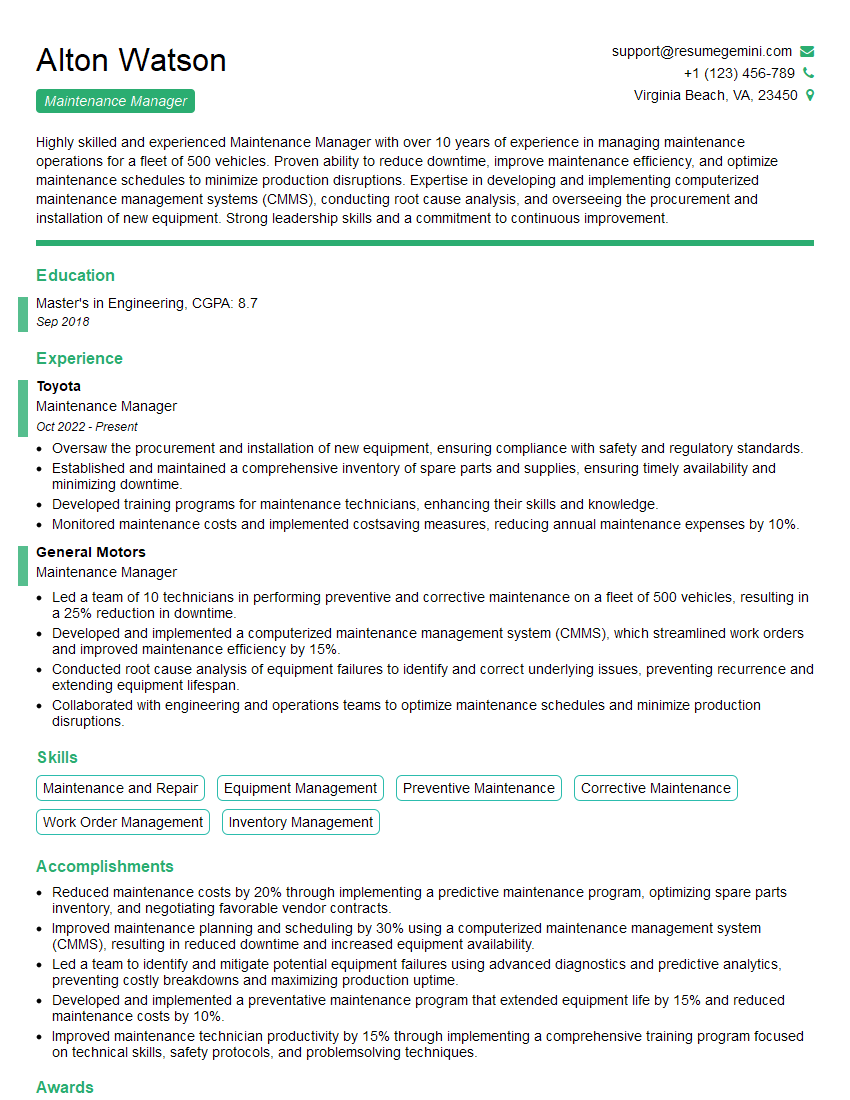
Maintenance Manager Resume Sample
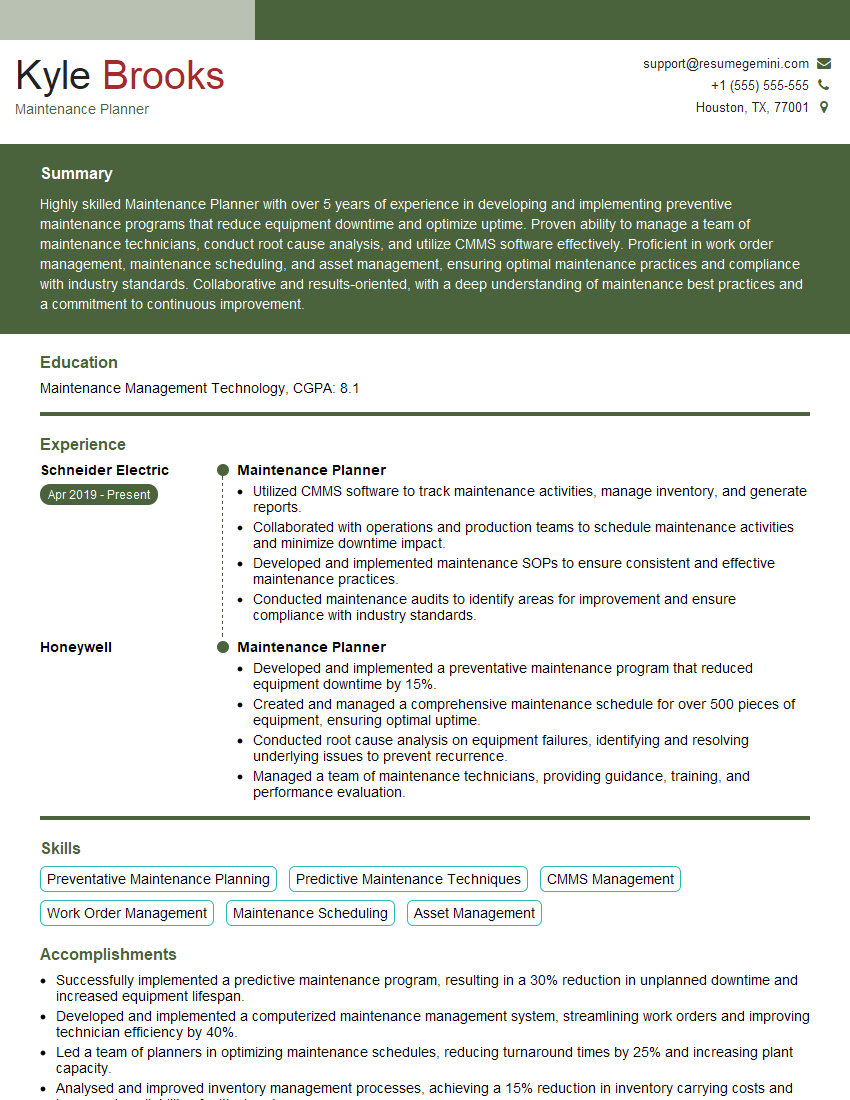
Maintenance Planner Resume Sample
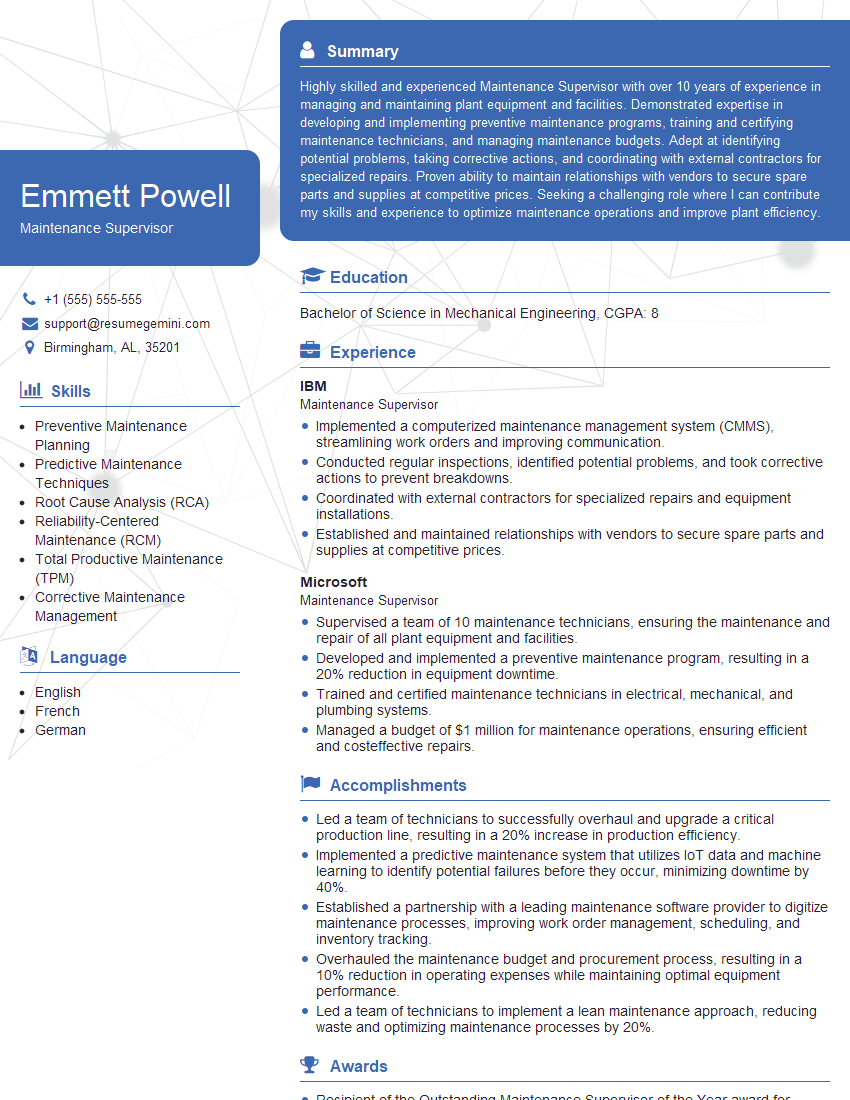
Maintenance Supervisor Resume Sample
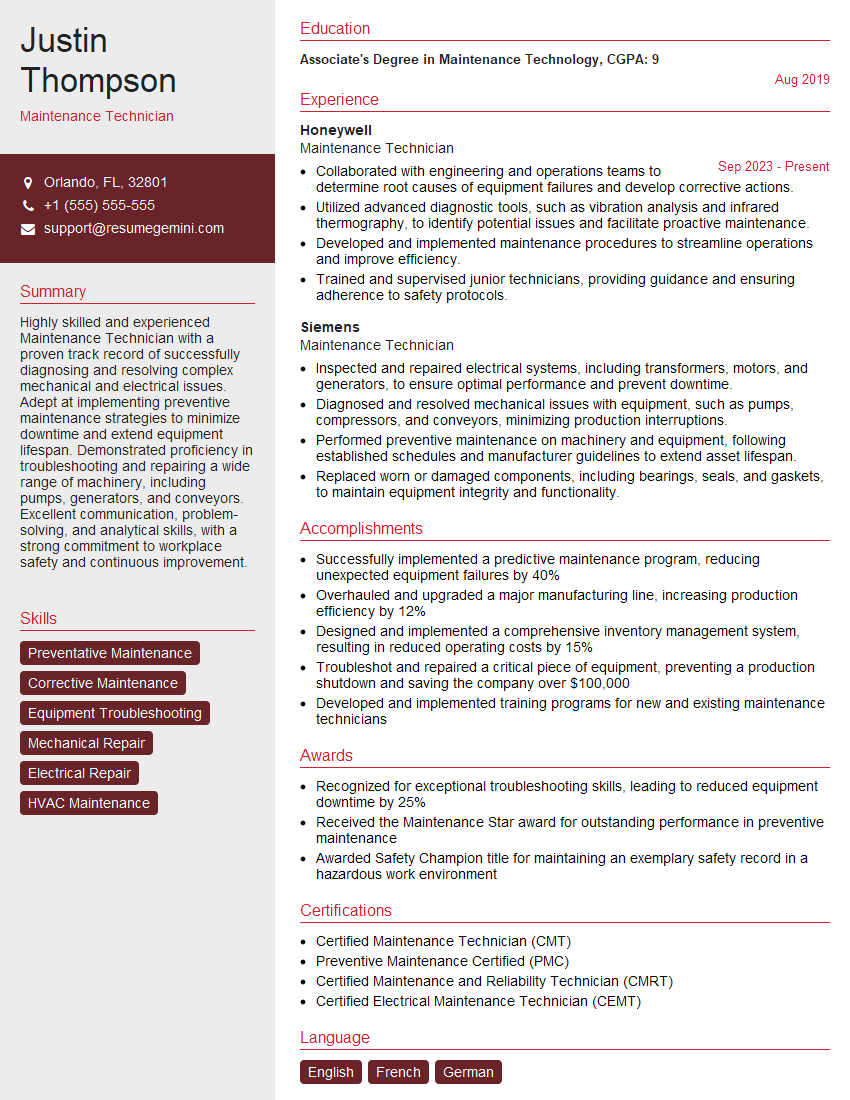
Maintenance Technician Resume Sample
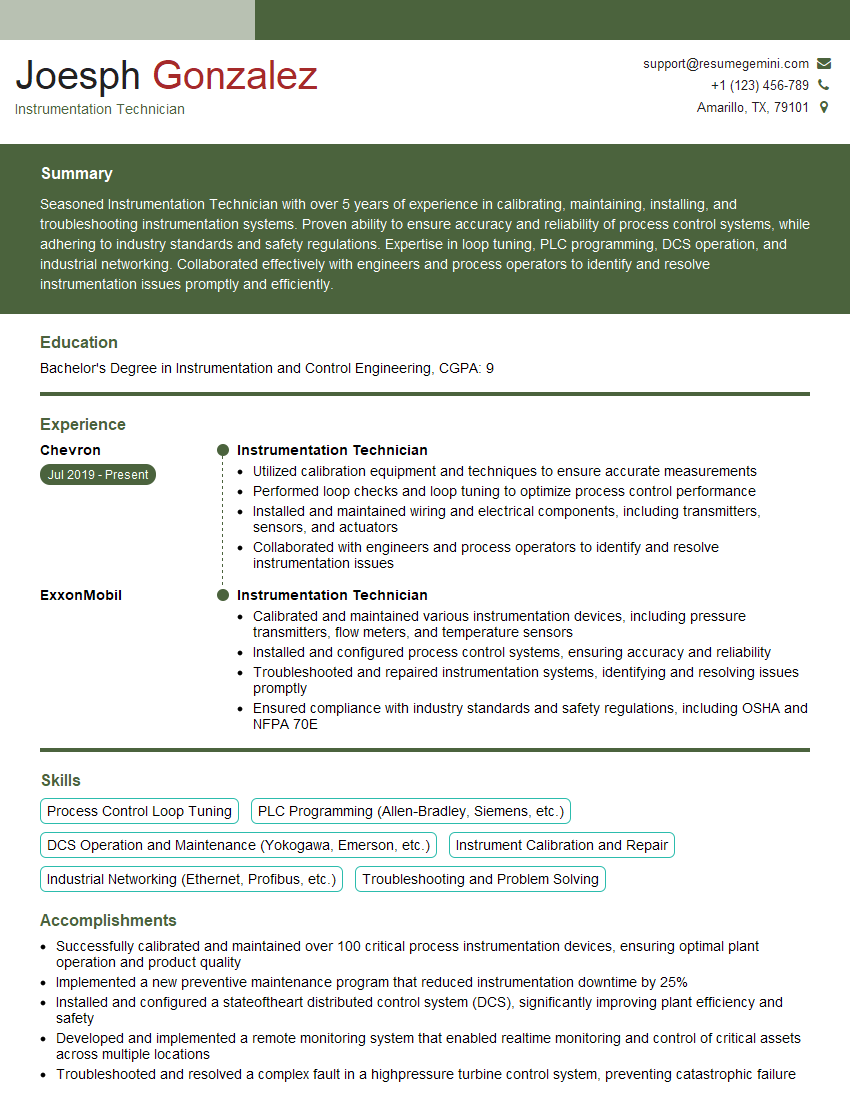
Instrumentation Technician Resume Sample
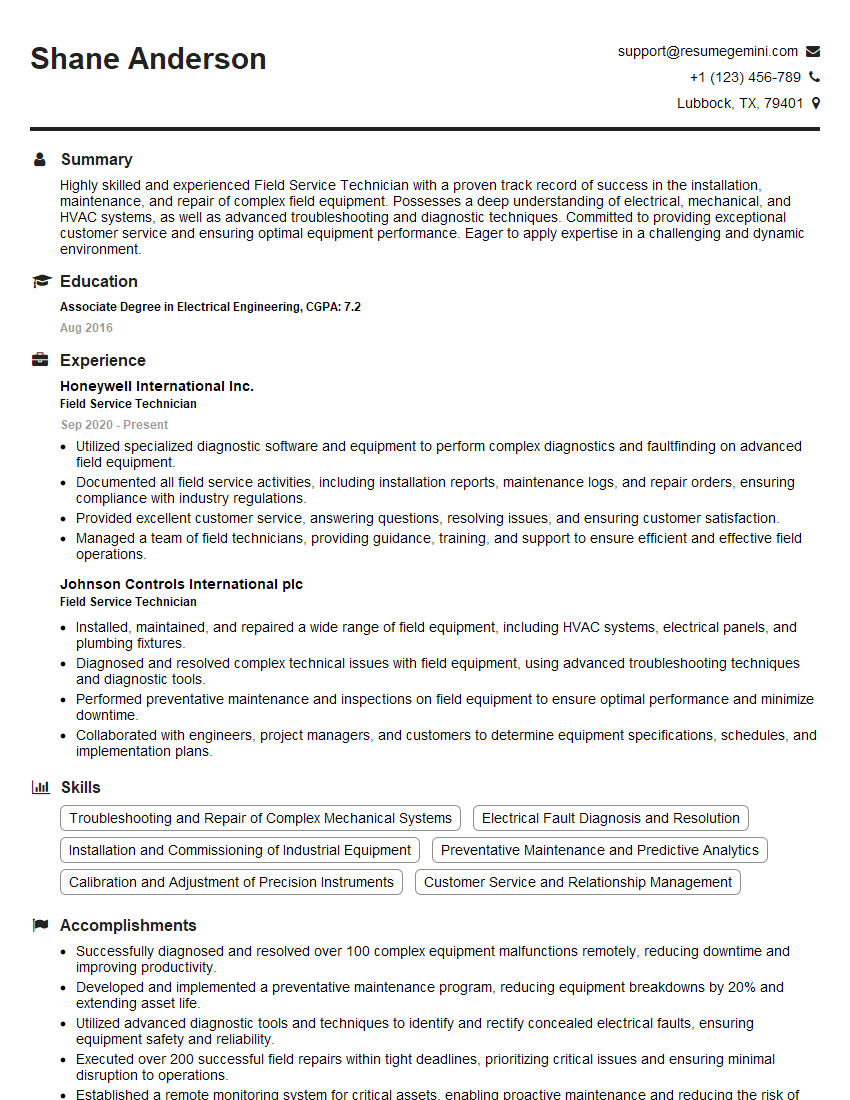
Field Service Technician Resume Sample
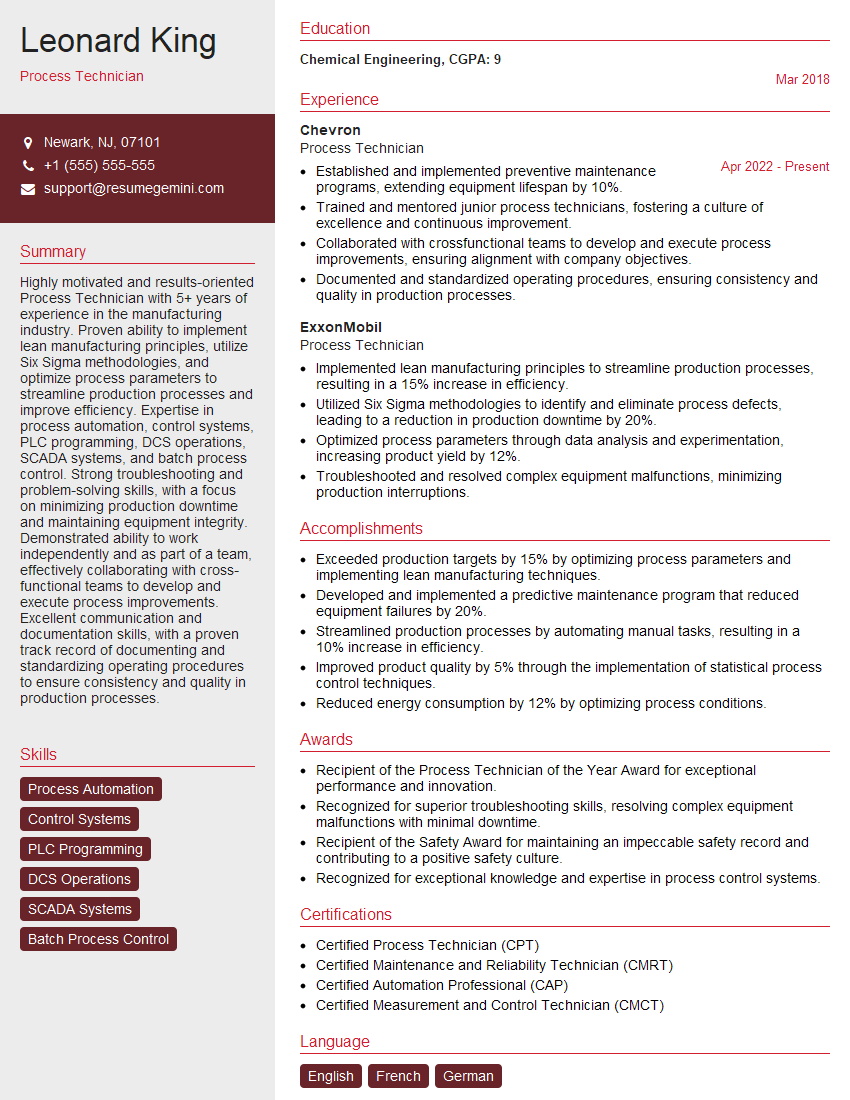
Process Technician Resume Sample
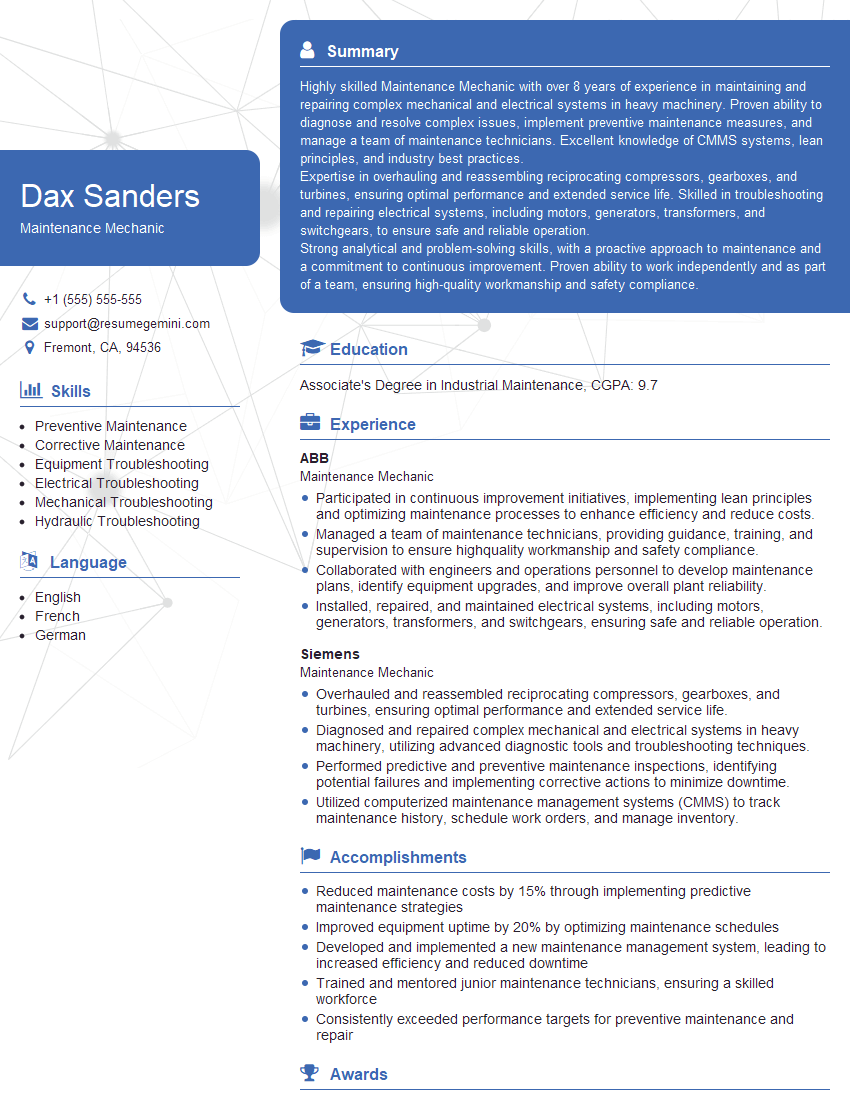
Maintenance Mechanic Resume Sample

Maintenance Electrician Resume Sample

Electromechanical Technician Resume Sample

Industrial Mechanic Resume Sample

Millwright Resume Sample
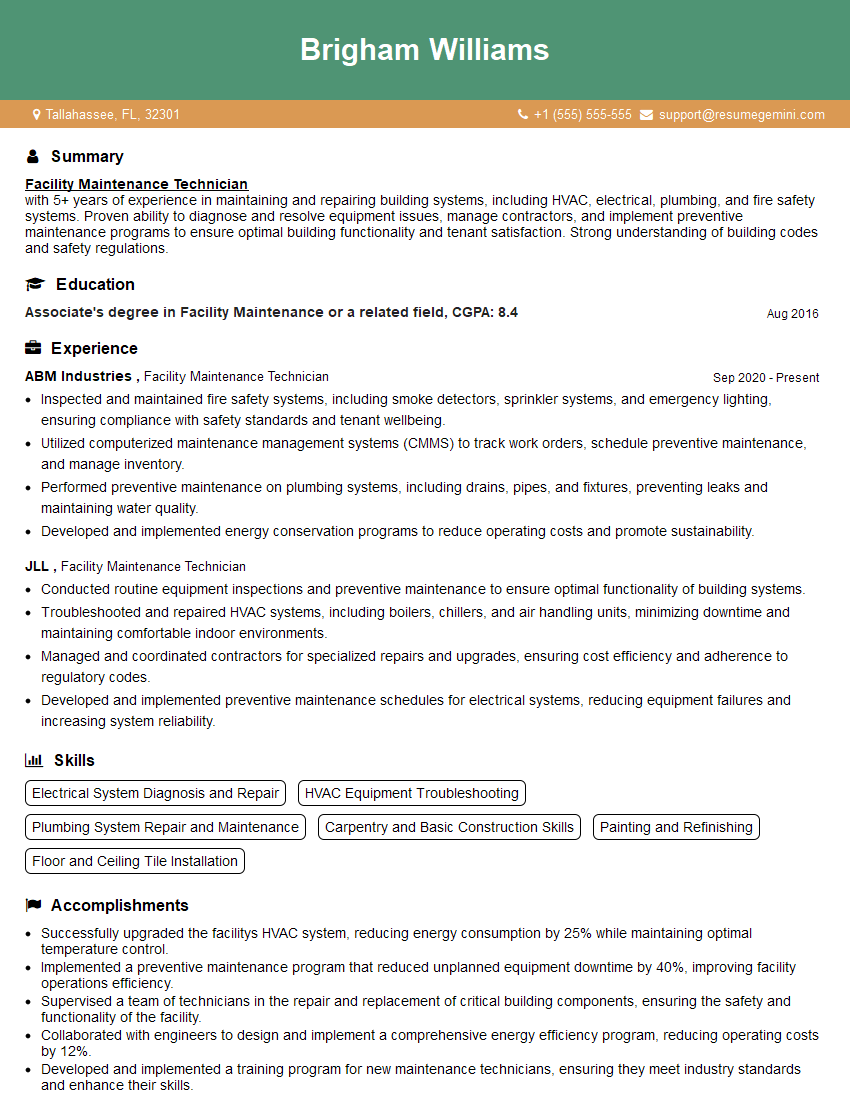
Facility Maintenance Technician Resume Sample
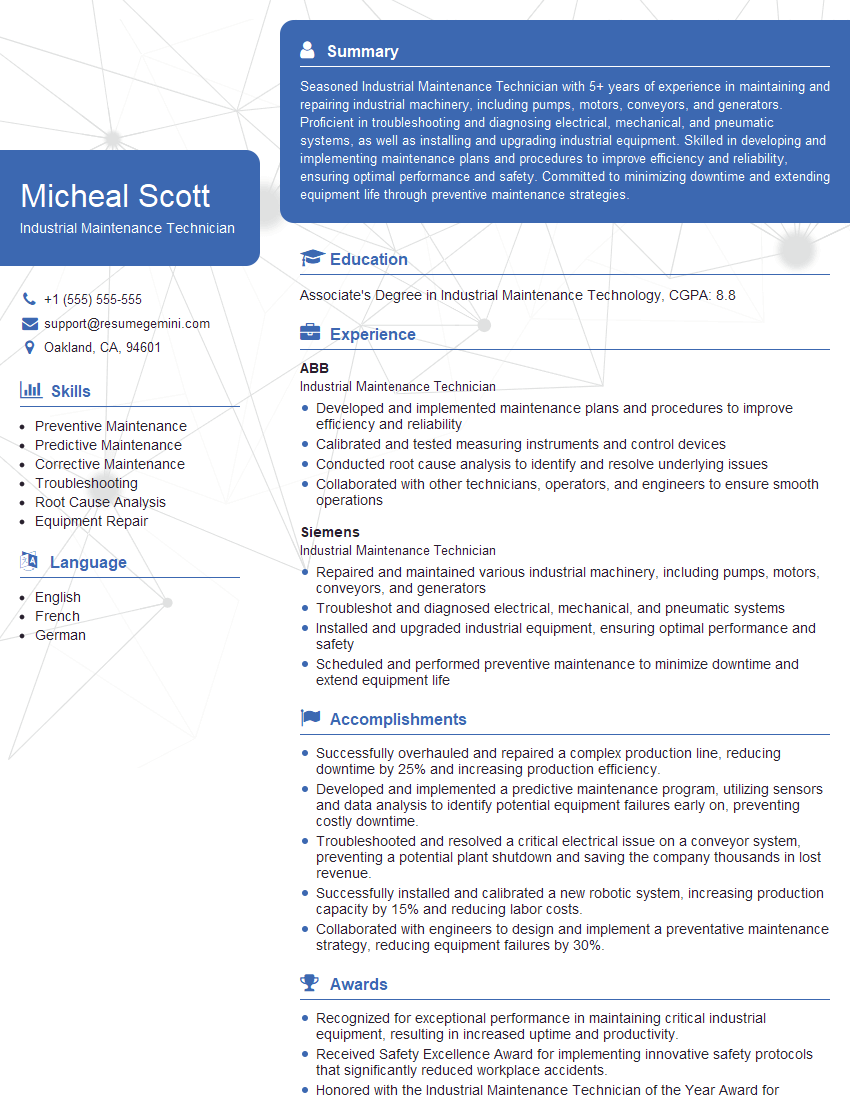
Industrial Maintenance Technician Resume Sample
- Maintenance Manager
- Maintenance Planner
- Maintenance Supervisor
- Maintenance Technician
- Instrumentation Technician
- Field Service Technician
- Process Technician
- Maintenance Mechanic
- Maintenance Electrician
- Electromechanical Technician
- Industrial Mechanic
- Millwright
- Facility Maintenance Technician
- Industrial Maintenance Technician
Explore more articles
Users Rating of Our Blogs
Share Your Experience
We value your feedback! Please rate our content and share your thoughts (optional).
What Readers Say About Our Blog
To the interviewgemini.com Webmaster.
Very helpful and content specific questions to help prepare me for my interview!
Thank you
To the interviewgemini.com Webmaster.
This was kind of a unique content I found around the specialized skills. Very helpful questions and good detailed answers.
Very Helpful blog, thank you Interviewgemini team.