Interviews are more than just a Q&A session—they’re a chance to prove your worth. This blog dives into essential Industrial Wastewater Management interview questions and expert tips to help you align your answers with what hiring managers are looking for. Start preparing to shine!
Questions Asked in Industrial Wastewater Management Interview
Q 1. Explain the different types of industrial wastewater treatment processes.
Industrial wastewater treatment employs a range of processes, often used in combination, to achieve the required effluent quality. These processes can be broadly categorized into:
- Physical Processes: These methods remove solids and other contaminants through physical means. Examples include screening (removing large debris), sedimentation (allowing solids to settle), filtration (passing wastewater through a filter medium), and equalization (managing flow variations).
- Chemical Processes: These involve the addition of chemicals to facilitate the removal of contaminants. Examples include coagulation-flocculation (using chemicals to clump smaller particles together for easier removal), neutralization (adjusting pH to optimal levels), and chemical precipitation (forming insoluble compounds that can be removed through sedimentation).
- Biological Processes: These processes utilize microorganisms to break down organic matter. Activated sludge, trickling filters, and rotating biological contactors are common examples. These processes exploit the natural ability of microorganisms to consume and metabolize pollutants.
- Advanced Treatment Processes: When stringent effluent requirements need to be met, advanced treatment is employed. This could include membrane filtration (microfiltration, ultrafiltration, reverse osmosis), advanced oxidation processes (AOPs) such as UV oxidation or ozone treatment, and adsorption (using activated carbon to remove dissolved contaminants).
The choice of treatment processes depends on the characteristics of the wastewater, the desired effluent quality, and regulatory requirements. For instance, a food processing plant might require a combination of screening, equalization, activated sludge, and disinfection, while a pharmaceutical plant might necessitate advanced treatment processes to remove specific chemicals.
Q 2. Describe your experience with activated sludge processes.
I have extensive experience with activated sludge processes, having designed, commissioned, and optimized several plants for various industries. Activated sludge is a biological treatment process that uses a mixed liquor of microorganisms (activated sludge) suspended in wastewater to break down organic matter. The process typically involves an aeration tank where oxygen is supplied to sustain microbial activity and a clarifier where the treated wastewater is separated from the activated sludge.
In my previous role, we implemented an advanced control system in an activated sludge plant treating textile wastewater. This system monitored dissolved oxygen levels, mixed liquor suspended solids (MLSS), and effluent quality in real-time, allowing for automatic adjustments to aeration and sludge wasting rates. This resulted in a 20% reduction in energy consumption and a consistent improvement in effluent quality. Furthermore, I’ve worked with different configurations of activated sludge, including sequencing batch reactors (SBRs), which are particularly well-suited for smaller plants or those with variable flow rates. Understanding the complexities of sludge settling, oxygen transfer efficiency, and the impact of various parameters on microbial activity are crucial for optimal performance.
Q 3. What are the key performance indicators (KPIs) for an effective wastewater treatment plant?
Key Performance Indicators (KPIs) for an effective wastewater treatment plant are essential for monitoring performance, identifying areas for improvement, and ensuring compliance with regulations. These KPIs can be broadly classified into:
- Effluent Quality: This is the most critical aspect, measuring parameters like Biochemical Oxygen Demand (BOD), Chemical Oxygen Demand (COD), suspended solids (SS), nutrients (nitrogen and phosphorus), pH, and specific pollutants relevant to the industry. Meeting discharge limits is paramount.
- Process Efficiency: This assesses how effectively the plant is removing contaminants. Metrics include BOD/COD removal efficiency, sludge production rate, and energy consumption per unit of wastewater treated.
- Operational Efficiency: This focuses on plant uptime, maintenance frequency, and overall operational cost. It might involve tracking equipment downtime, chemical usage, and labor costs.
- Sludge Management: This involves monitoring sludge production, dewatering efficiency, and the disposal or beneficial reuse of sludge. Efficient sludge management minimizes environmental impact and cost.
Regular monitoring of these KPIs allows for proactive identification and resolution of issues, leading to improved plant performance and compliance.
Q 4. How do you monitor and control effluent quality?
Monitoring and controlling effluent quality involves a multi-faceted approach. Firstly, continuous online monitoring of key parameters like pH, dissolved oxygen, and flow rate provides real-time data for immediate adjustments. Secondly, regular grab sampling and laboratory analysis are crucial for comprehensive assessment of effluent quality. This involves testing for a wider range of parameters including BOD, COD, nutrients, and specific pollutants.
Based on the monitoring data, necessary control measures are implemented. These may include adjustments to chemical dosing (e.g., coagulants, flocculants), aeration rates, or the operation of various treatment units. Data logging and analysis are vital for tracking trends, identifying patterns, and optimizing plant operations. Regular calibration and maintenance of monitoring equipment are also crucial for ensuring the accuracy and reliability of the data. Finally, compliance reporting to regulatory authorities based on the monitoring data is an essential part of the process.
Q 5. Explain the importance of pH control in wastewater treatment.
pH control is critical in wastewater treatment because it significantly impacts the effectiveness of various treatment processes and the overall environment. Many biological processes, such as activated sludge, have optimal pH ranges. Outside this range, microbial activity is inhibited, affecting the removal of organic matter. Furthermore, the solubility and precipitation of various chemicals, such as heavy metals, are highly pH-dependent.
Maintaining the appropriate pH can ensure efficient treatment and prevent the formation of precipitates that might clog pipes or interfere with other processes. For example, low pH can corrode equipment, while high pH can cause precipitation of calcium and magnesium, leading to scaling. pH control is achieved using chemical addition, such as acid (e.g., sulfuric acid) or base (e.g., sodium hydroxide), based on continuous monitoring and control systems.
Q 6. Describe your experience with biological nutrient removal.
Biological nutrient removal (BNR) focuses on removing nitrogen and phosphorus from wastewater, preventing eutrophication (excessive nutrient enrichment) in receiving water bodies. I’ve been involved in several projects implementing BNR processes, primarily using modified activated sludge systems. These systems involve separate anoxic (oxygen-deficient) and aerobic (oxygen-rich) zones to facilitate the microbial processes responsible for nutrient removal.
In one project, we employed a modified Ludzack-Ettinger process for enhanced biological phosphorus removal. This involved controlling the dissolved oxygen levels within different zones of the aeration tank to optimize the microbial processes responsible for phosphorus uptake. Understanding the microbiology involved, including the role of different microbial populations, is essential for successful BNR. Furthermore, careful control of parameters like carbon source availability and sludge retention time is crucial to achieve optimal nutrient removal. Regular monitoring of nitrogen and phosphorus levels in the effluent is necessary to ensure compliance with discharge limits.
Q 7. How do you handle sludge management in an industrial wastewater treatment plant?
Sludge management is a crucial aspect of industrial wastewater treatment, encompassing the handling, processing, and disposal or beneficial reuse of the sludge produced. This involves several steps:
- Sludge Thickening: This concentrates the sludge to reduce the volume requiring further treatment. Methods include gravity thickening, flotation thickening, and centrifugation.
- Sludge Stabilization: This process reduces odors and pathogens through aerobic or anaerobic digestion. Aerobic digestion uses oxygen, while anaerobic digestion produces biogas, which can be used for energy generation.
- Sludge Dewatering: This removes excess water from the sludge, reducing its volume and making it easier to handle and transport. Methods include belt filter presses, centrifuge, and vacuum filtration.
- Sludge Disposal/Reuse: The dewatered sludge can be disposed of in landfills, incinerated, or used beneficially, for example, as a soil amendment in agriculture (after appropriate treatment).
Efficient sludge management minimizes environmental impact and operating costs. In one project, we implemented an anaerobic digestion system, resulting in biogas production that reduced the plant’s energy consumption. Careful consideration must be given to regulatory requirements regarding sludge disposal or reuse. The selection of appropriate technologies depends on the sludge characteristics and local regulations.
Q 8. What are the common regulatory requirements for industrial wastewater discharge?
Industrial wastewater discharge regulations vary significantly depending on location (national, state/provincial, and local levels) and the specific industry. Generally, permits are required, and these permits outline limits for various pollutants. These limits are often expressed as concentrations (e.g., milligrams per liter, mg/L) or as total mass discharged (e.g., kilograms per day, kg/day).
- Commonly Regulated Pollutants: These include biochemical oxygen demand (BOD), chemical oxygen demand (COD), total suspended solids (TSS), pH, ammonia, heavy metals (e.g., lead, mercury, chromium), oil and grease, and specific pollutants unique to the industry (e.g., pesticides in agricultural wastewater).
- Permitting Processes: Obtaining a discharge permit usually involves submitting a detailed application, including a characterization of the wastewater, a description of the treatment process, and a monitoring plan. Regular compliance monitoring is then required, with periodic reporting to the regulatory agency.
- Enforcement: Non-compliance with permit limits can result in significant penalties, including fines, facility shutdowns, and legal action.
- Example: A food processing plant might have permit limits on BOD to prevent oxygen depletion in receiving waters, and limits on oil and grease to protect aquatic life.
Q 9. Describe your experience with wastewater sampling and analysis.
My experience in wastewater sampling and analysis encompasses the entire process, from sample collection and preservation to laboratory analysis and data interpretation. I’m proficient in various sampling techniques, including grab sampling, composite sampling, and automated sampling. I understand the importance of proper sample preservation to prevent degradation of target analytes.
I’ve extensively used standard methods for analyzing various parameters, such as BOD, COD, TSS, pH, ammonia, nitrates, phosphates, and heavy metals. I’m familiar with different analytical techniques, including titrations, spectrophotometry, and atomic absorption spectroscopy. My experience also includes quality control procedures, ensuring the accuracy and reliability of the results. I’ve worked with both accredited laboratories and on-site testing equipment, providing prompt and accurate results for informed decision-making.
For instance, in a recent project involving a textile mill, we identified unusually high levels of dye in the effluent. Through targeted sampling and analysis, we traced the source to a leaking dye tank, enabling prompt repairs and preventing further environmental damage.
Q 10. Explain the concept of Total Suspended Solids (TSS) and its importance.
Total Suspended Solids (TSS) refers to the total amount of solid material that is suspended in a water sample. These are particles that do not readily settle out and remain suspended in the water column. TSS is measured by filtering a known volume of water through a pre-weighed filter paper, drying the filter paper with the collected solids, and determining the increase in weight. The result is expressed in milligrams per liter (mg/L) or parts per million (ppm).
Importance: TSS is a critical indicator of water quality. High TSS levels can:
- Reduce light penetration, impacting aquatic plant life and dissolved oxygen levels.
- Clog fish gills and interfere with aquatic organism respiration.
- Carry pollutants adsorbed onto the solid particles.
- Impair the aesthetic quality of water, making it cloudy and unattractive.
- Affect the effectiveness of downstream treatment processes.
For example, high TSS in a river can lead to eutrophication (excessive nutrient enrichment) and subsequent oxygen depletion, creating a ‘dead zone’ where aquatic life cannot survive.
Q 11. How do you troubleshoot problems in a wastewater treatment plant?
Troubleshooting in a wastewater treatment plant involves a systematic approach combining observation, data analysis, and process knowledge. My approach typically follows these steps:
- Identify the Problem: This involves careful observation of plant performance, reviewing operational data (e.g., flow rates, influent/effluent parameters), and identifying deviations from normal operating conditions. For example, unexpectedly high TSS in the effluent or a drop in BOD removal efficiency.
- Gather Data: Collect relevant data on all aspects of the plant operation, including influent characteristics, process parameters (e.g., aeration, sludge age), and effluent quality. This may involve adjusting sampling frequency or expanding the range of parameters analyzed.
- Analyze Data: Examine the collected data for trends and patterns that might indicate the cause of the problem. Statistical process control (SPC) charts can be helpful in identifying significant deviations.
- Develop Hypotheses: Based on the data analysis, formulate potential explanations for the problem. These hypotheses should be testable.
- Test Hypotheses: Conduct experiments or implement minor adjustments to the process to test the hypotheses. This might involve adjusting aeration rates, modifying chemical dosages, or temporarily changing operational parameters.
- Implement Solutions: Once the root cause is identified and verified, implement corrective actions to resolve the problem. This may involve equipment repairs, process modifications, or operator training.
- Monitor Results: After implementing solutions, carefully monitor plant performance to ensure the problem is resolved and to prevent recurrence.
For example, if BOD removal efficiency is dropping, potential causes could be reduced aeration, insufficient sludge age, or a change in influent characteristics. By systematically investigating each hypothesis, the root cause can be pinpointed and addressed.
Q 12. What are your experiences with different types of filtration systems?
My experience includes working with various filtration systems used in industrial wastewater treatment. These include:
- Media Filtration: This involves passing wastewater through a bed of granular media (e.g., sand, anthracite, gravel) to remove suspended solids. Different media combinations can optimize the removal of various particle sizes. I’ve worked with both rapid sand filters and dual-media filters.
- Membrane Filtration: This advanced technology utilizes membranes with varying pore sizes to remove dissolved and suspended solids. My experience includes microfiltration, ultrafiltration, and reverse osmosis, each appropriate for different applications and pollutant removal targets. Reverse osmosis, for instance, is effective in removing dissolved salts and other contaminants.
- Crossflow Filtration: This technique minimizes membrane fouling by continuously recycling a portion of the treated water across the membrane surface. I’ve found this especially useful in handling wastewater with high solids content.
The choice of filtration system depends on several factors, including the type and concentration of pollutants, the required treatment level, and the available budget. For instance, a simple media filter may suffice for removing relatively coarse solids, while membrane filtration may be needed for high-quality effluent.
Q 13. Describe your understanding of the Clean Water Act and its implications.
The Clean Water Act (CWA) is a landmark US federal law that establishes the basic structure for regulating pollutant discharges into the waters of the United States. It aims to restore and maintain the chemical, physical, and biological integrity of the nation’s waters. The CWA focuses on regulating point source pollution, which is defined as any discernible, confined, and discrete conveyance, such as a pipe, ditch, channel, or conduit.
Implications: The CWA significantly impacts industrial wastewater management through:
- National Pollutant Discharge Elimination System (NPDES) Permits: Industries discharging wastewater are required to obtain NPDES permits, which specify limits for various pollutants and monitoring requirements. This ensures compliance with water quality standards.
- Water Quality Standards: The CWA establishes water quality criteria for different water bodies, protecting aquatic life and human health. Industrial discharges must meet these standards.
- Enforcement: The EPA and state agencies enforce the CWA through monitoring, inspections, and enforcement actions against violators. Penalties for non-compliance can be substantial.
- Best Management Practices (BMPs): The CWA encourages the use of BMPs to prevent or reduce pollution at its source. This includes implementing pollution prevention programs and employing appropriate wastewater treatment technologies.
The CWA’s overarching impact is to ensure that industrial activities do not negatively impact water quality, safeguarding aquatic ecosystems and human health.
Q 14. How do you manage and minimize the risk of spills and leaks?
Managing and minimizing the risk of spills and leaks involves a multi-faceted approach that incorporates preventative measures, emergency response planning, and ongoing monitoring.
- Preventative Measures: This includes regular inspection and maintenance of all wastewater piping, storage tanks, and treatment equipment. Using leak detection systems, such as pressure sensors and flow meters, can help identify potential issues early. Implementing robust process controls and operating procedures minimizes the likelihood of operational errors that lead to spills.
- Emergency Response Planning: Developing a comprehensive spill response plan is critical. This plan should detail procedures for containment, cleanup, notification of relevant authorities (e.g., environmental agencies, emergency services), and employee safety procedures. Regular drills help ensure the plan is effective and personnel are adequately trained.
- Containment and Control Measures: Implementing secondary containment around storage tanks and other high-risk areas can prevent spills from spreading. Emergency shut-off valves and diking systems can help quickly contain releases.
- Monitoring and Reporting: Regularly monitoring the condition of equipment, maintaining accurate records of maintenance activities, and promptly reporting any spills or leaks are essential to prevent larger incidents. This ensures accountability and allows for early detection of potential problems.
For example, implementing a regular inspection schedule for pump seals and valves in a chemical plant can prevent small leaks from escalating into major spills, protecting the environment and preventing costly cleanups.
Q 15. Explain your experience with process optimization in wastewater treatment.
Process optimization in wastewater treatment focuses on enhancing efficiency, reducing costs, and minimizing environmental impact. This involves analyzing every step of the treatment process – from influent characterization to effluent discharge – to identify bottlenecks and areas for improvement.
In my experience, this often involves employing data-driven approaches. For example, at a previous facility, we implemented a Supervisory Control and Data Acquisition (SCADA) system to monitor real-time operational parameters like pH, dissolved oxygen, and flow rates. This allowed us to identify inefficiencies in the aeration process of our activated sludge system. By optimizing aeration based on real-time data, we reduced energy consumption by 15% and improved sludge settling characteristics, leading to a more stable treatment process and higher effluent quality.
Another successful optimization involved implementing a more efficient chemical dosing system. We transitioned from manual dosing to an automated system based on real-time monitoring of influent characteristics. This precise control reduced chemical usage by 10% and minimized the risk of overdosing, which can have negative environmental consequences.
Career Expert Tips:
- Ace those interviews! Prepare effectively by reviewing the Top 50 Most Common Interview Questions on ResumeGemini.
- Navigate your job search with confidence! Explore a wide range of Career Tips on ResumeGemini. Learn about common challenges and recommendations to overcome them.
- Craft the perfect resume! Master the Art of Resume Writing with ResumeGemini’s guide. Showcase your unique qualifications and achievements effectively.
- Don’t miss out on holiday savings! Build your dream resume with ResumeGemini’s ATS optimized templates.
Q 16. How do you ensure compliance with environmental regulations?
Ensuring compliance with environmental regulations is paramount in industrial wastewater management. This involves a multi-pronged approach encompassing thorough understanding of relevant legislation, robust monitoring programs, and meticulous record-keeping.
Firstly, staying updated on all applicable regulations (like the Clean Water Act in the US or equivalent regulations in other countries) is crucial. This often involves attending industry conferences, subscribing to regulatory updates, and collaborating with environmental consultants.
Secondly, we implement a rigorous monitoring program. This includes regular sampling and analysis of influent and effluent to ensure parameters like BOD, COD, TSS, and various pollutants are within permitted limits. Data is meticulously documented and reported to the relevant authorities. Regular equipment calibration and preventative maintenance are crucial to ensure the accuracy and reliability of our monitoring data.
Finally, comprehensive record-keeping is essential. This ensures traceability and accountability. We maintain detailed logs of all operational parameters, maintenance activities, sampling results, and any corrective actions taken. This is vital for demonstrating compliance during audits.
Q 17. Describe your experience with designing or improving a wastewater treatment system.
I have extensive experience in designing and improving wastewater treatment systems. A recent project involved redesigning the pretreatment system for a food processing plant. The existing system struggled to handle high organic loads and fluctuating flow rates, resulting in frequent upsets and high operating costs.
My approach involved a thorough site assessment, characterizing the wastewater stream, and identifying the key challenges. This included conducting a comprehensive flow analysis to predict peak and average flow rates. We then designed a new pretreatment system incorporating a combination of equalization tanks to smooth out flow variations, improved screening to remove large debris, and a more efficient grit removal system. We also implemented an enhanced dissolved air flotation (DAF) system to effectively remove fats, oils, and grease (FOG).
The result was a more robust and efficient pretreatment system that significantly reduced organic loading on the downstream biological treatment processes. This improvement resulted in improved effluent quality, reduced operating costs, and increased plant stability. The project also incorporated advanced process control strategies, minimizing the need for manual adjustments and improving overall process reliability.
Q 18. What are your experiences with membrane filtration technologies (e.g., microfiltration, ultrafiltration, reverse osmosis)?
Membrane filtration technologies – microfiltration, ultrafiltration, and reverse osmosis – play a vital role in advanced wastewater treatment. Each technology has its unique characteristics and applications.
- Microfiltration (MF) removes suspended solids, bacteria, and some larger viruses. I’ve used MF in pretreatment stages to protect downstream membranes from fouling and improve the overall efficiency of the treatment process.
- Ultrafiltration (UF) offers higher rejection rates, effectively removing smaller particles, including colloids and some dissolved organic matter. I’ve implemented UF in several projects to enhance effluent quality, particularly in applications where stringent discharge limits are in place.
- Reverse Osmosis (RO) is the most stringent membrane technology, removing dissolved salts, minerals, and many organic compounds. RO is crucial for producing high-quality treated water for reuse or discharge to sensitive environments. I have experience optimizing RO systems, focusing on minimizing membrane fouling and maximizing water recovery.
The selection of the appropriate membrane technology depends on the specific treatment objectives, the characteristics of the wastewater stream, and the overall treatment goals. Factors such as operating pressure, membrane cleaning frequency, and energy consumption are also critical considerations during the design and selection process.
Q 19. Explain the importance of safety protocols in an industrial wastewater setting.
Safety protocols are paramount in industrial wastewater settings due to the inherent hazards associated with handling chemicals, operating heavy machinery, and working in potentially confined spaces. A comprehensive safety program is not just a regulatory requirement but a moral imperative.
Our safety program includes regular safety training for all personnel, covering topics such as hazard communication, lockout/tagout procedures, confined space entry protocols, and personal protective equipment (PPE) usage. We also conduct regular safety inspections and audits to identify and mitigate potential hazards.
Furthermore, we implement strict procedures for handling hazardous chemicals, including proper storage, labeling, and spill response plans. Emergency response drills are regularly conducted to ensure that all personnel are prepared to handle unexpected situations. Our safety program emphasizes a culture of continuous improvement, with regular review and updates to reflect changes in regulations and best practices.
Q 20. How do you handle emergency situations in a wastewater treatment plant?
Handling emergency situations in a wastewater treatment plant requires a well-defined emergency response plan and trained personnel. Common emergencies include equipment failures, chemical spills, power outages, and overflows.
Our emergency response plan outlines procedures for various scenarios, including communication protocols, personnel evacuation strategies, and containment measures. Regular drills ensure that everyone knows their roles and responsibilities. For example, we practice responding to a chemical spill, including activating the emergency shutdown system, isolating the affected area, and using appropriate spill control materials.
In the event of a major incident, we maintain contact with relevant authorities, including emergency services and environmental regulators, providing timely updates on the situation and the corrective actions being taken. Post-incident analysis is crucial to identify the root causes and implement measures to prevent recurrence.
Q 21. What are your experiences with different types of anaerobic digestion systems?
Anaerobic digestion is a crucial process for treating high-strength organic wastewaters and producing biogas, a renewable energy source. I have experience with several types of anaerobic digestion systems.
- Completely Mixed Reactors (CMRs): These systems offer good mixing and process stability. I’ve used CMRs in treating food processing wastewater, achieving high organic removal rates and biogas production.
- Anaerobic Sequencing Batch Reactors (ASBRs): These systems offer flexibility and are suitable for treating variable influent flows and compositions. I’ve successfully applied ASBRs in treating agricultural wastewater, minimizing odor issues and optimizing biogas production.
- Upflow Anaerobic Sludge Blanket (UASB) reactors: These systems are characterized by their high volumetric loading rates and low energy consumption. I’ve found UASB reactors particularly effective in treating wastewater with high solids concentrations.
The optimal choice of anaerobic digestion system depends on factors such as the type and characteristics of the wastewater, the desired biogas yield, and available land area. Process monitoring, including pH control, volatile fatty acid monitoring, and biogas composition analysis, are critical for successful operation and optimization.
Q 22. Explain your knowledge of different types of oxidation processes.
Oxidation processes are crucial in industrial wastewater treatment for removing organic pollutants. They involve the addition of oxygen or other oxidizing agents to break down complex organic molecules into simpler, less harmful substances. Different processes vary in their effectiveness, cost, and applicability depending on the specific pollutants and wastewater characteristics.
- Biological Oxidation: This is a natural process using microorganisms to break down organic matter. It’s cost-effective but slower than chemical methods and might be limited by temperature and nutrient availability. Think of a compost pile – microorganisms break down organic materials over time. In wastewater treatment, activated sludge and trickling filter systems are prime examples.
- Chemical Oxidation: This involves using chemical agents like chlorine, ozone, or hydrogen peroxide to oxidize pollutants. It’s faster than biological oxidation and can handle a wider range of pollutants, but it can be more expensive and might produce harmful byproducts. For example, ozone is used to remove color and odor from wastewater, while chlorine is a common disinfectant.
- Advanced Oxidation Processes (AOPs): These are more advanced techniques combining chemical oxidation with other methods like UV radiation or catalysts to enhance oxidation efficiency and address recalcitrant pollutants. They are highly effective but often more expensive than conventional methods. Examples include ozonation combined with UV (UV/O3) or Fenton’s reaction (hydrogen peroxide and iron catalyst).
The choice of oxidation process depends on various factors like the type and concentration of pollutants, wastewater flow rate, cost considerations, and regulatory requirements. A thorough characterization of the wastewater is essential before selecting the most appropriate method.
Q 23. How do you calculate the hydraulic residence time (HRT) in a wastewater treatment system?
Hydraulic Residence Time (HRT) is the average time wastewater spends in a treatment unit. It’s a critical parameter in designing and operating wastewater treatment systems. An insufficient HRT can lead to incomplete treatment, while an excessively long HRT might be unnecessarily expensive.
The calculation is straightforward:
HRT = Volume of the reactor (V) / Flow rate (Q)Where:
- V is the effective volume of the treatment unit (e.g., aeration tank in activated sludge process) in cubic meters (m³).
- Q is the flow rate of wastewater entering the treatment unit in cubic meters per day (m³/day) or cubic meters per hour (m³/hr).
For example, if an aeration tank has a volume of 1000 m³ and the wastewater flow rate is 200 m³/day, then the HRT is 1000 m³ / 200 m³/day = 5 days. This means the wastewater, on average, spends 5 days in the aeration tank.
Accurate measurement of both volume and flow rate is crucial. The choice of units must be consistent. Keep in mind that HRT is an average; the actual residence time of individual water molecules can vary.
Q 24. Describe your experience with the use of instrumentation and control systems in wastewater treatment.
Instrumentation and control systems are the backbone of modern wastewater treatment plants, ensuring efficient operation and monitoring. My experience involves working with a wide array of sensors, controllers, and SCADA (Supervisory Control and Data Acquisition) systems.
- Sensors: I have experience using sensors to measure parameters like pH, dissolved oxygen (DO), turbidity, flow rate, temperature, and nutrient levels (e.g., ammonia, nitrate). These provide real-time data crucial for process control and optimization.
- Controllers: These devices automatically adjust process parameters based on sensor readings, ensuring the system maintains optimal conditions. Examples include controllers for aeration systems, chemical dosing pumps, and valve operation.
- SCADA Systems: SCADA systems integrate data from various sensors and controllers, providing a centralized platform for monitoring and controlling the entire treatment plant. This allows operators to remotely monitor process parameters, troubleshoot issues, and optimize plant performance. I’ve used SCADA systems to generate reports, identify trends, and predict potential problems.
For example, in one project, we implemented a real-time DO control system in the aeration tank, resulting in a significant reduction in energy consumption and improved treatment efficiency. Effective instrumentation and control systems are not just about technology; they also require proper calibration, maintenance, and operator training to ensure accuracy and reliability.
Q 25. What are your experiences with advanced oxidation processes (AOPs)?
Advanced Oxidation Processes (AOPs) are powerful tools for treating wastewater containing recalcitrant pollutants – those resistant to conventional treatment methods. My experience encompasses several AOPs, including:
- Ozonation: Ozone (O3) is a strong oxidizing agent that effectively degrades many organic compounds. I’ve worked on projects using ozonation for removing pesticides, pharmaceuticals, and endocrine-disrupting chemicals.
- UV/O3: Combining ozone with UV radiation enhances the oxidation process, increasing the efficiency of pollutant degradation. This synergistic effect is particularly useful for tackling persistent organic pollutants.
- Photocatalysis: This involves using semiconductor photocatalysts (like titanium dioxide) and UV light to generate reactive oxygen species that degrade pollutants. It’s effective for removing dyes and other colored compounds.
- Fenton’s reaction: This process utilizes hydrogen peroxide (H2O2) and iron catalysts to produce hydroxyl radicals, which are extremely potent oxidizing agents. I have experience applying Fenton’s reaction to treat wastewater contaminated with heavy metals and organic pollutants.
AOP selection depends on the specific pollutants, wastewater matrix, cost-effectiveness, and the availability of appropriate infrastructure. It’s crucial to consider the potential formation of by-products and their environmental impact when implementing AOPs.
Q 26. How do you manage and dispose of hazardous wastewater?
Managing and disposing of hazardous wastewater requires a multifaceted approach prioritizing safety, environmental protection, and compliance with regulations. This begins with proper characterization of the waste to identify the hazardous components and their concentrations.
- Treatment: Treatment methods depend on the nature of the hazardous waste. AOPs are often employed to neutralize or degrade toxic compounds. Other techniques include chemical precipitation, ion exchange, and solvent extraction.
- Neutralization: Adjusting the pH to a safe range is often a crucial first step. Highly acidic or alkaline wastewater needs to be neutralized before further treatment or disposal.
- Disposal: Options include secure landfills designed for hazardous waste, incineration (with appropriate air pollution controls), or specialized treatment and recycling facilities. The choice is determined by the nature and concentration of hazardous substances, local regulations, and cost considerations.
- Regulatory Compliance: Strict adherence to all applicable environmental regulations is paramount. This includes proper documentation, permitting, and reporting procedures. Failing to comply can lead to severe penalties.
Throughout the entire process, safety precautions are crucial. Workers need appropriate personal protective equipment (PPE) and training to handle hazardous materials. Contingency plans for spills or other emergencies should always be in place.
Q 27. Describe your experience with developing and implementing a wastewater treatment plan.
Developing and implementing a wastewater treatment plan is a complex undertaking involving several stages. My experience includes involvement in all aspects, from initial assessment to final commissioning.
- Site Assessment: This involves characterizing the wastewater, determining its flow rate, and identifying the pollutants of concern. A thorough site survey is needed to identify suitable locations for treatment facilities.
- Treatment Design: The design phase involves selecting the appropriate treatment processes, considering factors like efficiency, cost, space constraints, and energy requirements. This often involves using modeling software to simulate different scenarios.
- Permitting and Regulatory Compliance: Obtaining necessary permits from regulatory agencies is a critical step. This involves submitting detailed plans and complying with all environmental regulations.
- Construction and Commissioning: This involves overseeing the construction of the treatment facility, installing equipment, and testing the system to ensure it meets design specifications.
- Operation and Maintenance: After commissioning, a robust operation and maintenance plan needs to be established to ensure long-term efficiency and compliance.
For example, in one project, we designed and implemented a treatment plant for a food processing facility. The process involved a combination of biological and chemical treatment to remove organic pollutants and heavy metals. Regular monitoring and adjustments were essential to maintain optimal performance.
Q 28. What are your skills in using wastewater modeling software?
Wastewater modeling software is indispensable for designing, optimizing, and managing wastewater treatment systems. My skills encompass using several popular software packages, including:
- BioWin: I’ve extensively used BioWin for simulating biological wastewater treatment processes, particularly activated sludge systems. It allows modeling various process configurations and predicting the performance under different conditions.
- SWMM (Storm Water Management Model): My experience with SWMM includes modeling stormwater runoff and its impact on wastewater treatment systems. This helps predict the effects of rainfall events and design appropriate infrastructure.
- MIKE 11: I have used MIKE 11 for hydrodynamic and water quality modeling in rivers and estuaries, important for assessing the environmental impact of wastewater discharges.
These software packages allow for simulating different scenarios, optimizing treatment processes, and predicting the impact of various design options. For instance, I used BioWin to optimize the aeration strategy in an activated sludge system, resulting in significant energy savings without compromising treatment efficiency. The ability to interpret modeling results and translate them into practical design decisions is crucial.
Key Topics to Learn for Industrial Wastewater Management Interview
- Wastewater Characterization: Understanding the physical, chemical, and biological properties of industrial wastewater, including common pollutants and their sources.
- Pretreatment Technologies: Familiarize yourself with various pretreatment methods like screening, equalization, and neutralization, and their practical applications in different industries.
- Biological Treatment Processes: Deepen your knowledge of activated sludge, trickling filters, rotating biological contactors, and membrane bioreactors, including their operational parameters and limitations.
- Physical-Chemical Treatment Processes: Explore techniques like coagulation/flocculation, sedimentation, filtration, adsorption, and advanced oxidation processes (AOPs), and their suitability for different pollutants.
- Waste Sludge Management: Understand the challenges and various methods for handling and disposing of the by-products of wastewater treatment, such as dewatering, digestion, and land application.
- Regulations and Compliance: Become familiar with relevant environmental regulations (e.g., NPDES permits) and reporting requirements for industrial wastewater discharge.
- Process Control and Instrumentation: Gain understanding of the sensors, control systems, and data analysis techniques used to monitor and optimize wastewater treatment processes.
- Sustainability and Resource Recovery: Explore the concepts of water reuse, energy recovery from wastewater, and the role of wastewater treatment in circular economy principles.
- Troubleshooting and Problem-Solving: Develop your ability to diagnose and address operational issues in wastewater treatment plants, such as process upsets and equipment malfunctions.
- Cost Analysis and Optimization: Understand the economic aspects of wastewater treatment, including capital and operating costs, and strategies for process optimization.
Next Steps
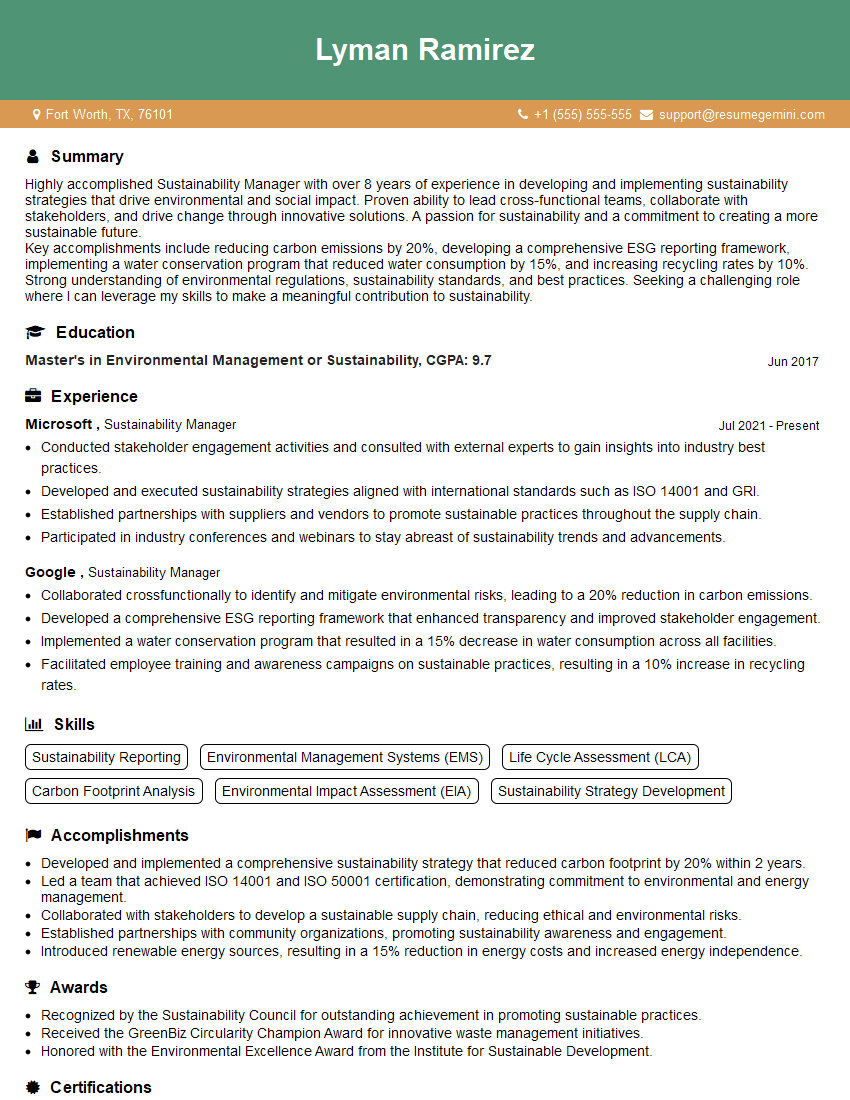
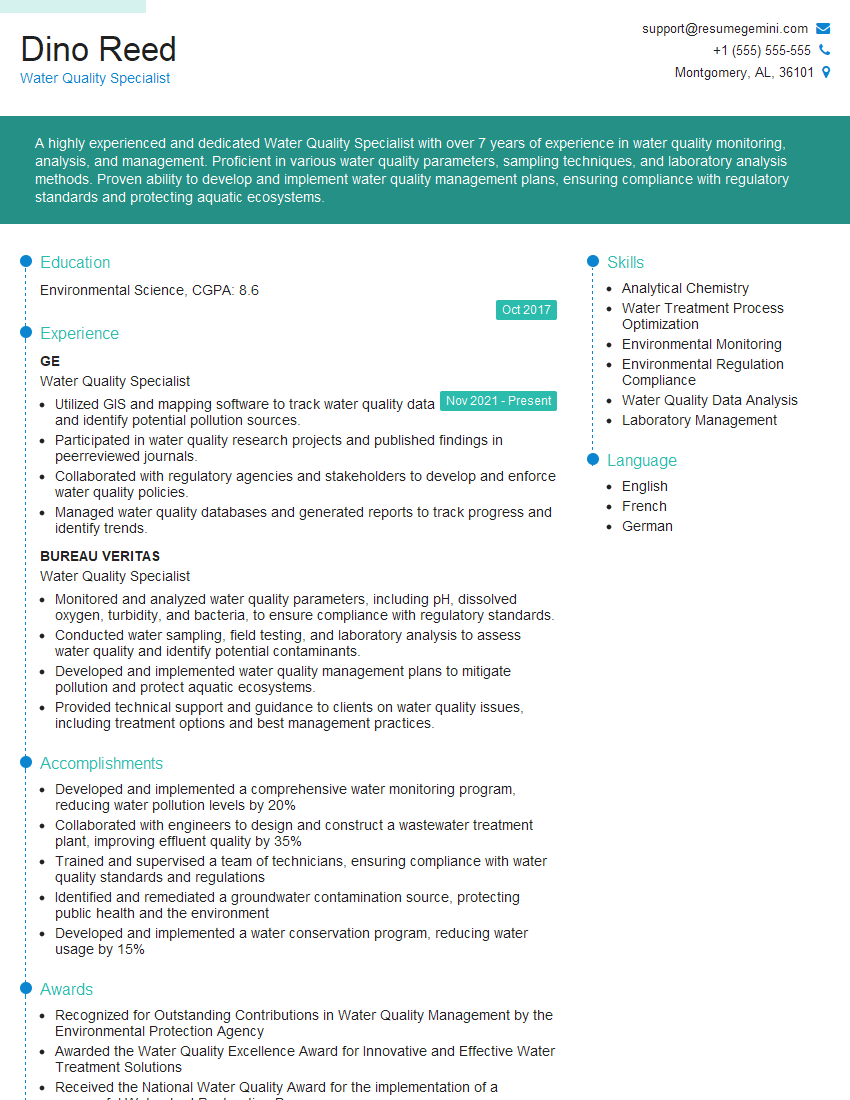
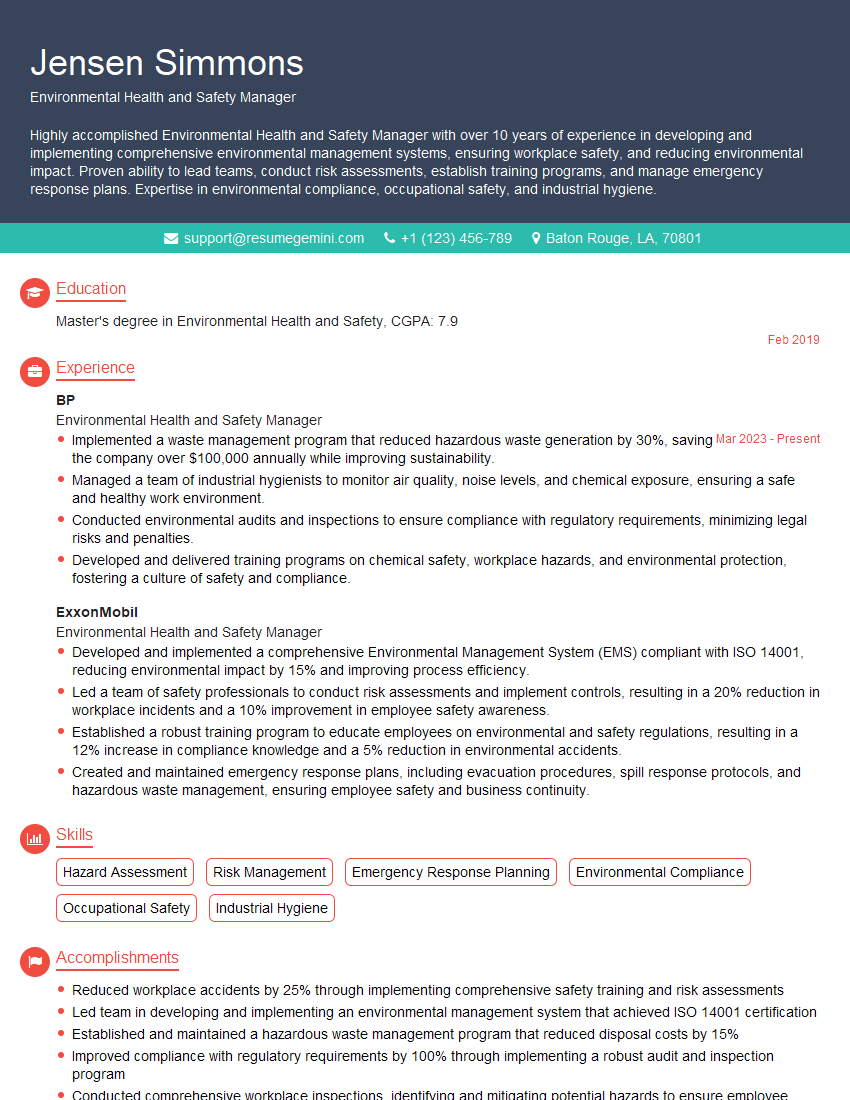
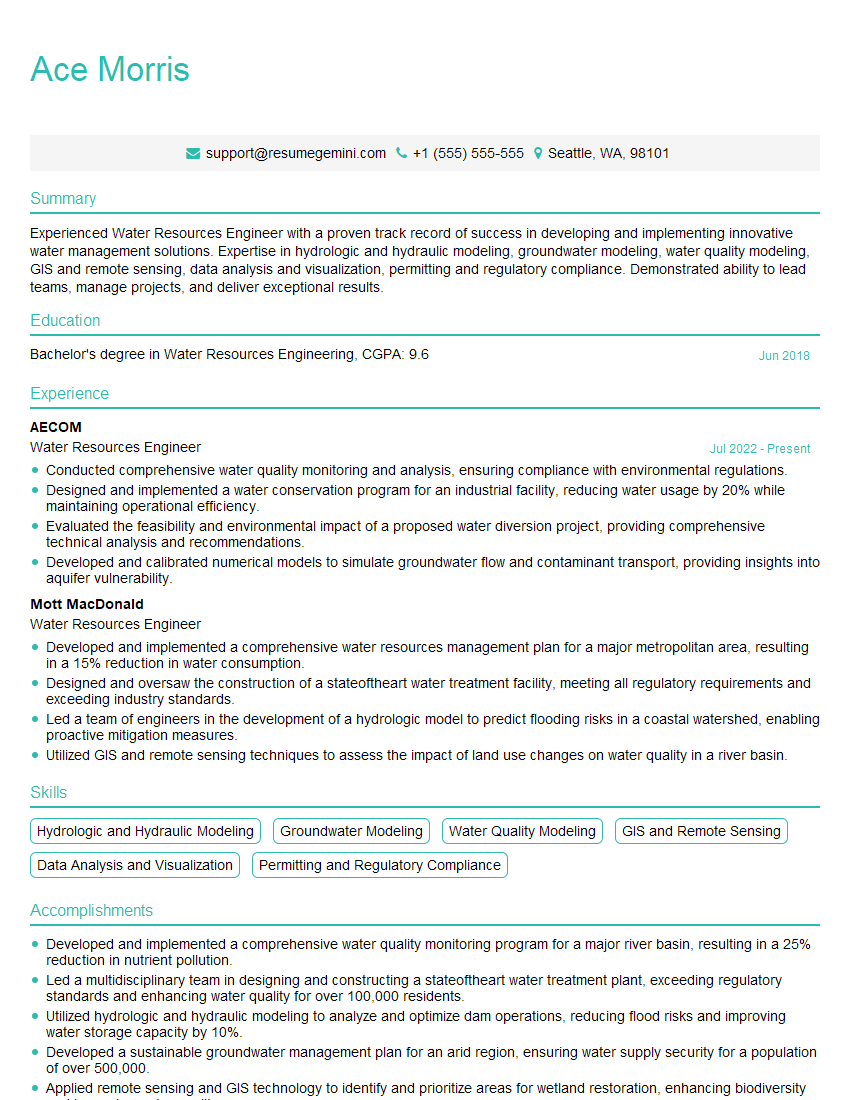
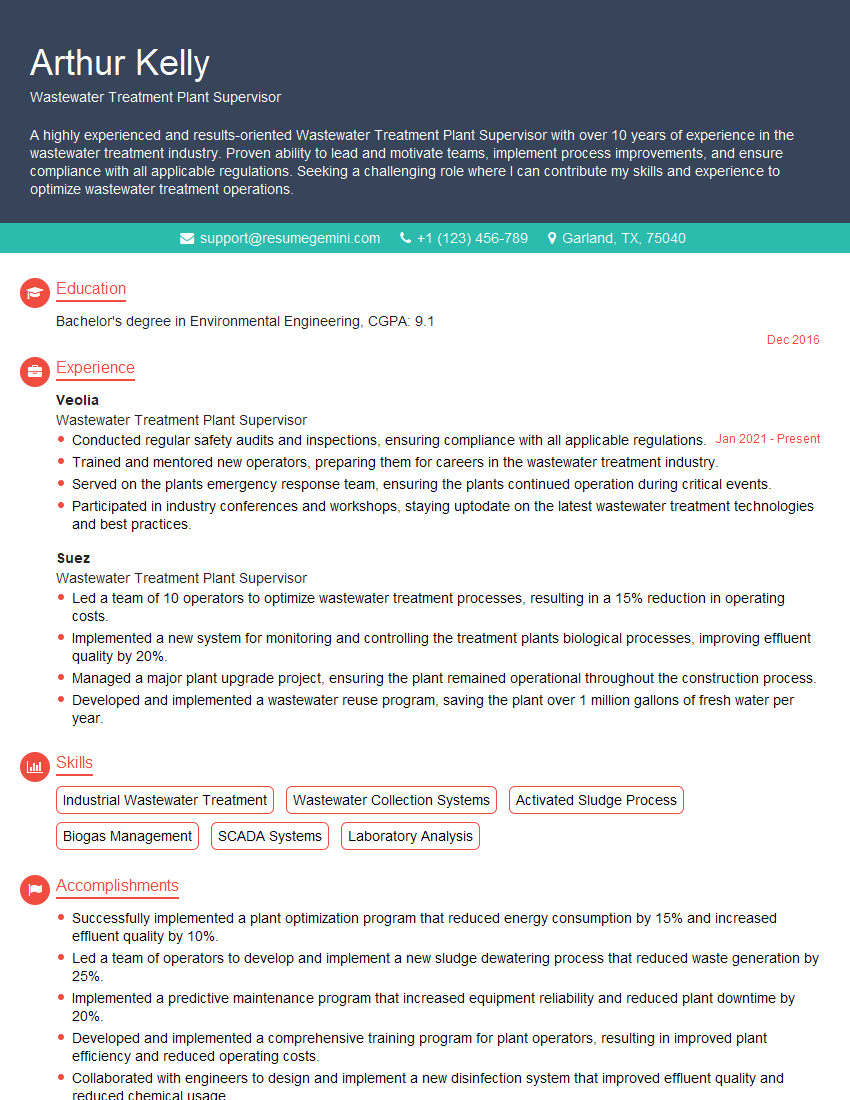
Mastering Industrial Wastewater Management opens doors to a rewarding career with significant growth potential in a field crucial for environmental sustainability. To maximize your job prospects, crafting a strong, ATS-friendly resume is essential. ResumeGemini is a trusted resource that can help you build a compelling resume tailored to showcase your skills and experience effectively. Examples of resumes specifically designed for Industrial Wastewater Management professionals are available to guide you. Invest the time to create a resume that truly reflects your capabilities and helps you land your dream job.
Explore more articles
Users Rating of Our Blogs
Share Your Experience
We value your feedback! Please rate our content and share your thoughts (optional).
What Readers Say About Our Blog
To the interviewgemini.com Webmaster.
Very helpful and content specific questions to help prepare me for my interview!
Thank you
To the interviewgemini.com Webmaster.
This was kind of a unique content I found around the specialized skills. Very helpful questions and good detailed answers.
Very Helpful blog, thank you Interviewgemini team.