The right preparation can turn an interview into an opportunity to showcase your expertise. This guide to Prenatal and Postnatal Support interview questions is your ultimate resource, providing key insights and tips to help you ace your responses and stand out as a top candidate.
Questions Asked in Prenatal and Postnatal Support Interview
Q 1. Describe your experience supporting breastfeeding mothers.
Supporting breastfeeding mothers is a multifaceted role requiring a blend of education, practical assistance, and emotional support. My approach begins with a thorough assessment of the mother’s individual needs and circumstances, considering factors like previous breastfeeding experience, infant latch, and any existing medical conditions.
I provide evidence-based education on proper latch techniques, milk supply management, and addressing common challenges such as engorgement, mastitis, and nipple soreness. I guide mothers on the importance of adequate hydration and nutrition for successful breastfeeding. Hands-on support includes demonstrating effective latch positions, assessing milk transfer, and helping mothers find comfortable positions. Importantly, I create a safe and supportive environment where mothers feel empowered to ask questions and express concerns without judgment.
For example, I recently worked with a mother experiencing latch difficulties. After observing her baby’s feeding, I identified that a slight adjustment to her baby’s positioning was needed. With gentle guidance and demonstrations, the baby latched effectively, and the mother’s confidence soared. I also connected her with a lactation consultant for ongoing support.
Q 2. Explain the stages of labor and your role in supporting each stage.
Labor is typically divided into three stages, each with distinct characteristics and requirements for support.
- Stage 1: Early, Active, and Transition – This stage begins with the onset of regular contractions and ends with the complete dilation of the cervix (10cm). Early labor is characterized by infrequent and relatively mild contractions, allowing for rest and relaxation. As labor progresses to the active phase, contractions become more intense and frequent. My role includes monitoring the mother’s progress, providing comfort measures such as massage, breathing techniques, and emotional support. The transition phase is particularly challenging and requires significant encouragement and reassurance.
- Stage 2: Pushing and Delivery – This stage begins with complete cervical dilation and ends with the birth of the baby. My role during this phase involves guiding the mother through pushing efforts, monitoring the baby’s heart rate, and assisting the healthcare provider with the delivery. It involves offering continuous encouragement and praise.
- Stage 3: Delivery of the Placenta – This final stage involves the delivery of the placenta. I monitor for postpartum hemorrhage and assist with any necessary interventions, providing emotional support as the mother transitions into parenthood.
Throughout all stages, my goal is to provide personalized support tailored to each mother’s individual needs and preferences, ensuring a safe and positive birthing experience.
Q 3. How would you address a mother experiencing postpartum depression?
Postpartum depression (PPD) is a serious condition affecting many new mothers. My approach involves recognizing the signs and symptoms, which can include persistent sadness, anxiety, loss of interest in activities, and changes in sleep and appetite. It’s crucial to create a non-judgmental, empathetic environment where the mother feels safe to share her feelings without fear of criticism.
My first step is to validate the mother’s emotions and emphasize that PPD is a treatable condition. I then provide education on PPD, its causes, and available treatment options. This includes recommending that she speak with her physician, considering therapy, and exploring support groups. I also focus on practical support, such as assistance with childcare or household chores, to alleviate some of the stressors contributing to her PPD.
For instance, I recently supported a mother struggling with PPD. I listened patiently as she shared her feelings, validated her experiences, and encouraged her to seek professional help. I also coordinated a meal train with other mothers in her support network to provide practical relief. By combining empathetic listening, practical assistance, and encouragement to seek professional support, I helped her regain her sense of self and begin her healing journey.
Q 4. What are the common nutritional needs of pregnant and postpartum women?
Both pregnant and postpartum women have unique nutritional needs to support their own health and the growth and development of the baby (during pregnancy) and recovery (postpartum).
- Pregnancy: Increased caloric intake is necessary, along with sufficient protein, iron, folic acid, calcium, and iodine. These nutrients are crucial for fetal growth and development, preventing complications like anemia and neural tube defects. A balanced diet including fruits, vegetables, whole grains, and lean protein is essential.
- Postpartum: Nutritional needs remain high to support healing and lactation. Adequate hydration is vital, along with increased protein intake for tissue repair and milk production. Iron, calcium, and other essential vitamins and minerals are also critical during this period. Many healthcare providers recommend a healthy diet along with prenatal vitamins that continue to support the mother post-delivery.
I educate women about the importance of these specific nutrients and offer guidance on creating healthy meal plans that meet their individual needs and dietary preferences. I also discuss the importance of avoiding harmful substances such as alcohol and tobacco.
Q 5. How do you assess a newborn’s health immediately after birth?
Immediately after birth, a newborn’s health is assessed using the Apgar score, a quick and simple method to evaluate the baby’s overall condition. The Apgar score assesses five key areas: appearance (skin color), pulse (heart rate), grimace (reflex irritability), activity (muscle tone), and respiration (breathing). Each area receives a score from 0 to 2, with a total score ranging from 0 to 10.
In addition to the Apgar score, I also visually assess the baby’s physical features, checking for any obvious birth defects or abnormalities. I monitor the baby’s heart rate, breathing, and temperature. I observe for signs of respiratory distress, such as grunting or retractions. I pay attention to the baby’s overall activity level and responsiveness. Any concerns are immediately communicated to the attending physician.
Apgar scores of 7-10 generally indicate a healthy baby, while lower scores may suggest the need for further intervention. This immediate assessment is crucial for identifying any potential problems and providing prompt medical attention if required.
Q 6. Explain the benefits of skin-to-skin contact for newborns.
Skin-to-skin contact, also known as kangaroo care, offers numerous benefits for newborns. It’s a powerful way to foster bonding between parent and baby and has significant physiological impacts on the newborn.
- Thermoregulation: Skin-to-skin contact helps stabilize the newborn’s body temperature, reducing the risk of hypothermia.
- Heart Rate and Breathing: It can help regulate the newborn’s heart rate and breathing, promoting a more stable physiological state.
- Improved Sleep and Reduced Stress: Skin-to-skin contact can promote longer periods of sleep and reduce stress hormones in the newborn.
- Breastfeeding Support: It facilitates breastfeeding initiation and success by triggering the release of hormones crucial for lactation and promoting effective latch.
- Parent-Infant Bonding: It promotes a deep sense of connection and bonding between the parent and the newborn.
I strongly advocate for skin-to-skin contact, educating parents about its benefits and encouraging them to engage in this practice as soon as possible after birth, unless medically contraindicated.
Q 7. Describe your experience providing emotional support to new parents.
Providing emotional support to new parents is a cornerstone of my practice. The transition to parenthood is a significant life change accompanied by a wide range of emotions—joy, excitement, anxiety, fear, and even exhaustion. My role is to provide a listening ear, validate their experiences, and offer guidance and reassurance.
I create a space where parents feel comfortable expressing their concerns and anxieties without judgment. I actively listen to their worries, offering empathy and understanding. I provide education on the normal developmental milestones of infants, helping to alleviate anxieties related to their baby’s behavior or progress. I also empower parents by providing them with resources and strategies for coping with the challenges of parenthood, such as parenting classes, support groups, and information on sleep training.
I remember one couple who expressed immense anxiety about their firstborn’s sleep patterns. By actively listening, I validated their feelings and provided evidence-based information on safe sleep practices and strategies to establish a consistent sleep routine. This support alleviated their stress and improved their confidence in their parenting abilities.
Q 8. How would you educate a pregnant woman about the signs of labor?
Recognizing the signs of labor is crucial for expectant mothers. Labor typically begins gradually, with subtle changes progressing to more intense and frequent contractions. It’s important to differentiate between Braxton Hicks contractions (false labor) and true labor contractions.
- Contractions: True labor contractions become stronger, longer, and more frequent over time. They are felt in the abdomen and back, and don’t go away with rest or changing positions. Braxton Hicks are irregular and often subside with rest or hydration.
- Water Breaking: The rupture of the amniotic sac, resulting in a gush or trickle of fluid, is another key sign. This should prompt immediate contact with a healthcare provider.
- Bloody Show: A pinkish or brownish discharge, called the bloody show, may occur as the cervix begins to dilate and efface. This is a mucus plug that seals the cervix during pregnancy.
- Other Signs: These can include lower back pain (often intense and persistent), pressure or feeling of heaviness in the pelvis, diarrhea, nausea, and nesting instincts (a sudden urge to clean and prepare for the baby).
I educate pregnant women using visual aids like charts depicting contraction patterns and explaining the difference between true and false labor. Role-playing scenarios helps them confidently identify and respond to labor signs. I emphasize the importance of contacting their healthcare provider as soon as they suspect they are in labor to ensure timely assessment and support.
Q 9. What are the common physical challenges faced by postpartum women, and how would you address them?
Postpartum women face numerous physical challenges. These are often related to hormonal changes, the physical demands of childbirth, and the adjustment to motherhood.
- Fatigue: Sleep deprivation and the demands of caring for a newborn often result in extreme exhaustion. We address this by providing education on sleep hygiene and encouraging partners or family to assist with newborn care, enabling the mother to rest.
- Pain: Perineal pain (pain in the area between the vagina and anus), episiotomy or laceration pain, abdominal pain, and headaches are common. Pain management strategies include medication (as prescribed), ice packs, sitz baths, and comfortable positioning.
- Postpartum Bleeding: Lochia, or postpartum bleeding, typically lasts for several weeks. We educate mothers about normal versus excessive bleeding and signs of potential complications like postpartum hemorrhage.
- Constipation: Hormonal changes and decreased physical activity can lead to constipation. We encourage high-fiber diets, increased fluid intake, and gentle exercise as appropriate.
- Breast Changes: Breast engorgement, pain, and mastitis (breast infection) are common. We teach proper breastfeeding techniques, provide guidance on expressing milk, and recommend remedies for engorgement and pain.
Addressing these challenges involves a holistic approach, combining medical interventions (where necessary), education, emotional support, and encouragement of self-care. We create personalized plans to address individual needs and ensure mothers feel supported and empowered during their recovery.
Q 10. How would you respond to a breastfeeding mother experiencing latch difficulties?
Latch difficulties are a common concern for breastfeeding mothers. Successful latch involves proper positioning of the baby and a deep attachment to the breast, ensuring effective milk transfer and preventing nipple pain.
My approach involves a step-by-step assessment:
- Observe the Latch: I carefully observe the baby’s position and how they attach to the breast. I look for signs of a good latch, such as the baby’s mouth covering a wide area of the areola (the dark area around the nipple), and the absence of nipple pain for the mother.
- Positioning Techniques: I help the mother adopt different breastfeeding positions (e.g., cradle hold, football hold) to find what works best for both her and the baby. Correct positioning significantly improves latch.
- Assess Baby’s Sucking Pattern: A baby with a good latch will suck rhythmically and swallow frequently. A weak or ineffective suck may indicate a latch problem.
- Nipple Care: I provide guidance on proper nipple care to prevent soreness and cracking, which can deter breastfeeding. This might involve lanolin application or other soothing techniques.
- Referral: If latch difficulties persist despite these interventions, I recommend a consultation with a lactation consultant for further assessment and support.
I emphasize the importance of patience and persistence, as establishing a successful latch often takes time and practice. Providing encouragement and emotional support alongside practical techniques is key to successful breastfeeding.
Q 11. What are the different types of postpartum support you offer?
Postpartum support encompasses a wide range of services tailored to the individual needs of the mother. My offerings include:
- Physical Recovery Support: This includes guidance on pain management, managing postpartum bleeding, and promoting physical healing.
- Emotional Support: Addressing postpartum mood disorders (such as postpartum depression and anxiety) through counseling, education, and appropriate referrals.
- Breastfeeding Support: Assistance with latch, milk supply, and addressing common breastfeeding challenges.
- Infant Care Education: Guidance on safe sleep practices, feeding cues, diapering, and overall newborn care.
- Nutrition Counseling: Advice on healthy eating habits to support the mother’s recovery and provide adequate nutrients for breastfeeding.
- Family Planning Counseling: Information and support regarding contraception options and future family planning.
- Community Resources: Connecting mothers with local support groups, community health services, and other relevant resources.
My approach is highly individualized, recognizing that every mother’s experience is unique. I work closely with each mother to create a personalized support plan that addresses her specific needs and concerns.
Q 12. Explain the signs of postpartum hemorrhage and your role in managing it.
Postpartum hemorrhage (PPH) is defined as excessive blood loss after childbirth. It’s a serious complication that requires immediate medical attention. Early recognition is crucial to prevent severe consequences.
- Signs of PPH: These include soaking more than one pad per hour, passing large blood clots, feeling faint or dizzy, experiencing a rapid heart rate, and persistent heavy vaginal bleeding.
- My Role: My role involves vigilant monitoring of the mother’s blood loss, assessing vital signs, and recognizing early warning signs. I immediately alert the healthcare team if I suspect a PPH. I’m trained to assist with initial interventions such as fundal massage (massaging the uterus to help it contract and reduce bleeding), and administering medications as prescribed.
Prevention is key. Therefore, I educate mothers on the signs and symptoms of PPH and emphasize the importance of immediate medical attention if they experience excessive bleeding. We also implement preventative measures, such as close monitoring of blood loss in the postpartum period and prompt treatment of any underlying causes.
Q 13. How do you ensure the safety and well-being of both mother and baby?
Ensuring the safety and well-being of both mother and baby is paramount. This involves a multifaceted approach encompassing several key aspects:
- Close Monitoring: Regularly assessing the mother’s vital signs, monitoring the baby’s feeding, sleeping, and overall health, and promptly addressing any concerns.
- Safe Sleep Practices: Educating mothers on safe sleep practices, such as placing the baby on their back to sleep on a firm surface, ensuring the crib is safe and free from loose bedding.
- Infection Prevention: Implementing infection control measures, such as hand hygiene, to protect the mother and baby from infection.
- Education and Empowerment: Providing comprehensive education to empower mothers with knowledge and skills to make informed decisions about their care and the care of their baby.
- Early Detection of Complications: Promptly identifying and managing any potential complications, such as postpartum hemorrhage, postpartum depression, or neonatal problems, through close observation and prompt referral.
- Collaboration: Working collaboratively with other healthcare professionals, such as physicians, nurses, and lactation consultants, to provide comprehensive and coordinated care.
A proactive and collaborative approach, coupled with continuous monitoring and education, is essential for optimizing the safety and well-being of both mother and baby.
Q 14. What strategies do you employ to promote bonding between mother and baby?
Promoting bonding between mother and baby is crucial for healthy development. This involves creating a supportive and nurturing environment.
- Skin-to-skin contact: Encouraging early and frequent skin-to-skin contact, which helps regulate the baby’s temperature, heart rate, and blood sugar, and fosters a sense of closeness between mother and baby.
- Breastfeeding: Promoting breastfeeding, as it releases hormones that enhance bonding and provides numerous benefits for both mother and baby.
- Infant Massage: Teaching gentle infant massage techniques, which can promote relaxation and strengthen the bond between mother and baby.
- Eye Contact and Talking: Encouraging eye contact and talking to the baby helps build a connection and stimulate the baby’s development.
- Creating a Relaxing Environment: Providing a calm and comfortable space for the mother and baby to interact and bond without interruptions.
- Family Involvement: Supporting the involvement of partners and other family members in bonding activities.
I encourage mothers to follow their instincts and embrace the unique ways they connect with their newborns. We avoid pressure and instead focus on creating a positive and supportive environment that facilitates natural bonding.
Q 15. Describe your experience with providing newborn care education.
My experience in newborn care education encompasses a wide range of topics, delivered through both individual sessions and group classes. I tailor my approach to each family’s unique needs and learning styles. For example, I might demonstrate safe swaddling techniques for a new parent struggling with it, or provide detailed explanations on umbilical cord care, using visual aids like diagrams and videos to ensure understanding. I also incorporate interactive elements, like demonstrations and hands-on practice, to make the learning engaging and memorable. My classes cover essential topics such as safe sleep practices, diapering, feeding (breastfeeding and bottle-feeding), soothing techniques, and recognizing signs of illness.
I believe in empowering parents with the knowledge and confidence to care for their newborns. A recent example involves a family who struggled with latch difficulties while breastfeeding. Through personalized support and practical guidance, including demonstrations and troubleshooting common issues, they were able to successfully establish breastfeeding. This successful outcome underscored the importance of individualized education and ongoing support in building parenting confidence.
Career Expert Tips:
- Ace those interviews! Prepare effectively by reviewing the Top 50 Most Common Interview Questions on ResumeGemini.
- Navigate your job search with confidence! Explore a wide range of Career Tips on ResumeGemini. Learn about common challenges and recommendations to overcome them.
- Craft the perfect resume! Master the Art of Resume Writing with ResumeGemini’s guide. Showcase your unique qualifications and achievements effectively.
- Don’t miss out on holiday savings! Build your dream resume with ResumeGemini’s ATS optimized templates.
Q 16. How would you address concerns about infant sleep?
Addressing concerns about infant sleep requires a holistic approach. It starts with a thorough assessment of the infant’s sleep habits, including their sleep schedule, feeding patterns, and overall health. I use evidence-based information to guide my recommendations, ensuring safety and health are prioritized. I always emphasize safe sleep practices like placing the baby on their back on a firm surface, in a crib free of loose bedding. Crucially, I avoid promoting potentially harmful methods.
Many parents struggle with sleep training. I explain different approaches, such as the Ferber method or gradual withdrawal, clarifying the pros and cons of each. I help parents choose the strategy best suited for their family’s values and the infant’s temperament. We also discuss managing parental expectations, as newborns have different sleep patterns. Addressing anxieties and building confidence in the parent’s ability to manage the situation is an essential component.
For instance, I recently worked with parents concerned about their baby’s frequent night wakings. Through careful assessment and discussion, we identified a feeding pattern that was inadvertently reinforcing the wakings. By adjusting the feeding schedule and implementing a gentle approach to sleep training, the baby’s sleep improved dramatically. The parents felt empowered and confident in their ability to address future sleep challenges.
Q 17. How do you handle difficult conversations with clients?
Difficult conversations require empathy, active listening, and a non-judgmental approach. I start by creating a safe and comfortable space for open communication. I use reflective listening to ensure I understand the client’s perspective before responding. For example, if a client expresses frustration about breastfeeding challenges, I’ll reflect back their feelings: “It sounds incredibly frustrating when breastfeeding isn’t going as planned.”
I use clear and concise language, avoiding jargon, and always validate their emotions. If there’s a disagreement, I strive to find common ground and focus on solutions collaboratively. I might say, “I understand your concerns. Let’s explore some different approaches together to see what might work best for your family.” Sometimes, it may be necessary to involve other healthcare professionals to provide more specialized support. Professional boundaries are crucial, and if I’m unable to assist, I will always refer the client to an appropriate resource.
I remember one instance where a client was struggling with postpartum depression and felt judged for not bonding instantly with her baby. By creating a safe space and actively listening to her feelings, she felt understood and less alone. We worked together to develop a plan for managing her emotions and connecting with mental health support.
Q 18. What are the key elements of a postpartum plan of care?
A comprehensive postpartum plan of care addresses the physical, emotional, and psychological needs of the mother and the newborn. Key elements include:
- Physical recovery: Monitoring vital signs, wound healing (if applicable), and addressing pain management.
- Nutritional guidance: Supporting healthy eating habits for both the mother and the baby.
- Mental health assessment: Screening for postpartum depression, anxiety, and other mental health conditions.
- Infant care education: Instruction on safe sleep practices, feeding, diapering, and newborn care.
- Family planning discussions: Guidance on contraception and future family planning.
- Support systems: Connecting mothers with community resources, support groups, and peer-to-peer networks.
- Follow-up appointments: Scheduling regular checkups for both the mother and the baby to monitor their health and address any concerns.
The plan should be individualized, flexible, and responsive to the evolving needs of the family. It’s crucial that the plan incorporates realistic expectations and acknowledges the dynamic nature of the postpartum period.
Q 19. What is your understanding of the impact of perinatal mental health?
Perinatal mental health encompasses the emotional well-being of individuals during pregnancy and the postpartum period. It’s a significant area of concern because untreated perinatal mental health conditions like postpartum depression (PPD) and postpartum anxiety (PPA) can have a profound impact on the mother, the baby, and the family unit. PPD and PPA can manifest as mood swings, feelings of sadness or hopelessness, anxiety, difficulty sleeping, and changes in appetite. These conditions can interfere with the mother’s ability to care for herself and her baby, impacting attachment, bonding, and infant development.
Early detection and intervention are crucial. Screening tools are often utilized to identify individuals at risk and connect them with appropriate care. Treatment options vary from therapy, medication, to support groups and peer support networks. The impact on the family dynamics is considerable, and support for the entire family is often essential.
Q 20. How do you advocate for clients’ needs within a healthcare system?
Advocating for clients within the healthcare system involves understanding the complexities of the system and knowing how to navigate it effectively. This includes understanding insurance coverage, referral processes, and available resources. I will act as a liaison between the client and the healthcare team, ensuring their voices are heard and their needs are met. This may involve coordinating appointments, assisting with paperwork, or communicating directly with physicians or other healthcare professionals.
For example, if a client is having difficulty accessing necessary medications or therapies, I will assist them in navigating the insurance process and exploring other options. It’s about ensuring the client receives the best possible care, and it sometimes requires creative problem-solving and a thorough understanding of available resources. I strive to empower my clients with the knowledge and tools to advocate for themselves. Open communication and transparent discussion about the limitations and possibilities within the system is important.
Q 21. How would you support a mother who chooses not to breastfeed?
Supporting a mother who chooses not to breastfeed is crucial. My role is to respect her decision without judgment and provide her with evidence-based information about safe and effective alternatives, primarily formula feeding. I will never pressure or shame a mother for her choice. It’s imperative to empower the mother to feel confident in her decision, whatever it might be. I will answer questions openly and honestly, providing her with information on safe formula preparation, feeding techniques, and the nutritional needs of her baby.
Often, women choose not to breastfeed for various reasons—ranging from physical challenges, such as insufficient milk supply or latch difficulties, to personal preferences or other reasons. It’s essential to address her concerns and offer personalized support while ensuring her baby receives adequate nutrition. Furthermore, providing information about the social and emotional support available for formula-feeding parents can significantly help mitigate feelings of isolation or judgment.
Q 22. Describe your experience with different birthing positions and techniques.
Birthing positions and techniques significantly impact the birthing experience. The optimal position depends on individual factors, such as the mother’s comfort level, the baby’s position, and the stage of labor.
- Upright positions (standing, squatting, kneeling, or using a birthing ball) can utilize gravity to help the baby descend and can lead to shorter labor. For example, squatting opens the pelvic outlet, creating more space for the baby.
- Lateral positions (lying on the side) can be helpful for managing back pain and promoting relaxation. This position can also improve blood flow to both the mother and baby.
- Semi-recumbent positions (leaning back slightly) can offer comfort during labor and may be preferred for certain procedures, such as an epidural.
- Water birth offers buoyancy and relaxation, which some find beneficial. It can reduce pain perception and muscle tension.
- Various techniques, such as breathing exercises, massage, and aromatherapy, can be incorporated into any position to manage pain and promote relaxation during labor.
My experience encompasses guiding mothers through various positions to find what suits them best, ensuring safety and comfort throughout the process. I regularly assess the mother’s progress and adjust positions accordingly, promoting informed decision-making within a supportive and safe environment.
Q 23. Explain the common causes of postpartum pain and its management.
Postpartum pain is common, often stemming from several factors.
- Perineal trauma: Tears or episiotomies during delivery are frequent causes of pain and discomfort.
- Uterine contractions: The uterus contracts to return to its pre-pregnancy size, causing cramping often described as intense menstrual cramps.
- Breast engorgement: Swelling and pain in the breasts, particularly in the first few days postpartum, is very common.
- Hemorrhoids: Increased pressure during pregnancy and delivery can lead to hemorrhoids, causing pain and discomfort.
- Muscle aches and soreness: The physical demands of labor and delivery can leave mothers feeling achy.
Management involves a multifaceted approach:
- Pain relief medication: Over-the-counter analgesics like ibuprofen or acetaminophen, or stronger prescription medications as needed.
- Ice packs and warm compresses: Ice helps reduce swelling, while warm compresses alleviate pain and muscle soreness.
- Perineal care: Sitz baths, topical anesthetics, and proper hygiene help promote healing after perineal trauma.
- Breastfeeding support: Proper latch techniques and positioning can reduce breast pain during breastfeeding.
- Rest and relaxation: Ample rest is crucial for recovery.
I work closely with mothers to address their specific pain concerns, recommending and adjusting pain management strategies as needed, while emphasizing the importance of rest and proper self-care.
Q 24. How do you adapt your support based on cultural and family preferences?
Cultural and family preferences are paramount in prenatal and postnatal support. A truly holistic approach requires sensitivity and adaptability.
For example, some cultures encourage close family involvement in the birthing process and postpartum care, while others prefer more privacy. Some families may hold specific beliefs about nutrition and practices during the postpartum period. I’ve worked with families from diverse backgrounds, tailoring support plans to reflect these unique needs and preferences.
This includes:
- Respecting dietary restrictions: Being aware of and accommodating dietary restrictions based on cultural or religious practices.
- Incorporating traditional practices: Understanding and incorporating, where appropriate and safe, traditional healing practices that align with modern medical advice. This could include massage techniques or herbal remedies, after careful consideration of their safety.
- Adapting communication styles: Using language and communication strategies that resonate with the family’s cultural background.
- Including family members: Involving family members as desired and appropriate, respecting both the mother’s and family’s preferences.
Open and honest communication is key. I actively engage in conversations with families to understand their preferences and values, ensuring my support aligns with their cultural and personal beliefs while maintaining safety and evidence-based practice.
Q 25. What is your knowledge of newborn reflexes?
Newborn reflexes are involuntary movements or actions that are present from birth and typically disappear as the baby matures. These reflexes are essential indicators of neurological development.
- Rooting reflex: When the cheek is stroked, the baby turns its head towards the touch, searching for a nipple.
- Sucking reflex: Initiates sucking when something touches the roof of the mouth.
- Grasp reflex: When an object is placed in the palm, the baby automatically grasps it.
- Moro reflex (startle reflex): A sudden noise or movement causes the baby to extend its arms and legs and then draw them back in.
- Stepping reflex: When held upright with feet touching a surface, the baby will make stepping motions.
Assessing these reflexes during the newborn period is a critical part of the initial examination. Absence or abnormalities in these reflexes can signal potential neurological issues, necessitating further evaluation. I am experienced in evaluating these reflexes and interpreting their significance. Understanding these reflexes is crucial for providing appropriate care and identifying any potential developmental concerns.
Q 26. Describe your approach to providing education on infant safety.
Infant safety education is a cornerstone of my approach. I provide comprehensive and age-appropriate information to parents, focusing on practical strategies.
My approach includes:
- Safe sleep practices: Emphasis on placing babies on their backs to sleep on a firm surface, free from loose bedding, toys, and bumpers.
- Car seat safety: Proper installation and use of car seats, ensuring the baby is appropriately restrained.
- Safe handling and positioning: Correct techniques for holding, carrying, and positioning the baby to prevent falls and injuries.
- Home safety: Identifying and mitigating potential hazards in the home environment, such as electrical cords, sharp objects, and toxic substances.
- Water safety: Importance of close supervision near water sources, even shallow bathtubs.
I use clear, accessible language and visual aids to illustrate key safety points. I actively encourage parents to ask questions and address any concerns they may have. For example, I would demonstrate proper car seat installation, offering hands-on guidance to ensure parents understand and feel confident.
Q 27. What is your familiarity with common infant illnesses?
Familiarity with common infant illnesses is critical for providing timely and appropriate care. These illnesses often present with similar symptoms, necessitating accurate assessment.
- Respiratory infections: Common cold, bronchiolitis, pneumonia, often marked by coughing, congestion, and difficulty breathing.
- Gastrointestinal issues: Diarrhea, vomiting, colic, requiring careful monitoring of fluid intake and managing symptoms.
- Skin conditions: Diaper rash, eczema, requiring appropriate hygiene and skincare.
- Fever: A key indicator of infection, requiring close monitoring and potential medical intervention.
- Jaundice: Yellow discoloration of skin and eyes, requiring medical evaluation and possible treatment.
My approach involves careful observation of symptoms, thorough assessment, and prompt referral to medical professionals when necessary. I empower parents to recognize warning signs and understand when immediate medical attention is required. I am able to distinguish between minor self-limiting ailments and conditions that necessitate professional medical intervention.
Q 28. How would you respond to a parent expressing anxieties about parenthood?
Parental anxieties are common and entirely understandable. My approach focuses on creating a safe and supportive space for open communication.
I would start by validating their feelings, acknowledging that parenthood can be challenging and overwhelming.
My response would involve:
- Active listening: Attentively listening without judgment to understand the source of their anxieties.
- Empathy and validation: Acknowledging and validating their feelings, reassuring them that their concerns are normal.
- Information and education: Providing evidence-based information and resources to address their specific concerns.
- Normalizing feelings: Sharing common experiences or stories to reassure them they are not alone in their anxieties.
- Connecting to support systems: Referring them to support groups, mental health professionals, or other relevant resources.
For instance, if a parent expresses anxiety about their baby’s feeding, I would discuss normal feeding patterns, demonstrate proper latch techniques, and assess for any underlying concerns. If anxiety persists, referring to a lactation consultant or mental health professional would be appropriate. The goal is to equip parents with the knowledge and support they need to navigate the challenges of parenthood confidently.
Key Topics to Learn for Prenatal and Postnatal Support Interview
- Prenatal Care: Understanding the stages of pregnancy, common discomforts and complications, nutritional needs, and recommended exercise regimes. Practical application: Describe your experience providing education and support to expectant mothers.
- Postnatal Care: Recognizing postpartum depression and anxiety symptoms, breastfeeding support and challenges, newborn care basics (e.g., swaddling, diapering), and recovery guidance for mothers. Practical application: Detail your experience assisting new mothers with newborn care and addressing their physical and emotional well-being.
- Physical and Emotional Well-being: Understanding the physiological changes during pregnancy and postpartum, addressing common anxieties and fears, and promoting healthy coping mechanisms. Practical application: Share an example of how you helped a client navigate a challenging emotional or physical aspect of pregnancy or postpartum.
- Communication and Empathy: Developing effective communication techniques to build rapport with clients, actively listening to their concerns, and providing sensitive and compassionate support. Practical application: Describe a situation where you demonstrated excellent communication and empathy with a client.
- Evidence-Based Practices: Familiarity with current research and best practices in prenatal and postnatal care, including relevant guidelines and protocols. Practical application: Explain how you integrate evidence-based practices into your approach to client care.
- Professional Boundaries and Ethics: Maintaining professional boundaries, adhering to ethical guidelines, and ensuring client confidentiality. Practical application: Discuss your understanding of professional ethics and how you maintain client confidentiality.
- Collaboration and Teamwork: Working effectively with healthcare professionals (doctors, midwives, nurses) to provide holistic care for clients. Practical application: Describe your experience collaborating with a multidisciplinary team.
Next Steps
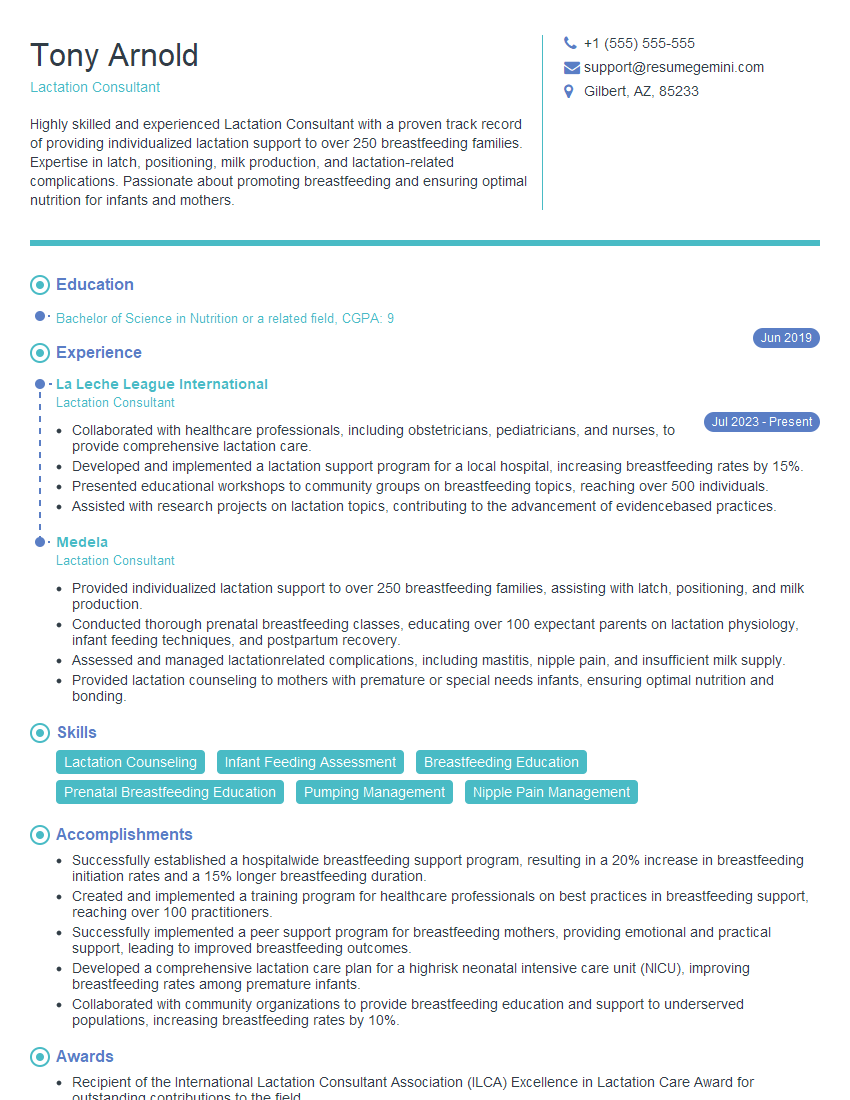
Mastering prenatal and postnatal support opens doors to rewarding careers with significant impact on families. A strong understanding of these crucial areas will significantly enhance your interview performance and job prospects. To increase your chances of landing your dream role, invest time in creating an ATS-friendly resume that showcases your skills and experience effectively. ResumeGemini is a trusted resource to help you build a professional and compelling resume. We provide examples of resumes tailored to Prenatal and Postnatal Support roles to guide you. Let ResumeGemini help you present your qualifications in the best possible light!
Explore more articles
Users Rating of Our Blogs
Share Your Experience
We value your feedback! Please rate our content and share your thoughts (optional).
What Readers Say About Our Blog
To the interviewgemini.com Webmaster.
Very helpful and content specific questions to help prepare me for my interview!
Thank you
To the interviewgemini.com Webmaster.
This was kind of a unique content I found around the specialized skills. Very helpful questions and good detailed answers.
Very Helpful blog, thank you Interviewgemini team.