Are you ready to stand out in your next interview? Understanding and preparing for Genetics and Chromosomal Disorders interview questions is a game-changer. In this blog, we’ve compiled key questions and expert advice to help you showcase your skills with confidence and precision. Let’s get started on your journey to acing the interview.
Questions Asked in Genetics and Chromosomal Disorders Interview
Q 1. Explain the process of karyotyping and its applications in diagnosing chromosomal disorders.
Karyotyping is a cytogenetic technique used to visualize and analyze an individual’s chromosomes. It involves obtaining a sample of cells (usually from blood or amniotic fluid), culturing them to stimulate cell division, arresting the cells during metaphase (when chromosomes are most condensed), staining them, and then photographing them under a microscope. The resulting image displays the complete set of chromosomes arranged in pairs according to size and banding patterns.
Applications in diagnosing chromosomal disorders are vast. By examining the karyotype, geneticists can identify numerical abnormalities (e.g., trisomy 21 in Down syndrome, where there are three copies of chromosome 21 instead of two) or structural abnormalities (e.g., deletions, translocations, or inversions). Karyotyping is crucial for prenatal diagnosis, postnatal diagnosis of developmental delays or intellectual disabilities, and cancer diagnosis (where karyotyping can reveal chromosomal changes associated with cancer progression).
For example, a karyotype showing 47,XX,+21 would indicate a female with Down syndrome (trisomy 21). A karyotype revealing a balanced translocation might explain recurrent miscarriages in a couple planning a family, as the balanced translocation can result in unbalanced gametes leading to fetal abnormalities.
Q 2. Describe different types of chromosomal abnormalities (e.g., deletions, duplications, translocations).
Chromosomal abnormalities arise from errors during cell division (meiosis or mitosis). They can be numerical or structural.
- Deletions: A segment of a chromosome is missing. For instance, Cri-du-chat syndrome results from a deletion on chromosome 5.
- Duplications: A segment of a chromosome is repeated. This can lead to an overabundance of the genes within that segment.
- Translocations: A segment of one chromosome breaks off and attaches to another chromosome. This can be reciprocal (a mutual exchange between two chromosomes) or Robertsonian (fusion of two acrocentric chromosomes).
- Inversions: A segment of a chromosome breaks off, flips 180 degrees, and reattaches. Paracentric inversions involve only one arm of the chromosome, while pericentric inversions involve the centromere.
- Aneuploidy: An abnormal number of chromosomes (e.g., trisomy, monosomy). Trisomy 21 (Down syndrome) is a common example of aneuploidy.
These abnormalities can have varying effects depending on the size and location of the chromosomal alteration, and whether the alteration is balanced (no net loss or gain of genetic material) or unbalanced (loss or gain of genetic material).
Q 3. What are the key features of Down syndrome, Turner syndrome, and Klinefelter syndrome?
These are all common examples of aneuploidy:
- Down syndrome (Trisomy 21): Characterized by three copies of chromosome 21. Features include intellectual disability, characteristic facial features, hypotonia (low muscle tone), and an increased risk of congenital heart defects.
- Turner syndrome (45,X): A monosomy characterized by the absence of one X chromosome in females. Features include short stature, webbed neck, ovarian dysgenesis (leading to infertility), and cardiovascular abnormalities.
- Klinefelter syndrome (47,XXY): A sex chromosome aneuploidy in males, characterized by the presence of an extra X chromosome. Features include tall stature, hypogonadism (underdeveloped testes), reduced fertility, and gynecomastia (breast development).
It’s crucial to remember that the severity of these conditions can vary significantly between individuals, and the presence of these chromosomal abnormalities doesn’t entirely dictate an individual’s potential or quality of life. Modern medical care and supportive therapies can greatly improve the outcomes for individuals with these conditions.
Q 4. Explain the principles of FISH (Fluorescence In Situ Hybridization) and its use in genetic diagnosis.
Fluorescence In Situ Hybridization (FISH) is a molecular cytogenetic technique used to detect and locate specific DNA sequences on chromosomes. It uses fluorescently labeled DNA probes that are complementary to the target DNA sequence. These probes hybridize (bind) to the complementary sequences on the chromosomes, and the location and intensity of the fluorescence signal can be visualized under a fluorescence microscope.
In genetic diagnosis, FISH is used to identify specific chromosomal abnormalities, such as deletions, duplications, translocations, and aneuploidy. For example, it can be used to detect the presence of extra copies of a specific chromosome in cases of trisomy or to identify microdeletions that may not be visible using standard karyotyping. FISH is particularly useful for detecting specific genes or chromosomal regions involved in various genetic disorders.
A common application is prenatal diagnosis, where FISH can rapidly detect aneuploidy for chromosomes 13, 18, 21, X, and Y in chorionic villus sampling or amniocentesis samples. This allows for quicker results than traditional karyotyping.
Q 5. Describe the process of polymerase chain reaction (PCR) and its applications in genetic testing.
Polymerase Chain Reaction (PCR) is a molecular biology technique used to amplify a specific DNA sequence. It involves repeated cycles of denaturation (separating the DNA strands), annealing (binding of primers to the target sequence), and extension (synthesis of new DNA strands by DNA polymerase). Each cycle doubles the number of copies of the target DNA sequence, leading to exponential amplification.
Applications in genetic testing are widespread. PCR is used for:
- Detecting mutations: Identifying specific changes in DNA sequences associated with genetic disorders.
- Analyzing gene expression: Measuring the amount of mRNA produced by a gene.
- Forensics: Amplifying DNA from small samples for identification purposes.
- Diagnostics: Detecting infectious agents (e.g., viruses, bacteria) through amplification of their DNA or RNA.
For example, PCR can be used to detect the presence of the mutated CFTR gene responsible for cystic fibrosis or to amplify specific regions of mitochondrial DNA for diagnosing mitochondrial disorders. The speed and sensitivity of PCR make it a highly valuable tool in genetic testing.
Q 6. What are the ethical considerations surrounding genetic testing and counseling?
Ethical considerations surrounding genetic testing and counseling are complex and multifaceted. They include:
- Informed consent: Individuals undergoing genetic testing must fully understand the implications of the test results, including the potential benefits and limitations, before consenting to the procedure.
- Privacy and confidentiality: Genetic information is highly sensitive and needs to be protected from unauthorized access or disclosure.
- Psychological impact: Receiving genetic test results can have profound psychological effects on individuals and their families, particularly if the results indicate a predisposition to a serious illness.
- Reproductive decision-making: Genetic testing results may influence reproductive choices, raising ethical concerns about selective abortion or reproductive technologies.
- Genetic discrimination: There is a concern that genetic information may be used to discriminate against individuals in employment, insurance, or other areas of life.
- Incidental findings: Genetic testing may uncover unexpected information about an individual’s health or genetic makeup that they were not prepared for.
Genetic counselors play a vital role in addressing these ethical concerns by providing individuals with comprehensive information, support, and guidance in making informed decisions about genetic testing and its implications.
Q 7. Explain the concept of genetic linkage and its importance in mapping genes.
Genetic linkage refers to the tendency of genes located close together on the same chromosome to be inherited together. The closer two genes are, the less likely they are to be separated by recombination during meiosis (crossing over). This principle is based on the fact that during meiosis, homologous chromosomes exchange genetic material, creating new combinations of alleles.
The importance of genetic linkage in mapping genes lies in its ability to estimate the distances between genes on a chromosome. By observing the frequency of recombination between linked genes, geneticists can construct genetic maps showing the relative positions of genes on a chromosome. This is crucial for understanding the organization of genes and for identifying genes associated with specific traits or diseases. The further apart two genes are, the higher the probability of recombination occurring between them and, thus, the greater the distance on the genetic map.
For instance, if two genes are very close together and show a low recombination frequency, they are considered tightly linked. Conversely, genes with a high recombination frequency are considered loosely linked, indicating they are far apart on the chromosome. This information is crucial for identifying disease-causing genes or for developing diagnostic tools.
Q 8. Discuss the role of epigenetics in disease development.
Epigenetics is the study of heritable changes in gene expression that do not involve alterations to the underlying DNA sequence. Think of it like this: your DNA is the hardware of a computer, while epigenetics is the software that determines which programs (genes) run and how strongly. These changes are often mediated by chemical modifications to DNA or its associated histone proteins, affecting how tightly DNA is packed and therefore accessible to the cellular machinery that reads and transcribes genes.
In disease development, epigenetic alterations can either initiate or contribute to the disease process. For instance, abnormal methylation patterns (a type of epigenetic modification) are frequently observed in cancers. Genes that normally suppress tumor growth might be silenced by hypermethylation (excessive methylation), while genes promoting cancer growth might be activated by hypomethylation (reduced methylation). Another example is Prader-Willi syndrome and Angelman syndrome, both caused by deletions or dysregulation of genes on chromosome 15, but depending on which parent the deletion is inherited from, different phenotypes result, demonstrating the effect of parental imprinting (a type of epigenetic regulation). Environmental factors like diet, stress, and exposure to toxins can also induce epigenetic changes, increasing an individual’s susceptibility to various diseases later in life.
Q 9. Explain the difference between genotype and phenotype.
Genotype refers to an individual’s genetic makeup—the specific combination of alleles (different versions of a gene) they possess. Think of it as the blueprint. Phenotype, on the other hand, is the observable physical or biochemical characteristics of an organism, resulting from the interaction of its genotype with the environment. It’s the actual building constructed from the blueprint. For example, an individual might have the genotype for blue eyes (two copies of the blue eye allele), and their phenotype would indeed be blue eyes. However, the same genotype could lead to slightly different shades of blue depending on factors like light exposure. This illustrates the dynamic interaction between genotype and phenotype.
Q 10. What are single nucleotide polymorphisms (SNPs) and their significance?
Single nucleotide polymorphisms (SNPs) are single base-pair variations in the DNA sequence that occur commonly among individuals. They’re like tiny spelling mistakes in the genome. SNPs can occur within genes, in regulatory regions that control gene expression, or in non-coding regions. While many SNPs are harmless, some are associated with increased risk for certain diseases or conditions. For example, certain SNPs have been linked to an increased risk of heart disease, type 2 diabetes, or certain types of cancer. Researchers utilize SNPs in genome-wide association studies (GWAS) to identify genetic variations associated with complex traits and diseases. By comparing the SNPs present in individuals with and without a particular disease, scientists can identify regions of the genome that are likely involved in disease development.
Q 11. Describe different inheritance patterns (e.g., autosomal dominant, autosomal recessive, X-linked).
Different inheritance patterns describe how traits are passed down from parents to offspring.
- Autosomal Dominant: Only one copy of a mutated gene is needed to express the phenotype. Affected individuals usually have at least one affected parent. Examples include Huntington’s disease and achondroplasia.
- Autosomal Recessive: Two copies of a mutated gene are needed to show the phenotype. Affected individuals usually have unaffected parents who are carriers (possessing one copy of the mutated gene). Examples include cystic fibrosis and sickle cell anemia.
- X-linked: Genes reside on the X chromosome. X-linked recessive conditions are more common in males because they only have one X chromosome. Females require two mutated X chromosomes to exhibit the phenotype. Examples include hemophilia and Duchenne muscular dystrophy.
Understanding these patterns is crucial in genetic counseling, predicting disease risk, and developing effective treatments.
Q 12. Explain the principles of next-generation sequencing (NGS) and its advantages over traditional methods.
Next-Generation Sequencing (NGS) is a high-throughput technology that allows for massively parallel sequencing of DNA or RNA. Instead of sequencing one fragment at a time like traditional Sanger sequencing, NGS sequences millions or billions of fragments simultaneously. This significantly increases speed and reduces costs.
Advantages over traditional methods:
- Higher throughput: NGS can sequence an entire genome in a matter of days, whereas Sanger sequencing would take significantly longer.
- Lower cost: The cost per base sequenced has drastically decreased with NGS.
- Improved sensitivity and accuracy: NGS allows for detection of low-frequency variants that might be missed by traditional methods.
NGS is used extensively in various applications, including whole genome sequencing, exome sequencing (sequencing only protein-coding regions), and RNA sequencing (transcriptome analysis). Its application in personalized medicine is particularly exciting, enabling targeted treatments based on an individual’s unique genetic profile.
Q 13. How are microarrays used in detecting chromosomal abnormalities?
Microarrays are powerful tools for detecting chromosomal abnormalities. They consist of thousands of DNA probes attached to a solid surface. These probes represent specific DNA sequences across the genome. When a sample DNA (e.g., from a patient’s blood) is hybridized (bound) to the microarray, the intensity of the signal at each probe reflects the copy number of the corresponding DNA sequence in the sample. A higher than expected signal indicates a duplication, while a lower than expected signal suggests a deletion. This allows for the detection of chromosomal aneuploidies (abnormal number of chromosomes) like trisomy 21 (Down syndrome), as well as smaller chromosomal imbalances (copy number variations) that might not be detectable by karyotyping.
Comparative genomic hybridization (CGH) microarrays compare the patient’s DNA to a reference DNA, providing a more precise measurement of copy number changes.
Q 14. Discuss the challenges associated with interpreting genetic test results.
Interpreting genetic test results can be challenging due to several factors:
- Variants of uncertain significance (VUS): Many genetic variations have unknown clinical significance. It’s unclear whether they are harmless polymorphisms or disease-causing mutations.
- Penetrance and expressivity: Even if a disease-causing mutation is identified, the degree to which the phenotype is expressed varies between individuals (expressivity), and not everyone with the mutation develops the disease (incomplete penetrance).
- Gene-environment interactions: The interaction between genetic predisposition and environmental factors can complicate interpretation. A genetic predisposition doesn’t guarantee disease development.
- Complex diseases: Many diseases are influenced by multiple genes and environmental factors, making it challenging to pinpoint specific genetic causes.
- Ethical and psychosocial implications: The results can have profound emotional and social implications for patients and families. Genetic counseling is crucial to provide appropriate support and interpretation.
Careful consideration of the patient’s clinical history, family history, and the limitations of genetic testing are crucial for accurate and responsible interpretation of the results. Collaboration between geneticists, clinicians, and genetic counselors is often necessary to provide comprehensive care.
Q 15. What is the role of genetic counseling in managing families with genetic disorders?
Genetic counseling plays a crucial role in supporting families grappling with genetic disorders. It’s a process where trained professionals provide information and support to individuals and families affected by or at risk of inheriting genetic conditions. This involves interpreting complex genetic test results, discussing inheritance patterns, and exploring options for managing the condition or preventing its recurrence in future generations.
For example, a family with a history of cystic fibrosis might seek genetic counseling to understand their risk of having affected children. The counselor would explain the inheritance pattern (autosomal recessive), the probability of passing on the faulty gene, and available options like carrier screening, prenatal testing, and preimplantation genetic diagnosis (PGD). They also provide emotional support and help the family navigate difficult decisions.
In essence, genetic counselors act as bridges between complex medical information and the emotional realities of families facing genetic challenges.
Career Expert Tips:
- Ace those interviews! Prepare effectively by reviewing the Top 50 Most Common Interview Questions on ResumeGemini.
- Navigate your job search with confidence! Explore a wide range of Career Tips on ResumeGemini. Learn about common challenges and recommendations to overcome them.
- Craft the perfect resume! Master the Art of Resume Writing with ResumeGemini’s guide. Showcase your unique qualifications and achievements effectively.
- Don’t miss out on holiday savings! Build your dream resume with ResumeGemini’s ATS optimized templates.
Q 16. Describe the different types of prenatal genetic testing available.
Several prenatal genetic testing methods help assess the risk of chromosomal abnormalities and genetic disorders in a developing fetus. These include:
- Ultrasound: A non-invasive imaging technique that visualizes the fetus and can detect some structural abnormalities.
- Maternal Serum Screening: A blood test performed on the mother that measures levels of specific substances associated with chromosomal abnormalities like Down syndrome. This is a screening test, not a diagnostic test; a positive result requires further investigation.
- Non-Invasive Prenatal Testing (NIPT): A blood test that analyzes cell-free fetal DNA circulating in the mother’s blood. NIPT can detect chromosomal aneuploidies (abnormal number of chromosomes) like trisomy 21 (Down syndrome), trisomy 18 (Edwards syndrome), and trisomy 13 (Patau syndrome) with high accuracy. It’s less invasive than amniocentesis and chorionic villus sampling.
- Amniocentesis: A procedure where a small amount of amniotic fluid is withdrawn from the uterus using a needle. The fluid contains fetal cells that can be analyzed for chromosomal abnormalities and genetic disorders. This is a diagnostic test.
- Chorionic Villus Sampling (CVS): A procedure where a small sample of placental tissue (chorionic villi) is removed and analyzed for chromosomal abnormalities and genetic disorders. This is also a diagnostic test, offering earlier results than amniocentesis.
The choice of test depends on factors like maternal age, family history, and the level of risk the parents are willing to accept. Each test has its own advantages, limitations, and associated risks.
Q 17. Explain the concept of gene therapy and its potential applications.
Gene therapy aims to treat or prevent disease by correcting faulty genes or introducing new genes into a patient’s cells. This revolutionary approach holds immense potential for treating a wide range of genetic disorders previously considered incurable.
There are various approaches to gene therapy. One involves using viral vectors, such as adeno-associated viruses (AAVs), to deliver therapeutic genes into target cells. Another approach utilizes CRISPR-Cas9 gene editing technology to precisely modify genes within the cells. The choice of method depends on the specific genetic disorder and the target cells.
Examples of potential applications include treating inherited diseases like cystic fibrosis (by correcting the faulty CFTR gene), hemophilia (by introducing the gene for the missing clotting factor), and certain types of cancer (by targeting cancer-causing genes).
However, gene therapy is still relatively new and faces challenges, including the potential for off-target effects (unintended modifications to other genes), immune responses to viral vectors, and the difficulty of delivering therapeutic genes to the appropriate cells. While the potential is enormous, much research remains to ensure safe and effective application.
Q 18. What are the limitations of current genetic testing technologies?
Current genetic testing technologies, despite their advancements, possess several limitations:
- Incomplete coverage: Current technologies may not identify all genes or genetic variations associated with a particular condition. There may be variations in genes that are not yet well-understood.
- Incidental findings: Genetic testing might uncover unrelated genetic variations with uncertain clinical significance, posing ethical and psychological challenges for patients.
- Penetrance and expressivity: Even with a positive test result, the severity of the condition (penetrance) and how it manifests (expressivity) can vary greatly among individuals carrying the same genetic variation.
- Cost and accessibility: Advanced genetic testing can be expensive and inaccessible to many individuals, creating healthcare disparities.
- Interpretation challenges: Interpreting complex genetic data requires significant expertise, and variations in interpretation practices may lead to inconsistencies.
- Ethical considerations: Issues of privacy, discrimination, and potential misuse of genetic information need careful consideration.
Addressing these limitations requires ongoing research and development of more comprehensive, accurate, and affordable technologies, along with ethical guidelines for data handling and interpretation.
Q 19. Discuss the role of bioinformatics in analyzing genetic data.
Bioinformatics plays an essential role in analyzing the massive amounts of data generated by genetic testing. It uses computational tools and techniques to organize, manage, analyze, and interpret genetic information. Without bioinformatics, the sheer volume of data from genome sequencing, gene expression studies, and other genetic analyses would be unmanageable.
For instance, bioinformatics tools can be used to align sequences from different individuals to identify genetic variations, predict the functional consequences of these variations, and identify genes associated with particular traits or diseases. Bioinformatics also plays a crucial role in developing and implementing algorithms for analyzing NIPT data, identifying and interpreting copy number variations (CNVs), and predicting gene expression patterns.
In simpler terms, imagine trying to find a specific needle in a giant haystack. Bioinformatics provides the tools (algorithms, databases, software) to efficiently search and identify that specific needle (genetic variant of interest) within the vast haystack (the entire genome).
Q 20. How can you ensure patient confidentiality when handling genetic information?
Maintaining patient confidentiality when handling genetic information is paramount. This requires adherence to strict ethical guidelines and legal regulations, such as HIPAA in the United States. Key measures include:
- Secure data storage and transmission: Genetic data must be stored in secure, password-protected databases and transmitted using encrypted channels to prevent unauthorized access.
- Access control: Access to genetic information should be restricted to authorized personnel on a need-to-know basis.
- Data anonymization: When feasible, data should be anonymized to protect patient identities. However, this must be carefully balanced with the need for data analysis and research.
- Informed consent: Patients must be fully informed about how their genetic information will be used and protected before undergoing testing. Their consent should be documented clearly and explicitly.
- Compliance with regulations: Healthcare professionals and laboratories must comply with all relevant privacy regulations and industry best practices.
- Regular audits and security updates: Regular security audits and system updates are crucial to protect data from breaches and vulnerabilities.
Any breach of confidentiality can have significant consequences, both ethically and legally. Strong emphasis on security and responsible data handling is essential.
Q 21. Explain the implications of genetic testing for reproductive decisions.
Genetic testing significantly impacts reproductive decisions. Couples may choose to undergo genetic testing before conception, during pregnancy, or even after the birth of a child. The results can inform their choices regarding family planning.
For example, carrier screening before conception allows couples to assess their risk of having a child with a recessive genetic disorder. If both partners are carriers, they can discuss their options, which may include choosing not to have children, using donor gametes, or pursuing prenatal diagnosis during pregnancy.
Prenatal genetic testing during pregnancy can detect chromosomal abnormalities or genetic disorders in the developing fetus. This information enables parents to make informed decisions about continuing or terminating the pregnancy. This is a deeply personal decision, and genetic counselors play a crucial role in helping couples understand the implications and navigate their options.
Ultimately, genetic testing empowers couples to make informed, autonomous decisions about their reproductive future, aligned with their values and beliefs. However, it is important to emphasize that genetic testing doesn’t dictate reproductive choices; it provides information to help couples make choices that are best for them.
Q 22. How are genetic disorders diagnosed in newborns?
Diagnosing genetic disorders in newborns often involves a combination of methods, starting with a thorough physical examination to identify any visible abnormalities. This is followed by various screening tests.
Newborn Screening: This is a crucial first step, typically involving a blood test analyzing for specific metabolic disorders and genetic conditions like phenylketonuria (PKU) and cystic fibrosis. These are conditions that can be effectively managed with early intervention.
Chromosomal Analysis (Karyotyping): If abnormalities are suspected, karyotyping—a technique that examines the number and structure of chromosomes—can be performed. This helps detect conditions like Down syndrome (trisomy 21), Turner syndrome, and Klinefelter syndrome.
Targeted Genetic Testing: Based on family history or clinical findings, specific gene tests might be ordered to investigate particular suspected disorders. For instance, if a family has a history of cystic fibrosis, a test for the CFTR gene mutations could be conducted.
Genomic Microarray: This technique analyzes DNA for small deletions or duplications of chromosomal material, which can lead to various genetic conditions and often go undetected by karyotyping. This approach is especially helpful when a child exhibits multiple developmental or physical abnormalities.
Next-Generation Sequencing (NGS): A more recent, powerful approach is NGS, which allows simultaneous sequencing of many genes or even the entire genome. This is becoming increasingly common for diagnosing a wide array of genetic conditions, especially those with complex or unknown etiologies.
The choice of diagnostic method depends on the specific clinical suspicion, family history, and available resources. It’s often a collaborative process involving neonatologists, geneticists, and other specialists.
Q 23. Describe the role of genetic testing in cancer diagnosis and treatment.
Genetic testing plays a pivotal role in both cancer diagnosis and treatment. It helps identify specific genetic alterations within cancer cells that drive tumor growth and progression.
Diagnosis: Genetic testing can confirm a cancer diagnosis and classify its type and subtype. For example, in leukemia, genetic testing helps determine the specific type of leukemia, aiding in treatment planning. In breast cancer, testing for BRCA1/2 mutations can assess the risk of hereditary breast and ovarian cancer.
Prognosis: Genetic alterations can provide insights into the cancer’s aggressiveness and likelihood of recurrence. Some genetic mutations are associated with better prognoses, while others indicate a more aggressive cancer course.
Treatment Selection: Perhaps most importantly, genetic testing guides treatment decisions. For example, certain lung cancers harbor mutations in EGFR or ALK genes, making them responsive to targeted therapies like tyrosine kinase inhibitors. This personalized approach maximizes treatment efficacy and minimizes side effects.
Monitoring Response to Treatment: Genetic testing can also monitor the cancer’s response to treatment. Tracking changes in the genetic makeup of cancer cells during and after treatment helps predict recurrence and adjust the treatment strategy accordingly.
Examples include:
FISH (Fluorescence In Situ Hybridization): Detects specific chromosomal abnormalities.
PCR (Polymerase Chain Reaction): Amplifies specific DNA sequences to identify gene mutations.
NGS (Next-Generation Sequencing): Provides comprehensive analysis of the cancer genome.
The integration of genetic testing into cancer care represents a paradigm shift towards a more precise and effective approach to cancer management.
Q 24. Discuss the impact of pharmacogenomics on personalized medicine.
Pharmacogenomics is the study of how an individual’s genetic makeup affects their response to drugs. It’s a cornerstone of personalized medicine, enabling tailored drug selection and dosing based on a patient’s genetic profile. This approach aims to improve treatment efficacy, reduce adverse drug reactions, and ultimately enhance patient outcomes.
Drug Metabolism: Genes influence how our bodies process drugs. Variations in genes encoding drug-metabolizing enzymes can lead to differences in drug metabolism rates. Some individuals may metabolize drugs too quickly (fast metabolizers), while others may metabolize them too slowly (slow metabolizers). This can lead to either ineffective drug levels or toxic drug accumulation.
Drug Targets: Genetic variations can also affect the target of a drug within the body. Some genetic mutations in cancer cells, for instance, might make a particular drug ineffective.
Drug Sensitivity and Adverse Reactions: Genetic factors can influence a patient’s sensitivity to a drug and their likelihood of experiencing adverse reactions. Certain genetic variants can predispose individuals to severe side effects, while others may be associated with increased drug efficacy.
Example: Warfarin, a blood thinner, is heavily influenced by pharmacogenomics. Variations in the CYP2C9 and VKORC1 genes affect how efficiently the liver metabolizes warfarin and the sensitivity of vitamin K to its effects. Genetic testing can help optimize warfarin dosing, minimizing the risk of bleeding or clotting complications.
Pharmacogenomics promises a future where treatment is tailored to each individual’s unique genetic makeup, significantly improving the safety and efficacy of medications.
Q 25. Explain the concept of genetic predisposition and its role in disease risk.
Genetic predisposition refers to an increased likelihood of developing a particular disease due to inherited genetic variations. It doesn’t guarantee disease development, but it significantly raises the risk compared to the general population. These variations might involve single genes or multiple genes interacting with environmental factors.
Single-Gene Disorders: Some genetic predispositions are caused by mutations in a single gene. For example, mutations in the BRCA1/2 genes significantly increase the risk of breast and ovarian cancers. However, even with these mutations, not everyone carrying them will develop cancer.
Complex Diseases: Many common diseases, like heart disease, diabetes, and certain cancers, are caused by a combination of multiple genetic variations and environmental factors. Individuals with a genetic predisposition may still prevent or delay disease onset by modifying lifestyle factors such as diet, exercise, and smoking cessation.
Understanding genetic predisposition is crucial for:
Risk Assessment: Identifying individuals at higher risk for specific diseases.
Preventive Measures: Implementing lifestyle modifications and medical screening to reduce disease risk.
Early Detection: Undergoing increased surveillance or early screening to detect diseases at earlier, more treatable stages.
It’s vital to remember that genetic predisposition is just one piece of the puzzle. Environmental factors, lifestyle choices, and other genetic variations also play a significant role in disease development.
Q 26. What are the major databases used for genetic information?
Several major databases store and curate genetic information, each with its own strengths and focus.
GenBank: A comprehensive repository of nucleotide sequences (DNA and RNA) from a wide variety of organisms.
UniProt: A central hub for protein sequence and functional information, integrating data from various sources.
dbSNP (dbSingle Nucleotide Polymorphism): A database of single nucleotide polymorphisms (SNPs) – common variations in a single DNA building block – found in human and other genomes. SNPs are crucial for understanding genetic diversity and disease association.
OMIM (Online Mendelian Inheritance in Man): A catalog of human genes and genetic disorders, providing detailed information on inheritance patterns, associated phenotypes, and gene mutations.
ClinVar: A database that aggregates information on relationships among human variations and phenotypes, with an emphasis on clinically relevant information, useful for interpreting variants detected in clinical genetic testing.
HGNC (HUGO Gene Nomenclature Committee): Provides standardized gene names and symbols, ensuring consistency across different databases and publications.
These databases are essential resources for researchers, clinicians, and genetic counselors, providing the foundation for genetic research and clinical applications.
Q 27. Describe the different types of mutations that can lead to genetic disorders.
Mutations are changes in the DNA sequence, and they can lead to a wide range of genetic disorders depending on their type, location, and the gene affected.
Point Mutations: These are changes in a single nucleotide base pair. They can be:
Missense Mutations: Result in a change of a single amino acid in a protein, potentially altering its function.
Nonsense Mutations: Create a premature stop codon, leading to a truncated, non-functional protein.
Silent Mutations: Do not change the amino acid sequence due to the redundancy of the genetic code.
Insertions and Deletions (Indels): These involve the addition or removal of one or more nucleotide base pairs. If not a multiple of three, they cause a frameshift mutation, dramatically altering the amino acid sequence downstream from the insertion or deletion.
Chromosomal Abnormalities: These involve larger-scale changes in chromosome structure or number.
Deletions: A segment of a chromosome is lost.
Duplications: A segment of a chromosome is copied and inserted.
Inversions: A segment of a chromosome is reversed.
Translocations: A segment of a chromosome is transferred to another chromosome.
Aneuploidy: An abnormal number of chromosomes (e.g., Down syndrome, trisomy 21).
The severity of a genetic disorder depends on the type of mutation, its location within the gene, and the function of the affected protein. Some mutations have minimal effects, while others can be devastating.
Q 28. How do you interpret a pedigree chart?
A pedigree chart is a visual representation of a family’s genetic history, showing the inheritance of a specific trait or disease across generations. It helps track the inheritance pattern of genes and identify individuals who may carry or be affected by a genetic disorder.
Symbols: Pedigree charts use standardized symbols:
Squares: Represent males.
Circles: Represent females.
Filled symbols: Indicate affected individuals.
Unfilled symbols: Indicate unaffected individuals.
Horizontal lines connecting symbols: Represent mating pairs.
Vertical lines connecting parents and offspring: Represent parent-child relationships.
Interpreting Inheritance Patterns: By examining the distribution of affected and unaffected individuals across generations, one can deduce the mode of inheritance (e.g., autosomal dominant, autosomal recessive, X-linked). For example:
Autosomal Dominant: Affected individuals appear in every generation, and affected children usually have at least one affected parent.
Autosomal Recessive: Affected individuals often skip generations, and affected children typically have unaffected parents who are carriers of the recessive allele.
X-linked Recessive: Affected males are more common than affected females, and affected sons usually have unaffected mothers who are carriers.
Careful analysis of a pedigree chart is a crucial tool in genetic counseling, allowing for risk assessment and prediction of disease transmission within a family.
Key Topics to Learn for Genetics and Chromosomal Disorders Interview
- Mendelian Genetics: Understand inheritance patterns, pedigree analysis, and the application of Punnett squares. Practice solving inheritance problems involving autosomal and sex-linked traits.
- Molecular Genetics: Grasp DNA replication, transcription, translation, and gene regulation. Be prepared to discuss techniques like PCR, DNA sequencing, and gene editing (CRISPR-Cas9).
- Chromosomal Structure and Function: Know the structure of chromosomes, karyotyping techniques, and the identification of chromosomal abnormalities (e.g., aneuploidy, translocations, inversions).
- Common Chromosomal Disorders: Familiarize yourself with the genetic basis, clinical features, and diagnostic approaches for conditions like Down syndrome, Turner syndrome, Klinefelter syndrome, and fragile X syndrome.
- Genetic Testing and Counseling: Understand the various types of genetic tests available (e.g., karyotyping, FISH, microarray analysis, next-generation sequencing) and the ethical considerations surrounding genetic counseling.
- Epigenetics: Develop a basic understanding of epigenetic modifications (e.g., DNA methylation, histone modification) and their role in gene expression and disease development.
- Cancer Genetics: Explore the genetic basis of cancer, including oncogenes, tumor suppressor genes, and the role of genetic mutations in cancer development and progression.
- Practical Applications: Be prepared to discuss the application of genetic knowledge in areas such as prenatal diagnosis, newborn screening, carrier screening, and personalized medicine.
- Problem-Solving Approaches: Practice analyzing genetic data, interpreting pedigrees, and formulating diagnoses based on clinical and genetic information. Develop your ability to explain complex genetic concepts clearly and concisely.
Next Steps
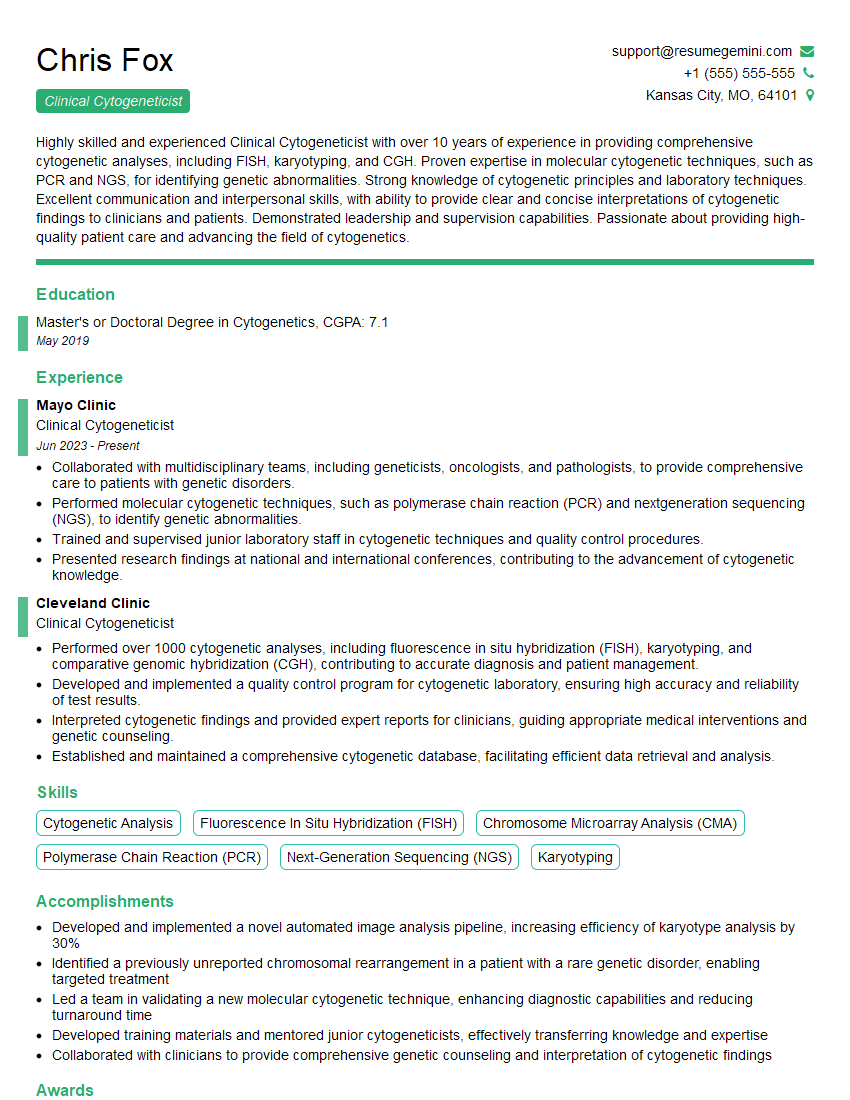
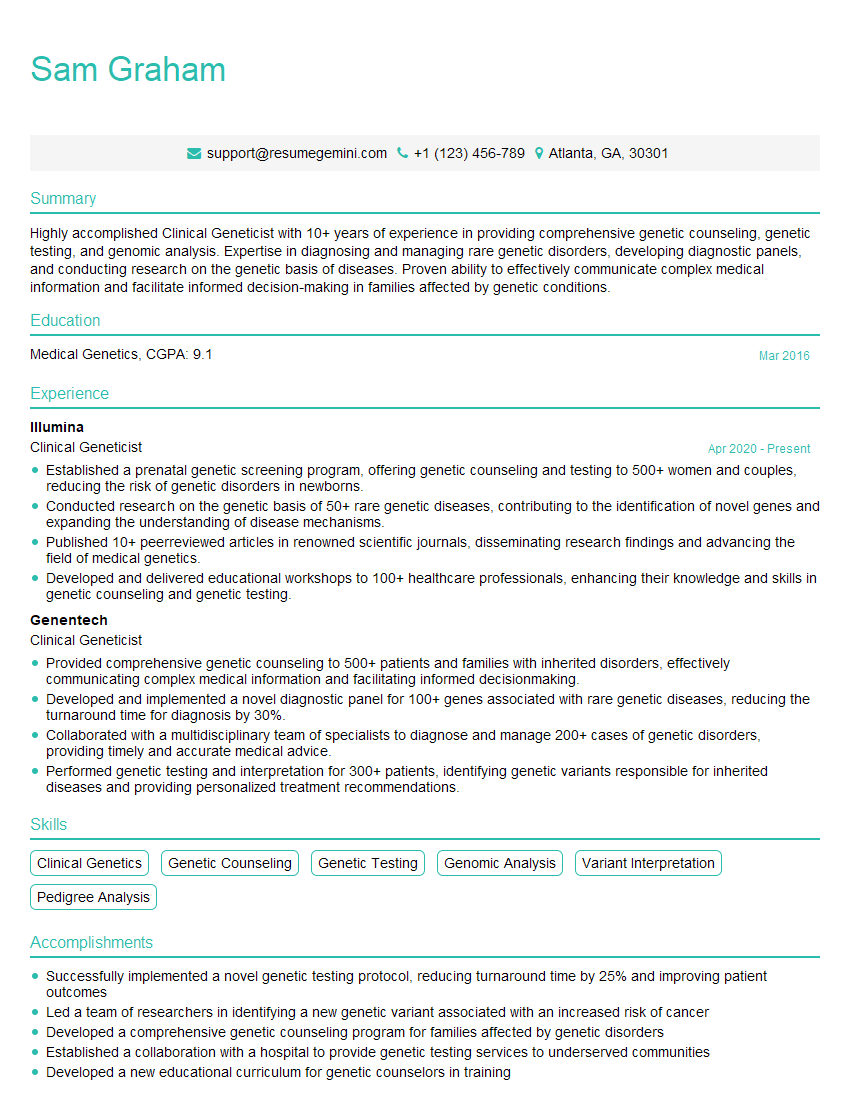
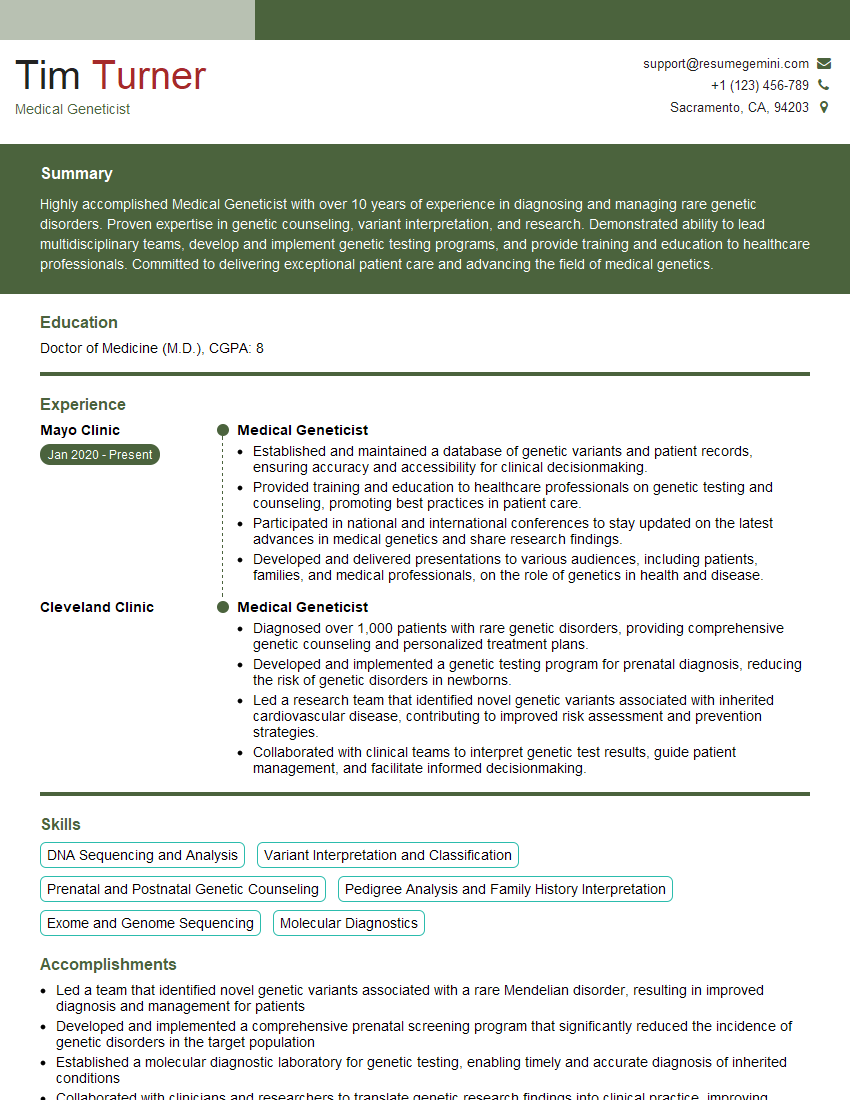
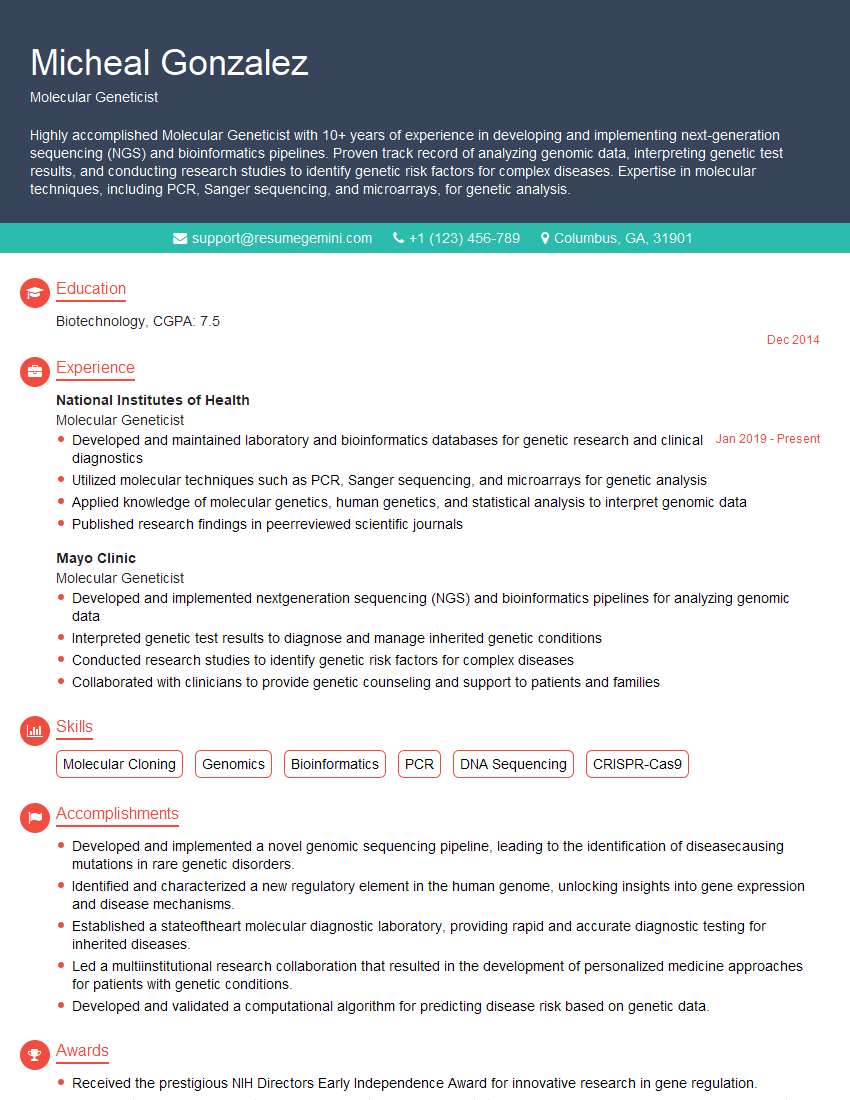
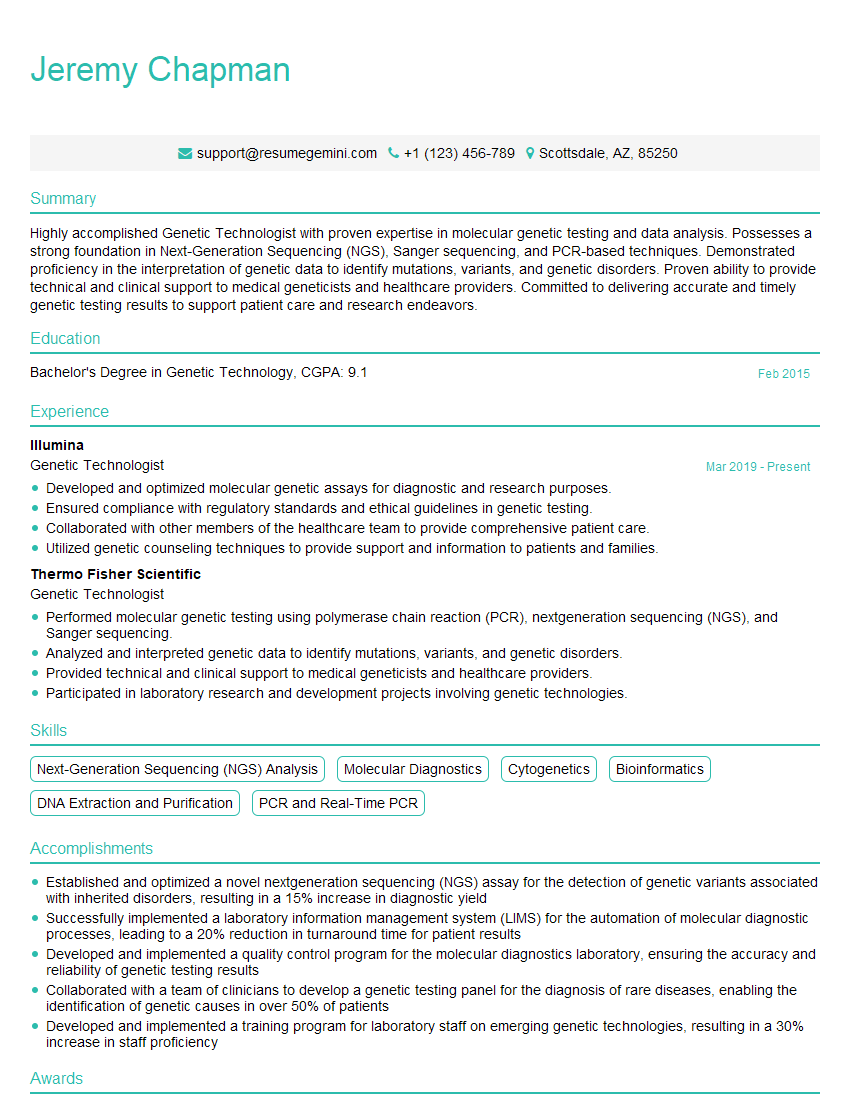
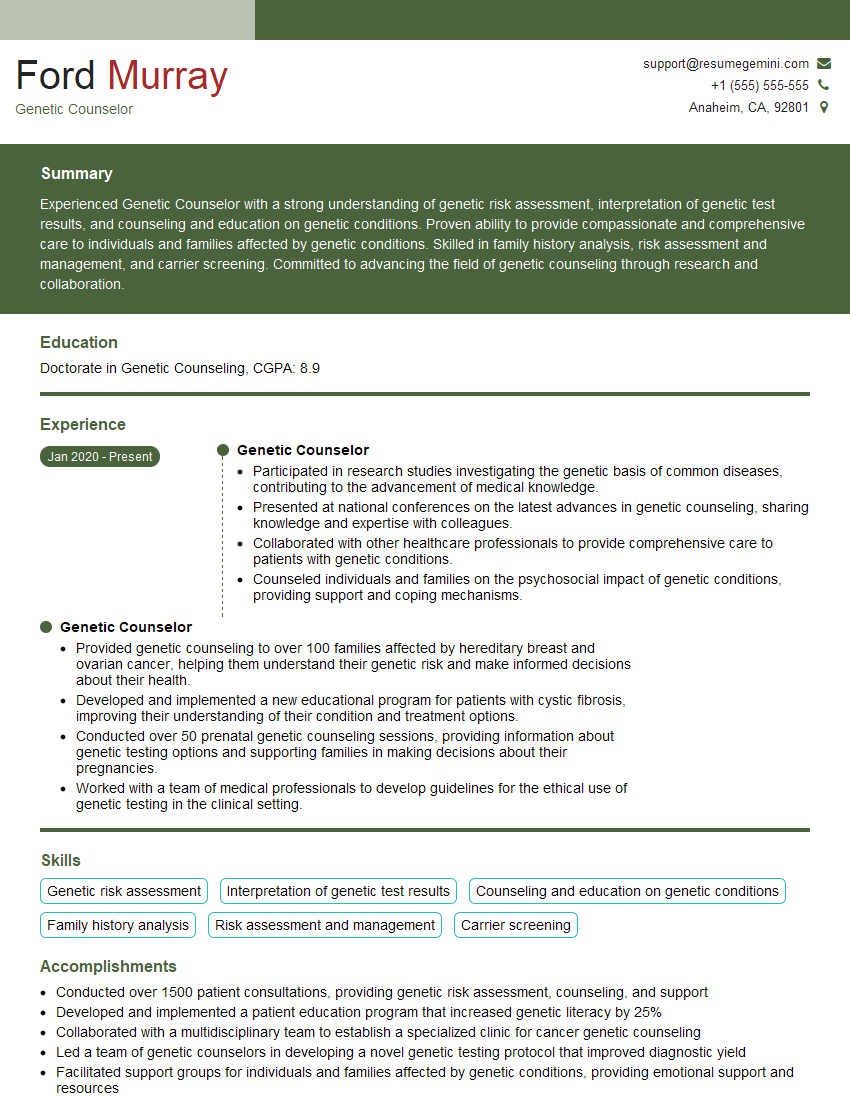
Mastering Genetics and Chromosomal Disorders is crucial for a successful career in fields like genetic counseling, clinical genetics, research, and pharmaceutical development. A strong understanding of these concepts demonstrates expertise and opens doors to exciting opportunities. To significantly boost your job prospects, create an ATS-friendly resume that highlights your skills and experience effectively. ResumeGemini is a trusted resource to help you build a professional and impactful resume that stands out. They provide examples of resumes tailored to Genetics and Chromosomal Disorders to help you create a winning application. Invest the time to craft a compelling resume – it’s your first impression and a key to unlocking your career aspirations.
Explore more articles
Users Rating of Our Blogs
Share Your Experience
We value your feedback! Please rate our content and share your thoughts (optional).
What Readers Say About Our Blog
To the interviewgemini.com Webmaster.
Very helpful and content specific questions to help prepare me for my interview!
Thank you
To the interviewgemini.com Webmaster.
This was kind of a unique content I found around the specialized skills. Very helpful questions and good detailed answers.
Very Helpful blog, thank you Interviewgemini team.