Are you ready to stand out in your next interview? Understanding and preparing for Developmental and Behavioral Pediatrics interview questions is a game-changer. In this blog, we’ve compiled key questions and expert advice to help you showcase your skills with confidence and precision. Let’s get started on your journey to acing the interview.
Questions Asked in Developmental and Behavioral Pediatrics Interview
Q 1. Describe the diagnostic criteria for Autism Spectrum Disorder (ASD).
Autism Spectrum Disorder (ASD) is diagnosed based on persistent deficits in social communication and social interaction across multiple contexts, and the presence of restricted, repetitive patterns of behavior, interests, or activities. The Diagnostic and Statistical Manual of Mental Disorders, 5th edition (DSM-5) outlines specific criteria. Essentially, a child needs to demonstrate challenges in two main areas:
- Social Communication and Interaction: This includes difficulties with social-emotional reciprocity (e.g., struggling to engage in back-and-forth conversation), nonverbal communicative behaviors (e.g., limited use of eye contact, gestures, or facial expressions), and developing, maintaining, and understanding relationships (e.g., difficulty understanding social cues or engaging in pretend play).
- Restricted, Repetitive Patterns of Behavior, Interests, or Activities: This can manifest as stereotyped or repetitive motor movements, use of objects, or speech (e.g., hand flapping, lining up toys, echolalia); insistence on sameness, inflexible adherence to routines, or ritualized patterns of behavior; highly restricted, fixated interests that are abnormal in intensity or focus; or hyper- or hyporeactivity to sensory input or unusual interests in sensory aspects of the environment (e.g., unusual sensitivity to sounds or textures).
These symptoms must be present in the early developmental period, and must cause clinically significant impairment in social, occupational, or other important areas of current functioning. The severity level is determined based on the level of support needed.
Example: A child who struggles to make eye contact, prefers solitary play, repeats phrases verbatim, and becomes intensely upset when their routine is altered may meet the criteria for ASD.
Q 2. Explain the differential diagnosis between ADHD and anxiety disorders in children.
Differentiating between ADHD (Attention-Deficit/Hyperactivity Disorder) and anxiety disorders in children can be challenging as they often share overlapping symptoms. However, key distinctions exist:
- ADHD: Primarily characterized by inattention, hyperactivity, and impulsivity. Inattentive symptoms include difficulty sustaining attention, disorganization, and forgetfulness. Hyperactive-impulsive symptoms include excessive fidgeting, interrupting others, and difficulty waiting their turn. These symptoms are often present across multiple settings (home, school, etc.).
- Anxiety Disorders: Manifested by excessive worry, fear, and avoidance behaviors. Common anxiety disorders in children include generalized anxiety disorder, separation anxiety disorder, and social anxiety disorder. Symptoms often involve physical manifestations like stomach aches, headaches, and sleep disturbances. The anxiety is often focused on specific situations or objects.
Key Differences in Presentation: Children with ADHD might be restless and disruptive in class, while those with anxiety may withdraw, be overly quiet, and worry excessively about performance or social interactions. While a child with ADHD might struggle to sit still, a child with anxiety might freeze or avoid a situation altogether.
Overlap: Some children experience both ADHD and anxiety. For example, a child with ADHD might also experience anxiety about failing in school because of their inattention and impulsivity.
Diagnosis: A thorough clinical evaluation, including behavioral observations, parent and teacher reports, and standardized assessments, is crucial for accurate diagnosis. It is important to rule out other potential contributing factors before making a diagnosis.
Q 3. What are the key components of a comprehensive developmental assessment?
A comprehensive developmental assessment involves a multi-faceted approach to evaluate a child’s development across various domains. It’s crucial for early identification of developmental delays or disabilities. Key components include:
- Developmental History: A detailed history from parents or caregivers covering prenatal, perinatal, and postnatal periods; milestones achieved (motor, language, social, cognitive); feeding habits; sleep patterns; and family history of developmental concerns.
- Physical Examination: Assessing physical growth, neurological status, and any physical anomalies that might impact development.
- Developmental Screening Tools: Standardized questionnaires and tests to assess development in key areas like gross motor skills (e.g., walking, running), fine motor skills (e.g., writing, drawing), language (e.g., receptive and expressive language), cognitive skills (e.g., problem-solving, memory), and social-emotional development (e.g., social interaction, emotional regulation). Examples include the Ages and Stages Questionnaires (ASQ) and the Bayley Scales of Infant and Toddler Development.
- Behavioral Observations: Observing the child’s behavior in various settings to assess social interaction, attention span, play skills, and adaptive behaviors.
- Parent/Caregiver Interview: Gathering information about the child’s behavior, strengths, and challenges from the perspective of those who know them best.
- Formal Psychological Testing (if needed): More in-depth assessments might be necessary to evaluate specific cognitive abilities, adaptive functioning, or emotional functioning.
Integration of Findings: The results from all these components are integrated to create a comprehensive picture of the child’s developmental status. This allows for early intervention and support if needed.
Q 4. Discuss the common pharmacological and non-pharmacological treatments for ADHD.
Treatment for ADHD typically involves a combination of pharmacological and non-pharmacological approaches, tailored to the individual child’s needs and severity of symptoms.
- Pharmacological Treatments: Stimulant medications (e.g., methylphenidate, amphetamine) are the most commonly prescribed for ADHD. These medications increase the levels of dopamine and norepinephrine in the brain, improving attention, focus, and reducing hyperactivity and impulsivity. Non-stimulant medications (e.g., atomoxetine) are also available and may be considered for children who don’t respond well to stimulants or have specific contraindications. The choice of medication and dosage are determined by a physician based on individual factors.
- Non-Pharmacological Treatments: Behavioral therapy, particularly parent training and classroom management strategies, is a cornerstone of non-pharmacological treatment. Parent training focuses on teaching parents effective strategies to manage their child’s behavior at home, such as positive reinforcement, clear expectations, and consistent discipline. Classroom management strategies involve collaborating with teachers to create a supportive learning environment that minimizes distractions and maximizes the child’s ability to focus. Other non-pharmacological interventions may include social skills training, cognitive behavioral therapy (CBT), and organizational skills training.
Integration: The most effective approach typically combines medication and behavioral therapy. Medication can help reduce core symptoms, making it easier for the child to participate in and benefit from therapy.
Q 5. How would you approach a child exhibiting selective mutism?
Selective mutism is a childhood anxiety disorder characterized by a consistent failure to speak in specific social situations, despite speaking fluently in other settings. The approach needs to be gradual and sensitive to the child’s anxiety levels.
- Building Trust and Rapport: The initial focus is establishing a safe and comfortable relationship with the child. This might involve indirect communication methods, such as drawing, play, or nonverbal cues, to build trust before attempting verbal interaction.
- Gradual Exposure Therapy: Slowly introducing the child to the feared situations in a structured and supportive manner. This could start with speaking in less anxiety-provoking situations and gradually progressing to more challenging environments. Positive reinforcement and praise are crucial during this process.
- Behavioral Interventions: Using positive reinforcement to reward attempts at speaking, even minimal ones. This may involve a reward system or other forms of positive reinforcement.
- Family Therapy: Involving the family in the treatment process is essential, as family dynamics often play a significant role in selective mutism. Therapy can help the family understand the child’s anxiety and learn effective communication and support strategies.
- Medication: In some cases, medication may be helpful to manage underlying anxiety. Anxiolytics or antidepressants might be considered in conjunction with therapy, but should be done under the guidance of a child psychiatrist.
Example: A child might start by whispering to a therapist in a private setting, then progress to speaking in small groups, and eventually, in the classroom.
Q 6. Explain the role of play therapy in addressing childhood trauma.
Play therapy is a powerful tool for addressing childhood trauma. It provides a safe and non-threatening space for children to process their experiences and emotions through play. Children, especially younger ones, often struggle to verbalize traumatic experiences, and play becomes their language.
- Non-Directive Play: The therapist creates a supportive environment and allows the child to lead the play, providing a sense of control and autonomy. The therapist observes the child’s play, looking for themes, patterns, and emotional expressions that reveal the impact of the trauma.
- Directive Play: In some cases, the therapist might introduce specific play materials or activities that relate to the child’s trauma. This can help the child explore difficult emotions and experiences in a symbolic way, such as using dolls to act out a traumatic event or drawing to express feelings.
- Processing Trauma through Play: Children may use play to reenact traumatic events, express anger or sadness, or work through difficult emotions. The therapist’s role is to provide a safe and validating space for these expressions without judgment or pressure.
- Building Coping Skills: Through play, children can develop coping mechanisms for dealing with stress and difficult emotions. This can include building resilience, developing emotional regulation skills, and improving self-esteem.
Example: A child who experienced a house fire might use play to build a house and then ‘rescue’ dolls from a pretend fire. This allows them to revisit the experience in a controlled and safe setting, gradually reducing the fear and anxiety associated with it.
Q 7. Describe the stages of cognitive development according to Piaget.
Jean Piaget’s theory of cognitive development describes how children’s thinking and understanding of the world evolve through four distinct stages:
- Sensorimotor Stage (Birth to 2 years): Infants understand the world through their senses and actions. They learn about object permanence (understanding that objects continue to exist even when out of sight) and develop basic motor skills. Example: A baby shakes a rattle to hear the sound.
- Preoperational Stage (2 to 7 years): Children develop symbolic thinking, using words and images to represent objects and ideas. They engage in pretend play but struggle with logical reasoning and conservation (understanding that quantity remains the same despite changes in appearance). Example: A child pretends a banana is a telephone.
- Concrete Operational Stage (7 to 11 years): Children begin to think logically about concrete events and objects. They understand conservation, and can perform mental operations but still struggle with abstract concepts. Example: A child understands that pouring water from a tall, narrow glass into a short, wide glass doesn’t change the amount of water.
- Formal Operational Stage (11 years and onward): Adolescents develop abstract reasoning and hypothetical thinking. They can think about possibilities and consider multiple perspectives. Example: A teenager contemplates different career options and their potential consequences.
It’s important to remember that these are broad stages, and individual children may progress at different rates. Piaget’s theory provides a valuable framework for understanding how children’s cognitive abilities develop over time.
Q 8. What are the ethical considerations in diagnosing and treating children with behavioral disorders?
Ethical considerations in diagnosing and treating children with behavioral disorders are paramount. We must prioritize the child’s best interests above all else, ensuring their autonomy and dignity are respected to the fullest extent possible within their developmental stage. This involves obtaining informed consent from parents or guardians, while also considering the child’s assent where developmentally appropriate.
Confidentiality is crucial, yet navigating this with parents and potentially other involved professionals (teachers, therapists) requires careful balancing. We must be mindful of potential biases in diagnosis and treatment, avoiding labeling or stigmatizing children. Access to appropriate and culturally sensitive care is another ethical cornerstone; this includes ensuring equitable access to resources and specialists, regardless of socioeconomic status or background.
Furthermore, ethical treatment necessitates choosing the least restrictive interventions possible. For example, we prioritize behavioral interventions and family therapy before considering medication. When medication is indicated, we select the lowest effective dose and closely monitor for side effects. Transparency and open communication with families are key to maintaining trust and ensuring shared decision-making in the treatment process.
Ultimately, ethical practice in this field requires ongoing reflection and adherence to professional guidelines and codes of ethics to ensure the child’s wellbeing and their right to safe and effective care.
Q 9. How do you assess and manage oppositional defiant disorder (ODD)?
Assessing Oppositional Defiant Disorder (ODD) involves a multifaceted approach. It begins with a thorough clinical interview with the child, parents, and any other relevant caregivers, such as teachers. We gather information about the child’s behavior across various settings, including home, school, and social situations. The key is to ascertain whether the child consistently displays a pattern of angry/irritable mood, defiant/argumentative behavior, or vindictiveness that significantly interferes with their daily functioning.
Diagnostic tools such as standardized behavioral rating scales (e.g., Conners’ Rating Scales, Child Behavior Checklist) provide quantitative data to complement clinical observations. These scales help assess the severity of symptoms and track progress over time. It’s essential to rule out other potential contributing factors, such as underlying medical conditions, learning disabilities, or traumatic experiences.
Managing ODD often involves a combination of approaches. Parent training is crucial, teaching parents effective strategies for setting clear limits, using consistent discipline, and positively reinforcing desired behaviors. Therapy, such as cognitive behavioral therapy (CBT), can help the child learn to identify and manage their emotions and develop more adaptive coping skills. In some cases, medication may be considered to help manage associated symptoms such as irritability or anxiety, but it is generally not a first-line treatment for ODD itself.
Regular monitoring is vital, involving ongoing assessments to track the effectiveness of the interventions and make adjustments as needed. Collaboration with school staff is also beneficial to ensure consistency in managing behavior across different environments.
Q 10. What are the early warning signs of developmental delays?
Early warning signs of developmental delays vary depending on the area of development (cognitive, language, motor, social-emotional) and the child’s age. However, some common red flags include:
- Language delays: Not babbling by 12 months, not saying single words by 18 months, not using two-word phrases by 24 months.
- Motor delays: Not sitting unsupported by 9 months, not crawling by 12 months, not walking by 18 months.
- Cognitive delays: Lack of interest in interactive games, difficulty following simple instructions, significant delays in reaching developmental milestones.
- Social-emotional delays: Lack of eye contact, failure to respond to their name, difficulty engaging in social interactions, excessive anxiety or withdrawal.
It’s important to remember that these are just general guidelines, and children develop at their own pace. However, if you notice several delays or significant concerns about your child’s development, it’s crucial to seek professional evaluation as early intervention can make a significant difference.
Example: A child who is 24 months old, not speaking in two-word phrases, and is showing little interest in playing with other children should be evaluated for potential developmental delays.
Q 11. Explain the impact of social determinants of health on child development.
Social determinants of health (SDOH) significantly impact child development. These are the conditions in the environments where people are born, live, learn, work, play, worship, and age that affect a wide range of health, functioning, and quality-of-life outcomes and risks. Factors such as poverty, inadequate housing, lack of access to quality healthcare and education, food insecurity, and exposure to violence all have profound effects on a child’s physical, cognitive, and emotional development.
Poverty, for instance, can lead to inadequate nutrition, limiting brain development and increasing susceptibility to illness. Exposure to violence, whether in the home or community, can cause significant emotional trauma and affect a child’s ability to learn and form healthy relationships. Lack of access to quality healthcare can result in untreated medical conditions that impact development, while limited educational opportunities can hinder cognitive growth and future success.
Addressing the impact of SDOH on child development requires a multi-pronged approach. This includes policy changes to reduce poverty and improve access to resources, community-based programs that provide support to families, and healthcare interventions that address the unique needs of children from disadvantaged backgrounds. Working collaboratively with other professionals, such as social workers and community health workers, is crucial to improve child outcomes.
Q 12. Describe your approach to working with families of children with developmental disabilities.
My approach to working with families of children with developmental disabilities emphasizes collaboration, empathy, and empowerment. I believe that families are the child’s most important advocates and partners in their care. I begin by establishing a strong therapeutic alliance, creating a safe and supportive environment where families feel comfortable sharing their concerns and experiences.
I employ active listening and reflective practice to ensure that I fully understand their perspectives and needs. I provide families with accurate and accessible information about their child’s diagnosis, prognosis, and available treatment options. Education is a key component, empowering families with the knowledge and skills they need to support their child’s development.
Furthermore, I help families develop realistic expectations and problem-solving skills to cope with the challenges of raising a child with developmental disabilities. I often involve the family in the decision-making process, respecting their preferences and values. Connecting families with appropriate resources and support groups is also crucial. I see my role as a facilitator and collaborator, working in partnership with families to optimize their child’s quality of life.
Q 13. Discuss the role of parent training in managing behavioral challenges.
Parent training plays a vital role in managing behavioral challenges in children. It equips parents with evidence-based strategies to understand, respond to, and modify their child’s behavior. This typically involves teaching parents about the principles of behavior modification, such as positive reinforcement, extinction, and differential reinforcement of other behaviors (DRO).
Techniques like functional behavioral assessment (FBA) are taught to parents to understand the underlying reasons for a child’s challenging behaviors. By identifying the triggers and functions of these behaviors, parents can develop targeted interventions. For example, if a child throws tantrums to get attention, parents learn to ignore the tantrums and reward alternative behaviors.
Parent training programs often involve multiple sessions, with therapists providing ongoing support and guidance. Role-playing and practice sessions are common, helping parents develop skills in managing challenging situations. The emphasis is on building a positive parent-child relationship and creating a supportive home environment. The ultimate goal is to help parents feel more confident and effective in their parenting role, reducing the burden of managing challenging behaviors and promoting positive child development.
Q 14. How would you address parental concerns about medication side effects?
Addressing parental concerns about medication side effects is crucial for ensuring safe and effective treatment. I begin by validating their concerns and acknowledging the importance of their anxieties. I then provide comprehensive information about the potential side effects of the specific medication being considered, explaining the likelihood of each side effect and its severity.
I use clear and simple language, avoiding medical jargon, and I encourage parents to ask questions. We discuss strategies for managing potential side effects, such as lifestyle modifications or adjusting the medication dosage. I emphasize the importance of regular monitoring and close communication between the parent, the child, and the healthcare team.
It’s essential to weigh the potential benefits of medication against the potential risks and side effects, considering the severity of the child’s symptoms and their overall impact on their quality of life. Shared decision-making is key; the decision to start or continue medication should be made collaboratively with the family, respecting their values and preferences. Involving other professionals, such as a psychiatrist, is appropriate and can offer a more comprehensive treatment plan.
Q 15. What are the different types of learning disabilities and their characteristics?
Learning disabilities are neurodevelopmental disorders affecting specific cognitive processes involved in learning. They aren’t caused by intellectual disability, lack of educational opportunity, or sensory impairment, but rather by differences in brain function. Several distinct types exist, each with unique characteristics:
- Dyslexia: Difficulty with accurate and/or fluent word recognition and decoding abilities, poor spelling and phonological awareness. A child with dyslexia might struggle to sound out words, even simple ones, and have trouble remembering letter sequences. For example, they might confuse ‘b’ and ‘d’ or reverse letters in words.
- Dysgraphia: Difficulty with handwriting, spelling, and expressing thoughts on paper. This isn’t just messy handwriting; it often involves challenges with motor planning and organization of written expression. A child with dysgraphia may write slowly and illegibly, struggle to organize their thoughts on paper, and experience fatigue during writing tasks.
- Dyscalculia: Difficulty understanding and working with numbers, including basic arithmetic operations, mathematical concepts, and problem-solving. This goes beyond simple calculation errors; it involves difficulties grasping fundamental mathematical principles. For instance, a child with dyscalculia may struggle to understand place value or have trouble telling time.
- Auditory Processing Disorder (APD): Difficulty processing auditory information, even when hearing is normal. This can affect language comprehension, sound localization, and discrimination of different sounds. Imagine a child struggling to follow multi-step instructions or pinpoint the source of a sound in a noisy environment, despite having normal hearing.
- Nonverbal Learning Disabilities (NVLD): Challenges with nonverbal skills, spatial reasoning, visual-motor coordination, and social perception. These children often excel in rote memorization and verbal skills but struggle with tasks that require visual-spatial skills or understanding social cues. They might have difficulty interpreting facial expressions or navigating unfamiliar environments.
Diagnosis relies on comprehensive evaluations including educational, psychological, and sometimes neuropsychological testing, ruling out other conditions. Management focuses on individualized educational plans (IEPs) incorporating accommodations and specialized interventions to address specific learning challenges.
Career Expert Tips:
- Ace those interviews! Prepare effectively by reviewing the Top 50 Most Common Interview Questions on ResumeGemini.
- Navigate your job search with confidence! Explore a wide range of Career Tips on ResumeGemini. Learn about common challenges and recommendations to overcome them.
- Craft the perfect resume! Master the Art of Resume Writing with ResumeGemini’s guide. Showcase your unique qualifications and achievements effectively.
- Don’t miss out on holiday savings! Build your dream resume with ResumeGemini’s ATS optimized templates.
Q 16. Explain the concept of developmental milestones and their importance.
Developmental milestones are age-related markers indicating typical progress in various areas of development. These milestones track a child’s growth in physical, cognitive, language, social-emotional, and adaptive skills. Think of them as checkpoints in a child’s journey of development, each stage building upon the previous ones.
Their importance is paramount because:
- Early Identification of Delays: Tracking milestones allows for early detection of potential developmental delays or disabilities, enabling timely intervention.
- Individualized Support: Understanding a child’s developmental level informs the design of appropriate learning and support strategies, tailored to their specific needs.
- Monitoring Progress: Regular monitoring of milestone attainment helps track progress and make necessary adjustments to interventions.
- Parental Reassurance: Observing age-appropriate development provides reassurance to parents, alleviating anxieties about their child’s progress.
- Predictive Value: While not absolute, developmental milestones provide insights into a child’s potential future capabilities and areas requiring focused support.
For example, a child who is not speaking in simple sentences by age 3 might warrant further evaluation for language development issues. Early intervention can make a significant difference in such cases.
Q 17. How would you assess a child’s language development?
Assessing a child’s language development is a multi-faceted process that involves various methods, depending on the child’s age and developmental level. It’s not simply about how many words they know but rather about the complexity of their language use.
My assessment would typically include:
- Parent Interview: Gathering information about the child’s developmental history, language milestones, and any concerns.
- Observation: Observing the child’s spontaneous language in natural settings, such as play, to assess their communication skills and vocabulary.
- Formal Testing: Using standardized language tests such as the Peabody Picture Vocabulary Test (PPVT) or the Clinical Evaluation of Language Fundamentals (CELF) to objectively measure receptive and expressive language skills. These tests are age-appropriate and provide quantifiable data.
- Language Sample Analysis: Recording and analyzing a sample of the child’s spontaneous speech to evaluate aspects such as grammar, syntax, and vocabulary.
- Play-Based Assessment: Engaging the child in play activities to elicit language and communication skills in a less structured, more natural way.
The results are integrated to create a comprehensive profile of the child’s language abilities, identifying areas of strength and weakness. This information guides interventions, whether it’s speech therapy, educational support, or other specialized services.
Q 18. What are the common sleep disorders in children and their management?
Sleep disorders are common in children and can significantly impact their development and well-being. Some common ones include:
- Insomnia: Difficulty falling asleep, staying asleep, or both, resulting in inadequate sleep.
- Sleep Apnea: Repeated pauses in breathing during sleep, often associated with snoring and daytime sleepiness. This can be obstructive (physical blockage) or central (brain doesn’t signal breathing).
- Parasomnias: Abnormal behaviors or events during sleep, such as sleepwalking, night terrors, or sleep talking.
- Restless Legs Syndrome (RLS): Uncomfortable sensations in the legs, often accompanied by an irresistible urge to move them, disrupting sleep.
- Circadian Rhythm Sleep Disorders: Problems with the body’s natural sleep-wake cycle, leading to difficulty falling asleep or staying awake at appropriate times.
Management strategies vary depending on the specific disorder but generally involve:
- Establishing a Consistent Sleep Schedule: Maintaining regular bedtime and wake-up times, even on weekends.
- Creating a Relaxing Bedtime Routine: Incorporating calming activities like reading or taking a warm bath.
- Optimizing the Sleep Environment: Ensuring a dark, quiet, and cool bedroom.
- Addressing Underlying Medical Conditions: Treating any medical conditions contributing to sleep problems, such as allergies or ADHD.
- Behavioral Interventions: Techniques like stimulus control therapy (limiting sleep-related activities in bed) and sleep restriction therapy (temporarily reducing sleep time to consolidate sleep).
- Medication: In some cases, medication may be necessary, but it should be used cautiously and under the guidance of a physician.
A thorough evaluation by a pediatrician or sleep specialist is crucial for accurate diagnosis and individualized treatment.
Q 19. Describe your experience with conducting neuropsychological assessments.
I have extensive experience conducting neuropsychological assessments in children and adolescents. These assessments are comprehensive evaluations that involve a battery of tests designed to measure various cognitive functions, including attention, memory, executive functions, language, and visual-spatial skills. My approach is always tailored to the individual child’s age, developmental level, and presenting concerns.
My process usually includes:
- Detailed History Review: Gathering information from parents, teachers, and other relevant sources about the child’s developmental history, medical history, and current difficulties.
- Clinical Interview: Conducting a structured interview with the child and parents to obtain more information about their concerns and observations.
- Neuropsychological Testing: Administering a battery of standardized tests to measure different cognitive functions. The specific tests chosen depend on the child’s age and the referral question.
- Test Interpretation and Report Writing: Analyzing test results and writing a comprehensive report that summarizes the findings, interpretations, and recommendations.
For example, I recently conducted a neuropsychological assessment on a child suspected of having ADHD. The assessment involved measures of attention, working memory, executive functions, and academic achievement. The results helped confirm the ADHD diagnosis, identifying specific cognitive strengths and weaknesses that informed the development of an individualized treatment plan. My reports always provide clear, actionable recommendations for parents, educators, and other treatment providers.
Q 20. How do you address the challenges of managing comorbid disorders in children?
Comorbidity, the presence of multiple disorders in a single individual, is common in child and adolescent populations. Managing comorbid disorders requires a holistic and integrated approach. For example, a child might have both ADHD and anxiety. Simply treating one condition without addressing the other is likely to be insufficient.
My strategies for managing comorbid disorders include:
- Comprehensive Assessment: Conducting a thorough assessment to identify all existing conditions and their severity.
- Coordination of Care: Collaborating with other professionals, such as psychiatrists, therapists, and educators, to create a coordinated treatment plan.
- Integrated Treatment: Developing a treatment plan that addresses all the child’s needs simultaneously. This might involve medication management for ADHD alongside cognitive-behavioral therapy (CBT) for anxiety.
- Family Involvement: Engaging parents and other family members in the treatment process, as they play a crucial role in the child’s overall well-being and treatment adherence.
- Monitoring and Adjustment: Regularly monitoring the child’s progress and making necessary adjustments to the treatment plan as needed.
- Strengths-Based Approach: Focusing on the child’s strengths and resilience to promote coping and adaptation.
It’s crucial to recognize that treatment plans must be individualized, acknowledging that each child and their family are unique.
Q 21. Explain the importance of early intervention services for children with developmental delays.
Early intervention services are critical for children with developmental delays because the brain is most plastic during the early years of life. Early intervention maximizes a child’s potential for development and minimizes the long-term impact of developmental delays.
The importance stems from several factors:
- Brain Plasticity: The young brain is highly adaptable and capable of significant reorganization and learning. Early intervention leverages this plasticity to facilitate optimal development.
- Improved Outcomes: Research consistently shows that early intervention leads to better developmental outcomes compared to delayed intervention. This can manifest in improved cognitive, language, social, and adaptive skills.
- Prevention of Secondary Disabilities: Early identification and intervention can prevent or mitigate the development of secondary disabilities that might arise from untreated developmental delays.
- Enhanced Family Support: Early intervention services often include support for families, providing guidance, resources, and emotional support to help them navigate their child’s needs.
- Increased Independence: Early intervention aims to equip children with the skills and support they need to achieve greater independence and participation in their communities.
Early intervention can take many forms, including specialized therapies (speech therapy, occupational therapy, physical therapy), educational programs, and family support services. The specific interventions are tailored to meet the unique needs of each child.
Q 22. What are some common feeding disorders in infancy and early childhood?
Feeding disorders in infancy and early childhood are a significant concern, impacting a child’s growth, development, and overall well-being. These disorders encompass a range of difficulties, from picky eating to complete refusal of food. They often stem from a complex interplay of biological, psychological, and environmental factors.
Failure to Thrive (FTT): This refers to inadequate weight gain or growth in infants and young children, often due to underlying medical conditions, feeding difficulties, or neglect. For instance, a baby with reflux might refuse feeding due to discomfort, leading to FTT. Careful assessment is crucial to identify the underlying cause.
Picky Eating: This is a common developmental phase where children exhibit strong preferences for certain foods and reject others. While often considered a normal phase, persistent picky eating can lead to nutritional deficiencies. I often work with families to introduce new foods gradually and positively, focusing on creating a positive dining experience.
Avoidant/Restrictive Food Intake Disorder (ARFID): This is a more severe disorder characterized by persistent failure to meet nutritional needs, often due to limited food choices, sensory sensitivities, or fear of negative consequences associated with eating. ARFID can require a multidisciplinary approach, involving therapists, dietitians, and sometimes even medical intervention.
Pica: This involves the persistent eating of non-nutritive substances such as dirt, paint, or hair. Pica can indicate underlying nutritional deficiencies or developmental issues and requires immediate attention.
A comprehensive assessment, involving parent interviews, dietary analysis, and potentially medical testing, is essential for accurate diagnosis and tailored treatment planning. Early intervention is key to preventing long-term health complications.
Q 23. How would you differentiate between conduct disorder and antisocial personality disorder in adolescents?
Differentiating between Conduct Disorder (CD) and Antisocial Personality Disorder (ASPD) in adolescents requires careful consideration of age, the duration of symptoms, and the presence of specific behavioral patterns. CD is a childhood-onset disorder characterized by repetitive and persistent violations of age-appropriate social norms and rules. ASPD, on the other hand, is diagnosed in adulthood and involves a pervasive pattern of disregard for and violation of the rights of others.
Conduct Disorder (CD): Adolescents with CD might exhibit aggression toward people and animals, destruction of property, deceitfulness or theft, and serious violations of rules. These behaviors are often impulsive and lack premeditation. For example, a teenager with CD might engage in vandalism or physical fights without considering the consequences.
Antisocial Personality Disorder (ASPD): ASPD builds upon CD, requiring a history of CD or similar disruptive behavior before age 15. Furthermore, individuals with ASPD demonstrate a consistent pattern of irresponsible and antisocial behavior extending into adulthood, often involving criminal activity, lack of remorse, and disregard for the safety of themselves and others. A person with ASPD might repeatedly engage in fraudulent activities or manipulate others for personal gain, demonstrating a lack of empathy.
It’s important to note that not all adolescents with CD will develop ASPD. Early intervention and treatment for CD can significantly reduce the risk of developing ASPD later in life. Treatment options for both involve behavioral therapy, family therapy, and sometimes medication.
Q 24. Describe your experience with different therapeutic modalities (e.g., CBT, play therapy).
My clinical work integrates various therapeutic modalities, selected based on the child’s age, diagnosis, and presenting symptoms. I find a flexible and integrative approach often yields the best results.
Cognitive Behavioral Therapy (CBT): CBT is incredibly effective in addressing anxiety, depression, and disruptive behavior disorders. I use CBT techniques, such as cognitive restructuring and behavioral experiments, to help children identify and challenge negative thought patterns and develop more adaptive coping skills. For instance, a child struggling with test anxiety might learn relaxation techniques and challenge catastrophic thoughts about failure through CBT.
Play Therapy: This is particularly valuable with younger children who may not have the verbal skills to express their emotions effectively. Play therapy allows children to communicate through play, providing a safe and non-threatening space to process their experiences and feelings. A child experiencing trauma might use dolls or play-acting to recreate and process the event, reducing distress.
Family-Based Interventions: I frequently integrate family-based approaches as family dynamics significantly influence a child’s development and well-being. Parent training, family systems therapy, and parent-child interaction therapy help families develop more positive communication patterns and problem-solving skills. For example, parents might learn strategies to better manage challenging behaviors or improve parent-child communication.
The choice of modality is always individualized and tailored to meet the unique needs of each child and family.
Q 25. How do you incorporate evidence-based practices into your clinical work?
Integrating evidence-based practices is fundamental to my clinical work. This ensures that I’m providing the most effective and ethical care possible. I achieve this by several methods:
Staying Current with Research: I regularly review peer-reviewed journals, attend professional conferences, and participate in continuing education activities to keep abreast of the latest research findings and treatment modalities.
Utilizing Standardized Assessments: I utilize standardized assessments, such as diagnostic questionnaires and developmental screenings, which provide objective data to inform diagnosis and treatment planning. This ensures that assessments are consistent and reliable.
Choosing Evidence-Based Treatments: I prioritize treatment approaches supported by rigorous scientific evidence. For example, when treating ADHD, I may employ behavioral interventions and parent training programs that have demonstrated efficacy in research.
Monitoring Treatment Outcomes: I regularly monitor treatment progress and adjust interventions as needed. This involves using outcome measures to track changes in symptoms and functional abilities, allowing for data-driven decision making.
By systematically incorporating evidence-based practices, I strive to optimize patient outcomes and ensure the quality of my clinical work. This continuous process of learning and refinement is vital in the dynamic field of developmental and behavioral pediatrics.
Q 26. What are the latest advancements in the understanding and treatment of ASD?
Advancements in understanding and treating Autism Spectrum Disorder (ASD) have been significant in recent years. Research focuses on early detection, more targeted interventions, and a deeper understanding of the underlying neurological mechanisms.
Early Detection and Intervention: Early detection through screening tools is crucial, allowing for intervention as early as possible, which has been shown to significantly improve outcomes. Early intervention programs often use applied behavior analysis (ABA) and developmental therapies.
Precision Medicine: Research is exploring genetic and biological factors to identify subtypes of ASD and develop personalized treatment strategies based on an individual’s unique profile. This will lead to more tailored therapies.
Pharmacological Advancements: While medication doesn’t cure ASD, some medications can help manage associated symptoms, such as anxiety, aggression, or repetitive behaviors. Research continues to investigate the potential of new medications to address the core symptoms of ASD.
Focus on Social Communication: Research increasingly emphasizes interventions aimed at improving social communication and interaction skills, recognizing these as core areas of deficit in ASD. Social skills training programs and technological aids are being developed.
The field is shifting towards a more comprehensive and individualized approach, acknowledging the heterogeneity of ASD and emphasizing the importance of collaboration between families, clinicians, and researchers to improve the quality of life for individuals with ASD.
Q 27. How do you handle cases of child abuse or neglect?
Handling cases of child abuse or neglect requires a multi-faceted approach, prioritizing the child’s safety and well-being. My role involves a combination of clinical assessment, mandated reporting, and collaboration with child protective services.
Mandated Reporting: I am legally obligated to report any suspected cases of child abuse or neglect to the appropriate authorities, usually child protective services (CPS). This is a critical step to ensure the child’s safety and initiate an investigation.
Comprehensive Assessment: A thorough clinical assessment is needed to evaluate the child’s physical and psychological well-being. This may include medical examinations, psychological evaluations, and interviews with the child and their caregivers.
Collaboration with CPS: I collaborate closely with CPS throughout the investigation process, providing relevant clinical information and assisting in the development of a safety plan. This involves ongoing communication and coordinated efforts.
Providing Support and Treatment: After a safety plan is in place, I provide appropriate therapeutic interventions to address the trauma and emotional impact of abuse or neglect on the child. This often involves trauma-informed therapies.
Working with child abuse cases is emotionally demanding but critically important. My primary focus is always on protecting the child and ensuring their access to necessary support and resources.
Q 28. What are your strategies for managing challenging behaviors in clinical settings?
Managing challenging behaviors in clinical settings requires a proactive and structured approach. The specific strategies will depend on the child’s age, diagnosis, and the nature of the behavior. However, some general principles always apply:
Positive Reinforcement: Focusing on rewarding positive behaviors is often more effective than solely punishing negative ones. This involves clearly defining expected behaviors and consistently providing praise and positive reinforcement when the child demonstrates them.
Clear Expectations and Consistent Boundaries: Establishing clear expectations and consistently enforcing boundaries creates a predictable and safe environment. Children thrive on consistency, reducing anxiety and prompting positive behavior.
Functional Behavioral Assessment (FBA): For more persistent or severe challenging behaviors, conducting an FBA can be incredibly helpful. An FBA identifies the triggers, function, and consequences of the behavior, guiding the development of a targeted intervention plan.
De-escalation Techniques: Learning and applying de-escalation techniques is crucial for managing emotionally charged situations. This involves remaining calm, using a calm and reassuring voice, and providing the child with space if needed. This can prevent escalation of challenging behaviors.
Collaboration with Parents and Teachers: Working collaboratively with parents and teachers ensures consistency across settings and maximizes the effectiveness of interventions.
Managing challenging behaviors requires patience, understanding, and a commitment to providing a safe and supportive environment where children can learn and grow.
Key Topics to Learn for Developmental and Behavioral Pediatrics Interview
- Child Development Milestones: Understanding typical developmental trajectories across various domains (cognitive, motor, social-emotional, language) and recognizing deviations from the norm. This includes knowledge of standardized assessment tools and their interpretation.
- Developmental Disorders: In-depth knowledge of common developmental disorders such as Autism Spectrum Disorder (ASD), Attention-Deficit/Hyperactivity Disorder (ADHD), intellectual disabilities, and specific learning disorders. This encompasses diagnostic criteria, clinical presentation, and evidence-based treatment approaches.
- Behavioral Problems in Childhood: Familiarity with common behavioral challenges like anxiety, depression, oppositional defiant disorder, and conduct disorder. Understanding assessment methods, differential diagnosis, and therapeutic interventions is crucial.
- Developmental Screening and Assessment: Practical experience with developmental screening tools and comprehensive assessments. Knowing how to interpret assessment results and develop individualized intervention plans is essential.
- Family-Centered Care: Understanding the importance of involving families in the assessment and treatment process. This includes effective communication strategies and collaboration with parents and caregivers.
- Ethical and Legal Considerations: Familiarity with relevant ethical guidelines and legal frameworks concerning child protection, informed consent, and confidentiality in pediatric practice.
- Interdisciplinary Collaboration: Understanding the role of Developmental and Behavioral Pediatricians within a multidisciplinary team, including psychologists, therapists, educators, and social workers. Effective communication and collaboration are key.
- Research and Evidence-Based Practice: Staying current with the latest research findings and incorporating evidence-based practices into clinical decision-making.
Next Steps
Mastering Developmental and Behavioral Pediatrics opens doors to a rewarding career dedicated to improving the lives of children and families. A strong foundation in this field is highly sought after, significantly enhancing your job prospects. To maximize your chances, creating an ATS-friendly resume is crucial. ResumeGemini is a trusted resource that can help you build a compelling and effective resume tailored to showcase your expertise in this competitive field. Examples of resumes specifically designed for Developmental and Behavioral Pediatrics positions are available to guide you.
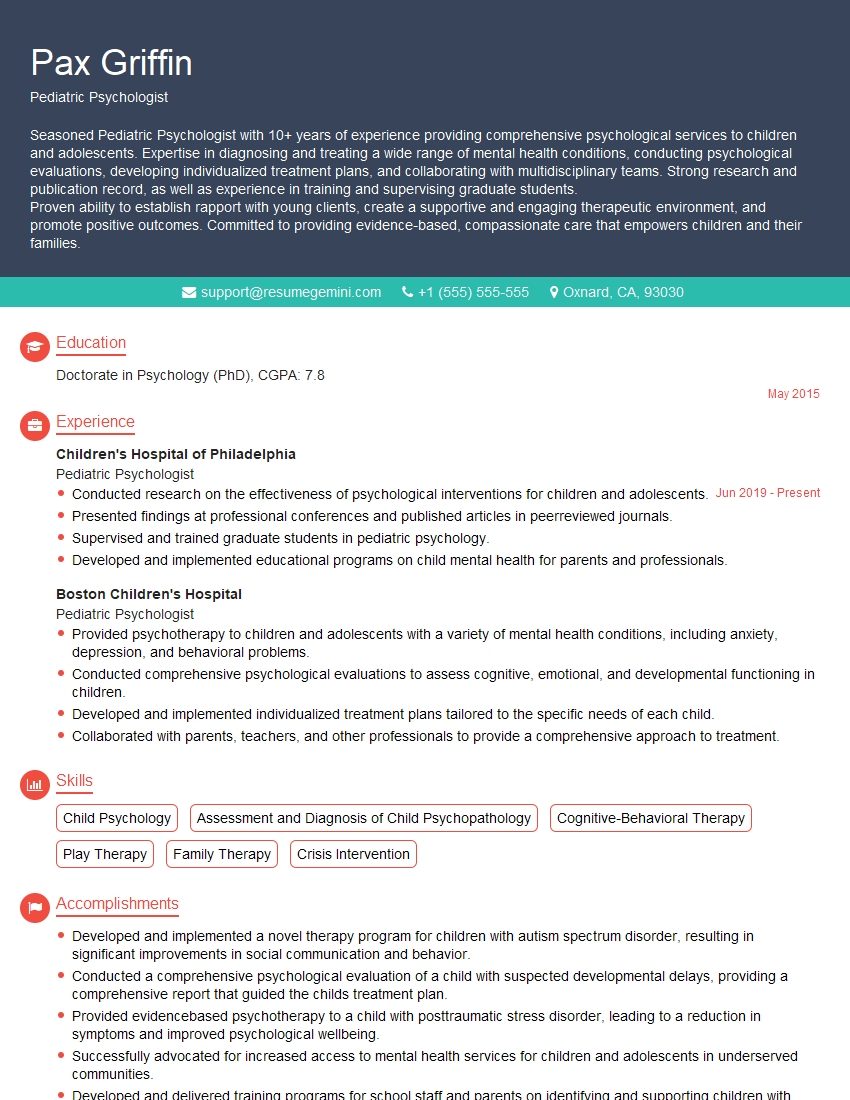
Pediatric Psychologist Resume Sample
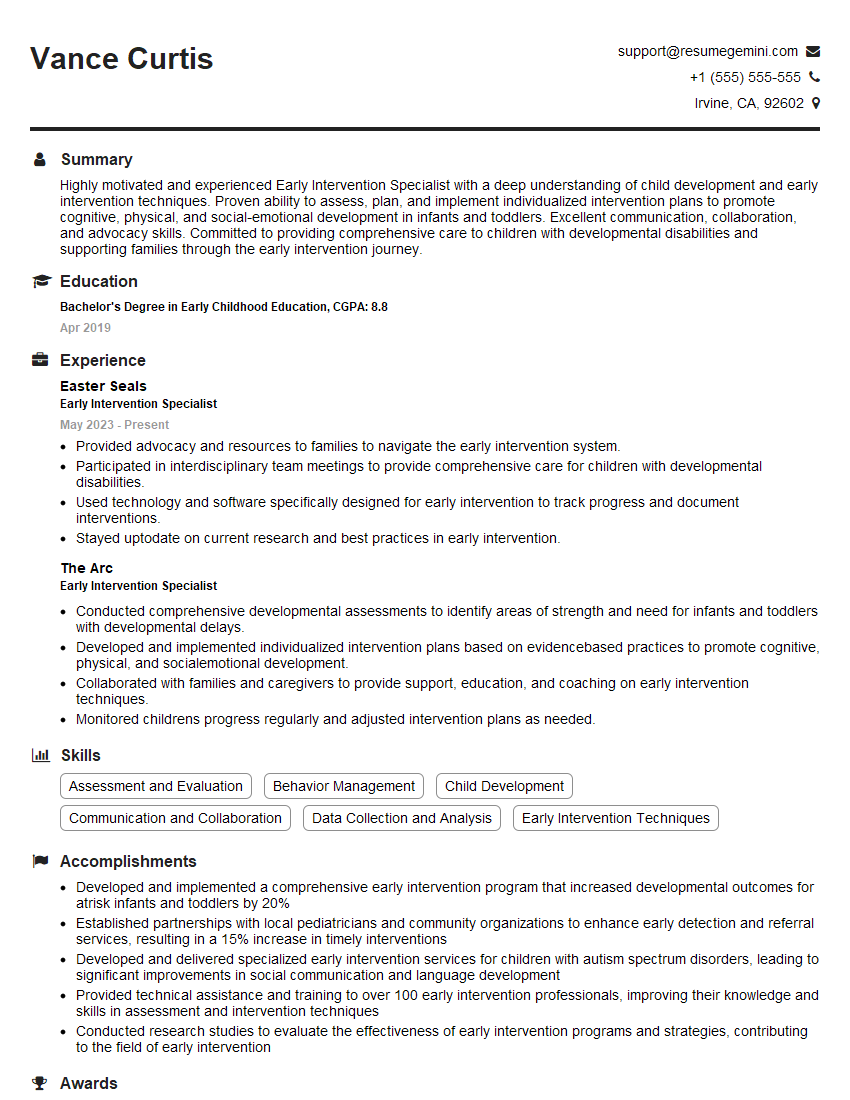
Early Intervention Specialist Resume Sample
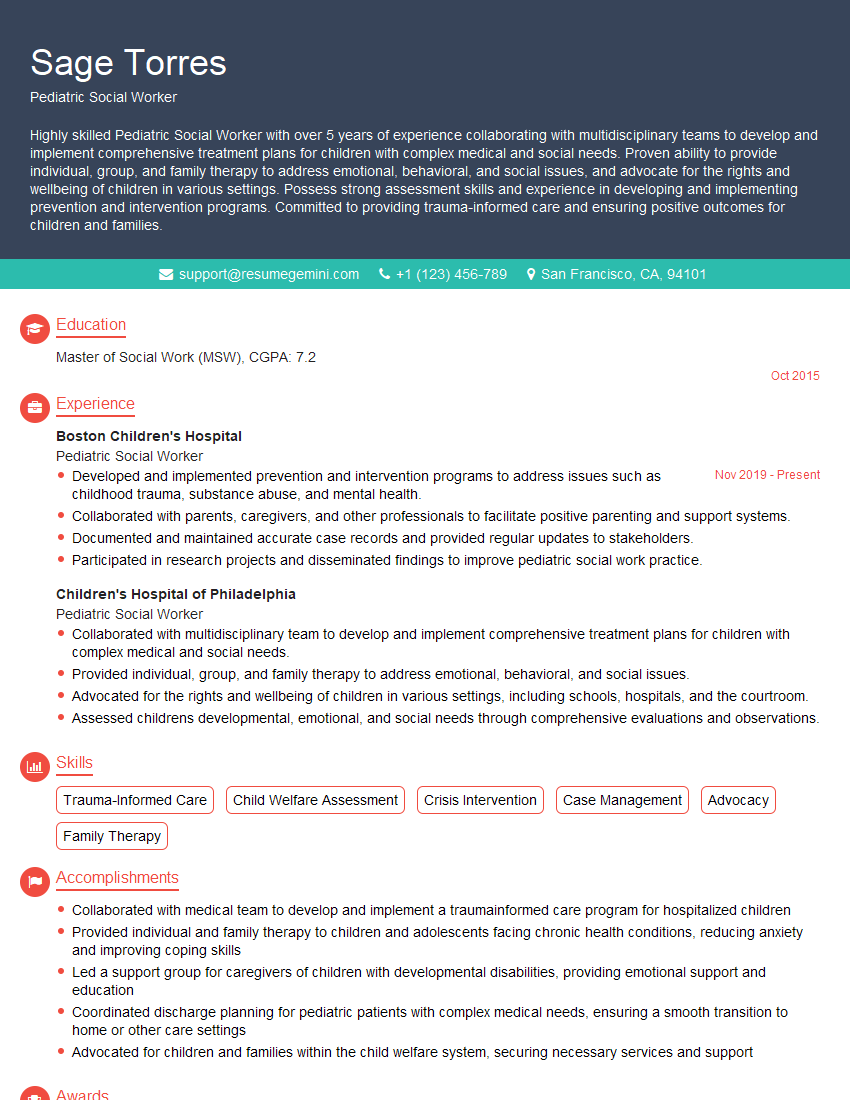
Pediatric Social Worker Resume Sample

Learning Disabilities Specialist Resume Sample
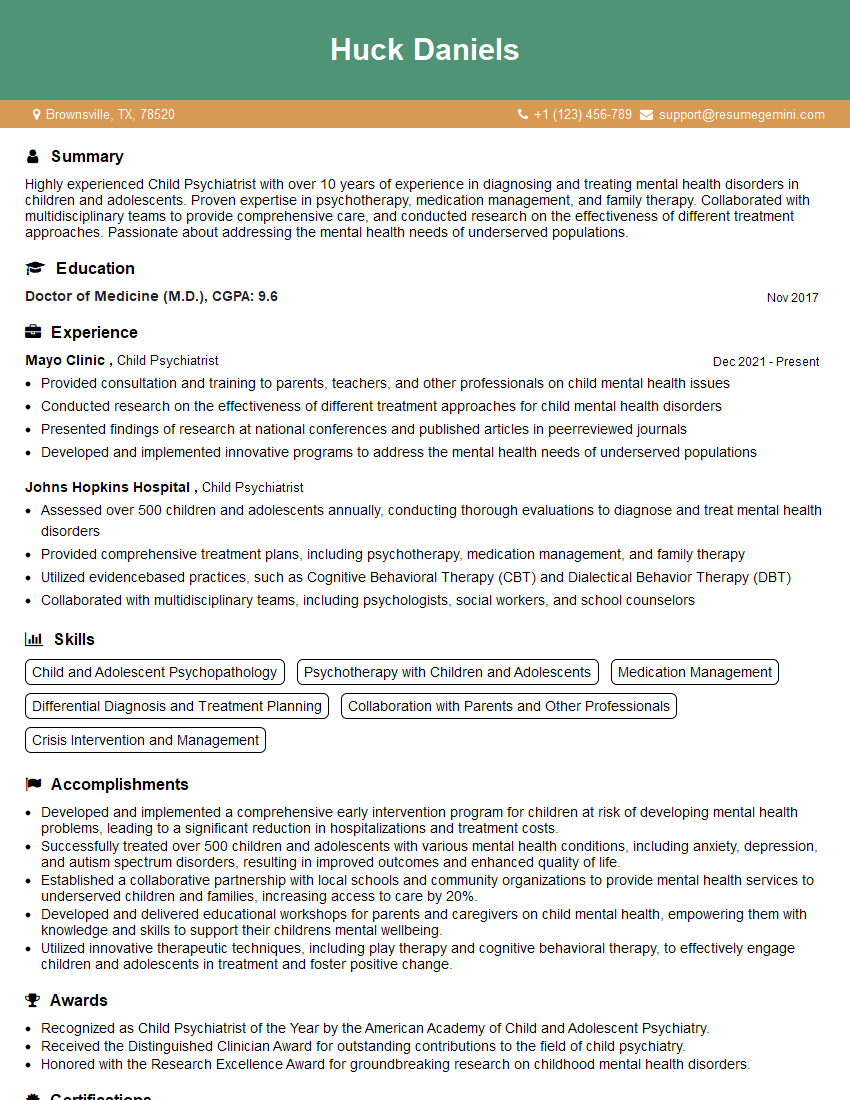
Child Psychiatrist Resume Sample
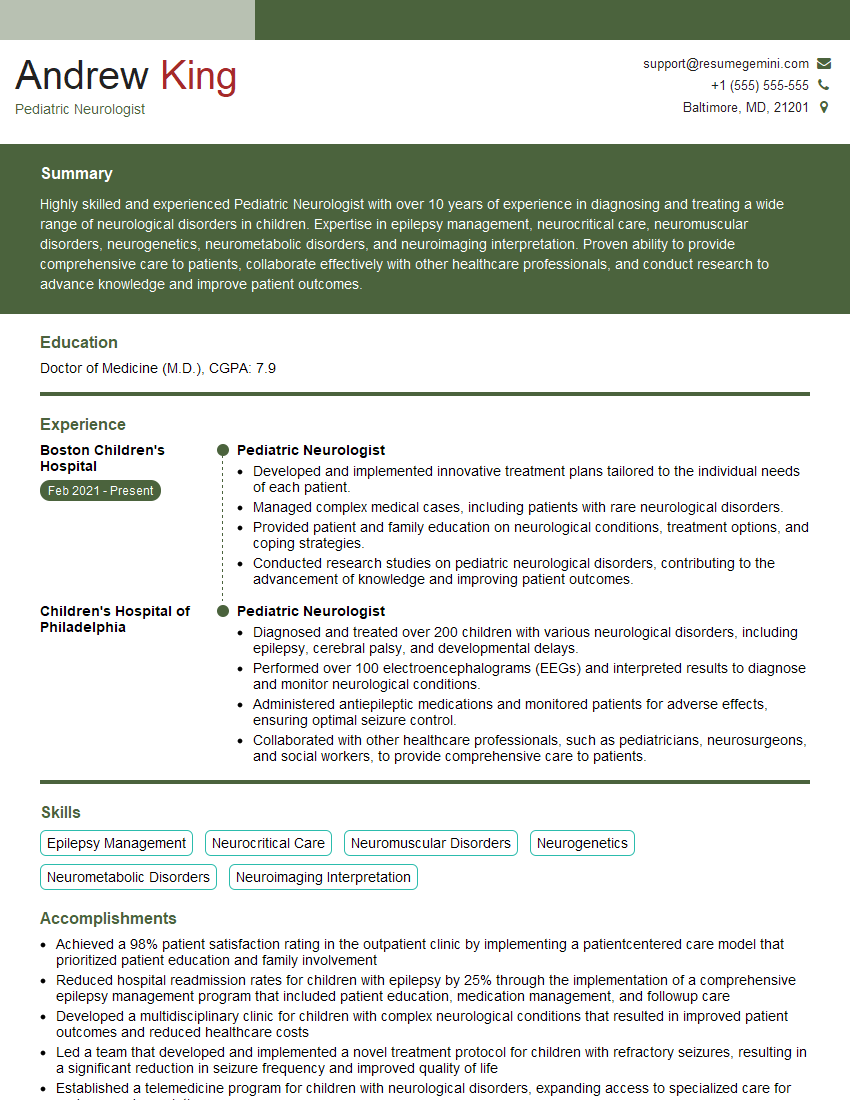
Pediatric Neurologist Resume Sample
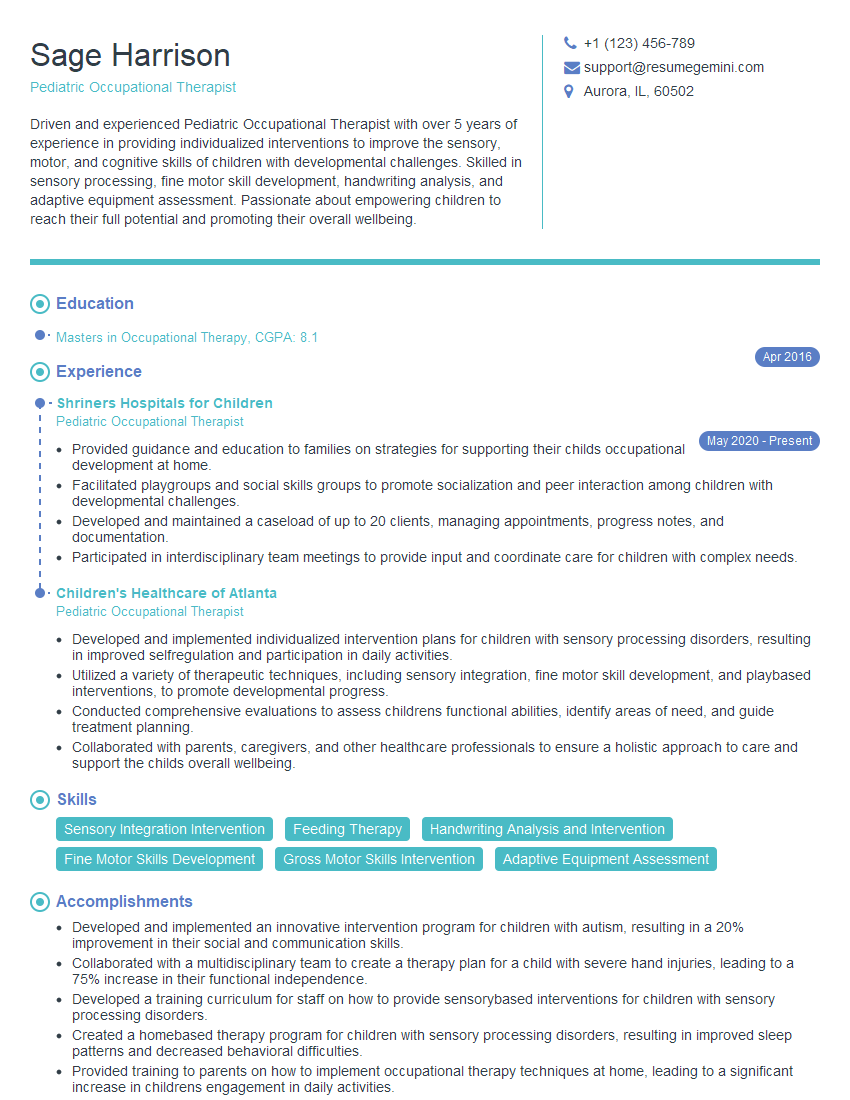
Pediatric Occupational Therapist Resume Sample
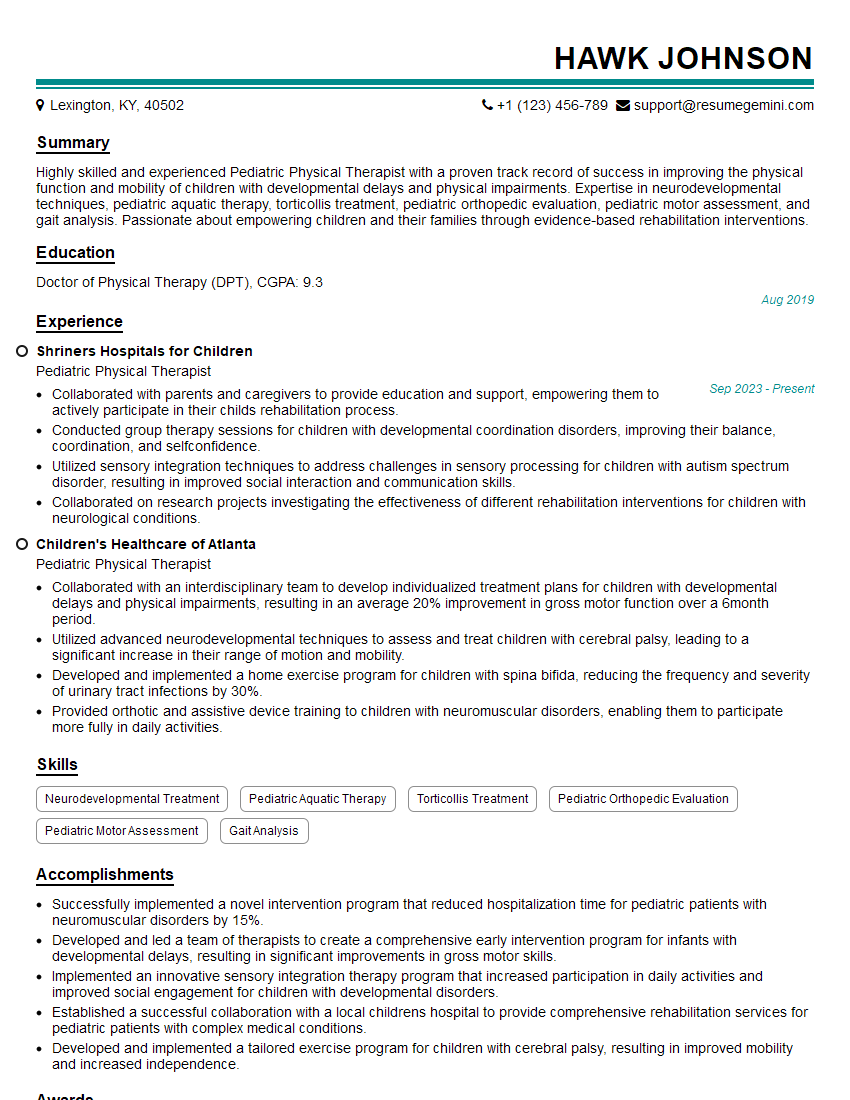
Pediatric Physical Therapist Resume Sample
Explore more articles
Users Rating of Our Blogs
Share Your Experience
We value your feedback! Please rate our content and share your thoughts (optional).
What Readers Say About Our Blog
To the interviewgemini.com Webmaster.
Very helpful and content specific questions to help prepare me for my interview!
Thank you
To the interviewgemini.com Webmaster.
This was kind of a unique content I found around the specialized skills. Very helpful questions and good detailed answers.
Very Helpful blog, thank you Interviewgemini team.