Are you ready to stand out in your next interview? Understanding and preparing for Vulnerability Assessment and Species Prioritization interview questions is a game-changer. In this blog, we’ve compiled key questions and expert advice to help you showcase your skills with confidence and precision. Let’s get started on your journey to acing the interview.
Questions Asked in Vulnerability Assessment and Species Prioritization Interview
Q 1. Define vulnerability assessment in the context of species conservation.
Vulnerability assessment in species conservation is the process of identifying and evaluating the factors that threaten the survival of a species. It’s like a comprehensive health check for a species, pinpointing its weaknesses and predicting its future prospects. We systematically examine the species’ characteristics and its environment to determine its risk of extinction or population decline.
This process helps us understand the species’ sensitivity to various threats, allowing us to prioritize conservation efforts effectively. For example, a vulnerability assessment might reveal that a particular frog species is highly vulnerable because of habitat loss due to deforestation and susceptibility to a deadly fungal disease.
Q 2. Explain the difference between intrinsic and extrinsic vulnerability factors.
Intrinsic vulnerability factors are characteristics inherent to the species itself that make it more susceptible to extinction. These are essentially internal weaknesses. Think of a species with a very specialized diet, limited reproductive rate, or a small geographic range – these are all intrinsic vulnerabilities. They are like built-in weaknesses in the species’ ‘code’.
Extrinsic factors, on the other hand, are external threats emanating from the environment or human activities. Examples include habitat loss, pollution, climate change, invasive species, and overexploitation. These are external pressures affecting the species’ survival.
A good analogy is a car: intrinsic vulnerability could be a poorly designed engine (inherent weakness), while extrinsic vulnerability could be a collision with another vehicle (external threat).
Q 3. Describe three common methods for assessing species vulnerability.
Several methods exist for assessing species vulnerability, each with its strengths and weaknesses. Three common methods are:
Species Distribution Models (SDMs): These models predict a species’ potential distribution based on environmental variables and known occurrences. By projecting future changes in these variables (e.g., climate change), we can forecast potential range shifts and habitat loss, estimating future vulnerability.
Red List criteria: The IUCN Red List uses criteria (population size, reduction, geographic range, etc.) to assess extinction risk and categorize species. While not a standalone assessment method, it utilizes vulnerability factors in its assessment and offers a standardized framework for comparing species’ threat levels.
Quantitative Risk Assessments (QRAs): These assessments use statistical models and probabilistic approaches to estimate the probability of extinction or population decline under different scenarios. QRAs combine various factors into a quantitative risk score, incorporating uncertainty explicitly.
Q 4. What are the key criteria used in species prioritization frameworks?
Species prioritization frameworks utilize several key criteria to decide which species should receive conservation attention first. Resources are often limited, so prioritization is crucial. These criteria often include:
Vulnerability: The species’ risk of extinction as determined through vulnerability assessments.
Irreplaceability: The species’ unique evolutionary history, phylogenetic distinctiveness, or contribution to ecosystem functioning. It addresses whether the species represents a unique branch on the tree of life.
Threatened status: Official designations like IUCN Red List categories provide a standardized measure of threat levels.
Recovery potential: The likelihood of the species recovering with conservation interventions. Species with high recovery potential are naturally preferable targets.
Economic value: While ethically problematic to solely rely on economic values, their contribution to ecosystem services, tourism or other human benefits can sometimes be a factor.
Prioritization often involves balancing these factors, and the relative weighting can change depending on the specific conservation goals and resource availability.
Q 5. How do you incorporate uncertainty into vulnerability assessments?
Uncertainty is inherent in vulnerability assessments because we rarely have perfect data and future predictions always hold inherent uncertainties. Ignoring uncertainty would lead to overly simplistic and potentially misleading results. Several ways to incorporate uncertainty include:
Sensitivity analysis: Varying the inputs to the model to see how much the output (vulnerability score) changes. This helps determine which factors are most influential and how uncertain our predictions are.
Probabilistic modeling: Instead of using point estimates for parameters (e.g., population size), we use probability distributions representing the range of plausible values. This provides a more realistic representation of uncertainty.
Scenario planning: Exploring several plausible future scenarios (e.g., different climate change projections) and evaluating species vulnerability under each scenario. This helps us understand the range of possible outcomes.
Transparent communication of uncertainty is vital to ensure that conservation decisions are informed by the best available evidence and realistic expectations.
Q 6. Explain the role of GIS in vulnerability assessment and species prioritization.
Geographic Information Systems (GIS) are invaluable tools in vulnerability assessment and species prioritization. GIS allows us to spatially represent and analyze data about species distributions, environmental variables, and threats. Here’s how:
Mapping species distributions: GIS allows for accurate mapping of species occurrence data using point, line, or polygon data. This forms the basis of SDMs and habitat suitability assessments.
Overlaying environmental data: Environmental variables such as climate, elevation, land cover, and proximity to human settlements can be overlaid onto species distributions to identify areas of high vulnerability. We can visually see where the species overlaps with threat factors.
Analyzing spatial relationships: GIS allows us to analyze spatial relationships between species and threats, such as assessing the distance of populations to roads or urban areas.
Prioritization mapping: GIS can be used to create maps that integrate vulnerability scores, irreplaceability measures, and other criteria to identify priority conservation areas.
Essentially, GIS provides the visualization and analytical framework to integrate different data layers and spatially guide conservation decision-making.
Q 7. Discuss the limitations of using IUCN Red List categories for species prioritization.
While the IUCN Red List provides a valuable, standardized framework for assessing extinction risk, relying solely on its categories for species prioritization has limitations:
Coarse categorization: The Red List categories (e.g., Endangered, Vulnerable) are relatively coarse and may not capture the nuances of extinction risk within those categories. Two species both labeled ‘Endangered’ could have vastly different probabilities of extinction.
Data limitations: IUCN assessments depend on available data, which can be incomplete or biased for certain species or regions. Data scarcity can lead to inaccurate assessments.
Limited scope: The IUCN Red List primarily focuses on extinction risk, neglecting other important considerations, such as a species’ contribution to ecosystem services or its evolutionary distinctiveness.
Temporal lag: IUCN assessments require updating, and there can be a significant time lag between assessment and actual publication. This means the information might not be up to date.
Therefore, while a valuable resource, the IUCN Red List should be used in conjunction with other assessment methods and criteria when prioritizing species for conservation action.
Q 8. How do you handle data gaps when conducting vulnerability assessments?
Data gaps are inevitable in vulnerability assessments, especially when dealing with complex ecosystems and limited resources. The key is to acknowledge these gaps, employ appropriate methodologies to address them, and transparently report limitations in the final assessment. There are several strategies we use to handle this:
- Data imputation: This involves using statistical methods to estimate missing values based on available data. For example, if we lack rainfall data for a specific region, we might use data from nearby locations with similar climatic conditions to estimate the missing values.
- Sensitivity analysis: This involves assessing how the results of the vulnerability assessment change when different assumptions are made about the missing data. This helps determine the uncertainty associated with the gaps and allows us to highlight areas requiring further research.
- Qualitative data incorporation: Often, local ecological knowledge (LEK) can fill in data gaps. We might interview community members or indigenous groups to gather information about historical changes in species populations, habitat conditions, or the impact of threats. This qualitative data, while not as easily quantifiable, is invaluable in providing a more holistic understanding.
- Expert elicitation: Consulting with experts in the relevant field can help to fill data gaps by leveraging their knowledge and experience. They can provide educated estimates or insights based on their expertise.
It’s crucial to document all methods used to handle data gaps and to clearly communicate the uncertainty associated with any estimates or conclusions derived from incomplete data. Transparency is essential for the credibility of the vulnerability assessment.
Q 9. Describe a situation where you had to prioritize among competing conservation needs.
During a project in the Amazon rainforest, we faced a difficult choice: allocating limited funds between protecting a critically endangered primate (the muriqui monkey) and preserving a large tract of rainforest vital to numerous species, though none as critically endangered as the muriqui. Both projects were important for biodiversity conservation.
We used a multi-criteria decision analysis (MCDA) approach. This framework involved assigning weights to different criteria, such as species extinction risk, ecosystem services provided, and the feasibility of implementation. We scored each project based on these criteria, weighted the scores, and summed them. The higher the total weighted score, the higher the priority. For the muriqui, the high extinction risk gave it a significantly high score on that particular criterion, but the scale of impact was smaller compared to the large rainforest tract.
The analysis revealed that while saving the muriqui was a crucial short-term goal (high extinction risk = high priority), long-term biodiversity depended on protecting the larger rainforest area – providing a broader benefit and a habitat for the muriqui. We therefore decided to prioritize securing the larger area first, but included a detailed plan for muriqui conservation within the larger protection strategy, ensuring a holistic approach.
Q 10. Explain the concept of ‘surrogate species’ and their use in conservation.
A surrogate species is a species that is used as a proxy for the conservation of other species or habitats. It’s like using a single indicator to monitor a broader trend. This is particularly helpful when resources are limited, making it impossible to monitor every species in an ecosystem.
For example, the presence of a certain type of lichen could serve as a surrogate for the overall health of a forest ecosystem. If the lichen thrives, it suggests that the air quality and overall ecosystem health are good, therefore indirectly indicating the well-being of other species that rely on these conditions. Similarly, a top predator, like a wolf, might be a surrogate species, as its presence indicates a healthy prey population and a balanced ecosystem. The success of wolf conservation efforts often indirectly protects a range of other species.
However, using surrogate species requires careful consideration. The chosen species must truly reflect the condition of the ecosystem or other species. Incorrectly selecting a surrogate could lead to skewed conservation efforts, potentially neglecting species or habitats that are truly in need.
Q 11. What are some ethical considerations in species prioritization?
Ethical considerations in species prioritization are crucial and often complex. We must strive for fairness and avoid biases. Here are some key ethical concerns:
- Anthropocentrism: Favoring species that are of direct economic or aesthetic benefit to humans, while neglecting those less ‘useful’ or charismatic, is a major ethical pitfall. We need to ensure that intrinsic value of all species is considered.
- Bias and objectivity: Personal preferences or biases can unconsciously influence the prioritization process. Rigorous scientific methods and transparent decision-making processes are crucial to mitigate this.
- Equity and fairness: Conservation efforts should consider the impact on human communities and ensure equitable distribution of benefits and costs. Prioritizing conservation efforts in one area while neglecting another might have negative social and economic implications.
- Uncertainty and precaution: When facing incomplete data or uncertainty about the future, a precautionary principle should guide our actions. It is better to err on the side of caution and protect species or habitats that are at risk, even if the risk is not fully quantified.
In essence, ethical species prioritization necessitates a balanced approach that considers ecological integrity, societal well-being, and scientific rigor, ensuring fairness and transparency in decision-making.
Q 12. How do you evaluate the effectiveness of conservation interventions?
Evaluating the effectiveness of conservation interventions requires a combination of quantitative and qualitative methods, along with long-term monitoring.
Quantitative methods might include population counts of target species, habitat area change assessments, and measurements of ecosystem health indicators. We’d analyze changes in these metrics before and after intervention, using statistical methods to determine the significance of any observed changes. For example, we might compare population trends of a threatened bird species before and after habitat restoration efforts, using statistical tests to determine if the restoration significantly improved the bird population.
Qualitative methods involve gathering data through interviews with local communities, stakeholder surveys, and case studies. This helps understand the social, economic, and cultural impacts of the intervention and gain perspectives that quantitative data might miss. For instance, we might conduct interviews with farmers to assess whether new conservation practices have led to improved livelihoods.
Long-term monitoring is crucial as changes in ecological systems often take time to become apparent. Continuous data collection over many years is vital to determine the long-term success or failure of an intervention. For instance, we might monitor the recovery of a coral reef following a coral bleaching event, measuring coral cover and fish diversity over decades.
A robust evaluation framework includes setting clear, measurable objectives at the outset, selecting appropriate indicators to track progress, and using a mix of quantitative and qualitative methods to assess both ecological and social outcomes.
Q 13. What are the major threats to biodiversity you are most concerned about?
The major threats to biodiversity are deeply interconnected, but I’m most concerned about:
- Habitat loss and degradation: This remains the dominant threat, driven by deforestation, agriculture expansion, urbanization, and infrastructure development. The fragmentation of habitats isolates populations, reducing genetic diversity and making them more vulnerable.
- Climate change: Rapid shifts in temperature, precipitation patterns, and extreme weather events are causing widespread disruptions to ecosystems, impacting species distributions, phenology (timing of biological events), and species interactions. The rate of change is often too fast for species to adapt.
- Overexploitation: Unsustainable harvesting of species for food, timber, medicine, or the pet trade is depleting populations and driving species towards extinction. This includes both legal and illegal activities.
- Pollution: Air, water, and soil pollution from industrial activities, agriculture, and urban areas are having devastating effects on biodiversity. Plastic pollution, for instance, is harming marine life on an alarming scale.
- Invasive species: The introduction of non-native species can disrupt ecosystems, outcompete native species, and spread diseases. This often results in dramatic shifts in community composition.
Addressing these threats requires a multi-faceted approach involving policy changes, technological innovations, community engagement, and international cooperation.
Q 14. How do climate change projections impact vulnerability assessments?
Climate change projections are fundamentally reshaping vulnerability assessments. They are no longer optional additions but integral components. We must incorporate predicted changes in climate variables (temperature, precipitation, sea level rise) into our models to assess the future vulnerability of species and ecosystems.
Specifically, climate projections inform:
- Species distribution modeling: We use climate data to predict how species ranges might shift in response to climate change, highlighting areas that might become more or less suitable habitat. This helps identify potential hotspots of vulnerability and areas that may require prioritized conservation actions.
- Assessing species resilience: We use projections to assess the capacity of species to adapt to changing conditions. This involves considering factors such as genetic diversity, dispersal ability, and physiological tolerances. Species with low resilience are more likely to be vulnerable.
- Identifying synergistic threats: Climate change interacts with other threats, such as habitat loss and pollution, creating synergistic effects that can exacerbate the vulnerability of species and ecosystems. We need to assess these cumulative impacts.
- Planning adaptation strategies: Vulnerability assessments incorporating climate projections are crucial for developing effective adaptation strategies, such as assisted migration (helping species move to more suitable habitats) or habitat restoration aimed at enhancing species resilience.
In essence, incorporating climate change projections moves vulnerability assessments beyond snapshots of current conditions to provide a more comprehensive understanding of future risks and the needed interventions.
Q 15. Describe your experience with population viability analysis (PVA).
Population Viability Analysis (PVA) is a powerful tool used to assess the likelihood of a species or population persisting for a specified period, considering factors like population size, birth and death rates, and environmental stochasticity (random events). Imagine it as a sophisticated prediction model for a species’ future. In my experience, I’ve used PVA models, often employing software like RAMAS GIS, to analyze various scenarios for endangered species. For example, I worked on a project involving the California Condor, where we modeled different management strategies – such as habitat restoration and captive breeding programs – to determine their effect on long-term population survival. The results helped prioritize conservation efforts and allocate resources effectively. We examined factors like minimum viable population size, the impact of disease outbreaks, and the effects of habitat fragmentation, all incorporated into the PVA model. The process involves gathering extensive data on the species’ demography and environment, building the model, running simulations, and interpreting the results to inform conservation decisions.
Career Expert Tips:
- Ace those interviews! Prepare effectively by reviewing the Top 50 Most Common Interview Questions on ResumeGemini.
- Navigate your job search with confidence! Explore a wide range of Career Tips on ResumeGemini. Learn about common challenges and recommendations to overcome them.
- Craft the perfect resume! Master the Art of Resume Writing with ResumeGemini’s guide. Showcase your unique qualifications and achievements effectively.
- Don’t miss out on holiday savings! Build your dream resume with ResumeGemini’s ATS optimized templates.
Q 16. How do you integrate stakeholder perspectives into conservation planning?
Integrating stakeholder perspectives is crucial for successful conservation planning. It’s not just about science; it’s about people. Ignoring local communities, landowners, or other interested parties can lead to conflict and ultimately hinder conservation efforts. My approach involves a multi-step process. First, I identify all key stakeholders – this includes local communities, government agencies, NGOs, indigenous groups, and private landowners. Then, I employ participatory methods, such as workshops, interviews, and surveys, to gather their perspectives, concerns, and traditional ecological knowledge. This information is then integrated into the conservation plan, ensuring that the plan is both ecologically sound and socially acceptable. For example, in a project concerning protected area designation, we held community meetings to understand local people’s dependence on natural resources within the proposed area. This allowed us to collaboratively develop a management plan that balanced conservation goals with the needs of the local community, minimizing potential conflict and maximizing support for the project.
Q 17. Explain the concept of ecosystem services and their relevance to species prioritization.
Ecosystem services are the myriad benefits humans derive from ecosystems. Think of clean air and water, pollination of crops, timber, and recreation opportunities. These services are crucial to human well-being, and their provision is often directly linked to the health of species within the ecosystem. In species prioritization, understanding ecosystem services helps us identify species that play critical roles in providing these services. For instance, a keystone species – a species that has a disproportionately large effect on its environment relative to its abundance – might be prioritized because its loss would severely impact multiple ecosystem services. Similarly, species that contribute significantly to carbon sequestration or water purification would receive higher priority in conservation planning. Essentially, evaluating the contribution of a species to various ecosystem services provides a strong rationale for prioritization, bridging the gap between ecological considerations and human well-being.
Q 18. Discuss the role of protected areas in species conservation.
Protected areas, such as national parks and wildlife reserves, are cornerstones of species conservation. They provide safe havens for species, shielding them from habitat loss, poaching, and other threats. The effectiveness of protected areas varies greatly depending on factors such as their size, management effectiveness, and connectivity to other habitats. Larger, well-managed, and interconnected protected areas tend to be more effective in protecting biodiversity. However, simply establishing a protected area is not enough. Effective management is crucial; this includes controlling poaching, managing invasive species, monitoring populations, and engaging local communities in conservation efforts. For example, effective anti-poaching patrols and community-based natural resource management programs are vital to the success of a protected area. Furthermore, creating networks of protected areas helps facilitate species movement and genetic exchange, increasing the long-term resilience of populations.
Q 19. What is the difference between in-situ and ex-situ conservation?
In-situ conservation involves protecting species within their natural habitats. Think of establishing national parks or implementing habitat restoration projects. It’s about conserving species where they naturally occur. Ex-situ conservation, on the other hand, involves protecting species outside their natural habitats. This includes captive breeding programs in zoos or botanical gardens, seed banks, and gene banks. Both approaches have their strengths and weaknesses. In-situ conservation is generally preferred as it maintains the species’ natural evolutionary processes and ecological interactions, but it’s less effective when facing severe habitat loss or high levels of threat. Ex-situ conservation is useful for species facing imminent extinction and offers opportunities for research and breeding programs, but it can lead to loss of genetic diversity and adaptation to the wild.
Q 20. How do you incorporate genetic diversity into species prioritization?
Genetic diversity is essential for a species’ long-term survival, providing the raw material for adaptation to changing environments. Incorporating genetic diversity into species prioritization involves several steps. First, we need to assess the genetic diversity of populations, using molecular techniques such as microsatellite analysis or SNP genotyping. This data helps identify populations with low genetic diversity, which are more vulnerable to extinction. Second, we identify the factors that affect genetic diversity, such as population size, habitat fragmentation, and inbreeding. Then, we can prioritize species and populations with low genetic diversity for conservation action. Strategies may include habitat connectivity restoration to promote gene flow or targeted breeding programs to increase genetic diversity. For example, a species with only a few small, isolated populations, all exhibiting low genetic diversity, would be a high priority for conservation efforts targeting genetic rescue and habitat connectivity.
Q 21. Describe your experience with data analysis techniques relevant to conservation.
My experience with data analysis in conservation encompasses a range of techniques, from descriptive statistics to complex spatial modeling. I routinely use statistical software like R and ArcGIS to analyze data on species distributions, population trends, and environmental variables. For example, I’ve used species distribution modeling (SDM) techniques to predict the potential impacts of climate change on species ranges, using algorithms such as MaxEnt or generalized linear models. This involves integrating species occurrence data with environmental data (e.g., temperature, precipitation, elevation) to create predictive maps of species distributions under future climate scenarios. Furthermore, I frequently use multivariate statistical techniques, such as Principal Component Analysis (PCA) and cluster analysis, to identify patterns in large datasets and reduce dimensionality. This can be used to analyze the relationships between species traits and environmental factors, helping to identify species at high risk of extinction based on their ecological characteristics or conservation status. Finally, I have experience with geospatial analysis, using GIS to map species distributions, habitats, and protected areas, providing crucial inputs for conservation planning and monitoring.
Q 22. How do you communicate complex scientific information to non-technical audiences?
Communicating complex scientific information effectively to non-technical audiences requires a shift from technical jargon to clear, concise language and relatable analogies. I begin by identifying the core message and tailoring it to the audience’s existing knowledge. For instance, when explaining species prioritization to a community group, I wouldn’t use terms like ‘species richness’ or ‘endemism’ without explanation. Instead, I would use simpler terms like ‘variety of species’ and ‘species found only in this area’.
Visual aids, such as charts, graphs, and maps, are crucial for simplifying data. Storytelling is also powerful; weaving narratives around specific species or conservation challenges helps engage the audience emotionally and makes the information more memorable. For example, I might tell the story of a specific endangered bird and how habitat loss directly impacts its survival to illustrate the urgency of conservation efforts. Interactive elements, like Q&A sessions or hands-on activities, further facilitate understanding and encourage participation.
Finally, using multiple communication channels—presentations, brochures, infographics, and social media—helps reach a broader audience and reinforces the message. The goal is to empower the audience with the information they need to become informed stakeholders in conservation efforts.
Q 23. What are the limitations of quantitative approaches to species prioritization?
While quantitative approaches to species prioritization offer valuable objectivity and the ability to handle large datasets, they have several limitations. One key limitation is the reliance on readily available data, which may not always reflect the true conservation status of a species. For example, a species might have a large geographic range, but its populations might be highly fragmented and declining, a detail that may not be apparent in broad-scale quantitative assessments.
Another limitation is the difficulty in incorporating qualitative data, such as cultural significance or the species’ role in ecosystem processes. Quantitative models often focus primarily on measurable factors like population size and habitat loss, overlooking intangible values that are crucial for informed decision-making. The simplification of complex ecological interactions into numerical scores can also lead to an oversimplification of reality and potentially misrepresent a species’ true vulnerability. Finally, the choice of the algorithm and the weighting of different variables can significantly influence the prioritization results, highlighting a degree of subjectivity despite the quantitative approach.
Therefore, a balanced approach that integrates quantitative data with qualitative insights and expert judgment is crucial for effective species prioritization.
Q 24. Describe your experience working with different conservation organizations/agencies.
Throughout my career, I’ve collaborated with a diverse range of conservation organizations and agencies, including governmental bodies like the [Name of relevant government agency], non-governmental organizations such as [Name of NGO], and private conservation trusts like [Name of Trust]. Each organization presents unique challenges and opportunities. Working with governmental agencies often involves navigating bureaucratic processes and adhering to strict protocols, while collaborations with NGOs typically focus on community engagement and on-the-ground conservation work. Private trusts often provide flexibility and the possibility of innovative approaches but may have narrower scopes of operation.
For example, in my work with [Name of NGO], I was involved in developing a vulnerability assessment for several primate species in a region impacted by deforestation. This involved extensive field work, data analysis, and collaboration with local communities. My experience with [Name of government agency] involved the development of national-level conservation strategies, which required coordinating with numerous stakeholders and integrating diverse datasets. These experiences have equipped me with valuable skills in communication, collaboration, and navigating diverse organizational structures.
Q 25. What are some emerging technologies that could improve vulnerability assessments?
Emerging technologies are revolutionizing vulnerability assessments. Remote sensing technologies, such as satellite imagery and drones, offer unprecedented opportunities for monitoring habitat changes, assessing species distribution, and detecting threats like deforestation or poaching in real-time. This allows for more timely and accurate assessments compared to traditional ground-based methods.
Advances in machine learning and artificial intelligence are being used to analyze massive datasets, identify patterns, and predict future trends. For example, AI can help predict the spread of invasive species or the impact of climate change on species distributions. Furthermore, environmental DNA (eDNA) techniques allow for non-invasive species detection by identifying genetic material in environmental samples (soil, water). This is particularly useful for cryptic or elusive species. Finally, citizen science initiatives, facilitated by mobile apps and online platforms, enable large-scale data collection and enhance our understanding of species distributions and population dynamics.
Q 26. How do you stay up-to-date on the latest advancements in conservation biology?
Staying current in conservation biology requires a multi-faceted approach. I regularly read peer-reviewed journals like Conservation Biology and Biological Conservation. I also attend conferences and workshops, both national and international, to network with colleagues and learn about cutting-edge research. Online resources, such as the IUCN Red List and various conservation organization websites, provide updates on species status and conservation efforts.
Furthermore, I actively participate in online communities and discussion forums dedicated to conservation biology. This enables me to access recent publications, debate new ideas, and engage in discussions with leading experts in the field. Finally, I maintain a network of colleagues and mentors with whom I regularly exchange information and insights. This ensures that I remain at the forefront of current advancements and innovative conservation approaches.
Q 27. Describe a time you had to make a difficult decision regarding resource allocation in conservation.
During a project involving the conservation of three critically endangered bird species in a limited geographical area, we faced a severe funding constraint. We had to allocate a limited budget between habitat restoration for all three species, intensive captive breeding for one of the species with a very low wild population, and community-based conservation programs for all three. Each action had its advantages and disadvantages.
The decision-making process involved a rigorous cost-benefit analysis, factoring in the likely success rate of each intervention and the long-term impact on each species’ survival. We also considered the broader ecological implications of our actions. Ultimately, we decided to prioritize habitat restoration for all three species as a foundational step, followed by a targeted captive breeding program for the most critically endangered species. Community engagement was integrated across all these efforts. This decision was difficult because it meant temporarily scaling back on some aspects, but it was based on a careful assessment of the available evidence and our long-term goals of ensuring the survival of all three species.
Q 28. How do you handle conflicts of interest in conservation projects?
Conflicts of interest can arise in conservation projects due to competing stakeholder interests, financial incentives, or personal biases. My approach to handling such conflicts is proactive and transparent. Firstly, I disclose any potential conflicts of interest at the beginning of the project. This ensures that all stakeholders are aware of my affiliations and potential biases.
Secondly, I employ a rigorous and evidence-based decision-making process, prioritizing objectivity and impartiality. If a conflict arises during the project, I strive to address it openly and constructively, involving all stakeholders in the discussion to reach a consensus that aligns with ethical principles and the overall conservation goals. If a resolution cannot be reached through dialogue, I seek guidance from relevant ethical committees or professional organizations. Maintaining transparency and adhering to ethical guidelines are crucial for ensuring the integrity and credibility of conservation work.
Key Topics to Learn for Vulnerability Assessment and Species Prioritization Interview
- Vulnerability Assessment Frameworks: Understanding different frameworks (e.g., IUCN Red List criteria, climate change vulnerability assessments) and their application to species prioritization.
- Species Distribution Modeling: Applying spatial data and ecological models to predict species ranges and identify areas of high vulnerability.
- Habitat Suitability Analysis: Assessing the quality and quantity of habitat available to a species and how changes might impact its survival.
- Threat Assessment and Prioritization: Identifying and ranking the threats facing species (e.g., habitat loss, climate change, invasive species) using quantitative and qualitative methods.
- Conservation Prioritization Techniques: Applying methods like cost-effectiveness analysis, systematic conservation planning, and species-area curves to optimize conservation efforts.
- Data Analysis and Interpretation: Working with various datasets (e.g., species occurrence data, environmental data, threat data) using statistical software and presenting findings clearly.
- Uncertainty and Risk Assessment: Understanding and communicating the uncertainties inherent in vulnerability assessments and their implications for decision-making.
- Stakeholder Engagement and Communication: Effectively communicating complex scientific information to diverse audiences (e.g., policymakers, land managers, the public).
- Practical Applications: Discuss case studies where vulnerability assessment and species prioritization have been used successfully to inform conservation actions.
- Problem-Solving Approach: Describe your experience in tackling challenges related to data limitations, conflicting stakeholder interests, or uncertain future scenarios.
Next Steps
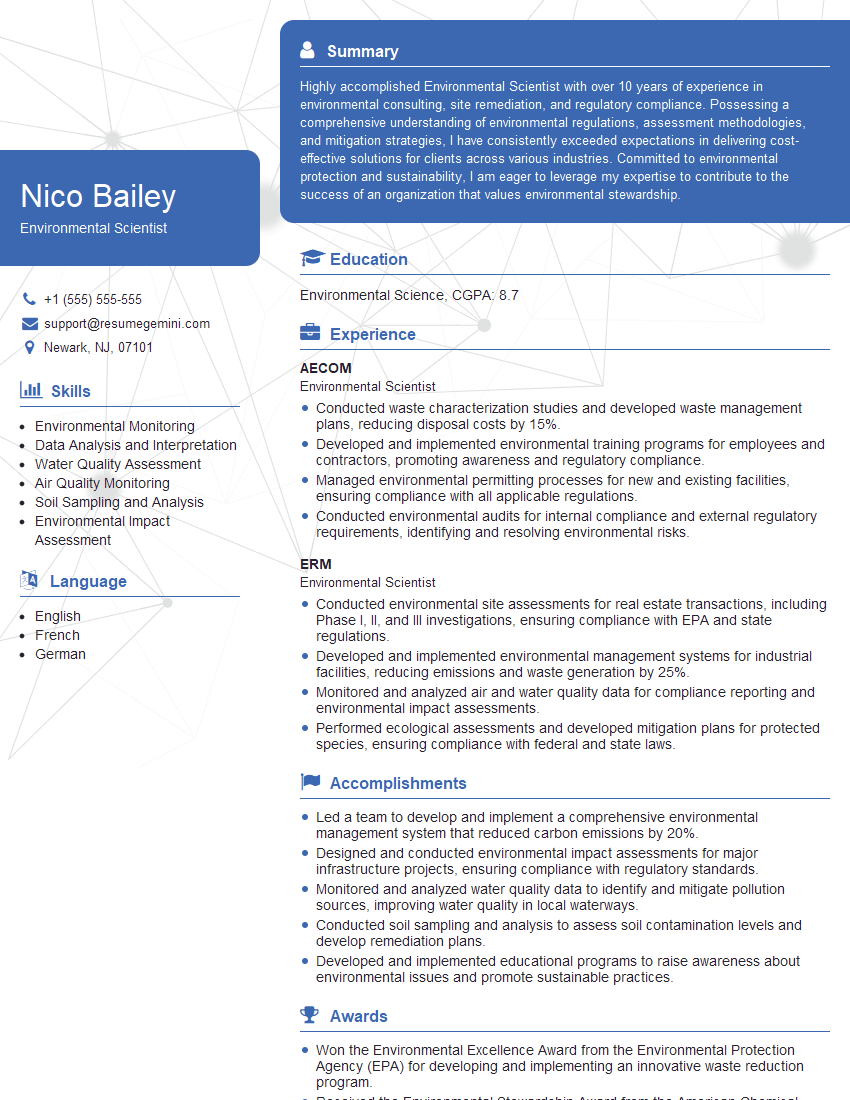
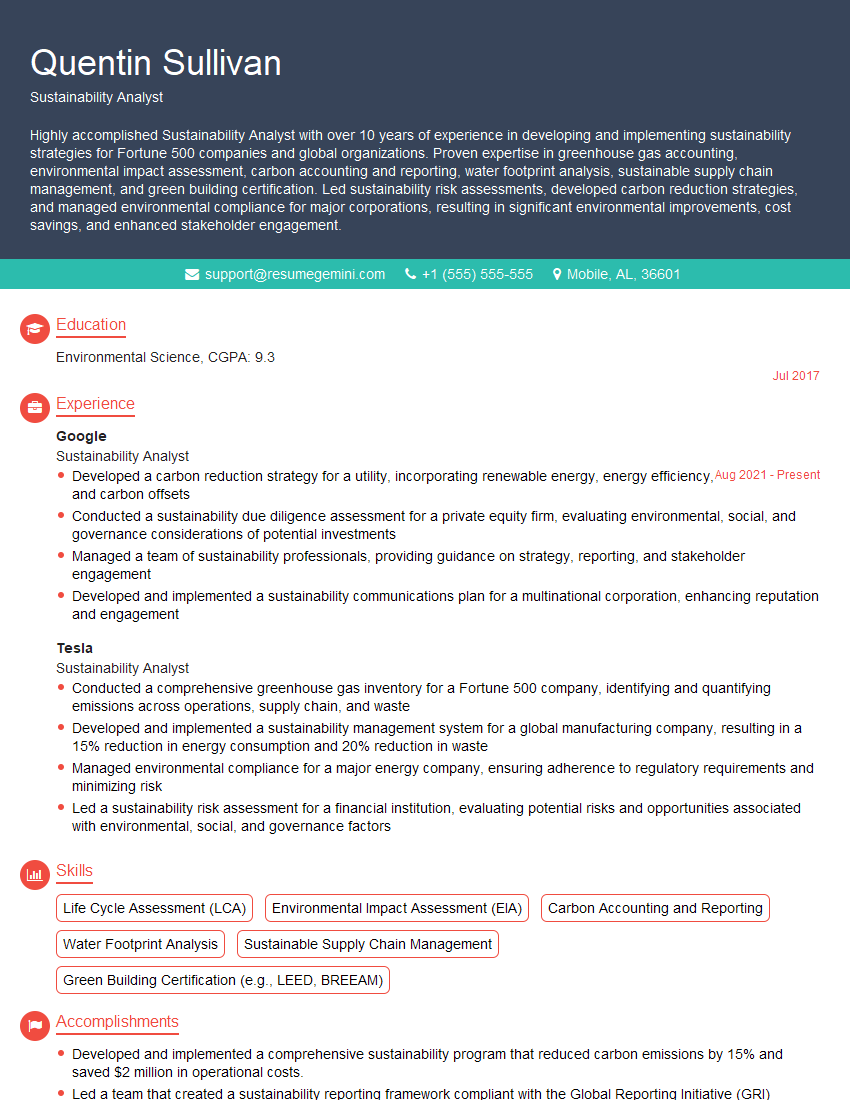
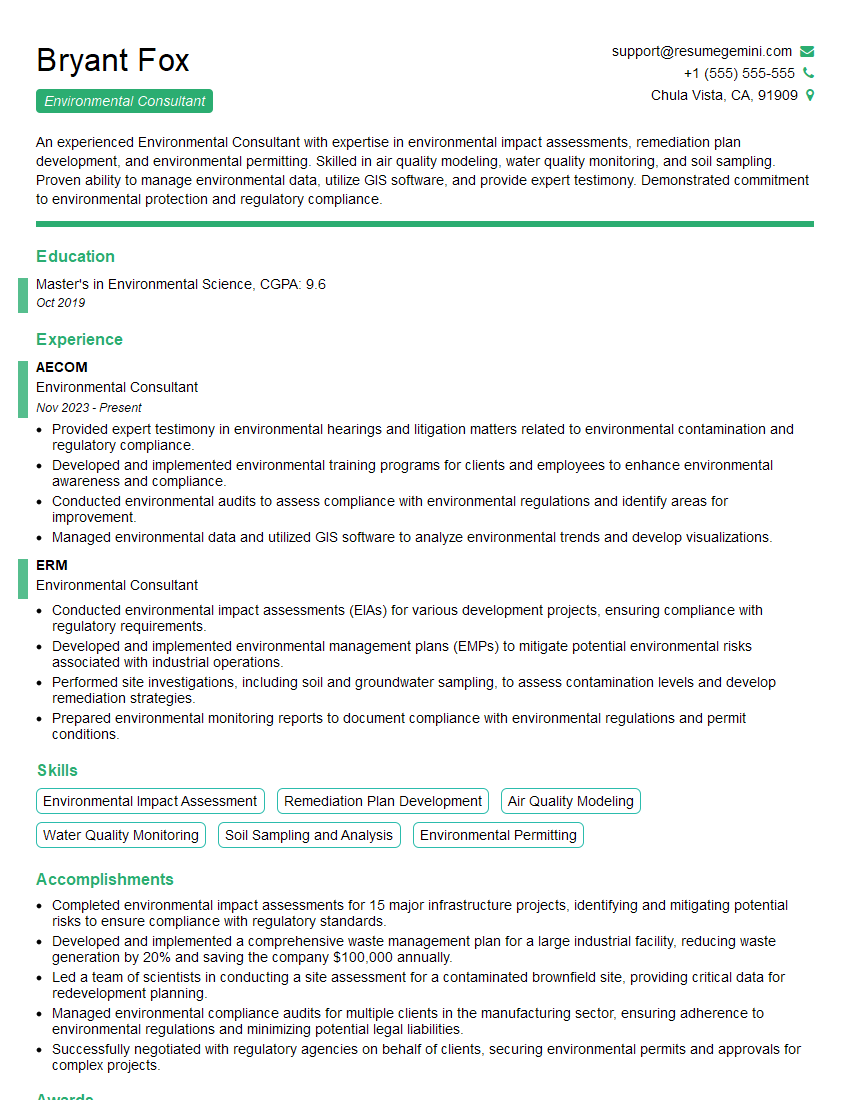
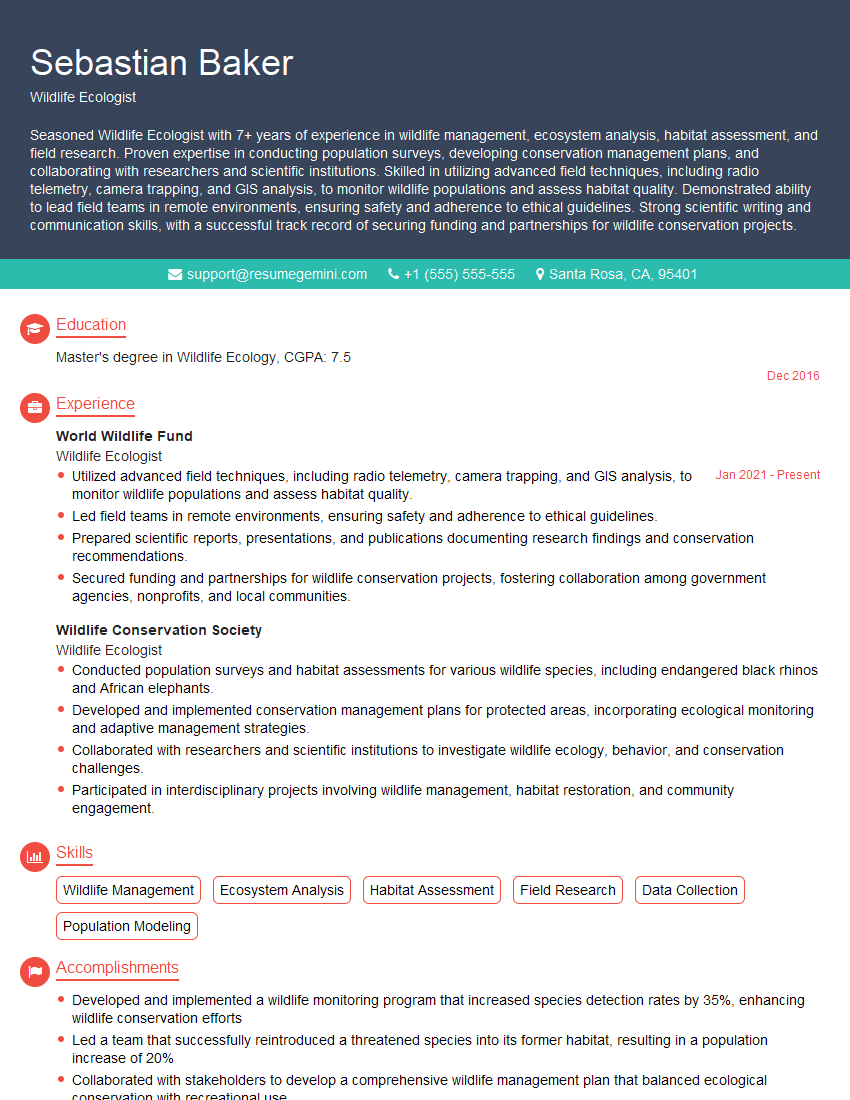
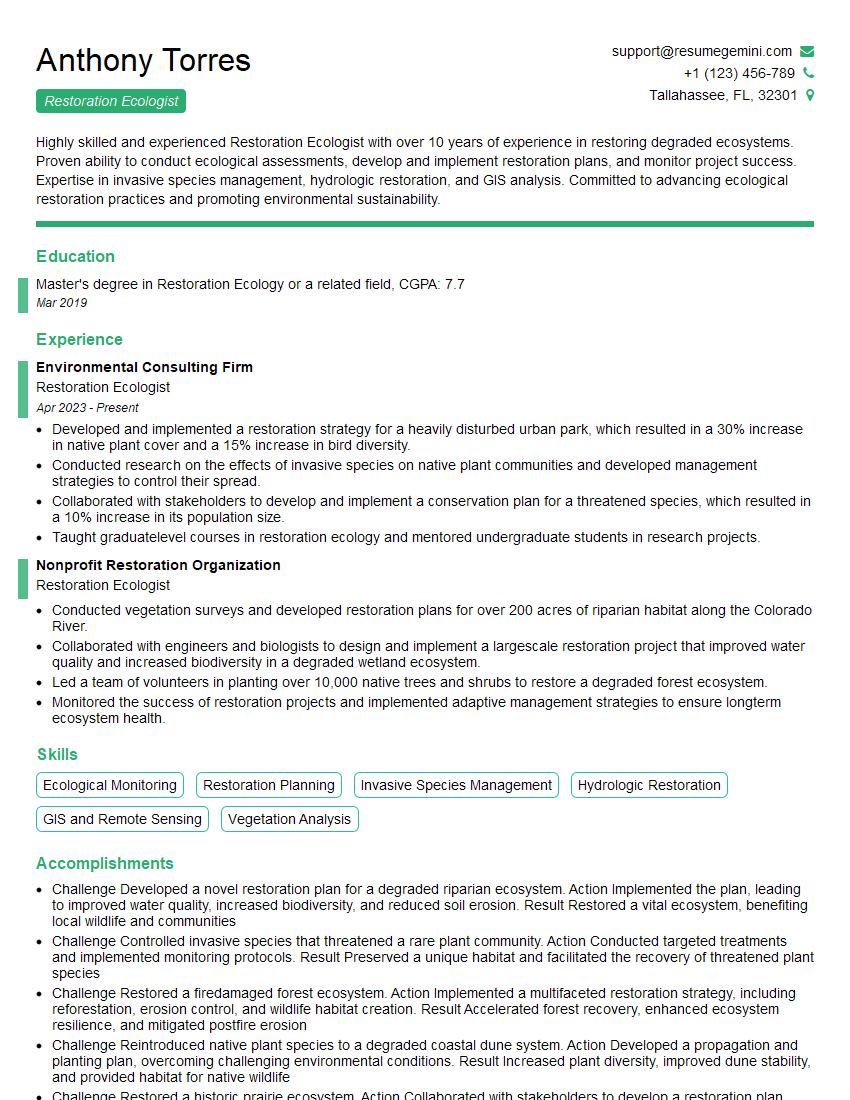
Mastering Vulnerability Assessment and Species Prioritization is crucial for advancing your career in conservation biology, environmental management, or related fields. These skills are highly sought after by employers seeking individuals who can effectively analyze complex ecological data, prioritize conservation actions, and communicate effectively. To increase your job prospects, focus on building a strong, ATS-friendly resume that highlights your relevant skills and experience. ResumeGemini is a trusted resource that can help you create a professional and impactful resume. Examples of resumes tailored to Vulnerability Assessment and Species Prioritization are available to help you get started. Invest time in crafting a compelling resume – it’s your first impression with potential employers.


Explore more articles
Users Rating of Our Blogs
Share Your Experience
We value your feedback! Please rate our content and share your thoughts (optional).
What Readers Say About Our Blog
To the interviewgemini.com Webmaster.
Very helpful and content specific questions to help prepare me for my interview!
Thank you
To the interviewgemini.com Webmaster.
This was kind of a unique content I found around the specialized skills. Very helpful questions and good detailed answers.
Very Helpful blog, thank you Interviewgemini team.