Feeling uncertain about what to expect in your upcoming interview? We’ve got you covered! This blog highlights the most important Sick Child Management interview questions and provides actionable advice to help you stand out as the ideal candidate. Let’s pave the way for your success.
Questions Asked in Sick Child Management Interview
Q 1. Describe your experience managing a child with a high fever.
Managing a child with a high fever requires a calm and systematic approach. First, I’d assess the fever’s severity using a reliable thermometer (rectal is most accurate in infants). A temperature above 100.4°F (38°C) is generally considered a fever. I would then focus on determining the underlying cause—is it a viral infection, bacterial infection, or something else? This involves considering other symptoms: cough, rash, vomiting, diarrhea, lethargy, etc.
My approach involves:
- Symptom assessment: A thorough history, including recent exposure to illness and the child’s overall behavior.
- Hydration: Offering plenty of fluids, like water or electrolyte solutions (especially important if vomiting or diarrhea is present).
- Comfort measures: Tepid sponge baths (never use cold water), cool compresses, and loose clothing to help reduce discomfort.
- Pain relief: Age-appropriate antipyretics such as acetaminophen or ibuprofen (always following dosage guidelines carefully). I would never give aspirin to a child due to the risk of Reye’s syndrome.
- Monitoring: Closely monitoring the child’s temperature, hydration status, and overall condition. Frequent checks are crucial, especially in infants.
- Seeking medical attention: If the fever is very high (over 104°F/40°C), lasts more than 3-5 days, is accompanied by severe symptoms (e.g., stiff neck, difficulty breathing, seizures, lethargy), or the child shows signs of dehydration, immediate medical attention is necessary. I would advise parents to seek professional help immediately rather than waiting or resorting to home remedies.
For example, I once managed a toddler with a high fever and a persistent cough. While initially it seemed like a simple viral upper respiratory infection, careful monitoring revealed increasing respiratory distress, prompting a hospital visit and the diagnosis of pneumonia.
Q 2. How do you assess dehydration in a child?
Assessing dehydration in a child involves observing several key indicators. Mild dehydration can be easily missed, while severe dehydration is a medical emergency.
- Skin turgor: Gently pinch the skin on the abdomen or inner thigh. In a dehydrated child, the skin will remain tented (raised) for a few seconds after release. In well-hydrated children, the skin snaps back immediately.
- Mucous membranes: Check the moisture of the mouth and lips. Dry, sticky mucous membranes indicate dehydration.
- Tears: Observe tear production. A lack of tears when crying is a sign of dehydration.
- Urine output: Decreased or concentrated urine (dark yellow or amber) is a significant indicator. Infants should have several wet diapers daily.
- Sunken eyes: The eyes may appear sunken into the sockets in dehydrated children.
- Lethargy: Dehydrated children often appear unusually tired or lethargic.
For instance, a child with diarrhea might exhibit dry mucous membranes and decreased urine output, prompting me to initiate oral rehydration therapy, emphasizing the importance of frequent small sips instead of large volumes.
Q 3. What are the key signs of respiratory distress in children?
Respiratory distress in children is a serious condition requiring immediate attention. Key signs include:
- Increased respiratory rate: Faster than normal breathing for age. (Use a reference chart for age-appropriate rates.)
- Grunting: A sound made during exhalation, indicating the child is working hard to breathe.
- Nasal flaring: Widening of the nostrils with each breath.
- Retractions: Indrawing of the skin between or around the ribs, or under the sternum (breastbone). Indicates increased respiratory effort.
- Head bobbing: Rhythmic movement of the head, especially in infants.
- Cyanosis: Bluish discoloration of the lips or skin, signifying low blood oxygen.
- Wheezing: A whistling sound during breathing, common in asthma.
- Stridor: A high-pitched, harsh sound during breathing, often heard in croup.
The presence of multiple signs points to a more serious condition. For example, a child with retractions, nasal flaring, and cyanosis requires immediate medical attention. Acting swiftly is crucial to prevent respiratory failure.
Q 4. Explain your approach to managing childhood asthma exacerbations.
Managing childhood asthma exacerbations necessitates a swift and organized approach based on the severity of symptoms. My strategy follows the stepwise approach often seen in asthma action plans:
- Assessment: Evaluating the child’s symptoms (wheezing, cough, shortness of breath, chest tightness), using a peak flow meter if available to measure lung function.
- Short-acting bronchodilator: Administering a prescribed short-acting beta-agonist inhaler (like albuterol) according to the prescribed dosage and using a spacer if necessary. This medication helps relax the airways.
- Oxygen therapy: Supplying supplemental oxygen if the child exhibits signs of hypoxemia (low blood oxygen).
- Oral corticosteroids: Prescribing a course of oral corticosteroids (like prednisone) to reduce airway inflammation. The dose and duration depend on severity.
- Monitoring: Closely monitoring the child’s respiratory rate, oxygen saturation levels (using a pulse oximeter), and overall clinical status.
- Hospitalization: In severe cases characterized by difficulty breathing, worsening symptoms despite treatment, or low oxygen levels, immediate hospitalization may be necessary for close observation and intensive care.
I remember a child who presented with a severe asthma exacerbation during an overnight visit. Following this approach quickly improved her symptoms, and we avoided a potential hospital stay.
Q 5. How do you differentiate between viral and bacterial infections in children?
Differentiating between viral and bacterial infections in children can be challenging, as symptoms often overlap. However, some clues can help guide the assessment:
- Viral infections: Often present with gradual onset of symptoms, including runny nose, cough, sore throat, low-grade fever, and mild to moderate general malaise. Usually self-limiting, resolving in 7-10 days. Examples include common colds, influenza.
- Bacterial infections: Can have a more sudden onset and may involve higher fevers, localized symptoms (e.g., ear pain, pneumonia), and more significant illness. May require antibiotic treatment. Examples include strep throat, bacterial pneumonia.
However, it’s vital to note that clinical presentation alone is insufficient for definitive diagnosis. Lab tests such as blood cultures, throat cultures, or chest X-rays may be necessary to differentiate accurately. I always prioritize clinical evaluation, taking the child’s complete history, performing a thorough physical examination and ordering appropriate investigations as needed.
For example, a child with a high fever, severe sore throat, and a white exudate on their tonsils might require a rapid strep test to confirm a streptococcal infection.
Q 6. What are the common causes of childhood seizures, and how do you manage them?
Childhood seizures have various causes, and prompt management is essential. Common causes include:
- Febrile seizures: Seizures triggered by high fever, most common in children aged 6 months to 5 years. Usually benign but warrant observation.
- Infections: Meningitis, encephalitis, and other infections can lead to seizures.
- Head trauma: Injuries to the head can cause seizures.
- Genetic disorders: Epilepsy and other genetic conditions can predispose children to seizures.
- Metabolic disorders: Imbalances in electrolytes or other metabolic processes can trigger seizures.
Management depends on the type of seizure and the child’s condition:
- Safety: Protect the child from injury by gently lowering them to the ground, protecting their head, and removing nearby objects that could cause harm.
- Time: Note the duration of the seizure.
- Positioning: Turn the child on their side to prevent aspiration.
- Medical attention: Seek immediate medical attention if it’s the child’s first seizure, the seizure lasts longer than 5 minutes, the child doesn’t regain consciousness after the seizure, the child has difficulty breathing, or there are repeated seizures.
During a seizure, avoid restraining the child or putting anything in their mouth. Post-ictal care involves monitoring vital signs, providing comfort, and assessing for any injuries.
Q 7. Describe your experience managing a child with croup.
Croup is a viral infection of the upper airway that causes swelling and inflammation of the larynx (voice box), trachea (windpipe), and bronchi. It’s characterized by a distinctive “barking” cough and often affects children under 6 years old.
My approach to managing croup involves:
- Assessment: Evaluating the severity of symptoms (cough, stridor, respiratory distress). The severity determines the level of intervention.
- Cool, humidified air: Taking the child to a cool, humid environment (like a bathroom with a hot shower running) can provide relief by reducing airway inflammation.
- Hydration: Encouraging fluid intake to prevent dehydration.
- Monitoring: Closely monitoring the child’s respiratory status, noting any worsening of symptoms.
- Medication: In moderate to severe cases, a single dose of corticosteroids (such as dexamethasone) may be prescribed to reduce inflammation. In severe respiratory distress, hospitalization and possibly racemic epinephrine may be required.
In milder cases, reassurance and supportive care can suffice. However, a child with worsening stridor or respiratory distress requires immediate medical attention, even if previously treated at home.
Q 8. How do you assess pain levels in children of different ages?
Assessing pain in children requires a multifaceted approach because they may not be able to articulate their pain as adults do. We use a combination of methods tailored to the child’s developmental stage.
- Infants (0-12 months): We rely heavily on observational cues like facial expressions (grimacing, furrowed brow), body language (arching back, clenching fists), and vital signs (increased heart rate, blood pressure). The FLACC scale (Face, Legs, Activity, Cry, Consolability) is a useful tool for scoring these observations.
- Toddlers (1-3 years): Simple pain scales with pictures, like the Wong-Baker FACES Pain Rating Scale, are effective. We also pay close attention to their behavior, such as crying, irritability, and changes in appetite or sleep.
- Preschoolers (3-5 years): The FACES scale continues to be useful, and we can start incorporating simple verbal reports, though their understanding of pain may still be limited. We use open-ended questions like, “Tell me about your tummy.”
- School-aged children (6-12 years): Numerical rating scales (0-10) become increasingly reliable. We explain the scale clearly and encourage them to point to the number that best represents their pain.
- Adolescents (13+ years): They generally understand pain scales and can effectively communicate their experience. We use standard numerical scales and encourage detailed descriptions.
It’s crucial to remember that each child is unique, and pain assessment should be a holistic process incorporating behavioral, physiological, and self-report data.
Q 9. What are your strategies for communicating with parents of sick children?
Effective communication with parents is paramount. I approach it with empathy and a collaborative spirit, recognizing that they are the child’s primary caregiver and have valuable insights into their health.
- Active Listening: I start by allowing parents to fully express their concerns and observations. I avoid interrupting and ensure they feel heard.
- Clear and Simple Language: I use clear, concise language, avoiding medical jargon. I check for understanding frequently, ensuring they grasp the information.
- Shared Decision-Making: I involve parents in the treatment plan, explaining options and discussing the pros and cons of each. This empowers them and fosters trust.
- Empathy and Support: I acknowledge the stress and worry associated with a sick child. Providing reassurance and addressing their emotional needs is as important as addressing the medical ones.
- Written and Verbal Information: I provide written materials summarizing the diagnosis, treatment plan, and follow-up instructions. This reinforces the verbal information and allows parents to review it at their leisure.
For example, if a parent is anxious about a child’s fever, I might explain the normal course of a viral infection, reassure them about the safety of fever-reducing medication, and provide clear instructions on when to seek immediate medical attention.
Q 10. How do you manage a child experiencing an allergic reaction?
Managing an allergic reaction requires a rapid and decisive response. The severity can range from mild (hives, itching) to life-threatening (anaphylaxis).
- Assess the Situation: Determine the allergen (if known) and the severity of the reaction.
- Administer Epinephrine (if necessary): For severe reactions (difficulty breathing, swelling of the face/throat, dizziness), epinephrine is crucial. I would immediately administer the prescribed dose of an epinephrine auto-injector (EpiPen) following the manufacturer’s instructions.
- Call Emergency Medical Services: Even with epinephrine administration, 911 should be called immediately for severe reactions. The child needs continuous monitoring and potentially more advanced medical care.
- Monitor Vital Signs: Continuously monitor heart rate, blood pressure, and respiratory status.
- Support Breathing: If breathing is compromised, provide supplemental oxygen and assist with positioning to maintain airway patency.
- Transport to Hospital: Emergency medical services will transport the child to the nearest appropriate facility for further treatment and observation.
It’s crucial to remember that even seemingly mild allergic reactions can escalate quickly. Prompt action is key to preventing severe complications.
Q 11. Describe your experience with administering medications to children.
Administering medication to children requires a gentle, patient approach that prioritizes safety and comfort. The method varies based on the child’s age and developmental stage, as well as the medication’s form.
- Oral Medications: For younger children, I might use a calibrated oral syringe or medication cup to ensure accurate dosing. I’ll often mix the medication with a small amount of juice or other palatable liquid if appropriate. I always supervise ingestion to prevent accidental choking.
- Topical Medications: Applying creams or ointments requires gentle application and avoiding the eyes and mucous membranes. I explain the procedure to the child, providing reassurance and distraction techniques as needed.
- Injections: For injections (e.g., intramuscular or subcutaneous), I follow strict aseptic techniques, ensuring the child’s comfort by using minimal needle size and appropriate distraction or pain management strategies.
- Parental Involvement: Parents play a vital role in medication administration. I ensure they understand the correct dosage, administration technique, and potential side effects. I always encourage questions and answer them thoroughly.
I emphasize the importance of safe medication storage and disposal and educate parents about recognizing and responding to adverse reactions.
Q 12. What are your protocols for dealing with a child who is unresponsive?
An unresponsive child requires immediate action. My protocol follows the ABCs of resuscitation: Airway, Breathing, Circulation.
- Assess the Situation: Check for responsiveness by gently shaking and calling the child’s name. If there’s no response, activate the emergency response system (911).
- Airway: Open the airway using the head-tilt-chin-lift maneuver (unless a neck injury is suspected). Check for obstructions.
- Breathing: Look, listen, and feel for breathing. If not breathing or only gasping, begin CPR (cardiopulmonary resuscitation) immediately.
- Circulation: Check for a pulse. If no pulse, continue CPR.
- Call for Help: Someone should call emergency medical services immediately while CPR is being performed.
- AED (Automated External Defibrillator): If available, an AED should be used as soon as possible.
Continuing CPR until emergency medical services arrive is crucial. I would ensure that anyone assisting is familiar with the appropriate techniques, and I would actively participate in providing the necessary support to the child until professional help arrives.
Q 13. Explain your understanding of childhood immunizations.
Childhood immunizations are a cornerstone of preventative healthcare. They are designed to protect children from various infectious diseases that could have serious or life-threatening consequences.
- Recommended Schedule: The Centers for Disease Control and Prevention (CDC) provides a recommended immunization schedule for children, outlining the recommended ages and vaccines for each stage of development.
- Vaccine Safety: Vaccines undergo rigorous testing and are generally very safe. While side effects (mild fever, soreness at the injection site) are possible, serious side effects are extremely rare.
- Herd Immunity: Immunization programs not only protect the vaccinated individual but also contribute to herd immunity, protecting those who can’t be vaccinated for medical reasons.
- Vaccine Information: It’s essential to provide parents with clear, accurate information about the benefits and risks of vaccines, addressing any concerns or misconceptions they may have.
- Documentation: Maintaining meticulous records of administered vaccines is crucial for tracking immunization status and ensuring appropriate follow-up.
I always emphasize the importance of following the recommended immunization schedule and answer parental questions thoroughly, dispelling myths and promoting informed decision-making.
Q 14. How do you handle a situation where a parent refuses medical treatment for their child?
When a parent refuses medical treatment for their child, it’s a complex situation requiring a delicate balance of ethical considerations and legal obligations.
- Understand the Reasons: I would first try to understand the parent’s reasoning for refusing treatment. This may involve cultural, religious, or philosophical beliefs, or concerns about the safety or effectiveness of the treatment.
- Educate and Counsel: I would present the medical evidence supporting the treatment, explaining the potential consequences of refusing it, while acknowledging their concerns and respecting their autonomy.
- Collaboration: I would attempt to find common ground and collaborate with the parents to find a solution that aligns with both the child’s medical needs and the parents’ beliefs. This might involve exploring alternative approaches or delaying treatment to allow more time for discussion.
- Legal and Ethical Considerations: If efforts to obtain consent fail, and the child’s health is seriously at risk, I would have to follow established legal and ethical guidelines, which may involve seeking legal intervention to protect the child’s well-being.
- Documentation: Meticulous documentation of all interactions, discussions, and decisions made is crucial to protect myself and the institution.
These situations are emotionally challenging and require careful navigation. My goal is to advocate for the child’s best interests while respecting parental rights to the extent legally and ethically possible.
Q 15. What are the signs of child abuse or neglect, and what is your role in reporting?
Recognizing child abuse or neglect requires a keen eye for inconsistencies and a deep understanding of child development. Signs can be physical, such as unexplained bruises, burns, or fractures; behavioral, like withdrawn behavior, sudden changes in personality, or fear of a specific adult; or neglect-related, including poor hygiene, malnutrition, or lack of appropriate medical care. It’s crucial to remember that these signs are not always obvious and can present subtly.
- Physical Abuse: Unexplained injuries, inconsistent explanations for injuries, injuries in various stages of healing.
- Sexual Abuse: Unusual sexual knowledge for age, sexually suggestive behavior, difficulty walking or sitting, unexplained vaginal or anal bleeding.
- Emotional Abuse: Extreme withdrawal, anxiety, depression, low self-esteem, difficulty concentrating, delayed development.
- Neglect: Malnutrition, poor hygiene, inappropriate clothing for the weather, lack of medical or dental care, consistent school absenteeism.
My role in reporting suspected abuse or neglect is mandated by law. I am a mandated reporter, meaning I have a legal and ethical obligation to report any suspicions to the appropriate authorities, such as Child Protective Services (CPS) or the police. This is done confidentially, and my primary goal is to protect the child. I would document my observations meticulously, including specific details of the child’s presentation and any statements made. I understand the importance of acting promptly and appropriately to ensure the safety and well-being of the child.
Career Expert Tips:
- Ace those interviews! Prepare effectively by reviewing the Top 50 Most Common Interview Questions on ResumeGemini.
- Navigate your job search with confidence! Explore a wide range of Career Tips on ResumeGemini. Learn about common challenges and recommendations to overcome them.
- Craft the perfect resume! Master the Art of Resume Writing with ResumeGemini’s guide. Showcase your unique qualifications and achievements effectively.
- Don’t miss out on holiday savings! Build your dream resume with ResumeGemini’s ATS optimized templates.
Q 16. Describe your experience working with children with special needs.
I have extensive experience working with children with special needs, encompassing a wide range of conditions such as autism spectrum disorder, Down syndrome, cerebral palsy, and ADHD. My approach is centered on individualized care, recognizing that each child’s needs are unique. This involves collaborating closely with parents, therapists, and other specialists to develop comprehensive care plans that address the child’s specific medical and developmental needs.
For example, I worked with a child with autism who experienced significant anxiety during medical procedures. We developed a sensory-friendly approach, incorporating strategies like deep pressure massage and providing visual supports to minimize distress. This included creating a visual schedule outlining the steps of the procedure, and providing a weighted blanket for comfort. Successful management required understanding the child’s communication style, preferences and triggers, demonstrating patience, and tailoring my approach to reduce anxiety and enhance cooperation.
This collaboration extended beyond the immediate medical setting. I participated in care coordination meetings, helping to bridge the communication between the family and other professionals involved in the child’s care. My experience highlights the crucial role of individualized, collaborative, and comprehensive care when managing the medical needs of children with special needs.
Q 17. How do you manage a child with behavioral issues while ill?
Managing behavioral issues in a sick child requires a multifaceted approach that combines understanding the root cause of the behavior with strategies to address both the illness and the behavioral challenges. Often, illness itself can exacerbate existing behavioral problems or trigger new ones due to discomfort, medication side effects, or altered routines.
My strategy involves first assessing the child’s physical state and addressing any underlying medical needs. Then, I work to understand the context of the behavior. Is it related to pain, fear, frustration, or a change in routine? Once the cause is identified, I can implement appropriate interventions. This might include:
- Positive reinforcement: Rewarding positive behaviors with praise, stickers, or small rewards.
- Clear and consistent communication: Using simple language and clear expectations.
- Distraction techniques: Engaging the child in age-appropriate activities like reading, playing games, or watching movies.
- Sensory regulation techniques: Using calming techniques such as deep breathing exercises or offering comfort objects.
- Collaboration with parents: Developing a consistent approach between home and the medical setting.
For example, a child experiencing pain might exhibit irritability and aggression. Addressing the pain with appropriate medication, coupled with distraction and reassurance, can significantly improve their behavior. It’s essential to maintain patience, understanding, and consistency throughout the process.
Q 18. What are your strategies for infection control in a pediatric setting?
Infection control is paramount in a pediatric setting to protect vulnerable children from acquiring infections. My strategies are based on standard precautions, which involve the consistent application of hand hygiene, the appropriate use of personal protective equipment (PPE), and proper environmental cleaning and disinfection.
Hand hygiene: This is the single most important intervention, involving thorough handwashing with soap and water or the use of alcohol-based hand rubs before and after contact with each child and their environment. This includes hand hygiene after removing gloves.
Personal Protective Equipment (PPE): This includes gloves, gowns, and masks, used appropriately depending on the situation. For instance, gloves should be worn when handling bodily fluids, while masks might be necessary when caring for children with airborne infections.
Environmental Cleaning and Disinfection: Regular cleaning and disinfection of surfaces using appropriate disinfectants is crucial to prevent the spread of infections. We adhere to strict protocols for cleaning and disinfecting equipment, toys, and play areas, focusing on high-touch surfaces.
Isolation Precautions: When a child has a contagious illness, appropriate isolation precautions, such as contact, droplet, or airborne precautions, are implemented to minimize transmission. This may involve placing the child in a private room and using specific PPE and cleaning protocols. All staff must be educated on these precautions and their importance.
Q 19. Describe your approach to providing comfort and support to a sick child.
Providing comfort and support to a sick child goes beyond simply administering medical care. It involves creating a safe, nurturing environment where the child feels understood, secure, and respected. My approach emphasizes empathy, communication, and age-appropriate strategies.
I start by building rapport with the child, establishing trust through gentle communication and acknowledging their feelings. For younger children, this might involve playing games, reading stories, or offering comfort objects. Older children might appreciate honest conversations about their illness and treatment.
Pain management is a critical aspect of comfort. I ensure that pain is assessed and effectively treated with appropriate medications or non-pharmacological methods like distraction or relaxation techniques. I utilize age-appropriate explanations of procedures, allowing the child to participate in decision-making when possible to increase their sense of control.
Involving the family is crucial. I provide regular updates, answer their questions, and offer reassurance. Creating a family-centered approach helps to reduce anxiety and promotes a positive healing environment.
For instance, a child with a fever might be comforted by a cool compress and a favorite stuffed animal. A child undergoing a procedure might benefit from a distraction technique like watching a movie or listening to music. Tailoring the approach to the individual child is critical.
Q 20. How do you handle anxious parents in a pediatric emergency situation?
Handling anxious parents in a pediatric emergency situation requires a calm, reassuring, and empathetic approach. The combination of fear for their child’s well-being and the stressful emergency setting can amplify parental anxiety. My approach focuses on clear communication, active listening, and providing emotional support.
I start by acknowledging the parents’ anxiety and validating their feelings. I use simple, clear language to explain the situation, the child’s condition, and the plan of care. I avoid medical jargon and ensure that the information is readily understandable. I keep them updated regularly on the child’s progress, providing honest assessments, even if the news isn’t entirely positive.
Involving parents in the decision-making process, when appropriate, empowers them and reduces their sense of helplessness. I invite questions and answer them thoroughly and patiently. I offer physical comfort such as a warm blanket or drink, creating a supportive environment.
If the situation is particularly overwhelming, I might arrange for a social worker or chaplain to provide additional emotional support. My goal is not to dismiss their feelings but to help parents manage their anxiety so they can better support their child during this stressful time. It’s crucial to remember that their anxiety directly impacts the child, and supporting them supports the child as well.
Q 21. Explain your understanding of child development milestones and how they relate to sick child management.
Understanding child development milestones is fundamental to effective sick child management. Milestones provide a framework for assessing a child’s normal growth and development, which is crucial for identifying any deviations that may be related to illness or other underlying issues.
Developmental milestones vary across different age groups. For infants, milestones include reaching developmental milestones like rolling over, sitting, and crawling, while toddlers focus on walking, talking, and feeding themselves. Preschoolers demonstrate more complex skills like language, social interaction, and fine motor skills such as drawing. School-aged children exhibit academic progress, social skills, and physical coordination.
In sick child management, understanding a child’s developmental stage is critical for tailoring communication, assessment, and treatment. For example, a nonverbal toddler may express pain through crying and clinging, requiring a different approach than a verbal older child who can describe their symptoms. A school-aged child might express their illness through somatic complaints while a teenager may express symptoms through withdrawal or changes in behaviour.
Assessing developmental delays or regressions can also point towards underlying medical conditions. A child who was previously meeting milestones but suddenly experiences a regression in speech or motor skills warrants thorough investigation. By incorporating knowledge of developmental milestones, I can provide more accurate assessments, tailor treatment strategies, and better support both the child and their family.
Q 22. What is your experience with pediatric documentation and charting?
Pediatric documentation and charting are crucial for providing safe and effective care. My experience encompasses meticulous record-keeping, ensuring all vital information is accurately and comprehensively documented. This includes a child’s presenting complaint, medical history (including allergies, past illnesses, and immunizations), physical examination findings, diagnostic test results, treatment plans, progress notes, and discharge summaries. I’m proficient in using various charting systems, from paper-based to sophisticated electronic health record (EHR) systems. For instance, I’ve used the SOAP (Subjective, Objective, Assessment, Plan) method consistently to structure my notes, ensuring clarity and providing a consistent framework for other healthcare providers.
I prioritize legibility, accuracy, and completeness in all my documentation. Using clear and concise language minimizes ambiguity and ensures effective communication across the healthcare team. I also understand the importance of adhering to HIPAA regulations and maintaining patient confidentiality at all times. This includes securing physical and electronic records appropriately and only accessing information necessary for the provision of direct patient care.
Q 23. How do you prioritize care for multiple sick children simultaneously?
Prioritizing care for multiple sick children requires a systematic approach. My strategy involves a rapid assessment of each child’s condition using a triage system, focusing on the acuity of their illness. This involves quickly identifying those children who are experiencing life-threatening or immediately concerning symptoms. Think of it like a fire fighter prioritizes the most critical fires first. I utilize ABCs (Airway, Breathing, Circulation) assessment to identify immediately life-threatening conditions and address them first. Then I organize my workload, delegating tasks where appropriate (if working within a team) and focusing on the most urgent needs first. This requires strong organizational skills and the ability to rapidly switch between tasks while maintaining focus and precision. Clear communication with parents and colleagues ensures everyone is informed and working collaboratively to provide the best possible care.
Q 24. Describe a challenging case involving a sick child and how you overcame it.
One challenging case involved a 6-month-old infant presenting with persistent vomiting and dehydration. Initial assessment revealed a lethargic child with sunken eyes and decreased skin turgor, indicative of significant dehydration. While the parents reported no apparent cause, I suspected pyloric stenosis. However, the initial ultrasound was inconclusive. The child’s condition worsened, requiring intravenous fluid resuscitation. After consulting with the pediatric gastroenterology team, we performed a more detailed upper GI study, which confirmed pyloric stenosis. The child underwent surgery and made a full recovery. This case highlighted the importance of thorough assessments, collaborative care, and the need to remain vigilant even when initial diagnostic tests are inconclusive. It reinforced the necessity of advocating for further investigation when clinical suspicion remains high.
Q 25. How do you stay updated on the latest advancements in pediatric care?
Staying updated on advancements in pediatric care is an ongoing process. I actively participate in continuing medical education (CME) courses and conferences. I regularly review reputable medical journals such as the Journal of the American Medical Association (JAMA) Pediatrics and the New England Journal of Medicine. I also subscribe to relevant medical newsletters and online resources to ensure I’m up-to-date on the latest clinical guidelines and treatment protocols. Professional organizations, like the American Academy of Pediatrics, provide valuable resources and information that keeps my practice current and evidence-based.
Q 26. What are your strengths and weaknesses in managing sick children?
My strengths include excellent clinical judgment, strong communication skills, and the ability to remain calm and composed in stressful situations. I’m highly organized and efficient in managing multiple patients simultaneously. I am also adept at building rapport with children and their families, making them feel comfortable and safe during potentially stressful medical encounters. One area I’m continuously working on is enhancing my time management skills, particularly in situations involving complex cases requiring extensive documentation or collaboration with specialists.
Q 27. How do you handle situations where there is a lack of information about a child’s medical history?
Lack of information about a child’s medical history presents a significant challenge. My approach involves carefully gathering as much information as possible from the child’s parents or guardians, focusing on relevant details such as known allergies, past illnesses, current medications, and family history of medical conditions. I also perform a thorough physical examination to assess the child’s current state and identify any clues about their underlying health. If necessary, I may utilize readily available resources, such as previous medical records from other healthcare providers, to obtain a more complete picture. The safety and well-being of the child always comes first; therefore, I will often err on the side of caution when making treatment decisions with incomplete information.
Q 28. Describe your experience with using electronic health records in a pediatric setting.
I have extensive experience using electronic health records (EHRs) in a pediatric setting. I am proficient in several EHR systems, including Epic and Cerner. I utilize these systems to document patient encounters, order and review laboratory and radiology results, access medical history, and communicate effectively with other healthcare professionals. EHRs enhance the efficiency and accuracy of record-keeping, reduce medical errors, and improve overall patient care. For example, the ability to quickly access a child’s immunization record through the EHR ensures timely administration of necessary vaccines. Similarly, EHRs facilitate improved communication between primary care physicians and specialists. However, it’s crucial to always prioritize patient privacy and security when utilizing EHR systems.
Key Topics to Learn for Sick Child Management Interview
- Child Illness Recognition and Assessment: Understanding common childhood illnesses, their symptoms, and when professional medical attention is necessary. This includes recognizing serious conditions requiring immediate intervention.
- Communication and Collaboration: Effectively communicating with parents/guardians, healthcare providers, and other relevant stakeholders. This involves active listening, clear explanation of concerns, and collaborative decision-making.
- Infection Control and Prevention: Implementing strategies to minimize the spread of illness, including hand hygiene, sanitation practices, and isolation procedures. Understanding relevant guidelines and regulations is crucial.
- Emergency Response and First Aid: Knowing how to respond to medical emergencies in children, including basic first aid procedures and emergency contact protocols. This also includes recognizing and managing potential allergic reactions.
- Medication Administration: Safe and accurate administration of medications to children, adhering to prescribed dosages and guidelines. Understanding the importance of documentation and reporting any adverse reactions.
- Developmental Considerations: Understanding how age and developmental stage impact a child’s illness presentation and management. Adapting approaches based on individual needs and capabilities.
- Ethical and Legal Considerations: Navigating ethical dilemmas related to child healthcare, including informed consent, confidentiality, and reporting requirements. Familiarity with relevant legislation and regulations is essential.
- Record Keeping and Documentation: Maintaining accurate and comprehensive records of a child’s illness, treatment, and progress. Understanding the importance of clear, concise, and legally compliant documentation.
- Problem-Solving and Decision-Making: Analyzing situations, identifying potential problems, and developing effective solutions to manage sick children effectively and efficiently in a variety of settings.
Next Steps
Mastering Sick Child Management significantly enhances your career prospects in healthcare and related fields. It demonstrates crucial skills in communication, critical thinking, and responsible decision-making under pressure. To maximize your job search success, creating an ATS-friendly resume is paramount. ResumeGemini is a trusted resource to help you build a professional and impactful resume that highlights your skills and experience effectively. Examples of resumes tailored to Sick Child Management are available to guide you through the process.
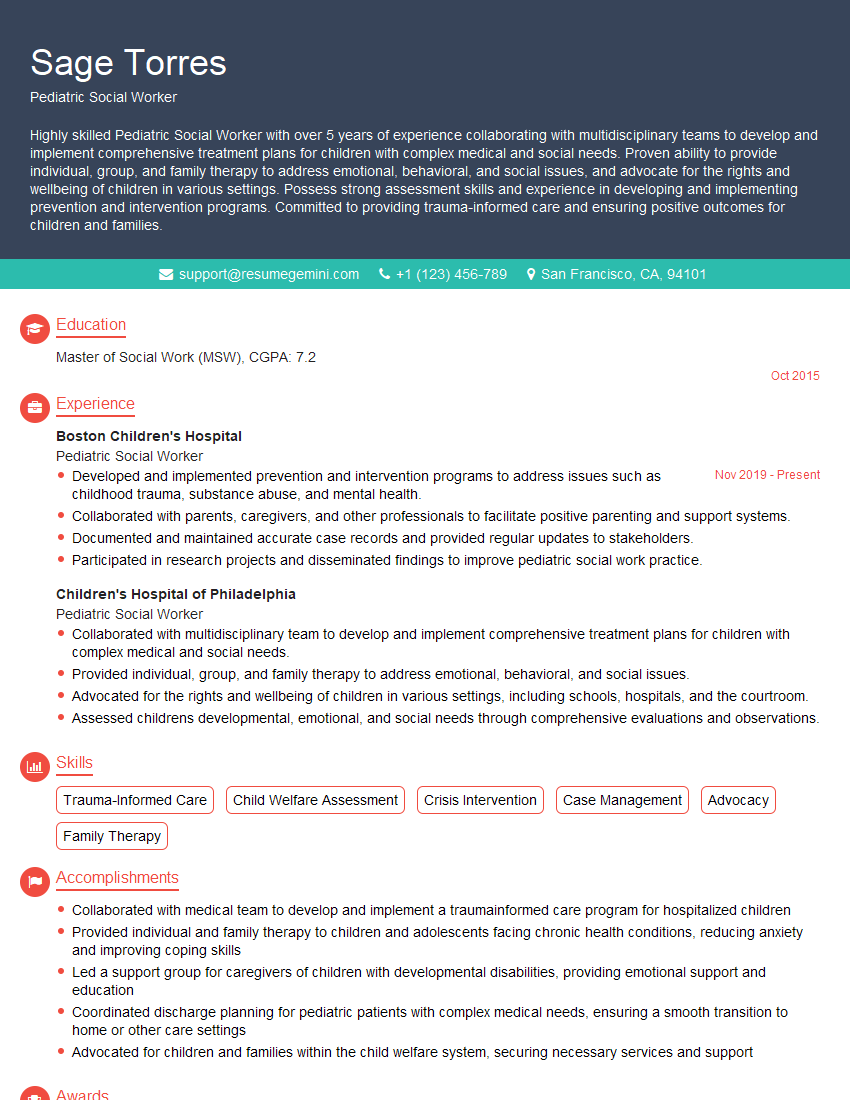
Pediatric Social Worker Resume Sample
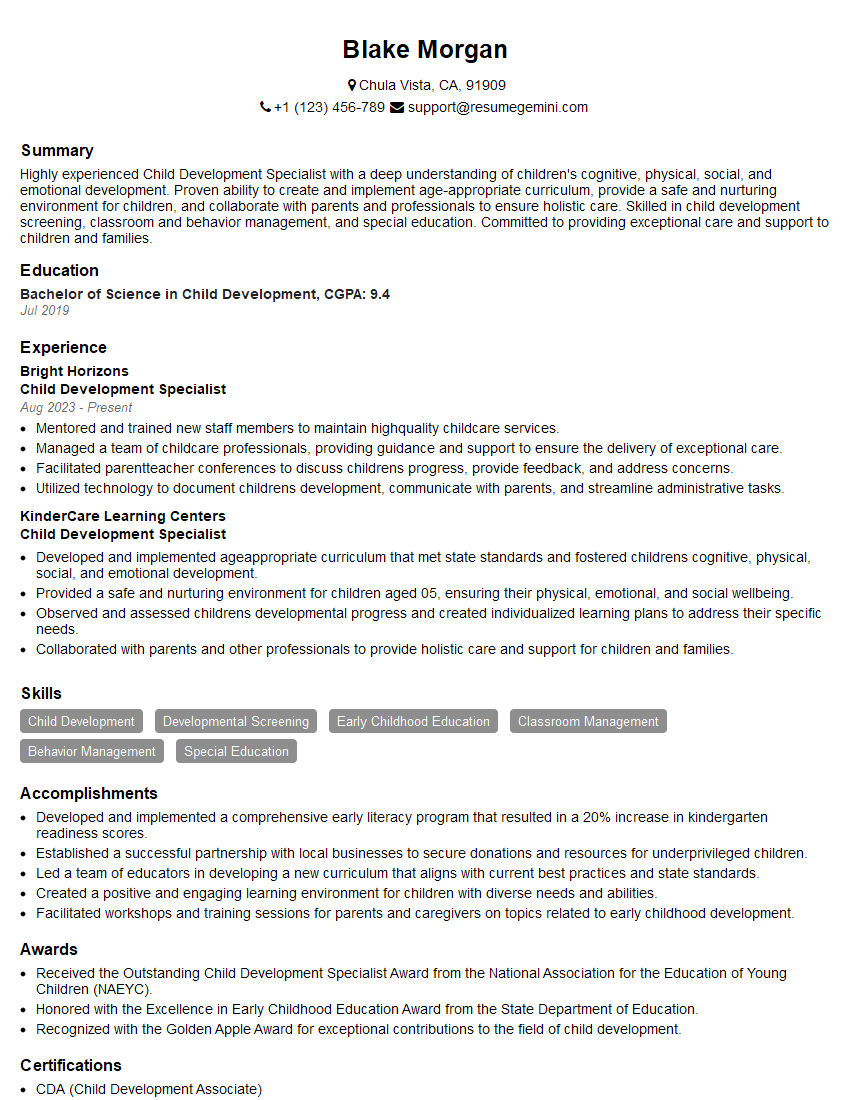
Child Development Specialist Resume Sample
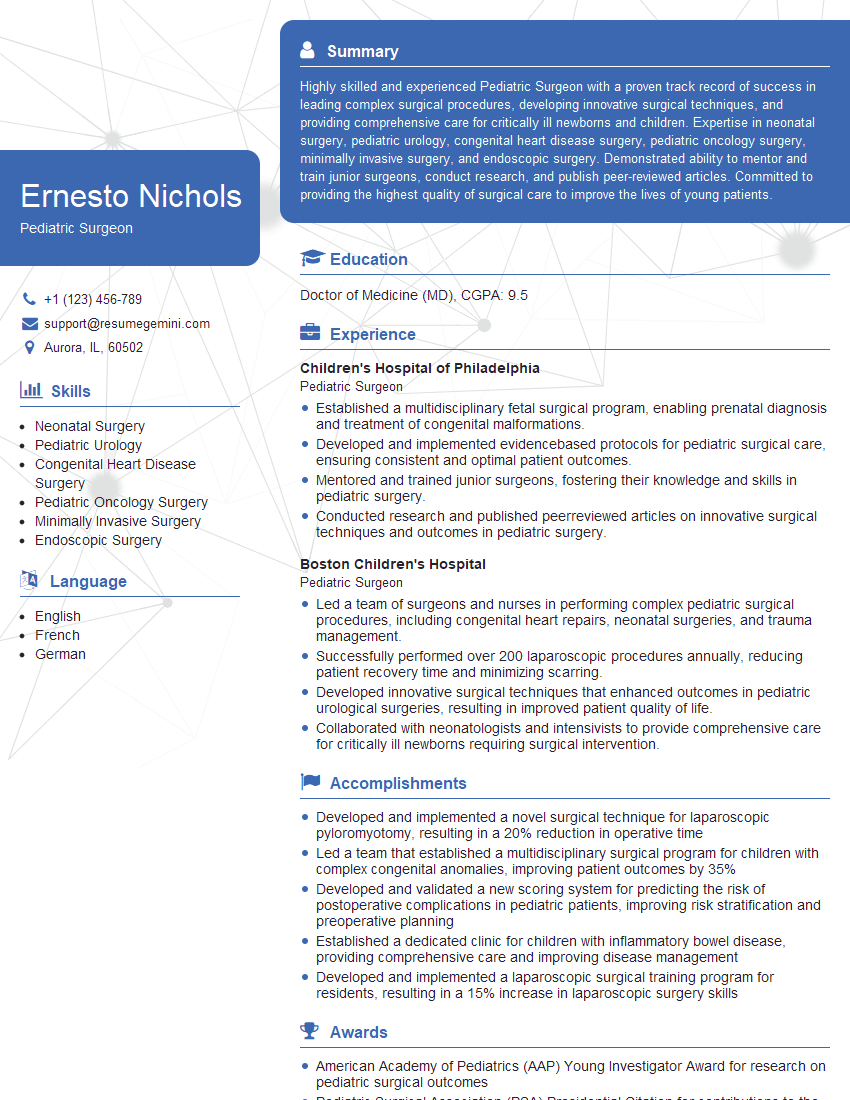
Pediatric Surgeon Resume Sample
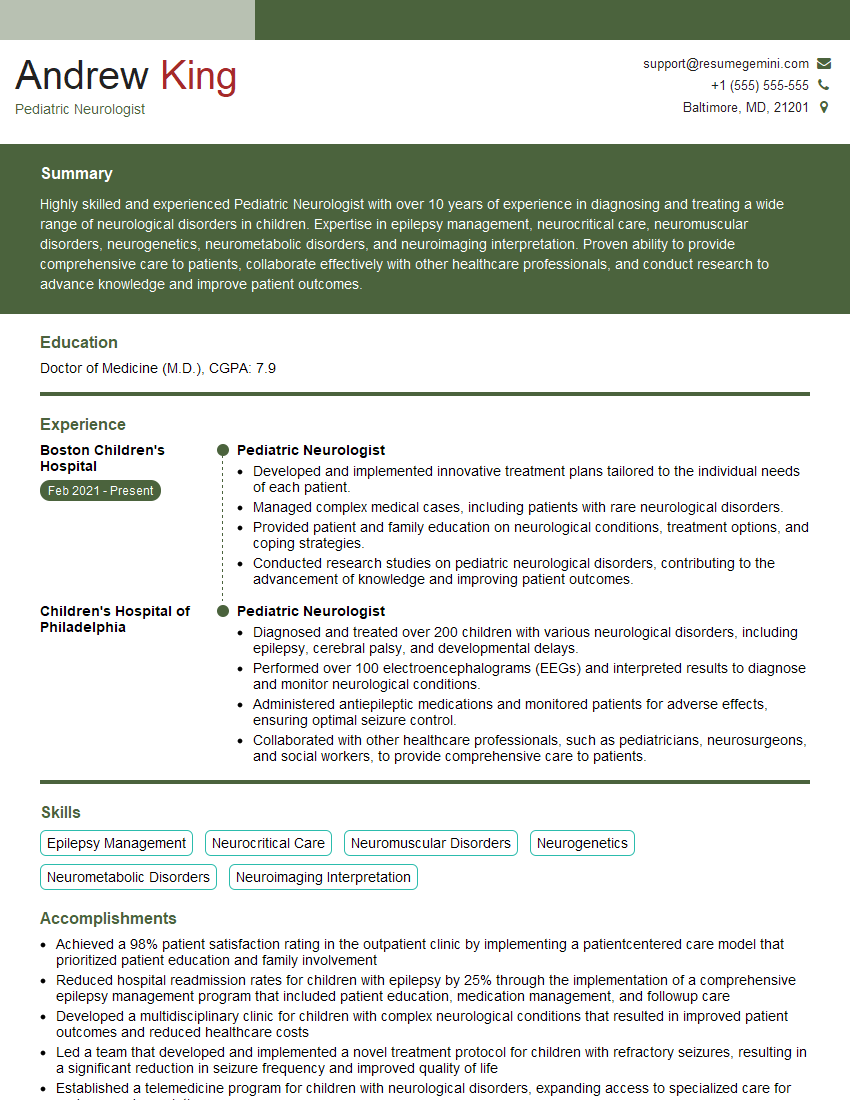
Pediatric Neurologist Resume Sample
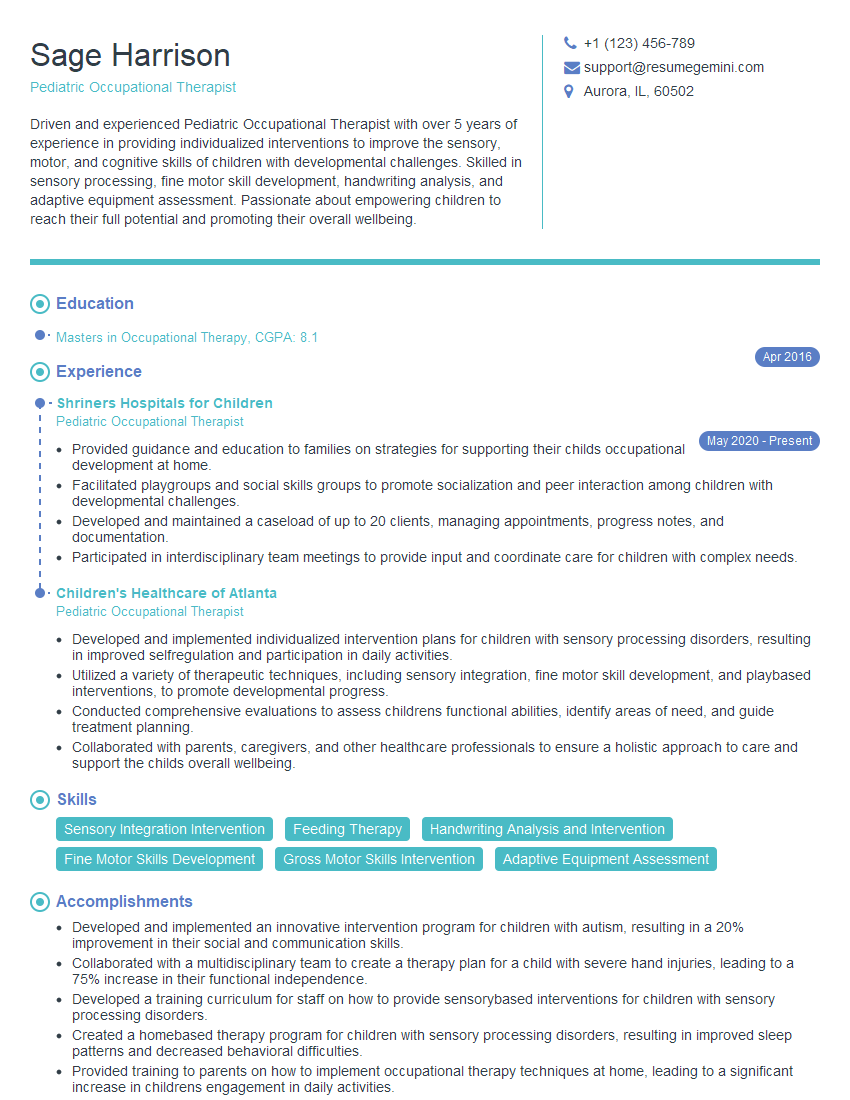
Pediatric Occupational Therapist Resume Sample
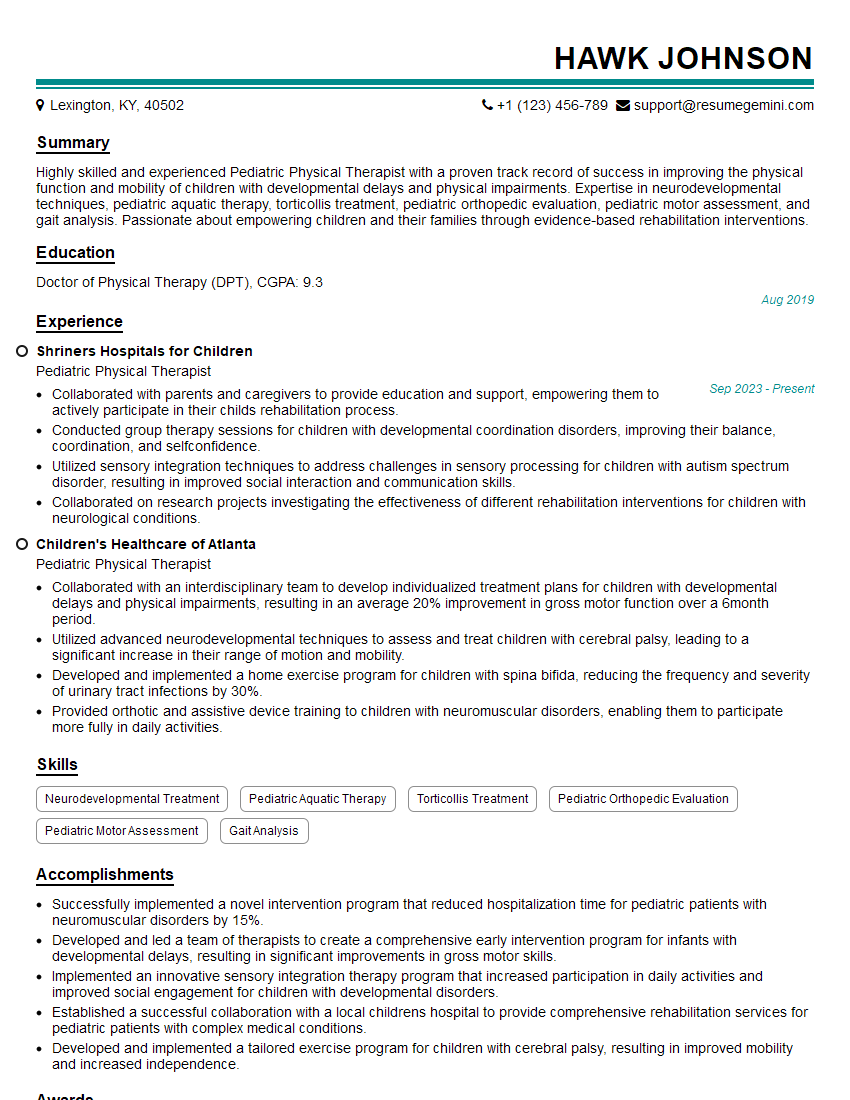
Pediatric Physical Therapist Resume Sample
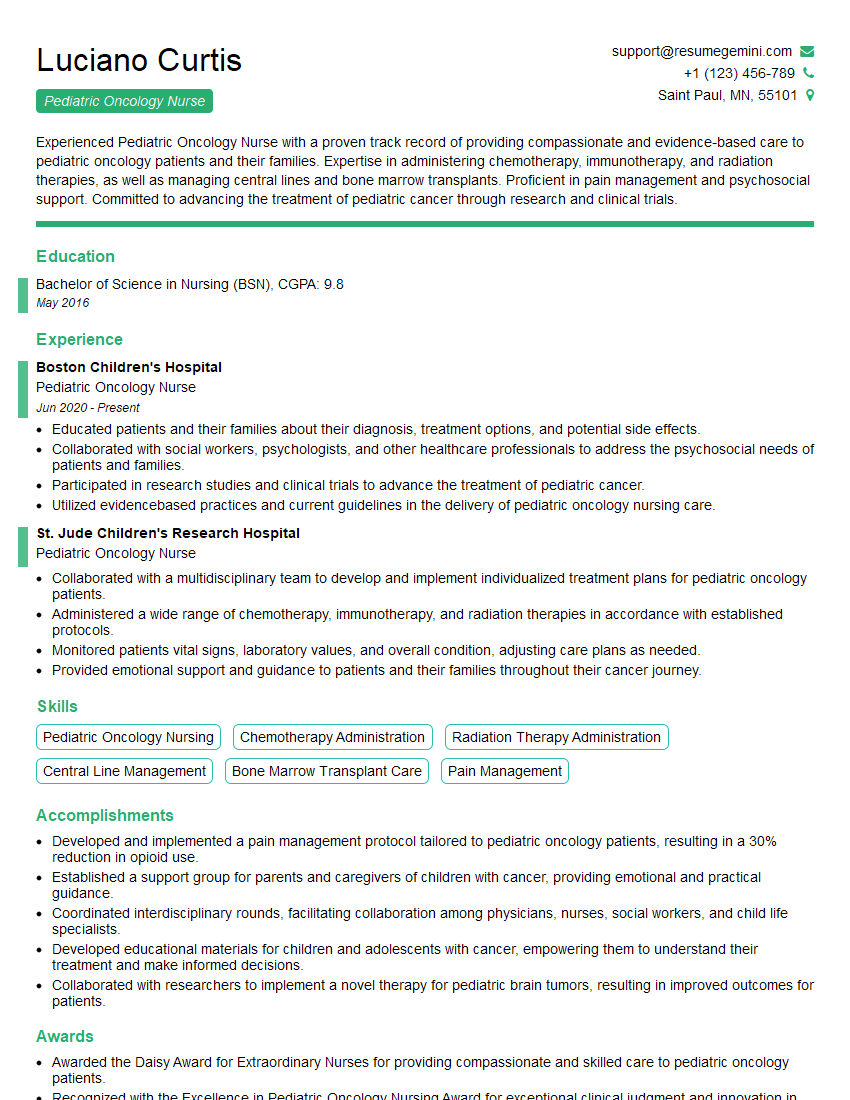
Pediatric Oncology Nurse Resume Sample
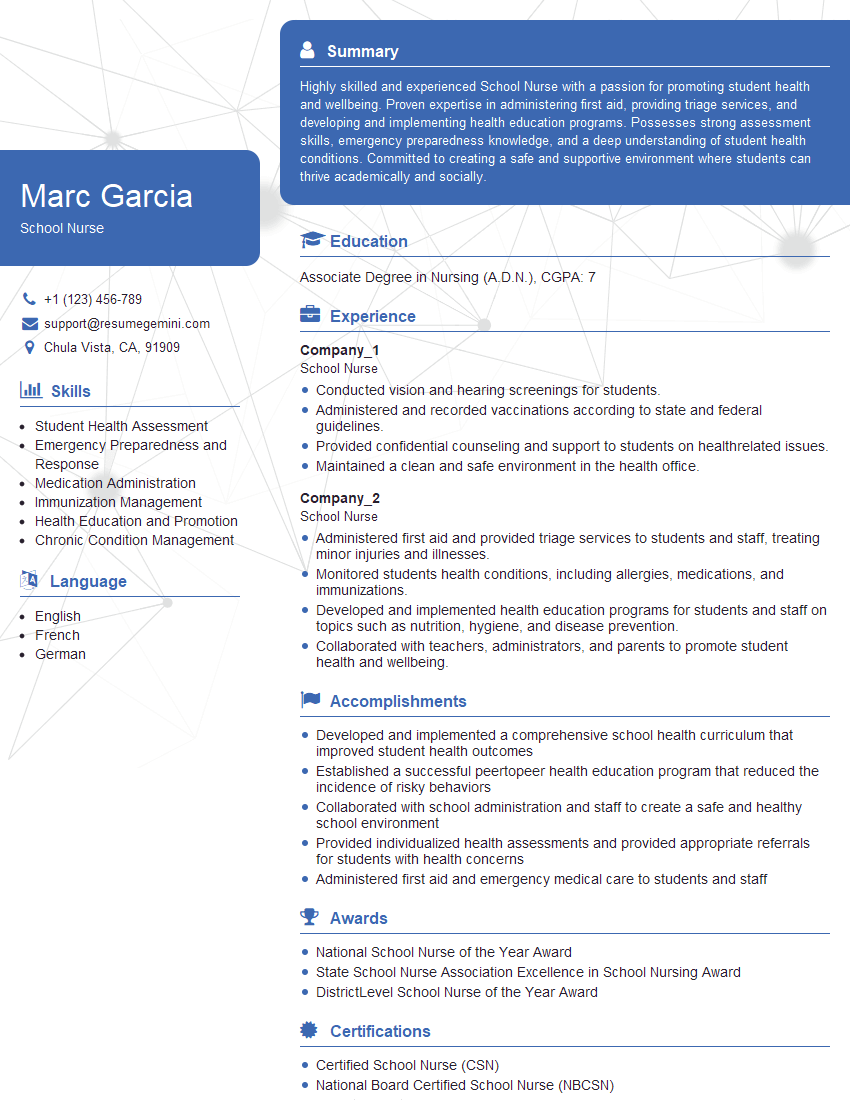
School Nurse Resume Sample
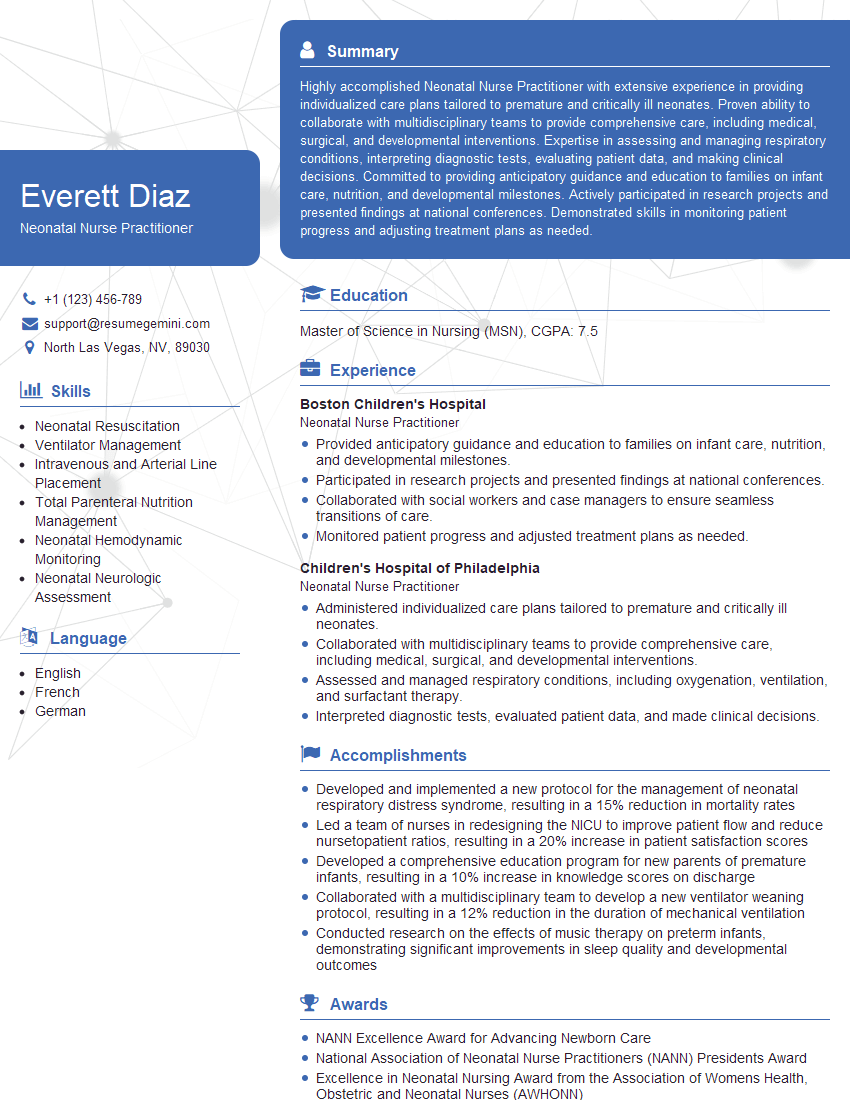
Neonatal Nurse Practitioner Resume Sample

Pediatric Nurse Practitioner Resume Sample
Explore more articles
Users Rating of Our Blogs
Share Your Experience
We value your feedback! Please rate our content and share your thoughts (optional).
What Readers Say About Our Blog
To the interviewgemini.com Webmaster.
Very helpful and content specific questions to help prepare me for my interview!
Thank you
To the interviewgemini.com Webmaster.
This was kind of a unique content I found around the specialized skills. Very helpful questions and good detailed answers.
Very Helpful blog, thank you Interviewgemini team.