Unlock your full potential by mastering the most common Maintain and Inspect Equipment interview questions. This blog offers a deep dive into the critical topics, ensuring you’re not only prepared to answer but to excel. With these insights, you’ll approach your interview with clarity and confidence.
Questions Asked in Maintain and Inspect Equipment Interview
Q 1. Describe your experience with preventative maintenance procedures.
Preventative maintenance (PM) is all about proactively addressing potential equipment issues before they become major problems. Think of it like regular check-ups at the doctor – it’s much better to catch a minor issue early than to wait until you’re in serious trouble. My experience with PM procedures involves creating and following detailed checklists based on equipment manuals and manufacturer recommendations. This often includes lubrication, cleaning, adjustments, and replacing parts that show signs of wear, even before they fail completely.
For example, in a previous role maintaining industrial machinery, I developed a PM schedule for conveyor belts that included weekly inspections for belt tension, alignment, and debris accumulation. This prevented unexpected stoppages due to belt slippage or breakage, saving the company significant downtime and repair costs. Another example includes regularly scheduled cleaning of air filters on HVAC units, which keeps them efficient and prolongs their lifespan. Failing to do so leads to reduced efficiency, higher energy bills, and potential premature failure.
I also ensure accurate record-keeping, documenting all PM activities and noting any observed anomalies. This data forms a crucial basis for future maintenance planning and identifying trends.
Q 2. Explain the importance of regularly scheduled equipment inspections.
Regularly scheduled equipment inspections are fundamental to maintaining operational efficiency, safety, and prolonging equipment lifespan. Think of it like a regular car inspection – you wouldn’t drive without one! Without regular inspections, even minor issues can escalate into significant failures, leading to costly downtime, safety hazards, and potential product quality issues.
Inspections allow for early detection of wear and tear, potential leaks, loose connections, or other anomalies. Early detection enables proactive repairs, preventing catastrophic failures that could shut down operations for extended periods. Moreover, inspections contribute to workplace safety by identifying potential hazards, such as frayed wires or damaged components. These could lead to injuries or accidents if left unaddressed.
Consider a scenario where a critical component in a production line suffers undetected wear and tear. The eventual failure could halt production, leading to lost revenue and potentially affecting customer satisfaction. Regular inspections would have revealed the problem early enough to schedule preventative maintenance, avoiding a costly shutdown.
Q 3. How do you identify potential equipment failures?
Identifying potential equipment failures requires a keen eye for detail and a thorough understanding of the equipment’s normal operating parameters. It’s a combination of observation, data analysis, and knowledge. I typically utilize several methods to accomplish this task.
- Visual Inspections: This is the first and most crucial step, looking for obvious signs like leaks, corrosion, cracks, unusual vibrations, unusual noises, or loose connections.
- Data Analysis: Monitoring key performance indicators (KPIs) such as temperature, pressure, vibration levels, and energy consumption can reveal subtle changes indicative of impending problems. An unexpected surge in energy consumption or a gradual increase in vibration could point to a problem developing.
- Performance Monitoring: Tracking equipment performance against established baselines can identify deviations that might indicate impending failure. For example, a gradual decrease in production output could hint at a problem that needs attention.
- Operator Feedback: Machine operators often have valuable insights and can report unusual sounds, smells, or behaviors that may be difficult to detect otherwise.
For instance, noticing a consistent high-pitched squeal from a pump could indicate impending bearing failure, which, if left unaddressed, could lead to a complete pump failure and a costly shutdown. Early detection via sound analysis would allow for a scheduled replacement before it caused significant downtime.
Q 4. What are your preferred methods for troubleshooting malfunctioning equipment?
Troubleshooting malfunctioning equipment is a systematic process that involves a blend of technical expertise, problem-solving skills, and often, a bit of detective work! My approach is always methodical and follows a structured process.
- Safety First: Secure the area, de-energize the equipment if necessary, and follow all safety protocols before commencing any troubleshooting activity.
- Gather Information: Collect data about the malfunction—what happened, when did it happen, what were the conditions, and what error messages (if any) were received.
- Visual Inspection: Look for any obvious signs of damage, such as broken wires, loose connections, or leaks.
- Check for Simple Issues: Often the issue is something simple, like a tripped breaker, a blown fuse, or a clogged filter.
- Utilize Diagnostic Tools: Employ multimeters, oscilloscopes, or other diagnostic tools to pinpoint the problem more precisely.
- Consult Documentation: Refer to equipment manuals, schematics, and historical maintenance records to understand the equipment’s operation and potential failure points.
- Test and Verify: After addressing a potential issue, thoroughly test the equipment to verify it is functioning correctly.
- Document Findings: Carefully document the problem, the troubleshooting steps, and the final solution. This information is invaluable for future reference.
For example, if a motor fails to start, I would first check the power supply (breaker, fuses), then visually inspect the motor windings, and finally, use a multimeter to check for continuity and voltage. The detailed documentation of the process allows for faster troubleshooting in the future.
Q 5. Describe your experience with different types of maintenance (preventative, corrective, predictive).
My experience encompasses all three major types of maintenance: preventative, corrective, and predictive.
- Preventative Maintenance (PM): As discussed earlier, this involves scheduled inspections and servicing to prevent equipment failures. This is the most cost-effective approach in the long run.
- Corrective Maintenance: This addresses equipment failures after they occur. It’s reactive and can be disruptive and expensive. While necessary, a heavy reliance on corrective maintenance is a sign of potential inefficiencies in preventative practices.
- Predictive Maintenance: This is a more advanced approach that uses data analysis and sensor technology to anticipate potential failures before they happen. This approach leverages techniques like vibration analysis, oil analysis, and thermal imaging to monitor equipment health and predict when maintenance is needed. This is the most efficient approach as it allows for scheduled maintenance during optimal times, minimizing disruptions.
In practice, I often integrate these three types. A well-structured PM program will reduce the need for corrective maintenance, while predictive maintenance optimizes the timing and scope of PM activities. For example, vibration analysis of a critical pump might reveal an impending bearing failure, allowing us to schedule its replacement during a planned downtime, preventing an emergency shutdown.
Q 6. How do you prioritize maintenance tasks?
Prioritizing maintenance tasks is crucial for maximizing operational efficiency and minimizing downtime. I employ a multi-faceted approach based on several key factors.
- Criticality: Tasks related to critical equipment that directly impacts production are prioritized. Equipment failure here could have a significant impact on the entire operation.
- Urgency: Tasks addressing immediate problems or impending failures take precedence. This could involve addressing a safety hazard or preventing a shutdown.
- Cost-Benefit Analysis: Some tasks might involve higher upfront costs but offer significant long-term savings by preventing more expensive failures later on. A cost-benefit analysis helps to prioritize these.
- Regulatory Compliance: Tasks mandated by safety regulations or industry standards take priority to ensure compliance.
- Risk Assessment: A thorough risk assessment identifies potential failures that could have the highest impact, whether in terms of safety, financial loss, or production disruption.
I often use a system that combines these elements—perhaps a weighted scoring system where criticality, urgency, and cost-benefit are assigned scores, and the tasks are prioritized based on the total score. This enables a data-driven approach, ensuring that resources are directed towards the most impactful maintenance activities.
Q 7. How familiar are you with CMMS (Computerized Maintenance Management Systems)?
I am very familiar with Computerized Maintenance Management Systems (CMMS). These software applications are indispensable tools for managing and optimizing maintenance operations. I have experience using several different CMMS platforms, including [mention specific platforms if applicable, e.g., IBM Maximo, SAP PM, UpKeep].
My experience includes using CMMS for tasks such as:
- Scheduling and Tracking PM activities: CMMS allows for the creation and management of detailed PM schedules, ensuring that all necessary maintenance tasks are completed on time.
- Managing Work Orders: CMMS streamlines the process of creating, assigning, and tracking work orders, improving communication and accountability.
- Tracking Inventory: CMMS helps manage spare parts inventory, ensuring that necessary components are available when needed.
- Generating Reports: CMMS provides valuable reporting capabilities, enabling analysis of maintenance costs, downtime, and overall equipment effectiveness.
- Data Analysis: CMMS data can be used to identify trends, predict equipment failures, and improve maintenance strategies.
The use of a CMMS dramatically improves efficiency, reduces downtime, and optimizes maintenance resources. Without one, tracking and managing maintenance activities would be significantly more challenging and less effective.
Q 8. Explain your experience with interpreting equipment manuals and schematics.
Interpreting equipment manuals and schematics is fundamental to effective equipment maintenance. It’s like having a detailed map and instruction manual for a complex machine. My experience involves thoroughly reviewing diagrams, component lists, wiring layouts, and operational procedures to understand the equipment’s functionality and identify potential problem areas. I’m adept at deciphering both simple and complex diagrams, identifying key components and their relationships, and using this information to guide my maintenance and troubleshooting procedures. For instance, when working on a hydraulic press, I’d use the schematic to trace the flow of hydraulic fluid, identifying potential leaks or blockages by carefully examining the system’s pressure points and valves illustrated in the schematics. I’m also proficient in using cross-referencing component numbers and descriptions within the manual to ensure I’m using the correct parts during repairs.
Q 9. Describe a time you had to troubleshoot a complex equipment issue. What was your approach?
During my time at a manufacturing plant, a crucial conveyor belt system suddenly malfunctioned, causing a significant production slowdown. My approach to troubleshooting involved a systematic process. First, I assessed the immediate situation to ensure safety. Then I started with a visual inspection, looking for obvious issues like broken belts, misaligned rollers, or loose connections. The manual indicated a potential issue with a specific sensor controlling belt speed. I checked its wiring, and found a loose connection causing intermittent power supply to the sensor, which was easily solved. However, this did not resolve the entire problem. Further investigation using a multimeter revealed a problem with the motor’s power supply, eventually tracing the root cause to a faulty circuit breaker. After replacing the breaker, the conveyor belt system was restored to full functionality. This experience highlighted the importance of a systematic, step-by-step approach: visual inspection, manual review, targeted testing with appropriate tools, and eliminating potential issues one by one.
Q 10. What safety procedures do you follow when maintaining and inspecting equipment?
Safety is paramount in equipment maintenance and inspection. My procedures always start with a thorough risk assessment, identifying potential hazards like moving parts, electrical shock, or exposure to hazardous materials. This is followed by implementing appropriate control measures, such as using lockout/tagout procedures to isolate power sources before commencing work on electrical equipment, and wearing appropriate Personal Protective Equipment (PPE), including safety glasses, gloves, and hearing protection, depending on the task. I always follow established safety guidelines and regulations, and I am trained in emergency procedures, such as what to do in case of a machine malfunction or an accident. I regularly review these procedures and receive refresher training to stay updated on current best practices. For example, before working on a high-pressure hydraulic system, I would ensure all pressure is relieved before disassembling any components.
Q 11. How do you ensure accurate record-keeping for maintenance activities?
Accurate record-keeping is crucial for tracking maintenance activities, ensuring compliance, and predicting future needs. I utilize a Computerized Maintenance Management System (CMMS) to record all maintenance activities, including the date, time, type of work performed, parts replaced, and any observations. This system allows me to create detailed reports, track equipment history, and generate preventative maintenance schedules. Additionally, I maintain physical logs signed by personnel involved in each maintenance activity, especially for tasks where electronic record keeping is not available. These records include all relevant data to ensure clarity and traceablity. This dual approach – electronic CMMS and physical logs – ensures data redundancy and availability, mitigating risks of data loss.
Q 12. What tools and technologies are you proficient in using for maintenance and inspection?
My proficiency spans various tools and technologies necessary for effective maintenance and inspection. This includes standard hand tools like screwdrivers, wrenches, and pliers, as well as specialized tools like multimeters for electrical diagnostics, pressure gauges for hydraulic systems, and thermal imagers for detecting overheating components. I am also skilled in using diagnostic software for troubleshooting electronic equipment and robotic systems. In addition, I’m proficient in utilizing CMMS software for scheduling, tracking maintenance, and generating reports. My experience encompasses both traditional methods and cutting-edge technologies to ensure comprehensive equipment analysis and maintenance.
Q 13. How do you handle unexpected equipment failures?
Unexpected equipment failures demand a swift and effective response. My approach begins with immediate safety precautions, ensuring the area is secured and personnel are out of harm’s way. Then, I quickly assess the situation, identifying the nature and extent of the failure. I use my diagnostic skills and tools to pinpoint the root cause, prioritizing repairs based on the criticality of the equipment. If the repair requires specialized knowledge or parts, I coordinate with other technicians or suppliers to ensure the fastest possible resolution. Clear and timely communication with relevant stakeholders is essential to minimize disruption and keep everyone informed about the situation and the expected time to recovery. For instance, in case of a sudden power outage affecting critical equipment, my priority would be to switch to a backup power system and inform the relevant team of the incident.
Q 14. Describe your experience with different types of equipment (e.g., mechanical, electrical, hydraulic).
My experience encompasses a wide range of equipment types. I’ve worked extensively with mechanical systems, including conveyor belts, pumps, and engines, focusing on lubrication, alignment, and wear-and-tear preventative maintenance. In electrical systems, I have experience with motor controls, switchgear, and electrical panels, conducting routine inspections, fault finding, and preventative maintenance, often using multimeters and diagnostic software. I’m also familiar with hydraulic systems, performing tasks such as pressure testing, leak detection, and component replacement. My experience isn’t limited to just these types. I’ve worked with pneumatic systems, robotic systems, and various other automated equipment in manufacturing settings, demonstrating a versatile skill set and a capacity to quickly adapt to new technologies and maintenance requirements.
Q 15. How do you ensure compliance with safety regulations during maintenance?
Safety is paramount in equipment maintenance. My approach begins with a thorough understanding of all relevant safety regulations, including OSHA guidelines (or equivalent in your region), manufacturer’s instructions, and company-specific safety protocols. Before any maintenance task, a Job Safety Analysis (JSA) is conducted, identifying potential hazards, and outlining control measures. This includes things like lockout/tagout procedures to prevent accidental energization of equipment, the use of appropriate personal protective equipment (PPE) such as safety glasses, gloves, and hearing protection, and ensuring the work area is properly secured and free from obstructions. Regular safety training and toolbox talks reinforce these practices, and I actively participate in safety audits to identify and rectify any potential hazards. For example, during a recent compressor maintenance, we followed a strict lockout/tagout procedure, verifying the power was completely off before commencing work. This ensured that no one was injured by unexpected startup.
Career Expert Tips:
- Ace those interviews! Prepare effectively by reviewing the Top 50 Most Common Interview Questions on ResumeGemini.
- Navigate your job search with confidence! Explore a wide range of Career Tips on ResumeGemini. Learn about common challenges and recommendations to overcome them.
- Craft the perfect resume! Master the Art of Resume Writing with ResumeGemini’s guide. Showcase your unique qualifications and achievements effectively.
- Don’t miss out on holiday savings! Build your dream resume with ResumeGemini’s ATS optimized templates.
Q 16. Explain your experience with root cause analysis for equipment failures.
Root cause analysis is crucial for preventing equipment failures. I employ a structured approach, often using methods like the 5 Whys, fault tree analysis, and fishbone diagrams. The 5 Whys involves repeatedly asking ‘why’ to delve deeper into the cause of a failure. For instance, if a pump failed, I’d ask: Why did the pump fail? (Overheating). Why did it overheat? (Insufficient lubrication). Why was there insufficient lubrication? (Faulty lubrication system). Why was the lubrication system faulty? (Lack of regular maintenance). Why was there a lack of regular maintenance? (Inadequate scheduling). This leads to the root cause: inadequate scheduling of preventative maintenance. Fault tree analysis helps visualize potential failure modes and their contributing factors, aiding in identifying critical areas for improvement. Documenting the root cause and corrective actions in a detailed report is essential for preventing future recurrences.
Q 17. What are your strategies for improving equipment uptime?
Improving equipment uptime requires a multi-pronged strategy. Preventative maintenance is key, using established schedules based on manufacturer recommendations and equipment usage data. This minimizes unexpected breakdowns. Predictive maintenance techniques, such as vibration analysis and oil analysis, help identify potential problems before they lead to failure, allowing for proactive repairs. This is like regularly checking your car’s oil levels to prevent engine damage. Efficient repair processes, including readily available spare parts and a well-trained maintenance team, are also critical. In addition, implementing a Computerized Maintenance Management System (CMMS) can help optimize maintenance scheduling, track work orders, and manage inventory. Regular inspections and operator training ensure equipment is used correctly and potential issues are identified early. Finally, continuous improvement through data analysis helps refine maintenance strategies and optimize uptime.
Q 18. How do you manage inventory of spare parts for equipment maintenance?
Effective spare parts management is vital. I’ve utilized various methods, including ABC analysis to prioritize critical parts, and a CMMS to track inventory levels and automate ordering. ABC analysis categorizes parts based on their criticality and usage frequency: A (high value, high usage), B (medium value, medium usage), and C (low value, low usage). This helps focus resources on critical parts. The CMMS provides real-time visibility of inventory levels, triggering automated reordering when stock falls below a predetermined threshold. This minimizes downtime due to parts shortages. Regular inventory audits verify physical stock against system records, ensuring accuracy. We also analyze historical usage data to predict future demand and optimize ordering quantities, minimizing storage costs and waste.
Q 19. Describe your experience with working on a team to maintain equipment.
Teamwork is essential for effective equipment maintenance. In past roles, I’ve been part of teams responsible for the maintenance of large industrial facilities. Effective communication and collaboration are key. We held regular team meetings to discuss ongoing projects, upcoming maintenance tasks, and any issues requiring attention. Clear roles and responsibilities were defined, ensuring everyone understood their part in the process. We utilized a shared platform, like a CMMS, to track work orders, update progress, and communicate efficiently. Open communication fostered a supportive environment where team members felt comfortable sharing knowledge and expertise. This collaborative approach ensured all maintenance tasks were completed safely, efficiently, and to a high standard. For instance, a recent project involving a complex conveyor system repair involved coordinating the efforts of electricians, mechanics, and control systems specialists, and successful completion hinged on excellent teamwork.
Q 20. How do you stay up-to-date on the latest maintenance technologies and best practices?
Staying current with the latest technologies and best practices is a continuous process. I regularly attend industry conferences and workshops, and participate in professional organizations related to maintenance and reliability engineering. I subscribe to industry publications and follow leading experts in the field. Online courses and webinars provide access to the latest information and techniques. Reading case studies and best-practice guides from organizations like the ReliabilityWeb helps me learn from others’ successes and failures. Staying updated on CMMS software features is critical for efficient maintenance management. This continuous learning ensures that my skills and knowledge remain relevant and that I can apply the most effective techniques to equipment maintenance.
Q 21. What is your experience with different types of lubrication and its importance?
Lubrication is crucial for equipment longevity and performance. Different types of lubricants, such as greases, oils (mineral, synthetic, etc.), and specialized fluids, are selected based on equipment type, operating conditions, and specific needs. For example, high-temperature applications may require specialized high-temperature grease, while precision machinery may necessitate a specific type of synthetic oil. Understanding the viscosity, temperature range, and chemical compatibility of each lubricant is critical. Improper lubrication can lead to premature wear, friction, overheating, and equipment failure. Regular lubrication schedules, detailed in the equipment’s maintenance manual, are crucial. I’ve personally experienced equipment failure due to inadequate lubrication, highlighting the importance of selecting the right lubricant and adhering to proper lubrication practices. Regular oil analysis can also provide valuable information about equipment condition and lubricant degradation, enabling proactive maintenance decisions.
Q 22. Explain your understanding of vibration analysis in equipment maintenance.
Vibration analysis is a crucial predictive maintenance technique that uses sensors to measure the vibrations produced by equipment during operation. These vibrations can reveal imbalances, misalignments, looseness, bearing wear, and other developing mechanical problems before they cause catastrophic failure. Think of it like listening to your car engine – a subtle change in sound can indicate a problem brewing. In machinery, these ‘sounds’ are vibrations, and we use sophisticated tools to analyze them.
We use specialized equipment like accelerometers to measure the frequency and amplitude of vibrations. This data is then analyzed using software to identify characteristic vibration signatures associated with specific faults. For example, a high-frequency vibration might indicate bearing damage, while a low-frequency vibration could point to imbalance in a rotating component. By identifying these patterns early, we can schedule maintenance proactively, preventing costly downtime and safety hazards.
In my experience, I’ve used vibration analysis to pinpoint a failing bearing in a large centrifugal pump weeks before it completely seized, saving the company thousands of dollars in repair costs and production downtime. The analysis revealed a distinct frequency peak characteristic of bearing wear that wasn’t apparent through visual inspection alone.
Q 23. How do you prioritize maintenance based on criticality and risk?
Prioritizing maintenance involves a criticality and risk assessment. We consider two main factors: the criticality of the equipment and the associated risk of failure. Criticality refers to the equipment’s importance to the overall operation. A critical piece of equipment (like a main production line motor) requires more frequent and rigorous maintenance than a less critical component (like a lighting system). Risk considers the potential consequences of failure. Failure of a critical component might lead to significant production losses, safety hazards, or environmental damage, demanding higher priority.
We often use a risk matrix to visualize this. The matrix has criticality on one axis (high, medium, low) and risk on the other. This helps us categorize equipment into different maintenance schedules. High-criticality, high-risk equipment receives the most frequent and thorough maintenance, while low-criticality, low-risk equipment might only require minimal preventative checks.
For example, in a chemical plant, a reactor vessel is high-criticality and high-risk. Its maintenance would be meticulously planned and implemented with rigorous inspections and preventative measures. A less critical component might be a simple conveyor belt; its maintenance might be less frequent but still necessary for smooth operation.
Q 24. What are your methods for conducting effective equipment inspections?
Effective equipment inspections are a blend of planned and unplanned activities. Planned inspections are scheduled regularly, adhering to a preventive maintenance schedule. Unplanned inspections happen when a problem is detected – a leak, unusual noise, or performance degradation. A structured approach is key for both types.
- Pre-inspection planning: This involves reviewing past inspection reports, equipment documentation, and operation logs to identify potential issues. We might also review the work permits and safety procedures for the area.
- Visual inspection: This is the first step, checking for obvious defects like leaks, corrosion, damage, misalignment, and loose connections. We use checklists to ensure thoroughness and consistency.
- Functional testing: This involves verifying that the equipment operates as designed. We might check parameters like temperature, pressure, flow rate, and output quality to ensure they are within acceptable limits.
- Data analysis: For predictive maintenance, we gather sensor data (vibration, temperature, pressure) and analyze it using specialized software.
- Documentation: Meticulous record-keeping is critical, including photos, detailed notes, and recommendations for repairs or maintenance.
I often use checklists tailored to each type of equipment, ensuring that no critical aspect is overlooked. For example, for a pump, the checklist might include checking for leaks, vibration levels, bearing temperature, and the condition of the couplings. After the inspection, I always document my findings, recommend repairs, and schedule follow-up maintenance if needed.
Q 25. Describe your experience with performing non-destructive testing (NDT) techniques.
I have extensive experience with various Non-Destructive Testing (NDT) techniques. NDT allows us to assess the integrity of components without causing damage. These techniques are crucial for detecting internal flaws, cracks, or other defects that might not be visible during a visual inspection. I’m proficient in several methods, including:
- Ultrasonic Testing (UT): Uses high-frequency sound waves to detect internal flaws. It’s effective for identifying cracks, voids, and other discontinuities in metals and other materials.
- Magnetic Particle Inspection (MPI): Uses magnetic fields to detect surface and near-surface cracks in ferromagnetic materials. It’s commonly used for inspecting welds and other critical components.
- Liquid Penetrant Inspection (LPT): Uses a dye penetrant to reveal surface cracks and imperfections. It’s a simple and effective method for detecting surface flaws in a wide range of materials.
In a recent project, we used UT to inspect the welds of a pressure vessel. The UT scan revealed a small crack that wasn’t apparent during a visual inspection, preventing a potential catastrophic failure. Proper application of NDT techniques is crucial for ensuring the safety and reliability of equipment.
Q 26. How familiar are you with different types of sensors used in predictive maintenance?
My familiarity with sensors used in predictive maintenance is broad. Sensors are the eyes and ears of our predictive maintenance program, providing real-time data on equipment health. I frequently work with various sensor types, including:
- Vibration sensors (accelerometers): Measure the vibrations of equipment to detect imbalances, misalignments, and bearing wear.
- Temperature sensors (thermocouples, RTDs): Measure the temperature of components to identify overheating, potential friction, or insulation problems.
- Pressure sensors: Monitor pressure levels in systems to detect leaks, blockages, or pressure fluctuations.
- Acoustic emission sensors: Detect high-frequency sound waves generated by events like crack propagation or friction.
- Current and power sensors: Monitor electrical current and power consumption to detect anomalies.
The choice of sensor depends on the specific equipment and the potential failure modes. For instance, an electric motor might use vibration and current sensors, while a pump might require vibration, temperature, and pressure sensors. The data from these sensors is then fed into our predictive maintenance software for analysis and decision-making.
Q 27. Describe your experience with creating and revising maintenance procedures.
I have significant experience in creating and revising maintenance procedures. Well-written procedures are the backbone of a successful maintenance program, ensuring consistency, safety, and efficiency. My approach involves:
- Needs assessment: Understanding the specific equipment, potential hazards, and maintenance requirements.
- Procedure development: Writing step-by-step instructions, including safety precautions, necessary tools, and acceptance criteria.
- Review and approval: Ensuring the procedures are reviewed by other technicians, supervisors, and safety personnel before implementation.
- Implementation and training: Providing training to technicians on the new or revised procedures.
- Continuous improvement: Regularly reviewing procedures based on feedback from technicians, maintenance data, and industry best practices. We incorporate lessons learned from past maintenance events to refine procedures and enhance efficiency.
For example, I recently revised the maintenance procedure for a complex robotic arm. The revision included updated safety protocols, simplified steps, and incorporated data from recent maintenance events, leading to improved safety and reduced downtime.
Key Topics to Learn for Maintain and Inspect Equipment Interview
- Preventive Maintenance Schedules: Understanding the importance of planned maintenance, developing effective schedules, and utilizing CMMS (Computerized Maintenance Management Systems).
- Diagnostic Techniques: Applying troubleshooting methodologies to identify equipment malfunctions, using diagnostic tools effectively, and interpreting data to pinpoint problems.
- Safety Regulations and Procedures: Demonstrating knowledge of relevant safety standards (e.g., OSHA), implementing safe work practices, and utilizing appropriate Personal Protective Equipment (PPE).
- Equipment-Specific Knowledge: Focusing on the types of equipment you have experience with, detailing your knowledge of their operational principles, common issues, and maintenance requirements.
- Record Keeping and Documentation: Maintaining accurate and detailed records of inspections, repairs, and maintenance activities, adhering to company protocols and best practices.
- Repair and Restoration Techniques: Explaining your proficiency in repairing and restoring equipment to optimal working condition, using appropriate tools and techniques.
- Cost-Effective Maintenance Strategies: Demonstrating an understanding of balancing maintenance costs with operational efficiency, identifying opportunities for cost savings without compromising safety or reliability.
- Teamwork and Communication: Highlighting your ability to collaborate effectively with colleagues, communicate technical information clearly, and contribute to a positive work environment.
- Problem-Solving and Critical Thinking: Describing your approach to identifying and resolving equipment issues, demonstrating analytical skills and decision-making abilities under pressure.
Next Steps
Mastering the art of maintaining and inspecting equipment is crucial for career advancement in many industries. A strong understanding of these principles demonstrates reliability, technical proficiency, and a commitment to safety – highly valued attributes in today’s competitive job market. To significantly boost your job prospects, creating an ATS-friendly resume is essential. ResumeGemini is a trusted resource that can help you craft a professional and impactful resume, designed to get noticed by recruiters. Examples of resumes tailored specifically to the Maintain and Inspect Equipment field are available to guide you. Invest time in crafting a resume that showcases your skills effectively – it’s the first step towards landing your dream job.
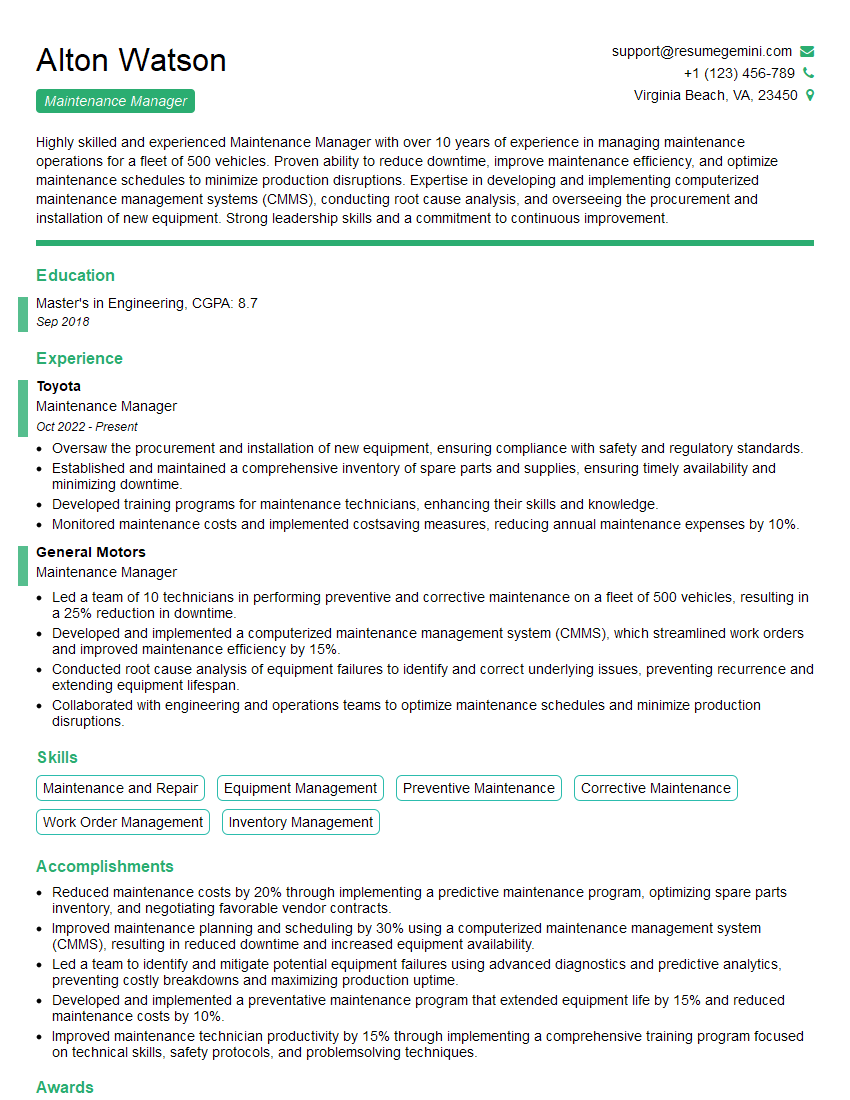
Maintenance Manager Resume Sample
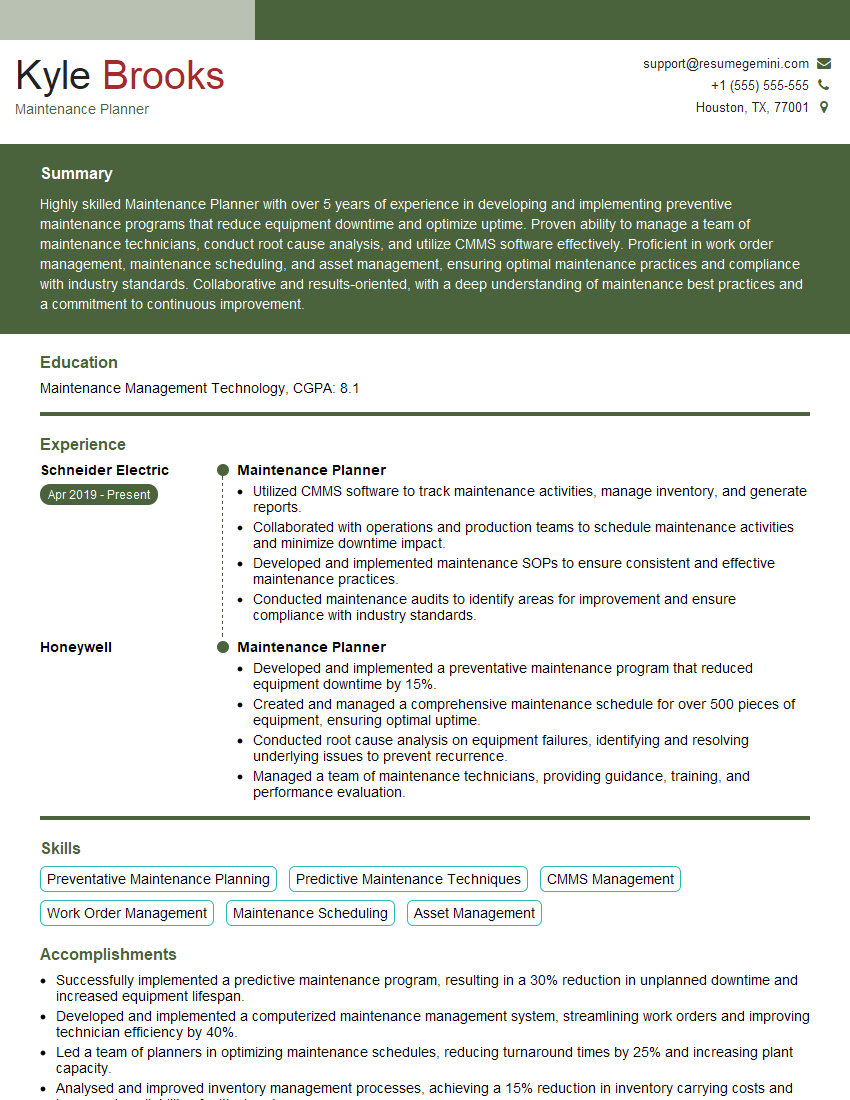
Maintenance Planner Resume Sample
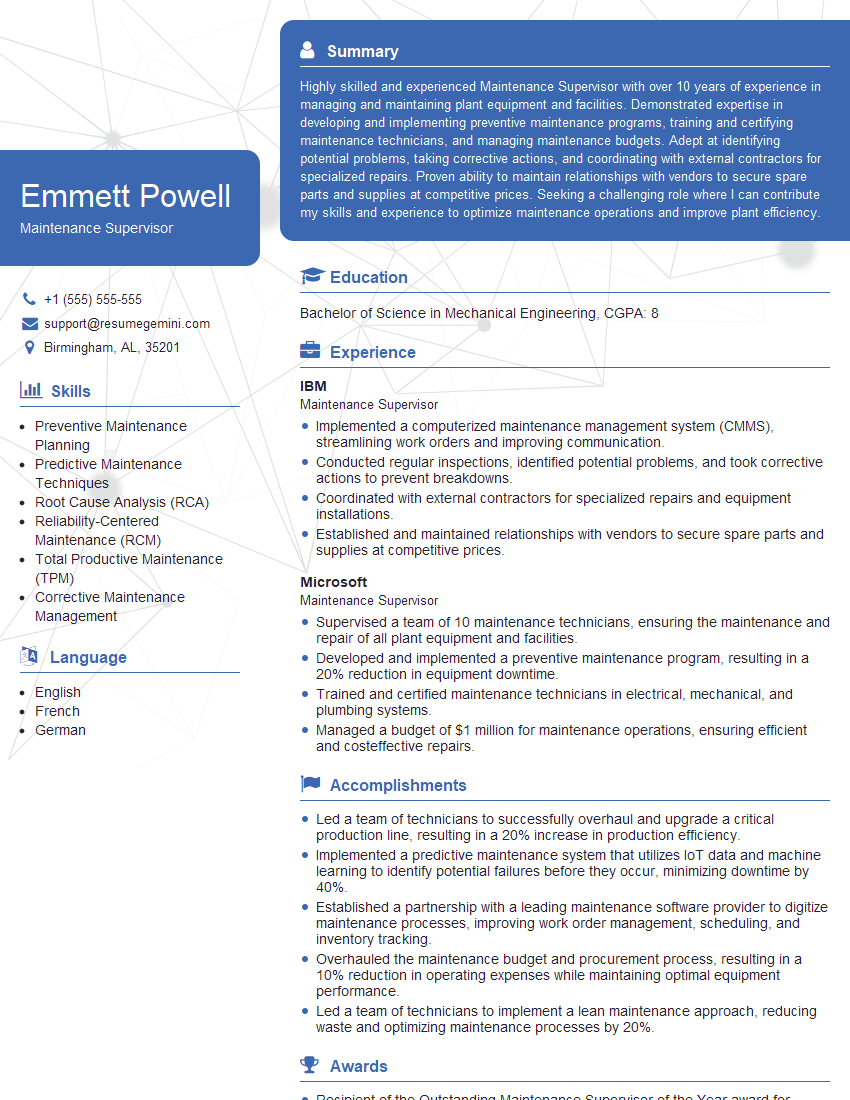
Maintenance Supervisor Resume Sample
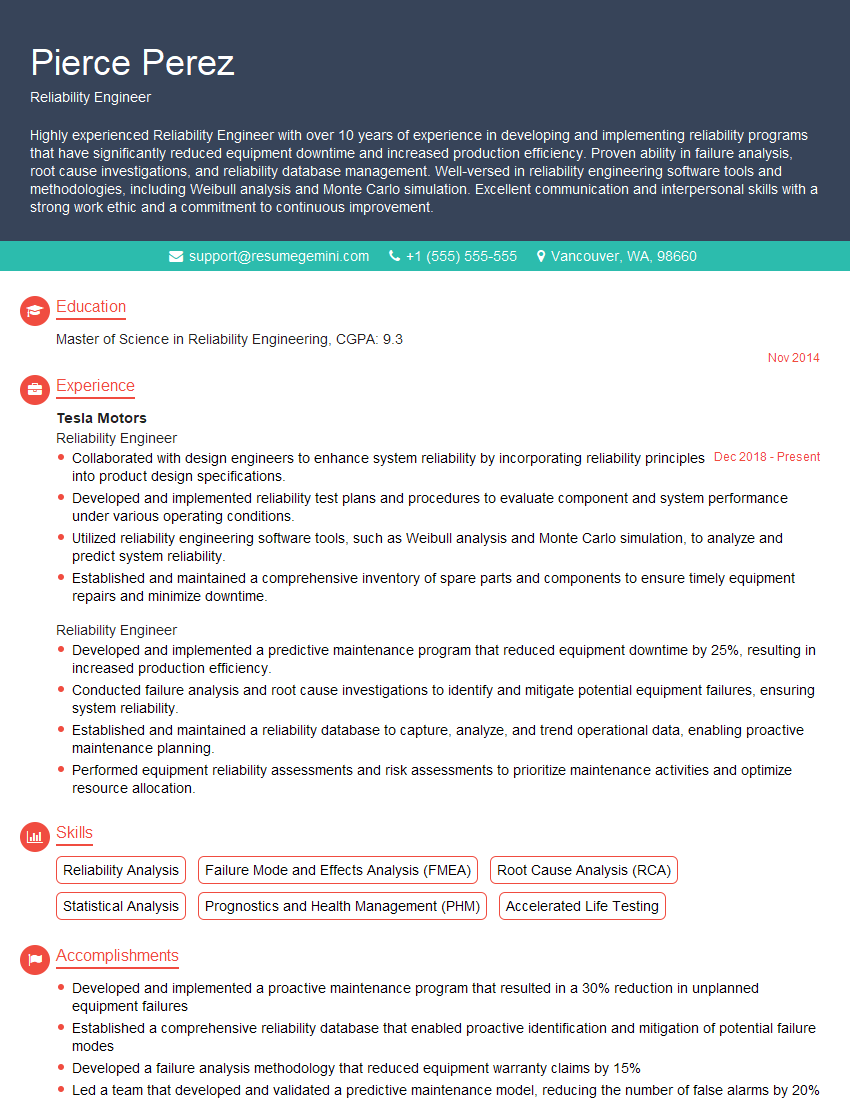
Reliability Engineer Resume Sample
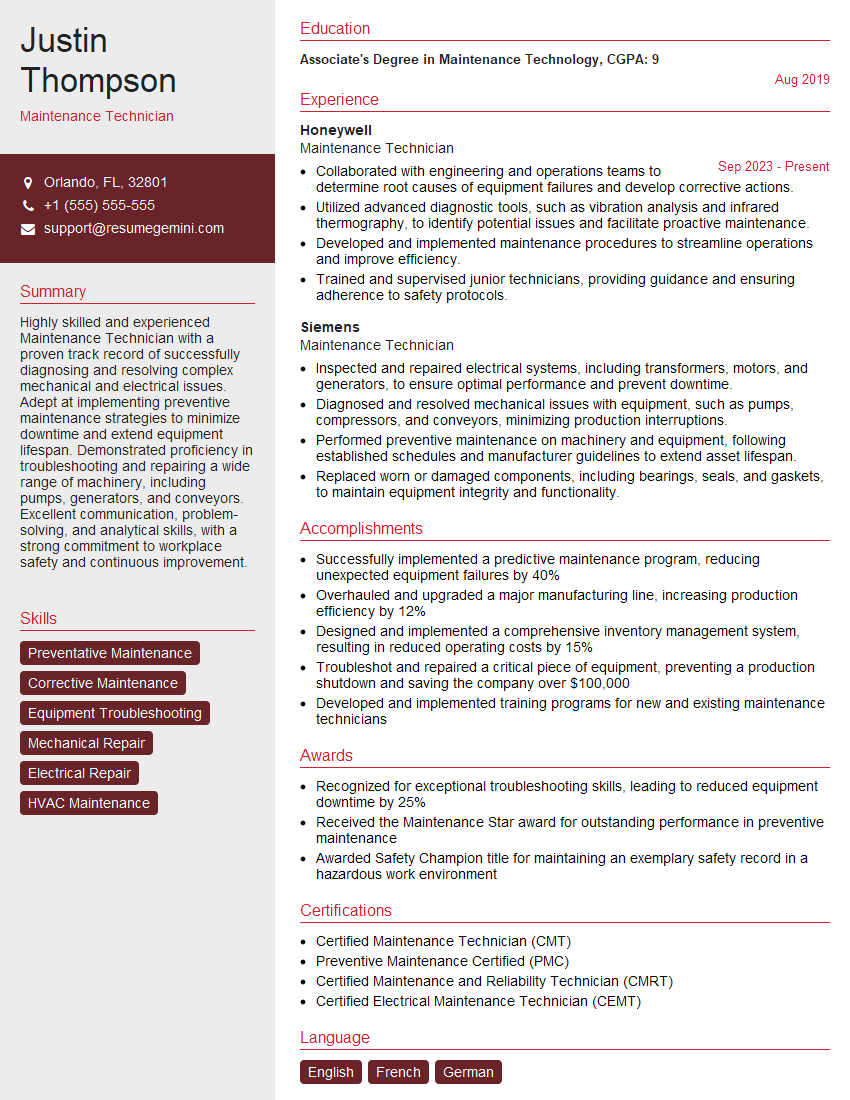
Maintenance Technician Resume Sample
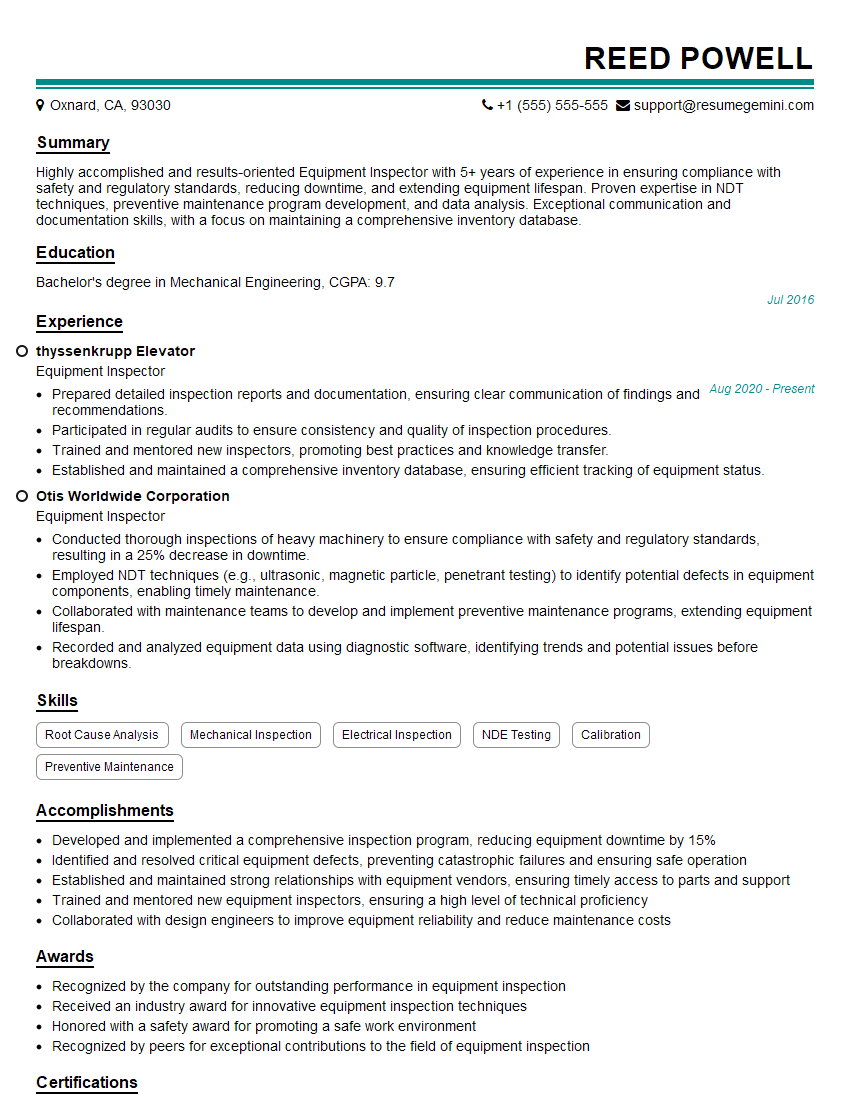
Equipment Inspector Resume Sample
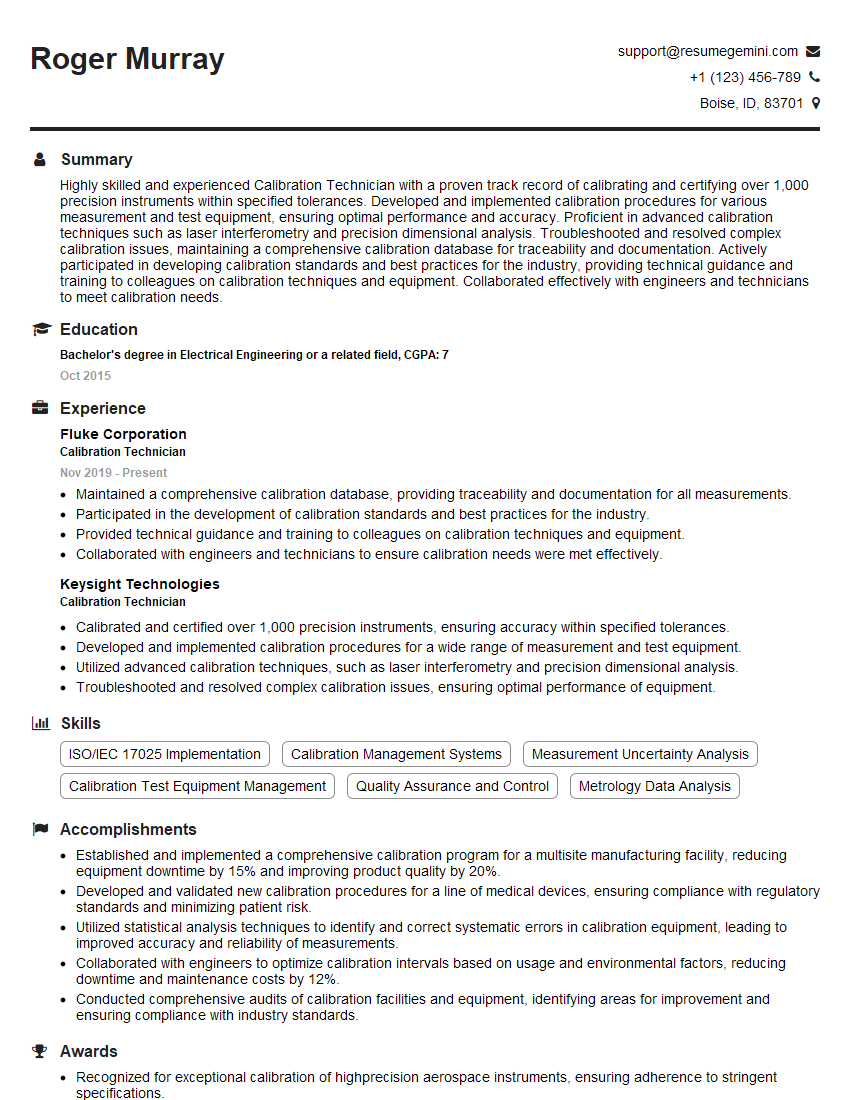
Calibration Technician Resume Sample
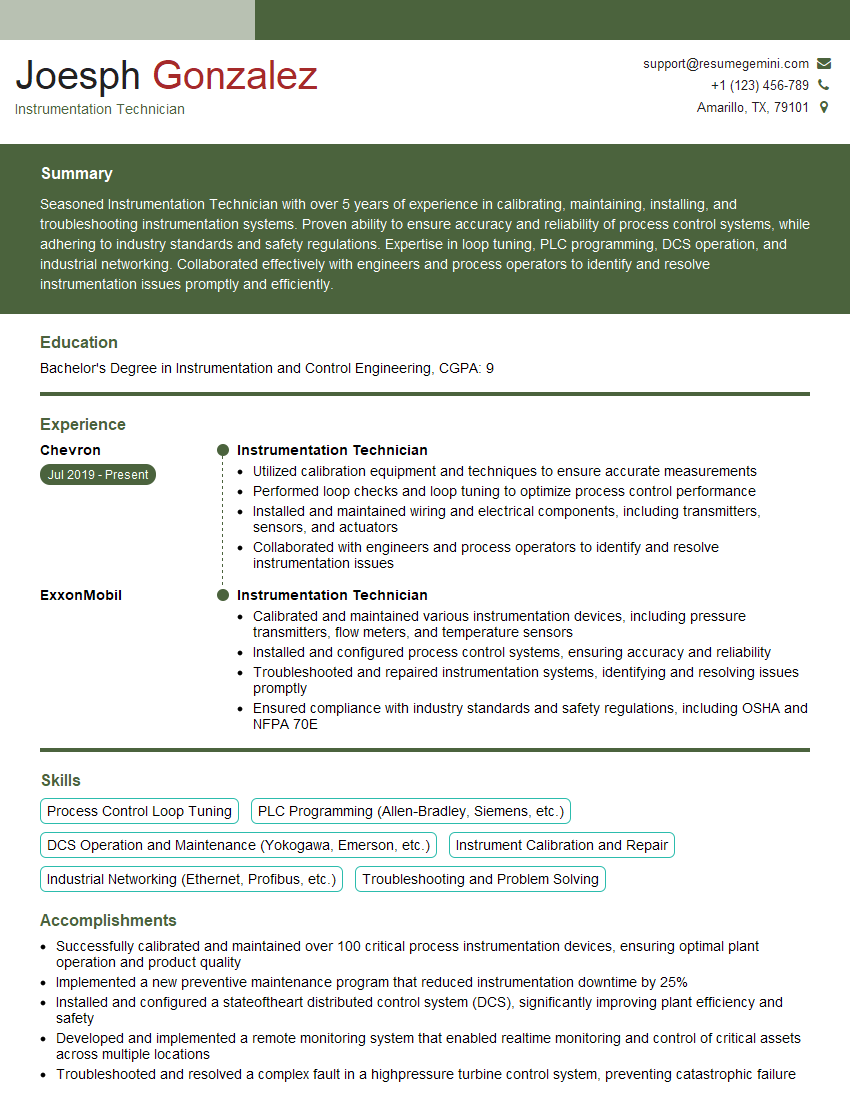
Instrumentation Technician Resume Sample
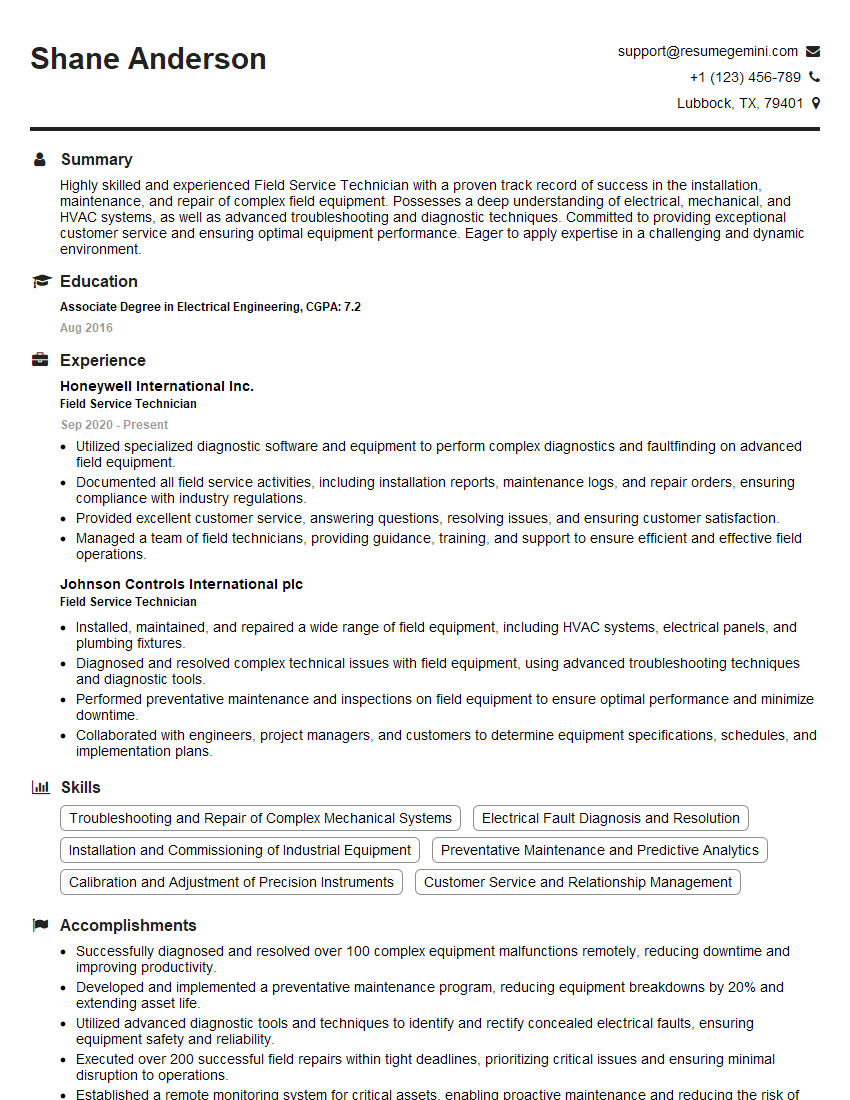
Field Service Technician Resume Sample
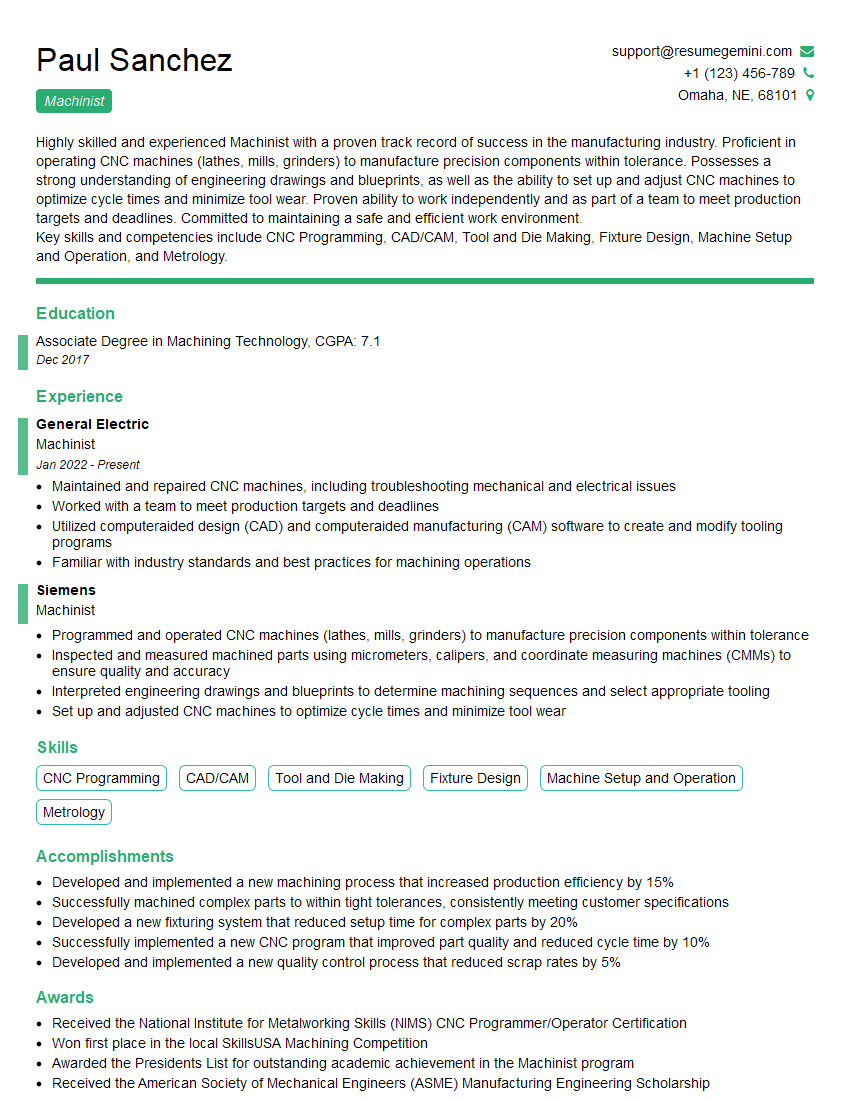
Machinist Resume Sample
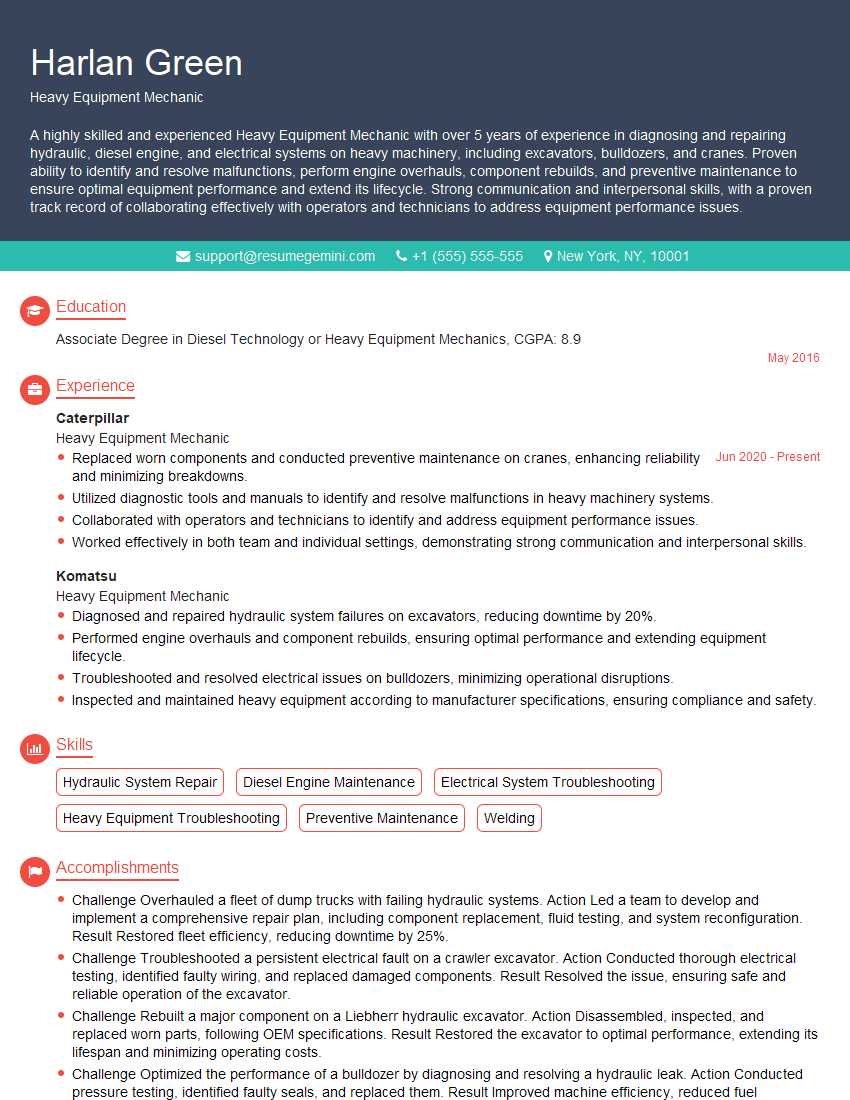
Heavy Equipment Mechanic Resume Sample
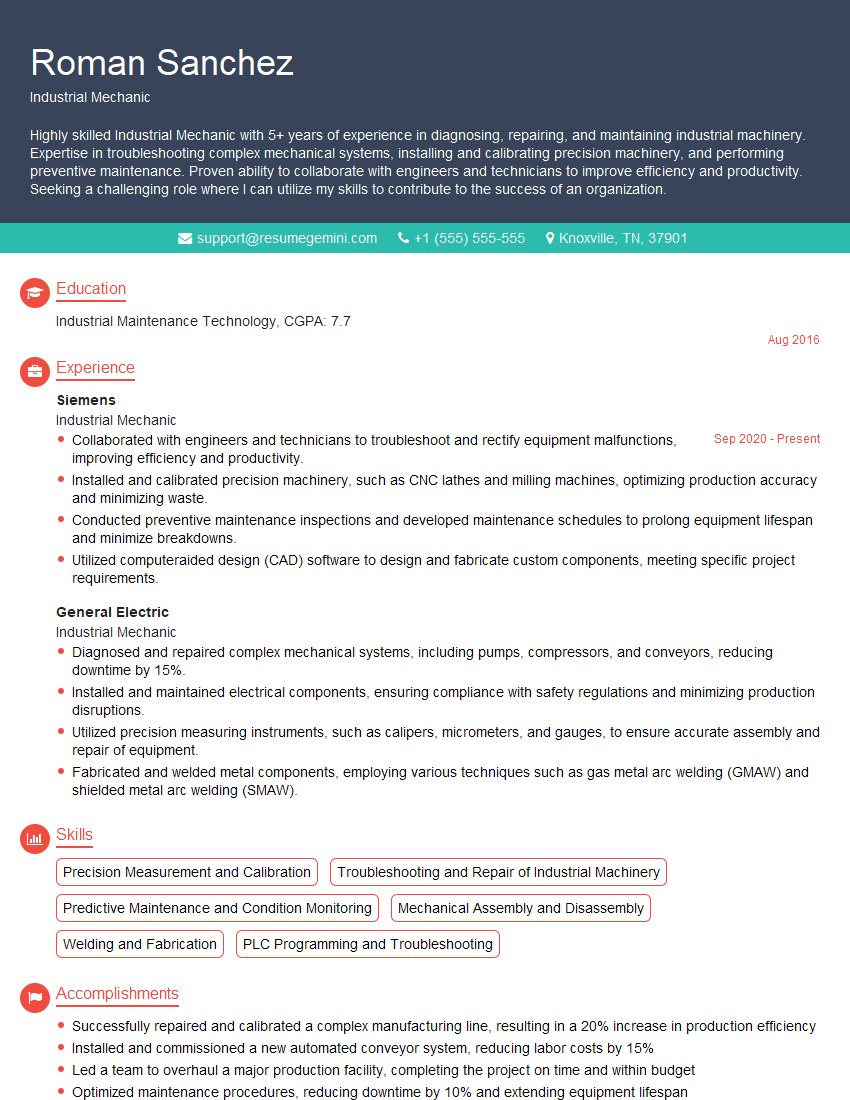
Industrial Mechanic Resume Sample
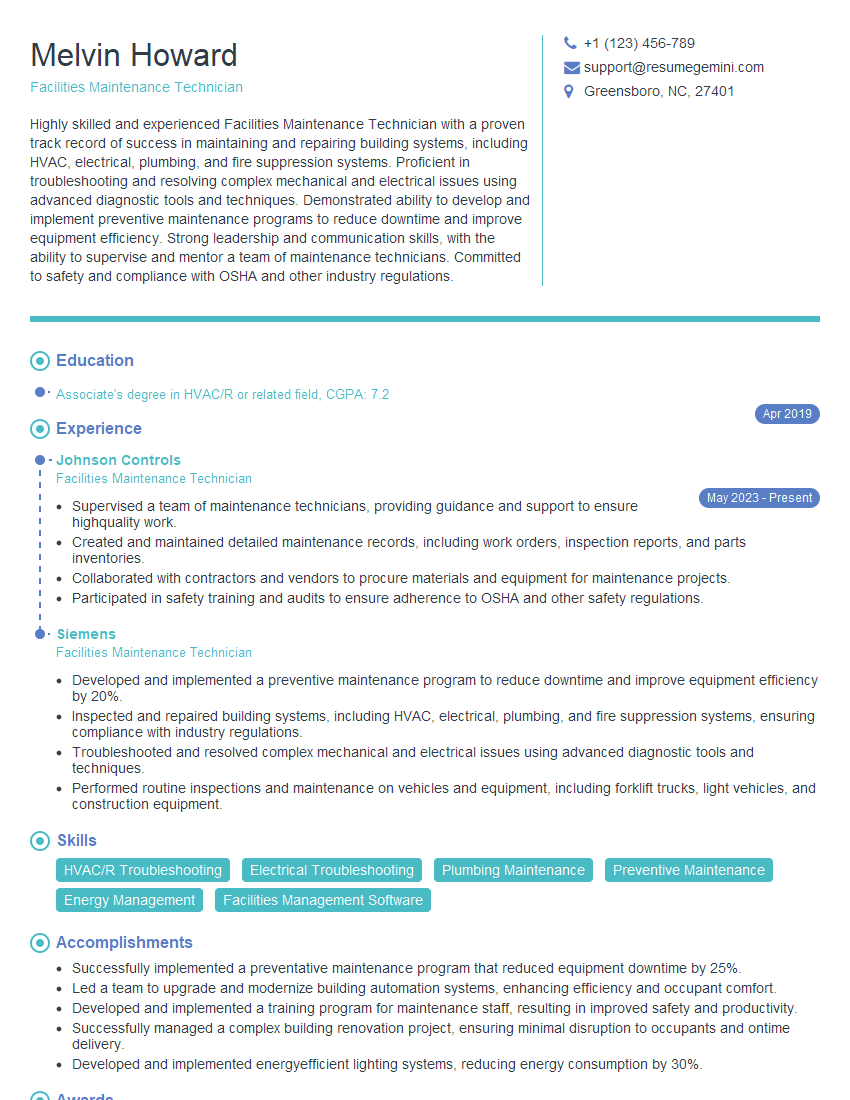
Facilities Maintenance Technician Resume Sample
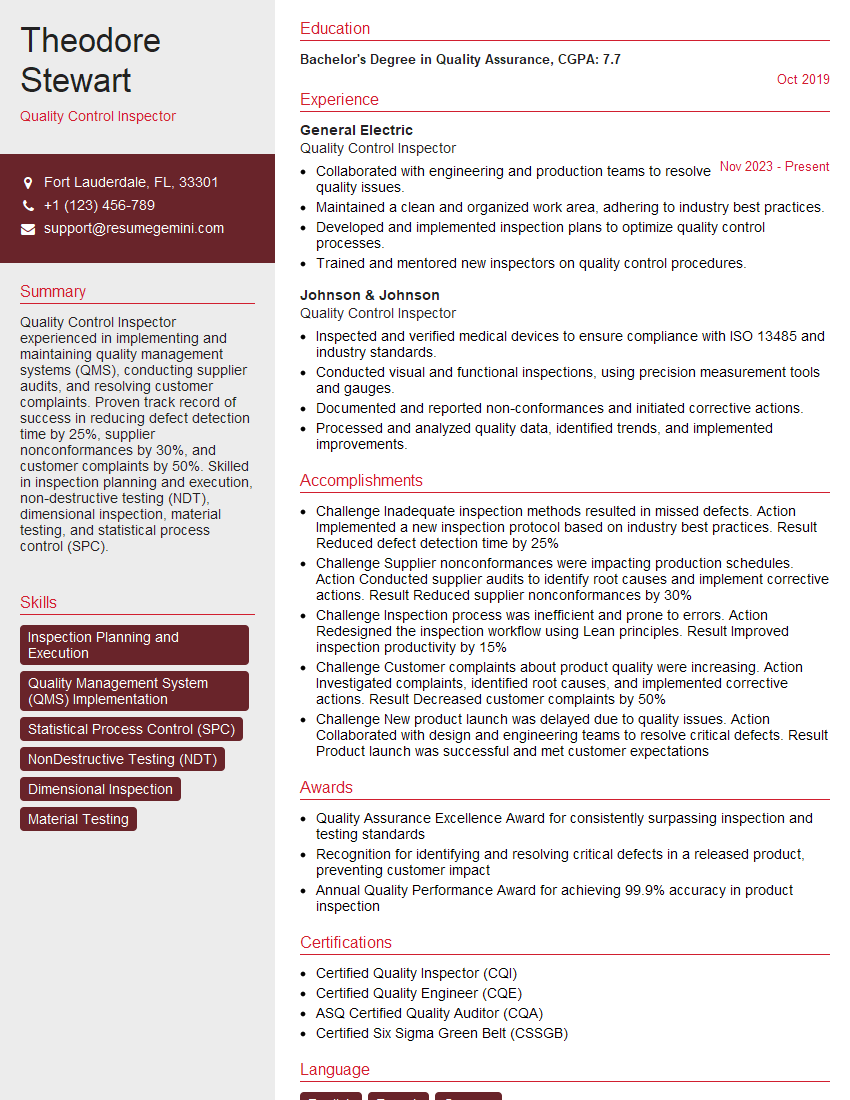
Quality Control Inspector Resume Sample
- Maintenance Manager
- Maintenance Planner
- Maintenance Supervisor
- Reliability Engineer
- Maintenance Technician
- Equipment Inspector
- Calibration Technician
- Instrumentation Technician
- Field Service Technician
- Machinist
- Heavy Equipment Mechanic
- Industrial Mechanic
- Facilities Maintenance Technician
- Quality Control Inspector
Explore more articles
Users Rating of Our Blogs
Share Your Experience
We value your feedback! Please rate our content and share your thoughts (optional).
What Readers Say About Our Blog
To the interviewgemini.com Webmaster.
Very helpful and content specific questions to help prepare me for my interview!
Thank you
To the interviewgemini.com Webmaster.
This was kind of a unique content I found around the specialized skills. Very helpful questions and good detailed answers.
Very Helpful blog, thank you Interviewgemini team.