Feeling uncertain about what to expect in your upcoming interview? We’ve got you covered! This blog highlights the most important Working in a Loud Environment interview questions and provides actionable advice to help you stand out as the ideal candidate. Let’s pave the way for your success.
Questions Asked in Working in a Loud Environment Interview
Q 1. Describe your experience working in loud environments.
Throughout my career, I’ve worked extensively in loud environments, primarily in industrial settings such as manufacturing plants and construction sites. I’ve experienced noise levels ranging from moderately loud to extremely intense, requiring consistent use of hearing protection and adaptation of communication strategies. This experience has provided me with a deep understanding of the challenges and hazards associated with prolonged exposure to noise.
For example, during my time at Acme Manufacturing, I worked directly on the assembly line where heavy machinery constantly operated. The consistent, high-decibel noise was a daily reality. Another example is my work on a bridge construction project, where the noise from pile drivers and heavy equipment was extreme.
Q 2. What safety measures have you used to protect your hearing in loud workplaces?
Protecting my hearing in loud workplaces has always been paramount. I’ve consistently used a combination of hearing protection methods, tailored to the specific noise levels and work tasks. This includes:
- Earmuffs: These provide excellent overall noise reduction and are particularly effective in environments with diverse noise frequencies.
- Ear Plugs: I use disposable foam earplugs for quick and easy protection, and reusable silicone earplugs for better comfort during extended periods. I also use custom-molded earplugs for optimal fit and noise reduction, especially when using power tools
- Combination Approach: For extremely loud environments, I often combine earmuffs and earplugs for maximum protection, creating a layered defense against excessive noise.
Regular hearing tests are crucial, and I’ve always ensured adherence to company safety protocols, actively reporting any discomfort or potential hearing problems.
Q 3. How have you communicated effectively in a noisy setting?
Effective communication in noisy settings requires a multi-pronged approach. Simply shouting isn’t effective or safe; it strains the vocal cords and isn’t always understood. Instead, I utilize:
- Visual Cues: Hand signals, nods, and other nonverbal communication are critical in loud environments. We’ve developed a system of hand signals for common safety instructions on the construction site.
- Face-to-Face Communication: When possible, I get close enough to the person I’m speaking to so that I don’t have to shout, and I also make sure that I have their complete attention.
- Clear and Concise Language: I avoid jargon and use simple, direct language, ensuring the message is easy to understand even with background noise.
- Communication Technology: In some cases, communication systems such as two-way radios with noise cancellation or even text messaging are helpful.
Building trust and clear communication protocols within the team is crucial for safety.
Q 4. Explain how you adapt your work style to different noise levels.
My work style adapts significantly to varying noise levels. In quieter areas, I can focus on detail-oriented tasks, requiring more concentration. However, in loud areas, I focus on tasks that don’t require high levels of concentration but demand more physical effort.
For example, if I’m working with intricate equipment in a relatively quiet section of the factory, I can focus on precision assembly. If I’m in the area with the heavy machinery running, I’ll focus on tasks like material handling that don’t demand meticulous attention to detail but need strong physical effort.
Regular breaks are crucial in noisy environments to avoid fatigue and stress. I also strategically schedule tasks, tackling high-concentration jobs during quieter periods.
Q 5. Describe a situation where noise interfered with your work. How did you solve it?
During a particularly challenging construction project, the consistent noise from a pneumatic hammer made it nearly impossible to conduct precise measurements. The vibrations also affected the accuracy of my equipment. To solve this, we implemented a two-part solution:
- Scheduled downtime: We coordinated with the hammer operator to schedule brief periods of downtime when critical measurements were needed.
- Noise-dampening materials: We experimented with temporary sound-dampening barriers around the measurement area to reduce the noise impact.
This strategy significantly improved accuracy, demonstrating the importance of proactive problem-solving in noisy environments.
Q 6. What types of hearing protection devices are you familiar with?
I’m familiar with a wide range of hearing protection devices (HPDs), including:
- Foam earplugs: Disposable and inexpensive, offering moderate noise reduction.
- Silicone earplugs: Reusable and more comfortable than foam for extended use. Offer slightly better noise reduction than foam.
- Custom-molded earplugs: Made to fit the individual’s ear canal for superior comfort and noise reduction.
- Earmuffs: Cup-shaped devices that cover the entire ear, providing excellent noise reduction.
- Electronic earmuffs: These amplify low-level sounds while suppressing loud noises, allowing for better communication while still protecting hearing.
Q 7. Can you explain the difference between different types of hearing protection?
Different hearing protection devices offer varying levels and types of noise reduction. The most significant differences lie in:
- Noise Reduction Rating (NRR): This indicates the level of noise reduction provided by the device, measured in decibels (dB). A higher NRR means better protection. However, this is a laboratory rating and real world attenuation is less.
- Comfort and Fit: Proper fit is crucial for effectiveness. Custom-molded earplugs generally offer the best fit, while earmuffs can be more comfortable for extended use, especially in cold climates.
- Type of Noise Reduction: Some HPDs offer better protection against specific frequencies than others. For example, earmuffs might be better at reducing lower-frequency sounds like heavy machinery, while custom-molded earplugs might be slightly better at higher frequencies.
- Environmental Factors: Factors such as humidity and temperature can affect the performance of different HPDs. For example, foam earplugs can become less effective in humid conditions.
Choosing the right HPD depends on the specific noise environment, the duration of exposure, and individual preferences.
Q 8. How do you ensure the effectiveness of your hearing protection?
Ensuring the effectiveness of hearing protection is crucial for maintaining hearing health in loud environments. It’s not just about wearing the protection; it’s about choosing the right type, wearing it correctly, and regularly checking its condition.
- Proper Selection: The type of hearing protection depends on the noise level and type. For example, earplugs are suitable for general noise reduction, while earmuffs offer better protection in extremely loud environments. A noise hazard assessment helps determine the appropriate level of protection needed. I always ensure my hearing protection has a Noise Reduction Rating (NRR) appropriate for the environment.
- Correct Fit and Use: Improperly fitted earplugs or earmuffs are ineffective. Earplugs should be inserted deeply and securely into the ear canal, while earmuffs should fit snugly over the ears without gaps. I always take the time to ensure a proper fit and follow the manufacturer’s instructions.
- Regular Inspection and Maintenance: Over time, hearing protection can degrade, losing its effectiveness. I regularly check my earplugs and earmuffs for damage, such as tears or cracks. I replace them immediately if I find any signs of wear and tear.
- Hygiene: Keeping hearing protection clean is vital to prevent infections. I always clean my earplugs and earmuffs after each use.
For instance, during my time working at a construction site, I initially used foam earplugs, but after a noise assessment revealed higher-than-expected decibel levels, I switched to higher NRR rated earmuffs, which provided significantly better protection.
Q 9. Have you ever experienced hearing loss or tinnitus? If so, how did you manage it?
While I haven’t experienced significant hearing loss, I have experienced occasional tinnitus, a ringing in the ears, after prolonged exposure to loud machinery. The management involved immediate removal from the loud environment, resting my ears, and using over-the-counter pain relievers to manage any discomfort. I also consulted a physician, who recommended a comprehensive hearing test to rule out any permanent damage. The doctor advised me on the importance of consistent and proper use of hearing protection to prevent further issues. This experience highlighted the importance of preventative measures and early intervention in managing noise-induced hearing problems. I now emphasize taking breaks in quiet areas during my workday to give my ears a rest.
Q 10. What are the common workplace hazards associated with loud noise?
Common workplace hazards associated with loud noise are numerous and can have severe consequences.
- Hearing Loss: This is the most significant hazard, ranging from temporary threshold shift (TTS) to permanent Noise-Induced Hearing Loss (NIHL).
- Tinnitus: A persistent ringing, buzzing, or hissing in the ears, even in quiet environments.
- Stress and Anxiety: Constant exposure to loud noise can lead to increased stress levels, reduced concentration and impaired cognitive function.
- Cardiovascular Issues: Studies suggest a link between prolonged exposure to loud noise and increased risk of cardiovascular problems.
- Sleep Disturbances: Noise can disrupt sleep patterns, resulting in fatigue and reduced productivity.
- Communication Difficulties: Loud noise makes it difficult to communicate effectively, leading to misunderstandings and potential accidents.
The severity of these hazards depends on the intensity and duration of noise exposure. I have directly witnessed the impact of these hazards in my professional settings, underscoring the critical need for effective noise control measures.
Q 11. How do you identify and report potential noise-related hazards?
Identifying and reporting potential noise-related hazards involves a proactive and systematic approach.
- Noise Monitoring: Regularly monitoring noise levels using sound level meters is crucial to identify areas or tasks exceeding safe limits. I’m trained to operate and interpret data from these meters.
- Visual Inspection: Assessing the workplace for potential noise sources, such as malfunctioning machinery or inadequate noise barriers, is equally vital. I’m adept at identifying such issues.
- Employee Feedback: Encouraging employees to report any concerns about noise levels is essential. This often provides insights that might be missed through monitoring alone. I foster an open communication environment where workers feel comfortable expressing such concerns.
- Documentation and Reporting: Any identified hazards, along with monitoring data and employee feedback, should be meticulously documented. This documentation serves as evidence for necessary interventions and compliance reporting. I follow my company’s established procedures for documenting and reporting hazards using specified forms and databases.
- Hazard Mitigation Planning: Following the identification, the next step is planning for implementing corrective actions. This may include engineering controls (e.g., noise barriers), administrative controls (e.g., job rotation), or the provision of appropriate PPE.
For example, during a recent project, I noticed an increase in noise levels near a specific machine. After using a sound level meter, I confirmed the readings exceeded permissible levels, documented the findings, and reported them to my supervisor. Subsequently, noise barriers were installed to mitigate the issue.
Q 12. What are the legal regulations regarding noise exposure in your industry?
Legal regulations regarding noise exposure vary by jurisdiction, but generally align with internationally recognized standards set by organizations like the World Health Organization (WHO) and national occupational safety and health agencies (like OSHA in the US). These regulations typically define permissible noise exposure limits (usually in decibels and duration), mandate regular noise monitoring, require the provision of hearing protection, and stipulate employee training on noise hazards. Non-compliance can lead to significant penalties, including fines and legal action.
In my industry, we adhere strictly to the OSHA regulations, which specify permissible noise exposure limits in terms of a time-weighted average (TWA) and an exchange rate (for varying exposure levels). These regulations are carefully explained and regularly reviewed with all employees. Understanding and complying with these regulations is crucial for both individual and organizational well-being.
Q 13. Describe your experience with noise monitoring equipment or techniques.
My experience with noise monitoring equipment encompasses using both simple sound level meters and more sophisticated dosimeters. Sound level meters provide instantaneous readings of noise levels, while dosimeters measure personal exposure over time. I’m proficient in using both types of equipment, following calibration procedures, and interpreting the resulting data. This data is then used to inform decisions on appropriate hearing protection, engineering controls, and other risk mitigation strategies.
I’m familiar with different weighting scales, such as A-weighting (dBA), used to measure noise levels that better reflect human hearing sensitivity. I’ve also used noise mapping software to create visual representations of noise levels across the workplace, which helps identify noise hotspots and plan for interventions more effectively.
Q 14. How do you maintain your focus and concentration despite excessive noise?
Maintaining focus and concentration in a noisy environment requires a multi-pronged approach.
- Effective Hearing Protection: Wearing appropriate hearing protection significantly reduces the level of disruptive noise, creating a more conducive working environment. The correct selection and use of hearing protection are key.
- Strategic Work Organization: Planning tasks and prioritizing those requiring higher levels of concentration during quieter periods can be effective. Taking breaks in quieter areas can also significantly improve concentration.
- Cognitive Techniques: Practicing mindfulness and focusing techniques can aid in filtering out background noise and maintaining concentration. I regularly use deep breathing exercises and mindfulness techniques to improve focus.
- Noise-Cancelling Equipment: In some situations, utilizing noise-canceling headphones or earmuffs can be helpful, but it’s essential to ensure these don’t interfere with safety protocols or communication needs. Such devices are particularly effective for tasks that do not require auditory awareness of the surroundings.
- Environmental Modifications: Where possible, adjustments to the work environment, such as sound-dampening materials or strategic placement of machinery, can reduce noise levels.
Think of it like trying to read a book in a busy café. The background noise is always there, but by focusing on the book and consciously reducing the impact of distractions, you can still maintain concentration. The same applies in a loud workplace.
Q 15. Have you received any training on noise safety and control measures?
Yes, I have received extensive training on noise safety and control measures. My training encompassed various aspects, including understanding decibel levels and their impact on hearing, the proper use of hearing protection devices (HPDs), recognizing hazardous noise levels, and implementing noise reduction strategies within the workplace. This included both classroom-based learning and hands-on practical sessions where we learned to use sound level meters and identify potential noise hazards.
The training also covered relevant legislation and regulations concerning workplace noise exposure, emphasizing the employer’s responsibility to provide a safe working environment and the employee’s duty to utilize provided safety equipment. Furthermore, I received training on reporting procedures for noise-related incidents or concerns.
Career Expert Tips:
- Ace those interviews! Prepare effectively by reviewing the Top 50 Most Common Interview Questions on ResumeGemini.
- Navigate your job search with confidence! Explore a wide range of Career Tips on ResumeGemini. Learn about common challenges and recommendations to overcome them.
- Craft the perfect resume! Master the Art of Resume Writing with ResumeGemini’s guide. Showcase your unique qualifications and achievements effectively.
- Don’t miss out on holiday savings! Build your dream resume with ResumeGemini’s ATS optimized templates.
Q 16. Describe a time you had to deal with unexpected loud noise at work.
During a renovation project at a previous workplace, a large piece of machinery malfunctioned, resulting in a sudden, unexpectedly loud bang followed by a prolonged, high-pitched whine. The noise level was significantly above what was considered safe, and it startled everyone present.
Immediately, we followed established safety protocols. Everyone moved away from the immediate vicinity of the machine until the engineers could assess the situation and shut down the equipment. We then conducted a thorough noise level assessment using a sound level meter to determine the extent of the exposure and report it accordingly. The incident highlighted the importance of regular machinery maintenance and the need for quick response protocols in such unforeseen situations. We also initiated a review of our safety procedures to prevent similar incidents in the future.
Q 17. How familiar are you with noise reduction strategies and techniques?
I am very familiar with a wide range of noise reduction strategies and techniques. My knowledge spans various approaches, from engineering controls, like installing sound-dampening materials or using quieter machinery, to administrative controls, such as limiting exposure time and scheduling noisy tasks during off-peak hours.
I’m also well-versed in the use of personal protective equipment (PPE), such as earplugs and earmuffs, and understand the importance of selecting appropriate PPE based on the specific noise environment. Furthermore, I understand the principles of noise mapping and can utilize this technique to identify noise hotspots and determine effective mitigation strategies. My expertise extends to training employees on proper PPE usage and noise safety awareness.
Q 18. Can you discuss the different types of noise and their impact on the workplace?
Workplace noise can be categorized in several ways, with each type having different impacts. For example, we have continuous noise, a constant sound like the hum of a fan, and impulse noise, short bursts of loud noise like a hammer blow. Then there’s intermittent noise, which is fluctuating, such as traffic noise.
- Impact on hearing: Prolonged exposure to loud noise, regardless of the type, can lead to Noise-Induced Hearing Loss (NIHL), ranging from temporary threshold shifts to permanent damage.
- Impact on communication: High noise levels make communication difficult, increasing the risk of misunderstandings and accidents.
- Impact on productivity and well-being: Noise can cause stress, fatigue, reduced concentration, and even psychological issues.
- Impact on safety: Loud noise can mask warning signals, creating a dangerous work environment.
Understanding these different types and their consequences is crucial for implementing appropriate control measures.
Q 19. Have you ever worked with colleagues who were not adhering to noise safety protocols?
Yes, I have encountered colleagues who did not fully adhere to noise safety protocols. In one instance, some workers consistently refused to wear the provided ear protection, citing discomfort or inconvenience.
My approach involved a combination of strategies. First, I engaged in open communication, emphasizing the importance of hearing protection and the potential long-term health consequences of neglecting it. I addressed their concerns, suggesting alternative earplugs or providing additional training on proper fitting techniques. I also informed my supervisor about the non-compliance, ensuring that the matter was addressed through official channels and that all personnel were properly equipped and trained. Ultimately, a combination of education and management intervention addressed this issue.
Q 20. How would you address an unsafe situation related to excessive noise?
Addressing an unsafe noise situation requires a structured approach. First, I would immediately stop the activity producing the excessive noise, if possible and safe to do so.
- Assess the situation: Use a sound level meter to quantify the noise level. Identify the source and the individuals exposed.
- Implement immediate control measures: This could involve moving workers to a safer location, providing additional hearing protection, or temporarily shutting down noisy equipment.
- Report the incident: Inform my supervisor and relevant safety personnel, providing detailed information about the incident, including the noise level readings, the duration of exposure, and the individuals involved.
- Investigate the root cause: Once the immediate danger is mitigated, I would collaborate with colleagues to understand why the unsafe noise situation occurred, to prevent future incidents.
This systematic approach ensures both immediate safety and long-term prevention of similar occurrences.
Q 21. Explain your understanding of decibel levels and their relation to hearing damage.
Decibels (dB) are a logarithmic unit used to measure sound intensity. A small increase in decibels represents a significant increase in sound intensity. The relationship between decibel levels and hearing damage is not linear but rather follows a threshold-based system.
Prolonged exposure to noise above 85 dB can cause gradual hearing loss. Exposure to sounds exceeding 140 dB can cause immediate and permanent hearing damage. The longer the exposure and the higher the decibel level, the greater the risk of hearing damage. It’s important to note that individual susceptibility to noise-induced hearing loss can vary, but consistent exposure to loud noises will always pose significant risk.
For instance, a typical conversation might be around 60 dB, while a power mower can reach 90 dB or more. The latter presents a clear risk of hearing damage with prolonged exposure without adequate hearing protection.
Q 22. Describe your experience with using communication systems in a noisy work environment.
In noisy environments, effective communication is paramount. My experience involves utilizing a variety of systems, adapting to the specific challenges of each situation. For example, in a construction site, I’ve relied heavily on two-way radios with amplified volume and noise-canceling features. These radios allowed for clear communication even amidst the roar of machinery. In other settings with less intense noise, we successfully used hand signals combined with visual cues like headlamps or bright vests to ensure safety and understanding.
In manufacturing plants, I’ve worked with pre-established communication protocols – for example, using a system of standardized hand signals for critical operations and emergency situations where verbal communication may be impossible. The key is to select and implement systems that are robust, reliable, and tailored to the specific noise levels and working conditions. It is always crucial to prioritize safety and to have backup communication methods in place in case of system failure.
Q 23. How do you manage stress related to prolonged exposure to loud noise?
Prolonged exposure to loud noise is undeniably stressful. My approach to managing this stress is multifaceted. Firstly, I prioritize using appropriate hearing protection consistently. Secondly, I incorporate regular breaks away from the noisy environment to allow my ears and mind to recover. These breaks often involve engaging in quiet activities like listening to calming music or simply relaxing in a quiet space.
Furthermore, I maintain a healthy lifestyle, including regular exercise and a balanced diet, to build resilience against stress. Getting sufficient sleep is also vital for reducing overall fatigue and improving stress tolerance. Finally, open communication with supervisors regarding noise levels and workload is crucial. If the noise levels become unbearable or safety protocols are not being followed adequately, I will escalate the issue to the appropriate channels.
Q 24. Are you comfortable working in environments where noise levels fluctuate greatly?
Yes, I am comfortable working in environments with fluctuating noise levels. My experience includes various settings with varying degrees of noise intensity. The key is adaptability and awareness. I’ve learned to quickly assess the current noise level and adjust my communication strategies and hearing protection accordingly. For instance, if the noise suddenly increases, I immediately switch to more robust hearing protection and adjust communication methods to compensate for the amplified noise.
It’s also crucial to understand the sources of noise fluctuation. By identifying the cause, I can anticipate changes and take proactive measures to protect my hearing and ensure clear communication. This often involves coordinating with colleagues to mitigate noise spikes, like implementing quieter equipment or adjusting operational procedures during peak noise periods.
Q 25. What are some strategies to minimize noise-induced fatigue?
Noise-induced fatigue is a significant concern in loud workplaces. Minimizing it requires a proactive approach. Regular breaks away from the noise, as mentioned earlier, are essential. These breaks should be scheduled throughout the workday to prevent prolonged exposure. Additionally, staying hydrated and nourished helps combat fatigue.
Using effective hearing protection is crucial, as it reduces the overall noise exposure, contributing to decreased fatigue. Implementing strategies to reduce overall noise exposure at the source, such as using noise-dampening materials or optimizing equipment, are also helpful. Finally, focusing on good sleep hygiene and managing stress levels significantly contributes to reducing noise-induced fatigue. Think of it like this: your ears and your brain are muscles that need rest and recovery just like the rest of your body.
Q 26. How do you maintain clear communication while wearing hearing protection?
Maintaining clear communication while wearing hearing protection can be challenging, but it’s achievable. The type of hearing protection plays a role. For example, some earplugs muffle sound less than others, allowing for clearer conversations. However, even with the best hearing protection, some sound reduction is inevitable.
To overcome this, we often utilize visual cues, hand signals, and written communication where appropriate. We also rely on clear, concise verbal communication with a slightly amplified tone to ensure our voices are heard. In certain situations, amplified communication devices, such as those used by construction workers, could also be employed. A team that understands these adaptations improves clarity and reduces miscommunication.
Q 27. How would you ensure new employees understand and follow noise safety protocols?
Ensuring new employees understand and follow noise safety protocols is critical. I would start with comprehensive training that covers the risks associated with noise exposure, the types of hearing protection available, and how to use them correctly. This training should include hands-on practice and demonstrations.
Following this initial training, regular refresher courses and ongoing communication are important to reinforce the importance of safety protocols. This could involve visual aids, posters, and regular safety meetings. Clear communication channels should be established so employees feel comfortable reporting concerns or incidents related to noise levels without fear of retribution. Effective enforcement of safety protocols is also key to ensure compliance.
Q 28. What are your long-term strategies for protecting your hearing in your profession?
My long-term hearing protection strategy involves a combination of proactive measures. Consistent and proper use of hearing protection is paramount. Regular hearing tests are also essential to detect any early signs of hearing loss. Maintaining a healthy lifestyle that includes a balanced diet, regular exercise, and sufficient sleep contributes to overall health and ear health.
Beyond these personal actions, I’d advocate for improvements in workplace noise control measures. This involves working with employers and safety officers to implement measures that reduce noise levels at the source, such as upgrading equipment, using noise-absorbing materials, and implementing quieter operational procedures. Ultimately, a multi-pronged approach to hearing protection ensures that my hearing remains protected throughout my professional life.
Key Topics to Learn for Working in a Loud Environment Interview
- Hearing Protection: Understanding various types of hearing protection (earplugs, muffs), their effectiveness, and proper usage. Consider the legal and regulatory aspects of hearing protection in the workplace.
- Communication Strategies: Explore effective communication techniques in loud environments, such as visual cues, clear and concise verbal communication, and the use of alternative communication methods.
- Safety Procedures: Familiarize yourself with safety protocols specific to loud workplaces, including emergency procedures and reporting mechanisms for hearing-related incidents.
- Health and Well-being: Understand the potential health risks associated with prolonged exposure to loud noise, including noise-induced hearing loss (NIHL), and strategies for mitigating these risks. This includes recognizing the signs and symptoms of NIHL.
- Technology and Equipment: Discuss the use of noise-reducing technology and equipment in the workplace, its effectiveness, and maintenance. Consider the role of personal protective equipment (PPE) in this context.
- Legal and Regulatory Compliance: Learn about relevant health and safety regulations and legal requirements concerning noise exposure in your specific industry or geographic location. This demonstrates your commitment to workplace safety.
- Problem-Solving in Loud Environments: Practice scenarios involving troubleshooting equipment malfunctions or addressing safety concerns while working in a noisy environment. Consider how communication challenges might be overcome.
Next Steps
Mastering the skills and knowledge required for working in a loud environment significantly enhances your job prospects across various industries. It showcases your commitment to safety and your ability to adapt to challenging work conditions. Building an ATS-friendly resume is crucial for getting your application noticed. ResumeGemini is a trusted resource to help you create a professional and impactful resume that highlights your relevant skills and experience. We provide examples of resumes tailored to working in loud environments to guide you in showcasing your qualifications effectively. Take advantage of these resources to increase your chances of landing your dream job.
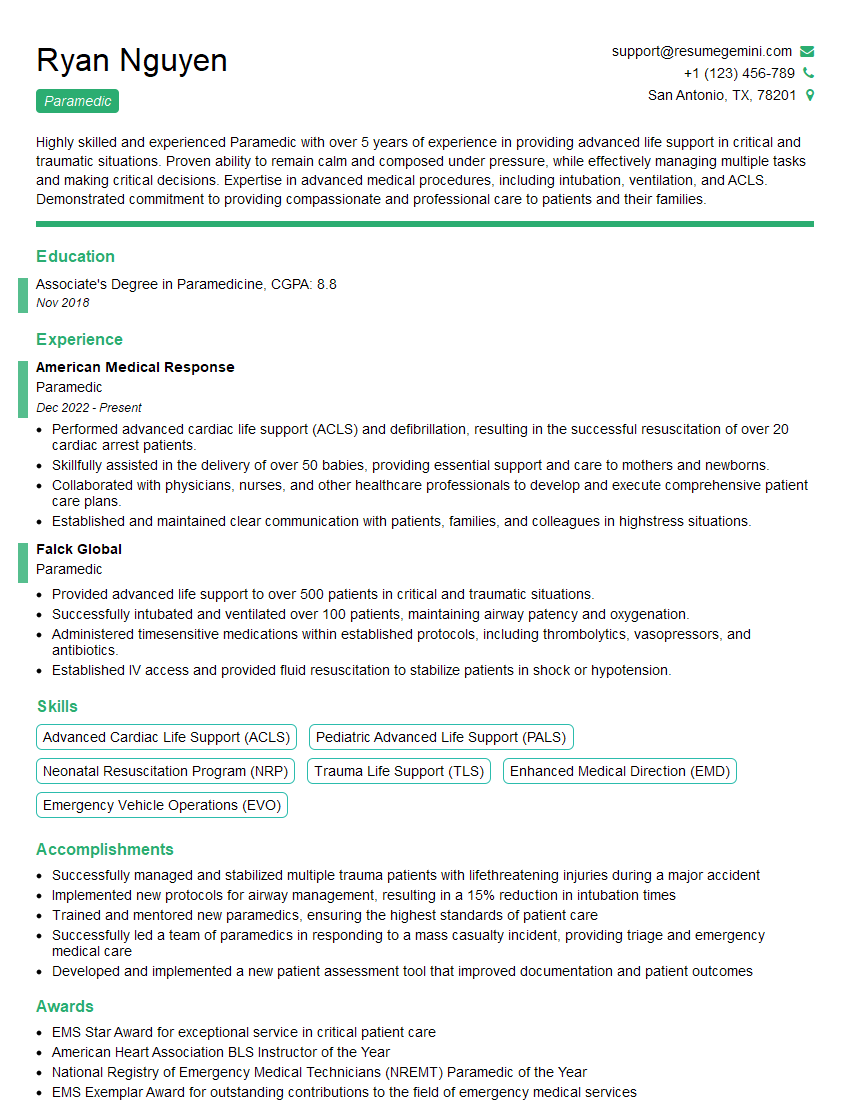
Paramedic Resume Sample
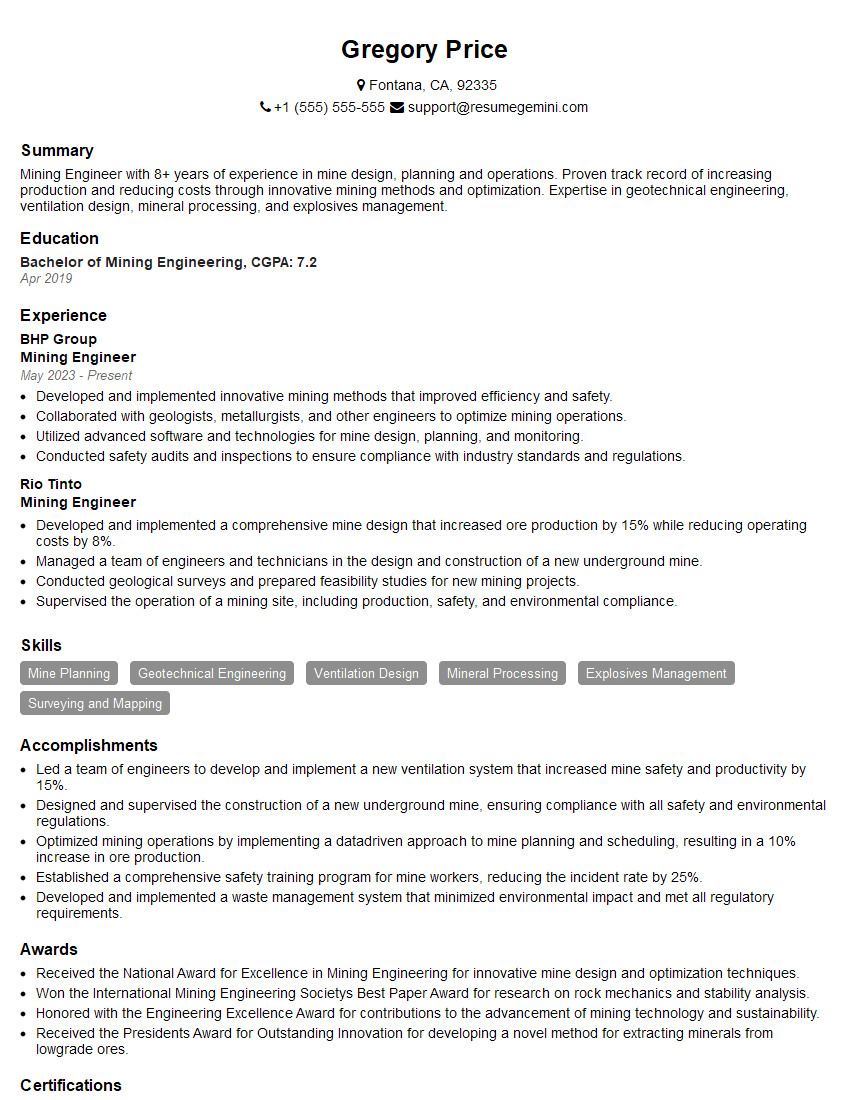
Mining Engineer Resume Sample
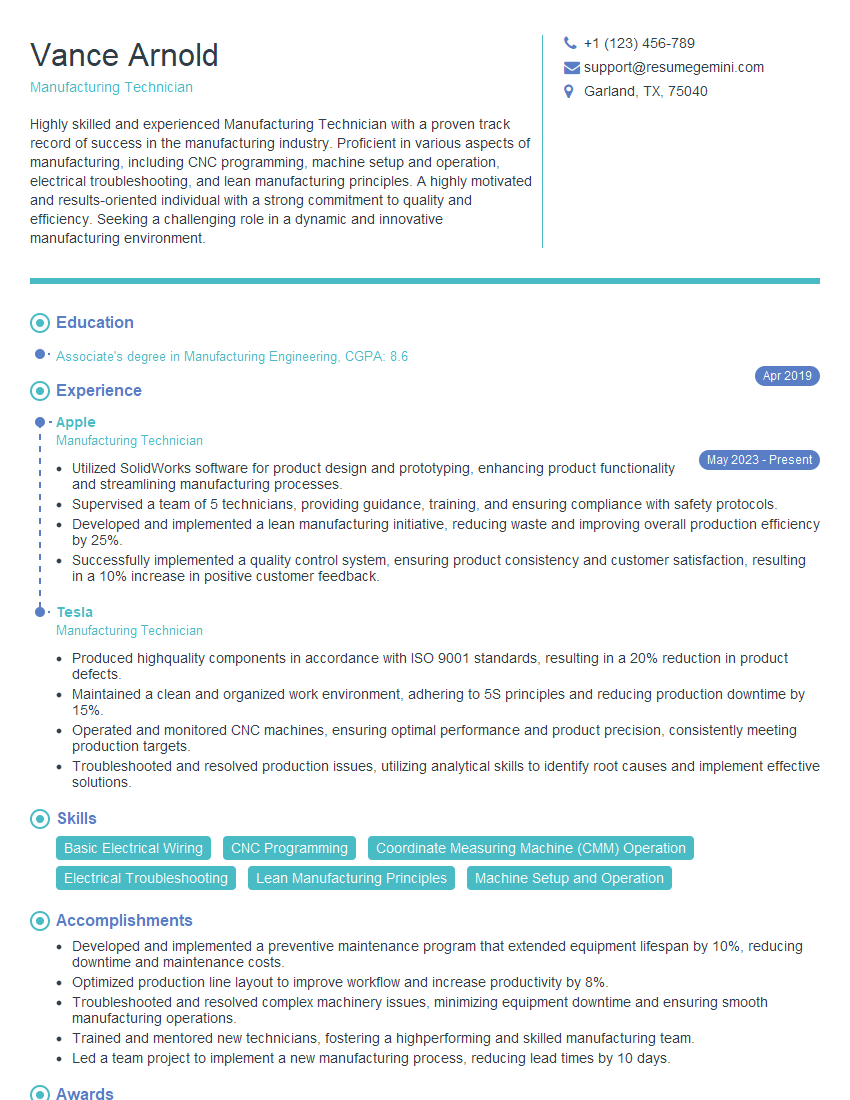
Manufacturing Technician Resume Sample
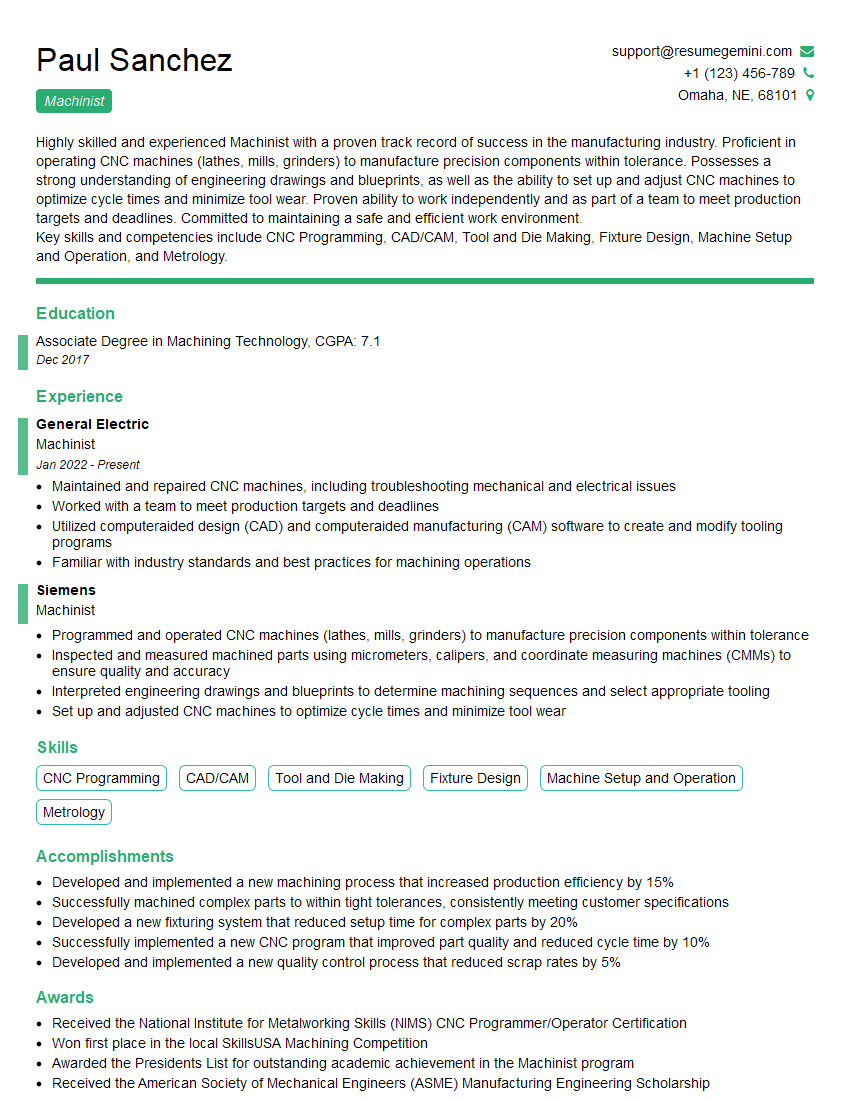
Machinist Resume Sample
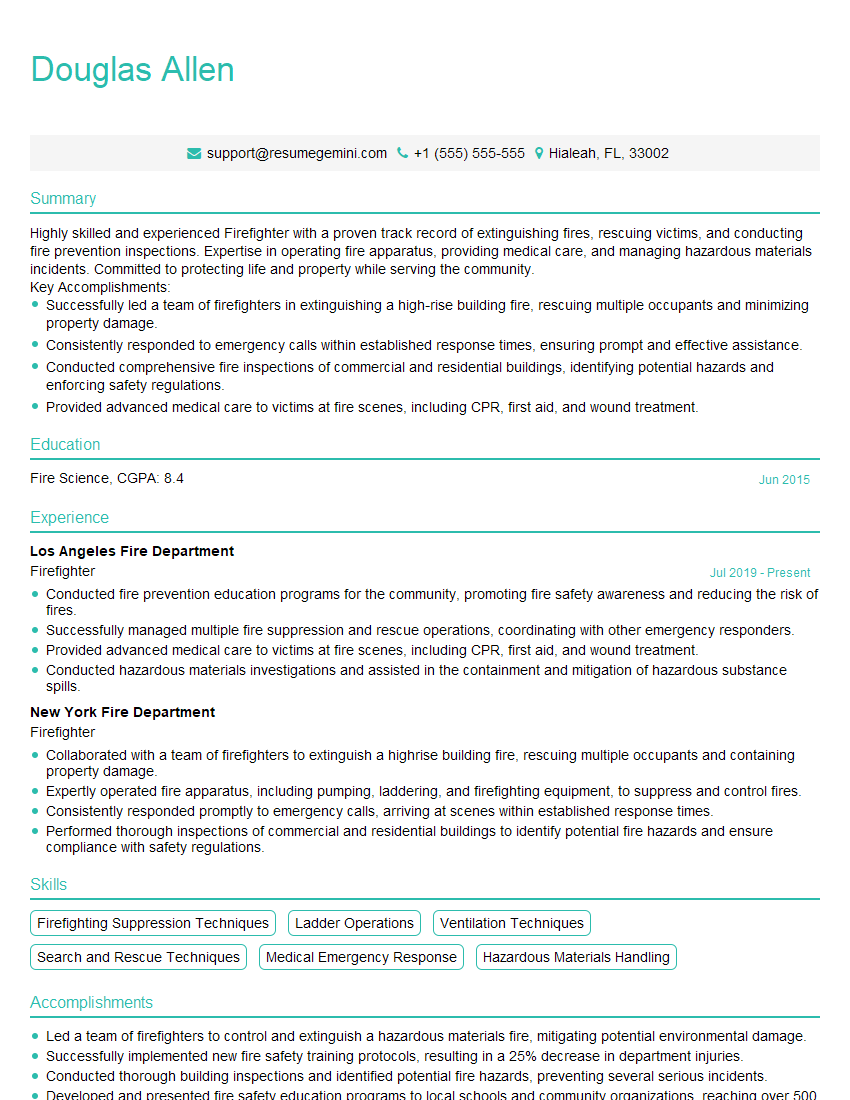
Firefighter Resume Sample
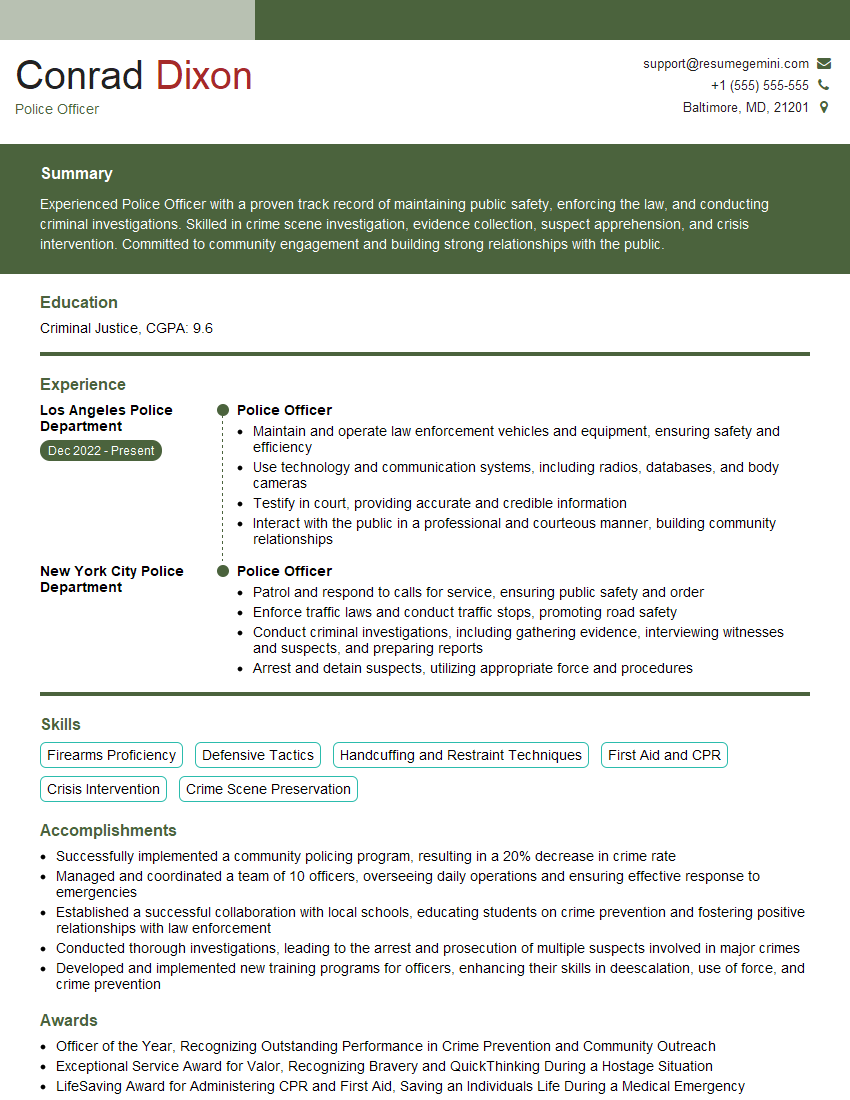
Police Officer Resume Sample
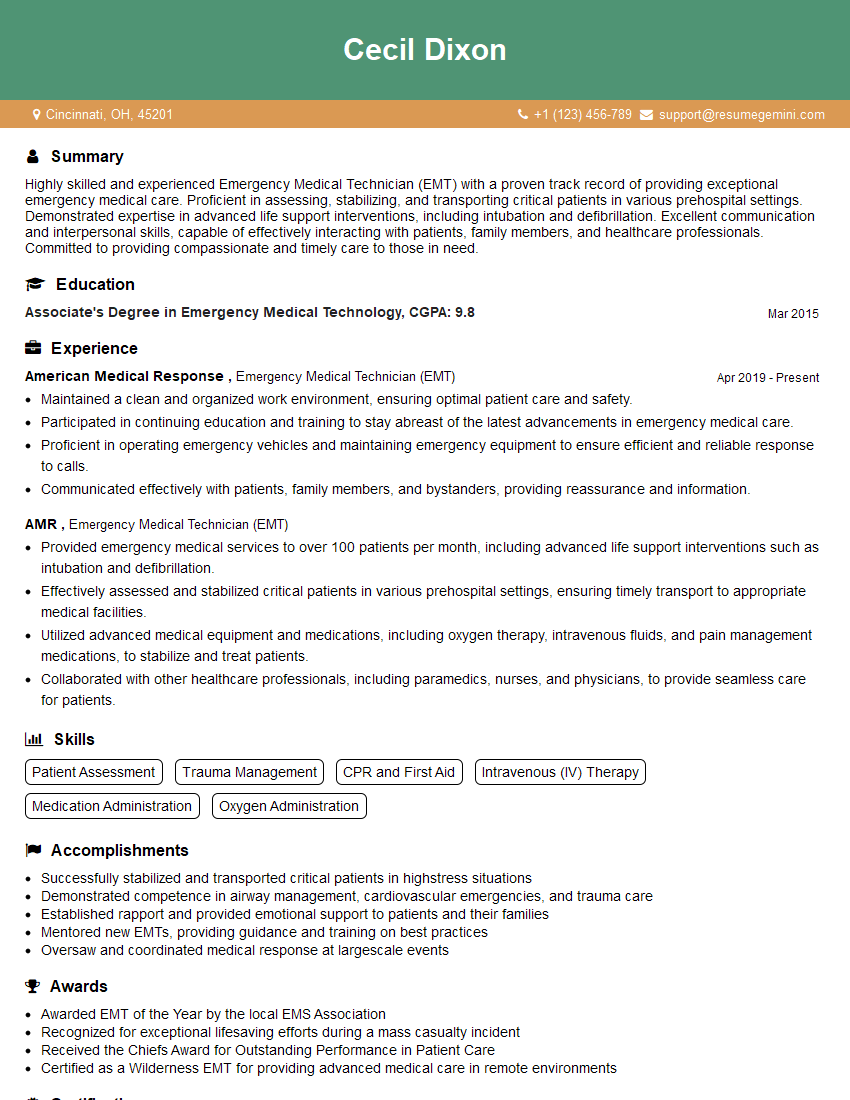
Emergency Medical Technician (EMT) Resume Sample
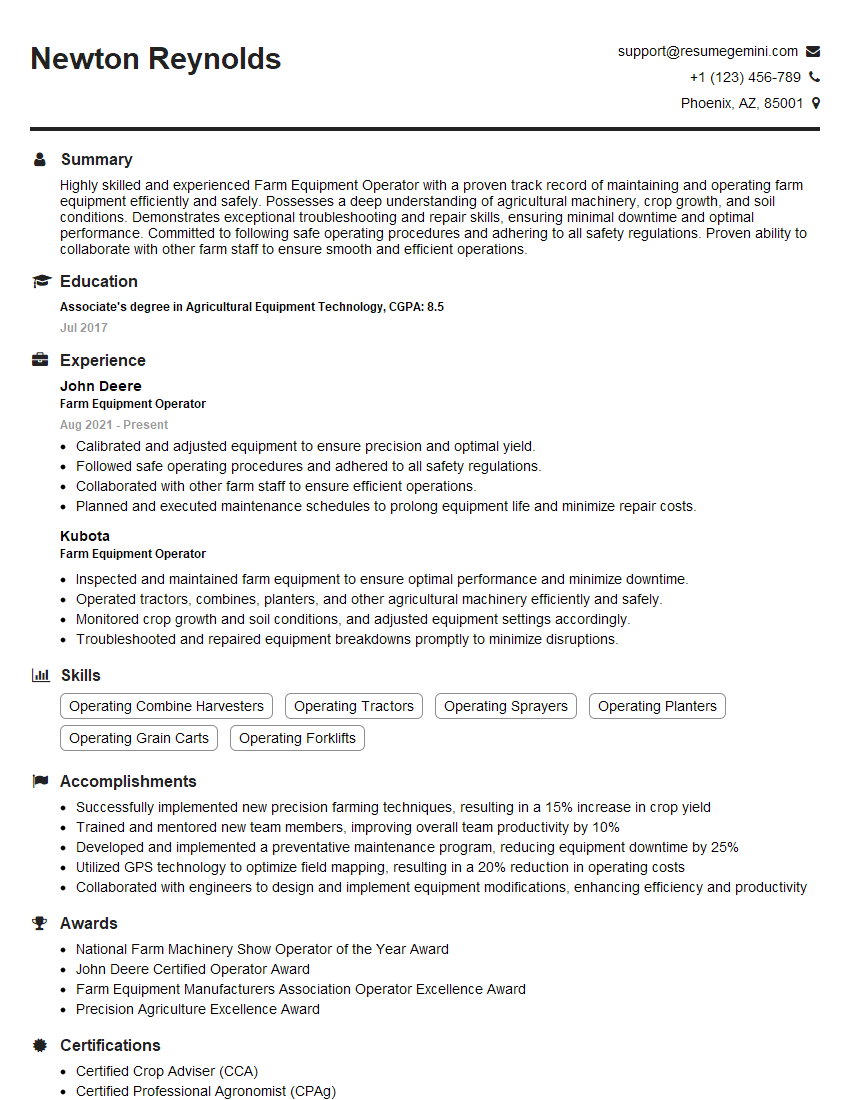
Farm Equipment Operator Resume Sample
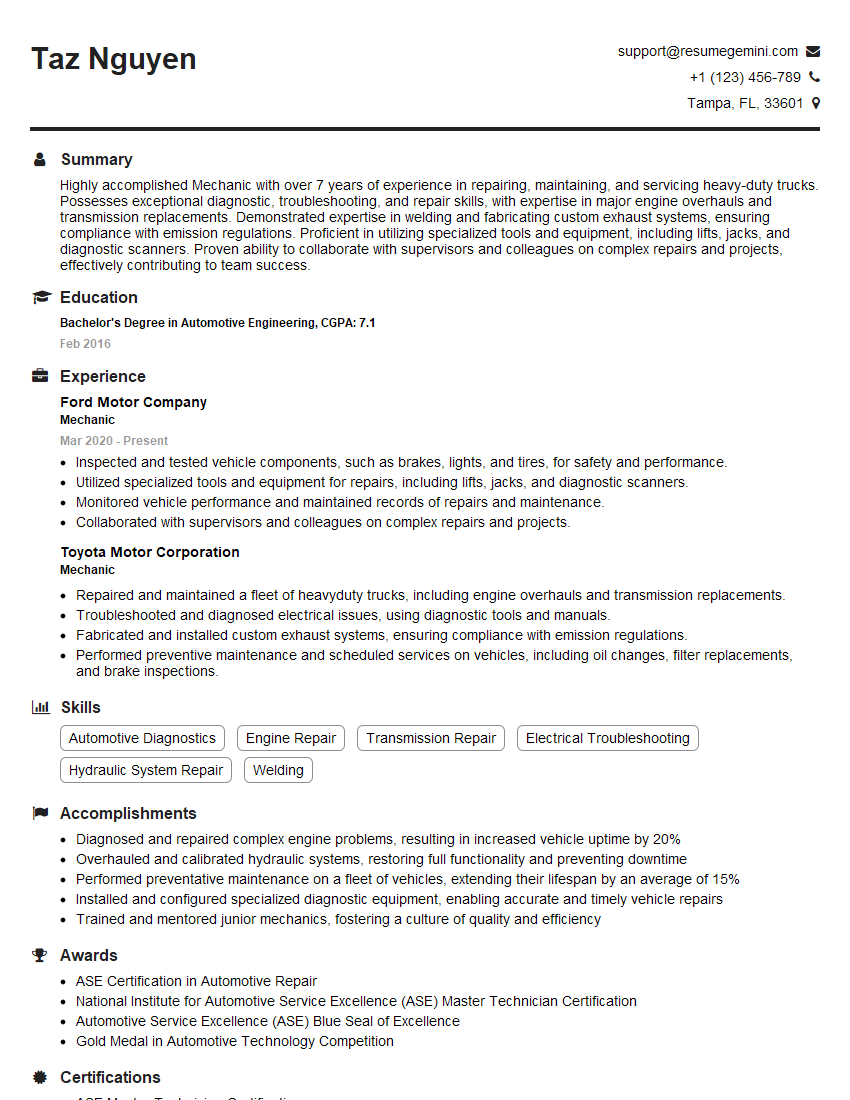
Mechanic Resume Sample
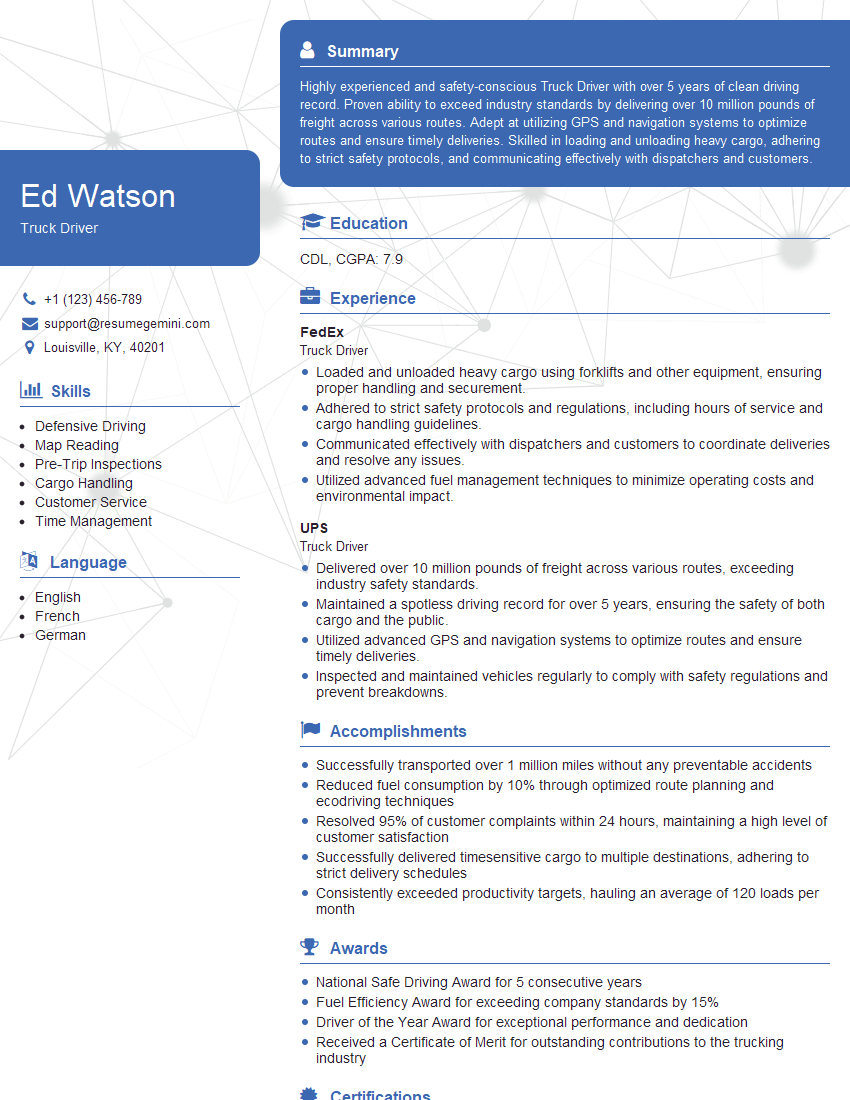
Truck Driver Resume Sample
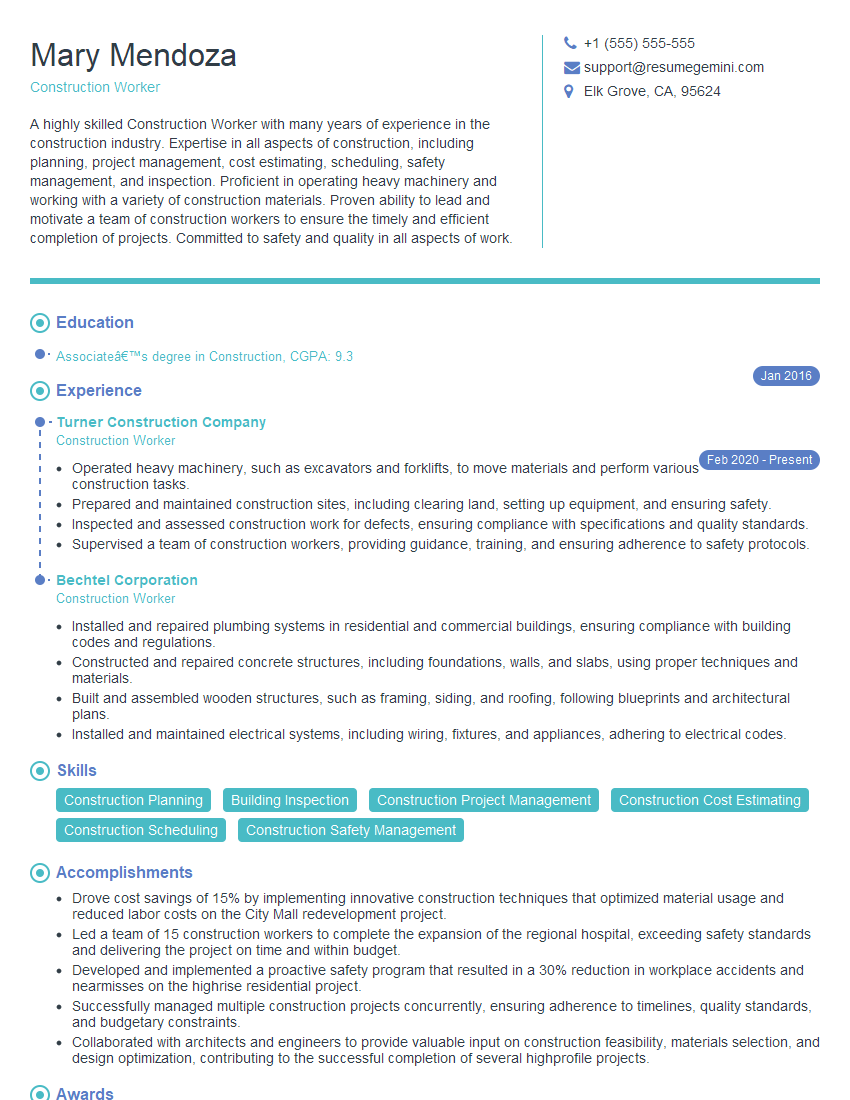
Construction Worker Resume Sample
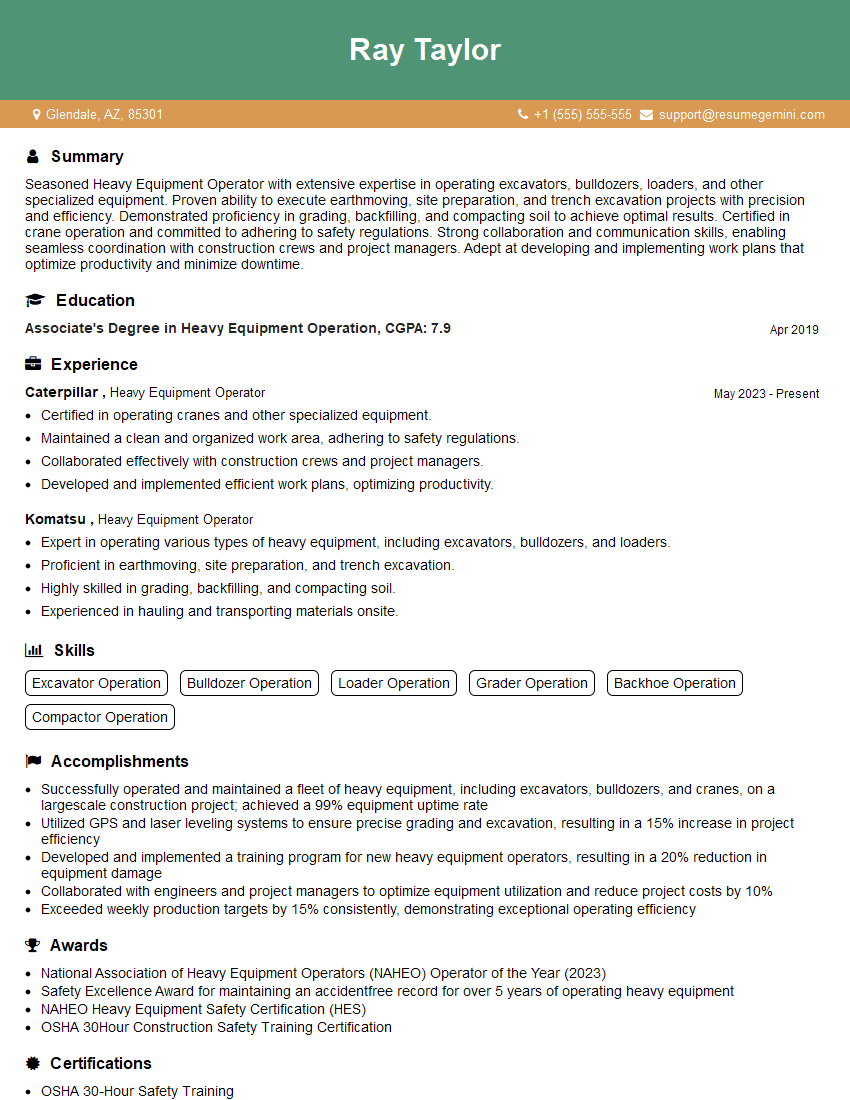
Heavy Equipment Operator Resume Sample
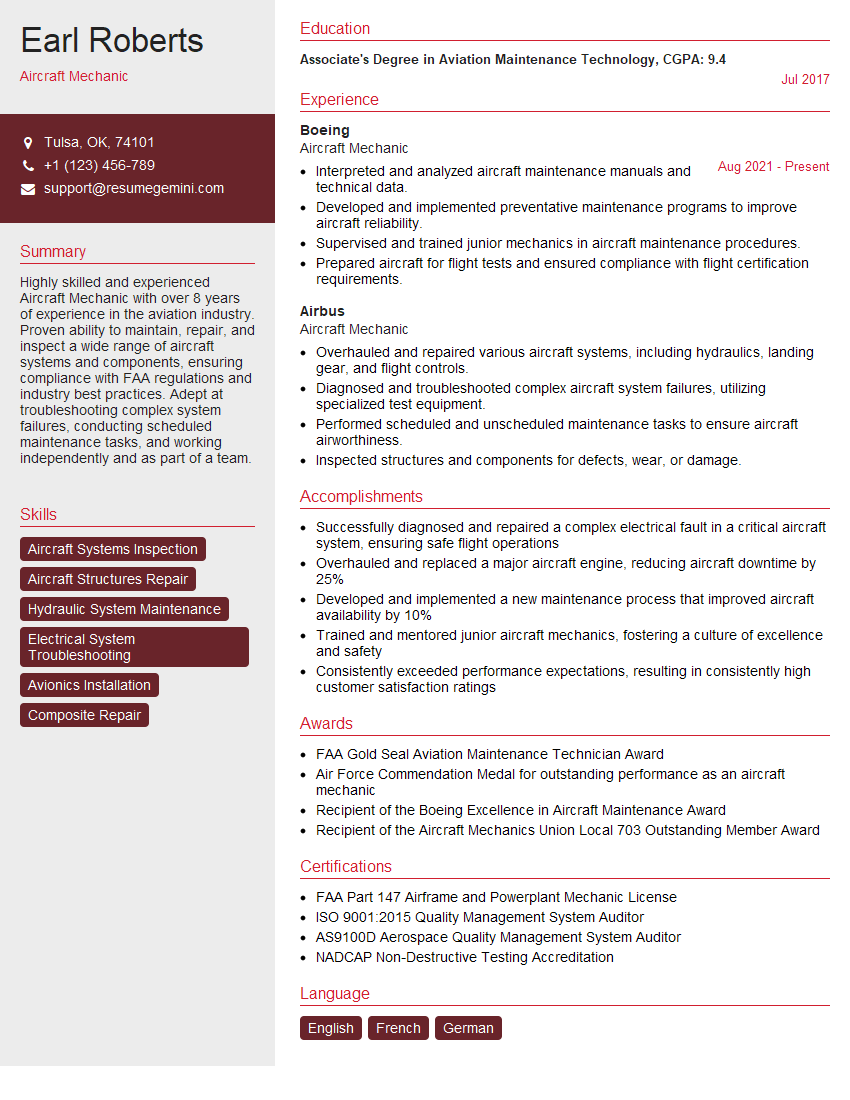
Aircraft Mechanic Resume Sample
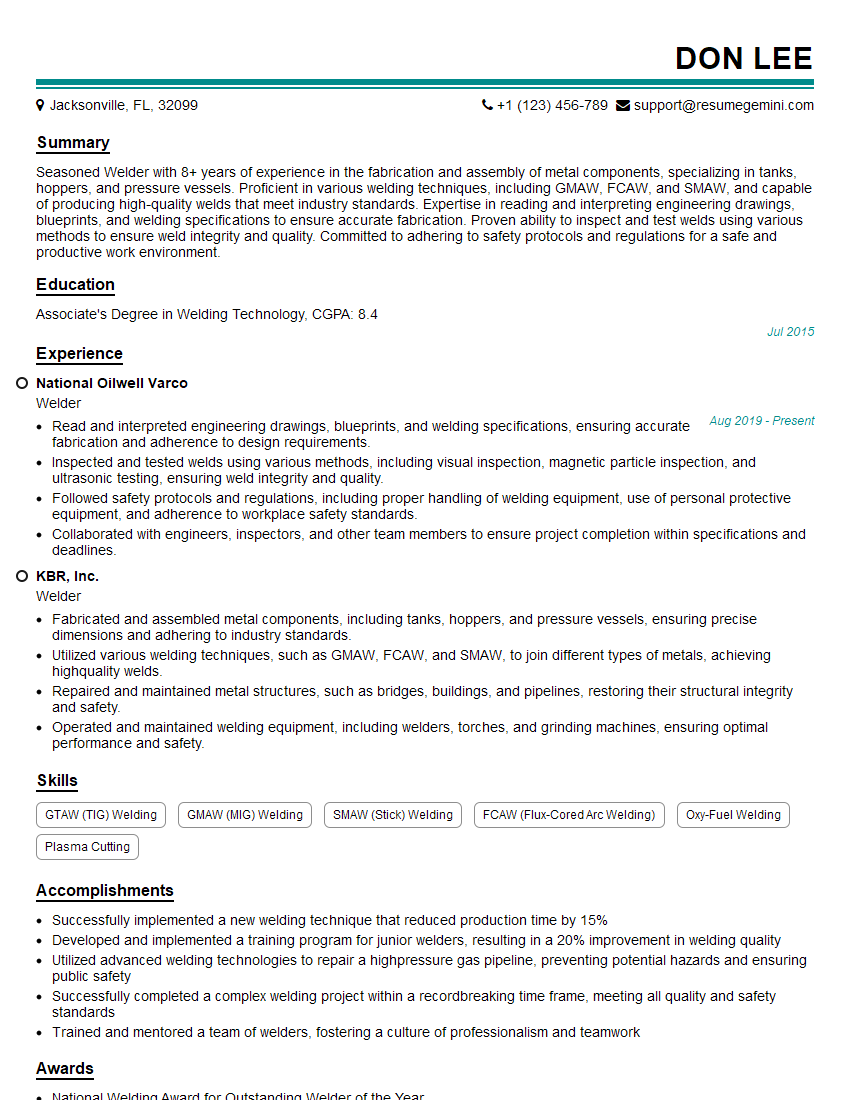
Welder Resume Sample
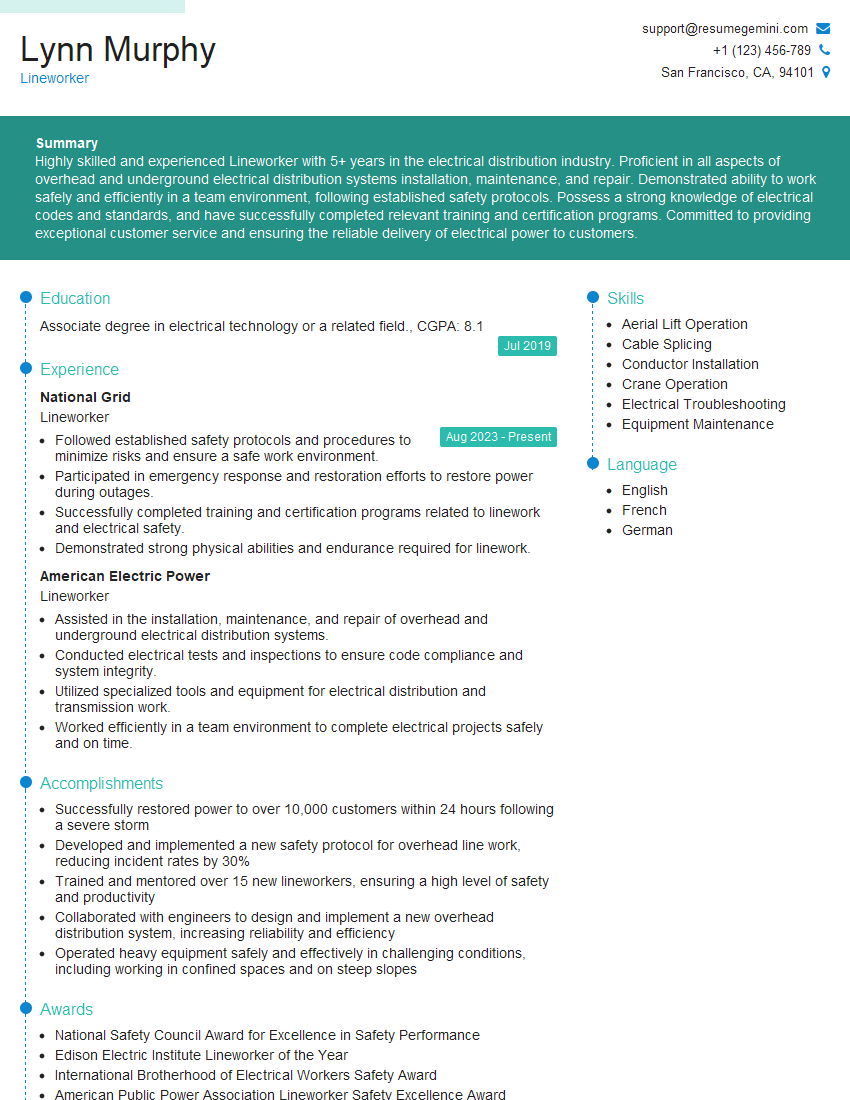
Lineworker Resume Sample
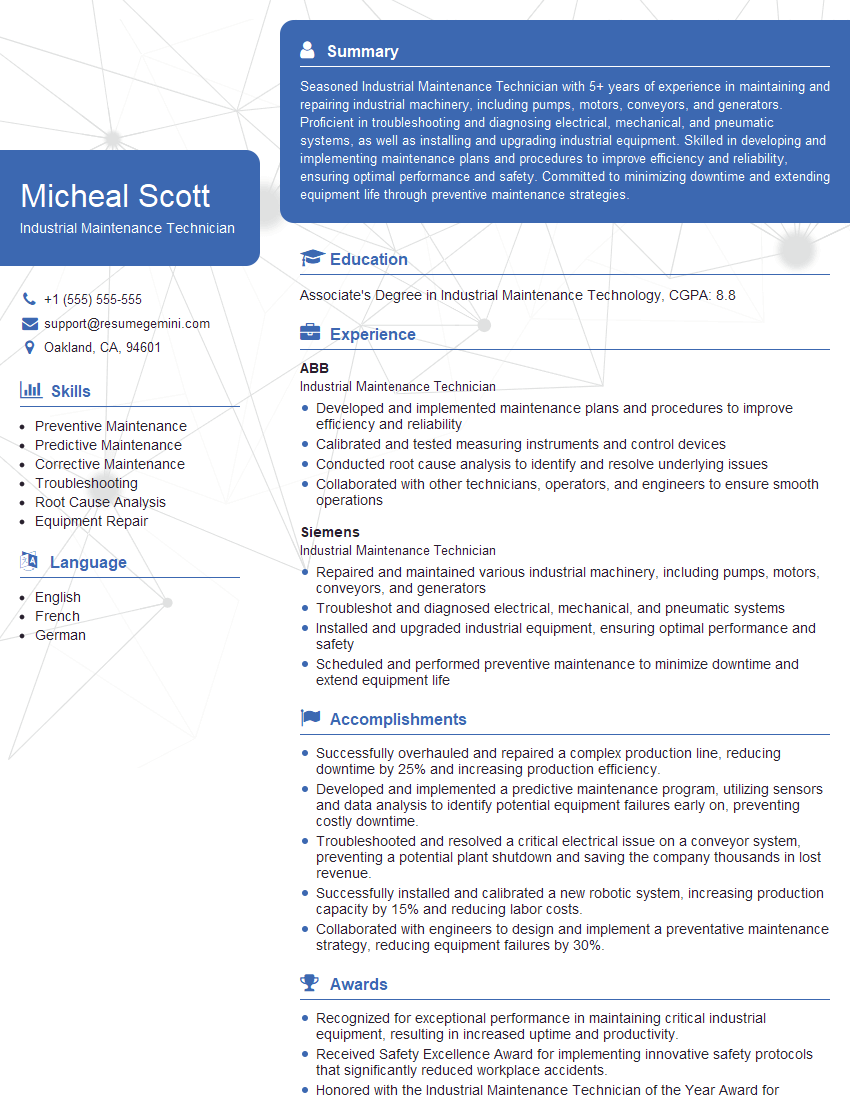
Industrial Maintenance Technician Resume Sample
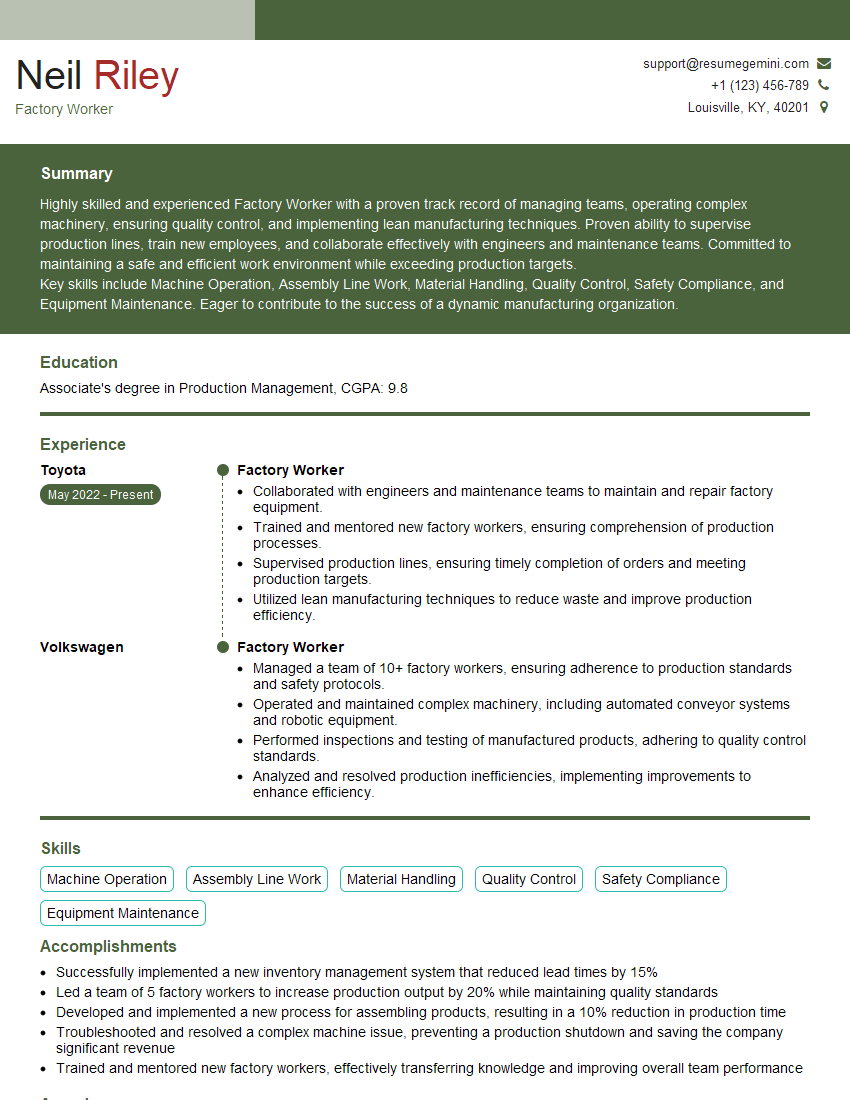
Factory Worker Resume Sample
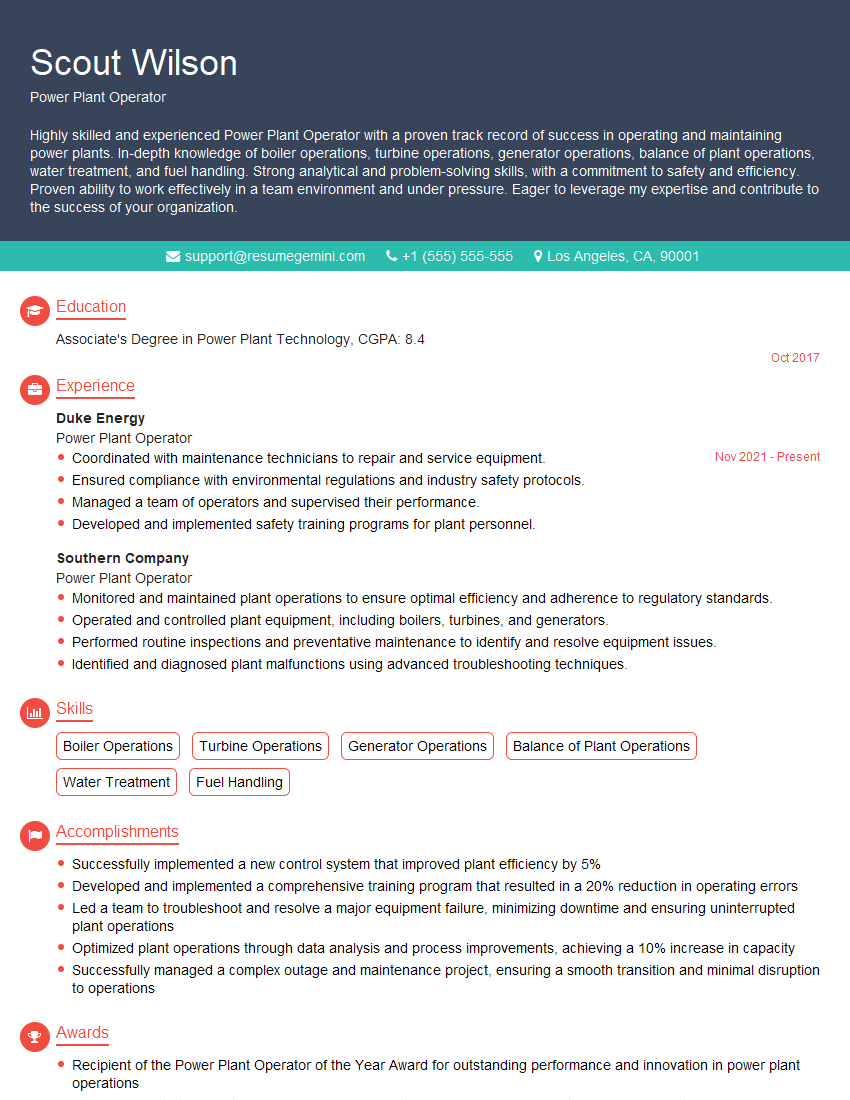
Power Plant Operator Resume Sample
- Paramedic
- Mining Engineer
- Manufacturing Technician
- Machinist
- Firefighter
- Police Officer
- Emergency Medical Technician (EMT)
- Farm Equipment Operator
- Mechanic
- Truck Driver
- Construction Worker
- Heavy Equipment Operator
- Aircraft Mechanic
- Welder
- Lineworker
- Industrial Maintenance Technician
- Factory Worker
- Power Plant Operator
Explore more articles
Users Rating of Our Blogs
Share Your Experience
We value your feedback! Please rate our content and share your thoughts (optional).
What Readers Say About Our Blog
To the interviewgemini.com Webmaster.
Very helpful and content specific questions to help prepare me for my interview!
Thank you
To the interviewgemini.com Webmaster.
This was kind of a unique content I found around the specialized skills. Very helpful questions and good detailed answers.
Very Helpful blog, thank you Interviewgemini team.