Preparation is the key to success in any interview. In this post, we’ll explore crucial Mental Health Screening and Intervention interview questions and equip you with strategies to craft impactful answers. Whether you’re a beginner or a pro, these tips will elevate your preparation.
Questions Asked in Mental Health Screening and Intervention Interview
Q 1. Describe your experience administering standardized mental health screening tools.
Throughout my career, I’ve administered numerous standardized mental health screening tools, including the PHQ-9 (Patient Health Questionnaire-9) for depression, the GAD-7 (Generalized Anxiety Disorder-7) for anxiety, and the AUDIT (Alcohol Use Disorders Identification Test) for alcohol misuse. My experience encompasses diverse settings, from primary care clinics to university counseling centers and community mental health organizations. Administering these tools involves ensuring the client understands the instructions, providing a comfortable and confidential environment, and accurately recording their responses. I am meticulous in following the standardized protocols for each tool to ensure the validity and reliability of the results. For instance, with the PHQ-9, I carefully explain each question, addressing any client queries to ensure accurate comprehension before they proceed. I then carefully transcribe their answers, maintaining confidentiality and adhering to all relevant data protection regulations.
Beyond simply administering the tests, I understand the importance of adapting my approach to the individual client. Some individuals may require more time and explanation than others, while others might prefer a more independent approach. This flexibility allows for a more accurate and empathetic assessment.
Q 2. What are the key differences between screening and assessment in mental health?
While both screening and assessment aim to understand a person’s mental health, they differ significantly in scope and purpose. Think of screening as a broad, initial sweep, like a quick health check-up. It uses brief questionnaires or interviews to identify individuals who may be experiencing mental health challenges requiring further evaluation. It’s a yes/no question: Does this person need further evaluation? Assessment, on the other hand, is a much more in-depth process – the comprehensive physical after the quick check-up. It involves a series of tests, clinical interviews, and possibly observations to comprehensively diagnose and understand the nature, severity, and potential causes of a mental health condition. Screening is a filter; assessment is a detailed investigation.
- Screening: Identifies potential problems, uses brief tools, is relatively quick, focuses on identifying risk.
- Assessment: Diagnoses specific conditions, uses comprehensive tools, is more time-consuming, explores the nature and severity of the condition.
For example, a positive screen on the GAD-7 might suggest anxiety, prompting a comprehensive assessment involving a clinical interview, exploring symptoms in detail, ruling out other conditions, and determining a diagnosis and appropriate treatment plan.
Q 3. How do you interpret the results of a mental health screening tool?
Interpreting screening results requires careful consideration and contextual understanding. I never rely solely on the numerical score of a screening tool. Instead, I consider the score within the context of the individual’s reported symptoms, their overall presentation, and any relevant history. For example, a moderately elevated score on the PHQ-9 might indicate depressive symptoms, but the severity and clinical significance depend on the individual’s narrative. Did they mention suicidal ideation? Are their symptoms impacting daily functioning? Are there any other contributing factors, like a recent significant life event?
I also consider the limitations of the screening tool itself. These tools are not diagnostic; they are designed to identify those needing further evaluation. A low score doesn’t rule out a mental health condition, and a high score doesn’t automatically confirm a diagnosis. My interpretation is always a holistic one, integrating quantitative data from the screening tool with qualitative information gathered through conversation and clinical judgment.
Q 4. Explain your approach to documenting screening results and findings.
Documentation of screening results is crucial for maintaining accurate records and ensuring continuity of care. My approach involves a structured and detailed record, adhering to HIPAA regulations and agency guidelines. This typically includes:
- Client demographics: Name, date of birth, contact information (with appropriate consent).
- Date and time of screening.
- Screening tool used: Specify the exact tool (e.g., PHQ-9, version number).
- Raw scores and percentile rankings, if applicable.
- Summary of client responses: I avoid simply transcribing answers but instead summarize significant findings and themes in client’s own words, with direct quotes when appropriate and ethically permissible.
- Clinical impressions: My interpretation of the results, considering the context and limitations of the tool.
- Recommendations: Suggestions for further evaluation, referral, or intervention.
- Follow-up actions: Note any referrals made, appointments scheduled, and any actions taken.
All documentation is maintained securely, with access limited to authorized personnel, adhering strictly to confidentiality protocols.
Q 5. What are the ethical considerations involved in mental health screening?
Ethical considerations in mental health screening are paramount. They center around respect for client autonomy, confidentiality, informed consent, and avoiding potential harm. Key ethical considerations include:
- Informed Consent: Clients must be fully informed about the purpose, process, and limitations of the screening before agreeing to participate. They must understand that the screening is not a diagnosis and that their participation is voluntary.
- Confidentiality: All information gathered during screening must be treated with strict confidentiality, adhering to relevant laws and regulations (like HIPAA).
- Cultural Sensitivity: Screening tools should be culturally appropriate and sensitive to the client’s background and beliefs. Bias in screening tools can lead to misinterpretations.
- Competence: Only qualified professionals trained in administering and interpreting mental health screening tools should conduct screenings.
- Beneficence and Non-maleficence: The screening process should aim to benefit the client and avoid causing harm. This includes protecting client’s privacy and avoiding stigmatization.
- Stigma Reduction: The way we communicate about mental health screening is critical. We must emphasize the importance of self-care and reduce the stigma associated with seeking help.
These ethical principles guide every step of the screening process, ensuring a responsible and respectful approach to client care.
Q 6. Describe a situation where you identified a client needing immediate mental health intervention. How did you respond?
During a routine health check-up, a client scored highly on the PHQ-9 and GAD-7, indicating significant depressive and anxiety symptoms. During the conversation, she revealed thoughts of self-harm, specifically mentioning feeling overwhelmed and hopeless, with a plan to overdose. This required immediate intervention.
My response was immediate and prioritized safety. I first validated her feelings, emphasizing that her feelings were understandable given her circumstances. I then directly assessed her risk of suicide using a structured risk assessment tool. Simultaneously, I contacted our crisis intervention team and arranged for immediate hospitalization. I provided reassurance, offering emotional support while awaiting the arrival of the crisis team. I also coordinated with her family, obtaining their consent for hospitalization and ensuring her transportation to the hospital was safe and facilitated with sensitivity.
This situation highlighted the importance of timely intervention and the critical role of screening in identifying individuals at high risk. My response prioritized safety, collaboration with the crisis team, and respect for the client’s autonomy within the boundaries of immediate risk management.
Q 7. What is your understanding of evidence-based practices in mental health intervention?
Evidence-based practices (EBPs) in mental health intervention are treatments and interventions that have been proven effective through rigorous scientific research. They are not based on intuition or anecdotal evidence alone, but rather on empirical data demonstrating their efficacy and safety. This involves considering the best available research evidence, clinical expertise, and the client’s preferences and values when making decisions about treatment.
My understanding of EBPs incorporates a thorough review of the current literature, identifying and applying treatments that have shown to be effective for specific conditions. For example, Cognitive Behavioral Therapy (CBT) is an EBP for anxiety and depression, and Dialectical Behavior Therapy (DBT) is an EBP for borderline personality disorder. I tailor the intervention to the individual, using my clinical expertise and judgment to adapt the EBP to the client’s specific needs and preferences. For example, incorporating mindfulness techniques within CBT might be beneficial for a specific client. I continuously update my knowledge on the latest research findings to ensure I’m using the most effective and up-to-date approaches.
The use of EBPs ensures that clients receive the most effective and safe interventions available, leading to better outcomes and a higher quality of care.
Q 8. How do you tailor your intervention strategies to meet diverse client needs?
Tailoring intervention strategies begins with a thorough assessment of each client’s unique needs, considering their cultural background, individual preferences, socioeconomic status, presenting problems, strengths, and support systems. This is a highly personalized process. For example, a young adult experiencing anxiety might benefit from Cognitive Behavioral Therapy (CBT) techniques and mindfulness practices, while an older adult with depression might respond better to a combination of medication management and supportive therapy. I use a collaborative approach, actively involving clients in the decision-making process to ensure they feel empowered and respected. This might involve discussing various treatment options, exploring their preferences, and adjusting the approach as needed based on their feedback and progress. I also utilize different modalities, incorporating elements of art therapy, music therapy, or narrative therapy, depending on the client’s needs and response.
Q 9. How do you maintain client confidentiality during the screening and intervention process?
Maintaining client confidentiality is paramount. I strictly adhere to ethical guidelines and legal requirements, such as HIPAA in the US. This includes obtaining informed consent before initiating any assessment or intervention; using secure electronic health records; limiting access to client information to authorized personnel only; and educating clients about their rights to confidentiality. I also make sure to clearly define the limits of confidentiality at the outset. For example, I explain situations where I’m legally obligated to breach confidentiality, such as suspected child abuse or imminent danger to self or others. I also maintain a professional demeanor and avoid discussing client information in public settings or with unauthorized individuals.
Q 10. What are some common barriers to accessing mental health services, and how can these be addressed?
Several barriers hinder access to mental health services. These include the stigma surrounding mental illness, which often prevents individuals from seeking help; financial constraints, as therapy can be expensive; lack of insurance coverage or inadequate insurance benefits; geographical limitations, with a shortage of mental health professionals in certain areas; cultural barriers, such as language differences or cultural beliefs that discourage seeking professional help; and logistical barriers, like transportation difficulties or inflexible appointment scheduling. Addressing these requires a multi-pronged approach, including advocating for increased insurance coverage and affordable care options; increasing the number of mental health professionals, especially in underserved areas; implementing culturally sensitive outreach programs; and utilizing telehealth to overcome geographical limitations.
Q 11. Describe your experience working with individuals experiencing different mental health conditions (e.g., depression, anxiety, trauma).
My experience encompasses a wide range of mental health conditions. I’ve worked with individuals struggling with depression, utilizing techniques like CBT to help them identify and challenge negative thought patterns and develop coping mechanisms. With anxiety disorders, I frequently employ relaxation techniques, mindfulness practices, and exposure therapy to help manage symptoms. In cases of trauma, I incorporate trauma-informed care, focusing on building trust and safety before addressing the traumatic memories. Each case requires a tailored approach, taking into account the individual’s unique history and presenting symptoms. For example, a client who experienced childhood trauma might benefit from EMDR (Eye Movement Desensitization and Reprocessing) therapy, while another client might respond better to narrative therapy, where they actively reconstruct their story to reclaim power and meaning.
Q 12. How do you manage difficult or challenging clients during the intervention process?
Managing challenging clients requires patience, empathy, and a strong therapeutic alliance. It’s crucial to remember that challenging behavior often stems from underlying emotional distress. I strive to understand the root cause of the behavior, using active listening and reflective techniques to validate their feelings. Establishing clear boundaries and expectations is also vital, while maintaining a respectful and non-judgmental approach. If a client’s behavior escalates or poses a risk to themselves or others, I have procedures in place to ensure safety, which may include consulting with colleagues, contacting emergency services, or temporarily suspending sessions. Regular self-reflection and supervision are also crucial to manage the emotional toll of working with challenging clients.
Q 13. How do you collaborate with other professionals to provide comprehensive mental health care?
Collaboration is essential for comprehensive mental health care. I regularly collaborate with psychiatrists, primary care physicians, social workers, and other professionals to ensure clients receive holistic care. This involves regular communication, case conferences, and shared decision-making. For instance, I might collaborate with a psychiatrist to manage medication, or with a social worker to address social and environmental factors that may be contributing to a client’s mental health challenges. A strong referral network is also important, connecting clients with needed resources such as substance abuse treatment, housing assistance, or vocational rehabilitation. Clear communication and documentation are essential to maintain continuity of care and ensure everyone is on the same page.
Q 14. How do you ensure the cultural competence of your screening and intervention practices?
Cultural competence is vital. I actively engage in ongoing education about diverse cultural backgrounds and beliefs, understanding how these might influence a client’s understanding of mental health and their approach to treatment. I avoid imposing my own cultural values and beliefs onto clients. Instead, I use culturally sensitive assessment tools and adapt my communication style to match the client’s preference. This involves being aware of potential language barriers and working with interpreters when needed. I actively seek to understand the client’s cultural context and how it might shape their experiences and coping mechanisms. Furthermore, I strive to build trust and rapport by demonstrating respect for the client’s cultural background and values, creating a therapeutic environment where they feel safe and comfortable.
Q 15. What are your strategies for dealing with crisis situations related to mental health?
My strategy for handling mental health crises involves a tiered approach prioritizing immediate safety and stabilization. First, I assess the immediate risk to the individual and others. This involves asking direct questions about suicidal or homicidal ideation, self-harm behaviors, and access to means. If there’s imminent danger, I immediately activate the appropriate crisis response system, which may involve contacting emergency services (911 or the equivalent), mobile crisis teams, or hospital emergency departments.
For situations not requiring immediate emergency intervention, I focus on de-escalation techniques, using active listening, empathy, and validation to calm the individual. I help them identify coping mechanisms and access immediate support, such as a crisis hotline or trusted friend or family member. I then work to connect them with longer-term care, including therapy, medication management, or hospitalization as needed. Documentation of the entire process is crucial for continuity of care and legal protection.
For example, I once worked with a young man experiencing a severe anxiety attack. While not an immediate life-threatening situation, his distress was significant. I used calming techniques, validated his feelings, and helped him practice deep breathing exercises. Simultaneously, I contacted his therapist to inform them of the situation and coordinate further support. This layered approach ensured both immediate and long-term wellbeing.
Career Expert Tips:
- Ace those interviews! Prepare effectively by reviewing the Top 50 Most Common Interview Questions on ResumeGemini.
- Navigate your job search with confidence! Explore a wide range of Career Tips on ResumeGemini. Learn about common challenges and recommendations to overcome them.
- Craft the perfect resume! Master the Art of Resume Writing with ResumeGemini’s guide. Showcase your unique qualifications and achievements effectively.
- Don’t miss out on holiday savings! Build your dream resume with ResumeGemini’s ATS optimized templates.
Q 16. How do you evaluate the effectiveness of your mental health interventions?
Evaluating the effectiveness of mental health interventions requires a multi-faceted approach. I utilize a combination of quantitative and qualitative measures to track client progress. Quantitative measures might include standardized assessment tools administered at the beginning and end of treatment (e.g., the PHQ-9 for depression or the GAD-7 for anxiety). These provide objective data on symptom reduction.
Qualitative data comes from regular client feedback, session notes, and clinical observations. I actively engage clients in discussions about their experiences and how they perceive their improvement. This provides a richer, more nuanced understanding of their progress beyond simple numerical scores. Furthermore, I regularly review the overall treatment plan’s efficacy, adapting strategies as needed based on the client’s response. Sometimes, a different therapeutic approach, medication adjustment, or referral to another specialist may be necessary.
For instance, if a client’s PHQ-9 scores don’t significantly improve despite several sessions of therapy, I would review the treatment plan, potentially trying alternative techniques or referring the client to a psychiatrist for medication evaluation. Qualitative feedback from the client might reveal unforeseen obstacles, such as difficulties applying learned skills in their daily lives. Addressing these issues holistically is crucial for maximizing positive outcomes.
Q 17. Describe your experience with telehealth and its application in mental health screening and intervention.
Telehealth has revolutionized access to mental health care, and I have extensive experience utilizing it for screening and intervention. The use of video conferencing platforms allows for convenient and accessible sessions, especially for clients in remote areas or with mobility challenges. Through telehealth, I can conduct initial screenings, administer questionnaires, provide therapy sessions, and even monitor treatment progress remotely. However, it requires careful consideration of factors such as client technology access, privacy concerns, and the potential for limited non-verbal cues.
For example, I’ve successfully used telehealth to provide cognitive behavioral therapy (CBT) to a client living in a rural community with limited access to mental health providers. The sessions were highly effective, utilizing screen-sharing for interactive exercises and worksheets. However, it’s crucial to build rapport virtually, which requires extra effort to establish a secure and trusting relationship through a digital interface. This includes being mindful of the technological limitations and ensuring client comfort with the process. I always make sure to address any technical or privacy concerns before we start a session.
Q 18. What are some common pitfalls to avoid during mental health screening and intervention?
Several pitfalls can hinder effective mental health screening and intervention. One common mistake is making premature assumptions or jumping to conclusions. It is essential to avoid diagnostic overshadowing, where a pre-existing condition overshadows the assessment of other potential issues. For example, someone diagnosed with depression might also be experiencing anxiety, which could be overlooked.
Another crucial point is cultural competency. Mental health presentations vary across cultures, and misinterpreting behaviors or symptoms through a culturally narrow lens can lead to inaccurate diagnoses and ineffective treatments. Similarly, neglecting to address potential language barriers significantly impedes the process.
Finally, a lack of adequate client engagement can undermine effectiveness. Treatment plans need to be collaborative, and failure to tailor interventions to the individual’s preferences, lifestyle, and resources will significantly reduce the likelihood of successful outcomes. Building strong therapeutic alliances from the onset is imperative to ensuring engagement and successful treatment.
Q 19. Explain your understanding of informed consent within mental health care.
Informed consent is a cornerstone of ethical mental health care. It means clients have the right to understand the nature of their treatment, potential risks and benefits, alternative options, and the implications of their choices before agreeing to any intervention. This includes understanding confidentiality limits, the right to refuse treatment, and the process for withdrawing consent at any time. The process should be conducted in a manner that respects the client’s autonomy and ensures they have the capacity to make informed decisions. If a client lacks the capacity to provide informed consent (e.g., due to severe mental illness), legal guardians or surrogates may need to be involved.
I always use plain language to explain treatment options, avoiding jargon or technical terms that might confuse the client. I encourage questions and provide ample time for them to consider their choices. I document the consent process meticulously, ensuring that the client’s understanding and agreement are clearly recorded.
For example, when beginning therapy with a new client, I explain the goals of treatment, the types of interventions I’ll use, the potential benefits and risks, the length of treatment, and my fees. I also clearly outline the limits of confidentiality, such as mandatory reporting requirements in cases of child abuse or imminent harm to self or others.
Q 20. How do you build rapport and trust with clients during the screening process?
Building rapport and trust is paramount in mental health screening. It’s the foundation for a successful therapeutic relationship. This starts with creating a safe and non-judgmental environment. Active listening, empathy, and genuine interest in the client’s experiences are critical. I utilize verbal and nonverbal cues to show that I am fully engaged and attentive to what they are sharing. This includes maintaining appropriate eye contact, using open body language, and providing verbal affirmations such as ‘I understand’ or ‘That must be difficult’.
I also work to validate their feelings, even if I don’t necessarily agree with their perspectives. The goal is to help them feel heard and understood. Transparency and honesty about the screening process and my role are also crucial. I will clearly explain what information I need, how it will be used, and who will have access to it.
For example, I might start a session by saying something like, ‘I’m here to listen without judgment and learn more about what you’re going through.’ This sets a welcoming tone and encourages open communication. Throughout the process, I continuously check in with the client to ensure they feel comfortable and supported.
Q 21. Describe your experience working within a multidisciplinary team setting.
My experience working in multidisciplinary teams has been invaluable. I’ve collaborated extensively with psychiatrists, social workers, nurses, case managers, and occupational therapists in various settings. This collaborative approach is particularly essential in mental healthcare because clients often require a range of interventions and support systems.
In a multidisciplinary team, I typically contribute my expertise in psychological assessment and intervention. I work closely with psychiatrists to coordinate medication management and discuss clients’ responses to treatment. Social workers assist in addressing social and environmental factors influencing a client’s mental health, and case managers help coordinate care across different settings. This collaborative effort ensures that clients receive a holistic and comprehensive plan of care, which often leads to better outcomes than a more siloed approach.
For example, in a recent case, I worked with a team to support an individual struggling with schizophrenia. I provided therapy, a psychiatrist managed their medication, and a social worker helped them navigate housing and financial assistance. The collaborative approach ensured this client received the comprehensive support they needed to manage their illness and live a more fulfilling life. Regular team meetings, clear communication, and shared documentation are crucial for the success of this model.
Q 22. What are your knowledge of different therapeutic modalities and when would you use each?
My knowledge of therapeutic modalities is extensive, encompassing various approaches tailored to individual client needs. The choice of modality depends heavily on the client’s diagnosis, presenting problems, personal preferences, and the therapeutic goals.
- Cognitive Behavioral Therapy (CBT): I frequently use CBT for anxiety disorders, depression, and trauma. It focuses on identifying and modifying maladaptive thought patterns and behaviors. For example, a client with social anxiety might use CBT techniques to challenge negative thoughts about social situations and practice assertive communication skills.
- Dialectical Behavior Therapy (DBT): DBT is particularly effective for borderline personality disorder and individuals struggling with emotional regulation. It teaches mindfulness, distress tolerance, emotion regulation, and interpersonal effectiveness skills. I might use DBT with a client experiencing intense emotional outbursts to help them develop coping mechanisms.
- Psychodynamic Therapy: This approach explores unconscious patterns and past experiences to understand current behaviors and relationships. It’s useful for clients seeking deeper self-understanding and addressing long-standing issues. For instance, a client struggling with recurring relationship problems might benefit from exploring past attachment patterns in psychodynamic therapy.
- Acceptance and Commitment Therapy (ACT): ACT helps clients accept difficult thoughts and feelings, clarifying values, and committing to actions consistent with those values. I might use ACT with a client experiencing chronic pain to help them focus on living a meaningful life despite their pain.
Selecting the right modality often involves a collaborative process with the client. We discuss different approaches, and I adapt my techniques to best suit their individual needs and preferences.
Q 23. How do you handle situations where a client denies needing help?
When a client denies needing help, my approach is built on empathy and respect. It’s crucial to avoid pressuring them. Instead, I focus on building rapport and understanding their perspective. I might start by validating their feelings, acknowledging that change can be difficult, and emphasizing their agency in the process. For example, I’d say something like, “I understand you don’t feel you need help right now, and that’s okay. Perhaps we could talk about what’s been happening for you lately, and explore together if there are any areas you’d like support with.”
I utilize motivational interviewing techniques to gently explore their ambivalence and help them identify their own reasons for change. This involves listening actively, reflecting their statements, and helping them weigh the pros and cons of seeking help. Ultimately, the decision to engage in therapy rests with the client. However, I would also emphasize the availability of support and resources even if they choose not to engage in therapy at this time, and we could schedule a follow-up.
Q 24. What are some limitations of mental health screening tools, and how do you account for them?
Mental health screening tools, while valuable, possess inherent limitations. One major limitation is that they are often just a snapshot in time and can’t capture the full complexity of a person’s mental health. A score on a depression screening tool, for instance, doesn’t tell the whole story; there may be other factors impacting the individual’s mental wellbeing.
- Cultural Bias: Many tools are developed within specific cultural contexts and may not accurately assess individuals from diverse backgrounds.
- Response Bias: Clients may intentionally or unintentionally misrepresent their symptoms due to social desirability bias or stigma.
- False Positives/Negatives: Screening tools are not perfect predictors. A positive result doesn’t automatically mean a diagnosis, and a negative result doesn’t rule out a mental health condition.
To account for these limitations, I use a holistic approach. I always combine screening tools with a thorough clinical interview, considering the client’s cultural background, life circumstances, and subjective experiences. I also utilize multiple assessment methods, such as observations and collateral information when appropriate (with informed consent), to obtain a more comprehensive picture.
Q 25. Describe your experience working with specific populations (e.g., children, adolescents, adults).
My experience spans various populations. With children, I utilize play therapy and other age-appropriate techniques to understand their emotional world. For adolescents, I focus on building a trusting relationship while addressing developmental challenges specific to that age group, such as peer pressure and identity formation. With adults, my approach is tailored to their individual life stages and experiences.
In working with children, I might use play therapy, where children express their emotions through play. For example, a child struggling with parental separation might use dolls to act out the situation and process their feelings. With adolescents, I might incorporate elements of CBT to help them manage stress and anxiety related to academic performance or social relationships. With adults, I adjust my approach to focus on work stress, relationship issues, or life transitions. Each population has unique needs and challenges, so flexibility and adaptability are key.
Q 26. How do you ensure the safety and well-being of both yourself and the client during interventions?
Ensuring safety and well-being is paramount. I adhere to strict ethical guidelines and risk assessment protocols. This includes regularly assessing the client’s risk for self-harm or harm to others. If there is an immediate risk, I have protocols in place for contacting emergency services or hospitalizing the client if necessary.
For my own safety, I maintain professional boundaries, document all sessions thoroughly, and utilize supervision and consultation when needed. I also ensure that my work environment is safe and accessible. The process is always collaborative and I involve the client in safety planning as appropriate. For example, if a client expresses suicidal ideation, we collaboratively develop a safety plan that includes strategies to cope with distress, contact information for support systems, and a crisis plan.
Q 27. How do you prioritize ethical considerations when confronted with conflicting values or demands?
Ethical considerations are my top priority. When confronted with conflicting values or demands, I use a structured ethical decision-making framework. This involves identifying the ethical dilemma, considering relevant ethical codes (like those from my professional organization), exploring different options, and weighing their potential consequences. I also consult with colleagues or supervisors for guidance and ensure that my decisions prioritize the client’s well-being and autonomy.
For example, if a client’s wishes conflict with my professional judgment regarding a treatment plan, I would engage in a thoughtful dialogue, attempting to reach a compromise that respects both their autonomy and my ethical responsibility to provide evidence-based care. Documentation of this process would be thorough to ensure transparency and accountability.
Q 28. What are your professional development goals in the field of mental health screening and intervention?
My professional development goals focus on enhancing my expertise in trauma-informed care and culturally competent practice. I aim to further develop my skills in utilizing technology for telehealth services and integrating technology-based interventions in my work. This includes continuing education to stay updated on the latest research and best practices in mental health screening and intervention. I would also like to expand my knowledge and expertise in specific areas such as working with clients facing substance abuse and co-occurring disorders.
Specifically, I plan to pursue advanced training in trauma-informed approaches like EMDR and further enhance my understanding of the impact of cultural factors on mental health, focusing on providing equitable and culturally sensitive care. The use of technology in mental health services is rapidly growing, and I am committed to integrating these advancements ethically and effectively into my practice.
Key Topics to Learn for Mental Health Screening and Intervention Interview
- Understanding Mental Health Conditions: A foundational knowledge of common mental health disorders (anxiety, depression, PTSD, etc.), their symptoms, and diagnostic criteria is crucial. Consider the impact of co-occurring disorders.
- Screening Tools and Techniques: Familiarize yourself with various screening instruments (e.g., standardized questionnaires, symptom checklists) and their appropriate application in different settings. Practice administering and interpreting results ethically and effectively.
- Intervention Strategies: Learn about evidence-based intervention approaches, including crisis intervention, brief interventions, and referrals to appropriate resources. Understand the limitations of your role and the importance of collaboration with other professionals.
- Ethical and Legal Considerations: Master the ethical guidelines surrounding confidentiality, informed consent, mandated reporting, and cultural sensitivity in mental health care. Understand relevant legislation and regulations.
- Risk Assessment and Management: Develop skills in identifying and assessing risk factors for suicide, self-harm, and violence. Understand strategies for managing risk and ensuring client safety.
- Communication and Interpersonal Skills: Practice active listening, empathy, and building rapport with individuals experiencing mental health challenges. Understand how to communicate effectively with clients, families, and colleagues.
- Cultural Competence: Recognize the impact of cultural background and diversity on mental health presentation and treatment. Develop culturally sensitive approaches to screening and intervention.
- Documentation and Record Keeping: Understand the importance of accurate and thorough documentation of screening and intervention processes, adhering to professional standards and legal requirements.
Next Steps
Mastering Mental Health Screening and Intervention opens doors to rewarding careers with significant impact on individuals’ lives. Demonstrating this expertise effectively requires a strong resume. An ATS-friendly resume is crucial for maximizing your job prospects. To build a professional and impactful resume, leverage the power of ResumeGemini. ResumeGemini provides a user-friendly platform and offers examples of resumes tailored to Mental Health Screening and Intervention roles, helping you present your skills and experience in the best possible light. Take the next step towards your ideal career today.
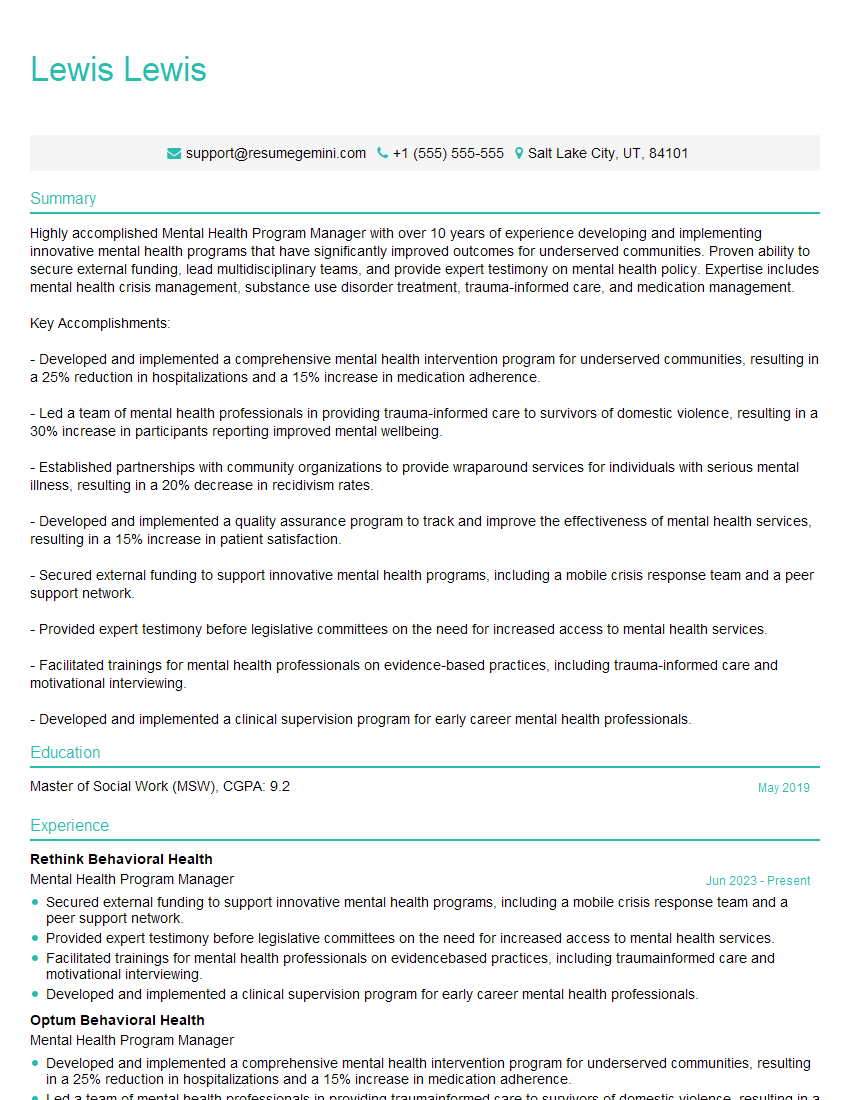
Mental Health Program Manager Resume Sample
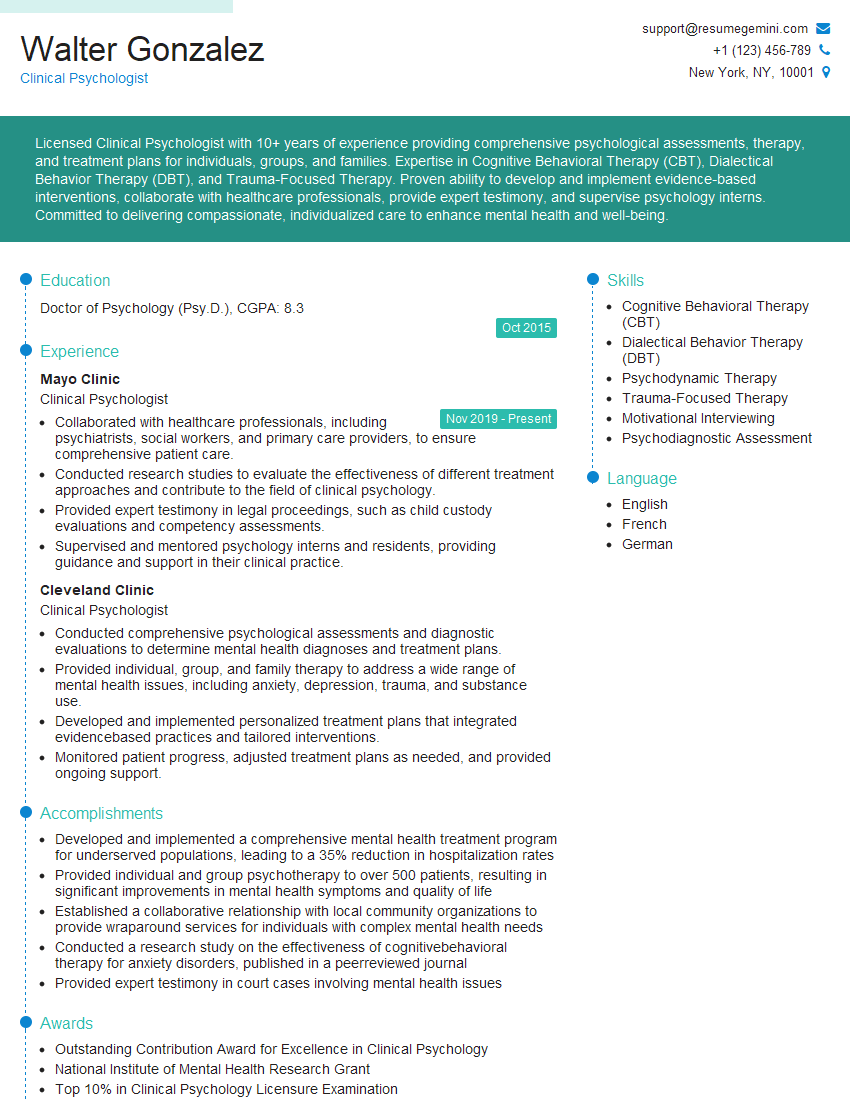
Clinical Psychologist Resume Sample
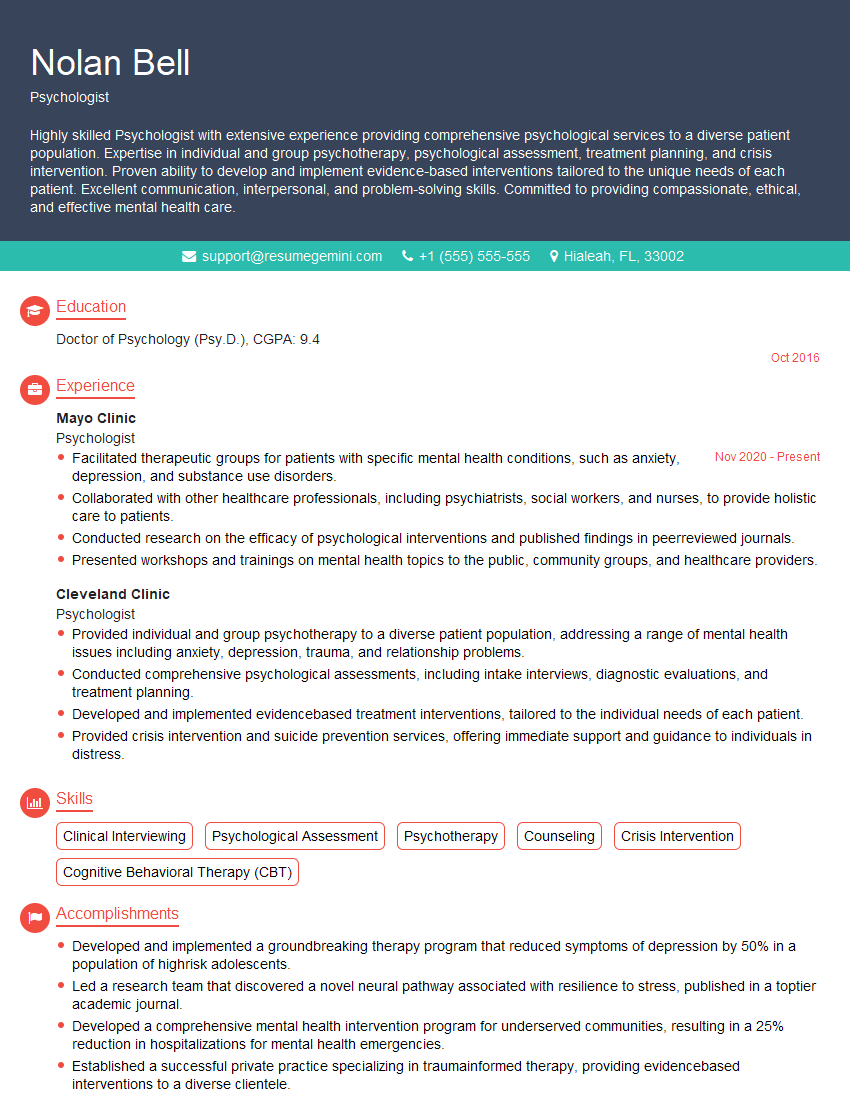
Psychologist Resume Sample
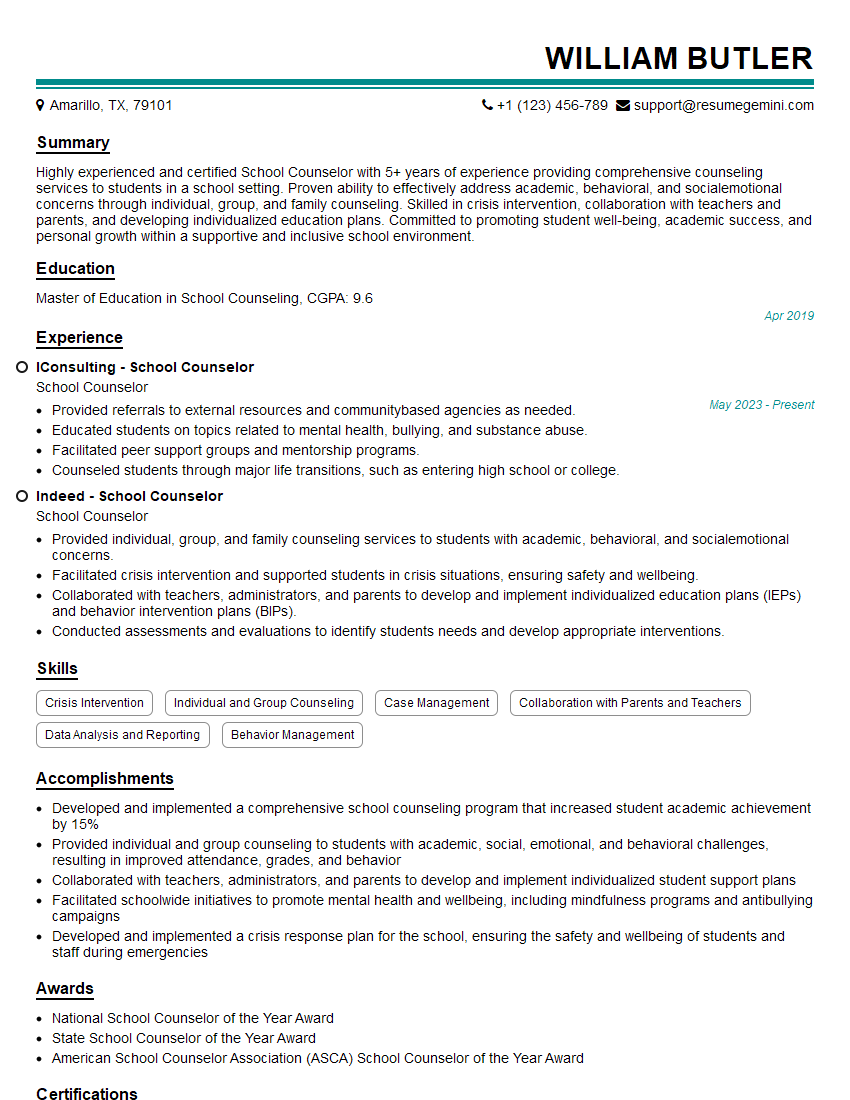
School Counselor Resume Sample
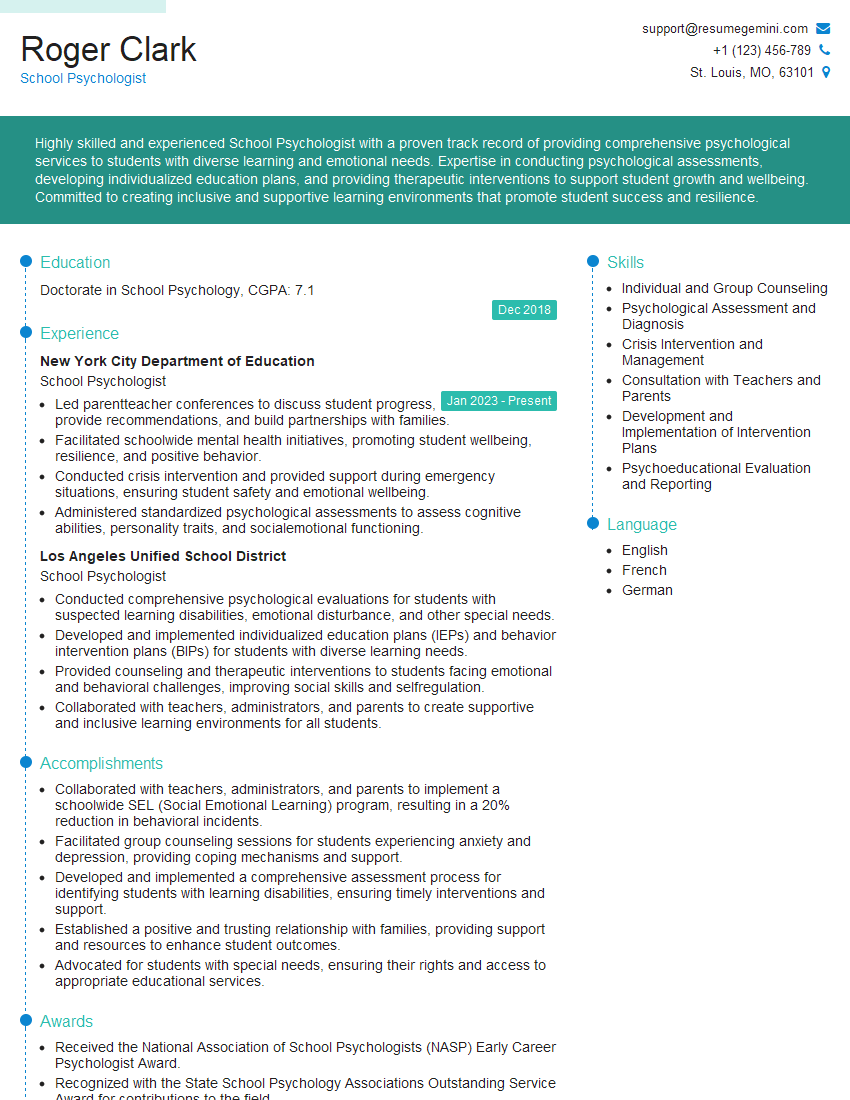
School Psychologist Resume Sample
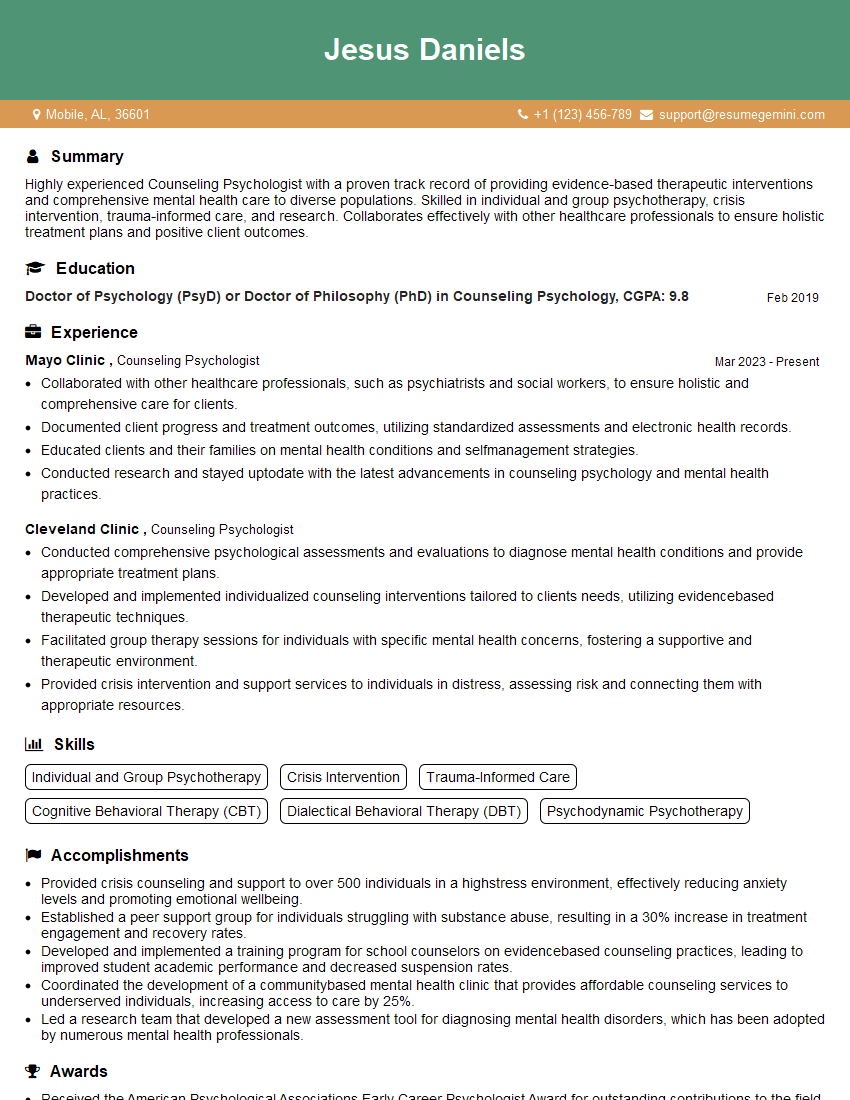
Counseling Psychologist Resume Sample
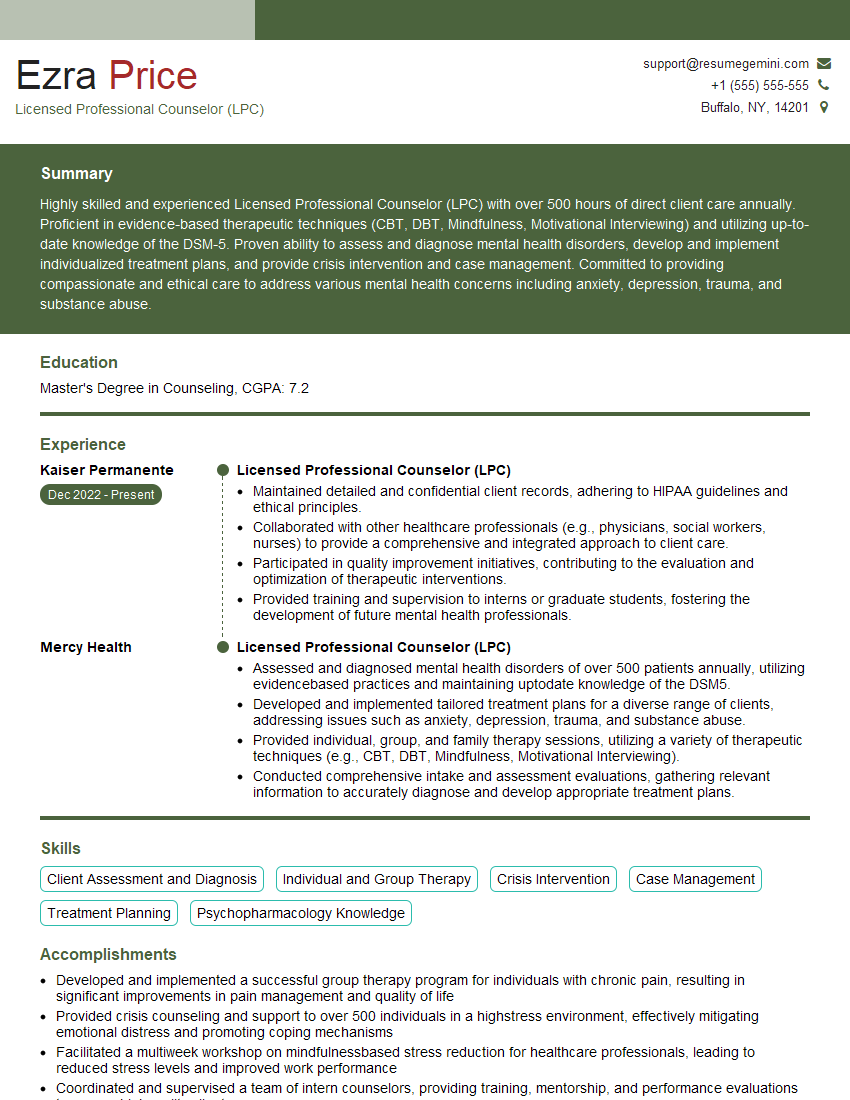
Licensed Professional Counselor (LPC) Resume Sample
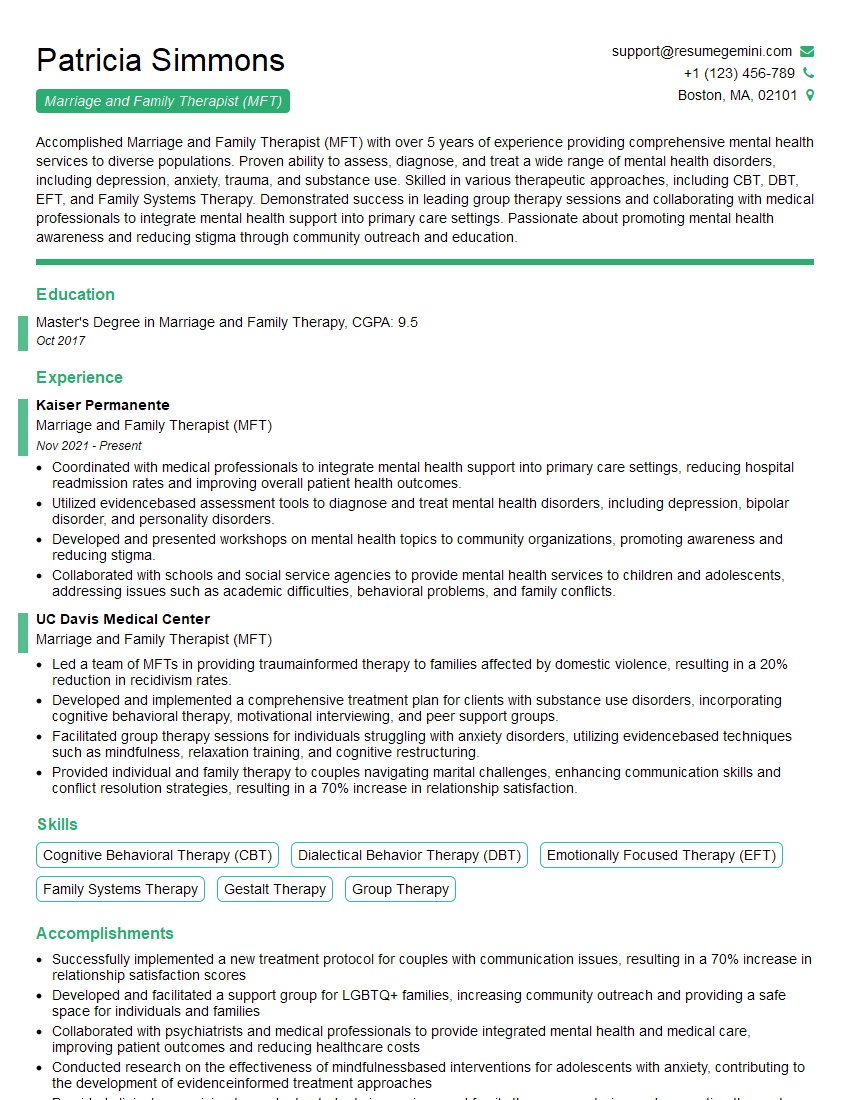
Marriage and Family Therapist (MFT) Resume Sample
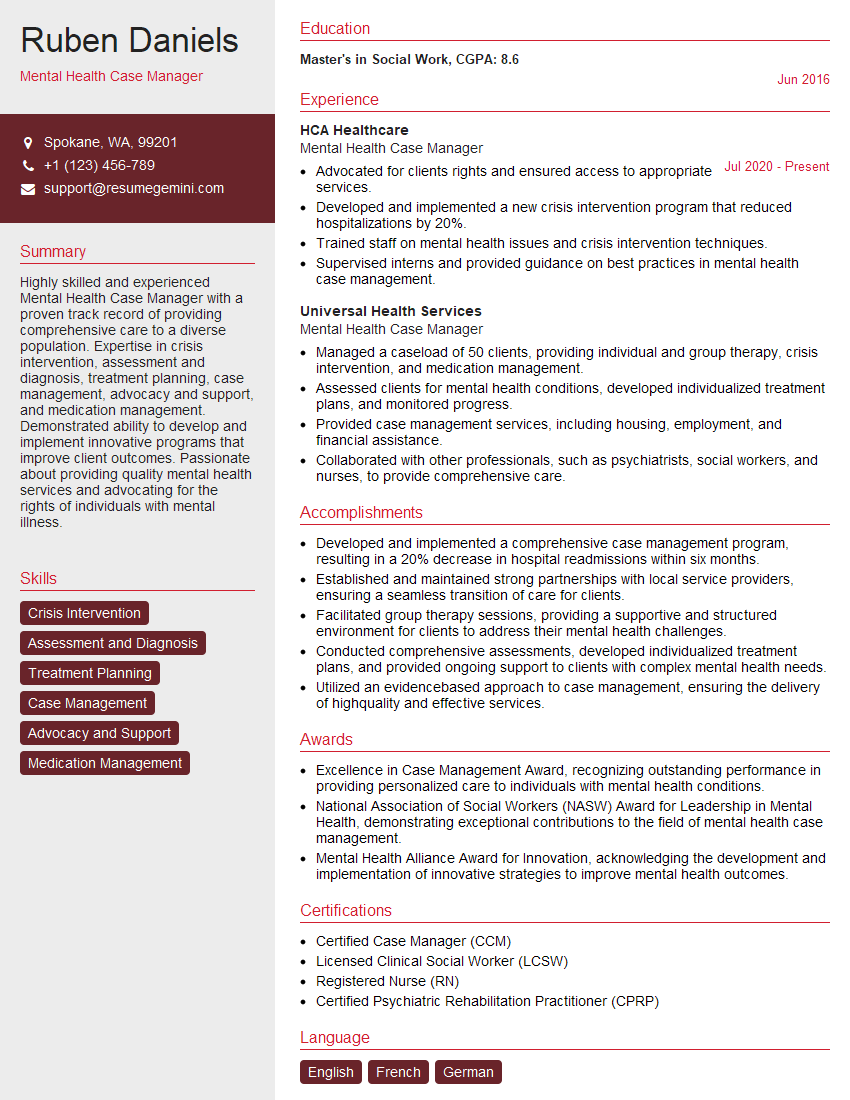
Mental Health Case Manager Resume Sample
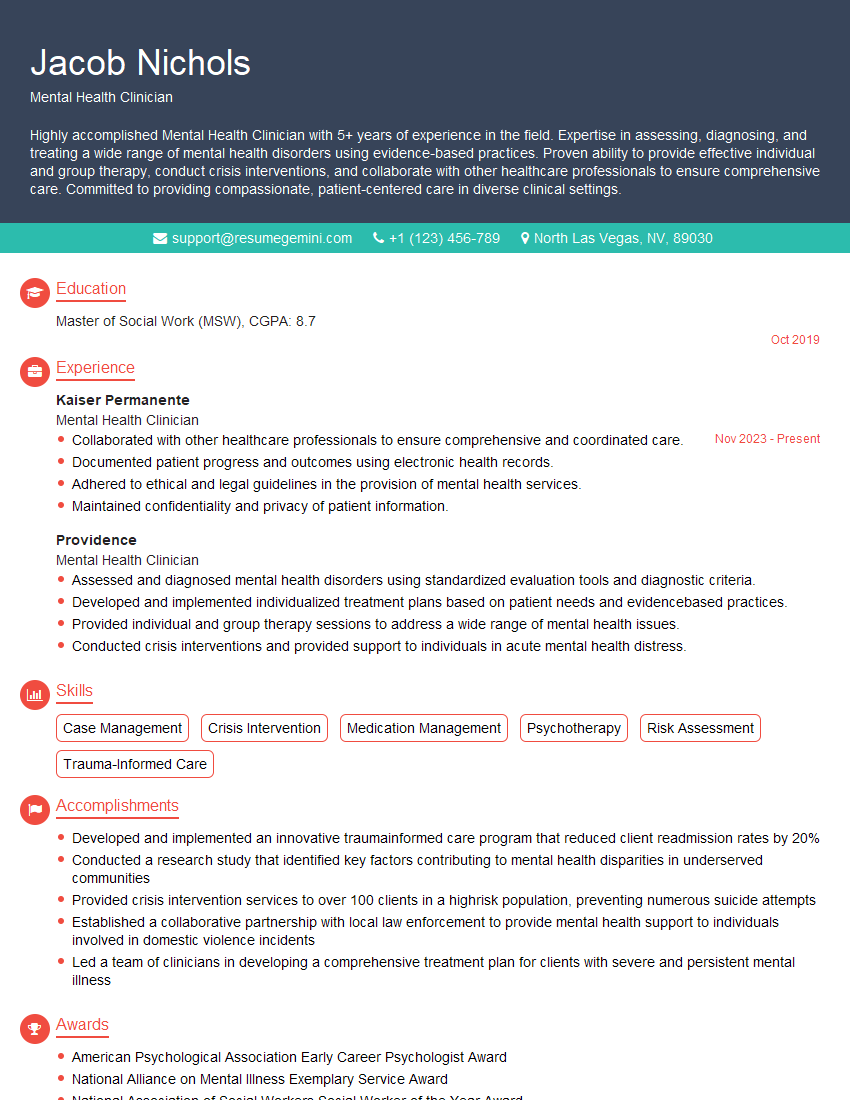
Mental Health Clinician Resume Sample

Rehabilitation Counselor Resume Sample
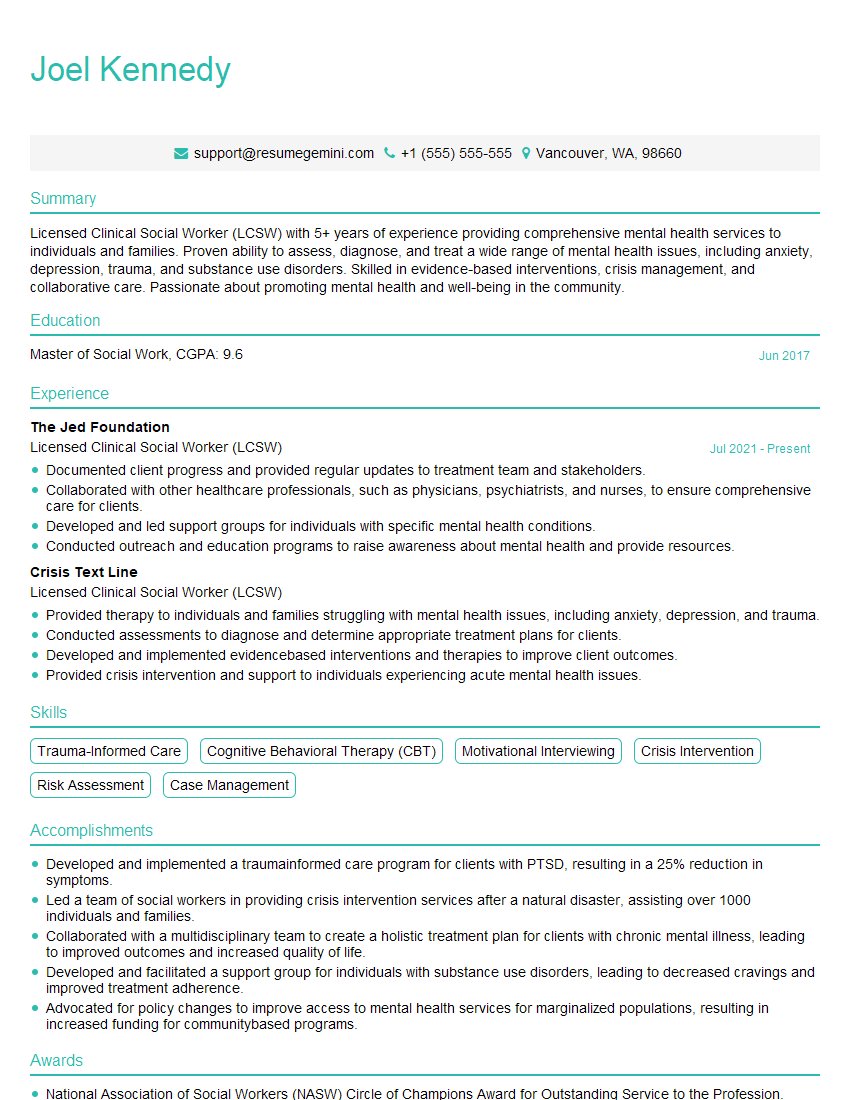
Licensed Clinical Social Worker (LCSW) Resume Sample

Community Mental Health Worker Resume Sample

Crisis Intervention Specialist Resume Sample
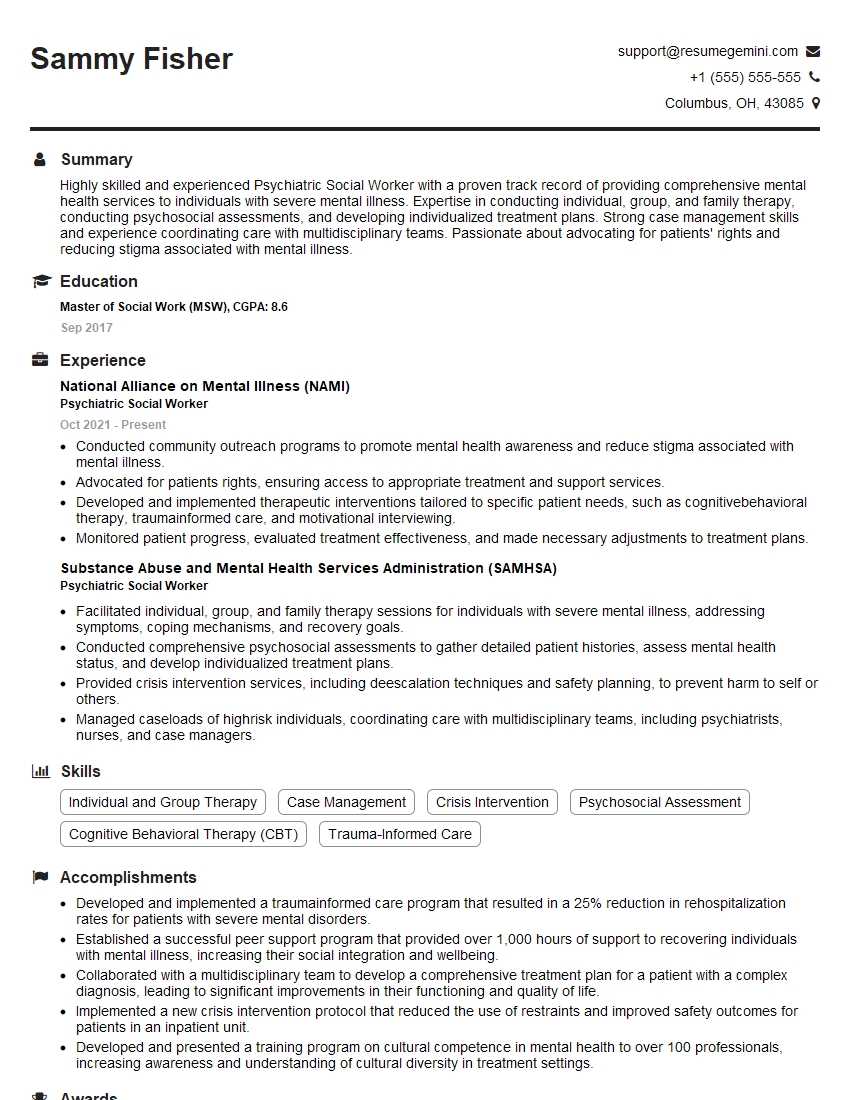
Psychiatric Social Worker Resume Sample
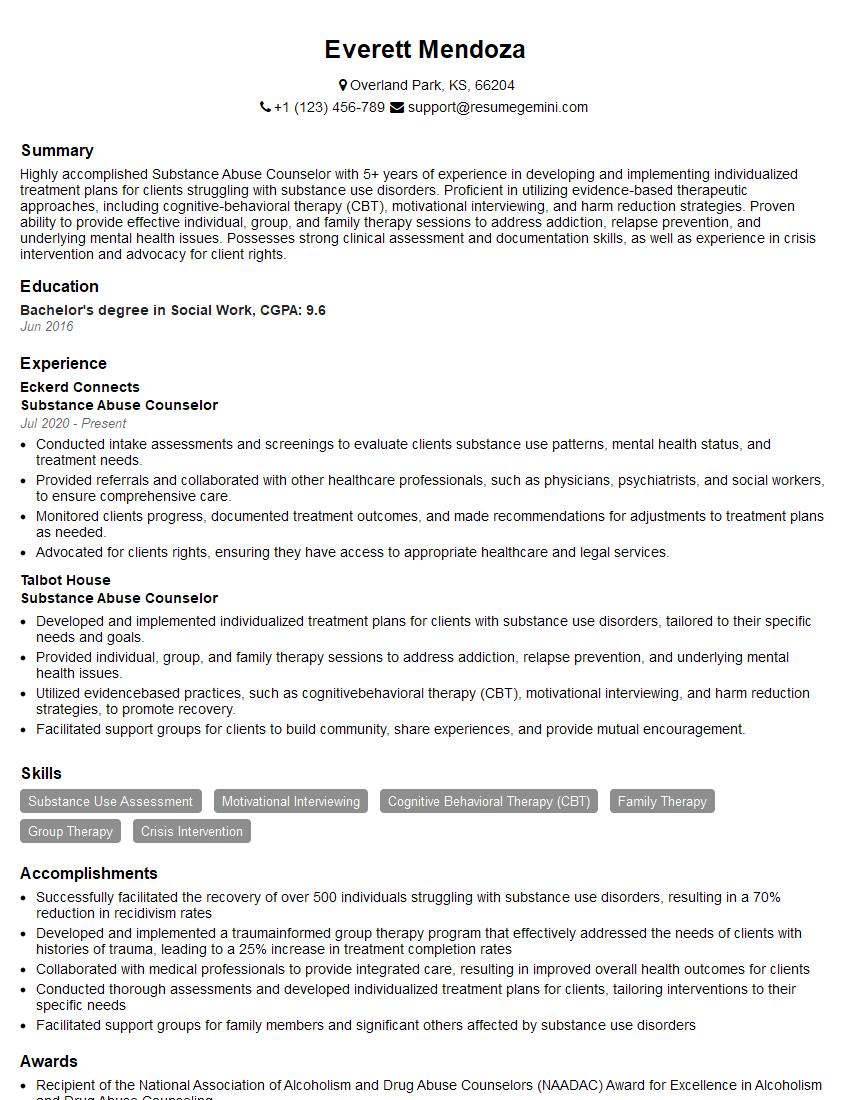
Substance Abuse Counselor Resume Sample
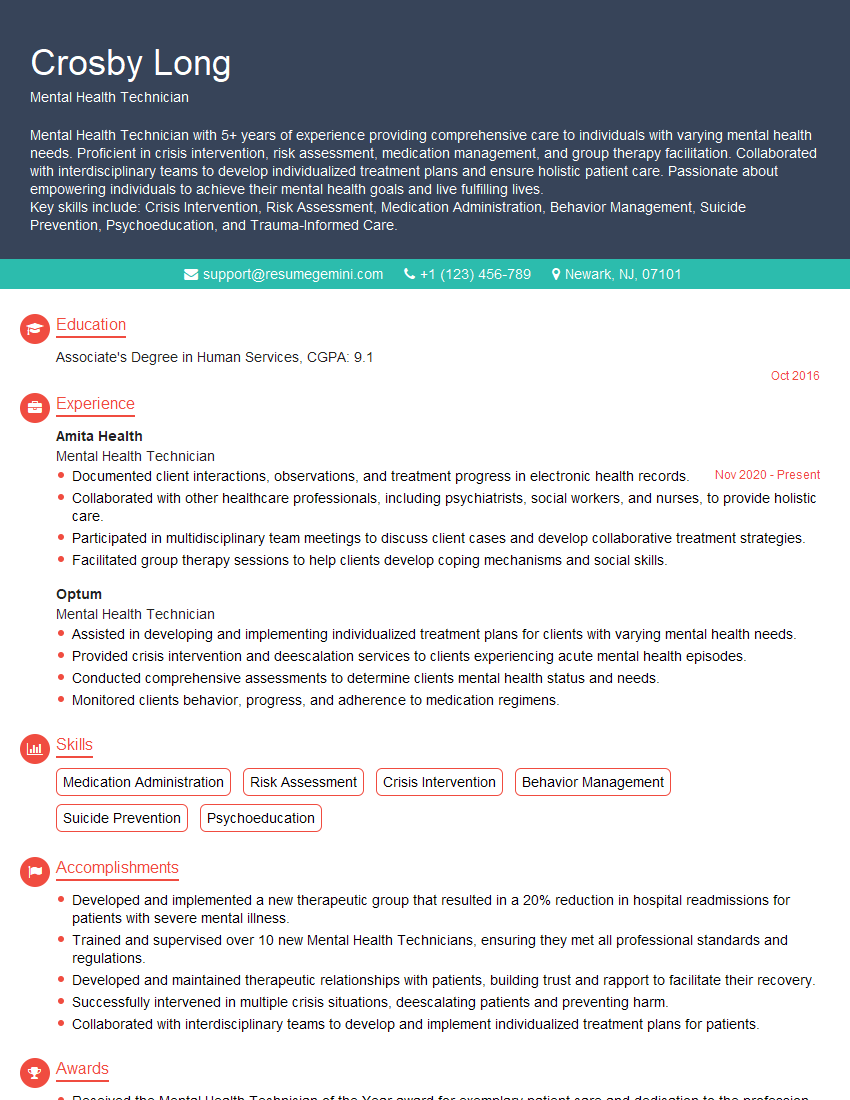
Mental Health Technician Resume Sample
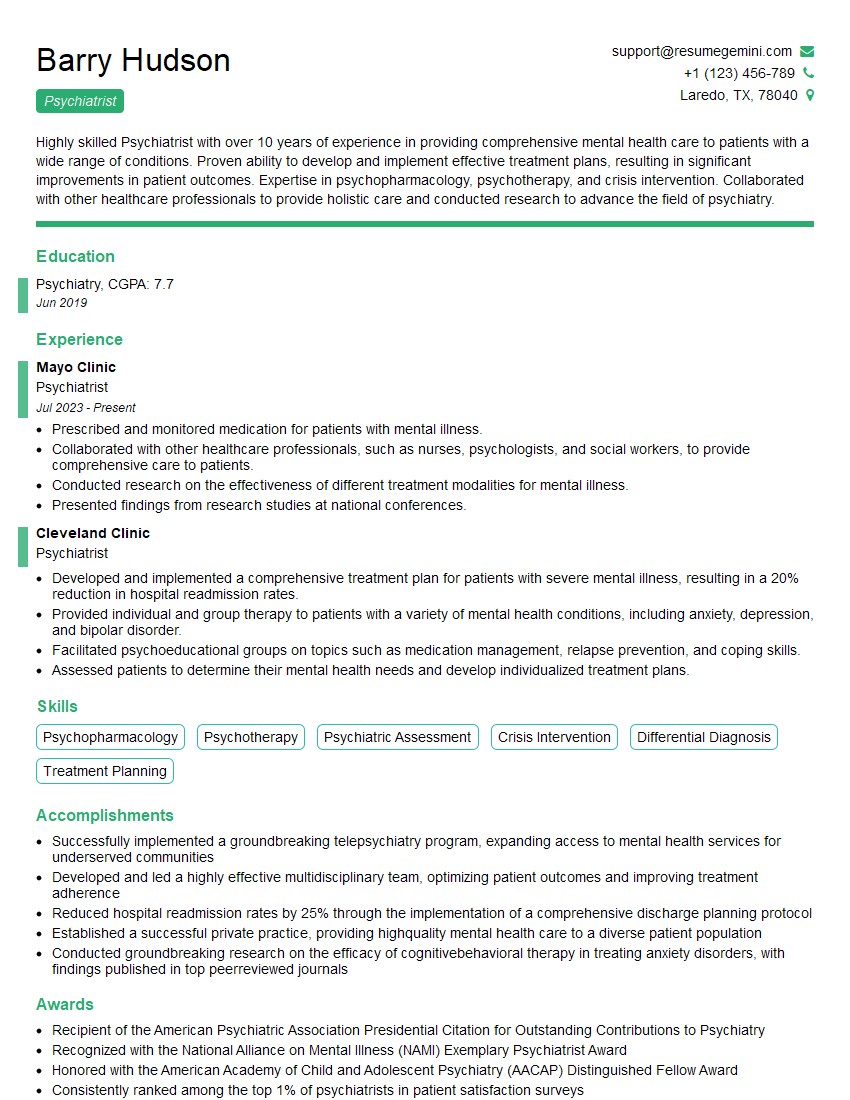
Psychiatrist Resume Sample
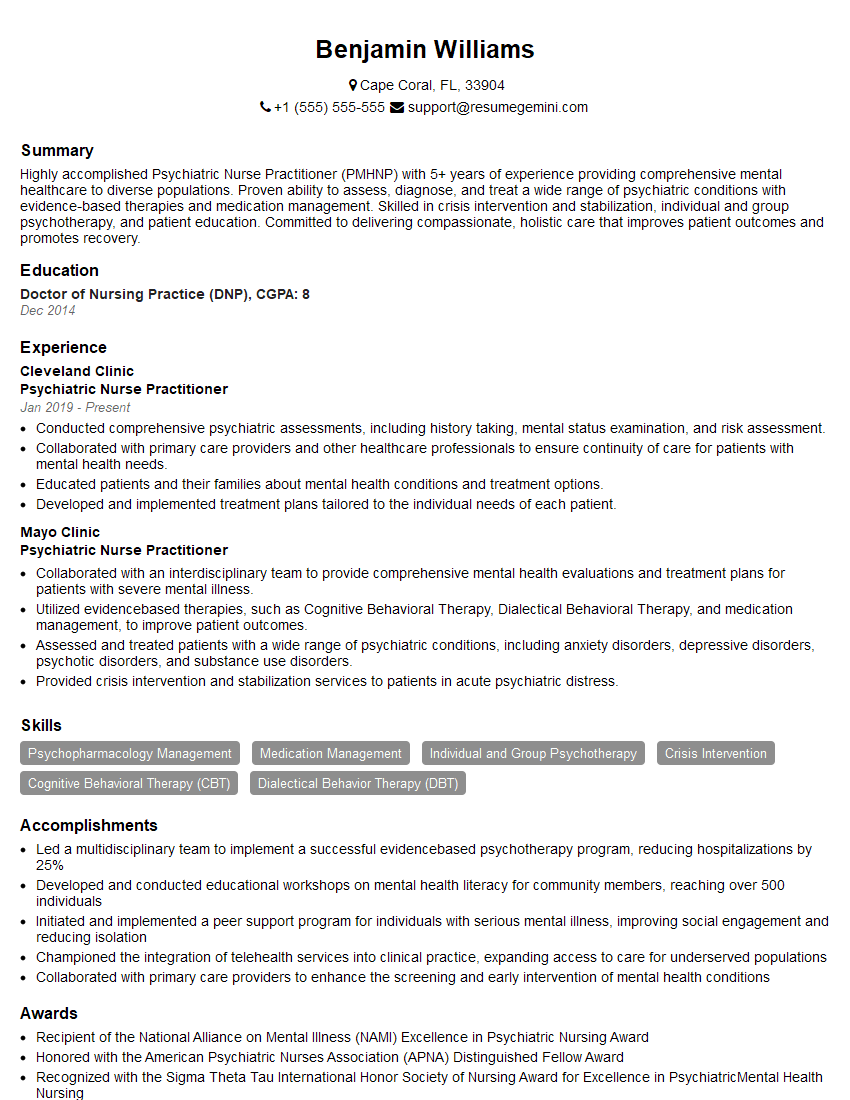
Psychiatric Nurse Practitioner Resume Sample
- Mental Health Program Manager
- Clinical Psychologist
- Psychologist
- School Counselor
- School Psychologist
- Counseling Psychologist
- Licensed Professional Counselor (LPC)
- Marriage and Family Therapist (MFT)
- Mental Health Case Manager
- Mental Health Clinician
- Rehabilitation Counselor
- Licensed Clinical Social Worker (LCSW)
- Community Mental Health Worker
- Crisis Intervention Specialist
- Psychiatric Social Worker
- Substance Abuse Counselor
- Mental Health Technician
- Psychiatrist
- Psychiatric Nurse Practitioner
Explore more articles
Users Rating of Our Blogs
Share Your Experience
We value your feedback! Please rate our content and share your thoughts (optional).
What Readers Say About Our Blog
To the interviewgemini.com Webmaster.
Very helpful and content specific questions to help prepare me for my interview!
Thank you
To the interviewgemini.com Webmaster.
This was kind of a unique content I found around the specialized skills. Very helpful questions and good detailed answers.
Very Helpful blog, thank you Interviewgemini team.