Cracking a skill-specific interview, like one for Toxic Substances Control, requires understanding the nuances of the role. In this blog, we present the questions you’re most likely to encounter, along with insights into how to answer them effectively. Let’s ensure you’re ready to make a strong impression.
Questions Asked in Toxic Substances Control Interview
Q 1. Explain the key provisions of the Toxic Substances Control Act (TSCA).
The Toxic Substances Control Act (TSCA) is the primary federal law in the United States governing the production, use, and disposal of toxic substances. Its core aim is to protect human health and the environment from unreasonable risks posed by these chemicals. Key provisions include:
- Inventory of Existing Chemicals: TSCA maintains an inventory of chemicals already in commerce, requiring manufacturers to report new chemicals before they enter the market. This forms the basis for tracking and regulating existing and new substances.
- Pre-manufacture Notification (PMN): Manufacturers must submit a PMN to the Environmental Protection Agency (EPA) before producing a new chemical, providing data on its chemical identity, manufacturing process, intended uses, and potential risks.
- Testing Requirements: The EPA can require manufacturers to conduct testing to determine the toxicity of a chemical if sufficient data are lacking. This can include various types of testing to evaluate effects on human health and the environment.
- Regulation and Restriction: Based on risk assessments, the EPA has the authority to regulate or ban chemicals found to pose unreasonable risks. This can involve restrictions on production, use, labeling, or disposal.
- Significant New Use Rule (SNUR): For existing chemicals, the EPA can establish SNURs to regulate specific uses if they pose a significant risk that wasn’t considered during the chemical’s initial introduction.
Think of TSCA as a gatekeeper, carefully examining chemicals before and after they enter the market to ensure they don’t cause harm. Its effectiveness depends on the quality of data submitted by manufacturers and the EPA’s ability to conduct thorough risk assessments.
Q 2. Describe the process for pre-manufacture notification (PMN) under TSCA.
The Pre-manufacture Notification (PMN) process under TSCA is crucial for evaluating the safety of new chemicals before they reach the market. It’s a multi-step process:
- Submission: Manufacturers submit a PMN to the EPA at least 90 days before commencing production or import of a new chemical. This PMN contains detailed information about the chemical’s identity, manufacturing process, intended uses, estimated production volume, and available toxicity data.
- EPA Review: The EPA reviews the PMN to assess the potential risks to human health and the environment. This involves evaluating the available data and potentially requesting additional information from the manufacturer.
- Risk Assessment: The EPA conducts a risk assessment to determine if the chemical poses an unreasonable risk. This involves considering exposure pathways, toxicity data, and the potential for harm.
- EPA Action: Based on the risk assessment, the EPA can take several actions: approve the PMN with no conditions, approve it with conditions (such as limitations on use or production), or deny it altogether if the risks are deemed unacceptable. The EPA may also issue a Significant New Use Rule (SNUR).
- Compliance: Once the PMN is approved (or if conditions are met), manufacturers can begin production and comply with any established restrictions or regulations.
Imagine a PMN as a detailed safety report. The more complete and accurate the report, the smoother and faster the review process will be. This process helps prevent potentially harmful chemicals from entering the market, protecting public health and the environment.
Q 3. What are the different types of toxicity testing methods?
Toxicity testing methods are diverse, aiming to identify the harmful effects of chemicals on living organisms. Methods are categorized based on the endpoint of interest, the organism used, and the exposure route. Key types include:
- In vitro tests: These tests are conducted using cells or tissues grown in a laboratory setting. They offer advantages in cost-effectiveness and ethical considerations but may not fully reflect real-world interactions in whole organisms.
- In vivo tests: These involve testing chemicals on whole organisms, such as rodents, fish, or birds. They provide more complete information on effects but raise ethical concerns and are more expensive and time-consuming.
- Acute Toxicity Tests: These assess the short-term effects (typically within 24-96 hours) of a single exposure to a high dose. Examples include LD50 (lethal dose for 50% of the test population).
- Chronic Toxicity Tests: These evaluate the long-term effects of repeated exposure to lower doses over a significant period (weeks, months, or years). These tests help identify carcinogenic, mutagenic, or teratogenic potential.
- Genotoxicity tests: These examine the ability of a chemical to damage DNA. Examples include Ames test for mutagenicity.
- Reproductive and Developmental Toxicity tests: These assess the effects on reproductive function and the development of offspring.
The choice of testing methods depends on the nature of the chemical, its intended use, and the specific health or environmental effects of concern. A combination of in vitro and in vivo tests is often employed for a comprehensive assessment.
Q 4. How do you assess the risks associated with exposure to toxic substances?
Assessing risks associated with toxic substance exposure involves a systematic process that combines hazard identification and exposure assessment to determine the likelihood and magnitude of harm. This involves:
- Hazard Identification: Identifying the inherent capability of a substance to cause adverse health or environmental effects. This involves reviewing existing toxicological data or conducting new tests.
- Exposure Assessment: Determining the extent, frequency, and duration of contact between individuals or the environment and the substance. This includes considering routes of exposure (e.g., inhalation, ingestion, dermal contact), concentrations, and populations at risk.
- Dose-Response Assessment: Establishing the relationship between the dose (amount of substance) and the observed effects. This often involves analyzing data from toxicity tests to determine the threshold at which adverse effects occur.
- Risk Characterization: Combining the hazard, exposure, and dose-response information to provide a comprehensive estimate of risk. This helps to understand the probability and severity of potential adverse effects.
For example, assessing the risk of lead exposure involves identifying lead’s neurotoxicity (hazard), measuring lead levels in drinking water (exposure), determining the relationship between lead concentration and neurodevelopmental effects (dose-response), and integrating these to determine the risk to children living in a specific area.
Q 5. Explain the concept of risk assessment and risk management.
Risk assessment and risk management are interconnected processes used to evaluate and control risks posed by toxic substances.
Risk Assessment is the scientific process of estimating the probability and magnitude of adverse effects resulting from exposure to a hazard. It’s a data-driven process focusing on the ‘what’ and ‘how likely’ of risks. The steps, outlined in the previous answer, ensure a structured approach.
Risk Management is the process of selecting and implementing options to reduce or control identified risks. It addresses the ‘what to do’ aspect and considers feasibility, costs, and benefits. Risk management often involves a range of actions such as:
- Regulatory controls: Setting limits on production, use, or disposal of the substance.
- Engineering controls: Modifying processes or equipment to reduce exposure.
- Administrative controls: Implementing workplace safety protocols or public health warnings.
- Personal protective equipment (PPE): Providing protective gear for workers or the public.
Think of risk assessment as the diagnosis and risk management as the treatment. A thorough risk assessment informs effective risk management strategies.
Q 6. What are the major differences between acute and chronic toxicity?
Acute and chronic toxicity describe the differing timeframes over which toxic effects manifest:
Acute toxicity refers to adverse effects that occur shortly after a single exposure or multiple exposures within a short period (typically 24-96 hours). These effects can range from mild irritation to death. For example, ingesting a large dose of cleaning solution can cause immediate symptoms like nausea and vomiting – this is an acute toxic effect.
Chronic toxicity refers to adverse effects that develop over a prolonged period following repeated exposures to lower doses. These effects often manifest after weeks, months, or years of exposure. Chronic toxicity might lead to diseases like cancer, liver damage, or neurological disorders. For instance, long-term exposure to asbestos fibers can cause mesothelioma, a form of cancer – this is a chronic toxic effect.
The distinction is crucial because it influences the types of tests needed and the management strategies employed. Acute exposures often require immediate medical intervention, while chronic toxicity necessitates long-term monitoring and preventative measures.
Q 7. Describe your experience with environmental risk assessment methodologies.
My experience in environmental risk assessment methodologies is extensive. I’ve been involved in numerous projects employing various approaches, including:
- Exposure pathway analysis: Mapping the routes by which a contaminant travels from a source to a receptor (e.g., soil to groundwater to drinking water). This often involves using GIS software to model contaminant transport and fate.
- Quantitative risk assessment (QRA): Utilizing statistical models and exposure data to generate numerical estimates of risk, often expressed as probabilities of adverse effects occurring within specific populations. I am proficient in using various software for this purpose.
- Ecological risk assessment: Assessing the effects of contaminants on ecological communities, incorporating population dynamics, species interactions, and ecosystem processes. This often requires field sampling and laboratory analysis to assess ecological health.
- Uncertainty analysis: Evaluating the uncertainty associated with risk estimates, considering data limitations, model assumptions, and variability in exposure and effects. Techniques like Monte Carlo simulations are regularly used.
For example, in one project I led, we employed QRA to estimate the risk of groundwater contamination from a former industrial site. This involved assessing the extent of contamination, modeling groundwater flow, characterizing human exposure pathways, and evaluating the health risks to nearby residents. My experience ensures that the process is thorough, transparent, and compliant with relevant regulations.
Q 8. Explain the process of developing a chemical safety assessment.
Developing a chemical safety assessment is a rigorous process aimed at identifying and evaluating the potential hazards associated with a chemical substance throughout its lifecycle, from production to disposal. It’s essentially a thorough risk assessment.
- Hazard Identification: This initial step involves identifying all potential hazards associated with the chemical, including its toxicity, flammability, reactivity, and ecotoxicity. We use various sources for this, including existing literature, experimental data, and computational models. For example, we might review the chemical’s structure to predict its potential for bioaccumulation or its propensity to react violently with other substances.
- Exposure Assessment: This stage involves determining the extent of human and environmental exposure to the chemical. We consider all possible routes of exposure – inhalation, ingestion, dermal contact – and quantify the levels of exposure for different population groups and environmental compartments. This might involve analyzing data from workplace monitoring, environmental sampling, or consumer product use patterns.
- Risk Characterization: This crucial step combines the hazard and exposure information to estimate the overall risk. We look at the dose-response relationship – how the severity of the effect changes with the dose – and apply this to the predicted exposure levels. This might involve comparing the estimated exposure to established safety guidelines, such as Acceptable Daily Intakes (ADIs).
- Risk Management: Based on the risk characterization, we propose strategies to mitigate or reduce any unacceptable risks. These could include changing manufacturing processes, implementing stricter workplace safety measures, developing safer alternatives, or establishing specific regulations for its use and disposal. For example, if a risk is identified, we might suggest using personal protective equipment or installing ventilation systems.
The entire process is iterative; findings from one stage might influence the direction of others. The ultimate goal is to ensure the safe handling, use, and disposal of the chemical while protecting human health and the environment.
Q 9. How do you determine acceptable daily intakes (ADIs) for chemicals?
Determining Acceptable Daily Intakes (ADIs) is a crucial part of chemical safety assessment. The ADI represents the amount of a chemical a person can be exposed to daily over a lifetime without appreciable risk. It’s expressed in milligrams per kilogram of body weight per day (mg/kg-bw/day).
The process involves:
- No-Observed-Adverse-Effect-Level (NOAEL) Identification: We examine toxicological data from animal studies, usually conducted at multiple dose levels. The NOAEL is the highest dose level at which no adverse effects are observed. If a NOAEL is not identified, a Lowest-Observed-Adverse-Effect-Level (LOAEL) is used instead. In many cases there will be several NOAELs or LOAELs reported, corresponding to different endpoints of toxicity. For example, we’ll look at organ weights, blood chemistry, and histology findings from animal studies.
- Uncertainty Factors (UFs): To account for uncertainties in extrapolating data from animals to humans and for inter-human variability in response, we apply several uncertainty factors. A common approach is to use a factor of 10 for interspecies variability and a factor of 10 for intraspecies variability. Additional factors may be applied depending on the quality of the data and the nature of the toxicological effects.
- ADI Calculation: The ADI is calculated by dividing the NOAEL (or LOAEL) by the total uncertainty factor. For example, if the NOAEL is 10 mg/kg-bw/day and the total uncertainty factor is 100 (10 x 10), the ADI would be 0.1 mg/kg-bw/day.
It is important to understand that the ADI is not a threshold of safety; rather, it represents a level of exposure below which there is a negligible risk. Different organizations, such as the FDA and EFSA, have their own specific guidelines for ADI determination. This is a complex and nuanced process, often requiring expert judgement.
Q 10. What are the key elements of a comprehensive environmental monitoring program?
A comprehensive environmental monitoring program is designed to assess the presence and levels of contaminants in the environment, understand potential exposure pathways, and evaluate the effectiveness of risk mitigation measures. Think of it as a detailed health check for the environment.
- Defining Objectives: Clearly defining the program’s goals is critical. What specific contaminants are we interested in? Which environmental compartments (soil, water, air) need to be monitored? What is the spatial and temporal scope of the program?
- Site Characterization: Before sampling begins, we need a thorough understanding of the site’s history, including any known sources of contamination. This informs our choice of sampling locations and methods. This phase is crucial as it dictates the effectiveness of your environmental assessment.
- Sampling Design and Methodology: A robust sampling plan is essential to ensure representative and reliable data. This includes defining sampling locations, frequency, and methods, as well as the quality assurance/quality control (QA/QC) procedures to maintain data integrity. For example, we need to consider the type of sample (e.g., grab sample, composite sample), sample preservation, and appropriate analytical methods.
- Data Analysis and Interpretation: Raw data is processed and analyzed to assess levels of contamination and identify trends. Statistical analysis is often used to determine the significance of any observed changes. For example, we compare our data to regulatory limits and environmental quality standards, to evaluate the environmental impact and potential risk to human health and ecosystems.
- Reporting and Communication: Results of the monitoring program are summarized in a comprehensive report, which is communicated to stakeholders. This report should describe the methodology, results, and their implications. This ensures transparency and facilitates informed decision-making.
Regular review and adaptation are crucial to any environmental monitoring program. As new information becomes available, or as environmental conditions change, the program should be adjusted to remain effective and informative.
Q 11. Describe your experience with different types of environmental sampling techniques.
My experience encompasses a broad range of environmental sampling techniques, tailored to the specific matrix (soil, water, air) and the target contaminants. For example, I have:
- Soil Sampling: Used various methods including auger sampling for shallow depths, hand-driven probes for deeper sampling, and specialized equipment for collecting undisturbed soil cores. The choice of method depends on the nature of the site, the type of contamination, and the depth of the contamination.
- Water Sampling: Experienced in collecting grab samples using various types of bottles (depending on the analyte), utilizing automated samplers for continuous monitoring, and deploying passive samplers for longer-term monitoring of certain contaminants. We always adhere to strict protocols to prevent contamination of the sample.
- Air Sampling: Used both active and passive sampling methods, depending on the target contaminant. Active sampling uses pumps to draw air through collection media (e.g., filters, sorbent tubes), whereas passive sampling relies on diffusion to collect contaminants. The selection of this method also depends on the chemical’s properties.
- Biota Sampling: Experienced in collecting samples of organisms (fish, plants) for bioaccumulation studies. This is crucial for understanding the transfer of pollutants through the food chain.
In all cases, rigorous QA/QC procedures are followed to ensure data reliability. This includes using field blanks, duplicates, and spiked samples to assess the accuracy and precision of the sampling and analytical methods.
Q 12. How do you interpret and analyze environmental data?
Interpreting and analyzing environmental data requires a multi-faceted approach. It’s not just about numbers; it’s about understanding the context and implications.
- Data Quality Assessment: The first step involves evaluating the quality of the data – checking for outliers, identifying potential errors, and assessing the completeness of the dataset. QA/QC data is integral to this step.
- Statistical Analysis: We employ various statistical methods depending on the nature of the data and the research question. This might include descriptive statistics (mean, standard deviation, etc.), correlation analysis, regression analysis, or more advanced statistical modeling techniques, depending on the complexity of the dataset.
- Spatial and Temporal Analysis: Mapping contaminant concentrations and tracking changes over time are essential for understanding spatial distribution and temporal trends. Geographic Information Systems (GIS) software plays a key role in this aspect of data analysis.
- Risk Assessment: The data are used to conduct risk assessments to evaluate the potential impact of the contamination on human health and the environment. This often involves comparing measured concentrations to regulatory guidelines and environmental quality standards.
- Data Visualization: Using graphs, charts, and maps to visualize the data makes it easier to communicate findings and support decision-making.
It’s crucial to remember that data interpretation is not a purely technical process. It requires a thorough understanding of the underlying science, the limitations of the data, and the broader context in which the data were collected. For example, an isolated high concentration of a pollutant may require further investigation to determine if it’s truly significant, or if it represents an anomaly.
Q 13. Explain your experience with environmental regulations and compliance.
My experience with environmental regulations and compliance is extensive. I’m familiar with a wide range of federal, state, and local regulations, including the Clean Water Act, the Clean Air Act, the Resource Conservation and Recovery Act (RCRA), and the Comprehensive Environmental Response, Compensation, and Liability Act (CERCLA), among others.
My work has involved:
- Permitting: Assisting clients in obtaining necessary environmental permits for various activities. This involves preparing permit applications, conducting environmental assessments, and interacting with regulatory agencies.
- Compliance Monitoring: Conducting regular environmental monitoring to ensure compliance with applicable regulations. This includes collecting and analyzing environmental samples, preparing compliance reports, and identifying areas where improvement is needed.
- Audits and Inspections: Participating in environmental audits and inspections to identify and correct non-compliance issues. This involves working with regulatory agencies to address any deficiencies found.
- Incident Response: Assisting in the response to environmental incidents, such as spills or releases of hazardous materials. This involves working with emergency response teams to assess the extent of the spill, develop a cleanup plan, and minimize environmental impact.
Staying current with evolving regulations and best practices is critical in this field. This requires continuous professional development and engagement with regulatory updates.
Q 14. Describe your knowledge of different types of waste management practices.
My knowledge of waste management practices is comprehensive, encompassing various approaches depending on the nature and characteristics of the waste. These include:
- Hazardous Waste Management: Managing hazardous wastes, such as chemicals, solvents, and heavy metals, requires specialized handling and disposal methods to minimize risks to human health and the environment. This often involves characterization of the waste to determine its toxicity and proper treatment options, which can range from incineration and chemical treatment to secure landfills.
- Municipal Solid Waste Management: This involves managing everyday waste generated from households and businesses. Common practices include landfill disposal, recycling programs, composting, and waste-to-energy facilities. This includes developing sustainable strategies to divert waste from landfills.
- Industrial Waste Management: Industrial waste often presents unique challenges due to its volume and composition. Management strategies vary widely depending on the industry and waste type. It requires developing tailored management programs that include appropriate treatment technologies, minimizing the generation of waste at the source, and utilizing recycling and reuse strategies whenever possible.
- Recycling and Reuse: The growing emphasis on sustainability has driven the expansion of recycling and reuse programs for a wide range of materials, reducing the reliance on landfill disposal and conserving resources.
Each method has its own advantages and disadvantages in terms of cost, environmental impact, and technical feasibility. The selection of the most appropriate waste management practice requires a careful evaluation of all factors and compliance with relevant regulations.
Q 15. What are the different methods for remediation of contaminated sites?
Remediation of contaminated sites involves a range of techniques aimed at reducing or eliminating harmful substances from the environment. The best approach depends heavily on the specific contaminant, its concentration, the site’s geology, and surrounding ecosystem. Methods can be broadly categorized as in-situ (on-site) and ex-situ (off-site) techniques.
- In-situ remediation: These methods treat the contamination where it is located, minimizing excavation and transportation costs. Examples include:
- Bioremediation: Utilizing microorganisms (bacteria, fungi) to break down contaminants. This is particularly effective for organic pollutants like petroleum hydrocarbons. For instance, we successfully used bioaugmentation – introducing specific microbes – at a site contaminated with diesel fuel, significantly reducing the concentration within six months.
- Pump and treat: Extracting groundwater, treating it to remove contaminants, and then reinjecting it. This is common for volatile organic compounds (VOCs) in groundwater. However, it can be time-consuming and may not be fully effective if contaminants are strongly adsorbed to soil particles.
- Soil vapor extraction (SVE): Removing volatile contaminants from soil by applying vacuum pressure. This is frequently used at sites contaminated with gasoline or other volatile organic compounds.
- Ex-situ remediation: This involves excavating the contaminated material and treating it elsewhere. Examples include:
- Thermal desorption: Heating the contaminated soil or sediment to vaporize the contaminants, which are then captured and treated. This is effective for a wide range of contaminants but can be energy-intensive.
- Landfilling: A disposal method where contaminated materials are placed in secure landfills, which requires rigorous monitoring to prevent leaching into the environment. This is usually a last resort for highly toxic substances that are difficult or impossible to treat effectively otherwise.
- Solidification/Stabilization: Binding contaminants within a solid matrix, reducing their mobility and bioavailability. This is frequently used for heavy metals in soil.
Choosing the appropriate remediation technique requires a thorough site assessment and risk assessment, followed by a feasibility study comparing the effectiveness, cost, and environmental impact of different options.
Career Expert Tips:
- Ace those interviews! Prepare effectively by reviewing the Top 50 Most Common Interview Questions on ResumeGemini.
- Navigate your job search with confidence! Explore a wide range of Career Tips on ResumeGemini. Learn about common challenges and recommendations to overcome them.
- Craft the perfect resume! Master the Art of Resume Writing with ResumeGemini’s guide. Showcase your unique qualifications and achievements effectively.
- Don’t miss out on holiday savings! Build your dream resume with ResumeGemini’s ATS optimized templates.
Q 16. What is your understanding of the precautionary principle in the context of toxic substances?
The precautionary principle, in the context of toxic substances, dictates that when there is a reasonable suspicion that a substance may pose a threat to human health or the environment, action should be taken to prevent or minimize harm even if there is incomplete scientific evidence. It emphasizes proactive risk management rather than waiting for definitive proof of harm. This is crucial because the full impact of some substances may take decades to manifest, and irreversible damage can occur before the scientific community reaches a consensus.
For example, if a new chemical shows some evidence of disrupting endocrine systems in laboratory animals, the precautionary principle would suggest restricting its use or conducting further, more thorough investigations before widespread commercialization. This approach contrasts with a purely reactive one, where action is only taken after definitive harm has been proven. Balancing precaution with economic realities is a key challenge, requiring careful consideration of potential costs and benefits, and a robust regulatory framework.
Q 17. How do you manage conflicting priorities related to environmental compliance and production goals?
Managing conflicting priorities between environmental compliance and production goals requires a proactive and integrated approach. It’s not a matter of choosing one over the other, but rather finding solutions that balance both effectively. This involves:
- Open Communication: Fostering clear communication between environmental, production, and management teams is crucial. Open dialogue helps identify potential conflicts early and fosters collaborative problem-solving.
- Life Cycle Assessment (LCA): Conducting an LCA on the production process helps identify environmental hotspots and potential areas of improvement. This informs decision-making and allows for a more holistic approach to sustainability.
- Process Optimization: Designing production processes to minimize waste and the use of hazardous substances is essential. Investing in cleaner technologies and adopting best practices can reduce both costs and environmental impact.
- Technological Innovation: Exploring and implementing innovative technologies that reduce environmental impact while maintaining production efficiency. This could include waste reduction technologies, cleaner energy sources, or improved process control systems.
- Continuous Improvement: Regularly reviewing and improving environmental performance through regular audits, performance monitoring, and implementing corrective actions. This demonstrates commitment to continuous improvement and ensures compliance.
In my experience, establishing clear environmental goals that are integrated into the overall business strategy is key. When environmental performance is viewed as a strategic advantage rather than a burden, the conflict between compliance and production is greatly reduced. This can lead to improved efficiency, reduced costs, and enhanced brand reputation.
Q 18. Describe your experience with developing and implementing environmental management systems (EMS).
I have extensive experience in developing and implementing Environmental Management Systems (EMS), primarily based on the ISO 14001 standard. My experience includes:
- Gap Analysis: Conducting thorough assessments to identify gaps between current practices and ISO 14001 requirements.
- Policy Development: Drafting and implementing environmental policies that align with the organization’s overall sustainability goals.
- Procedure Creation: Developing detailed procedures for waste management, pollution prevention, emergency response, and other environmental aspects.
- Training & Awareness: Developing and delivering training programs to raise awareness among employees about environmental responsibilities and procedures.
- Auditing & Monitoring: Conducting internal audits to ensure compliance with the EMS and monitoring environmental performance indicators.
- Management Review: Participating in regular management reviews to evaluate the EMS’s effectiveness and identify opportunities for improvement.
For example, at a previous company, I led the implementation of an EMS which resulted in a 20% reduction in waste generation and a 15% decrease in energy consumption within two years. This demonstrated not only improved environmental performance but also significant cost savings.
Q 19. How familiar are you with the Globally Harmonized System of Classification and Labelling of Chemicals (GHS)?
I am very familiar with the Globally Harmonized System of Classification and Labelling of Chemicals (GHS). It’s a globally standardized system for classifying chemicals according to their health, environmental, and physical hazards and for communicating hazard information on labels and safety data sheets (SDSs). This ensures a consistent approach to chemical safety worldwide, improving communication and minimizing confusion.
My understanding encompasses the various hazard classes defined by GHS, the criteria used for classification, and the requirements for hazard communication elements on labels and SDSs. I’m proficient in interpreting GHS classifications and ensuring compliance with local regulations that adopt or adapt the GHS framework. This includes understanding the differences and similarities between GHS and other regional systems. For instance, I’ve helped companies transition from older labelling systems to GHS-compliant labelling, ensuring seamless compliance and minimizing risks.
Q 20. Explain your experience with hazard communication programs.
My experience with hazard communication programs includes developing and implementing comprehensive programs to ensure workers are adequately informed about the hazards associated with the chemicals they handle. This encompasses:
- Hazard Identification: Identifying all hazardous chemicals present in the workplace, including their physical, health, and environmental hazards.
- Labeling & SDS Management: Ensuring all containers are properly labelled in accordance with GHS and that accurate and up-to-date SDSs are readily available.
- Training Programs: Developing and delivering effective training programs to educate employees about chemical hazards, safe handling procedures, and emergency response protocols.
- Record Keeping: Maintaining detailed records of training, chemical inventories, and any incidents involving hazardous chemicals.
- Emergency Response Planning: Developing and implementing comprehensive emergency response plans to address spills, leaks, or other incidents involving hazardous chemicals.
A successful hazard communication program is crucial for protecting worker health and safety and for minimizing the risks associated with the use of hazardous chemicals. I’ve successfully implemented such programs in various settings, resulting in improved worker safety and reduced incidents.
Q 21. Describe your understanding of Material Safety Data Sheets (MSDS) or Safety Data Sheets (SDS).
Material Safety Data Sheets (MSDS), now more commonly known as Safety Data Sheets (SDS), are standardized documents that provide comprehensive information about the hazards of a chemical and how to work safely with it. They are crucial for hazard communication and risk management. An SDS typically includes information on:
- Identification: Product name, manufacturer’s information, emergency contact details.
- Hazards Identification: Classification of the chemical according to GHS criteria, including health hazards, physical hazards, and environmental hazards.
- Composition/Information on Ingredients: Chemical identity and concentration of hazardous components.
- First-aid Measures: Guidance on how to respond to exposure to the chemical.
- Fire-fighting Measures: Suitable extinguishing agents and fire-fighting procedures.
- Accidental Release Measures: Procedures for containing and cleaning up spills.
- Handling and Storage: Safe handling and storage practices.
- Exposure Controls/Personal Protection: Recommended personal protective equipment (PPE) and engineering controls.
- Physical and Chemical Properties: Physical and chemical properties of the chemical.
- Stability and Reactivity: Information on the stability, reactivity, and incompatibility of the chemical.
- Toxicological Information: Health effects associated with exposure to the chemical.
- Ecological Information: Environmental effects of the chemical.
- Disposal Considerations: Proper disposal methods.
- Transport Information: Transportation regulations and classifications.
- Regulatory Information: Relevant regulatory information.
- Other Information: Additional information relevant to safety.
SDSs are essential tools for workers, employers, emergency responders, and regulators. Proper access, understanding, and use of SDSs are vital components of effective chemical safety management.
Q 22. What are your strategies for ensuring environmental compliance within a company?
Ensuring environmental compliance is a multifaceted process requiring a proactive and systematic approach. It’s not just about avoiding penalties; it’s about being a responsible corporate citizen and protecting our environment. My strategy involves a three-pronged approach: Prevention, Monitoring, and Remediation.
Prevention: This begins with a thorough understanding of all applicable regulations (e.g., TSCA, RCRA, CERCLA). We’d implement robust training programs for all employees handling hazardous materials, emphasizing proper handling, storage, and disposal procedures. We’d also conduct regular audits to identify potential compliance gaps before they escalate into problems. Imagine it like preventative healthcare – it’s far less costly and disruptive to catch issues early.
Monitoring: Continuous monitoring of environmental parameters is critical. This involves regular sampling and analysis of air, water, and soil to ensure we stay within permitted limits. We would employ advanced technologies, such as automated monitoring systems, and maintain meticulous records. Think of this as regular check-ups – ensuring everything is functioning correctly.
Remediation: Despite our best efforts, incidents can still occur. A comprehensive remediation plan must be in place, detailing procedures for responding to spills, leaks, or other releases. This plan needs to encompass immediate containment and cleanup, as well as longer-term site restoration if necessary. This is like having an emergency plan – knowing exactly what steps to take in a crisis.
Ultimately, a strong culture of environmental responsibility is crucial. This means embedding compliance into the company’s values and ensuring that all employees understand their role in environmental protection.
Q 23. Describe a time you had to troubleshoot a complex environmental problem.
I once faced a complex environmental issue involving a suspected groundwater contamination plume near a manufacturing facility. Initial site assessments revealed elevated levels of trichloroethylene (TCE), a known carcinogen. The challenge was determining the extent of the contamination, its source, and the most effective remediation strategy.
My approach was systematic:
Data Gathering: We collected extensive data, including historical records, site maps, and numerous soil and groundwater samples.
Modeling: We used sophisticated groundwater modeling software to predict the plume’s migration pattern and estimate the total volume of contaminated groundwater.
Source Identification: Through a combination of data analysis and investigative work, we pinpointed a leaking underground storage tank (UST) as the likely source of the contamination.
Remediation Strategy: Based on the modeling and source identification, we developed a multi-pronged remediation plan that included pump-and-treat technology to remove the contaminated groundwater, coupled with in-situ bioremediation to accelerate the natural breakdown of the TCE.
The successful resolution of this issue required collaboration with various stakeholders, including regulators, environmental consultants, and engineers. The experience reinforced the importance of thorough investigation, data analysis, and collaborative problem-solving in environmental remediation.
Q 24. How would you respond to a chemical spill incident?
Responding to a chemical spill requires immediate action and a well-defined emergency response plan. My response would follow these steps:
Safety First: The immediate priority is to ensure the safety of personnel and the public. This involves evacuating the affected area and implementing appropriate personal protective equipment (PPE).
Containment: The next step is to contain the spill to prevent further spread. This might involve using absorbent materials, dikes, or other containment measures depending on the nature of the spill and the surrounding environment.
Cleanup: Once contained, the spill needs to be cleaned up properly. This requires specialized equipment and techniques tailored to the specific chemical spilled. It’s crucial to follow all relevant safety protocols and regulations during this phase.
Notification: We must immediately notify the appropriate regulatory agencies (e.g., the EPA, state environmental agencies) according to the established reporting requirements. This is critical for transparency and compliance.
Documentation: Meticulous documentation of the entire incident is crucial, including the type and quantity of spilled material, cleanup methods used, and any potential environmental impacts. This documentation is essential for regulatory reporting and future incident prevention.
Thorough post-incident analysis is also vital. It allows us to understand what went wrong and what improvements can be made to prevent similar incidents in the future.
Q 25. How do you ensure the accuracy and reliability of environmental data?
Ensuring accurate and reliable environmental data is paramount. It forms the basis of all compliance decisions and remediation efforts. My approach involves a multi-layered quality assurance/quality control (QA/QC) system:
Chain of Custody: Maintaining a strict chain of custody for all samples is essential to ensure their integrity. This involves documenting every step, from sample collection to analysis, preventing any possibility of sample contamination or misidentification.
Calibration and Maintenance: All analytical equipment must be regularly calibrated and maintained according to strict protocols. This ensures the accuracy and precision of measurements.
Duplicate Samples and Blanks: We regularly analyze duplicate samples and blanks to assess the precision and accuracy of our analytical methods. This helps identify potential errors or biases.
Data Validation: All data is thoroughly validated before use, checking for outliers, inconsistencies, and potential errors. This process may include statistical analysis and peer review.
Data Management: A robust data management system is essential to organize, store, and retrieve environmental data efficiently and securely. This should include version control and a system for tracking data provenance.
Using certified laboratories and adhering to standardized methods further enhances data reliability and provides credible evidence for regulatory compliance.
Q 26. How do you stay up-to-date on changes in regulations and best practices related to toxic substances?
Staying current in the ever-evolving field of toxic substances control is critical. My strategies include:
Subscription to Regulatory Updates: I subscribe to relevant newsletters, journals, and online resources published by agencies like the EPA and relevant professional organizations. This keeps me informed about changes in regulations and enforcement policies.
Professional Development: I actively participate in professional development activities such as conferences, workshops, and training courses to expand my knowledge and stay abreast of the latest best practices. Networking with other professionals in the field is invaluable.
Engagement with Regulatory Agencies: Maintaining open communication with regulatory agencies allows me to understand their perspectives and priorities. Attending agency workshops and webinars allows for direct engagement with subject matter experts.
Monitoring Legal Case Law: Keeping an eye on legal cases and court decisions related to toxic substances control helps me understand how regulations are being interpreted and enforced.
Continuous learning is fundamental in this field, as the science and regulations are constantly evolving.
Q 27. Describe your experience working with interdisciplinary teams on environmental projects.
I have extensive experience working with interdisciplinary teams on environmental projects. These teams typically involve environmental scientists, engineers, geologists, legal professionals, and project managers. Successful collaboration relies heavily on clear communication, mutual respect, and a shared understanding of the project goals.
My role within these teams often involves:
Technical Expertise: Providing technical guidance and expertise on toxic substances control, ensuring the project adheres to all relevant regulations and best practices.
Problem-Solving: Collaborating with team members to identify and solve complex environmental problems, bringing diverse perspectives and problem-solving approaches to the table.
Communication and Coordination: Facilitating communication and coordination between team members, ensuring that information is shared effectively and that all stakeholders are informed.
Report Writing: Preparing technical reports and presentations to communicate project findings and recommendations to clients and regulatory agencies.
I believe that the effectiveness of an interdisciplinary team is directly proportional to the level of communication and collaboration. My experience shows that diverse perspectives lead to better solutions and outcomes.
Q 28. What are your salary expectations for this role?
My salary expectations for this role are commensurate with my experience and skills, and are in line with the industry standard for professionals with my qualifications and accomplishments. I am open to discussing a competitive compensation package that reflects the value I bring to your organization.
Key Topics to Learn for Toxic Substances Control Interview
- Risk Assessment and Management: Understanding methodologies for assessing the risks posed by toxic substances, including hazard identification, dose-response assessment, and exposure assessment. Practical application includes evaluating the potential health and environmental impacts of a new chemical.
- Regulatory Frameworks: Familiarity with relevant legislation (e.g., TSCA, REACH) and regulations governing the production, use, and disposal of toxic substances. Practical application includes navigating compliance requirements and interpreting regulatory guidance.
- Toxicological Principles: Understanding the mechanisms of toxicity and the pathways by which toxic substances affect human health and the environment. Practical application includes interpreting toxicological data and assessing potential health effects.
- Environmental Fate and Transport: Knowledge of how toxic substances move through the environment, including processes like degradation, bioaccumulation, and biomagnification. Practical application includes predicting the environmental distribution of a pollutant.
- Exposure Assessment and Control: Methods for measuring and reducing human and environmental exposure to toxic substances. Practical application includes designing and implementing control measures to minimize exposure risks.
- Data Analysis and Interpretation: Skills in analyzing and interpreting data from various sources, including laboratory tests, monitoring studies, and epidemiological investigations. Practical application includes using statistical methods to evaluate the significance of findings.
- Communication and Collaboration: The ability to effectively communicate complex technical information to diverse audiences, including scientists, regulators, and the public. Practical application includes preparing reports, presentations, and participating in interdisciplinary teams.
Next Steps
Mastering Toxic Substances Control opens doors to rewarding careers in environmental protection, regulatory affairs, and scientific research. To maximize your job prospects, invest time in crafting an ATS-friendly resume that highlights your skills and experience effectively. ResumeGemini is a trusted resource that can help you build a professional, impactful resume tailored to the specific requirements of Toxic Substances Control roles. Examples of resumes tailored to this field are available to guide you. Take the next step toward your dream career by leveraging the tools and resources available to you.
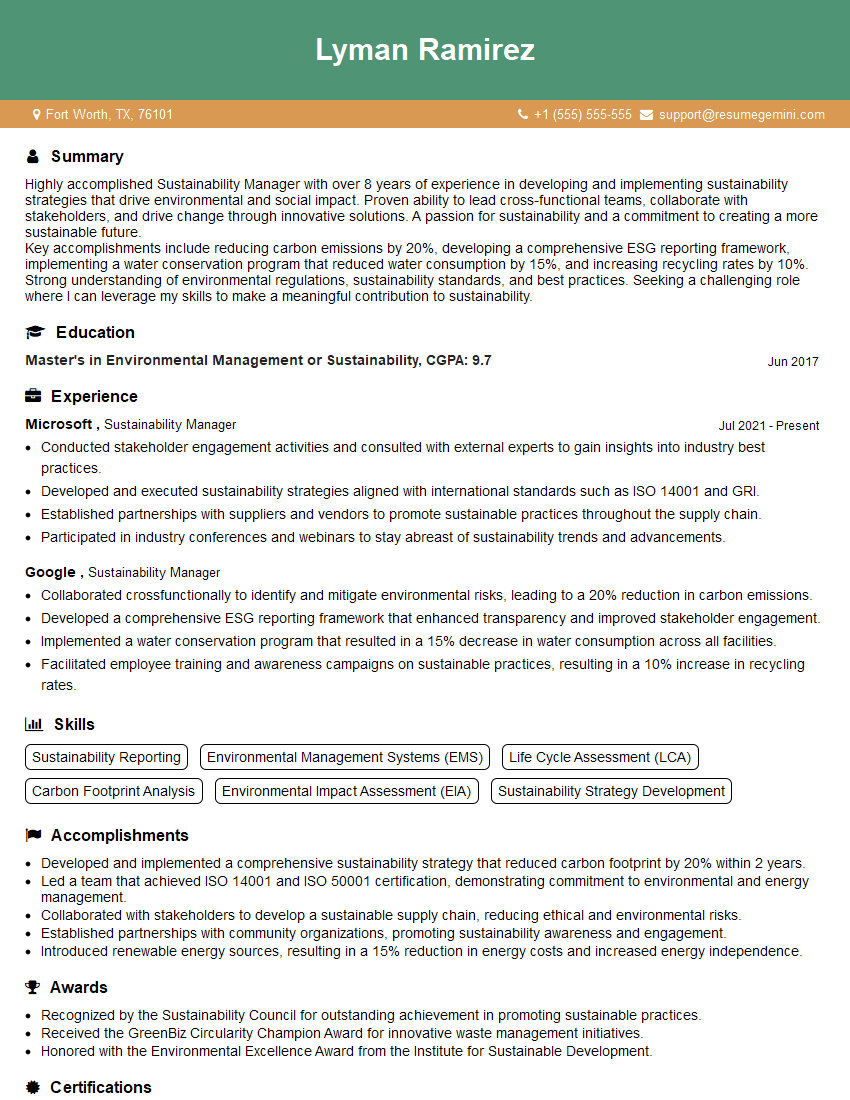
Sustainability Manager Resume Sample

Compliance Officer Resume Sample
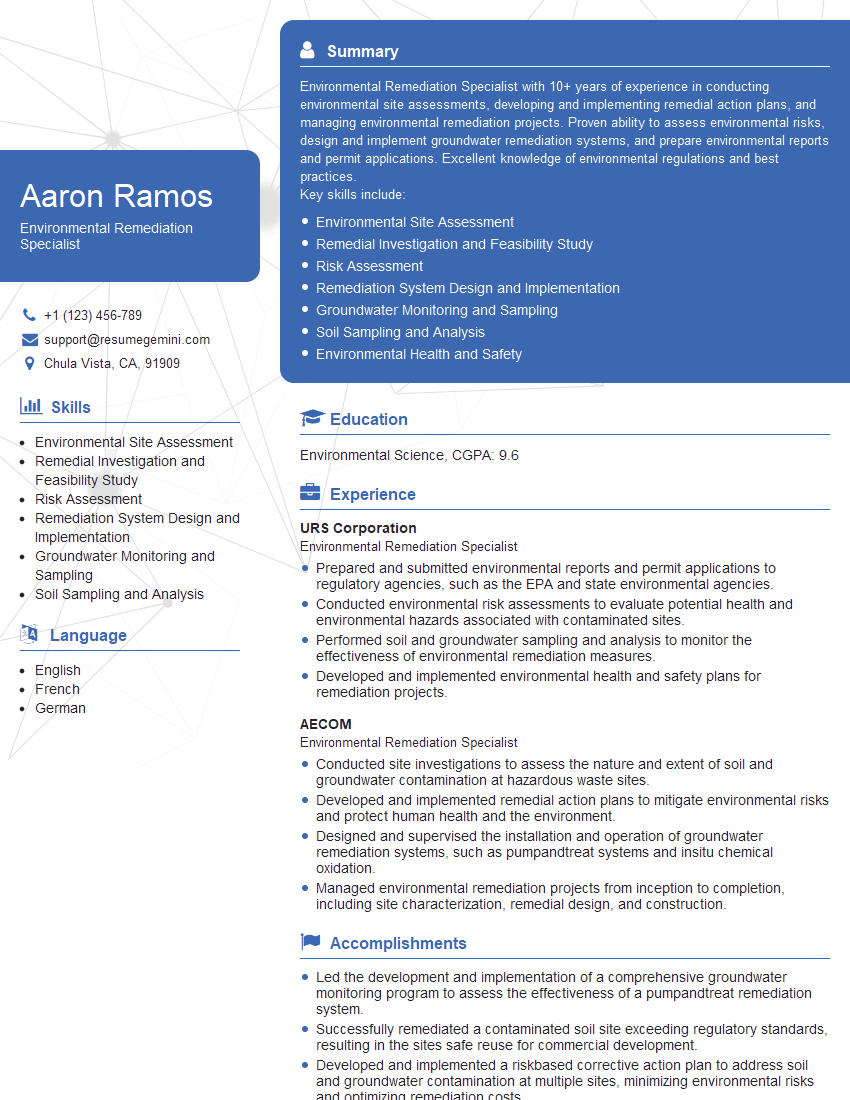
Environmental Remediation Specialist Resume Sample
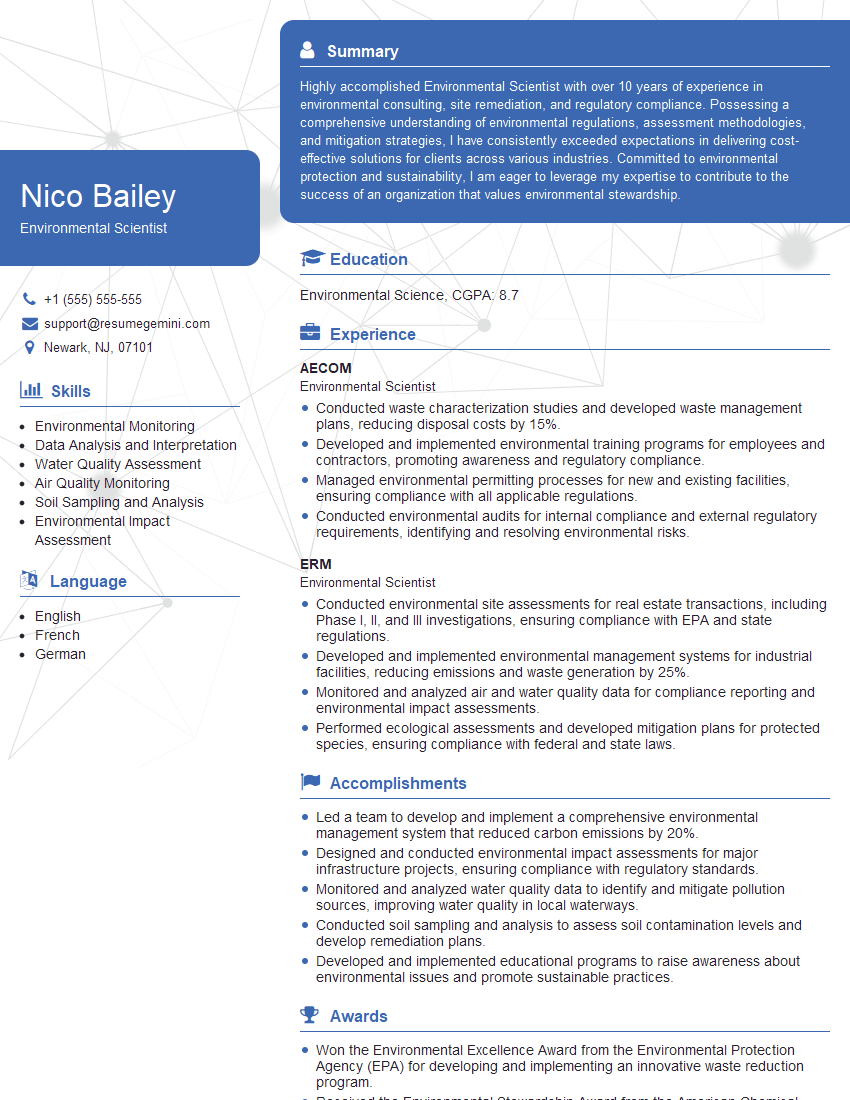
Environmental Scientist Resume Sample
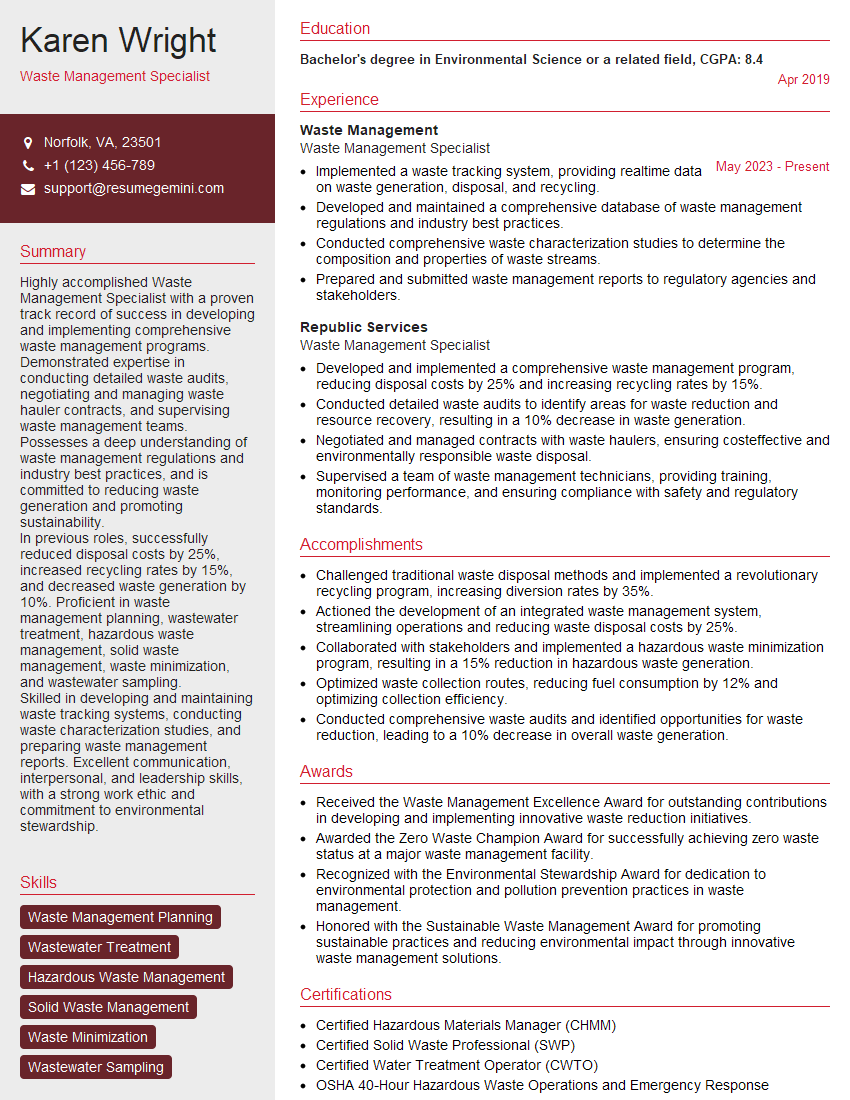
Waste Management Specialist Resume Sample
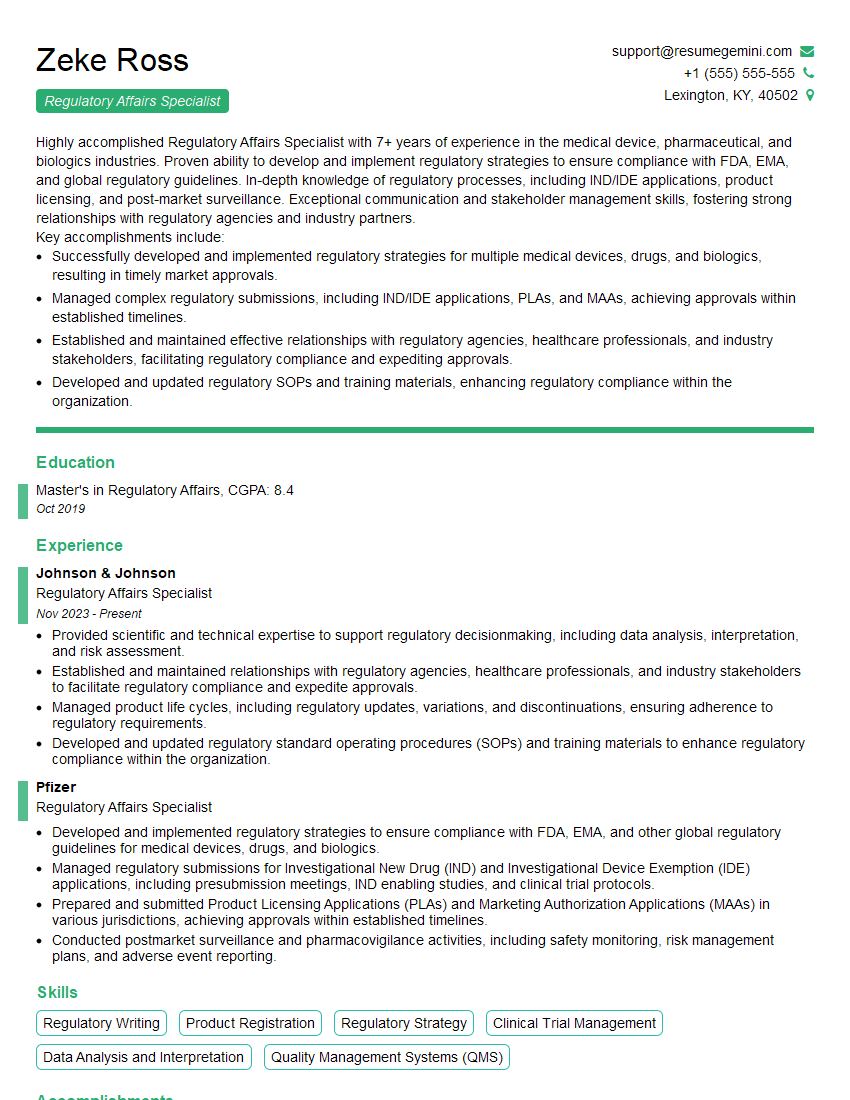
Regulatory Affairs Specialist Resume Sample
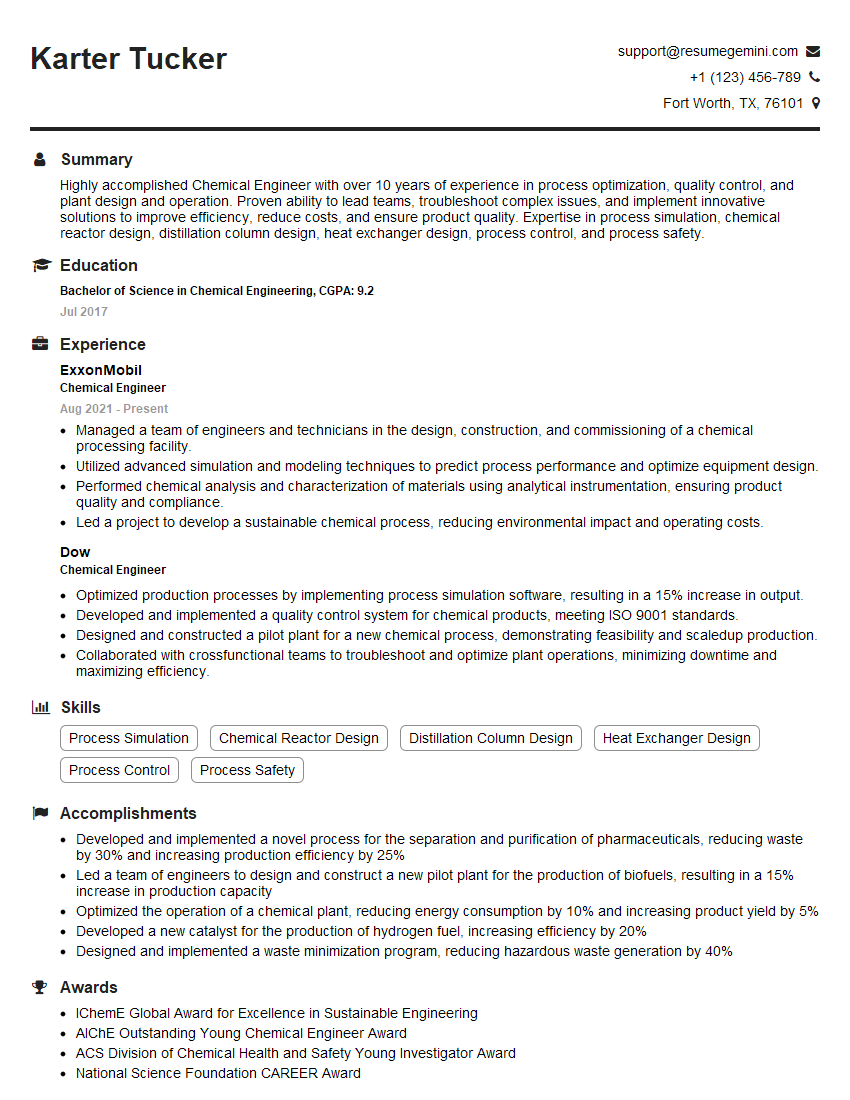
Chemical Engineer Resume Sample
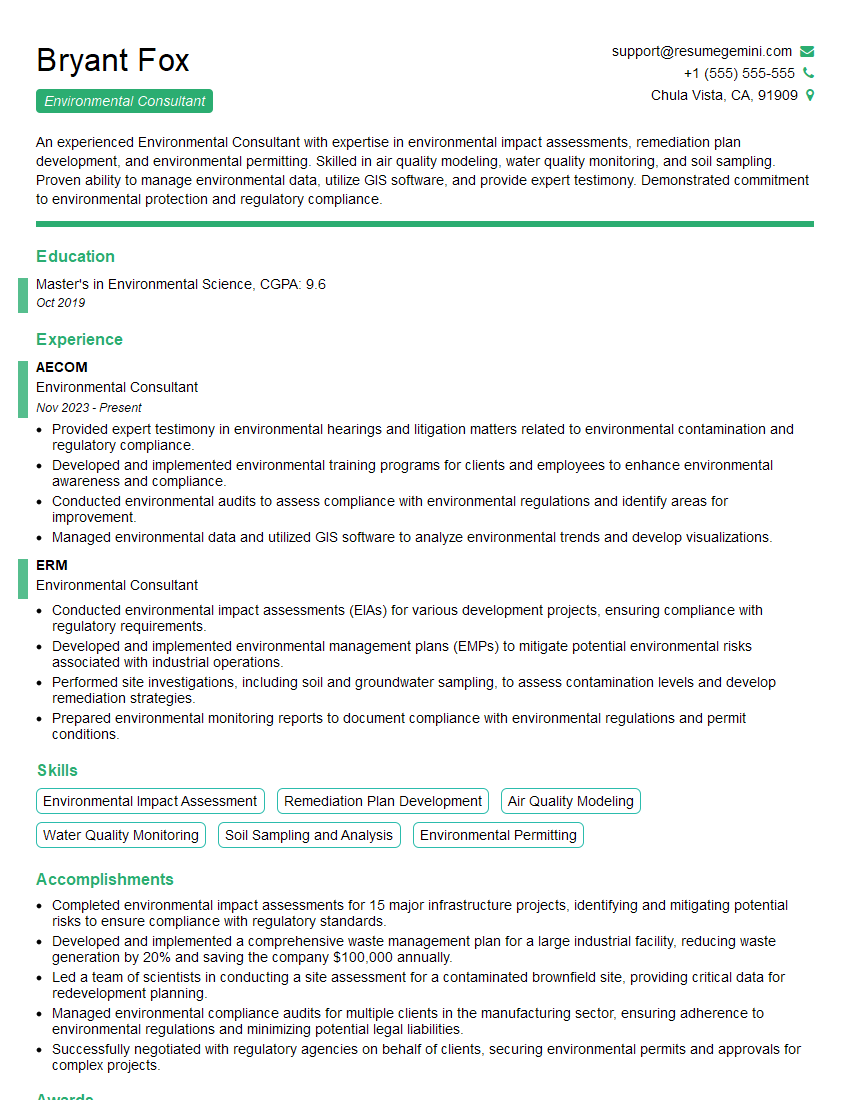
Environmental Consultant Resume Sample
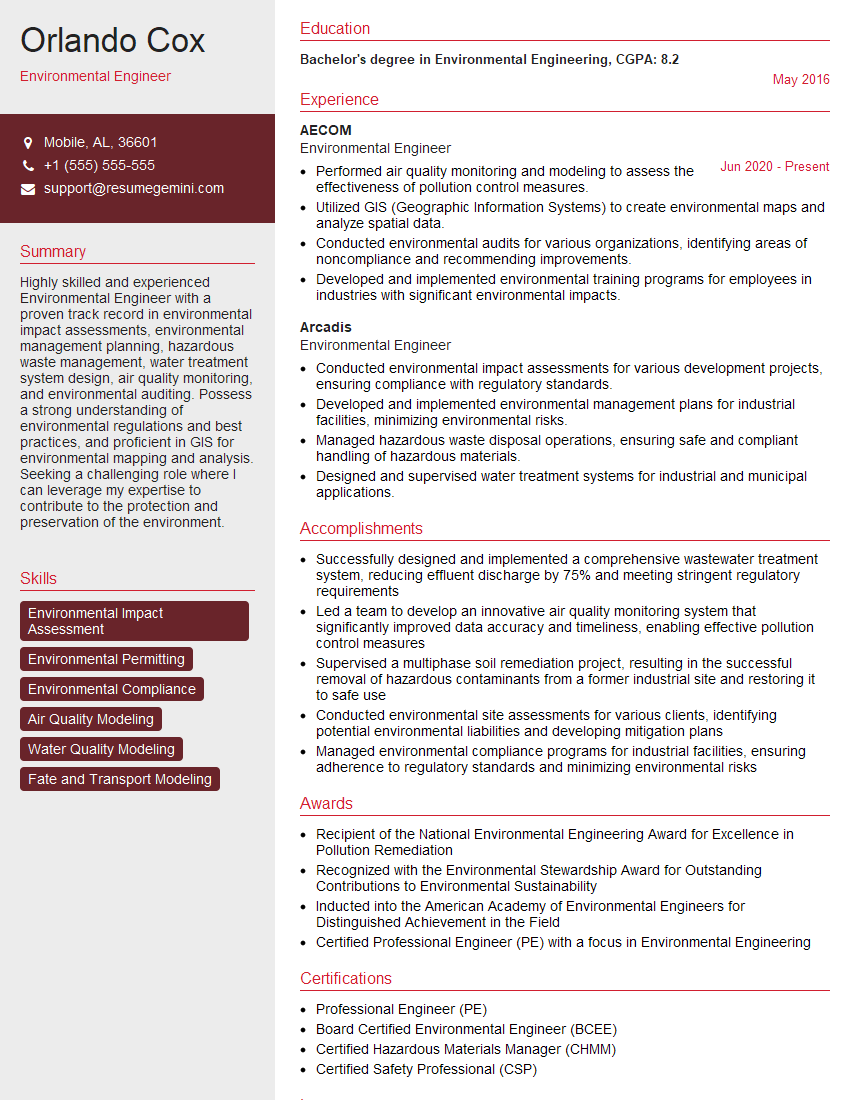
Environmental Engineer Resume Sample

Safety Engineer Resume Sample
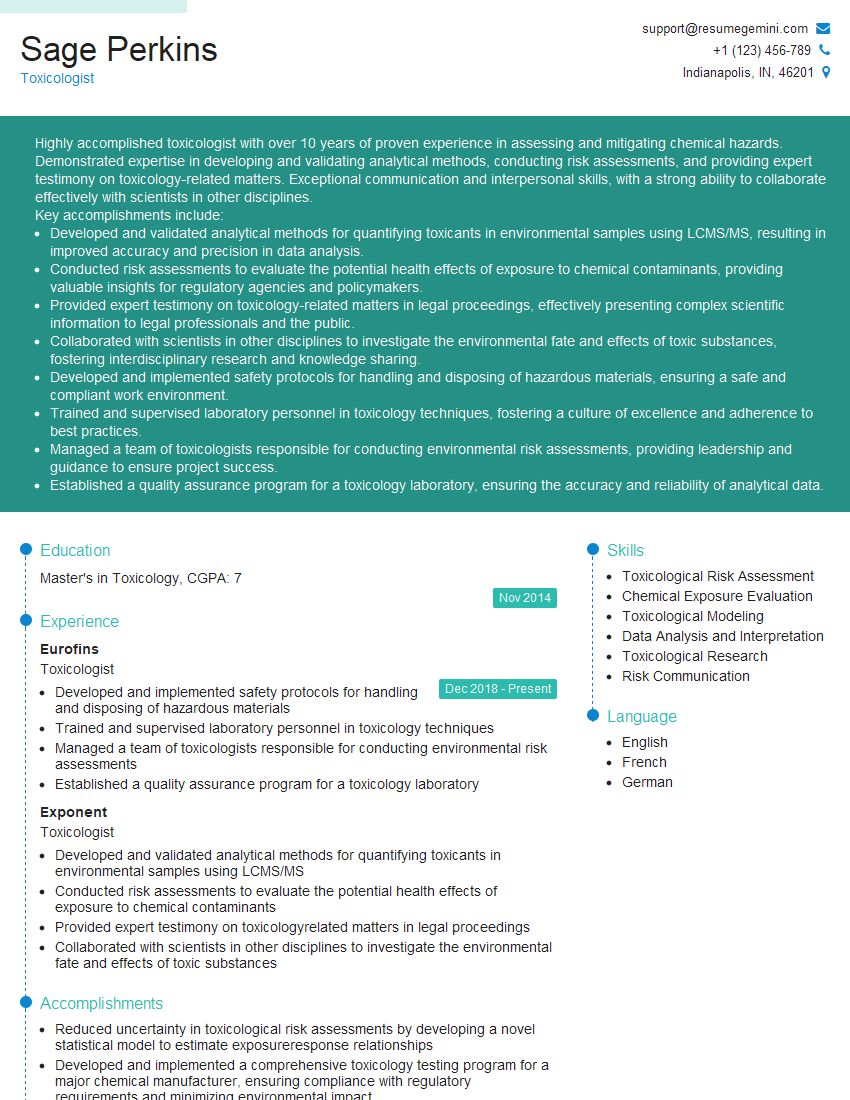
Toxicologist Resume Sample
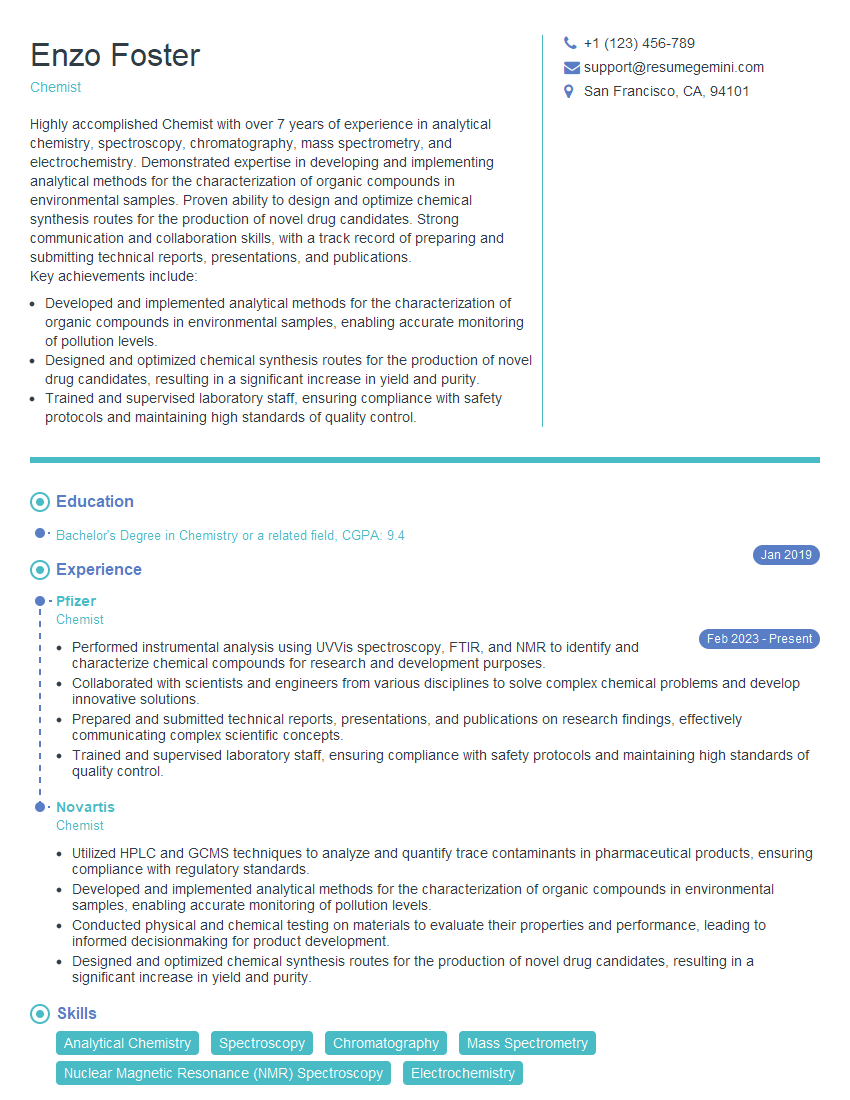
Chemist Resume Sample

Risk Assessor Resume Sample
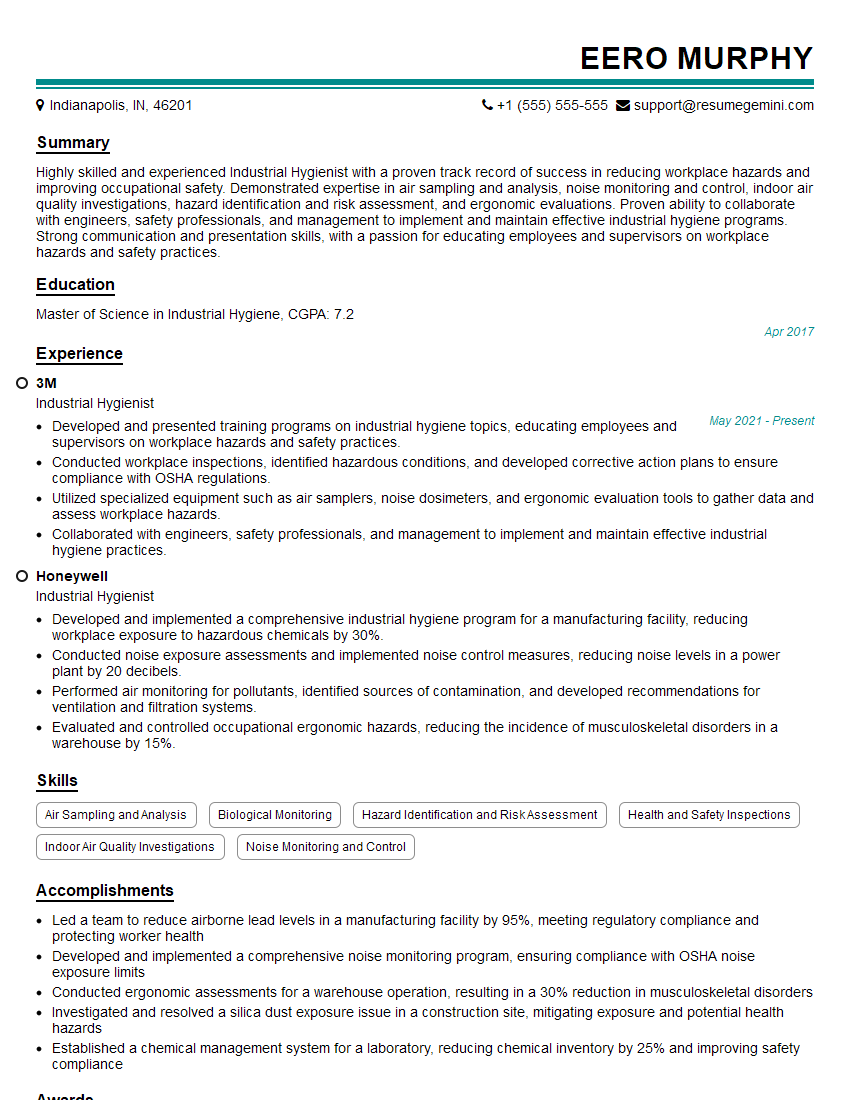
Industrial Hygienist Resume Sample
Explore more articles
Users Rating of Our Blogs
Share Your Experience
We value your feedback! Please rate our content and share your thoughts (optional).
What Readers Say About Our Blog
To the interviewgemini.com Webmaster.
Very helpful and content specific questions to help prepare me for my interview!
Thank you
To the interviewgemini.com Webmaster.
This was kind of a unique content I found around the specialized skills. Very helpful questions and good detailed answers.
Very Helpful blog, thank you Interviewgemini team.