Cracking a skill-specific interview, like one for Diagnosis and Management of Childhood Diseases, requires understanding the nuances of the role. In this blog, we present the questions you’re most likely to encounter, along with insights into how to answer them effectively. Let’s ensure you’re ready to make a strong impression.
Questions Asked in Diagnosis and Management of Childhood Diseases Interview
Q 1. Describe the diagnostic approach for a child presenting with recurrent abdominal pain.
Recurrent abdominal pain in children is a common complaint with a wide range of potential causes. The diagnostic approach is systematic and requires a thorough history and physical examination, followed by targeted investigations. Think of it like detective work – we need to gather clues to solve the mystery of the tummy ache.
History: We begin by carefully documenting the characteristics of the pain: location, severity (using a pain scale appropriate for the child’s age), timing (related to meals, activity, stress?), associated symptoms (nausea, vomiting, diarrhea, constipation, fever, weight loss, urinary symptoms), and any family history of similar conditions. We also explore the child’s overall health, growth, and development.
Physical Examination: A comprehensive physical exam is crucial. We’ll assess the abdomen for tenderness, distension, masses, or organomegaly. We’ll also check for signs of dehydration, malnutrition, and other systemic illnesses.
Investigations: Based on the history and physical exam findings, we may order investigations such as:
- Complete blood count (CBC): To check for infection or inflammation.
- Urinalysis: To rule out urinary tract infections.
- Stool analysis: To investigate for parasites, infections, or malabsorption.
- Abdominal ultrasound or other imaging studies (X-ray, CT, MRI): Depending on suspicion of specific pathologies like appendicitis, intussusception, or bowel obstruction.
- Upper gastrointestinal endoscopy or colonoscopy: In selected cases of persistent or severe symptoms.
Differential Diagnosis: The differential diagnosis is broad and includes functional abdominal pain (the most common cause), gastroesophageal reflux disease (GERD), constipation, inflammatory bowel disease (IBD), peptic ulcers, infections (viral gastroenteritis, appendicitis), and rarer conditions.
Example: A child presenting with intermittent periumbilical pain relieved by defecation, along with infrequent bowel movements and no other concerning symptoms, may suggest functional abdominal pain or constipation. In contrast, a child with severe, constant right lower quadrant pain, fever, and rebound tenderness suggests appendicitis, requiring immediate surgical evaluation.
Q 2. Explain the management of childhood asthma, including medication and preventative measures.
Childhood asthma is a chronic inflammatory airway disease characterized by recurrent wheezing, breathlessness, chest tightness, and cough. Management aims to control symptoms, prevent exacerbations, and improve lung function. Think of it like managing a fire – we need to put out the flames (acute symptoms) and prevent future fires (exacerbations).
Medication: Asthma management relies on a stepped-care approach, starting with low-dose medications and escalating as needed. Commonly used medications include:
- Inhaled corticosteroids (ICS): The cornerstone of asthma control. They reduce airway inflammation.
- Long-acting beta-agonists (LABAs): Used in combination with ICS in moderate to severe asthma to improve lung function and reduce symptoms. Never used alone.
- Short-acting beta-agonists (SABAs): Provide quick relief during exacerbations (rescue medication).
- Leukotriene modifiers: Oral medications that reduce inflammation.
- Theophylline: An oral medication used in select cases.
- Biologics: Targeted therapies for severe asthma unresponsive to other treatments.
Preventative Measures: Equally important is the prevention of asthma exacerbations through lifestyle modifications:
- Allergen control: Avoiding triggers such as dust mites, pet dander, pollen, and mold.
- Environmental control: Regular cleaning, use of air purifiers, and appropriate ventilation.
- Smoking cessation: Passive smoke exposure significantly worsens asthma.
- Exercise and healthy diet: Promoting overall health and well-being.
- Asthma action plan: A written plan outlining medication usage, symptom monitoring, and escalation of care as needed.
Example: A child with mild intermittent asthma might only require a SABA as a rescue medication. A child with moderate persistent asthma would need daily low-dose ICS and a SABA. Regular monitoring of lung function through peak flow measurements is vital in assessing treatment effectiveness.
Q 3. How would you assess and manage a febrile seizure in a young child?
Febrile seizures are convulsions that occur in children with a fever, typically between 6 months and 5 years of age. They can be frightening for parents, but usually are benign and self-limiting. The key is to manage the fever and ensure the child’s safety.
Assessment: When a child experiences a febrile seizure, the immediate priorities are:
- Protect the child from injury: Ensure a safe environment, cushion the head, and remove any potentially harmful objects.
- Time the seizure: Note the duration of the seizure.
- Monitor vital signs: Check for breathing, heart rate, and oxygen saturation.
- Assess for underlying infection: Fever is a symptom, not a disease; we need to find the cause.
Management:
- Control the fever: Use antipyretics like acetaminophen or ibuprofen (age-appropriately). Tepid sponging is generally not recommended.
- Manage the seizure: Do not attempt to restrain the child. Turn the child onto their side to prevent aspiration.
- Seek medical attention: Call emergency services if the seizure lasts longer than 5 minutes, the child has difficulty breathing, turns blue, or is unresponsive after the seizure.
- Further investigations: After the seizure, a thorough evaluation including blood tests, lumbar puncture (if meningitis is suspected), and other investigations may be necessary to identify the cause of the fever.
Example: A 2-year-old with a fever of 102°F experiences a brief generalized seizure lasting less than 2 minutes. The fever is managed with acetaminophen, and the child returns to their baseline after the seizure. The cause of the fever is determined to be a viral upper respiratory tract infection. This is a typical scenario for a simple febrile seizure.
Q 4. What are the key features of Kawasaki disease, and what is the treatment protocol?
Kawasaki disease is a rare childhood illness causing inflammation of blood vessels throughout the body. Early diagnosis and treatment are crucial to prevent serious complications, particularly coronary artery aneurysms.
Key Features: Kawasaki disease is characterized by a combination of symptoms, which must persist for at least five days to meet diagnostic criteria. These include:
- High fever: Typically lasting 5 days or more, unresponsive to antibiotics.
- Bilateral conjunctivitis: Redness of the eyes without discharge.
- Oral mucous membrane changes: Strawberry tongue and cracked lips.
- Changes in the extremities: Swelling of the hands and feet, followed by peeling of the skin on the palms and soles.
- Rash: A polymorphous rash affecting the trunk and extremities.
- Cervical lymphadenopathy: Swollen lymph nodes in the neck.
Treatment Protocol: The mainstay of treatment is intravenous immunoglobulin (IVIG), given as a single high dose. This helps to reduce inflammation and the risk of coronary artery aneurysms. Aspirin is also usually given for its anti-inflammatory and antiplatelet effects. Close monitoring of cardiac function using echocardiography is essential to assess for coronary artery abnormalities.
Example: A child presents with a 7-day history of high fever, conjunctivitis, a strawberry tongue, swollen hands and feet, and a polymorphous rash. This clinical picture strongly suggests Kawasaki disease, prompting immediate IVIG and aspirin therapy.
Q 5. Discuss the differential diagnosis of a child with persistent cough.
A persistent cough in children can have various causes, ranging from mild viral infections to more serious underlying conditions. The differential diagnosis is extensive and requires a careful history and physical examination to narrow down possibilities.
Differential Diagnosis: The potential causes can be grouped into:
- Infectious causes:
- Upper respiratory tract infections (URTIs): The most common cause, typically resolving within a few weeks.
- Lower respiratory tract infections (LRTIs): Bronchitis, pneumonia, whooping cough (pertussis).
- Tuberculosis (TB): A serious infection that requires careful evaluation.
- Non-infectious causes:
- Asthma: A chronic inflammatory airway disease causing wheezing and cough.
- Gastroesophageal reflux disease (GERD): Acid reflux can irritate the airways, causing a chronic cough.
- Allergies: Allergic rhinitis can lead to post-nasal drip and a cough.
- Foreign body aspiration: Inhaled foreign bodies can cause chronic cough and wheezing.
- Cystic fibrosis: A genetic disorder affecting the lungs and other organs.
Diagnostic Approach: The diagnostic approach involves a detailed history, physical examination, and potentially investigations such as:
- Chest X-ray: To evaluate for pneumonia, foreign bodies, or other lung abnormalities.
- Spirometry (pulmonary function tests): For assessing lung function, particularly in suspected asthma.
- Allergy testing: To identify potential allergens.
- Sputum culture: To identify the causative agent in suspected infections.
Example: A child with a chronic cough, wheezing, and a history of allergies may suggest asthma. A child with a sudden onset of a severe, paroxysmal cough (whooping cough) requires appropriate antibiotic therapy.
Q 6. Explain the management of childhood obesity, including lifestyle modifications and medical interventions.
Childhood obesity is a significant public health concern with far-reaching implications for physical and mental health. Management involves a multidisciplinary approach focusing on lifestyle modifications and, in some cases, medical interventions.
Lifestyle Modifications: The cornerstone of obesity management is lifestyle change involving:
- Dietary changes: A balanced diet emphasizing fruits, vegetables, whole grains, and lean protein. Limiting sugary drinks, processed foods, and fast food.
- Increased physical activity: At least 60 minutes of moderate-to-vigorous physical activity most days of the week.
- Family involvement: Encouraging healthy habits within the family setting.
- Behavioral therapy: Addressing underlying behavioral patterns contributing to overeating or lack of activity.
- Sleep hygiene: Adequate sleep is essential for overall health and weight management.
Medical Interventions: When lifestyle modifications alone are insufficient, medical interventions may be considered:
- Pharmacotherapy: Certain medications may be used in adolescents with significant obesity, but are generally not first-line treatments and are often used in conjunction with lifestyle modification.
- Bariatric surgery: In very obese adolescents with severe health complications, bariatric surgery may be considered as a last resort.
Example: For a child with a BMI in the overweight range, the initial approach would focus on dietary changes and increased physical activity, involving the family in establishing healthy eating habits and routines. If the child remains obese despite these efforts, then medical interventions and referral to a specialist may be considered.
Q 7. How would you approach the diagnosis and management of a child with suspected ADHD?
Attention-deficit/hyperactivity disorder (ADHD) is a neurodevelopmental disorder characterized by inattention, hyperactivity, and impulsivity. Diagnosis and management require a multi-faceted approach.
Diagnosis: Diagnosis of ADHD is based on clinical evaluation, involving:
- Detailed history: Gathering information from parents, teachers, and the child (if age-appropriate) regarding symptoms, onset, and impact on daily life.
- Behavioral assessments: Utilizing standardized rating scales to quantify the severity of symptoms across different settings (home, school).
- Physical examination: To rule out other medical conditions that may mimic ADHD symptoms.
- Neuropsychological testing: May be considered in some cases to evaluate cognitive function.
- Differential diagnosis: Excluding other conditions such as anxiety, learning disorders, and sleep disorders that might share similar symptoms.
Management: Management is often multi-modal and personalized to the child’s needs:
- Behavioral therapy: Parent training, classroom interventions, and other behavioral strategies to improve attention, self-control, and organizational skills.
- Medication: Stimulant medications (methylphenidate, amphetamine) are often effective in reducing core ADHD symptoms. Non-stimulant medications are also available.
- Educational interventions: Developing individualized educational plans (IEPs) to support learning needs in the classroom.
- Psychosocial interventions: Addressing co-occurring conditions like anxiety or depression.
Example: A child presenting with persistent difficulties paying attention in class, excessive fidgeting, and impulsive behavior, with similar behaviors reported by parents and teachers, warrants a comprehensive evaluation for ADHD. Management might involve a combination of stimulant medication, behavioral therapy, and modifications in the classroom setting.
Q 8. Describe the assessment and management of a child with developmental delay.
Assessing developmental delay in children involves a multidisciplinary approach, focusing on identifying delays in key developmental areas like gross motor skills (e.g., walking, crawling), fine motor skills (e.g., grasping, writing), language (e.g., speaking, understanding), cognition (e.g., problem-solving, memory), and social-emotional development (e.g., interacting with others, emotional regulation). This assessment typically begins with a thorough history taking from parents or caregivers, focusing on milestones achieved, concerns, and family history. Developmental screening tools, such as the Ages and Stages Questionnaires (ASQ), are used to identify potential delays. If delays are suspected, a comprehensive developmental evaluation is crucial, often involving a pediatrician, developmental pediatrician, psychologist, occupational therapist, and/or speech therapist. The evaluation includes standardized testing, observation, and parent interviews.
Management depends on the nature and severity of the delay. It might involve early intervention programs, which provide therapy tailored to the child’s specific needs. These programs often involve physical, occupational, and speech therapy, and sometimes educational support. Early intervention is crucial as it can significantly improve a child’s development and reduce long-term challenges. For example, a child with a significant language delay might benefit from speech therapy focusing on articulation and vocabulary building. Another child with motor skill difficulties may benefit from occupational therapy focusing on fine motor skills such as writing. Regular monitoring and follow-up are essential to assess the effectiveness of interventions and adjust the plan as needed.
Q 9. What are the signs and symptoms of bacterial meningitis in children, and what is the emergency treatment?
Bacterial meningitis is a serious infection of the membranes covering the brain and spinal cord. In children, it can manifest with a range of symptoms, often starting subtly. Early symptoms might include fever, irritability, vomiting, and poor feeding. As the infection progresses, more serious signs appear, such as a stiff neck (meningismus), headache (though children can’t always articulate this clearly), seizures, lethargy, and altered mental status. A characteristic but not always present symptom is a rash that doesn’t blanch when pressed (petechiae or purpura).
Emergency treatment is critical because bacterial meningitis can be life-threatening. This involves immediate hospitalization and administration of intravenous antibiotics, often a combination of drugs like ceftriaxone and vancomycin, to cover a broad range of potential bacteria. Other supportive measures include managing fever, monitoring vital signs, and providing respiratory support if needed. Lumbar puncture (spinal tap) is essential to confirm the diagnosis by identifying the causative bacteria in the cerebrospinal fluid (CSF) and guiding antibiotic selection. Corticosteroids might also be given to reduce inflammation and improve outcomes. Rapid diagnosis and treatment are paramount to prevent permanent neurological damage or death.
Q 10. Explain the management of a child with type 1 diabetes mellitus.
Managing type 1 diabetes in children involves a multifaceted approach focused on achieving optimal glycemic control while balancing the child’s growth and development needs. This includes insulin therapy, which can be administered through multiple daily injections (MDI) or an insulin pump. The dose and timing of insulin are carefully tailored to the child’s individual needs and blood glucose levels, and frequently adjusted as the child grows.
Regular blood glucose monitoring is essential to track glucose levels and adjust insulin doses accordingly. Children and their families need thorough education about diabetes management, including recognizing and treating hypoglycemia (low blood sugar) and hyperglycemia (high blood sugar). A healthy diet rich in fruits, vegetables, and whole grains is crucial. Regular physical activity plays a vital role in improving insulin sensitivity and managing weight. Finally, regular check-ups with a diabetes team (pediatrician, endocrinologist, diabetes educator, dietitian) are necessary for ongoing monitoring and adjustments to the management plan to ensure the child’s health and well-being.
Q 11. How would you approach the diagnosis and management of a child with suspected appendicitis?
Suspected appendicitis in a child requires a prompt and thorough assessment. The diagnosis is primarily clinical, based on a detailed history and physical examination. Children might present with periumbilical pain that migrates to the right lower quadrant (RLQ), along with nausea, vomiting, anorexia (loss of appetite), and low-grade fever. Physical examination often reveals tenderness to palpation in the RLQ, rebound tenderness (pain upon release of palpation), and possibly guarding (muscle rigidity). Laboratory tests, such as a complete blood count (CBC), might show an elevated white blood cell count (leukocytosis).
Imaging studies, such as an ultrasound or CT scan, may be helpful in ambiguous cases, though clinical judgment remains crucial. Treatment involves appendectomy (surgical removal of the appendix) if appendicitis is confirmed or strongly suspected. Delaying surgery increases the risk of complications, such as perforation (rupture of the appendix), peritonitis (infection of the abdominal cavity), and abscess formation. Post-operative management includes pain control, antibiotic administration to prevent infection, and monitoring for complications. If a rupture is suspected, broad-spectrum antibiotics are given prior to surgery.
Q 12. Discuss the common causes of pneumonia in children and their treatment.
Pneumonia in children can be caused by various pathogens, including viruses (like RSV, influenza, adenovirus), bacteria (like Streptococcus pneumoniae, Haemophilus influenzae), and atypical organisms (like Mycoplasma pneumoniae, Chlamydia pneumoniae). The most common causes vary depending on age and underlying health conditions.
Treatment depends on the identified pathogen and the severity of the illness. Viral pneumonia often resolves with supportive care, such as rest, fluids, and fever management. Bacterial pneumonia, however, requires antibiotic treatment. The choice of antibiotic is guided by factors such as the likely pathogen, age, and the severity of illness. For example, amoxicillin is often the first-line antibiotic for community-acquired pneumonia. Atypical pneumonia may require macrolides (like azithromycin) or tetracyclines (like doxycycline, although not typically used in young children). Severe cases might require hospitalization for intravenous antibiotics and respiratory support. In all cases, supportive measures like oxygen therapy, hydration, and nutritional support are vital. Early recognition and appropriate management are critical to prevent complications such as respiratory failure, pleural effusion (fluid buildup around the lungs), and sepsis.
Q 13. Explain the principles of managing childhood infections.
Managing childhood infections involves a multipronged approach prioritizing prompt diagnosis, appropriate treatment, and prevention of complications and spread. The principles include:
- Accurate diagnosis: A thorough history, physical examination, and sometimes laboratory tests (e.g., blood tests, cultures) are crucial to identify the causative organism and guide treatment.
- Appropriate treatment: This may involve supportive care (rest, fluids, fever management) or specific therapies like antibiotics for bacterial infections or antiviral medications for viral infections. The choice of treatment depends on factors such as the specific pathogen, the child’s age and overall health, and the severity of the illness.
- Infection control: Measures like hand hygiene, respiratory etiquette (coughing into elbows), and isolation (if necessary) are crucial to prevent the spread of infection, both within the family and community.
- Symptom management: Addressing symptoms such as fever, cough, and pain provides comfort to the child and improves their overall well-being.
- Monitoring and follow-up: Regular monitoring of the child’s condition ensures timely detection of any complications and helps assess the effectiveness of treatment. In some cases, follow-up appointments are scheduled to monitor for potential long-term effects.
For example, a child with a viral upper respiratory infection would be managed primarily with supportive care like rest and fluids, while a child with bacterial pneumonia would require antibiotics. The management approach emphasizes both individual patient needs and public health concerns.
Q 14. How would you counsel parents about childhood immunizations?
Counseling parents about childhood immunizations involves providing clear, accurate, and age-appropriate information, addressing concerns, and emphasizing the importance of vaccines in protecting children from preventable diseases. The discussion should include:
- The benefits of vaccination: Explain how vaccines work, preventing serious illnesses, hospitalizations, and even death. Use concrete examples, illustrating the devastating consequences of diseases like polio, measles, or whooping cough.
- Safety and efficacy: Reassure parents about the safety of vaccines, emphasizing rigorous testing and monitoring. Discuss rare side effects, putting them into perspective. Emphasize the benefits far outweigh the risks.
- Addressing concerns and misconceptions: Actively listen to parents’ concerns and address them with factual information, debunking myths and misinformation. For example, discuss the unfounded link between vaccines and autism.
- Vaccine schedules: Provide a clear explanation of the recommended vaccination schedule, highlighting the importance of timely vaccinations.
- Resources and further information: Provide parents with reliable sources for accurate information, such as the CDC and WHO websites.
A compassionate and empathetic approach is crucial, ensuring parents feel heard and understood. The goal is to empower parents to make informed decisions based on evidence-based information, helping them protect their children’s health.
Q 15. Describe the process of obtaining informed consent from parents for pediatric procedures.
Obtaining informed consent for pediatric procedures is a crucial ethical and legal aspect of medical practice. It’s a process that ensures parents or legal guardians understand the procedure, its benefits, risks, and alternatives, allowing them to make an autonomous decision in the best interest of their child.
- Explanation of the Procedure: We begin by explaining the procedure in simple, age-appropriate language, avoiding complex medical jargon. For instance, when explaining a tonsillectomy to parents, we’d describe it as the removal of the tonsils to alleviate recurrent infections, rather than using technical terms.
- Benefits and Risks: We clearly outline the potential benefits, like improved breathing or fewer infections, alongside the potential risks, such as bleeding or infection, explaining the likelihood of each. We use visuals like diagrams or videos if helpful.
- Alternatives: We discuss alternative treatment options, like medication or watchful waiting, and their associated risks and benefits. This ensures parents are fully informed before making a decision.
- Answering Questions: We encourage parents to ask questions and address their concerns patiently and thoroughly. We strive to make the conversation comfortable and allow ample time for them to process the information.
- Documentation: Finally, we meticulously document the entire consent process in the child’s medical record, including the date, time, who was involved, the information shared, and the parents’ understanding and agreement. This is vital for legal and ethical compliance.
For example, if a child requires a bone marrow biopsy, we ensure parents understand the procedure’s purpose, pain management strategies (anesthesia), potential risks (bleeding, infection), and the alternatives, allowing for a truly informed decision.
Career Expert Tips:
- Ace those interviews! Prepare effectively by reviewing the Top 50 Most Common Interview Questions on ResumeGemini.
- Navigate your job search with confidence! Explore a wide range of Career Tips on ResumeGemini. Learn about common challenges and recommendations to overcome them.
- Craft the perfect resume! Master the Art of Resume Writing with ResumeGemini’s guide. Showcase your unique qualifications and achievements effectively.
- Don’t miss out on holiday savings! Build your dream resume with ResumeGemini’s ATS optimized templates.
Q 16. What are the ethical considerations in managing a child with a life-threatening illness?
Managing a child with a life-threatening illness presents complex ethical challenges. Balancing the child’s best interests, parental wishes, and medical possibilities requires careful consideration and a strong ethical framework.
- Best Interests of the Child: This is paramount. All decisions should prioritize the child’s well-being, even if it means overriding parental preferences in extreme cases where the child’s life is at risk. For example, refusing life-saving treatment based on religious beliefs would necessitate intervention from Child Protective Services.
- Respect for Parental Autonomy: While the child’s best interests are primary, parental wishes must be respected as much as possible. We must involve them in every step of the decision-making process and explore their concerns and beliefs thoroughly. Open communication is key here.
- Truth-Telling and Transparency: Honesty and transparency are crucial. We must communicate honestly with both parents and the child (depending on their age and understanding) about the diagnosis, prognosis, and treatment options, even if the news is difficult.
- Resource Allocation: Life-threatening illnesses can be resource-intensive. Ethical considerations arise when we must weigh the costs and benefits of treatment against other patients’ needs, especially in a resource-constrained setting. This necessitates difficult, sometimes heartbreaking, decisions.
- End-of-Life Care: When a cure is unlikely, we must navigate the complexities of palliative care, focusing on comfort, dignity, and quality of life. This might involve discussions about pain management, symptom control, and emotional support for the child and family.
For instance, in cases of advanced cancer, we need to balance aggressive treatment that might prolong life but cause considerable suffering, with palliative care that prioritizes the child’s comfort and reduces pain, respecting the family’s wishes while prioritizing the child’s wellbeing.
Q 17. Describe your experience with electronic health records in pediatrics.
Electronic health records (EHRs) have revolutionized pediatric care. They provide a comprehensive, easily accessible record of a child’s health information, improving coordination and quality of care.
- Improved Care Coordination: EHRs allow for seamless information sharing among healthcare providers, regardless of location. This is especially helpful in managing complex cases requiring multiple specialists.
- Enhanced Patient Safety: Features like medication alerts and allergy warnings help prevent medication errors and adverse drug reactions.
- Streamlined Workflow: EHRs automate many administrative tasks, such as scheduling appointments and ordering tests, freeing up time for direct patient care.
- Data-Driven Insights: EHRs provide valuable data for research, population health management, and quality improvement initiatives. We can identify trends and improve our care practices based on the collected data.
- Challenges: Despite the benefits, there are challenges such as interoperability issues (data exchange between different EHR systems), data security concerns, and the time it takes to learn and adapt to new EHR systems.
In my experience, EHRs have been instrumental in tracking a child’s growth and development over time, monitoring their immunization status, and identifying potential health risks based on family history and other factors. It significantly improves patient safety and efficiency within our practice.
Q 18. How would you manage a child with a severe allergic reaction?
Managing a severe allergic reaction, or anaphylaxis, requires immediate action. It’s a life-threatening emergency that needs prompt recognition and treatment.
- Recognize the Signs: Look for signs such as hives, swelling (especially of the face, lips, and tongue), difficulty breathing, wheezing, dizziness, and a drop in blood pressure.
- Administer Epinephrine: Immediately administer epinephrine via an auto-injector (EpiPen or Auvi-Q) if the child has a known allergy and carries one. This is the most crucial step.
- Call Emergency Services: Simultaneously, call emergency medical services (911 or your local equivalent). Even after administering epinephrine, ongoing monitoring and advanced medical care are essential.
- Maintain Airway: If the child is having difficulty breathing, place them in a comfortable position and ensure their airway is clear. If needed, initiate CPR if the child becomes unresponsive.
- Transport to Hospital: Once emergency personnel arrive, transport the child to the nearest hospital for further observation and treatment. Anaphylaxis can recur, even after initial treatment with epinephrine.
For example, a child who has a severe peanut allergy and inadvertently consumes peanut butter might experience rapid onset of symptoms. Immediate administration of epinephrine is critical to prevent potentially fatal airway compromise and circulatory collapse. Subsequent hospital admission ensures close monitoring for recurrent reactions and administration of supplemental treatments.
Q 19. How would you handle a situation where a parent refuses a recommended treatment for their child?
When parents refuse a recommended treatment for their child, it necessitates a delicate balance between respecting parental autonomy and ensuring the child’s well-being.
- Understanding the Reason: Begin by carefully listening to the parents’ concerns and understanding their reasons for refusing treatment. This may stem from religious beliefs, cultural practices, mistrust of the medical system, or misconceptions about the treatment’s risks and benefits.
- Educate and Re-Explain: Respectfully re-explain the benefits and risks of the recommended treatment, using clear, simple language and addressing specific concerns. Offer written materials or involve other specialists to enhance understanding.
- Explore Alternatives: If possible, explore alternative treatment options that might align better with the parents’ preferences, while ensuring the child receives appropriate care. This could involve collaborating with other healthcare professionals.
- Documentation: Meticulously document the entire conversation, including the parents’ concerns, the information shared, and the reasons for their refusal. This is critical for legal protection and continuity of care.
- Consult Legal and Ethical Resources: In cases where refusal of treatment puts the child’s life or health at serious risk, consulting legal and ethical advisors is necessary. In extreme circumstances, child protective services may need to be involved.
For example, if parents refuse chemotherapy for their child with leukemia due to fear of side effects, we would take time to address these fears, explain the importance of the treatment, provide support, and possibly consult with a psychologist or social worker to ensure the family is receiving the resources they need to make the best decision possible, while protecting the child’s best interests.
Q 20. Discuss the importance of preventative care in pediatrics.
Preventative care in pediatrics is paramount. It focuses on promoting health, preventing diseases, and detecting problems early to minimize long-term health issues. This approach is far more effective and cost-efficient than managing diseases after they develop.
- Immunizations: Vaccinations protect against numerous infectious diseases like measles, mumps, rubella, polio, and influenza, dramatically reducing morbidity and mortality. Regular scheduled vaccinations are crucial.
- Well-Child Visits: Regular check-ups allow for monitoring growth and development, early detection of developmental delays or health problems, and provision of age-appropriate health guidance.
- Screening Tests: Regular screening for conditions such as hearing and vision impairments, lead poisoning, anemia, and other genetic disorders enable early intervention if a problem is identified.
- Health Education: Educating parents and caregivers about healthy habits, such as proper nutrition, physical activity, sleep hygiene, and injury prevention, is essential for promoting overall child health and wellbeing.
- Injury Prevention: Counseling parents on measures to prevent injuries such as car seat safety, safe sleep practices, and water safety can significantly reduce childhood accidents and trauma.
For example, regular well-child visits help us detect hearing problems early, which enables us to provide timely intervention such as hearing aids or speech therapy. Similarly, regular screening for anemia allows for prompt diagnosis and treatment of iron deficiency, improving overall health and development.
Q 21. Explain the different types of childhood leukemia and their treatment.
Childhood leukemia is a cancer of the blood-forming tissues, primarily affecting bone marrow. There are several types, each with unique characteristics and treatment approaches.
- Acute Lymphoblastic Leukemia (ALL): The most common type in children, ALL involves immature white blood cells (lymphoblasts) that rapidly multiply and crowd out healthy cells. Treatment typically involves chemotherapy, sometimes with radiation and/or stem cell transplantation.
- Acute Myeloid Leukemia (AML): Less common than ALL, AML involves myeloid cells (precursors to red blood cells, white blood cells, and platelets) becoming cancerous. Treatment is similar to ALL, emphasizing chemotherapy, potentially with other supportive treatments like blood transfusions.
- Chronic Myeloid Leukemia (CML): CML is less common in children and is characterized by the presence of the Philadelphia chromosome. It’s typically treated with tyrosine kinase inhibitors (TKIs), targeted medications that block the growth of cancerous cells.
- Chronic Lymphoblastic Leukemia (CLL): This is extremely rare in children. It is a slow-growing cancer and treatments often involve watchful waiting and treatment only when symptoms emerge.
Treatment for childhood leukemia is complex and individualized, determined by factors such as the type of leukemia, the child’s age and overall health, and the stage of the disease. Treatment protocols often involve multiple phases of chemotherapy, and may include other treatments, such as radiation therapy, stem cell transplantation and targeted therapy. The goal is to achieve remission (eliminate detectable cancer cells), followed by maintenance therapy to prevent relapse. Each type and stage necessitate a different treatment plan, always carefully tailored to the individual child.
Q 22. Describe your approach to managing a child with chronic pain.
Managing chronic pain in children requires a holistic approach, focusing on a thorough assessment, multidisciplinary collaboration, and individualized treatment plans. We begin by meticulously documenting the child’s pain history, including location, intensity (using age-appropriate pain scales), duration, and any associated symptoms. This involves not just talking to the child but also their parents or caregivers, to gather a complete picture. We must always consider the child’s developmental stage when choosing assessment tools and communication methods.
The next crucial step is identifying the underlying cause of the pain. This could range from musculoskeletal problems like juvenile arthritis or overuse injuries to visceral pain related to gastrointestinal issues or headaches. In some cases, the pain may be linked to psychological factors such as anxiety or depression. Once the underlying cause is identified (or if it remains unclear), we develop a tailored management plan.
This plan typically incorporates multiple strategies. Pharmacological interventions might include analgesics, depending on the severity and type of pain. Non-pharmacological approaches are equally important and often form the cornerstone of management. These include physical therapy, occupational therapy, cognitive behavioral therapy (CBT), relaxation techniques, and mindfulness practices. We also carefully consider the child’s daily routines and activities, modifying them as needed to reduce pain triggers and promote comfort. Regular follow-up appointments allow us to monitor the child’s progress, adjust the treatment plan as needed, and provide ongoing support to both the child and the family.
For example, a child with recurring abdominal pain might benefit from a combination of dietary adjustments, stress management techniques (like yoga or deep breathing exercises), and potentially medication to address underlying gastrointestinal issues. It’s crucial to remember that managing chronic pain is a journey, not a destination, requiring ongoing collaboration and adjustments to meet the child’s evolving needs.
Q 23. How would you differentiate between viral and bacterial gastroenteritis?
Differentiating between viral and bacterial gastroenteritis relies on a combination of clinical presentation and, sometimes, laboratory tests. While both cause similar symptoms like vomiting, diarrhea, and abdominal cramps, there are subtle differences that can help guide diagnosis.
- Viral Gastroenteritis: Typically presents with more prominent vomiting initially, followed by diarrhea that may be watery and less bloody. Fever is often present, but usually not high-grade. The child might also experience other viral symptoms like a runny nose or cough. The illness usually resolves within a few days.
- Bacterial Gastroenteritis: Often shows a more severe course. Diarrhea may be bloody or more frequent. Fever can be higher and more persistent. Dehydration is a more significant risk. The illness can last longer than viral gastroenteritis.
While clinical presentation is often sufficient, laboratory tests, such as stool cultures, can confirm a bacterial infection. These tests identify the specific bacteria causing the illness, allowing for targeted antibiotic treatment, which is generally not necessary for viral gastroenteritis. However, it’s important to note that some bacterial gastroenteritis resolves without antibiotics, and antibiotics are not recommended for most cases.
For example, a child with sudden onset of forceful vomiting followed by watery diarrhea, mild fever, and other mild upper respiratory symptoms is likely suffering from viral gastroenteritis. Conversely, a child with high fever, bloody diarrhea, severe abdominal pain and dehydration is more suggestive of a bacterial infection and requires immediate medical attention. Careful clinical judgment and appropriate investigations are crucial for proper diagnosis and management.
Q 24. What are the common causes of congenital heart defects, and how are they diagnosed and managed?
Congenital heart defects (CHDs) are structural abnormalities of the heart present at birth. The exact causes are often multifactorial, involving a complex interplay of genetic and environmental factors. Genetic factors can include chromosomal abnormalities (like Down syndrome), single-gene mutations, and variations in gene expression. Environmental factors are less well-understood but may include maternal infections, diabetes, or exposure to certain medications during pregnancy.
Diagnosis typically begins with a fetal echocardiogram during pregnancy, detecting many CHDs prenatally. After birth, a physical examination might reveal cyanosis (bluish skin discoloration) or murmurs. Echocardiography, which uses ultrasound to visualize the heart structures, is the primary diagnostic tool. Electrocardiograms (ECGs) and chest X-rays can provide additional information. Cardiac catheterization may be necessary in certain cases to perform more detailed assessments and, in some instances, interventions.
Management of CHDs varies greatly depending on the type and severity of the defect. Some defects are minor and require no treatment, while others are life-threatening and necessitate immediate intervention. Surgical repair is often required for complex CHDs, often in the neonatal period or early infancy. Less invasive interventions, such as balloon angioplasty, are sometimes used to treat certain defects. Medical management may involve medication to control heart rate, blood pressure, or blood clotting.
For example, a child with Tetralogy of Fallot, a complex CHD characterized by four anatomical abnormalities, would likely require surgical repair in infancy to correct the defects and improve blood flow. A child with a small atrial septal defect (a hole between the atria) may require no intervention, as many such defects close spontaneously. Regular follow-up care is essential for children with CHDs, to monitor their growth and development and address any complications.
Q 25. Describe your experience with managing children with autism spectrum disorder.
My experience managing children with Autism Spectrum Disorder (ASD) involves a comprehensive approach that focuses on individualized support, family involvement, and ongoing monitoring. I begin with a thorough assessment using standardized tests and observations to understand the child’s strengths, challenges, and specific needs.
A key element is the development of an individualized education program (IEP) or individualized family service plan (IFSP), depending on the child’s age. This plan outlines specific goals and interventions tailored to the child’s unique profile. This often involves collaboration with multiple specialists, including therapists (speech, occupational, and behavioral), educators, and psychologists.
Behavioral interventions, such as applied behavior analysis (ABA), are often employed to address specific behavioral challenges. We also focus on developing social skills, communication skills, and adaptive behaviors. In some cases, medication may be considered to manage associated conditions like anxiety or hyperactivity.
Crucially, family involvement is paramount. Parents and caregivers are essential partners in the process, and we work closely with them to implement strategies at home and school. We provide ongoing training and support to ensure that the family has the knowledge and resources to effectively manage the child’s needs. Regular follow-up appointments are crucial to monitor progress, make adjustments to the intervention plan, and provide ongoing support to both the child and the family. One case involved a child with significant social communication difficulties. Using a combination of ABA therapy, social skills groups and consistent parental engagement, we improved his social interactions, communication and emotional regulation.
Q 26. How do you approach a child who is experiencing anxiety or depression?
Approaching a child experiencing anxiety or depression necessitates a sensitive and comprehensive approach, combining a thorough assessment with individualized interventions. The first step is to create a safe and trusting environment where the child feels comfortable sharing their feelings.
Assessment involves gathering information from the child, parents, and teachers, utilizing age-appropriate tools and techniques. We explore the child’s symptoms, triggers, and the impact on their daily life. This process aims to differentiate between normal childhood anxieties and more significant clinical conditions requiring intervention. A range of factors are considered including family dynamics, school environment and potential underlying medical causes.
Interventions may include psychotherapy, such as cognitive-behavioral therapy (CBT), which helps children identify and challenge negative thought patterns. Play therapy can be particularly effective with younger children. In some cases, medication may be considered if psychotherapy alone is insufficient, particularly for more severe depression or anxiety disorders. The type of medication and dosage is carefully chosen based on the child’s age, weight and specific symptoms, always taking a cautious and closely monitored approach.
Family involvement is crucial. Parents and caregivers require education and support on how to best support the child at home and create a supportive environment.
For example, a child experiencing school-related anxiety might benefit from CBT to address negative thoughts about school, along with strategies for relaxation and coping skills. A child with depression may benefit from a combination of psychotherapy and medication, closely monitoring the child’s response to treatment.
Q 27. What are your strategies for communicating effectively with children and their families?
Effective communication with children and families is foundational to providing high-quality pediatric care. My approach involves using clear, simple language appropriate to the child’s developmental level. With younger children, I might use visual aids, play, or storytelling to facilitate communication. I always ensure that the child understands what is happening, respecting their feelings and concerns.
For older children and adolescents, I adopt a more direct and collaborative approach, involving them actively in decision-making regarding their care. I listen actively to their perspectives, concerns, and preferences. I provide them with information in an accessible manner, ensuring they can understand their diagnosis, treatment options, and potential risks and benefits.
Communicating with families requires empathy, sensitivity, and active listening. I provide them with accurate and up-to-date information in a way that is easy to understand, answering their questions patiently and thoroughly. I always involve families in shared decision-making, respecting their values and preferences. I strive to create a collaborative partnership where families feel empowered to actively participate in their child’s care. I use different communication methods including phone calls, emails, and written materials. This ensures that the families stay well-informed and feel supported throughout the process.
For instance, when discussing a new diagnosis with a family, I start by explaining the diagnosis in simple terms, then answer questions, acknowledging their concerns and offering support. I provide them with written materials to reinforce the information and ensure they can review it later at their leisure.
Q 28. Describe a challenging case you encountered in your pediatric experience and how you managed it.
One particularly challenging case involved a young girl who presented with recurrent abdominal pain, initially diagnosed as functional abdominal pain. Despite extensive investigations, no organic cause could be identified. The pain significantly impacted her daily life, affecting her school attendance and social interactions. The family was understandably distressed and frustrated by the lack of a clear diagnosis and effective treatment.
Managing this case required a multidisciplinary approach. I collaborated with a gastroenterologist, psychologist, and physical therapist. We explored various possibilities, ruling out organic causes and addressing potential psychological contributors. We implemented a comprehensive plan that included physical therapy to improve core strength and flexibility, CBT to manage stress and anxiety, and dietary modifications to alleviate gastrointestinal symptoms. We also worked closely with the school to ensure she had a supportive learning environment.
The case highlighted the importance of holistic care and interdisciplinary collaboration when dealing with complex and chronic conditions. It taught me the value of patience, perseverance, and a flexible approach when managing conditions that evade easy explanations. Regular monitoring and adjustments to the treatment plan, in close collaboration with the family, were crucial in ensuring the girl’s improvement over time. The success we saw was partly a result of open communication, a positive doctor-patient-family relationship, and the willingness to explore various treatment options and not just focus on the symptoms. It also reinforced the importance of validating both the child’s and family’s experience of suffering, even when the biological source of the pain is elusive.
Key Topics to Learn for Diagnosis and Management of Childhood Diseases Interview
- Infectious Diseases: Understanding common childhood infections (e.g., respiratory, gastrointestinal), diagnostic methods (e.g., clinical examination, laboratory tests), and appropriate treatment strategies, including antibiotic stewardship.
- Genetic and Metabolic Disorders: Familiarity with screening protocols, diagnostic testing (e.g., genetic testing, metabolic profiling), and management approaches for inherited conditions impacting children.
- Developmental Delays and Disabilities: Knowledge of assessment tools, early intervention strategies, and multidisciplinary approaches to managing developmental concerns. This includes understanding different developmental milestones and recognizing potential red flags.
- Oncology in Pediatrics: Understanding the unique challenges in diagnosing and managing childhood cancers, including common types, treatment modalities (chemotherapy, radiation, surgery), and supportive care.
- Immunodeficiencies: Knowledge of primary and secondary immunodeficiencies, diagnostic workup, and management strategies, including infection prevention and immunomodulation.
- Practical Application: Develop your ability to analyze case studies, interpret lab results, and formulate differential diagnoses for various childhood diseases. Practice explaining complex medical information clearly and concisely to both parents and healthcare professionals.
- Ethical and Legal Considerations: Understanding the ethical implications of pediatric care, including informed consent, confidentiality, and end-of-life decisions. Familiarity with relevant laws and regulations is also important.
Next Steps
Mastering the diagnosis and management of childhood diseases is crucial for a successful and rewarding career in pediatrics. This specialized knowledge demonstrates your commitment to providing high-quality care to vulnerable populations and opens doors to diverse career opportunities within hospitals, clinics, and research settings. To maximize your job prospects, it’s essential to present your skills and experience effectively. Creating an ATS-friendly resume is vital in ensuring your application gets noticed by recruiters. We highly recommend using ResumeGemini to build a professional and impactful resume that showcases your expertise in Diagnosis and Management of Childhood Diseases. ResumeGemini provides examples of resumes tailored to this specific field, making the process easier and more efficient. Invest time in crafting a compelling resume—it’s your first impression and a key to unlocking your career aspirations.

Child Psychologist Resume Sample
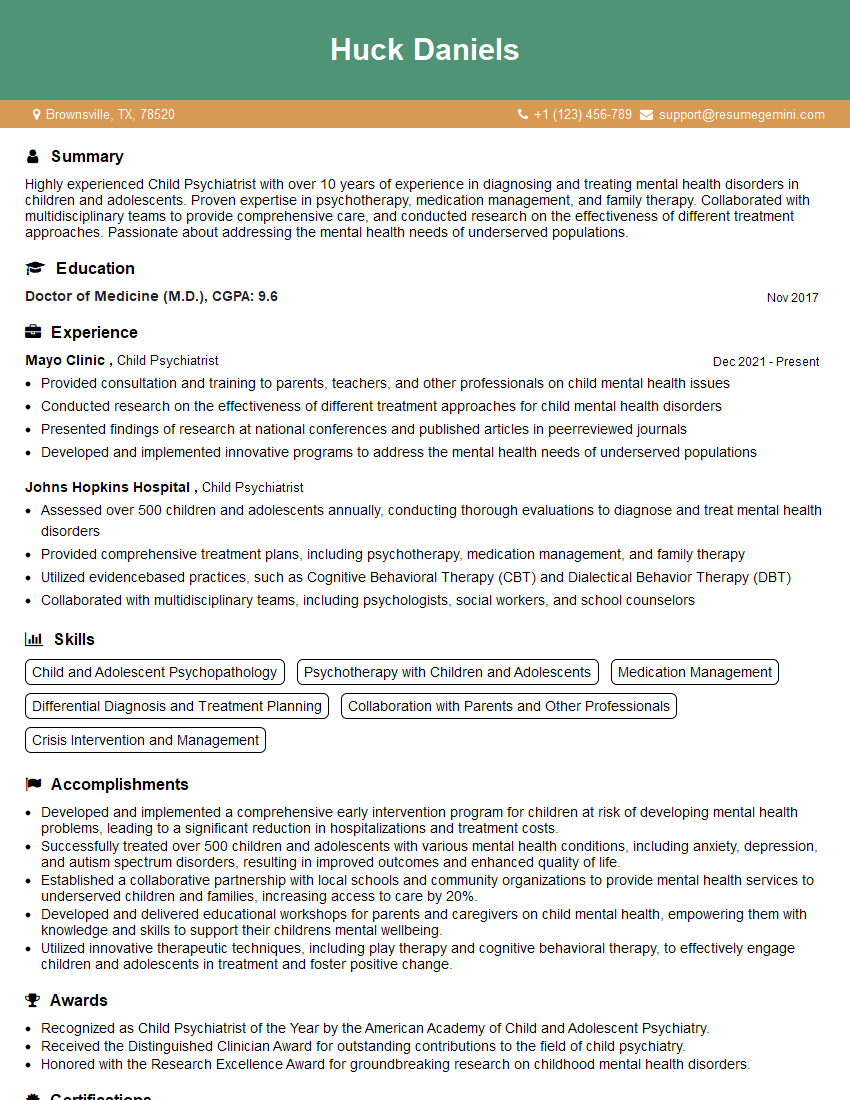
Child Psychiatrist Resume Sample
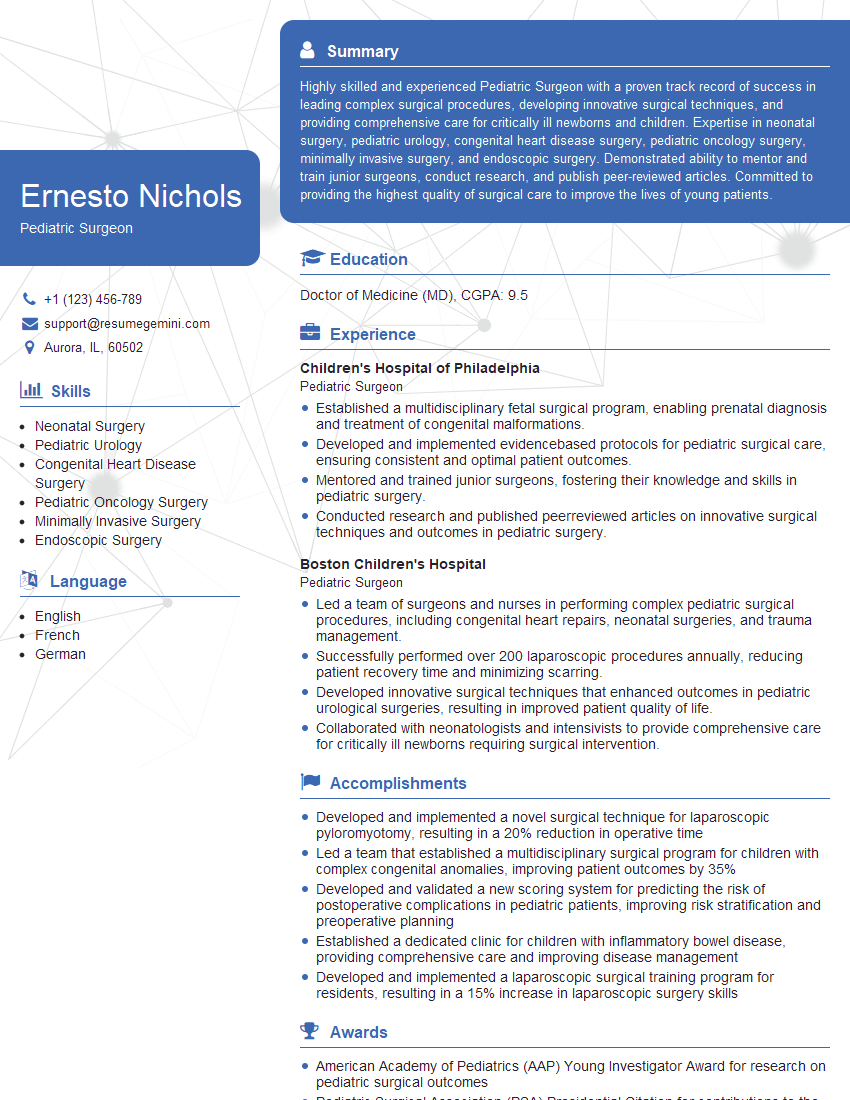
Pediatric Surgeon Resume Sample

Neonatologist Resume Sample
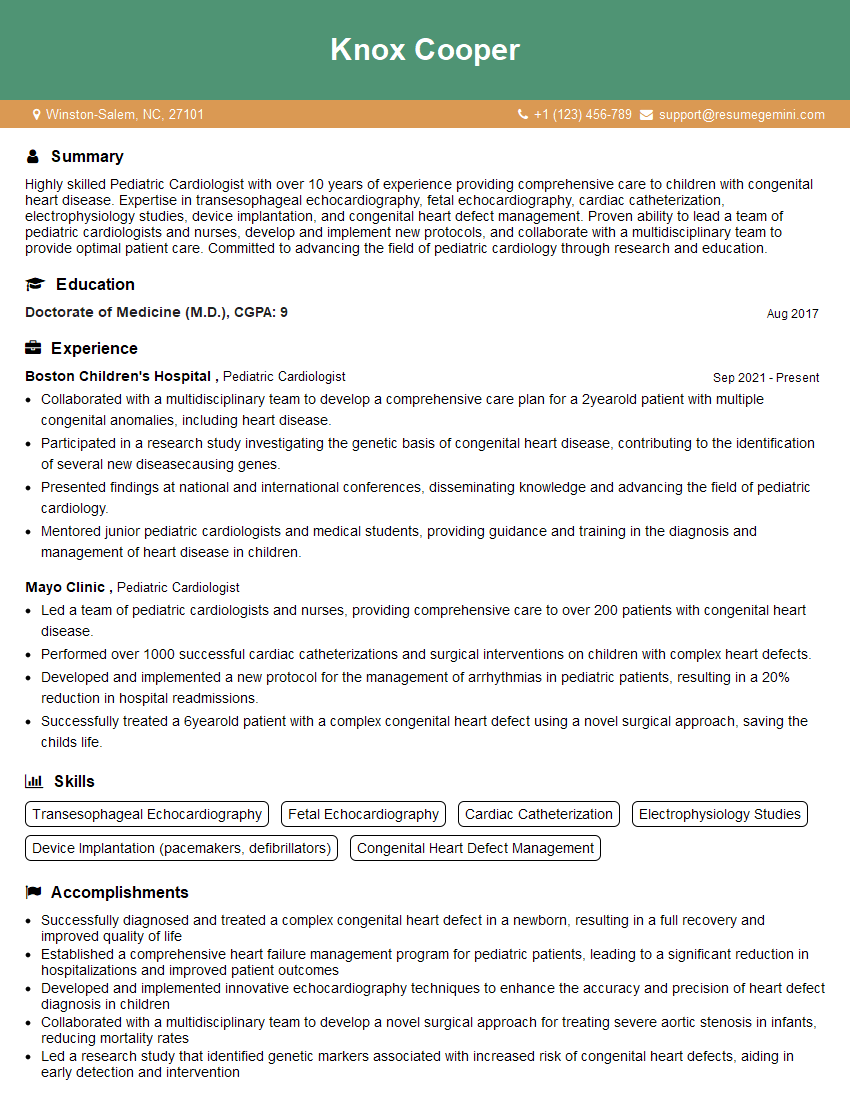
Pediatric Cardiologist Resume Sample
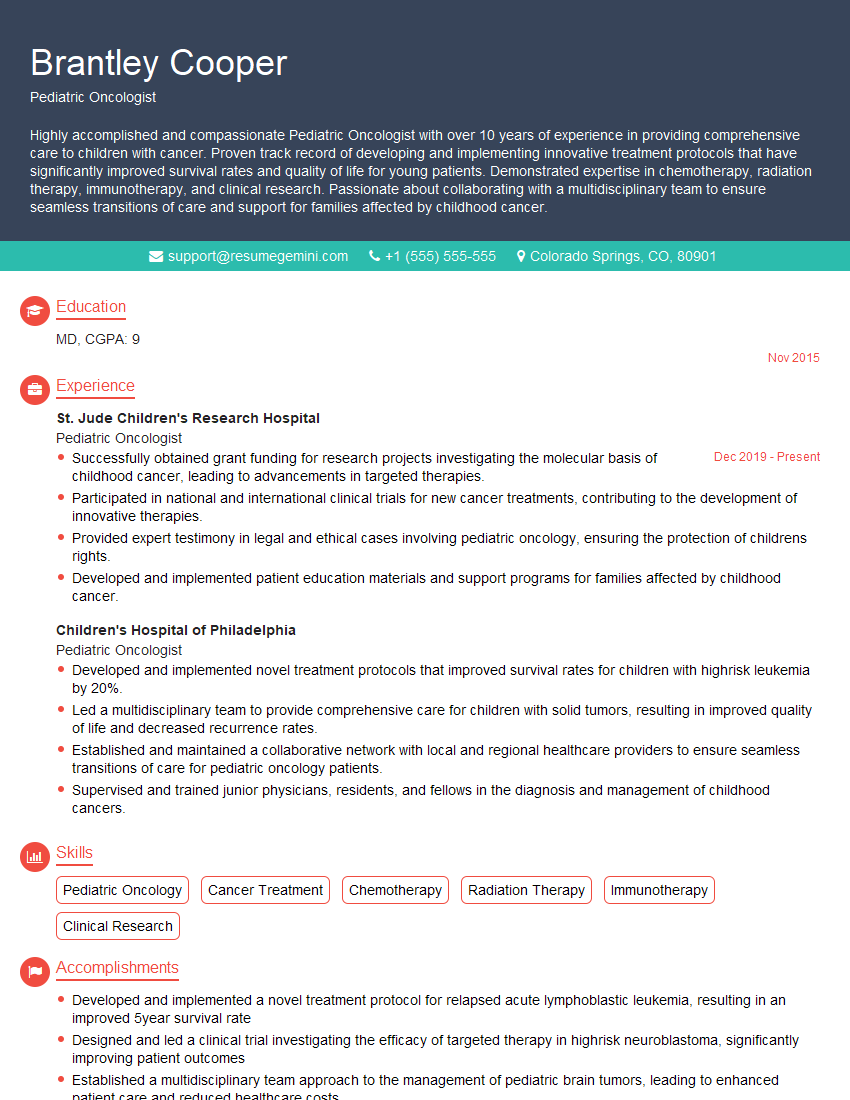
Pediatric Oncologist Resume Sample
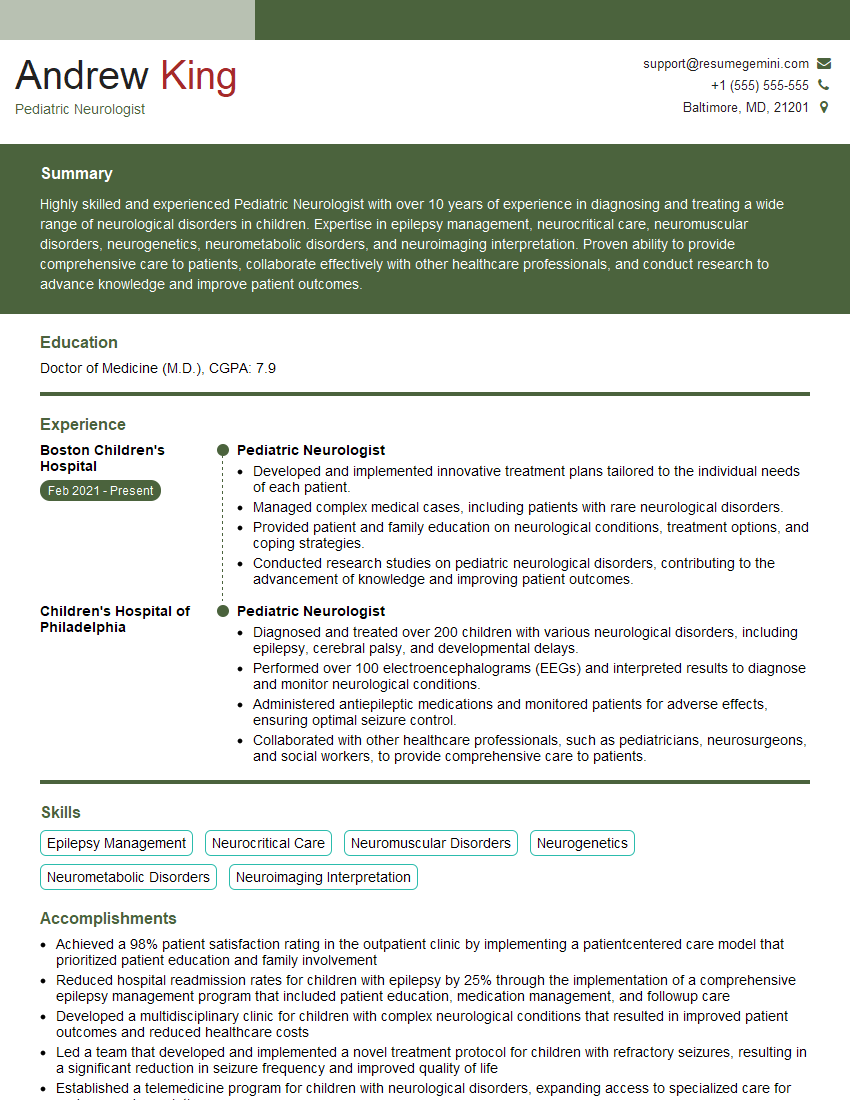
Pediatric Neurologist Resume Sample

Pediatric Pathologist Resume Sample

Pediatric Radiologist Resume Sample
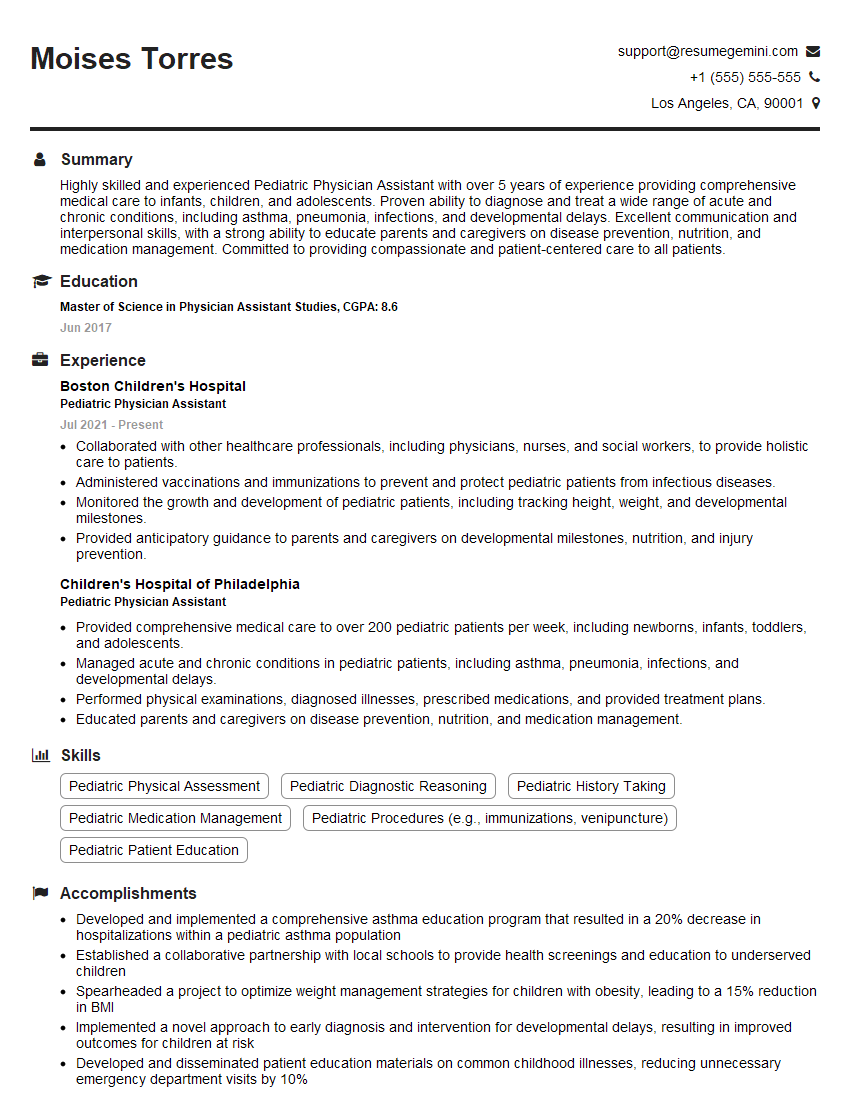
Pediatric Physician Assistant Resume Sample
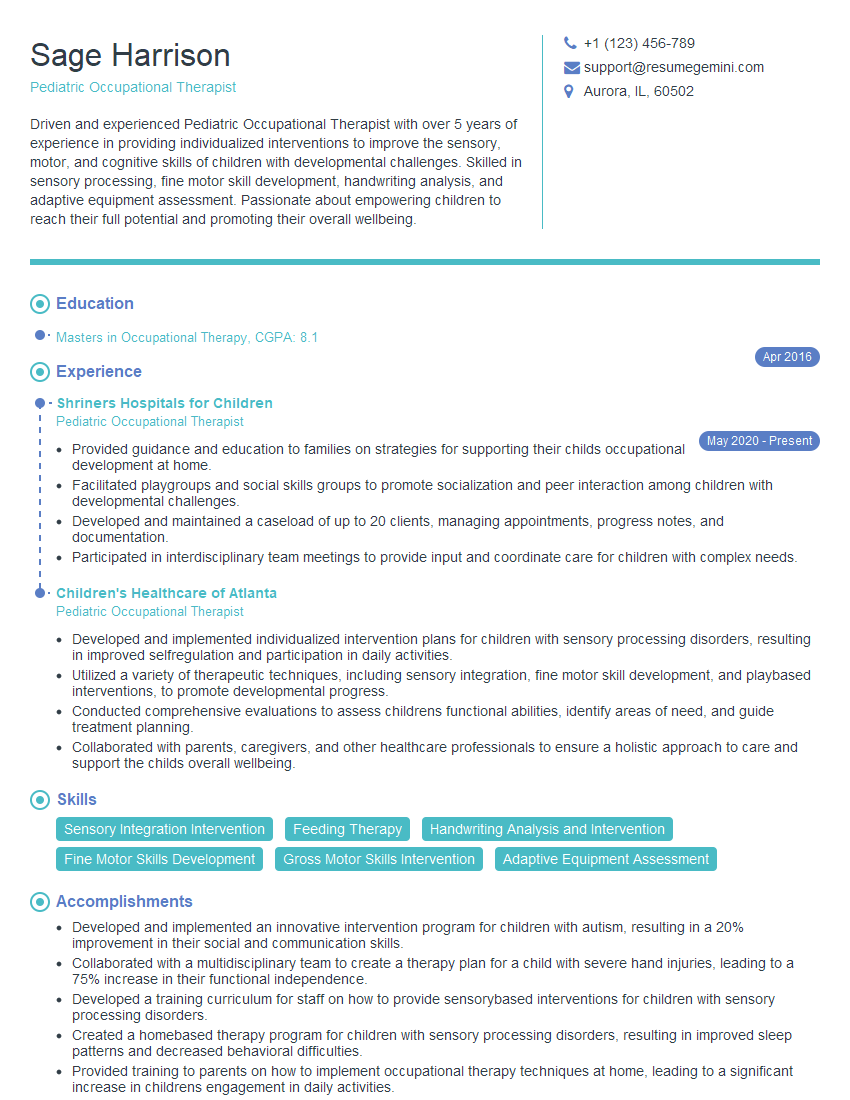
Pediatric Occupational Therapist Resume Sample

Pediatric Physical Therapist Resume Sample

Neonatal Nurse Practitioner Resume Sample

Pediatric Nurse Practitioner Resume Sample
- Child Psychologist
- Child Psychiatrist
- Pediatric Surgeon
- Neonatologist
- Pediatric Cardiologist
- Pediatric Oncologist
- Pediatric Neurologist
- Pediatric Pathologist
- Pediatric Radiologist
- Pediatric Physician Assistant
- Pediatric Occupational Therapist
- Pediatric Physical Therapist
- Neonatal Nurse Practitioner
- Pediatric Nurse Practitioner
Explore more articles
Users Rating of Our Blogs
Share Your Experience
We value your feedback! Please rate our content and share your thoughts (optional).
What Readers Say About Our Blog
To the interviewgemini.com Webmaster.
Very helpful and content specific questions to help prepare me for my interview!
Thank you
To the interviewgemini.com Webmaster.
This was kind of a unique content I found around the specialized skills. Very helpful questions and good detailed answers.
Very Helpful blog, thank you Interviewgemini team.