The thought of an interview can be nerve-wracking, but the right preparation can make all the difference. Explore this comprehensive guide to Nutritional Counseling and Feeding Disorders Management interview questions and gain the confidence you need to showcase your abilities and secure the role.
Questions Asked in Nutritional Counseling and Feeding Disorders Management Interview
Q 1. Explain the difference between a food allergy and a food intolerance.
Food allergies and intolerances both involve adverse reactions to food, but they differ significantly in their underlying mechanisms and severity. A food allergy is a true immune response. The body’s immune system mistakenly identifies a harmless food protein (allergen) as a threat, triggering a cascade of reactions that can range from mild (hives, itching) to life-threatening (anaphylaxis). This reaction is mediated by IgE antibodies. In contrast, a food intolerance is not an immune response. It involves a digestive system issue where the body lacks the enzymes to properly break down a particular food, leading to symptoms like bloating, gas, diarrhea, or abdominal pain. The reaction is generally less severe than a food allergy and doesn’t involve IgE antibodies.
Example: A peanut allergy might cause a life-threatening anaphylactic reaction, while lactose intolerance leads to digestive discomfort after consuming dairy products.
Q 2. Describe the nutritional needs of a child with cystic fibrosis.
Children with cystic fibrosis (CF) have unique nutritional needs due to the disease’s impact on digestion and absorption. The faulty gene in CF affects the production of mucus, leading to thick, sticky mucus that clogs the pancreas, preventing the release of digestive enzymes. This results in malabsorption of fats, proteins, and other essential nutrients. Therefore, children with CF require a high-calorie, high-protein, high-fat diet with supplemental pancreatic enzymes to aid digestion and nutrient absorption. They often need increased amounts of fat-soluble vitamins (A, D, E, and K) and electrolytes, like sodium and chloride. Monitoring growth parameters, stool consistency, and nutrient levels are crucial to assess the effectiveness of nutritional management.
Example: A child with CF might need to consume a diet rich in healthy fats like avocado, olive oil, and nuts, along with protein sources like meat, fish, and beans. Enzyme replacement therapy will allow them to break down these nutrients, enhancing absorption. Regular monitoring by a registered dietitian is crucial for adjusting the nutritional plan as the child grows and their needs change.
Q 3. What are the common signs and symptoms of ARFID (Avoidant Restrictive Food Intake Disorder)?
Avoidant Restrictive Food Intake Disorder (ARFID) is characterized by a persistent disturbance of eating or feeding manifested by persistent failure to meet appropriate nutritional and/or energy needs. Unlike anorexia nervosa, ARFID is not driven by body image concerns or weight control. The symptoms can vary greatly but often include:
- Limited food variety: Eating only a very small range of foods, often bland or low in nutritional value.
- Concerns about sensory characteristics: Avoiding foods based on texture, smell, or taste.
- Fear of choking or vomiting: This can restrict food intake significantly.
- Lack of interest in food: Appetite may be reduced or absent.
- Significant weight loss or nutritional deficiencies: This is a serious consequence of inadequate food intake.
Example: A child with ARFID might only eat plain pasta, refusing all other foods due to texture or taste preferences. This restricted diet can lead to significant health issues, including growth problems and nutritional deficiencies.
Q 4. Outline a treatment plan for a patient with anorexia nervosa.
Treatment for anorexia nervosa is a complex and multidisciplinary process that typically involves a team of professionals, including a physician, registered dietitian, therapist, and psychiatrist. A comprehensive treatment plan generally includes:
- Medical stabilization: Addressing any immediate health risks, such as electrolyte imbalances or cardiac issues.
- Nutritional rehabilitation: Gradually increasing food intake to meet nutritional needs, often starting with small, frequent meals. This is done in collaboration with a dietitian, mindful of the patient’s emotional state.
- Psychotherapy: Addressing underlying emotional and psychological issues that contribute to the eating disorder. Cognitive behavioral therapy (CBT) and family-based therapy (FBT) are often used.
- Medication: May be used to address co-occurring conditions such as depression or anxiety.
- Long-term monitoring: Regular follow-up appointments to monitor weight, nutritional status, and mental health.
Example: The initial focus may be on restoring weight and addressing any medical complications. Then, therapy would help the patient explore the root causes of their eating disorder, such as trauma or low self-esteem, while working with a dietitian to re-establish a healthy relationship with food.
Q 5. How would you approach a patient with picky eating habits?
Addressing picky eating requires a patient and understanding approach. Avoid power struggles and instead focus on creating a positive and supportive environment around food. Here’s a multi-pronged approach:
- Modeling: Show the child you enjoy eating a variety of foods.
- Repeated exposure: Offer new foods repeatedly, without pressure. It may take multiple exposures before a child accepts a new food.
- Involve the child: Let them participate in meal preparation and grocery shopping.
- Positive reinforcement: Praise and celebrate attempts, not just success.
- Avoid labeling: Don’t label the child as a “picky eater”.
- Create a pleasant mealtime: Make mealtimes enjoyable and stress-free.
- Consult a professional: If picky eating is severe and impacting health, seek the help of a registered dietitian or therapist.
Example: Instead of forcing a child to eat broccoli, offer small amounts alongside their preferred foods. Gradually increase the portion size over time. Celebrate their effort even if they only take a small bite. If concerns exist, a registered dietitian specializing in feeding disorders should be consulted.
Q 6. What are some effective strategies for managing childhood obesity?
Managing childhood obesity requires a holistic approach focusing on lifestyle changes rather than quick fixes. Strategies should be tailored to the individual child and family and involve several key components:
- Healthy diet: Emphasize whole, unprocessed foods like fruits, vegetables, whole grains, and lean proteins. Limit sugary drinks, processed foods, and fast food.
- Regular physical activity: Aim for at least 60 minutes of moderate-to-vigorous physical activity per day. Encourage activities the child enjoys.
- Family involvement: Engage the whole family in healthy lifestyle changes. Parents and caregivers play a crucial role in modeling healthy habits and creating a supportive environment.
- Behavioral interventions: Teach children about healthy eating habits and portion control. Address emotional eating and other behavioral factors contributing to obesity.
- Professional support: Consult a pediatrician, registered dietitian, or behavioral therapist for personalized guidance and support.
Example: A family might incorporate regular walks after dinner, prepare healthy meals together, and limit screen time to encourage more physical activity. A registered dietitian can help them develop a meal plan tailored to the child’s age, activity level, and preferences. Professional support is invaluable for navigating challenges and maintaining long-term success.
Q 7. Explain the role of fiber in the digestive system.
Fiber, a type of carbohydrate, plays a vital role in maintaining a healthy digestive system. It’s not digested by the body but adds bulk to the stool, promoting regular bowel movements. There are two main types of fiber:
- Soluble fiber: Dissolves in water and forms a gel-like substance, helping to lower cholesterol and blood sugar levels. Found in oats, beans, apples, and citrus fruits.
- Insoluble fiber: Doesn’t dissolve in water and adds bulk to the stool, preventing constipation. Found in wheat bran, vegetables, and whole grains.
Fiber helps prevent constipation, promotes regular bowel movements, supports gut health by feeding beneficial bacteria, and contributes to feelings of fullness, aiding in weight management. Adequate fiber intake is crucial for overall digestive health and well-being.
Example: Consuming a diet rich in fruits, vegetables, and whole grains provides ample fiber, promoting healthy digestion and reducing the risk of digestive problems like constipation and diverticulitis.
Q 8. Describe the nutritional implications of celiac disease.
Celiac disease is an autoimmune disorder triggered by gluten consumption, a protein found in wheat, barley, and rye. The nutritional implications are significant because the immune response damages the villi in the small intestine, hindering nutrient absorption. This malabsorption leads to various deficiencies.
- Malnutrition: The inability to absorb vital nutrients like carbohydrates, fats, proteins, vitamins (especially fat-soluble vitamins A, D, E, and K), and minerals (iron, calcium, zinc) results in weight loss, fatigue, and general malnutrition.
- Iron-deficiency anemia: Impaired iron absorption leads to anemia, causing fatigue, weakness, and shortness of breath.
- Osteoporosis: Reduced calcium and vitamin D absorption contributes to weak bones and increased risk of fractures.
- Nutrient deficiencies specific to malabsorption: Deficiencies in folate, vitamin B12, and other micronutrients can lead to neurological problems, growth retardation, and other complications.
- Lactose intolerance: The intestinal damage can also cause secondary lactose intolerance, making dairy consumption difficult.
Managing celiac disease nutritionally involves a strict gluten-free diet, along with possible supplementation to address specific deficiencies. Regular blood tests and monitoring are crucial to ensure the diet’s effectiveness and detect any developing deficiencies. For example, a patient might require iron supplements to address anemia or vitamin D supplements to prevent osteoporosis.
Q 9. What are the different types of feeding tubes and their applications?
Feeding tubes are used to provide nutrition and hydration when oral intake is insufficient or impossible. Several types exist, each with specific applications:
- Nasogastric (NG) tube: Inserted through the nose and into the stomach. Used for short-term nutritional support (e.g., post-surgery recovery, temporary inability to eat).
- Nasoduodenal (ND) tube or Nasojejunal (NJ) tube: Inserted through the nose and into the duodenum (ND) or jejunum (NJ), sections of the small intestine. Used when gastric emptying is slow or compromised (e.g., gastroparesis).
- Gastrostomy (G-tube) tube: A surgically placed tube directly into the stomach. Used for long-term nutritional support (e.g., patients with swallowing disorders, severe neurological conditions).
- Jejunostomy (J-tube) tube: A surgically placed tube directly into the jejunum. Used for similar reasons to G-tubes, particularly if there are issues with gastric emptying or reflux.
The choice of tube depends on various factors including the patient’s condition, anticipated duration of tube feeding, and potential complications. For instance, a patient recovering from a stroke might initially use an NG tube for temporary support, while a person with cerebral palsy might require a long-term G-tube for consistent nutrition.
Q 10. How would you assess a patient’s nutritional status?
Assessing a patient’s nutritional status is a multifaceted process involving several methods. It’s crucial to consider the individual’s medical history, lifestyle, and current condition.
- Anthropometric measurements: Height, weight, BMI (Body Mass Index), waist circumference – provide an overall picture of body composition and potential weight issues.
- Biochemical data: Blood tests assess levels of key nutrients (e.g., albumin, pre-albumin, hemoglobin, vitamin levels), offering insights into nutrient deficiencies or imbalances.
- Dietary assessment: Detailed analysis of food intake (24-hour recall, food frequency questionnaire, food diaries) identifies potential dietary inadequacies or excesses.
- Clinical assessment: Physical examination identifies signs and symptoms of malnutrition (e.g., muscle wasting, edema, dry skin).
- Patient history: Detailed medical, social, and dietary history aids in a comprehensive understanding of the individual’s nutritional needs and challenges.
For instance, a patient with low hemoglobin levels would indicate potential iron deficiency, while a low albumin level could suggest protein deficiency. Combining these assessments paints a clear picture and allows for a personalized nutritional intervention plan.
Q 11. Explain the concept of nutrient density.
Nutrient density refers to the amount of essential nutrients (vitamins, minerals, protein, fiber) present in a food relative to its calorie content. Foods high in nutrient density offer a significant nutritional benefit for relatively few calories.
Think of it this way: a cup of broccoli offers a substantial amount of vitamins, minerals, and fiber for relatively few calories, making it nutrient-dense. Conversely, a sugary soda provides a lot of calories but very few nutrients, making it nutrient-poor. Prioritizing nutrient-dense foods in the diet is a cornerstone of healthy eating and maximizing nutritional intake within caloric goals.
Examples of nutrient-dense foods include fruits, vegetables, lean meats, whole grains, and legumes. A dietitian helps patients strategize meals and snacks to incorporate a large proportion of nutrient-dense foods to optimize their health and well-being.
Q 12. Describe different methods for calculating caloric needs.
Calculating caloric needs depends on several factors: age, sex, activity level, body composition, and health status. Several methods exist:
- Harris-Benedict Equation: A widely used formula that estimates basal metabolic rate (BMR), the energy expended at rest. Activity factors are then added to estimate total daily energy expenditure (TDEE).
- Mifflin-St Jeor Equation: Another commonly used equation for estimating BMR, often considered more accurate than the Harris-Benedict equation, especially for individuals who are obese or frail.
- Indirect calorimetry: A sophisticated method that directly measures energy expenditure through gas exchange analysis. This is often used in hospital settings for critically ill patients.
For example, BMR (Harris-Benedict) = 655 + (9.6 x weight in kg) + (1.85 x height in cm) - (4.7 x age in years). Then, an activity factor is multiplied by the BMR to account for physical activity. While these equations provide estimates, individual needs may vary. Clinical judgment and patient monitoring are key to ensure the accuracy of caloric intake.
Q 13. What are some common nutritional deficiencies and their consequences?
Several nutritional deficiencies are common, each with specific consequences:
- Iron deficiency: Leads to anemia, characterized by fatigue, weakness, pale skin, and shortness of breath.
- Vitamin D deficiency: Weakens bones, increasing the risk of osteoporosis and fractures. Can also affect immune function.
- Calcium deficiency: Contributes to osteoporosis and weak bones, potentially leading to fractures and decreased bone density.
- Iodine deficiency: Impairs thyroid function, potentially leading to hypothyroidism with symptoms like fatigue, weight gain, and cognitive impairment.
- Zinc deficiency: Affects immune function, wound healing, and taste perception. Can lead to growth retardation in children.
- Vitamin B12 deficiency: Causes anemia (pernicious anemia), neurological problems, and cognitive impairment.
The consequences of these deficiencies can be severe, emphasizing the importance of a balanced diet or targeted supplementation when necessary. A thorough assessment is crucial to identify and address these deficiencies effectively, preventing long-term health problems. For example, a vegetarian patient may need B12 supplements since it’s primarily found in animal products.
Q 14. How do you address family dynamics when working with a patient with a feeding disorder?
Addressing family dynamics is crucial when working with a patient with a feeding disorder. Families play a significant role in the patient’s eating behaviors and overall well-being. A collaborative, family-centered approach is essential.
- Family education: Educate the family about the disorder, its causes, and its impact on the patient’s physical and emotional health.
- Identify family dynamics: Assess how family interactions influence eating behaviors. Are there power struggles, anxiety around mealtimes, or conflicting views on eating?
- Develop a collaborative plan: Work with the family to establish realistic goals and strategies for managing the feeding disorder. This might involve changes in mealtime routines, strategies for reducing anxiety, or addressing conflicts.
- Empowerment and support: Empower the family with knowledge and skills to support the patient and implement the agreed-upon plan. Provide ongoing support and address any concerns or challenges they encounter.
- Professional support: If family conflicts are severe or impede progress, family therapy or counseling might be necessary.
For example, if a family is overly controlling regarding food, a therapist might help them establish healthier boundaries. The entire family needs to be on board to successfully address and resolve a feeding disorder. Patience, empathy, and open communication are vital in this process.
Q 15. Describe your experience with different feeding therapy techniques.
My experience encompasses a wide range of feeding therapy techniques, tailored to individual needs and diagnoses. I utilize a combination of approaches, including:
- Behavioral techniques: These involve positive reinforcement, shaping, and systematic desensitization to help children overcome anxieties and aversions surrounding food. For instance, I might use a reward chart to motivate a child to try new foods or increase their intake of disliked foods.
- Sensory-based techniques: Many feeding disorders stem from sensory sensitivities. I incorporate strategies like adjusting food textures, temperatures, and presentation to make eating more tolerable. For example, a child with tactile defensiveness might benefit from using specific utensils or eating foods with a particular texture.
- Family-based approaches: Feeding disorders often impact the entire family. I work closely with parents and caregivers, providing education, support, and guidance on managing mealtimes and reducing mealtime stress. This often involves modifying family meal routines and dynamics.
- Nutritional counseling: This forms the cornerstone of my approach. I carefully assess nutrient intake and create personalized meal plans to ensure adequate nutrition while accommodating the patient’s preferences and limitations.
The selection of techniques is always individualized and depends on the specific presentation of the feeding disorder, age of the patient, and their overall developmental level. I regularly adapt my approach based on the patient’s response and progress.
Career Expert Tips:
- Ace those interviews! Prepare effectively by reviewing the Top 50 Most Common Interview Questions on ResumeGemini.
- Navigate your job search with confidence! Explore a wide range of Career Tips on ResumeGemini. Learn about common challenges and recommendations to overcome them.
- Craft the perfect resume! Master the Art of Resume Writing with ResumeGemini’s guide. Showcase your unique qualifications and achievements effectively.
- Don’t miss out on holiday savings! Build your dream resume with ResumeGemini’s ATS optimized templates.
Q 16. How do you collaborate with other healthcare professionals?
Collaboration is crucial in managing feeding disorders. I regularly work with:
- Pediatricians and Gastroenterologists: To rule out underlying medical conditions and manage any gastrointestinal issues that may be contributing to the feeding problem.
- Speech-Language Pathologists (SLPs): To address oral-motor difficulties and swallowing disorders, which often play a role in feeding challenges. They often handle oral-motor exercises and techniques.
- Occupational Therapists (OTs): To manage sensory processing difficulties that can affect eating habits. They may focus on improving tactile sensitivity or addressing postural support during meals.
- Psychologists and Psychiatrists: To address any underlying anxiety, depression, or other mental health concerns that may be influencing eating behaviors.
- Parents and caregivers: As primary caregivers, their active involvement is essential for consistent implementation of therapy plans at home.
This collaborative model ensures a holistic approach, maximizing the chances of successful intervention. We regularly meet to discuss progress, adjust strategies, and ensure that all interventions are coordinated.
Q 17. What are your strategies for motivating patients to adopt healthy eating habits?
Motivating patients to adopt healthy eating habits involves a multifaceted approach that moves beyond simple lecturing or imposing restrictions.
- Positive reinforcement and rewards: I use reward systems, not bribes, to encourage positive behaviors, emphasizing progress, not perfection. This helps build confidence and a positive association with healthy choices.
- Involving patients in the process: Giving patients choices in selecting foods within a healthy framework fosters a sense of control and ownership. Letting them help plan meals or choose recipes can enhance engagement.
- Education and empowerment: I provide clear, age-appropriate education about nutrition, explaining the benefits of healthy eating in a relatable way. For example, discussing how healthy foods can provide energy for their favorite activities.
- Modeling healthy behaviors: My own healthy habits serve as an example, promoting a positive eating environment.
- Creating a positive and supportive atmosphere: Mealtimes should be enjoyable and stress-free. I help families establish relaxed and positive mealtime routines.
The key is to focus on gradual, sustainable changes rather than drastic overhauls. Celebrating small victories along the way reinforces progress and boosts motivation.
Q 18. How do you handle patient resistance or non-compliance?
Patient resistance or non-compliance requires a compassionate yet firm approach. It’s essential to understand the underlying reasons for resistance, which may include:
- Fear or anxiety related to food: This could stem from past negative experiences, sensory sensitivities, or trauma.
- Lack of understanding: The patient may not fully grasp the importance of healthy eating or the benefits of the recommended changes.
- Power struggles: Resistance can be a manifestation of a power struggle, particularly in children or adolescents.
My approach includes:
- Open communication: Creating a safe space for the patient to express concerns and fears without judgment.
- Active listening: Truly understanding their perspective and addressing their specific needs and concerns.
- Collaboration and negotiation: Working with the patient to create a plan that incorporates their preferences and accommodates their limitations. This might involve gradual introduction of new foods or adjusting meal routines.
- Adjusting strategies: If initial strategies prove ineffective, modifying the approach based on the patient’s response is critical.
- Seeking support: Collaborating with other professionals, such as psychologists, to address underlying emotional or behavioral issues that may be contributing to resistance.
The goal is to build trust and rapport, making the process of adopting healthy eating habits feel less like a battle and more like a collaborative journey towards improved well-being.
Q 19. Describe a successful case study involving a patient with a feeding disorder.
I successfully worked with a young girl, Lily, who presented with Avoidant/Restrictive Food Intake Disorder (ARFID). She had a severely limited diet, consuming only a handful of foods and exhibiting intense anxiety around trying anything new. She was significantly underweight and experiencing nutritional deficiencies.
Our approach involved:
- Building a trusting relationship: We started by focusing on building rapport and understanding her fears and anxieties. I spent time getting to know her interests and preferences, making her feel safe and comfortable.
- Sensory exploration: Initially, we focused on exploring different food textures and aromas without pressure to eat. We used play-based activities involving food to desensitize her to new experiences.
- Gradual introduction of new foods: We started with small, manageable steps, introducing one new food at a time and using positive reinforcement.
- Family involvement: Her parents were actively involved in the process, learning to manage mealtimes in a supportive and stress-free manner.
- Monitoring nutritional intake: Regular monitoring of her weight and nutrient levels ensured we were addressing her nutritional deficiencies.
Over several months, Lily gradually expanded her diet. Her anxiety around food significantly reduced, and her weight and nutritional status improved considerably. This success demonstrates the effectiveness of a tailored approach that prioritizes building trust and addresses underlying anxieties.
Q 20. What is your understanding of the ethical considerations in nutritional counseling?
Ethical considerations in nutritional counseling are paramount. My practice is guided by principles of:
- Confidentiality: Protecting patient information and respecting their privacy is essential. I adhere strictly to HIPAA regulations.
- Informed consent: Patients must fully understand the treatment plan, its risks and benefits, before proceeding. I ensure they are actively involved in decision-making.
- Competence: I stay up-to-date on the latest research and best practices in nutrition and feeding disorders. I only provide services within my scope of expertise.
- Objectivity: I avoid personal biases and prioritize the patient’s best interests. I always make recommendations based on evidence and scientific consensus.
- Non-discrimination: I provide equal access to quality care, regardless of race, ethnicity, gender, sexual orientation, or other personal characteristics.
- Avoiding conflicts of interest: I maintain transparency and avoid any situations where personal gain could compromise my professional judgment. For example, I do not recommend specific brands or supplements for personal profit.
Ethical practice ensures a safe and supportive environment where patients can trust in my expertise and commitment to their well-being.
Q 21. Explain the role of micronutrients in overall health.
Micronutrients, including vitamins and minerals, are essential for numerous bodily functions, playing a crucial role in overall health. They are needed in relatively small amounts compared to macronutrients (carbohydrates, proteins, and fats), but their absence can lead to significant health problems.
- Vitamins: These organic compounds are involved in numerous metabolic processes, including energy production, immune function, and cell growth. Deficiencies can lead to various health issues; for example, Vitamin D deficiency can result in weakened bones, while Vitamin B12 deficiency can cause anemia.
- Minerals: These inorganic elements are structural components of tissues and play roles in enzyme activity, nerve impulse transmission, and muscle contraction. Examples include iron (essential for oxygen transport), calcium (critical for bone health), and zinc (important for immune function). Deficiencies can result in a range of problems, from impaired growth to increased risk of infection.
Maintaining adequate micronutrient intake is crucial for preventing deficiencies and supporting optimal health. This is achieved through a balanced diet including a wide variety of fruits, vegetables, whole grains, and lean protein. In some cases, supplementation may be necessary, particularly for individuals with specific dietary restrictions or increased micronutrient needs.
It’s important to note that excessive intake of certain micronutrients can also be harmful, highlighting the importance of balanced intake and seeking professional advice before using supplements.
Q 22. Describe different types of bariatric surgery and post-operative nutritional care.
Bariatric surgery aims to help individuals with severe obesity lose weight by altering the gastrointestinal system. Several types exist, each with its own post-operative nutritional care plan.
- Gastric Bypass (Roux-en-Y): This procedure creates a small pouch at the top of the stomach and bypasses a portion of the small intestine. Post-op, patients need to follow a strict liquid diet progressing to pureed foods, then soft foods over several months. Nutrient deficiencies are common and require supplementation, particularly vitamin B12, iron, and calcium.
- Sleeve Gastrectomy: A large portion of the stomach is removed, leaving a smaller, sleeve-shaped stomach. Post-op, patients transition from liquids to soft foods, then solids, but portion sizes remain limited. Focus is on nutrient-dense foods to prevent deficiencies.
- Adjustable Gastric Banding: An inflatable band is placed around the upper part of the stomach, restricting food intake. Nutritional care focuses on eating slowly, chewing thoroughly, and choosing nutrient-dense foods in smaller portions. Supplementation may be needed depending on individual needs.
- Biliopancreatic Diversion with Duodenal Switch (BPD/DS): This is a more complex procedure involving both gastric restriction and intestinal bypass. Post-op nutritional care is highly individualized and requires close monitoring for malabsorption issues and potential deficiencies. A multivitamin supplement is almost always necessary.
In all cases, post-operative nutritional care includes close monitoring by a dietitian, regular blood work to check for nutrient deficiencies, and education on proper dietary habits to ensure long-term success and prevent complications. For example, I recently worked with a patient post gastric bypass who developed iron-deficiency anemia. By carefully monitoring her diet and prescribing iron supplements, we were able to effectively manage this complication.
Q 23. How do you incorporate cultural sensitivity in your nutritional counseling?
Cultural sensitivity is paramount in nutritional counseling. It’s not just about dietary preferences; it’s about respecting beliefs, values, and practices surrounding food. For instance, I’ve worked with clients of various cultural backgrounds where certain foods hold significant cultural meaning, influencing their eating patterns and choices.
My approach involves:
- Open-ended questions: Encouraging clients to share their food histories, cultural traditions, and any dietary restrictions or preferences they may have.
- Active listening: Understanding the context of food choices, considering their spiritual or social implications.
- Collaboration: Working together to develop a personalized eating plan that aligns with their cultural beliefs and lifestyle, not dictating specific choices but guiding towards healthier alternatives that maintain cultural integrity.
- Recipe adaptation: Helping clients modify traditional dishes to reduce calories or increase nutritional value while still respecting their cultural preferences. For example, I once worked with a client from the Middle East who loved traditional dishes, but found it hard to make them healthier. We worked together to find healthy alternatives, swapping ingredients and making some adjustments to maintain the dishes’ taste while also improving its nutritional profile.
Ignoring cultural factors can lead to poor compliance and ineffective treatment. By integrating cultural understanding into my practice, I ensure my clients feel respected and supported, leading to better outcomes.
Q 24. What are your strategies for managing food-related anxieties?
Managing food-related anxieties requires a multi-faceted approach combining nutritional strategies with psychological interventions. These anxieties can manifest as disordered eating patterns, restrictive diets, or intense fear around specific foods.
My strategies include:
- Identifying triggers: Working with the client to pinpoint situations, thoughts, or feelings associated with food anxiety.
- Cognitive Behavioral Therapy (CBT) techniques: Helping clients challenge negative thoughts and beliefs about food, body image, and weight. For example, if a client fears gaining weight from eating a particular food, CBT can help them restructure this thought into a more balanced and realistic perspective.
- Exposure therapy: Gradually exposing clients to feared foods in a controlled environment, helping them desensitize to their anxiety.
- Mindfulness practices: Teaching clients to be more present while eating, focusing on the sensory experience of food rather than their anxiety.
- Regular meal planning and structured eating: Establishing a consistent eating pattern to reduce unpredictability and alleviate anxiety around food availability.
It’s essential to collaborate with mental health professionals, such as therapists specializing in eating disorders, for a holistic approach. For example, I collaborate with a therapist who focuses on body image issues when dealing with clients who have anxiety related to weight gain or body shape.
Q 25. Describe your experience with different types of nutritional assessment tools.
Nutritional assessment tools are crucial for a comprehensive understanding of a client’s nutritional status. I utilize a variety of tools, tailoring my selection to individual needs.
- 24-hour dietary recall: A simple method where clients recall everything they ate and drank in the past 24 hours. This provides a snapshot of their current diet but may not always be accurate.
- Food frequency questionnaires: These questionnaires assess how often certain food groups are consumed over a specified period. They are useful for identifying patterns but lack the detail of a 24-hour recall.
- Food diaries: Clients record their food intake over several days, offering a more comprehensive picture of their dietary habits.
- Anthropometric measurements: Measuring height, weight, body mass index (BMI), waist circumference, and other physical parameters to assess body composition.
- Biochemical tests: Blood and urine tests help evaluate nutrient levels, such as iron, vitamin B12, and glucose levels. These are invaluable in diagnosing deficiencies.
I often combine several methods for a more accurate assessment. For instance, I may use a food diary alongside biochemical tests to identify potential nutrient deficiencies and dietary habits contributing to them. The results directly inform the personalized recommendations I provide to my clients.
Q 26. How do you tailor nutritional advice based on individual patient needs and preferences?
Tailoring nutritional advice is fundamental to successful counseling. It’s about understanding the individual’s unique circumstances and preferences, ensuring the plan is realistic and sustainable.
My approach involves:
- Thorough assessment: Gathering information through various assessment methods (as described in the previous answer) to understand their dietary habits, lifestyle, health conditions, preferences, and goals.
- Setting realistic goals: Collaborating with the client to establish achievable goals that fit their lifestyle and preferences, preventing feelings of being overwhelmed or discouraged.
- Personalized meal planning: Creating meal plans that incorporate foods the client enjoys and that meet their dietary needs and restrictions. I might use apps or websites to help clients visualize and plan their meals.
- Flexibility and adjustments: Regularly reviewing and adjusting the plan based on progress, challenges, and feedback from the client.
- Education and empowerment: Providing education on healthy eating principles and empowering clients to make informed food choices independently.
For example, I recently worked with a busy professional who wanted to improve their diet but lacked time for extensive meal preparation. We developed a plan incorporating quick, healthy meals and snacks, utilizing meal prepping techniques to streamline their weekly routines. This approach addressed their specific constraints while enabling dietary improvement.
Q 27. How would you counsel a patient with diabetes on their dietary intake?
Counseling a patient with diabetes focuses on managing blood glucose levels through dietary choices. The key is to emphasize consistent carbohydrate intake, balanced meals, and portion control.
My approach includes:
- Carbohydrate counting: Educating the patient on how to count carbohydrates in their meals and snacks to control blood sugar spikes and crashes.
- Glycemic index (GI) and glycemic load (GL): Explaining how different carbohydrates affect blood glucose levels and recommending lower GI foods for better blood sugar management.
- Meal timing and frequency: Recommending regular meal intervals to prevent extreme fluctuations in blood glucose.
- Fiber intake: Encouraging high-fiber foods, as they can slow down carbohydrate absorption and improve blood sugar control.
- Healthy fat and protein: Incorporating healthy fats and lean proteins to increase satiety and balance blood glucose.
- Portion control: Helping the patient understand appropriate portion sizes to maintain a healthy weight and blood glucose levels.
- Hydration: Encouraging adequate water intake for overall health and blood sugar regulation.
I also collaborate with their healthcare team, including their physician and endocrinologist, to ensure a holistic approach that integrates dietary changes with medication management and regular blood glucose monitoring. I also work with the patient to find ways to incorporate their favorite foods into their meal plan in moderation, making it more sustainable and enjoyable.
Q 28. What is your approach to working with patients with gastrointestinal issues?
Working with patients with gastrointestinal (GI) issues requires a nuanced approach that addresses both their nutritional needs and GI symptoms. The dietary recommendations depend heavily on the specific condition.
My approach involves:
- Detailed medical history: A thorough understanding of the patient’s diagnosis, symptoms, and current treatment plan is crucial. This includes understanding the type of GI issue, if any medications are being taken, and the severity of the symptoms.
- Individualized dietary modifications: Adjustments might involve eliminating trigger foods, modifying food textures, increasing fiber intake (if tolerated), or restricting certain nutrients. For example, a patient with irritable bowel syndrome (IBS) might benefit from a low FODMAP diet, whereas a patient with Crohn’s disease might need an anti-inflammatory diet.
- Symptom tracking: Encouraging patients to track their food intake and GI symptoms to identify potential triggers and patterns. This data will greatly help in determining food intolerances or sensitivities.
- Collaboration with healthcare professionals: Close communication with gastroenterologists, surgeons, and other relevant specialists to ensure the dietary plan is compatible with the overall treatment strategy.
- Gradual introduction of foods: Avoiding significant dietary changes all at once; gradual changes are more likely to be successful and reduce the likelihood of digestive distress. I use this approach particularly when starting a patient on a restrictive diet like the low FODMAP diet.
For example, a patient with celiac disease would require a gluten-free diet. This includes thorough education on hidden sources of gluten and ensuring food choices are safe and nutritious. It’s vital to work closely with the patient and address the challenges and anxieties often associated with such dietary restrictions.
Key Topics to Learn for Nutritional Counseling and Feeding Disorders Management Interview
- Nutritional Assessment & Diagnosis: Understanding anthropometric measurements, biochemical indicators, and dietary history analysis to identify nutritional deficiencies and imbalances related to feeding disorders.
- Feeding Disorders: Differentiating between various feeding disorders (ARFID, Pica, etc.), understanding their etiology, and outlining assessment and intervention strategies.
- Medical Nutrition Therapy (MNT): Applying MNT principles to develop individualized meal plans and address specific nutritional needs based on diagnosis and individual circumstances. Practical application includes case studies and adapting plans to meet patient needs and preferences.
- Behavioral Interventions: Familiarize yourself with evidence-based behavioral therapies for feeding disorders, such as positive reinforcement and exposure therapy. Consider how to integrate these techniques effectively into your counseling approach.
- Family-Based Interventions: Understanding the family’s role in the management of feeding disorders and developing collaborative strategies involving caregivers.
- Ethical Considerations & Professional Boundaries: Review ethical guidelines related to confidentiality, informed consent, and working with vulnerable populations.
- Communication & Counseling Skills: Mastering effective communication techniques for building rapport with patients and families, actively listening, and providing empathetic support.
- Collaboration with Multidisciplinary Teams: Understanding the importance of collaborating with physicians, psychologists, speech therapists, and other healthcare professionals in a team-based approach.
- Documentation & Record Keeping: Mastering appropriate documentation methods and adhering to professional standards for maintaining accurate and comprehensive patient records.
- Current Research & Trends: Staying up-to-date on the latest research and advancements in the field of nutritional counseling and feeding disorders management.
Next Steps
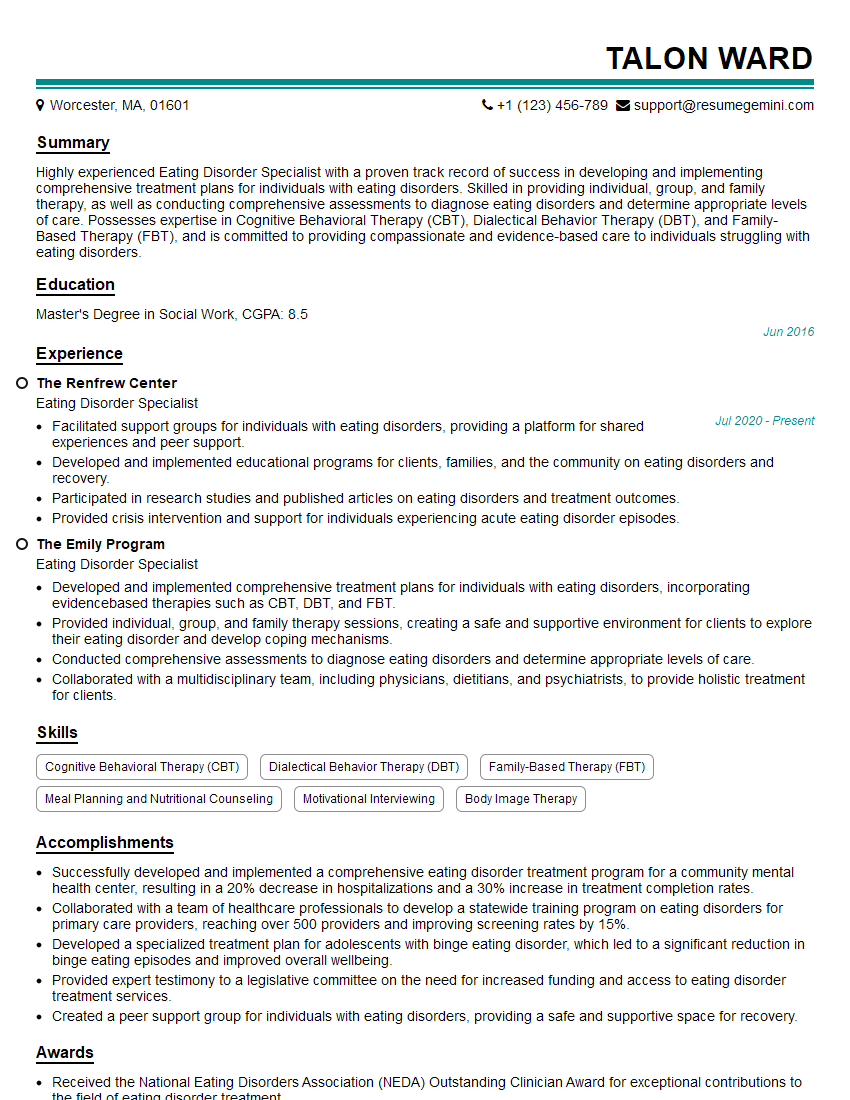
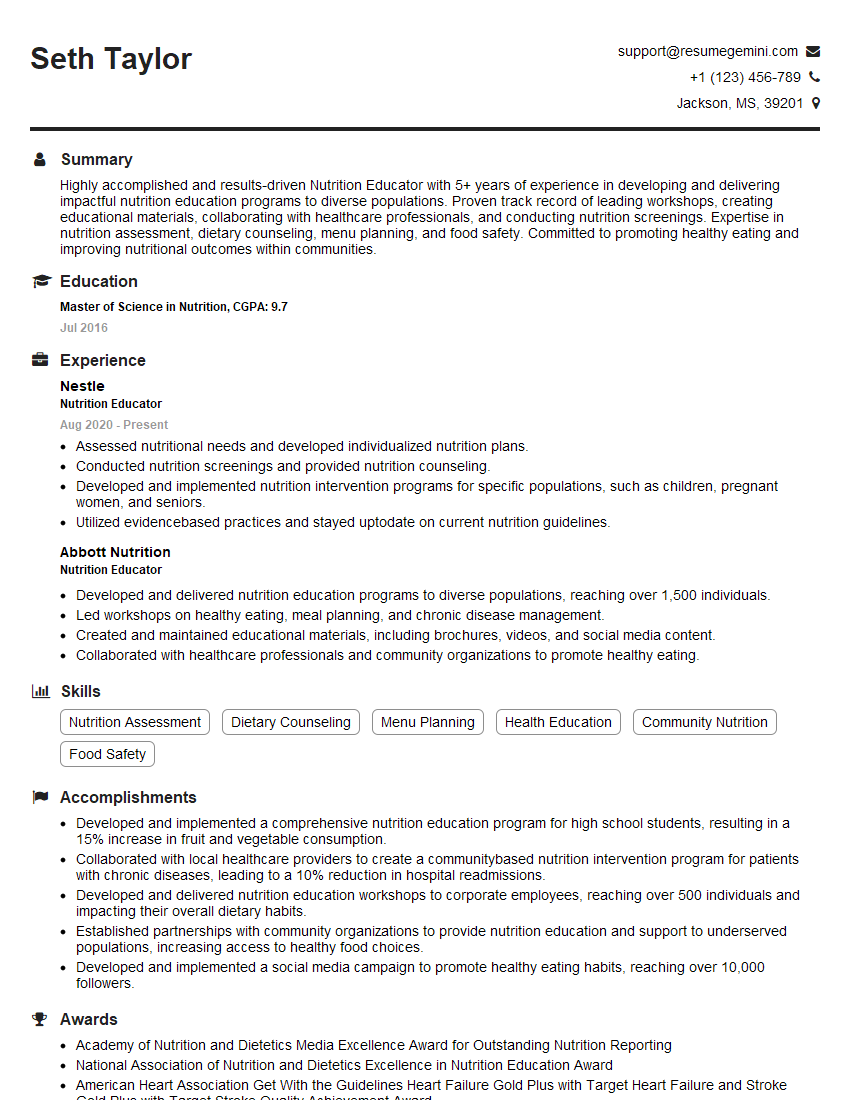
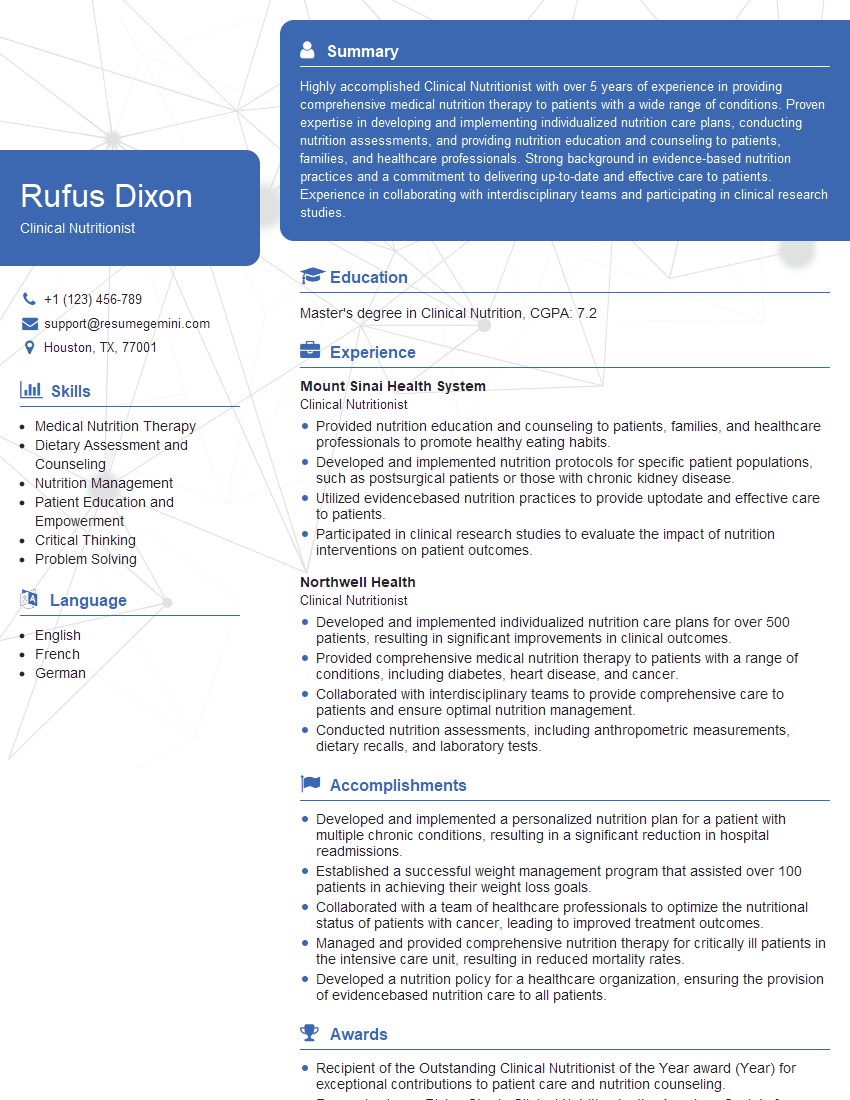
Mastering Nutritional Counseling and Feeding Disorders Management is crucial for a thriving career. It opens doors to diverse roles and allows you to make a significant impact on the lives of individuals and families struggling with these challenges. To maximize your job prospects, crafting an ATS-friendly resume is essential. ResumeGemini is a trusted resource to help you build a professional resume that stands out. We offer examples of resumes tailored specifically to Nutritional Counseling and Feeding Disorders Management to guide you. Invest time in building a strong resume and showcasing your skills – it’s the key to unlocking your career potential.
Explore more articles
Users Rating of Our Blogs
Share Your Experience
We value your feedback! Please rate our content and share your thoughts (optional).
What Readers Say About Our Blog
To the interviewgemini.com Webmaster.
Very helpful and content specific questions to help prepare me for my interview!
Thank you
To the interviewgemini.com Webmaster.
This was kind of a unique content I found around the specialized skills. Very helpful questions and good detailed answers.
Very Helpful blog, thank you Interviewgemini team.