Every successful interview starts with knowing what to expect. In this blog, we’ll take you through the top Scan & Solve interview questions, breaking them down with expert tips to help you deliver impactful answers. Step into your next interview fully prepared and ready to succeed.
Questions Asked in Scan & Solve Interview
Q 1. Explain the Scan & Solve methodology in your own words.
Scan & Solve is a structured problem-solving methodology that emphasizes a systematic approach to identifying and resolving issues. It’s like being a detective: you first thoroughly examine the crime scene (Scan phase) to gather clues and understand the situation, and then you develop and implement a plan to catch the culprit (Solve phase). The method prioritizes efficiency and effectiveness by focusing on the root cause, rather than just treating symptoms.
Q 2. Describe a situation where you used Scan & Solve to solve a problem. What were the results?
During a recent project involving a significant drop in website conversion rates, we employed Scan & Solve. The Scan phase involved analyzing website traffic data, A/B testing results, user feedback surveys, and competitor analysis. We identified several potential issues, including slow page load times, confusing navigation, and a lack of compelling calls to action. The Solve phase focused on implementing solutions: we optimized images to improve page speed, redesigned the navigation for better user experience, and A/B tested different call-to-action buttons. The results were a 25% increase in conversion rates within three months, demonstrating the power of this systematic approach.
Q 3. What are the key steps involved in the Scan phase of Scan & Solve?
The Scan phase is all about gathering information and understanding the problem’s context. Key steps include:
- Defining the problem: Clearly articulating the issue and its impact.
- Data gathering: Collecting relevant data from various sources, such as logs, metrics, user feedback, and documentation.
- Data analysis: Identifying patterns, trends, and anomalies in the collected data.
- Root cause identification (preliminary): Formulating initial hypotheses about the underlying causes of the problem. This is often iterative and refined as more data is gathered and analyzed.
- Problem scoping: Defining the boundaries of the problem and establishing clear objectives.
Q 4. How do you identify the root cause of a problem using Scan & Solve?
Identifying the root cause is crucial and often requires a combination of techniques. We use the ‘5 Whys’ technique to drill down to the core issue by repeatedly asking ‘why’ until we get to the fundamental cause. For instance, if website conversion is down (Why 1?), it’s because of low click-through rates on ads (Why 2?), which is due to poor ad copy (Why 3?), which is because of a lack of market research (Why 4?), leading to a misalignment between our target audience and messaging (Why 5?). We supplement this with data analysis to confirm or refute our hypotheses. Data visualization techniques like Pareto charts can help us identify the most significant contributing factors.
Q 5. What are some common tools or techniques used in the Solve phase of Scan & Solve?
The Solve phase involves developing and implementing solutions. Tools and techniques commonly used include:
- Brainstorming sessions: Generating a wide range of potential solutions.
- Prioritization matrices: Evaluating potential solutions based on factors like impact and feasibility.
- Prototyping and testing: Creating and testing potential solutions before full-scale implementation.
- Process improvement methodologies (e.g., Lean, Six Sigma): Implementing structured approaches to optimize processes and workflows.
- Project management tools: Tracking progress, managing resources, and coordinating efforts.
Q 6. How do you prioritize potential solutions when using Scan & Solve?
Prioritizing potential solutions is critical to ensure efficient resource allocation. We use a prioritization matrix, often a simple table with axes representing ‘impact’ and ‘feasibility’. Solutions are plotted on this matrix, with those in the high-impact, high-feasibility quadrant prioritized first. Qualitative factors, such as risk and cost, are also considered. We might use a weighted scoring system to quantitatively compare options if necessary, giving different weights to the different criteria based on project objectives and constraints.
Q 7. Describe your experience with data analysis techniques used in Scan & Solve.
My experience encompasses a wide range of data analysis techniques within the Scan & Solve framework. I’m proficient in using SQL for database querying, statistical software (like R or Python with libraries such as Pandas and Scikit-learn) for statistical modeling and hypothesis testing. I also leverage data visualization tools (Tableau, Power BI) to effectively communicate findings. For example, in analyzing website traffic, I might use regression analysis to identify the correlation between page load times and bounce rates, or conduct A/B testing analysis to determine the statistically significant difference between different website designs. This data-driven approach ensures our solutions are based on evidence rather than assumptions.
Q 8. How do you handle conflicting information or data while using Scan & Solve?
Conflicting information is a common hurdle in Scan & Solve projects. Think of it like trying to assemble a puzzle with some pieces that don’t quite fit. My approach involves a multi-step process: 1. Identification: I meticulously identify all sources of conflicting data, noting inconsistencies and discrepancies. This often involves cross-referencing multiple datasets. 2. Validation: I then assess the credibility and reliability of each data source. This might involve checking data provenance, examining methodologies used for data collection, and looking for potential biases. 3. Reconciliation: Based on validation, I prioritize the most reliable sources. If the conflict persists, I might employ statistical methods (e.g., weighted averages) or qualitative judgment, based on my understanding of the context and the business problem, to resolve the discrepancies. 4. Documentation: The entire conflict resolution process, including the rationale behind the chosen solution, is meticulously documented. This transparency is vital for auditing and ensuring future consistency.
For instance, in a project analyzing sales data, we might find discrepancies between point-of-sale data and inventory data. By validating both, perhaps discovering a glitch in the POS system, we’d reconcile the data, document the cause, and then use the corrected information to draw accurate conclusions.
Q 9. How do you ensure the solutions you propose are feasible and practical?
Feasibility and practicality are paramount in Scan & Solve. Solutions aren’t just about finding answers; they must be implementable within the constraints of the real world. I ensure feasibility by considering several key factors: 1. Resource Availability: Will the solution require resources – time, budget, personnel – that aren’t readily available? 2. Technological Constraints: Does the solution require specific technologies or software, and are these accessible? 3. Operational Limitations: Can the solution be integrated into existing workflows and processes without causing significant disruption? 4. Stakeholder Buy-In: Have I addressed potential concerns or objections from key stakeholders? I’ve found that involving stakeholders early in the process significantly increases the likelihood of a solution’s adoption.
For example, proposing a completely new software system to improve efficiency might be a great solution conceptually, but it may not be feasible due to budget or time constraints. A more practical, though possibly less impactful, solution might be streamlining existing processes using simple workflow improvements.
Q 10. How do you measure the success of a Scan & Solve project?
Success in a Scan & Solve project isn’t solely defined by finding a solution, but by its impact. I measure success through a combination of quantitative and qualitative metrics. Quantitative Metrics: These might include: improved efficiency (e.g., reduced processing time, increased throughput), cost savings, improved accuracy in predictions, or a measurable reduction in errors. Qualitative Metrics: These focus on the broader impact. Did the solution improve stakeholder satisfaction? Did it enhance decision-making processes? Did it lead to a better understanding of the problem and its root causes?
For a client facing a supply chain issue, success might be measured by a quantifiable reduction in delivery times and a qualitative assessment of improved client satisfaction as a result of the implemented solution.
Q 11. What are some common challenges encountered when using Scan & Solve?
Common challenges in Scan & Solve often revolve around data quality, stakeholder engagement, and the complexity of the problems themselves. Data Quality Issues: Incomplete, inaccurate, or inconsistent data can significantly hinder analysis. Stakeholder Management: Securing buy-in from all stakeholders, managing expectations, and effectively communicating findings can be complex. Problem Complexity: Many real-world problems are multifaceted and interconnected, requiring a nuanced understanding to develop effective solutions. Time Constraints: Projects often have tight deadlines, requiring efficient and focused analysis.
For example, a lack of clear data definitions can lead to misinterpretations, and resistance to change from stakeholders can hinder the implementation of even the best solutions.
Q 12. How do you adapt the Scan & Solve methodology to different types of problems?
The Scan & Solve methodology is adaptable, its core principles remain consistent while the approach is tailored to the problem. For simpler problems, a more streamlined approach might suffice. For complex problems requiring extensive data analysis, a more iterative and detailed approach is needed. The key is to remain flexible and adjust the steps and techniques based on the specific context.
For example, a simple inventory management problem might only require data analysis and a few recommendations, whereas a large-scale strategic planning effort might involve multiple iterations, stakeholder workshops, and advanced modeling techniques.
Q 13. Describe your experience with different data visualization techniques.
My experience spans various data visualization techniques, selecting the best based on the nature of the data and the audience. I’m proficient in using charts and graphs such as bar charts, line charts, scatter plots, heatmaps, and treemaps. For hierarchical data, treemaps or dendrograms are particularly effective. For spatial data, maps are crucial. Beyond basic charts, I’m comfortable creating dashboards and interactive visualizations using tools like Tableau and Power BI, allowing for dynamic exploration of the data.
For example, a line chart might effectively show trends over time, while a heatmap could highlight geographic variations or correlations between variables. The choice depends heavily on the insights one wants to convey.
Q 14. How proficient are you with [specific software/tools relevant to Scan & Solve, e.g., SQL, Excel, Tableau]?
My proficiency with SQL, Excel, and Tableau is high. I’m comfortable writing complex SQL queries to extract and manipulate data from relational databases. In Excel, I’m proficient in using advanced functions (VLOOKUP, Pivot Tables, etc.) for data analysis and manipulation. With Tableau, I can create interactive dashboards and visualizations, communicating complex data findings clearly and efficiently. I also have experience with Python libraries such as Pandas and NumPy for data cleaning, analysis, and visualization. This combination allows me to handle diverse data analysis tasks effectively.
For instance, I’ve used SQL to extract sales data from a database, cleaned it using Python, analyzed it in Excel, and finally presented the key insights using interactive visualizations in Tableau.
Q 15. How do you communicate complex technical information to non-technical audiences?
Communicating complex technical information to non-technical audiences requires a shift in perspective and a focus on clear, concise language. Instead of using jargon, I prioritize analogies and relatable examples. For instance, explaining data clustering in a Scan & Solve context, I might use the analogy of sorting laundry – similar items (data points) are grouped together based on their characteristics (attributes). I also use visuals – charts, graphs, and diagrams – to make abstract concepts more easily digestible. Finally, I tailor my communication to the audience’s level of understanding, focusing on the ‘what’ and ‘why’ before diving into the ‘how’. In a recent project, I explained the implications of a complex regression model to senior management by focusing on the predicted impact on revenue and market share, rather than getting bogged down in the statistical details.
Career Expert Tips:
- Ace those interviews! Prepare effectively by reviewing the Top 50 Most Common Interview Questions on ResumeGemini.
- Navigate your job search with confidence! Explore a wide range of Career Tips on ResumeGemini. Learn about common challenges and recommendations to overcome them.
- Craft the perfect resume! Master the Art of Resume Writing with ResumeGemini’s guide. Showcase your unique qualifications and achievements effectively.
- Don’t miss out on holiday savings! Build your dream resume with ResumeGemini’s ATS optimized templates.
Q 16. What are some ethical considerations when using data analysis in Scan & Solve?
Ethical considerations in using data analysis within a Scan & Solve framework are paramount. Data privacy is a major concern; we must ensure compliance with regulations like GDPR and CCPA, anonymizing data where possible and obtaining informed consent before using any personally identifiable information. Another key aspect is avoiding bias in data selection and analysis. We need to actively identify and mitigate potential biases, whether they are algorithmic (biases embedded in the models) or human (biases introduced during data collection or interpretation). Furthermore, the results of our analysis must be presented transparently and honestly, avoiding the temptation to selectively highlight findings that support pre-conceived notions. Finally, it’s crucial to consider the broader societal impact of our work. For example, if our analysis leads to recommendations that disproportionately affect certain demographics, we must address those implications.
Q 17. How do you handle ambiguity and uncertainty during the problem-solving process?
Ambiguity and uncertainty are inherent in many Scan & Solve projects. My approach involves a structured process: First, I clearly define the problem statement, breaking it down into smaller, more manageable components. Then, I employ a variety of techniques to address uncertainty, such as scenario planning (considering various possible outcomes) and sensitivity analysis (examining how changes in input parameters affect the results). I actively seek out and incorporate diverse perspectives from stakeholders to gain a broader understanding of the problem and potential solutions. Finally, I embrace iterative problem-solving, acknowledging that our understanding of the problem may evolve as we gather more data and feedback. This iterative process allows for course correction and adaptation as new information emerges.
Q 18. Describe your experience with stakeholder management in a Scan & Solve project.
Stakeholder management is crucial in Scan & Solve. In my experience, this involves proactively identifying and engaging all relevant stakeholders early in the project. This includes establishing clear communication channels and regularly updating stakeholders on progress. I utilize various techniques to understand their needs and concerns, such as conducting interviews, surveys, and workshops. Crucially, I strive to build consensus and foster collaboration among stakeholders who may have differing perspectives or priorities. For example, in a recent project involving supply chain optimization, I facilitated a series of workshops to bring together representatives from procurement, logistics, and manufacturing to identify shared objectives and develop a mutually agreeable solution. Addressing concerns and managing expectations consistently prevents conflict and ensures buy-in for the final recommendations.
Q 19. How do you ensure the accuracy and reliability of the data used in Scan & Solve?
Ensuring data accuracy and reliability is fundamental to the success of any Scan & Solve project. My approach involves several steps: First, I meticulously assess the source and quality of the data. I verify data completeness, accuracy, and consistency through data validation techniques and checks. I look for missing values, outliers, and inconsistencies that could bias the results. Secondly, I employ appropriate data cleaning and pre-processing techniques to address any identified issues. This might involve handling missing data (e.g., imputation), removing outliers (when justifiable), or transforming data to meet the assumptions of chosen analytical methods. Finally, I conduct rigorous checks and validation to confirm the accuracy and reliability of the cleaned data before starting the analysis. Regular audits and checks throughout the Scan & Solve process ensure that the data integrity is maintained.
Q 20. How do you manage time effectively during a Scan & Solve project?
Effective time management in Scan & Solve requires a structured approach. I start by developing a detailed project plan with clear timelines and milestones. This plan is broken down into smaller tasks, assigned responsibilities, and critical path identification. I regularly monitor progress against the plan using project management tools and techniques (such as Gantt charts or Agile methodologies). I prioritize tasks based on their urgency and importance, focusing on high-impact activities first. Furthermore, I build buffer time into the schedule to account for unforeseen delays. Regular progress meetings with the team and stakeholders are essential for identifying potential issues and proactively adjusting the plan as needed. Flexibility and adaptability are key to effective time management in a dynamic Scan & Solve environment.
Q 21. How do you deal with unexpected challenges or roadblocks in a Scan & Solve project?
Unexpected challenges are inevitable in Scan & Solve projects. My approach is to first assess the nature and scope of the challenge. Then, I gather information from various sources to understand the root cause and potential impact. Next, I brainstorm possible solutions with the team, considering a range of options. This often involves leveraging my network of contacts and seeking advice from experts. I then evaluate the potential risks and benefits of each solution and select the most appropriate one based on the available resources and time constraints. It’s crucial to document the challenge, the chosen solution, and the lessons learned to improve future project execution. Finally, I communicate the resolution and any necessary adjustments to the project plan to all stakeholders. For example, encountering unexpected data limitations, I’ve adapted by applying different analytical techniques or by augmenting the existing dataset with external data sources.
Q 22. What is your approach to documenting the Scan & Solve process and findings?
My approach to documenting the Scan & Solve process and findings is meticulous and comprehensive, ensuring clarity, traceability, and future reference. I utilize a structured documentation system that includes several key components:
Project Initiation Document: This document outlines the project goals, scope, timeline, stakeholders, and initial assumptions. It serves as a roadmap for the entire process.
Scan Phase Documentation: This section meticulously details the data gathering process, including sources, methods (interviews, surveys, data analysis), and any limitations encountered. I include a summary of key findings and any identified pain points or opportunities.
Solve Phase Documentation: This documents the proposed solutions, rationale, implementation plan, and any associated risks. It also includes details on chosen methodologies, tools, and technologies used.
Testing and Validation Documentation: This section provides evidence of the solution’s effectiveness. This includes test plans, results, and any adjustments made based on the findings.
Post-Implementation Review: A final document summarizing the entire process, key outcomes, lessons learned, and recommendations for future projects.
Visual Aids: I incorporate visual aids like flowcharts, diagrams, and dashboards to enhance understanding and quick comprehension of complex information. These visual representations are crucial for stakeholder communication and future reference.
All documentation is stored in a centralized, easily accessible location (e.g., a shared drive or project management software) for easy retrieval and collaboration.
Q 23. Explain your understanding of different problem-solving frameworks.
My understanding of problem-solving frameworks encompasses a range of methodologies, each suited to different situations. Some of the most effective include:
Root Cause Analysis (RCA): This is crucial for identifying the underlying causes of problems, not just the symptoms. Techniques like the ‘5 Whys’ are particularly useful for drilling down to the root of the issue. For example, if sales are down, the 5 Whys might reveal a problem with marketing, inadequate product training, or supply chain issues.
Design Thinking: This human-centered approach emphasizes understanding user needs and developing innovative solutions through empathy, prototyping, and iteration. It’s particularly helpful when dealing with complex, ambiguous problems.
Lean Methodology: This focuses on eliminating waste and optimizing processes for efficiency. Tools like Value Stream Mapping are used to identify and remove bottlenecks and streamline workflows. Imagine applying Lean to optimize a manufacturing process to reduce production time and costs.
Agile Methodologies (Scrum, Kanban): These iterative approaches are excellent for managing complex projects and adapting to changing requirements. They involve breaking down projects into smaller, manageable tasks and regularly reviewing progress.
I select the most appropriate framework based on the specific problem and context. Often, I combine elements from multiple frameworks for a more holistic and effective approach.
Q 24. How familiar are you with different data mining techniques?
I’m proficient in various data mining techniques, ranging from basic exploratory data analysis to advanced predictive modeling. My skills encompass:
Descriptive Statistics: Calculating measures of central tendency, variability, and distribution to understand data characteristics.
Data Visualization: Creating charts, graphs, and dashboards to communicate insights effectively. Tools like Tableau and Power BI are invaluable.
Regression Analysis: Modeling relationships between variables to predict outcomes. This is particularly useful for forecasting or understanding causal relationships.
Classification Techniques: Using algorithms like decision trees or support vector machines to categorize data points. This is helpful in identifying customer segments or predicting customer churn.
Clustering Techniques: Grouping similar data points together to uncover patterns and structures in the data. K-means clustering is a common example.
My experience includes using these techniques to identify trends, predict outcomes, and inform decision-making in various Scan & Solve projects. I also understand the ethical implications of data mining and ensure data privacy and security are prioritized.
Q 25. How do you ensure the long-term sustainability of the solutions you implement?
Ensuring the long-term sustainability of implemented solutions requires a multi-faceted approach. It goes beyond just implementing the solution; it’s about embedding it into the organization’s culture and processes:
Training and Knowledge Transfer: Comprehensive training programs for relevant personnel ensure the solution is understood and utilized correctly. This reduces reliance on external experts and fosters ownership.
Documentation and Standardization: Detailed documentation makes the solution easily reproducible and maintainable. Standardization of processes ensures consistency and reduces errors.
Monitoring and Evaluation: Regular monitoring of key performance indicators (KPIs) allows for early detection of potential issues and ensures the solution continues to deliver the intended results. Regular reviews are crucial.
Feedback Mechanisms: Establishing clear channels for feedback from users and stakeholders allows for continuous improvement and adaptation of the solution to changing needs. This ensures the solution remains relevant and effective.
Integration with Existing Systems: Integrating the solution with existing systems and workflows minimizes disruption and ensures seamless operation. This reduces resistance to change and increases adoption.
By focusing on these elements, I aim to ensure solutions are not only effective in the short term but also contribute to lasting improvements within the organization.
Q 26. Describe a situation where you had to make a difficult decision using limited information.
In a previous project, we needed to decide on a new software solution for a client with a tight deadline and limited budget. We had incomplete vendor information and inconsistent user feedback. The decision was challenging because a wrong choice could severely impact project success.
My approach involved a structured decision-making process:
Prioritize Critical Criteria: We identified the most important factors—cost, functionality, integration capabilities, and vendor support—weighing them based on project needs.
Risk Assessment: We analyzed the potential risks associated with each vendor and mitigated them through careful planning and contingency measures.
Data Triangulation: We cross-referenced available information from multiple sources to validate the vendor claims and mitigate information gaps.
Rapid Prototyping: We created a quick prototype using a subset of functionalities from different vendors, allowing us to evaluate user experience and integration possibilities firsthand.
Ultimately, this systematic approach, despite the limited information, allowed us to select a solution that met the client’s needs while minimizing risk. Though the outcome was successful, this situation highlighted the importance of robust risk management and adaptability in Scan & Solve engagements.
Q 27. How do you prioritize tasks when working on multiple Scan & Solve projects simultaneously?
When juggling multiple Scan & Solve projects, prioritization is paramount. I utilize a combination of techniques:
Project Urgency and Impact: I assess each project’s urgency (deadline) and its potential impact on the organization. Projects with high urgency and high impact take precedence.
Dependency Analysis: I identify any interdependencies between projects. Projects that are prerequisites for others are prioritized accordingly.
Resource Allocation: I consider the resources (time, personnel, budget) available for each project and allocate them efficiently. This may involve re-allocating resources as priorities shift.
Regular Review and Adjustment: I regularly review the progress of all projects and adjust priorities as needed based on new information or changing circumstances. This dynamic approach allows for flexibility and responsiveness.
Project Management Tools: I leverage project management tools (e.g., Jira, Asana) to track progress, manage tasks, and collaborate effectively across multiple projects.
This multi-faceted approach ensures that resources are utilized effectively and that critical projects are given the attention they deserve.
Q 28. What are your strengths and weaknesses in the context of Scan & Solve?
My strengths in Scan & Solve lie in my analytical abilities, structured problem-solving approach, and strong communication skills. I am adept at identifying key issues, gathering and analyzing data, and developing effective solutions. I can easily translate complex technical information into understandable terms for non-technical stakeholders. My experience in diverse projects allows me to adapt quickly to new challenges and utilize various methodologies effectively.
One area I am constantly working to improve is my delegation skills. While I enjoy being hands-on, effectively delegating tasks to team members and trusting their expertise is crucial for larger projects and efficient time management. I am actively seeking opportunities to enhance my leadership and delegation skills through mentorship and project experience.
Key Topics to Learn for Scan & Solve Interview
- Data Structures & Algorithms: Understand fundamental data structures like arrays, linked lists, trees, graphs, and their associated algorithms. Focus on efficiency and time/space complexity analysis.
- Problem Decomposition: Practice breaking down complex Scan & Solve problems into smaller, manageable subproblems. Master techniques like divide and conquer and dynamic programming.
- Pattern Recognition: Recognize common problem patterns within Scan & Solve challenges. Familiarize yourself with classic algorithmic paradigms and their applications.
- Coding Proficiency: Demonstrate clean, efficient, and well-documented code in your preferred programming language. Practice writing code that is easy to understand and maintain.
- Optimization Techniques: Explore strategies for optimizing code performance, including algorithmic optimization and data structure selection. Understand the trade-offs between different approaches.
- Testing & Debugging: Develop strong testing and debugging skills to identify and resolve issues effectively. Practice writing unit tests and using debugging tools.
- System Design (If Applicable): Depending on the role, prepare for questions related to system design principles, scalability, and database design. Consider common design patterns and trade-offs.
Next Steps
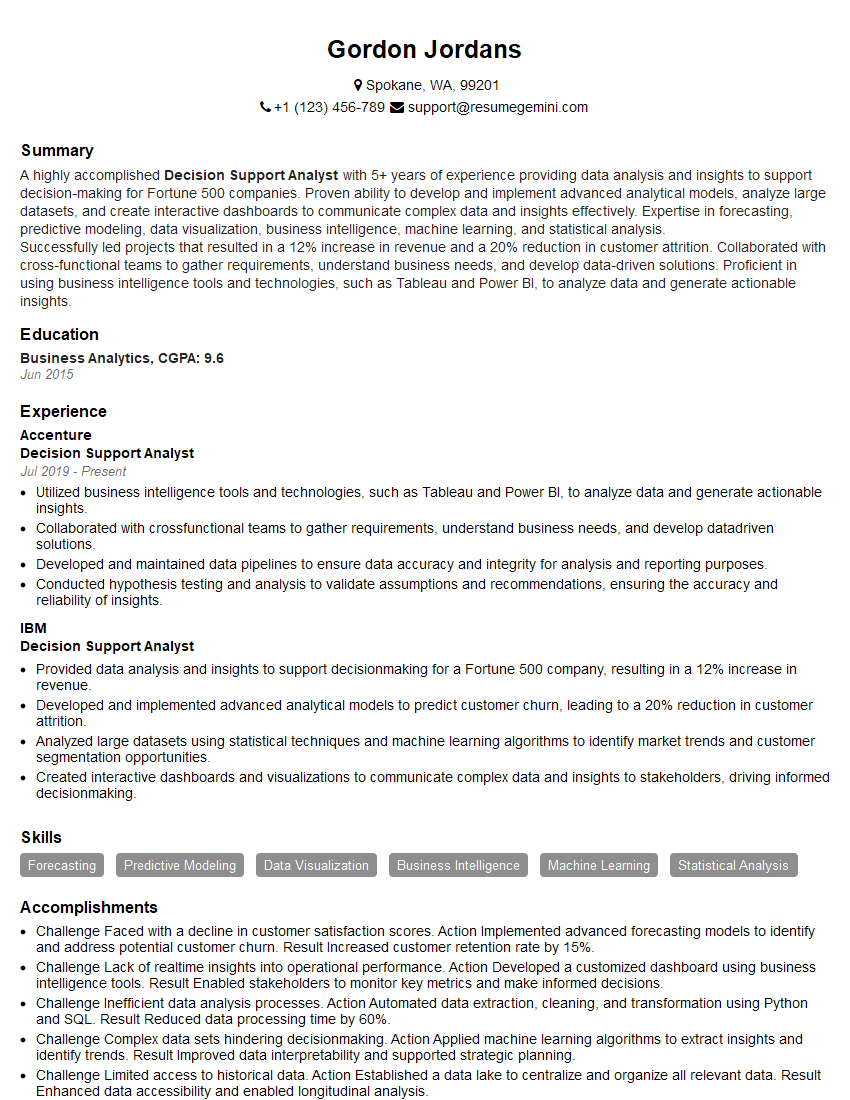
Mastering Scan & Solve techniques is crucial for advancing your career in the technology industry. It demonstrates problem-solving skills highly valued by employers. To maximize your job prospects, creating an ATS-friendly resume is essential. ResumeGemini can help you build a professional and effective resume that highlights your skills and experience. Examples of resumes tailored to Scan & Solve are available to further guide your preparation.
Explore more articles
Users Rating of Our Blogs
Share Your Experience
We value your feedback! Please rate our content and share your thoughts (optional).
What Readers Say About Our Blog
To the interviewgemini.com Webmaster.
Very helpful and content specific questions to help prepare me for my interview!
Thank you
To the interviewgemini.com Webmaster.
This was kind of a unique content I found around the specialized skills. Very helpful questions and good detailed answers.
Very Helpful blog, thank you Interviewgemini team.