Interviews are opportunities to demonstrate your expertise, and this guide is here to help you shine. Explore the essential Diagnosis and Management of Common Pediatric Conditions interview questions that employers frequently ask, paired with strategies for crafting responses that set you apart from the competition.
Questions Asked in Diagnosis and Management of Common Pediatric Conditions Interview
Q 1. Describe your approach to diagnosing a child with recurrent abdominal pain.
Diagnosing recurrent abdominal pain in children requires a systematic approach combining a detailed history, physical examination, and targeted investigations. It’s crucial to remember that ‘recurrent’ usually implies at least three episodes of pain.
History: I begin by thoroughly documenting the pain’s characteristics – location, intensity (using a scale appropriate for the child’s age), duration, timing (relation to meals, activity, stress), associated symptoms (nausea, vomiting, diarrhea, constipation, fever, weight loss, urinary symptoms), and any relieving factors. A detailed family history is also vital, looking for similar issues or conditions.
Physical Examination: A comprehensive exam focuses on the abdomen (tenderness, masses, organomegaly), neurological system (ruling out neurological causes), and growth parameters.
Investigations: Investigations are guided by the history and physical exam. Initial tests might include a complete blood count (CBC), stool analysis for infection or malabsorption, and possibly abdominal imaging (ultrasound) if there’s concern for structural abnormalities. Further investigations such as endoscopy or other specialized studies are considered based on the initial findings. Functional abdominal pain (FAP), a common diagnosis, is largely diagnosed by exclusion after ruling out organic causes.
Example: A 10-year-old girl presents with recurrent abdominal pain for the past 6 months. The pain is periumbilical, intermittent, and not associated with meals. Her physical exam is normal. Initial investigations show no abnormalities. In this case, functional abdominal pain is likely, and I’d focus on supportive care and psycho-social interventions.
Q 2. What are the key differences in managing asthma in children versus adults?
Managing asthma in children differs significantly from adults due to developmental factors affecting airway reactivity and response to treatment.
Key Differences:
- Lung Function Testing: Spirometry is less reliable in young children, often requiring alternative methods like peak expiratory flow (PEF) monitoring.
- Medication Delivery: Inhalers require specific techniques. Children may require spacer devices to improve medication delivery. Younger children often need nebulizers instead of metered-dose inhalers (MDIs).
- Growth and Development: Asthma medications can have growth-related side effects in children, requiring careful monitoring. Dosage adjustments are needed as the child grows.
- Comorbidities: Children with asthma are more prone to other conditions like allergies and eczema, requiring a holistic approach.
- Adherence: Medication adherence is a significant challenge with children, requiring parental involvement and creative strategies.
- Triggers: Identifying and managing triggers is crucial. Common pediatric triggers include viral infections, allergens, and environmental irritants.
Example: A 5-year-old with asthma may require a nebulizer with albuterol for acute exacerbations, while an adult might use an MDI. A child’s medication regimen also needs regular adjustment based on their growth and response to treatment.
Q 3. How would you assess a child presenting with a fever and rash?
Assessing a child with fever and rash requires a systematic approach to determine the underlying cause. This requires a high index of suspicion for serious infections.
History: The history is crucial and should include the duration and pattern of the fever, the onset and characteristics of the rash (location, appearance, evolution), associated symptoms (cough, sore throat, vomiting, diarrhea, joint pain, headache), exposure to infectious agents (recent travel, contact with sick individuals), and immunization history.
Physical Examination: A thorough physical exam includes assessing vital signs (temperature, heart rate, respiratory rate, blood pressure), the rash (morphology, distribution, blanching), lymph nodes, ears, throat, lungs, heart, and abdomen.
Investigations: The investigations depend on the clinical suspicion. Tests may include a CBC, blood culture, urine analysis, and possibly other tests such as a chest X-ray or lumbar puncture if there’s suspicion of meningitis or severe infection.
Example: A child with a high fever, a characteristic petechial rash (small, non-blanching spots), and altered mental status warrants immediate investigation for meningococcemia, a life-threatening condition requiring urgent medical attention.
Q 4. Explain your approach to managing a child with acute otitis media.
Management of acute otitis media (AOM) in children involves a careful balance of watchful waiting, antibiotic therapy, and pain management. The decision to use antibiotics hinges on the severity of symptoms and the age of the child.
Watchful Waiting: For children older than 6 months with mild symptoms and no significant systemic signs, watchful waiting for 48-72 hours may be considered. This allows for the natural resolution of some AOM cases. Regular monitoring of the child’s condition is crucial.
Antibiotic Therapy: Antibiotics are usually indicated in children younger than 6 months, those with severe symptoms (high fever, significant pain, hearing impairment), or those who don’t improve with watchful waiting. Amoxicillin is often the first-line antibiotic.
Pain Management: Pain relief is vital. Acetaminophen or ibuprofen (age-appropriate dosage) can effectively reduce pain and fever.
Follow-up: Follow-up is important to ensure the infection resolves and to check for hearing impairment or recurrence.
Example: A 2-year-old with severe ear pain, fever, and irritability would likely receive antibiotics, along with pain relievers. A 4-year-old with mild symptoms and a normal temperature might be managed with watchful waiting and pain relief.
Q 5. What are the common causes of childhood pneumonia, and how would you differentiate them?
Childhood pneumonia has various causes, with viral infections being the most common. Bacterial and atypical (e.g., Mycoplasma pneumoniae) infections are also significant.
Common Causes:
- Viral: Respiratory syncytial virus (RSV), influenza, parainfluenza viruses are frequent culprits, especially in younger children.
- Bacterial: Streptococcus pneumoniae and Haemophilus influenzae are common bacterial pathogens, particularly in unvaccinated children.
- Atypical: Mycoplasma pneumoniae and Chlamydia pneumoniae cause pneumonia, often characterized by a more gradual onset of symptoms.
Differentiation:
Differentiating between these causes often relies on clinical presentation and investigations. Viral pneumonia usually presents with less severe symptoms than bacterial pneumonia, but this is not always definitive. Chest X-ray findings can help to some extent, but they do not provide definitive diagnosis. Blood tests (CBC) might show an elevated white blood cell count in bacterial infections. Viral cultures and PCR tests can identify specific viruses, while bacterial cultures are used to identify bacteria. Atypical pneumonias often require specific serological testing. The clinical picture and the child’s overall response to treatment often provide the clearest guidance.
Q 6. Describe the diagnostic criteria for attention-deficit/hyperactivity disorder (ADHD) in children.
The diagnosis of Attention-Deficit/Hyperactivity Disorder (ADHD) in children involves a multi-faceted approach relying on clinical observations and diagnostic criteria. It’s not a simple test but rather a careful assessment by a qualified professional.
Diagnostic Criteria (DSM-5): The Diagnostic and Statistical Manual of Mental Disorders, 5th Edition (DSM-5) outlines the criteria for ADHD, emphasizing the presence of inattention and/or hyperactivity-impulsivity symptoms that are:
- Persistent: Symptoms have persisted for at least 6 months.
- Inconsistent with Developmental Level: Symptoms are more severe than typically observed in peers of the same age.
- Present in Multiple Settings: Symptoms occur in at least two settings (e.g., school and home).
- Clinically Significant Impairment: Symptoms cause significant impairment in social, academic, or occupational functioning.
Symptom Categories:
- Inattention: Carelessness, difficulty sustaining attention, poor organization, forgetfulness.
- Hyperactivity-Impulsivity: Fidgeting, difficulty remaining seated, excessive talking, interrupting others, acting without thinking.
Assessment: A comprehensive assessment includes a detailed developmental history, behavioral observations, rating scales (completed by parents and teachers), and possibly neuropsychological testing to rule out other conditions. A thorough evaluation ensures an accurate diagnosis and appropriate treatment plan.
Example: A child consistently displaying inattentive behavior in the classroom, struggling with organization, and frequently interrupting others both at school and at home would warrant further assessment for ADHD.
Q 7. How would you counsel parents regarding the management of childhood obesity?
Counseling parents regarding childhood obesity requires a sensitive, collaborative approach focused on long-term lifestyle changes, not quick fixes. It’s about creating sustainable healthy habits.
Key Counseling Points:
- Family-Based Approach: Involving the entire family in the process is essential. Changes to the home environment, including meal planning and physical activity opportunities, must be a family effort.
- Balanced Diet: Emphasize a balanced diet rich in fruits, vegetables, and whole grains, with limited processed foods, sugary drinks, and unhealthy fats. Small, incremental changes are more effective than drastic restrictions.
- Regular Physical Activity: Encourage at least 60 minutes of moderate-to-vigorous physical activity daily. Find activities the child enjoys to enhance adherence. The focus should be on fun and engagement.
- Screen Time Reduction: Limit screen time (TV, computers, tablets) to reduce sedentary behavior. Establish clear guidelines and family routines.
- Positive Reinforcement: Focus on positive reinforcement and celebrating successes, rather than dwelling on setbacks. Setting realistic goals and rewarding progress is motivational.
- Professional Support: Depending on the child’s age and the severity of obesity, referral to a registered dietitian, a psychologist, or a child and adolescent psychiatrist might be beneficial.
- Avoid Dieting: Restrictive dieting is generally not recommended for children. Instead, focus on healthy eating patterns and lifestyle changes.
Example: Instead of directly banning sugary drinks, a parent might gradually reduce their consumption while increasing the availability of healthy alternatives like water and fruit juice. The focus is on long-term lifestyle change, not temporary restriction.
Q 8. Explain the management of a child with a febrile seizure.
Febrile seizures are convulsions triggered by a high fever in children aged 6 months to 5 years. Management focuses on supportive care and identifying the underlying cause of the fever. The most crucial step is to ensure the child’s airway is clear and they’re breathing adequately.
- Immediate Actions: Stay calm, time the seizure, and gently turn the child onto their side to prevent choking. Do not restrain them or attempt to put anything in their mouth.
- Cooling Measures: Reduce the fever with tepid sponging (lukewarm water, not cold) or antipyretics like acetaminophen or ibuprofen (following age-appropriate dosing guidelines). Avoid using cold baths, as these can cause shivering and further increase body temperature.
- Medical Attention: Seek immediate medical attention if the seizure lasts longer than 5 minutes, the child has difficulty breathing, turns blue, or is unresponsive after the seizure. A thorough evaluation by a physician is necessary to rule out serious underlying conditions like meningitis or encephalitis.
- Post-Seizure Care: After the seizure, monitor the child’s vital signs (temperature, heart rate, breathing), and keep them comfortable until they fully recover. A follow-up appointment with a pediatrician or neurologist is crucial for further assessment and potential preventive measures.
For instance, a 2-year-old presents with a high fever and a generalized seizure lasting 2 minutes. After the seizure subsides, we’d administer acetaminophen, monitor vital signs, and provide reassurance to both the child and the parents. Given the short duration, a full neurological exam and blood tests would follow to identify the cause of the infection (e.g., ear infection, viral illness).
Q 9. What are the signs and symptoms of bacterial meningitis in children?
Bacterial meningitis is a serious infection of the membranes covering the brain and spinal cord. Early recognition is crucial for prompt treatment and improved outcomes. Symptoms can vary, but common signs in children include:
- Fever: Often high and sudden.
- Irritability or lethargy: An unusual change in behavior or sleep pattern.
- Vomiting or diarrhea: Gastrointestinal symptoms are common.
- Headache: This may be difficult to assess in young children.
- Stiff neck (nuchal rigidity): Resistance to neck flexion.
- Bulging fontanelle (in infants): The soft spot on the baby’s head may bulge.
- Photophobia: Sensitivity to light.
- Petechiae or purpura: Tiny red or purple spots on the skin, signifying bleeding under the skin. This is a serious sign.
- Seizures: Convulsions may occur.
A child presenting with a fever, significant irritability, and a stiff neck requires immediate medical evaluation. In infants, a bulging fontanelle is particularly alarming. Delay in treatment can lead to severe complications, including brain damage, hearing loss, and death. Diagnosis involves a lumbar puncture (spinal tap) to analyze cerebrospinal fluid.
Q 10. How would you assess a child with suspected appendicitis?
Appendicitis is inflammation of the appendix. Assessment involves a careful history and physical examination.
- History: Ask about the onset and location of pain, initially periumbilical (around the belly button) then migrating to the right lower quadrant (RLQ). Inquire about nausea, vomiting, anorexia (loss of appetite), and fever.
- Physical Exam: Palpate the abdomen gently, looking for tenderness in the RLQ (McBurney’s point). Assess for rebound tenderness (pain upon releasing palpation), guarding (abdominal muscle rigidity), and Rovsing’s sign (pain in the RLQ when the left lower quadrant is palpated). Also check for fever, elevated heart rate, and signs of dehydration.
- Laboratory Tests: A complete blood count (CBC) may reveal an elevated white blood cell count (leukocytosis) indicative of infection. Pregnancy testing in adolescent females is also important.
- Imaging: Ultrasound or CT scan may be necessary to confirm the diagnosis, especially if the clinical picture is unclear.
For example, a 10-year-old presents with periumbilical pain that shifted to the RLQ over several hours, accompanied by vomiting and anorexia. Tenderness to palpation in the RLQ with rebound tenderness strongly suggests appendicitis. An ultrasound would likely be ordered to confirm the diagnosis before surgical intervention.
Q 11. What are the common causes of childhood diarrhea, and how would you approach treatment?
Childhood diarrhea can stem from various causes, including viral, bacterial, or parasitic infections; antibiotic use; dietary factors; or inflammatory conditions.
- Viral Gastroenteritis: The most common cause, often caused by rotavirus or norovirus. Symptoms include watery diarrhea, vomiting, and abdominal cramps.
- Bacterial Infections: Salmonella, Shigella, Campylobacter, and E. coli can cause diarrhea, sometimes with bloody stools and fever.
- Parasitic Infections: Giardia and Cryptosporidium are common culprits, often acquired from contaminated water or food.
- Antibiotic-Associated Diarrhea: Disruption of gut flora by antibiotics can lead to diarrhea, sometimes caused by Clostridium difficile.
- Dietary Factors: Lactose intolerance or food allergies can cause diarrhea.
Treatment focuses on supportive care. The primary goal is to prevent dehydration. Oral rehydration solutions (ORS) are crucial. For mild cases, clear fluids are often sufficient. Probiotics may be beneficial in some cases. Antibiotics are usually reserved for bacterial infections, only when specifically indicated. Severe dehydration necessitates intravenous fluid administration.
For example, a child with mild viral gastroenteritis would receive instructions on ORS, along with recommendations for rest and clear fluids. However, a child with bloody diarrhea and high fever would require laboratory tests and likely antibiotic treatment.
Q 12. Describe your approach to managing a child with a head injury.
Managing a child with a head injury requires a systematic approach prioritizing airway, breathing, and circulation (ABCs). The severity dictates the management strategy.
- Assessment: Thorough history (mechanism of injury, loss of consciousness, amnesia, vomiting) and physical examination (GCS – Glasgow Coma Scale, pupillary response, neurological signs).
- Immediate Care: Ensure airway patency, control bleeding, and administer oxygen. Immobilize the neck to prevent further spinal cord injury.
- Imaging: CT scan is crucial to detect intracranial bleeding or skull fractures.
- Monitoring: Close observation for changes in neurological status (level of consciousness, pupillary response). Vital signs must be carefully monitored.
- Treatment: Management depends on the severity of the injury. Minor injuries might only require observation. More severe injuries could involve surgical intervention to evacuate hematomas (blood clots).
A child who falls and sustains a minor head injury with no loss of consciousness, normal neurological exam, and no concerning symptoms requires close parental observation and a follow-up appointment. However, a child with a severe head injury, altered consciousness, or abnormal neurological findings requires immediate hospitalization, neurosurgical consultation, and intensive monitoring. Prompt diagnosis and intervention significantly impact prognosis.
Q 13. How would you assess a child with suspected developmental delay?
Assessing a child with suspected developmental delay requires a multidisciplinary approach.
- Developmental History: Detailed history of milestones (motor, language, cognitive, social-emotional) is vital. Parents’ observations are crucial.
- Physical Examination: Thorough assessment for any physical abnormalities which may impact development.
- Developmental Screening Tools: Standardized tools (e.g., Ages & Stages Questionnaires, Denver Developmental Screening Test II) help assess developmental progress.
- Formal Assessment: In cases of significant concerns, formal psychological, occupational, and speech-language therapy assessments are needed.
- Referral: Based on assessment, referrals to specialists (pediatric neurologist, geneticist, etc.) may be needed.
Example: A 2-year-old is referred for developmental concerns. The parents report limited verbal communication, delay in walking, and difficulty with social interactions. A developmental screening reveals significant delays. Further assessment by a developmental pediatrician and other specialists will be conducted to establish a diagnosis and create an individualized intervention plan.
Q 14. What are the key elements of managing a child with diabetes?
Managing childhood diabetes involves a multi-faceted approach focused on blood glucose control, preventing complications, and providing education and support.
- Blood Glucose Monitoring: Regular monitoring is essential to guide insulin or medication adjustments.
- Insulin Therapy (Type 1 Diabetes): Precise dosing based on blood glucose levels, diet, and activity.
- Oral Medications (Type 2 Diabetes): Various medications are available to improve insulin sensitivity and glucose control.
- Diet and Exercise: A balanced diet and regular physical activity are crucial for blood glucose control.
- Education: Thorough education for the child and family on diabetes management, including medication administration, carbohydrate counting, and recognition of hypo- and hyperglycemia.
- Regular Follow-up: Routine visits with the endocrinologist and other healthcare professionals are critical for monitoring complications and adjusting treatment plans.
A child diagnosed with Type 1 diabetes will require insulin injections, regular blood glucose monitoring, and comprehensive education on diabetes management. The family needs support and resources to understand the disease, adjust the child’s diet, and provide safe and effective care. Regular monitoring for long-term complications is essential to improve the quality of life and prevent future health issues.
Q 15. Explain your approach to diagnosing and managing childhood eczema.
Diagnosing and managing childhood eczema, also known as atopic dermatitis, involves a multi-pronged approach focusing on identifying triggers, controlling inflammation, and preventing flares. It’s crucial to remember that eczema is a chronic condition requiring long-term management, not just acute treatment.
- Diagnosis: Diagnosis is primarily clinical, based on the characteristic presentation of itchy, inflamed skin with rash distribution. A detailed history focusing on family history of atopy (eczema, asthma, allergies), triggers (e.g., irritants, allergens, stress), and response to previous treatments is vital. Patch testing may be considered in older children to pinpoint specific allergens.
- Management: This centers on moisturizing the skin, controlling inflammation, and managing exacerbations. We use a stepwise approach:
- Mild Eczema: Regular application of emollients (moisturizers) is the cornerstone. We frequently discuss the importance of applying emollients liberally and often, even when the skin appears clear, to prevent dryness.
- Moderate to Severe Eczema: Topical corticosteroids are frequently used to control inflammation. We educate families on proper application techniques, minimizing side effects, and choosing the appropriate potency for the affected area. In severe cases, topical calcineurin inhibitors (like tacrolimus or pimecrolimus) may be necessary. Phototherapy (UVB or narrowband UVB) may be beneficial for those who don’t respond well to topical treatments.
- Severe, Uncontrolled Eczema: Systemic therapies, such as oral corticosteroids or biologics (e.g., dupilumab, tralokinumab), may be needed under specialist supervision for short courses in severe and unresponsive cases.
- Triggers: Identifying and minimizing exposure to known triggers is crucial. This can involve adjusting laundry detergents, avoiding harsh soaps, maintaining good indoor air quality, and identifying and avoiding food allergens if applicable.
For example, I recently managed a young boy with severe eczema. We initially started with emollients and low-potency topical corticosteroids. After seeing little improvement, we transitioned to a topical calcineurin inhibitor, and finally, a short course of oral steroids to break a significant flare-up. Through consistent application of emollients, identification of his food triggers, and patient education, we have managed to significantly improve his symptoms and quality of life.
Career Expert Tips:
- Ace those interviews! Prepare effectively by reviewing the Top 50 Most Common Interview Questions on ResumeGemini.
- Navigate your job search with confidence! Explore a wide range of Career Tips on ResumeGemini. Learn about common challenges and recommendations to overcome them.
- Craft the perfect resume! Master the Art of Resume Writing with ResumeGemini’s guide. Showcase your unique qualifications and achievements effectively.
- Don’t miss out on holiday savings! Build your dream resume with ResumeGemini’s ATS optimized templates.
Q 16. What are the common causes of childhood constipation, and how would you treat it?
Childhood constipation is defined as infrequent, difficult, or painful bowel movements. It’s a common problem with various causes. We need to distinguish between functional constipation (no underlying medical cause) and organic constipation (caused by a medical problem).
- Common Causes:
- Dietary factors: Insufficient fluid intake, lack of fiber, and a diet low in fruits and vegetables.
- Lifestyle factors: Delaying defecation, lack of regular toilet habits, and infrequent bowel movements.
- Medical conditions: Hypothyroidism, Hirschsprung’s disease (a congenital condition affecting the colon), cystic fibrosis, and other rarer conditions.
- Medications: Some medications, like iron supplements, can cause constipation.
- Treatment: Treatment focuses on addressing the underlying cause and promoting regular bowel movements. Our approach is stepwise:
- Lifestyle modifications: Increasing fluid intake (water, juice), adding high-fiber foods (fruits, vegetables, whole grains), and establishing a regular toilet routine (e.g., after meals).
- Over-the-counter laxatives: For short-term relief, we may recommend polyethylene glycol (Miralax) or bisacodyl (Dulcolax) but only as directed and not long-term.
- Bowel training programs: In more challenging cases, we might implement bowel training programs to help children establish regular bowel habits.
- Referral to specialist: If lifestyle changes and laxatives are ineffective, we’d refer the child to a gastroenterologist to rule out organic causes like Hirschsprung’s disease.
For instance, a patient presented with infrequent bowel movements and painful defecation. We initiated a high-fiber diet, increased fluid intake, and introduced a regular toilet time. After reviewing the response in a week, we added polyethylene glycol. With these modifications, we successfully restored regular and comfortable bowel movements. However, if that wasn’t sufficient, further investigations would have been considered.
Q 17. Describe the management of a child with a urinary tract infection.
Managing a urinary tract infection (UTI) in a child is crucial to prevent potential complications. UTIs are infections of the bladder (cystitis) or kidneys (pyelonephritis).
- Diagnosis: Diagnosis is typically made through urinalysis and urine culture. A positive urine culture with significant bacteriuria confirms the diagnosis. We frequently use methods to obtain a clean-catch urine sample but may require catheterization or suprapubic aspiration in young infants for accurate results.
- Treatment: Treatment involves antibiotics. The choice of antibiotic depends on the child’s age, the suspected organism, and local antibiotic resistance patterns. We usually prescribe a short course of antibiotics (e.g., 7-10 days).
- Follow-up: After treatment, we often recommend a follow-up urine culture to ensure the infection has cleared. In cases of recurrent UTIs, further investigations may be necessary to identify underlying structural abnormalities or vesicoureteral reflux (VUR), which may require further interventions.
- Supportive care: In addition to antibiotics, supportive care includes adequate hydration and pain relief (acetaminophen or ibuprofen) as needed.
Example: A 5-year-old girl presented with fever, frequency, and urgency of urination. Her urine sample revealed significant bacteriuria, confirming a UTI. She was treated with amoxicillin for 7 days. Her symptoms resolved, and a follow-up urine culture was negative.
Q 18. How would you manage a child with a foreign body aspiration?
Managing a child with foreign body aspiration is a medical emergency. The immediate priority is to assess the airway and provide appropriate interventions.
- Assessment: The initial steps include assessing the child’s airway, breathing, and circulation (ABCs). Signs of aspiration may include coughing, wheezing, stridor, cyanosis (bluish discoloration of the skin), and respiratory distress.
- Immediate Management: If the child is able to breathe, observation may be necessary. However, if the child is in respiratory distress or shows signs of airway obstruction, we would immediately perform back blows and chest thrusts (Heimlich maneuver adapted for children).
- Advanced Management: If these maneuvers are unsuccessful, emergency medical services (EMS) should be called immediately for advanced airway management and potential bronchoscopic removal of the foreign body.
- Post-Removal Care: After removal of the foreign body, continuous monitoring is needed to ensure that there are no remaining complications, including pneumothorax or lung injury.
For example, I witnessed a toddler choking on a small toy. The child was struggling to breathe. After performing a series of back blows and chest thrusts, the object was expelled. The child was then observed closely in the emergency department, and thankfully, recovered without complications.
Q 19. What are the signs and symptoms of croup, and how would you manage it?
Croup is a viral infection of the upper airway that causes inflammation and swelling of the larynx, trachea, and bronchi. It’s characterized by a distinctive “barking” cough and stridor (a high-pitched, wheezing sound during breathing).
- Signs and Symptoms: The classic presentation is a gradual onset of upper respiratory symptoms, followed by a characteristic barking cough, stridor, and sometimes hoarseness. The cough is often worse at night. The child might appear unwell, but generally, their overall condition is not severely affected in mild cases.
- Management: Most cases of croup are mild and can be managed at home. We might recommend:
- Cool, humidified air: Taking the child into a cool, humid environment (such as a bathroom with a hot shower running) can help relieve symptoms.
- Hydration: Ensuring adequate fluid intake.
- Monitoring: Close observation of respiratory status and any worsening of symptoms.
- Medication: For more severe cases, corticosteroids (e.g., dexamethasone) are used to reduce inflammation. In some cases, nebulized epinephrine may be needed to provide immediate relief of airway obstruction.
Example: A 2-year-old presented with a barking cough and stridor. He was otherwise playful but was clearly bothered by his cough. We advised the parents to take him to a cool, humid environment and to monitor him closely. His symptoms improved overnight, and he was better the next day.
Q 20. Describe your approach to managing a child with bronchiolitis.
Bronchiolitis is a common lower respiratory tract infection, usually caused by respiratory syncytial virus (RSV), that affects infants and young children. It causes inflammation and swelling of the small airways (bronchioles) in the lungs, leading to wheezing, coughing, and difficulty breathing.
- Management: The cornerstone of bronchiolitis management is supportive care. We frequently focus on:
- Monitoring: Continuous observation of respiratory rate, oxygen saturation, and overall clinical status. Hospitalization is often necessary for infants with severe disease or those requiring respiratory support.
- Oxygen therapy: Supplemental oxygen is administered to maintain adequate oxygen saturation levels.
- Fluid management: Maintaining adequate hydration, often through intravenous fluids, especially in those who are dehydrated.
- Respiratory support: In more severe cases, non-invasive ventilation techniques (such as nasal CPAP) may be required. Mechanical ventilation is a last resort for cases with severe respiratory failure.
- Medications: Medications such as bronchodilators are typically not recommended routinely, while Ribavirin (antiviral medication) is usually reserved for high-risk children.
For example, a 6-month-old infant with bronchiolitis was admitted to the hospital with increased work of breathing, tachypnea, and decreased oxygen saturation. He received supplemental oxygen, intravenous fluids, and close monitoring. His condition gradually improved over several days.
Q 21. Explain the management of a child with a fracture.
Management of a child with a fracture requires a systematic approach focusing on pain control, immobilization, and fracture reduction.
- Assessment: A thorough history and physical examination are crucial, including neurovascular assessment (checking for circulation, sensation, and movement distal to the fracture). Imaging studies (X-rays) are essential to confirm the diagnosis and determine the fracture type.
- Pain Control: Analgesics, such as acetaminophen or ibuprofen, are used to manage pain. For more severe pain, opioids may be required under medical supervision.
- Immobilization: Immobilization of the fracture is paramount to promote healing and prevent further injury. This is achieved through various methods depending on the fracture type and location, such as splints, casts, or traction.
- Reduction: For displaced fractures, closed reduction (manipulation without surgery) is often attempted to realign the bone fragments. If closed reduction fails or if there are other complications (e.g., open fracture, severe soft tissue injury), surgery may be needed (open reduction and internal fixation).
- Rehabilitation: After the fracture has healed, rehabilitation, including physical therapy, is crucial to restore function and range of motion.
For instance, I treated a child who fell from his bicycle and sustained a fractured forearm. After X-rays confirmed the fracture, we performed closed reduction and applied a cast. We provided pain relief and scheduled a follow-up appointment to monitor healing and initiate physical therapy.
Q 22. How would you assess a child with suspected child abuse?
Assessing a child for suspected abuse requires a multi-faceted approach combining medical evaluation, thorough history taking, and collaboration with child protective services. It’s crucial to remember that suspicion alone is not enough; evidence-based assessment is paramount to prevent false accusations.
Initial Assessment: This begins with a careful physical examination, meticulously documenting any injuries – their type, location, age, and consistency with the history provided. We look for patterns of injury, such as bruises in various stages of healing, which might indicate repeated abuse.
History Taking: Gathering a detailed history is crucial. This involves talking to the child, parents, and any other relevant caregivers separately. It’s important to use age-appropriate language and create a safe space for disclosure. Discrepancies between accounts should raise suspicion.
Imaging Studies: Depending on the suspected type of abuse, imaging studies such as X-rays, CT scans, or skeletal surveys may be necessary to detect fractures or other internal injuries.
Collaboration: Suspected child abuse requires immediate reporting to the appropriate child protective services. This involves providing comprehensive documentation of the assessment findings, including photographs of injuries, to support the report. We also work closely with social workers and law enforcement throughout the investigation process.
Example: A child presents with multiple bruises at different stages of healing, a story inconsistent with the parent’s explanation, and a reluctance to discuss the injuries. This scenario warrants a thorough investigation involving the aforementioned steps.
Q 23. What are the common causes of childhood vomiting, and how would you approach diagnosis?
Childhood vomiting is a common symptom with a wide range of causes. Diagnosis involves a careful history, physical examination, and often laboratory tests.
- Gastroenteritis (viral or bacterial): This is the most frequent cause, often accompanied by diarrhea and fever.
- Food poisoning: Usually linked to specific foods or contaminated meals, often presenting with rapid onset and potentially severe symptoms.
- Medication side effects: Many medications can cause vomiting as a side effect.
- Obstruction (intestinal or pyloric stenosis): Projectile vomiting, particularly in infants, can be indicative of an obstruction.
- Reflux (gastroesophageal reflux disease, GERD): Spitting up or vomiting after feeds in infants is common but can be indicative of GERD in more severe cases.
- Appendicitis: Vomiting, alongside abdominal pain, can be a sign of appendicitis, requiring urgent attention.
- Migraine: In older children, vomiting can be a symptom of a migraine headache.
- Metabolic disorders: Some rarer conditions can also present with vomiting.
Diagnostic Approach: The approach involves a detailed history of the vomiting (frequency, duration, character of vomit, associated symptoms), physical examination (checking for dehydration, abdominal tenderness, signs of infection), and targeted investigations based on the clinical picture. This might include blood tests (complete blood count, electrolyte panel), stool tests (for infection), or imaging studies (ultrasound or other imaging if obstruction is suspected). The key is to systematically rule out serious causes.
Q 24. Describe your approach to managing a child with dehydration.
Managing dehydration in children requires prompt and appropriate intervention, focusing on the severity of dehydration and the child’s age. Mild dehydration can often be managed at home, whereas moderate to severe dehydration requires urgent medical attention.
Assessment: We assess the degree of dehydration by looking at clinical signs such as decreased urine output, dry mucous membranes, sunken eyes, rapid heart rate, and decreased skin turgor (skin elasticity).
Mild Dehydration: For mild dehydration, oral rehydration solutions (ORS) are preferred. ORS are specifically formulated with appropriate electrolyte concentrations to replace fluid and mineral losses. Frequent small sips are encouraged over large volumes. We also monitor fluid intake and output.
Moderate to Severe Dehydration: In cases of moderate to severe dehydration, intravenous (IV) fluids are usually necessary to rapidly restore fluid balance. The type and rate of IV fluid administration are tailored based on the child’s age, weight, and the severity of dehydration. Close monitoring of vital signs and fluid balance is essential.
Other Considerations: In addition to fluid replacement, we address the underlying cause of dehydration. If vomiting or diarrhea is present, we may need to manage those symptoms as well. For example, antiemetic medication might be used for persistent vomiting.
Example: A young child with mild diarrhea and decreased urine output is given frequent small sips of ORS. A child presenting with severe dehydration, rapid heart rate, and altered consciousness would need immediate IV fluid resuscitation in a hospital setting.
Q 25. How would you manage a child with a severe allergic reaction?
Managing a severe allergic reaction, also known as anaphylaxis, is a life-threatening emergency requiring immediate action. The cornerstone of management is administering epinephrine (adrenaline).
Immediate Actions: The first step is administering epinephrine via intramuscular injection (typically into the outer thigh). Epinephrine is a potent medication that reverses the effects of anaphylaxis by constricting blood vessels and relaxing airways. Simultaneously, call emergency medical services (EMS).
Further Management: Once epinephrine is administered, we monitor the child’s vital signs (heart rate, blood pressure, respiratory rate) and provide supportive care. This may involve oxygen therapy, airway management (if necessary), intravenous fluids, and monitoring for recurrent symptoms. A second dose of epinephrine might be needed.
Hospitalization: Children experiencing anaphylaxis almost always require hospitalization for observation, even if their symptoms improve after initial treatment. There’s a risk of biphasic reactions (recurrence of symptoms). Further investigations may be necessary to identify the allergen.
Example: A child experiencing difficulty breathing, hives, and swelling after eating peanuts receives an intramuscular injection of epinephrine, and EMS is called. The child is monitored closely in the hospital for several hours for any recurrence of symptoms. Subsequent allergy testing is undertaken.
Q 26. What are the common causes of childhood ear infections?
Childhood ear infections, or otitis media, are most commonly caused by viruses or bacteria. The middle ear space becomes inflamed and filled with fluid.
- Viral infections: These are responsible for a significant number of ear infections, often resolving without specific treatment.
- Bacterial infections: These infections usually require antibiotic treatment. Streptococcus pneumoniae, Haemophilus influenzae, and Moraxella catarrhalis are common bacterial culprits.
- Eustachian tube dysfunction: The Eustachian tube connects the middle ear to the back of the throat. If this tube is blocked or dysfunctional, it can lead to fluid buildup in the middle ear, increasing the risk of infection.
- Allergies: Allergies can contribute to inflammation and swelling in the Eustachian tube, promoting infection.
- Exposure to smoke and pollutants: Exposure to smoke and other pollutants can irritate the respiratory system, making children more susceptible to ear infections.
Clinical presentation varies: Infants might show irritability, pulling at their ears, fever, and poor feeding, while older children can describe ear pain. Diagnosis involves otoscopic examination (looking into the ear canal) to assess for inflammation and fluid.
Q 27. Explain the importance of preventative care in pediatric health.
Preventative care in pediatrics is crucial for promoting healthy development, preventing disease, and improving overall health outcomes. It’s a proactive approach that focuses on early intervention and disease prevention rather than just treating illness.
- Vaccinations: Vaccinations protect children from many preventable infectious diseases.
- Regular checkups: Routine checkups allow for early detection of developmental delays, chronic illnesses, and other health issues. Regular monitoring allows for timely intervention and disease management.
- Health education: Education on topics such as nutrition, safety, and hygiene empowers parents to make informed decisions about their child’s health.
- Injury prevention: Strategies like car seat safety, safe sleep practices, and water safety significantly reduce the risk of accidental injuries, a leading cause of childhood morbidity and mortality.
- Screening for common conditions: Screening for conditions like anemia, hearing and vision problems, and lead poisoning allows for early intervention and can improve outcomes.
Example: Regular well-child visits allow for early detection of developmental delays and prompt referral to specialists if needed. Vaccinations significantly reduce the incidence of vaccine-preventable diseases. Safe sleep practices dramatically decrease the risk of Sudden Infant Death Syndrome (SIDS). Early detection and management of conditions like asthma greatly reduce the severity and frequency of exacerbations.
Q 28. Discuss the ethical considerations of treating minors.
Ethical considerations in treating minors are complex and necessitate careful attention. The core principle is always acting in the best interest of the child, balancing the child’s autonomy with the parental rights and responsibilities.
- Parental Consent: Generally, parents or legal guardians must provide consent for medical treatment for their children. However, the child’s assent (agreement) becomes increasingly important as they mature.
- Mature Minor Doctrine: In certain situations, a minor might be deemed capable of making their own healthcare decisions if they are sufficiently mature and understand the implications of their choices.
- Emancipated Minors: Minors who are legally independent (e.g., married, self-supporting, living separately from parents) can typically provide consent for their own treatment.
- Emergency Situations: In emergencies where delaying treatment would pose a risk to the child’s life or health, treatment can be provided without parental consent.
- Confidentiality: While parents usually have the right to access their child’s medical information, there are exceptions when confidentiality is essential (e.g., situations of suspected abuse, or when the child requests confidentiality).
- Conflicts of Interest: It’s essential to be aware of potential conflicts between the child’s best interests, parental wishes, and legal requirements.
Example: A 16-year-old with a sexually transmitted infection (STI) might be considered a mature minor and able to consent to treatment and maintain confidentiality without parental involvement. In contrast, a parent may refuse life-saving treatment for a child with a religious objection. In such a situation, it’s often necessary to involve the legal system.
Key Topics to Learn for Diagnosis and Management of Common Pediatric Conditions Interview
- Infectious Diseases: Understanding common childhood infections (e.g., RSV, influenza, strep throat, otitis media), their presentations, diagnostic approaches (physical exam, lab tests), and appropriate management strategies (including antibiotic stewardship).
- Respiratory Conditions: Diagnosing and managing asthma, bronchiolitis, pneumonia, and croup. This includes recognizing the severity of symptoms, utilizing diagnostic tools (e.g., pulse oximetry, chest X-ray), and formulating effective treatment plans.
- Gastrointestinal Issues: Differentiating between various gastrointestinal conditions like diarrhea, vomiting, constipation, and abdominal pain. Learning to assess dehydration, identify potential causes (infectious, dietary, etc.), and implement suitable management approaches.
- Developmental Milestones & Screening: Familiarity with typical developmental milestones and red flags indicating potential developmental delays. Understanding screening tools and referral pathways for early intervention.
- Immunizations: Comprehensive knowledge of recommended childhood immunization schedules, contraindications, and the importance of vaccination in preventing infectious diseases. Understanding how to address parental concerns and misinformation.
- Behavioral Issues: Recognizing and addressing common behavioral problems in children, such as attention deficit hyperactivity disorder (ADHD), anxiety, and depression. Knowledge of appropriate referral pathways and collaborative care models.
- Practical Application: Developing the ability to synthesize information from the history, physical examination, and investigations to reach a differential diagnosis and formulate a management plan. Practicing case-based problem-solving to strengthen clinical reasoning skills.
- Ethical Considerations: Understanding the ethical implications of pediatric care, such as informed consent, patient confidentiality, and end-of-life decisions.
Next Steps
Mastering the diagnosis and management of common pediatric conditions is crucial for a successful and rewarding career in pediatrics. It demonstrates a strong foundation in clinical knowledge and a commitment to providing high-quality patient care. To enhance your job prospects, creating an ATS-friendly resume is essential. ResumeGemini is a trusted resource that can help you build a professional and impactful resume tailored to highlight your skills and experience in this area. ResumeGemini provides examples of resumes specifically crafted for roles focusing on the Diagnosis and Management of Common Pediatric Conditions, giving you a head start in crafting your own compelling application materials.
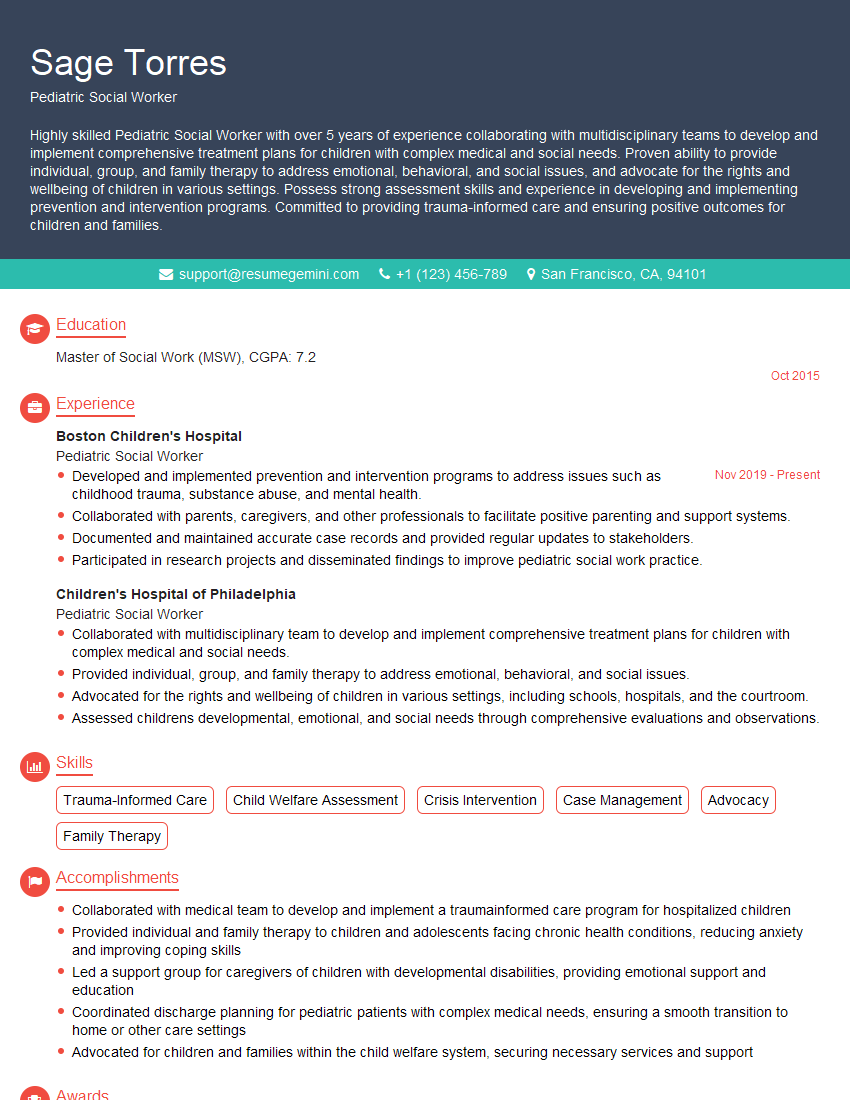
Pediatric Social Worker Resume Sample
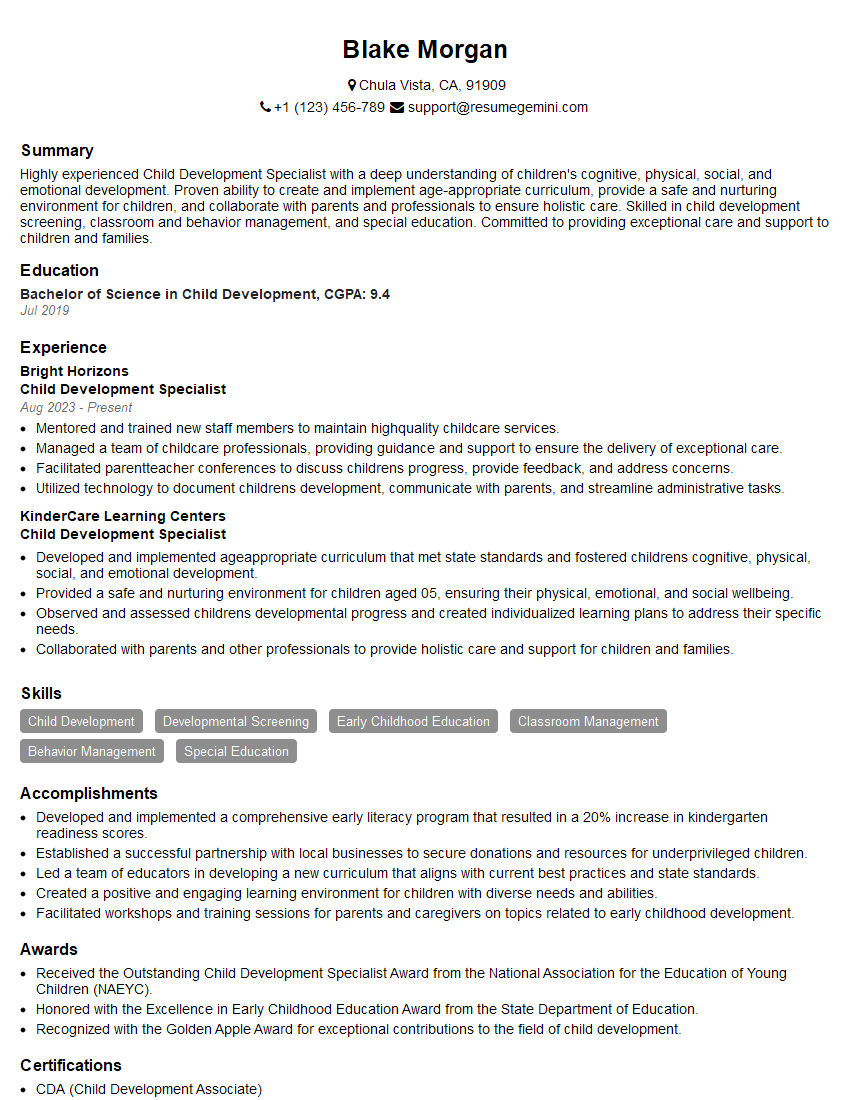
Child Development Specialist Resume Sample
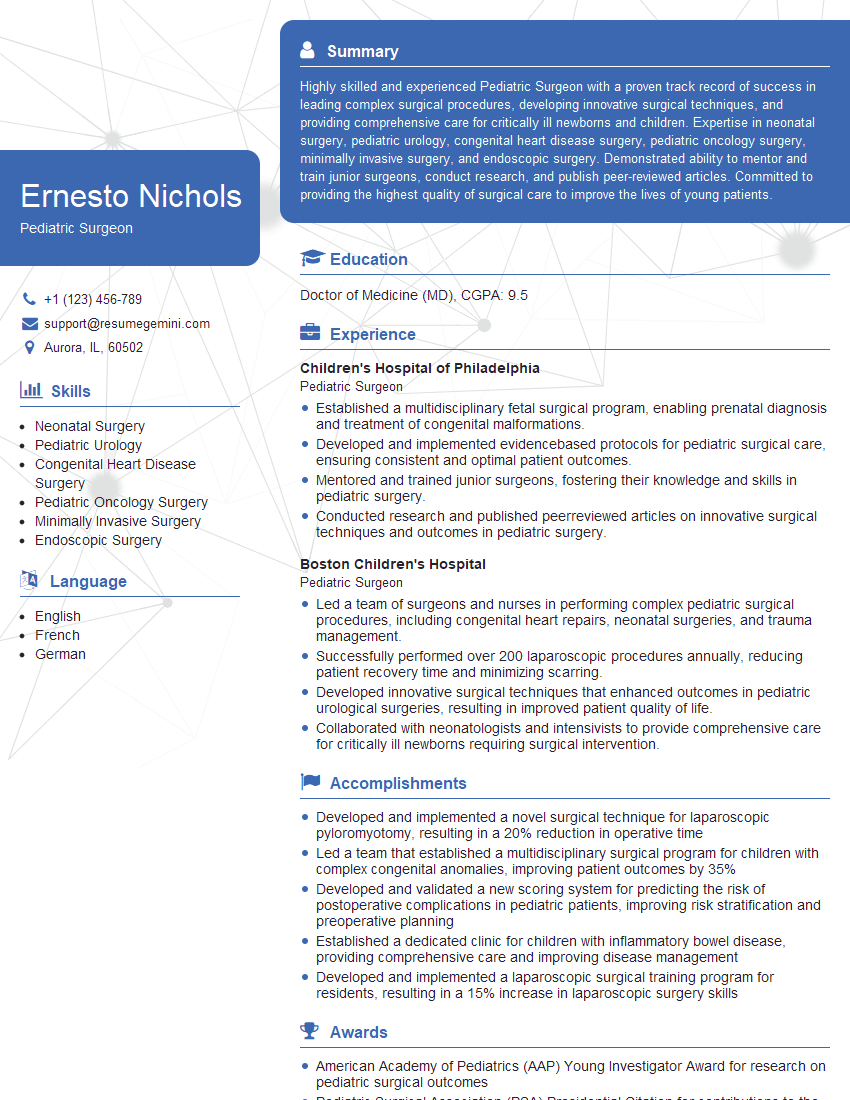
Pediatric Surgeon Resume Sample
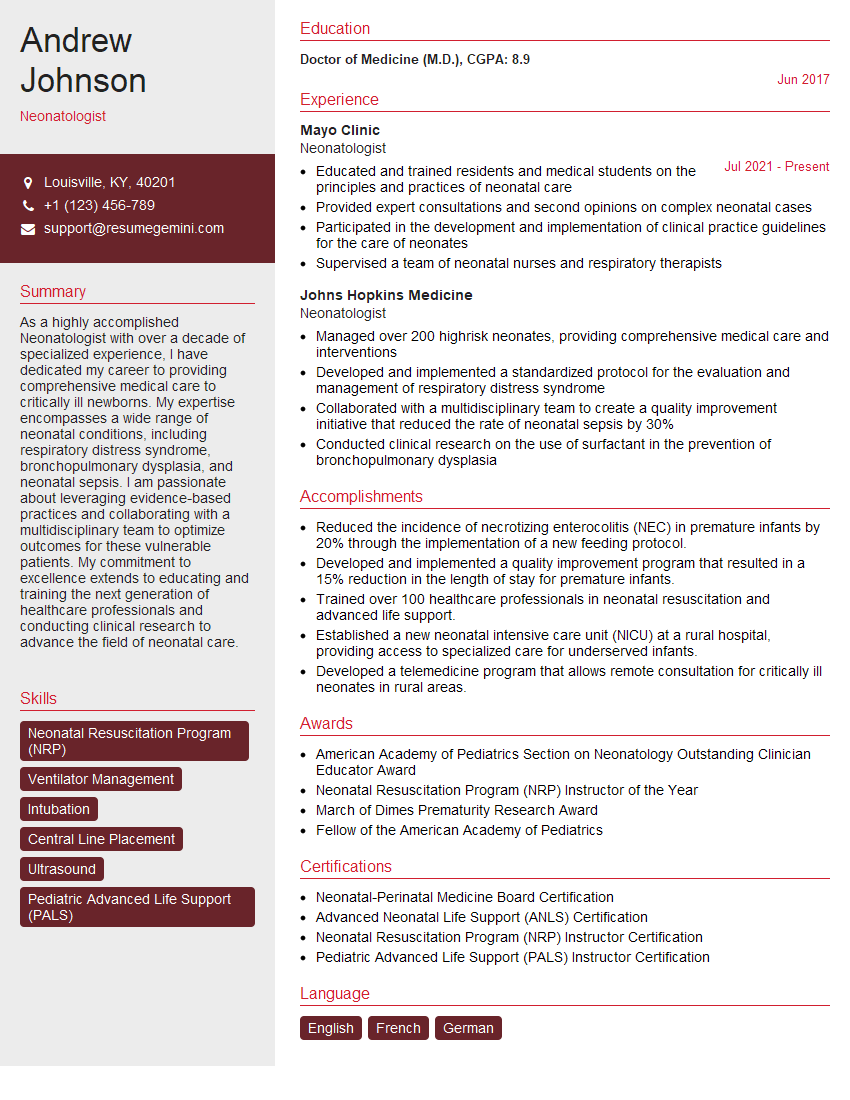
Neonatologist Resume Sample
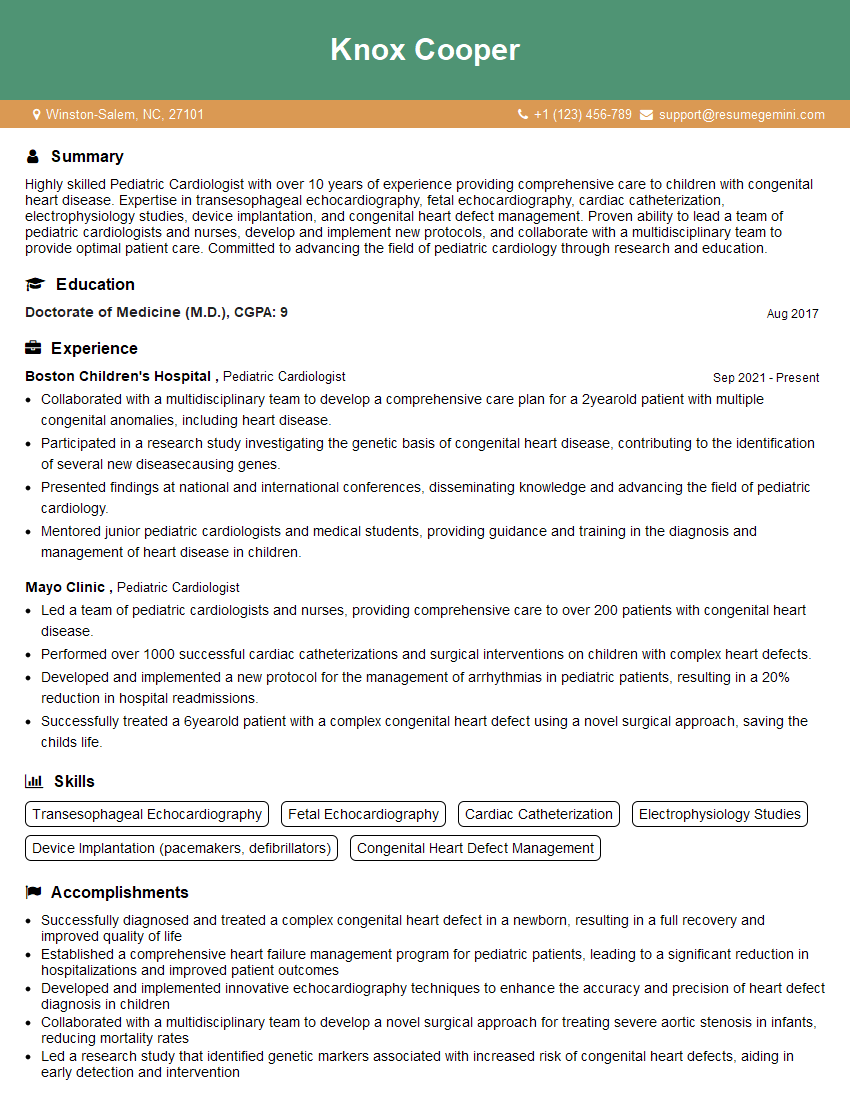
Pediatric Cardiologist Resume Sample
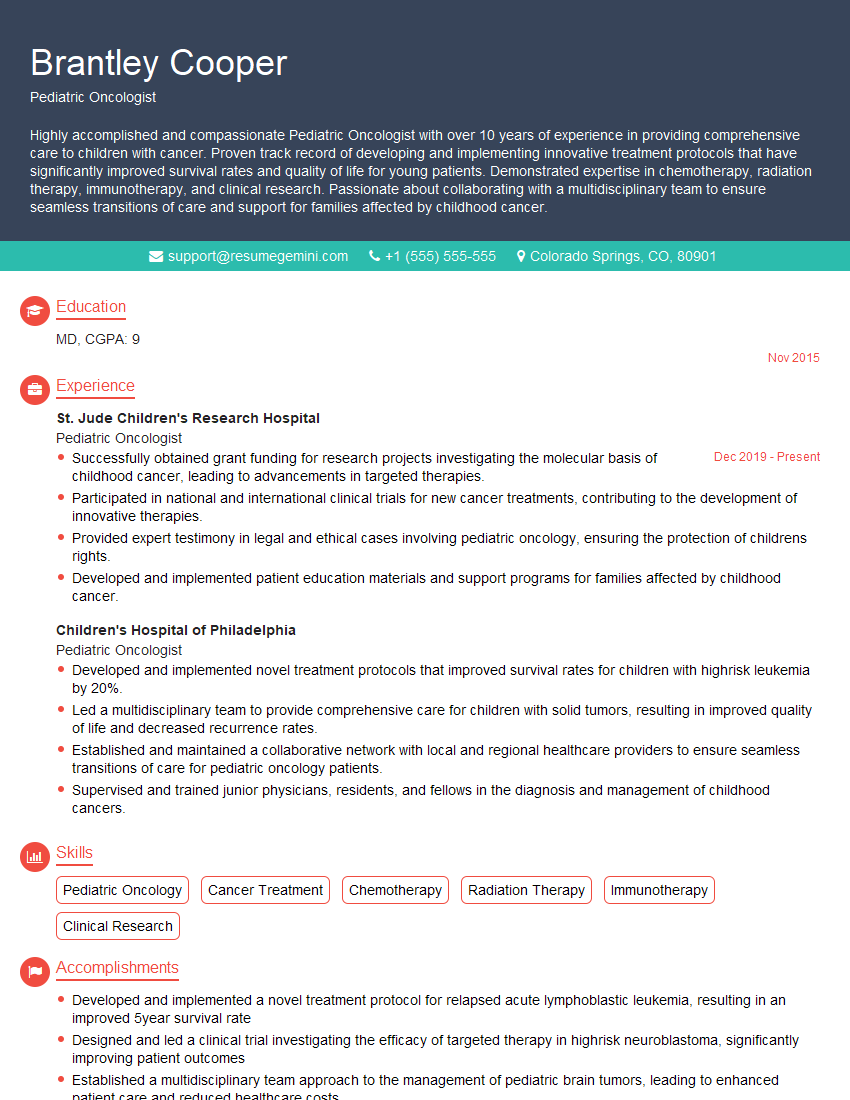
Pediatric Oncologist Resume Sample

Pediatric Hospitalist Resume Sample
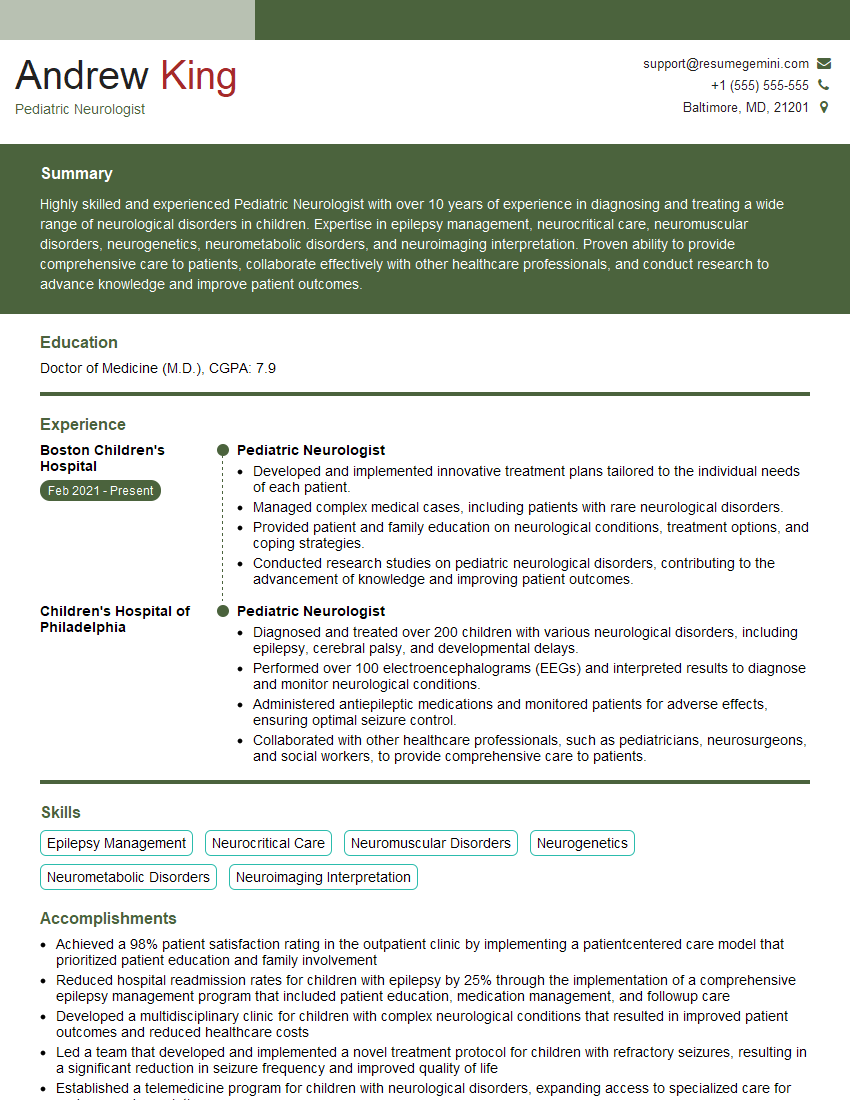
Pediatric Neurologist Resume Sample

Pediatric Radiologist Resume Sample
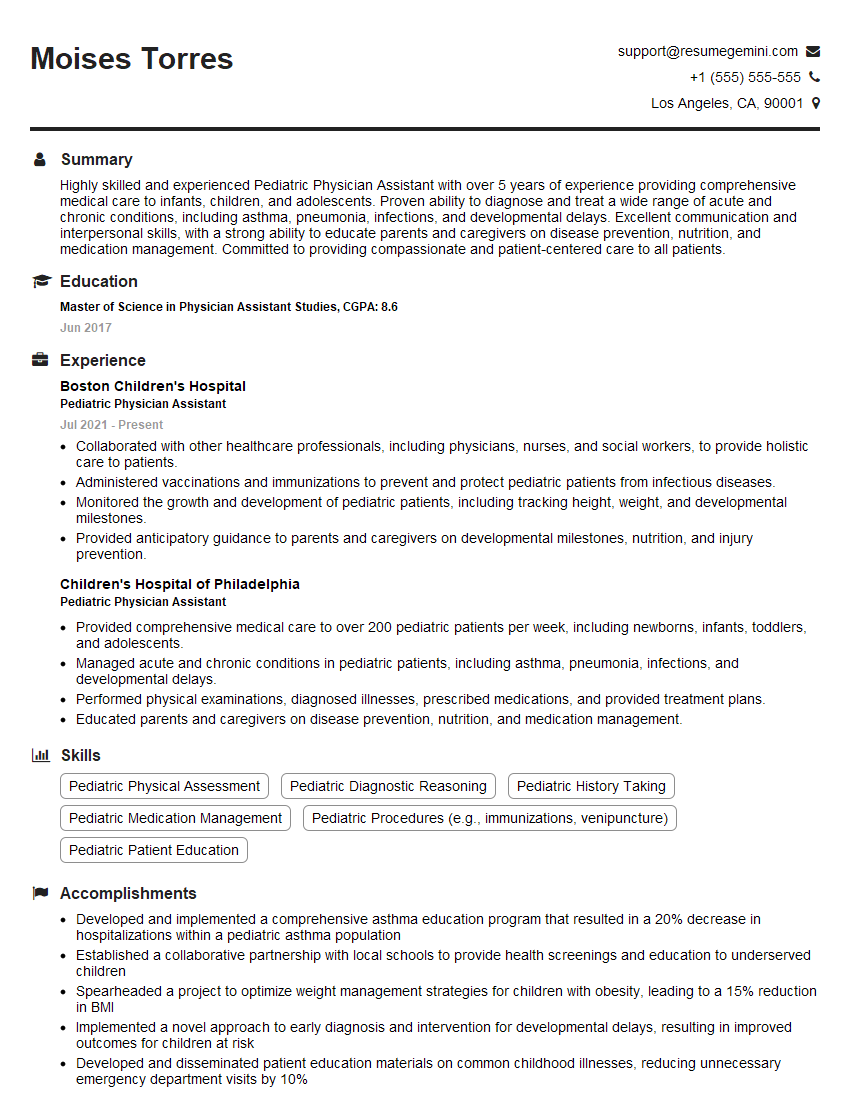
Pediatric Physician Assistant Resume Sample
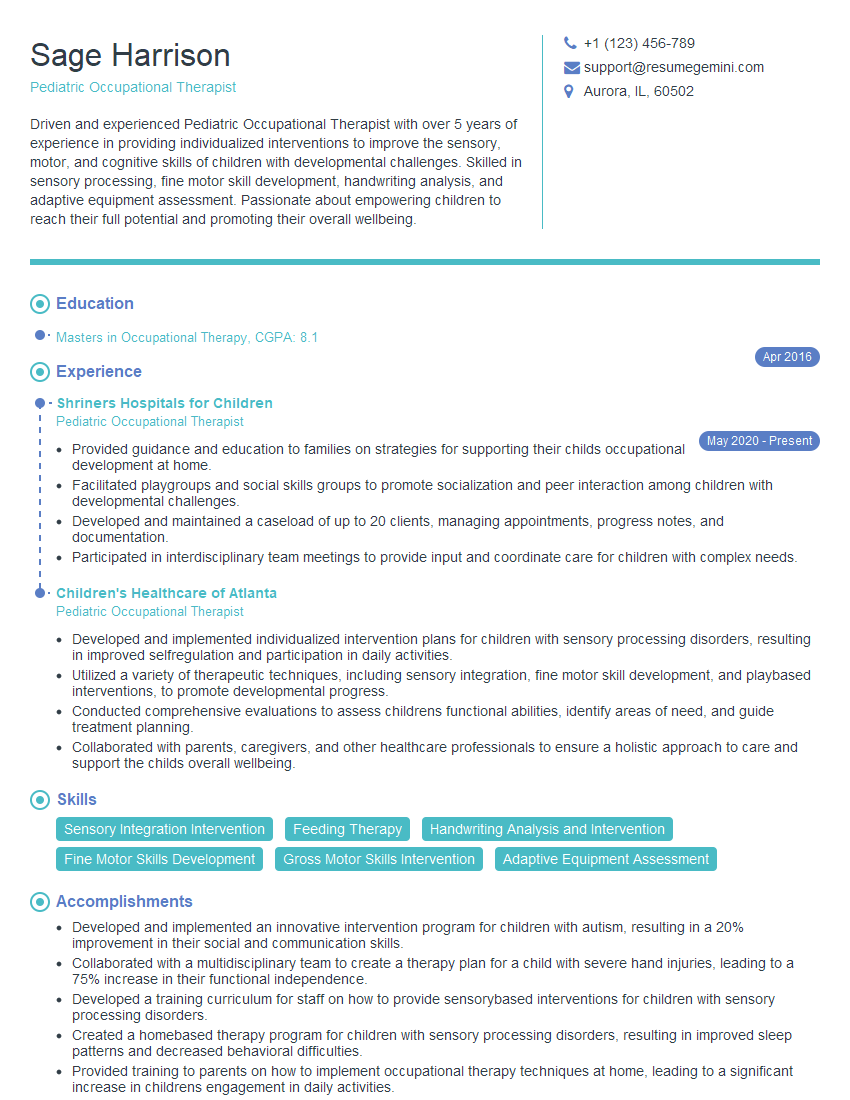
Pediatric Occupational Therapist Resume Sample
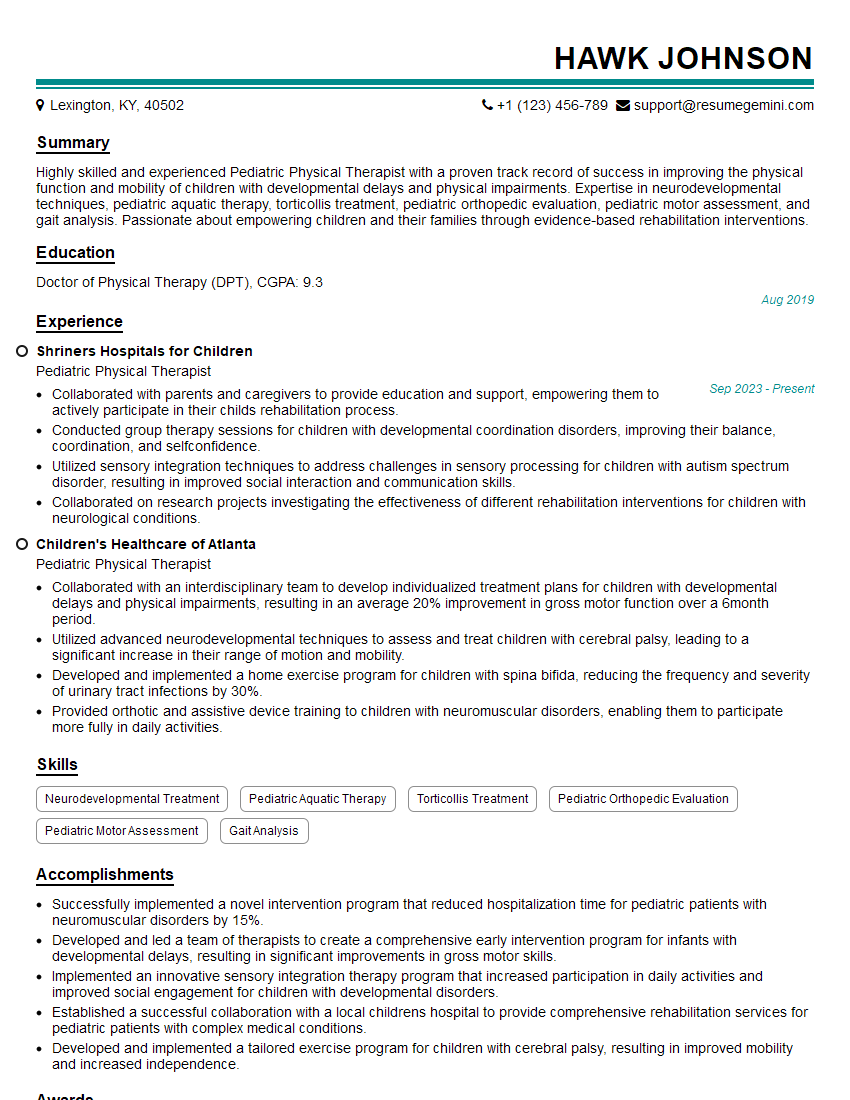
Pediatric Physical Therapist Resume Sample

Pediatric Nurse Practitioner Resume Sample
- Pediatric Social Worker
- Child Development Specialist
- Pediatric Surgeon
- Neonatologist
- Pediatric Cardiologist
- Pediatric Oncologist
- Pediatric Hospitalist
- Pediatric Neurologist
- Pediatric Radiologist
- Pediatric Physician Assistant
- Pediatric Occupational Therapist
- Pediatric Physical Therapist
- Pediatric Nurse Practitioner
Explore more articles
Users Rating of Our Blogs
Share Your Experience
We value your feedback! Please rate our content and share your thoughts (optional).
What Readers Say About Our Blog
To the interviewgemini.com Webmaster.
Very helpful and content specific questions to help prepare me for my interview!
Thank you
To the interviewgemini.com Webmaster.
This was kind of a unique content I found around the specialized skills. Very helpful questions and good detailed answers.
Very Helpful blog, thank you Interviewgemini team.